

Endometrial microbiota composition is associated with reproductive outcome in infertile patients
Open accessPublished version of a preprint
The DOI matches its Crossref record; 69 of the 69 references it cites were found in a registry or an index.
Abstract
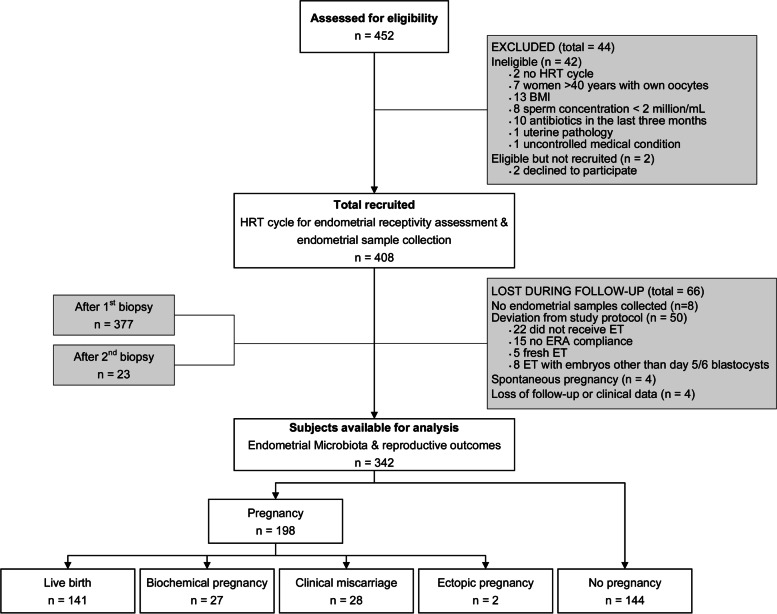
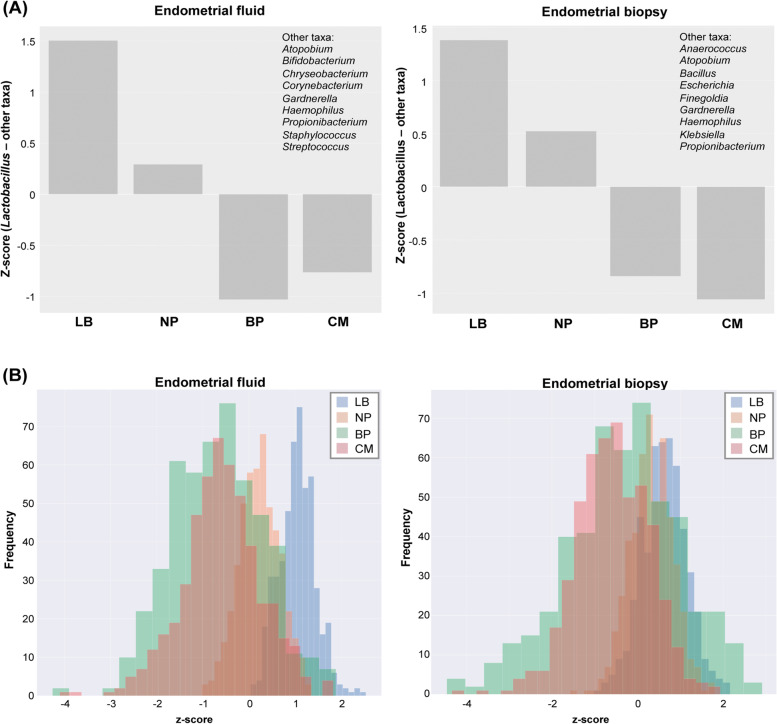
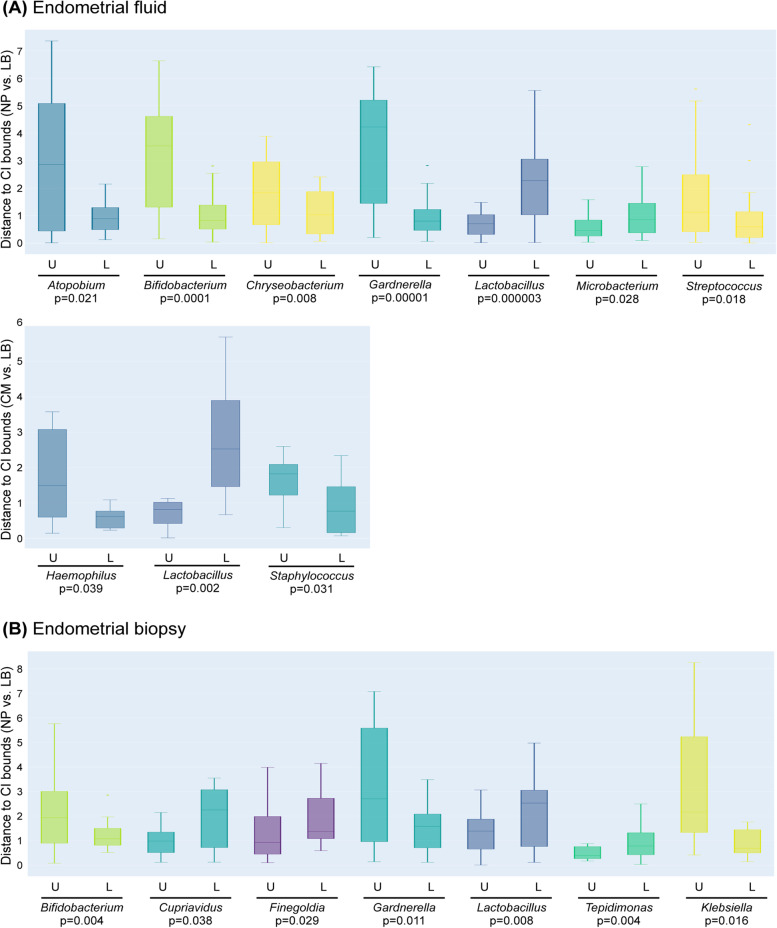
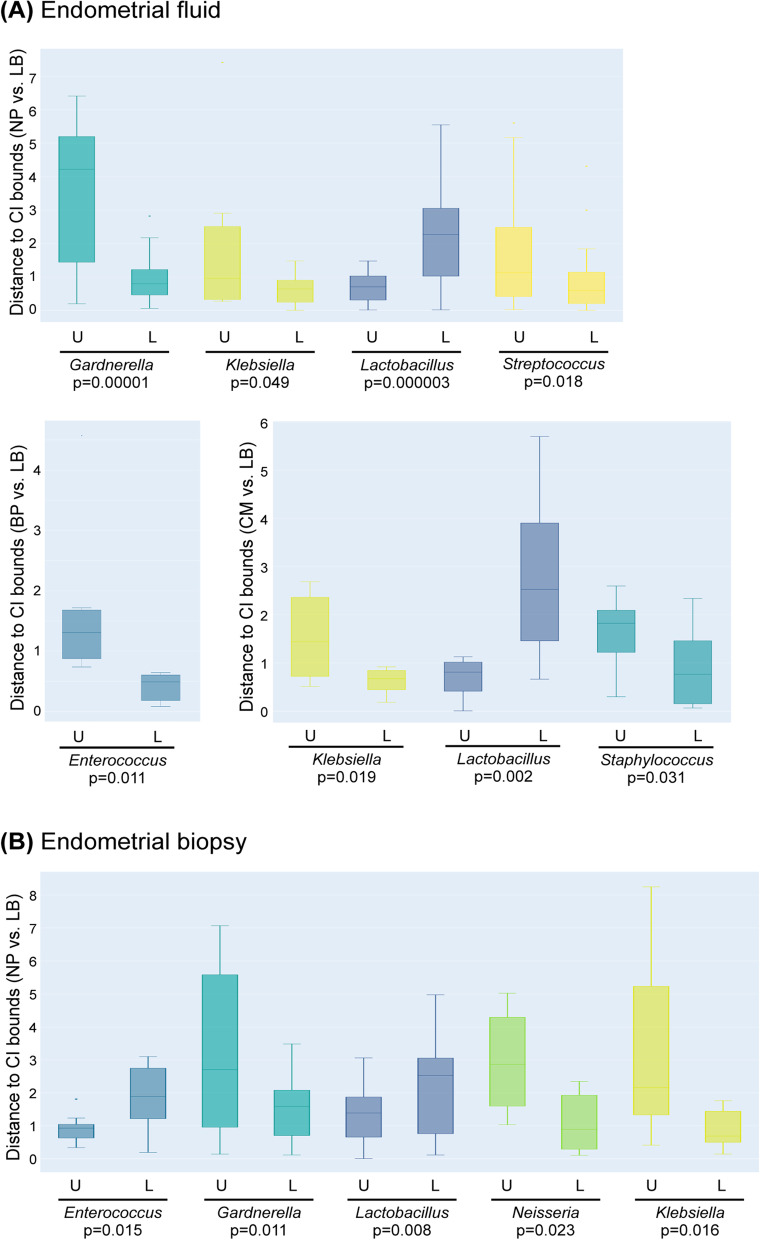
Background: Previous evidence indicates associations between the female reproductive tract microbiome composition and reproductive outcome in infertile patients undergoing assisted reproduction. We aimed to determine whether the endometrial microbiota composition is associated with reproductive outcomes of live birth, biochemical pregnancy, clinical miscarriage or no pregnancy. Methods: Here, we present a multicentre prospective observational study using 16S rRNA gene sequencing to analyse endometrial fluid and biopsy samples before embryo transfer in a cohort of 342 infertile patients asymptomatic for infection undergoing assisted reproductive treatments. Results: A dysbiotic endometrial microbiota profile composed of Atopobium , Bifidobacterium , Chryseobacterium , Gardnerella , Haemophilus , Klebsiella , Neisseria , Staphylococcus and Streptococcus was associated with unsuccessful outcomes. In contrast, Lactobacillus was consistently enriched in patients with live birth outcomes. Conclusions: Our findings indicate that endometrial microbiota composition before embryo transfer is a useful biomarker to predict reproductive outcome, offering an opportunity to further improve diagnosis and treatment strategies.
Overview
The claims and statistics of this paper haven’t been checked yet.
Free: it reads the open-access text and checks the first 5 claims that cite a source we can check. Create a free account to check every claim.
Integrity signals
Registry
Cites
Statistics
Figures
Verification
Claims the paper makes
The claims and statistics of this paper haven’t been checked yet.
Free: it reads the open-access text and checks the first 5 claims that cite a source we can check. Create a free account to check every claim.
Claims other papers make about this one
Each is checked against this paper’s own text: does it say what the citing paper says it does?
The source backs part of the claim, not all of it — or backs it for a different population, condition or comparison.
In the citing paper
“A shift in the population of Lactobacillus species, for instance, has been implicated in diminished endometrial receptivity [8, 9, 28, 29].”
From Vaginal probiotics as therapeutic adjuncts for improving embryo transfer success rates: a systematic review and meta-analysis (2025) · cites this paper as [9]
Experimental — accuracy not yet measuredThe source backs part of the claim, not all of it — or backs it for a different population, condition or comparison.
In the citing paper
“Accordingly, several studies suggest that dysbiosis at the time of ET may lead to reduced pregnancy rates while Lactobacillus abundance poses a positive impact on ART outcomes [9–11].”
From Vaginal probiotics as therapeutic adjuncts for improving embryo transfer success rates: a systematic review and meta-analysis (2025) · cites this paper as [9]
Experimental — accuracy not yet measured
Self-check
Percentages, sums and reported differences re-computed from the paper’s own numbers.
The self-check needs the paper’s full text.
Citations
Cites
SciPy 1.0: fundamental algorithms for scientific computing in Python
Virtanen, P., Gommers, R., Oliphant, T. E., Haberland, M., Reddy, T., Cournapeau, D., Burovski, E., Peterson, P., Weckesser, W., Bright, J., et al. (2020) · Nature Methods · doi:10.1038/s41592-019-0686-2 · Cited by 38,430
Reproducible, interactive, scalable and extensible microbiome data science using QIIME 2
Bolyen, E., Rideout, J. R., Dillon, M. R., Bokulich, N. A., Abnet, C. C., Al-Ghalith, G. A., Alexander, H., Alm, E. J., Arumugam, M., Asnicar, F., et al. (2019) · Nature Biotechnology · doi:10.1038/s41587-019-0209-9 · Cited by 23,742
Naïve Bayesian Classifier for Rapid Assignment of rRNA Sequences into the New Bacterial Taxonomy
Wang, Q., Garrity, G. M., Tiedje, J. M., & Cole, J. R. (2007) · Applied and Environmental Microbiology · doi:10.1128/aem.00062-07 · Cited by 19,885 · cited 3×
“The results were generated using the default parameters in the original QIIME 2 [7] and RDP [68] methods.”
MethodInfluentialSciPy 1.0: fundamental algorithms for scientific computing in Python
Virtanen, P., Gommers, R., Oliphant, T. E., Haberland, M., Reddy, T., Cournapeau, D., Burovski, E., Peterson, P., Weckesser, W., Bright, J., et al. (2019) · Apollo - University of Cambridge Repository · doi:10.17863/cam.64134 · Cited by 10,460
The Statistical Analysis of Compositional Data
Aitchison, J. (1986) · doi:10.1007/978-94-009-4109-0 · Cited by 4,383
Davis, N. M., Proctor, D. M., Holmes, S. P., Relman, D. A., & Callahan, B. J. (2018) · Microbiome · doi:10.1186/s40168-018-0605-2 · Cited by 3,493
Microbiome Datasets Are Compositional: And This Is Not Optional
Gloor, G. B., Macklaim, J. M., Pawlowsky-Glahn, V., & Egozcue, J. J. (2017) · Frontiers in Microbiology · doi:10.3389/fmicb.2017.02224 · Cited by 3,044
Probabilistic programming in Python using PyMC3
Salvatier, J., Wiecki, T. V., & Fonnesbeck, C. (2016) · PeerJ Computer Science · doi:10.7717/peerj-cs.55 · Cited by 2,544
The NIH Human Microbiome Project
The NIH HMP Working Group, Peterson, J., Garges, S., Giovanni, M., McInnes, P., Wang, L., Schloss, J. A., Bonazzi, V., McEwen, J. E., Wetterstrand, K. A., et al. (2009) · Genome Research · doi:10.1101/gr.096651.109 · Cited by 2,066 · cited 1×
“These microbes and their genetic information (the microbiome) are now well-characterised; the Human Microbiome Project has revealed that approximately 9% of the total human microbiome is found in the female reproductive tract [51].”
BackgroundContamination in Low Microbial Biomass Microbiome Studies: Issues and Recommendations
Eisenhofer, R., Minich, J. J., Marotz, C., Cooper, A., Knight, R., & Weyrich, L. S. (2019) · Trends in Microbiology · doi:10.1016/j.tim.2018.11.003 · Cited by 1,146
Symbiotic gut microbes modulate human metabolic phenotypes
Li, M., Wang, B., Zhang, M., Rantalainen, M., Wang, S., Zhou, H., Zhang, Y., Shen, J., Pang, X., Zhang, M., et al. (2008) · Proceedings of the National Academy of Sciences · doi:10.1073/pnas.0712038105 · Cited by 1,144
Chen, C., Song, X., Wei, W., Zhong, H., Dai, J., Lan, Z., Li, F., Yu, X., Feng, Q., Wang, Z., et al. (2017) · Nature Communications · doi:10.1038/s41467-017-00901-0 · Cited by 984 · cited 2×
“Moreover, it is now accepted that the female reproductive tract presents a continuum of microbiota [9], so even if some contamination from the cervix was carried over into the endometrial samples, the resulting microbial profiles would be consistent with the microbial environment of the uterine cavity.”
BackgroundThe vaginal microbiome and preterm birth
Fettweis, J. M., Serrano, M. G., Brooks, J. P., Edwards, D. J., Girerd, P. H., Parikh, H. I., Huang, B., Arodz, T. J., Edupuganti, L., Glascock, A. L., et al. (2019) · Nature Medicine · doi:10.1038/s41591-019-0450-2 · Cited by 983 · cited 1×
“The vaginal microbiota composition is associated with obstetrical outcome [18, 32].”
BackgroundPyMC: a modern, and comprehensive probabilistic programming framework in Python
Abril-Pla, O., Andreani, V., Carroll, C., Dong, L., Fonnesbeck, C. J., Kochurov, M., Kumar, R., Lao, J., Luhmann, C. C., Martin, O. A., et al. (2023) · PeerJ Computer Science · doi:10.7717/peerj-cs.1516 · Cited by 870
Evidence that the endometrial microbiota has an effect on implantation success or failure
Moreno, I., Codoñer, F. M., Vilella, F., Valbuena, D., Martinez-Blanch, J. F., Jimenez-Almazán, J., Alonso, R., Alamá, P., Remohí, J., Pellicer, A., et al. (2016) · American Journal of Obstetrics and Gynecology · doi:10.1016/j.ajog.2016.09.075 · Cited by 868
Self-citationA genomic diagnostic tool for human endometrial receptivity based on the transcriptomic signature
Díaz-Gimeno, P., Horcajadas, J. A., Martínez-Conejero, J. A., Esteban, F. J., Alamá, P., Pellicer, A., & Simón, C. (2011) · Fertility and Sterility · doi:10.1016/j.fertnstert.2010.04.063 · Cited by 687 · cited 1×
“This test is used to assess the personalised window of implantation of a given patient and determine the optimal time frame for embryo transfer [13, 54, 60].”
MethodModelling and Analysis of Compositional Data
Pawlowsky‐Glahn, V., Egozcue, J. J., & Tolosana‐Delgado, R. (2015) · Wiley eBooks · doi:10.1002/9781119003144 · Cited by 629
Glassing, A., Dowd, S. E., Galandiuk, S., Davis, B., & Chiodini, R. J. (2016) · Gut Pathogens · doi:10.1186/s13099-016-0103-7 · Cited by 568
Ruiz-Alonso, M., Blesa, D., Díaz-Gimeno, P., Gómez, E., Fernández-Sánchez, M., Carranza, F., Carrera, J., Vilella, F., Pellicer, A., & Simón, C. (2013) · Fertility and Sterility · doi:10.1016/j.fertnstert.2013.05.004 · Cited by 560 · cited 1×
“This test is used to assess the personalised window of implantation of a given patient and determine the optimal time frame for embryo transfer [13, 54, 60].”
MethodSelf-citationLauder, A. P., Roche, A. M., Sherrill-Mix, S., Bailey, A., Laughlin, A. L., Bittinger, K., Leite, R., Elovitz, M. A., Parry, S., & Bushman, F. D. (2016) · Microbiome · doi:10.1186/s40168-016-0172-3 · Cited by 539
Host-microbiota interactions: from holobiont theory to analysis
Simon, J.-C., Marchesi, J. R., Mougel, C., & Selosse, M.-A. (2019) · Microbiome · doi:10.1186/s40168-019-0619-4 · Cited by 495
Uterine Microbiota: Residents, Tourists, or Invaders?
Baker, J. M., Chase, D. M., & Herbst-Kralovetz, M. M. (2018) · Frontiers in Immunology · doi:10.3389/fimmu.2018.00208 · Cited by 392
Colonization of the upper genital tract by vaginal bacterial species in nonpregnant women
Mitchell, C. M., Haick, A., Nkwopara, E., Garcia, R., Rendi, M., Agnew, K., Fredricks, D. N., & Eschenbach, D. (2015) · American Journal of Obstetrics and Gynecology · doi:10.1016/j.ajog.2014.11.043 · Cited by 388
Potential contribution of the uterine microbiome in the development of endometrial cancer
Walther-António, M. R. S., Chen, J., Multinu, F., Hokenstad, A., Distad, T. J., Cheek, E. H., Keeney, G. L., Creedon, D. J., Nelson, H., Mariani, A., et al. (2016) · Genome Medicine · doi:10.1186/s13073-016-0368-y · Cited by 386 · cited 1×
“However, accumulating evidence demonstrates that this tract is an open system with a microbiota continuum that gradually changes from the outer to the inner organs, with decreasing bacterial abundance and increasing bacterial diversity from the vagina to the ovaries [9, 31, 40, 50, 67].”
BackgroundRavel, J., Moreno, I., & Simón, C. (2021) · American Journal of Obstetrics and Gynecology · doi:10.1016/j.ajog.2020.10.019 · Cited by 370 · cited 1×
“The presence of different microorganisms in the female and male reproductive tracts might influence reproductive function [19, 31, 52].”
BackgroundSelf-citationMoreno, I., Cicinelli, E., Garcia-Grau, I., Gonzalez-Monfort, M., Bau, D., Vilella, F., De Ziegler, D., Resta, L., Valbuena, D., & Simon, C. (2018) · American Journal of Obstetrics and Gynecology · doi:10.1016/j.ajog.2018.02.012 · Cited by 344
Self-citationCommon Contaminants in Next-Generation Sequencing That Hinder Discovery of Low-Abundance Microbes
Laurence, M., Hatzis, C., & Brash, D. E. (2014) · PLoS ONE · doi:10.1371/journal.pone.0097876 · Cited by 318
Endometritis: new time, new concepts
Kitaya, K., Takeuchi, T., Mizuta, S., Matsubayashi, H., & Ishikawa, T. (2018) · Fertility and Sterility · doi:10.1016/j.fertnstert.2018.04.012 · Cited by 306
How uterine microbiota might be responsible for a receptive, fertile endometrium
Benner, M., Ferwerda, G., Joosten, I., & van der Molen, R. G. (2018) · Human Reproduction Update · doi:10.1093/humupd/dmy012 · Cited by 304 · cited 1×
“However, no consensus has been reached on the profile of endometrial bacterial pathogens and the mechanisms by which they could interfere with embryo implantation [3, 5].”
BackgroundFranasiak, J. M., Werner, M. D., Juneau, C. R., Tao, X., Landis, J., Zhan, Y., Treff, N. R., & Scott, R. T. (2016) · Journal of Assisted Reproduction and Genetics · doi:10.1007/s10815-015-0614-z · Cited by 288 · cited 1×
“with reproductive outcomes [22, 34, 44, 45], whilst others have detected non-significant associations between EM composition and ART success [20, 26, 53].”
ResultCicinelli, E., De Ziegler, D., Nicoletti, R., Colafiglio, G., Saliani, N., Resta, L., Rizzi, D., & De Vito, D. (2008) · Fertility and Sterility · doi:10.1016/j.fertnstert.2007.03.074 · Cited by 285
Tanner, M. A., Goebel, B. M., Dojka, M. A., & Pace, N. R. (1998) · Applied and Environmental Microbiology · doi:10.1128/aem.64.8.3110-3113.1998 · Cited by 270
Statistical Analysis of Metagenomics Data
Calle, M. L. (2019) · Genomics & Informatics · doi:10.5808/gi.2019.17.1.e6 · Cited by 261 · cited 1×
“Data were transformed to log-ratios 202 using the clr transformation (Aitchison 1986) making them symmetric and linearly related, 203 and thus potentially avoiding spurious correlations and sub-compositional incoherencies 204 (Calle 2019; Gloor et al. 2017; Pawlowsky-Glahn, Egozcue, and Tolosana-Delgado 2015).”
MethodKoedooder, R., Singer, M., Schoenmakers, S., Savelkoul, P. H. M., Morré, S. A., de Jonge, J. D., Poort, L., Cuypers, W. J. S. S., Beckers, N. G. M., Broekmans, F. J. M., et al. (2019) · Human Reproduction · doi:10.1093/humrep/dez065 · Cited by 257
Laboratory contamination over time during low‐biomass sample analysis
Weyrich, L. S., Farrer, A. G., Eisenhofer, R., Arriola, L. A., Young, J., Selway, C. A., Handsley‐Davis, M., Adler, C. J., Breen, J., & Cooper, A. (2019) · Molecular Ecology Resources · doi:10.1111/1755-0998.13011 · Cited by 252
Chronic Endometritis: Potential Cause of Infertility and Obstetric and Neonatal Complications
Kitaya, K., Matsubayashi, H., Yamaguchi, K., Nishiyama, R., Takaya, Y., Ishikawa, T., Yasuo, T., & Yamada, H. (2016) · American Journal of Reproductive Immunology · doi:10.1111/aji.12438 · Cited by 239
Identification and evaluation of the microbiome in the female and male reproductive tracts
Koedooder, R., Mackens, S., Budding, A., Fares, D., Blockeel, C., Laven, J., & Schoenmakers, S. (2019) · Human Reproduction Update · doi:10.1093/humupd/dmy048 · Cited by 204
Kyono, K., Hashimoto, T., Nagai, Y., & Sakuraba, Y. (2018) · Reproductive Medicine and Biology · doi:10.1002/rmb2.12105 · Cited by 202
Presence of a Polymicrobial Endometrial Biofilm in Patients with Bacterial Vaginosis
Swidsinski, A., Verstraelen, H., Loening-Baucke, V., Swidsinski, S., Mendling, W., & Halwani, Z. (2013) · PLoS ONE · doi:10.1371/journal.pone.0053997 · Cited by 196
Bacteria in the transfer catheter tip influence the live-birth rate after in vitro fertilization
Moore, D. E., Soules, M. R., Klein, N. A., Fujimoto, V. Y., Agnew, K. J., & Eschenbach, D. A. (2000) · Fertility and Sterility · doi:10.1016/s0015-0282(00)01624-1 · Cited by 191 · cited 1×
“This is consistent with results reported by others showing that the isolation of bacterial pathogens from the embryo transfer catheter tip associates with poor IVF outcomes [14, 15, 17, 42, 55, 57].”
ResultSimón, C., Gómez, C., Cabanillas, S., Vladimirov, I., Castillón, G., Giles, J., Boynukalin, K., Findikli, N., Bahçeci, M., Ortega, I., et al. (2020) · Reproductive BioMedicine Online · doi:10.1016/j.rbmo.2020.06.002 · Cited by 184
Self-citationPatras, K. A., & Nizet, V. (2018) · Frontiers in Pediatrics · doi:10.3389/fped.2018.00027 · Cited by 179
Barton, H. A., Taylor, N. M., Lübbers, B., & Pemberton, A. C. (2005) · Journal of Microbiological Methods · doi:10.1016/j.mimet.2005.10.005 · Cited by 174
Stinson, L. F., Keelan, J. A., & Payne, M. S. (2019) · Letters in Applied Microbiology · doi:10.1111/lam.13091 · Cited by 170
Kyono, K., Hashimoto, T., Kikuchi, S., Nagai, Y., & Sakuraba, Y. (2019) · Reproductive Medicine and Biology · doi:10.1002/rmb2.12250 · Cited by 160
Fanchin, R. R. F., Harmas, A., Benaoudia, F., Lundkvist, U., Olivennes, F. J., & Frydman, R. (1998) · Fertility and Sterility · doi:10.1016/s0015-0282(98)00277-5 · Cited by 154 · cited 1×
“This is consistent with results reported by others showing that the isolation of bacterial pathogens from the embryo transfer catheter tip associates with poor IVF outcomes [14, 15, 17, 42, 55, 57].”
ResultMiles, S. M., Hardy, B. L., & Merrell, D. S. (2017) · Fertility and Sterility · doi:10.1016/j.fertnstert.2016.11.028 · Cited by 147 · cited 1×
“However, accumulating evidence demonstrates that this tract is an open system with a microbiota continuum that gradually changes from the outer to the inner organs, with decreasing bacterial abundance and increasing bacterial diversity from the vagina to the ovaries [9, 31, 40, 50, 67].”
BackgroundEgbase, P. E., Al-Sharhan, M., Al-Othman, S., Al-Mutawa, M., Udo, E. E., & Grudzinskas, J. G. (1996) · Human Reproduction · doi:10.1093/oxfordjournals.humrep.a019470 · Cited by 145
Grahn, N., Olofsson, M., Ellnebo-Svedlund, K., Monstein, H.-J., & Jonasson, J. (2003) · FEMS Microbiology Letters · doi:10.1016/s0378-1097(02)01190-4 · Cited by 142
Atopobium vaginae triggers an innate immune response in an in vitro model of bacterial vaginosis
Libby, E. K., Pascal, K. E., Mordechai, E., Adelson, M. E., & Trama, J. P. (2008) · Microbes and Infection · doi:10.1016/j.micinf.2008.01.004 · Cited by 132 · cited 1×
“Atopobium vaginae and Gardnerella vaginalis are the major bacterial vaginosis-associated pathogens; they stimulate an innate immune response from vaginal epithelial cells [38].”
BackgroundPGE2and PGF2α Concentrations in Human Endometrial Fluid as Biomarkers for Embryonic Implantation
Vilella, F., Ramirez, L., Berlanga, O., Martínez, S., Alamá, P., Meseguer, M., Pellicer, A., & Simón, C. (2013) · The Journal of Clinical Endocrinology & Metabolism · doi:10.1210/jc.2013-2205 · Cited by 123 · cited 1×
“Sample collection EF and EB were collected following the previously described procedures [60, 65].”
MethodSelf-citationStructural Variations of Vaginal and Endometrial Microbiota: Hints on Female Infertility
Riganelli, L., Iebba, V., Piccioni, M., Illuminati, I., Bonfiglio, G., Neroni, B., Calvo, L., Gagliardi, A., Levrero, M., Merlino, L., et al. (2020) · Frontiers in Cellular and Infection Microbiology · doi:10.3389/fcimb.2020.00350 · Cited by 118 · cited 1×
“with reproductive outcomes [22, 34, 44, 45], whilst others have detected non-significant associations between EM composition and ART success [20, 26, 53].”
ResultBacterial Colonization of the Female Upper Genital Tract
Peric, A., Weiss, J. M., Vulliémoz, N. R., Baud, D., & Stojanov, M. (2019) · International Journal of Molecular Sciences · doi:10.3390/ijms20143405 · Cited by 117
Salim, R. (2002) · Human Reproduction · doi:10.1093/humrep/17.2.337 · Cited by 116 · cited 1×
“This is consistent with results reported by others showing that the isolation of bacterial pathogens from the embryo transfer catheter tip associates with poor IVF outcomes [14, 15, 17, 42, 55, 57].”
ResultFreitas, A. C., & Hill, J. E. (2017) · Anaerobe · doi:10.1016/j.anaerobe.2017.05.012 · Cited by 116 · cited 1×
“Finally, in the absence of Lactobacillus, Bifidobacterium are hypothesised to be able to maintain healthy vaginal balance by the production of lactic acid [21, 33].”
BackgroundSelman, H. A., Mariani, M., Barnocchi, N., Mencacci, A., Bistoni, F., Arena, S., Pizzasegale, S. E., Brusco, G. F., & Angelini, A. (2007) · Journal of Assisted Reproduction and Genetics · doi:10.1007/s10815-007-9146-5 · Cited by 114 · cited 1×
“This is consistent with results reported by others showing that the isolation of bacterial pathogens from the embryo transfer catheter tip associates with poor IVF outcomes [14, 15, 17, 42, 55, 57].”
ResultKitaya, K., Nagai, Y., Arai, W., Sakuraba, Y., & Ishikawa, T. (2019) · Mediators of Inflammation · doi:10.1155/2019/4893437 · Cited by 113
Chen, Y., Hong, Z., Wang, W., Gu, L., Gao, H., Qiu, L., & Di, W. J. (2019) · BMC Infectious Diseases · doi:10.1186/s12879-019-4279-6 · Cited by 112
Almonacid, D. E., Kraal, L., Ossandon, F. J., Budovskaya, Y. V., Cardenas, J. P., Bik, E. M., Goddard, A. D., Richman, J., & Apte, Z. S. (2017) · PLOS ONE · doi:10.1371/journal.pone.0176555 · Cited by 109
Egbase, P. E., Udo, E. E., Al-Sharhan, M., & Grudzinskas, J. G. (1999) · The Lancet · doi:10.1016/s0140-6736(99)02415-0 · Cited by 109 · cited 1×
“This is consistent with results reported by others showing that the isolation of bacterial pathogens from the embryo transfer catheter tip associates with poor IVF outcomes [14, 15, 17, 42, 55, 57].”
ResultDoes dysbiotic endometrium affect blastocyst implantation in IVF patients?
Hashimoto, T., & Kyono, K. (2019) · Journal of Assisted Reproduction and Genetics · doi:10.1007/s10815-019-01630-7 · Cited by 109
Franasiak, J. M., & Scott, R. T. (2015) · Fertility and Sterility · doi:10.1016/j.fertnstert.2015.10.021 · Cited by 105
The first glimpse of the endometrial microbiota in early pregnancy
Moreno, I., Garcia-Grau, I., Bau, D., Perez-Villaroya, D., Gonzalez-Monfort, M., Vilella, F., Romero, R., & Simón, C. (2020) · American Journal of Obstetrics and Gynecology · doi:10.1016/j.ajog.2020.01.031 · Cited by 72
Self-citationLiu, Y., Wong, K. K.-W., Ko, E. Y.-L., Chen, X., Huang, J., Tsui, S. K.-W., Li, T. C., & Chim, S. S.-C. (2018) · Clinical Chemistry · doi:10.1373/clinchem.2018.289306 · Cited by 61 · cited 1×
“Only one previous study compared the EM of EF and EB, indicating that the microbiota composition in EF does not fully reflect that in the EB [39].”
ResultNetwork‐Based Modeling of the Human Gut Microbiome
Naqvi, A., Rangwala, H., Keshavarzian, A., & Gillevet, P. (2010) · Chemistry & Biodiversity · doi:10.1002/cbdv.200900324 · Cited by 60
Garcia-Grau, I., Perez-Villaroya, D., Bau, D., Gonzalez-Monfort, M., Vilella, F., Moreno, I., & Simon, C. (2019) · Pathogens · doi:10.3390/pathogens8040205 · Cited by 45 · cited 2×
“Lately, 16S rRNA and whole metagenomics sequencing have been used to investigate the endometrial microbiome (EM) in cases of spontaneous clinical miscarriage [45], recurrent miscarriage [22] and at 4 weeks gestation in a pregnancy resulting in a live birth [45].”
MethodResultSelf-citationSfakianoudis, K., Simopoulou, M., Nikas, Y., Rapani, A., Nitsos, N., Pierouli, K., Pappas, A., Pantou, A., Markomichali, C., Koutsilieris, M., et al. (2018) · BMC Women s Health · doi:10.1186/s12905-018-0688-8 · Cited by 38
Bifidobacterium—friend or foe? A case of urinary tract infection withBifidobacteriumspecies
Pathak, P., Trilligan, C., & Rapose, A. (2014) · BMJ Case Reports · doi:10.1136/bcr-2014-205122 · Cited by 27
A case of pyometrocolpos with Bifidobacterium species
Bhaskar, M. M., Sistla, S., & Kumaravel, S. (2017) · Anaerobe · doi:10.1016/j.anaerobe.2017.01.007 · Cited by 16
Research works printed but not linked: 2
- Inc., Plotly Technologies Collaborative data science 2015 Montréal QC Plotly Technologies Inc
- Tissier H Recherches sur la flore Intestinale des Nourrissons 1900
Cited by
ESHRE good practice recommendations on recurrent implantation failure
ESHRE Working Group on Recurrent Implantation Failure, Cimadomo, D., de los Santos, M. J., Griesinger, G., Lainas, G., Le Clef, N., McLernon, D. J., Montjean, D., Toth, B., Vermeulen, N., et al. (2023) · Human Reproduction Open · doi:10.1093/hropen/hoad023 · Cited by 237
The impact of the female genital tract microbiome in women health and reproduction: a review
Punzón-Jiménez, P., & Labarta, E. (2021) · Journal of Assisted Reproduction and Genetics · doi:10.1007/s10815-021-02247-5 · Cited by 160
“Another study showed Gardnerella, Klebsiella, and Streptococcus were significantly increased both in endometrial fluid and biopsy samples from women who did not achieve pregnancy [93].”
ResultThe female reproductive tract microbiotas, inflammation, and gynecological conditions
Gholiof, M., Luca, E. A.-D., & Wessels, J. M. (2022) · Frontiers in Reproductive Health · doi:10.3389/frph.2022.963752 · Cited by 154
The Endometrial Microbiome and Its Impact on Human Conception
Toson, B., Simon, C., & Moreno, I. (2022) · International Journal of Molecular Sciences · doi:10.3390/ijms23010485 · Cited by 131
Self-citationGut and genital tract microbiomes: Dysbiosis and link to gynecological disorders
Elkafas, H., Walls, M., Al-Hendy, A. A., & Ismail, N. (2022) · Frontiers in Cellular and Infection Microbiology · doi:10.3389/fcimb.2022.1059825 · Cited by 144
“A low percentage of Lactobacillus in the female vaginal sample is less likely to have a successful embryo implantation, with an interplay between the uterine microenvironment and the host’s immune system (Moreno et al., 2022).”
Background
Metadata
- Authors
- Moreno, I., Garcia-Grau, I., Perez-Villaroya, D., Gonzalez-Monfort, M., Bahçeci, M., Barrionuevo, M. J., Taguchi, S., Puente, E., Dimattina, M., Lim, M. W., Meneghini, G., Aubuchon, M., Leondires, M., Izquierdo, A., Perez-Olgiati, M., Chavez, A., Seethram, K., Bau, D., Gomez, C., Valbuena, D., Vilella, F., & Simon, C.
- Affiliations
- Igenomix (ES)
- Universitat de València (ES)
- Bahçeci Sağlık Grubu (TR)
- Pacific Centre for Reproductive Medicine (CA)
- ORCID
- Venue
- Microbiome
- Published
- 2022-01-04
- Volume
- 10
- Issue
- 1
- Pages
- 1-1
- ISSN
- 2049-2618 (ISSN-L)
- PMC
- PMC8725275
- OpenAlex
- W4221009865
- Cited by
- 325
- References
- 69
- Citations by year
- 2026: 72 · 2025: 70 · 2024: 80 · 2023: 70 · 2022: 26
- FWCI
- 39.86
- Type
- journal article
- Language
- en
- Open access
- gold
- doi.org
- Licence
- cc-by
- creativecommons.org/licenses/by/4.0 (tdm)
- creativecommons.org/licenses/by/4.0 (vor)
- Locations
- Microbiome (publishedVersion, cc-by)
- medRxiv (acceptedVersion)
- PubMed Central (publishedVersion, cc-by)
- PubMed (publishedVersion)
- DOAJ (DOAJ: Directory of Open Access Journals) (submittedVersion, cc-by-sa)
- Repository of Digital Objects for Teaching Research and Culture (University of Valencia) (submittedVersion, cc-by-nc)
- Funders
- Ministerio de Educación, Cultura y Deporte (FPU15/01923)
- Ministerio de Economía, Industria y Competitividad, Gobierno de España (PTQ-16-08454)
- Instituto de Salud Carlos III (CPII18/00020, PI18/00957)
- Ministerio de Ciencia, Innovación y Universidades (RTI2018-094946-B-I00)
- Conselleria d'Educació, Investigació, Cultura i Esport (PROMETEO/2018/161)
- Horizon 2020 Framework Programme (874867)
- Topics
- Life Sciences › Immunology and Microbiology › Microbiology › Reproductive tract infections research
- Life Sciences › Biochemistry, Genetics and Molecular Biology › Molecular Biology › Gut microbiota and health
- Life Sciences › Immunology and Microbiology › Immunology › Reproductive System and Pregnancy
- Keywords
- endometrial microbiota, female infertility, assisted reproduction, embryo transfer, live birth, biochemical pregnancy, miscarriage, dysbiosis, Lactobacillus
- MeSH terms
- Embryo Transfer, Female, Humans, Pregnancy, RNA, Ribosomal, 16S, Live Birth, Microbiota, Dysbiosis
About these checks
Registry, retraction, Cites and statistics results are computed, not judged, with one exception: a printed reference that no index lists is read once by a model before it counts as a citation error. Claims are extracted by a model and kept only when their quote appears verbatim in the text; each cited source is then checked, with a model’s help, for whether it says what the claim relies on. Those verdicts can be wrong — read the claim’s quote and the cited source before relying on one.
Statistics and arithmetic are recomputed, not judged.
Confidence bands are shown only for fields calibrated on our annotated test set. None is calibrated yet, so no band is shown.
What counts as a claim ›How we measure confidence ›How we check this ›
Are you an author, or do you see a problem with this page? Request a review
Data sources
Bibliographic data: Semantic Scholar, OpenAlex, Crossref.
Contains information from the Semantic Scholar Academic Graph Datasets, made available under the ODC Attribution License (ODC-BY 1.0).
Semantic Scholar’s data is described in: Kinney, R., et al. (2023). The Semantic Scholar Open Data Platform. arXiv:2301.10140.
