

Endometrial microbiota composition is associated with reproductive outcome in infertile patients
Open accessPublished version of a preprint
The DOI matches its Crossref record; 69 of the 69 references it cites were found in a registry or an index.
Abstract
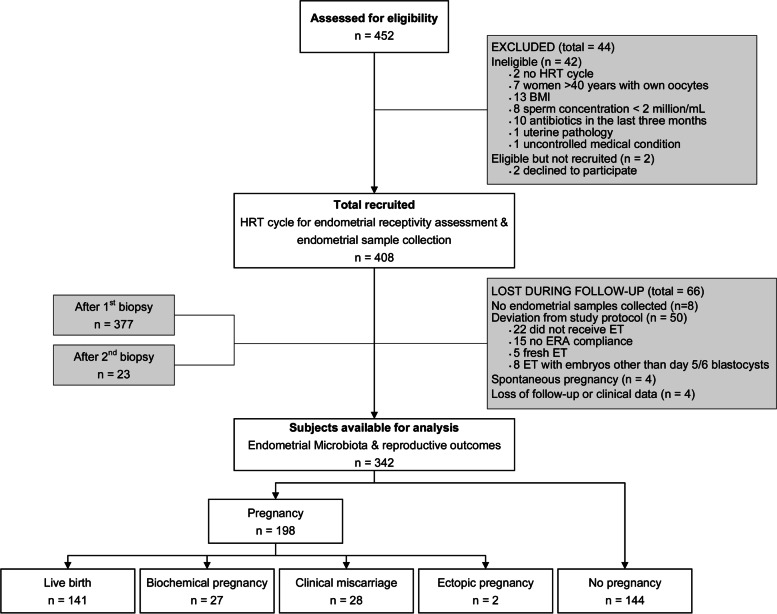
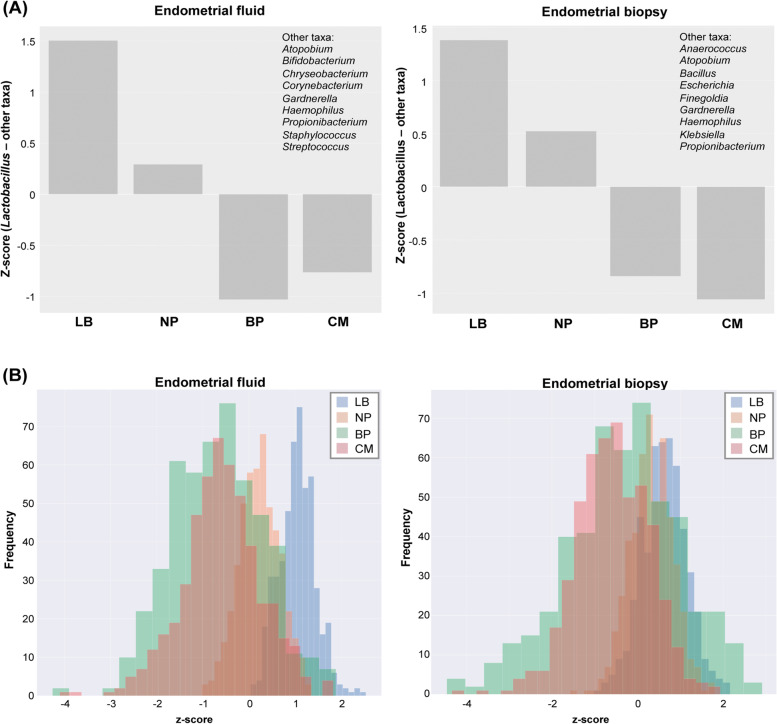
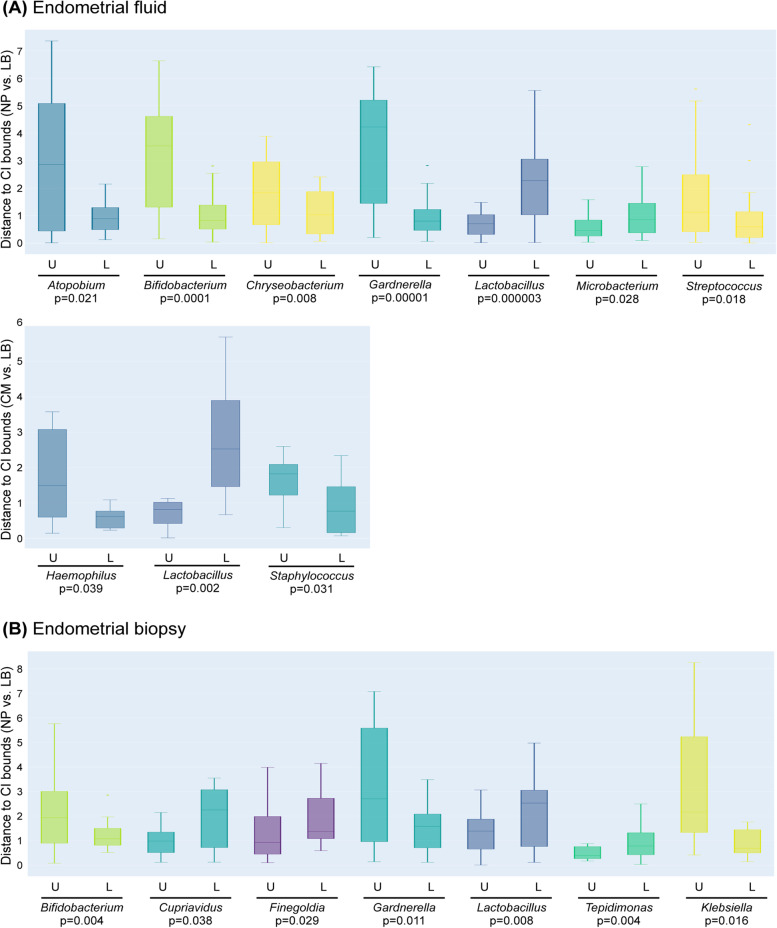
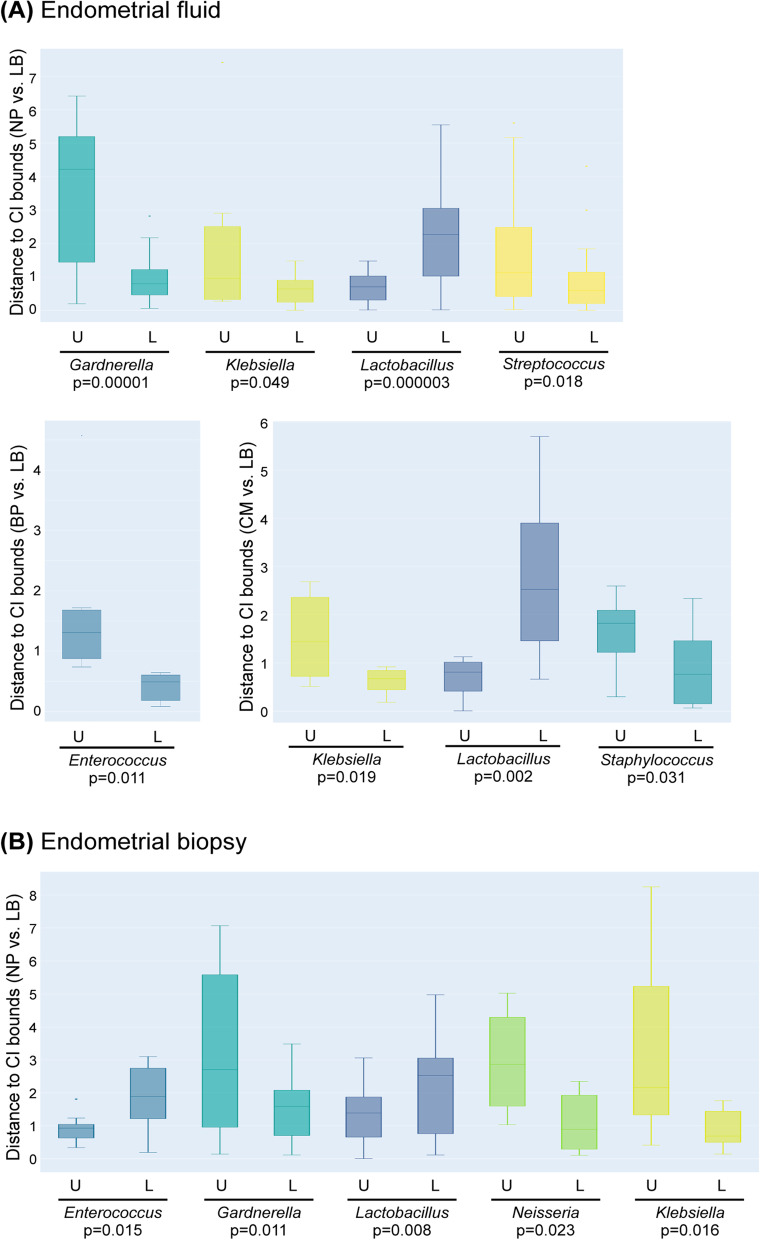
Background: Previous evidence indicates associations between the female reproductive tract microbiome composition and reproductive outcome in infertile patients undergoing assisted reproduction. We aimed to determine whether the endometrial microbiota composition is associated with reproductive outcomes of live birth, biochemical pregnancy, clinical miscarriage or no pregnancy. Methods: Here, we present a multicentre prospective observational study using 16S rRNA gene sequencing to analyse endometrial fluid and biopsy samples before embryo transfer in a cohort of 342 infertile patients asymptomatic for infection undergoing assisted reproductive treatments. Results: A dysbiotic endometrial microbiota profile composed of Atopobium , Bifidobacterium , Chryseobacterium , Gardnerella , Haemophilus , Klebsiella , Neisseria , Staphylococcus and Streptococcus was associated with unsuccessful outcomes. In contrast, Lactobacillus was consistently enriched in patients with live birth outcomes. Conclusions: Our findings indicate that endometrial microbiota composition before embryo transfer is a useful biomarker to predict reproductive outcome, offering an opportunity to further improve diagnosis and treatment strategies.
Overview
The claims and statistics of this paper haven’t been checked yet.
Free: it reads the open-access text and checks the first 5 claims that cite a source we can check. Create a free account to check every claim.
Integrity signals
Registry
Cites
Statistics
Figures
Verification
Claims the paper makes
The claims and statistics of this paper haven’t been checked yet.
Free: it reads the open-access text and checks the first 5 claims that cite a source we can check. Create a free account to check every claim.
Claims other papers make about this one
Each is checked against this paper’s own text: does it say what the citing paper says it does?
The source backs part of the claim, not all of it — or backs it for a different population, condition or comparison.
In the citing paper
“A shift in the population of Lactobacillus species, for instance, has been implicated in diminished endometrial receptivity [8, 9, 28, 29].”
From Vaginal probiotics as therapeutic adjuncts for improving embryo transfer success rates: a systematic review and meta-analysis (2025) · cites this paper as [9]
Experimental — accuracy not yet measuredThe source backs part of the claim, not all of it — or backs it for a different population, condition or comparison.
In the citing paper
“Accordingly, several studies suggest that dysbiosis at the time of ET may lead to reduced pregnancy rates while Lactobacillus abundance poses a positive impact on ART outcomes [9–11].”
From Vaginal probiotics as therapeutic adjuncts for improving embryo transfer success rates: a systematic review and meta-analysis (2025) · cites this paper as [9]
Experimental — accuracy not yet measured
Self-check
Percentages, sums and reported differences re-computed from the paper’s own numbers.
The self-check needs the paper’s full text.
Citations
Cites
SciPy 1.0: fundamental algorithms for scientific computing in Python
Virtanen, P., Gommers, R., Oliphant, T. E., Haberland, M., Reddy, T., Cournapeau, D., Burovski, E., Peterson, P., Weckesser, W., Bright, J., et al. (2020) · Nature Methods · doi:10.1038/s41592-019-0686-2 · Cited by 38,430
Reproducible, interactive, scalable and extensible microbiome data science using QIIME 2
Bolyen, E., Rideout, J. R., Dillon, M. R., Bokulich, N. A., Abnet, C. C., Al-Ghalith, G. A., Alexander, H., Alm, E. J., Arumugam, M., Asnicar, F., et al. (2019) · Nature Biotechnology · doi:10.1038/s41587-019-0209-9 · Cited by 23,742
Naïve Bayesian Classifier for Rapid Assignment of rRNA Sequences into the New Bacterial Taxonomy
Wang, Q., Garrity, G. M., Tiedje, J. M., & Cole, J. R. (2007) · Applied and Environmental Microbiology · doi:10.1128/aem.00062-07 · Cited by 19,885 · cited 3×
“The results were generated using the default parameters in the original QIIME 2 [7] and RDP [68] methods.”
MethodInfluentialSciPy 1.0: fundamental algorithms for scientific computing in Python
Virtanen, P., Gommers, R., Oliphant, T. E., Haberland, M., Reddy, T., Cournapeau, D., Burovski, E., Peterson, P., Weckesser, W., Bright, J., et al. (2019) · Apollo - University of Cambridge Repository · doi:10.17863/cam.64134 · Cited by 10,460
The Statistical Analysis of Compositional Data
Aitchison, J. (1986) · doi:10.1007/978-94-009-4109-0 · Cited by 4,383
Davis, N. M., Proctor, D. M., Holmes, S. P., Relman, D. A., & Callahan, B. J. (2018) · Microbiome · doi:10.1186/s40168-018-0605-2 · Cited by 3,493
Microbiome Datasets Are Compositional: And This Is Not Optional
Gloor, G. B., Macklaim, J. M., Pawlowsky-Glahn, V., & Egozcue, J. J. (2017) · Frontiers in Microbiology · doi:10.3389/fmicb.2017.02224 · Cited by 3,044
Probabilistic programming in Python using PyMC3
Salvatier, J., Wiecki, T. V., & Fonnesbeck, C. (2016) · PeerJ Computer Science · doi:10.7717/peerj-cs.55 · Cited by 2,544
The NIH Human Microbiome Project
The NIH HMP Working Group, Peterson, J., Garges, S., Giovanni, M., McInnes, P., Wang, L., Schloss, J. A., Bonazzi, V., McEwen, J. E., Wetterstrand, K. A., et al. (2009) · Genome Research · doi:10.1101/gr.096651.109 · Cited by 2,066 · cited 1×
“These microbes and their genetic information (the microbiome) are now well-characterised; the Human Microbiome Project has revealed that approximately 9% of the total human microbiome is found in the female reproductive tract [51].”
BackgroundContamination in Low Microbial Biomass Microbiome Studies: Issues and Recommendations
Eisenhofer, R., Minich, J. J., Marotz, C., Cooper, A., Knight, R., & Weyrich, L. S. (2019) · Trends in Microbiology · doi:10.1016/j.tim.2018.11.003 · Cited by 1,146
Research works printed but not linked: 2
- Inc., Plotly Technologies Collaborative data science 2015 Montréal QC Plotly Technologies Inc
- Tissier H Recherches sur la flore Intestinale des Nourrissons 1900
Cited by
ESHRE good practice recommendations on recurrent implantation failure
ESHRE Working Group on Recurrent Implantation Failure, Cimadomo, D., de los Santos, M. J., Griesinger, G., Lainas, G., Le Clef, N., McLernon, D. J., Montjean, D., Toth, B., Vermeulen, N., et al. (2023) · Human Reproduction Open · doi:10.1093/hropen/hoad023 · Cited by 237
The impact of the female genital tract microbiome in women health and reproduction: a review
Punzón-Jiménez, P., & Labarta, E. (2021) · Journal of Assisted Reproduction and Genetics · doi:10.1007/s10815-021-02247-5 · Cited by 160
“Another study showed Gardnerella, Klebsiella, and Streptococcus were significantly increased both in endometrial fluid and biopsy samples from women who did not achieve pregnancy [93].”
ResultThe female reproductive tract microbiotas, inflammation, and gynecological conditions
Gholiof, M., Luca, E. A.-D., & Wessels, J. M. (2022) · Frontiers in Reproductive Health · doi:10.3389/frph.2022.963752 · Cited by 155
The Endometrial Microbiome and Its Impact on Human Conception
Toson, B., Simon, C., & Moreno, I. (2022) · International Journal of Molecular Sciences · doi:10.3390/ijms23010485 · Cited by 131
Self-citationGut and genital tract microbiomes: Dysbiosis and link to gynecological disorders
Elkafas, H., Walls, M., Al-Hendy, A. A., & Ismail, N. (2022) · Frontiers in Cellular and Infection Microbiology · doi:10.3389/fcimb.2022.1059825 · Cited by 144
“A low percentage of Lactobacillus in the female vaginal sample is less likely to have a successful embryo implantation, with an interplay between the uterine microenvironment and the host’s immune system (Moreno et al., 2022).”
BackgroundMicroorganisms in the reproductive system and probiotic's regulatory effects on reproductive health
Feng, T., & Liu, Y. (2022) · Computational and Structural Biotechnology Journal · doi:10.1016/j.csbj.2022.03.017 · Cited by 93
“Nine genera, including Atopobium, Bifidobacterium, Chryseobacterium, Gardnerella, Haemophilus, Klebsiella, Neisseria, Staphylococcus and Streptococcus in endometrium were associated with clinical miscarriage of infertile patients [60].”
BackgroundCurrent findings in endometrial microbiome: impact on uterine diseases
Medina-Bastidas, D., Camacho‐Arroyo, I., & García-Gómez, E. (2022) · Reproduction · doi:10.1530/rep-21-0120 · Cited by 81
Alexander, H., Hu, S. K., Krinos, A. I., Pachiadaki, M., Tully, B. J., Neely, C. J., & Reiter, T. (2023) · mBio · doi:10.1128/mbio.01676-23 · Cited by 65
The endometrial microbiota and early pregnancy loss
Odendaal, J., Black, N., Bennett, P. R., Brosens, J. J., Quenby, S. M., & MacIntyre, D. A. (2024) · Human Reproduction · doi:10.1093/humrep/dead274 · Cited by 81
“…has been previously described in a study of 342 women with infertility in which a Lactobacilli enriched endometrial microbiota was found to be associated with increased probability of live birth ( Z -score live birth: − 0.12–1.51 versus clinical miscarriage: − 2.81–0.55) (Moreno et al. , 2022).”
ResultInfluentialGarmendia, J. V., Sanctis, C. V. D., Hajdúch, M., & Sanctis, J. B. D. (2025) · International Journal of Molecular Sciences · doi:10.3390/ijms26031295 · Cited by 79
“…endometrial microbiota, <90% Lactobacillus spp. and >10% of other bacterial taxa, in a receptive endometrium has been associated with significant decreases in the rates of implantation, pregnancy, ongoing pregnancy, and live birth among infertile patients undergoing in IVF [240].”
InfluentialPhysiological differences between wild and captive animals: a century-old dilemma
Turko, A. J., Firth, B. L., Craig, P. M., Eliason, E. J., Raby, G. D., & Borowiec, B. G. (2023) · Journal of Experimental Biology · doi:10.1242/jeb.246037 · Cited by 80
Alexander, H., Hu, S. K., Krinos, A. I., Pachiadaki, M., Tully, B. J., Neely, C. J., & Reiter, T. (2021) · doi:10.1101/2021.07.25.453713 · Cited by 67
Female reproductive tract microbiota and recurrent pregnancy loss: a nested case-control study
Peuranpää, P., Holster, T., Saqib, S., Kalliala, I. E. J., Tiitinen, A. E., Salonen, A., & Hautamäki, H. (2022) · Reproductive BioMedicine Online · doi:10.1016/j.rbmo.2022.06.008 · Cited by 72
Endometrial Microbiota and Immune Tolerance in Pregnancy
Inversetti, A., Zambella, E., Guarano, A., Dell’avanzo, M., & Simone, N. D. (2023) · International Journal of Molecular Sciences · doi:10.3390/ijms24032995 · Cited by 73
“Author, Year Country Number and Type ofPatients Sample (Method) Findings Kadogami 2020 [34] Japan 392 women with historyof RIF EF (Pipette) LD: • 216/392 (55.1”
BackgroundResultInfluentialThe Role of Microbiota in the Immunopathogenesis of Endometrial Cancer
Sobstyl, M., Brecht, P., Sobstyl, A., Mertowska, P., & Grywalska, E. (2022) · International Journal of Molecular Sciences · doi:10.3390/ijms23105756 · Cited by 70
“in endometrial biopsies—were additionally associated with non-successful reproductive results [40].”
BackgroundMarti-Garcia, D., Martinez-Martinez, A., Sanz, F. J., Devesa-Peiró, A., Sebastián-León, P., del Aguila, N., Pellicer, A., & Díaz-Gimeno, P. (2024) · Reproductive Biology and Endocrinology · doi:10.1186/s12958-024-01323-6 · Cited by 69
“A dysbiosis caused by the pathological Proteobacterium overgrowing the beneficial Lactobacillus negatively affected endometrial receptivity and reproductive outcomes [128, 158].”
Balla, B., Illés, A., Tóbiás, B., Pikó, H., Beke, A., Sipos, M., Lakatos, P. L., & Kosa, J. P. (2024) · International Journal of Molecular Sciences · doi:10.3390/ijms252313227 · Cited by 69
Vaginal microbiota are associated with in vitro fertilization during female infertility
Wang, T., Li, P., Bai, X., Tian, S., Yang, M., Leng, D., Kui, H., Zhang, S., Yan, X., Qu, Z., et al. (2024) · iMeta · doi:10.1002/imt2.185 · Cited by 58
“Genera not colonizing humans or associated with kitome contaminants were removed from further analysis [54].”
BackgroundCela, V., Daniele, S., Obino, M. E. R., Ruggiero, M. R., Zappelli, E., Ceccarelli, L., Papini, F., Marzi, I., Scarfò, G., Tosi, F., et al. (2022) · Journal of Clinical Medicine · doi:10.3390/jcm11092481 · Cited by 54
“Consistent with our data, a dysbiotic endometrial microbiota profile has been recently confirmed to be associated with unsuccessful outcomes, whereas Lactobacillus is enriched in patients with live birth outcomes and higher pregnancy rates [49].”
ResultBiogeographical distribution and community assembly of Myxococcota in mangrove sediments
Zou, D., Zhang, C., Liu, Y., & Li, M. (2024) · Environmental Microbiome · doi:10.1186/s40793-024-00593-2 · Cited by 54
Characterization of the Endometrial Microbiome in Patients with Recurrent Implantation Failure
Lozano, F. M., Lledó, B., Morales, R., Cascales, A., Hortal, M., Bernabeu, A., & Bernabéu, R. (2023) · Microorganisms · doi:10.3390/microorganisms11030741 · Cited by 54
“A dysbiotic endometrial microbiota profile is known to be associated with poor outcomes; thus, the composition of the endometrial microbiota could be a biomarker for predicting reproductive outcome and improving diagnostic and treatment strategies [17].”
BackgroundThanaboonyawat, I., Pothisan, S., Petyim, S., & Laokirkkiat, P. (2023) · Scientific Reports · doi:10.1038/s41598-023-39078-6 · Cited by 49
Doering, T., Tandon, K., Topa, S. H., Pidot, S. J., Blackall, L. L., & van Oppen, M. J. H. (2023) · Microbiome · doi:10.1186/s40168-023-01622-x · Cited by 50
Iwami, N., Kawamata, M., Ozawa, N., Yamamoto, T., Watanabe, E., Mizuuchi, M., Moriwaka, O., & Kamiya, H. (2022) · Journal of Assisted Reproduction and Genetics · doi:10.1007/s10815-022-02688-6 · Cited by 46
“EMMA, the diagnostic tool we used in this study, also addresses the risk of contamination [19].”
Methodde Souza, S. V., Monteiro, P. B., de Moura, G. A., Santos, N. O., Fontanezi, C. T. B., Gomes, I. D. A., & Teixeira, C. A. D. (2023) · JBRA · doi:10.5935/1518-0557.20230006 · Cited by 54
Han, H., Wang, Z., & Zhu, S. (2025) · Nature Communications · doi:10.1038/s41467-025-57957-6 · Cited by 51
Zhang, H., Zou, H., Zhang, C., & Zhang, S. (2024) · Annals of Clinical Microbiology and Antimicrobials · doi:10.1186/s12941-024-00710-6 · Cited by 52
Vaginal and endometrial microbiome dysbiosis associated with adverse embryo transfer outcomes
Su, W., Gong, C., Zhong, H., Yang, H., Chen, Y., Wu, X., Jin, J., Xi, H., & Zhao, J. (2024) · Reproductive Biology and Endocrinology · doi:10.1186/s12958-024-01274-y · Cited by 48
Zhu, Y., Cai, P.-J., Dai, H.-C., Xiao, Y., Jia, C., & Sun, A. (2023) · Food & Function · doi:10.1039/d3fo02177g · Cited by 48
Xiao, L., Zuo, Z., & Zhao, F. (2023) · Genomics Proteomics & Bioinformatics · doi:10.1093/gpbjnl/qzad005 · Cited by 51
Vaginal and rectal microbiome contribute to genital inflammation in chronic pelvic pain
Jimenez, N. R., Norton, T., Diadala, G., Bell, E., Valenti, M., Farland, L. V., Mahnert, N. D., & Herbst‐Kralovetz, M. M. (2024) · BMC Medicine · doi:10.1186/s12916-024-03500-1 · Cited by 44
“Our study observed a decrease in Chryseobacterium in CPP alone; this bacteria has been associated with unsuccessful pregnancy outcomes [91] and degradation of collagen and keratin [92], which might be important for other gynecologic diseases outside of CPP.”
ResultVomstein, K., Reider, S., Böttcher, B., Watschinger, C., Kyvelidou, C., Tilg, H., Moschen, A. R., & Tóth, B. (2022) · Journal of Reproductive Immunology · doi:10.1016/j.jri.2022.103634 · Cited by 46
Current perspectives on endometrial receptivity: A comprehensive overview of etiology and treatment
Hiraoka, T., Osuga, Y., & Hirota, Y. (2023) · Journal of obstetrics and gynaecology research · doi:10.1111/jog.15759 · Cited by 41
Bui, B. N., van Hoogenhuijze, N., Viveen, M., Mol, F., Teklenburg, G., de Bruin, J.-P., Besselink, D., Brentjens, L. S., Mackens, S., Rogers, M. R. C., et al. (2023) · Scientific Reports · doi:10.1038/s41598-023-30591-2 · Cited by 38
Chronic endometritis — is it time to clarify diagnostic criteria?
Klimaszyk, K., Nielsen, H. S., Wender-Ożegowska, E., & Kędzia, M. (2022) · Ginekologia Polska · doi:10.5603/gp.a2022.0147 · Cited by 38
Cao, T., Wang, S., Pan, Y., Guo, F., Wu, B., Zhang, Y., Wang, Y., Tian, J., Xing, Q., & Liu, X. (2023) · Frontiers in Microbiology · doi:10.3389/fmicb.2023.1182320 · Cited by 41
Endometrial responses to bacterial and viral infection: a scoping review
Lindsay, C. V., Potter, J. A., Grimshaw, A. A., Abrahams, V. M., & Tong, M. (2023) · Human Reproduction Update · doi:10.1093/humupd/dmad013 · Cited by 42
Probiotics alleviate constipation and inflammation in late gestating and lactating sows
Ma, T., Huang, W., Li, Y., Jin, H., Kwok, L. Y., Sun, Z., & Zhang, H. (2023) · npj Biofilms and Microbiomes · doi:10.1038/s41522-023-00434-z · Cited by 38
Cheng, Q., Lv, S., Yin, N., & Wang, J. (2025) · npj Biofilms and Microbiomes · doi:10.1038/s41522-025-00839-y · Cited by 37
Microbiota and Recurrent Pregnancy Loss (RPL); More than a Simple Connection
Garmendia, J. V., Sanctis, C. V. D., Hajdúch, M., & Sanctis, J. B. D. (2024) · Microorganisms · doi:10.3390/microorganisms12081641 · Cited by 36
“[58] Lower levels of Lactobacillus crispatus and high levels of pathogenic bacteria in patients with RPL as compared to normal pregnancy [59] Gardnerella vaginalis was present in higher abundance in the endometrial samples of women with RPL than in the controls.”
BackgroundAchberger, A. M., Jones, R. M., Jamieson, J. W., Holmes, C. P., Schubotz, F., Meyer, N. R., Dekas, A., Moriarty, S. N., Reeves, E. P., Manthey, A., et al. (2024) · Nature Microbiology · doi:10.1038/s41564-024-01599-9 · Cited by 36
Evaluation of endometrial receptivity and implantation failure
Bui, A. H., Timmons, D. B., & Young, S. L. (2022) · Current Opinion in Obstetrics & Gynecology · doi:10.1097/gco.0000000000000783 · Cited by 35
The Endometrial Microbiota: Challenges and Prospects
Bwanga, P. K., Tremblay-Lemoine, P.-L., Timmermans, M., Ravet, S., Munaut, C., Nisolle, M., & Henry, L. (2023) · Medicina · doi:10.3390/medicina59091540 · Cited by 39
“Recently, scientists have become increasingly interested in investigating whether women with RIF, RPL or clinical miscarriages (CM) may have hostile uterine microbiomes mostly colonized by pathogens [27].”
BackgroundMethodThe human periconceptional maternal-embryonic space in health and disease
Moreno, I., Capalbo, A., Mas, A., Garrido‐Gómez, T., Rosón, B., Poli, M., Dimitriadis, E., Santamaría, X., Vilella, F., & Simón, C. (2023) · Physiological Reviews · doi:10.1152/physrev.00050.2021 · Cited by 38
Self-citationUnlocking the Uterine Code: Microbiota, Immune Cells, and Therapy for Recurrent Reproductive Failure
Blazheva, S. O., Pachkova, S., Bodurska, T., Ivanov, P., Blazhev, A. B., Lukanov, T. H., & Konova, E. I. (2024) · Microorganisms · doi:10.3390/microorganisms12030547 · Cited by 33
“The composition of the endometrial microbiota is the subject of active research, with some studies supporting the hypothesis of Lactobacillus spp. dominance [8–14] and others emphasizing the prevalence of different microorganisms.”
ResultEndometrial Microbiome and Reproductive Receptivity: Diverse Perspectives
Stoyancheva, G. D., Mihaylova, N., Gerginova, M., & Krumova, E. T. (2025) · International Journal of Molecular Sciences · doi:10.3390/ijms262110796 · Cited by 35
Chemerinski, A., de Paredes, J. G., Blackledge, K. T., Douglas, N. C., & Morelli, S. S. (2024) · Frontiers in Physiology · doi:10.3389/fphys.2024.1332946 · Cited by 32
Al-Khalaifah, H. S., Ibrahim, D. A., Kamel, A. E.-S., Al-Nasser, A. Y., Abdel‐Warith, A. A., Roushdy, E. M., Sheraiba, N. I., Shafik, B. M., El-Badry, S. M., Younis, E. M., et al. (2024) · BMC Veterinary Research · doi:10.1186/s12917-024-04327-x · Cited by 31
Endometrial microbiome: new hope, or hype?
Altmäe, S., & Rienzi, L. F. (2021) · Reproductive BioMedicine Online · doi:10.1016/j.rbmo.2021.05.001 · Cited by 30
Longitudinal analysis of vaginal microbiota during IVF fresh embryo transfer and in early pregnancy
Väinämö, S., Saqib, S., Kalliala, I. E. J., Kervinen, K., Luiro, K., Niinimäki, M. J., Halttunen, M., Virtanen, S., Nieminen, P., Salonen, A., et al. (2023) · Microbiology Spectrum · doi:10.1128/spectrum.01650-23 · Cited by 31
Dai, D., Wang, J., Zhang, H., Wu, S., & Qi, G. (2023) · Microbiome · doi:10.1186/s40168-023-01707-7 · Cited by 29
The female upper reproductive tract harbors endogenous microbial profiles
Canha-Gouveia, A., Pérez‐Prieto, I., Rodríguez, C. M., Escámez, T., Leonés-Baños, I., Salas‐Espejo, E., Prieto‐Sánchez, M. T., Sánchez-Ferrer, M. L., Coy, P., & Altmäe, S. (2023) · Frontiers in Endocrinology · doi:10.3389/fendo.2023.1096050 · Cited by 28
“Imbalances in the uterine cavity microbiome have been associated with implantation failure, decreased success of assisted reproductive technologies, as well as conditions like endometriosis, endometritis, polyps, and endometrial cancer (10, 27, 28).”
BackgroundGenital Microbiota and Outcome of Assisted Reproductive Treatment—A Systematic Review
Dube, R., & Kar, S. S. (2022) · Life · doi:10.3390/life12111867 · Cited by 31
“Atopobium, Bifidobacterium, Chryseobacterium, Gardnerella, Haemophilus, Klebsiella, Neisseria, Staphylococcus, and Streptococcus were seen in women with reproductive failure, whereas the dominant presence of Lactobacillus was seen in patients that achieved live births [35].”
BackgroundZou, Y., Liu, X., Chen, P., Wang, Y., Li, W., & Huang, R. (2022) · Journal of Reproductive Immunology · doi:10.1016/j.jri.2022.103782 · Cited by 27
Female reproductive tract microbiome and early miscarriages
Op, L., Popov, V. N., Syromyatnikov, M., Starkova, N. N., Maslov, A. Y., Kozarenko, O. N., & Vladimirovna, G. M. (2022) · Apmis · doi:10.1111/apm.13288 · Cited by 28
“in the endometrial fluid before IVF in patients with further clinical miscarriages (n = 22) compared to those with live births [95].”
The microbiome in recurrent pregnancy loss – A scoping review
Vomstein, K., Krog, M. C., Wrønding, T., & Nielsen, H. S. (2024) · Journal of Reproductive Immunology · doi:10.1016/j.jri.2024.104251 · Cited by 28
Urinary microbiome community types associated with urinary incontinence severity in women
Carnes, M. U., Siddiqui, N. Y., Karstens, L., Gantz, M. G., Dinwiddie, D. L., Sung, V. W., Bradley, M. S., Brubaker, L. T., Ferrando, C. A., Mazloomdoost, D., et al. (2023) · American Journal of Obstetrics and Gynecology · doi:10.1016/j.ajog.2023.10.036 · Cited by 28
The Role of the Genital Tract Microbiome in Human Fertility: A Literature Review
Gullo, G., Satullo, M., Billone, V., Paola, L. D., Petousis, S., Kotlik, Y., Margioula‐Siarkou, C., Perino, A., & Cucinella, G. (2025) · Journal of Clinical Medicine · doi:10.3390/jcm14092923 · Cited by 25
“Another study pointed out that Lactobacillus was the preponderant genus in both endometrial tissue and endometrial fluid, while other bacteria, e.g., Anaerococcus, Atopo-bium, Bifidobacterium, and Gardnerella, were present in smaller amounts [27,34].”
Tóth, B., Bohlmann, M. K., Hancke, K., Kuon, R., Nawroth, F., von Otte, S., Rogenhofer, N., Rudnik‐Schöneborn, S., Schleußner, E., Tempfer, C., et al. (2022) · Geburtshilfe und Frauenheilkunde · doi:10.1055/a-1895-9940 · Cited by 26
“Zu einem vergleichbaren Ergebnis kommt eine aktuelle prospektive Multicenter-Beobachtungsstudie auf der Basis des endometrialen Mikrobioms [58].”
BackgroundResultCrosstalk between the Resident Microbiota and the Immune Cells Regulates Female Genital Tract Health
Santacroce, L., Palmirotta, R., Bottalico, L., Charitos, I. A., Colella, M., Topi, S., & Jirillo, E. (2023) · Life · doi:10.3390/life13071531 · Cited by 26
Differential characteristics of vaginal versus endometrial microbiota in IVF patients
Polifke, A., von Schwedler, A., Gulba, R., Bensmann, R., Dilthey, A., Nassar, N. N. R., & Finzer, P. (2024) · Scientific Reports · doi:10.1038/s41598-024-82466-9 · Cited by 25
“For example, Moreno et al. 27 detects the species we found in endometrial fluid and biopsy and identifies them as “nodes” of a bacterial network associated with reproductive outcomes.”
Statistical modeling of gut microbiota for personalized health status monitoring
Zhu, J., Xie, H., Yang, Z., Chen, J., Yin, J., Tian, P., Wang, H., Zhao, J., Zhang, H., Lu, W., et al. (2023) · Microbiome · doi:10.1186/s40168-023-01614-x · Cited by 26
Yan, Z., Zhong, X., Chen, L., Gong, L., Luo, L., He, Q., Zhu, L., & Tian, K. (2023) · Ecotoxicology and Environmental Safety · doi:10.1016/j.ecoenv.2023.115626 · Cited by 25
Jain, M., Mladova, E., Dobychina, A., Kirillova, K. I., Shichanina, A., Anokhin, D., Shcherbakova, L. N., Samokhodskaya, L. M., & Panina, O. B. (2023) · Systems Biology in Reproductive Medicine · doi:10.1080/19396368.2023.2195040 · Cited by 23
“…and the results of recent studies regarding the association of certain microbiological profile with impaired endometrial receptivity are contradictory (Franasiak et al. 2016; Kyono et al. 2019; DiazMart ınez et al. 2021; Moreno et al. 2022), and metaanalyses of these data have not been reported.”
BackgroundResultLi, C., Xu, X., Zhao, X., & Du, B. (2025) · mSystems · doi:10.1128/msystems.00202-25 · Cited by 24
Guan, W., Dong, S., Wang, Z., Jiao, J., & Wang, X. (2023) · Frontiers in Cellular and Infection Microbiology · doi:10.3389/fcimb.2023.1059339 · Cited by 23
“Unsuccessful outcomes have been linked to dysregulated microbiome in endometrium (Moreno et al., 2022).”
BackgroundClustering microbiome data using mixtures of logistic normal multinomial models
Fang, Y., & Subedi, S. D. (2023) · Scientific Reports · doi:10.1038/s41598-023-41318-8 · Cited by 26
Living in mangroves: a syntrophic scenario unveiling a resourceful microbiome
Laux, M., Ciapina, L. P., de Carvalho, F. M., Gerber, A. L., Guimarães, A. P. C., Apolinário, M., Paes, J. E. S., Jönck, C. R., & de Vasconcelos, A. T. R. (2024) · BMC Microbiology · doi:10.1186/s12866-024-03390-6 · Cited by 23
The Application of Nano Drug Delivery Systems in Female Upper Genital Tract Disorders
van Staden, D., Gerber, M., & Lemmer, H. J. R. (2024) · Pharmaceutics · doi:10.3390/pharmaceutics16111475 · Cited by 27
Zhang, B., Sahardi, N. F. N. M., Di, W. J., Long, X., & Shafiee, M. N. (2025) · Cancers · doi:10.3390/cancers17061044 · Cited by 26
“A study by Morenoet al. [41] displayed that depletion of Lactobacillus species and the presence of certain pathogenic bacteria such as Bifidobacterium , Klebsiella , and Gardnerella in endometrial fluid and endometrial biopsy samples were associated with unsuccessful reproductive outcomes.”
Pierro, F. D., Sinatra, F., Cester, M., Ros, L. D., Pistolato, M., Parè, V. D., Fabbro, L., Maccari, D., Dotto, S., Sossai, S., et al. (2023) · Microorganisms · doi:10.3390/microorganisms11112796 · Cited by 24
Hiratsuka, D., Matsuo, M., Kashiwabara, K., Inoue, M., Ishizawa, C., Iida, R., Fukui, Y., Aikawa, S., Hiraoka, T., Harada, M., et al. (2025) · Scientific Reports · doi:10.1038/s41598-025-92906-9 · Cited by 20
Should patients be screened for chronic endometritis before assisted reproductive technology?
Cicinelli, E., McQueen, D. B., Huepfel, B. M., Vitagliano, A., Moreno, I., Simón, C., Pirtea, P., Scott, R. T., Bellavia, M., & de Ziegler, D. (2022) · Fertility and Sterility · doi:10.1016/j.fertnstert.2022.08.846 · Cited by 22
Self-citationHernández-Becerra, N., Cliffe, L., Xiu, W., Boothman, C., Lloyd, J. R., & Nixon, S. L. (2023) · Environmental Microbiome · doi:10.1186/s40793-023-00465-1 · Cited by 20
Age‐ and endometrial microbiota‐related delay in development of endometrial receptivity
Fujii, S., & Oguchi, T. (2023) · Reproductive Medicine and Biology · doi:10.1002/rmb2.12523 · Cited by 21
Genital microbiota in infertile couples
Baud, D., Peric, A., Vidal, À., Weiss, J. M., Engel, P., Das, S., & Stojanov, M. (2025) · Reproductive BioMedicine Online · doi:10.1016/j.rbmo.2025.105056 · Cited by 21
Culturomics to Investigate the Endometrial Microbiome: Proof-of-Concept
Vanstokstraeten, R., Mackens, S., Callewaert, E., Blotwijk, S., Emmerechts, K., Crombé, F., Soetens, O., Wybo, I., Vandoorslaer, K., Mostert, L., et al. (2022) · International Journal of Molecular Sciences · doi:10.3390/ijms232012212 · Cited by 20
“The accumulating evidence suggests that the female reproductive tract is an open system with a continuum of microbiota gradually changing from the outer to the inner organs, with an increasing pH and a decreasing bacterial abundance from the vagina to the endometrium [2].”
BackgroundHiratsuka, D., Matsuo, M., & Hirota, Y. (2026) · Fertility and Sterility · doi:10.1016/j.fertnstert.2026.01.010 · Cited by 20
Yang, J., Meng, L., Li, Y., & Huang, H. (2023) · Food & Function · doi:10.1039/d3fo02110f · Cited by 21
Lingasamy, P., Modhukur, V., Mändar, R., & Salumets, A. (2023) · Seminars in Reproductive Medicine · doi:10.1055/s-0043-1778017 · Cited by 23
Mazzella, V., Dell’Anno, A., Etxebarría, N., González-Gaya, B., Nuzzo, G., Fontana, A., & Núñez‐Pons, L. (2024) · Communications Biology · doi:10.1038/s42003-024-06109-5 · Cited by 22
Haahr, T., Freiesleben, N. L. C., Jensen, M. B., Elbæk, H. O., Alsbjerg, B., Laursen, R., Prætorius, L., Nielsen, H. S., Pinborg, A. B., Boujida, V. H., et al. (2025) · Nature Communications · doi:10.1038/s41467-025-60205-6 · Cited by 21
“…and endometrial microbiota based on 16S rRNA gene sequencing reported that the genera Gardnerella and Atopobium ( now Fannyhessea) were signi fi cantly associated with a poor reproductive outcome whereas the genus Lactobacillus was signi fi cantly associated with an optimal reproductive outcome 13 .”
InfluentialPartial deficiency of subunits in complex I or IV of patients with mitochondrial myopathies.
Tanaka, M., Nishikimi, M., Suzuki, H., Ozawa, T., Koga, Y., & Nonaka, I. (1987) · PubMed · Cited by 20
The impact of caesarean scar niche on fertility - a systematic review
van den Tweel, M. M., van der Struijs, S., Cessie, S. L., & Boers, K. E. (2024) · Journal of Obstetrics and Gynaecology · doi:10.1080/01443615.2024.2349714 · Cited by 18
“…is early evidence that the presence of not only Lactobacillus in the vagina but also in the endometrium influences live birth rates (Koedooder et al. 2019; Moreno et al. 2022) These studies raise the question if the reason for secondary subfertility after a CS is specifically caused by a niche.”
Fan, G., Lu, Y., Li, Y., Zhang, J., Wang, Y., Lee, P., Zhou, C., Huang, R., Ma, B., & Yuan, Y. (2025) · ACS Nano · doi:10.1021/acsnano.4c13593 · Cited by 17
Wei, Q., Chen, H., Zou, H., Zhang, H., Liu, S., Zheng, J., Zhang, S., & Hu, L. (2024) · Journal of Assisted Reproduction and Genetics · doi:10.1007/s10815-024-03066-0 · Cited by 16
Harnessing vaginal inflammation and microbiome: a machine learning model for predicting IVF success
Bar, O., Vagios, S., Barkai, O., Elshirbini, J., Souter, I. C., Xu, J., James, K. E., Bormann, C. L., Mitsunami, M., Chavarro, J. E., et al. (2025) · npj Biofilms and Microbiomes · doi:10.1038/s41522-025-00732-8 · Cited by 16
“Previous data have shown that a non-Lactobacillus dominant endometrial microbiome in thecycle priortoanIVF cycleisassociatedwithlowerratesofpregnancy 9,10 .”
All Properties of Infertility Microbiome in a Review Article
Elahi, Z., Mokhtaryan, M., Mahmoodi, S., Shahroodian, S., Darbandi, T., Ghasemi, F., Ghanavati, R., & Darbandi, A. (2025) · Journal of Clinical Laboratory Analysis · doi:10.1002/jcla.25158 · Cited by 16
“This knowledge may aid in the development of personalized treatment strategies to address the specific microbial imbalances contributing to a patient's infertility [45, 79].”
Kitaya, K., & Ishikawa, T. (2022) · Archives of Gynecology and Obstetrics · doi:10.1007/s00404-022-06755-2 · Cited by 18
Davidson, I. M., Nikbakht, E., Haupt, L. M., Ashton, K. J., & Dunn, P. J. (2024) · Journal of Assisted Reproduction and Genetics · doi:10.1007/s10815-024-03292-6 · Cited by 17
Kuźmycz, O., Kowalczyk, A., Bolanowska, A., Drozdzowska, A., Lach, J., Wierzbińska, W., Kluz, T., & Stączek, P. (2025) · Frontiers in Cellular and Infection Microbiology · doi:10.3389/fcimb.2025.1511625 · Cited by 15
Microbiome as a predictor of implantation
Gao, X. S., Laven, J. S. E., Louwers, Y. V., Budding, A. E., & Schoenmakers, S. (2022) · Current Opinion in Obstetrics & Gynecology · doi:10.1097/gco.0000000000000782 · Cited by 16
“Table 1 (Continued) Anatomical region Moreno, 2022 Endometrial Microbiota Composition is Associated with Reproductive Outcome in Infertile Patients Original Endometrium IVF-population (n¼342) Endometrium fluid with catheterþ syringe and biopsy with Pipelle High abundance of Lactobacillus is…”
BackgroundBednarska‐Czerwińska, A., Morawiec, E., Zmarzły, N., Szapski, M., Jendrysek, J., Pecyna, A., Zapletal-Pudełko, K., Małysiak, W., Sirek, T., Ossowski, P., et al. (2023) · Medical Science Monitor · doi:10.12659/msm.941289 · Cited by 15
“Importantly, Lactobacillus was dominant in patients with live birth outcomes [30].”
BackgroundThe role of the endometrial microbiome in embryo implantation and recurrent implantation failure
Rokhsartalab Azar, P., Karimi, S., Haghtalab, A., Taram, S., Hejazi, M., Sadeghpour, S., Pashaei, M. R., Ghasemnejad-Berenji, H., & Taheri-Anganeh, M. (2024) · Journal of Reproductive Immunology · doi:10.1016/j.jri.2024.104192 · Cited by 14
Yagisawa, T., Uchiyama, J., Takemura‐Uchiyama, I., Ando, S., Ichii, O., Murakami, H., Matsushita, O., & Katagiri, S. (2023) · Microbiology Spectrum · doi:10.1128/spectrum.04764-22 · Cited by 15
Bednarska‐Czerwińska, A., Czerwinski, M. D., Morawiec, E., Łach, A., Ziaja, A., Kusaj, A., Strączyńska, P., Sagan, D., Boroń, D., & Grabarek, B. O. (2022) · Journal of Clinical Medicine · doi:10.3390/jcm11123348 · Cited by 14
“Thus, microwave analysis of the endometrium prior to embryo implantation is useful for determining the success of IVF [30].”
BackgroundMaleki-Hajiagha, A., Karimi, R., abbasi, S., Emami, N., & Amidi, F. (2025) · BMC Pregnancy and Childbirth · doi:10.1186/s12884-025-07338-0 · Cited by 13
“Accordingly, several studies suggest that dysbiosis at the time of ET may lead to reduced pregnancy rates while Lactobacillus abundance poses a positive impact on ART outcomes [9–11].”
Foteinidou, P., Exindari, M., Chatzidimitriou, D., & Gioula, G. (2024) · Acta Microbiologica Hellenica · doi:10.3390/amh69010004 · Cited by 17
“…had higher chances of a successful implantation, full-term pregnancy and live birth, while women with an abundance of other genera and a decreased presence of Lactobacillus in their microbiome were significantly less likely to achieve pregnancy and more likely to suffer a miscarriage [17].”
Zhang, R., Wang, M., Zhong, J., & Xue, H. (2024) · American Journal of Reproductive Immunology · doi:10.1111/aji.70005 · Cited by 15
“…study involving 342 infertile patients undergoing IVF-ET demonstrated that compared with the nonpregnant patients,patients with live births had higher Lactobacillus and lower Atopobium , Bifidobacterium , Chryseobacterium , Gardnerella , and Streptococcus abundances in their endometrial fluid [6].”
The Role of Endometrial Microbiota in Fertility and Reproductive Health: A Narrative Review
Karadbhajne, P., More, A., & Dzoagbe, H. Y. (2025) · Cureus · doi:10.7759/cureus.78982 · Cited by 13
Metadata
- Authors
- Moreno, I., Garcia-Grau, I., Perez-Villaroya, D., Gonzalez-Monfort, M., Bahçeci, M., Barrionuevo, M. J., Taguchi, S., Puente, E., Dimattina, M., Lim, M. W., Meneghini, G., Aubuchon, M., Leondires, M., Izquierdo, A., Perez-Olgiati, M., Chavez, A., Seethram, K., Bau, D., Gomez, C., Valbuena, D., Vilella, F., & Simon, C.
- Affiliations
- Igenomix (ES)
- Universitat de València (ES)
- Bahçeci Sağlık Grubu (TR)
- Pacific Centre for Reproductive Medicine (CA)
- ORCID
- Venue
- Microbiome
- Published
- 2022-01-04
- Volume
- 10
- Issue
- 1
- Pages
- 1-1
- ISSN
- 2049-2618 (ISSN-L)
- PMC
- PMC8725275
- OpenAlex
- W4221009865
- Cited by
- 325
- References
- 69
- Citations by year
- 2026: 72 · 2025: 70 · 2024: 80 · 2023: 70 · 2022: 26
- FWCI
- 39.86
- Type
- journal article
- Language
- en
- Open access
- gold
- doi.org
- Licence
- cc-by
- creativecommons.org/licenses/by/4.0 (tdm)
- creativecommons.org/licenses/by/4.0 (vor)
- Locations
- Microbiome (publishedVersion, cc-by)
- medRxiv (acceptedVersion)
- PubMed Central (publishedVersion, cc-by)
- PubMed (publishedVersion)
- DOAJ (DOAJ: Directory of Open Access Journals) (submittedVersion, cc-by-sa)
- Repository of Digital Objects for Teaching Research and Culture (University of Valencia) (submittedVersion, cc-by-nc)
- Funders
- Ministerio de Educación, Cultura y Deporte (FPU15/01923)
- Ministerio de Economía, Industria y Competitividad, Gobierno de España (PTQ-16-08454)
- Instituto de Salud Carlos III (CPII18/00020, PI18/00957)
- Ministerio de Ciencia, Innovación y Universidades (RTI2018-094946-B-I00)
- Conselleria d'Educació, Investigació, Cultura i Esport (PROMETEO/2018/161)
- Horizon 2020 Framework Programme (874867)
- Topics
- Life Sciences › Immunology and Microbiology › Microbiology › Reproductive tract infections research
- Life Sciences › Biochemistry, Genetics and Molecular Biology › Molecular Biology › Gut microbiota and health
- Life Sciences › Immunology and Microbiology › Immunology › Reproductive System and Pregnancy
- Keywords
- endometrial microbiota, female infertility, assisted reproduction, embryo transfer, live birth, biochemical pregnancy, miscarriage, dysbiosis, Lactobacillus
- MeSH terms
- Embryo Transfer, Female, Humans, Pregnancy, RNA, Ribosomal, 16S, Live Birth, Microbiota, Dysbiosis
About these checks
Registry, retraction, Cites and statistics results are computed, not judged, with one exception: a printed reference that no index lists is read once by a model before it counts as a citation error. Claims are extracted by a model and kept only when their quote appears verbatim in the text; each cited source is then checked, with a model’s help, for whether it says what the claim relies on. Those verdicts can be wrong — read the claim’s quote and the cited source before relying on one.
Statistics and arithmetic are recomputed, not judged.
Confidence bands are shown only for fields calibrated on our annotated test set. None is calibrated yet, so no band is shown.
What counts as a claim ›How we measure confidence ›How we check this ›
Are you an author, or do you see a problem with this page? Request a review
Data sources
Bibliographic data: Semantic Scholar, OpenAlex, Crossref.
Contains information from the Semantic Scholar Academic Graph Datasets, made available under the ODC Attribution License (ODC-BY 1.0).
Semantic Scholar’s data is described in: Kinney, R., et al. (2023). The Semantic Scholar Open Data Platform. arXiv:2301.10140.
