

Host tp53 mutation induces gut dysbiosis eliciting inflammation through disturbed sialic acid metabolism
Open accessThe DOI matches its Crossref record; 107 of the 109 references it cites were found in a registry or an index.
Abstract
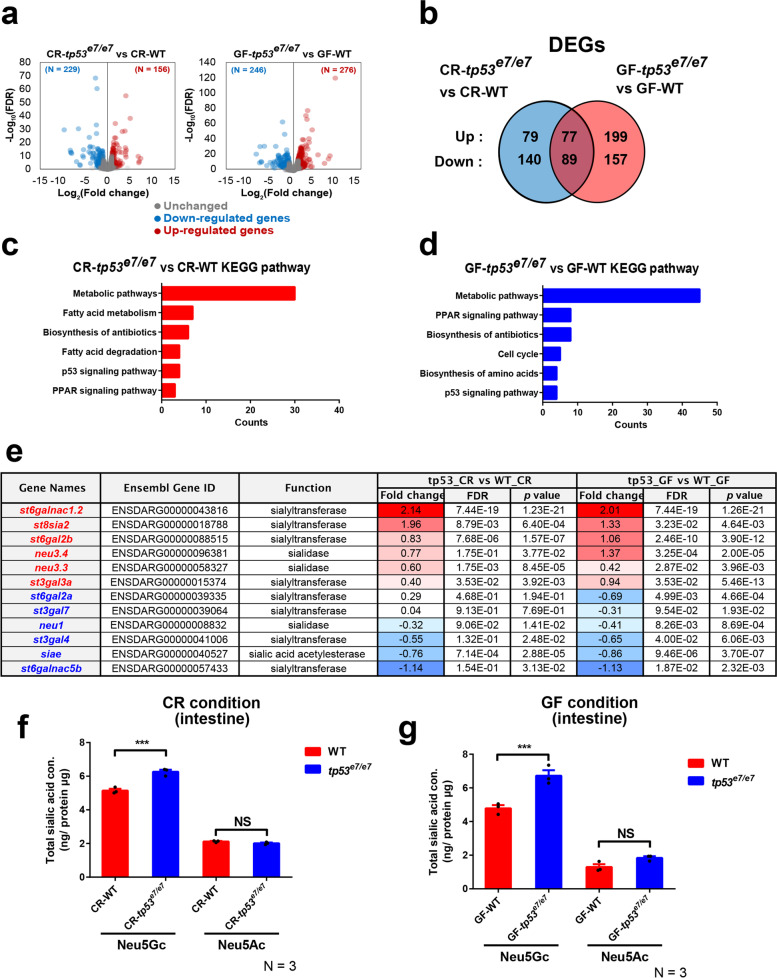
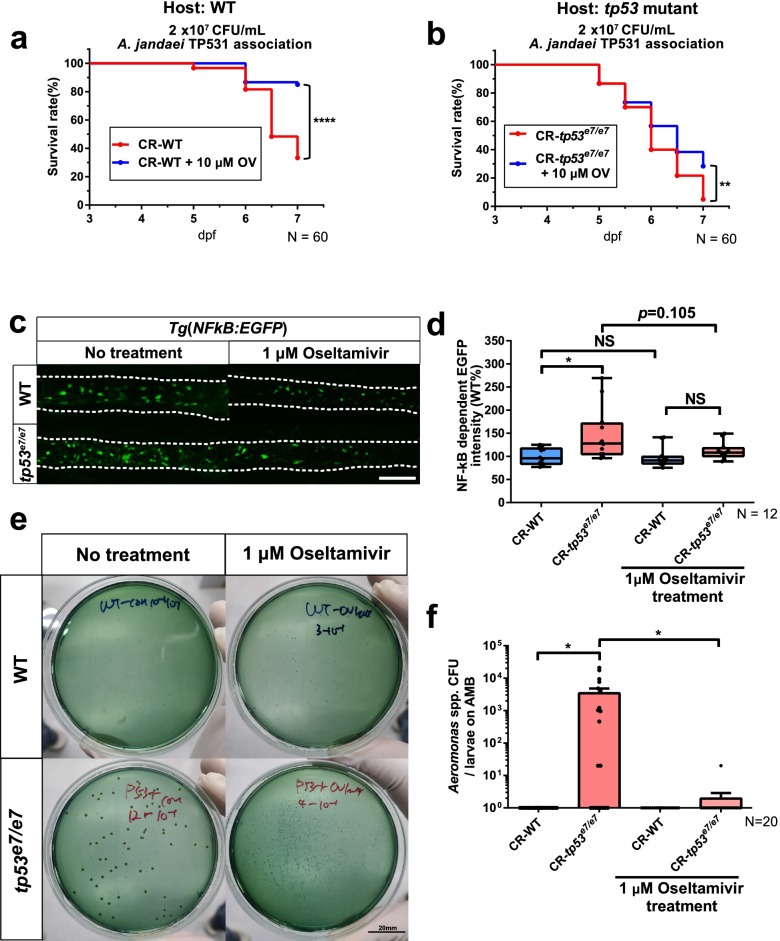
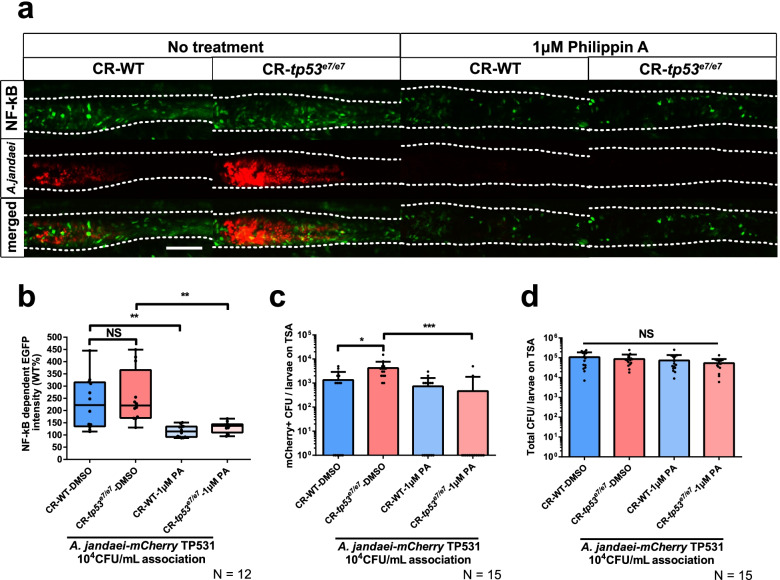
Background: Host tp53 mutations are frequently found during the early stages of colitis-associated colorectal cancer (CAC), but whether such mutations induce gut microbiota dysbiosis and chronic intestinal inflammation that contributes to the development of CAC, remains unknown. Results: We found that zebrafish tp53 mutant larvae exhibited elevated intestinal inflammation, by monitoring the NFκB activity in the mid-distal intestines of zebrafish larvae using an NFκB:EGFP transgenic reporter line in vivo as well as neutrophil infiltration into the intestine. This inflammation was due to dysbiotic gut microbiota with reduced diversity, revealed using both 16S rRNA amplicon sequencing and a germfree larva model. In this dysbiosis, Aeromonas spp. were aberrantly enriched as major pathobionts and exhibited the capacity for aggressive colonization in tp53 mutants. Importantly, the ex-germfree experiments supported the causality of the host tp53 mutation for inducing the inflammation. Transcriptome and high-performance liquid chromatography analyses of the host gastrointestinal tracts identified dysregulated sialic acid (SA) metabolism concomitant with increased host Neu5Gc levels as the key determinant of aberrant inflammation, which was reversed by the sialidase inhibitors oseltamivir and Philippin A. Conclusions: These results demonstrate a crucial role for host tp53 in maintaining symbiosis and immune homeostasis via SA metabolism. Disturbed SA metabolism via a tp53 mutation may be exploited by specific elements of the gut microbiome, eliciting both dysbiosis and inflammation. Manipulating sialometabolism may therefore provide an efficacious therapeutic strategy for tp53 mutation-induced dysbiosis, inflammation, and ultimately, related cancers.
Overview
The claims and statistics of this paper haven’t been checked yet.
Free: it reads the open-access text and checks the first 5 claims that cite a source we can check. Create a free account to check every claim.
Integrity signals
Registry
Cites
Statistics
Figures
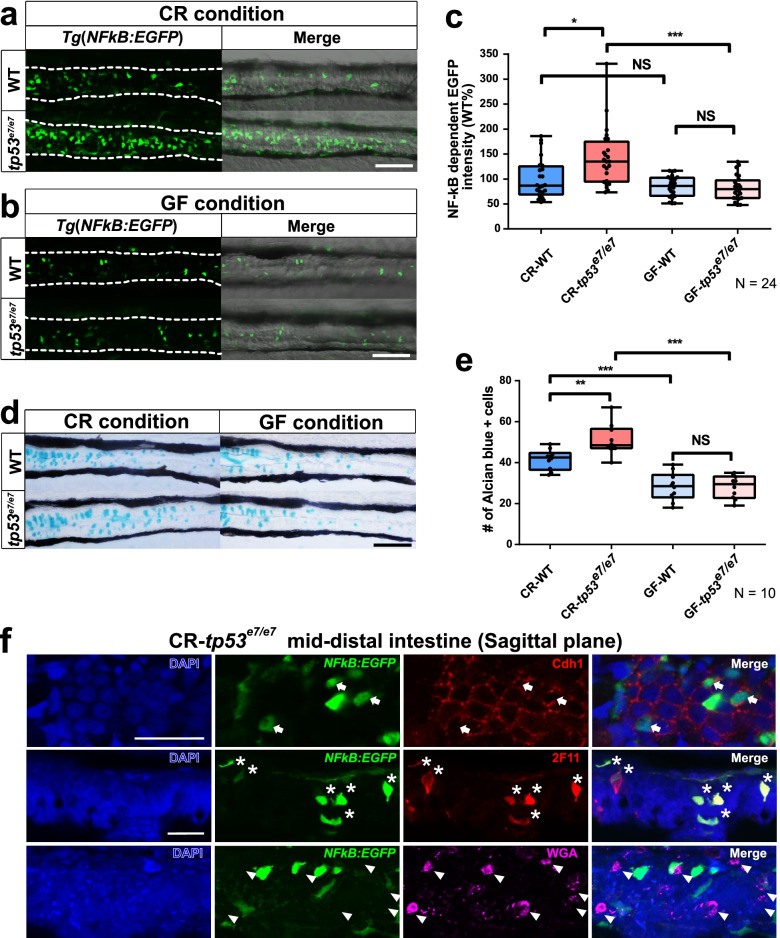
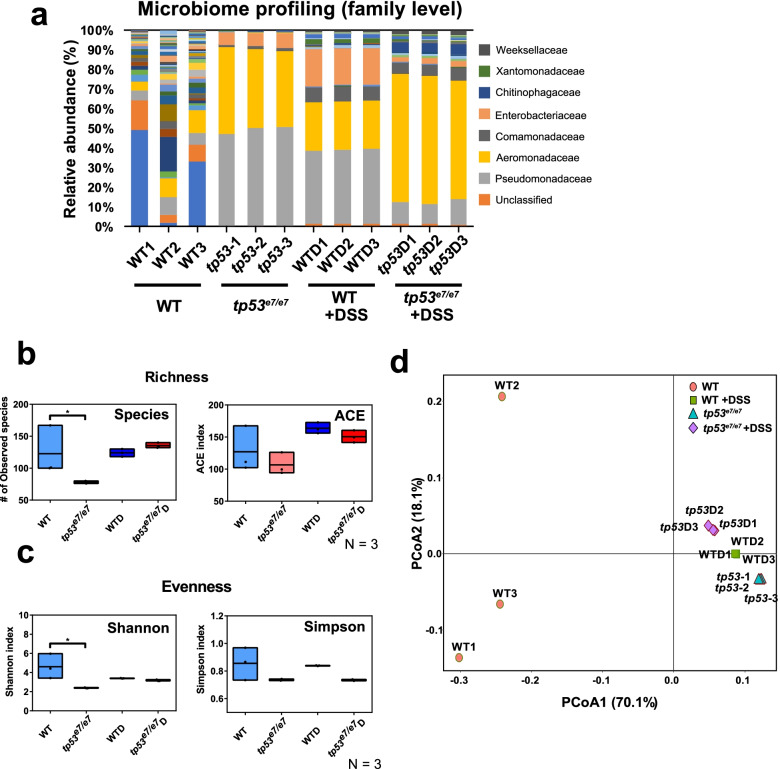
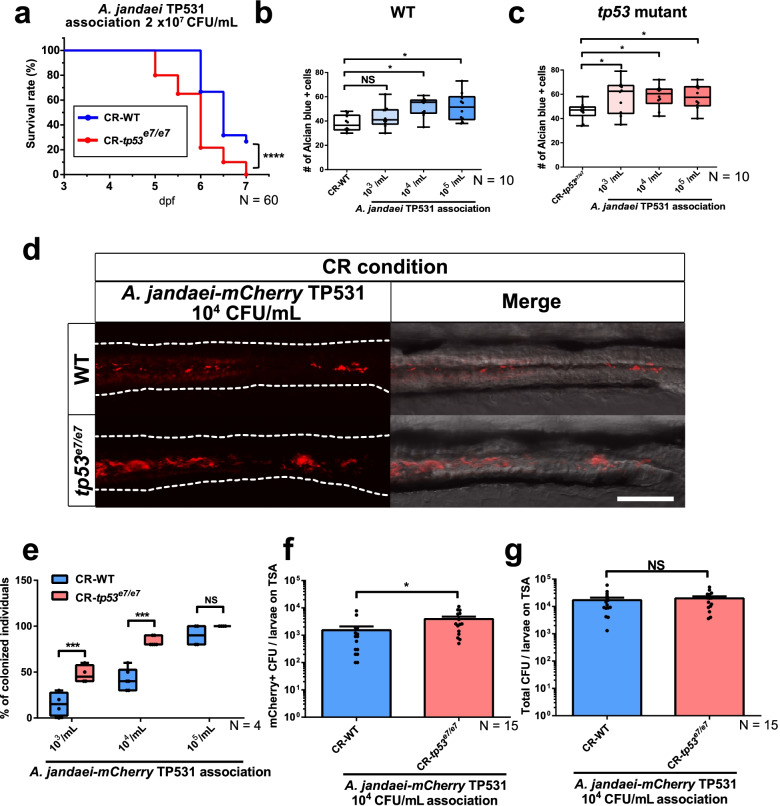
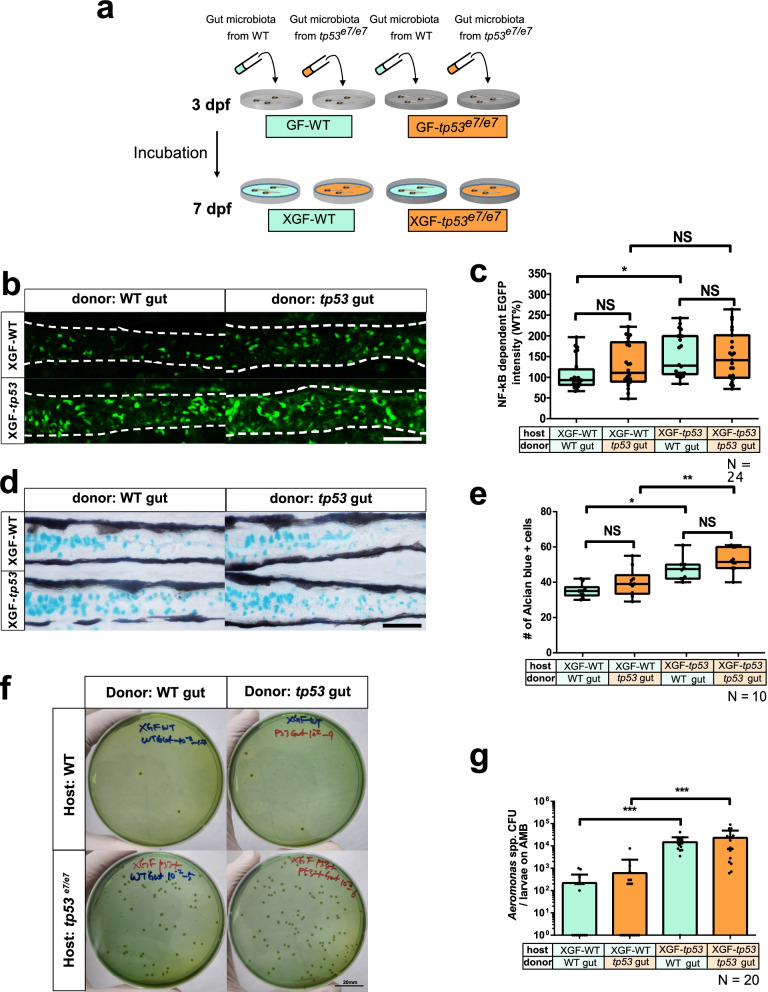
Verification
Claims the paper makes
The claims and statistics of this paper haven’t been checked yet.
Free: it reads the open-access text and checks the first 5 claims that cite a source we can check. Create a free account to check every claim.
Claims other papers make about this one
Each is checked against this paper’s own text: does it say what the citing paper says it does?
The source backs part of the claim, not all of it — or backs it for a different population, condition or comparison.
In the citing paper
“Importantly, these genes were associated with inflammation (Lee et al., 2022, Zhang et al., 2022, Hellmann et al., 2015, Gold, 2021, Liu et al., 2017, Peng et al., 2022).”
From Picroside Ⅱ attenuates neuropathic pain by regulating inflammation and spinal excitatory synaptic transmission (2024) · cites this paper as Lee et al., 2022
Experimental — accuracy not yet measured
Self-check
Percentages, sums and reported differences re-computed from the paper’s own numbers.
The self-check needs the paper’s full text.
Citations
Cites
STAR: ultrafast universal RNA-seq aligner
Dobin, A., Davis, C. A., Schlesinger, F., Drenkow, J., Zaleski, C., Jha, S., Batut, P., Chaisson, M., & Gingeras, T. R. (2013) · Bioinformatics · doi:10.1093/bioinformatics/bts635 · Cited by 51,709
KEGG: Kyoto Encyclopedia of Genes and Genomes
Ogata, H., Goto, S., Sato, K., Fujibuchi, W., Bono, H., & Kanehisa, M. (1999) · Nucleic Acids Research · doi:10.1093/nar/27.1.29 · Cited by 31,232 · cited 3×
“Kim SY, Volsky DJ. PAGE: parametric analysis of gene set enrichment.”
SIMPSON, E. H. (1949) · Nature · doi:10.1038/163688a0 · Cited by 14,164 · cited 1×
“Calculation of bacteria diversity For the calculation of alpha diversity, abundance-based coverage estimators (ACE) [99], Chao estimator [100], Shannon index [101], and Inverse Simpson index [102], as well as construction of a distance matrix and clustering, were conducted using the QIIME pipeline [103].”
NF-κB signaling in inflammation
Liu, T., Zhang, L., Joo, D., & Sun, S.-C. (2017) · Signal Transduction and Targeted Therapy · doi:10.1038/sigtrans.2017.23 · Cited by 8,791 · cited 1×
“By using the Tg(NFκB:EGFP) zebrafish transgenic line that allows for monitoring the signaling activity of NF-κB, a master regulator of inflammation [57, 58], we compared the 7-day post-fertilization (dpf) intestinal NF-κB activity of conventionally reared (CR) wild-type (WT) zebrafish to tp53e7/e7 mutants harboring a…”
McCarthy, D. J., Chen, Y., & Smyth, G. K. (2012) · Nucleic Acids Research · doi:10.1093/nar/gks042 · Cited by 5,195 · cited 1×
“1) package was used to select differentially expressed genes from the RNA-seq count data [106].”
Frank, D. N., St. Amand, A. L., Feldman, R. A., Boedeker, E. C., Harpaz, N., & Pace, N. R. (2007) · Proceedings of the National Academy of Sciences · doi:10.1073/pnas.0706625104 · Cited by 4,611 · cited 11×
“For example, a decrease in the alpha-diversity (richness and evenness), represented by a reduction of Bacteroidetes and increased abundance of Proteobacteria, has been observed in IBD [33, 34].”
InfluentialParada Venegas, D., De la Fuente, M. K., Landskron, G., González, M. J., Quera, R., Dijkstra, G., Harmsen, H. J. M., Faber, K. N., & Hermoso, M. A. (2019) · Frontiers in Immunology · doi:10.3389/fimmu.2019.00277 · Cited by 3,820 · cited 1×
“As a major carbohydrate metabolism pathway, changes to short-chain fatty acid (SCFA) metabolism (essential for host-bacterial interactions and immune modulation [67]) were examined by measuring the levels of acetate, propionate, and butyrate in WT and tp53 mutants at 7 dpf using GC-MS (Additional file 1: Fig.”
The gut microbiota--masters of host development and physiology
Sommer, F., & Bäckhed, F. (2013) · Nature Reviews Microbiology · doi:10.1038/nrmicro2974 · Cited by 3,681
The Human Intestinal Microbiome in Health and Disease
Lynch, S. V., & Pedersen, O. (2016) · New England Journal of Medicine · doi:10.1056/nejmra1600266 · Cited by 3,637
The Treatment-Naive Microbiome in New-Onset Crohn’s Disease
Gevers, D., Kugathasan, S., Denson, L. A., Vázquez-Baeza, Y., Van Treuren, W., Ren, B., Schwager, E., Knights, D., Song, S. J., Yassour, M., et al. (2014) · Cell Host & Microbe · doi:10.1016/j.chom.2014.02.005 · Cited by 3,220
Self-citation
Research works printed but not linked: 2
- Varki ASR Schauer R Varki A Cummings RD Esko JD Sialic acids and other nonulosonic acids Essentials of glycobiology [Internet] 2017 3
- Morton JT Marotz C Washburne A Silverman J Zaramela LS Edlund A Zengler K Knight R Establishing microbial composition measurement standards with reference frames Nat Commun 2019 10 1 11 31222023 PMC6586903 · DOI · Paper page
Cited by
Zhao, C., Hu, X., Qiu, M., Bao, L., Wu, K., Meng, X., Zhao, Y., Feng, L., Duan, S., He, Y., et al. (2023) · Microbiome · doi:10.1186/s40168-023-01528-8 · Cited by 117
“Our results agree with previous findings that microbiota-liberated host SA facilitates enteric pathogen invasion and promotes host gene mutant-induced opportunistic pathogen expansion [34, 65, 66].”
BackgroundResultKim, S., Park, S., Hwang, S.-H., Lee, E.-Y., Kim, J.-H., Lee, G. S., Lee, G., Chang, D., Lee, J. G., Hwang, J., et al. (2023) · Cell Host & Microbe · doi:10.1016/j.chom.2023.05.007 · Cited by 121
Self-citationApplication of zebrafish in the study of the gut microbiome
Zhong, X., Li, J., Lu, F., Zhang, J., & Guo, L. (2022) · Animal Models and Experimental Medicine · doi:10.1002/ame2.12227 · Cited by 76
Fang, T., Wang, J., Sun, S., Deng, X., Xue, M., Han, F., Sun, B., & Chen, L. (2024) · Phytomedicine · doi:10.1016/j.phymed.2024.155659 · Cited by 39
Li, D., Lin, Q., Luo, F., & Wang, H. (2023) · Foods · doi:10.3390/foods13010145 · Cited by 34
Metadata
- Authors
- Lee, J.-G., Lee, S., Jeon, J., Kong, H. G., Cho, H.-J., Kim, J.-H., Kim, S.-Y., Oh, M. J., Lee, D., Seo, N., Park, K. H., Yu, K., An, H. J., Ryu, C.-M., & Lee, J.-S.
- Affiliations
- Korea Institute of Science and Technology (KR)
- Korea Research Institute of Bioscience and Biotechnology (KR)
- Rural Development Administration (KR)
- Convergence Research Center for Diagnosis Treatment and Care System of Dementia (KR)
- Korea Bioinformation Center (KR)
- Chungnam National University (KR)
- Gyeongsang National University (KR)
- Corresponding author
- Ryu, Choong-Min
- Lee, Jeong-Soo
- ORCID
- Venue
- Microbiome
- Published
- 2022-01-06
- Volume
- 10
- Issue
- 1
- Pages
- 3-3
- ISSN
- 2049-2618 (ISSN-L)
- PMC
- PMC8733924
- OpenAlex
- W4206518470
- Cited by
- 26
- References
- 109
- Citations by year
- 2026: 5 · 2025: 7 · 2024: 4 · 2023: 7 · 2022: 3
- FWCI
- 1.71
- Type
- journal article
- Language
- en
- Open access
- gold
- doi.org
- Licence
- cc-by
- creativecommons.org/licenses/by/4.0 (tdm)
- creativecommons.org/licenses/by/4.0 (vor)
- Locations
- Microbiome (publishedVersion, cc-by)
- PubMed Central (publishedVersion, cc-by)
- PubMed (publishedVersion)
- DOAJ (DOAJ: Directory of Open Access Journals) (submittedVersion, cc-by-sa)
- Funders
- National Research Foundation
- Ministry of Agriculture, Food and Rural Affairs (918017‐4)
- Rural Development Administration (918017-4)
- Korea Institute of Science and Technology (CRC-15-04-KIST)
- Korea Research Institute of Bioscience and Biotechnology (KGM5352113, KGM2112133, KGM2112133)
- Ministry of Science and ICT, South Korea
- Topics
- Life Sciences › Biochemistry, Genetics and Molecular Biology › Molecular Biology › Gut microbiota and health
- Life Sciences › Biochemistry, Genetics and Molecular Biology › Molecular Biology › Glycosylation and Glycoproteins Research
- Health Sciences › Medicine › Gastroenterology › Gastrointestinal motility and disorders
- Keywords
- TP53 mutation, gut dysbiosis, intestinal inflammation, sialic acid metabolism, N-glycolylneuraminic acid, colitis-associated colorectal cancer, Aeromonas, pathobionts, host-microbe symbiosis, NF-κB signaling, neutrophil infiltration, sialidase inhibitors, oseltamivir, host-microbiome interactions
- MeSH terms
- Animals, Inflammation, Mutation, RNA, Ribosomal, 16S, Zebrafish, N-Acetylneuraminic Acid, Dysbiosis
About these checks
Registry, retraction, Cites and statistics results are computed, not judged, with one exception: a printed reference that no index lists is read once by a model before it counts as a citation error. Claims are extracted by a model and kept only when their quote appears verbatim in the text; each cited source is then checked, with a model’s help, for whether it says what the claim relies on. Those verdicts can be wrong — read the claim’s quote and the cited source before relying on one.
Statistics and arithmetic are recomputed, not judged.
Confidence bands are shown only for fields calibrated on our annotated test set. None is calibrated yet, so no band is shown.
What counts as a claim ›How we measure confidence ›How we check this ›
Are you an author, or do you see a problem with this page? Request a review
Data sources
Bibliographic data: Semantic Scholar, OpenAlex, Crossref.
Contains information from the Semantic Scholar Academic Graph Datasets, made available under the ODC Attribution License (ODC-BY 1.0).
Semantic Scholar’s data is described in: Kinney, R., et al. (2023). The Semantic Scholar Open Data Platform. arXiv:2301.10140.
