

Host tp53 mutation induces gut dysbiosis eliciting inflammation through disturbed sialic acid metabolism
Open accessThe DOI matches its Crossref record; 107 of the 109 references it cites were found in a registry or an index.
Abstract
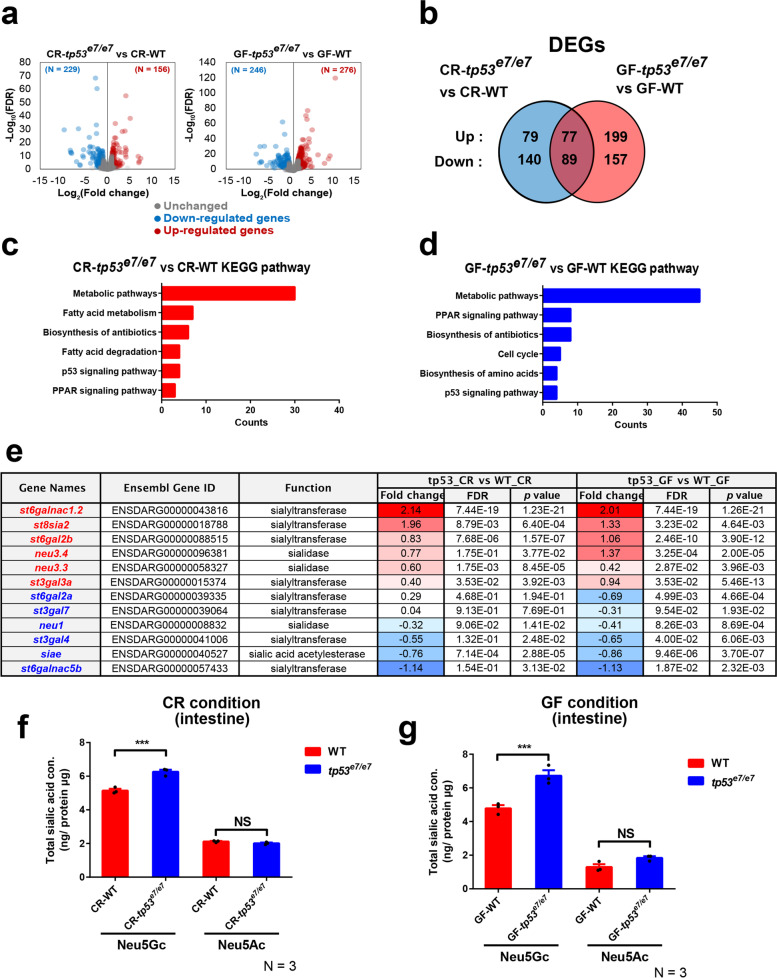
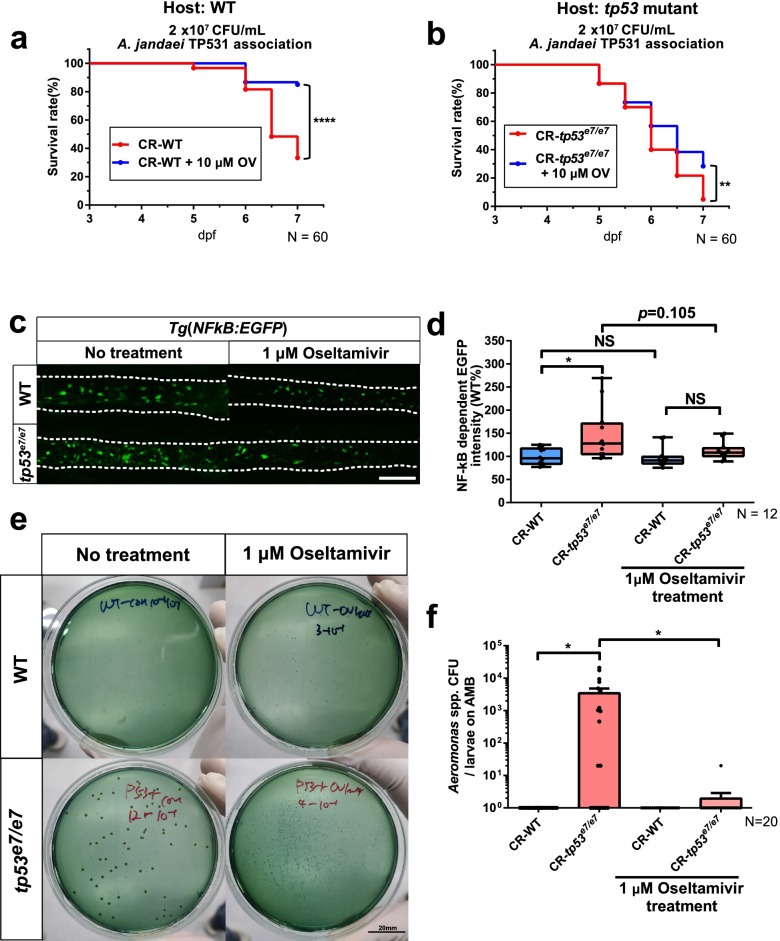
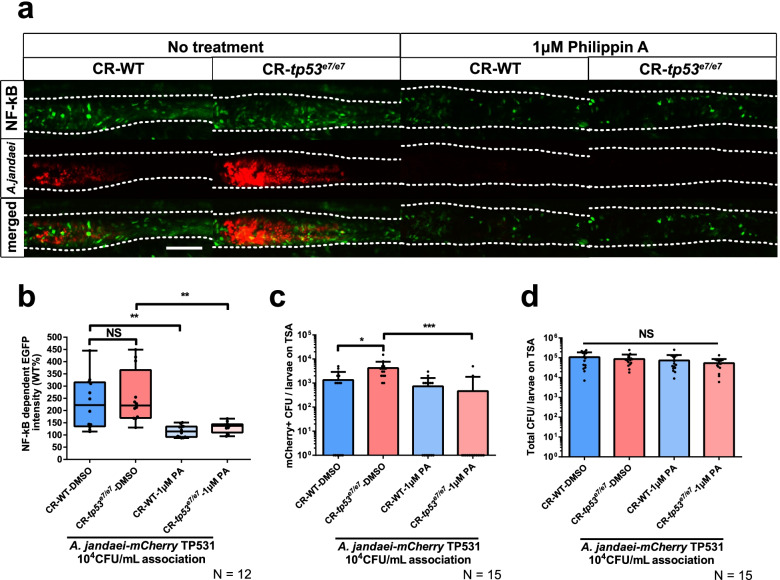
Background: Host tp53 mutations are frequently found during the early stages of colitis-associated colorectal cancer (CAC), but whether such mutations induce gut microbiota dysbiosis and chronic intestinal inflammation that contributes to the development of CAC, remains unknown. Results: We found that zebrafish tp53 mutant larvae exhibited elevated intestinal inflammation, by monitoring the NFκB activity in the mid-distal intestines of zebrafish larvae using an NFκB:EGFP transgenic reporter line in vivo as well as neutrophil infiltration into the intestine. This inflammation was due to dysbiotic gut microbiota with reduced diversity, revealed using both 16S rRNA amplicon sequencing and a germfree larva model. In this dysbiosis, Aeromonas spp. were aberrantly enriched as major pathobionts and exhibited the capacity for aggressive colonization in tp53 mutants. Importantly, the ex-germfree experiments supported the causality of the host tp53 mutation for inducing the inflammation. Transcriptome and high-performance liquid chromatography analyses of the host gastrointestinal tracts identified dysregulated sialic acid (SA) metabolism concomitant with increased host Neu5Gc levels as the key determinant of aberrant inflammation, which was reversed by the sialidase inhibitors oseltamivir and Philippin A. Conclusions: These results demonstrate a crucial role for host tp53 in maintaining symbiosis and immune homeostasis via SA metabolism. Disturbed SA metabolism via a tp53 mutation may be exploited by specific elements of the gut microbiome, eliciting both dysbiosis and inflammation. Manipulating sialometabolism may therefore provide an efficacious therapeutic strategy for tp53 mutation-induced dysbiosis, inflammation, and ultimately, related cancers.
Overview
The claims and statistics of this paper haven’t been checked yet.
Free: it reads the open-access text and checks the first 5 claims that cite a source we can check. Create a free account to check every claim.
Integrity signals
Registry
Cites
Statistics
Figures
Verification
Claims the paper makes
The claims and statistics of this paper haven’t been checked yet.
Free: it reads the open-access text and checks the first 5 claims that cite a source we can check. Create a free account to check every claim.
Claims other papers make about this one
Each is checked against this paper’s own text: does it say what the citing paper says it does?
The source backs part of the claim, not all of it — or backs it for a different population, condition or comparison.
In the citing paper
“Importantly, these genes were associated with inflammation (Lee et al., 2022, Zhang et al., 2022, Hellmann et al., 2015, Gold, 2021, Liu et al., 2017, Peng et al., 2022).”
From Picroside Ⅱ attenuates neuropathic pain by regulating inflammation and spinal excitatory synaptic transmission (2024) · cites this paper as Lee et al., 2022
Experimental — accuracy not yet measured
Self-check
Percentages, sums and reported differences re-computed from the paper’s own numbers.
The self-check needs the paper’s full text.
Citations
Cites
STAR: ultrafast universal RNA-seq aligner
Dobin, A., Davis, C. A., Schlesinger, F., Drenkow, J., Zaleski, C., Jha, S., Batut, P., Chaisson, M., & Gingeras, T. R. (2013) · Bioinformatics · doi:10.1093/bioinformatics/bts635 · Cited by 51,709
KEGG: Kyoto Encyclopedia of Genes and Genomes
Ogata, H., Goto, S., Sato, K., Fujibuchi, W., Bono, H., & Kanehisa, M. (1999) · Nucleic Acids Research · doi:10.1093/nar/27.1.29 · Cited by 31,232 · cited 3×
“Kim SY, Volsky DJ. PAGE: parametric analysis of gene set enrichment.”
SIMPSON, E. H. (1949) · Nature · doi:10.1038/163688a0 · Cited by 14,164 · cited 1×
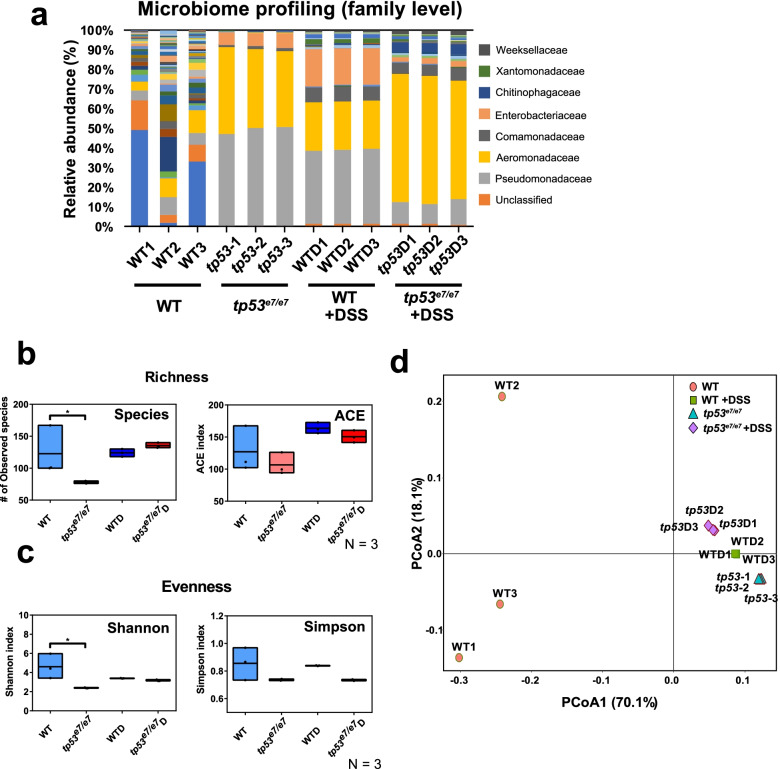
“Calculation of bacteria diversity For the calculation of alpha diversity, abundance-based coverage estimators (ACE) [99], Chao estimator [100], Shannon index [101], and Inverse Simpson index [102], as well as construction of a distance matrix and clustering, were conducted using the QIIME pipeline [103].”
NF-κB signaling in inflammation
Liu, T., Zhang, L., Joo, D., & Sun, S.-C. (2017) · Signal Transduction and Targeted Therapy · doi:10.1038/sigtrans.2017.23 · Cited by 8,791 · cited 1×
“By using the Tg(NFκB:EGFP) zebrafish transgenic line that allows for monitoring the signaling activity of NF-κB, a master regulator of inflammation [57, 58], we compared the 7-day post-fertilization (dpf) intestinal NF-κB activity of conventionally reared (CR) wild-type (WT) zebrafish to tp53e7/e7 mutants harboring a…”
McCarthy, D. J., Chen, Y., & Smyth, G. K. (2012) · Nucleic Acids Research · doi:10.1093/nar/gks042 · Cited by 5,195 · cited 1×
“1) package was used to select differentially expressed genes from the RNA-seq count data [106].”
Frank, D. N., St. Amand, A. L., Feldman, R. A., Boedeker, E. C., Harpaz, N., & Pace, N. R. (2007) · Proceedings of the National Academy of Sciences · doi:10.1073/pnas.0706625104 · Cited by 4,611 · cited 11×
“For example, a decrease in the alpha-diversity (richness and evenness), represented by a reduction of Bacteroidetes and increased abundance of Proteobacteria, has been observed in IBD [33, 34].”
InfluentialParada Venegas, D., De la Fuente, M. K., Landskron, G., González, M. J., Quera, R., Dijkstra, G., Harmsen, H. J. M., Faber, K. N., & Hermoso, M. A. (2019) · Frontiers in Immunology · doi:10.3389/fimmu.2019.00277 · Cited by 3,820 · cited 1×
“As a major carbohydrate metabolism pathway, changes to short-chain fatty acid (SCFA) metabolism (essential for host-bacterial interactions and immune modulation [67]) were examined by measuring the levels of acetate, propionate, and butyrate in WT and tp53 mutants at 7 dpf using GC-MS (Additional file 1: Fig.”
The gut microbiota--masters of host development and physiology
Sommer, F., & Bäckhed, F. (2013) · Nature Reviews Microbiology · doi:10.1038/nrmicro2974 · Cited by 3,681
The Human Intestinal Microbiome in Health and Disease
Lynch, S. V., & Pedersen, O. (2016) · New England Journal of Medicine · doi:10.1056/nejmra1600266 · Cited by 3,637
The Treatment-Naive Microbiome in New-Onset Crohn’s Disease
Gevers, D., Kugathasan, S., Denson, L. A., Vázquez-Baeza, Y., Van Treuren, W., Ren, B., Schwager, E., Knights, D., Song, S. J., Yassour, M., et al. (2014) · Cell Host & Microbe · doi:10.1016/j.chom.2014.02.005 · Cited by 3,220
Self-citationGlycosylation in cancer: mechanisms and clinical implications
Pinho, S. S., & Reis, C. A. (2015) · Nature Reviews Cancer · doi:10.1038/nrc3982 · Cited by 3,083 · cited 2×
“In addition, polysialic acids (PSA), primarily synthesized by the polysialyltransferase ST8SIA2, are often overexpressed in aggressive and invasive cancers with poor prognoses [39, 79].”
UniFrac: an effective distance metric for microbial community comparison
Lozupone, C., Lladser, M. E., Knights, D., Stombaugh, J., & Knight, R. (2011) · The ISME Journal · doi:10.1038/ismej.2010.133 · Cited by 2,825 · cited 1×
“For principal coordinate analysis (PCoA), representative sequences were extracted from each sample and beta diversity was estimated by calculating weighed UniFrac distances [104] in QIIME.”
Kostic, A. D., Chun, E., Robertson, L., Glickman, J. N., Gallini, C. A., Michaud, M., Clancy, T. E., Chung, D. C., Lochhead, P., Hold, G. L., et al. (2013) · Cell Host & Microbe · doi:10.1016/j.chom.2013.07.007 · Cited by 2,718 · cited 1×
“, tp53 mutations) and dysbiosis in the microbiota have separately been shown to contribute to chronic inflammation and to cancer development [31, 75], but whether a host genetic factor, such as the present tp53 mutation, can alter the composition of the microbiota and lead to inflammation (and ultimately tumorigenicit…”
NF-κB, inflammation, immunity and cancer: coming of age
Taniguchi, K., & Karin, M. (2018) · Nature Reviews Immunology · doi:10.1038/nri.2017.142 · Cited by 2,679
Intestinal inflammation targets cancer-inducing activity of the microbiota
Arthur, J. C., Perez-Chanona, E., Mühlbauer, M., Tomkovich, S., Uronis, J. M., Fan, T.-J., Campbell, B. J., Abujamel, T., Dogan, B., Rogers, A. B., et al. (2012) · Science · doi:10.1126/science.1224820 · Cited by 2,263 · cited 1×
“Such dysbiosis may promote CRC either indirectly by eliciting altered pro-inflammatory responses in the host microenvironment in models of IBD, where elevated inflammation was blocked or reduced under germfree (GF) or Tlr/Myd88-deficient conditions [19, 35], or directly through the production of genotoxic/regulatory m…”
Role of the gut microbiota in immunity and inflammatory disease
Kamada, N., Seo, S.-U., Chen, G. Y., & Núñez, G. (2013) · Nature reviews. Immunology · doi:10.1038/nri3430 · Cited by 2,256 · cited 1×
“Such dysbiosis may promote CRC either indirectly by eliciting altered pro-inflammatory responses in the host microenvironment in models of IBD, where elevated inflammation was blocked or reduced under germfree (GF) or Tlr/Myd88-deficient conditions [19, 35], or directly through the production of genotoxic/regulatory m…”
Kornbluth, A., & Sachar, D. B. (2010) · American Journal of Gastroenterology · doi:10.1038/ajg.2009.727 · Cited by 2,023
Inflammation-induced cancer: Crosstalk between tumours, immune cells and microorganisms
Elinav, E., Nowarski, R., Thaiss, C. A., Hu, B., Jin, C., & Flavell, R. A. (2013) · Nature reviews. Cancer · doi:10.1038/nrc3611 · Cited by 2,000 · cited 1×
“These SAenriched and STn- or PSA-coated tp53 mutant cells may be pro-inflammatory, as shown in IBD patient samples [80], and acquire advantages for cancer progression due to increased proliferation, genomic instability, and metastatic activity via STAT3 and NF-κB signaling [40, 78, 81].”
Dysbiosis of the gut microbiota in disease
Carding, S., Verbeke, K., Vipond, D. T., Corfe, B. M., & Owen, L. J. (2015) · Microbial Ecology in Health & Disease · doi:10.3402/mehd.v26.26191 · Cited by 1,710 · cited 1×
“Such dysbiosis may promote CRC either indirectly by eliciting altered pro-inflammatory responses in the host microenvironment in models of IBD, where elevated inflammation was blocked or reduced under germfree (GF) or Tlr/Myd88-deficient conditions [19, 35], or directly through the production of genotoxic/regulatory m…”
Interactions between the microbiota and pathogenic bacteria in the gut
Bäumler, A. J., & Sperandio, V. (2016) · Nature · doi:10.1038/nature18849 · Cited by 1,420 · cited 1×
“On the other hand, since tp53 mutations can affect multiple metabolic pathways such as production of reactive oxygen/nitrogen species [90] that may impact microbial population [91, 92], the possibility cannot be completely excluded that the sialometabolism-independent function of tp53 mutation partly contributes to bl…”
Potential of fecal microbiota for early-stage detection of colorectal cancer
Zeller, G., Tap, J., Voigt, A. Y., Sunagawa, S., Kultima, J. R., Costea, P. I., Amiot, A., Böhm, J., Brunetti, F., Habermann, N., et al. (2014) · Molecular Systems Biology · doi:10.15252/msb.20145645 · Cited by 1,375
Png, C. W., Lindén, S. K., Gilshenan, K. S., Zoetendal, E. G., McSweeney, C. S., Sly, L. I., McGuckin, M. A., & Florin, T. H. J. (2010) · American Journal of Gastroenterology · doi:10.1038/ajg.2010.281 · Cited by 1,364 · cited 1×
“Previous studies have suggested changes in host carbohydrate metabolism in patients with IBD and CRC, affected by the overpopulation of mucolytic bacteria [65] and a metabolic shift of the CRC patient microbiome from using dietary fiber to using host glycans during disease progression [27].”
Lupp, C., Robertson, M. L., Wickham, M. E., Sekirov, I., Champion, O. L., Gaynor, E. C., & Finlay, B. B. (2007) · Cell Host & Microbe · doi:10.1016/j.chom.2007.06.010 · Cited by 1,307 · cited 2×
“predisposition (IL10 or NEMO knockout mice), and chemical treatments (such as DSS) that can induce intestinal dysbiosis [63, 76].”
Evidence for a core gut microbiota in the zebrafish
Roeselers, G., Mittge, E. K., Stephens, W. Z., Parichy, D. M., Cavanaugh, C. M., Guillemin, K., & Rawls, J. F. (2011) · The ISME Journal · doi:10.1038/ismej.2011.38 · Cited by 1,138 · cited 1×
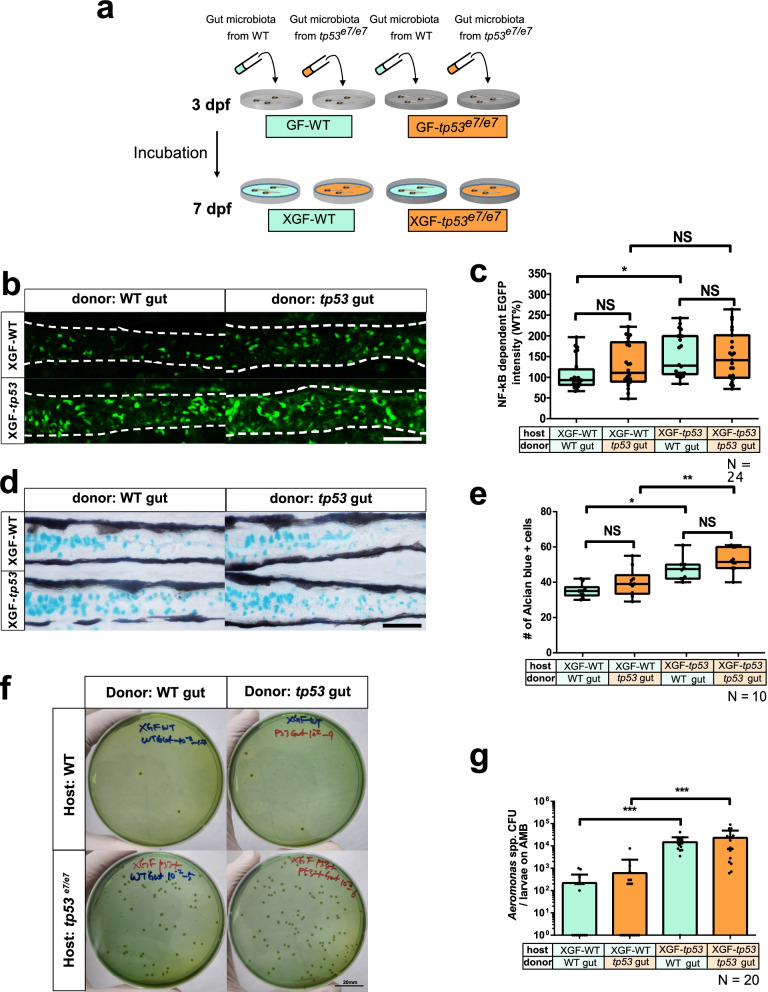
“Most importantly, it is amenable to metagenomic analyses of the intestinal microbiota [55] in combination with established GF rearing conditions and ex-germfree (ex-GF) experimental settings for interrogating individual or collective functions of the microbiota [56].”
Intestinal Inflammation and Cancer
Ullman, T. A., & Itzkowitz, S. H. (2011) · Gastroenterology · doi:10.1053/j.gastro.2011.01.057 · Cited by 1,119 · cited 2×
“The cascade of these events (tp53 mutation inducing aberrant SA metabolism, followed by pathobiont blooming and inflammation) may be a novel mechanistic explanation for the role of tp53 mutations at early stages of CAC progression [11, 12], and may also be consistent with a metabolic shift to host glycan utilization b…”
Epithelial NEMO links innate immunity to chronic intestinal inflammation
Nenci, A., Becker, C., Wullaert, A., Gareus, R., van Loo, G., Danese, S., Huth, M., Nikolaev, A., Neufert, C., Madison, B., et al. (2007) · Nature · doi:10.1038/nature05698 · Cited by 1,077
Microbiota-liberated host sugars facilitate post-antibiotic expansion of enteric pathogens
Ng, K. M., Ferreyra, J. A., Higginbottom, S. K., Lynch, J. B., Kashyap, P. C., Gopinath, S., Naidu, N., Choudhury, B., Weimer, B. C., Monack, D. M., et al. (2013) · Nature · doi:10.1038/nature12503 · Cited by 1,035 · cited 1×
“This phenomenon is reminiscent of the interactions of Salmonella typhimurium and Clostridium difficile with Bacteroides thetaiotaomicron in antibiotic-induced pathogen expansion [89] and of E.”
Host-Derived Nitrate Boosts Growth of E. coli in the Inflamed Gut
Winter, S. E., Winter, M. G., Xavier, M. N., Thiennimitr, P., Poon, V., Keestra, A. M., Laughlin, R. C., Gomez, G., Wu, J., Lawhon, S. D., et al. (2013) · Science · doi:10.1126/science.1232467 · Cited by 1,019 · cited 1×
“On the other hand, since tp53 mutations can affect multiple metabolic pathways such as production of reactive oxygen/nitrogen species [90] that may impact microbial population [91, 92], the possibility cannot be completely excluded that the sialometabolism-independent function of tp53 mutation partly contributes to bl…”
Rawls, J. F., Mahowald, M. A., Ley, R. E., & Gordon, J. I. (2006) · Cell · doi:10.1016/j.cell.2006.08.043 · Cited by 958 · cited 1×
“For example, a cross-species association (microbiota swapping) study between zebrafish and mice showed that the zebrafish gut microbiota associated with GF mice was modified into an indigenous mouse-gut microbial community [72].”
Mechanisms of inflammation-driven bacterial dysbiosis in the gut
Zeng, M. Y., Inohara, N., & Nuñez, G. (2017) · Mucosal Immunology · doi:10.1038/mi.2016.75 · Cited by 877 · cited 1×
“for dysbiosis in the intestinal microbiota Interactions between the host and the microbiota are essentially bidirectional: the gut microbiome residing in the host’s intestine produces metabolites and cellassociated molecules that affect host cells, while the host provides environmental niches and nutrients, producing…”
Microbes, Microbiota, and Colon Cancer
Sears, C. L., & Garrett, W. S. (2014) · Cell Host & Microbe · doi:10.1016/j.chom.2014.02.007 · Cited by 818 · cited 1×
“for dysbiosis in the intestinal microbiota Interactions between the host and the microbiota are essentially bidirectional: the gut microbiome residing in the host’s intestine produces metabolites and cellassociated molecules that affect host cells, while the host provides environmental niches and nutrients, producing…”
PAGE: Parametric Analysis of Gene Set Enrichment
Kim, S.-Y., & Volsky, D. J. (2005) · BMC Bioinformatics · doi:10.1186/1471-2105-6-144 · Cited by 779 · cited 3×
“Kim SY, Volsky DJ. PAGE: parametric analysis of gene set enrichment.”
Self-citationThe Intestinal Microbiota in Colorectal Cancer.
Tilg, H., Adolph, T. E., Gerner, R. R., & Moschen, A. R. (2018) · Cancer Cell · doi:10.1016/j.ccell.2018.03.004 · Cited by 777
Using QIIME to Analyze 16S rRNA Gene Sequences from Microbial Communities
Kuczynski, J., Stombaugh, J., Walters, W. A., González, A., Caporaso, J. G., & Knight, R. (2011) · Current Protocols in Bioinformatics · doi:10.1002/0471250953.bi1007s36 · Cited by 727 · cited 1×
“Calculation of bacteria diversity For the calculation of alpha diversity, abundance-based coverage estimators (ACE) [99], Chao estimator [100], Shannon index [101], and Inverse Simpson index [102], as well as construction of a distance matrix and clustering, were conducted using the QIIME pipeline [103].”
Gut mucosal microbiome across stages of colorectal carcinogenesis
Nakatsu, G., Li, X., Zhou, H., Sheng, J., Wong, S. H., Wu, W. K. K., Ng, S. C., Tsoi, H., Dong, Y., Zhang, N., et al. (2015) · Nature Communications · doi:10.1038/ncomms9727 · Cited by 701
Cancers Complicating Inflammatory Bowel Disease
Beaugerie, L., & Itzkowitz, S. H. (2015) · New England Journal of Medicine · doi:10.1056/nejmra1403718 · Cited by 678 · cited 14×
“This scenario provides a plausible explanation for the initial involvement of TP53 mutations in the early stages of CAC development.”
InfluentialThe Human Gut Bacterial Genotoxin Colibactin Alkylates DNA
Wilson, M. R., Jiang, Y., Villalta, P. W., Stornetta, A., Boudreau, P. D., Carrá, A., Brennan, C. A., Chun, E., Ngo, L., Samson, L. D., et al. (2019) · Science · doi:10.1126/science.aar7785 · Cited by 635 · cited 1×
“Such dysbiosis may promote CRC either indirectly by eliciting altered pro-inflammatory responses in the host microenvironment in models of IBD, where elevated inflammation was blocked or reduced under germfree (GF) or Tlr/Myd88-deficient conditions [19, 35], or directly through the production of genotoxic/regulatory m…”
The Gut Microbiome Modulates Colon Tumorigenesis
Zackular, J. P., Baxter, N. T., Iverson, K. D., Sadler, W. D., Petrosino, J. F., Chen, G. Y., & Schloss, P. D. (2013) · mBio · doi:10.1128/mbio.00692-13 · Cited by 629
Establishing microbial composition measurement standards with reference frames
Morton, J. T., Marotz, C., Washburne, A., Silverman, J., Zaramela, L. S., Edlund, A., Zengler, K., & Knight, R. (2019) · Nature Communications · doi:10.1038/s41467-019-10656-5 · Cited by 613 · cited 1×
“The centered log-ratio transformation (CLR) was used to handle compositional data as previously reported [98].”
Multifarious roles of sialic acids in immunity
Varki, A., & Gagneux, P. (2012) · Annals of the New York Academy of Sciences · doi:10.1111/j.1749-6632.2012.06517.x · Cited by 611 · cited 1×
“S11) and the known instability of host sialidases in the extracellular matrix [86], host sialidases may not have been the target for OV suppression.”
Distinct signals from the microbiota promote different aspects of zebrafish gut differentiation
Bates, J. M., Mittge, E., Kuhlman, J., Baden, K. N., Cheesman, S. E., & Guillemin, K. (2006) · Developmental Biology · doi:10.1016/j.ydbio.2006.05.006 · Cited by 602 · cited 1×
“Zebrafish larvae could be endurable at 14 dpf without food according to Bates JM, Mittge E, Kuhlman J, Baden KN, Cheesman SE and Guillemin K [94], but they start to exhibit intestinal necrosis due to nutrient deprivation after 9 dpf.”
tp53 mutant zebrafish develop malignant peripheral nerve sheath tumors
Berghmans, S., Murphey, R. D., Wienholds, E., Neuberg, D., Kutok, J. L., Fletcher, C. D. M., Morris, J. P., Liu, T. X., Schulte-Merker, S., Kanki, J. P., et al. (2005) · Proceedings of the National Academy of Sciences · doi:10.1073/pnas.0406252102 · Cited by 597 · cited 2×
“Genotyping of tp53e7/e7 mutant zebrafish was performed as previously reported [59].”
Estimating the Number of Species in a Stochastic Abundance Model
Chao, A., & Bunge, J. (2002) · Biometrics · doi:10.1111/j.0006-341x.2002.00531.x · Cited by 588 · cited 2×
“For the calculation of alpha diversity, abundance-based coverage estimators (ACE) [99], Chao estimator [100], Shannon index [101], and Inverse Simpson index [102], as well as construction of a distance matrix and clustering, were conducted using the QIIME pipeline [103].”
Murata, M. (2018) · Environmental Health and Preventive Medicine · doi:10.1186/s12199-018-0740-1 · Cited by 588 · cited 1×
“Chronic inflammationmediated CRC is known to be promoted by alterations in the microenvironment that support tumorigenesis via increased cytokine/chemokine expression, aberrant immune cell recruitment, and elevated reactive oxygen species (ROS) that can damage both DNA and proteins [3].”
Chronic Inflammation in Cancer Development
Multhoff, G., Molls, M., & Radons, J. (2012) · Frontiers in Immunology · doi:10.3389/fimmu.2011.00098 · Cited by 576
Hussain, S. P., Amstad, P., Raja, K., Ambs, S., Nagashima, M., Bennett, W. P., Shields, P. G., Ham, A. L., Swenberg, J. A., Marrogi, A. J., et al. (2000) · PubMed · Cited by 564
Intestinal growth and differentiation in zebrafish
Wallace, K. N., Akhter, S., Smith, E. M., Lorent, K., & Pack, M. (2005) · Mechanisms of Development · doi:10.1016/j.mod.2004.10.009 · Cited by 526 · cited 1×
“This model is genetically tractable as it utilizes knockout and transgenic animals [51]; is optically transparent, allowing high-resolution in vivo imaging [52]; and is anatomically and functionally similar to corresponding human organs, including the intestine [53, 54].”
Human genetic variation and the gut microbiome in disease
Hall, A. B., Tolonen, A. C., & Xavier, R. J. (2017) · Nature Reviews Genetics · doi:10.1038/nrg.2017.63 · Cited by 517 · cited 2×
“, NOD2, FUT2, CARD9, and LCT) have been implicated in IBD and associated microbiomes, emphasizing the strong association between host genes and microbiome bacteria [70].”
Inflammatory networks underlying colorectal cancer
Lasry, A., Zinger, A., & Ben-Neriah, Y. (2016) · Nature Immunology · doi:10.1038/ni.3384 · Cited by 489 · cited 14×
“This scenario provides a plausible explanation for the initial involvement of TP53 mutations in the early stages of CAC development.”
InfluentialSialic acid utilization by bacterial pathogens
Severi, E., Hood, D. W., & Thomas, G. H. (2007) · Microbiology · doi:10.1099/mic.0.2007/009480-0 · Cited by 473 · cited 1×
“At the same time, SA derivatives located at the terminal positions of host glycans in the intestinal mucosa are carbon, nitrogen, and energy sources for commensal/pathogenic bacteria to support their growth via sialocatabolic pathways or are used as cellwall precursors to mask the bacteria in order to evade host immun…”
Cooks, T., Pateras, I. S., Tarcic, O., Solomon, H., Schetter, A. J., Wilder, S., Lozano, G., Pikarsky, E., Forshew, T., Rozenfeld, N., et al. (2013) · Cancer Cell · doi:10.1016/j.ccr.2013.03.022 · Cited by 466 · cited 2×
“Recent studies have demonstrated that such early TP53 mutations during CAC progression contribute to the induction of NF-κB-dependent chronic inflammation [13] and compromise the integrity of intestinal epithelial cells associated with the inflammatory microenvironment [14], supporting the idea that TP53 mutations are…”
A red meat-derived glycan promotes inflammation and cancer progression
Samraj, A. N., Pearce, O. M. T., Läubli, H., Crittenden, A. N., Bergfeld, A. K., Banda, K., Gregg, C. J., Bingman, A. E., Secrest, P., Diaz, S. L., et al. (2015) · Proceedings of the National Academy of Sciences · doi:10.1073/pnas.1417508112 · Cited by 407 · cited 2×
“Chronic inflammation in humans may be elicited by incorporating exogenous Neu5Gc into tumor cells and interaction of auto-antigen Neu5Gc and auto-antibodies against Neu5Gc-containg glycans [83, 85].”
Bardor, M., Nguyen, D. H., Diaz, S., & Varki, A. (2005) · Journal of Biological Chemistry · doi:10.1074/jbc.m412040200 · Cited by 390 · cited 1×
“Chronic inflammation in humans may be elicited by incorporating exogenous Neu5Gc into tumor cells and interaction of auto-antigen Neu5Gc and auto-antibodies against Neu5Gc-containg glycans [83, 85].”
Rethinking microbial diversity analysis in the high throughput sequencing era
Lemos, L. N., Fulthorpe, R. R., Triplett, E. W., & Roesch, L. F. W. (2011) · Journal of Microbiological Methods · doi:10.1016/j.mimet.2011.03.014 · Cited by 355 · cited 1×
“Calculation of bacteria diversity For the calculation of alpha diversity, abundance-based coverage estimators (ACE) [99], Chao estimator [100], Shannon index [101], and Inverse Simpson index [102], as well as construction of a distance matrix and clustering, were conducted using the QIIME pipeline [103].”
Maddocks, O. D. K., & Vousden, K. H. (2011) · Journal of Molecular Medicine · doi:10.1007/s00109-011-0735-5 · Cited by 355 · cited 1×
“On the other hand, since tp53 mutations can affect multiple metabolic pathways such as production of reactive oxygen/nitrogen species [90] that may impact microbial population [91, 92], the possibility cannot be completely excluded that the sialometabolism-independent function of tp53 mutation partly contributes to bl…”
Immunosuppression associated with chronic inflammation in the tumor microenvironment
Wang, D., & DuBois, R. N. (2015) · Carcinogenesis · doi:10.1093/carcin/bgv123 · Cited by 355
Yoo, S. K., Deng, Q., Cavnar, P. J., Wu, Y. I., Hahn, K. M., & Huttenlocher, A. (2010) · Developmental Cell · doi:10.1016/j.devcel.2009.11.015 · Cited by 351
The Multifaceted Role of the Intestinal Microbiota in Colon Cancer
Irrazábal, T., Belcheva, A., Girardin, S. E., Martin, A., & Philpott, D. J. (2014) · Molecular Cell · doi:10.1016/j.molcel.2014.03.039 · Cited by 344 · cited 1×
“, tp53 mutations) and dysbiosis in the microbiota have separately been shown to contribute to chronic inflammation and to cancer development [31, 75], but whether a host genetic factor, such as the present tp53 mutation, can alter the composition of the microbiota and lead to inflammation (and ultimately tumorigenicit…”
Xie, H., Guo, R., Zhong, H., Feng, Q., Lan, Z., Qin, B., Ward, K. J., Jackson, M. A., Xia, Y., Chen, X., et al. (2016) · Cell Systems · doi:10.1016/j.cels.2016.10.004 · Cited by 341 · cited 1×
“Furthermore, in a human-twin cohort study, the microbiomes of monozygotic twins were found to be more similar than those of dizygotic twins [74].”
Chong, P. P., Chin, V. K., Looi, C. Y., Wong, W. F., Madhavan, P., & Yong, V. C. (2019) · Frontiers in Microbiology · doi:10.3389/fmicb.2019.01136 · Cited by 328
The zebrafish as a model to study intestinal inflammation
Brugman, S. (2016) · Developmental & Comparative Immunology · doi:10.1016/j.dci.2016.02.020 · Cited by 308 · cited 1×
“This model is genetically tractable as it utilizes knockout and transgenic animals [51]; is optically transparent, allowing high-resolution in vivo imaging [52]; and is anatomically and functionally similar to corresponding human organs, including the intestine [53, 54].”
Schwitalla, S., Ziegler, P. K., Horst, D., Becker, V., Kerle, I., Begus-Nahrmann, Y., Lechel, A., Rudolph, K. L., Langer, R., Slotta-Huspenina, J., et al. (2013) · Cancer Cell · doi:10.1016/j.ccr.2012.11.014 · Cited by 296 · cited 2×
“Recent studies have demonstrated that such early TP53 mutations during CAC progression contribute to the induction of NF-κB-dependent chronic inflammation [13] and compromise the integrity of intestinal epithelial cells associated with the inflammatory microenvironment [14], supporting the idea that TP53 mutations are…”
Kashyap, P. C., Marcobal, A., Ursell, L. K., Smits, S. A., Sonnenburg, E. D., Costello, E. K., Higginbottom, S. K., Domino, S. E., Holmes, S. P., Relman, D. A., et al. (2013) · Proceedings of the National Academy of Sciences · doi:10.1073/pnas.1306070110 · Cited by 285 · cited 1×
“Likewise, in Fut2 knockout mice, where host terminal-fucose moieties are absent, dysbiosis (decreased alpha-diversity) of the microbiota was observed [73].”
Dysbiosis of gut microbiota in promoting the development of colorectal cancer
Zou, S., Fang, L., & Lee, M.-H. (2018) · Gastroenterology Report · doi:10.1093/gastro/gox031 · Cited by 280
Microbiome, inflammation and colorectal cancer
Chen, J., Pitmon, E., & Wang, K. (2017) · Seminars in Immunology · doi:10.1016/j.smim.2017.09.006 · Cited by 265 · cited 1×
“Another important factor implicated in both intestinal inflammation and CRC is the commensal microbiota that colonizes the intestine [17].”
Delta-Notch signalling controls commitment to a secretory fate in the zebrafish intestine
Crosnier, C., Vargesson, N., Gschmeissner, S., Ariza-McNaughton, L., Morrison, A., & Lewis, J. (2005) · Development · doi:10.1242/dev.01644 · Cited by 262 · cited 5×
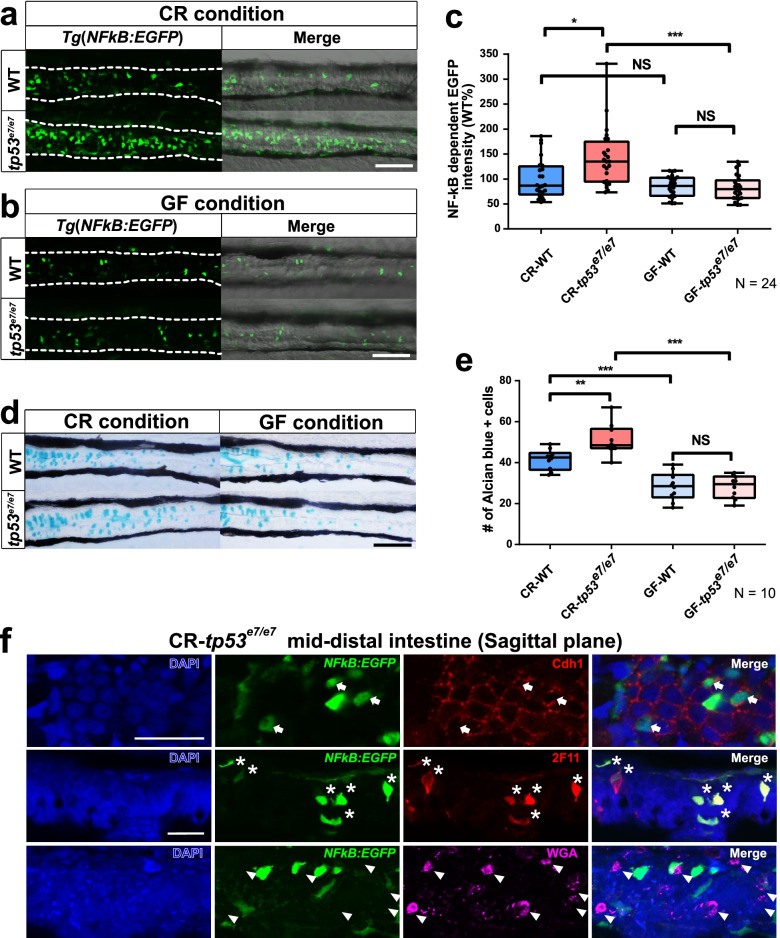
“To identify the types of cells with elevated NF-κBdependent EGFP in tp53-mutant mid-distal intestines, sagittal sections through that region were immunostained for enterocytes (anti-Cdh1), pan-secretory (goblet and enteroendocrine) cells (2F11), and goblet cells (WGA) [61, 62]: EGFP-positive intestinal cells were both…”
InfluentialMutations affecting craniofacial development in zebrafish
Neuhauss, S. C. F., Solnica-Krezel, L., Schier, A. F., Zwartkruis, F., Stemple, D. L., Malicki, J., Abdelilah, S., Stainier, D. Y. R., & Driever, W. (1996) · Development · doi:10.1242/dev.123.1.357 · Cited by 254
Nagao-Kitamoto, H., Shreiner, A. B., Gillilland, M. G., Kitamoto, S., Ishii, C., Hirayama, A., Kuffa, P., El-Zaatari, M., Grasberger, H., Seekatz, A. M., et al. (2016) · Cellular and Molecular Gastroenterology and Hepatology · doi:10.1016/j.jcmgh.2016.02.003 · Cited by 248 · cited 11×
“For example, a decrease in the alpha-diversity (richness and evenness), represented by a reduction of Bacteroidetes and increased abundance of Proteobacteria, has been observed in IBD [33, 34].”
InfluentialColorectal cancer in inflammatory bowel disease: review of the evidence
Keller, D. S., Windsor, A., Cohen, R., & Chand, M. (2019) · Techniques in Coloproctology · doi:10.1007/s10151-019-1926-2 · Cited by 247
Sialic acid catabolism drives intestinal inflammation and microbial dysbiosis in mice
Huang, Y.-L., Chassard, C., Hausmann, M., von Itzstein, M., & Hennet, T. (2015) · Nature Communications · doi:10.1038/ncomms9141 · Cited by 243 · cited 2×
“, reduced Ruminococcaceae and enriched Porphyromonadaceae) compared to wild-type mice as adults [43].”
Methods for generating and colonizing gnotobiotic zebrafish
Pham, L. N., Kanther, M., Semova, I., & Rawls, J. F. (2008) · Nature Protocols · doi:10.1038/nprot.2008.186 · Cited by 240 · cited 1×
“Gnotobiology To derive gnotobiotic zebrafish, germfree condition was established as previously described [93].”
Kanther, M., Sun, X., Mühlbauer, M., Mackey, L. C., Flynn, E. J., Bagnat, M., Jobin, C., & Rawls, J. F. (2011) · Gastroenterology · doi:10.1053/j.gastro.2011.03.042 · Cited by 239 · cited 2×
“In addition, the increased expression of ikbaa, a known direct target gene of NF-κB [57], in GITs of tp53 mutants under CR conditions also have a tendency to decrease compared to that under GF conditions shown by quantitative RT-PCR (Additional file 1: Fig.”
Intestinal microbiota in health and disease
Kåhrström, C. T., Pariente, N., & Weiss, U. (2016) · Nature · doi:10.1038/535047a · Cited by 231
The Role of Sialyl-Tn in Cancer
Munkley, J. (2016) · International Journal of Molecular Sciences · doi:10.3390/ijms17030275 · Cited by 226
The microbiota in inflammatory bowel disease: Current and therapeutic insights
Lane, E. R., Zisman, T., & Suskind, D. (2017) · Journal of Inflammation Research · doi:10.2147/jir.s116088 · Cited by 226
Mucosa-associated microbiota dysbiosis in colitis associated cancer
Richard, M. L., Liguori, G., Lamas, B., Brandi, G., da Costa, G., Hoffmann, T. W., Pierluigi Di Simone, M., Calabrese, C., Poggioli, G., Langella, P., et al. (2018) · Gut Microbes · doi:10.1080/19490976.2017.1379637 · Cited by 213
Cohen, L. J., Cho, J. H., Gevers, D., & Chu, H. (2019) · Gastroenterology · doi:10.1053/j.gastro.2019.03.017 · Cited by 201
Hedlund, M., Padler-Karavani, V., Varki, N. M., & Varki, A. (2008) · Proceedings of the National Academy of Sciences · doi:10.1073/pnas.0803943105 · Cited by 199 · cited 1×
“Of note, it has been established that aberrant accumulation of Neu5Gc promotes low-level chronic inflammation leading to cancer progression in human tumor cells [82, 83], similar to the increased Neu5Gc and elevated inflammation in zebrafish tp53 mutant intestines in our current study.”
Clonal evolution of colorectal cancer in IBD
Choi, C.-H. R., Bakir, I. A., Hart, A. L., & Graham, T. A. (2017) · Nature Reviews Gastroenterology & Hepatology · doi:10.1038/nrgastro.2017.1 · Cited by 196
The gut microbiota in mouse models of inflammatory bowel disease
Gkouskou, K. K., Deligianni, C., Tsatsanis, C., & Eliopoulos, A. G. (2014) · Frontiers in Cellular and Infection Microbiology · doi:10.3389/fcimb.2014.00028 · Cited by 162
Best practices for germ-free derivation and gnotobiotic zebrafish husbandry
(2017) · Methods in Cell Biology · doi:10.1016/bs.mcb.2016.11.005 · Cited by 157 · cited 1×
“Most importantly, it is amenable to metagenomic analyses of the intestinal microbiota [55] in combination with established GF rearing conditions and ex-germfree (ex-GF) experimental settings for interrogating individual or collective functions of the microbiota [56].”
Cross talk between stimulated NF-κB and the tumor suppressor p53
Schneider, G., Henrich, A., Greiner, G., Wolf, V, Lovas, A., Wieczorek, M., Wagner, T., Reichardt, S., von Werder, A., Schmid, R. M., et al. (2010) · Oncogene · doi:10.1038/onc.2010.46 · Cited by 149
Zhu, W., Miyata, N., Winter, M. G., Arenales, A., Hughes, E. R., Spiga, L., Kim, J., Sifuentes-Dominguez, L., Starokadomskyy, P., Gopal, P., et al. (2019) · Journal of Experimental Medicine · doi:10.1084/jem.20181939 · Cited by 124
Self-citationSpatial and temporal diversity of glycome expression in mammalian brain
Lee, J., Ha, S., Kim, M., Kim, S.-W., Yun, J., Özcan, S., Hwang, H., Ji, I. J., Yin, D., Webster, M. J., et al. (2020) · Proceedings of the National Academy of Sciences · doi:10.1073/pnas.2014207117 · Cited by 116 · cited 1×
“The supernatant was collected and purified by solid phase extraction (SPE) with a graphitized carbon (PGC) cartridge as previously described [109].”
Self-citationRole of p53 in the Regulation of the Inflammatory Tumor Microenvironment and Tumor Suppression
Uehara, I., & Tanaka, N. (2018) · Cancers · doi:10.3390/cancers10070219 · Cited by 115 · cited 2×
“In addition, augmentations in NF-κB signaling shown by TP53 gain-of-function experiments have been well established [15, 16].”
Unified Theory of Bacterial Sialometabolism: How and Why Bacteria Metabolize Host Sialic Acids
Vimr, E. R. (2013) · ISRN Microbiology · doi:10.1155/2013/816713 · Cited by 105 · cited 3×
“SAs are known to be crucial for host-bacteria interactions by regulating host metabolism, bacterial survival, and immune surveillance [42].”
Mutant p53 promotes tumor progression and metastasis by the endoplasmic reticulum UDPase ENTPD5
Vogiatzi, F., Brandt, D. T., Schneikert, J., Fuchs, J., Grikscheit, K., Wanzel, M., Pavlakis, E., Charles, J. P., Timofeev, O., Nist, A., et al. (2016) · Proceedings of the National Academy of Sciences · doi:10.1073/pnas.1612711114 · Cited by 99 · cited 3×
“Despite their significance in cancer development, a direct relationship between upregulated STn/ST6GALNAC1, PSA/ST8SIA2, and TP53, “the guardian of the genome,” has been rarely considered, except for TP53 mutants being implicated in the N-glycosylation of proteins via the UDPase, ENTPD5 [45], and the correlated expres…”
Zebrafish: A See-Through Host and a Fluorescent Toolbox to Probe Host–Pathogen Interaction
Tobin, D. M., May, R. C., & Wheeler, R. T. (2012) · PLoS Pathogens · doi:10.1371/journal.ppat.1002349 · Cited by 97 · cited 1×
“This model is genetically tractable as it utilizes knockout and transgenic animals [51]; is optically transparent, allowing high-resolution in vivo imaging [52]; and is anatomically and functionally similar to corresponding human organs, including the intestine [53, 54].”
Targeting Aberrant Sialylation to Treat Cancer
Munkley, J., & Scott, E. (2019) · Medicines · doi:10.3390/medicines6040102 · Cited by 96
A beginner's guide to understanding and implementing the genetic modification of zebrafish
Rafferty, S. A., & Quinn, T. A. (2018) · Progress in Biophysics and Molecular Biology · doi:10.1016/j.pbiomolbio.2018.07.005 · Cited by 82 · cited 1×
“This model is genetically tractable as it utilizes knockout and transgenic animals [51]; is optically transparent, allowing high-resolution in vivo imaging [52]; and is anatomically and functionally similar to corresponding human organs, including the intestine [53, 54].”
Okerblom, J., & Varki, A. (2017) · ChemBioChem · doi:10.1002/cbic.201700077 · Cited by 79 · cited 1×
“In contrast to zebrafish, humans cannot synthesize Neu5Gc because humans lack a functional cytidine monophospho-N-acetylneuraminic acid hydroxylase (CMAH) enzyme that converts Neu5Ac to Neu5Gc [84].”
KRAS and TP53 mutations in inflammatory bowel disease-associated colorectal cancer: a meta-analysis
Du, L., Kim, J. J., Shen, J., Chen, B., & Dai, N. (2017) · Oncotarget · doi:10.18632/oncotarget.14549 · Cited by 75
Self-citationDisease-Specific Enteric Microbiome Dysbiosis in Inflammatory Bowel Disease
Mirsepasi‐Lauridsen, H. C., Vrankx, K., Engberg, J., Friis‐Møller, A., Brynskov, J., Nordgaard-Lassen, I., Petersen, A. M., & Krogfelt, K. A. (2018) · Frontiers in Medicine · doi:10.3389/fmed.2018.00304 · Cited by 70
Mutations affecting craniofacial development in zebrafish.
Neuhauss, S. C. F., Solnica‐Krezel, L., Schier, A. F., Zwartkruis, F. J. T., Stemple, D. L., Malicki, J. J., Abdelilah, S., Stainier, D. Y. R., & Driever, W. (1996) · Zurich Open Repository and Archive (University of Zurich) · doi:10.5167/uzh-228 · Cited by 67 · cited 1×
“Alcian blue staining To measure alcian blue positive goblet cells, alcian blue staining was modified as previously reported [95].”
Polysialic acid sustains cancer cell survival and migratory capacity in a hypoxic environment
Elkashef, S. M., Allison, S. J., Sadiq, M., Basheer, H. A., Morais, G. R., Loadman, P. M., Pors, K., & Falconer, R. A. (2016) · Scientific Reports · doi:10.1038/srep33026 · Cited by 66 · cited 1×
“In addition, polysialic acids (PSA), primarily synthesized by the polysialyltransferase ST8SIA2, are often overexpressed in aggressive and invasive cancers with poor prognoses [39, 79].”
Genetic Approaches Using Zebrafish to Study the Microbiota–Gut–Brain Axis in Neurological Disorders
Lee, J. G., Cho, H.-J., Jeong, Y.-M., & Lee, J.-S. (2021) · Cells · doi:10.3390/cells10030566 · Cited by 62
Self-citationSubramaniam, R., Mizoguchi, A., & Mizoguchi, E. (2016) · Cancer Research Frontiers · doi:10.17980/2016.1 · Cited by 46 · cited 1×
“The cascade of these events (tp53 mutation inducing aberrant SA metabolism, followed by pathobiont blooming and inflammation) may be a novel mechanistic explanation for the role of tp53 mutations at early stages of CAC progression [11, 12], and may also be consistent with a metabolic shift to host glycan utilization b…”
Spotlight on zebrafish: the next wave of translational research
Patton, E. E., & Tobin, D. M. (2019) · Disease Models & Mechanisms · doi:10.1242/dmm.039370 · Cited by 45 · cited 1×
“To study the relationship between TP53 mutations and dysbiosis via SA metabolism, we adopted a zebrafish larval model that represents an important animal model for mechanistic and translational studies [50].”
Padra, J. T., Sundh, H., Sundell, K. S., Venkatakrishnan, V., Jin, C., Samuelsson, T., Karlsson, N. G., & Lindén, S. K. (2017) · Infection and Immunity · doi:10.1128/iai.00189-17 · Cited by 43 · cited 1×
“in tp53 mutants provided the sialidase activity [87, 88], the mono-association of a lethal dose of A.”
Quosdorf, S. J., Schuetz, A., & Kolodziej, H. (2017) · Molecules · doi:10.3390/molecules22111989 · Cited by 37 · cited 1×
“PA inhibition results from a non-competitive mechanism against bacterial sialidases, and differs from the competitive inhibitory mechanism of OV [69].”
Enya, S., Kawakami, K., Suzuki, Y., & Kawaoka, S. (2018) · Disease Models & Mechanisms · doi:10.1242/dmm.032383 · Cited by 32 · cited 5×
“To identify the types of cells with elevated NF-κBdependent EGFP in tp53-mutant mid-distal intestines, sagittal sections through that region were immunostained for enterocytes (anti-Cdh1), pan-secretory (goblet and enteroendocrine) cells (2F11), and goblet cells (WGA) [61, 62]: EGFP-positive intestinal cells were both…”
InfluentialBernardo, C., Costa, C., Amaro, T., Gonçalves, M., Lopes, P., Freitas, R., Gärtner, F., Amado, F. M. L., Ferreira, J. A., & Santos, L. L. (2014) · PubMed · Cited by 29
Robertson, B. K., Harden, C., Selvaraju, S. B., Pradhan, S. K., & Yadav, J. S. (2014) · The Open Microbiology Journal · doi:10.2174/1874285801408010032 · Cited by 26 · cited 1×
“specific genes were designed and tested as previously published [97].”
Wang, Y., Kim, J. Y., Song, Y. H., Li, Z. P., Yoon, S. H., Uddin, Z., Ban, Y. J., Lee, K. W., & Park, K. H. (2019) · International Journal of Biological Macromolecules · doi:10.1016/j.ijbiomac.2019.01.105 · Cited by 22 · cited 2×
“PA, reported as an inhibitor of bacterial sialidase [68], was dissolved in dimethyl sulfoxide.”
Self-citationNeuraminidase production by Vibrio cholerae O1 and other diarrheagenic bacteria
Kabir, S., Ahmad, N., & Ali, S. (1984) · Infection and Immunity · doi:10.1128/iai.44.3.747-749.1984 · Cited by 22 · cited 1×
“in tp53 mutants provided the sialidase activity [87, 88], the mono-association of a lethal dose of A.”
Optimization of a plasmid electroporation protocol for Aeromonas salmonicida subsp. salmonicida
Dallaire-Dufresne, S., Emond-Rhéault, J.-G., Attéré, S. A., Tanaka, K. H., Trudel, M. V., Frenette, M., & Charette, S. J. (2014) · Journal of Microbiological Methods · doi:10.1016/j.mimet.2013.12.019 · Cited by 13 · cited 1×
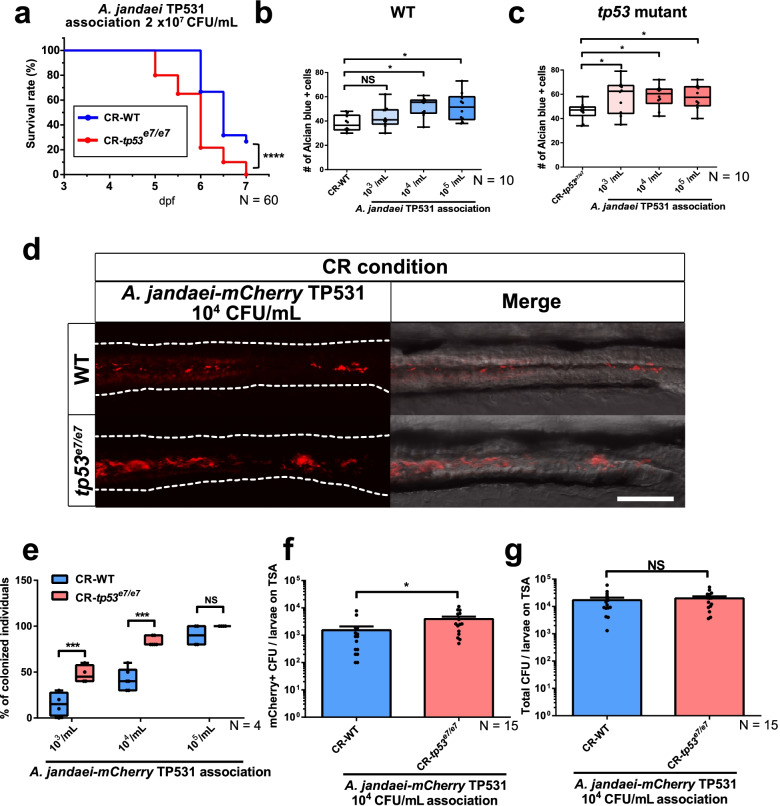
“jandaei TP531 by electroporation as previously reported [96].”
Sialyl-Tn Antigen Expression in Crohnʼs Colitis
Ta, A., Harpaz, N., Bodian, C., Roston, A. D., Oberman, L., Chen, A., & Itzkowitz, S. H. (1997) · Inflammatory Bowel Diseases · doi:10.1097/00054725-199712000-00002 · Cited by 11
Research works printed but not linked: 2
- Varki ASR Schauer R Varki A Cummings RD Esko JD Sialic acids and other nonulosonic acids Essentials of glycobiology [Internet] 2017 3
- Morton JT Marotz C Washburne A Silverman J Zaramela LS Edlund A Zengler K Knight R Establishing microbial composition measurement standards with reference frames Nat Commun 2019 10 1 11 31222023 PMC6586903 · DOI · Paper page
Cited by
Zhao, C., Hu, X., Qiu, M., Bao, L., Wu, K., Meng, X., Zhao, Y., Feng, L., Duan, S., He, Y., et al. (2023) · Microbiome · doi:10.1186/s40168-023-01528-8 · Cited by 117
“Our results agree with previous findings that microbiota-liberated host SA facilitates enteric pathogen invasion and promotes host gene mutant-induced opportunistic pathogen expansion [34, 65, 66].”
BackgroundResultKim, S., Park, S., Hwang, S.-H., Lee, E.-Y., Kim, J.-H., Lee, G. S., Lee, G., Chang, D., Lee, J. G., Hwang, J., et al. (2023) · Cell Host & Microbe · doi:10.1016/j.chom.2023.05.007 · Cited by 121
Self-citationApplication of zebrafish in the study of the gut microbiome
Zhong, X., Li, J., Lu, F., Zhang, J., & Guo, L. (2022) · Animal Models and Experimental Medicine · doi:10.1002/ame2.12227 · Cited by 76
Fang, T., Wang, J., Sun, S., Deng, X., Xue, M., Han, F., Sun, B., & Chen, L. (2024) · Phytomedicine · doi:10.1016/j.phymed.2024.155659 · Cited by 39
Li, D., Lin, Q., Luo, F., & Wang, H. (2023) · Foods · doi:10.3390/foods13010145 · Cited by 34
Metadata
- Authors
- Lee, J.-G., Lee, S., Jeon, J., Kong, H. G., Cho, H.-J., Kim, J.-H., Kim, S.-Y., Oh, M. J., Lee, D., Seo, N., Park, K. H., Yu, K., An, H. J., Ryu, C.-M., & Lee, J.-S.
- Affiliations
- Korea Institute of Science and Technology (KR)
- Korea Research Institute of Bioscience and Biotechnology (KR)
- Rural Development Administration (KR)
- Convergence Research Center for Diagnosis Treatment and Care System of Dementia (KR)
- Korea Bioinformation Center (KR)
- Chungnam National University (KR)
- Gyeongsang National University (KR)
- Corresponding author
- Ryu, Choong-Min
- Lee, Jeong-Soo
- ORCID
- Venue
- Microbiome
- Published
- 2022-01-06
- Volume
- 10
- Issue
- 1
- Pages
- 3-3
- ISSN
- 2049-2618 (ISSN-L)
- PMC
- PMC8733924
- OpenAlex
- W4206518470
- Cited by
- 26
- References
- 109
- Citations by year
- 2026: 5 · 2025: 7 · 2024: 4 · 2023: 7 · 2022: 3
- FWCI
- 1.71
- Type
- journal article
- Language
- en
- Open access
- gold
- doi.org
- Licence
- cc-by
- creativecommons.org/licenses/by/4.0 (tdm)
- creativecommons.org/licenses/by/4.0 (vor)
- Locations
- Microbiome (publishedVersion, cc-by)
- PubMed Central (publishedVersion, cc-by)
- PubMed (publishedVersion)
- DOAJ (DOAJ: Directory of Open Access Journals) (submittedVersion, cc-by-sa)
- Funders
- National Research Foundation
- Ministry of Agriculture, Food and Rural Affairs (918017‐4)
- Rural Development Administration (918017-4)
- Korea Institute of Science and Technology (CRC-15-04-KIST)
- Korea Research Institute of Bioscience and Biotechnology (KGM5352113, KGM2112133, KGM2112133)
- Ministry of Science and ICT, South Korea
- Topics
- Life Sciences › Biochemistry, Genetics and Molecular Biology › Molecular Biology › Gut microbiota and health
- Life Sciences › Biochemistry, Genetics and Molecular Biology › Molecular Biology › Glycosylation and Glycoproteins Research
- Health Sciences › Medicine › Gastroenterology › Gastrointestinal motility and disorders
- Keywords
- TP53 mutation, gut dysbiosis, intestinal inflammation, sialic acid metabolism, N-glycolylneuraminic acid, colitis-associated colorectal cancer, Aeromonas, pathobionts, host-microbe symbiosis, NF-κB signaling, neutrophil infiltration, sialidase inhibitors, oseltamivir, host-microbiome interactions
- MeSH terms
- Animals, Inflammation, Mutation, RNA, Ribosomal, 16S, Zebrafish, N-Acetylneuraminic Acid, Dysbiosis
About these checks
Registry, retraction, Cites and statistics results are computed, not judged, with one exception: a printed reference that no index lists is read once by a model before it counts as a citation error. Claims are extracted by a model and kept only when their quote appears verbatim in the text; each cited source is then checked, with a model’s help, for whether it says what the claim relies on. Those verdicts can be wrong — read the claim’s quote and the cited source before relying on one.
Statistics and arithmetic are recomputed, not judged.
Confidence bands are shown only for fields calibrated on our annotated test set. None is calibrated yet, so no band is shown.
What counts as a claim ›How we measure confidence ›How we check this ›
Are you an author, or do you see a problem with this page? Request a review
Data sources
Bibliographic data: Semantic Scholar, OpenAlex, Crossref.
Contains information from the Semantic Scholar Academic Graph Datasets, made available under the ODC Attribution License (ODC-BY 1.0).
Semantic Scholar’s data is described in: Kinney, R., et al. (2023). The Semantic Scholar Open Data Platform. arXiv:2301.10140.
