

The DOI matches its Crossref record; 217 of the 218 references it cites were found in a registry or an index.
Inconsistencies and Controversies Surrounding the Amyloid Hypothesis of Alzheimer's Disease
Open accessAbstract
The amyloid hypothesis has driven drug development strategies for Alzheimer's disease for over 20 years. We review why accumulation of amyloid-beta (Aβ) oligomers is generally considered causal for synaptic loss and neurodegeneration in AD. We elaborate on and update arguments for and against the amyloid hypothesis with new data and interpretations, and consider why the amyloid hypothesis may be failing therapeutically. We note several unresolved issues in the field including the presence of Aβ deposition in cognitively normal individuals, the weak correlation between plaque load and cognition, questions regarding the biochemical nature, presence and role of Aβ oligomeric assemblies in vivo, the bias of pre-clinical AD models toward the amyloid hypothesis and the poorly explained pathological heterogeneity and comorbidities associated with AD. We also illustrate how extensive data cited in support of the amyloid hypothesis, including genetic links to disease, can be interpreted independently of a role for Aβ in AD. We conclude it is essential to expand our view of pathogenesis beyond Aβ and tau pathology and suggest several future directions for AD research, which we argue will be critical to understanding AD pathogenesis.
Overview
The claims and statistics of this paper haven’t been checked yet.
Run the check — free, no account needed. It reads the open-access text and checks the sources it cites.
Integrity signals
Registry
Cites
Statistics
Figures
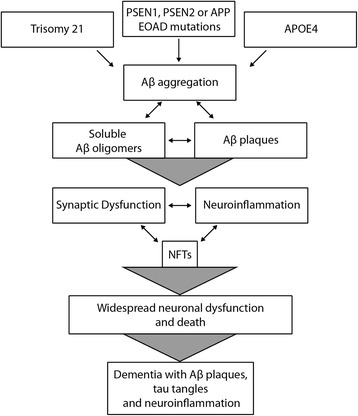
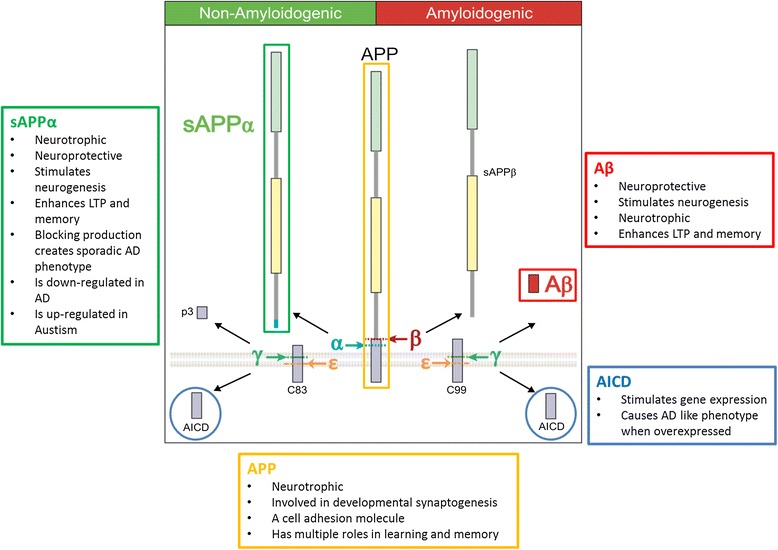
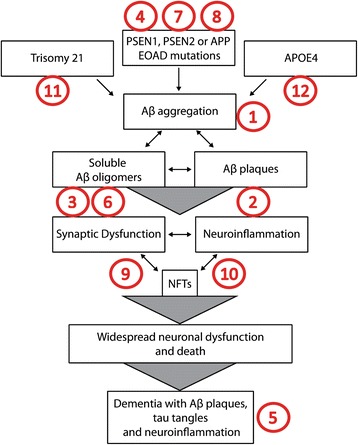
Verification
Claims the paper makes
The claims and statistics of this paper haven’t been checked yet.
Run the check — free, no account needed. It reads the open-access text and checks the sources it cites.
Claims other papers make about this one
Each is checked against this paper’s own text: does it say what the citing paper says it does?
The source backs part of the claim, not all of it — or backs it for a different population, condition or comparison.
In the citing paper
“along with the lack of correlation between plaque load and cognitive decline in AD patients3”
From Amyloid-β induces lipid droplet-mediated microglial dysfunction via the enzyme DGAT2 in Alzheimer’s disease (2025) · cites this paper as [3]
Experimental — accuracy not yet measured
Self-check
Percentages, sums and reported differences re-computed from the paper’s own numbers.
The self-check needs the paper’s full text.
Citations
Cites
Amyloid oligomers exacerbate tau pathology in a mouse model of tauopathy
Selenica, M.-L. B., Brownlow, M., Jimenez, J. P., Lee, D. C., Pena, G., Dickey, C. A., Gordon, M. N., & Morgan, D. (2013) · Neurodegenerative Diseases · doi:10.1159/000337230 · Cited by 10,359
Corder, E. H., Saunders, A. M., Strittmatter, W. J., Schmechel, D. E., Gaskell, P. C., Small, G. W., Roses, A. D., Haines, J. L., & Pericak-Vance, M. A. (1993) · Science · doi:10.1126/science.8346443 · Cited by 9,429
Polazzi, E., Mengoni, I., Caprini, M., Peña‐Altamira, E., Kurtys, E., & Monti, B. (2012) · Neurosignals · doi:10.1159/000337115 · Cited by 9,023
Power failure: why small sample size undermines the reliability of neuroscience
Button, K. S., Ioannidis, J. P. A., Mokrysz, C., Nosek, B. A., Flint, J., Robinson, E. S. J., & Munafò, M. R. (2013) · Nature Reviews Neuroscience · doi:10.1038/nrn3475 · Cited by 7,641 · cited 1×
“Even more so, with recent meta-analyses highlighting some major pitfalls with experimental design and statistical power in neuroscience [208,209], we need to be wary.”
BackgroundGlenner, G. G., & Wong, C. W. (1984) · Biochemical and Biophysical Research Communications · doi:10.1016/s0006-291x(84)80190-4 · Cited by 5,404
The precursor of Alzheimer's disease amyloid A4 protein resembles a cell-surface receptor
Kang, J., Lemaire, H.-G., Unterbeck, A., Salbaum, J. M., Masters, C. L., Grzeschik, K.-H., Multhaup, G., Beyreuther, K., & Müller-Hill, B. (1987) · Nature · doi:10.1038/325733a0 · Cited by 4,619
Inflammation and Alzheimer’s disease
Akiyama, H. (2000) · Neurobiology of Aging · doi:10.1016/s0197-4580(00)00124-x · Cited by 4,514
Amyloid plaque core protein in Alzheimer disease and Down syndrome.
Masters, C. L., Simms, G., Weinman, N. A., Multhaup, G., McDonald, B. L., & Beyreuther, K. (1985) · Proceedings of the National Academy of Sciences · doi:10.1073/pnas.82.12.4245 · Cited by 4,431
Alzheimer's Disease Is a Synaptic Failure
Selkoe, D. J. (2002) · Science · doi:10.1126/science.1074069 · Cited by 4,420
Terry, R. D., Masliah, E., Salmon, D. P., Butters, N., DeTeresa, R., Hill, R., Hansen, L. A., & Katzman, R. (1991) · Annals of Neurology · doi:10.1002/ana.410300410 · Cited by 4,397
Research works printed but not linked: 2
- Roche IU: Roche announces phase II clinical results of crenezumab in Alzheimer’s disease. 2014.
- Zakaib GW: Anti-Amyloid Therapies Combine Forces to Knock Out Plaques. 2014.
Cited by
Sorted by citations
Items 201–300 of 523
Common Signaling Pathways Involved in Alzheimer’s Disease and Stroke: Two Faces of the Same Coin
Das, T. K., Ganesh, B. P., & Fatima-Shad, K. (2023) · Journal of Alzheimer s Disease Reports · doi:10.3233/adr-220108 · Cited by 33
Fertan, E., Böken, D., Murray, A., Danial, J. S. H., Lam, J. Y. L., Wu, Y., Goh, P. A., Alić, I., Cheetham, M. R., Lobanova, E., et al. (2024) · Molecular Psychiatry · doi:10.1038/s41380-023-02333-3 · Cited by 31
Li, Y., Awasthi, S., Bryan, L. C., Ehrlich, R. S., Tonali, N., Balog, S., Yang, J., Sewald, N., & Mayer, M. (2024) · ACS Chemical Neuroscience · doi:10.1021/acschemneuro.4c00097 · Cited by 30
Inflammation Drives Alzheimer's Disease: Emphasis on 5-lipoxygenase Pathways
Siddiqui, A., Akhtar, S., Shah, Z., Othman, I., & Kumari, Y. (2020) · Current Neuropharmacology · doi:10.2174/1570159x18666200924122732 · Cited by 30
Chitranshi, N., Kumar, A., Sheriff, S., Gupta, V. B., Godinez, A., Saks, D., Sarkar, S., Shen, T., Mirzaei, M., Basavarajappa, D. K., et al. (2021) · Cells · doi:10.3390/cells10081946 · Cited by 29
Coronas‐Samano, G., Baker, K. L., Tan, W. J. T., Ivanova, A. V., & Verhagen, J. V. (2016) · Frontiers in Aging Neuroscience · doi:10.3389/fnagi.2016.00268 · Cited by 29
The involvement of microglia in Alzheimer's disease: a new dog in the fight
Moore, Z., Taylor, J. M., & Crack, P. J. (2019) · British Journal of Pharmacology · doi:10.1111/bph.14546 · Cited by 29
Zhuang, X., Jie, L., Song, Y., Ban, R., Zhao, X., Xia, Z., Wang, Z., & Zhang, G. (2024) · NeuroMolecular Medicine · doi:10.1007/s12017-024-08815-z · Cited by 33
Neuro-regeneration Therapeutic for Alzheimer’s Dementia: Perspectives on Neurotrophic Activity
Sun, M., & Alkon, D. L. (2019) · Trends in Pharmacological Sciences · doi:10.1016/j.tips.2019.07.008 · Cited by 31
Wearn, A. R., Nurdal, V., Saunders-Jennings, E., Knight, M. J., Isotalus, H., Dillon, S., Tsivos, D., Kauppinen, R. A., & Coulthard, E. J. (2020) · Alzheimer s Research & Therapy · doi:10.1186/s13195-020-00672-9 · Cited by 27
Amyloid-β1–43 cerebrospinal fluid levels and the interpretation of APP, PSEN1 and PSEN2 mutations
Perrone, F., Bjerke, M., Hens, E., Sieben, A., Timmers, M., Roeck, A. D., Vandenberghe, R. R., Sleegers, K., Martin, J., Deyn, P. P. D., et al. (2020) · Alzheimer s Research & Therapy · doi:10.1186/s13195-020-00676-5 · Cited by 28
Cholinergic neurodegeneration in Alzheimer disease mouse models
Shekari, A., & Fahnestock, M. L. (2021) · Handbook of clinical neurology · doi:10.1016/b978-0-12-819973-2.00013-7 · Cited by 30
Callens, M., Loncke, J., & Bultynck, G. (2022) · Cells · doi:10.3390/cells11121963 · Cited by 30
Drug discovery of neurodegenerative disease through network pharmacology approach in herbs
Ke, Z., Zhang, X., Cao, Z., Ding, Y., Li, N., Cao, L., Wang, T., Zhang, C., Ding, G., Wang, Z., et al. (2016) · Biomedicine & Pharmacotherapy · doi:10.1016/j.biopha.2016.01.021 · Cited by 28
Cuberas‐Borrós, G., Roca, I., Boada, M., Tárraga, L., Hernández, I., Buendía, M., Rubio, L., Torres, G., Bittini, A., Guzmán‐De‐Villoria, J. A., et al. (2017) · Journal of Alzheimer s Disease · doi:10.3233/jad-170693 · Cited by 28
Herzer, S., Hagan, C., von Gerichten, J., Dieterle, V., Munteanu, B., Sandhoff, R., Hopf, C., & Nordström, V. (2018) · Frontiers in Molecular Neuroscience · doi:10.3389/fnmol.2018.00206 · Cited by 27
CSF biomarkers and amyloid PET: concordance and diagnostic accuracy in a MCI cohort
Spallazzi, M., Barocco, F., Michelini, G., Immovilli, P., Taga, A., Morelli, N., Ruffini, L., & Caffarra, P. (2019) · Acta Neurologica Belgica · doi:10.1007/s13760-019-01112-8 · Cited by 27
Clark, I., & Vissel, B. (2021) · Journal of Alzheimer s Disease · doi:10.3233/jad-201186 · Cited by 27
Self-citationD'Acunto, C. W., Kaplánek, R., Gbelcová, H., Kejík, Z., Bříza, T., Vasina, L., Havlík, M., Ruml, T., & Král, V. (2018) · European Journal of Medicinal Chemistry · doi:10.1016/j.ejmech.2018.02.084 · Cited by 26
Pathogenesis of sporadic Alzheimer's disease by deficiency of NMDA receptor subunit GluN3A
Zhong, W., Wu, A., Berglund, K., Gu, X., Jiang, M. Q., Talati, J., Zhao, J., Wei, L., & Yu, S. P. (2022) · Alzheimer's & Dementia · doi:10.1002/alz.12398 · Cited by 59
Itkin, A., Salnikov, E. S., Aisenbrey, C., Raya, J., Glattard, E., Raussens, V., Ruysschaert, J., & Bechinger, B. (2017) · ACS Omega · doi:10.1021/acsomega.7b00619 · Cited by 26
de la Torre, J. C. (2021) · Journal of Alzheimer s Disease · doi:10.3233/jad-201165 · Cited by 28
Johnson, J. T., Fila, W. A., & Anumudu, C. K. (2025) · Applied Sciences · doi:10.3390/app151810285 · Cited by 29
Tackling gaps in developing life‐changing treatments for dementia
Mauricio, R., Benn, C., Davis, J. B., Dawson, G. R., Dawson, L. A., Evans, A., Fox, N. C., Gallacher, J., Hutton, M., Isaac, J. T. R., et al. (2019) · Alzheimer s & Dementia Translational Research & Clinical Interventions · doi:10.1016/j.trci.2019.05.001 · Cited by 27
Ferrari, B. L., Neto, G. D. C. C., Nucci, M. P., Mamani, J. B., Lacerda, S. S., Felicio, A. C., Amaro, E., & Gamarra, L. F. (2019) · Medicine · doi:10.1097/md.0000000000017824 · Cited by 25
Amyloid Oligomers, Protofibrils and Fibrils
Siddiqi, M. K., Majid, N., Malik, S., Alam, P., & Khan, R. H. (2019) · Sub-cellular biochemistry/Subcellular biochemistry · doi:10.1007/978-3-030-28151-9_16 · Cited by 25
Altered brain arginine metabolism with age in the APPswe/PSEN1dE9 mouse model of Alzheimer's disease
Vemula, P., Yu, J., Cicolini, J., Zhang, H., Mockett, B. G., Abraham, W. C., & Liu, P. (2020) · Neurochemistry International · doi:10.1016/j.neuint.2020.104798 · Cited by 24
Pradeepkiran, J. A., Reddy, A. P., Yin, X., Mańczak, M., & Reddy, P. H. (2019) · Human Molecular Genetics · doi:10.1093/hmg/ddz227 · Cited by 25
Fischetti, F., Poli, L., de Tommaso, M., Paolicelli, D., Greco, G., & Cataldi, S. (2023) · Frontiers in Physiology · doi:10.3389/fphys.2023.1241010 · Cited by 23
Žiaunys, M., Šulskis, D., Veiveris, D., Kopūstas, A., Sniečkutė, R., Mikalauskaitė, K., Sakalauskas, A., Tutkus, M., & Smirnovas, V. (2024) · FEBS Journal · doi:10.1111/febs.17244 · Cited by 24
Maggiore, A., Latina, V., D’Erme, M., Amadoro, G., & Coccurello, R. (2024) · Ageing Research Reviews · doi:10.1016/j.arr.2024.102578 · Cited by 25
A quantitative model of human neurodegenerative diseases involving protein aggregation
Kepp, K. P. (2019) · Neurobiology of Aging · doi:10.1016/j.neurobiolaging.2019.04.001 · Cited by 23
Lee, J.-E., Kwon, S., Jin, C., Cho, S., Park, S.-U., Jung, W., Moon, S., Park, J., Ko, C., & Cho, K. (2022) · Pharmaceuticals · doi:10.3390/ph15020174 · Cited by 24
Amyloid-β in Alzheimer’s disease – front and centre after all?
Weglinski, C., & Jeans, A. F. (2022) · Neuronal Signaling · doi:10.1042/ns20220086 · Cited by 24
Moving Away from Amyloid Beta to Move on in Alzheimer Research
Moreno‐Treviño, M. G., Castillo-López, J., & Meester, I. (2015) · Frontiers in Aging Neuroscience · doi:10.3389/fnagi.2015.00002 · Cited by 24
Kawasaki, T., Yaji, T., Ohta, T., Tsukiyama∥, K., & Nakamura, K. (2018) · Cellular and Molecular Neurobiology · doi:10.1007/s10571-018-0575-8 · Cited by 24
Egbertson, M. S., McGaughey, G. B., Pitzenberger, S. M., Stauffer, S. R., Coburn, C. A., Stachel, S. J., Yang, W., Barrow, J. C., Neilson, L. A., McWherter, M. A., et al. (2015) · Bioorganic & Medicinal Chemistry Letters · doi:10.1016/j.bmcl.2015.06.082 · Cited by 24
circRNA from APP Gene Changes in Alzheimer’s Disease Human Brain
Urdánoz‐Casado, A., de Gordoa, J. S., Robles, M., Roldán, M., Macías, M., Acha, B., Blanco‐Luquin, I., & Mendióroz, M. (2023) · International Journal of Molecular Sciences · doi:10.3390/ijms24054308 · Cited by 23
Horner, S., Berger, L., & Gibas, K. J. (2020) · Photodiagnosis and Photodynamic Therapy · doi:10.1016/j.pdpdt.2020.101777 · Cited by 25
Brainstem Pathologies Correlate With Depression and Psychosis in Parkinson's Disease
Fischer, N. M., Hinkle, J. T., Perepezko, K. M., Bakker, C. C., Morris, M., Broen, M. P. G., Butala, A., Dawson, T. M., Leentjens, A. F. G., Mari, Z. K., et al. (2021) · American Journal of Geriatric Psychiatry · doi:10.1016/j.jagp.2020.12.009 · Cited by 23
Switching On/Off Amyloid Plaque Formation in Transgenic Animal Models of Alzheimer’s Disease
Kozin, S. A., Kechko, O. I., Adzhubei, A. A., Makarov, A. А., & Mitkevich, V. A. (2023) · International Journal of Molecular Sciences · doi:10.3390/ijms25010072 · Cited by 21
Recapitulating Amyloid ß and Tau Pathology in Human Neural Cell Culture Models—Clinical Implications
Choi, S. H., Kim, Y. H., D’Avanzo, C., Aronson, J., Tanzi, R. E., Kim, D. Y., Associate, P., & Professor (2015) · touchREVIEWS in Neurology · doi:10.17925/usn.2015.11.02.102 · Cited by 23
Pandya, S., Initiative, A. D. N., Kuceyeski, A. F., & Raj, A. (2016) · Journal of Alzheimer s Disease · doi:10.3233/jad-160090 · Cited by 24
Eckerström, C., Svensson, J., Kettunen, P., Jonsson, M. A. G., & Eckerström, M. (2021) · Alzheimer s & Dementia Diagnosis Assessment & Disease Monitoring · doi:10.1002/dad2.12031 · Cited by 22
Amyloid-Beta Pathology and Cognitive Performance in Centenarians
Rohde, S. K., Luimes, M. C., Lorenz, L. M. C., Fierro‐Hernández, P., Rozemüller, A. J. M., Hulsman, M., Zhang, M., Graat, M., van der Hoorn, M. E., Daatselaar, D., et al. (2025) · JAMA Neurology · doi:10.1001/jamaneurol.2025.1734 · Cited by 26
Wnuk, A., Przepiórska, K., Rzemieniec, J., Pietrzak, B. A., & Kajta, M. (2020) · Neurotoxicity Research · doi:10.1007/s12640-020-00289-8 · Cited by 21
Research Progress on the Pathogenesis, Diagnosis, and Drug Therapy of Alzheimer’s Disease
Yang, Y., & Qiu, L. (2024) · Brain Sciences · doi:10.3390/brainsci14060590 · Cited by 22
Roher, A. E., Maarouf, C. L., & Kokjohn, T. A. (2016) · Journal of Alzheimer s Disease · doi:10.3233/jad-150757 · Cited by 22
de Matos, A. M., Blázquez‐Sánchez, M. T., Bento‐Oliveira, A., de Almeida, R. F. M., Nunes, R. S., Lopes, P. E. M., Machuqueiro, M., Cristóvão, J. S., Gomes, C. M., Souza, C. D. S., et al. (2020) · Journal of Medicinal Chemistry · doi:10.1021/acs.jmedchem.0c00841 · Cited by 22
Advances in Studies on Stroke-Induced Secondary Neurodegeneration (SND) and Its Treatment
Datta, A., Sarmah, D., Kalia, K., Borah, A., Wang, X., Dave, K. R., Yavagal, D. R., & Bhattacharya, P. (2020) · Current Topics in Medicinal Chemistry · doi:10.2174/1568026620666200416090820 · Cited by 18
Fu, C.-H., Han, X., Tong, L., Nie, P.-Y., Hu, Y., & Ji, L.-L. (2021) · Behavioural Brain Research · doi:10.1016/j.bbr.2021.113485 · Cited by 20
Tang, M.-Y., Gorin, F. A., & Lein, P. J. (2022) · Ageing and Neurodegenerative Diseases · doi:10.20517/and.2022.05 · Cited by 20
Xu, J., Wang, K., Yuan, Y., Li, H., Zhang, R., Guan, S., & Wang, L. (2018) · International Journal of Molecular Sciences · doi:10.3390/ijms19113304 · Cited by 20
Reversal of β -Amyloid-Induced Microglial Toxicity In Vitro by Activation of Fpr2/3
Wickstead, E. S., Karim, H. A., Manuel, R. E., Biggs, C. S., Getting, S. J., & McArthur, S. (2020) · Oxidative Medicine and Cellular Longevity · doi:10.1155/2020/2139192 · Cited by 20
New protein deposition tracers in the pipeline
Jovalekic, A., Koglin, N., Mueller, A., & Stephens, A. W. (2016) · EJNMMI Radiopharmacy and Chemistry · doi:10.1186/s41181-016-0015-3 · Cited by 19
Higher-order interactions between hippocampal CA1 neurons are disrupted in amnestic mice
Yan, C., Mercaldo, V., Jacob, A. D., Kramer, E. E., Mocle, A. J., Ramsaran, A. I., Tran, L. M., Rashid, A. J., Park, S., Insel, N., et al. (2024) · Nature Neuroscience · doi:10.1038/s41593-024-01713-4 · Cited by 20
Mitochondrial Proteome Changes Correlating with β-Amyloid Accumulation
Völgyi, K., Háden, K., Kis, V., Gulyássy, P., Badics, K., Györffy, B. A., Simor, A., Szabó, Z., Janáky, T., Drahos, L., et al. (2016) · Molecular Neurobiology · doi:10.1007/s12035-015-9682-4 · Cited by 20
Corrigan, F., Arulsamy, A., Teng, J., & Collins‐Praino, L. E. (2016) · Journal of Neurotrauma · doi:10.1089/neu.2016.4589 · Cited by 20
Aptamers Selected for Recognizing Amyloid β-Protein—A Case for Cautious Optimism
Rahimi, F. (2018) · International Journal of Molecular Sciences · doi:10.3390/ijms19030668 · Cited by 18
Pfeffer, A., Munder, T., Schreyer, S., Klein, C., Rasińska, J., Winter, Y., & Steiner, B. (2018) · Behavioural Brain Research · doi:10.1016/j.bbr.2018.03.030 · Cited by 20
Xu, J., Yuan, Y., Zhang, R., Song, Y., Sui, T., Wang, J., Wang, C., Chen, Y., Guan, S., & Wang, L. (2018) · Bioorganic Chemistry · doi:10.1016/j.bioorg.2018.10.072 · Cited by 19
Obata, Y., Murakami, K., Kawase, T., Hirose, K., Izuo, N., Shimizu, T., & Irie, K. (2020) · ACS Omega · doi:10.1021/acsomega.0c02134 · Cited by 19
Key biomarkers in Alzheimer’s disease: Insights for diagnosis and treatment strategies
Jamal, R., Shaikh, M. A., Taleuzzaman, M., Haque, Z., Albratty, M., Alam, M. S., Makeen, H. A., Zoghebi, K. A., & Saleh, S. F. (2025) · Journal of Alzheimer s Disease · doi:10.1177/13872877251330500 · Cited by 19
Tong, G., Izquierdo, P., & Raashid, R. A. (2017) · The Open Neurology Journal · doi:10.2174/1874205x01711010027 · Cited by 18
Etiology, pathogenesis of Alzheimer's disease and amyloid beta hypothesis
Kamble, S. M., Patil, K. R., & Upaganlawar, A. B. (2024) · Elsevier eBooks · doi:10.1016/b978-0-443-13205-6.00022-4 · Cited by 18
Inhaled Xenon Washout as a Biomarker of Alzheimer’s Disease
Hane, F. T., Li, T., Plata, J. A., Hassan, A. A., Granberg, K., & Albert, M. S. (2018) · Diagnostics · doi:10.3390/diagnostics8020041 · Cited by 20
Franco, R., Navarro, G., & Martínez‐Pinilla, E. (2019) · International Journal of Molecular Sciences · doi:10.3390/ijms20133297 · Cited by 17
Robinson, R. L., Rentz, D. M., Bruemmer, V., Andrews, J. S., Zagar, A. J., Kim, Y., Schwartz, R. L., Ye, W., & Fillit, H. M. (2019) · Journal of Alzheimer s Disease · doi:10.3233/jad-190430 · Cited by 18
Advances in Genetic and Molecular Understanding of Alzheimer’s Disease
Ibáñez, L., Cruchaga, C., & Fernández, M. V. (2021) · Genes · doi:10.3390/genes12081247 · Cited by 20
Shi, X., Luo, H.-B., Li, Y., Liu, Z.-J., Cao, L., Zhang, Z.-Q., Wang, Y., Zhang, X., & Liu, Z. (2016) · Neural Regeneration Research · doi:10.4103/1673-5374.191223 · Cited by 18
Traversing the epigenetic landscape: DNA methylation from retina to brain in development and disease
Xu, C., Fu, X., Qin, H., & Yao, K. (2024) · Frontiers in Cellular Neuroscience · doi:10.3389/fncel.2024.1499719 · Cited by 17
Jean, L., Foley, A. C., & Vaux, D. J. (2017) · Biomolecules · doi:10.3390/biom7040070 · Cited by 18
A continuous-time mathematical model and discrete approximations for the aggregation of β-Amyloid
Ackleh, A. S., Elaydi, S., Livadiotis, G., & Veprauskas, A. (2021) · Journal of Biological Dynamics · doi:10.1080/17513758.2020.1869843 · Cited by 17
The role of ADAM10 in astrocytes: Implications for Alzheimer’s disease
Elsworthy, R. J., Hill, E. J., Dunleavy, C., & Aldred, S. (2022) · Frontiers in Aging Neuroscience · doi:10.3389/fnagi.2022.1056507 · Cited by 17
Ye, Y., Chai, S.-F., Li, X.-R., Wu, M., Cai, H.-Y., & Wang, Z.-J. (2023) · Metabolic Brain Disease · doi:10.1007/s11011-023-01288-2 · Cited by 18
Brai, E., Simon, F., Cogoni, A., & Greenfield, S. A. (2018) · Frontiers in Neuroscience · doi:10.3389/fnins.2018.00362 · Cited by 18
Kawai, R., Chiba, S., Okuwaki, K., Kanada, R., Doi, H., Ono, M., Mochizuki, Y., & Okuno, Y. (2020) · ACS Chemical Neuroscience · doi:10.1021/acschemneuro.9b00602 · Cited by 17
Moelgg, K., Jummun, F., & Humpel, C. (2021) · Biomolecules · doi:10.3390/biom11030434 · Cited by 18
The Neurovascular Unit in Dementia: An Opinion on Current Research and Future Directions
Beishon, L., & Panerai, R. B. (2021) · Frontiers in Aging Neuroscience · doi:10.3389/fnagi.2021.721937 · Cited by 18
Iacono, D., Zandi, P. P., Gross, M. D., Markesbery, W. R., Pletniková, O., Rudow, G. L., & Troncoso, J. C. (2015) · Oncotarget · doi:10.18632/oncotarget.4118 · Cited by 18
Bouallègue, F. B., Mariano‐Goulart, D., Payoux, P., & Initiative, A. D. N. (2018) · Journal of Alzheimer s Disease · doi:10.3233/jad-170833 · Cited by 16
Histidine Tautomeric Effect on the Key Fragment R3 of Tau Protein from Atomistic Simulations
Li, H., Li, N., Tang, Y., & Lee, J. Y. (2021) · ACS Chemical Neuroscience · doi:10.1021/acschemneuro.1c00093 · Cited by 16
Engineered Antibodies to Improve Efficacy against Neurodegenerative Disorders
Niazi, S. K., Mariam, Z., & Magoola, M. (2024) · International Journal of Molecular Sciences · doi:10.3390/ijms25126683 · Cited by 16
Zhao, L., Xiao, Y. C., Wang, X., Pei, J.-J., & Guan, Z.-Z. (2016) · Experimental Biology and Medicine · doi:10.1177/1535370216650759 · Cited by 16
Animal Research for Alzheimer Disease: Failures of Science and Ethics
Pippin, J. J., Cavanaugh, S. E., & Pistollato, F. (2019) · BRILL eBooks · doi:10.1163/9789004391192_021 · Cited by 16
Metabolic Strategies in Healthcare: A New Era
Phillips, M. C. L. (2022) · Aging and Disease · doi:10.14336/ad.2021.1018 · Cited by 16
Amin, E., Elgammal, Y. M., Zahran, M. A., & Abdelsalam, M. M. (2023) · Scientific Reports · doi:10.1038/s41598-023-45972-w · Cited by 15
del Pozo, A., Knox, K. M., Lehmann, L. M., Davidson, S., Rho, S., Jayadev, S., & Barker‐Haliski, M. L. (2023) · Progress in Neurobiology · doi:10.1016/j.pneurobio.2024.102591 · Cited by 14
Emerging amyloid and tau targeting treatments for Alzheimer’s disease
Khan, A., Corbett, A., & Ballard, C. G. (2017) · Expert Review of Neurotherapeutics · doi:10.1080/14737175.2017.1326819 · Cited by 16
DeMarshall, C. A., Oh, E. S., Kheirkhah, R., Sieber, F. E., Zetterberg, H., Blennow, K., & Nagele, R. G. (2019) · PLoS ONE · doi:10.1371/journal.pone.0225178 · Cited by 16
Oxtoby, N. P., Shand, C., Cash, D. M., Alexander, D. C., & Barkhof, F. (2022) · Frontiers in Artificial Intelligence · doi:10.3389/frai.2022.660581 · Cited by 14
The role of monocytes and macrophages in the progression of Alzheimer’s disease
Nie, W., Yue, Y., & Hu, J. (2025) · Frontiers in Immunology · doi:10.3389/fimmu.2025.1590909 · Cited by 15
Nuzzo, D., Frinchi, M., Giardina, C., Scordino, M., Zuccarini, M., Simone, C. D., Carlo, M. D., Belluardo, N., Mudò, G., & Liberto, V. D. (2022) · Cellular and Molecular Neurobiology · doi:10.1007/s10571-022-01274-9 · Cited by 15
Disease-modifying drugs for Alzheimer disease: implications for people in Canada
Watt, J. A., Isaranuwatchai, W., Grossman, L., & Straus, S. E. (2023) · Canadian Medical Association Journal · doi:10.1503/cmaj.230595 · Cited by 14
Exogenous Oxytocin Administration Restores Memory in Female APP/PS1 Mice
Koulousakis, P., Willems, E., Schepers, M., Rombaut, B., Prickaerts, J., Vanmierlo, T., & van den Hove, D. (2023) · Journal of Alzheimer s Disease · doi:10.3233/jad-230657 · Cited by 16
Genetically modified mice as a tool for the study of human diseases
Bruter, A. V., Varlamova, E. A., Okulova, Y. D., Tatarskiy, V. V., Silaeva, Y. Y., & Filatov, M. A. (2024) · Molecular Biology Reports · doi:10.1007/s11033-023-09066-0 · Cited by 14
he amyloid hypothesis of Alzheimer's disease: past and present, hopes and disappointments
Litvinenko, I., Emelin, А. Y., Lobzin, V. Y., Kolmakova, K. A., Naumov, K. M., Lupanov, I. A., Киливаева, Г. А., & Alizade, M. (2019) · Neurology neuropsychiatry Psychosomatics · doi:10.14412/2074-2711-2019-3-4-10 · Cited by 14
Young, S. C. (2018) · Molecules · doi:10.3390/molecules23020296 · Cited by 14
New Approaches to Profile the Microbiome for Treatment of Neurodegenerative Disease
Elmaleh, D. R., Downey, M. A., Kundakovic, L., Wilkinson, J. E., Neeman, Z., & Segal, E. (2021) · Journal of Alzheimer s Disease · doi:10.3233/jad-210198 · Cited by 14
Cheng, D., Su, L., Wang, X., Li, X., Li, L., Hu, M., & Lu, Y. (2021) · BMC Complementary Medicine and Therapies · doi:10.1186/s12906-021-03375-2 · Cited by 14
Metadata
- Authors
- Morris, G. P., Clark, I. A., & Vissel, B.
- Affiliations
- Garvan Institute of Medical Research (AU)
- Australian National University (AU)
- Corresponding author
- Vissel, Bryce
- Venue
- Acta Neuropathologica Communications
- Published
- 2014-09-18
- Volume
- 2
- Issue
- 1
- Pages
- 135-135
- ISSN
- 2051-5960 (ISSN-L)
- PMC
- PMC4207354
- OpenAlex
- W2148020885
- Cited by
- 522
- References
- 218
- Citations by year
- 2026: 13 · 2025: 44 · 2024: 47 · 2023: 47 · 2022: 42 · 2021: 41 · 2020: 48 · 2019: 59 · 2018: 63 · 2017: 46 · 2016: 49 · 2015: 22 · 2014: 1
- FWCI
- 26.23
- Type
- journal article
- Language
- en
- Open access
- gold
- doi.org
- Locations
- Acta Neuropathologica Communications (publishedVersion, cc-by)
- Europe PMC (PubMed Central) (publishedVersion, cc-by)
- PubMed Central (publishedVersion, cc-by)
- PubMed (publishedVersion)
- ANU Open Research (Australian National University) (submittedVersion, cc-by)
- UTS ePRESS (University of Technology Sydney) (submittedVersion)
- Topics
- Life Sciences › Neuroscience › Cellular and Molecular Neuroscience › Alzheimer's disease research and treatments
- Health Sciences › Medicine › Psychiatry and Mental health › Dementia and Cognitive Impairment Research
- Life Sciences › Neuroscience › Neurology › Neuroinflammation and Neurodegeneration Mechanisms
- Keywords
- amyloid hypothesis, Alzheimer's disease, amyloid-beta oligomers, amyloid plaques, synaptic loss, neurodegeneration, cognitively normal individuals, genetic risk factors, tau pathology, pathological heterogeneity, comorbidities, Alzheimer's disease pathogenesis
- MeSH terms
- Alzheimer Disease, Humans, Synapses, Amyloid beta-Peptides, Neurofibrillary Tangles, tau Proteins, Plaque, Amyloid
About these checks
Registry, retraction, Cites and statistics results are computed, not judged, with one exception: a printed reference that no index lists is read once by a model before it counts as a citation error. Claims are extracted by a model and kept only when their quote appears verbatim in the text; each cited source is then checked, with a model’s help, for whether it says what the claim relies on. Those verdicts can be wrong — read the claim’s quote and the cited source before relying on one.
Statistics and arithmetic are recomputed, not judged.
Confidence bands are shown only for fields calibrated on our annotated test set. None is calibrated yet, so no band is shown.
What counts as a claim ›How we measure confidence ›How we check this ›
Are you an author, or do you see a problem with this page? Request a review
