

The DOI matches its Crossref record; 217 of the 218 references it cites were found in a registry or an index.
Inconsistencies and Controversies Surrounding the Amyloid Hypothesis of Alzheimer's Disease
Open accessAbstract
The amyloid hypothesis has driven drug development strategies for Alzheimer's disease for over 20 years. We review why accumulation of amyloid-beta (Aβ) oligomers is generally considered causal for synaptic loss and neurodegeneration in AD. We elaborate on and update arguments for and against the amyloid hypothesis with new data and interpretations, and consider why the amyloid hypothesis may be failing therapeutically. We note several unresolved issues in the field including the presence of Aβ deposition in cognitively normal individuals, the weak correlation between plaque load and cognition, questions regarding the biochemical nature, presence and role of Aβ oligomeric assemblies in vivo, the bias of pre-clinical AD models toward the amyloid hypothesis and the poorly explained pathological heterogeneity and comorbidities associated with AD. We also illustrate how extensive data cited in support of the amyloid hypothesis, including genetic links to disease, can be interpreted independently of a role for Aβ in AD. We conclude it is essential to expand our view of pathogenesis beyond Aβ and tau pathology and suggest several future directions for AD research, which we argue will be critical to understanding AD pathogenesis.
Overview
The claims and statistics of this paper haven’t been checked yet.
Run the check — free, no account needed. It reads the open-access text and checks the sources it cites.
Integrity signals
Registry
Cites
Statistics
Figures
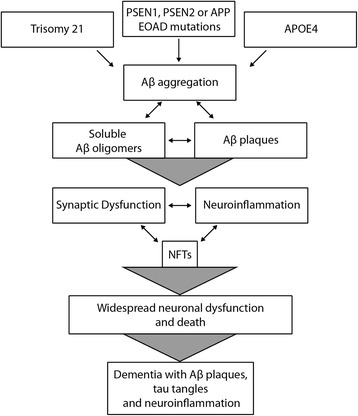
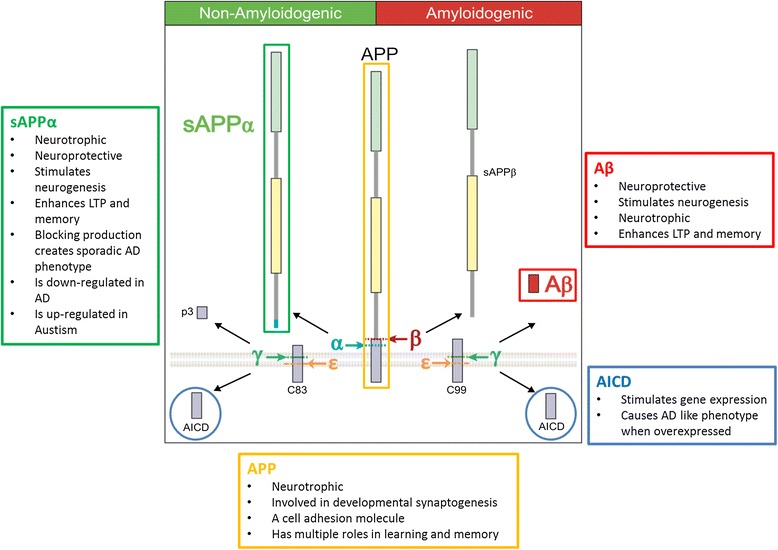
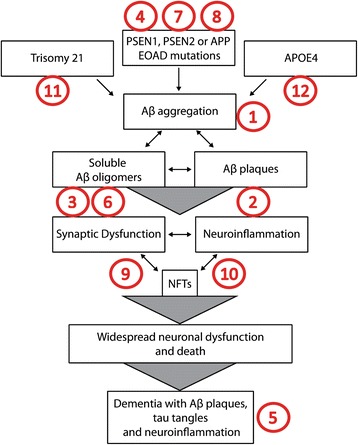
Verification
Claims the paper makes
The claims and statistics of this paper haven’t been checked yet.
Run the check — free, no account needed. It reads the open-access text and checks the sources it cites.
Claims other papers make about this one
Each is checked against this paper’s own text: does it say what the citing paper says it does?
The source backs part of the claim, not all of it — or backs it for a different population, condition or comparison.
In the citing paper
“along with the lack of correlation between plaque load and cognitive decline in AD patients3”
From Amyloid-β induces lipid droplet-mediated microglial dysfunction via the enzyme DGAT2 in Alzheimer’s disease (2025) · cites this paper as [3]
Experimental — accuracy not yet measured
Self-check
Percentages, sums and reported differences re-computed from the paper’s own numbers.
The self-check needs the paper’s full text.
Citations
Cites
Amyloid oligomers exacerbate tau pathology in a mouse model of tauopathy
Selenica, M.-L. B., Brownlow, M., Jimenez, J. P., Lee, D. C., Pena, G., Dickey, C. A., Gordon, M. N., & Morgan, D. (2013) · Neurodegenerative Diseases · doi:10.1159/000337230 · Cited by 10,359
Corder, E. H., Saunders, A. M., Strittmatter, W. J., Schmechel, D. E., Gaskell, P. C., Small, G. W., Roses, A. D., Haines, J. L., & Pericak-Vance, M. A. (1993) · Science · doi:10.1126/science.8346443 · Cited by 9,429
Polazzi, E., Mengoni, I., Caprini, M., Peña‐Altamira, E., Kurtys, E., & Monti, B. (2012) · Neurosignals · doi:10.1159/000337115 · Cited by 9,023
Power failure: why small sample size undermines the reliability of neuroscience
Button, K. S., Ioannidis, J. P. A., Mokrysz, C., Nosek, B. A., Flint, J., Robinson, E. S. J., & Munafò, M. R. (2013) · Nature Reviews Neuroscience · doi:10.1038/nrn3475 · Cited by 7,641 · cited 1×
“Even more so, with recent meta-analyses highlighting some major pitfalls with experimental design and statistical power in neuroscience [208,209], we need to be wary.”
BackgroundGlenner, G. G., & Wong, C. W. (1984) · Biochemical and Biophysical Research Communications · doi:10.1016/s0006-291x(84)80190-4 · Cited by 5,404
The precursor of Alzheimer's disease amyloid A4 protein resembles a cell-surface receptor
Kang, J., Lemaire, H.-G., Unterbeck, A., Salbaum, J. M., Masters, C. L., Grzeschik, K.-H., Multhaup, G., Beyreuther, K., & Müller-Hill, B. (1987) · Nature · doi:10.1038/325733a0 · Cited by 4,619
Inflammation and Alzheimer’s disease
Akiyama, H. (2000) · Neurobiology of Aging · doi:10.1016/s0197-4580(00)00124-x · Cited by 4,514
Amyloid plaque core protein in Alzheimer disease and Down syndrome.
Masters, C. L., Simms, G., Weinman, N. A., Multhaup, G., McDonald, B. L., & Beyreuther, K. (1985) · Proceedings of the National Academy of Sciences · doi:10.1073/pnas.82.12.4245 · Cited by 4,431
Alzheimer's Disease Is a Synaptic Failure
Selkoe, D. J. (2002) · Science · doi:10.1126/science.1074069 · Cited by 4,420
Terry, R. D., Masliah, E., Salmon, D. P., Butters, N., DeTeresa, R., Hill, R., Hansen, L. A., & Katzman, R. (1991) · Annals of Neurology · doi:10.1002/ana.410300410 · Cited by 4,397
Research works printed but not linked: 2
- Roche IU: Roche announces phase II clinical results of crenezumab in Alzheimer’s disease. 2014.
- Zakaib GW: Anti-Amyloid Therapies Combine Forces to Knock Out Plaques. 2014.
Cited by
Sorted by citations
Inflammation as a central mechanism in Alzheimer's disease
Kinney, J. W., Bemiller, S. M., Murtishaw, A. S., Leisgang, A. M., Salazar, A. M., & Lamb, B. T. (2018) · Alzheimer's & Dementia: Translational Research & Clinical Interventions · doi:10.1016/j.trci.2018.06.014 · Cited by 2,253
“As stated previously, patients may exhibit Ab plaque pathology for up to or greater than a decade before any overt diagnosis of AD [35,36].”
BackgroundA critical appraisal of amyloid-β-targeting therapies for Alzheimer disease
Panza, F., Lozupone, M., Logroscino, G., & Imbimbo, B. P. (2019) · Nature Reviews Neurology · doi:10.1038/s41582-018-0116-6 · Cited by 965
The Amyloid-β Oligomer Hypothesis: Beginning of the Third Decade
Cline, E. N., Bicca, M. A., Viola, K. L., & Klein, W. L. (2018) · Journal of Alzheimer's Disease · doi:10.3233/jad-179941 · Cited by 870
Yuan, P., Condello, C., Keene, C. D., Wang, Y., Bird, T. D., Paul, S. M., Luo, W., Colonna, M., Baddeley, D., & Grutzendler, J. (2016) · Neuron · doi:10.1016/j.neuron.2016.05.003 · Cited by 817
Molecular genetics of early-onset Alzheimer’s disease revisited
Cacace, R., Sleegers, K., & Van Broeckhoven, C. (2016) · Alzheimer's & Dementia · doi:10.1016/j.jalz.2016.01.012 · Cited by 617
Iron neurochemistry in Alzheimer's disease and Parkinson's disease: targets for therapeutics
Belaidi, A. A., & Bush, A. I. (2015) · Journal of Neurochemistry · doi:10.1111/jnc.13425 · Cited by 594
Glucose transporters in brain in health and disease
Koepsell, H. (2020) · Pflügers Archiv - European Journal of Physiology · doi:10.1007/s00424-020-02441-x · Cited by 558
Spatial navigation deficits — overlooked cognitive marker for preclinical Alzheimer disease?
Coughlan, G., Laczó, J., Hort, J., Minihane, A.-M., & Hornberger, M. (2018) · Nature Reviews Neurology · doi:10.1038/s41582-018-0031-x · Cited by 500
Activation of microglia and astrocytes: a roadway to neuroinflammation and Alzheimer’s disease
Kaur, D., Sharma, V., & Deshmukh, R. R. (2019) · Inflammopharmacology · doi:10.1007/s10787-019-00580-x · Cited by 503
Striking while the iron is hot: Iron metabolism and ferroptosis in neurodegeneration
Masaldan, S., Bush, A. I., Devos, D., Rolland, A., & Moreau, C. (2018) · Free Radical Biology and Medicine · doi:10.1016/j.freeradbiomed.2018.09.033 · Cited by 494
The contribution of neuroinflammation to amyloid toxicity in Alzheimer's disease
Minter, M. R., Taylor, J. M., & Crack, P. J. (2016) · Journal of Neurochemistry · doi:10.1111/jnc.13411 · Cited by 451
Synaptic Impairment in Alzheimer’s Disease: A Dysregulated Symphony
Forner, S., Baglietto-Vargas, D., Martini, A. C., Trujillo-Estrada, L., & LaFerla, F. M. (2017) · Trends in Neurosciences · doi:10.1016/j.tins.2017.04.002 · Cited by 430
Glucose Transporters at the Blood-Brain Barrier: Function, Regulation and Gateways for Drug Delivery
Patching, S. G. (2016) · Molecular Neurobiology · doi:10.1007/s12035-015-9672-6 · Cited by 376
Liss, J. L., Seleri Assunção, S., Cummings, J., Atri, A., Geldmacher, D. S., Candela, S. F., Devanand, D. P., Fillit, H. M., Susman, J., Mintzer, J., et al. (2021) · Journal of Internal Medicine · doi:10.1111/joim.13244 · Cited by 312
A novel Alzheimer disease locus located near the gene encoding tau protein
Jun, G., Ibrahim-Verbaas, C. A., Vronskaya, M., Lambert, J.-C., Chung, J., Naj, A. C., Kunkle, B. W., Wang, L.-S., Bis, J. C., Bellenguez, C., et al. (2016) · Molecular Psychiatry · doi:10.1038/mp.2015.23 · Cited by 297
Genes associated with Alzheimer's disease: an overview and current status
Giri, M., Lü, Y., & Zhang, M. (2016) · Clinical Interventions in Aging · doi:10.2147/cia.s105769 · Cited by 311
GFAP as a Potential Biomarker for Alzheimer’s Disease: A Systematic Review and Meta-Analysis
Kim, K. Y., Shin, K. Y., & Chang, K.-A. (2023) · Cells · doi:10.3390/cells12091309 · Cited by 309
Minter, M. R., Hinterleitner, R., Meisel, M., Zhang, C., Leone, V., Zhang, X., Oyler-Castrillo, P., Zhang, X., Musch, M. W., Shen, X., et al. (2017) · Scientific Reports · doi:10.1038/s41598-017-11047-w · Cited by 292
The amyloid cascade hypothesis: an updated critical review
Kepp, K. P., Robakis, N. K. R. K., Høilund‐Carlsen, P. F., Sensi, S. L., & Vissel, B. (2023) · Brain · doi:10.1093/brain/awad159 · Cited by 315
Self-citationClearance of cerebral Aβ in Alzheimer’s disease: reassessing the role of microglia and monocytes
Zuroff, L. R., Daley, D. A., Black, K. L., & Koronyo‐Hamaoui, M. (2017) · Cellular and Molecular Life Sciences · doi:10.1007/s00018-017-2463-7 · Cited by 292
Pulliam, L., Sun, B., Mustapić, M., Chawla, S., & Kapogiannis, D. (2019) · Journal of NeuroVirology · doi:10.1007/s13365-018-0695-4 · Cited by 246
A key role for MAM in mediating mitochondrial dysfunction in Alzheimer disease
Area-Gomez, E., de Groof, A., Bonilla, E., Montesinos, J., Tanji, K., Boldogh, I., Pon, L., & Schon, E. A. (2018) · Cell Death & Disease · doi:10.1038/s41419-017-0215-0 · Cited by 235
Morris, G. P., Clark, I. A., & Vissel, B. (2018) · Acta Neuropathologica · doi:10.1007/s00401-018-1918-8 · Cited by 212
Self-citationMeilandt, W. J., Ngu, H., Gogineni, A., Lalehzadeh, G., Lee, S.-H., Srinivasan, K., Imperio, J., Wu, T., Weber, M., Kruse, A. J., et al. (2020) · The Journal of Neuroscience · doi:10.1523/jneurosci.1871-19.2019 · Cited by 210
“The weakness of correlation between plaque abundance and cognitive status in humans, along with several unsuccessful clinical trials aimed at preventing cognitive decline by reducing brain A levels, has led some to question the relevance of A in the etiology and progression of AD (Krstic and Knuesel, 2013; Morris et a…”
BackgroundGABAergic Inhibitory Interneuron Deficits in Alzheimer’s Disease: Implications for Treatment
Xu, Y., Zhao, M., Han, Y., & Zhang, H. (2020) · Frontiers in Neuroscience · doi:10.3389/fnins.2020.00660 · Cited by 203
Drug repositioning and repurposing for Alzheimer disease
Ballard, C., Aarsland, D., Cummings, J., O’Brien, J., Mills, R., Molinuevo, J. L., Fladby, T., Williams, G., Doherty, P., Corbett, A., et al. (2020) · Nature Reviews Neurology · doi:10.1038/s41582-020-0397-4 · Cited by 201
Hölscher, C. (2018) · Neuropharmacology · doi:10.1016/j.neuropharm.2018.01.040 · Cited by 203
Tumor necrosis factor α Inhibition for Alzheimer’s Disease
Chang, R., Yee, K.-L., & Sumbria, R. K. (2017) · Journal of Central Nervous System Disease · doi:10.1177/1179573517709278 · Cited by 195
Understanding the Amyloid Hypothesis in Alzheimer’s Disease
Paroni, G., Bisceglia, P., & Seripa, D. (2019) · Journal of Alzheimer s Disease · doi:10.3233/jad-180802 · Cited by 194
Mitochondrial dysfunction: the missing link between aging and sporadic Alzheimer’s disease
Grimm, A., Friedland, K., & Eckert, A. (2015) · Biogerontology · doi:10.1007/s10522-015-9618-4 · Cited by 188
Insulin-Degrading Enzyme in the Fight against Alzheimer's Disease
Kurochkin, I. V., Guarnera, E., & Berezovsky, I. N. (2018) · Trends in Pharmacological Sciences · doi:10.1016/j.tips.2017.10.008 · Cited by 185
Amyloid‐β immunotherapy for alzheimer disease: Is it now a long shot?
Panza, F., Lozupone, M., Seripa, D., & Imbimbo, B. P. (2019) · Annals of Neurology · doi:10.1002/ana.25410 · Cited by 178
Baig, M. H., Ahmad, K., Rabbani, G., Danishuddin, M., & Choi, I. (2017) · Current Neuropharmacology · doi:10.2174/1570159x15666171016163510 · Cited by 181
A Systematic Review of Glucose Transport Alterations in Alzheimer's Disease
Kyrtata, N., Emsley, H. C. A., Sparasci, O., Parkes, L. M., & Dickie, B. R. (2021) · Frontiers in Neuroscience · doi:10.3389/fnins.2021.626636 · Cited by 171
Hippocampal plasticity during the progression of Alzheimer’s disease
Mufson, E. J., Mahady, L. J., Waters, D., Counts, S., Perez, S. E., DeKosky, S. T., Ginsberg, S. D., Ikonomović, M. D., Scheff, S. W., & Binder, L. I. (2015) · Neuroscience · doi:10.1016/j.neuroscience.2015.03.006 · Cited by 184
Bouhrara, M., Reiter, D. A., Bergeron, C. M., Zukley, L. M., Ferrucci, L., Resnick, S. M., & Spencer, R. G. S. (2018) · Alzheimer s & Dementia · doi:10.1016/j.jalz.2018.03.007 · Cited by 168
Yu, S. P., Jiang, M. Q., Shim, S. S., Pourkhodadad, S., & Wei, L. (2023) · Molecular Neurodegeneration · doi:10.1186/s13024-023-00636-1 · Cited by 178
Bourgade, K., Le Page, A., Bocti, C., Witkowski, J. M., Dupuis, G., Frost, E. H., & Fülöp, T. (2016) · Journal of Alzheimer’s Disease · doi:10.3233/jad-150652 · Cited by 161
Nuclear factor‐kappa β as a therapeutic target for Alzheimer's disease
Jha, N. K., Jha, S. K., Kar, R., Nand, P., Swati, K., & Goswami, V. K. (2019) · Journal of Neurochemistry · doi:10.1111/jnc.14687 · Cited by 163
Alifragis, P., & Marsh, J. (2018) · Neural Regeneration Research · doi:10.4103/1673-5374.230276 · Cited by 156
Koss, D. J., Jones, G., Cranston, A., Gardner, H., Kanaan, N. M., & Platt, B. (2016) · Acta Neuropathologica · doi:10.1007/s00401-016-1632-3 · Cited by 155
Alzheimer’s disease: How metal ions define β-amyloid function
Kepp, K. P. (2017) · Coordination Chemistry Reviews · doi:10.1016/j.ccr.2017.05.007 · Cited by 154
Stem cell therapy for Alzheimer's disease
Liu, X., Yang, L.-P., & Zhao, L. (2020) · World Journal of Stem Cells · doi:10.4252/wjsc.v12.i8.787 · Cited by 162
Amyloid β oligomers (AβOs) in Alzheimer’s disease
Mroczko, B., Groblewska, M., Litman‐Zawadzka, A., Kornhuber, J., & Lewczuk, P. (2017) · Journal of Neural Transmission · doi:10.1007/s00702-017-1820-x · Cited by 150
de la Torre, J. (2018) · Journal of Alzheimer s Disease · doi:10.3233/jad-180004 · Cited by 161
Peptide based therapeutics and their use for the treatment of neurodegenerative and other diseases
Baig, M. H., Ahmad, K., Saeed, M., Alharbi, A. M., Barreto, G. E., Ashraf, G. M., & Choi, I. (2018) · Biomedicine & Pharmacotherapy · doi:10.1016/j.biopha.2018.04.025 · Cited by 154
Liver Dysfunction as a Novel Player in Alzheimer’s Progression: Looking Outside the Brain
Estrada, L. D., Ahumada, P., Cabrera, D., & Arab, J. P. (2019) · Frontiers in Aging Neuroscience · doi:10.3389/fnagi.2019.00174 · Cited by 144
Copper Toxicity Links to Pathogenesis of Alzheimer’s Disease and Therapeutics Approaches
Ijaz, H. W., Wang, W., & Lang, M. (2020) · International Journal of Molecular Sciences · doi:10.3390/ijms21207660 · Cited by 146
Dystrophic microglia in late‐onset Alzheimer's disease
Streit, W. J., Khoshbouei, H., & Bechmann, I. (2020) · Glia · doi:10.1002/glia.23782 · Cited by 152
Metabolism-Centric Overview of the Pathogenesis of Alzheimer's Disease
Kang, S., Lee, Y., & Lee, J. E. (2017) · Yonsei Medical Journal · doi:10.3349/ymj.2017.58.3.479 · Cited by 148
Astroglial atrophy in Alzheimer’s disease
Verkhratsky, A., Rodriguez, J. J., Pivoriūnas, A., Zorec, R., & Semyanov, A. V. (2019) · Pflügers Archiv - European Journal of Physiology · doi:10.1007/s00424-019-02310-2 · Cited by 150
Elia, C. A., Tamborini, M., Rasile, M., Desiato, G., Marchetti, S., Swuec, P., Mazzitelli, S., Clemente, F., Anselmo, A., Matteoli, M., et al. (2019) · Cells · doi:10.3390/cells8091059 · Cited by 146
The emerging role of exosomes in Alzheimer’s disease
Zhang, T., Ma, S., Lv, J., Wang, X., Afewerky, H. K., Li, H. R., & Lu, Y. (2021) · Ageing Research Reviews · doi:10.1016/j.arr.2021.101321 · Cited by 141
Polis, B., & Samson, A. O. (2020) · Neural Regeneration Research · doi:10.4103/1673-5374.274328 · Cited by 142
Fisetin Reduces the Impact of Aging on Behavior and Physiology in the Rapidly Aging SAMP8 Mouse
Currais, A. J. M., Farrokhi, C. B., Dargusch, R., Armando, A. M., Quehenberger, O., Schubert, D. A., & Maher, P. A. (2017) · The Journals of Gerontology Series A · doi:10.1093/gerona/glx104 · Cited by 135
Kehoe, P. G. (2018) · Journal of Alzheimer’s Disease · doi:10.3233/jad-171119 · Cited by 133
Prati, F., Bottegoni, G., Bolognesi, M. L., & Cavalli, A. (2017) · Journal of Medicinal Chemistry · doi:10.1021/acs.jmedchem.7b00393 · Cited by 139
Microglia-Mediated Neuroprotection, TREM2, and Alzheimer’s Disease: Evidence From Optical Imaging
Condello, C., Yuan, P., & Grutzendler, J. (2018) · Biological Psychiatry · doi:10.1016/j.biopsych.2017.10.007 · Cited by 131
Role of metals in Alzheimer’s disease
Das, N., Raymick, J. B., & Sarkar, S. (2021) · Metabolic Brain Disease · doi:10.1007/s11011-021-00765-w · Cited by 132
Hey, J. A., Yu, Y., Versavel, M., Abushakra, S. R., Kočiš, P., Power, A., Kaplan, P. L., Amedio, J. C., & Tolar, M. (2017) · Clinical Pharmacokinetics · doi:10.1007/s40262-017-0608-3 · Cited by 132
Alzheimer’s disease due to loss of function: A new synthesis of the available data
Kepp, K. P. (2016) · Progress in Neurobiology · doi:10.1016/j.pneurobio.2016.06.004 · Cited by 123
Majdi, A., Sadigh‐Eteghad, S., Aghsan, S. R., Farajdokht, F., Vatandoust, S. M., Abbas-Abad, A. N., & Mahmoudi, J. (2020) · Reviews in the Neurosciences · doi:10.1515/revneuro-2019-0089 · Cited by 130
Temporal Dynamics of β-Amyloid Accumulation in Aging and Alzheimer Disease
Jagust, W. J., Landau, S. M., & Jack, C. R. (2021) · Neurology · doi:10.1212/wnl.0000000000011524 · Cited by 125
Clark, I. A., & Vissel, B. (2016) · Journal of Neuroinflammation · doi:10.1186/s12974-016-0708-2 · Cited by 123
Self-citationFelice, F. G. D., & Lourenco, M. V. (2015) · Frontiers in Aging Neuroscience · doi:10.3389/fnagi.2015.00094 · Cited by 122
Insulin Resistance Exacerbates Alzheimer Disease via Multiple Mechanisms
Wei, Z.-H., Koya, J., & Reznik, S. E. (2021) · Frontiers in Neuroscience · doi:10.3389/fnins.2021.687157 · Cited by 133
Circadian Rhythm and Alzheimer’s Disease
Homolak, J., Mudrovčić, M., Vukić, B., & Toljan, K. (2018) · Medical Sciences · doi:10.3390/medsci6030052 · Cited by 120
Currais, A. J. M., Fischer, W. H., Maher, P. A., & Schubert, D. A. (2016) · The FASEB Journal · doi:10.1096/fj.201601184 · Cited by 120
A cell therapy approach to restore microglial Trem2 function in a mouse model of Alzheimer’s disease
Yoo, Y., Neumayer, G., Shibuya, Y., Mader, M. M.-D., & Wernig, M. (2023) · Cell Stem Cell · doi:10.1016/j.stem.2023.07.006 · Cited by 109
Klavins, K., Koal, T., Dallmann, G., Marksteiner, J., Kemmler, G., & Humpel, C. (2015) · Alzheimer s & Dementia Diagnosis Assessment & Disease Monitoring · doi:10.1016/j.dadm.2015.05.003 · Cited by 111
Menopause, obesity and inflammation: interactive risk factors for Alzheimer’s disease
Christensen, A., & Pike, C. J. (2015) · Frontiers in Aging Neuroscience · doi:10.3389/fnagi.2015.00130 · Cited by 112
The Role of Mitochondrial Calcium Homeostasis in Alzheimer’s and Related Diseases
Ryan, K. C., Ashkavand, Z., & Norman, K. R. (2020) · International Journal of Molecular Sciences · doi:10.3390/ijms21239153 · Cited by 106
Fišar, Z. (2022) · Biomolecules · doi:10.3390/biom12111676 · Cited by 113
Dysregulation of Intracellular Calcium Signaling in Alzheimer's Disease
Александровна, П. Е., Pchitskaya, E. I., & Борисович, Б. И. (2018) · Antioxidants and Redox Signaling · doi:10.1089/ars.2018.7506 · Cited by 106
Velasco‐Estevez, M., Mampay, M., Boutin, H., Chaney, A. M., Warn, P. A., Sharp, J., Burgess, E., Moeendarbary, E., Dev, K. K., & Sheridan, G. K. (2018) · Frontiers in Aging Neuroscience · doi:10.3389/fnagi.2018.00332 · Cited by 105
Mullane, K., & Williams, M. J. (2020) · Biochemical Pharmacology · doi:10.1016/j.bcp.2020.113945 · Cited by 109
Vascular Hypothesis of Alzheimer Disease
Scheffer, S., Hermkens, D. M. A., van der Weerd, L., de Vries, H. E., & Daemen, M. J. A. P. (2021) · Arteriosclerosis Thrombosis and Vascular Biology · doi:10.1161/atvbaha.120.311911 · Cited by 113
Prakash, P., Manchanda, P., Paouri, E., Bisht, K., Sharma, K., Rajpoot, J., Wendt, V., Hossain, A., Wijewardhane, P. R., Randolph, C. E., et al. (2025) · Immunity · doi:10.1016/j.immuni.2025.04.029 · Cited by 104
Effects of neural stem cell transplantation in Alzheimer’s disease models
Hayashi, Y., Lin, H.-T., Lee, C.-C., & Tsai, K. (2020) · Journal of Biomedical Science · doi:10.1186/s12929-020-0622-x · Cited by 106
Interactions between inflammation, sex steroids, and Alzheimer’s disease risk factors
Uchoa, M. F., Moser, V. A., & Pike, C. J. (2016) · Frontiers in Neuroendocrinology · doi:10.1016/j.yfrne.2016.09.001 · Cited by 105
Cellular Senescence and Iron Dyshomeostasis in Alzheimer’s Disease
Masaldan, S., Belaidi, A. A., Ayton, S., & Bush, A. I. (2019) · Pharmaceuticals · doi:10.3390/ph12020093 · Cited by 106
Ferroptosis regulation through Nrf2 and implications for neurodegenerative diseases
Xiang, Y., Song, X., & Long, D. (2024) · Archives of Toxicology · doi:10.1007/s00204-023-03660-8 · Cited by 116
Sun, L., Cho, H.-J., Sen, S., Arango, A. S., Huynh, T. T., Huang, Y., Bandara, N., Rogers, B. E., Tajkhorshid, E., & Mirica, L. M. (2021) · Journal of the American Chemical Society · doi:10.1021/jacs.1c05470 · Cited by 101
Mullane, K., & Williams, M. (2018) · Biochemical Pharmacology · doi:10.1016/j.bcp.2018.09.026 · Cited by 98
Anti-Viral Properties of Amyloid-β Peptides
Bourgade, K., Dupuis, G., Frost, E. H., & Fülöp, T. (2016) · Journal of Alzheimer s Disease · doi:10.3233/jad-160517 · Cited by 97
Understanding the roles of mutations in the amyloid precursor protein in Alzheimer disease
Hunter, S., & Brayne, C. (2018) · Molecular Psychiatry · doi:10.1038/mp.2017.218 · Cited by 94
Pomeshchik, Y., Klementieva, O., Gil, J., Martinsson, I., Hansen, M. G., de Vries, T., Sancho-Balsells, A., Russ, K., Savchenko, E., Collin, A., et al. (2020) · Stem Cell Reports · doi:10.1016/j.stemcr.2020.06.001 · Cited by 95
Charnley, M., Islam, S., Bindra, G. K., Engwirda, J., Ratcliffe, J., Zhou, J., Mezzenga, R., Hulett, M. D., Han, K., Berryman, J. T., et al. (2022) · Nature Communications · doi:10.1038/s41467-022-30932-1 · Cited by 102
Ferreira, J. P. S., Albuquerque, H. M. T., Cardoso, S. M., Silva, A. M. S., & Silva, V. L. M. (2021) · European Journal of Medicinal Chemistry · doi:10.1016/j.ejmech.2021.113492 · Cited by 96
Early Changes in Hippocampal Neurogenesis in Transgenic Mouse Models for Alzheimer’s Disease
Unger, M. S., Marschallinger, J., Kaindl, J., Höfling, C., Roßner, S., Heneka, M. T., der Linden, A. V., & Aigner, L. (2016) · Molecular Neurobiology · doi:10.1007/s12035-016-0018-9 · Cited by 96
The protective effects of polyphenols on Alzheimer's disease: A systematic review
Colizzi, C. (2018) · Alzheimer s & Dementia Translational Research & Clinical Interventions · doi:10.1016/j.trci.2018.09.002 · Cited by 97
Obesity and sex interact in the regulation of Alzheimer's disease
Moser, V. A., & Pike, C. J. (2015) · Neuroscience & Biobehavioral Reviews · doi:10.1016/j.neubiorev.2015.08.021 · Cited by 91
The expanding phenotypes of cohesinopathies: one ring to rule them all!
Piché, J., Vliet, P. P. V., Pucéat, M., & Andelfinger, G. (2019) · Cell Cycle · doi:10.1080/15384101.2019.1658476 · Cited by 89
Alzheimer’s disease – the journey of a healthy brain into organ failure
Golde, T. E. (2022) · Molecular Neurodegeneration · doi:10.1186/s13024-022-00523-1 · Cited by 98
DeMarshall, C. A., Nagele, E. P., Sarkar, A., Acharya, N. K., Godsey, G. A., Goldwaser, E. L., Kosciuk, M. C., Thayasivam, U., Han, M. C., Belinka, B. A., et al. (2016) · Alzheimer s & Dementia Diagnosis Assessment & Disease Monitoring · doi:10.1016/j.dadm.2016.03.002 · Cited by 88
TREM2‐dependent effects on microglia in Alzheimer's disease
Zhou, Y., Ulland, T. K., & Colonna, M. (2018) · Frontiers in Aging Neuroscience · doi:10.3389/fnagi.2018.00202 · Cited by 82
Callens, M., Kraskovskaya, N., Derevtsova, K. Z., Annaert, W. G., Bultynck, G., Борисович, Б. И., & Vervliet, T. (2021) · Biochimica et Biophysica Acta (BBA) - Molecular Cell Research · doi:10.1016/j.bbamcr.2021.118997 · Cited by 86
Molecular Recognition with Macrocyclic Receptors for Application in Precision Medicine
Pan, Y., Tian, J., & Guo, D. (2023) · Accounts of Chemical Research · doi:10.1021/acs.accounts.3c00585 · Cited by 84
Clark, I. A., & Vissel, B. (2015) · British Journal of Pharmacology · doi:10.1111/bph.13181 · Cited by 84
Self-citationCollins-Praino, L. E., & Corrigan, F. (2017) · Brain, Behavior, and Immunity · doi:10.1016/j.bbi.2016.09.027 · Cited by 95
Metadata
- Authors
- Morris, G. P., Clark, I. A., & Vissel, B.
- Affiliations
- Garvan Institute of Medical Research (AU)
- Australian National University (AU)
- Corresponding author
- Vissel, Bryce
- Venue
- Acta Neuropathologica Communications
- Published
- 2014-09-18
- Volume
- 2
- Issue
- 1
- Pages
- 135-135
- ISSN
- 2051-5960 (ISSN-L)
- PMC
- PMC4207354
- OpenAlex
- W2148020885
- Cited by
- 522
- References
- 218
- Citations by year
- 2026: 13 · 2025: 44 · 2024: 47 · 2023: 47 · 2022: 42 · 2021: 41 · 2020: 48 · 2019: 59 · 2018: 63 · 2017: 46 · 2016: 49 · 2015: 22 · 2014: 1
- FWCI
- 26.23
- Type
- journal article
- Language
- en
- Open access
- gold
- doi.org
- Locations
- Acta Neuropathologica Communications (publishedVersion, cc-by)
- Europe PMC (PubMed Central) (publishedVersion, cc-by)
- PubMed Central (publishedVersion, cc-by)
- PubMed (publishedVersion)
- ANU Open Research (Australian National University) (submittedVersion, cc-by)
- UTS ePRESS (University of Technology Sydney) (submittedVersion)
- Topics
- Life Sciences › Neuroscience › Cellular and Molecular Neuroscience › Alzheimer's disease research and treatments
- Health Sciences › Medicine › Psychiatry and Mental health › Dementia and Cognitive Impairment Research
- Life Sciences › Neuroscience › Neurology › Neuroinflammation and Neurodegeneration Mechanisms
- Keywords
- amyloid hypothesis, Alzheimer's disease, amyloid-beta oligomers, amyloid plaques, synaptic loss, neurodegeneration, cognitively normal individuals, genetic risk factors, tau pathology, pathological heterogeneity, comorbidities, Alzheimer's disease pathogenesis
- MeSH terms
- Alzheimer Disease, Humans, Synapses, Amyloid beta-Peptides, Neurofibrillary Tangles, tau Proteins, Plaque, Amyloid
About these checks
Registry, retraction, Cites and statistics results are computed, not judged, with one exception: a printed reference that no index lists is read once by a model before it counts as a citation error. Claims are extracted by a model and kept only when their quote appears verbatim in the text; each cited source is then checked, with a model’s help, for whether it says what the claim relies on. Those verdicts can be wrong — read the claim’s quote and the cited source before relying on one.
Statistics and arithmetic are recomputed, not judged.
Confidence bands are shown only for fields calibrated on our annotated test set. None is calibrated yet, so no band is shown.
What counts as a claim ›How we measure confidence ›How we check this ›
Are you an author, or do you see a problem with this page? Request a review
