

The DOI matches its Crossref record; 217 of the 218 references it cites were found in a registry or an index.
Inconsistencies and Controversies Surrounding the Amyloid Hypothesis of Alzheimer's Disease
Open accessAbstract
The amyloid hypothesis has driven drug development strategies for Alzheimer's disease for over 20 years. We review why accumulation of amyloid-beta (Aβ) oligomers is generally considered causal for synaptic loss and neurodegeneration in AD. We elaborate on and update arguments for and against the amyloid hypothesis with new data and interpretations, and consider why the amyloid hypothesis may be failing therapeutically. We note several unresolved issues in the field including the presence of Aβ deposition in cognitively normal individuals, the weak correlation between plaque load and cognition, questions regarding the biochemical nature, presence and role of Aβ oligomeric assemblies in vivo, the bias of pre-clinical AD models toward the amyloid hypothesis and the poorly explained pathological heterogeneity and comorbidities associated with AD. We also illustrate how extensive data cited in support of the amyloid hypothesis, including genetic links to disease, can be interpreted independently of a role for Aβ in AD. We conclude it is essential to expand our view of pathogenesis beyond Aβ and tau pathology and suggest several future directions for AD research, which we argue will be critical to understanding AD pathogenesis.
Overview
The claims and statistics of this paper haven’t been checked yet.
Run the check — free, no account needed. It reads the open-access text and checks the sources it cites.
Integrity signals
Registry
Cites
Statistics
Figures
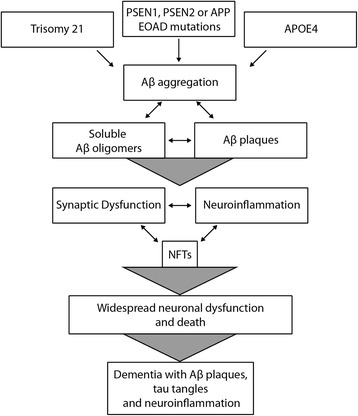
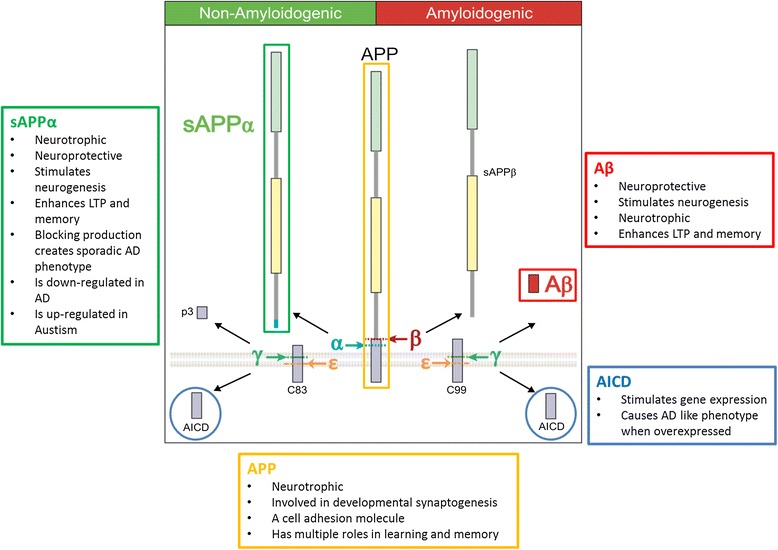
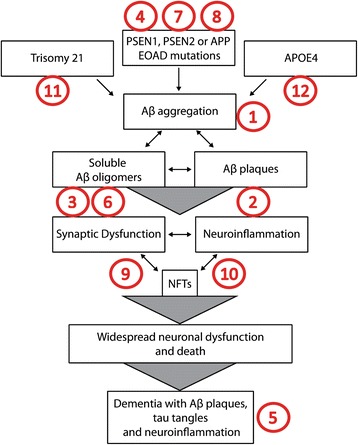
Verification
Claims the paper makes
The claims and statistics of this paper haven’t been checked yet.
Run the check — free, no account needed. It reads the open-access text and checks the sources it cites.
Claims other papers make about this one
Each is checked against this paper’s own text: does it say what the citing paper says it does?
The source backs part of the claim, not all of it — or backs it for a different population, condition or comparison.
In the citing paper
“along with the lack of correlation between plaque load and cognitive decline in AD patients3”
From Amyloid-β induces lipid droplet-mediated microglial dysfunction via the enzyme DGAT2 in Alzheimer’s disease (2025) · cites this paper as [3]
Experimental — accuracy not yet measured
Self-check
Percentages, sums and reported differences re-computed from the paper’s own numbers.
The self-check needs the paper’s full text.
Citations
Cites
Amyloid oligomers exacerbate tau pathology in a mouse model of tauopathy
Selenica, M.-L. B., Brownlow, M., Jimenez, J. P., Lee, D. C., Pena, G., Dickey, C. A., Gordon, M. N., & Morgan, D. (2013) · Neurodegenerative Diseases · doi:10.1159/000337230 · Cited by 10,359
Corder, E. H., Saunders, A. M., Strittmatter, W. J., Schmechel, D. E., Gaskell, P. C., Small, G. W., Roses, A. D., Haines, J. L., & Pericak-Vance, M. A. (1993) · Science · doi:10.1126/science.8346443 · Cited by 9,429
Polazzi, E., Mengoni, I., Caprini, M., Peña‐Altamira, E., Kurtys, E., & Monti, B. (2012) · Neurosignals · doi:10.1159/000337115 · Cited by 9,023
Power failure: why small sample size undermines the reliability of neuroscience
Button, K. S., Ioannidis, J. P. A., Mokrysz, C., Nosek, B. A., Flint, J., Robinson, E. S. J., & Munafò, M. R. (2013) · Nature Reviews Neuroscience · doi:10.1038/nrn3475 · Cited by 7,641 · cited 1×
“Even more so, with recent meta-analyses highlighting some major pitfalls with experimental design and statistical power in neuroscience [208,209], we need to be wary.”
BackgroundGlenner, G. G., & Wong, C. W. (1984) · Biochemical and Biophysical Research Communications · doi:10.1016/s0006-291x(84)80190-4 · Cited by 5,404
The precursor of Alzheimer's disease amyloid A4 protein resembles a cell-surface receptor
Kang, J., Lemaire, H.-G., Unterbeck, A., Salbaum, J. M., Masters, C. L., Grzeschik, K.-H., Multhaup, G., Beyreuther, K., & Müller-Hill, B. (1987) · Nature · doi:10.1038/325733a0 · Cited by 4,619
Inflammation and Alzheimer’s disease
Akiyama, H. (2000) · Neurobiology of Aging · doi:10.1016/s0197-4580(00)00124-x · Cited by 4,514
Amyloid plaque core protein in Alzheimer disease and Down syndrome.
Masters, C. L., Simms, G., Weinman, N. A., Multhaup, G., McDonald, B. L., & Beyreuther, K. (1985) · Proceedings of the National Academy of Sciences · doi:10.1073/pnas.82.12.4245 · Cited by 4,431
Alzheimer's Disease Is a Synaptic Failure
Selkoe, D. J. (2002) · Science · doi:10.1126/science.1074069 · Cited by 4,420
Terry, R. D., Masliah, E., Salmon, D. P., Butters, N., DeTeresa, R., Hill, R., Hansen, L. A., & Katzman, R. (1991) · Annals of Neurology · doi:10.1002/ana.410300410 · Cited by 4,397
Research works printed but not linked: 2
- Roche IU: Roche announces phase II clinical results of crenezumab in Alzheimer’s disease. 2014.
- Zakaib GW: Anti-Amyloid Therapies Combine Forces to Knock Out Plaques. 2014.
Cited by
Sorted by citations
Items 301–400 of 523
Nand, S., Chaturvedi, V. K., Singh, S. P., & Singh, M. P. (2020) · Frontiers in Aging Neuroscience · doi:10.3389/fnagi.2020.00219 · Cited by 14
Supasitthumrong, T., Tunvirachaisakul, C., Aniwattanapong, D., Tangwongchai, S., Chuchuen, P., Tawankanjanachot, I., Snabboon, T., Hemrungrojn, S., Carvalho, A. F., & Maes, M. (2019) · Journal of Alzheimer’s Disease · doi:10.3233/jad-190114 · Cited by 13
Therapeutic Potential of P110 Peptide: New Insights into Treatment of Alzheimer’s Disease
Srivastava, A., Johnson, M., Renna, H. A., Sheehan, K. M., Ahmed, S., Palaia, T. A., Pinkhasov, A., Gomolin, I. H., Leon, J. D., & Reiss, A. B. (2023) · Life · doi:10.3390/life13112156 · Cited by 13
Microglia in Neurodegenerative Diseases
Awogbindin, I. O., Wanklin, M., Verkhratsky, A., & Tremblay, M. (2024) · Advances in neurobiology · doi:10.1007/978-3-031-55529-9_27 · Cited by 14
Guix, F. X., Sartório, C. L., & ILL‐Raga, G. (2019) · Journal of Alzheimer s Disease Reports · doi:10.3233/adr-180089 · Cited by 13
Klonarakis, M., Vos, M. D., Woo, E. K., Ralph, L. T., Thacker, J. S., & Gil‐Mohapel, J. (2022) · Neuroscience & Biobehavioral Reviews · doi:10.1016/j.neubiorev.2022.104541 · Cited by 14
Lithium: An Old Drug for New Therapeutic Strategy for Alzheimer’s Disease and Related Dementia
Shim, S. S., Berglund, K., & Yu, S. P. (2023) · Neurodegenerative Diseases · doi:10.1159/000533797 · Cited by 14
Topalis, V., Voros, C., & Ziaka, M. (2025) · Journal of Geriatric Psychiatry and Neurology · doi:10.1177/08919887251361578 · Cited by 14
Platelets: A new therapeutic target for neurological diseases
Wei, X., & Tang, X.-Q. (2025) · Ageing Research Reviews · doi:10.1016/j.arr.2025.102874 · Cited by 12
Sanders, O. D. (2022) · Journal of Alzheimer s Disease Reports · doi:10.3233/adr-220047 · Cited by 13
Modeling Alzheimer’s and Other Age Related Human Diseases in Embryonic Systems
Lim, C. H., & Mathuru, A. S. (2017) · Journal of Developmental Biology · doi:10.3390/jdb6010001 · Cited by 11
Effects of Current Psychotropic Drugs on Inflammation and Immune System
Bhatt, S., Dhar, A. K., Samanta, M. K., & Suttee, A. (2023) · Advances in experimental medicine and biology · doi:10.1007/978-981-19-7376-5_18 · Cited by 12
Morrill, K. M., Chen, F., & Karlsson, E. K. (2023) · Human Genetics · doi:10.1007/s00439-023-02580-y · Cited by 13
Sanni, A., Bennett, A. I., Adeniyi, M., & Mechref, Y. S. (2025) · ACS Chemical Neuroscience · doi:10.1021/acschemneuro.5c00230 · Cited by 11
Amylin and pramlintide modulate γ-secretase level and APP processing in lipid rafts
Mousa, Y. M., Abdallah, I. M., Hwang, M., Martin, D. R., & Kaddoumi, A. (2020) · Scientific Reports · doi:10.1038/s41598-020-60664-5 · Cited by 11
Żyła, A., Martel, A., Jurczak, P., Moliński, A., Szymańska, A., & Kozak, M. (2023) · Scientific Reports · doi:10.1038/s41598-023-47514-w · Cited by 11
The amyloid hypothesis is too good to be true
Kurkinen, M. T. (2017) · Alzheimer s Dementia & Cognitive Neurology · doi:10.15761/adcn.1000106 · Cited by 11
Possible Role of Amyloid Cross-Seeding in Evolvability and Neurodegenerative Disease
Hashimoto, M., Ho, G. J., Takamatsu, Y., Wada, R., Sugama, S., Takenouchi, T., Waragai, M., & Masliah, E. (2019) · Journal of Parkinson s Disease · doi:10.3233/jpd-191675 · Cited by 12
Krasnobaev, V. D., Bershatsky, Y. V., Bocharova, O. V., Bocharov, E. V., & Batishchev, O. V. (2023) · Membranes · doi:10.3390/membranes13080706 · Cited by 10
Freyssin, A., Bilan, A. R., Fauconneau, B., Galineau, L., Sérrière, S., Tauber, C., Perrin, F., Guillard, J., Chalon, S., & Page, G. (2022) · Frontiers in Neuroscience · doi:10.3389/fnins.2021.803927 · Cited by 10
Impaired hypoxic tolerance in APP 23 mice: a dysregulation of neuroprotective globin levels
Acker, Z. P. V., Luyckx, E., Leuven, W. V., Geuens, E., Deyn, P. P. D., Dam, D. V., & Dewilde, S. (2017) · FEBS Letters · doi:10.1002/1873-3468.12651 · Cited by 11
Safadi, M. E., Bhadbhade, M. M., Shimmon, R., Baker, A. T., & McDonagh, A. M. (2017) · Inorganica Chimica Acta · doi:10.1016/j.ica.2017.07.060 · Cited by 10
Dysfunctional macrophages in Alzheimer Disease: another piece of the “macroph-aging” puzzle?
Costarelli, L., Malavolta, M., Giacconi, R., & Provinciali, M. (2017) · Aging · doi:10.18632/aging.101276 · Cited by 10
Lipoprotein Metabolism, Protein Aggregation, and Alzheimer’s Disease: A Literature Review
Grao‐Cruces, E., Claro, C., la Paz, S. M., & Nóbrega, C. (2023) · International Journal of Molecular Sciences · doi:10.3390/ijms24032944 · Cited by 15
Sivanesan, S., Mundugaru, R., & Rajadas, J. (2018) · Oxidative Medicine and Cellular Longevity · doi:10.1155/2018/2764831 · Cited by 10
Prevention Studies in Alzheimer’s Disease: Progress Towards the Development of New Therapeutics
Coley, N., Gallini, A., & Andrieu, S. (2015) · CNS Drugs · doi:10.1007/s40263-015-0256-9 · Cited by 11
Mullins, R. J., & Kapogiannis, D. (2022) · Frontiers in Neuroscience · doi:10.3389/fnins.2022.908650 · Cited by 9
Jarero-Basulto, J. J., Gasca-Martínez, Y., Rivera-Cervantes, M. C., Gasca‐Martínez, D., González, N., Beas‐Zárate, C., & Gudiño‐Cabrera, G. (2024) · NeuroSci · doi:10.3390/neurosci5020010 · Cited by 11
RetractedHey, J. A., Yu, Y., Abushakra, S. R., Schaefer, J. F., Power, A., Kesslak, P. J., Paul, J., & Tolar, M. (2025) · Clinical Pharmacokinetics · doi:10.1007/s40262-025-01482-8 · Cited by 11
Nguyen, L., Ajredini, R., Guo, S., Romano, L. E. L., Tomas, R. F., Bell, L. R., Ranum, P. T., Zu, T., Báñez-Coronel, M., Kelley, C. P., et al. (2025) · Proceedings of the National Academy of Sciences · doi:10.1073/pnas.2416885122 · Cited by 8
Li, Y., Tan, S.-S., Wu, D., Zhang, Q., Wang, T., & Zheng, G. (2025) · Frontiers in Neuroscience · doi:10.3389/fnins.2025.1553064 · Cited by 11
Yang, M., Tang, X., Iqfath, M., Hernly, E., Unsihuay, D., Manchanda, P., Sharma, K. P., Qu, Z., Hu, H., Beveridge, C. H., et al. (2025) · ACS Chemical Neuroscience · doi:10.1021/acschemneuro.5c00144 · Cited by 11
Singhaarachchi, P. H., Antal, P., Calon, F., Culmsee, C., Delpech, J.-C., Feldotto, M., Geertsema, J., Hoeksema, E. E., Kőrösi, A., Layé, S., et al. (2025) · Progress in Neurobiology · doi:10.1016/j.pneurobio.2025.102821 · Cited by 13
Ferroptosis and Alzheimer’s disease: a new insight into neurodegeneration
Quan, Y., Liu, H., Zhang, M., Li, M., He, B., Wang, K., Huang, X., Zhou, S., Han, Z., & Fan, H. (2026) · Frontiers in Immunology · doi:10.3389/fimmu.2026.1701767 · Cited by 11
Humpel, C. (2022) · Neural Regeneration Research · doi:10.4103/1673-5374.335138 · Cited by 9
Platelet TAU is Associated with Changes in Depression and Alzheimer's Disease
Sarg, B., Korde, D. S., Marksteiner, J., & Humpel, C. (2022) · Frontiers in Bioscience-Landmark · doi:10.31083/j.fbl2705153 · Cited by 10
Bayat, S., Roe, C. M., Schindler, S. E., Murphy, S. A., Doherty, J. M., Johnson, A. M., Walker, A. I. B., Ances, B. M., Morris, J. C., & Babulal, G. M. (2023) · Journal of Alzheimer s Disease · doi:10.3233/jad-221268 · Cited by 9
Forgham, H., Liu, L., Zhu, J., Javed, I., Cai, W., Qiao, R., & Davis, T. P. (2023) · Coordination Chemistry Reviews · doi:10.1016/j.ccr.2023.215172 · Cited by 9
Verkhratsky, A., & Butt, A. M. (2023) · Elsevier eBooks · doi:10.1016/b978-0-12-821565-4.00012-2 · Cited by 10
Kreiner, G. (2018) · Pharmacological Reports · doi:10.1016/j.pharep.2018.09.006 · Cited by 9
Alzheimer’s Disease and Dementia
Lewis, P. A., & Spillane, J. E. (2018) · Elsevier eBooks · doi:10.1016/b978-0-12-811069-0.00002-1 · Cited by 9
Review on pathogenesis and treatment of Alzheimer's disease
Cai, J., Liu, Y., & Fan, H. (2024) · Developmental Dynamics · doi:10.1002/dvdy.762 · Cited by 10
Al-Jaf, S., Soliman, A. Y., EL‐Yazbi, A. F., & Abd‐Elrahman, K. S. (2025) · ACS Pharmacology & Translational Science · doi:10.1021/acsptsci.4c00614 · Cited by 8
McGeachan, R. I., Ewbank, L., Watt, M., Sordo, L., Malbon, A. J., Salamat, M. K. F., Tzioras, M., Frias, J. M. D., Tulloch, J., Houston, F. E., et al. (2025) · European Journal of Neuroscience · doi:10.1111/ejn.70180 · Cited by 8
Molecular mechanisms of aging in the pathogenesis of Alzheimer’s disease
Kakkar, A., Singh, H., Singh, B. K., Chauhan, K., Chopra, S., Chopra, H., & Mishra, A. K. (2026) · Discover Neuroscience · doi:10.1186/s13064-026-00243-y · Cited by 9
Wei, Z.-H., Koya, J., Acharekar, N., Trejos, J., Dong, X.-D., Schanne, F. A. X., Ashby, C. R., & Reznik, S. E. (2023) · Scientific Reports · doi:10.1038/s41598-023-34355-w · Cited by 7
The role of cerebral blood flow in the pathogenesis of Alzheimer's Disease Dementia
Desai, B., Edwards, O., & Beishon, L. (2024) · Aging and Health Research · doi:10.1016/j.ahr.2024.100188 · Cited by 7
Endres, K., Reinhardt, S., Geladaris, A., Knies, J., Grimm, M. O. W., Hartmann, T., & Schmitt, U. (2016) · BMC Neuroscience · doi:10.1186/s12868-016-0280-9 · Cited by 9
A New Insight on Feasibility of Pre-, Pro-, and Synbiotics-based Therapies in Alzheimer’s Disease
Talebi, M., Ebrahimi, V., Rasouli, A., Farjami, A., Soofiyani, S. R., Soleimanian, A., Forouhandeh, H., & Tarhriz, V. (2022) · Journal of Reports in Pharmaceutical Sciences · doi:10.4103/jrptps.jrptps_170_21 · Cited by 8
The Involvement of Metals in Alzheimer’s Disease Through Epigenetic Mechanisms
Cai, M., Zhang, X., He, W., & Zhang, J. (2020) · Frontiers in Genetics · doi:10.3389/fgene.2020.614666 · Cited by 8
Gong, Z., Laporte, J. P., Guo, A. Y., Bilgel, M., Bae, J., Fox, N. Y., de Rouen, A., Zhang, N., Taranath, A., de Cabo, R., et al. (2026) · Journal of Clinical Investigation · doi:10.1172/jci196638 · Cited by 7
The gut microbiota as a link between Alzheimer’s disease and obesity
Alvarez, K. L. F., & Dávila-Del-Carpio, G. (2024) · American Journal of Physiology-Gastrointestinal and Liver Physiology · doi:10.1152/ajpgi.00174.2024 · Cited by 7
Cai, H.-Y., Hou, F., Wang, Y., Wu, L.-H., Wang, Z.-J., Wu, M., Wang, X., & Hölscher, C. (2025) · European Journal of Pharmacology · doi:10.1016/j.ejphar.2025.177347 · Cited by 7
Fakorede, S., Sodiq, T. A., Ajagbe͓, A. O., Adeleke, A. J., Edafetanure-Ibeh, O. M., Awobona, T. A., & Aborode, A. T. (2025) · Journal of Alzheimer s Disease · doi:10.1177/13872877251377793 · Cited by 14
Rubin-Norowitz, M., Lipton, R. B., Petersen, K. K., Ezzati, A., & Initiative, A. D. N. (2022) · Journal of Alzheimer s Disease · doi:10.3233/jad-215665 · Cited by 7
Kaur, S., Verma, H., Dhiman, M., & Mantha, A. K. (2024) · Mitochondrion · doi:10.1016/j.mito.2024.101947 · Cited by 8
Misfolded proteins as a therapeutic target in Alzheimer's disease
Liyanage, S. I., & Weaver, D. F. (2019) · Advances in protein chemistry and structural biology · doi:10.1016/bs.apcsb.2019.08.003 · Cited by 8
Reniers, P., Leontjevas, R., Slavi Stoyanov, A., Knippenberg, I. A. H., van Lankveld, J. J. D. M., & Gerritsen, D. L. (2019) · International Psychogeriatrics · doi:10.1017/s1041610219001339 · Cited by 6
Xia, Y., Tsim, K. W. K., & Wang, W. (2024) · Environment & Health · doi:10.1021/envhealth.4c00175 · Cited by 6
Molecular insights into curcumin’s Anti-Alzheimer’s potential through Amyloid-β and Tau interactions
Reddy, K. G., Swain, S., Aryan, A., & Metya, A. K. (2025) · Discover Molecules · doi:10.1007/s44345-025-00038-4 · Cited by 6
Clinical significance of plasma candidate biomarkers of Alzheimer’s Disease
Lewczuk, P., Łukaszewicz‐Zając, M., Kornhuber, J., & Mroczko, B. (2024) · Neurologia i Neurochirurgia Polska · doi:10.5603/pjnns.100675 · Cited by 7
McGarry, K., Slater, N., & Amanning, A. (2015) · Sunderland Repository (University of Sunderland) · Cited by 5
Pathogenic Angiogenic Mechanisms in Alzheimer's Disease
Singh, C. S. B., Pfeifer, C. G., & Jefferies, W. A. (2017) · InTech eBooks · doi:10.5772/66403 · Cited by 7
Moving towards a more realistic concept of what constitutes Alzheimer's disease
Hölscher, C. (2018) · EBioMedicine · doi:10.1016/j.ebiom.2018.12.030 · Cited by 6
Characterization of novel kainic acid analogs as inhibitors of select microglial functions
Alford, M. A., Tian, Z., Ménard, F., & Klegeris, A. (2019) · European Journal of Pharmacology · doi:10.1016/j.ejphar.2019.02.025 · Cited by 6
Effects of Physical Activity on Brain Energy Biomarkers in Alzheimer’s Diseases
Ebrahimi, K., Jourkesh, M., Sadigh‐Eteghad, S., Stannard, S. R., Earnest, C. P., Ramsbottom, R., António, J., & Navin, K. H. (2020) · Diseases · doi:10.3390/diseases8020018 · Cited by 8
Warren, N., & Addison, C. (2020) · Medicine Anthropology Theory · doi:10.17157/mat.7.2.691 · Cited by 6
Multilayered neuroprotection by cannabinoids in neurodegenerative diseases
Hasbi, A., & George, S. R. (2025) · Exploration of Neuroprotective Therapy · doi:10.37349/ent.2025.100498 · Cited by 5
Melatonin regulation of phase separation in Neuro-PASC: out-maneuvering Janus-faced amyloids
Loh, D., & Reiter, R. J. (2025) · Exploration of neuroscience · doi:10.37349/en.2025.100678 · Cited by 6
Matuszewska, M., Wilkaniec, A., Gąssowska-Dobrowolska, M., Cieślik, M., Olech-Kochańczyk, G., Pałasz, E., Gawinek, E., Strawski, M., & Czapski, G. A. (2025) · Frontiers in Molecular Neuroscience · doi:10.3389/fnmol.2025.1619583 · Cited by 6
From Better Diagnostics to Earlier Treatment: The Rapidly Evolving Alzheimer’s Disease Landscape
Bougea, A. M., Debasa‐Mouce, M., Gulkarov, S., Castro‐Mosquera, M., Reiss, A. B., & Ouro, A. (2025) · Medicina · doi:10.3390/medicina61081462 · Cited by 5
Wood, J. I., Dulewicz, M., Szadziewska, A., Weiner, S., Ge, J., Stringer, K. M., Desai, S., Fenson, L., Piotrowska, D., Brinkmalm, G., et al. (2025) · Nature Communications · doi:10.1038/s41467-025-63328-y · Cited by 14
Waqar, Z., Sethi, P., Jain, D., Singh, K., Alsaidan, O. A., Alzarea, S. I., Gupta, J. K., Saxena, S., & Sharma, M. C. (2025) · Current Genomics · doi:10.2174/0113892029372437251010114053 · Cited by 6
Ye, F., Li, M., Liu, M., Wu, X., Tian, F., Gong, Y., Cao, Y. W., Zhang, J., Zhang, X., Qin, C., et al. (2025) · International Journal of Molecular Sciences · doi:10.3390/ijms26125502 · Cited by 6
PET and SPECT Imaging of Neurodegenerative Diseases
Drzezga, A. E., Bischof, G. N., Giehl, K., & van Eimeren, T. (2021) · Elsevier eBooks · doi:10.1016/b978-0-12-816386-3.00085-5 · Cited by 4
Alzheimer's disease: the large gene instability hypothesisPreprint
Soheili‐Nezhad, S. (2017) · bioRxiv (Cold Spring Harbor Laboratory) · doi:10.1101/189712 · Cited by 5
Metabolic and Hormonal Contributors to Neuronal Necrosis in Alzheimer’s DementiaPreprint
Overholt, M. (2018) · Preprints.org · doi:10.20944/preprints201805.0335.v2 · Cited by 4
Charnley, M., Islam, S., Bindra, G. K., Engwirda, J., Ratcliffe, J., Zhou, J., Mezzenga, R., Hulett, M. D., Han, K., Berryman, J. T., et al. (2022) · Research Square · doi:10.21203/rs.3.rs-1201481/v1 · Cited by 5
Zuliani, G., & Cervellati, C. (2025) · Aging Clinical and Experimental Research · doi:10.1007/s40520-025-03217-y · Cited by 4
Influence of metabolic stress and metformin on synaptic protein profile in SH‐SY5Y‐derived neurons
Yang, A. J. T., Mohammad, A., Finch, M. S., Tsiani, E., Spencer, G. E., Necakov, A., & MacPherson, R. E. K. (2023) · Physiological Reports · doi:10.14814/phy2.15852 · Cited by 3
Chockanathan, U., & Padmanabhan, K. (2022) · European Journal of Neuroscience · doi:10.1111/ejn.15636 · Cited by 6
Differential “progressibility” in human know-how: A conceptual overview
Nelson, J. P. (2022) · Research Policy · doi:10.1016/j.respol.2022.104663 · Cited by 4
Elshazly, A. M., Sinanian, M. M., Elimam, D. M., & Zakaria, S. (2023) · Neuroglia · doi:10.3390/neuroglia4030014 · Cited by 5
Milham, L. T., Morris, G. P., Konen, L. M., Rentsch, P., Avgan, N., & Vissel, B. (2024) · Frontiers in Molecular Neuroscience · doi:10.3389/fnmol.2023.1338065 · Cited by 4
Self-citationAlzheimer’s Disease: An Epidemiologic Disaster From Nutritional Perspective
Péter, S. (2017) · Journal of Nutritional Health & Food Science · doi:10.15226/jnhfs.2017.00184 · Cited by 4
Mitochondria at the Base of Neuronal Innate Immunity in Alzheimer’s and Parkinson’s Diseases
Esteves, A. R., Silva, D. F., Santos, D., Candeias, E., Filipe, F., & Cardoso, S. M. (2018) · InTech eBooks · doi:10.5772/intechopen.72612 · Cited by 4
Investigating Neurophysiological Markers of Symptom Severity in Alzheimer’s Disease
Hoy, K. E., Emonson, M., Bailey, N. W., Humble, G., Coyle, H. L., Rogers, C., & Fitzgerald, P. B. (2021) · Journal of Alzheimer s Disease · doi:10.3233/jad-210401 · Cited by 4
Jellinger, K. A. (2016) · Journal of Clinical & Cellular Immunology · doi:10.4172/2155-9899.1000480 · Cited by 4
Puttaert, D., Coquelet, N., Wens, V., Peigneux, P., Fery, P., Rovaï, A., Trotta, N., Bier, J. C., Goldman, S., & Tiège, X. D. (2020) · bioRxiv (Cold Spring Harbor Laboratory) · doi:10.1101/2020.05.18.101683 · Cited by 4
Wood, J. I., Dulewicz, M., Ge, J., Stringer, K. M., Szadziewska, A., Desai, S., Koutarapu, S., Hajar, H. B., Blennow, K., Zetterberg, H., et al. (2024) · bioRxiv (Cold Spring Harbor Laboratory) · doi:10.1101/2024.10.08.617019 · Cited by 5
Na, H. K., Shin, J., Kim, S.-W., Seo, S., Kim, W., Kang, J. M., Lee, S., Cho, J., Byun, J., Okamura, N., et al. (2024) · Yonsei Medical Journal · doi:10.3349/ymj.2023.0308 · Cited by 3
Yuan, F., Han, Z., Yang, S., Chen, J., Li, R., Zhang, Z., Song, J., Wang, D., & Ban, Y. (2026) · Frontiers in Cell and Developmental Biology · doi:10.3389/fcell.2026.1758041 · Cited by 5
Jeong, J.-H., Choi, D.-H., Lee, J.-K., & Cho, J. (2021) · Exercise Science · doi:10.15857/ksep.2021.30.3.396 · Cited by 3
Thitilertdecha, P., & Brimson, J. M. (2024) · Journal of Alzheimer s Disease · doi:10.3233/jad-230994 · Cited by 3
Conditions That Can Promote Alzheimer’s
de la Torre, J. C. (2016) · Springer eBooks · doi:10.1007/978-3-319-34057-9_12 · Cited by 4
Bansal, A., Salaria, M., & Singh, T. R. (2018) · Advances in medical diagnosis, treatment, and care (AMDTC) book series · doi:10.4018/978-1-5225-5282-6.ch010 · Cited by 3
Kumar, H. S., Moore, J. M., Steiner, A. C., Sotirakis, E., Schärli, B., Isnard, P., Thiam, K., Wolfer, D. P., & Böttger, E. C. (2023) · Cellular and Molecular Life Sciences · doi:10.1007/s00018-023-05031-z · Cited by 3
β- and γ-secretases as therapeutic targets for Alzheimer's disease
Swarup, G., Kanik, P., Shekhar, V., & Gupta, S. K. (2024) · Elsevier eBooks · doi:10.1016/b978-0-443-23841-3.00011-x · Cited by 4
Roberts, J. A., Varma, V. R., Jones, A., & Thambisetty, M. (2024) · Journal of Alzheimer s Disease · doi:10.3233/jad-240680 · Cited by 5
Phospho-tau 181 is enhanced in saliva and plasma of edentulous patients: a first sign of dementia?
Zürcher, C., Defrancesco, M., & Humpel, C. (2025) · Frontiers in Oral Health · doi:10.3389/froh.2025.1627681 · Cited by 3
Metadata
- Authors
- Morris, G. P., Clark, I. A., & Vissel, B.
- Affiliations
- Garvan Institute of Medical Research (AU)
- Australian National University (AU)
- Corresponding author
- Vissel, Bryce
- Venue
- Acta Neuropathologica Communications
- Published
- 2014-09-18
- Volume
- 2
- Issue
- 1
- Pages
- 135-135
- ISSN
- 2051-5960 (ISSN-L)
- PMC
- PMC4207354
- OpenAlex
- W2148020885
- Cited by
- 522
- References
- 218
- Citations by year
- 2026: 13 · 2025: 44 · 2024: 47 · 2023: 47 · 2022: 42 · 2021: 41 · 2020: 48 · 2019: 59 · 2018: 63 · 2017: 46 · 2016: 49 · 2015: 22 · 2014: 1
- FWCI
- 26.23
- Type
- journal article
- Language
- en
- Open access
- gold
- doi.org
- Locations
- Acta Neuropathologica Communications (publishedVersion, cc-by)
- Europe PMC (PubMed Central) (publishedVersion, cc-by)
- PubMed Central (publishedVersion, cc-by)
- PubMed (publishedVersion)
- ANU Open Research (Australian National University) (submittedVersion, cc-by)
- UTS ePRESS (University of Technology Sydney) (submittedVersion)
- Topics
- Life Sciences › Neuroscience › Cellular and Molecular Neuroscience › Alzheimer's disease research and treatments
- Health Sciences › Medicine › Psychiatry and Mental health › Dementia and Cognitive Impairment Research
- Life Sciences › Neuroscience › Neurology › Neuroinflammation and Neurodegeneration Mechanisms
- Keywords
- amyloid hypothesis, Alzheimer's disease, amyloid-beta oligomers, amyloid plaques, synaptic loss, neurodegeneration, cognitively normal individuals, genetic risk factors, tau pathology, pathological heterogeneity, comorbidities, Alzheimer's disease pathogenesis
- MeSH terms
- Alzheimer Disease, Humans, Synapses, Amyloid beta-Peptides, Neurofibrillary Tangles, tau Proteins, Plaque, Amyloid
About these checks
Registry, retraction, Cites and statistics results are computed, not judged, with one exception: a printed reference that no index lists is read once by a model before it counts as a citation error. Claims are extracted by a model and kept only when their quote appears verbatim in the text; each cited source is then checked, with a model’s help, for whether it says what the claim relies on. Those verdicts can be wrong — read the claim’s quote and the cited source before relying on one.
Statistics and arithmetic are recomputed, not judged.
Confidence bands are shown only for fields calibrated on our annotated test set. None is calibrated yet, so no band is shown.
What counts as a claim ›How we measure confidence ›How we check this ›
Are you an author, or do you see a problem with this page? Request a review
