

Novel application and industrial exploitation of winery by-products
Open accessThe DOI matches its Crossref record; 156 of the 159 references it cites were found in a registry or an index.
Abstract
Grape is the largest fruit crop worldwide and the grape pomace is an important solid waste generated from pressing and fermentation processes in wine industries. Wine industry residues are rich in bioactive compounds and, in this case, the utilization of grape by-products for alternative uses has been a focus of research. The aim of the present project is to present the primary benefits of winemaking by-products to new products focusing on grape pomace, as well as to discover novel applications in food industry, cosmetics, pharmaceutical, agricultural, livestock fields and in energy recovery systems. Moreover, new green technologies for valuable components recovery will be summarized. Recognizing emerging technologies, researchers would have the opportunity to promote development of value-added products and high-quality applications in different markets and sectors recycling of winery by-products or even side streams. This study presents the main bioactive components of grape pomace, along with new current extraction pathways, targeting the decrease of negative environmental impact in parallel to functional added value applications.
Overview
The claims and statistics of this paper haven’t been checked yet.
Free: it reads the open-access text and checks the first 5 claims that cite a source we can check. Create a free account to check every claim.
Integrity signals
Registry
Cites
Statistics
Figures
Verification
Claims the paper makes
The claims and statistics of this paper haven’t been checked yet.
Free: it reads the open-access text and checks the first 5 claims that cite a source we can check. Create a free account to check every claim.
Claims other papers make about this one
Each is checked against this paper’s own text: does it say what the citing paper says it does?
The source backs part of the claim, not all of it — or backs it for a different population, condition or comparison.
In the citing paper
“While 80% of global production is used in wine production-generating substantial amounts of organic residues, wastewater, and greenhouse gases-about the remaining 20% yields grape pomace (GP), a nutrient-rich material with remarkable cosmetic potential [61].”
From Advancing Cosmetic Sustainability: Upcycling for a Circular Product Life Cycle (2025) · cites this paper as [61]
Experimental — accuracy not yet measured
Self-check
Percentages, sums and reported differences re-computed from the paper’s own numbers.
The self-check needs the paper’s full text.
Citations
Cites
Use of a Free Radical Method to Evaluate Antioxidant Activity
Brand-Williams, W., Cuvelier, M. E., & Berset, C. (1995) · LWT - Food Science and Technology · doi:10.1016/s0023-6438(95)80008-5 · Cited by 25,994
The Ferric Reducing Ability of Plasma (FRAP) as a Measure of “Antioxidant Power”: The FRAP Assay
Benzie, I. F. F., & Strain, J. J. (1996) · Analytical Biochemistry · doi:10.1006/abio.1996.0292 · Cited by 22,951
Techniques for extraction of bioactive compounds from plant materials: A review
Azmir, J., Zaidul, I. S. M., Rahman, M. M., Sharif, K. M., Mohamed, A., Sahena, F., Jahurul, M. H. A., Ghafoor, K., Norulaini, N. A. N., & Omar, A. K. M. (2013) · Journal of Food Engineering · doi:10.1016/j.jfoodeng.2013.01.014 · Cited by 2,870 · cited 1×
“UAE is attributed to the acoustic cavitation phenomenon, assisting the solubilization of the compounds of interest into the solvent, enhancing their removal from the bulk raw material (Azmir et al. 2013).”
BackgroundRecent advances in extraction of nutraceuticals from plants
Wang, L., & Weller, C. L. (2006) · Trends in Food Science & Technology · doi:10.1016/j.tifs.2005.12.004 · Cited by 2,046
Prior, R. L., Hoang, H., Gu, L., Wu, X., Bacchiocca, M., Howard, L., Hampsch-Woodill, M., Huang, D., Ou, B., & Jacob, R. (2003) · Journal of Agricultural and Food Chemistry · doi:10.1021/jf0262256 · Cited by 1,455
HERRERO, M., CIFUENTES, A., & IBANEZ, E. (2006) · Food Chemistry · doi:10.1016/j.foodchem.2005.05.058 · Cited by 1,212
Bagchi, D., Bagchi, M., Stohs, S. J., Das, D. K., Ray, S. D., Kuszynski, C. A., Joshi, S. S., & Pruess, H. G. (2000) · Toxicology · doi:10.1016/s0300-483x(00)00210-9 · Cited by 1,067
Supercritical fluid extraction of bioactive compounds
da Silva, R. P. F. F., Rocha-Santos, T. A. P., & Duarte, A. C. (2016) · TrAC Trends in Analytical Chemistry · doi:10.1016/j.trac.2015.11.013 · Cited by 704
Towards integral utilization of grape pomace from winemaking process: A review
Beres, C., Costa, G. N. S., Cabezudo, I., da Silva-James, N. K., Teles, A. S. C., Cruz, A. P. G., Mellinger-Silva, C., Tonon, R. V., Cabral, L. M. C., & Freitas, S. P. (2017) · Waste Management · doi:10.1016/j.wasman.2017.07.017 · Cited by 588
Da Porto, C., Porretto, E., & Decorti, D. (2013) · Ultrasonics Sonochemistry · doi:10.1016/j.ultsonch.2012.12.002 · Cited by 510
Research works printed but not linked: 9
- 9. Arapoglou D, Israilides CJ, Bocari M, Scanlon B, Smith A (2002) A novel approach to grape waste treatment. In: Proceedings of the international confer- ence protection and restoration of the environment VI, p 469
- 47. Environmental Protection Agency (EPA) (2015) International decontamination research and development conference. U.S. Environmental Protection Agency, Washington, DC, EPA/600/R-15/283 FAO-Food and Agriculture Organization of the United Nations (2014) http:// faost at.fao.org/site3 39/defau lt.aspx. Accessed 26 Sept 2016
- 64. González-SanJosé ML, García-Lomillo J, Del Pino-García R, Dolores-Rivero M, Muñiz-Rodríguez P (2015) Sazonador de origen vegetal con propie- dades conservantes, sustitutivo de la sal, y procedimiento de obtención del mismo. Spain Patent ES2524870 B:2
- 83. Li C, Zheng Y, Wang W, Wang N, Yang R (2010b) Optimization of sub-critical water extraction of proanthocyanidins from grape seeds by response surface methodology. Food Sci 31:6-10
- 104. Oliveira DM, Marques DR, Kwiatkowski A, Monteiro ARG, Clemente E (2013) Sensory analysis and chemical characterization of cereal enriched with grape peel and seed flour. Acta Scientarium Technol 35:427-431
- 112. Prado JM, Dalmolin I, Carareto NDD, Basso RC, Meirelles AJA, Oliveira JV, Batista EAC, Meireles MAM (2012b) Supercritical fluid extraction of grape seed: process scale-up, extract chemical composition and economic evalua- tion. J Food Eng 109:249-257 · DOI · Paper page
- 142. Tseng A, Zhao YY (2013b) Wine grape pomace as antioxidant dietary fibre for enhancing nutritional value and improving storability of yogurt and salad dressing. Food Chem 138:356-365 · DOI · Paper page
- WHO (2002) Nitrosodimethylamine (Concise International Chemical Assessment Document 38). International Programme on Chemical Safety, World Health Organization, Geneva
- 159. Zhang L, Sun X, Wang S, Tan T (2007a) Microwave-assisted extraction of antho- cyanins from grape skins. Chinese Traditional and Herbal Medicines 38:1808-1811
Cited by
Sirohi, R., Tarafdar, A., Singh, S., Negi, T., Gaur, V. K., Gnansounou, E., & Bharathiraja, B. (2020) · Bioresource Technology · doi:10.1016/j.biortech.2020.123771 · Cited by 272
Hamed, I., Jakobsen, A. N., & Lerfall, J. (2022) · Comprehensive Reviews in Food Science and Food Safety · doi:10.1111/1541-4337.12870 · Cited by 195
The Potential of Grape Pomace Varieties as a Dietary Source of Pectic Substances
Spinei, M., & Oroian, M. (2021) · Foods · doi:10.3390/foods10040867 · Cited by 175
Integrated biorefinery approach to valorize winery waste: A review from waste to energy perspectives
Ahmad, B., Yadav, V., Yadav, A., Rahman, M. U., Yuan, W. Z., Li, Z., & Wang, X. (2020) · Science of The Total Environment · doi:10.1016/j.scitotenv.2020.137315 · Cited by 155
Chowdhary, P., Gupta, A., Gnansounou, E., Pandey, A., & Chaturvedi, P. (2021) · Environmental Pollution · doi:10.1016/j.envpol.2021.116796 · Cited by 146
Aravani, V. P., Sun, H., Yang, Z., Liu, G., Wang, W., Anagnostopoulos, G., Syriopoulos, G., Charisiou, N. D., Goula, M. A., Kornaros, M. E., et al. (2021) · Renewable and Sustainable Energy Reviews · doi:10.1016/j.rser.2021.111821 · Cited by 137
Grape Pomace: A Review of Its Bioactive Phenolic Compounds, Health Benefits, and Applications
Lopes, J. D. C., Madureira, J., Margaça, F. M. A., & Verde, S. C. (2025) · Molecules · doi:10.3390/molecules30020362 · Cited by 199
“Kalli et al. [67] reported on other available dietary supplements such as the Lamberts ® super strength antioxidant complex, Solgar grape seed extract 100 mg, and LifeExtension ® resveratrol with pterostilbene.”
InfluentialTroilo, M., Difonzo, G., Paradiso, V. M., Summo, C., & Caponio, F. (2021) · Foods · doi:10.3390/foods10020342 · Cited by 123
Potential of grape byproducts as functional ingredients in baked goods and pasta
Ungureanu‐Iuga, M., & Mironeasa, S. (2020) · Comprehensive Reviews in Food Science and Food Safety · doi:10.1111/1541-4337.12597 · Cited by 143
Ferreira, S. M., & Santos, L. (2022) · Molecules · doi:10.3390/molecules27030969 · Cited by 103
“GP composition may vary since the proportion in each phase can be different, as the seed fraction is between 38–52% [9].”
BackgroundGrape Pomace—Advances in Its Bioactivity, Health Benefits, and Food Applications
Almanza-Oliveros, A., Bautista-Hernández, I., Castro-López, C., Aguilar‐Zárate, P., Meza-Carranco, Z., Rojas, R., Michel, M. R., & Martínez-Ávila, G. C. G. (2024) · Foods · doi:10.3390/foods13040580 · Cited by 134
“The increase in the number and type of food products containing polyphenols is expected to expand opportunities for the commercial use of grape by-products and thereby increase their economic value [23].”
BackgroundCastro‐Muñoz, R., Díaz‐Montes, E., Gontarek‐Castro, E., Boczkaj, G., & Galanakis, C. M. (2021) · Comprehensive Reviews in Food Science and Food Safety · doi:10.1111/1541-4337.12894 · Cited by 113
The use of emergent technologies to extract added value compounds from grape by-products
Coelho, M. C., Pereira, R. N., Rodrigues, A. S., Teixeira, J. A., & Pintado, M. (2020) · Trends in Food Science & Technology · doi:10.1016/j.tifs.2020.09.028 · Cited by 113
Insights on sustainable approaches for production and applications of value added products
Sodhi, A. S., Sharma, N., Bhatia, S., Verma, A. K., Soni, S., & Batra, N. (2021) · Chemosphere · doi:10.1016/j.chemosphere.2021.131623 · Cited by 113
Lu, H., Yadav, V., Bilal, M., & Iqbal, H. M. N. (2022) · Chemosphere · doi:10.1016/j.chemosphere.2021.132574 · Cited by 96
Grape Pomace Valorization by Extraction of Phenolic Polymeric Pigments: A Review
Castellanos-Gallo, L., Ballinas‐Casarrubias, L., Espinoza-Hicks, J. C., Hernández-Ochoa, L., Castellanos, L., Zermeño-Ortega, M. R., Borrego-Loya, A., & Salas, E. (2022) · Processes · doi:10.3390/pr10030469 · Cited by 104
Erinle, T. J., & Adewole, D. I. (2022) · Animal nutrition · doi:10.1016/j.aninu.2021.11.011 · Cited by 105
Perra, M., Bacchetta, G., Muntoni, A., De Gioannis, G., Castangia, I., Rajha, H. N., Manca, M. L., & Manconi, M. (2022) · Journal of Functional Foods · doi:10.1016/j.jff.2022.105276 · Cited by 83
“…grape production is used to produce wine and spirits, and the winemaking process is characterised by the generation of a large volume of waste and by-products (i.e., grape pomace) over a limited period of the year, which exacerbates the environmental and economic problems (Kalli et al., 2018).”
Grapevine Wastes: A Rich Source of Antioxidants and Other Biologically Active Compounds
Baroi, A. M., Popitiu, M., Fierascu, I., Sărdărescu, I.-D., & Fierascu, R. C. (2022) · Antioxidants · doi:10.3390/antiox11020393 · Cited by 80
“They can also be used as fertilizers for soils or as biomass for energy production [9,23].”
BackgroundRainero, G., Bianchi, F., Rizzi, C., Cervini, M., Giuberti, G., & Simonato, B. (2021) · Journal of the Science of Food and Agriculture · doi:10.1002/jsfa.11596 · Cited by 78
Constantin, O. E., Stoica, F., Rațu, R. N., Stănciuc, N., Bahrim, G. E., & Râpeanu, G. (2024) · Antioxidants · doi:10.3390/antiox13010100 · Cited by 104
“A potential benefit of dietary antioxidants derived from grape by-products is increased nutritional value of meat and bread goods, vegetable oil oxidative protection, and meat product color stability [67,68].”
Cavalcante, E. H. M., Candido, I. C. M., de Oliveira, H. P., Silveira, K. B., Álvares, T. V. D. S., Lima, E. C., Thyrel, M., Larsson, S. H., & dos Reis, G. S. (2022) · ACS Omega · doi:10.1021/acsomega.2c02101 · Cited by 74
Current status and opportunities for fruit processing waste biorefineries
Manhongo, T. T., Chimphango, A. F. A., Thornley, P., & Röder, M. (2021) · Renewable and Sustainable Energy Reviews · doi:10.1016/j.rser.2021.111823 · Cited by 87
Food Waste Management for Biogas Production in the Context of Sustainable Development
Ferdeș, M., Zăbavă, B. Ș., Paraschiv, G., IONESCU, M., Dincă, M., & Moiceanu, G. (2022) · Energies · doi:10.3390/en15176268 · Cited by 83
Recovery of value-added products from wastewater using Aqueous Two-Phase Systems – A review
Varadavenkatesan, T., Pai, S., Vinayagam, R., Pugazhendhi, A., & Selvaraj, R. (2021) · The Science of The Total Environment · doi:10.1016/j.scitotenv.2021.146293 · Cited by 68
Rodrigues, R. P., de Sousa, A. J. Z., Gando‐Ferreira, L. M., & Quina, M. J. (2023) · Molecules · doi:10.3390/molecules28062715 · Cited by 65
Silva, A., SILVA, V. Y. N. E. D., Igrejas, G., Gaivão, I., Aires, A., Klibi, N., Dapkevicius, M. D. L. E., Valentão, P., Falco, V., & Poeta, P. A. C. Q. D. (2021) · Molecules · doi:10.3390/molecules26082331 · Cited by 79
“The chemical composition of marc can be affected by environmental (climate, soil type) [25,29,59] and viticultural factors (fertilization, defoliation, grape variety, maturity, and harvest time) [59,60], as well as by grape processing techniques employed during winemaking [59].”
BackgroundMethodInfluentialErinle, T. J., Oladokun, S., MacIsaac, J., Rathgeber, B. M., & Adewole, D. I. (2021) · Poultry Science · doi:10.1016/j.psj.2021.101519 · Cited by 72
Mechanical and Microstructural Characterization of Rammed Earth Stabilized with Five Biopolymers
Losini, A. E., Grillet, A., Woloszyn, M., Lavrik, L., Moletti, C., Dotelli, G., & Caruso, M. (2022) · Materials · doi:10.3390/ma15093136 · Cited by 57
“The annual worldwide production of grapes reaches almost 70 million tons and about 80% are used for wine production, generating 20–25% of waste on the total weight of material [46,47].”
BackgroundAn Overview on Management and Valorisation of Winery Wastes
Niculescu, V., & Ionete, R. E. (2023) · Applied Sciences · doi:10.3390/app13085063 · Cited by 75
“The compounds responsible for these properties are the alcohols, anthocyanins, flavanols, flavanols/catechins, flavonol glycosides, lignans, procyanidins, resveratrol, phenolic acids, and stilbenes [21,25].”
BackgroundMethodWasilewski, T., Hordyjewicz-Baran, Z., Zarębska, M., Stanek, N., Zajszły-Turko, E., Tomaka, M., Bujak, T., & Nizioł-Łukaszewska, Z. (2022) · Molecules · doi:10.3390/molecules27082444 · Cited by 43
“, and can be used to produce value-added components [21,22].”
BackgroundTherapeutic potential of grape pomace extracts: A review of scientific evidence
Machado, T. D. O. X., Portugal, I., Kodel, H. D. A. C., Droppa‐Almeida, D., Lima, M. D. S., Fathi, F., Oliveira, M. B. P. P., Júnior, R. L. C. D. A., Dariva, C., & Souto, E. B. (2024) · Food Bioscience · doi:10.1016/j.fbio.2024.104210 · Cited by 49
Abreu, T., Sousa, P., Gonçalves, J., Hontman, N., Teixeira, J., Câmara, J. S., & Perestrelo, R. (2024) · Beverages · doi:10.3390/beverages10020045 · Cited by 55
Ahmad, N., Aslam, S., Hussain, N., Bilal, M., & Iqbal, H. M. N. (2022) · BioEnergy Research · doi:10.1007/s12155-022-10541-y · Cited by 49
Procyanidin-Rich Extract from Grape Seeds as a Putative Tool against Helicobacter pylori
Silván, J. M., Gutiérrez-Docio, A., Moreno-Fernández, S., Alarcón-Cavero, T., Pródanov, M., & Martínez-Rodríguez, A. J. (2020) · Foods · doi:10.3390/foods9101370 · Cited by 42
“Then, the use of grape by-products as a source of catechins and procyanidins could contribute significantly for improving the environmental protection around the winemaking zones [35].”
BackgroundGubitosa, J., Rizzi, V., Laurenzana, A., Scavone, F., Frediani, E., Fibbi, G., Fanelli, F., Sibillano, T., Giannini, C., Fini, P., et al. (2022) · Antioxidants · doi:10.3390/antiox11050994 · Cited by 41
“[4] reported that a high phenolic content could decrease the pomace’s pH, causing environmental problems.”
BackgroundInfluentialBrezoiu, A.-M., Băjenaru, L., Berger, D., Mitran, R., Deaconu, M., Lincu, D., Stoica‐Guzun, A., Matei, C., Moisescu, M. G., & Negreanu–Pîrjol, T. (2020) · Antioxidants · doi:10.3390/antiox9080696 · Cited by 38
“The valorization of grape pomace is important considering either the environmental issues [5] or the applications of its bioactive compounds [6–8].”
BackgroundSateriale, D., Forgione, G., Rosario, M. D., Pagliuca, C., Colicchio, R., Salvatore, P., Paolucci, M., & Pagliarulo, C. (2024) · Microorganisms · doi:10.3390/microorganisms12030437 · Cited by 44
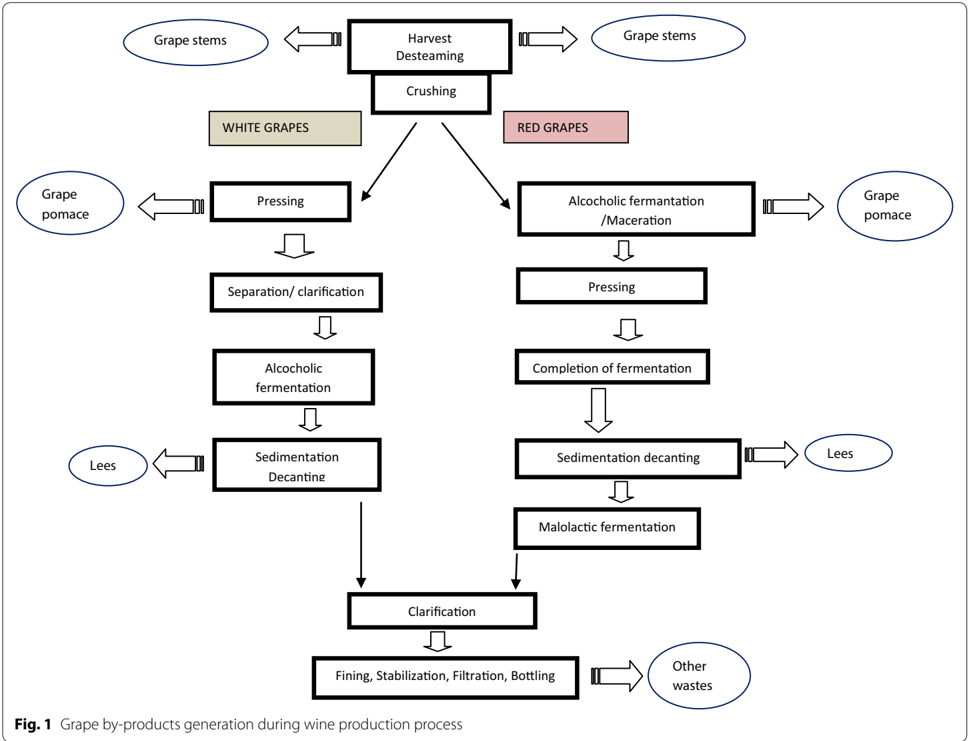
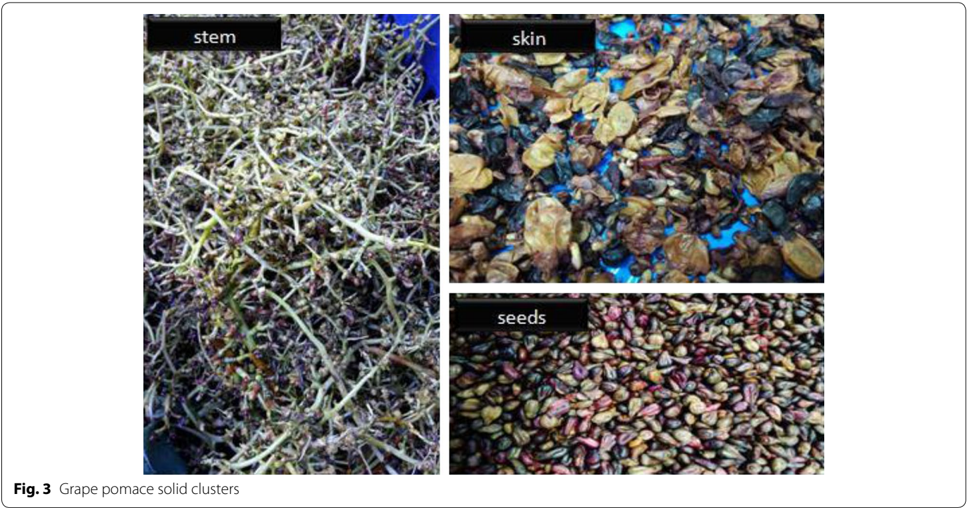
“It consists of a mixture of grape stems, skins, and seeds, and represents the main by-product of the winemaking industry [3].”
BackgroundThilakarathna, W. P. D. W., & Rupasinghe, H. P. V. (2022) · Molecules · doi:10.3390/molecules27041363 · Cited by 39
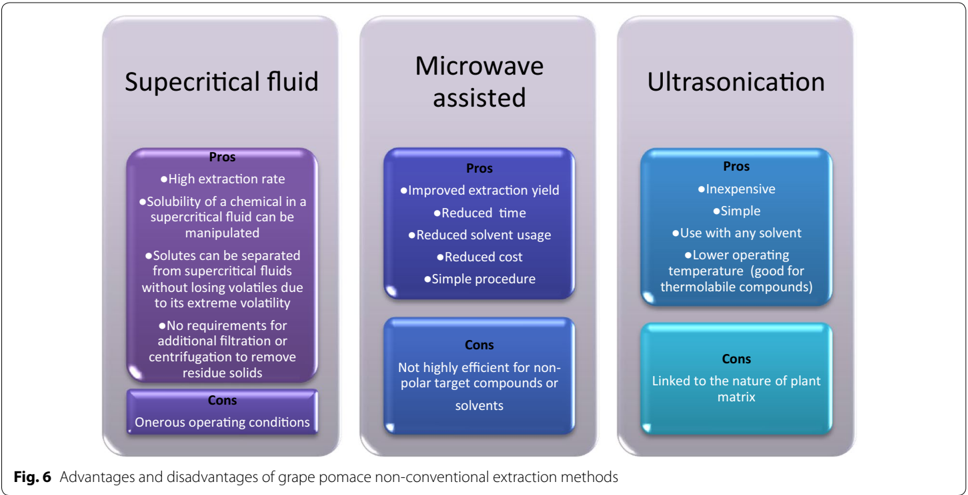
“Ultrasonication can disrupt the plant cell wall and improve the permeation of extraction solvent and target compounds through cell membranes [47].”
BackgroundIoannidou, S., Margellou, A. G., Petala, M. D., & Triantafyllidis, K. S. (2022) · Sustainable Chemistry and Pharmacy · doi:10.1016/j.scp.2022.100670 · Cited by 38
Ricci, A., Mejia, J. A. A., Versari, A., Chiarello, E., Bordoni, A., & Parpinello, G. P. (2021) · Food and Bioproducts Processing · doi:10.1016/j.fbp.2021.12.003 · Cited by 37
Šelo, G., Planinić, M., Tišma, M., Grgić, J., Perković, G., Komlenić, D. K., & Bucić‐Kojić, A. (2022) · Foods · doi:10.3390/foods11111665 · Cited by 33
Development and characterization of viticulture by-products for building applications
Badouard, C., Bogard, F., Bliard, C., Lachi, M., Abbès, B., & Polidori, G. (2021) · Construction and Building Materials · doi:10.1016/j.conbuildmat.2021.124142 · Cited by 32
Functional bioplastics from food residual: Potentiality and safety issues
Boccalon, E., & Gorrasi, G. (2022) · Comprehensive Reviews in Food Science and Food Safety · doi:10.1111/1541-4337.12986 · Cited by 37
Machado, A. R., Atatoprak, T., Santos, J., Alexandre, E. M. C., Pintado, M., Paiva, J. A. P., & Nunes, J. (2023) · Applied Sciences · doi:10.3390/app13137754 · Cited by 38
Scientific and technological research on the use of wine lees
de Andrade, R. B., Paz, F. D. G., Machado, C. G., Tavares, P. P. L. G., de Souza, C. O., & Umsza‐Guez, M. A. (2023) · Food Production Processing and Nutrition · doi:10.1186/s43014-023-00137-0 · Cited by 34
Prata, C., Zalambani, C., Rossi, F., Rossello, S., Cerchiara, T., Cappadone, C., & Malucelli, E. (2025) · Nutrients · doi:10.3390/nu17030583 · Cited by 37
Grape Waste Materials—An Attractive Source for Developing Nanomaterials with Versatile Applications
Baroi, A. M., Sieniawska, E., Świątek, Ł., & Fierascu, I. (2023) · Nanomaterials · doi:10.3390/nano13050836 · Cited by 28
Effects of red‐wine grape pomace on the quality and sensory attributes of beef hamburger patty
Pereira, A., Lee, H. C., Lammert, R. M., Wolberg, C., Ma, D., Immoos, C. E., Casassa, F., & Kang, I. (2022) · International Journal of Food Science & Technology · doi:10.1111/ijfs.15559 · Cited by 33
Non-ionic surfactants-mediated green extraction of polyphenols from red grape pomace
Sazdanić, D., Krstonošić, M. A., Ćirin, D. M., Cvejić, J., Alamri, A. S., Galanakis, C. M., & Krstonosic, V. S. (2022) · Journal of Applied Research on Medicinal and Aromatic Plants · doi:10.1016/j.jarmap.2022.100439 · Cited by 33
Kausar, T., Saeed, E., Hussain, A., Firdous, N., Bibi, B., Kabir, K., An, Q. U., Ali, M. Q., Najam, A., Ahmed, A., et al. (2024) · Discover Food · doi:10.1007/s44187-024-00148-x · Cited by 28
“These bioactive compounds can be valorized from food processing wastes, and could be used as health promoter, dietary supplements, nutraceuticals and natural food additives [6].”
Castillo, A., Celeiro, M., Rubio, L., Bañobre, A., Otero-Otero, M., García-Jares, C., & Lores, M. (2022) · Frontiers in Nutrition · doi:10.3389/fnut.2022.1008457 · Cited by 30
“The most traditional are solid-liquid extraction by mechanical agitation and Soxhlet extraction, generally using ethanolic or methanolic solutions as solvents (8).”
MethodBhutani, M., Gaur, S. S., Shams, R., Dash, K. K., Shaikh, A. M., & Kovács, B. (2025) · Future Foods · doi:10.1016/j.fufo.2025.100710 · Cited by 28
Martínez, G. A., Puccio, S., Domingos, J. M. B., Morselli, E., Gioia, C., Marchese, P., Galletti, A. M. R., Celli, A., Fava, F., & Bertin, L. (2022) · Green Chemistry · doi:10.1039/d2gc00044j · Cited by 27
Monari, S., Ferri, M., Vannini, M., Sisti, L., Marchese, P., Ehrnell, M., Xanthakis, E., Celli, A., & Tassoni, A. (2020) · PLoS ONE · doi:10.1371/journal.pone.0239629 · Cited by 22
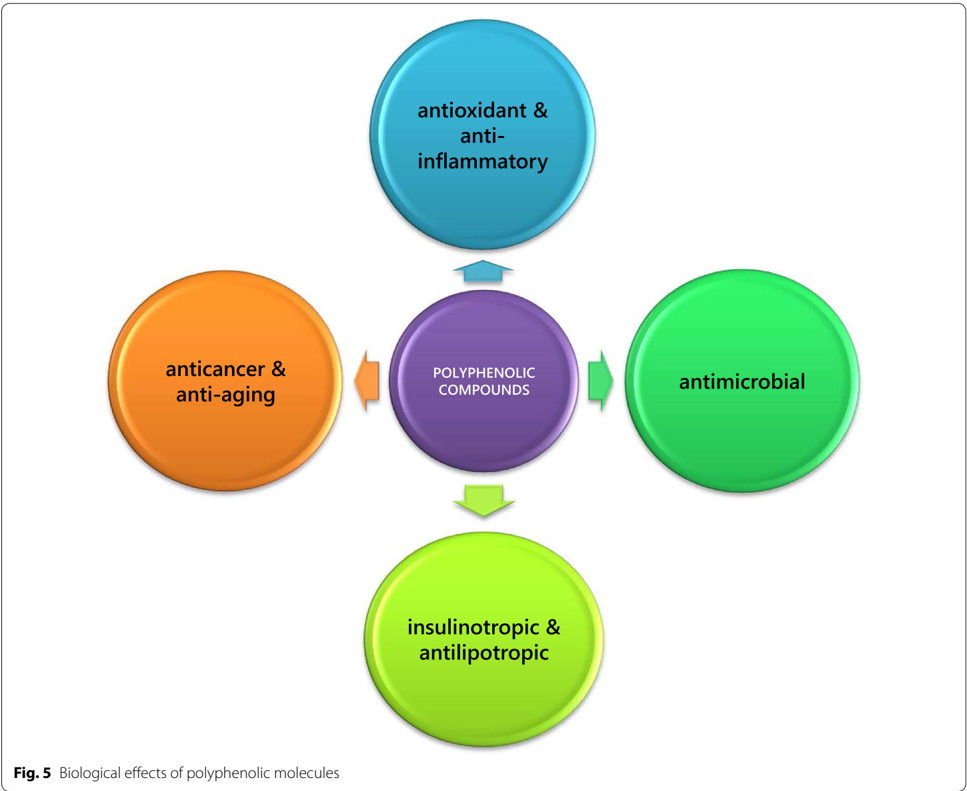
“Hence, the most relevant activities attributed to bioactive phytochemicals from winery by-products are antioxidant, antimicrobial, anti-inflammatory and anticancer ones [6, 9], some of these also proven in vivo, such as the antioxidant and anti-hypertensive effects observed in rats [10].”
BackgroundJuráček, M., Vašeková, P., Massányi, P., Kováčik, A., Bíró, D., Šimko, M., Gálik, B., Rolinec, M., Hanušovský, O., Kolláthová, R., et al. (2021) · Agriculture · doi:10.3390/agriculture11121194 · Cited by 21
Krstonošić, M. A., Sazdanić, D., Ćirin, D. M., Maravić, N., Mikulić, M., Cvejić, J., & Krstonosic, V. S. (2023) · Sustainable Chemistry and Pharmacy · doi:10.1016/j.scp.2023.101069 · Cited by 23
Potortì, A. G., Messina, L., Licata, P., Gugliandolo, E., Santini, A., & Bella, G. D. (2024) · Sustainability · doi:10.3390/su16020706 · Cited by 28
Laqui‐Estaña, J., Obreque‐Slier, E., Nauto, N. G., & Saldaña, E. (2024) · Foods · doi:10.3390/foods13223561 · Cited by 35
“Grape seeds are a byproduct of the wine industry, and due to their bioactive compounds, they can be considered as a valuable resource for recovery [5,6].”
Vinyard, J. R., Myers, C. A., Murdoch, G. K., Rezamand, P., & Chibisa, G. E. (2021) · Journal of Animal Science · doi:10.1093/jas/skab044 · Cited by 24
Toprakçı, İ., Torun, M., & Şahin, S. (2022) · Foods · doi:10.3390/foods12010130 · Cited by 20
Innovation and Winemaking By-Product Valorization: An Ohmic Heating Approach
Coelho, M. C., Ghalamara, S., Pereira, R. N., Rodrigues, A. S., Teixeira, J. A., & Pintado, M. (2023) · Processes · doi:10.3390/pr11020495 · Cited by 21
Francisco, A. P., Sganzerla, W. G., Castro, L. E. N., Barroso, T. L. C. T., da Silva, A. P. G., da Rosa, C. G., Nunes, M. R., Forster‐Carneiro, T., & Rostagno, M. A. (2024) · Food Research International · doi:10.1016/j.foodres.2024.114017 · Cited by 22
From Waste to Wealth: Exploring the Bioactive Potential of Wine By-Products—A Review
Peña-Portillo, G. C., Acuña, S., & Bastías‐Montes, J. M. (2024) · Antioxidants · doi:10.3390/antiox13080992 · Cited by 26
“Some studies apply ELA in the recovery of value-added compounds from grape residues [119].”
BackgroundGerardi, G., Cavia-Sáiz, M., & Múñiz, P. (2021) · Critical Reviews in Food Science and Nutrition · doi:10.1080/10408398.2021.1914542 · Cited by 27
“reduced postprandial glucose levels in healthy adults (Kalli et al. 2018; Sapwarobol et al. 2012).”
BackgroundHelium Atmospheric Pressure Plasma Jet Source Treatment of White Grapes Juice for Winemaking
Huzum, R., & Nastuta, A. V. (2021) · Applied Sciences · doi:10.3390/app11188498 · Cited by 19
Fruit Pomaces as Functional Ingredients in Poultry Nutrition: A Review
Mnisi, C. M., Mhlongo, G., & Manyeula, F. (2022) · Frontiers in Animal Science · doi:10.3389/fanim.2022.883988 · Cited by 23
“and Spain, which are each estimated to generate around 1200 t/year of the pomace (Beres et al., 2017; Kalli et al., 2018).”
BackgroundKiselev, K. V., & Dubrovina, A. S. (2020) · Biotechnology and Applied Biochemistry · doi:10.1002/bab.1884 · Cited by 21
“The aim of a recently published paper [53] was to present the primary benefits of using winemaking by-products for new products focusing on grape pomace, as well as to discover novel applications in food industry, cosmetics, pharmaceutical, agricultural, livestock fields and in energy recovery systems.”
BackgroundUngureanu, C.-R. M., Lupitu, A. I., Moisă, C., Riviş, A., Copolovici, L. O., & Poiană, M.-A. (2020) · Sustainability · doi:10.3390/su12145681 · Cited by 24
“For this reason, natural compounds recovered from fruit byproducts are important for their high biological value, as well as for their economic impact [14,15].”
BackgroundSoltanipour, F., Donsì, F., & Ferrari, G. (2025) · Food and Bioproducts Processing · doi:10.1016/j.fbp.2025.06.012 · Cited by 19
Advancing Cosmetic Sustainability: Upcycling for a Circular Product Life Cycle
Martins, A. M., Silva, A. T., & Marto, J. M. (2025) · Sustainability · doi:10.3390/su17135738 · Cited by 19
Antunović, Z., Novoselec, J., Šalavardić, Ž. K., Steiner, Z., Drenjančević, M., Pavić, V., Đidara, M., Ronta, M., Jakobek, L., & Mioč, B. (2024) · Agriculture · doi:10.3390/agriculture14030479 · Cited by 17
Salem, Y., Rajha, H. N., Sunoqrot, S., Hammad, A. M., Castangia, I., Manconi, M., Manca, M. L., Al Lababidi, D., Touma, J. A., Maroun, R. G., et al. (2023) · Molecules · doi:10.3390/molecules28135049 · Cited by 17
“Unfortunately, a large part of these pomaces is still dumped in open spaces due to connected economic issues, causing environmental pollution [2].”
BackgroundAhad, T., Majid, D., Dar, B. N., Makroo, H. A., & Allai, F. M. (2023) · Journal of Food Measurement & Characterization · doi:10.1007/s11694-023-02040-1 · Cited by 21
Wine lees: From waste to O/W emulsion stabilizer
Félix, M., Martínez, I., Sayago, A., & Recamales, M. Á. F. (2021) · Innovative Food Science & Emerging Technologies · doi:10.1016/j.ifset.2021.102810 · Cited by 18
Stilbenes from Vine Extracts: Therapeutic Potential and Mechanisms
Brás, L. A., Luís, Â., Châtel, G., Socorro, S., & Duarte, A. P. (2025) · International Journal of Molecular Sciences · doi:10.3390/ijms26178269 · Cited by 23
“These include dietary fiber, phenolics, proteins, and lipids [9,20–26], as well as stilbenes, which show promise as natural additives, antimicrobial and antioxidant agents, and even fillers in sustainable food packaging materials [15,27–29].”
(Sărdărescu), D.-I. T., Mănăilă-Maximean, D., Fierăscu, I., Baroi, A. M., Matei, R. I., Fistoș, T., Chican, I. E., & Fierăscu, R. C. (2024) · Polymers · doi:10.3390/polym17010018 · Cited by 20
Telini, B. D. P., Villa, L. C., Vainstein, M. H., & Lopes, F. C. (2025) · Fermentation · doi:10.3390/fermentation11020057 · Cited by 21
Gracey, P. R., & Tako, E. (2025) · Sustainable Food Technology · doi:10.1039/d5fb00040h · Cited by 17
de Azevedo, E. S., & Noreña, C. P. Z. (2023) · Food Hydrocolloids · doi:10.1016/j.foodhyd.2023.109389 · Cited by 17
Teixeira, L. S., Sousa, M., Massano, F., & Borges, A. D. S. (2024) · Food Bioscience · doi:10.1016/j.fbio.2024.105073 · Cited by 14
Cunha, J. T., Romaní, A., & Domingues, L. (2025) · Bioresources and Bioprocessing · doi:10.1186/s40643-025-00840-5 · Cited by 13
Jurić, T., Hourani, S., Petković, M., Vukosavljević, J., Pavlović, R. Ž., Pavlić, B., & Popović, B. M. (2025) · Food and Bioprocess Technology · doi:10.1007/s11947-025-04066-3 · Cited by 13
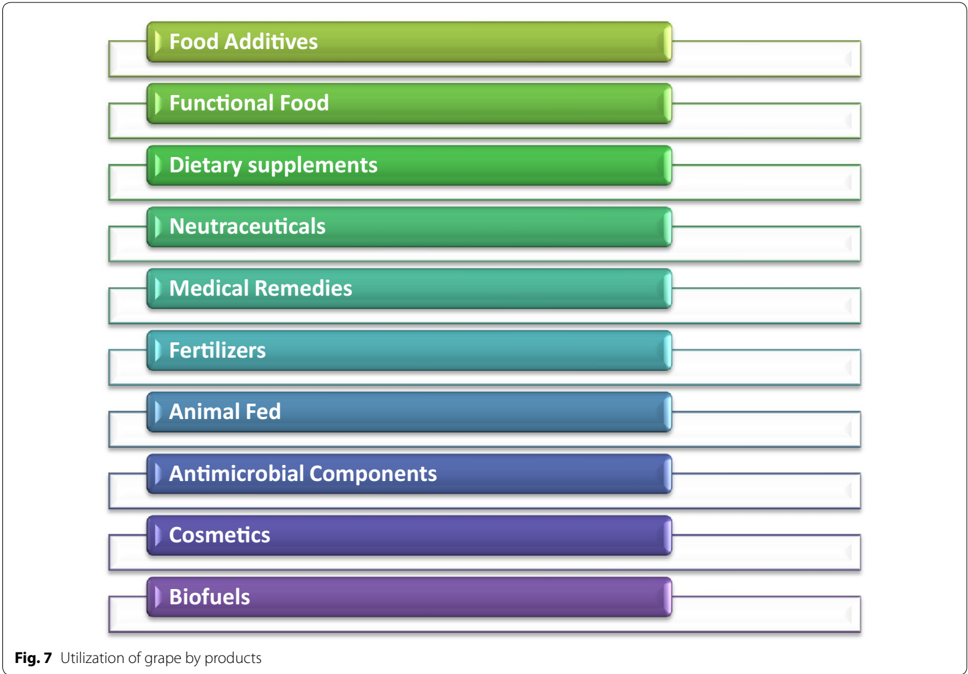
“In addition, a novel application of grape by-products as ingredients of functional foods and dietary supplements, agronutrients (fertilizers and animal feed), and energy recovery systems has been evaluated worldwide (Kalli et al., 2018).”
The circular economy model in the agri-food sector: A new strategy for the regional development
Chiaraluce, G., Bentivoglio, D., & Finco, A. (2023) · AIMS Agriculture and Food · doi:10.3934/agrfood.2023045 · Cited by 23
Arias, A., Costa, C. E., Moreira, M. T., Feijóo, G., & Domingues, L. (2023) · Journal of Cleaner Production · doi:10.1016/j.jclepro.2023.139622 · Cited by 13
Efficient and selective extraction of oleanolic acid from grape pomace with dimethyl carbonate
Errichiello, F., Cucciniello, R., Tomasini, M., Falivene, L., Gambuti, A., Cassiano, C., & Forino, M. (2024) · Green Chemistry · doi:10.1039/d4gc03624g · Cited by 15
Mondor, M., Plamondon, P., & Drolet, H. (2022) · Food Reviews International · doi:10.1080/87559129.2022.2094405 · Cited by 13
“As it is the case with the phenolic extracts recovered from OMWs, the phenolic extracts from grape by-products were used to enhance the color stability in meat products.([36]) Other sources of phenolic compounds The main agri-food by-products that are valorized by membrane processes to recover phenolic compounds are o…”
BackgroundLicursi, D., Galletti, A. M. R., Antonetti, C., Martínez, G. A., Jones, E., Bertin, L., Fidio, N. D., Fulignati, S., Pasini, G., & Frigo, S. (2022) · Catalysts · doi:10.3390/catal12121550 · Cited by 13
Vukušić, J. L., Millenautzki, T., Reichert, L., Saaid, A. M., Müller, L., Clavijo, L., Hof, J., Mösche, M., & Barbe, S. (2023) · Food Technology and Biotechnology · doi:10.17113/ftb.61.04.23.8000 · Cited by 12
“…over synthetic products, the efforts to use grape pomace are now moving towards the production of: food additives, nutra-ceuticals, ingredients of functional foods/dietary supplements, medical remedies, fertilisers, animal feed, antimicrobial components, cosmetics and biomass fur biofuels ( 15 ).”
BackgroundVilela, A., Cruz, I., Oliveira, I. V., Pinto, A., & Pinto, T. (2022) · Coatings · doi:10.3390/coatings12040443 · Cited by 13
“Kalli, E.; Lappa, I.; Bouchagier, P.; Tarantilis, P.A.; Skotti, E. Novel application and industrial exploitation of winery by‐prod‐ ucts.”
BackgroundInfluentialMedrano‐Padial, C., Puerto, M., Richard, T., Cantos‐Villar, E., & Pichardo, S. (2021) · Journal of Functional Foods · doi:10.1016/j.jff.2021.104393 · Cited by 13
Goulas, V., Stavrou, K., Michael, C., Botsaris, G., & Barbouti, A. (2021) · Antioxidants · doi:10.3390/antiox10040586 · Cited by 12
“Its functional constituents are linked with many biological activities such antimicrobial, anti-viral, antioxidant, anti-inflammatory and anti-ageing effects and are also effective for the treatment of chronic diseases such as cancer, cardiovascular diseases, and metabolic syndrome [5,7,8].”
BackgroundSalem, Y., Sunoqrot, S., Hammad, A. M., Rajha, H. N., Alzaghari, L. F., Abusulieh, S., Maroun, R. G., & Louka, N. (2025) · ACS Applied Bio Materials · doi:10.1021/acsabm.4c01800 · Cited by 13
Sustainable repurposing of grape marc: Potential for bio-based innovations
Hoxha, L., Taherzadeh, M. J., & Marangon, M. (2025) · Waste Management · doi:10.1016/j.wasman.2025.114871 · Cited by 16
Bignami, C., Reyes, F., Saccaggi, M., Pane, C., Zaccardelli, M., & Ronga, D. (2023) · Horticulturae · doi:10.3390/horticulturae9040481 · Cited by 13
Rocha, L., Neves, D., Valentão, P., Andrade, P. B., & Videira, R. A. (2020) · Food Chemistry · doi:10.1016/j.foodchem.2020.127168 · Cited by 13
Bica, A., Sánchez, R., & Todolí, J.-L. (2020) · Molecules · doi:10.3390/molecules25132961 · Cited by 11
“Their possible applications include direct combustion to generate energy and biofuels [12], as well as compost production [13].”
BackgroundBzainia, A., Dias, R. C. S., & Costa, M. R. P. F. N. (2022) · Molecules · doi:10.3390/molecules27196406 · Cited by 11
“Needless to say that a sector of this prominence has its own drawbacks which manifest in the generation of large amounts of solid and liquid wastes [3].”
BackgroundBRAN, E.-P., Nicuţă, D., Grosu, L., Patriciu, O., & ALEXA, I.-C. (2022) · Analele Universităţii "Ovidius" Constanţa. Seria Chimie/"Ovidius" University Annals of Chemistry · doi:10.2478/auoc-2022-0020 · Cited by 10
Mpanga, I. K., Neumann, G., Brown, J. K., Blankinship, J. C., Tronstad, R., & Idowu, O. J. (2023) · Journal of Plant Nutrition and Soil Science · doi:10.1002/jpln.202200232 · Cited by 10
Metadata
- Authors
- Kalli, E., Lappa, I., Bouchagier, P., Tarantilis, P. A., & Skotti, E.
- Affiliations
- Technological Educational Institute of the Ionian Islands (GR)
- Agricultural University of Athens (GR)
- Corresponding author
- Skotti, Efstathia
- Venue
- Bioresources and Bioprocessing
- Published
- 2018-11-26
- Volume
- 5
- Issue
- 1
- ISSN
- 2197-4365 (ISSN-L)
- OpenAlex
- W2902609196
- Cited by
- 181
- References
- 159
- Citations by year
- 2026: 9 · 2025: 29 · 2024: 32 · 2023: 28 · 2022: 34 · 2021: 36 · 2020: 13
- FWCI
- 8.43
- Type
- journal article
- Language
- en
- Open access
- gold
- doi.org
- Licence
- cc-by
- creativecommons.org/licenses/by/4.0 (tdm)
- Locations
- Bioresources and Bioprocessing (publishedVersion, cc-by)
- DOAJ (DOAJ: Directory of Open Access Journals) (submittedVersion, cc-by-sa)
- Funders
- Association of Canadian Universities for Northern Studies
- Topics
- Health Sciences › Medicine › Biochemistry (medical) › Phytochemicals and Antioxidant Activities
- Life Sciences › Agricultural and Biological Sciences › Food Science › Agricultural and Biological Research
- Life Sciences › Agricultural and Biological Sciences › Food Science › Fermentation and Sensory Analysis
- Keywords
- winemaking by-products, grape pomace, bioactive compounds, agricultural waste valorization, extraction methods, value-added products, food industry applications, cosmetics, pharmaceutical applications, animal feed, energy recovery, waste recycling, environmental impact reduction
About these checks
Registry, retraction, Cites and statistics results are computed, not judged, with one exception: a printed reference that no index lists is read once by a model before it counts as a citation error. Claims are extracted by a model and kept only when their quote appears verbatim in the text; each cited source is then checked, with a model’s help, for whether it says what the claim relies on. Those verdicts can be wrong — read the claim’s quote and the cited source before relying on one.
Statistics and arithmetic are recomputed, not judged.
Confidence bands are shown only for fields calibrated on our annotated test set. None is calibrated yet, so no band is shown.
What counts as a claim ›How we measure confidence ›How we check this ›
Are you an author, or do you see a problem with this page? Request a review
Data sources
Bibliographic data: Semantic Scholar, OpenAlex, Crossref.
Contains information from the Semantic Scholar Academic Graph Datasets, made available under the ODC Attribution License (ODC-BY 1.0).
Semantic Scholar’s data is described in: Kinney, R., et al. (2023). The Semantic Scholar Open Data Platform. arXiv:2301.10140.
