

Biodegradation of plastic polymers by fungi: a brief review
Open accessThe DOI matches its Crossref record; 93 of the 93 references it cites were found in a registry or an index.
Abstract
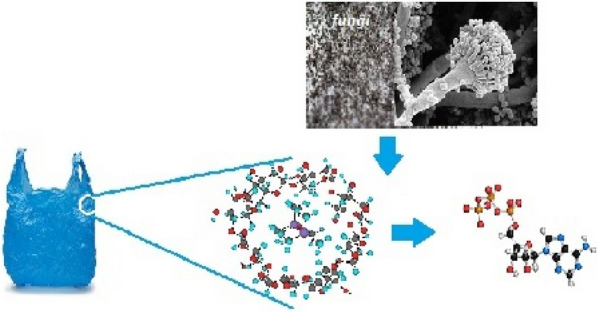
Plastic polymers are non-degradable solid wastes that have become a great threat to the whole world and degradation of these plastics would take a few decades. Compared with other degradation processes, the biodegradation process is the most effective and best way for plastic degradation due to its non-polluting mechanism, eco-friendly nature, and cost-effectiveness. Biodegradation of synthetic plastics is a very slow process that also involves environmental factors and the action of wild microbial species. In this plastic biodegradation, fungi play a pivotal role, it acts on plastics by secreting some degrading enzymes, i.e., cutinase`, lipase, and proteases, lignocellulolytic enzymes, and also the presence of some pro-oxidant ions can cause effective degradation. The oxidation or hydrolysis by the enzyme creates functional groups that improve the hydrophilicity of polymers, and consequently degrade the high molecular weight polymer into low molecular weight. This leads to the degradation of plastics within a few days. Some well-known species which show effective degradation on plastics are Aspergillus nidulans, Aspergillus flavus, Aspergillus glaucus, Aspergillus oryzae, Aspergillus nomius, Penicillium griseofulvum, Bjerkandera adusta, Phanerochaete chrysosporium, Cladosporium cladosporioides, etc., and some other saprotrophic fungi, such as Pleurotus abalones, Pleurotus ostreatus, Agaricus bisporus and Pleurotus eryngii which also helps in degradation of plastics by growing on them. Some studies say that the degradation of plastics was more effective when photodegradation and thermo-oxidative mechanisms involved with the biodegradation simultaneously can make the degradation faster and easier. This present review gives current knowledge regarding different species of fungi that are involved in the degradation of plastics by their different enzymatic mechanisms to degrade different forms of plastic polymers.
Overview
The claims and statistics of this paper haven’t been checked yet.
Free: it reads the open-access text and checks the first 5 claims that cite a source we can check. Create a free account to check every claim.
Integrity signals
Registry
Cites
Statistics
Figures
Verification
Claims the paper makes
The claims and statistics of this paper haven’t been checked yet.
Free: it reads the open-access text and checks the first 5 claims that cite a source we can check. Create a free account to check every claim.
Self-check
Percentages, sums and reported differences re-computed from the paper’s own numbers.
The self-check needs the paper’s full text.
Citations
Cites
Biological degradation of plastics: A comprehensive review
Shah, A. A., Hasan, F., Hameed, A., & Ahmed, S. (2008) · Biotechnology Advances · doi:10.1016/j.biotechadv.2007.12.005 · Cited by 2,765 · cited 1×
“As high molecular weight is a large compound that cannot be transported across the cellular membrane of the fungi thus it primarily depolymerizes it into small monomers before they cross the cell membrane (Shah et al. 2008).”
BackgroundPathways for degradation of plastic polymers floating in the marine environment
Gewert, B., Plassmann, M. M., & MacLeod, M. (2015) · Environmental Science: Processes & Impacts · doi:10.1039/c5em00207a · Cited by 2,168
Tokiwa, Y., Calabia, B. P., Ugwu, C. U., & Aiba, S. (2009) · International Journal of Molecular Sciences · doi:10.3390/ijms10093722 · Cited by 1,782
Lignocellulosic residues: Biodegradation and bioconversion by fungi
Sánchez, C. (2009) · Biotechnology Advances · doi:10.1016/j.biotechadv.2008.11.001 · Cited by 1,685 · cited 2×
“The extracellular enzymatic system consists of a hydrolytic system that produces hydrolases that are involved in polysaccharide degradation and the unspecific oxidative system involved in breaking down complex structures, such as lignin degradation (Sánchez 2009).”
BackgroundPlastics: Environmental and Biotechnological Perspectives on Microbial Degradation
Danso, D., Chow, J., & Streit, W. R. (2019) · Applied and Environmental Microbiology · doi:10.1128/aem.01095-19 · Cited by 918
Polyurethane Foams: Past, Present, and Future
Gama, N. V., Ferreira, A., & Barros-Timmons, A. (2018) · Materials · doi:10.3390/ma11101841 · Cited by 902
Microbial degradation and deterioration of polyethylene - a review
Restrepo-Flórez, J.-M., Bassi, A., & Thompson, M. R. (2014) · International Biodeterioration & Biodegradation · doi:10.1016/j.ibiod.2013.12.014 · Cited by 778
Cutinase-Catalyzed Hydrolysis of Poly(ethylene terephthalate)
Ronkvist, Å. M., Xie, W., Lu, W., & Gross, R. A. (2009) · Macromolecules · doi:10.1021/ma9005318 · Cited by 708
New perspectives in plastic biodegradation
Sivan, A. (2011) · Current Opinion in Biotechnology · doi:10.1016/j.copbio.2011.01.013 · Cited by 621 · cited 1×
“Laccase can also involve in the oxidation of the hydrocarbon backbone of polyethylene (Sivan 2011).”
BackgroundShimao, M. (2001) · Current Opinion in Biotechnology · doi:10.1016/s0958-1669(00)00206-8 · Cited by 611 · cited 4×
“Phanerochaete chrysosporium is fungal species that degrade high molecular weight polyethylene under nitrogen-limited and carbon-limited conditions (Shimao 2001).”
BackgroundInfluential
Research works printed but not linked: 20
- Alshehrei F Biodegradation of synthetic and natural plastic by microorganisms J Appl Environ Microbiol 2017 5 8 19
- Arutchelvi J Sudhakar M Arkatkar AD Mukesh B Sumit U Parasu V Biodegradation of polyethylene and polypropylene IJBT 2021 7 1 9 22
- Awaja F Pavel D Recycling of PET Eur Polym J 2005 41 1453–1477 39
- Bhardwaj H Gupta R Tiwari A Microbial population associated with plastic degradation Open Access Sci Rep 2012 1 1 4
- Bholay AD Borkhataria V Jadhav U Palekar S Dhalkari V Nalawade PM Bacterial lignin peroxidase: a tool for biolecching and biodegradation of industrial effluents Univ J Environ Res Technol 2012 2 58 64
- Frazer AC Drake HL O-methylation and other transformations of aromatic compounds by acetogenic bacteria Acetogenes 1994 New York Chapman & Hall 1994
- Ganesh P Dineshraj D Yoganathan K Production and screening of depolymerising enzymes by potential bacteria and fungi isolated from plastic waste dump yard sites Int J Appl Res 2017 3 3 693 695
- John Scheirs, Duane P (2003) Modern styrenic copolymers. Wiley, pp. 3. ISBN 978-0-471-49752-3
- Kolattukudy PE Purdy RE Maiti IB Lowenstein JM Cutinases from fungi and pollen Methods in enzymology 1981 New York Academic Press 652
- Kumar S Das ML Rebecca J Sharmila S Isolation and identification of LDPE degrading fungi from municipal solid waste J Chem Pharm Res 2013 5 3 78 81
- Lee B Pometto AL Fratzke A Bailey TB Biodegradation of degradable plastic polyethylene by Phanerochaete and Streptomyces species Appl Environ Microbiol 1991 57 678 685 10.1128/aem.57.3.678-685.1991 16348434 PMC182779 · DOI · Paper page
- Ozsagiroglu E Iyisan B Guvenilir YA Biodegradation and Characterization studies of different kinds of polyurethenes with several enzyme solutions Pol J Environ Studies 2012 6 1777 1782
- Patel C Yadav S Rahi S Dave A Studies on biodiversity of fungal endophytes of indigenous monocotaceous and dicotaceous plants and evaluation of their enzymatic potentialities Int J Sci Res Publ 2013 3 1 5
- Pramila R Vijaya Ramesh K Biodegradation of low density polyethylene (LDPE) by fungi isolated from municipal landfill area J Microbiol Biotech Res 2011 1 4 131 136
- Raaman N Rajitha N Jayshree A Jegadeesh R Biodegradation of plastic by Aspergillus spp. isolated from polythene polluted sites around Chennai J Acad Ind Res 2012 1 313 316
- Russell JR Biodegradation of polyester polyurethane by endophytic fungi Appl Environ Microbiol 2011 77 6076 6084 10.1128/AEM.00521-11 21764951 PMC3165411 · DOI · Paper page
- Tokiwa Y Calabia BP Ugwu CU Aiba S Biodegradability of plastics Int J Mol Sci 2009 10 9 3722 3742 10.3390/ijms10093722 19865515 PMC2769161 · DOI · Paper page
- Umamaheswari S Murali M FTIR spectroscopic study of fungal degradation of poly(ethylene terephthalate) and polystyrene foam Elixir Chem Engg 2013 64 19159 19164
- Usha R Sangeetha T Palaniswamy M Screening of polyethylene degrading microorganisms from garbage soil Libyan Agric Res Center J Int 2011 2 4 200 204
- Webb JS, Nixon M, Eastwood IM, Greenhalgh M, Robson GD, Handley PS (2020) Fungal colonization and biodeterioration of plasticized polyvinyl chloride. ASM J Appl Environ Microbiol 66(8) PMC92133 10919769 · DOI · Paper page
Cited by
Items 201–300 of 320
Advanced Biotechnological Approaches for the Management of Plastic Waste
Yaqoob, L., Nооr, T., & Iqbal, N. (2025) · Interdisciplinary biotechnological advances · doi:10.1007/978-981-97-8673-2_6 · Cited by 4
Bacterial and fungal mechanism of plastic degradation
Acharya, A., Poudel, S., Angove, M. J., Treichel, H., & Paudel, S. R. (2025) · Elsevier eBooks · doi:10.1016/b978-0-443-23599-3.00015-0 · Cited by 4
Prodana, M., Malheiro, C., Lopes, J., Peixoto, S., Morgado, R. G., Gonçalves, I., Ferreira, P., Coimbra, M. A., Alves, A., Gonçalves, M. F. M., et al. (2025) · International Biodeterioration & Biodegradation · doi:10.1016/j.ibiod.2025.106083 · Cited by 2
Occurrence of microbial community on plastic wastes in Terjun Landfill, North Sumatra
Munır, E., Suryanto, D., Pasaribu, Y. T., Mubtasima, S., Hartanto, A., Lutfia, A., & Nasution, A. F. (2022) · IOP Conference Series Earth and Environmental Science · doi:10.1088/1755-1315/1115/1/012080 · Cited by 4
Nagarajan, V. K., Sarkar, C., & Saha, S. (2024) · Elsevier eBooks · doi:10.1016/b978-0-323-95486-0.00120-4 · Cited by 3
Verschoor, J.-A., Arentshorst, M., Regensburg-Tuïnk, A. J. G., Seekles, S. J., van den Hondel, C. A. M. J. J., de Winde, J. H., & Ram, A. F. J. (2025) · Microbiology Spectrum · doi:10.1128/spectrum.02177-25 · Cited by 2
Ali, E. A. M., Abdel-Rahman, T. M. A., Ali, D. M. I., & Gamal, A.-S. H. (2023) · Iranian Journal of Science · doi:10.1007/s40995-023-01466-y · Cited by 3
“Srikanth et al. (2022) reported that Aspergillus nidulans, Aspergillus flavus, Aspergillus oryzae, etc., can grow on plastics causing degradation of them.”
BackgroundInfluentialBioremediation for Global Environmental Conservation [Working Title]
Shiomi, N., Zambare, V., & Din, M. F. M. (2023) · Environmental sciences · doi:10.5772/intechopen.107789 · Cited by 3
The importance of microbes in plastics degradation: A sustainable approach A Short Review
Dutta, E., Ghosh, K., Pal, S., & Laha, A. (2023) · Journal Of Advanced Zoology · doi:10.53555/jaz.v44is5.3482 · Cited by 1
Current Progress and Potential Microbial Cornucopia for Plastic Degradation
Puranik, S., Shylla, A., Manoj, M., & Vijaysri, D. (2024) · Springer eBooks · doi:10.1007/978-3-031-55661-6_3 · Cited by 5
Rojas-Flores, S., Cruz-Noriega, M. D. L., Otiniano, N. M., & Cabanillas-Chirinos, L. (2024) · Sustainability · doi:10.3390/su16177413 · Cited by 1
“Because the cutinases they produce as subclasses of esterase enzymes can hydrolyze polyesters with high molar mass, breaking the chains of carboxylic esters [25,26].”
BackgroundForest endophytes as a novel source of plastic degradation
Sharma, D., Khan, A. A., Idris, M. G., & Khan, A. A. (2024) · Elsevier eBooks · doi:10.1016/b978-0-443-18870-1.00022-6 · Cited by 1
Degradation of biodegradable plastics by phytopathogenic smut fungi
Aoki, Y., & Tanaka, E. (2025) · Mycoscience · doi:10.47371/mycosci.2024.12.002 · Cited by 1
“Some saprophytic fungi are known to produce extra-cellular enzymes that can effectively degrade BPs (e.g. Okal et al., 2023; Srikanth et al., 2022).”
Mycoremediation: Leveraging Fungi for Ameliorating Soil and Water Pollution
Acharya, L. K., Akash, A. U., Manik, S., Khan, A. S., & Singh, N. P. (2025) · IGI Global eBooks · doi:10.4018/979-8-3693-8201-1.ch013 · Cited by 1
Experimental and in silico approaches to identify a sustainable source of bioplastics from seaweeds
Sarangam, B., Prabhu, D., Raja, R., Sangeetha, P., Jayappriyan, K. R., Kandasamy, S., & Narayanan, M. (2025) · Biomass Conversion and Biorefinery · doi:10.1007/s13399-025-06766-4 · Cited by 1
“The films made with only one of the algal products showed low tensile strength and elongation at break percentage except for the sodium alginate film [20].”
Biodegradation Potential of Microbes from Extreme Environments
Parray, J. A., & Li, W. (2025) · Synthesis lectures on chemical engineering and biochemical engineering · doi:10.1007/978-3-031-84437-9_4 · Cited by 2
Soil-Poor Challenges and Its Measures for Bioremediation
Husain, R., Vikram, N., Pandey, S., Doruk, K., Chack, S., Ahamad, A., Rina, L., Dhiman, V., Kumar, K. G., Kumar, D., et al. (2025) · Springer eBooks · doi:10.1007/978-981-96-5674-5_3 · Cited by 1
Karunarathna, B. S. W., Gajasinghe, G. M. S. T., Diwankara, U. T., Hunupolagama, D., & Chen, X.-M. (2025) · New Zealand Journal of Botany · doi:10.1080/0028825x.2025.2522207 · Cited by 1
“…electron acceptors such as nitrate, manganese, sulphate, iron, and carbon dioxide to facilitate polymer degradation in oxygen-limited environments (Gu 2003; Leja and Lewandowicz 2010; Alshehrei 2017; Fernandes et al. 2020; Mohanan et al. 2020; Srikanth et al. 2022; Venkatesan et al. 2022).”
InfluentialExploring ZnO and CeO2 nanoparticle films for sustainable food packaging applications
Juliet, I. B., Saheed, M., Oladejo, T. J., Saka, A. A., Adesola, O. O., & Yanda, S. E. (2025) · Food and Humanity · doi:10.1016/j.foohum.2025.100712 · Cited by 2
Akrout, I., Staita, K., Armengaud, J., Kielbasa, M., Navarro, D., Turbé-Doan, A., Lambert, J., Lomascolo, A., Faulds, C. B., Zouari-Mechichi, H., et al. (2025) · Environmental Technology & Innovation · doi:10.1016/j.eti.2025.104414 · Cited by 1
Kujović, A., Kavkler, K., Wilson-Hernandez, M. A., Vittori, M., Zidar, L., Gostinčar, C., Sepčić, K., Pérez‐Llano, Y., Batista‐García, R. A., Gunde‐Cimerman, N., et al. (2025) · Journal of Fungi · doi:10.3390/jof11080568 · Cited by 2
“The growth of Penicillium chrysogenum induced significant changes in the carbonyl bands of aged Regalrez 1094, supported by its strong ability to assimilate hexadecane and mineral oil [29], and the ability of Penicillium to degrade PAHs [85,87].”
Tseng, W.-S., Lee, M.-J., Chen, T.-Y., Lin, S., Chang, S.-L., Lin, P.-Y., Lu, T., & Liu, C. (2025) · Journal of Hazardous Materials · doi:10.1016/j.jhazmat.2025.139699 · Cited by 3
de Bomfim, A. S. C., Leite, L. D. P., Saraiva, A. C. V., de Oliveira, D. M., Cioffi, M. O. H., Koga‐Ito, C. Y., Benini, K. C. C. D. C., & Voorwald, H. J. C. (2025) · Polymer Bulletin · doi:10.1007/s00289-025-06089-4 · Cited by 2
Wang, Y., Liang, J., Hu, G., Zhen, Y., Zhang, X., Cai, D., Wang, B., Sun, J., & Kong, D. (2025) · Green Chemistry · doi:10.1039/d5gc03933a · Cited by 1
Poli, A., Bongiovanni, D., Stefanini, I., Crespi, M., Giunchino, F., Morel, E., Calza, P., Varese, G. C., & Prigione, V. (2026) · Biodiversity and Conservation · doi:10.1007/s10531-025-03244-1 · Cited by 2
“As for fungi, the most abun - dant genera were Penicillium and Cladosporium , known to hold a fundamental role in the decontamination of environmental substrates (Aranda et al. 2017; Bhavsar et al. 2023; Khan et al. 2023; Solanki et al. 2022; Srikanth et al. 2022).”
Fungal Treatment of Textile Wastewater for Fungi in Wastewater Treatment
Choudhury, S., Umamaheswari, S., & Basalingappa, K. M. (2026) · Springer water · doi:10.1007/978-3-032-12693-1_7 · Cited by 1
Narciso-Ortiz, L., Peña-Montes, C., Escobedo‐Fregoso, C., Jiménez, M. A. L., Ruíz-May, E., Sulbarán-Rangel, B., García‐Bórquez, A., Espinosa‐Luna, G., & Oliart‐Ros, R. M. (2026) · Environments · doi:10.3390/environments13030127 · Cited by 1
“Biodegradation is a more promoted plastic degradation method by the scientific community because it is considered an eco-friendly approach [13].”
Gómez-Suarez, M., Reyes-Reyes, M., Ruiz–Lizarazo, J. O., Pérez-Ceballos, A. M., León-Becerra, J., & Juzga-León, G. (2026) · MRS Advances · doi:10.1557/s43580-026-01579-7 · Cited by 1
Peria, J. N., Kiswardianta, R. B., & Pujiati, P. (2026) · BIO Web of Conferences · doi:10.1051/bioconf/202622503001 · Cited by 1
Hiếu, V. H., Le, T. T., Nguyen, T., Scott, J., Gutiérrez, T., Kaiser, M. J., & Ngo, H. T. T. (2026) · Applied and Environmental Microbiology · doi:10.1128/aem.00416-26 · Cited by 2
“More broadly, this method focused on bacte rial recovery; its applicability to other microbial groups (archaea, fungi, protozoa, and viruses) remains untested but represents a logical extension given the multi-kingdom nature of plastisphere ecosystems (51, 52).”
Biodegradable plastics: A review of environmental degradation and microbial roles
Cho, I. Y., Hwang, S., Park, H. J., Lee, H., Kim, J.-W., & Cho, K. (2026) · International Biodeterioration & Biodegradation · doi:10.1016/j.ibiod.2026.106362 · Cited by 2
Tian, J., Bai, Y., Fu, C., Wang, J., Qi, X., Xu, J., Safonov, A., Xian, G., & Xiao, H. (2026) · Journal of Materials Research and Technology · doi:10.1016/j.jmrt.2026.05.173 · Cited by 1
Debbarma, R., Lodh, B. K., Bandyopadhyay, T. K., Biswas, S., & Nag, S. (2026) · Biodegradation · doi:10.1007/s10532-026-10317-7 · Cited by 3
“This step ultimately leads to biomass formation, CO 2 evolution and under certain conditions, methane production (Gaur et al. 2025a, b; Srikanth et al. 2022; Okal et al. 2023; Cai et al. 2023).”
Sahu, P., Sherigar, A., Raval, R., Lin, C., & Selvaraj, S. (2026) · Bioresources and Bioprocessing · doi:10.1186/s40643-026-01079-4 · Cited by 1
“…approach to plastic waste management, as microorganisms such as bacteria and fungi produce enzymes including esterases, lipases, and ureases that contribute to the breakdown of polymer chains, thereby enhancing the recyclability and safe disposal of PU (Antaliya et al. 2025; Srikanth et al., 2022).”
Biodegradation of low-density polyethylene (LDPE) by Aspergillus niger and Aspergillus oryzae
Zulkafli, M. S., Rithwan, F., Zaidel, D. N. A., Ramli, S., Hanapi, S. Z., Azelee, N. I. W., Yenn, T. W., Enshasy, H. A. E., & Dailin, D. J. (2024) · Asia-Pacific Journal of Molecular Biology and Biotechnology · doi:10.35118/apjmbb.2024.032.4(special).01 · Cited by 1
Preliminary Survey of Fungal Communities Across a Plastics/No Plastics Transition on an Oregon BeachPreprint
Cullings, K., Arterbury, K. B., & Arterbury, R. (2024) · bioRxiv (Cold Spring Harbor Laboratory) · doi:10.1101/2024.01.18.576272 · Cited by 1
Enzyme‐Catalyzed Biodegradation of Micro‐ and Nanoplastics
Salehipour, M., Rezaei, S., Motaharian, A., Nikpour, S., Shaban, M., & Mogharabi‐Manzari, M. (2024) · Wiley eBooks · doi:10.1002/9781394238163.ch21 · Cited by 2
Assimilation of synthetic plastic nanoparticles by the oomycete Pythium aquatile
Annenkov, V. V., Danilovtseva, E. N., Pal’shin, V. A., Zelinskiy, S. N., Polyakova, M. S., & Вячеславовна, М. Е. (2022) · Limnology and Freshwater Biology · doi:10.31951/2658-3518-2022-a-6-1728
Biodegradation of Plastics by Ligninolytic Microorganisms from Agricultural Waste CompostingPreprint
Salinas, J., Martínez-Gallardo, M. R., Jurado, M. M., Suárez-Estrella, F., López-González, J. A., Estrella-González, M. J., Toribio, A. J., Carpena-Istán, V., & López, M. J. (2023) · SSRN Electronic Journal · doi:10.2139/ssrn.4525569
dos Santos, M. S. N., Ody, L. P., Kerber, B. D., de Castro, I. A., de Villa, B., Ugalde, G. A., Guedes, J. V. C., Mazutti, M. A., Zabot, G. L., & Tres, M. V. (2024) · Processes · doi:10.3390/pr12081722
Arias-Espinoza, N., & Solano-González, S. (2024) · IEEE International Conference on BioInspired Processing (BIP) · doi:10.1109/bip63158.2024.10885379
Application of enzymes in the biodegradation of plastics
Colla, L. M., Rempel, A., Simon, V., Berwian, G., Braun, J. C. A., Freitag, J. F., Bender, L. E., & Fagundes, V. D. (2025) · Elsevier eBooks · doi:10.1016/b978-0-443-23599-3.00001-0
Ecofriendly and cost effective Plastic degradation by microorganisms
Sayed, M. A. E.-E., Gad, A. K., Kandil, E. M., Hamed, E. H., Megahed, G. S., Elwardany, M. A., Mikhaeil, M. M., & Abdel-Moneim, Y. Y. (2025) · The Microbe · doi:10.1016/j.microb.2025.100348 · Cited by 1
Microbes to the Rescue: The Future of Plant Protection
Bhatt, K., Divatia, A., Menon, S., & Vadakan, S. (2025) · Microorganisms for sustainability · doi:10.1007/978-981-96-3425-5_7
Sritapunya, T., Rattanapan, A., Sapsrithong, P., & Tuampoemsab, S. (2025) · Materials science forum · doi:10.4028/p-vsnl2i
Environmental risks of plastics pollutants and their mycoremediation strategies
Mahmoud, G. A., Badawy, M. S. E. M., Bougafa, F. H. E., Barakat, H. M., & Ahmed, L. I. (2025) · Elsevier eBooks · doi:10.1016/b978-0-443-23796-6.00007-9 · Cited by 1
Bio-based Terpolymers: Synthesis, Characterization, Wet-Spinning, and Evaluation as Geotextile
Alcalá-Sánchez, D., Tapia-Picazo, J. C., Rodríguez-Romero, J. A., Luna‐Bárcenas, G., & Bonilla‐Petriciolet, A. (2025) · Fibers and Polymers · doi:10.1007/s12221-025-01035-7
Plastisphere fungi from Yunnan, China: hydrolytic enzyme screening and taxonomic insights
Chen, X.-M., Kumla, J., Kodchasee, P., Lu, W., Han, L.-S., Dai, D.-Q., Elgorban, A. M., HAN, M.-Y., Suwannarach, N., & Tibpromma, S. (2025) · New Zealand Journal of Botany · doi:10.1080/0028825x.2025.2525586
“Oxidative fungal enzymes (peroxidase, laccase, and monooxygenase) and hydrolytic enzymes (esterase, cutinase, lipase, protease, and urease) are crucial for the degradation of plastic polymers (Srikanth et al. 2022; Okal et al. 2023).”
Biotechnology for Surface Modification of Polyester Fibers
Singer, I., Kolbe, S., Hofmann, I., Hilgenberg, B., Achten, A., Lobanov, A., Bergstedt, U., Wagner, M., & Rabe, M. (2025) · Springer eBooks · doi:10.1007/978-981-96-6385-9_11
Biodegradar para No Contaminar: El Futuro de los Plásticos
Ruvalcaba-Aroche, Z. D., Membrillo-Venegas, I. D. L. L., Jesús, G. M.-D., & Beatriz-Cuellar, H. (2025) · Tendencias en energías renovables y sustentabilidad . · doi:10.56845/terys.v4i1.478
Microplastic Remediation in Aquatic Environment
Parida, D., & Nogueira, R. (2025) · Springer eBooks · doi:10.1007/978-981-95-0225-7_13
Enzymatic Alchemy: navigating the cutting edge of enzymatic plastic breakdown
Kumari, M., Mehadia, P. K., Achole, M., Phand, P., & Bajaj, P. (2025) · Proceedings of the Indian National Science Academy · doi:10.1007/s43538-025-00562-4 · Cited by 1
Fungal Biotechnology: Contribution to the Circular Economy. Recycling of Waste. Sustainability
İnci, Ş., & Kırbağ, S. (2025) · Fungal biology · doi:10.1007/978-3-032-06478-3_4
Biodegradation of biomedical wastes in sewage effluent by fungi
Patil, Y., Bodani, S., Shinde, S., & Gunjal, A. B. (2025) · Proceedings of the Indian National Science Academy · doi:10.1007/s43538-025-00663-0
Saeed, K., Ibrahim, S. A., & Gomaa, O. M. (2025) · Biodegradation · doi:10.1007/s10532-025-10215-4
“At the same time, the expression of proteins linked to primary metabolism or growth may decline, indicating a metabolic shift toward survival and stress management rather than active growth (Srikanth et al 2022).”
Recycling of Synthetic and Biobased Plastic Waste for Value Added Applications
Sane, D., Aravind Babu, S., Chattopadhyay, A., Arumugam, H. R., Reshamwala, S. M. S., & Sabnis, A. (2025) · Springer eBooks · doi:10.1007/978-981-95-2227-9_10 · Cited by 1
Nithyanandam, R., Prasath, K. G., Divyadharshini, Abhi, & Sri, G. (2025) · Journal of environmental chemical engineering · doi:10.1016/j.jece.2025.120894 · Cited by 1
НЕКОТОРЫЕ АСПЕКТЫ ПРИСУТСТВИЯ ЧАСТИЦ ПЛАСТИКА В РАЗНЫХ ТКАНЯХ ОРГАНИЗМА ЧЕЛОВЕКА
Владимирович, Д. И., Игнатова, Н. Б., & Абросимов, С. Ю. (2025) · Вестник Смоленской государственной медицинской академии · doi:10.37903/vsgma.2025.4.3
Removal of Heavy Metal and Degradation of Organic Compounds in Fungi Waste Water
Abdelhamid, H. N. (2026) · Springer water · doi:10.1007/978-3-032-12693-1_4
Dave, S., Hariyani, P., & Pathak, H. (2026) · Journal of Environmental Science and Health Part A · doi:10.1080/10934529.2026.2616588 · Cited by 1
“[115,116] UV-pretreated or thermo-oxidized MPs are more prone to degradation by fungi due to greater surface reactivity.”
Kothawale, S. S., Kumar, L., & Singh, S. P. (2026) · Journal of Environmental Sciences · doi:10.1016/j.jes.2026.02.014 · Cited by 1
Mechanism of plastic biodegradation: a step towards environmental sustainability
Mathew, J. T., Inobeme, A., Adetunji, C. O., Otori, A. A., Shaba, E. Y., Monday, M., Azeh, Y., Bini, E. M., Ezekiel, T., Ibrahim, M. A., et al. (2026) · Elsevier eBooks · doi:10.1016/b978-0-443-41630-9.00001-x · Cited by 1
Microbial enzymatic remediation of synthetic plastic pollutants: a present and future perspective
Prabhu, N., Rajamehala, M., Chozhavendhan, S., & Gajendran, T. (2026) · Elsevier eBooks · doi:10.1016/b978-0-443-41630-9.00017-3
Halpern, B., Rawat, M. S., Belykh, R., Mruthunjayappa, M. H., Cohen‐Yaniv, V., Menashe, O., & Mamane, H. (2026) · SSRN Electronic Journal · doi:10.2139/ssrn.6428127
Ong, G. H., Ahmed, R. D. A. H., Kee, W. K., Wong, R. R., Loh, K. E., Tanee, T., & WuYang, S. (2026) · Environment Conservation Journal · doi:10.36953/ecj.35043180
“Fungi can degrade plastics more efficiently than other microorganisms due to their ability to produce extracellular enzymes such as laccase, which is substrate non - specific (Srikanth et al ., 2022).”
de Oliveira, M. V. D., Calandrini, G. S. M., de Souza, C. G. D. S., da Costa, C. H. S., Skaf, M. S., & Lameira, J. (2026) · Journal of Chemical Information and Modeling · doi:10.1021/acs.jcim.5c03051
Khaleel, R., Weig, A. R., Wagenhofer, J., Rolf, M., Lu, Y., Laermanns, H., Nitsche, F., Lueders, T., Bässler, C., Laforsch, C., et al. (2026) · SSRN Electronic Journal · doi:10.2139/ssrn.6485405
Jaramillo-López, C., Barrero, M. F. O., Macías-Quiroga, I. F., Giraldo-Loaiza, C., Landazury-Rosero, E. U., & González, N. R. S. (2026) · International journal of medicinal mushrooms · doi:10.1615/intjmedmushrooms.2026064182
Application of Fungi in Waste Water Treatment in Bioremediation of Plastics and Microplastics
Kumar, A., Kaur, S., Saroha, B., Dutt, N., Singh, P., Negi, D. S., & Bahadur, I. (2026) · Springer water · doi:10.1007/978-3-032-01955-4_4
Applications of Fungi in Biodegradation of Polymeric Waste and Micropollutants
Maurya, A., Dixit, S., Nayak, S., Singh, S., & Kumar, M. (2026) · Springer water · doi:10.1007/978-3-032-01955-4_5
Degradation of a graphene-reinforced polyamide by fungi: When culture conditions matter
Fortuna, L., Carniel, F. C., Garrido, M., Bianco, A., Buerki‐Thurnherr, T., Wick, P., Prato, M., & Tretiach, M. (2026) · Journal of Environmental Sciences · doi:10.1016/j.jes.2026.04.022
Basak, N., Chowdhury, A. A., Chatterjee, A., Gupta, P. D., Sabarathinam, S., Brusetti, L., & Shah, M. P. (2026) · Water Air & Soil Pollution · doi:10.1007/s11270-026-09537-7 · Cited by 1
Design of an Industrial Facility for Recycled Polymer Granule Production
Marcela, D. O. K., Mylena, P. B., & Harrison, L. C. (2026) · Sustainable polymer & energy · doi:10.70322/spe.2026.10006
Pretto, G. D. P., Zilli, I. K. C., Gomes, P. H. N. D. S., & Bonilla‐Rodriguez, G. O. (2026) · Research Society and Development · doi:10.33448/rsd-v15i5.51077
Innovations in Algal-Based Food Packaging: Sustainable Solutions and Technological Advances
Mondal, A., Sengupta, S., & Dey, H. (2026) · Springer eBooks · doi:10.1007/978-3-032-22521-4_6
Sudiartha, G. A. W., Effendi, N. D., Anugerahani, H., & Nurkolis, F. (2026) · Environmental Science and Pollution Research · doi:10.1007/s11356-026-37860-3
“…biochemical technologies are typically suited for biodegradable contaminants, research has shown that certain micro-organisms exhibit resistance and high efficiency in removing heavy metals and microplastics (Padervand et al. 2020; Amobonye et al. 2021; Srikanth et al. 2022; Vaksmaa et al. 2023).”
Fungal Degradation of Plastics: A Review
Alobaydy, O. (2026) · مجلة بحوث مستقبلية. · doi:10.61704/pr.606
Lemos, A. C. C., Miranda, K. W. E., Ugucioni, J. C., Figueiredo, L. R. F., dos Santos, H. O., da Silva, J. P., Medeiros, E. S. D., & de Oliveira, J. E. (2026) · ACS Omega · doi:10.1021/acsomega.6c03394
“28 The process is aided by the low bond energy of the components.”
Harnessing microbial diversity for environmental sustainability
Pal, V., Nagar, J. P., Rai, R., Singh, K. A., Bhardwaj, P., Salhotra, S., & Hans, M. (2026) · Elsevier eBooks · doi:10.1016/b978-0-443-36656-7.00010-2
Chen, Q., Li, J., Meng, J., & Li, J. (2026) · Journal of Hazardous Materials · doi:10.1016/j.jhazmat.2026.142717
Ullah, Q., Haider, W., Awlqadr, F. H., Arshad, M. T., Ikram, A., Al-Duais, M. A., Al‐Aoh, H. A., & Justin, O. B. (2026) · International Journal of Phytoremediation · doi:10.1080/15226514.2026.2684758
“Moreover, microbial consortia in agroecosystems, particularly fungi such as Aspergillus and Fusarium species, have demonstrated the capacity to colonize PVC surfaces and enzymatically cleave polymer chains, further contributing to their breakdown (Srikanth et al .”
Parveen, S., Maratha, S., Agarwal, R., & Patidar, S. K. (2026) · Springer eBooks · doi:10.1007/978-981-95-8793-3_11
Eslami‐Farsani, R., Noorsina, S., Sadeghi, A. H., & Tcharkhtchi, A. (2026) · RSC Advances · doi:10.1039/d6ra03142k · Cited by 1
“146 However, the biodegradation of thermoset epoxy resins remains particularly challenging due to their highly crosslinked network structure and the absence of readily hydrolysable ester or amide bonds, despite the presence of heteroatoms in the polymer backbone.”
Jahnavi, S., Devendu, K. V., Saha, S., Dey, P., & Osborne, W. J. (2026) · Archives of Toxicology · doi:10.1007/s00204-026-04495-9
“The efficiency of fungal biodegradation depends mainly on the polymer composition, bond structure and surrounding environmental conditions which can occur under both aerobic and anaerobic conditions (Srikanth et al. 2022; West et al. 2026; Gao et al., 2022).”
Arshad, I., Li, J., Sajid, S., Nabi, F., Cao, S., Wu, Y., Chen, X., Lal, M. M., Atakpa, E. O., & Han, Y. (2026) · Journal of Hazardous Materials · doi:10.1016/j.jhazmat.2026.143042
Begum, S., Sakib, T. S., Boby, M., Mahfuz, S., Hasan, M. R., Barua, H., Khandker, S. S., Khan, M. M. H., & Mashrur, M. N. (2026) · Discover Applied Sciences · doi:10.1007/s42452-026-09236-2
“Utilizing microbial processes to degrade plastics offers an economical and sustainable solution to the challenges posed by plastic waste [126].”
Itzahri, S. S., Popov, D., Davidov, K., & Oren, M. (2026) · International Journal of Molecular Sciences · doi:10.3390/ijms27156861
“These interactions involve mechanisms such as hyphal colonization, surface erosion, oxidative activity, and the secretion of extracellular enzymes, including esterases, lipases, cutinases, laccases, and peroxidases [22,45].”
InfluentialOjha, A., Debnath, C., Das, D., & Bandyopadhyay, T. K. (2026) · Springer eBooks · doi:10.1007/978-3-032-17004-0_3
Rajput, M., deepika, D., Kumari, R., & Mathur, N. (2026) · Water Science & Technology · doi:10.2166/wst.2026.322 · Cited by 1
Supporting Research on Plastic Degrading Micro-organisms
Adhikari, P., Srivastava, I., Pandey, R., & Manoj, B. M. (2026) · Springer series in design and innovation · doi:10.1007/978-3-032-30376-9_9
Asmayani, & Hala, Y. (2026) · Venn Journal of Sustainable Innovation on Education Mathematics and Natural Sciences · doi:10.53696/venn.v5i4.375
“Ulasan lintas-jamur menyimpulkan bahwa untuk poliester sintetis tersebut, enzim hidrolase (cutinase/lipase/esterase) tampil sebagai aktor utama degradasi (Srikanth et al., 2022).”
InfluentialJo, S., Kim, J. S., Lee, W., Seo, C. W., & Lim, Y. W. (2026) · The Journal of Microbiology · doi:10.71150/jm.2605011
“…possibly because of the higher crystallinity and hydrophobicity of PP compared to those of HDPE and LDPE, which impede microbial attachment and enzyme access (Choonut et al., 2025; Guo et al., 2024; Srikanth et al., 2022) and may limit degradation regardless of the plastisphere developmental stage.”
Guevara, J. F. I., Rogers, L., Gutierrez, P. T. V., & Presley, G. (2026) · SSRN Electronic Journal · doi:10.2139/ssrn.7361120
Bárta, J., Mach, J., & Halecký, M. (2026) · Microbiology Resource Announcements · doi:10.1128/mra.01201-25
Thakur, A., Khusnutdinova, A. N., Yakunin, A. F., Golyshin, P. N., Gutiérrez, T., Navarro-Márquez, M., Campo, P., Kumar, V., Coulon, F., & Parra‐Saldívar, R. (2026) · Frontiers in Environmental Science · doi:10.3389/fenvs.2026.1875955 · Cited by 1
Bioprospecting Amazonian fungi for poly(ethylene terephthalate) (PET) biodegradation
da Silveira, D. C., Peters, L. P., & Carvalho, C. M. (2026) · Brazilian Journal of Biology · doi:10.1590/1519-6984.305932
Bioprospecting microbes for polyvinyl chloride plastic biodegradation: Potential and challenges
Hatwar, N., & Qureshi, A. (2026) · Elsevier eBooks · doi:10.1016/b978-0-443-44093-9.00014-1
The tropical accelerator: how climate fuels fungal plastic degradation
Myovela, H., & Hussein, J. M. (2026) · Total Environment Microbiology · doi:10.1016/j.temicr.2026.100102
Article Review: Role of Fungi in Treating Climate and Environment of Pollution
Jabber, E. Y. (2024) · International Journal of Agribusiness and Sustainable Development Research · doi:10.47134/ijasdr.v1i3.48
“Additionally, research indicates that enzymes sourced from basidiomycetes can effectively break down plastics (12, 13, 14).”
Аникина, Н. А., Baryshkov, R. V., Смирнов, В. Ф., Smirnova, O. N., & Shishkin, A. Y. (2026) · Microbiology · doi:10.1134/s0026261725606189
“Microscopic fungi are the main decomposers of various polymeric materials of both natural and synthetic origin, which can be used as a nutrient source by micromycetes(Srikanth et al., 2022).”
Metadata
- Authors
- Srikanth, M., Sandeep, T. S. R. S., Sucharitha, K., & Godi, S.
- Affiliations
- Andhra University (IN)
- Corresponding author
- Sandeep, T. S. R. S.
- Venue
- Bioresources and Bioprocessing
- Published
- 2022-04-08
- Volume
- 9
- Issue
- 1
- Pages
- 42-42
- ISSN
- 2197-4365 (ISSN-L)
- PMC
- PMC10991219
- OpenAlex
- W4225894878
- Cited by
- 319
- References
- 93
- Citations by year
- 2026: 80 · 2025: 96 · 2024: 78 · 2023: 48 · 2022: 17
- FWCI
- 3.42
- Type
- journal article
- Language
- en
- Open access
- gold
- doi.org
- Licence
- cc-by
- creativecommons.org/licenses/by/4.0 (tdm)
- creativecommons.org/licenses/by/4.0 (vor)
- Locations
- Bioresources and Bioprocessing (publishedVersion, cc-by)
- PubMed Central (publishedVersion, cc-by)
- PubMed (publishedVersion)
- DOAJ (DOAJ: Directory of Open Access Journals) (submittedVersion, cc-by-sa)
- Topics
- Physical Sciences › Environmental Science › Pollution › Microplastics and Plastic Pollution
- Life Sciences › Immunology and Microbiology › Applied Microbiology and Biotechnology › Enzyme-mediated dye degradation
- Physical Sciences › Environmental Science › Pollution › Microbial bioremediation and biosurfactants
- Keywords
- plastic biodegradation, plastic polymers, cutinase, lipase, proteolytic enzymes, lignocellulolytic enzymes, Aspergillus, Penicillium, Bjerkandera adusta, Phanerochaete chrysosporium, Pleurotus, saprotrophic fungi, photodegradation, thermo-oxidative degradation, plastic waste
About these checks
Registry, retraction, Cites and statistics results are computed, not judged, with one exception: a printed reference that no index lists is read once by a model before it counts as a citation error. Claims are extracted by a model and kept only when their quote appears verbatim in the text; each cited source is then checked, with a model’s help, for whether it says what the claim relies on. Those verdicts can be wrong — read the claim’s quote and the cited source before relying on one.
Statistics and arithmetic are recomputed, not judged.
Confidence bands are shown only for fields calibrated on our annotated test set. None is calibrated yet, so no band is shown.
What counts as a claim ›How we measure confidence ›How we check this ›
Are you an author, or do you see a problem with this page? Request a review
Data sources
Bibliographic data: Semantic Scholar, OpenAlex, Crossref.
Contains information from the Semantic Scholar Academic Graph Datasets, made available under the ODC Attribution License (ODC-BY 1.0).
Semantic Scholar’s data is described in: Kinney, R., et al. (2023). The Semantic Scholar Open Data Platform. arXiv:2301.10140.
