

Biodegradation of plastic polymers by fungi: a brief review
Open accessThe DOI matches its Crossref record; 93 of the 93 references it cites were found in a registry or an index.
Abstract
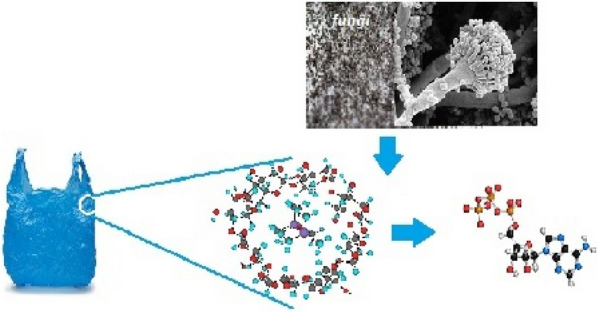
Plastic polymers are non-degradable solid wastes that have become a great threat to the whole world and degradation of these plastics would take a few decades. Compared with other degradation processes, the biodegradation process is the most effective and best way for plastic degradation due to its non-polluting mechanism, eco-friendly nature, and cost-effectiveness. Biodegradation of synthetic plastics is a very slow process that also involves environmental factors and the action of wild microbial species. In this plastic biodegradation, fungi play a pivotal role, it acts on plastics by secreting some degrading enzymes, i.e., cutinase`, lipase, and proteases, lignocellulolytic enzymes, and also the presence of some pro-oxidant ions can cause effective degradation. The oxidation or hydrolysis by the enzyme creates functional groups that improve the hydrophilicity of polymers, and consequently degrade the high molecular weight polymer into low molecular weight. This leads to the degradation of plastics within a few days. Some well-known species which show effective degradation on plastics are Aspergillus nidulans, Aspergillus flavus, Aspergillus glaucus, Aspergillus oryzae, Aspergillus nomius, Penicillium griseofulvum, Bjerkandera adusta, Phanerochaete chrysosporium, Cladosporium cladosporioides, etc., and some other saprotrophic fungi, such as Pleurotus abalones, Pleurotus ostreatus, Agaricus bisporus and Pleurotus eryngii which also helps in degradation of plastics by growing on them. Some studies say that the degradation of plastics was more effective when photodegradation and thermo-oxidative mechanisms involved with the biodegradation simultaneously can make the degradation faster and easier. This present review gives current knowledge regarding different species of fungi that are involved in the degradation of plastics by their different enzymatic mechanisms to degrade different forms of plastic polymers.
Overview
The claims and statistics of this paper haven’t been checked yet.
Free: it reads the open-access text and checks the first 5 claims that cite a source we can check. Create a free account to check every claim.
Integrity signals
Registry
Cites
Statistics
Figures
Verification
Claims the paper makes
The claims and statistics of this paper haven’t been checked yet.
Free: it reads the open-access text and checks the first 5 claims that cite a source we can check. Create a free account to check every claim.
Self-check
Percentages, sums and reported differences re-computed from the paper’s own numbers.
The self-check needs the paper’s full text.
Citations
Cites
Biological degradation of plastics: A comprehensive review
Shah, A. A., Hasan, F., Hameed, A., & Ahmed, S. (2008) · Biotechnology Advances · doi:10.1016/j.biotechadv.2007.12.005 · Cited by 2,765 · cited 1×
“As high molecular weight is a large compound that cannot be transported across the cellular membrane of the fungi thus it primarily depolymerizes it into small monomers before they cross the cell membrane (Shah et al. 2008).”
BackgroundPathways for degradation of plastic polymers floating in the marine environment
Gewert, B., Plassmann, M. M., & MacLeod, M. (2015) · Environmental Science: Processes & Impacts · doi:10.1039/c5em00207a · Cited by 2,168
Tokiwa, Y., Calabia, B. P., Ugwu, C. U., & Aiba, S. (2009) · International Journal of Molecular Sciences · doi:10.3390/ijms10093722 · Cited by 1,782
Lignocellulosic residues: Biodegradation and bioconversion by fungi
Sánchez, C. (2009) · Biotechnology Advances · doi:10.1016/j.biotechadv.2008.11.001 · Cited by 1,685 · cited 2×
“The extracellular enzymatic system consists of a hydrolytic system that produces hydrolases that are involved in polysaccharide degradation and the unspecific oxidative system involved in breaking down complex structures, such as lignin degradation (Sánchez 2009).”
BackgroundPlastics: Environmental and Biotechnological Perspectives on Microbial Degradation
Danso, D., Chow, J., & Streit, W. R. (2019) · Applied and Environmental Microbiology · doi:10.1128/aem.01095-19 · Cited by 918
Polyurethane Foams: Past, Present, and Future
Gama, N. V., Ferreira, A., & Barros-Timmons, A. (2018) · Materials · doi:10.3390/ma11101841 · Cited by 902
Microbial degradation and deterioration of polyethylene - a review
Restrepo-Flórez, J.-M., Bassi, A., & Thompson, M. R. (2014) · International Biodeterioration & Biodegradation · doi:10.1016/j.ibiod.2013.12.014 · Cited by 778
Cutinase-Catalyzed Hydrolysis of Poly(ethylene terephthalate)
Ronkvist, Å. M., Xie, W., Lu, W., & Gross, R. A. (2009) · Macromolecules · doi:10.1021/ma9005318 · Cited by 708
New perspectives in plastic biodegradation
Sivan, A. (2011) · Current Opinion in Biotechnology · doi:10.1016/j.copbio.2011.01.013 · Cited by 621 · cited 1×
“Laccase can also involve in the oxidation of the hydrocarbon backbone of polyethylene (Sivan 2011).”
BackgroundShimao, M. (2001) · Current Opinion in Biotechnology · doi:10.1016/s0958-1669(00)00206-8 · Cited by 611 · cited 4×
“Phanerochaete chrysosporium is fungal species that degrade high molecular weight polyethylene under nitrogen-limited and carbon-limited conditions (Shimao 2001).”
BackgroundInfluential
Research works printed but not linked: 20
- Alshehrei F Biodegradation of synthetic and natural plastic by microorganisms J Appl Environ Microbiol 2017 5 8 19
- Arutchelvi J Sudhakar M Arkatkar AD Mukesh B Sumit U Parasu V Biodegradation of polyethylene and polypropylene IJBT 2021 7 1 9 22
- Awaja F Pavel D Recycling of PET Eur Polym J 2005 41 1453–1477 39
- Bhardwaj H Gupta R Tiwari A Microbial population associated with plastic degradation Open Access Sci Rep 2012 1 1 4
- Bholay AD Borkhataria V Jadhav U Palekar S Dhalkari V Nalawade PM Bacterial lignin peroxidase: a tool for biolecching and biodegradation of industrial effluents Univ J Environ Res Technol 2012 2 58 64
- Frazer AC Drake HL O-methylation and other transformations of aromatic compounds by acetogenic bacteria Acetogenes 1994 New York Chapman & Hall 1994
- Ganesh P Dineshraj D Yoganathan K Production and screening of depolymerising enzymes by potential bacteria and fungi isolated from plastic waste dump yard sites Int J Appl Res 2017 3 3 693 695
- John Scheirs, Duane P (2003) Modern styrenic copolymers. Wiley, pp. 3. ISBN 978-0-471-49752-3
- Kolattukudy PE Purdy RE Maiti IB Lowenstein JM Cutinases from fungi and pollen Methods in enzymology 1981 New York Academic Press 652
- Kumar S Das ML Rebecca J Sharmila S Isolation and identification of LDPE degrading fungi from municipal solid waste J Chem Pharm Res 2013 5 3 78 81
- Lee B Pometto AL Fratzke A Bailey TB Biodegradation of degradable plastic polyethylene by Phanerochaete and Streptomyces species Appl Environ Microbiol 1991 57 678 685 10.1128/aem.57.3.678-685.1991 16348434 PMC182779 · DOI · Paper page
- Ozsagiroglu E Iyisan B Guvenilir YA Biodegradation and Characterization studies of different kinds of polyurethenes with several enzyme solutions Pol J Environ Studies 2012 6 1777 1782
- Patel C Yadav S Rahi S Dave A Studies on biodiversity of fungal endophytes of indigenous monocotaceous and dicotaceous plants and evaluation of their enzymatic potentialities Int J Sci Res Publ 2013 3 1 5
- Pramila R Vijaya Ramesh K Biodegradation of low density polyethylene (LDPE) by fungi isolated from municipal landfill area J Microbiol Biotech Res 2011 1 4 131 136
- Raaman N Rajitha N Jayshree A Jegadeesh R Biodegradation of plastic by Aspergillus spp. isolated from polythene polluted sites around Chennai J Acad Ind Res 2012 1 313 316
- Russell JR Biodegradation of polyester polyurethane by endophytic fungi Appl Environ Microbiol 2011 77 6076 6084 10.1128/AEM.00521-11 21764951 PMC3165411 · DOI · Paper page
- Tokiwa Y Calabia BP Ugwu CU Aiba S Biodegradability of plastics Int J Mol Sci 2009 10 9 3722 3742 10.3390/ijms10093722 19865515 PMC2769161 · DOI · Paper page
- Umamaheswari S Murali M FTIR spectroscopic study of fungal degradation of poly(ethylene terephthalate) and polystyrene foam Elixir Chem Engg 2013 64 19159 19164
- Usha R Sangeetha T Palaniswamy M Screening of polyethylene degrading microorganisms from garbage soil Libyan Agric Res Center J Int 2011 2 4 200 204
- Webb JS, Nixon M, Eastwood IM, Greenhalgh M, Robson GD, Handley PS (2020) Fungal colonization and biodeterioration of plasticized polyvinyl chloride. ASM J Appl Environ Microbiol 66(8) PMC92133 10919769 · DOI · Paper page
Cited by
Insights into the mechanisms involved in the fungal degradation of plastics
Okal, E. J., Heng, G., Magige, E. A., Khan, S., Wu, S., Ge, Z., Zhang, T., Mortimer, P. E., & Xu, J. (2023) · Ecotoxicology and Environmental Safety · doi:10.1016/j.ecoenv.2023.115202 · Cited by 178
Jayakumar, A., Radoor, S., Siengchin, S., Shin, G. H., & Kim, J. T. (2023) · The Science of The Total Environment · doi:10.1016/j.scitotenv.2023.163156 · Cited by 158
Navina, B., Velmurugan, N. K., Kumar, P. S., Rangasamy, G., Palanivelu, J., Thamarai, P., Vickram, A. S., Saravanan, A., & Shakoor, A. (2024) · Chemosphere · doi:10.1016/j.chemosphere.2024.141123 · Cited by 137
Degradable biomedical elastomers: paving the future of tissue repair and regenerative medicine
Jia, B., Huang, H., Dong, Z., Ren, X., Lu, Y., Wang, W., Zhou, S., Zhao, X., & Guo, B. (2024) · Chemical Society Reviews · doi:10.1039/d3cs00923h · Cited by 141
Biodegradation of plastics by white-rot fungi: A review
Bautista-Zamudio, P. A., Flórez-Restrepo, M. A., López-Legarda, X., Monroy-Giraldo, L. C., & Segura‐Sánchez, F. (2023) · The Science of The Total Environment · doi:10.1016/j.scitotenv.2023.165950 · Cited by 130
Recent advances in fungal xenobiotic metabolism: enzymes and applications
Khan, M. F., Hof, C., Niemcová, P., & Murphy, C. D. (2023) · World Journal of Microbiology and Biotechnology · doi:10.1007/s11274-023-03737-7 · Cited by 112
Microplastics pollution in the marine environment: A review of sources, impacts and mitigation
Kushwaha, M., Shankar, S., Goel, D., Singh, S., Rahul, J., Rachna, K., & Singh, J. (2024) · Marine Pollution Bulletin · doi:10.1016/j.marpolbul.2024.117109 · Cited by 145
Elsamahy, T., Sun, J., Elsilk, S. E., & Ali, S. S. (2023) · Journal of Hazardous Materials · doi:10.1016/j.jhazmat.2023.130944 · Cited by 113
Jo, C., Zhang, J., Tam, J. M., Church, G. M., Khalil, A. S., Segrè, D., & Tang, T. (2023) · Materials Today Bio · doi:10.1016/j.mtbio.2023.100560 · Cited by 123
“including various organic pollutants and plastics [31,82,83].”
Rüthi, J., Cerri, M., Brunner, I., Stierli, B., Sander, M., & Frey, B. (2023) · Frontiers in Microbiology · doi:10.3389/fmicb.2023.1178474 · Cited by 126
“Penicillium strains are well-known for their broad metabolic capabilities, including degradation of various plastic types (Srikanth et al., 2022).”
BackgroundGilani, I. E., Sayadi, S., Zouari, N., & Al-Ghouti, M. A. (2023) · Bioresource Technology Reports · doi:10.1016/j.biteb.2023.101606 · Cited by 132
Recent progress in biodegradation of microplastics by Aspergillus sp. in aquatic environments
Nasrabadi, A. E., Ramavandi, B., & Bonyadi, Z. (2023) · Colloids and Interface Science Communications · doi:10.1016/j.colcom.2023.100754 · Cited by 113
Biodegradation of conventional plastics: Candidate organisms and potential mechanisms
Wu, Z., Shi, W., Valencak, T. G., Zhang, Y., Liu, G., & Ren, D. (2023) · The Science of The Total Environment · doi:10.1016/j.scitotenv.2023.163908 · Cited by 104
Polyethylene degradation and assimilation by the marine yeast Rhodotorula mucilaginosa
Vaksmaa, A., Polerecky, L., Dombrowski, N., Kienhuis, M. V. M., Posthuma, I., Gerritse, J., Boekhout, T., & Niemann, H. (2023) · ISME Communications · doi:10.1038/s43705-023-00267-z · Cited by 73
“Fungi harbor powerful enzymatic machineries comprising, for example, manganese peroxidases, lignin peroxidases, and laccases [36 – 38], which have also been linked to plastic degradation [39, 40].”
Aspergillus oryzae as a Cell Factory: Research and Applications in Industrial Production
Sun, Z., Wu, Y., Long, S., Feng, S., Jia, X., Yan, H., Ma, M., Liu, J., & Zeng, B. (2024) · Journal of Fungi · doi:10.3390/jof10040248 · Cited by 88
“The green production standard advocates for the appropriate treatment and recycling of organic-rich waste [93].”
BackgroundTen decadal advances in fungal biology leading towards human well-being
Mapook, A., Hyde, K. D., Hassan, K., Kemkuignou, B. M., Čmoková, A., Surup, F., Kuhnert, E., Paomephan, P., Cheng, T., de Hoog, S., et al. (2022) · Fungal Diversity · doi:10.1007/s13225-022-00510-3 · Cited by 86
Detection and degradation of microplastics in the environment: a review
Yousafzai, S., Farid, M., Zubair, M., Naeem, N., Zafar, W., Asam, Z. U. Z., Farid, S., & Ali, S. (2025) · Environmental Science Advances · doi:10.1039/d5va00064e · Cited by 117
Tapping into fungal potential: Biodegradation of plastic and rubber by potent Fungi
Ibrahim, S. S., Ionescu, D., & Grossart, H. (2024) · The Science of The Total Environment · doi:10.1016/j.scitotenv.2024.173188 · Cited by 79
Klose, L., Meyer-Heydecke, N., Wongwattanarat, S., Chow, J., Pérez-García, P., Carré, C., Streit, W. R., Antranikian, G., Romero, A. M., & Liese, A. (2023) · Polymers · doi:10.3390/polym15122653 · Cited by 71
Using Fungi in Artificial Microbial Consortia to Solve Bioremediation Problems
Efremenko, E., Stepanov, N., Senko, O., Aslanli, A., Maslova, O., & Lyagin, I. (2024) · Microorganisms · doi:10.3390/microorganisms12030470 · Cited by 61
Solanki, S., Sinha, S., & Singh, R. (2022) · Biodegradation · doi:10.1007/s10532-022-10001-6 · Cited by 60
“(1234567890) microbes for polymer breakdown (Othman et al. 2021; Srikanth et al. 2022).”
BackgroundKurhade, R. R., Shaikh, M. S., Nagulwar, V., & Kale, M. A. (2025) · International Journal of Polymeric Materials and Polymeric Biomaterials · doi:10.1080/00914037.2024.2391973 · Cited by 55
Designing biodegradable alternatives to commodity polymers
Fiandra, E. F., Shaw, L. A., Starck, M., McGurk, C. J., & Mahon, C. S. (2023) · Chemical Society Reviews · doi:10.1039/d3cs00556a · Cited by 57
Metal and Metal Oxides Nanoparticles as Nanofillers for Biodegradable Polymers
Wawrzyńczak, A., Chudzińska, J., & Feliczak‐Guzik, A. (2024) · ChemPhysChem · doi:10.1002/cphc.202300823 · Cited by 61
Wang, Y., Bai, R., Liu, Q., Tang, Q., Xie, C., Richel, A., Len, C., Cui, J., Yan, C., & He, W. (2025) · Journal of Hazardous Materials · doi:10.1016/j.jhazmat.2025.138250 · Cited by 58
HADEG: A curated hydrocarbon aerobic degradation enzymes and genes database
Rojas-Vargas, J., Castelán-Sánchez, H. G., & Pardo‐López, L. (2023) · Computational Biology and Chemistry · doi:10.1016/j.compbiolchem.2023.107966 · Cited by 66
Nizamuddin, S., & Chen, C. R. (2024) · Environmental Science and Pollution Research · doi:10.1007/s11356-023-31689-w · Cited by 56
Yang, S.-S., Wu, W., Pang, J.-W., He, L., Ding, M.-Q., Li, M.-X., Zhao, Y.-L., Sun, H.-J., Xing, D., Ren, N., et al. (2023) · Journal of Cleaner Production · doi:10.1016/j.jclepro.2023.139423 · Cited by 52
Zheng, S., & Wang, W. (2022) · The Science of The Total Environment · doi:10.1016/j.scitotenv.2022.159353 · Cited by 56
Comprehensive review on enzymatic polymer degradation: A sustainable solution for plastics
Suresh, V., Shams, R., Dash, K. K., Shaikh, A. M., & Kovács, B. (2025) · Journal of Agriculture and Food Research · doi:10.1016/j.jafr.2025.101788 · Cited by 94
Ramamurthy, K., Thomas, N. P., Gopi, S., Sudhakaran, G., Haridevamuthu, B., Namasivayam, S. K. R., & Arockiaraj, J. (2024) · International Journal of Biological Macromolecules · doi:10.1016/j.ijbiomac.2024.133971 · Cited by 71
Kapoor, A., Raghunathan, M., Lal, B., Kumar, P., Srivastava, N., Devnani, G. L., & Pal, D. B. (2024) · Chemosphere · doi:10.1016/j.chemosphere.2024.143279 · Cited by 51
Salinas, J., Martínez-Gallardo, M. R., Jurado, M. M., Suárez-Estrella, F., López-González, J. A., Estrella-González, M. J., Toribio, A. J., Carpena-Istán, V., & López, M. J. (2024) · Environmental Pollution · doi:10.1016/j.envpol.2024.125333 · Cited by 48
Plastic-inhabiting fungi in marine environments and PCL degradation activity
Kim, S. H., Lee, J. W., Kim, J. S., Lee, W., Park, M. S., & Lim, Y. W. (2022) · Antonie van Leeuwenhoek · doi:10.1007/s10482-022-01782-0 · Cited by 49
El-Dash, H. A., Yousef, N. E., Aboelazm, A. A., Awan, Z. A., Yahya, G., & El-Ganiny, A. M. (2023) · International Journal of Molecular Sciences · doi:10.3390/ijms242015452 · Cited by 54
“Several genera of fungi play an essential role in plastic biodegradation including Aspergillus , Paecilomyces , Fusarium , Geomyces , Nectria and Penicillium [16–19].”
BackgroundMicrobial and Enzymatic Biodegradation of Plastic Waste for a Circular Economy
Akram, M. A., Savitha, R., Kinsella, G. K., Nolan, K. J. M., Ryan, B. J., & HENEHAN, G. T. M. (2024) · Applied Sciences · doi:10.3390/app142411942 · Cited by 52
Removal of microplastic for a sustainable strategy by microbial biodegradation
Sridhar, S., Murugesan, N., Gopalakrishnan, M., Janjoren, D., & Ganesan, S. (2024) · Sustainable Chemistry for the Environment · doi:10.1016/j.scenv.2024.100088 · Cited by 47
Mamtimin, T., Ouyang, X., Wu, W., Zhou, T., Hou, X., Khan, A., Liu, P., Zhao, Y., Tang, H., Criddle, C. S., et al. (2024) · Environmental Science & Technology · doi:10.1021/acs.est.4c01495 · Cited by 47
Singh, S. P., Sharma, P., Bano, A., Nadda, A. K., & Varjani, S. (2022) · Green Analytical Chemistry · doi:10.1016/j.greeac.2022.100030 · Cited by 44
Mycelium Composites for Sustainable Development in Developing Countries: The Case for Africa
Akromah, S., Chandarana, N., & Eichhorn, S. J. (2023) · Advanced Sustainable Systems · doi:10.1002/adsu.202300305 · Cited by 44
Taxeidis, G., Nikolaivits, E., Σιαπέρας, Ρ., Gkountela, C. I., Vouyiouka, S., Pantelić, B., Nikodinović‐Runić, J., & Topakas, E. (2023) · Environmental Pollution · doi:10.1016/j.envpol.2023.121460 · Cited by 44
Exploring the potential of earthworm gut bacteria for plastic degradation
Munhoz, D. R., Meng, K., Wang, L., Lwanga, E. H., Geissen, V., & Harkes, P. (2024) · The Science of The Total Environment · doi:10.1016/j.scitotenv.2024.172175 · Cited by 38
Aransiola, S. A., Victor-Ekwebelem, M. O., Daza, B. X. D., Oladoye, P. O., Alli, Y. A., Bamisaye, A., Aransiola, A. B., Oni, S. O., & Maddela, N. R. (2025) · Chemosphere · doi:10.1016/j.chemosphere.2025.144211 · Cited by 42
Biodegradable Polymers in Veterinary Medicine—A Review
Broda, M., Yelle, D. J., & Leja, K. (2024) · Molecules · doi:10.3390/molecules29040883 · Cited by 36
“The future of the polymer industry will depend on its ability to incorporate monomers sourced from waste material (including polymeric waste) and the ability of the newly synthesized polymers to eventually degrade from biotic agent activity, that is, to be biodegradable [11,12].”
BackgroundPhytoremediation of Microplastics: A Perspective on Its Practicality
Tang, K. H. D. (2023) · Industrial and Domestic Waste Management · doi:10.53623/idwm.v3i2.291 · Cited by 32
“96 hours [25], while a cutinase from Arxula adeninivorans was capable of degrading polycaprolactone fiber mats [26].”
BackgroundLakshiakanthan, E., Wilfred, N., Kavitha, S., Halder, G., Haldar, D., Patel, A. K., Singhania, R. R., & Pandey, A. (2023) · Chemosphere · doi:10.1016/j.chemosphere.2023.140661 · Cited by 33
Battulga, B., Nakayama, M., Matsuoka, S., Kondo, T., Atarashi-Andoh, M., & Koarashi, J. (2024) · Water Research · doi:10.1016/j.watres.2024.122207 · Cited by 34
Toward a Circular Bioeconomy: Designing Microbes and Polymers for Biodegradation
Mubayi, V., Ahern, C. B., Całusińska, M., & O’Malley, M. (2024) · ACS Synthetic Biology · doi:10.1021/acssynbio.4c00077 · Cited by 31
“57,58 − 63 Aspergillus terreus achieved 25.29% degradation when grown on a UV-pretreated PP metallized film, while Engyodontium album achieved 27.08% degradation on a metallized PP film pretreated with heat over a period of 90 days.”
MethodInfluentialPhilippe, A., Noël, C., Eyheraguibel, B., Briand, J., Paul-Pont, I., Ghiglione, J., Coton, E., & Burgaud, G. (2023) · Diversity · doi:10.3390/d15040579 · Cited by 32
The relevance of fungi in astrobiology research – Astromycology
Simões, M., Cortesão, M., Azúa-Bustos, A., Bai, F.-Y., Canini, F., Casadevall, A., Cassaro, A., Cordero, R., Fairén, A. G., González-Silva, C., et al. (2023) · Mycosphere · doi:10.5943/mycosphere/14/1/13 · Cited by 36
Seq2Topt: a sequence-based deep learning predictor of enzyme optimal temperature
Qiu, S., Hu, B., Zhao, J., Wei-ren, X., & Yang, A. (2025) · Briefings in Bioinformatics · doi:10.1093/bib/bbaf114 · Cited by 35
Avinash, G. P., Namasivayam, S. K. R., & Bharani, R. S. A. (2023) · Journal of Environmental Biology · doi:10.22438/jeb/44/5/mrn-5099 · Cited by 28
High density polyethylene (HDPE) biodegradation by the fungus Cladosporium halotolerans
Napoli, M. D., Silvestri, B., Castagliuolo, G., Carpentieri, A., Luciani, G., Maro, A. D., Sorbo, S., Pezzella, A., Zanfardino, A., & Varcamonti, M. (2022) · FEMS Microbiology Ecology · doi:10.1093/femsec/fiac148 · Cited by 43
Degradation of Structurally Modified Polylactide under the Controlled Composting of Food Waste
Трофимчук, Е. С., Ostrikova, V. V., Ivanova, O. A., Moskvina, M. A., Plutalova, A. V., Grokhovskaya, T. Y., Shchelushkina, A. A., Efimov, A., Chernikova, E. V., Zhang, S., et al. (2023) · Polymers · doi:10.3390/polym15194017 · Cited by 29
“According to the has been shown of the phylum lipases, proteases, compounds, and in particular, various plastics [56].”
BackgroundFerrand, H. L. (2024) · Journal of Cleaner Production · doi:10.1016/j.jclepro.2024.141859 · Cited by 26
Zahid, H., Afzal, N., Arif, M. M., Zahid, M., Nawab, S., Qasim, M. M., Alvi, F. N., Nazir, S., Perveen, I., Abbas, N., et al. (2024) · Archives of Microbiology · doi:10.1007/s00203-024-03904-w · Cited by 29
“Aspergillus spp., and Lysinibacillus spp., produced similar results for the decomposition of UV-irradiated polymer films up to 29.5% and 15.8%, respectively (Srikanth et al. 2022).”
InfluentialAdamu, H., Bello, U., IbrahimTafida, U., Garba, Z. N., Galadima, A., Lawan, M. M., Abba, S. I., & Qamar, M. (2024) · Journal of Environmental Management · doi:10.1016/j.jenvman.2024.122543 · Cited by 28
Call for biotechnological approach to degrade plastic in the era of COVID-19 pandemic
Ali, S., Bukhari, D. A., & Rehman, A. (2023) · Saudi Journal of Biological Sciences · doi:10.1016/j.sjbs.2023.103583 · Cited by 30
The threat of microplastics and microbial degradation potential; a current perspective
Ullah, Z., Peng, L., Lodhi, A. F., Kakar, M. U., Mehboob, M. Z., & Iqbal, I. A. (2024) · The Science of The Total Environment · doi:10.1016/j.scitotenv.2024.177045 · Cited by 24
Environmentally Conscious Technologies Using Fungi in a Climate-Changing World
Kržišnik, D., & Gonçalves, J. (2023) · Earth · doi:10.3390/earth4010005 · Cited by 24
Gupta, S., & Kumar, R. (2023) · Physica Scripta · doi:10.1088/1402-4896/ad000a · Cited by 22
“However, this process is generally slow [9].”
Maheswaran, B., Raj, J. S., Pandiyarajan, P., Santhi, R. J., Mythili, R., Vignesh, K. S., Kim, W., Karmegam, N., & Govarthanan, M. (2024) · Environmental Research · doi:10.1016/j.envres.2024.118631 · Cited by 29
Exploring the potential of insect gut symbionts for polyethylene biodegradation
Ali, S. S., Elsamahy, T., El-Sapagh, S., KHALIL, M. A. E. F., Al-Tohamy, R., Zhu, D., & Sun, J. (2024) · Process Safety and Environmental Protection · doi:10.1016/j.psep.2024.08.008 · Cited by 20
Polyethylene-biodegrading Microbes and Their Future Directions
Seo, M., Yun, S.-D., Kim, H.-W., & Yeom, S. (2023) · Biotechnology and Bioprocess Engineering · doi:10.1007/s12257-022-0264-9 · Cited by 22
Polyethylene terephthalate (PET) biodegradation by Pleurotus ostreatus and Pleurotus pulmonarius
Odigbo, C., Adenipekun, C. O., OLADOSU, I. A., & Ogunjobi, A. A. (2023) · Environmental Monitoring and Assessment · doi:10.1007/s10661-023-11153-5 · Cited by 20
Linking the Metabolic Activity of Plastic-Degrading Fungi to Their Taxonomy and Evolution
Ekanayaka, A. H., Silva, N. T. D., Tarafder, E., Chen, X.-M., Dai, D.-Q., Stephenson, S. L., Asad, S., Tibpromma, S., & Karunarathna, S. C. (2025) · Journal of Fungi · doi:10.3390/jof11050378 · Cited by 22
“Initially, PETase enzymes were discovered from the novel bacterium Ideonella sakaiensis 201-F6, which utilized PET as a carbon source, minimizing the natural degradation period of plastics from many years to days [86–88].”
InfluentialMicrobial degradation of microplastics: Effectiveness, challenges, and sustainable solutions
Yadav, P., Kumar, A., Ram, K., Kumar, A., Gupta, R. K., & Dufossé, L. (2025) · Current Research in Microbial Sciences · doi:10.1016/j.crmicr.2025.100495 · Cited by 52
“Additionally, fungi exhibit notable resistance to toxic chemicals and heavy metals, further underscoring their potential in bioremediation applications (Srikanth et al., 2022).”
A Systematic Review on the Impact of Micro-Nanoplastics Exposure on Human Health and Diseases
(2022) · Biointerface Research in Applied Chemistry · doi:10.33263/briac134.381 · Cited by 29
“Many Aspergillus fungal species, including A. nidulans, A. flavus, A. glaucus, A. oryzae, A. nomius, Penicillium griseofulvum, Bjerkandera adusta, Phanerochaete chrysosporium and Cladosporium cladosporioides have been reported to degrade plastics effectively [60].”
Bawa, S. A., Chan, A., Wrobel-Tobiszewska, A., Hardie, M. A., & Towns, C. (2024) · The Science of The Total Environment · doi:10.1016/j.scitotenv.2024.177360 · Cited by 25
Bai, F., Fan, J., Zhang, X., Wang, X., & Liu, S. (2025) · Journal of Hazardous Materials · doi:10.1016/j.jhazmat.2025.137330 · Cited by 20
Makgwane, P. R., Muniyasamy, S., Hlekelele, L., Swanepoel, A., Sypu, V. S., Mdlalose, L., Naidoo, S., Cele, Z. E. D., Maity, A., Balogun, M. O., et al. (2025) · JOURNAL OF RENEWABLE MATERIALS · doi:10.32604/jrm.2025.027523 · Cited by 23
“The breakdown of any complex biochemical substance into simpler compound fractions by the action of microorganisms, including bacteria and fungi is referred to as biodegradability [314–316].”
Wang, S., Hadji-Thomas, A., Adekunle, A., & Raghavan, V. (2024) · The Science of The Total Environment · doi:10.1016/j.scitotenv.2024.172737 · Cited by 19
Vass, M., Ramasamy, K. P., & Andersson, A. (2024) · Environmental Microbiology · doi:10.1111/1462-2920.16618 · Cited by 20
“The enrichment of fungal Clados-porium and Plectosphaerella taxa has been evidenced in aquatic habitats in previous studies (Forero-L (cid:1) opez et al., 2022; Lacerda et al., 2020), suggesting their plastic-degrading potentials (Kim et al., 2022; Srikanth et al., 2022).”
BackgroundComprehensive Review on Bio-Based Treatments for Polyvinyl Chloride Plastic
Hatwar, N., & Qureshi, A. (2025) · Applied Biochemistry and Biotechnology · doi:10.1007/s12010-024-05174-0 · Cited by 17
“Enzymatic depolymerization has been more controlled, as specific enzymes hydrolyze ester bonds, producing more biodegradable products [103, 109].”
Biodegradation Efficacy of Aspergillus niger and Trichoderma harzianum on Low-Density Polyethylene
Ahmed, M., Iram, S., Tabassum, N., Sajid, M., Paseutsakoun, K., Aleksza, L., & Székács, A. (2025) · Polymers · doi:10.3390/polym17101303 · Cited by 20
“Various fungal strains have been demonstrated to metabolize plastic polymers as their sole carbon source, thereby degrading them [10–13].”
InfluentialAn overview on role of fungi in systematic plastic degradation
Varshney, S., Gupta, V., Yadav, A. N., Rahi, R. K., Devki, D., & Neelam, D. K. (2022) · Journal of Applied Biology & Biotechnology · doi:10.7324/jabb.2023.108929 · Cited by 26
Can, A., Tomak, E. D., Ermeydan, M. A., & Aykanat, O. (2023) · European Polymer Journal · doi:10.1016/j.eurpolymj.2023.112246 · Cited by 20
Degradation Potential of Xerophilic and Xerotolerant Fungi Contaminating Historic Canvas Paintings
Kujović, A., Gostinčar, C., Kavkler, K., Govedić, N., Gunde‐Cimerman, N., & Zalar, P. (2024) · Journal of Fungi · doi:10.3390/jof10010076 · Cited by 20
“Xerophilic fungi pose a threat to canvas paintings at low RH, especially to a canvas or partially degraded canvas, due to endoglucanase and β -glucosidase activity.”
BackgroundDaniel, D., Barros, L., da Costa, J. P., Girao, A. V., & Nunes, B. (2024) · Marine Pollution Bulletin · doi:10.1016/j.marpolbul.2024.116441 · Cited by 19
Ali, S. S., Al-Tohamy, R., & Sun, J. (2025) · Environmental Chemistry and Ecotoxicology · doi:10.1016/j.enceco.2025.05.008 · Cited by 19
Senko, O. V., Maslova, O. V., Stepanov, N., Aslanli, A., Lyagin, I., & Efremenko, E. N. (2024) · Microorganisms · doi:10.3390/microorganisms12102024 · Cited by 18
“The biodegradation of SPs by the fungi is carried out under the action of various hydrolytic enzymes secreted by them (cutinases, lipases, proteases, carboxylesterases, etc.) [66].”
BackgroundJiao, H., Al-Tohamy, R., Xiong, M., Schagerl, M., Reinthaler, T., Al-Zahrani, M., Sun, J., & Ali, S. S. (2026) · Ecotoxicology and Environmental Safety · doi:10.1016/j.ecoenv.2026.120016 · Cited by 19
Rani, R., Malik, S., Kumar, D., Kumar, R., Mukherjee, S., Saharan, B. S., & Duhan, J. S. (2024) · Sustainable Chemistry and Pharmacy · doi:10.1016/j.scp.2024.101595 · Cited by 22
Philippe, A., Salaun, M., Quémener, M., Noël, C., Tallec, K., Lacroix, C., Coton, E., & Burgaud, G. (2024) · Journal of Fungi · doi:10.3390/jof10060428 · Cited by 18
“Only at T3 did the Penicillium genus appeared; some of its members having also been reported as degraders of different types of plastics [63].”
BackgroundOlowoyo, J. O., Okoya, A. A., Adesiyan, I. M., Awe, Y. T., Lion, G., Agboola, O., & Oladeji, O. (2024) · International Journal of Environmental Health Research · doi:10.1080/09603123.2024.2370388 · Cited by 16
“…such as dusty environment, uncontrolled emissions from industries (mining and oil sectors), vehicular emissions, improper agricultural practices and microplastic as major sources of pollutants in the region (Olowoyo et al. 2020; Srikanth et al. 2022; Tindwa and Singh 2023; Lion and Olowoyo 2023).”
Harrat, R., Bourzama, G., Burgaud, G., Coton, E., Bourezgui, A., & Soumati, B. (2024) · Diversity · doi:10.3390/d16120759 · Cited by 15
Tegariyanto, M. R., Titah, H. S., & Pratikno, H. (2024) · IOP Conference Series Earth and Environmental Science · doi:10.1088/1755-1315/1414/1/012028 · Cited by 14
Microplastic accumulation in soils: Unlocking the mechanism and biodegradation pathway
Nguyen, M., Rakib, M. R. J., Hwangbo, M., & Kim, J.-S. (2025) · Journal of Hazardous Materials Advances · doi:10.1016/j.hazadv.2025.100629 · Cited by 29
Akter, S., Mahmud, U., Shoumik, B. A. A., & Khan, M. Z. (2025) · Archives of Microbiology · doi:10.1007/s00203-025-04285-4 · Cited by 20
“…, Aspergillus flavus , Aspergillus nidulans Aspergillus oryzae Trichoderma viride , Penicillium griseofulvum , and saprotrophic fungi like Agaricus bisporus , Pleurotus abalones and Pleurotus eryngii are known to effectively break down micro-plastics (Munir et al. 2018; Srikanth et al. 2022).”
Khurana, S., Ali, S., Srivastava, A. K., Singh, A., Agarwal, H., Chauhan, R., Joshi, N. C., Dufossé, L., & Chauhan, A. P. S. (2025) · Journal of Hazardous Materials Advances · doi:10.1016/j.hazadv.2025.100777 · Cited by 30
Economou, C. Ν., Bertozzi, S. M., Nardi, M., Paul, U. C., Fiorentini, F., Ferrari, G., Contardi, M., Armirotti, A., Fragouli, D., & Athanassiou, A. (2025) · Bioresource Technology · doi:10.1016/j.biortech.2025.132807 · Cited by 14
Chen, C., Taghavi, N., & Baroutian, S. (2024) · Journal of Material Cycles and Waste Management · doi:10.1007/s10163-024-01913-x · Cited by 16
“The solid plastic surface and the aqueous medium (NSB) interface provide an ideal environment for the attachment and growth of microorganisms [39].”
Chaimusik, N., Sombuttra, N., Nakaramontri, Y., Sompongchaiyakul, P., Charoenpong, C., Intra, B., & Euanorasetr, J. (2024) · PeerJ · doi:10.7717/peerj.17165 · Cited by 14
“Moreover, Aspergillus , Penicillium , and Fusarium have been employed as biological agents for degrading PET and PS foam ( Srikanth et al., 2022 ).”
InfluentialProspective Roles of Extremophilic Fungi in Climate Change Mitigation Strategies
Ali, I., Qaiser, H., Abdullah, R., Kaleem, A., Iqtedar, M., Iqbal, I., & Chen, X. (2024) · Journal of Fungi · doi:10.3390/jof10060385 · Cited by 13
“Important strategies for addressing climate change include the removal of carbon dioxide from the atmosphere or emission point sources via biotic or abiotic processes (photosynthesis), the creation of”
BackgroundSynthetic biology for Monascus: From strain breeding to industrial production
Zhou, J., Pan, Q., Xue, Y., Dong, Y., Chen, Y., Huang, L., Zhang, B., Liu, Z., & Zheng, Y. (2024) · Biotechnology Journal · doi:10.1002/biot.202400180 · Cited by 14
Zeng, Z., Song, C., Hu, X., Zhu, X., Li, Y., Ren, J., Wang, Y., Hai-jun, Y., Huang, X., Zhao, M., et al. (2024) · Food Bioscience · doi:10.1016/j.fbio.2024.105027 · Cited by 13
Fujita, R., Amamoto, Y., & Kikuchi, J. (2025) · npj Materials Degradation · doi:10.1038/s41529-025-00613-7 · Cited by 15
Akash, K., Parthasarathi, R., Bharathi, J. K., & Elango, R. (2025) · Water Air & Soil Pollution · doi:10.1007/s11270-025-08343-x · Cited by 18
Qiu, S., Wang, N.-K., Lu, Y., Gong, J., Shi, J., & Yang, A. (2025) · ACS Synthetic Biology · doi:10.1021/acssynbio.5c00679 · Cited by 14
Sabari, D., Rajmohan, G., Roshine, S. B., Srivaishnavi, S., Nagasubramanian, K., Senthil Kumar, G., & Venkatachalam, P. (2025) · Heliyon · doi:10.1016/j.heliyon.2025.e41640 · Cited by 16
Metadata
- Authors
- Srikanth, M., Sandeep, T. S. R. S., Sucharitha, K., & Godi, S.
- Affiliations
- Andhra University (IN)
- Corresponding author
- Sandeep, T. S. R. S.
- Venue
- Bioresources and Bioprocessing
- Published
- 2022-04-08
- Volume
- 9
- Issue
- 1
- Pages
- 42-42
- ISSN
- 2197-4365 (ISSN-L)
- PMC
- PMC10991219
- OpenAlex
- W4225894878
- Cited by
- 319
- References
- 93
- Citations by year
- 2026: 80 · 2025: 96 · 2024: 78 · 2023: 48 · 2022: 17
- FWCI
- 3.42
- Type
- journal article
- Language
- en
- Open access
- gold
- doi.org
- Licence
- cc-by
- creativecommons.org/licenses/by/4.0 (tdm)
- creativecommons.org/licenses/by/4.0 (vor)
- Locations
- Bioresources and Bioprocessing (publishedVersion, cc-by)
- PubMed Central (publishedVersion, cc-by)
- PubMed (publishedVersion)
- DOAJ (DOAJ: Directory of Open Access Journals) (submittedVersion, cc-by-sa)
- Topics
- Physical Sciences › Environmental Science › Pollution › Microplastics and Plastic Pollution
- Life Sciences › Immunology and Microbiology › Applied Microbiology and Biotechnology › Enzyme-mediated dye degradation
- Physical Sciences › Environmental Science › Pollution › Microbial bioremediation and biosurfactants
- Keywords
- plastic biodegradation, plastic polymers, cutinase, lipase, proteolytic enzymes, lignocellulolytic enzymes, Aspergillus, Penicillium, Bjerkandera adusta, Phanerochaete chrysosporium, Pleurotus, saprotrophic fungi, photodegradation, thermo-oxidative degradation, plastic waste
About these checks
Registry, retraction, Cites and statistics results are computed, not judged, with one exception: a printed reference that no index lists is read once by a model before it counts as a citation error. Claims are extracted by a model and kept only when their quote appears verbatim in the text; each cited source is then checked, with a model’s help, for whether it says what the claim relies on. Those verdicts can be wrong — read the claim’s quote and the cited source before relying on one.
Statistics and arithmetic are recomputed, not judged.
Confidence bands are shown only for fields calibrated on our annotated test set. None is calibrated yet, so no band is shown.
What counts as a claim ›How we measure confidence ›How we check this ›
Are you an author, or do you see a problem with this page? Request a review
Data sources
Bibliographic data: Semantic Scholar, OpenAlex, Crossref.
Contains information from the Semantic Scholar Academic Graph Datasets, made available under the ODC Attribution License (ODC-BY 1.0).
Semantic Scholar’s data is described in: Kinney, R., et al. (2023). The Semantic Scholar Open Data Platform. arXiv:2301.10140.
