

Marine microplastics as vectors of major ocean pollutants and its hazards to the marine ecosystem and humans
Open accessThe DOI matches its Crossref record; 304 of the 304 references it cites were found in a registry or an index.
Abstract
Microplastic pollutes water, land, air, and groundwater environments not only visually but also ecologically for plants, animals, and humans. Microplastic has been reported to act as vectors by sorbing pollutants and contributing to the bioaccumulation of pollutants, particularly in marine ecosystems, organisms, and subsequently food webs. The inevitable exposure of microplastic to humans emphasises the need to review the potential effects, exposure pathways, and toxicity of microplastic toward human health. Therefore, this review was aimed to reveal the risks of pollutant sorption and bioaccumulation by microplastic toward humans, as well as the dominant types of pollutants sorbed by microplastic, and the types of pollutants that are bioaccumulated by microplastic in the living organisms of the marine ecosystem. The possible factors influencing the sorption and bioaccumulation of pollutants by microplastic in marine ecosystems were also reviewed. The review also revealed the prevailing types of microplastic, abundance of microplastic, and geographical distribution of microplastic in the aquatic environment globally. The literature review revealed that microplastic characteristics, chemical interactions, and water properties played a role in the sorption of pollutants by microplastic. The evidence of microplastic posing a direct medical threat to humans is still lacking albeit substantial literature has reported the health hazards of microplastic-associated monomers, additives, and pollutants. This review recommends future research on the existing knowledge gaps in microplastic research, which include the toxicity of microplastic, particularly to humans, as well as the factors influencing the sorption and bioaccumulation of pollutants by microplastic.
Overview
The claims and statistics of this paper haven’t been checked yet.
Free: it reads the open-access text and checks the first 5 claims that cite a source we can check. Create a free account to check every claim.
Integrity signals
Registry
Cites
Statistics
Figures
Verification
Claims the paper makes
The claims and statistics of this paper haven’t been checked yet.
Free: it reads the open-access text and checks the first 5 claims that cite a source we can check. Create a free account to check every claim.
Claims other papers make about this one
Each is checked against this paper’s own text: does it say what the citing paper says it does?
The source backs part of the claim, not all of it — or backs it for a different population, condition or comparison.
In the citing paper
“MPs have been shown to act as a major vector for chemical contami nation, and, as DEHP is lipophilic, MPs have the potential to promote its concentration, distribution and persistence within the marine environ ment (Amelia et al., 2021; Ye et al., 2020).”
From Trophic transfer of polyester microfibres across a multi-level marine food web. (2025) · cites this paper as Amelia et al., 2021
Experimental — accuracy not yet measuredThe source backs part of the claim, not all of it — or backs it for a different population, condition or comparison.
In the citing paper
“MPs have been shown to act as a major vector for chemical contami nation, and, as DEHP is lipophilic, MPs have the potential to promote its concentration, distribution and persistence within the marine environ ment (Amelia et al., 2021; Ye et al., 2020).”
From Trophic transfer of polyester microfibres across a multi-level marine food web. (2025) · cites this paper as Amelia et al., 2021
Experimental — accuracy not yet measured
Self-check
Percentages, sums and reported differences re-computed from the paper’s own numbers.
The self-check needs the paper’s full text.
Citations
Cites
1 retracted
Items 201–304 of 304
Threat of plastic ageing in marine environment. Adsorption/desorption of micropollutants
Kedzierski, M., D'Almeida, M., Magueresse, A., Le Grand, A., Duval, H., César, G., Sire, O., Bruzaud, S., & Le Tilly, V. (2018) · Marine Pollution Bulletin · doi:10.1016/j.marpolbul.2017.12.059 · Cited by 226 · cited 2×
“In an experiment by Kedzierski et al. with 502 day long-term exposure, Ni and Cu were found on PVC. Si, Al, Fe, and Mg were found on polybutylene adipate terephthalate (PBAT) after 1 year, while no change was observed for PET over the entire period (Kedzierski et al. 2018).”
BackgroundSorption of polycyclic aromatic hydrocarbons (PAHs) to low and high density polyethylene (PE)
Fries, E., & Zarfl, C. (2012) · Environmental Science and Pollution Research · doi:10.1007/s11356-011-0655-5 · Cited by 225 · cited 4×
“Furthermore, microplastics of higher density were reported to contain lower concentrations of PAH, PCB, and phenanthrene (Fries and Zarfl 2012; Karapanagioti and Klontza 2008; Mato et al. 2001).”
BackgroundInfluentialMicroplastics in Polar Regions: The role of long range transport
Obbard, R. W. (2018) · Current Opinion in Environmental Science & Health · doi:10.1016/j.coesh.2017.10.004 · Cited by 222 · cited 1×
“Subsequently, microplastic accumulates in the deep sea, pristine polar regions, ice sheet, living organisms, and contaminants such as polycyclic aromatic hydrocarbons (PAH), heavy metals, and antibiotics (Obbard 2018; Woodall et al. 2014; Yu et al. 2018).”
BackgroundMicroplastics as a vector of hydrophobic contaminants: Importance of hydrophobic additives
Kwon, J.-H., Chang, S., Hong, S. H., & Shim, W. J. (2017) · Integrated Environmental Assessment and Management · doi:10.1002/ieam.1906 · Cited by 222 · cited 5×
“These chemicals may originate from the chemical additives that were incorporated into plastics during manufacture (Kwon et al. 2017) or accumulated from the surrounding polluted water because of its high sorption capacity (Bakir et al.”
BackgroundInfluentialMunier, B., & Bendell, L. I. (2018) · PLOS ONE · doi:10.1371/journal.pone.0191759 · Cited by 221 · cited 5×
“Mar Environ Res 65:283–290 Katsnelson A (2015) News feature: microplastics present pollution puzzle.”
MethodInfluentialSorption of 3,3′,4,4′-tetrachlorobiphenyl by microplastics: A case study of polypropylene
Zhan, Z., Wang, J., Peng, J., Xie, Q., Huang, Y., & Gao, Y. (2016) · Marine Pollution Bulletin · doi:10.1016/j.marpolbul.2016.05.036 · Cited by 220
Pascall, M. A., Zabik, M. E., Zabik, M. J., & Hernandez, R. J. (2005) · Journal of Agricultural and Food Chemistry · doi:10.1021/jf048978t · Cited by 220
O'Donovan, S., Mestre, N. C., Abel, S., Fonseca, T. G., Carteny, C. C., Cormier, B., Keiter, S. H., & Bebianno, M. J. (2018) · Frontiers in Marine Science · doi:10.3389/fmars.2018.00143 · Cited by 217
Hydrophobic sorption behaviors of 17β-Estradiol on environmental microplastics
Liu, X., Xu, J., Zhao, Y., Shi, H., & Huang, C.-H. (2019) · Chemosphere · doi:10.1016/j.chemosphere.2019.03.162 · Cited by 215 · cited 5×
“…can also change the functional groups and other chemical properties of microplastic, and hence, more directly aggravate the sorption of pollutants by microplastic (Göpferich 1995; Hernandez et al. 2017; Horton et al. 2016; Jun et al. 2014; Liu et al. 2019a; Ter et al. 2016; Wang et al. 2019a).”
BackgroundInfluentialStyrofoam Debris as a Source of Hazardous Additives for Marine Organisms
Jang, M., Shim, W. J., Han, G. M., Rani, M., Song, Y. K., & Hong, S. H. (2016) · Environmental Science & Technology · doi:10.1021/acs.est.5b05485 · Cited by 214
Gong, W., Jiang, M., Han, P., Liang, G., Zhang, T., & Liu, G. (2019) · Environmental Pollution · doi:10.1016/j.envpol.2019.07.095 · Cited by 214 · cited 1×
“…microplastic pollution include the collection and dissemination of insightful scientific data and facts, public awareness, stakeholder engagement, and the incorporation of environmentally friendly, alternative polymeric material (Gong et al. 2019; Govindasamy et al. 2019; Zuo et al. 2019).”
BackgroundAkarsu, C., Kumbur, H., Gökdağ, K., Kıdeyş, A. E., & Sanchez-Vidal, A. (2020) · Marine Pollution Bulletin · doi:10.1016/j.marpolbul.2019.110776 · Cited by 212 · cited 4×
“Proceedings of the international conference on microplastic pollution in the Mediterranean Sea, pp 181–188 Turner A, Holmes LA (2015) Adsorption of trace metals by microplastic pellets in fresh water.”
BackgroundInfluentialLohmann, R. (2017) · Integrated Environmental Assessment and Management · doi:10.1002/ieam.1914 · Cited by 204 · cited 1×
“Moreover, other hypotheses suggested the deleterious effects of microplastic, regarding its role in the delivery of harmful chemicals to the ecosystem via the food chain (Avio et al. 2017; Hartmann et al. 2017; Lohmann 2017; Wang et al. 2018a; Wang et al. 2020b; Zhang et al. 2020a).”
BackgroundVeneman, W. J., Spaink, H. P., Brun, N. R., Bosker, T., & Vijver, M. G. (2017) · Aquatic Toxicology · doi:10.1016/j.aquatox.2017.06.014 · Cited by 204 · cited 1×
“…Greven et al. 2016; Jeong et al. 2016; Jovanovic 2017; Lei et al. 2018; Leroueil et al. 2008; Naidu et al. 2018; Nakki et al. 2017; Prokic et al. 2019; Savoca et al. 2019; Setala et al. 2014; Song et al. 2014; Vajargah et al. 2018; Vajargah et al. 2019; Veneman et al. 2017; Wright et al. 2013b).”
BackgroundPotent Impact of Plastic Nanomaterials and Micromaterials on the Food Chain and Human Health
Wang, Y.-L., Lee, Y.-H., Chiu, I.-J., Lin, Y.-F., & Chiu, H.-W. (2020) · International Journal of Molecular Sciences · doi:10.3390/ijms21051727 · Cited by 204 · cited 5×
“…diphenyl ether (PBDE), in living organisms, such as lugworms, marine amphipods, mussels, rainbow fish, and microalgae, via sorption on microplastic have been detected (Fisner et al. 2017; Guo et al. 2020; Llorca et al. 2018; Rehse et al. 2018; Rochman et al. 2013b; Wang et al. 2020b).”
BackgroundInfluentialBaini, M., Fossi, M. C., Galli, M., Caliani, I., Campani, T., Finoia, M. G., & Panti, C. (2018) · Marine Pollution Bulletin · doi:10.1016/j.marpolbul.2018.06.016 · Cited by 202 · cited 1×
“A high density of microplastic was recorded in the water column, close to the coastal line, particularly in the first 10 km. Italian marine waters also experienced microplastic pollution as reported by Baini et al. (2018) in the Tuscan coastal waters.”
BackgroundDawson, A., Huston, W., Kawaguchi, S., King, C., Cropp, R., Wild, S., Eisenmann, P., Townsend, K., & Bengtson Nash, S. (2018) · Environmental Science & Technology · doi:10.1021/acs.est.7b05759 · Cited by 199 · cited 2×
“In another study, the data of microplastic ingestion by the Antarctic krill Euphausia superba showed no mortality, toxicity, weight loss, or bioaccumulation (Dawson et al. 2018).”
BackgroundSavoca, S., Capillo, G., Mancuso, M., Bottari, T., Crupi, R., Branca, C., Romano, V., Faggio, C., D’Angelo, G., & Spanò, N. (2019) · Environmental Toxicology and Pharmacology · doi:10.1016/j.etap.2019.01.011 · Cited by 192 · cited 6×
“In addition, Savoca et al. (2019) discussed the occurrence of microplastic in Tyrrhenian waters, the Mediterranean Sea.”
BackgroundInfluentialSleight, V. A., Bakir, A., Thompson, R. C., & Henry, T. B. (2017) · Marine Pollution Bulletin · doi:10.1016/j.marpolbul.2016.12.055 · Cited by 190
Peters, C. A., Thomas, P. A., Rieper, K. B., & Bratton, S. P. (2017) · Marine Pollution Bulletin · doi:10.1016/j.marpolbul.2017.06.080 · Cited by 190 · cited 2×
“ingestion likelihood, egestion rate, and translocation potential) (Baldwin 1995; Boerger et al. 2010; Cheung et al. 2018; Kokalj et al. 2018; Ory et al. 2017; Peters et al. 2017).”
BackgroundOn North Pacific circulation and associated marine debris concentration
Howell, E. A., Bograd, S. J., Morishige, C., Seki, M. P., & Polovina, J. J. (2012) · Marine Pollution Bulletin · doi:10.1016/j.marpolbul.2011.04.034 · Cited by 187 · cited 2×
“Ocean dynamics have also caused large areas of surface convergence, naturally accumulating up to 580,000 plastic pieces per square kilometre, such as the garbage patches near the Kuroshio Extension and in the western North Atlantic Ocean and Caribbean Sea (Howell et al. 2012; Law et al. 2010; Maximenko et al. 2012; Ya…”
BackgroundTransfer of PCBs from Microplastics under Simulated Gut Fluid Conditions Is Biphasic and Reversible
Mohamed Nor, N. H., & Koelmans, A. A. (2019) · Environmental Science & Technology · doi:10.1021/acs.est.8b05143 · Cited by 186 · cited 2×
“As shown in Nor and Koelmans (2019), PCB were transferred from contaminated food to clean PE microplastic under a simulated gut condition.”
BackgroundAbundance and characteristics of microplastics in the northern coastal waters of Surabaya, Indonesia
Cordova, M. R., Purwiyanto, A. I. S., & Suteja, Y. (2019) · Marine Pollution Bulletin · doi:10.1016/j.marpolbul.2019.03.040 · Cited by 186 · cited 1×
“Seven polymers were identified from the studied location, and polystyrene was the most frequently detected in the samples (Cordova et al. 2019).”
BackgroundFerreira, M., Thompson, J., Paris, A., Rohindra, D., & Rico, C. (2020) · Marine Pollution Bulletin · doi:10.1016/j.marpolbul.2020.110991 · Cited by 182 · cited 2×
“Environ Pollut 177:1–3 Ferreira M, Thompson J, Paris A, Rohindra D, Rico C (2020) Presence of microplastics in water, sediments and fish species in an urban coastal environment of Fiji, a Pacific small island developing state.”
BackgroundCurrent research trends on microplastic pollution from wastewater systems: a critical review
Hu, Y., Gong, M., Wang, J., & Bassi, A. (2019) · Reviews in Environmental Science and Bio/Technology · doi:10.1007/s11157-019-09498-w · Cited by 182 · cited 2×
“Other efforts to alleviate microplastic pollution also include research on the application of water treatment systems and microbial degradation or biosynthesis of plastic-like material (Amelia et al. 2019; Bolto and Xie 2019; Hu et al. 2019; Ngo et al. 2019; Raju et al. 2018; Sun et al. 2019; Talvitie et al. 2017; Zha…”
BackgroundNie, H., Wang, J., Xu, K., Huang, Y., & Yan, M. (2019) · Science of The Total Environment · doi:10.1016/j.scitotenv.2019.134022 · Cited by 181 · cited 2×
“5% of all the detected microplastic (Nie et al. 2019).”
BackgroundInfluentialRaju, S., Carbery, M., Kuttykattil, A., Senathirajah, K., Subashchandrabose, S. R., Evans, G., & Thavamani, P. (2018) · Reviews in Environmental Science and Bio/Technology · doi:10.1007/s11157-018-9480-3 · Cited by 180 · cited 2×
“Other efforts to alleviate microplastic pollution also include research on the application of water treatment systems and microbial degradation or biosynthesis of plastic-like material (Amelia et al. 2019; Bolto and Xie 2019; Hu et al. 2019; Ngo et al. 2019; Raju et al. 2018; Sun et al. 2019; Talvitie et al. 2017; Zha…”
BackgroundKokalj, A. J., Kunej, U., & Skalar, T. (2018) · Chemosphere · doi:10.1016/j.chemosphere.2018.05.172 · Cited by 174 · cited 2×
“ingestion likelihood, egestion rate, and translocation potential) (Baldwin 1995; Boerger et al. 2010; Cheung et al. 2018; Kokalj et al. 2018; Ory et al. 2017; Peters et al. 2017).”
BackgroundA review of possible pathways of marine microplastics transport in the ocean
Li, Y., Zhang, H., & Tang, C. (2020) · Anthropocene Coasts · doi:10.1139/anc-2018-0030 · Cited by 174 · cited 1×
“…of microplastic include the ocean dynamics (i.e. surface drifting, vertical mixing, beaching, settling, and entrainment) and the physical characteristics of microplastic (i.e. size, shape, and density) (Enders et al. 2015; Guo et al. 2020; Kanhai et al. 2018; Li et al. 2020; Woodall et al. 2014).”
BackgroundJani, P. U., McCarthy, D. E., & Florence, A. T. (1992) · International Journal of Pharmaceutics · doi:10.1016/0378-5173(92)90202-d · Cited by 172 · cited 2×
“Investigations of microplastic in model mammalian systems indicated possible translocation from living cells to human organ systems, such as the lymphatic and circulatory systems and, thus, the ability to indirectly impact the immune system (Brown et al. 2001; Eldridge et al. 1989; Frohlich et al. 2009; Hodges et al.…”
BackgroundMicroplastics in Tampa Bay, Florida: Abundance and variability in estuarine waters and sediments
McEachern, K., Alegria, H., Kalagher, A. L., Hansen, C., Morrison, S., & Hastings, D. (2019) · Marine Pollution Bulletin · doi:10.1016/j.marpolbul.2019.07.068 · Cited by 170 · cited 1×
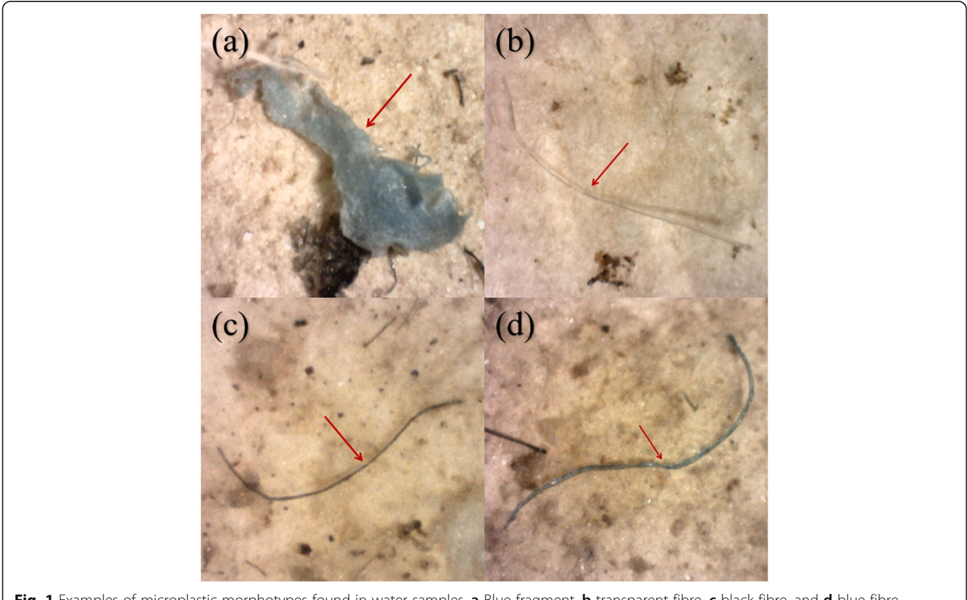
“In all, 88% of the microplastic detected in the water samples was fibres, followed by fragments and flakes (McEachern et al. 2019).”
BackgroundNäkki, P., Setälä, O., & Lehtiniemi, M. (2017) · Marine Pollution Bulletin · doi:10.1016/j.marpolbul.2017.03.065 · Cited by 166 · cited 2×
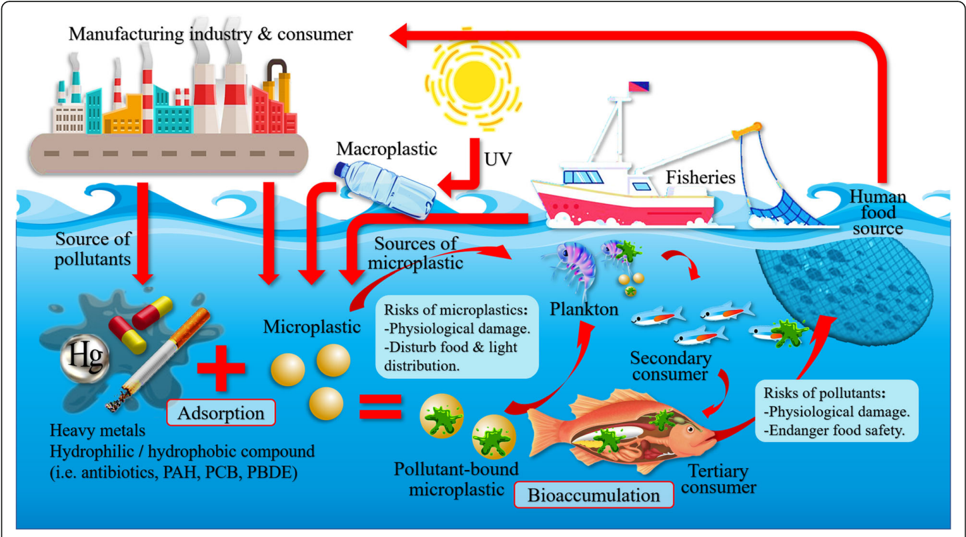
“The existence of microplastic has been found in the guts of benthic invertebrates (Naidu et al. 2018; Nakki et al. 2017), fish (Savoca et al. 2019), deep ocean biota (Courtene-Jones et al. 2017), and larger mammals (Besseling et al. 2015) from different trophic levels.”
BackgroundHaghi, B. N., & Banaee, M. (2016) · International Journal of Environmental Science and Technology · doi:10.1007/s13762-016-1171-4 · Cited by 163
Microplastic and charred microplastic in the Faafu Atoll, Maldives
Saliu, F., Montano, S., Garavaglia, M. G., Lasagni, M., Seveso, D., & Galli, P. (2018) · Marine Pollution Bulletin · doi:10.1016/j.marpolbul.2018.09.023 · Cited by 161 · cited 1×
“Saliu et al. (2018) proved the occurrence of microplastic in Faafu Atoll, Maldives.”
BackgroundHEMATOGENOUS DISSEMINATION OF INGESTED POLYVINYL CHLORIDE PARTICLES
Volkheimer, G. (1975) · Annals of the New York Academy of Sciences · doi:10.1111/j.1749-6632.1975.tb51092.x · Cited by 159 · cited 1×
“…from living cells to human organ systems, such as the lymphatic and circulatory systems and, thus, the ability to indirectly impact the immune system (Brown et al. 2001; Eldridge et al. 1989; Frohlich et al. 2009; Hodges et al. 1995; Jani et al. 1992; Rieux et al. 2005; Volkheimer 1975).”
BackgroundMicroplastics analysis in Malaysian marine waters: A field study of Kuala Nerus and Kuantan
Khalik, W. M. A. W. M., Ibrahim, Y. S., Tuan Anuar, S., Govindasamy, S., & Baharuddin, N. F. (2018) · Marine Pollution Bulletin · doi:10.1016/j.marpolbul.2018.07.052 · Cited by 159 · cited 1×
“Research work by Khalik et al. (2018) explicated two geological regions with different human activities, which exhibited a contradicting pattern of microplastic abundance.”
BackgroundSelf-citationFloating plastic in the Kuroshio Current area, western North Pacific Ocean
Yamashita, R., & Tanimura, A. (2007) · Marine Pollution Bulletin · doi:10.1016/j.marpolbul.2006.11.012 · Cited by 158 · cited 1×
“…surface convergence, naturally accumulating up to 580,000 plastic pieces per square kilometre, such as the garbage patches near the Kuroshio Extension and in the western North Atlantic Ocean and Caribbean Sea (Howell et al. 2012; Law et al. 2010; Maximenko et al. 2012; Yamashita and Tanimura 2007).”
BackgroundGreenland Sea Gyre increases microplastic pollution in the surface waters of the Nordic Seas
Jiang, Y., Yang, F., Zhao, Y., & Wang, J. (2020) · The Science of The Total Environment · doi:10.1016/j.scitotenv.2019.136484 · Cited by 158 · cited 2×
“microplastic sampling and analytical methods (Jiang et al. 2020).”
BackgroundMicroplastic Contamination of Wild and Captive Flathead Grey Mullet (Mugil cephalus)
Cheung, L., Lui, C., & Fok, L. (2018) · International Journal of Environmental Research and Public Health · doi:10.3390/ijerph15040597 · Cited by 157 · cited 2×
“ingestion likelihood, egestion rate, and translocation potential) (Baldwin 1995; Boerger et al. 2010; Cheung et al. 2018; Kokalj et al. 2018; Ory et al. 2017; Peters et al. 2017).”
BackgroundZhang, F., Man, Y. B., Mo, W. Y., Man, K. Y., & Wong, M. H. (2020) · Critical Reviews in Environmental Science and Technology · doi:10.1080/10643389.2019.1700752 · Cited by 156 · cited 1×
“…fish (Savoca et al. 2019), deep ocean biota (Courtene-Jones et al. 2017), and larger mammals (Barboza et al. 2018a; Besseling et al. 2015; Wang et al. 2020b), causing neurotoxicity and genotoxicity, as well as reduced feeding, filtration, survival, and reproductive abilities (Zhang et al. 2019a).”
BackgroundNaidu, S. A., Rao, V. R., & Ramu, K. (2018) · Environmental Geochemistry and Health · doi:10.1007/s10653-017-0062-z · Cited by 156 · cited 4×
“The existence of microplastic has been found in the guts of benthic invertebrates (Naidu et al. 2018; Nakki et al. 2017), fish (Savoca et al. 2019), deep ocean biota (Courtene-Jones et al. 2017), and larger mammals (Besseling et al. 2015) from different trophic levels.”
BackgroundInfluentialMagara, G., Elia, A. C., Syberg, K., & Khan, F. R. (2018) · Journal of Toxicology and Environmental Health, Part A · doi:10.1080/15287394.2018.1488639 · Cited by 156 · cited 2×
“…into organisms, which were (1) strong sorption and strong desorption, (2) strong sorption and low desorption, (3) low sorption and strong desorption, and (4) low sorption and low desorption (Coffin et al. 2019; Magara et al. 2018; PaulPont et al. 2016; Tourinho et al. 2019; Ziajahromi et al. 2019).”
BackgroundYeo, B. G., Takada, H., Yamashita, R., Okazaki, Y., Uchida, K., Tokai, T., Tanaka, K., & Trenholm, N. (2020) · Marine Pollution Bulletin · doi:10.1016/j.marpolbul.2019.110806 · Cited by 155
Besseling, E., Foekema, E. M., van den Heuvel-Greve, M. J., & Koelmans, A. A. (2017) · Environmental Science & Technology · doi:10.1021/acs.est.7b02286 · Cited by 153 · cited 2×
“Bioaccumulation has been investigated and reported by several studies (Barboza et al. 2018a; Besseling et al. 2017; Chua et al. 2014; Ma et al. 2016; Rehse et al. 2018; Rochman et al. 2013b).”
BackgroundCharacterization of microplastics in the surface waters of Kingston Harbour
Rose, D., & Webber, M. (2019) · Science of The Total Environment · doi:10.1016/j.scitotenv.2019.01.319 · Cited by 153 · cited 2×
“The FTIR analysis indicated the PE and PP composition for the morphotype of fragment (Rose and Webber 2019).”
BackgroundMicroplastics on beaches: ingestion and behavioural consequences for beachhoppers
Tosetto, L., Brown, C., & Williamson, J. E. (2016) · Marine Biology · doi:10.1007/s00227-016-2973-0 · Cited by 141 · cited 1×
“Pollutant exposure that was transferred by microplastic resulted in alterations in behaviour, wherein beachhoppers (Platorchestia smithi) that ingested PAH-contaminated PE beads displayed reduced jump height and survival rate (Tosetto et al. 2016).”
BackgroundMa, J., Sun, Y., Zhang, M., Yang, M., Gong, X., Yu, F., & Zheng, J. (2017) · Environmental Science & Technology · doi:10.1021/acs.est.7b02227 · Cited by 141 · cited 1×
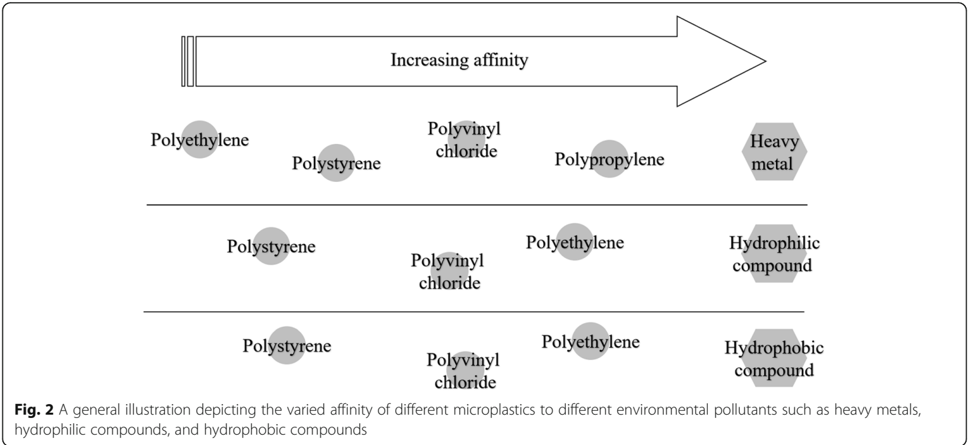
“Hydrophobic organic pollutants include PCB, PAH, and other endocrine-disrupting chemicals (EDC) or benzene derivatives (Ma et al. 2017; Ma et al. 2018; Velzeboer et al. 2014).”
BackgroundEvidence of microplastics pollution in coastal beaches and waters in southern Sri Lanka
Koongolla, J. B., Andrady, A. L., Kumara, P. B. T. P., & Gangabadage, C. S. (2018) · Marine Pollution Bulletin · doi:10.1016/j.marpolbul.2018.10.031 · Cited by 139 · cited 1×
“A preliminary work carried out in Southern Sri Lanka by Koongolla et al. (2018) revealed that 70% of the collected water samples contained microplastic.”
BackgroundRehse, S., Kloas, W., & Zarfl, C. (2018) · International Journal of Environmental Research and Public Health · doi:10.3390/ijerph15020280 · Cited by 138 · cited 5×
“…diphenyl ether (PBDE), in living organisms, such as lugworms, marine amphipods, mussels, rainbow fish, and microalgae, via sorption on microplastic have been detected (Fisner et al. 2017; Guo et al. 2020; Llorca et al. 2018; Rehse et al. 2018; Rochman et al. 2013b; Wang et al. 2020b).”
BackgroundResultInfluentialCoffin, S., Huang, G.-Y., Lee, I., & Schlenk, D. (2019) · Environmental Science & Technology · doi:10.1021/acs.est.8b07140 · Cited by 138 · cited 2×
“…into organisms, which were (1) strong sorption and strong desorption, (2) strong sorption and low desorption, (3) low sorption and strong desorption, and (4) low sorption and low desorption (Coffin et al. 2019; Magara et al. 2018; PaulPont et al. 2016; Tourinho et al. 2019; Ziajahromi et al. 2019).”
BackgroundEldridge, J. H., Meulbroek, J. A., Staas, J. K., Tice, T. R., & Gilley, R. M. (1989) · Springer eBooks · doi:10.1007/978-1-4757-2046-4_18 · Cited by 133 · cited 2×
“Investigations of microplastic in model mammalian systems indicated possible translocation from living cells to human organ systems, such as the lymphatic and circulatory systems and, thus, the ability to indirectly impact the immune system (Brown et al. 2001; Eldridge et al. 1989; Frohlich et al. 2009; Hodges et al.…”
BackgroundSyranidou, E., Karkanorachaki, K., Amorotti, F., Repouskou, E., Kroll, K., Kolvenbach, B., Corvini, P. F.-X., Fava, F., & Kalogerakis, N. (2017) · PLOS ONE · doi:10.1371/journal.pone.0183984 · Cited by 130 · cited 1×
“Moreover, microorganisms including pathogens were discovered to be associated with microplastic (Brandon et al. 2018; Syranidou et al. 2017).”
BackgroundKleinteich, J., Seidensticker, S., Marggrander, N., & Zarfl, C. (2018) · International Journal of Environmental Research and Public Health · doi:10.3390/ijerph15020287 · Cited by 128 · cited 1×
“Moreover, some research reported lowered concentration exposure and reduced short-term effects of bisphenol A (BPA) and PAH toward Daphnia magna (Kleinteich et al. 2018; Rehse et al. 2018).”
BackgroundShen, X.-C., Li, D.-C., Sima, X.-F., Cheng, H.-Y., & Jiang, H. (2018) · Environmental Research · doi:10.1016/j.envres.2018.06.034 · Cited by 126 · cited 3×
“methoprim (TMP), ciprofloxacin hydrochloride (CIP HCl), tetracycline (TC), amoxicillin (AMX), and sulfadiazine (SDZ) (Li et al. 2018b; Shen et al. 2018).”
BackgroundUptake and translocation of microparticles in small intestine
HODGES, G. M., Carr, E. A., Hazzard, R. A., & Carr, K. E. (1995) · Digestive Diseases and Sciences · doi:10.1007/bf02064184 · Cited by 124
Microplastics and nanoplastics in global food webs: A bibliometric analysis (2009–2019)
Wong, S. L., Nyakuma, B. B., Wong, K. Y., Lee, C. T., Lee, T. H., & Lee, C. H. (2020) · Marine Pollution Bulletin · doi:10.1016/j.marpolbul.2020.111432 · Cited by 123 · cited 1×
“These effects decrease the quantity and quality of the food supply to humans and other aquatic organisms (Wong et al. 2020).”
BackgroundVajargah, M. F., Yalsuyi, A. M., Hedayati, A., & Faggio, C. (2018) · Microscopy Research and Technique · doi:10.1002/jemt.23028 · Cited by 122 · cited 3×
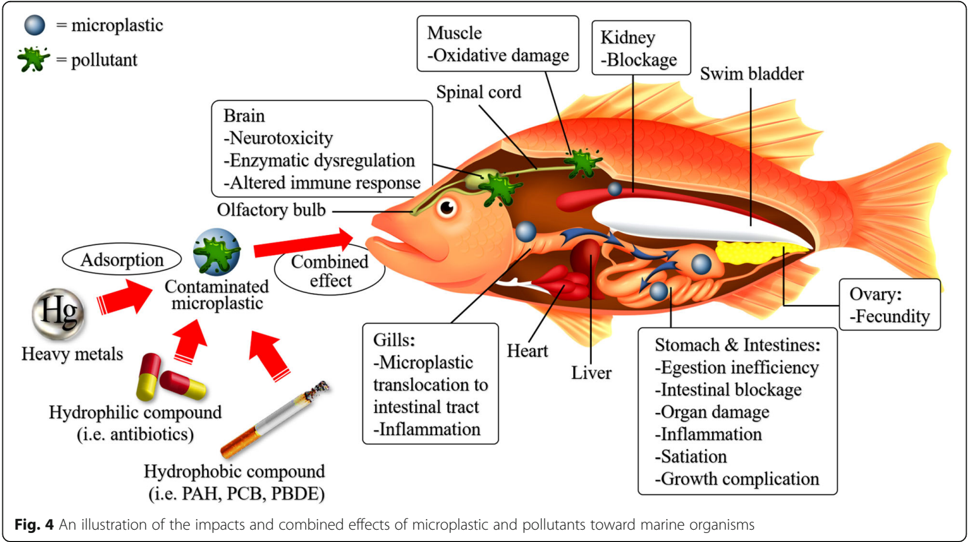
“…translocation routes can begin from the ingestion or inhalation of microplastic to the gastrointestinal tracts, gills, or lungs, and then to the circulatory system, haemolymph, liver, or kidney (Abbasi et al. 2018; Leroueil et al. 2008; Su et al. 2018; Vajargah et al. 2018; Vajargah et al. 2019).”
BackgroundMicroplastics in sea-surface waters surrounding Sweden sampled by manta trawl and in-situ pump
Schönlau, C., Karlsson, T., Rotander, A., Nilsson, H., Engwall, M., van Bavel, B., & Kärrman, A. (2020) · Marine Pollution Bulletin · doi:10.1016/j.marpolbul.2020.111019 · Cited by 118 · cited 1×
“A recent study reported the presence of mainly PET and PP microplastics in all the eight human stool samples considered (Schwabl et al. 2019).”
BackgroundEffects of environmental conditions on latex degradation in aquatic systems
Lambert, S., Sinclair, C. J., Bradley, E. L., & Boxall, A. B. A. (2013) · The Science of The Total Environment · doi:10.1016/j.scitotenv.2012.12.067 · Cited by 117 · cited 1×
“The role of dissolved and particulate organic matter in microplastic sorption requires attention, as it can alter the in situ sorption capacity and distribution of marine microplastic (Besseling et al. 2016; Koelmans et al. 2009; Lambert et al. 2013).”
BackgroundXia, Y., Zhou, J., Gong, Y., Li, Z., & Zeng, E. Y. (2020) · Environmental Pollution · doi:10.1016/j.envpol.2020.115061 · Cited by 116 · cited 3×
“Arch Microbiol 200:1447–1456 Munier B, Bendell LI (2018) Macro and micro plastics sorb and desorb metals and act as a point source of trace metals to coastal ecosystems.”
MethodLin, W., Jiang, R., Xiong, Y., Wu, J., Xu, J., Zheng, J., Zhu, F., & Ouyang, G. (2019) · Journal of Hazardous Materials · doi:10.1016/j.jhazmat.2018.10.056 · Cited by 114
Cytotoxicity of nanoparticles independent from oxidative stress
Fröhlich, E., Samberger, C., Kueznik, T., Absenger, M., Roblegg, E., Zimmer, A., & Pieber, T. R. (2009) · The Journal of Toxicological Sciences · doi:10.2131/jts.34.363 · Cited by 112 · cited 1×
“…from living cells to human organ systems, such as the lymphatic and circulatory systems and, thus, the ability to indirectly impact the immune system (Brown et al. 2001; Eldridge et al. 1989; Frohlich et al. 2009; Hodges et al. 1995; Jani et al. 1992; Rieux et al. 2005; Volkheimer 1975).”
BackgroundMicroscopic investigation on the adsorption of lubrication oil on microplastics
Hu, J., Yang, S.-Z., Guo, L., Xu, X., Yao, T., & Xie, F. (2016) · Journal of Molecular Liquids · doi:10.1016/j.molliq.2016.12.043 · Cited by 111 · cited 1×
“Increased salinity has been reported to increase sorption capacities (Velzeboer et al. 2014; Wang et al. 2015), such as elevated PCB or lubrication oil in PE and PS (Hu et al. 2017; Zhan et al. 2016).”
BackgroundIngested microplastic as a two-way transporter for PBDEs in Talitrus saltator
Scopetani, C., Cincinelli, A., Martellini, T., Lombardini, E., Ciofini, A., Fortunati, A., Pasquali, V., Ciattini, S., & Ugolini, A. (2018) · Environmental Research · doi:10.1016/j.envres.2018.07.030 · Cited by 108 · cited 1×
“Although microplastic can persist in the environment and resist degradation, some microplasticassociated bacteria can degrade microplastic (Alimi et al. 2018; Kim et al. 2017b; Sen and Raut 2015; Yuan et al. 2020).”
BackgroundAttenuation of Polychlorinated Biphenyl Sorption to Charcoal by Humic Acids
Koelmans, A. A., Meulman, B., Meijer, T., & Jonker, M. T. O. (2009) · Environmental Science & Technology · doi:10.1021/es802862b · Cited by 98 · cited 1×
“The role of dissolved and particulate organic matter in microplastic sorption requires attention, as it can alter the in situ sorption capacity and distribution of marine microplastic (Besseling et al. 2016; Koelmans et al. 2009; Lambert et al. 2013).”
BackgroundLee, H., Lee, H.-J., & Kwon, J.-H. (2019) · Science of The Total Environment · doi:10.1016/j.scitotenv.2018.09.068 · Cited by 98 · cited 1×
“However, microplastic ingestion can still increase the total uptake rate of pentachlorobenzene (PeCB) and hexachlorobenzene (HeCB) (Lee et al. 2019).”
BackgroundVajargah, M. F., Imanpoor, M. R., Shabani, A., Hedayati, A., & Faggio, C. (2019) · Microscopy Research and Technique · doi:10.1002/jemt.23271 · Cited by 98 · cited 3×
“…translocation routes can begin from the ingestion or inhalation of microplastic to the gastrointestinal tracts, gills, or lungs, and then to the circulatory system, haemolymph, liver, or kidney (Abbasi et al. 2018; Leroueil et al. 2008; Su et al. 2018; Vajargah et al. 2018; Vajargah et al. 2019).”
BackgroundYu, F., Sun, Y., Yang, M., & Ma, J. (2019) · Journal of Hazardous Materials · doi:10.1016/j.jhazmat.2019.04.021 · Cited by 98 · cited 5×
“Microplastic is a ubiquitous occurrence in terrestrial, freshwater, and marine environments (Yu et al. 2019a).”
BackgroundInfluentialMicroplastic potentiates triclosan toxicity to the marine copepod Acartia tonsa(Dana)
Syberg, K., Nielsen, A., Khan, F. R., Banta, G. T., Palmqvist, A., & Jepsen, P. M. (2017) · Journal of Toxicology and Environmental Health, Part A · doi:10.1080/15287394.2017.1385046 · Cited by 95 · cited 1×
“…reduced growth rate, reduced chlorophyll concentration, altered immune response, genotoxicity, and mortality (Barboza et al. 2018b; Batel et al. 2016; Khan et al. 2017; Kim et al. 2017a; Ma et al. 2016; Prata et al. 2018; Qiao et al. 2019; Qu et al. 2018; Syberg et al. 2017; Zhu et al. 2019).”
BackgroundFisner, M., Majer, A., Taniguchi, S., Bícego, M., Turra, A., & Gorman, D. (2017) · Marine Pollution Bulletin · doi:10.1016/j.marpolbul.2017.06.072 · Cited by 91 · cited 5×
“…diphenyl ether (PBDE), in living organisms, such as lugworms, marine amphipods, mussels, rainbow fish, and microalgae, via sorption on microplastic have been detected (Fisner et al. 2017; Guo et al. 2020; Llorca et al. 2018; Rehse et al. 2018; Rochman et al. 2013b; Wang et al. 2020b).”
BackgroundInfluentialPolymer Film-Based Screening and Isolation of Polylactic Acid (PLA)-Degrading Microorganisms
Kim, M. Y., Kim, C., Moon, J., Heo, J., Jung, S. P., & Kim, J. R. (2017) · Journal of Microbiology and Biotechnology · doi:10.4014/jmb.1610.10015 · Cited by 89 · cited 4×
“…(PS), and polylactic acid (PLA), showed adhesion, colonisation, and damage by the associated bacterial and fungal strains, for example Aspergillus flavus (Auta et al. 2018; Kim et al. 2017a; Mohan et al. 2016; Paco et al. 2017; Devi et al. 2015; Uscategui et al. 2016; Yoshida et al. 2016).”
BackgroundInfluentialMa, J., Ma, Y., Yu, F., & Dai, X. (2018) · Environmental Science & Technology · doi:10.1021/acs.est.8b05409 · Cited by 84 · cited 1×
“Hydrophobic organic pollutants include PCB, PAH, and other endocrine-disrupting chemicals (EDC) or benzene derivatives (Ma et al. 2017; Ma et al. 2018; Velzeboer et al. 2014).”
BackgroundRuiz-Orejón, L. F., Sardá, R., & Ramis-Pujol, J. (2018) · Marine Pollution Bulletin · doi:10.1016/j.marpolbul.2018.06.010 · Cited by 81 · cited 1×
“In Spanish marine waters, Ruiz-Orejón et al. (2018) reported the occurrence of microplastic in the coastal waters of the Balearic Islands.”
BackgroundApplications of PHA in Agriculture
Amelia, T. S. M., Govindasamy, S., Tamothran, A. M., Vigneswari, S., & Bhubalan, K. (2019) · Springer eBooks · doi:10.1007/978-981-13-3759-8_13 · Cited by 81 · cited 1×
“…pollution also include research on the application of water treatment systems and microbial degradation or biosynthesis of plastic-like material (Amelia et al. 2019; Bolto and Xie 2019; Hu et al. 2019; Ngo et al. 2019; Raju et al. 2018; Sun et al. 2019; Talvitie et al. 2017; Zhang et al. 2020a;…”
BackgroundSelf-citationBarcelo, D., & Pico, Y. (2020) · Case Studies in Chemical and Environmental Engineering · doi:10.1016/j.cscee.2020.100019 · Cited by 80 · cited 2×
“…tracing the sources and sinks of plastics, grasping the complex microplastic– environment interactions, implementing policies, biotechnological approaches, and infrastructure and technology advances are required in combination (Hale et al. 2020; Barceló and Picó 2020; Agamuthu et al. 2019).”
BackgroundQu, H., Ma, R., Wang, B., Zhang, Y., Yin, L., Yu, G., Deng, S., Huang, J. G., & Wang, Y. (2018) · Journal of Hazardous Materials · doi:10.1016/j.jhazmat.2018.07.016 · Cited by 80 · cited 3×
“For example, the 50-fold increment of microplastic (high sorption) led to higher venlafaxine concentrations (high desorption and bioaccumulation) in the liver of pond fish Misgurnus anguillicaudatus (Qu et al. 2018).”
BackgroundDale W. Porter, V. C., V (1999) · Journal of Toxicology and Environmental Health, Part A · doi:10.1080/009841099157845 · Cited by 78 · cited 3×
“…of microplastic conducted using model organisms or human cell lines as the reference, there is an urgent need for a more recent investigation on the possibility of microplastic causing any medical condition directly against human patients (Pauly et al. 1998; Porter et al. 1999; Stock et al. 2019).”
BackgroundMicroplastics in Kuwait marine environment: Results of first survey
Saeed, T., Al-Jandal, N., Al-Mutairi, A., & Taqi, H. (2020) · Marine Pollution Bulletin · doi:10.1016/j.marpolbul.2019.110880 · Cited by 77 · cited 1×
“Saeed et al. (2020) conducted the first survey to understand the occurrence of microplastic in Kuwait marine waters.”
BackgroundKhan, F. R., Boyle, D., Chang, E. D., & Bury, N. R. (2017) · Environmental Pollution · doi:10.1016/j.envpol.2017.08.019 · Cited by 77
Microbial Degradation of HDPE Secondary Microplastics: Preliminary Results
Tsiota, P., Karkanorachaki, K., Syranidou, E., Franchini, M., & Kalogerakis, N. E. (2017) · Springer water · doi:10.1007/978-3-319-71279-6_24 · Cited by 73 · cited 1×
“Different bacteria consortia have different microplastic degradation abilities depending on the types of bacteria and enzymes (Tsiota et al. 2018).”
BackgroundMicroplastics present pollution puzzle
Katsnelson, A. (2015) · Proceedings of the National Academy of Sciences · doi:10.1073/pnas.1504135112 · Cited by 72 · cited 3×
“In the recent publications in the microplastic field, ‘adsorb’ and ‘absorb’ are referred to as ‘sorbed onto the surface of microplastic’ and ‘sorbed into the bulk phase of microplastic’, respectively (Endo et al. 2008; Huffer et al. 2018; Katsnelson 2015).”
BackgroundMethodThe complex issue of chemicals and microplastic pollution: A case study in North Pacific lanternfish
Gassel, M., & Rochman, C. M. (2019) · Environmental Pollution · doi:10.1016/j.envpol.2019.03.002 · Cited by 69
Baldwin, B. S. (1995) · Marine Biology · doi:10.1007/bf00350328 · Cited by 66 · cited 2×
“ingestion likelihood, egestion rate, and translocation potential) (Baldwin 1995; Boerger et al. 2010; Cheung et al. 2018; Kokalj et al. 2018; Ory et al. 2017; Peters et al. 2017).”
BackgroundFactors Controlling Alkylbenzene Sorption to Municipal Solid Waste
Wu, B., Taylor, C. M., Knappe, D. R. U., Nanny, M. A., & Barlaz, M. A. (2001) · Environmental Science & Technology · doi:10.1021/es010893a · Cited by 65 · cited 1×
“In terms of crystallinity, hydrophobic organic pollutants typically favoured amorphous to crystalline structures, as organic contaminants harboured higher affinities for rubber plastics than glass plastics (Guo et al. 2012; Rochman et al. 2013a; Wu et al. 2001).”
BackgroundMicroplastics detected in haemolymph of the Sydney rock oyster Saccostrea glomerata
Scanes, E., Wood, H., & Ross, P. M. (2019) · Marine Pollution Bulletin · doi:10.1016/j.marpolbul.2019.110537 · Cited by 64 · cited 1×
“The translocation of microplastic in marine organisms has been reported (Scanes et al. 2019; Windsor et al. 2019).”
BackgroundUscátegui, Y. L., Arévalo, F. R., Díaz, L. E., Cobo, M. I., & Valero, M. F. (2016) · Journal of Biomaterials Science Polymer Edition · doi:10.1080/09205063.2016.1239948 · Cited by 63 · cited 2×
“Pores and irregularities that were observed on the surface of microplastic, such as polypropylene (PP), polyethylene (PE), polyethylene terephthalate (PET), polystyrene (PS), and polylactic acid (PLA), showed adhesion, colonisation, and damage by the associated bacterial and fungal strains, for example Aspergillus fla…”
BackgroundZiajahromi, S., Kumar, A., Neale, P. A., & Leusch, F. D. L. (2019) · Science of The Total Environment · doi:10.1016/j.scitotenv.2019.03.425 · Cited by 63
Feei, Z., Ibrahim, Y. S., & Lee, Y. Y. (2020) · Malaysian Journal of Medical Sciences · doi:10.21315/mjms2020.27.3.1 · Cited by 60 · cited 7×
“According to Ma et al. weathered or aged microplastic was reported to possess less pollutant sorption capacity (Ma et al. 2020a).”
BackgroundInfluentialMoura, V., Ribeiro, I., Moriggi, P., Capão, A., Salles, C., Bitati, S., & Procópio, L. (2018) · Archives of Microbiology · doi:10.1007/s00203-018-1559-2 · Cited by 57 · cited 1×
“Reports have also shown that bacteria not exclusively associated with plastic have been colonising microplastic, which included the families of Rhodobacteraceae, Hyphomonadaceae, and Sphingomonadaceae (Mata et al. 2017; Moura et al. 2018; Oberbeckmann et al. 2018).”
BackgroundContribution of environmental fibers to respiratory cancer.
Omenn, G. S., Merchant, J., Boatman, E., Dement, J. M., Kuschner, M., Nicholson, W., Peto, J., & Rosenstock, L. (1986) · Environmental Health Perspectives · doi:10.1289/ehp.867051 · Cited by 55 · cited 1×
“An older report described microfibres as toxic to pulmonary cells and carcinogenic (Omenn et al. 1986).”
BackgroundPaddle surfing for science on microplastic pollution
Camins, E., de Haan, W. P., Salvo, V.-S., Canals, M., Raffard, A., & Sànchez‐Vidal, A. (2019) · The Science of The Total Environment · doi:10.1016/j.scitotenv.2019.136178 · Cited by 50 · cited 2×
“Non-governmental organisations and international and national authorities, such as Surfider Foundation Europe and United Nations Environment Program Mediterranean Action Plan, were also involved in the practice or implementation of circular economy systems, and coastal and marine debris management (Agamuthu et al. 201…”
BackgroundTransfer of Hazardous Chemicals from Ingested Plastics to Higher-Trophic-Level Organisms
Tanaka, K., Yamashita, R., & Takada, H. (2018) · The handbook of environmental chemistry · doi:10.1007/698_2018_255 · Cited by 48
Uptake and incorporation of PCBs by eastern Mediterranean rabbitfish that consumed microplastics
van der Hal, N., Yeruham, E., Shukis, D., Rilov, G., Astrahan, P., & Angel, D. L. (2019) · Marine Pollution Bulletin · doi:10.1016/j.marpolbul.2019.110697 · Cited by 45
Endo, S., Grathwohl, P., & Schmidt, T. C. (2008) · Environmental Science & Technology · doi:10.1021/es702470g · Cited by 43 · cited 2×
“For example, certain substances such as minerals and rigid carbonaceous geosorbents (charcoal and soot) tend to adsorb compounds, whereas organic contaminants tend to absorb into organic matter (Endo et al. 2008).”
BackgroundThe Use of Polymers in the Flotation Treatment of Wastewater
BOLTO, B. A., & Xie, Z. (2019) · Processes · doi:10.3390/pr7060374 · Cited by 43 · cited 2×
“Other efforts to alleviate microplastic pollution also include research on the application of water treatment systems and microbial degradation or biosynthesis of plastic-like material (Amelia et al. 2019; Bolto and Xie 2019; Hu et al. 2019; Ngo et al. 2019; Raju et al. 2018; Sun et al. 2019; Talvitie et al. 2017; Zha…”
BackgroundLocal marine litter survey - A case study in Alcobaça municipality, Portugal
Frias, J. P. G. L., Antunes, J., & Sobral, P. (2013) · Revista de Gestão Costeira Integrada · doi:10.5894/rgci395 · Cited by 42 · cited 2×
“The factors known to affect the pollutant sorption capacity of microplastic are the colour, density, age, and chemical properties of the microplastic, type of pollutant, biofilm presence, and environmental conditions such as dissolved organic matter, pH, and salinity (Fisner et al. 2017; Frias et al. 2013; Fries and Z…”
BackgroundSustainable risk management of emerging contaminants in municipal wastewaters
Martin, O., & Voulvoulis, N. (2009) · Philosophical Transactions of the Royal Society A Mathematical Physical and Engineering Sciences · doi:10.1098/rsta.2009.0115 · Cited by 36 · cited 2×
“Additionally, long-term consumption of water contaminated with a plasticizer, phthalate, at levels above the US Environmental Protection Agency (USEPA) threshold (< 6 μg/ L) could cause liver and reproductive complications (Lambert et al. 2014; Martin and Voulvoulis 2009; USEPA 2012).”
BackgroundStress-induced apoptosis in sea urchin embryogenesis
Vega, R. L., & Epel, D. D. (2004) · Marine Environmental Research · doi:10.1016/j.marenvres.2004.03.096 · Cited by 30 · cited 2×
“…between carboxyl-functionalised polystyrene (PS–COOH) and amine-modified polystyrene (PS–NH2) with different surface charges, the latter caused embryonic apoptosis, cell death, oxidative stress, and cell membrane disruption on the embryos of sea urchin Paracentrotus lividus (Vega and Epel 2004).”
BackgroundGovindasamy, S., Syafiq, I. M., Amirul, A.-A. A., Amin, R. M., & Bhubalan, K. (2019) · Data in Brief · doi:10.1016/j.dib.2019.01.023 · Cited by 28 · cited 1×
“…microplastic pollution include the collection and dissemination of insightful scientific data and facts, public awareness, stakeholder engagement, and the incorporation of environmentally friendly, alternative polymeric material (Gong et al. 2019; Govindasamy et al. 2019; Zuo et al. 2019).”
BackgroundSelf-citationZhang, H., Fei, Y., Wang, H., Chen, Y., Huang, S., Yu, B., Wang, J., Tong, Y., Wen, D., Zhou, B., et al. (2020) · The handbook of environmental chemistry · doi:10.1007/698_2020_451 · Cited by 28 · cited 4×
“Moreover, other hypotheses suggested the deleterious effects of microplastic, regarding its role in the delivery of harmful chemicals to the ecosystem via the food chain (Avio et al. 2017; Hartmann et al. 2017; Lohmann 2017; Wang et al. 2018a; Wang et al. 2020b; Zhang et al. 2020a).”
BackgroundInfluentialMata, M. T., Luza, M. F., & Riquelme, C. E. (2017) · Aquaculture Research · doi:10.1111/are.13253 · Cited by 23 · cited 1×
“Reports have also shown that bacteria not exclusively associated with plastic have been colonising microplastic, which included the families of Rhodobacteraceae, Hyphomonadaceae, and Sphingomonadaceae (Mata et al. 2017; Moura et al. 2018; Oberbeckmann et al. 2018).”
BackgroundAmelia, T. S. M., SUKRI, S. N. F., Jaapar, A. N., Amin, R. M., & Bhubalan, K. (2020) · Journal of Sustainability Science and Management · doi:10.46754/jssm.2020.06.005 · Cited by 16 · cited 1×
“…ways of reducing plastic waste materials at the source (i.e. recycling and compostable packaging), reducing microplastic leakage from waste treatment facilities, or increasing the use of biodegradable or renewable-sourced plastic (Amelia et al. 2020; Neufeld et al. 2016; Zhang et al. 2020b).”
BackgroundSelf-citationTIRE-WEAR PARTICLES AS A MAJOR COMPONENT OF MICROPLASTICS IN THE ENVIRONMENT
Gieré, R., Sommer, F., Dietze, V., Baum, A., Gilge, S., Sauer, J., & Maschowski, C. (2018) · Abstracts with programs - Geological Society of America · doi:10.1130/abs/2018am-319219 · Cited by 7 · cited 1×
“…sources, fertilisers, artificial turf, road and air transportation, textiles, coastal and tourism activities, commercial fishing, marine vessels, aquaculture, and oil rigs (Belzagui et al. 2019; Gieré et al. 2018; Kole et al. 2017; Liu et al. 2019b; Li et al. 2018a; Weithmann et al. 2018).”
BackgroundPrevalence of Microplastics in the Marine Waters of Qatar’s Exclusive Economic Zone (EEZ)
Castillo, A. B., Al-Maslamani, I. A., & Obbard, J. P. (2016) · Elsevier eBooks · doi:10.1016/b978-0-12-812271-6.00108-3 · Cited by 3 · cited 1×
“The morphotypes of fibre and granule were spotted as the dominant types in the study (Castillo et al. 2016).”
Background
Research works printed but not linked: 4
- Neufeld L, Stassen F, Sheppard R, Gilman T (2016) The new plastics economy - rethinking the future of plastics. World economic forum, Ellen MacArthur Foundation, McKinsey & Company http://www.ellenmacarthurfoundation. org/publications
- Ogonowski M, Wenman V, Danielsson S, Gorokhova E (2017) Ingested microplastic is not correlated to HOC concentrations in Baltic Sea herring. CEST [internet]. Rhodes, Greece
- PlasticsEurope (2017) Plastics -the facts 2017. An analysis of European plastics production, demand and waste data. PlasticsEurope Retrieved from https:// www.plasticseurope.org/en/resources/publications/274-plastics-facts-2017 Accessed on 17 August 2020
- PlasticsEurope (2019) Plastics -the facts 2019. An analysis of European plastics production, demand and waste data. PlasticsEurope Retrieved from https:// www.plasticseurope.org/en/resources/publications/1804-plastics-facts-2019 Accessed on 17 August 2020
Cited by
Kumar, R., Verma, A., Shome, A., Sinha, R., Sinha, S., Jha, P. K., Kumar, R., Kumar, P., Shubham, Das, S., et al. (2021) · Sustainability · doi:10.3390/su13179963 · Cited by 1,111
He, S., Jia, M., Xiang, Y., Song, B., Xiong, W., Cao, J., Peng, H., Yang, Y., Wang, W., Yang, Z., et al. (2022) · Journal of Hazardous Materials · doi:10.1016/j.jhazmat.2021.127286 · Cited by 410
Microplastics in environment: global concern, challenges, and controlling measures
Lamichhane, G., Acharya, A., Marahatha, R., Modi, B., Paudel, R., Adhikari, A., Raut, B. K., Aryal, S., & Parajuli, N. (2023) · International Journal of Environmental Science and Technology · doi:10.1007/s13762-022-04261-1 · Cited by 370
Microplastics as carriers of toxic pollutants: Source, transport, and toxicological effects
Rafa, N., Ahmed, B., Zohora, F., Bakya, J., Ahmed, S., Ahmed, S. F., Mofijur, M., Chowdhury, A. A., & Almomani, F. (2024) · Environmental Pollution · doi:10.1016/j.envpol.2023.123190 · Cited by 373
Yang, X., Man, Y. B., Wong, M. H., Owen, R. B., & Chow, K. L. (2022) · Science of The Total Environment · doi:10.1016/j.scitotenv.2022.154025 · Cited by 275
Metadata
- Authors
- Amelia, T. S. M., Khalik, W. M. A. W. M., Ong, M. C., Shao, Y. T., Pan, H.-J., & Bhubalan, K.
- Affiliations
- Universiti Malaysia Terengganu (MY)
- National Taiwan Ocean University (TW)
- Corresponding author
- Shao, Yi Ta
- Pan, Hui-Juan
- Bhubalan, Kesaven
- ORCID
- Venue
- Progress in Earth and Planetary Science
- Published
- 2021-01-22
- Volume
- 8
- Issue
- 1
- ISSN
- 2197-4284 (ISSN-L)
- OpenAlex
- W3165321398
- Cited by
- 641
- References
- 304
- Citations by year
- 2026: 113 · 2025: 160 · 2024: 133 · 2023: 117 · 2022: 90 · 2021: 28
- FWCI
- 22.82
- Type
- journal article
- Language
- en
- Open access
- gold
- doi.org
- Licence
- cc-by
- creativecommons.org/licenses/by/4.0 (tdm)
- creativecommons.org/licenses/by/4.0 (vor)
- Locations
- Progress in Earth and Planetary Science (publishedVersion, cc-by)
- DOAJ (DOAJ: Directory of Open Access Journals) (submittedVersion, cc-by-sa)
- Greater South Information System
- Funders
- Ministry of Science and Technology, Taiwan (MOST109-2621-M019-001)
- Universiti Malaysia Terengganu (55193/1)
- Topics
- Physical Sciences › Environmental Science › Pollution › Microplastics and Plastic Pollution
- Physical Sciences › Environmental Science › Health, Toxicology and Mutagenesis › Environmental Toxicology and Ecotoxicology
- Physical Sciences › Environmental Science › Pollution › Pharmaceutical and Antibiotic Environmental Impacts
- Keywords
- marine microplastics, pollutant sorption, bioaccumulation, human health risk, polymer additives, food webs, exposure pathways, microplastic distribution, microplastic toxicity
About these checks
Registry, retraction, Cites and statistics results are computed, not judged, with one exception: a printed reference that no index lists is read once by a model before it counts as a citation error. Claims are extracted by a model and kept only when their quote appears verbatim in the text; each cited source is then checked, with a model’s help, for whether it says what the claim relies on. Those verdicts can be wrong — read the claim’s quote and the cited source before relying on one.
Statistics and arithmetic are recomputed, not judged.
Confidence bands are shown only for fields calibrated on our annotated test set. None is calibrated yet, so no band is shown.
What counts as a claim ›How we measure confidence ›How we check this ›
Are you an author, or do you see a problem with this page? Request a review
Data sources
Bibliographic data: Semantic Scholar, OpenAlex, Crossref.
Contains information from the Semantic Scholar Academic Graph Datasets, made available under the ODC Attribution License (ODC-BY 1.0).
Semantic Scholar’s data is described in: Kinney, R., et al. (2023). The Semantic Scholar Open Data Platform. arXiv:2301.10140.
