

The DOI matches its Crossref record; 125 of the 155 references it cites were found in a registry or an index.
Growing a circular economy with fungal biotechnology: a white paper
Open accessAbstract
Fungi have the ability to transform organic materials into a rich and diverse set of useful products and provide distinct opportunities for tackling the urgent challenges before all humans. Fungal biotechnology can advance the transition from our petroleum-based economy into a bio-based circular economy and has the ability to sustainably produce resilient sources of food, feed, chemicals, fuels, textiles, and materials for construction, automotive and transportation industries, for furniture and beyond. Fungal biotechnology offers solutions for securing, stabilizing and enhancing the food supply for a growing human population, while simultaneously lowering greenhouse gas emissions. Fungal biotechnology has, thus, the potential to make a significant contribution to climate change mitigation and meeting the United Nation’s sustainable development goals through the rational improvement of new and established fungal cell factories. The White Paper presented here is the result of the 2nd Think Tank meeting held by the EUROFUNG consortium in Berlin in October 2019. This paper highlights discussions on current opportunities and research challenges in fungal biotechnology and aims to inform scientists, educators, the general public, industrial stakeholders and policymakers about the current fungal biotech revolution.
Overview
The claims and statistics of this paper haven’t been checked yet.
Run the check — free, no account needed. It reads the open-access text and checks the sources it cites.
Integrity signals
Registry
Cites
Statistics
Figures
Verification
Claims the paper makes
The claims and statistics of this paper haven’t been checked yet.
Run the check — free, no account needed. It reads the open-access text and checks the sources it cites.
Claims other papers make about this one
Each is checked against this paper’s own text: does it say what the citing paper says it does?
The source backs part of the claim, not all of it — or backs it for a different population, condition or comparison.
In the citing paper
“It also introduces new, bio-based products that offer similar or superior characteristics to their petroleum-derived substitutes while maintaining a lower carbon footprint and full biodegradability (Meyer et al., 2020).”
From Circular Bioeconomy Concepts—A Perspective (2021) · cites this paper as Meyer et al., 2020
Experimental — accuracy not yet measured
Self-check
Percentages, sums and reported differences re-computed from the paper’s own numbers.
The self-check needs the paper’s full text.
Citations
Cites
(2018) · Anaesthesia · doi:10.1111/anae.14117 · Cited by 24,670
Plastic waste inputs from land into the ocean
Jambeck, J. R., Geyer, R., Wilcox, C., Siegler, T. R., Perryman, M., Andrady, A., Narayan, R., & Law, K. L. (2015) · Science · doi:10.1126/science.1260352 · Cited by 13,163 · cited 1×
“Approximately 5 to 13 million tons of plastic waste enters the Earth’s oceans every year, as the intentional or unintentional final destination [74].”
BackgroundThe Complete Genome Sequence of Escherichia coli K-12
Blattner, F. R., Plunkett, G., Bloch, C. A., Perna, N. T., Burland, V., Riley, M., Collado‐Vides, J., Glasner, J. D., Rode, C. K., Mayhew, G. F., et al. (1997) · Science · doi:10.1126/science.277.5331.1453 · Cited by 7,609
Manual of Clinical Microbiology
Klainer, A. (1970) · Postgraduate Medical Journal · doi:10.1136/pgmj.46.542.733-c · Cited by 5,344
The Top 10 fungal pathogens in molecular plant pathology
Dean, R. A., van Kan, J. A. L., Pretorius, Z. A., Hammond-Kosack, K. E., Pietro, A. D., Spanu, P. D., Rudd, J. J., Dickman, M., Kahmann, R., Ellis, J. G., et al. (2012) · Molecular Plant Pathology · doi:10.1111/j.1364-3703.2011.00783.x · Cited by 5,011 · cited 1×
“A list of the ten most important fungal pathogens of plants published in 2012 [91] is outdated.”
BackgroundGoffeau, A., Barrell, B. G., Bussey, H., Davis, R. W., Dujon, B., Feldmann, H., Galibert, F., Hoheisel, J. D., Jacq, C., Johnston, M., et al. (1996) · Science · doi:10.1126/science.274.5287.546 · Cited by 4,423
The global burden of pathogens and pests on major food crops
Savary, S., Willocquet, L., Pethybridge, S. J., Esker, P., McRoberts, N., & Nelson, A. (2019) · Nature Ecology & Evolution · doi:10.1038/s41559-018-0793-y · Cited by 4,309 · cited 1×
“However, even with the solutions available from the agricultural industry, crop losses remain high in soybean and a wide range of other crops [93].”
BackgroundLignin Valorization: Improving Lignin Processing in the Biorefinery
Ragauskas, A. J., Beckham, G. T., Biddy, M. J., Chandra, R. P., Chen, F., Davis, M. F., Davison, B. H., Dixon, R. A., Gilna, P., Keller, M., et al. (2014) · Science · doi:10.1126/science.1246843 · Cited by 4,250 · cited 1×
“bioethanol from Borregaard); wood being much more recalcitrant, due to generally higher lignin contents among other things [63].”
BackgroundThe biomass distribution on Earth
Bar-On, Y. M., Phillips, R., & Milo, R. (2018) · Proceedings of the National Academy of Sciences · doi:10.1073/pnas.1711842115 · Cited by 3,723 · cited 1×
“Polysaccharides from plant biomass make up most of the biomass on Earth (450 out of a total of 550 gigatons of carbon; [10]) and represent the major carbon sources that drives fungal growth.”
BackgroundTransport and release of chemicals from plastics to the environment and to wildlife
Teuten, E. L., Saquing, J. M., Knappe, D. R. U., Barlaz, M. A., Jonsson, S., Björn, A., Rowland, S. J., Thompson, R. C., Galloway, T. S., Yamashita, R., et al. (2009) · Philosophical Transactions of the Royal Society B: Biological Sciences · doi:10.1098/rstb.2008.0284 · Cited by 2,938 · cited 1×
“When this waste is ingested by marine animals, it accumulates in the food chain [72].”
Background
Research works printed but not linked: 9
- Ereky K. Biotechnologie der Fleisch-, Fett-, und Milcherzeugung im landwirtschaftlichen Grossbetriebe: für naturwissenschaftlich gebildete Landwirte verfasst. Berlin: Paul Parey; 1919.
- Moore D, Chiu SW. Fungal products as food. In: Pointing SB, Hyde KD, editors. Bio-exploitation of filamentous fungi., Fungal Diversity Research Series 6London: Fungal Diversity Press; 2001. p. 223–51.
- WBAE/WBW: Scientific Advisory Board on Agricultural Policy, Food and Consumer Health Protection (WBAE) and on Forest Policy (WBW) at the Federal Ministry of Food and Agriculture (BMEL). In: (2016) Climate change mitigation in agriculture and forestry and in the downstream sectors of food and timber use. Executive Summary. Berlin; 2016. https://doi.org/10.12767/buel.v1i1.175.g323. · DOI
- Forest Europe. State of Europe’s Forests 2015. Ministerial Conference on the Protection of Forests in Europe. Forest Europe Liaison Unit Madrid. 2015. https://foresteurope.org/state-europes-forests-2015-report/. Accessed 21 Feb 2020.
- Hetemäki L, editor. Future of the European forest-based sector: structural changes towards bioeconomy. European Forest Institute: Joensuu; 2014.
- Gupta A, Xu W, Jaiswal P, Taylor C, Regala J. Domain informational vocabulary extraction experiences with publication pipeline integration and ontology curation. In: Proceedings of the 9th international conference on biological ontology (ICBO 2018), Corvallis, Oregon, USA. http://ceur-ws.org/Vol-2285/ICBO_2018_paper_43.pdf.
- Schmideder S, Barthel L, Müller H, Meyer V, Briesen H. From three-dimensional morphology to effective diffusivity in filamentous fungal pellets. Biotechnol Bioeng. 2019;116:3360–71. https://doi.org/10.1002/bit.27166. · DOI
- Weiss, B. The SEMI international standards program—history, successes and lessons learned to address compound semiconductor manufacturing challenges. In: 2006 International Conference on Compound Semiconductor Manufacturing Technology (CS MANTECH, 2006). p. 55–58. https://csmantech.org/OldSite/Digests/2006/2006%20Digests/4A.pdf. Accessed 5 Dec 2019.
- Prestemon JP, Wear DN, Foster MO. The global position of the U.S. forest products industry. US Dep Agric For Serv South Res Stn e-General Tech Rep. SRS-204, 2015:1–24. · DOI
Cited by
Sorted by citations
Items 101–200 of 376
Füting, P., Barthel, L., Cairns, T., Briesen, H., & Schmideder, S. (2021) · Fungal Biology and Biotechnology · doi:10.1186/s40694-021-00131-6 · Cited by 26
“While there are several well-written and informative review articles about the usage and potential of filamentous fungi in biotechnology [7, 19], bibliometric approaches are missing.”
BackgroundInfluentialAdamatzky, A., Gandía, A., & Chiolerio, A. (2021) · Fungal Biology and Biotechnology · doi:10.1186/s40694-021-00113-8 · Cited by 31
Navarro, D., Chaduli, D., Taussac, S., Lesage-Meessen, L., Grisel, S., Haon, M., Callac, P., Courtecuisse, R., Decock, C., Dupont, J., et al. (2021) · Communications Biology · doi:10.1038/s42003-021-02401-w · Cited by 26
Sui, Y.-F., Schütze, T., Ouyang, L.-M., Lu, H.-Z., Liu, P., Xiao, X., Qi, J., Zhuang, Y., & Meyer, V. (2020) · Microbial Cell Factories · doi:10.1186/s12934-020-01450-w · Cited by 26
Self-citationA Mad7 System for Genetic Engineering of Filamentous Fungi
Vanegas, K., Rendsvig, J. K., Jarczynska, Z. D., Cortes, M. V. D. C. B., van Esch, A. P., Morera-Gómez, M., Contesini, F. J., & Mortensen, U. (2022) · Journal of Fungi · doi:10.3390/jof9010016 · Cited by 25
“Filamentous fungi are extensively used as producers of industrial enzymes and metabolites that are applied by the food and pharma industries [1,2].”
BackgroundSelf-citationRETRACTED ARTICLE: Fungal sensing skin
Adamatzky, A., Gandía, A., & Chiolerio, A. (2021) · Fungal Biology and Biotechnology · doi:10.1186/s40694-021-00110-x · Cited by 17
RetractedIncreasing access to microfluidics for studying fungi and other branched biological structures
Millet, L. J., Aufrecht, J. A., Labbé, J., Uehling, J., Vilgalys, R. J., Estes, M. L., Guennoc, C. M., Deveau, A., Olsson, S., Bonito, G. M., et al. (2019) · Fungal Biology and Biotechnology · doi:10.1186/s40694-019-0071-z · Cited by 36
The relevance of fungi in astrobiology research – Astromycology
Simões, M., Cortesão, M., Azua-Bustos, A., Bai, F., Canini, F., Casadevall, A., Cassaro, A., Cordero, R., Fairén, A., González-Silva, C., et al. (2023) · Mycosphere · doi:10.5943/mycosphere/14/1/13 · Cited by 25
“Mycological research has been witnessing a massive development, and new fungal applications and technologies have been surfacing in our daily lives, where the use of fungal products is becoming increasingly common (Hyde et al. 2019, Meyer et al. 2020, Füting et al. 2021, Mapook et al. 2022).”
BackgroundSelf-citationSáez, J. M., Raimondo, E. E., Costa-Gutierrez, S. B., Aparicio, J., Angelucci, D. M., Donati, E., Polti, M. A., Tomei, M., & Benimeli, C. (2025) · Heliyon · doi:10.1016/j.heliyon.2025.e42135 · Cited by 24
“…which could be applied in the food industries to enhance the flavor of fruit juice, tea, and wine [4,10,11], and ligninolytic enzymes which have great application in different sectors for composting, fermentation, biotransformation processes, and manufacturing of paper, among other products [6,12].”
The Application of Fungi and Their Secondary Metabolites in Aquaculture
Onomu, A. J., & Okuthe, G. (2024) · Journal of Fungi · doi:10.3390/jof10100711 · Cited by 24
“Water is known to disintegrate aquatic feed, therefore, during their formulation (either floating or sinking), binders are added to bind feed ingredients so as to enhance their stability [102,103].”
BackgroundValorization of waste biomass through fungal technology: Advances, challenges, and prospects
Chai, Y., Bai, M., Chen, A.-W., Peng, L., Shao, J., Luo, S., Deng, Y.-C., Yan, B., & Peng, C. (2022) · Industrial crops and products (Print) · doi:10.1016/j.indcrop.2022.115608 · Cited by 24
Müller, H., Barthel, L., Schmideder, S., Schütze, T., Meyer, V., & Briesen, H. (2022) · Biotechnology and Bioengineering · doi:10.1002/bit.28124 · Cited by 24
Self-citationChen, H.-S., Abdullayev, A., Bekheet, M., Schmidt, B., Regler, I., Pohl, C., Vakifahmetoglu, C., Czasny, M., Kamm, P., Meyer, V., et al. (2021) · Fungal Biology and Biotechnology · doi:10.1186/s40694-021-00129-0 · Cited by 24
“Fungal mycelium is exceptionally promising because it can be produced on the basis of a wide variety of organic substrates, such as agricultural residues, it is fully biodegradable and has low density, low production cost, and low processing energy input [1, 2].”
BackgroundSelf-citationPereira, J. C., Serbent, M. P., & Skoronski, E. (2021) · Water Science and Technology · doi:10.2166/wst.2021.093 · Cited by 24
Mushroom cultivation for soil amendment and bioremediation
Hu, Y., Mortimer, P. E., Hyde, K. D., Kakumyan, P., & Thongklang, N. (2021) · Circular Agricultural Systems · doi:10.48130/cas-2021-0011 · Cited by 43
Llanaj, X., Törős, G., Hajdú, P., Abdalla, N., El-Ramady, H., Kiss, A., Solberg, S. Ø., & Prokisch, J. (2023) · Foods · doi:10.3390/foods12142671 · Cited by 23
Use of filamentous fungi as biocatalysts in the oxidation of 5-(hydroxymethyl)furfural (HMF)
Troiano, D. T., Orsat, V., & Dumont, M. (2021) · Bioresource Technology · doi:10.1016/j.biortech.2021.126169 · Cited by 29
Roux, I., & Chooi, Y.-H. (2021) · bioRxiv · doi:10.1101/2021.08.20.457072 · Cited by 23
Multiscale metabolic engineering in biological lignin valorization
Liu, R.-Y., Li, B., Yuan, Y., & Liu, Z. (2025) · The Innovation · doi:10.1016/j.xinn.2025.100993 · Cited by 14
“104 Fortunately,thedevelopmentofhigh-throughputplat-formsforcharacterizingenzyme-substratecatalyticmechanisms,coupledwith advancesinmulti-omicstechnologies,holdsgreatpromiseforunlockingthefull potential of white-rot fungi in lignin valorization.”
Mushroom oils: A review of their production, composition, and potential applications
Tan, R., Ilham, Z., Wan-Mohtar, W. A. A. Q. I., Halim-Lim, S. A., Usuldin, S. R. A., Ahmad, R., & Adlim, M. (2024) · Heliyon · doi:10.1016/j.heliyon.2024.e31594 · Cited by 22
“You Are What You Eat”: How Fungal Adaptation Can Be Leveraged toward Myco‐Material Properties
Hernando, A., Sun, W.-J., & Abitbol, T. (2023) · Global Challenges · doi:10.1002/gch2.202300140 · Cited by 22
Chayaamor-Heil, N., Perricone, V., Gruber, P., & Guéna, F. (2023) · Bioinspiration & Biomimetics · doi:10.1088/1748-3190/acd82e · Cited by 22
“…of forms on a smaller scale, such as packaging, shoes, vase, water bottle and chair (Karana et al 2018), also many industrial companies using it as an alternative to polystyrene which takes decades to naturally break down and poses great difficulty when trying to recycle it (Meyer et al 2020).”
BackgroundWang, S., Zhang, P., Xue, Y., Yan, Q., Li, X., & Jiang, Z. (2021) · Foods · doi:10.3390/foods10122949 · Cited by 27
Mycelium-based biocomposites: synthesis and applications
Sharma, M., Verma, S., Chauhan, G., Arya, M., & Kumari, A. (2024) · Environmental Sustainability · doi:10.1007/s42398-024-00305-z · Cited by 19
“These composites contain proteins, glucans, chitin, cellulose, tannin, cutin, lignin, lipids, and carbohydrates (Yang et al. 2021; Aiduang et al. 2022a, b; Sydor et al. 2022; Meyer et al. 2020).”
A review of mushroom cultivation and production, benefits and therapeutic potentials
Bhagarathi, L. K., Subramanian, G., & DaSilva, P. N. B. (2023) · World Journal of Biology Pharmacy and Health Sciences · doi:10.30574/wjbphs.2023.15.2.0333 · Cited by 22
“Increasing the likelihood that ecosystems will go extinct, which would significantly reduce their ability to provide the natural resources that local and downstream communities rely on for products and services [74] [122] [162] [217] [275] 276] [208].”
BackgroundWang, Z., Kim, W., Wang, Y., Yakubovich, E., Dong, C., Trail, F., Townsend, J. P., & Yarden, O. (2023) · Frontiers in Fungal Biology · doi:10.3389/ffunb.2023.1214537 · Cited by 25
“Several studies have reported on the impacts of climate change on fungus–host interactions, fungal distribution, fungal disease prevalence, and the production of fungal products (Frankland et al., 2009; Merrild, 2013; Botana and Sainz, 2015; Tiquia-Arashiro and Grube, 2019; Charters, 2020; Meyer et al., 2020; Frıás-De…”
BackgroundSelf-citationCurrent technologies, regulation, and future perspective of animal product analogs — A review
Lee, S.-Y., Lee, D.-Y., Jeong, J. W., Kim, J. H., Yun, S. H., Mariano, E., Lee, J., Park, S., Jo, C., & Hur, S. (2023) · Animal bioscience · doi:10.5713/ab.23.0029 · Cited by 21
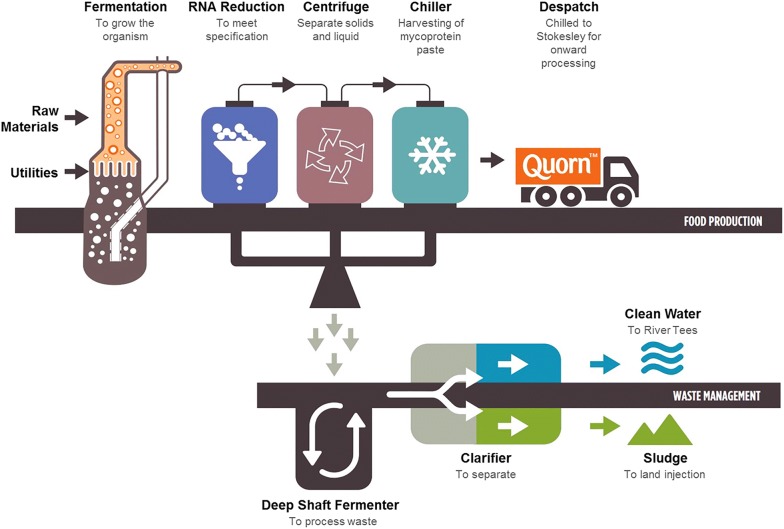
“- Mycoprotein obtained by fungus Fusarium venenatum A3/5; their process follows the steps (1) fermentation, (2) RNA reduction, (3) centrifugation, and (4) chiller to harvest mycoprotein paste (Meyer et al [20]).”
InfluentialCairns, T., Zheng, X.-M., Feurstein, C., Zheng, P., Sun, J.-B., & Meyer, V. (2022) · Frontiers in Bioengineering and Biotechnology · doi:10.3389/fbioe.2021.820088 · Cited by 21
“Maximizing product titres from minimum substrate and energy inputs promises to both reduce environmental impacts of fermentation and limit costs, which may ultimately enable fungal biotechnology to strengthen bioeconomy supposed to replace the fossil fuel economy in the near future (Cairns et al., 2018; Meyer et al.,…”
BackgroundSelf-citationElhalis, H. (2025) · Food Reviews International · doi:10.1080/87559129.2025.2493734 · Cited by 21
“Fusarium venenatum , Aspergillus oryzae , F . flavolapis , F . oxysporum , N . crassa , P . varioti [26,28,121,125– 127,175] Minimal processing of food products A . oryzae , Neurospora intermedia , R . oryzae [114,128,129] Orange pigment N . intermedia”
Genome-wide prediction and transcriptome analysis of sugar transporters in four ascomycete fungi.
Xu, L., Li, J., Ramos, V. M. G., Lyra, C., Wiebenga, A., Grigoriev, I., de Vries, R. D., Mäkelä, M., & Peng, M. (2023) · Bioresource Technology · doi:10.1016/j.biortech.2023.130006 · Cited by 20
Moreno-Giménez, E., Gandía, M., Sáez, Z., Manzanares, P., Yenush, L., Orzáez, D., Marcos, J., & Garrigues, S. (2023) · Frontiers in Bioengineering and Biotechnology · doi:10.3389/fbioe.2023.1222812 · Cited by 20
“Their ability to grow on many distinct and economic substrates and plant residues, and their high secretory capacity justify the biotechnological interest of these microorganisms, which have become essential contributors to the so-called circular bio-economy (Meyer et al., 2020).”
Morris, H., Smith, K. T., Robinson, S. C., Göttelmann, M., Fink, S., & Schwarze, F. W. M. R. (2021) · Materials & Design · doi:10.1016/j.matdes.2021.109480 · Cited by 24
Fungal pectinases: an insight into production, innovations and applications
Dwivedi, S., Yadav, K., Gupta, S., Tanveer, A., Yadav, S., & Yadav, D. (2023) · World Journal of Microbiology & Biotechnology · doi:10.1007/s11274-023-03741-x · Cited by 19
Development of a flow cytometry-based plating-free system for strain engineering in industrial fungi
Yang, Y.-J., Liu, Y., Liu, D.-D., Guo, W., Wang, L.-X., Wang, X.-J., Lv, H., Yang, Y., Liu, Q., & Tian, C.-G. (2021) · Applied Microbiology and Biotechnology · doi:10.1007/s00253-021-11733-w · Cited by 19
Biby, S., Surendran, V., & Kundanati, L. (2025) · bioRxiv · doi:10.1101/2025.02.18.638821 · Cited by 18
An, N., Zhu, X.-T., Xu, S., Lin, X.-H., Zhu, Y., Huang, M.-Y., Xu, Q., Xue, F., & Wu, L. (2024) · Chemical Engineering Journal · doi:10.1016/j.cej.2024.157735 · Cited by 18
Enzymatic Bioprospecting of Fungi Isolated from a Tropical Rainforest in Mexico
Peraza-Jiménez, K., la Rosa-García, S. D., Huijara-Vasconselos, J. J., Reyes-Estebanez, M., & Gómez-Cornelio, S. (2021) · Journal of Fungi · doi:10.3390/jof8010022 · Cited by 18
“Extracellular enzymes of fungal origin, both oxidoreductive and hydrolytic, have been reported for various industrial and biotechnological applications, like medicine [8], agriculture [9], pulp and paper [10], textiles [11], detergents [12], food processing [13], and biofuels industries [14]; as well as bioremediation…”
BackgroundApplication of CRISPR/Cas9 Tools for Genome Editing in the White-Rot Fungus Dichomitus squalens
Kowalczyk, J., Saha, S., & Mäkelä, M. (2021) · Biomolecules · doi:10.3390/biom11101526 · Cited by 18
“Plant biomass degrading filamentous fungi are essential nutrient cyclers in terrestrial environments and important producers of enzymes and metabolites, for example, in different industrial sectors [1].”
BackgroundPiazza, S. D., Benvenuti, M., Damonte, G., Cecchi, G., Mariotti, M., & Zotti, M. (2021) · Recycling · doi:10.3390/recycling6020040 · Cited by 18
“In a recent paper, an international group of researchers [14] further underlined how, due to the research carried out in recent years, fungi can play a central role in our lives and, if properly exploited, they can help address many of the challenges humans are likely to face in the future.”
BackgroundLamers, P., Avelino, A. F. T., Zhang, Y., Tan, E. C. D., Young, B., Vendries, J., & Chum, H. L. (2021) · Environmental Science & Technology · doi:10.1021/acs.est.0c08449 · Cited by 21
Identification of closely related species in Aspergillus through Analysis of Whole-Genome
Qi, G., Hao, L., Gan, Y., Xin, T., Lou, Q., Xu, W., & Song, J. (2024) · Frontiers in Microbiology · doi:10.3389/fmicb.2024.1323572 · Cited by 19
Braho, V., Şar, T., & Taherzadeh, M. J. (2023) · Systems Microbiology and Biomanufacturing · doi:10.1007/s43393-023-00212-0 · Cited by 20
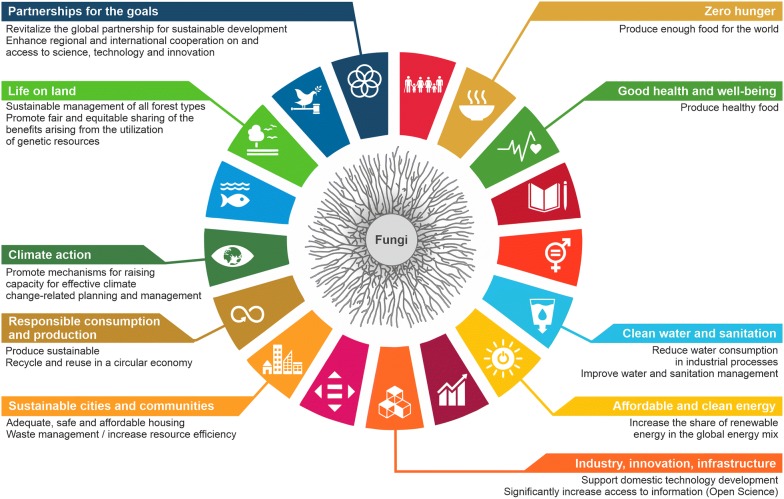
“Fungi contribute to fulfilling the requirements of Agenda 2030 by taking part in seven goals set in this agenda [18].”
Advances in genome-scale metabolic models of industrially important fungi
Han, Y., Rangel, A. E. T., Pomraning, K., Kerkhoven, E. J., & Kim, J. (2023) · Current Opinion in Biotechnology · doi:10.1016/j.copbio.2023.103005 · Cited by 18
Mohtar, W. H. M. W., Wan‐Mohtar, W. A. A. Q. I., Zahuri, A. A., Ibrahim, M. F., Show, P.-L., Ilham, Z., Jamaludin, A. A., Patah, M. F. A., Usuldin, S. R. A., & Rowan, N. J. (2022) · Bioengineered · doi:10.1080/21655979.2023.2184785 · Cited by 27
“Since then, booming fungal technology has been pivotal in our livelihoods, proving to be a lucrative bio-alternative to petroleum-based products [5].”
BackgroundLi, N., Liu, Y., Liu, D.-F., Liu, D.-D., Zhang, C., Lin, L.-P., Zhu, Z., Li, H.-Y., Dai, Y.-J., Wang, X.-J., et al. (2022) · Applied and Environmental Microbiology · doi:10.1128/aem.01263-22 · Cited by 17
Troiano, D., Orsat, V., & Dumont, M. (2022) · Applied Microbiology and Biotechnology · doi:10.1007/s00253-022-11984-1 · Cited by 17
Crowdsourced analysis of fungal growth and branching on microfluidic platforms
Hopke, A., Mela, A. P., Ellett, F., Carter-House, D., Peña, J. F., Stajich, J., Altamirano, S., Lovett, B., Egan, M., Kale, S. D., et al. (2021) · PLoS ONE · doi:10.1371/journal.pone.0257823 · Cited by 17
Biomining of lunar regolith simulant EAC-1 A with the fungus Penicillium simplicissimum
Figueira, J., Koch, S., Müller, D. W., Slawik, S., Cowley, A., Moeller, R., & Cortesão, M. (2025) · Fungal Biology and Biotechnology · doi:10.1186/s40694-025-00201-z · Cited by 15
“The statistical differences in biocompatibility under Lunar Simulated Gravity (LSG) were determined using ANOVA for the parametric dataset (colony area, biomass, and spore production), which also passed the Shapiro-Wilk (normality test) and Brown-Forsythe (equal variance test).”
Electrical signal transfer characteristics of mycelium-bound composites and fungal fruiting bodies
Phillips, N., Weerasekera, R., Roberts, N., Gandia, A., & Adamatzky, A. (2024) · Fungal ecology · doi:10.1016/j.funeco.2024.101358 · Cited by 16
Zhu, Z.-J., Zhang, M., Liu, D.-D., Liu, D.-F., Sun, T., Yang, Y.-J., Dong, J., Zhai, H.-H., Sun, W.-L., Liu, Q., et al. (2023) · Microbial Cell Factories · doi:10.1186/s12934-023-02149-4 · Cited by 16
Fragmentation of Aspergillus niger pellets in stirred tank bioreactors due to hydrodynamic stress
Waldherr, P., Bliatsiou, C., Böhm, L., & Kraume, M. (2023) · Chemical engineering research & design · doi:10.1016/j.cherd.2023.05.038 · Cited by 16
Ribeaucourt, D., Saker, S., Navarro, D., Bissaro, B., Drula, É., Correia, L. O., Haon, M., Grisel, S., Lapalu, N., Henrissat, B., et al. (2021) · Applied and Environmental Microbiology · doi:10.1128/aem.01526-21 · Cited by 24
“reservoir of biocatalysts (4), but to date, the enzymatic potential of filamentous fungi”
BackgroundZhou, Y., Duan, Y., Chen, L.-M., Yang, Y., Ma, L., Chen, W., Liao, Z., Cai, J., & Li, D.-M. (2025) · Bioresource Technology · doi:10.1016/j.biortech.2025.132652 · Cited by 15
Mycelium as sustainable textile material – review on recent research and future prospective
Rathinamoorthy, R., Bharathi, T. S., Snehaa, M., & Swetha, C. (2023) · International Journal of Clothing Science and Technology · doi:10.1108/ijcst-01-2022-0003 · Cited by 37
Ghazawi, K., Fatani, S., Mohamed, S., Mohamed, G., & Ibrahim, S. (2023) · Fermentation · doi:10.3390/fermentation9040325 · Cited by 15
A new circular economy approach for integrated production of tomatoes and mushrooms
Vieira, V. O., Conceição, A. A., Cunha, J. R. B., Machado, A. E. V., de Almeida, E. G., Dias, E. S., Alcantara, L. M., Miller, R. N. G., & de Siqueira, F. G. (2022) · Saudi Journal of Biological Sciences · doi:10.1016/j.sjbs.2021.12.058 · Cited by 15
Andersson, M., Salo, J. M., Kedves, O., Kredics, L., Druzhinina, I. S., Kurnitski, J., & Salonen, H. (2020) · Microorganisms · doi:10.3390/microorganisms8121940 · Cited by 15
“Fungal hyphae also communicate with other microorganisms in their surrounding by secreting secondary metabolites as signaling molecules [1,2].”
BackgroundConsiderations for Domestication of Novel Strains of Filamentous Fungi
Pullen, R. M., Decker, S. R., Subramanian, V., Adler, M. J., Tobias, A. V., Perisin, M., Sund, C. J., Servinsky, M. D., & Kozlowski, M. T. (2025) · ACS Synthetic Biology · doi:10.1021/acssynbio.4c00672 · Cited by 17
Hentabli, M., Amar, M. K., & Belhadj, A.-E. (2024) · International Journal of Environmental Analytical Chemistry · doi:10.1080/03067319.2024.2382374 · Cited by 14
Modular Inducible Multigene Expression System for Filamentous Fungi
Baldin, C., Kühbacher, A., Merschak, P., Wagener, J., & Gsaller, F. (2022) · Microbiology Spectrum · doi:10.1128/spectrum.03670-22 · Cited by 19
Sherry Wines: Worldwide Production, Chemical Composition and Screening Conception for Flor Yeasts
Avdanina, D., & Zghun, A. (2022) · Fermentation · doi:10.3390/fermentation8080381 · Cited by 14
Connecting materials sciences with fungal biology: a sea of possibilities
Meyer, V. (2022) · Fungal Biology and Biotechnology · doi:10.1186/s40694-022-00137-8 · Cited by 14
“The vision that in the not-so-distant future we will be living in houses co-designed with fungi, using furniture grown with the help of fungi, and even being able to wrap ourselves in fungal clothing [1] could change the way we live and work decisively and prove disruptive, even threatening, to existing markets.”
BackgroundSelf-citationVorapreeda, T., Khongto, B., Thammarongtham, C., Srisuk, T., & Laoteng, K. (2021) · Biology · doi:10.3390/biology10090885 · Cited by 14
“Filamentous fungi play a significant role in biomanufacturing primary and secondary metabolites for diverse industrial applications [1].”
BackgroundInfluence of grains postharvest conditions on mycotoxins occurrence in milk and dairy products
Lima, C. M., Costa, H. R. D., Pagnossa, J. P., Rollemberg, N. D. C., da Silva, J. F., Nora, F. D. D., Batiha, G., & Verruck, S. (2021) · doi:10.1590/fst.16421 · Cited by 14
Subramanian, V., Adler, M. J., Benyamin, M. S., Pullen, R. M., Servinsky, M. D., Kozlowski, M. T., & Decker, S. R. (2025) · Biotechnology for Biofuels and Bioproducts · doi:10.1186/s13068-025-02712-8 · Cited by 18
Applications of recombinant proteins in cultured meat production
Flaibam, B., Alves, G. S., Vejar, E. I. D. S., Nery, T., Damásio, A. R. D. L., & Goldbeck, R. (2025) · Future Foods · doi:10.1016/j.fufo.2025.100582 · Cited by 13
Next‐generation AMA1‐based plasmids for enhanced heterologous expression in filamentous fungi
Roux, I., Woodcraft, C., Sbaraini, N., Pepper, A., Wong, E., Bracegirdle, J., & Chooi, Y.-H. (2024) · bioRxiv · doi:10.1111/1751-7915.70010 · Cited by 13
“Fungal mycelium also has applications in biomaterials, bioremediation, biomass processing and microbial foods (Maini Rekdal et al., 2024; Meyer et al., 2020).”
BackgroundAttias, N., Livne, A., & Abitbol, T. (2021) · Fungal Biology and Biotechnology · doi:10.1186/s40694-021-00118-3 · Cited by 13
“Thus, fungal mycelium materials have enormous value as alternative materials for sustainable industry and in the transition to a circular economy and way of life [1, 11, 12].”
BackgroundDuong, H. L., Paufler, S., Harms, H., Maskow, T., & Schlosser, D. (2021) · New Biotechnology · doi:10.1016/j.nbt.2021.11.001 · Cited by 13
Ijoma, G., Heri, S., Matambo, T., & Tekere, M. (2021) · Journal of Fungi · doi:10.3390/jof7090700 · Cited by 13
Haller, H., Paladino, G., Dupaul, G., Gamage, S., Hadzhaoglu, B., Norström, S. H., Eivazi, A., Holm, S., Hedenström, E., & Jonsson, A. (2021) · Clean Technologies and Environmental Policy · doi:10.1007/s10098-021-02147-3 · Cited by 13
Wu, X.-H., Wu, Y.-K., Lv, X.-Q., Li, J.-H., Liu, L., Du, G.-C., Chen, J., & Liu, Y.-F. (2025) · Trends in Food Science & Technology · doi:10.1016/j.tifs.2025.105408 · Cited by 12
Filamentous fungi as emerging cell factories for the production of aromatic compounds
Umashankar, P., & Nygård, Y. (2024) · Fungal Biology and Biotechnology · doi:10.1186/s40694-024-00188-z · Cited by 12
“While filamentous fungi have been recognized to play a crucial role in the transition to a circular economy [96], the potential of aromatic chemicals production with fungi remains yet to be realized (Fig.”
Advancements in genetic studies of mushrooms: a comprehensive review
Tarafder, E., Nizamani, M. M., Karunarathna, S. C., Das, D., Zeng, X., Rind, R. A., Wang, Y., & Tian, F. (2024) · World Journal of Microbiology and Biotechnology · doi:10.1007/s11274-024-04079-8 · Cited by 12
“Issues such as the asynchronous approval of GMOs and their labeling continue to complicate their application (Meyer et al. 2020 ).”
Klemm, S., Pohl, C., Bauer, L. J., Mantouvalou, I., Simon, U., & Fleck, C. (2024) · PLoS ONE · doi:10.1371/journal.pone.0304614 · Cited by 13
“Nowadays, F . fomentarius is one of few fungal species investigated to produce novel environmentally friendly materials for packaging, building, or insulation applications [8,9].”
BackgroundCordell, G. A. (2024) · Natural Products and Bioprospecting · doi:10.1007/s13659-024-00431-5 · Cited by 22
“…mindful development of optimization, as both a philosophy and a practice, dovetails with the myriad aspects of a circular economy, which, in part, focuses on the fully functional use of all sourced materials, including through the strategies of biotechnology and the minimization of “waste” [246].”
BackgroundBiodegradable mycelium tiles with elephant skin inspired texture for thermal regulation of buildings
Soh, E., Loh, N., Teoh, J. H., Jain, A., & Ferrand, H. L. (2024) · Energy and Buildings · doi:10.1016/j.enbuild.2024.115187 · Cited by 11
Tatarin, A. S., Aranguiz, C., Sadañoski, M., Polti, M. A., & Fonseca, M. I. (2023) · Agriculture, Ecosystems & Environment. Applied Soil Ecology · doi:10.1016/j.apsoil.2023.105231 · Cited by 11
Serbent, M. P., Magario, I., & Saux, C. (2023) · Biotechnology and Bioengineering · doi:10.1002/bit.28591 · Cited by 15
“Their use could favor the proposals of the so ‐ called biocircular economy (Hyde et al., 2019; Meyer et al., 2020).”
BackgroundSiebecker, B., Schütze, T., Spohner, S., Haefner, S., & Meyer, V. (2023) · Frontiers in Bioengineering and Biotechnology · doi:10.3389/fbioe.2023.1279146 · Cited by 11
“…the secreted enzymes are thermostable (up to 85 ° C – 90 ° C) and allow for high process temperatures, which in turn reduce viscosity and thus increase the solubility of lignocellulosic biomass (Viikari et al., 2007; Blumer-Schuette et al., 2014; Berezina et al., 2017; Meyer et al., 2020).”
BackgroundSelf-citationCairns, T., de Kanter, T., Zheng, X.-M., Zheng, P., Sun, J.-B., & Meyer, V. (2023) · Biotechnology for Biofuels and Bioproducts · doi:10.1186/s13068-023-02345-9 · Cited by 11
“Discussion Fungal cell factories are major producers of a wide range of useful molecules [2].”
BackgroundSelf-citationCopper radical oxidases: galactose oxidase, glyoxal oxidase, and beyond!
Fong, J. K., & Brumer, H. (2022) · Essays in Biochemistry · doi:10.1042/ebc20220124 · Cited by 11
Regulation and induction of fungal secondary metabolites: a comprehensive review
Prakash, S., Kumari, H., Sinha, M., & Kumar, A. (2025) · Archives of Microbiology · doi:10.1007/s00203-025-04386-0 · Cited by 11
“When A. nidulans and S.s rapamycini-cus come into physical contact, the SAGA/Ada complex causes histone acetylation, which starts the biosynthesis of orsellinic acid (Meyer et al. 2020 ).”
InfluentialPertile, B., Fontana, R., Isoton, R., Brandalise, R. N., & Camassola, M. (2025) · World Journal of Microbiology & Biotechnology · doi:10.1007/s11274-025-04470-z · Cited by 10
“Fungi are used in pharmaceuticals, foods, and enzymes, among other applications, because of their diverse and unique metabolic capacity (Fuentes et al. 2021; Meyer et al. 2020).”
Derme, T., Schwarze, F. W. M. R., & Dillenburger, B. (2024) · Global Challenges · doi:10.1002/gch2.202300197 · Cited by 11
LowTempGAL: a highly responsive low temperature-inducibleGALsystem inSaccharomyces cerevisiae
Lu, Z. M., Shen, Q., Bandari, N. C., Evans, S. G., McDonnell, L., Liu, L., Jin, W., Luna‐Flores, C. H., Collier, T., Talbo, G. H., et al. (2024) · Nucleic Acids Research · doi:10.1093/nar/gkae460 · Cited by 10
“Heat-inducible degron regulating Gal4p for the low-temperature-inducible GAL circuit Many fungi / yeasts, including S. cerevisiae , Komagataella phaffii ( Pichia pastoris ), Yarrowia lipolytica , Phaffia rhodozyma , etc., play a significant role in biomanufac-turing ( 50–52 ).”
BackgroundMittermeier, F., Fischer, F., Hauke, S., Hirschmann, P., & Weuster‐Botz, D. (2024) · BioTech · doi:10.3390/biotech13020015 · Cited by 11
“The ascomycete A. niger has been one of the most researched and applied microorganisms in biotechnology and is well-known for its capability to produce several enzymes as well as organic acids [32–34].”
BackgroundCastillo, S., Peddinti, G., Blomberg, P., & Jouhten, P. (2023) · bioRxiv · doi:10.1101/2023.08.23.554328 · Cited by 10
Östbring, K., Lager, I., Chagas, J., Ramin, M., Ahlström, C., & Hultberg, M. (2023) · Journal of Environmental Management · doi:10.1016/j.jenvman.2023.118742 · Cited by 10
Sustainable Pultruded Sandwich Profiles with Mycelium Core
Früchtl, M., Senz, A., Sydow, S., Frank, J., Hohmann, A., Albrecht, S., Fischer, M., Holland, M., Wilhelm, F., & Christ, H. (2023) · Polymers · doi:10.3390/polym15153205 · Cited by 10
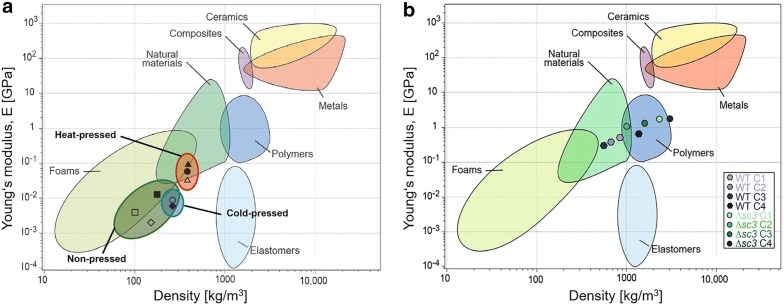
“Although lower densities are theoretically possible for mycelial materials, they cannot be produced with the substrate hemp hurds [3].”
BackgroundMüller, H., Deffur, C., Schmideder, S., Barthel, L., Friedrich, T., Mirlach, L., Hammel, J., Meyer, V., & Briesen, H. (2023) · Biotechnology and Bioengineering · doi:10.1002/bit.28506 · Cited by 10
Self-citationDutta, M., Hazra, A., Bhattacharya, E., Bose, R., & Biswas, S. M. (2023) · Archives of Microbiology · doi:10.1007/s00203-023-03483-2 · Cited by 10
“Biomass or the metabolites of different filamentous fungi are utilized primarily to develop functional foods, cosmetics and nutraceuticals (Meyer et al. 2020).”
BackgroundPollini, B., & Rognoli, V. (2024) · Research Directions: Biotechnology Design · doi:10.1017/btd.2024.14 · Cited by 10
“…for the circular economy, where the organisms used can be connectors between one production system and another, thanks to their ability to transform agro-industry waste into valuable materials and products (Devadas et al., 2021; Jang et al., 2017; Meyer et al., 2020; Ubando et al., 2020).”
Pleurotus ostreatus and a novel fungal composite: Development and bioremediation of plastic wastes
Ratuchne, A., Lonardoni, E. A., Bueno, C. E., Reis, G. F., Rezende, M. I., Urbano, A., Biz, G., Almeida, R. S., & Panagio, L. A. (2023) · Resources Conservation & Recycling Advances · doi:10.1016/j.rcradv.2023.200167 · Cited by 12
The duality of filamentous fungi: Beneficial uses and risks in the food industry
Souza, L. V., da Silva, R. R., Cavicchioli, V. Q., Tavares, R. D. M., Randazzo, C. L., Caggia, C., de Carvalho, A. F., & Nero, L. A. (2025) · Food Research International · doi:10.1016/j.foodres.2025.117191 · Cited by 11
Fungal Innovations—Advancing Sustainable Materials, Genetics, and Applications for Industry
Hinneburg, H., Gu, S., & Naseri, G. (2025) · Journal of Fungi · doi:10.3390/jof11100721 · Cited by 12
“The innovative use of fungal-based materials is revolutionizing sustainable construction [8], textiles [9,10], packaging [1,11], and composite materials [1,11,12].”
InfluentialEnhancing the circular bioeconomy transition in Germany: A systematic scenario analysis
Richter, S., Szarka, N., Bezama, A., & Thrän, D. (2024) · Sustainable Production and Consumption · doi:10.1016/j.spc.2024.12.004 · Cited by 9
Sierra, L. A. B., Mendes-Pereira, T., García, G. J. Y., Werkhaizer, C. Q., de Rezende, J. B., Rodrigues, T. A. B., Badotti, F., Cardoso, E. S. D. C., da Costa, A. M., Uetanabaro, A. P. T., et al. (2023) · PeerJ Materials Science · doi:10.7717/peerj-matsci.31 · Cited by 16
A genetic tool to express long fungal biosynthetic genes
Kirchgaessner, L., Wurlitzer, J. M., Seibold, P., Rakhmanov, M., & Gressler, M. (2023) · Fungal Biology and Biotechnology · doi:10.1186/s40694-023-00152-3 · Cited by 9
“The plasmids pLK04 (A), pLK05 (B), pMG56 (C) and pMG58 (D) are based on the pSMX2-URA plasmid [1].”
BackgroundInfluentialReliable online measurement of population dynamics for filamentous co‐cultures
Palacio-Barrera, A. M., Schlembach, I., Finger, M., Büchs, J., & Rosenbaum, M. (2022) · Microbial Biotechnology · doi:10.1111/1751-7915.14129 · Cited by 9
Metadata
- Authors
- Meyer, V., Basenko, E. Y., Benz, J. P., Braus, G. H., Caddick, M. X., Csukai, M., de Vries, R. P., Endy, D., Frisvad, J. C., Gunde-Cimerman, N., Haarmann, T., Hadar, Y., Hansen, K., Johnson, R. I., Keller, N. P., Kraševec, N., Mortensen, U. H., Perez, R., Ram, A. F. J., Record, E., Ross, P., Shapaval, V., Steiniger, C., van den Brink, H., van Munster, J., Yarden, O., & Wösten, H. A. B.
- Affiliations
- Technische Universität Berlin (DE)
- University of Liverpool (GB)
- Technical University of Munich (DE)
- University of Göttingen (DE)
- Syngenta (United Kingdom) (GB)
- Utrecht University (NL)
- Stanford University (US)
- Technical University of Denmark (DK)
- ABEnzymes (Germany) (DE)
- Hebrew University of Jerusalem (IL)
- Novozymes (Denmark) (DK)
- University of Wisconsin–Madison (US)
- National Institute of Chemistry (SI)
- Leiden University (NL)
- Norwegian University of Life Sciences (NO)
- Chr. Hansen (Denmark) (DK)
- University of Manchester (GB)
- Corresponding author
- Meyer, Vera
- ORCID
- Meyer, Vera
- Basenko, Evelina Y.
- Benz, J. Philipp
- Braus, Gerhard H.
- Caddick, Mark X.
- Csukai, Michael
- de Vries, Ronald P.
- Endy, Drew
- Frisvad, Jens C.
- Gunde-Cimerman, Nina
- Haarmann, Thomas
- Hadar, Yitzhak
- Hansen, Kim
- Keller, Nancy P.
- Kraševec, Nada
- Mortensen, Uffe H.
- Perez, Rolando
- Ram, Arthur F. J.
- Record, Eric
- Shapaval, Volha
- Steiniger, Charlotte
- van Munster, Jolanda
- Yarden, Oded
- Wösten, Han A. B.
- Venue
- Fungal Biology and Biotechnology
- Published
- 2020-04-02
- Volume
- 7
- Issue
- 1
- Pages
- 5-5
- ISSN
- 2054-3085 (ISSN-L)
- PMC
- PMC7140391
- OpenAlex
- W3015382627
- Cited by
- 515
- References
- 155
- Citations by year
- 2026: 61 · 2025: 90 · 2024: 97 · 2023: 107 · 2022: 74 · 2021: 65 · 2020: 19
- FWCI
- 11.53
- Type
- journal article
- Language
- en
- Open access
- gold
- doi.org
- Locations
- Fungal Biology and Biotechnology (publishedVersion, cc-by)
- Europe PMC (PubMed Central) (publishedVersion, cc-by)
- PubMed Central (publishedVersion, cc-by)
- PubMed (publishedVersion)
- KNAW research portal (Royal Academy of Art and Sciences (KNAW)) (publishedVersion, other-oa)
- Data Archiving and Networked Services (DANS) (submittedVersion, other-oa)
- HAL (submittedVersion)
- Leiden Repository (Leiden University) (submittedVersion, cc-by)
- DOAJ (DOAJ: Directory of Open Access Journals) (submittedVersion, cc-by-sa)
- Utrecht University Repository (Utrecht University) (submittedVersion, other-oa)
- GoeScholar The Publication Server of the Georg-August-Universität Göttingen (Georg-August-Universität Göttingen) (submittedVersion, cc-by)
- mediaTUM – the media and publications repository of the Technical University Munich (Technical University Munich) (submittedVersion)
- NORA - Norwegian Open Research Archives (submittedVersion, other-oa)
- Research Explorer (The University of Manchester) (submittedVersion, other-oa)
- Technical University of Denmark, DTU Orbit (Technical University of Denmark, DTU) (submittedVersion, cc-by)
- Data Archiving and Networked Services (DANS) (submittedVersion, cc-by)
- Funders
- Biotechnology and Biological Sciences Research Council (BB/P011462/1)
- Topics
- Life Sciences › Agricultural and Biological Sciences › General Agricultural and Biological Sciences › Bioeconomy and Sustainability Development
- Life Sciences › Biochemistry, Genetics and Molecular Biology › Molecular Biology › Microbial Metabolic Engineering and Bioproduction
- Life Sciences › Biochemistry, Genetics and Molecular Biology › Molecular Biology › Fungal and yeast genetics research
- Keywords
- fungal biotechnology, circular economy, bioeconomy, fungal cell factories, biofuels, bio-based chemicals, bio-based materials, food security, climate change mitigation, greenhouse gas emissions reduction, Sustainable Development Goals
About these checks
Registry, retraction, Cites and statistics results are computed, not judged, with one exception: a printed reference that no index lists is read once by a model before it counts as a citation error. Claims are extracted by a model and kept only when their quote appears verbatim in the text; each cited source is then checked, with a model’s help, for whether it says what the claim relies on. Those verdicts can be wrong — read the claim’s quote and the cited source before relying on one.
Statistics and arithmetic are recomputed, not judged.
Confidence bands are shown only for fields calibrated on our annotated test set. None is calibrated yet, so no band is shown.
What counts as a claim ›How we measure confidence ›How we check this ›
Are you an author, or do you see a problem with this page? Request a review
