

Biofilm Matrix Regulation by Candida albicans Zap1
Open accessThe DOI matches its Crossref record; 54 of the 54 references it cites were found in a registry or an index.
Abstract
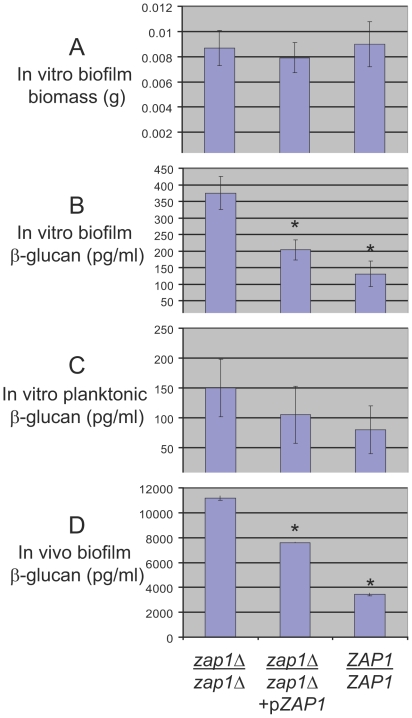
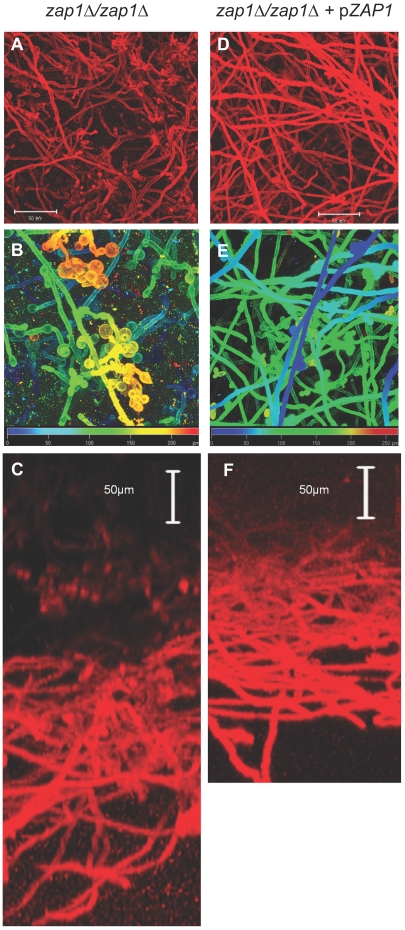
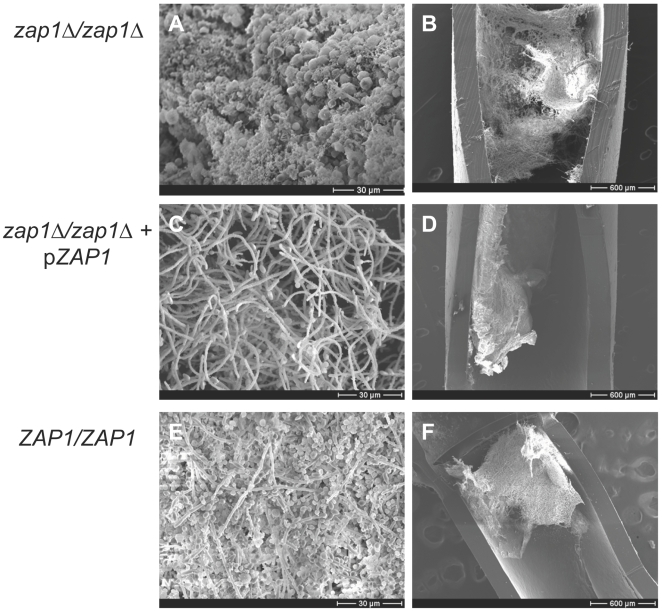
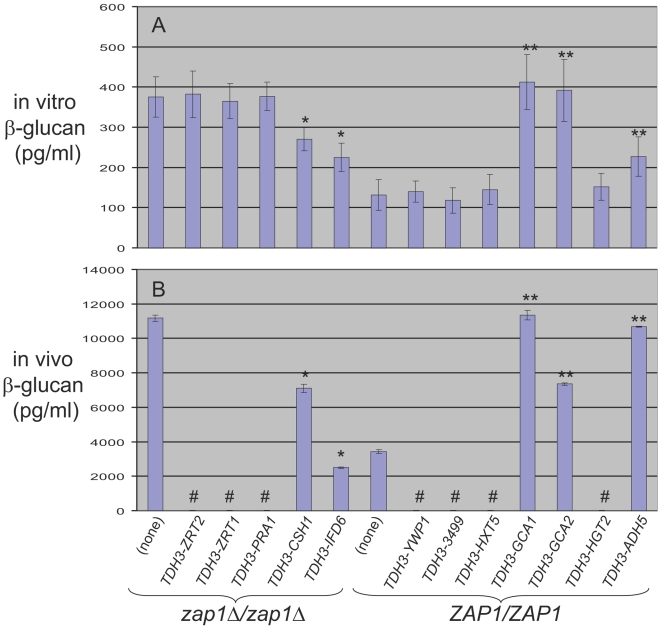
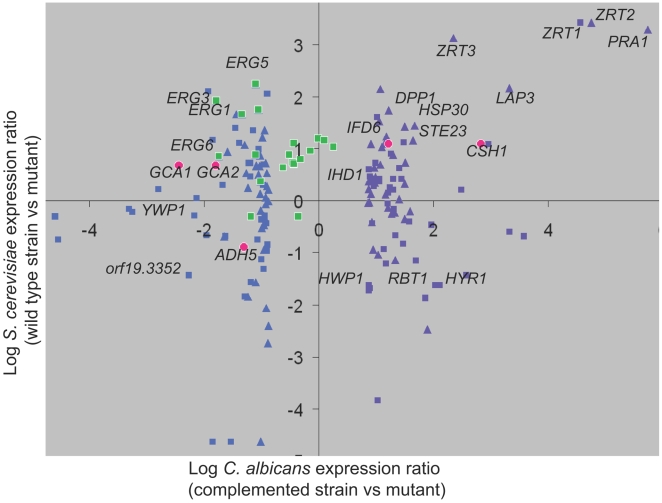
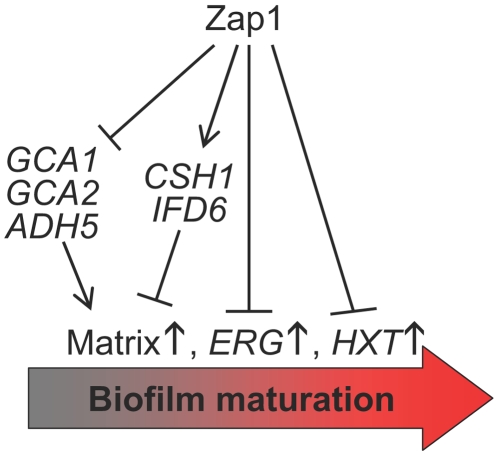
A biofilm is a surface-associated population of microorganisms embedded in a matrix of extracellular polymeric substances. Biofilms are a major natural growth form of microorganisms and the cause of pervasive device-associated infection. This report focuses on the biofilm matrix of Candida albicans, the major fungal pathogen of humans. We report here that the C. albicans zinc-response transcription factor Zap1 is a negative regulator of a major matrix component, soluble beta-1,3 glucan, in both in vitro and in vivo biofilm models. To understand the mechanistic relationship between Zap1 and matrix, we identified Zap1 target genes through expression profiling and full genome chromatin immunoprecipitation. On the basis of these results, we designed additional experiments showing that two glucoamylases, Gca1 and Gca2, have positive roles in matrix production and may function through hydrolysis of insoluble beta-1,3 glucan chains. We also show that a group of alcohol dehydrogenases Adh5, Csh1, and Ifd6 have roles in matrix production: Adh5 acts positively, and Csh1 and Ifd6, negatively. We propose that these alcohol dehydrogenases generate quorum-sensing aryl and acyl alcohols that in turn govern multiple events in biofilm maturation. Our findings define a novel regulatory circuit and its mechanism of control of a process central to infection.
Overview
The claims and statistics of this paper haven’t been checked yet.
Free: it reads the open-access text and checks the first 5 claims that cite a source we can check. Create a free account to check every claim.
Integrity signals
Registry
Cites
Statistics
Figures
Verification
Claims the paper makes
The claims and statistics of this paper haven’t been checked yet.
Free: it reads the open-access text and checks the first 5 claims that cite a source we can check. Create a free account to check every claim.
Claims other papers make about this one
Each is checked against this paper’s own text: does it say what the citing paper says it does?
The source backs part of the claim, not all of it — or backs it for a different population, condition or comparison.
In the citing paper
“Two known transcriptional regulators of biofilm matrix production in C. albicans are Rlm1 and Zap1.”
From Candida albicans Biofilms and Human Disease (2015) · cites this paper as [144]
Experimental — accuracy not yet measuredThe check wasn’t confident either way, so it gives no verdict — never disputed.
In the citing paper
“GCA1 is transcribed during rat oral infection and its transcription is regulated by carbohydrates [67,70].”
From Carbon source‐induced reprogramming of the cell wall proteome and secretome modulates the adherence and drug resistance of the fungal pathogen C andida albicans (2012) · cites this paper as [67]
Experimental — accuracy not yet measuredIn the citing paper
“Deletion of RLM1 causes a reduction in matrix levels (136), whereas deletion of ZAP1 leads to an increase in the accumulation of extracellular matrix material, probably by upregulating the glucoamylases Gca1 and Gca2 (144).”
From Candida albicans Biofilms and Human Disease (2015) · cites this paper as [144]
Self-check
Percentages, sums and reported differences re-computed from the paper’s own numbers.
The self-check needs the paper’s full text.
Citations
Cites
Biofilms: Survival Mechanisms of Clinically Relevant Microorganisms
Donlan, R. M., & Costerton, J. W. (2002) · Clinical Microbiology Reviews · doi:10.1128/cmr.15.2.167-193.2002 · Cited by 6,644 · cited 1×
“intravascular catheters [2].”
Fitting a mixture model by expectation maximization to discover motifs in biopolymers.
Bailey, T. L., & Elkan, C. (1994) · PubMed · Cited by 5,806
Longtine, M. S., Mckenzie III, A., Demarini, D. J., Shah, N. G., Wach, A., Brachat, A., Philippsen, P., & Pringle, J. R. (1998) · Yeast · doi:10.1002/(sici)1097-0061(199807)14:10<953::aid-yea293>3.0.co;2-u · Cited by 5,345 · cited 1×
“PCR was done using template pFA6a13myc-kanMX6 [47] and primers AHO276 and AHO277 to generate a 568-bp product containing a 13myc epitope tag and linker sequences with flanking XhoI sites.”
MethodPhysiological heterogeneity in biofilms
Stewart, P. S., & Franklin, M. J. (2008) · Nature Reviews Microbiology · doi:10.1038/nrmicro1838 · Cited by 2,327 · cited 1×
“albicans cells were grown in biofilms, which are substantially anaerobic [27].”
BackgroundTranscriptional regulatory code of a eukaryotic genome
Harbison, C. T., Gordon, D. B., Lee, T. I., Rinaldi, N. J., Macisaac, K. D., Danford, T. W., Hannett, N. M., Tagne, J.-B., Reynolds, D. B., Yoo, J., et al. (2004) · Nature · doi:10.1038/nature02800 · Cited by 2,143
Biofilms: the matrix revisited
Branda, S. S., Vik, Å., Friedman, L., & Kolter, R. (2005) · Trends in Microbiology · doi:10.1016/j.tim.2004.11.006 · Cited by 1,791 · cited 1×
“Other matrix components include proteins, fatty acids, and nucleic acids [6,7].”
BackgroundHazelwood, L. A., Daran, J.-M., van Maris, A. J. A., Pronk, J. T., & Dickinson, J. R. (2008) · Applied and Environmental Microbiology · doi:10.1128/aem.02625-07 · Cited by 1,547
Biofilm Formation: A Clinically Relevant Microbiological Process
Donlan, R. M. (2001) · Clinical Infectious Diseases · doi:10.1086/322972 · Cited by 1,343 · cited 1×
“Biofilms are common microbial growth forms in nature and are a leading cause of human infection [1].”
BackgroundThe biofilm matrix – an immobilized but dynamic microbial environment
Sutherland, I. (2001) · Trends in Microbiology · doi:10.1016/s0966-842x(01)02012-1 · Cited by 1,265 · cited 2×
“Matrix is a defining characteristic of biofilms [3–6], and has”
BackgroundGötz, F. (2002) · Molecular Microbiology · doi:10.1046/j.1365-2958.2002.02827.x · Cited by 1,178 · cited 1×
“A glistening appearance can be associated with accumulation of extracellular polymers, as in the case of Staphylococcus biofilms [13].”
Background
Cited by
Items 101–200 of 340
An evolutionary perspective on zinc uptake by human fungal pathogens
Wilson, D. (2015) · Metallomics · doi:10.1039/c4mt00331d · Cited by 62
Zap1 Control of Cell-Cell Signaling in Candida albicans Biofilms
Ganguly, S., Bishop, A. C., Xu, W., Ghosh, S., Nickerson, K. W., Lanni, F., Patton-Vogt, J., & Mitchell, A. P. (2011) · Eukaryotic Cell · doi:10.1128/ec.05196-11 · Cited by 66
“Direct Zap1 target genes, identified by chromatin immunoprecipitation, do not include known yeast- or hypha-specific genes (27), so the relationship between Zap1 and cellular morphogenesis seems indirect.”
BackgroundMethodSelf-citationThe roles of zinc and copper sensing in fungal pathogenesis
Ballou, E. R., & Wilson, D. (2016) · Current Opinion in Microbiology · doi:10.1016/j.mib.2016.05.013 · Cited by 60
“However, overexpression of these zinc assimilation factors in the zap1D mutant had no effect on b-glucan production, suggesting that cellular zinc homeostasis per se may not directly regulate extracellular matrix synthesis, and that Zap1 possesses additional regulatory function [11].”
BackgroundZinc Exploitation by Pathogenic Fungi
Wilson, D., Citiulo, F., & Hube, B. (2012) · PLoS Pathogens · doi:10.1371/journal.ppat.1003034 · Cited by 62
“Similarly, Candida albicans Zap1 is required for the expression of zinc transporter encoding genes and plays a crucial role in biofilm formation, an important pathogenicity attribute of this fungus [24].”
BackgroundSellam, A., van het Hoog, M., Tebbji, F., Beaurepaire, C., Whiteway, M., & Nantel, A. (2014) · Eukaryotic Cell · doi:10.1128/ec.00292-13 · Cited by 63
Self-citationErgosterol Biosynthesis and Regulation Impact the Antifungal Resistance and Virulence of Candida spp
Eliaš, D., Tóth Hervay, N., & Gbelská, Y. (2024) · Stresses · doi:10.3390/stresses4040041 · Cited by 63
“ERG genes are strongly upregulated in the C. albicans Cazap1 ∆ deletion mutant, suggesting that CaZ ap1p is a negative regulator of ERG genes in C. albicans [80].”
Foster, D. C., Falsetta, M. L., Woeller, C. F., Pollock, S. J., Song, K., Bonham, A., Haidaris, C. G., Stodgell, C. J., Messing, S. P., Iadarola, M., et al. (2015) · Pain · doi:10.1097/01.j.pain.0000460320.95267.5d · Cited by 63
Transcription factors and transporters in zinc homeostasis: lessons learned from fungi
Eide, D. J. (2020) · Critical Reviews in Biochemistry and Molecular Biology · doi:10.1080/10409238.2020.1742092 · Cited by 64
“Importantly, several studies have demonstrated the importance of these factors to the growth of pathogenic fungi in their mammalian hosts (Moreno et al. 2007; Nobile et al. 2009; Schneider et al. 2012; Bottcher et al. 2015).”
BackgroundMcCullagh, E., Seshan, A., El‐Samad, H., & Madhani, H. D. (2010) · Nature Cell Biology · doi:10.1038/ncb2097 · Cited by 63
Sahni, N., Yi, S., Daniels, K. J., Srikantha, T., Pujol, C., & Soll, D. R. (2009) · PLoS Pathogens · doi:10.1371/journal.ppat.1000601 · Cited by 59
“Glucan concentration in the supernatants was then measured using Glucatell (1,3)-b-Glucan Detection Reagent Kit (Associates of Cape Cord, Falmouth, MA) [41].”
BackgroundMethodSellam, A., Hogues, H., Askew, C., Tebbji, F., van het Hoog, M., Lavoie, H., Kumamoto, C. A., Whiteway, M., & Nantel, A. (2010) · Genome Biology · doi:10.1186/gb-2010-11-7-r71 · Cited by 58
“RPMI medium at 37°C as described [77].”
Self-citationCabral, V., Znaidi, S., Walker, L. A., Martin-Yken, H., Dague, E., Legrand, M., Lee, K., Chauvel, M., Firon, A., Rossignol, T., et al. (2014) · PLoS Pathogens · doi:10.1371/journal.ppat.1004542 · Cited by 59
“For instance, overexpression of ADH5, GCA1, and GCA2 promoted matrix production, while overexpression of CSH1 and IFD6 inhibited it [23] and PES1 overexpression increased the dispersal step [55].”
BackgroundConnolly, L. A., Riccombeni, A., Grózer, Z., Holland, L. M., Lynch, D. B., Andes, D. R., Gácser, A., & Butler, G. (2013) · Molecular Microbiology · doi:10.1111/mmi.12345 · Cited by 57
“albicans (Nobile et al., 2009).”
BackgroundSelf-citationThe Clinical Importance of Fungal Biofilms
Ramage, G., & Williams, C. (2013) · Advances in applied microbiology · doi:10.1016/b978-0-12-407673-0.00002-3 · Cited by 62
Biofilm formation in Candida glabrata: What have we learnt from functional genomics approaches?
d'Enfert, C., & Janbon, G. (2016) · FEMS Yeast Research · doi:10.1093/femsyr/fov111 · Cited by 53
“…β-1,3-glucans produced by the β-1,3-glucan synthase Fks1 and subsequently released in the matrix have been shown to sequester azoles and amphotericin B thus contributing to the tolerance of C. albicans biofilms to these drugs (Nett et al. 2007b, 2010a,b; Nobile et al. 2009; Taff et al. 2012).”
BackgroundThe zinc cluster transcription factor Ahr1p directs Mcm1p regulation of Candida albicans adhesion
Askew, C., Sellam, A., Epp, E., Mallick, J., Hogues, H., Mullick, A., Nantel, A., & Whiteway, M. (2011) · Molecular Microbiology · doi:10.1111/j.1365-2958.2010.07504.x · Cited by 51
“…coupled to microarray analysis (ChIP-chip) to characterize C. albicans transcription factors and provide insights into the evolution of its transcriptional networks (Borneman et al., 2007; Hogues et al., 2008; Tuch et al., 2008; Askew et al., 2009; Nobile et al., 2009; Lavoie et al., 2010).”
BackgroundSelf-citationBiofilm Formation and Structure in the Filamentous Fungus Fusarium graminearum, a Plant Pathogen
Shay, R., Wiegand, A. A., & Trail, F. (2022) · Microbiology Spectrum · doi:10.1128/spectrum.00171-22 · Cited by 60
Montelongo-Jauregui, D., Saville, S. P., & Lopez-Ribot, J. L. (2019) · mBio · doi:10.1128/mbio.01179-19 · Cited by 53
“For these reasons, we tested mutant strains with irregular composition of fungal cell wall (rlm1 / ) (40), reduced amounts of glucans (kre5 / ) (41) or mannans (mnn9 / ) (39, 42, 43) in the cell wall and biofilm exopolymeric material, as well as mutants with alterations in biofilm matrix formation, such as the zap1 /…”
Transcriptional Circuits Regulating Developmental Processes in Candida albicans
Rodríguez, D. L., Quail, M. M., Hernday, A. D., & Nobile, C. J. (2020) · Frontiers in Cellular and Infection Microbiology · doi:10.3389/fcimb.2020.605711 · Cited by 59
Self-citationPolvi, E. J., Averette, A. F., Lee, S. C., Kim, T., Bahn, Y.-S., Veri, A. O., Robbins, N., Heitman, J., & Cowen, L. E. (2016) · PLOS Genetics · doi:10.1371/journal.pgen.1006350 · Cited by 52
Potrykus, J., Ballou, E. R., Childers, D. S., & Brown, A. J. P. (2014) · PLoS Pathogens · doi:10.1371/journal.ppat.1003910 · Cited by 52
“albicans respond to zinc restriction by downregulating zinc-dependent alcohol dehydrogenases to increase zinc availability for other metalloproteins [3,38].”
BackgroundStevanović, N. L., Aleksić, I., Kljun, J., Bogojević, S. Š., Veselinović, A. M., Nikodinović‐Runić, J., Turel, I., Djuran, M. I., & Glišić, B. Đ. (2020) · Pharmaceuticals · doi:10.3390/ph14010024 · Cited by 55
Linking Quorum Sensing Regulation and Biofilm Formation by Candida albicans
Deveau, A., & Hogan, D. A. (2010) · Methods in molecular biology · doi:10.1007/978-1-60761-971-0_16 · Cited by 60
Effects of zinc transporters on Cryptococcus gattii virulence
Schneider, R., Diehl, C., dos Santos, F. M., Piffer, A. C., Garcia, A. W. A., Kulmann, M. I. R., Schrank, A., Kmetzsch, L., Vainstein, M. H., & Staats, C. C. (2015) · Scientific Reports · doi:10.1038/srep10104 · Cited by 59
Vera‐González, N., Bailey‐Hytholt, C. M., Langlois, L., Ribeiro, F. D. C., Santos, E. L. D. S., Junqueira, J. C., & Shukla, A. (2020) · Journal of Biomedical Materials Research Part A · doi:10.1002/jbm.a.36984 · Cited by 50
Nieminen, M. T., Frazer, L. N., Rautemaa, V., Rajendran, R., Sorsa, T. A., Ramage, G., Bowyer, P., & Rautemaa‐Richardson, R. (2014) · PLoS ONE · doi:10.1371/journal.pone.0097864 · Cited by 54
“albicans [26].”
Hu, Q., Zhu, Y., Tu, J., Yin, Y., Wang, X., Han, X., Ding, C., Zhang, B., & Yu, S. (2012) · PLoS ONE · doi:10.1371/journal.pone.0039805 · Cited by 48
“Previous reports showed that both positive and negative roles in biofilm development have been found for alcohol dehydrogenases and ary-alcohol dehydrogenases [23,24], indicating that substrate specificity is crucial to their biological function.”
BackgroundPanariello, B. H. D., Klein, M. I., Pavarina, A. C., & Duarte, S. (2017) · Journal of Oral Microbiology · doi:10.1080/20002297.2017.1385372 · Cited by 51
“and hyphae, which goes along with the production of ECM [55].”
BackgroundRegulation of filamentation in the human fungal pathogen Candida tropicalis
Zhang, Q., Tao, L., Guan, G., Yue, H., Liang, W., Cao, C., Dai, Y., & Huang, G. (2016) · Molecular Microbiology · doi:10.1111/mmi.13247 · Cited by 45
“Bcr1 and Csr1 are involved in the regulation of biofilm formation in C. albicans (Nobile and Mitchell, 2005; Nobile et al., 2009; 2012).”
BackgroundThe Zinc Transport Systems and Their Regulation in Pathogenic Fungi
Jung, W. H. (2015) · Mycobiology · doi:10.5941/myco.2015.43.3.179 · Cited by 40
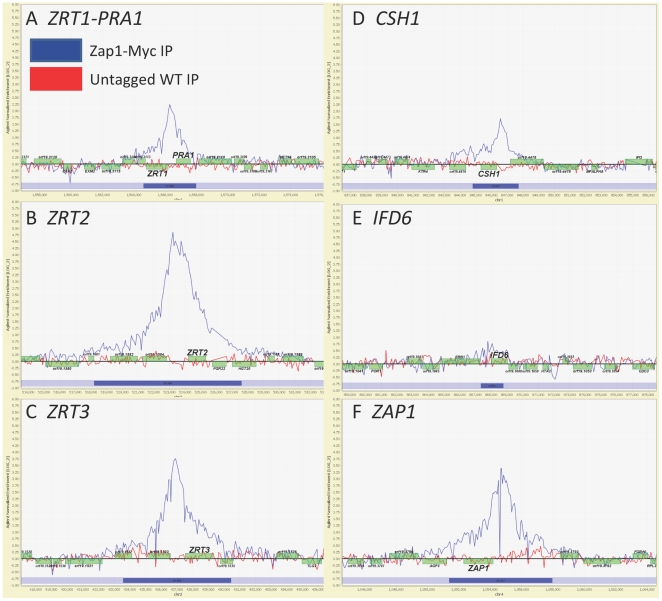
“Moreover, binding of Csr1/Zap1 to the promoters of ZRT1, ZRT2, and ZRT3 was confirmed by the genome-wide chromatin immunoprecipitation analysis [25].”
BackgroundMorphogenic plasticity: the pathogenic attribute of Candida albicans
Prasad, P., & Tippana, M. (2023) · Current Genetics · doi:10.1007/s00294-023-01263-5 · Cited by 41
Candida albicans Forms a Specialized “Sexual” as Well as “Pathogenic” Biofilm
Park, Y., Daniels, K. J., Pujol, C., Srikantha, T., & Soll, D. R. (2013) · Eukaryotic Cell · doi:10.1128/ec.00112-13 · Cited by 41
“regulated by the Ras1/cyclic AMP (cAMP) pathway (5, 27, 28),”
BackgroundLagree, K., & Mitchell, A. P. (2017) · Microbiology Spectrum · doi:10.1128/microbiolspec.funk-0024-2016 · Cited by 46
“Several mutant strains have similar biofilm defects in vitro and in vivo (17, 24, 62, 68, 70, 74, 87, 100).”
BackgroundSelf-citationVicentefranqueira, R., Amich, J., Marín, L., Sánchez, C. I., Leal, F., & Calera, J. A. (2018) · Genes · doi:10.3390/genes9070318 · Cited by 45
“cerevisiae [18] and in all pathogenic yeasts [19,20].”
BackgroundResultInfluentialJohns, L. E., Goldman, G. H., Ries, L. N. A., & Brown, N. A. (2021) · Fungal Biology Reviews · doi:10.1016/j.fbr.2021.01.002 · Cited by 45
Kniemeyer, O., Schmidt, A. D., Vödisch, M., Wartenberg, D., & Brakhage, A. A. (2011) · International Journal of Medical Microbiology · doi:10.1016/j.ijmm.2011.04.001 · Cited by 47
Whigham, E., Qi, S. S., Mistry, D., Surana, P., Xu, R., Fuerst, G., Pliego, C., Bindschedler, L. V., Spanu, P. D., Dickerson, J. A., et al. (2015) · Molecular Plant-Microbe Interactions · doi:10.1094/mpmi-02-15-0027-fi · Cited by 61
Satała, D., Gonzalez‐Gonzalez, M., Smolarz, M., Surowiec, M., Kulig, K., Wronowska, E., Zawrotniak, M., Kozik, A., Rąpała‐Kozik, M., & Karkowska‐Kuleta, J. (2022) · Frontiers in Cellular and Infection Microbiology · doi:10.3389/fcimb.2021.765942 · Cited by 45
Srikantha, T., Daniels, K. J., Pujol, C., Sahni, N., Yi, S., & Soll, D. R. (2012) · PLoS Pathogens · doi:10.1371/journal.ppat.1002476 · Cited by 36
“b-glucan measurements were done according to the methods of Mitchell and coworkers [32,69] with supernatants of 48 hour biofilms.”
BackgroundMethodThe assimilation of different carbon sources in Candida albicans: Fitness and pathogenicity
Lok, B., Adam, M. A. A., Kamal, L. Z. M., Chukwudi, N. A., Sandai, R., & Sandai, D. (2021) · Medical Mycology · doi:10.1093/mmy/myaa080 · Cited by 39
Adhesion and biofilm formation by the opportunistic pathogen Candida tropicalis: what do we know?
de Souza, C. M., dos Santos, M. M., Furlaneto-Maia, L., & Furlaneto, M. C. (2023) · Canadian Journal of Microbiology · doi:10.1139/cjm-2022-0195 · Cited by 44
Hernday, A. D., Lohse, M. B., Nobile, C. J., Noiman, L., Laksana, C. N., & Johnson, A. D. (2016) · mBio · doi:10.1128/mbio.01565-15 · Cited by 42
Self-citationPlant-Derived Substances in the Fight Against Infections Caused by Candida Species
Guevara-Lora, I., Braś, G., Karkowska‐Kuleta, J., Gonzalez‐Gonzalez, M., Ceballos, K., Sidlo, W., & Rąpała‐Kozik, M. (2020) · International Journal of Molecular Sciences · doi:10.3390/ijms21176131 · Cited by 44
“The major components of the biofilm matrix, β-1,3-glucans, are regulated by the zinc-responsive transcription factor Zap1 and glucoamylases (Gca1 and Gca2), glucan transferases (Bgl2 and Phr1) and exoglucanase Xog1 [39,40].”
BackgroundAspergillus fumigatusvirulence through the lens of transcription factors: Table 1.
Bultman, K. M., Kowalski, C. H., & Cramer, R. A. (2016) · Medical Mycology · doi:10.1093/mmy/myw120 · Cited by 43
Tan, Y., Ma, S., Leonhard, M., Moser, D., & Schneider‐Stickler, B. (2017) · International Journal of Biological Macromolecules · doi:10.1016/j.ijbiomac.2017.11.003 · Cited by 40
Traven, A., Jänicke, A., Harrison, P., Swaminathan, A., Seemann, T., & Beilharz, T. H. (2012) · PLoS ONE · doi:10.1371/journal.pone.0046243 · Cited by 37
“albicans gene expression regulator of matrix production reported so far, the zinc-responsive transcription factor Zap1 [39], is also enriched on the inside of S.”
BackgroundManfiolli, A. O., dos Reis, T. F., de Assis, L. J., de Castro, P. A., Silva, L. P., Hori, J. I., Walker, L. A., Munro, C. A., Rajendran, R., Ramage, G., et al. (2018) · The Cell Surface · doi:10.1016/j.tcsw.2018.03.002 · Cited by 39
“…transcription factors are Bcr1p, a regulator that positively affect the expression of many adhesins during biofilm formation (Nobile & Mitchell, 2005; Srikantha et al., 2013), and Zap1p, which negatively regulates the expression of genes required for β-1,3 glucan production (Nobile et al., 2009).”
BackgroundFrom Biology to Drug Development: New Approaches to Combat the Threat of Fungal Biofilms
Pierce, C. G., Srinivasan, A., Ramasubramanian, A. K., & Lopez-Ribot, J. L. (2015) · Microbiology Spectrum · doi:10.1128/microbiolspec.mb-0007-2014 · Cited by 43
“…during the C. albicans bio fi lm mode of growth, including the identi fi cation of key regulators of matrix biosynthesis and the characterization of several glucan-modi fi cation enzymes, which could represent additional targets for the development of promising antibio fi lm therapeutics (43, 91, 92).”
BackgroundSprague, J. L., Schille, T. B., Allert, S., Trümper, V., Lier, A., Großmann, P., Priest, E. L., Tsavou, A., Panagiotou, G., Naglik, J. R., et al. (2024) · PLoS Pathogens · doi:10.1371/journal.ppat.1012031 · Cited by 38
Gutiérrez-Escribano, P., Zeidler, U., Suárez, M. B., Bachellier-Bassi, S., Clemente-Blanco, A., Bonhomme, J., Vázquez de Aldana, C. R., d'Enfert, C., & Correa-Bordes, J. (2012) · PLoS Pathogens · doi:10.1371/journal.ppat.1002683 · Cited by 35
“Consistent with the conserved role of NDR kinases in the control of transcriptional activity, transcription factors were enriched among the putative targets, including several involved in biofilm development such Ace2 (3 sites), Bcr1 (2 sites), Nrg1 (3 sites) and Zap1 (3 sites) [25,8,10,26].”
BackgroundVirulence Factors in Candida albicans and Streptococcus mutans Biofilms Mediated by Farnesol
Fernandes, R. A., Monteiro, D. R., Arias, L. S., Fernandes, G. L., Delbem, A. C. B., & Barbosa, D. B. (2018) · Indian Journal of Microbiology · doi:10.1007/s12088-018-0714-4 · Cited by 37
Pulmonary biofilm-based chronic infections and inhaled treatment strategies
Ding, L., Wang, J., Cai, S., Smyth, H. D. C., & Cui, Z. (2021) · International Journal of Pharmaceutics · doi:10.1016/j.ijpharm.2021.120768 · Cited by 38
Molecular Determinants Involved in Candida Albicans Biofilm Formation and Regulation
Kumar, D., & Kumar, A. (2024) · Molecular Biotechnology · doi:10.1007/s12033-023-00796-x · Cited by 34
Pais, P., Costa, C., Cavalheiro, M., Romão, D., & Teixeira, M. C. (2016) · Frontiers in Cellular and Infection Microbiology · doi:10.3389/fcimb.2016.00131 · Cited by 37
“It shares the C2H2 zinc finger domain and is also involved in filamentous growth regulation by regulating the expression of, for instance, HWP1 (Kim et al., 2008; Nobile et al., 2009; Finkel et al., 2012), therefore showing not only sequence similarity but also functional conservation.”
BackgroundKumar, R., Breindel, C., Saraswat, D., Cullen, P. J., & Edgerton, M. (2017) · Scientific Reports · doi:10.1038/s41598-017-03082-4 · Cited by 31
Verma-Gaur, J., Qu, Y., Harrison, P. F., Lo, T. L., Quenault, T., Dagley, M. J., Bellousoff, M., Powell, D. R., Beilharz, T. H., & Traven, A. (2015) · PLOS Genetics · doi:10.1371/journal.pgen.1005590 · Cited by 33
“However, the regulatory aspects of matrix production are poorly defined, and only two gene expression regulators are known to control matrix accumulation in biofilms: the transcription factor Rlm1 is a positive regulator [17], while the transcription factor Zap1 is a negative regulator [18].”
BackgroundInfluentialZinc Cluster Transcription Factors Alter Virulence in Candida albicans
Issi, L., Farrer, R. A., Pastor, K., Landry, B., Delorey, T., Bell, G. W., Thompson, D. A., Cuomo, C. A., & Rao, R. P. (2017) · Genetics · doi:10.1534/genetics.116.195024 · Cited by 32
“Chromatin immunoprecipitation coupled with DNA sequencing (ChIP-Seq) was used to identify the genomic sites bound by Zcf15 and Zcf29 (Nobile et al. 2009) (Materials and Methods) (Figure S7 and Table S4).”
BackgroundMethodNiclosamide-loaded nanoparticles disrupt Candida biofilms and protect mice from mucosal candidiasis
Sutar, Y. B., Nabeela, S., Singh, S., Alqarihi, A., Solis, N. V., Ghebremariam, T., Filler, S. G., Ibrahim, A. S., Date, A. A., & Uppuluri, P. (2022) · PLoS Biology · doi:10.1371/journal.pbio.3001762 · Cited by 32
“Due to the sheer high density of cells [12] and the ability of these cells to produce a thick extracellular matrix [11,13], cells are shielded from environmental assaults, from innate immune cells, and from killing by antifungal drugs.”
BackgroundSun, C., Zhao, X., Jiao, Z., Peng, J., Zhou, L., Yang, L., Huang, M., Tian, C., & Guo, G. (2022) · Antibiotics · doi:10.3390/antibiotics11111474 · Cited by 30
“Interestingly, a few genes encoding alcohol dehydrogenases, such as Adh5, Csh1, and Ifd6, play roles in matrix production: Adh5 acts positively, while Csh1 and Ifd6 act negatively [49].”
BackgroundEffects of Hsp90 Inhibitor Ganetespib on Inhibition of Azole-Resistant Candida albicans
Yuan, R., Tu, J., Sheng, C., Chen, X., & Liu, N. (2021) · Frontiers in Microbiology · doi:10.3389/fmicb.2021.680382 · Cited by 35
“Ganetespib Inhibited Fungal Biofilm Formation Formation of fungal biofilms is a critical factor in the emergence of fungal drug resistance (Kelly et al., 2004; Nobile et al., 2006a,b; Nobile et al., 2009; Liu and Filler, 2011; Roudbarmohammadi et al., 2016; Araujo et al., 2017; Oliveira-Pacheco et al., 2018).”
BackgroundBöttcher, B., Palige, K., Jacobsen, I. D., Hube, B., & Brunke, S. (2015) · Eukaryotic Cell · doi:10.1128/ec.00078-15 · Cited by 35
“albicans (CaCsr1) under biofilm-inducing conditions revealed 60 targets, including CaZRT1-3, CaPRA1, and CaCSR1 itself (18).”
BackgroundMethodInfluentialYi, S., Sahni, N., Daniels, K. J., Lu, K. L., Huang, G., Garnaas, A. M., Pujol, C., Srikantha, T., & Soll, D. R. (2011) · mBio · doi:10.1128/mbio.00237-10 · Cited by 28
Srivastava, A., Sircaik, S., Husain, F., Thomas, E., Ror, S., Rastogi, S. K., Alim, D., Bapat, P. S., Andes, D. R., Nobile, C. J., et al. (2017) · Cellular Microbiology · doi:10.1111/cmi.12767 · Cited by 29
“4.2.2 | C‐myc tagging of RTA3 The C‐terminal Myc‐tagging plasmid, pADH34, containing a 13X Myc epitope tag preceding the SAT1‐flipper cassette was used for epitope tagging as previously described (Nobile et al., 2009).”
MethodInfluentialSelf-citationKlis, F. M., & Brul, S. (2015) · Eukaryotic Cell · doi:10.1128/ec.00142-15 · Cited by 27
“It has been suggested previously that Gca1 and Gca2 are directly involved in promoting matrix production in biofilms by enzymatic release of soluble (cid:2) -1,3-glucan fragments from insoluble (cid:2) -1,3-glucan chains (28).”
Targeting zinc homeostasis to combat Aspergillus fumigatus infections
Vicentefranqueira, R., Amich, J., Laskaris, P., Ibrahim-Granet, O., Latgé, J. P., Toledo, H., Leal, F., & Calera, J. A. (2015) · Frontiers in Microbiology · doi:10.3389/fmicb.2015.00160 · Cited by 27
“…160 | 2 in and related to the virulence of the pathogenic fungi Cryptococcus gattii, Candida albicans, and Paracoccidioides brasiliensis, although in these latter two microorganisms this has not yet been experimentally confirmed (Nobile et al., 2009; Schneider et al., 2012; Parente et al., 2013).”
BackgroundBiofilms and oral health: nanotechnology for biofilm control
Govindarajan, D. K., Mohanarangam, M., Kadirvelu, L., Sivaramalingam, S. S., Jothivel, D., Ravichandran, A., Periasamy, S., & Kandaswamy, K. (2025) · Discover Nano · doi:10.1186/s11671-025-04299-3 · Cited by 30
“Rlm1 and Zap1 regulate extracellular matrix production [250, 254], while Ume6, Pes1, and Nrg1 control cell dispersal from the biofilm [360, 361] (Fig.”
Kim, Y., Lee, J., Park, S. Y., Khadke, S. K., Shim, J., & Lee, J. (2022) · Microbiology Spectrum · doi:10.1128/spectrum.02536-22 · Cited by 29
“On the other hand, IFD6 is an inhibitor of biofilm matrix production (25) and YWP1 encodes yeast form wall protein 1, and thus, is an indicator of hyphal inhibition (26, 27).”
BackgroundShao, J., Cui, Y., Zhang, M.-X., Wang, T., Wu, D., & Wang, C. (2016) · Pharmaceutical Biology · doi:10.1080/13880209.2016.1237977 · Cited by 29
“5-2-fold in biofilm matrix than the complemented and reference strains with no significant difference in biofilm biomass (Nobile et al. 2009).”
BackgroundInfluentialPhysiological adventures in Candida albicans : farnesol and ubiquinones
Nickerson, K. W., Gutzmann, D. J., Boone, C. H. T., Pathirana, R. U., & Atkin, A. L. (2024) · Microbiology and Molecular Biology Reviews · doi:10.1128/mmbr.00081-22 · Cited by 28
“In some farnesol-overaccumulating mutants, neither DPP1 , DPP2 , nor DPP3 are differentially expressed (24, 29, 160), but in biofilms of the farnesol-underaccumulating mutant ΔΔzap1 ( csr1 ) (161), DPP1 expression is reduced (162).”
BackgroundYadav, B., Bhatnagar, S., Ahmad, M. F., Jain, P., Pratyusha, V. A., Kumar, P., & Komath, S. S. (2013) · Journal of Biological Chemistry · doi:10.1074/jbc.m113.528802 · Cited by 27
Greig, J. A., Sudbery, I. M., Richardson, J. P., Naglik, J. R., Wang, Y., & Sudbery, P. E. (2015) · PLOS Pathogens · doi:10.1371/journal.ppat.1004630 · Cited by 25
“These assays were carried out as previously described [74] Effect of Fkh2 Phosphorylation on C.”
MethodCandida species extracellular alcohols: production and effect in sessile cells
Martins, M., Henriques, M., Azeredo, J., Rocha, S. M., Coimbra, M. A., & Oliveira, R. (2010) · Journal of Basic Microbiology · doi:10.1002/jobm.200900442 · Cited by 25
“effects in biofilms such as changes in morphology [19] or biofilm matrix synthesis [20].”
BackgroundPost‐transcriptional gene regulation in the biology and virulence ofCandida albicans
Verma‐Gaur, J., & Traven, A. (2016) · Cellular Microbiology · doi:10.1111/cmi.12593 · Cited by 28
“In addition to Ccr4 the transcription factor Zap1 is a further negative regulator of biofilm matrix production (Nobile et al., 2009).”
BackgroundSong, Y.-D., Hsu, C.-C., Lew, S. Q., & Lin, C. (2020) · Medical Mycology · doi:10.1093/mmy/myaa063 · Cited by 28
Appraisal of Cinnamaldehyde Analogs as Dual-Acting Antibiofilm and Anthelmintic Agents
Khadke, S. K., Lee, J., Kim, Y., Raj, V., & Lee, J. (2022) · Frontiers in Microbiology · doi:10.3389/fmicb.2022.818165 · Cited by 24
Rąpała‐Kozik, M., Surowiec, M., Juszczak, M., Wronowska, E., Kulig, K., Bednarek, A., Gonzalez‐Gonzalez, M., Karkowska‐Kuleta, J., Zawrotniak, M., Satała, D., et al. (2023) · Yeast · doi:10.1002/yea.3855 · Cited by 32
Shrivastava, M., Kouyoumdjian, G. S., Kirbizakis, E., Ruiz, D., Henry, M., Vincent, A. T., Sellam, A., & Whiteway, M. S. (2023) · mBio · doi:10.1128/mbio.01807-23 · Cited by 24
“TFs in C. albicans coordinate critical cellular functions, including biofilm formation (12), drug resistance (13), and the transition from a commensal to a pathogenic lifestyle (14).”
BackgroundSong, Y., Sahni, N., Daniels, K. J., Lu, K. L., Huang, G., Srikantha, T., & Soll, D. R. (2011) · Eukaryotic Cell · doi:10.1128/ec.05055-11 · Cited by 23
“biofilm (35, 55), the release of -glucan from the biofilm matrix (36, 42, 55),”
BackgroundMechanisms of copper and zinc homeostasis in pathogenic black fungi
Bailão, M. G. S., da Silva, K. L. P., dos Anjos, L. R. B., Lima, P. D. S., Teixeira, M. D. M., Soares, C. M. D. A., & Bailão, A. M. (2017) · Fungal Biology · doi:10.1016/j.funbio.2017.12.002 · Cited by 24
Zinc at the Host–Fungus Interface: How to Uptake the Metal?
Soares, L. W., Bailão, A. M., Soares, C. M. D. A., & Bailão, M. G. S. (2020) · Journal of Fungi · doi:10.3390/jof6040305 · Cited by 23
“Sap6 belongs to Zap1 and Rim101 regulons [84,87] and supports zinc acquisition by binding to the metal for posterior internalization by membrane transporters [97].”
BackgroundBrimacombe, C. A., Burke, J. E., Parsa, J.-Y., Catania, S., O’Meara, T. R., Witchley, J. N., Burrack, L. S., Madhani, H. D., & Noble, S. M. (2019) · PLoS Biology · doi:10.1371/journal.pbio.3000331 · Cited by 22
“dubliniensis ARG4, and several hundred bp of genomic sequence immediately downstream of the LEU2ORF, all of which are flanked by PmeI restriction sites, identical to previously described addback plasmids [41].”
BackgroundDa, W., Shao, J., Li, Q., Shi, G., Wang, T., Wu, D., & Wang, C. (2019) · Frontiers in Microbiology · doi:10.3389/fmicb.2019.00034 · Cited by 23
“The other is that the matrix-associated zap1 pathway was independent of phr1, bgl2 and xog1 and could regulate matrix glucan levels (Nobile et al., 2009).”
BackgroundKurakado, S., Arai, R., & Sugita, T. (2018) · Microbiology and Immunology · doi:10.1111/1348-0421.12596 · Cited by 22
“Zap1 negatively regulates production of the matrix component soluble b-1,3 glucan (14).”
BackgroundAnandamide prevents the adhesion of filamentous Candida albicans to cervical epithelial cells
Sionov, R. V., Feldman, M., Smoum, R., Mechoulam, R., & Steinberg, D. (2020) · Scientific Reports · doi:10.1038/s41598-020-70650-6 · Cited by 22
Modular Gene Over-expression Strategies for Candida albicans
Cabral, V., Chauvel, M., Firon, A., Legrand, M., Nesseir, A., Bachellier-Bassi, S., Chaudhari, Y., Munro, C. A., & d’Enfert, C. (2012) · Methods in Molecular Biology · doi:10.1007/978-1-61779-539-8_15 · Cited by 19
Modeling of Fungal Biofilms Using a Rat Central Vein Catheter
Nett, J. E., Marchillo, K., & Andes, D. R. (2012) · Methods in Molecular Biology · doi:10.1007/978-1-61779-539-8_40 · Cited by 21
“To date, the in vivo model most commonly used for Candida biofilm study is the venous catheter model described here (1, 6, 12, 15).”
MethodSelf-citationWells, M. L., Washington, O. L., Hicks, S. N., Nobile, C. J., Hartooni, N., Wilson, G. M., Zucconi, B. E., Huang, W., Li, L., Fargo, D. C., et al. (2015) · Molecular Microbiology · doi:10.1111/mmi.12913 · Cited by 20
“The C-terminal tagged Zfs1:Myc strain was constructed in this study following the method described in Nobile et al. (2009): SN250 – ura3Δ::λimm434::URA3-IRO1/ura3Δ::λimm434; arg4::hisG/arg4::hisG; his1::hisG/his1::hisG; leu2:: hisG::CdHIS1/leu2::hisG::CmLEU2 zfs1Δ/Δ1 –…”
MethodSelf-citationImpaired amino acid uptake leads to global metabolic imbalance of Candida albicans biofilms
Böttcher, B., Driesch, D., Krüger, T., Garbe, E., Gerwien, F., Kniemeyer, O., Brakhage, A. A., & Vylkova, S. (2022) · npj Biofilms and Microbiomes · doi:10.1038/s41522-022-00341-9 · Cited by 22
Minocycline Inhibits Candida albicans Budded-to-Hyphal-Form Transition and Biofilm Formation
Kurakado, S., Takatori, K., & Sugita, T. (2017) · Japanese Journal of Infectious Diseases · doi:10.7883/yoken.jjid.2016.369 · Cited by 20
“(37) have reported that a null mutant of zap1 (a negative matrix regulator) shows increased production of soluble β-1,3-glucan.”
BackgroundLi, J., Zhang, C., Huang, X., Sun, H., Yang, L., Liu, H., Zhang, L., Wu, N., Xie, Y., Qi, J., et al. (2026) · Cancer Cell · doi:10.1016/j.ccell.2026.02.001 · Cited by 27
Mechanism of Zn2+ regulation of cellulase production in Trichoderma reesei Rut-C30
Li, N., Li, J., Chen, Y., Shen, Y., Wei, D., & Wang, W. (2023) · Biotechnology for Biofuels and Bioproducts · doi:10.1186/s13068-023-02323-1 · Cited by 19
“Although Zn2+, a key cofactor of numerous TFs and enzymes, has been widely studies in filamentous fungi [30], yeasts (S.”
BackgroundMetals at the Host–Fungal Pathogen Battleground
Garg, R., David, M. S., Yang, S., & Culotta, V. (2024) · Annual Review of Microbiology · doi:10.1146/annurev-micro-041222-023745 · Cited by 22
Curvelo, J. A. D. R., de Moraes, D. C., ANJOS, C. A. D., Portela, M. B., & Soares, R. M. A. (2019) · Anais da Academia Brasileira de Ciências · doi:10.1590/0001-3765201920180045 · Cited by 23
“2011), while zap1 acts as a negative regulator that inhibits specific genes (gca1, gca2, and adh5) involved in biofilm maturation and matrix development (Nobile et al. 2009).”
BackgroundDiscovery of Piperidol Derivatives for Combinational Treatment of Azole-Resistant Candidiasis
Yang, W., Tu, J., Ji, C., Li, Z., Han, G., Liu, N., Li, J., & Sheng, C. (2021) · ACS Infectious Diseases · doi:10.1021/acsinfecdis.0c00849 · Cited by 19
Biofilm Formation as a Pathogenicity Factor of Medically Important Fungi
Vila, T. V. M., & Rozental, S. (2016) · InTech eBooks · doi:10.5772/62768 · Cited by 30
“Yet, a group of alcohol dehydrogenases (CaADH5, CaCSH1 and CaLFD6) is associated with the production of ECM as they act as “quorum sensing” molecules, coordinating the matura‐ tion of biofilm [99].”
BackgroundKim, C., Kim, J.-G., & Kim, K.-Y. (2023) · Journal of Fungi · doi:10.3390/jof9010098 · Cited by 18
Uppuluri, P., & Lopez-Ribot, J. L. (2017) · Springer eBooks · doi:10.1007/978-3-319-50409-4_5 · Cited by 21
Unraveling How Candida albicans Forms Sexual Biofilms
Perry, A. M., Hernday, A. D., & Nobile, C. J. (2020) · Journal of Fungi · doi:10.3390/jof6010014 · Cited by 22
Self-citationBiofilm Formation by Histoplasma capsulatum in Different Culture Media and Oxygen Atmospheres
Gonçalves, L. N. C., Costa-Orlandi, C. B., Bila, N. M., Vaso, C. O., da Silva, R. A. M., Mendes‐Giannini, M. J. S., Taylor, M. L., & Fusco‐Almeida, A. M. (2020) · Frontiers in Microbiology · doi:10.3389/fmicb.2020.01455 · Cited by 20
“…fumigatus, Candida albicans, C. neoformans, Cryptococcus gattii, Paracoccidioides spp., and H. capsulatum (Zhao and Eide, 1996; Kim et al., 2008; Nobile et al., 2009; Ganguly et al., 2011; Finkel et al., 2012; Schneider et al., 2012; Parente et al., 2013; Amich and Calera, 2014; Dade et al.,…”
BackgroundThomas, E., Sircaik, S., Román, E., Brunel, J. M., Johri, A. K., Plá, J., & Panwar, S. L. (2015) · FEMS Yeast Research · doi:10.1093/femsyr/fov095 · Cited by 20
“C-terminal Myc tagging The C-terminal Myc-tagging plasmid, pADH34, containing a 13X Myc epitope tag preceding the SAT1-flipper cassette was used for epitope tagging as previously described (Nobile et al. 2009).”
Method
Metadata
- Authors
- Nobile, C. J., Nett, J. E., Hernday, A. D., Homann, O. R., Deneault, J.-S., Nantel, A., Andes, D. R., Johnson, A. D., & Mitchell, A. P.
- Affiliations
- University of California, San Francisco (US)
- University of Wisconsin–Madison (US)
- Carnegie Mellon University (US)
- Corresponding author
- Mitchell, Aaron P.
- ORCID
- Venue
- PLoS Biology
- Publisher
- Public Library of Science (PLoS)
- Published
- 2009-06-16
- Volume
- 7
- Issue
- 6
- Pages
- e1000133
- ISSN
- 1544-9173 (ISSN-L)
- 1545-7885
- PMC
- PMC2688839
- OpenAlex
- W2106769310
- Cited by
- 337
- References
- 54
- Citations by year
- 2026: 11 · 2025: 7 · 2024: 22 · 2023: 35 · 2022: 14 · 2021: 13 · 2020: 26 · 2019: 16 · 2018: 12 · 2017: 26 · 2016: 23 · 2015: 26 · 2014: 23 · 2013: 17 · 2012: 30
- FWCI
- 15.18
- Type
- journal article
- Language
- en
- Open access
- gold
- doi.org
- Locations
- PLoS Biology (publishedVersion, cc-by)
- Europe PMC (PubMed Central) (publishedVersion, cc-by)
- PubMed Central (publishedVersion, cc-by)
- PubMed (publishedVersion)
- NPARC (submittedVersion)
- DOAJ (DOAJ: Directory of Open Access Journals) (submittedVersion)
- eScholarship (California Digital Library) (submittedVersion)
- Figshare (submittedVersion, cc-by)
- Funders
- National Institutes of Health
- National Heart, Lung, and Blood Institute (T32HL007899)
- National Institute of Allergy and Infectious Diseases (R01AI049187, K08 AI01767, R01AI067703, K08AI001767, R01 AI 49187, R01AI073289)
- Topics
- Health Sciences › Medicine › Infectious Diseases › Antifungal resistance and susceptibility
- Life Sciences › Biochemistry, Genetics and Molecular Biology › Molecular Biology › Fungal and yeast genetics research
- Life Sciences › Biochemistry, Genetics and Molecular Biology › Molecular Biology › Bacterial biofilms and quorum sensing
- Keywords
- Candida albicans, biofilm matrix, Zap1, β-1,3-glucan, glucoamylase, alcohol dehydrogenase, ADH5, quorum sensing, transcriptional regulation, biofilm maturation, fungal virulence
- MeSH terms
- Binding Sites, Candida albicans, Fungal Proteins, Genes, Fungal, Microscopy, Electron, Scanning, Saccharomyces cerevisiae, Gene Expression Regulation, Fungal, Regulon, Biofilms, Microscopy, Confocal, Chromatin Immunoprecipitation
About these checks
Registry, retraction, Cites and statistics results are computed, not judged, with one exception: a printed reference that no index lists is read once by a model before it counts as a citation error. Claims are extracted by a model and kept only when their quote appears verbatim in the text; each cited source is then checked, with a model’s help, for whether it says what the claim relies on. Those verdicts can be wrong — read the claim’s quote and the cited source before relying on one.
Statistics and arithmetic are recomputed, not judged.
Confidence bands are shown only for fields calibrated on our annotated test set. None is calibrated yet, so no band is shown.
What counts as a claim ›How we measure confidence ›How we check this ›
Are you an author, or do you see a problem with this page? Request a review
Data sources
Bibliographic data: Semantic Scholar, OpenAlex, Crossref.
Contains information from the Semantic Scholar Academic Graph Datasets, made available under the ODC Attribution License (ODC-BY 1.0).
Semantic Scholar’s data is described in: Kinney, R., et al. (2023). The Semantic Scholar Open Data Platform. arXiv:2301.10140.
