

Reasoning, Learning, and Creativity: Frontal Lobe Function and Human Decision-Making
Open accessThe DOI matches its Crossref record; 71 of the 71 references it cites were found in a registry or an index.
Abstract
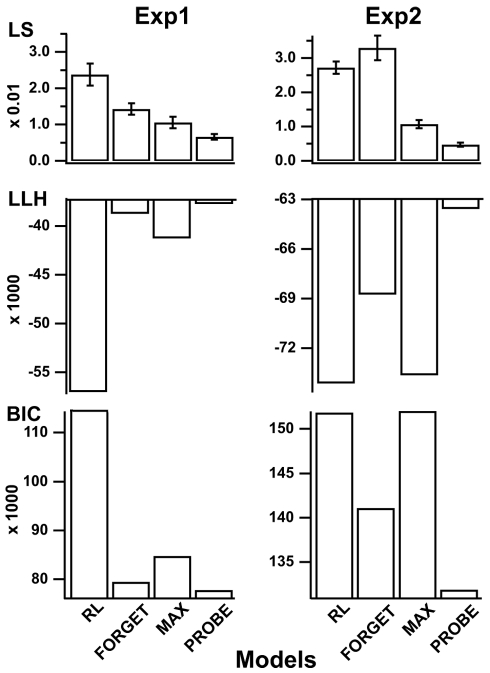
The frontal lobes subserve decision-making and executive control--that is, the selection and coordination of goal-directed behaviors. Current models of frontal executive function, however, do not explain human decision-making in everyday environments featuring uncertain, changing, and especially open-ended situations. Here, we propose a computational model of human executive function that clarifies this issue. Using behavioral experiments, we show that unlike others, the proposed model predicts human decisions and their variations across individuals in naturalistic situations. The model reveals that for driving action, the human frontal function monitors up to three/four concurrent behavioral strategies and infers online their ability to predict action outcomes: whenever one appears more reliable than unreliable, this strategy is chosen to guide the selection and learning of actions that maximize rewards. Otherwise, a new behavioral strategy is tentatively formed, partly from those stored in long-term memory, then probed, and if competitive confirmed to subsequently drive action. Thus, the human executive function has a monitoring capacity limited to three or four behavioral strategies. This limitation is compensated by the binary structure of executive control that in ambiguous and unknown situations promotes the exploration and creation of new behavioral strategies. The results support a model of human frontal function that integrates reasoning, learning, and creative abilities in the service of decision-making and adaptive behavior.
Overview
The claims and statistics of this paper haven’t been checked yet.
Free: it reads the open-access text and checks the first 5 claims that cite a source we can check. Create a free account to check every claim.
Integrity signals
Registry
Cites
Statistics
Figures



Verification
Claims the paper makes
The claims and statistics of this paper haven’t been checked yet.
Free: it reads the open-access text and checks the first 5 claims that cite a source we can check. Create a free account to check every claim.
Claims other papers make about this one
Each is checked against this paper’s own text: does it say what the citing paper says it does?
The source backs part of the claim, not all of it — or backs it for a different population, condition or comparison.
In the citing paper
“Other functions, higher-order EF, such as planning, reasoning, and problem solving, develop from these core processes [16].”
From Comparing Executive Functions in Children and Adolescents with Autism and ADHD—A Systematic Review and Meta-Analysis (2024) · cites this paper as [16]
Experimental — accuracy not yet measuredIn the citing paper
“The frontal lobe performs executive functions, such as planning and organizing, and undergoes massive changes from puberty until mid-twenties [74].”
In the citing paper
“accurately inferring one’s confidence in a task is an important indicator of whether a previous decision should be revised 17, 57, whether a subsequent step in a chain of decisions should be initiated (58), or more generally when it is advantageous to deliberate (59) or engage cognitive control (18).”
From Psychiatric Symptom Dimensions Are Associated With Dissociable Shifts in Metacognition but Not Task Performance (2018) · cites this paper as [17]
Self-check
Percentages, sums and reported differences re-computed from the paper’s own numbers.
The self-check needs the paper’s full text.
Citations
Cites
Hitch, G. (1984) · Science · doi:10.1017/s0033291700003548 · Cited by 16,233
Information theory and statistical mechanics
Jaynes, E. T. (1957) · Physical Review · doi:10.1103/physrev.106.620 · Cited by 12,931 · cited 2×
“Prior reliability lprior of the probe actor is chosen as minimizing prior information over task set reliability because no information is available to estimate it [32].”
BackgroundAn Integrative Theory of Prefrontal Cortex Function
Miller, E. K., & Cohen, J. D. (2001) · Annual Review of Neuroscience · doi:10.1146/annurev.neuro.24.1.167 · Cited by 12,803 · cited 1×
“Neuroimaging studies suggest that these internal mappings are implemented in distinct frontal regions: (1) selective mappings in lateral premotor regions, because these regions are involved in learning and processing stimulus-response associations [10,46]; (2) predictive mappings in ventromedial prefrontal regions, be…”
BackgroundRescorla, R. A. (1972) · Medical Entomology and Zoology · Cited by 9,462
Kahneman, D., & Tversky, A. (1984) · American Psychologist · doi:10.1037/0003-066x.39.4.341 · Cited by 6,544 · cited 1×
“associating stimuli, actions, and expected outcomes [1–4]).”
Models of Bounded Rationality: Empirically Grounded Economic Reason
Simon, H. A. (1997) · The MIT Press eBooks · doi:10.7551/mitpress/4711.001.0001 · Cited by 4,205 · cited 1×
“Indeed, actor selection is based on a ‘‘satisficing’’ criterion based on task set reliability [1]: either a task set appears to be reliable, in which case it becomes the actor, because no other task sets meet this criterion, or no task set appears reliable, in which case a new task set is created and serves as an acto…”
BackgroundCosts of a predictible switch between simple cognitive tasks.
Rogers, R. D., & Monsell, S. (1995) · Journal of Experimental Psychology: General · doi:10.1037/0096-3445.124.2.207 · Cited by 3,170 · cited 1×
“. Thus, we assumed that in agreement with previous studies (e.g.,”
Result(2000) · doi:10.1017/cbo9780511803475 · Cited by 2,987
Barto, A. G. (1998) · IFAC Proceedings Volumes · doi:10.1016/s1474-6670(17)38315-5 · Cited by 2,976 · cited 6×
“After observing action outcome ot, the actor selective mapping is updated based on outcome values r[o] according to standard reinforcement learning mechanisms [11] (e.”
BackgroundMethodInfluentialBoden, M. A. (2004) · doi:10.4324/9780203508527 · Cited by 2,775
Cited by
Items 301–400 of 487
An, R., Li, C., Ai, S., Wu, Y., Wang, S., Luo, X., Li, X., Xu, Y., He, H., & He, C. (2025) · BMC Nursing · doi:10.1186/s12912-025-03383-4 · Cited by 7
Ahulló-Fuster, M.-A., Sánchez-Sánchez, M. L., Varela-Donoso, E., & Ortiz, T. (2024) · PLoS ONE · doi:10.1371/journal.pone.0306478 · Cited by 6
Zhou, H., Zhang, J., Gao, J.-F., Zeng, X., Min, X., Zhan, H., Zheng, H., Hu, H.-F., Yang, Y., & Wei, S.-G. (2024) · Brain Topography · doi:10.1007/s10548-024-01062-2 · Cited by 5
Predictors of externalizing behavior outcomes following pediatric stroke
Wilson, A. D., Beribisky, N., Desrocher, M. E., Dlamini, N., Williams, T. S., & Westmacott, R. (2023) · Child Neuropsychology · doi:10.1080/09297049.2023.2185216 · Cited by 7
“These components facilitate higher order processes including problem solving and planning (Collins et al., 2012; Lunt et al., 2012).”
BackgroundBayesian Nonlinear Tensor Regression with Functional Fused Elastic Net Prior
Chen, S., He, K., He, S., Ni, Y., & Wong, R. K. W. (2023) · Technometrics · doi:10.1080/00401706.2023.2197471 · Cited by 5
“For instances, the visual cortex in human brains controls visual functions (Grill-Spector and Malach 2004) and the frontal lobe is responsible for reasoning (Collins and Koechlin 2012).”
BackgroundMombelli, S., Leitner, C., D’Este, G., Sforza, M., Marelli, S., Castelnuovo, A., Zucconi, M., Casoni, F. M., Fantini, M. L., Novellino, F., et al. (2022) · Journal of Neuropsychology · doi:10.1111/jnp.12292 · Cited by 9
Winston, J. L., Jazwinski, B. M., Corey, D. M., & Colombo, P. J. (2022) · Frontiers in Psychology · doi:10.3389/fpsyg.2021.805186 · Cited by 14
The contribution of cognition to the rehabilitation of language and communication deficits
Mohapatra, B. (2020) · International Journal of Therapy and Rehabilitation · doi:10.12968/ijtr.2019.0098 · Cited by 5
Classification of Products Preference from EEG Signals using SVM Classifier
Alnuman, N., Al-Nasser, S., & Yasin, O. (2020) · International Conferences on Information Technologies and Electrical Engineering · doi:10.1109/icitee49829.2020.9271669 · Cited by 5
“Since the frontal lobe is responsible for decision-making and executive control, this result was anticipated [24].”
BackgroundStrategies for navigating a dynamic world
Kumar, S., & Gläscher, J. P. (2020) · Science · doi:10.1126/science.abd7258 · Cited by 20
Imprecise neural computations as source of human adaptive behavior in volatile environmentsPreprint
Findling, C., Chopin, N., & Koechlin, É. (2019) · bioRxiv (Cold Spring Harbor Laboratory) · doi:10.1101/799239 · Cited by 5
Self-citationBieliński, M. K., Lesiewska, N., Junik, R., Kamińska, A., Tretyn, A., & Borkowska, A. (2019) · Current Molecular Medicine · doi:10.2174/1566524019666190424143653 · Cited by 4
Believing in one’s power: a counterfactual heuristic for goal-directed control
Chambon, V., Théro, H., Findling, C., & Koechlin, E. (2018) · bioRxiv · doi:10.1101/498675 · Cited by 5
“…the quantity of attentional resources – or whether they ask for a rethink of how individuals construe their causal power, i.e., with relatively high efficiency and sustainable computational costs (e.g., Jones and Love, 2011; Markman and Otto, 2011; Bowers and Davis, 2012; Collins & Koechlin, 2012).”
BackgroundSelf-citationSiregar, N. R., M., M., & Ilham, M. (2018) · Social, Humanities, and Educational Studies (SHEs): Conference Series · doi:10.20961/shes.v1i1.23636 · Cited by 5
“Frontal lobe (termasuk prefrontal cortex) berperan mengintegrasikan penalaran, hasil pembelajaran dan kemampuan berpikir kritis dalam pembuatan keputusan (decision making) dan perilaku adaptif (Collins & Koechlin, 2012).”
BackgroundKhalkhali, M., Golshahi, M., Hasandokht, T., Kafie, M., & Zare, R. (2018) · Advanced Biomedical Research · doi:10.4103/abr.abr_14_18 · Cited by 6
The effect of part-list cues on memory retrieval: The role of inhibition ability
Liu, T.-L., & Bai, X.-J. (2017) · doi:10.3724/sp.j.1041.2017.01158 · Cited by 5
“…Fritz & Morris, 2015; Barber, Harris, & Rajaram, 2015)。 对部分线索效应现象, 研究者提出相关理论加 以解释(Nickerson, 1984; Bäuml & Aslan, 2006; Bäuml, 2008)。首先, 有研究者提出了策略破坏假说(Basden, Basden, & Galloway, 1977; Basden & Basden, 1995; Reysen & Nairne, 2002)。该假说认为部分线索干扰 了被试在编码阶段形成的记忆策略, 导致对目标项 目回忆成绩的降低(Aslan & Bäuml,…”
Paris, J., & Patten, S. B. (2014) · The Canadian Journal of Psychiatry · doi:10.1177/070674371405900101 · Cited by 8
(2024) · doi:10.18653/v1/2024.emnlp-main.403 · Cited by 4
“For instance, while higher cognitive functions such as learning, reasoning, decision-making and creativity are primarily controlled by the frontal lobe, the neurons involved in these processes remain distinct (Collins and Koechlin, 2012).”
BackgroundLi, J., Li, Y., Wang, H., Chen, J., Li, R., & Zhang, H. (2025) · Language Learning · doi:10.1111/lang.70013 · Cited by 5
“The frontal regions have been shown critical for executive control, working memory, decision-making, and language production— processes important for successful language learning (Collins & Koechlin, 2012; Deldar et al., 2020; Firat, 2019; Funahashi, 2017; Stuss, 2011).”
Cerebellar contributions to action and cognition: Prediction, timescale, and continuity
Tsay, J. S., & Ivry, R. B. (2026) · Proceedings of the National Academy of Sciences · doi:10.1073/pnas.2524258123 · Cited by 6
Teaching strategies to enhance executive functions in early childhood education: A systematic review
Madanipour, P., Garvis, S., & Cohrssen, C. (2025) · Journal of Early Childhood Education and Research · doi:10.58955/jecer.146811 · Cited by 4
“While each has a unique definition, these three core components of executive functions work in harmony to form the foundations of higher-order thinking skills, including planning, reasoning, and problem-solving – all of which are imperative for learning (Collins & Koechlin, 2012; Lunt et al., 2012).”
Human‐Centric, Three Dimensional Micro Light‐Emitting Diodes for Cosmetic and Medical Phototherapy
Nam, K. Y., Kim, M. S., An, J., Min, S., Lee, J. H., Park, J. S., Huh, C., Yun, S. H., & Lee, K. J. (2025) · Advanced Science · doi:10.1002/advs.202416716 · Cited by 5
Latent variable sequence identification for cognitive models with neural network estimators
Pan, T.-F., Li, J., Thompson, B., & Collins, A. G. E. (2025) · Behavior Research Methods · doi:10.3758/s13428-025-02794-0 · Cited by 13
“• Weber-imprecision model (a variant of Bayesian generative model) (Findling et al., 2021) performing a stimulus-action learning task in a volatile environment (Collins & Koechlin, 2012).”
Self-citationJia, C., Wang, P., Li, Z., Li, Y.-C., Zhang, Z., Tang, N., & Yu, Y. (2024) · arXiv (Cornell University) · doi:10.48550/arxiv.2405.17039 · Cited by 4
“Unlike the auto-regressive nature of existing LLMs, Broca’s area engages in language generation under the governance of cognitive decisions (e.g. decisions from the frontal lobe [7] ), suggesting that language generation is deeply rooted in decision-making [8].”
BackgroundPsychiatric Manifestations in Children and Adolescents with Inherited Metabolic Diseases
Baglioni, V., Bozza, F., Lentini, G., Beatrice, A., Cameli, N., Cinnante, E. M. C., Terrinoni, A., Nardecchia, F., & Pisani, F. (2024) · Journal of Clinical Medicine · doi:10.3390/jcm13082190 · Cited by 4
Khorassani, Y. M., Moghimi, A., Khakzad, M. R., Fereidoni, M., Hassani, D., & Gah, J. T. (2024) · Frontiers in Neuroscience · doi:10.3389/fnins.2024.1385189 · Cited by 4
“The frontal cortex, linked to higher cognitive functions and emotional regulation, significantly influences autism-related behaviors (Collins and Koechlin, 2012; Jones and Graff-Radford, 2021; Friedman and Robbins, 2022; Mohapatra and Wagner, 2023).”
BackgroundEvaluation of executive functions in children and adolescents with obesity
Üney, E., Baykara, B., & Avcıl, S. (2024) · Applied Neuropsychology Child · doi:10.1080/21622965.2024.2312442 · Cited by 4
“…making, which is one of the fundamental cognitive processes of human behavior; and (iii) planning, which is an executive function that is defined as organizing and choosing a series of ideas and actions to accomplish a goal (Collins & Koechlin, 2012; Lezak, 2012; Suchy, 2009; Testa et al., 2012).”
High and low pitch sound stimuli effects on heart-brain coupling
von Jakitsch, C. B., Pinto, O., Pinho, T., Ribeiro, W., Pereira, R., Baltatu, O. C., & Osório, R. A. L. (2023) · Biomedical Engineering Letters · doi:10.1007/s13534-023-00340-5 · Cited by 4
“For the HRV-EEGE coherence analysis, instrumental in executive functions, decision-making, and emotional regulation [16, 33, 34], while temporal electrodes are crucial for auditory processing [18, 35 ].”
Is there a relationship between executive functions and resilience in youth elite soccer players?
Lehmann, J. (2023) · Brain and Behavior · doi:10.1002/brb3.3122 · Cited by 5
“functions such as reasoning and problem-solving (Collins & Koechlin, 2012; Lunt et al., 2012).”
Two-point discrimination responses in children with idiopathic toe walking: A feasibility fMRI study
Donne, J. H., Farrell, M. J., Kolic, J., Powell, J. A., Fahey, M. C., & Williams, C. (2022) · Science Progress · doi:10.1177/00368504221132141 · Cited by 6
“This leads to reasoning, learning, and creative abilities while making decisions and adapting behavior to the task or environment.(32) This preliminary finding of higher activation in the left frontal lobe region in children within the TD group compared to children in the ITW group, supports clinical observations and…”
BackgroundResultPandey, A. K., Ardekani, B. A., Byrne, K. N.-H., Kamarajan, C., Zhang, J., Pandey, G., Meyers, J. L., Kinreich, S., Chorlian, D. B., Kuang, W., et al. (2022) · Behavioral Sciences · doi:10.3390/bs12050121 · Cited by 6
“Higher-order EF skills, such as reasoning, planning, and problem solving are subserved by these EF component processes and are adversely affected by their deficiencies [4,5].”
BackgroundPlinko: Eliciting beliefs to build better models of statistical learning and mental model updating
DiBerardino, P. A. V., Filipowicz, A. L. S., Danckert, J. A., & Anderson, B. (2024) · British Journal of Psychology · doi:10.1111/bjop.12724 · Cited by 6
“Recent computational approaches have attempted to infer participant beliefs by modeling their behaviour (Nassar et al., 2010, 2012; O’Reilly et al., 2013; McGuire et al., 2014; Sepahvand et al., 2014; Collins and Koechlin, 2012).”
BackgroundThe Potential of a Relational Training Intervention to Improve Older Adults’ Cognition
Kelly, M. E. (2020) · Behavior Analysis in Practice · doi:10.1007/s40617-020-00415-0 · Cited by 8
Medina-Cascales, J., Alarcón, F., Díaz, A. C., & Cárdenas-Vélez, D. (2019) · SPORT TK-Revista EuroAmericana de Ciencias del Deporte · doi:10.6018/sportk.391741 · Cited by 17
“De estos componentes, se construyen las FE de orden superior, como la planificación o la solución de problemas (Collins & Koechlin, 2012; Lunt et al., 2012).”
BackgroundCognitive Neuroscience and How Students Learn: Hype or Hope
Martínez, J., & Bertone, M. S. (2019) · International journal of psychological research · doi:10.21500/20112084.4047 · Cited by 10
“In this respect, Collins and Koechlin (2012) have suggested that these domains contribute to the development of reasoning, problem solving and planning.”
BackgroundTuvey, S., Steele, J., Horton, E., Mayo, X., Liguori, G. A., Mann, S., Willinger, N., & Jiménez, A. (2019) · SportRxiv (OSF Preprints) · doi:10.31236/osf.io/4j2sa · Cited by 5
“as reasoning, problem-solving, and planning [29,30], which are important for”
BackgroundComparison of EEG signals during alert and sleep inertia states using fractal dimension
Radzi, S. S. M., Asirvadam, V. S., Hutapea, D. K. Y., & Dass, S. C. (2018) · IEEE International Colloquium on Signal Processing & Its Applications (CSPA) · doi:10.1109/cspa.2018.8368704 · Cited by 5
“Our findings may resemble previous researches that are related to frontal lobe functions, such as decision making skills [21], as evaluated in [22], where the decision making task performance in the baseline (alert condition) was better than in sleep inertia (slow-wave-sleep awakening) condition.”
ResultPredictores cognitivos de la capacidad de planificación en niños de 6 y 7 años de edad
Stelzer, F., Andrés, M. L., Juric, L. C., & Introzzi, I. M. (2025) · Revista Latinoamericana de Ciencias Sociales Niñez y Juventud · doi:10.11600/1692715x.14123050615 · Cited by 7
“…consideradas funciones ejecutivas “nucleares”, dado que sobre éstas se edifican otras funciones ejecutivas “complejas”, tales como la planificación, que incluyen las funciones ejecutivas nodales pero integran también otros procesos cognitivos no ejecutivos (Collins & Koechlin, 2012, Diamond, 2013).”
BackgroundA pilot control intention recognition method based on EEG in simulated flights
Zeng, Y., Sun, Y., Jie, Y., & Liu, X. (2025) · Biomedical Signal Processing and Control · doi:10.1016/j.bspc.2025.108739 · Cited by 6
Executive Function and Self-Injurious Thoughts and Behaviors: A Systematic Review and Meta-Analysis
Cheek, S. M., Walsh, R. F. L., Barnes, S. E., Hall, T. A. R., Sheehan, A. E., Carosa, C. L., Lindley, A. A., Velotta, S. K., & Liu, R. T. (2026) · Biological Psychiatry · doi:10.1016/j.biopsych.2026.05.010 · Cited by 4
An “Aha!” moment precedes the strategic response to a visuomotor rotation
Townsend, M., Warburton, M., Campagnoli, C., Mon-Williams, M., Mushtaq, F., & Morehead, J. (2026) · bioRxiv · doi:10.1101/2025.05.11.653302 · Cited by 3
“This abrupt shift to good performance appears counter to findings that humans tend to explore solution space upon inferring that a different solution is required (Cohen et al., 2007; Collins & Koechlin, 2012).”
Multi-model reinforcement learning with online retrospective change point detectionPreprint
Chartouny, A., Khamassi, M., & Girard, B. (2025) · bioRxiv (Cold Spring Harbor Laboratory) · doi:10.1101/2025.05.13.653727 · Cited by 3
“Nevertheless, traditional approaches to contextual inference study task changes at the whole-task level [8, 3, 14].”
InfluentialJoint Aging Patterns in Brain Function and Structure Revealed Using 27,793 Samples
Du, Y., Li, R., Xing, Y., & Calhoun, V. D. (2025) · Research · doi:10.34133/research.0887 · Cited by 3
“The frontal pole primarily oversees complex cognitive functions such as decision-making, executive control, and adaptation to changing environments [ 55 ].”
Zhao, M., Jiang, D., & Wang, J. (2025) · Cognitive Science · doi:10.1111/cogs.70073 · Cited by 3
Trinczer, I. L., & Shalev, L. (2024) · Journal of Clinical Medicine · doi:10.3390/jcm13237239 · Cited by 8
Li, J., & Collins, A. G. E. (2024) · Cognition · doi:10.1016/j.cognition.2024.105967 · Cited by 5
“…when the maximum task-set probability is less than 0.5, since a task-set probability higher than 0.5 implies that this task-set is deemed more likely than all others (Collins & Koechlin, 2012). where 𝑇𝑆 ′ 𝑡 = argmax Pr( 𝑇𝑆 ∣ 𝑐 ′ 𝑡 ; 𝑡 ) is the most likely task-set in the alternative…”
BackgroundInfluentialSelf-citationContribution of amygdala to dynamic model arbitration under uncertainty
Woo, J., Costa, V. D., Taswell, C. A., Rothenhoefer, K. M., Averbeck, B., & Soltani, A. (2024) · bioRxiv · doi:10.1101/2024.09.13.612869 · Cited by 3
“This includes arbitration between model-free vs. model-based RL 29– 32 , Pavlovian vs. instrumental control 33 , habitual vs. goal-directed system 34,35 , competing sets of strategies for solving complex stimulus-response mappings 36 , and during social decision-599 making 37–39 .”
MethodDysexecutive symptomatology in everyday functioning and academic achievement in adolescents
Pablo-Ríos, M. V., Asencio, E. N., Gordo, P. M., Gómez, R. G., Truque, C. M. P., & Moreno, L. M. G. (2024) · Frontiers in Psychology · doi:10.3389/fpsyg.2024.1323317 · Cited by 4
Investigating Perceived and Mechanical Challenge in Games Through Cognitive Activity
Hegedues, C., Constantino, J. P. D., Dixen, L., & Burelli, P. (2023) · 2023 IEEE Conference on Games (CoG) · doi:10.1109/cog57401.2023.10333149 · Cited by 3
“In this study, we used only data from the two frontal electrodes Fp1 and Fp2, since frontal lobe activity is closely connected to cognitive load and decision-making [4].”
MethodAn Improved Adaptive Human Learning Optimization Algorithm with Reasoning Learning
Zhang, P., Hu, B., Li, D., Wang, Q., & Zhou, Y. X. (2022) · Scientific Programming · doi:10.1155/2022/2272672 · Cited by 4
Interplay between rule learning and rule switching in a perceptual categorization task
Bouchacourt, F. M., Tafazoli, S., Mattar, M., Buschman, T. J., & Daw, N. (2022) · doi:10.1101/2022.01.29.478330 · Cited by 3
Lobo, J. D., Goodman, Z. T., Schmaus, J. A., Uddin, L. Q., & McIntosh, R. C. (2021) · Aging Neuropsychology and Cognition · doi:10.1080/13825585.2021.1915948 · Cited by 4
“From these domains, higher order functions can be implemented such as abstract reasoning, problem solving and planning (Collins & Koechlin, 2012; Lunt et al., 2012).”
BackgroundZagonari, F. (2019) · Higher Education Quarterly · doi:10.1111/hequ.12201 · Cited by 4
Frontal Midline Theta Reflects Cognitive Control During PlanningPreprint
Domic‐Siede, M., Irani, M., Valdés, J., Perrone‐Bertolotti, M., & Ossandón, T. (2019) · bioRxiv (Cold Spring Harbor Laboratory) · doi:10.1101/648758 · Cited by 4
“…of cognitive control core functions (Lehto et al., 2003; Miyake et al., 2000) like working memory, inhibitory control, attention, upon which higher order cognitive control functions are built such as reasoning, problem solving and cognitive planning (Collins & Koechlin, 2012; Lunt et al., 2012).”
BackgroundBrain Mechanism of Decision-making Behavior in Enterprise Employee Innovation Management
Zhong, Z.-Q. (2018) · doi:10.14704/nq.2018.16.5.1395 · Cited by 3
“…8 April 2018; Accepted: 1 May 2018 eISSN 1303-5150 www.neuroquantology.com 227 With the development of cognitive psychology and brain science (Collins and Koechlin, 2012; Mender, 2017), researchers are paying more and more attention to the characteristics of enterprise employees'…”
BackgroundTheoretically Automated Conversations: Collaborative Artistic Creativity for Autonomous Machines
López-González, M. (2018) · Human Vision and Electronic Imaging · doi:10.2352/issn.2470-1173.2018.14.hvei-531 · Cited by 3
“Strategies can be defined as “flexible mappings associating stimuli, actions, and expected outcomes” [20].”
BackgroundNeural Oscillation Correlates Chemistry Decision-Making
Huang, L.-Y., She, H., & Jung, T. (2017) · International Journal of Neural Systems · doi:10.1142/s0129065717500319 · Cited by 5
Exploiting and exploring the options
Hare, T. A. (2014) · Science · doi:10.1126/science.1256862 · Cited by 4
Cordeiro, C., Limpo, T., Olive, T., & Castro, S. L. (2019) · Reading and Writing · doi:10.1007/s11145-019-09963-6 · Cited by 102
Baumeister, F., Wolfer, P., Borrellas, E. V., Solaimani, E., Eigsti, I., & Durrleman, S. (2026) · Open Mind · doi:10.1162/opmi.a.349 · Cited by 3
“EF are particularly needed when automatic behavior is insufficient to achieve a specific goal, enabling individuals to adapt to novel situations and manage complex life challenges (Collins & Koechlin, 2012).”
Hippocampal-prefrontal orchestration supports higher-order learning for creative ideation
Zhang, Z., Li, Z., Ding, R., Wu, G., Xie, X., Wu, J., Qin, S., & Luo, J. (2025) · Nature Communications · doi:10.1038/s41467-025-67157-x · Cited by 3
“…semantic selection 61 and creative idea generation 62 — interacts with the hippocampal encoding to guide the extraction of essential exemplar information while fi ltering out irrelevant details 63 , we conducted a psychophysiological interaction (PPI) analysis using the left hippocampus as a seed.”
Schweitzer, F. M., Lindenberg, N. M., Fleischhauer, M., & Enge, S. (2025) · Journal of Intelligence · doi:10.3390/jintelligence13110142 · Cited by 3
“Subsequent work suggests, for instance, that these functions form a central part of the foundation upon which more complex, higher-order abilities such as planning, reasoning, and problem solving are built (Collins and Koechlin 2012; Diamond 2013; Schäfer et al. 2024).”
Adaptive learning via surprise gated attractor switchingPreprint
He, Q. S., Scott, D. N., Frank, M. J., Calderon, C. B., & Nassar, M. R. (2025) · bioRxiv (Cold Spring Harbor Laboratory) · doi:10.1101/2025.03.13.643078 · Cited by 2
“…that require two operations: 1) the ability to infer the latent state corresponding to the active action-outcome contingency and 2) the ability to learn appropriate policies for the active latent state (Collins & Koechlin, 2012; Eckstein & Collins, 2020; Gershman & Niv, 2010; Yu et al., 2021).”
InfluentialRecasting adaptation as strategy inferencePreprint
Beaumont, S., Khamassi, M., & Domenech, P. (2025) · bioRxiv (Cold Spring Harbor Laboratory) · doi:10.1101/2025.03.24.645064 · Cited by 2
“The latter approach involves tracking the reliability of previously encountered strategies, as in the PROBE model [5]; see also [9, 33, 34]).”
InfluentialDesarrollo de funciones ejecutivas y creatividad en educación infantil
Pascual, M. R. G., Gómez, J. L. C., Anuncibay, R. D. L. F., & Gil, L. M. U. (2025) · Revista Lasallista de Investigación · doi:10.22507/rli.v21n2a3493 · Cited by 5
Links between preschool inhibitory control and working memory and elementary school adjustment
Gagne, J. R., Chang, C., Yu, F., & Kwok, O. (2025) · Development and Psychopathology · doi:10.1017/s0954579424001895 · Cited by 2
Why learning progress needs absolute values: Comment on Poli et al. (2024)
Chartouny, A., Girard, B., & Khamassi, M. (2024) · European Journal of Neuroscience · doi:10.1111/ejn.16635 · Cited by 2
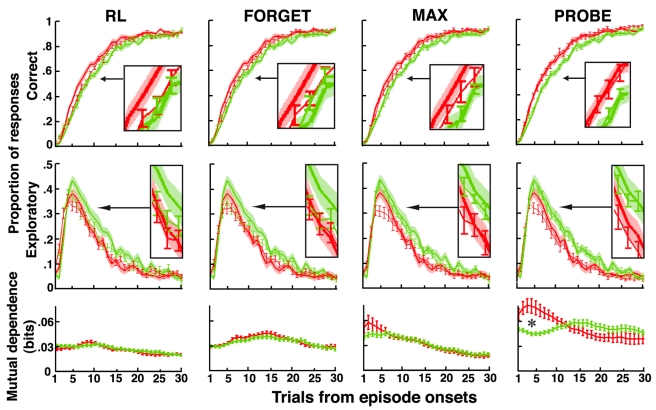
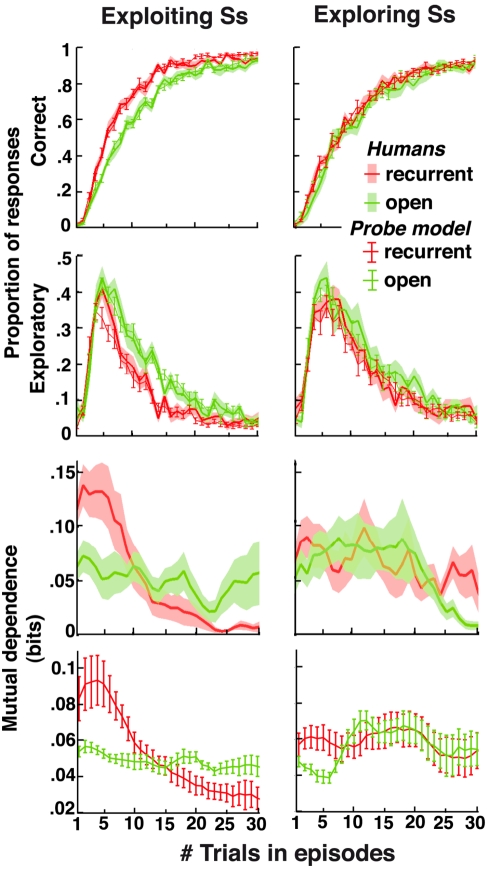
“For example, Collins and Koechlin (2012) reported that humans ’ exploratory response rates went from 5% in a stable environment to 40% three or four trials after a task change and slowly decreased back to 5% as the surprise vanished.”
Yin, K., Wu, Q., & Gai, X. (2024) · Psychology Research and Behavior Management · doi:10.2147/prbm.s461720 · Cited by 3
Nucleus accumbens dopamine release reflects Bayesian inference during instrumental learning
Qü, A. J., Tai, L.-H., Hall, C. D., Tu, E. M., Eckstein, M. K., Mishchanchuk, K., Lin, W.-C., Chase, J. B., MacAskill, A. F., Collins, A. G. E., et al. (2023) · bioRxiv · doi:10.1101/2023.11.10.566306 · Cited by 2
“In addition to comparing “pure” Bayesian and RL models, we can also examine hybrid models where Bayesian and RL processes are combined [9, 21, 22].”
Self-citationOh, S. J., Lee, N., Nam, K. R., Kang, K. J., Han, S. J., & Choi, J. Y. (2023) · Molecular Imaging and Biology · doi:10.1007/s11307-023-01825-6 · Cited by 3
Sowndhararajan, K., Kim, M., & Kim, S. (2023) · Journal of Applied Pharmaceutical Sciences · doi:10.7324/japs.2023.130103 · Cited by 2
“The prefrontal and frontal regions are involved in various cognitive functions, such as decision-making skills, problem-solving, language, memory, attention, and movements (Collins and Koechlin, 2012; Sowndhararajan and Kim, 2016).”
Porreca, A., Simonelli, A., Carli, P. D., Barone, L., Filippi, B., Rigo, P., van IJzendoorn, M. H., & Bakermans‐Kranenburg, M. J. (2022) · Trials · doi:10.1186/s13063-022-06420-8 · Cited by 2
“General executive functioning Inhibitory control represents a “lower order” component of executive functions and, together with working memory and cognitive flexibility [66, 100, 101], allows for the activity of “higher order” executive functions, such as reasoning, problem solving, and planning [66, 102, 103].”
BackgroundSaccadic eye movement metrics reflect surprise and mental model updating
Go, H., Danckert, J. A., & Anderson, B. (2022) · Attention Perception & Psychophysics · doi:10.3758/s13414-022-02512-4 · Cited by 2
“In statistical learning terms, one can create a mental model capturing the regularities of events that can be defined stochastically (Collins & Koechlin, 2012).”
BackgroundLa memoria de trabajo y su relación con el rendimiento académico en niños con bajo CI
Arens, A. C. A., & Domínguez, N. V. T. (2021) · Revista de Investigación de la Escuela de Ciencias Psicológicas · doi:10.57247/riec.vi4.73 · Cited by 2
Distinct Recovery Process of Consciousness and Cognition After Anesthesia
Chen, J., Liang, S., & Dai, J. (2021) · Neuroscience Bulletin · doi:10.1007/s12264-021-00786-6 · Cited by 2
“Second, although the frontal lobe plays an important role in many cognitive functions [3], it is hard to state that the prefrontal cortex is the first to engage during the recovery of consciousness without knowing the activity of subcortical areas, as EEG signals only partially reflect cortical activity.”
BackgroundFactors Determining Subjective Health Perception Among Middle-and Upper-Middle Aged Individuals
Hatta, T., Hatta, J., Hatta, J., Iwahara, A., Fujiwara, K., Kato, K., & Hasegawa, Y. (2022) · OBM Geriatrics · doi:10.21926/obm.geriatr.2201190 · Cited by 2
“Recent studies have reported that writing and reading are intricately related to executive functions, which are important factors of the frontal lobe functions [36, 37].”
BackgroundBitar, D., Walton, L. M., Schbley, B., Mohamed, M. E., & Adel, M. (2020) · Journal of Physical Therapy Science · doi:10.1589/jpts.32.698 · Cited by 2
The Age-related Differences in Web Information Search ProcessPreprint
Xing, Z., Yuan, X., & Vizer, L. M. (2020) · arXiv (Cornell University) · doi:10.48550/arxiv.2010.13352 · Cited by 3
“[55] attribute increased susceptibility to the decline of the source-monitoring ability.”
BackgroundThe Relation Between Mini Mental State Examination and Multiple Measures of Executive Functioning
Ghawami, H., Sabeti, A., Vaccaro, A., & Rahimi-Movaghar, V. (2020) · Acta Medica Iranica · doi:10.18502/acta.v57i9.2637 · Cited by 2
“Executive function (EF) refer to a set of higher-level cognitive processes including inhibition, working memory, cognitive flexibility (1,2), attention, reasoning, planning, problem-solving, and decision-making (3-5).”
BackgroundDigital Living 2030: A Note on Quality of Life Perspective
Ben-gal, I. (2017) · Research in Medical & Engineering Sciences · doi:10.31031/rmes.2017.02.000539 · Cited by 2
“Despite the convenience associated with technology consumption in general, and Smartphone usage more specifically, recent research works suggest that the massive usage of Smartphone’s results in various negative effects [1-5].”
BackgroundA Review of the Cognitive Neuroscience of Creativity
조수현 (2015) · 인지과학 · doi:10.19066/cogsci.2015.26.4.002 · Cited by 1
Diagnoza funkcji wykonawczych u dzieci
Józefacka-Szram, N. (2014) · Psychiatria i Psychologia Kliniczna · doi:10.15557/pipk.2014.0016 · Cited by 3
“Z wymienionych elementów zbudowa‐ ne są umiejętności wyciągania wniosków, rozwiązywania problemów czy też planowania(7).”
Connecting Context-specific Adaptation in Humans to Meta-learning
Dubey, R., Grant, E., Luo, M., Narasimhan, K., & Griffiths, T. (2020) · arXiv · doi:10.48550/arxiv.2011.13782 · Cited by 1
“Similar studies have also been undertaken with adults (Collins and Koechlin 2012; Collins and Frank 2013), demonstrating that both adults and infants use contextual cues for faster task adaptation.”
BackgroundResultNeurocomputational mechanisms underlying cognitive flexibility: a translational perspective
Bähner, F., Oh, S., Hummos, A., Sandbrink, K. J., Meyer‐Lindenberg, A., & Collins, A. G. E. (2026) · Trends in Cognitive Sciences · doi:10.1016/j.tics.2026.08.003 · Cited by 1
Self-citationChuengmeechoke, M., Satchawatee, N., & Udchachone, S. (2026) · Sustainability · doi:10.3390/su18147371 · Cited by 1
Cognitive–motor training – a narrative cornerstone review and systematic classification approach
Weike, L., Toepper, M., Voelcker‐Rehage, C., Dotson, V. M., & Reinsberger, C. (2026) · Journal of science and medicine in sport · doi:10.1016/j.jsams.2026.07.007 · Cited by 1
A neural mechanism for online discovery of latent contextsPreprint
Hummos, A., Wang, M. B., Lu, Q., Norman, K. A., & Jazayeri, M. (2026) · bioRxiv (Cold Spring Harbor Laboratory) · doi:10.64898/2026.03.31.715618 · Cited by 1
“Cognitive models capture these abilities through probabilistic inference over latent variables, highlighting context learning as a fundamental feature of adaptive behavior [1, 7, 11].”
Imre, Z., & Kibby, M. Y. (2026) · Child Neuropsychology · doi:10.1080/09297049.2026.2636210 · Cited by 1
“The remaining executive functions are more complex and build upon the core ones according to Miyake et al. (2000) and supported by others (Collins & Koechlin, 2012; Diamond, 2013; Lunt et al., 2012).”
Kaddouri, H., Salahddine, Z., El-kamia, A., & Amrani, A. E. A. E. (2026) · International Journal of Physical Education Fitness and Sports · doi:10.54392/ijpefs2612 · Cited by 1
“These processes, comprising inhibitory control, working memory, and cognitive flexibility, are fundamental to academic achievement, problem-solving, and deliberate decision-making (Collins & Koechlin, 2012; Lehto et al., 2003; Miyake et al., 2000).”
Maternal scaffolding and children's mathematical ability: A longitudinal moderated mediation study
Li, T., Hu, N., Shi, X., Zhang, J., & Cai, D. (2025) · Journal of Applied Developmental Psychology · doi:10.1016/j.appdev.2025.101907 · Cited by 1
A model-centered introduction to curiosityPreprint
Chartouny, A., Girard, B., & Khamassi, M. (2025) · bioRxiv (Cold Spring Harbor Laboratory) · doi:10.1101/2025.11.19.689250 · Cited by 1
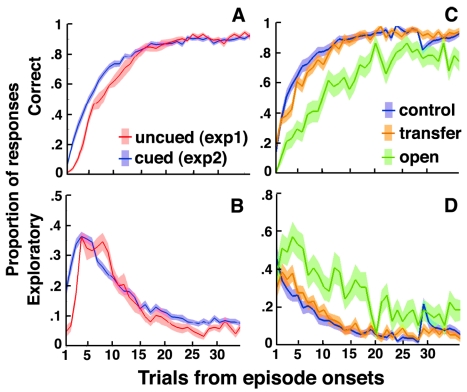
“For example, in uncued task-switching paradigms in humans, exploratory response rates increase a few trials after a change and decrease faster in recurrent tasks [84].”
Sahar, N. S., Safri, N. M., Izzuddin, T. A., Zakaria, N. A., & Kadir, N. A. A. (2025) · Neural Computing and Applications · doi:10.1007/s00521-025-11588-6 · Cited by 1
“The executive functions are primarily managed by the prefrontal cortex of the brain [14], though they involve interactions with various other brain regions.”
Executive functions in active, passive and non-procrastinators: Who thrives and who struggles?
Javid, Z. A., Nasiri, F., & Zemestani, M. (2025) · Applied Neuropsychology Adult · doi:10.1080/23279095.2025.2518570 · Cited by 1
The optimisation of functional brain network dynamics when learning to perform complex tasks
Parkin, B., Daws, R. E., Scott, G., Soreq, E., Leech, R., Hellyer, P. J., & Hampshire, A. (2025) · Neuropsychologia · doi:10.1016/j.neuropsychologia.2025.109188 · Cited by 2
Lee, N., Yang, I., & Kim, S. (2024) · Journal of Baltic Science Education · doi:10.33225/jbse/24.23.899 · Cited by 1
“…images, sustained activation occurs in the occipital lobe, whereas the cingulate cortex is known to be involved in learning and memory (Stanislav et al., 2013 (pp. 899–913) activated during complex cognitive processes such as decision-making, inference, and learning (Collins & Koechlin, 2012).”
BackgroundTimashkov, A., Zinchenko, O., & Klucharev, V. (2024) · 2024 Sixth International Conference Neurotechnologies and Neurointerfaces (CNN) · doi:10.1109/cnn63506.2024.10705845 · Cited by 1
Domic‐Siede, M., Ortiz, R., Ávalos, M., Salazar, N., Burgos, J., Rosales, C., Ramos‐Henderson, M., Véliz‐García, Ó., & Calderón, C. (2024) · Applied Neuropsychology Child · doi:10.1080/21622965.2024.2381199 · Cited by 2
Bilingual Language Experience and Executive Functions: Current State of Research
Semenova, E. Y. (2024) · Journal of Modern Foreign Psychology · doi:10.17759/jmfp.2024130205 · Cited by 1
Neural Understanding of STEM Activities
Cho, R., Zaman, M., Cho, K. T., & Hwang, J. (2024) · 2024 International Symposium on Computer Science and Educational Technology (ISCSET) · doi:10.1109/iscset58624.2024.10807951 · Cited by 1
“Prior research found that the frontal lobe focuses on decision making and adaptive skills, supporting how the frontal lobe was a critical factor in identifying STEM activities [12].”
Sato, H. R., Nieda, R., & Suzuki, H. (2024) · IEEE International Symposium on Medical Measurements and Applications (MeMeA) · doi:10.1109/memea60663.2024.10596762 · Cited by 2
“These functions enable higher-order executive functions such as reasoning, problem solving, and planning and execution[1][2].”
Background
Metadata
- Authors
- Collins, A., & Koechlin, E.
- Affiliations
- Brown University (US)
- Corresponding author
- Collins, Anne
- ORCID
- Collins, Anne
- Venue
- PLoS Biology
- Publisher
- Public Library of Science (PLoS)
- Published
- 2012-03-27
- Volume
- 10
- Issue
- 3
- Pages
- e1001293
- ISSN
- 1544-9173 (ISSN-L)
- 1545-7885
- PMC
- PMC3313946
- OpenAlex
- W2093397813
- Cited by
- 558
- References
- 64
- Citations by year
- 2026: 24 · 2025: 45 · 2024: 47 · 2023: 47 · 2022: 66 · 2021: 69 · 2020: 58 · 2019: 47 · 2018: 39 · 2017: 29 · 2016: 24 · 2015: 25 · 2014: 19 · 2013: 14 · 2012: 5
- FWCI
- 10.33
- Type
- journal article
- Language
- en
- Open access
- gold
- doi.org
- Locations
- PLoS Biology (publishedVersion, cc-by)
- Europe PMC (PubMed Central) (publishedVersion, cc-by)
- PubMed Central (publishedVersion, cc-by)
- PubMed (publishedVersion)
- HAL (submittedVersion, other-oa)
- DOAJ (DOAJ: Directory of Open Access Journals) (submittedVersion, cc-by-sa)
- Figshare (submittedVersion, cc-by)
- Funders
- FP7 Ideas: European Research Council (250106)
- Topics
- Life Sciences › Neuroscience › Cognitive Neuroscience › Neural and Behavioral Psychology Studies
- Social Sciences › Decision Sciences › General Decision Sciences › Decision-Making and Behavioral Economics
- Social Sciences › Psychology › Experimental and Cognitive Psychology › Cognitive Functions and Memory
- Keywords
- frontal lobe function, executive function, decision-making, behavioral strategies, strategy monitoring, exploration, creativity, reasoning, learning, reward maximization, individual differences, naturalistic decision making, adaptive behavior
- MeSH terms
- Adaptation, Psychological, Behavior, Cognition, Creativity, Cues, Decision Making, Frontal Lobe, Humans, Individuality, Learning, Models, Neurological, Computational Biology, Executive Function
About these checks
Registry, retraction, Cites and statistics results are computed, not judged, with one exception: a printed reference that no index lists is read once by a model before it counts as a citation error. Claims are extracted by a model and kept only when their quote appears verbatim in the text; each cited source is then checked, with a model’s help, for whether it says what the claim relies on. Those verdicts can be wrong — read the claim’s quote and the cited source before relying on one.
Statistics and arithmetic are recomputed, not judged.
Confidence bands are shown only for fields calibrated on our annotated test set. None is calibrated yet, so no band is shown.
What counts as a claim ›How we measure confidence ›How we check this ›
Are you an author, or do you see a problem with this page? Request a review
Data sources
Bibliographic data: Semantic Scholar, OpenAlex, Crossref.
Contains information from the Semantic Scholar Academic Graph Datasets, made available under the ODC Attribution License (ODC-BY 1.0).
Semantic Scholar’s data is described in: Kinney, R., et al. (2023). The Semantic Scholar Open Data Platform. arXiv:2301.10140.
