

A Comprehensive Map of Mobile Element Insertion Polymorphisms in Humans
Open accessThe DOI matches its Crossref record; 76 of the 78 references it cites were found in a registry or an index.
Abstract
As a consequence of the accumulation of insertion events over evolutionary time, mobile elements now comprise nearly half of the human genome. The Alu, L1, and SVA mobile element families are still duplicating, generating variation between individual genomes. Mobile element insertions (MEI) have been identified as causes for genetic diseases, including hemophilia, neurofibromatosis, and various cancers. Here we present a comprehensive map of 7,380 MEI polymorphisms from the 1000 Genomes Project whole-genome sequencing data of 185 samples in three major populations detected with two detection methods. This catalog enables us to systematically study mutation rates, population segregation, genomic distribution, and functional properties of MEI polymorphisms and to compare MEI to SNP variation from the same individuals. Population allele frequencies of MEI and SNPs are described, broadly, by the same neutral ancestral processes despite vastly different mutation mechanisms and rates, except in coding regions where MEI are virtually absent, presumably due to strong negative selection. A direct comparison of MEI and SNP diversity levels suggests a differential mobile element insertion rate among populations.
Overview
The claims and statistics of this paper haven’t been checked yet.
Free: it reads the open-access text and checks the first 5 claims that cite a source we can check. Create a free account to check every claim.
Integrity signals
Registry
Cites
Statistics
Figures




Verification
Claims the paper makes
The claims and statistics of this paper haven’t been checked yet.
Free: it reads the open-access text and checks the first 5 claims that cite a source we can check. Create a free account to check every claim.
Claims other papers make about this one
Each is checked against this paper’s own text: does it say what the citing paper says it does?
The source backs part of the claim, not all of it — or backs it for a different population, condition or comparison.
In the citing paper
“Most germline KNR insertions (~75%) are present in a single copy per cell as well, since most are in the heterozygous state in individuals of the population.”
From Resolving rates of mutation in the brain using single-neuron genomics (2016) · cites this paper as Stewart et al., 2011
Experimental — accuracy not yet measuredIn the citing paper
“This shows that most KNR insertions in an individual are heterozygous and present in a single copy per cell.”
From Resolving rates of mutation in the brain using single-neuron genomics (2016) · cites this paper as Stewart et al., 2011
Self-check
Percentages, sums and reported differences re-computed from the paper’s own numbers.
The self-check needs the paper’s full text.
Citations
Cites
The Art of Computer Programming
Knuth, D. E. (1968) · Cited by 16,337
Statistical method for testing the neutral mutation hypothesis by DNA polymorphism.
Tajima, F. (1989) · Genetics · doi:10.1093/genetics/123.3.585 · Cited by 13,941
<tt>BLAT</tt> —The <tt>BLAST</tt> -Like Alignment Tool
Kent, W. J. (2002) · Genome Research · doi:10.1101/gr.229202 · Cited by 8,480 · cited 3×
“We then used BLAT [49] to map assembled contigs back to the build 36.3 human reference to identify the boundaries of the inserted sequence.”
MethodInfluentialBase-Calling of Automated Sequencer Traces Using Phred. I. Accuracy Assessment
Ewing, B., Hillier, L., Wendl, M. C., & Green, P. (1998) · Genome Research · doi:10.1101/gr.8.3.175 · Cited by 6,967
Base-Calling of Automated Sequencer Traces Using Phred. II. Error Probabilities
Ewing, B., & Green, P. (1998) · Genome Research · doi:10.1101/gr.8.3.186 · Cited by 5,439 · cited 1×
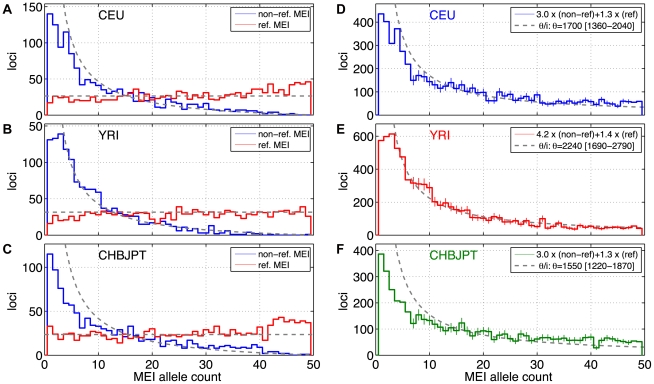
“The allele count spectra were compared to the standard neutral model”
MethodPrinciples of Population Genetics.
Cormack, R. M., Hartl, D. L., & Clark, A. G. (1990) · Biometrics · doi:10.2307/2531471 · Cited by 5,242
Global variation in copy number in the human genome
Redon, R., Ishikawa, S., Fitch, K. R., Feuk, L., Perry, G. H., Andrews, T. D., Fiegler, H., Shapero, M. H., Carson, A. R., Chen, W., et al. (2006) · Nature · doi:10.1038/nature05329 · Cited by 4,288
On the number of segregating sites in genetical models without recombination
Watterson, G. A. (1975) · Theoretical Population Biology · doi:10.1016/0040-5809(75)90020-9 · Cited by 3,915
Evolutionary Rate at the Molecular Level
KIMURA, M. (1968) · Nature · doi:10.1038/217624a0 · Cited by 3,737
Accurate whole human genome sequencing using reversible terminator chemistry
Bentley, D. R., Balasubramanian, S., Swerdlow, H. P., Smith, G. P., Milton, J., Brown, C. G., Hall, K. P., Evers, D. J., Barnes, C. L., Bignell, H. R., et al. (2008) · Nature · doi:10.1038/nature07517 · Cited by 3,684
Research works printed but not linked: 1
- 2010, Towards a comprehensive map of human sequence variation., Nature
Cited by
An integrated map of structural variation in 2,504 human genomes
Sudmant, P. H., Rausch, T., Gardner, E. J., Handsaker, R. E., Abyzov, A., Huddleston, J., Zhang, Y., Ye, K., Jun, G., Hsi-Yang Fritz, M., et al. (2015) · Nature · doi:10.1038/nature15394 · Cited by 2,354
Self-citationPersonal omics profiling reveals dynamic molecular and medical phenotypes
Chen, R., Mias, G. I., Li-Pook-Than, J., Jiang, L., Lam, H. Y. K., Chen, R., Miriami, E., Karczewski, K. J., Hariharan, M., Dewey, F. E., et al. (2012) · Cell · doi:10.1016/j.cell.2012.02.009 · Cited by 1,291
Self-citationMapping copy number variation by population-scale genome sequencing
1000 Genomes Project, Mills, R. E., Walter, K., Stewart, C., Handsaker, R. E., Chen, K., Alkan, C., Abyzov, A., Yoon, S. C., Ye, K., et al. (2011) · Nature · doi:10.1038/nature09708 · Cited by 1,140
Self-citationResolving the complexity of the human genome using single-molecule sequencing
Chaisson, M. J. P., Huddleston, J., Dennis, M. Y., Sudmant, P. H., Malig, M., Hormozdiari, F., Antonacci, F., Surti, U., Sandstrom, R., Boitano, M., et al. (2015) · Nature · doi:10.1038/nature13907 · Cited by 783
Landscape of Somatic Retrotransposition in Human Cancers
Lee, E., Iskow, R., Yang, L., Gokcumen, O., Haseley, P., Luquette, L. J., Lohr, J. G., Harris, C. C., Ding, L., Wilson, R. K., et al. (2012) · Science · doi:10.1126/science.1222077 · Cited by 762
Deininger, P. (2011) · Genome Biology · doi:10.1186/gb-2011-12-12-236 · Cited by 651
Bazak, L., Haviv, A., Barak, M., Jacob-Hirsch, J., Deng, P., Zhang, R., Isaacs, F. J., Rechavi, G., Li, J. B., Eisenberg, E., et al. (2014) · Genome Research · doi:10.1101/gr.164749.113 · Cited by 610
Active human retrotransposons: variation and disease
Hancks, D. C., & Kazazian, H. H. (2012) · Current Opinion in Genetics & Development · doi:10.1016/j.gde.2012.02.006 · Cited by 592
“, 1000 genomes project [85,86,104,105]) it becomes possible to update previous estimates of germline retrotransposition frequencies (L1 ~1/100, Alu ~1/20, and SVA ~1/916) [100,103,126,127,128] and the number of insertions within the human population (3,000–10,000 L1 insertions with gene frequencies >.”
BackgroundTransposable elements in cancer
Burns, K. H. (2017) · Nature Reviews Cancer · doi:10.1038/nrc.2017.35 · Cited by 572
Single-Neuron Sequencing Analysis of L1 Retrotransposition and Somatic Mutation in the Human Brain
Evrony, G. D., Cai, X., Lee, E., Hills, L. B., Elhosary, P. C., Lehmann, H. S., Parker, J. J., Atabay, K. D., Gilmore, E. C., Poduri, A., et al. (2012) · Cell · doi:10.1016/j.cell.2012.09.035 · Cited by 548
Active Transposition in Genomes
Huang, C. R. L., Burns, K. H., & Boeke, J. D. (2012) · Annual Review of Genetics · doi:10.1146/annurev-genet-110711-155616 · Cited by 415
Extensive transduction of nonrepetitive DNA mediated by L1 retrotransposition in cancer genomes
Tubio, J. M. C., Li, Y., Ju, Y. S., Martincorena, I., Cooke, S. L., Tojo, M., Gundem, G., Pipinikas, C. P., Zamora, J., Raine, K., et al. (2014) · Science · doi:10.1126/science.1251343 · Cited by 412
SVIM: structural variant identification using mapped long reads
Heller, D., & Vingron, M. (2019) · Bioinformatics · doi:10.1093/bioinformatics/btz041 · Cited by 372
Discovery and genotyping of structural variation from long-read haploid genome sequence data
Huddleston, J., Chaisson, M. J. P., Steinberg, K. M., Warren, W., Hoekzema, K., Gordon, D., Graves-Lindsay, T. A., Munson, K. M., Kronenberg, Z. N., Vives, L., et al. (2017) · Genome Research · doi:10.1101/gr.214007.116 · Cited by 376
The Mobile Element Locator Tool (MELT): population-scale mobile element discovery and biology
Gardner, E. J., Lam, V. K., Harris, D. N., Chuang, N. T., Scott, E. C., Pittard, W. S., Mills, R. E., The 1000 Genomes Project Consortium, & Devine, S. E. (2017) · Genome Research · doi:10.1101/gr.218032.116 · Cited by 367
Transposable elements in human genetic disease
Payer, L. M., & Burns, K. H. (2019) · Nature Reviews Genetics · doi:10.1038/s41576-019-0165-8 · Cited by 355
The impact of transposable elements in adaptive evolution
Schrader, L., & Schmitz, J. (2019) · Molecular Ecology · doi:10.1111/mec.14794 · Cited by 338
A hot L1 retrotransposon evades somatic repression and initiates human colorectal cancer
Scott, E. C., Gardner, E. J., Masood, A., Chuang, N. T., Vertino, P. M., & Devine, S. E. (2016) · Genome Research · doi:10.1101/gr.201814.115 · Cited by 297
Burns, K. H., & Boeke, J. D. (2012) · Cell · doi:10.1016/j.cell.2012.04.019 · Cited by 293
MOSAIK: A Hash-Based Algorithm for Accurate Next-Generation Sequencing Short-Read Mapping
Lee, W.-P., Stromberg, M. P., Ward, A., Stewart, C., Garrison, E. P., & Marth, G. T. (2014) · PLoS ONE · doi:10.1371/journal.pone.0090581 · Cited by 279
Self-citationDiscovery of unfixed endogenous retrovirus insertions in diverse human populations
Wildschutte, J. H., Williams, Z. H., Montesion, M., Subramanian, R. P., Kidd, J. M., & Coffin, J. M. (2016) · Proceedings of the National Academy of Sciences · doi:10.1073/pnas.1602336113 · Cited by 278
Properties and rates of germline mutations in humans
Campbell, C. D., & Eichler, E. E. (2013) · Trends in Genetics · doi:10.1016/j.tig.2013.04.005 · Cited by 275
Extensive somatic L1 retrotransposition in colorectal tumors
Solyom, S., Ewing, A. D., Rahrmann, E. P., Doucet, T., Nelson, H. H., Burns, M. B., Harris, R. S., Sigmon, D. F., Casella, A., Erlanger, B., et al. (2012) · Genome Research · doi:10.1101/gr.145235.112 · Cited by 273
Mobile DNA elements in the generation of diversity and complexity in the brain
Erwin, J. A., Marchetto, M. C., & Gage, F. H. (2014) · Nature Reviews Neuroscience · doi:10.1038/nrn3730 · Cited by 264
McConnell, M. J., Moran, J. V., Abyzov, A., Akbarian, S., Bae, T., Cortes-Ciriano, I., Erwin, J. A., Fasching, L., Flasch, D. A., Freed, D., et al. (2017) · Science · doi:10.1126/science.aal1641 · Cited by 262
“Because neurons are among the longest-lived cells in the body, the accumulation of somatic mutations (i.e., SNVs, indels, structural variants, andMEIs)withinNPCs, or perhaps postmitotic neurons (18), could influence neuronal development, complexity, and function (19, 20).”
BackgroundInfluentialSelf-citationThe genomic landscape of polymorphic human nuclear mitochondrial insertions
Dayama, G., Emery, S. B., Kidd, J. M., & Mills, R. E. (2014) · Nucleic Acids Research · doi:10.1093/nar/gku1038 · Cited by 241
Somatic retrotransposition in human cancer revealed by whole-genome and exome sequencing
Helman, E., Lawrence, M. S., Stewart, C., Sougnez, C., Getz, G., & Meyerson, M. (2014) · Genome Research · doi:10.1101/gr.163659.113 · Cited by 240
“…data from 10 other previous studies reporting germline retrotransposon insertions (Xing et al. 2009; Beck et al. 2010; Ewing and Kazazian 2010, 2011; Hormozdiari et al. 2010; Huang et al. 2010; Iskow et al. 2010; Witherspoon et al. 2010; Stewart et al. 2011; Burns and Boeke 2012; Lee et al. 2012).”
BackgroundResultInfluentialSelf-citationTransposable Elements Re-Wire and Fine-Tune the Transcriptome
Cowley, M., & Oakey, R. J. (2013) · PLoS Genetics · doi:10.1371/journal.pgen.1003234 · Cited by 198
Nanopore Sequencing Enables Comprehensive Transposable Element Epigenomic Profiling
Ewing, A. D., Smits, N., Sanchez-Luque, F. J., Faivre, J., Brennan, P. M., Richardson, S. R., Cheetham, S. W., & Faulkner, G. J. (2020) · Molecular Cell · doi:10.1016/j.molcel.2020.10.024 · Cited by 192
RetroSeq: transposable element discovery from next-generation sequencing data
Keane, T. M., Wong, K., & Adams, D. J. (2013) · Bioinformatics · doi:10.1093/bioinformatics/bts697 · Cited by 193
SQuIRE reveals locus-specific regulation of interspersed repeat expression
Yang, W. R., Ardeljan, D., Pacyna, C. N., Payer, L. M., & Burns, K. H. (2019) · Nucleic Acids Research · doi:10.1093/nar/gky1301 · Cited by 187
Philippe, C., Vargas-Landin, D. B., Doucet, A. J., van Essen, D., Vera-Otarola, J., Kuciak, M., Corbin, A., Nigumann, P., & Cristofari, G. (2016) · eLife · doi:10.7554/elife.13926 · Cited by 179
A decade of structural variants: description, history and methods to detect structural variation
Escaramís, G., Docampo, E., & Rabionet, R. (2015) · Briefings in Functional Genomics · doi:10.1093/bfgp/elv014 · Cited by 169
Bragg, D. C., Mangkalaphiban, K., Vaine, C. A., Kulkarni, N. J., Shin, D., Yadav, R., Dhakal, J., Ton, M.-L., Cheng, A., Russo, C. T., et al. (2017) · Proceedings of the National Academy of Sciences · doi:10.1073/pnas.1712526114 · Cited by 168
Using ERDS to Infer Copy-Number Variants in High-Coverage Genomes
Zhu, M., Need, A. C., Han, Y., Ge, D., Maia, J. M., Zhu, Q., Heinzen, E. L., Cirulli, E. T., Pelak, K., He, M., et al. (2012) · The American Journal of Human Genetics · doi:10.1016/j.ajhg.2012.07.004 · Cited by 164
Resolving rates of mutation in the brain using single-neuron genomics
Evrony, G. D., Lee, E., Park, P. J., & Walsh, C. A. (2016) · eLife · doi:10.7554/elife.12966 · Cited by 163
Impacts of Variation in the Human Genome on Gene Regulation
Haraksingh, R. R., & Snyder, M. P. (2013) · Journal of Molecular Biology · doi:10.1016/j.jmb.2013.07.015 · Cited by 162
Self-citationLINE-1 Evasion of Epigenetic Repression in Humans
Sanchez-Luque, F. J., Kempen, M.-J. H. C., Gerdes, P., Vargas-Landin, D. B., Richardson, S. R., Troskie, R.-L., Jesuadian, J. S., Cheetham, S. W., Carreira, P. E., Salvador-Palomeque, C., et al. (2019) · Molecular Cell · doi:10.1016/j.molcel.2019.05.024 · Cited by 161
PBHoney: identifying genomic variants via long-read discordance and interrupted mapping
English, A. C., Salerno, W. J., & Reid, J. G. (2014) · BMC Bioinformatics · doi:10.1186/1471-2105-15-180 · Cited by 156
ALU ternative Regulation for Gene Expression
Chen, L., & Yang, L. C. (2017) · Trends in Cell Biology · doi:10.1016/j.tcb.2017.01.002 · Cited by 168
Assessing structural variation in a personal genome—towards a human reference diploid genome
English, A. C., Salerno, W. J., Hampton, O. A., Gonzaga-Jauregui, C., Ambreth, S., Ritter, D. I., Beck, C. R., Davis, C. F., Dahdouli, M., Ma, S., et al. (2015) · BMC Genomics · doi:10.1186/s12864-015-1479-3 · Cited by 153
Response of transposable elements to environmental stressors
Miousse, I. R., Chalbot, M.-C. G., Lumen, A., Ferguson, A., Kavouras, I. G., & Koturbash, I. (2015) · Mutation Research/Reviews in Mutation Research · doi:10.1016/j.mrrev.2015.05.003 · Cited by 148
Transposable element detection from whole genome sequence data
Ewing, A. D. (2015) · Mobile DNA · doi:10.1186/s13100-015-0055-3 · Cited by 155
Retroelements in human disease
Kaer, K., & Speek, M. (2013) · Gene · doi:10.1016/j.gene.2013.01.008 · Cited by 164
Our Conflict with Transposable Elements and Its Implications for Human Disease
Burns, K. H. (2020) · Annual Review of Pathology: Mechanisms of Disease · doi:10.1146/annurev-pathmechdis-012419-032633 · Cited by 137
Structural variants caused by Alu insertions are associated with risks for many human diseases
Payer, L. M., Steranka, J. P., Yang, W. R., Kryatova, M., Medabalimi, S., Ardeljan, D., Liu, C., Boeke, J. D., Avramopoulos, D., & Burns, K. H. (2017) · Proceedings of the National Academy of Sciences · doi:10.1073/pnas.1704117114 · Cited by 132
Characteristics of de novo structural changes in the human genome
Kloosterman, W. P., Francioli, L. C., Hormozdiari, F., Marschall, T., Hehir-Kwa, J. Y., Abdellaoui, A., Lameijer, E.-W., Moed, M. H., Koval, V., Renkens, I., et al. (2015) · Genome Research · doi:10.1101/gr.185041.114 · Cited by 126
Widespread somatic L1 retrotransposition occurs early during gastrointestinal cancer evolution
Ewing, A. D., Gacita, A. M., Wood, L. D., Ma, F., Xing, D., Kim, M., Manda, S. S., Abril, G., Pereira, G., Makohon-Moore, A. P., et al. (2015) · Genome Research · doi:10.1101/gr.196238.115 · Cited by 141
Linheiro, R. S., & Bergman, C. (2012) · PLoS ONE · doi:10.1371/journal.pone.0030008 · Cited by 135
Alu elements: an intrinsic source of human genome instability
Ade, C., Roy-Engel, A. M., & Deininger, P. L. (2013) · Current Opinion in Virology · doi:10.1016/j.coviro.2013.09.002 · Cited by 119
Diseases of the nERVous system: retrotransposon activity in neurodegenerative disease
Tam, O. H., Ostrow, L. W., & Hammell, M. (2019) · Mobile DNA · doi:10.1186/s13100-019-0176-1 · Cited by 135
Mosaicism in Human Health and Disease
Thorpe, J., Osei‐Owusu, I., Avigdor, B. E., Tupler, R. G., & Pevsner, J. (2020) · Annual Review of Genetics · doi:10.1146/annurev-genet-041720-093403 · Cited by 132
Mobster: accurate detection of mobile element insertions in next generation sequencing data
Thung, D. T., de Ligt, J., Vissers, L. E. L. M., Steehouwer, M., Kroon, M., de Vries, P., Slagboom, P. E., Ye, K., Veltman, J. A., & Hehir‐Kwa, J. Y. (2014) · Genome biology · doi:10.1186/s13059-014-0488-x · Cited by 116
Tang, Z., Steranka, J. P., Ma, S., Grivainis, M., Rodić, N., Huang, C. R. L., Shih, I.-M., Wang, T.-L., Boeke, J. D., Fenyö, D., et al. (2017) · Proceedings of the National Academy of Sciences · doi:10.1073/pnas.1619797114 · Cited by 103
Mobile elements in the human genome: implications for disease
Solyom, S., & Kazazian, H. H. (2012) · Genome Medicine · doi:10.1186/gm311 · Cited by 97
Genomic DNA transposition induced by human PGBD5
Henssen, A. G., Hénaff, E., Jiang, E., Eisenberg, A., Carson, J., Villasante, C. M., Ray, M., Still, E., Burns, M., Gandara, J. A., et al. (2015) · eLife · doi:10.7554/elife.10565 · Cited by 103
TIGRA: A targeted iterative graph routing assembler for breakpoint assembly
Chen, K., Chen, L., Fan, X., Wallis, J., Ding, L., & Weinstock, G. (2014) · Genome Research · doi:10.1101/gr.162883.113 · Cited by 90
Transposable element-mediated rearrangements are prevalent in human genomes
Balachandran, P., Walawalkar, I. A., Flores, J. I., Dayton, J. N., Audano, P. A., & Beck, C. R. (2022) · Nature Communications · doi:10.1038/s41467-022-34810-8 · Cited by 97
Primate genome architecture influences structural variation mechanisms and functional consequences
Gökçümen, Ö., Tischler, V., Tica, J., Zhu, Q., Iskow, R. C., Lee, E., Fritz, M. H.-Y., Langdon, A. E., Stütz, A. M., Pavlidis, P., et al. (2013) · Proceedings of the National Academy of Sciences · doi:10.1073/pnas.1305904110 · Cited by 83
Self-citationVogt, J. A., Bengesser, K., Claes, K., Wimmer, K., Mautner, V., van Minkelen, R., Legius, E., Brems, H., Upadhyaya, M., Högel, J., et al. (2014) · Genome biology · doi:10.1186/gb-2014-15-6-r80 · Cited by 92
L1 retrotransposition in the soma: a field jumping ahead
Faulkner, G. J., & Billon, V. (2018) · Mobile DNA · doi:10.1186/s13100-018-0128-1 · Cited by 79
Making the difference: integrating structural variation detection tools
Lin, K., Smit, S., Bonnema, G., Sanchez‐Perez, G. F., & de Ridder, D. (2014) · Briefings in Bioinformatics · doi:10.1093/bib/bbu047 · Cited by 85
Stritt, C., Gordon, S., Wicker, T., Vogel, J. P., & Roulin, A. C. (2017) · Genome Biology and Evolution · doi:10.1093/gbe/evx276 · Cited by 76
Fiston-Lavier, A.-S., Barrón, M. G., Petrov, D. A., & González, J. (2014) · Nucleic Acids Research · doi:10.1093/nar/gku1250 · Cited by 76
Transposable element polymorphisms recapitulate human evolution
Rishishwar, L., Villa, C. E. T., & Jordan, I. K. (2015) · Mobile DNA · doi:10.1186/s13100-015-0052-6 · Cited by 78
Retrotransposition and Crystal Structure of an Alu RNP in the Ribosome-Stalling Conformation
Ahl, V., Keller, H., Schmidt, S., & Weichenrieder, O. (2015) · Molecular Cell · doi:10.1016/j.molcel.2015.10.003 · Cited by 83
Widespread somatic L1 retrotransposition in normal colorectal epithelium
Nam, C. H., Youk, J., Kim, J. Y., Lim, J., Park, J. W., Oh, S. A., Lee, H. J., Park, J. W., Won, H., Lee, Y., et al. (2023) · Nature · doi:10.1038/s41586-023-06046-z · Cited by 73
Tang, W., Mun, S., Joshi, A., Han, K., & Liang, P. (2018) · DNA Research · doi:10.1093/dnares/dsy022 · Cited by 79
Konkel, M. K., Walker, J. A., Hotard, A. B., Ranck, M. C., Fontenot, C. C., Storer, J. M., Stewart, C., Marth, G., & Batzer, M. A. (2015) · Genome Biology and Evolution · doi:10.1093/gbe/evv167 · Cited by 80
Self-citationTransposable Elements: No More 'Junk DNA'
Kim, Y., Lee, J., & Han, K. (2012) · Genomics & Informatics · doi:10.5808/gi.2012.10.4.226 · Cited by 76
Jacob‐Hirsch, J., Eyal, E., Knisbacher, B. A., Roth, J. F., Cesarkas, K., Dor, C., Barhom, S. F., Kunik, V., Simon, A. J., Gal, M., et al. (2018) · Cell Research · doi:10.1038/cr.2018.8 · Cited by 74
Diversity and consequences of structural variation in the human genome
Collins, R. L., & Talkowski, M. E. (2025) · Nature Reviews Genetics · doi:10.1038/s41576-024-00808-9 · Cited by 102
euL1db: the European database of L1HS retrotransposon insertions in humans
Mir, A. A., Philippe, C., & Cristofari, G. (2015) · Nucleic Acids Research · doi:10.1093/nar/gku1043 · Cited by 62
Rates and patterns of great ape retrotransposition
Hormozdiari, F., Konkel, M. K., Prado-Martinez, J., Chiatante, G., Hernando-Herraez, I., Walker, J. A., Nelson, B., Alkan, C., Sudmant, P. H., Huddleston, J., et al. (2013) · Proceedings of the National Academy of Sciences · doi:10.1073/pnas.1310914110 · Cited by 70
Self-citationRole of Transposable Elements in Gene Regulation in the Human Genome
Ali, A., Han, K., & Liang, P. (2021) · Life · doi:10.3390/life11020118 · Cited by 82
MindTheGap: integrated detection and assembly of short and long insertions
Rizk, G., Gouin, A., Chikhi, R., & Lemaitre, C. (2014) · Bioinformatics · doi:10.1093/bioinformatics/btu545 · Cited by 60
Nazaryan‐Petersen, L., Bertelsen, B., Bak, M., Jønson, L., Tommerup, N., Hancks, D. C., & Tümer, Z. (2016) · Human Mutation · doi:10.1002/humu.22953 · Cited by 63
A benchmark of transposon insertion detection tools using real data
Vendrell‐Mir, P., Barteri, F., Merenciano, M., González, J., Casacuberta, J., & Castanera, R. (2019) · Mobile DNA · doi:10.1186/s13100-019-0197-9 · Cited by 63
An open resource of structural variation for medical and population geneticsPreprint
Collins, R. L., Brand, H., Karczewski, K. J., Zhao, X., Alföldi, J., Francioli, L. C., Khera, A. V., Lowther, C., Gauthier, L. D., Wang, H., et al. (2019) · bioRxiv (Cold Spring Harbor Laboratory) · doi:10.1101/578674 · Cited by 77
Tangram: a comprehensive toolbox for mobile element insertion detection
Wu, J., Lee, W.-P., Ward, A. N., Walker, J. A., Konkel, M. K., Batzer, M. A., & Marth, G. (2014) · BMC Genomics · doi:10.1186/1471-2164-15-795 · Cited by 64
Self-citationContribution of retrotransposition to developmental disorders
Gardner, E. J., Prigmore, E., Gallone, G., Danecek, P., Samocha, K. E., Handsaker, J., Gerety, S. S., Ironfield, H., Short, P., Sifrim, A., et al. (2019) · Nature Communications · doi:10.1038/s41467-019-12520-y · Cited by 58
Witherspoon, D. J., Zhang, Y., Xing, J., Watkins, W. S., Ha, H., Batzer, M. A., & Jorde, L. B. (2013) · Genome Research · doi:10.1101/gr.148973.112 · Cited by 58
Self-citationAbyzov, A. S., Iskow, R. C., Gökçümen, Ö., Radke, D. W., Balasubramanian, S., Pei, B., Habegger, L., Lee, C., & Gerstein, M. (2013) · Genome Research · doi:10.1101/gr.154625.113 · Cited by 61
van der Klift, H. M., Tops, C. M. J., Hes, F. J., Devilee, P., & Wijnen, J. (2012) · Human Mutation · doi:10.1002/humu.22092 · Cited by 55
Mobile element biology: new possibilities with high-throughput sequencing
Xing, J., Witherspoon, D. J., & Jorde, L. B. (2013) · Trends in Genetics · doi:10.1016/j.tig.2012.12.002 · Cited by 53
Self-citationTransposable elements and psychiatric disorders
Guffanti, G., Gaudi, S., Fallon, J. H., Sobell, J. L., Potkin, S. G., Pato, C. N., & Macciardi, F. M. (2014) · American Journal of Medical Genetics Part B Neuropsychiatric Genetics · doi:10.1002/ajmg.b.32225 · Cited by 57
Mechanisms of Formation of Structural Variation in a Fully Sequenced Human Genome
Pang, A. W. C., Migita, O., MacDonald, J. R., Feuk, L., & Scherer, S. W. (2012) · Human Mutation · doi:10.1002/humu.22240 · Cited by 63
Lee, Y. C. G., Ogiyama, Y., Martins, N. M. C., Beliveau, B. J., Acevedo, D., Wu, C.-T., Cavalli, G., & Karpen, G. H. (2020) · PLoS Genetics · doi:10.1371/journal.pgen.1008673 · Cited by 49
Grandi, F. C., Rosser, J. M., Newkirk, S. J., Yin, J., Jiang, X., Xing, Z., Whitmore, L., Bashir, S., Ivics, Z., Izsvák, Z., et al. (2015) · Genome Research · doi:10.1101/gr.185132.114 · Cited by 47
Contribution of unfixed transposable element insertions to human regulatory variation
Goubert, C., Zevallos, N. A., & Feschotte, C. (2020) · Philosophical Transactions of the Royal Society B Biological Sciences · doi:10.1098/rstb.2019.0331 · Cited by 50
X-Linked Dystonia-Parkinsonism: recent advances
Bragg, D. C., Sharma, N., & Ozelius, L. J. (2019) · Current Opinion in Neurology · doi:10.1097/wco.0000000000000708 · Cited by 42
Macfarlane, C. M., & Badge, R. M. (2015) · Retrovirology · doi:10.1186/s12977-015-0162-8 · Cited by 47
Pathogenic orphan transduction created by a nonreference LINE-1 retrotransposon
Sólyom, S., Ewing, A. D., Hancks, D. C., Takeshima, Y., Awano, H., Matsuo, M., & Kazazian, H. H. (2011) · Human Mutation · doi:10.1002/humu.21663 · Cited by 48
Manthey, J. D., Moyle, R. G., & Boissinot, S. (2018) · Genome Biology and Evolution · doi:10.1093/gbe/evy105 · Cited by 48
Non-LTR retrotransposons and microsatellites: Partners in genomic variation
Grandi, F. C., & An, W. (2013) · Mobile Genetic Elements · doi:10.4161/mge.25674 · Cited by 51
Sedam, H. N. C., & Argueso, J. L. (2015) · Environmental and Molecular Mutagenesis · doi:10.1002/em.21967 · Cited by 44
Causes and Consequences of Varying Transposable Element Activity: An Evolutionary Perspective
Betancourt, A. J., Wei, K. H.-C., Huang, Y., & Lee, Y. C. G. (2024) · Annual Review of Genomics and Human Genetics · doi:10.1146/annurev-genom-120822-105708 · Cited by 48
Guffanti, G., Gaudi, S., Klengel, T., Fallon, J. H., Mangalam, H. J., Madduri, R., Rodriguez, A., DeCrescenzo, P., Glovienka, E., Sobell, J. L., et al. (2016) · American Journal of Medical Genetics Part B Neuropsychiatric Genetics · doi:10.1002/ajmg.b.32437 · Cited by 49
Chen, J., Wrightsman, T., Wessler, S. R., & Stajich, J. (2017) · PeerJ · doi:10.7717/peerj.2942 · Cited by 54
Characterizing mobile element insertions in 5675 genomes
Niu, Y., Teng, X., Zhou, H., Shi, Y., Li, Y., Tang, Y., Zhang, P., Luo, H., Kang, Q., Xu, T., et al. (2022) · Nucleic Acids Research · doi:10.1093/nar/gkac128 · Cited by 49
Metadata
- Authors
- Stewart, C., Kural, D., Strömberg, M. P., Walker, J. A., Konkel, M. K., Stütz, A. M., Urban, A. E., Grubert, F., Lam, H. Y. K., Lee, W.-P., Busby, M., Indap, A. R., Garrison, E., Huff, C., Xing, J., Snyder, M. P., Jorde, L. B., Batzer, M. A., Korbel, J. O., Marth, G. T., & 1000 Genomes Project
- Affiliations
- Boston College (US)
- Louisiana State University (US)
- European Molecular Biology Laboratory (DE)
- Stanford University (US)
- University of Utah (US)
- ORCID
- Venue
- PLoS Genetics
- Publisher
- Public Library of Science (PLoS)
- Published
- 2011-08-18
- Volume
- 7
- Issue
- 8
- Pages
- e1002236
- ISSN
- 1553-7390 (ISSN-L)
- 1553-7404
- PMC
- PMC3158055
- OpenAlex
- W2091687746
- Cited by
- 307
- References
- 78
- Citations by year
- 2026: 3 · 2025: 8 · 2024: 4 · 2023: 13 · 2022: 17 · 2021: 13 · 2020: 33 · 2019: 29 · 2018: 20 · 2017: 26 · 2016: 24 · 2015: 28 · 2014: 29 · 2013: 32 · 2012: 22
- FWCI
- 33.82
- Type
- journal article
- Language
- en
- Open access
- gold
- doi.org
- Locations
- PLoS Genetics (publishedVersion, cc-by)
- Europe PMC (PubMed Central) (publishedVersion, cc-by)
- PubMed Central (publishedVersion, cc-by)
- PubMed (publishedVersion)
- Civil War Book Review (submittedVersion)
- DOAJ (DOAJ: Directory of Open Access Journals) (submittedVersion, cc-by-sa)
- Figshare (submittedVersion, cc-by)
- Funders
- Wellcome Trust (085532)
- National Institutes of Health
- National Human Genome Research Institute (HG005552, K99HG005846, R01HG004719, RC2HG005552, HG004719)
- National Institute of General Medical Sciences (R01GM059290, R01 GM59290)
- Topics
- Life Sciences › Biochemistry, Genetics and Molecular Biology › Genetics › Chromosomal and Genetic Variations
- Life Sciences › Biochemistry, Genetics and Molecular Biology › Genetics › Genomic variations and chromosomal abnormalities
- Life Sciences › Biochemistry, Genetics and Molecular Biology › Genetics › Genome Rearrangement Algorithms
- Keywords
- mobile element insertions, insertion polymorphism, Alu elements, LINE-1 retrotransposons, SVA retrotransposon, human genome, 1000 Genomes Project, population allele frequencies, mutation rate, population segregation, negative selection, hemophilia, neurofibromatosis, cancer
- MeSH terms
- DNA Transposable Elements, Gene Frequency, Genotype, Heterozygote, Humans, Genome, Human, Mutagenesis, Insertional, Polymorphism, Single Nucleotide, Mutation Rate
About these checks
Registry, retraction, Cites and statistics results are computed, not judged, with one exception: a printed reference that no index lists is read once by a model before it counts as a citation error. Claims are extracted by a model and kept only when their quote appears verbatim in the text; each cited source is then checked, with a model’s help, for whether it says what the claim relies on. Those verdicts can be wrong — read the claim’s quote and the cited source before relying on one.
Statistics and arithmetic are recomputed, not judged.
Confidence bands are shown only for fields calibrated on our annotated test set. None is calibrated yet, so no band is shown.
What counts as a claim ›How we measure confidence ›How we check this ›
Are you an author, or do you see a problem with this page? Request a review
Data sources
Bibliographic data: Semantic Scholar, OpenAlex, Crossref.
Contains information from the Semantic Scholar Academic Graph Datasets, made available under the ODC Attribution License (ODC-BY 1.0).
Semantic Scholar’s data is described in: Kinney, R., et al. (2023). The Semantic Scholar Open Data Platform. arXiv:2301.10140.
