

The DOI matches its Crossref record; 41 of the 41 references it cites were found in a registry or an index.
Zelda Binding in the Early Drosophila melanogaster Embryo Marks Regions Subsequently Activated at the Maternal-to-Zygotic Transition
Open accessAbstract
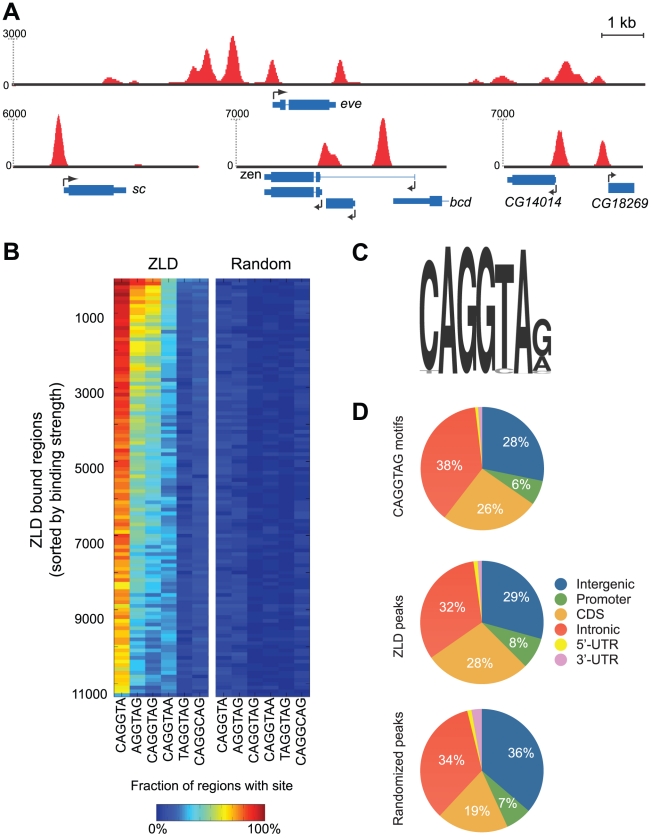
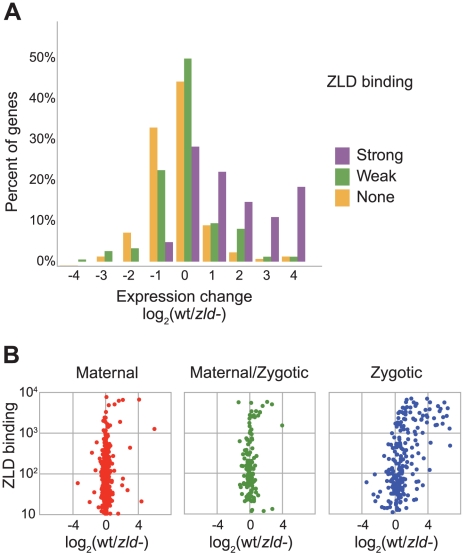
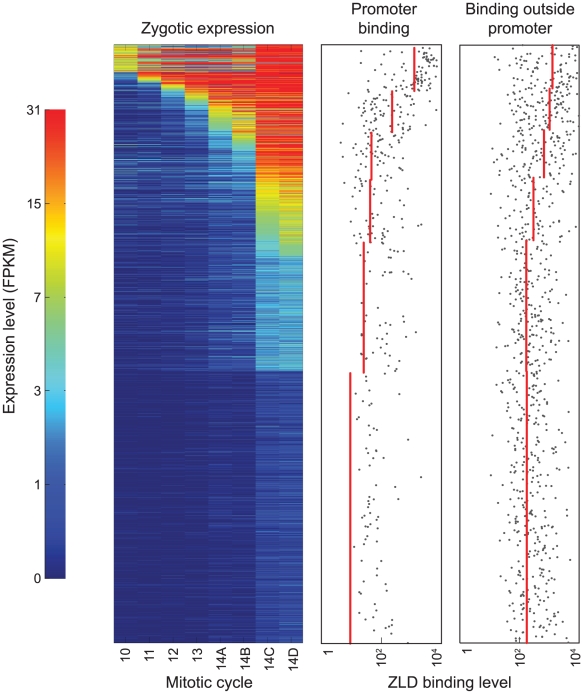
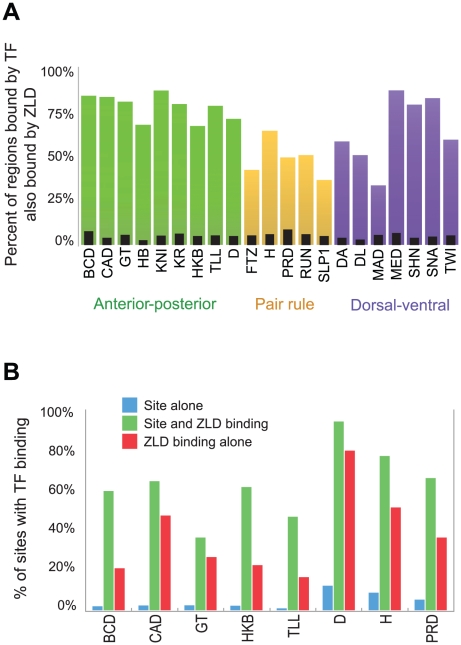
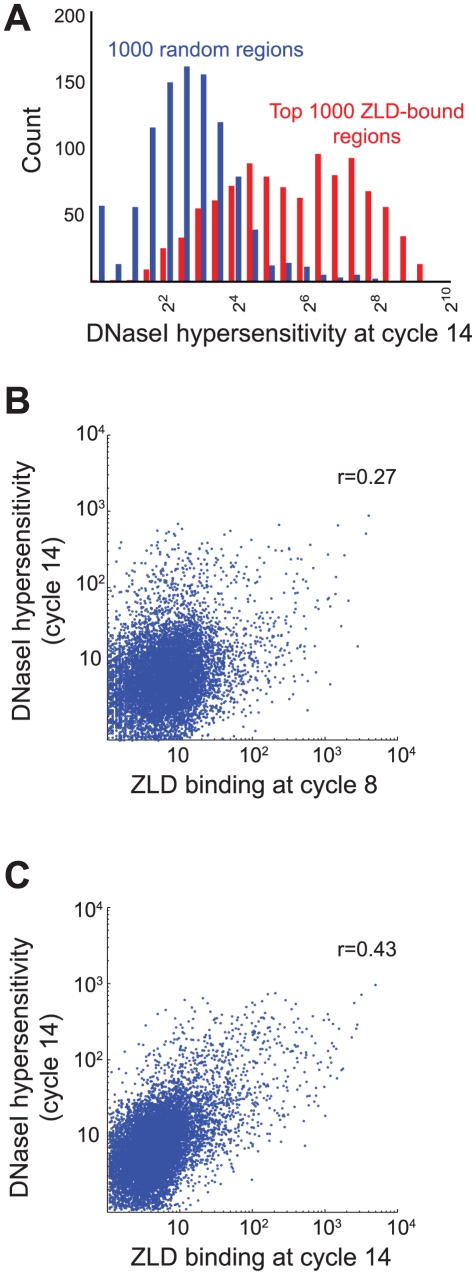
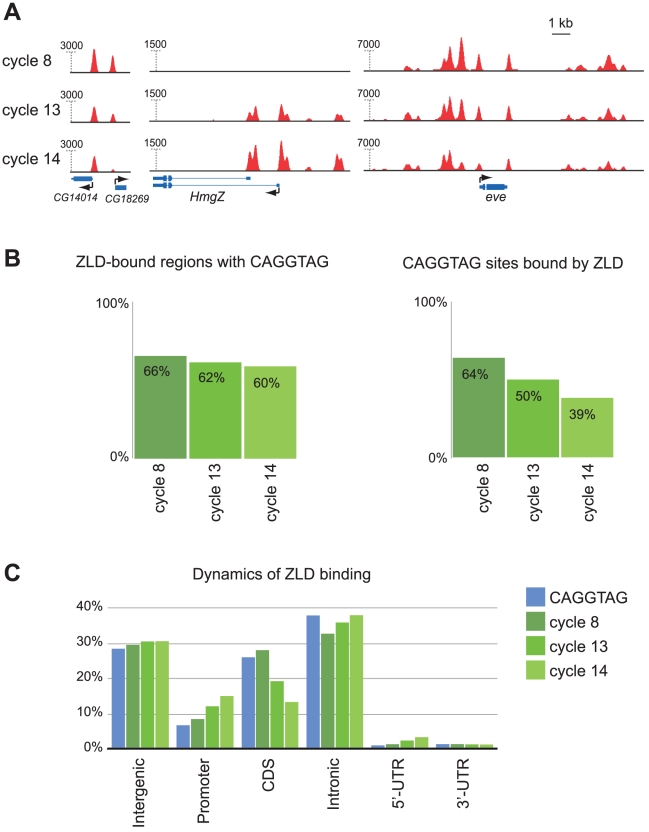
The earliest stages of development in most metazoans are driven by maternally deposited proteins and mRNAs, with widespread transcriptional activation of the zygotic genome occurring hours after fertilization, at a period known as the maternal-to-zygotic transition (MZT). In Drosophila, the MZT is preceded by the transcription of a small number of genes that initiate sex determination, patterning, and other early developmental processes; and the zinc-finger protein Zelda (ZLD) plays a key role in their transcriptional activation. To better understand the mechanisms of ZLD activation and the range of its targets, we used chromatin immunoprecipitation coupled with high-throughput sequencing (ChIP-Seq) to map regions bound by ZLD before (mitotic cycle 8), during (mitotic cycle 13), and after (late mitotic cycle 14) the MZT. Although only a handful of genes are transcribed prior to mitotic cycle 10, we identified thousands of regions bound by ZLD in cycle 8 embryos, most of which remain bound through mitotic cycle 14. As expected, early ZLD-bound regions include the promoters and enhancers of genes transcribed at this early stage. However, we also observed ZLD bound at cycle 8 to the promoters of roughly a thousand genes whose first transcription does not occur until the MZT and to virtually all of the thousands of known and presumed enhancers bound at cycle 14 by transcription factors that regulate patterned gene activation during the MZT. The association between early ZLD binding and MZT activity is so strong that ZLD binding alone can be used to identify active promoters and regulatory sequences with high specificity and selectivity. This strong early association of ZLD with regions not active until the MZT suggests that ZLD is not only required for the earliest wave of transcription but also plays a major role in activating the genome at the MZT.
Overview
The claims and statistics of this paper haven’t been checked yet.
Run the check — free, no account needed. It reads the open-access text and checks the sources it cites.
Integrity signals
Registry
Cites
Statistics
Figures
Verification
Claims the paper makes
The claims and statistics of this paper haven’t been checked yet.
Run the check — free, no account needed. It reads the open-access text and checks the sources it cites.
Claims other papers make about this one
Each is checked against this paper’s own text: does it say what the citing paper says it does?
The source backs part of the claim, not all of it — or backs it for a different population, condition or comparison.
In the citing paper
“In Drosophila, the Zinc Finger Early Drosophila Activator (Zelda) is critical for lowering the nucleosome barrier at enhancers for genes driving zygotic gene activation [33–35].”
From Transcriptional enhancers and their communication with gene promoters (2021) · cites this paper as [34]
Experimental — accuracy not yet measured
Self-check
Percentages, sums and reported differences re-computed from the paper’s own numbers.
The self-check needs the paper’s full text.
Citations
Cites
Ultrafast and memory-efficient alignment of short DNA sequences to the human genome.
Langmead, B., Trapnell, C., Pop, M., & Salzberg, S. L. (2009) · Genome Biology · doi:10.1186/gb-2009-10-3-r25 · Cited by 21,849
A bivalent chromatin structure marks key developmental genes in embryonic stem cells
Bernstein, B. E., Mikkelsen, T. S., Xie, X., Kamal, M., Huebert, D. J., Cuff, J., Fry, B., Meissner, A., Wernig, M., Plath, K., et al. (2006) · Cell · doi:10.1016/j.cell.2006.02.041 · Cited by 5,361
Fitting a mixture model by expectation maximization to discover motifs in biopolymers.
Bailey, T. L., & Elkan, C. (1994) · PubMed · Cited by 4,982
Genome-wide maps of chromatin state in pluripotent and lineage-committed cells
Mikkelsen, T. S., Ku, M., Jaffe, D. B., Issac, B., Lieberman, E., Giannoukos, G., Alvarez, P., Brockman, W., Kim, T.-K., Koche, R. P., et al. (2007) · Nature · doi:10.1038/nature06008 · Cited by 4,129
A unique chromatin signature uncovers early developmental enhancers in humans
Rada-Iglesias, A., Bajpai, R., Swigut, T., Brugmann, S. A., Flynn, R. A., & Wysocka, J. (2011) · Nature · doi:10.1038/nature09692 · Cited by 2,233
Identification of Functional Elements and Regulatory Circuits by Drosophila modENCODE
Roy, S., Ernst, J., Kharchenko, P. V., Kheradpour, P., Nègre, N., Eaton, M. L., Landolin, J. M., Bristow, C. A., Ma, L., Lin, M. F., et al. (2010) · Science · doi:10.1126/science.1198374 · Cited by 1,242
The maternal-to-zygotic transition: a play in two acts
Tadros, W., & Lipshitz, H. D. (2009) · Development · doi:10.1242/dev.033183 · Cited by 1,226
Opening of Compacted Chromatin by Early Developmental Transcription Factors HNF3 (FoxA) and GATA-4
Cirillo, L. A., Lin, F. R., Cuesta, I., Friedman, D., Jarník, M., & Zaret, K. S. (2002) · Molecular Cell · doi:10.1016/s1097-2765(02)00459-8 · Cited by 1,188
Controlling the elongation phase of transcription with P-TEFb
Peterlin, B. M., & Price, D. H. (2006) · Molecular Cell · doi:10.1016/j.molcel.2006.06.014 · Cited by 1,144
Foe, V. E., & Alberts, B. (1983) · Journal of Cell Science · doi:10.1242/jcs.61.1.31 · Cited by 1,056
Cited by
Sorted by citations
Transcription factors: from enhancer binding to developmental control
Spitz, F., & Furlong, E. E. M. (2012) · Nature Reviews Genetics · doi:10.1038/nrg3207 · Cited by 2,227
Modification of Enhancer Chromatin: What, How, and Why?
Calo, E., & Wysocka, J. (2013) · Molecular Cell · doi:10.1016/j.molcel.2013.01.038 · Cited by 1,457
Hendrickson, P. G., Dorais, J., Grow, E. J., Whiddon, J. L., Lim, J.-W., Wike, C. L., Weaver, B. D., Pflueger, C., Emery, B. R., Wilcox, A. L., et al. (2017) · Nature Genetics · doi:10.1038/ng.3844 · Cited by 731
Zygotic Genome Activation During the Maternal-to-Zygotic Transition
Lee, M. T., Bonneau, A. R., & Giráldez, A. J. (2014) · Annual Review of Cell and Developmental Biology · doi:10.1146/annurev-cellbio-100913-013027 · Cited by 668
Pioneer transcription factors in cell reprogrammingPreprint
Iwafuchi, M., & Zaret, K. S. (2014) · Genes & Development · doi:10.1101/gad.253443.114 · Cited by 613
Mechanisms regulating zygotic genome activation
Schulz, K. N., & Harrison, M. M. (2018) · Nature Reviews Genetics · doi:10.1038/s41576-018-0087-x · Cited by 564
Self-citationLooping Back to Leap Forward: Transcription Enters a New Era
Levine, M., Cattoglio, C., & Tjian, R. (2014) · Cell · doi:10.1016/j.cell.2014.02.009 · Cited by 497
Zygotic Genome Activation in Vertebrates
Jukam, D., Shariati, S. A., & Skotheim, J. M. (2017) · Developmental Cell · doi:10.1016/j.devcel.2017.07.026 · Cited by 497
Chromatin Architecture Emerges during Zygotic Genome Activation Independent of Transcription
Hug, C. B., Grimaldi, A. G., Kruse, K., & Vaquerizas, J. M. (2017) · Cell · doi:10.1016/j.cell.2017.03.024 · Cited by 466
Genome-scale functional characterization of Drosophila developmental enhancers in vivo
Kvon, E. Z., Kazmar, T., Stampfel, G., Yáñez-Cuna, J. O., Pagani, M., Schernhuber, K., Dickson, B. J., & Stark, A. (2014) · Nature · doi:10.1038/nature13395 · Cited by 461
The maternal-to-zygotic transition revisited
Vastenhouw, N. L., Cao, W. X., & Lipshitz, H. D. (2019) · Development · doi:10.1242/dev.161471 · Cited by 456
A high-resolution mRNA expression time course of embryonic development in zebrafish
White, R. J., Collins, J. E., Sealy, I. M., Wali, N., Dooley, C. M., Digby, Z., Stemple, D. L., Murphy, D. N., Billis, K., Hourlier, T., et al. (2017) · eLife · doi:10.7554/elife.30860 · Cited by 364
Iterative random forests to discover predictive and stable high-order interactions
Basu, S., Kumbier, K., Brown, J. B., & Yu, B. (2018) · Proceedings of the National Academy of Sciences · doi:10.1073/pnas.1711236115 · Cited by 317
Enhancer biology and enhanceropathies
Smith, E. R., & Shilatifard, A. (2014) · Nature Structural & Molecular Biology · doi:10.1038/nsmb.2784 · Cited by 326
Cardozo Gizzi, A. M., Cattoni, D. I., Fiche, J.-B., Espinola, S. M., Gurgo, J., Messina, O., Houbron, C., Ogiyama, Y., Papadopoulos, G. L., Cavalli, G., et al. (2019) · Molecular Cell · doi:10.1016/j.molcel.2019.01.011 · Cited by 258
Polycomb-Dependent Chromatin Looping Contributes to Gene Silencing during Drosophila Development
Ogiyama, Y., Schuettengruber, B., Papadopoulos, G. L., Chang, J., & Cavalli, G. (2018) · Molecular Cell · doi:10.1016/j.molcel.2018.05.032 · Cited by 248
Pou5f1 Transcription Factor Controls Zygotic Gene Activation In Vertebrates
Leichsenring, M., Maes, J., Mössner, R., Driever, W., & Onichtchouk, D. (2013) · Science · doi:10.1126/science.1242527 · Cited by 236
Genome organization controls transcriptional dynamics during development
Batut, P. J., Bing, X., Sisco, Z., Raimundo, J., Levo, M., & Levine, M. (2022) · Science · doi:10.1126/science.abi7178 · Cited by 237
Disentangling the Many Layers of Eukaryotic Transcriptional Regulation
Lelli, K. M., Slattery, M. G., & Mann, R. S. (2012) · Annual Review of Genetics · doi:10.1146/annurev-genet-110711-155437 · Cited by 237
Establishment of regions of genomic activity during the Drosophila maternal to zygotic transition
Li, X., Harrison, M. M., Villalta, J. E., Kaplan, T., & Eisen, M. B. (2014) · eLife · doi:10.7554/elife.03737 · Cited by 218
Self-citationMir, M., Stadler, M. R., Ortiz, S. A., Hannon, C. E., Harrison, M. M., Darzacq, X., & Eisen, M. B. (2018) · eLife · doi:10.7554/elife.40497 · Cited by 207
Self-citationChromatin accessibility profiling methods
Minnoye, L., Marinov, G. K., Krausgruber, T., Pan, L., Marand, A. P., Secchia, S., Greenleaf, W. J., Furlong, E. E. M., Zhao, K., Schmitz, R. J., et al. (2021) · Nature Reviews Methods Primers · doi:10.1038/s43586-020-00008-9 · Cited by 206
Herrmann, C., de Sande, B. V., Potier, D., & Aerts, S. (2012) · Nucleic Acids Research · doi:10.1093/nar/gks543 · Cited by 211
Zygotic Genome Activation Triggers the DNA Replication Checkpoint at the Midblastula Transition
Blythe, S. A., & Wieschaus, E. F. (2015) · Cell · doi:10.1016/j.cell.2015.01.050 · Cited by 204
Enhancer additivity and non-additivity are determined by enhancer strength in the Drosophila embryo
Bothma, J. P., Garcia, H. G., Ng, S., Perry, M. W., Gregor, T., & Levine, M. (2015) · eLife · doi:10.7554/elife.07956 · Cited by 192
Dense Bicoid hubs accentuate binding along the morphogen gradient
Mir, M., Reimer, A., Haines, J. E., Li, X.-Y., Stadler, M., Garcia, H., Eisen, M. B., & Darzacq, X. (2017) · Genes & Development · doi:10.1101/gad.305078.117 · Cited by 192
Self-citationTranscriptional coupling of distant regulatory genes in living embryos
Levo, M., Raimundo, J., Bing, X. Y., Sisco, Z., Batut, P. J., Ryabichko, S., Gregor, T., & Levine, M. S. (2022) · Nature · doi:10.1038/s41586-022-04680-7 · Cited by 188
Visualizing transcription factor dynamics in living cells
Liu, Z. J., & Tjian, R. (2018) · The Journal of Cell Biology · doi:10.1083/jcb.201710038 · Cited by 192
Schulz, K. N., Bondra, E. R., Moshe, A., Villalta, J. E., Lieb, J. D., Kaplan, T., McKay, D. J., & Harrison, M. M. (2015) · Genome Research · doi:10.1101/gr.192682.115 · Cited by 177
Self-citationEspinola, S. M., Götz, M., Bellec, M., Messina, O., Fiche, J.-B., Houbron, C., Dejean, M., Reim, I., Cardozo Gizzi, A. M., Lagha, M., et al. (2021) · Nature Genetics · doi:10.1038/s41588-021-00816-z · Cited by 174
From Egg to Gastrula: How the Cell Cycle Is Remodeled During the Drosophila Mid-Blastula Transition
Farrell, J. A., & O’Farrell, P. H. (2014) · Annual Review of Genetics · doi:10.1146/annurev-genet-111212-133531 · Cited by 186
Sun, Y., Nien, C.-Y., Chen, K., Liu, H.-Y., Johnston, J. J., Zeitlinger, J., & Rushlow, C. A. (2015) · Genome Research · doi:10.1101/gr.192542.115 · Cited by 178
Establishment and maintenance of heritable chromatin structure during early Drosophila embryogenesis
Blythe, S. A., & Wieschaus, E. F. (2016) · eLife · doi:10.7554/elife.20148 · Cited by 173
Brd4 and P300 Confer Transcriptional Competency during Zygotic Genome Activation
Chan, S. H., Tang, Y., Miao, L., Darwich‐Codore, H., Vejnar, C. E., Beaudoin, J.-D., Musaev, D., Fernández, J. P., Benitez, M. D. J., Bazzini, A., et al. (2019) · Developmental Cell · doi:10.1016/j.devcel.2019.05.037 · Cited by 165
Independence of chromatin conformation and gene regulation during Drosophila dorsoventral patterning
Ing-Simmons, E., Vaid, R., Bing, X. Y., Levine, M., Mannervik, M., & Vaquerizas, J. M. (2021) · Nature Genetics · doi:10.1038/s41588-021-00799-x · Cited by 159
A global change in RNA polymerase II pausing during the Drosophila midblastula transition
Chen, K., Johnston, J. J., Shao, W., Meier, S. R., Staber, C. J., & Zeitlinger, J. (2013) · eLife · doi:10.7554/elife.00861 · Cited by 158
Dufourt, J., Trullo, A., Hunter, J., Fernandez, C., Lazaro, J., Dejean, M., Morales, L., Nait-Amer, S., Schulz, K. N., Harrison, M. M., et al. (2018) · Nature Communications · doi:10.1038/s41467-018-07613-z · Cited by 150
Self-citationKvon, E. Z., Stampfel, G., Yáñez-Cuna, J. O., Dickson, B. J., & Stark, A. (2012) · Genes & Development · doi:10.1101/gad.188052.112 · Cited by 151
Joseph, S. R., Pálfy, M., Hilbert, L., Kumar, M., Karschau, J., Zaburdaev, V., Shevchenko, A., & Vastenhouw, N. L. (2017) · eLife · doi:10.7554/elife.23326 · Cited by 151
Mechanisms of transcriptional precision in animal development
Lagha, M., Bothma, J. P., & Levine, M. (2012) · Trends in Genetics · doi:10.1016/j.tig.2012.03.006 · Cited by 151
Cooperativity and Rapid Evolution of Cobound Transcription Factors in Closely Related Mammals
Stefflova, K., Thybert, D., Wilson, M. D., Streeter, I., Aleksic, J., Karagianni, P., Brāzma, A., Adams, D. J., Talianidis, I., Marioni, J. C., et al. (2013) · Cell · doi:10.1016/j.cell.2013.07.007 · Cited by 154
Gaskill, M. M., Gibson, T. J., Larson, E. D., & Harrison, M. M. (2021) · eLife · doi:10.7554/elife.66668 · Cited by 136
Self-citationChromatin Control of Developmental Dynamics and Plasticity
Perino, M., & Veenstra, G. J. C. (2016) · Developmental Cell · doi:10.1016/j.devcel.2016.08.004 · Cited by 134
Zelda Potentiates Morphogen Activity by Increasing Chromatin Accessibility
Foo, S. M., Sun, Y., Lim, B., Ziukaite, R., O’Brien, K. M., Nien, C.-Y., Kirov, N., Shvartsman, S. Y., & Rushlow, C. A. (2014) · Current Biology · doi:10.1016/j.cub.2014.04.032 · Cited by 134
Pioneer factors: roles and their regulation in development
Barral, A., & Zaret, K. S. (2023) · Trends in Genetics · doi:10.1016/j.tig.2023.10.007 · Cited by 135
Deciphering the transcriptional cis-regulatory code
Yáñez-Cuna, J. O., Kvon, E. Z., & Stark, A. (2012) · Trends in Genetics · doi:10.1016/j.tig.2012.09.007 · Cited by 126
Control of Tissue Development by Morphogens
Kicheva, A., & Briscoe, J. (2023) · Annual Review of Cell and Developmental Biology · doi:10.1146/annurev-cellbio-020823-011522 · Cited by 126
New insights into the maternal to zygotic transition
Langley, A. R., Smith, J. C., Stemple, D. L., & Harvey, S. A. (2014) · Development · doi:10.1242/dev.102368 · Cited by 116
Uncovering cis-regulatory sequence requirements for context-specific transcription factor bindingPreprint
Yáñez-Cuna, J. O., Dinh, H. Q., Kvon, E. Z., Shlyueva, D., & Stark, A. (2012) · Genome Research · doi:10.1101/gr.132811.111 · Cited by 115
Continued Activity of the Pioneer Factor Zelda Is Required to Drive Zygotic Genome Activation
McDaniel, S. L., Gibson, T. J., Schulz, K. N., García, M. F., Nevil, M., Jain, S. U., Lewis, P. W., Zaret, K. S., & Harrison, M. M. (2019) · Molecular Cell · doi:10.1016/j.molcel.2019.01.014 · Cited by 113
Self-citationStadler, M. R., Haines, J. E., & Eisen, M. B. (2017) · eLife · doi:10.7554/elife.29550 · Cited by 105
Self-citationA complete workflow for the analysis of full-size ChIP-seq (and similar) data sets using peak-motifs
Thomas‐Chollier, M., Darbo, É., Herrmann, C., Defrance, M., Thieffry, D., & van Helden, J. (2012) · Nature Protocols · doi:10.1038/nprot.2012.088 · Cited by 109
Impact of gut microbiota on the fly’s germ line
Elgart, M., Stern, S., Salton, O., Gnainsky, Y., Heifetz, Y., & Soen, Y. (2016) · Nature Communications · doi:10.1038/ncomms11280 · Cited by 106
Samata, M., Alexiadis, A., Richard, G., Georgiev, P., Nuebler, J., Kulkarni, T., Renschler, G., Basilicata, M. F., Zenk, F. L., Shvedunova, M., et al. (2020) · Cell · doi:10.1016/j.cell.2020.05.026 · Cited by 103
The continuum of Drosophila embryonic development at single-cell resolution
Calderon, D., Blecher‐Gonen, R., Huang, X., Secchia, S., Kentro, J. A., Daza, R. M., Martin, B., Dulja, A., Schaub, C., Trapnell, C., et al. (2022) · Science · doi:10.1126/science.abn5800 · Cited by 100
Xu, Z., Chen, H., Jia, L., Yu, D., Struffi, P., & Small, S. (2014) · Genes & Development · doi:10.1101/gad.234534.113 · Cited by 98
The RNA Pol II Elongation Factor Ell3 Marks Enhancers in ES Cells and Primes Future Gene Activation
Lin, C., Garruss, A. S., Luo, Z., Guo, F., & Shilatifard, A. (2012) · Cell · doi:10.1016/j.cell.2012.12.015 · Cited by 96
CLAMP and Zelda function together to promote Drosophila zygotic genome activation
Duan, J. E., Rieder, L. E., Colonnetta, M. M., Huang, A., Mckenney, M., Watters, S., Deshpande, G., Jordan, W. T., Fawzi, N. L., & Larschan, E. (2021) · eLife · doi:10.7554/elife.69937 · Cited by 93
Paris, M., Kaplan, T., Li, X. Y., Villalta, J. E., Lott, S. E., & Eisen, M. B. (2013) · PLoS Genetics · doi:10.1371/journal.pgen.1003748 · Cited by 96
Self-citationSaunders, A., Core, L. J., Sutcliffe, C., Lis, J. T., & Ashe, H. L. (2013) · Genes & Development · doi:10.1101/gad.215459.113 · Cited by 93
Yamada, S., Whitney, P. H., Huang, S.-K., Eck, E. C., Garcia, H. G., & Rushlow, C. A. (2019) · Current Biology · doi:10.1016/j.cub.2019.03.019 · Cited by 88
Long distance relationships: Enhancer–promoter communication and dynamic gene transcription
Marsman, J., & Horsfield, J. A. (2012) · Biochimica et Biophysica Acta (BBA) - Gene Regulatory Mechanisms · doi:10.1016/j.bbagrm.2012.10.008 · Cited by 91
Genome-wide RIP-Chip analysis of translational repressor-bound mRNAs in the Plasmodium gametocyte
Guerreiro, A., Deligianni, E., Santos, J. M., Silva, P. A. G. C., Louis, C., Pain, A., Janse, C. J., Franke-Fayard, B. M. D., Carret, C., Sidén‐Kiamos, I., et al. (2014) · Genome biology · doi:10.1186/s13059-014-0493-0 · Cited by 90
Concentration dependent chromatin states induced by the bicoid morphogen gradient
Hannon, C. E., Blythe, S. A., & Wieschaus, E. F. (2017) · eLife · doi:10.7554/elife.28275 · Cited by 87
A conserved role for Snail as a potentiator of active transcriptionPreprint
Rembold, M., Ciglar, L., Yáñez-Cuna, J. O., Zinzen, R. P., Girardot, C., Jain, A., Welte, M. A., Stark, A., Leptin, M., & Furlong, E. E. M. (2014) · Genes & Development · doi:10.1101/gad.230953.113 · Cited by 90
Laver, J. D., Li, X., Ray, D., Cook, K. B., Hahn, N. A., Nabeel‐Shah, S., Kekis, M., Luo, H., Marsolais, A. J., Fung, K. Y., et al. (2015) · Genome biology · doi:10.1186/s13059-015-0659-4 · Cited by 89
Self-citationWidespread evidence of cooperative DNA binding by transcription factors in Drosophila development
Kazemian, M., Pham, H., Wolfe, S. A., Brodsky, M. H., & Sinha, S. (2013) · Nucleic Acids Research · doi:10.1093/nar/gkt598 · Cited by 87
Transcriptional enhancers and their communication with gene promoters
Ray-Jones, H., & Spivakov, M. (2021) · Cellular and Molecular Life Sciences · doi:10.1007/s00018-021-03903-w · Cited by 81
Laver, J. D., Li, X., Ancevicius, K., Westwood, J. T., Smibert, C. A., Morris, Q., & Lipshitz, H. D. (2013) · Nucleic Acids Research · doi:10.1093/nar/gkt702 · Cited by 86
Self-citationA Comprehensive Drosophila melanogaster Transcription Factor Interactome
Shokri, L., Inukai, S., Hafner, A., Weinand, K., Hens, K., Vedenko, A., Gisselbrecht, S. S., Dainese, R., Bischof, J., Furger, E., et al. (2019) · Cell Reports · doi:10.1016/j.celrep.2019.03.071 · Cited by 86
Laver, J. D., Marsolais, A. J., Smibert, C. A., & Lipshitz, H. D. (2015) · Current topics in developmental biology/Current Topics in Developmental Biology · doi:10.1016/bs.ctdb.2015.06.007 · Cited by 83
Transcriptional Memory in the Drosophila Embryo
Ferraro, T., Esposito, E., Mancini, L., Ng, S., Lucas, T., Coppey, M., Dostatni, N., Walczak, A. M., Levine, M., & Lagha, M. (2015) · Current Biology · doi:10.1016/j.cub.2015.11.058 · Cited by 77
The maternal-to-zygotic transition: reprogramming of the cytoplasm and nucleus
Kojima, M. L., Hoppe, C., & Giráldez, A. J. (2024) · Nature Reviews Genetics · doi:10.1038/s41576-024-00792-0 · Cited by 81
Brennan, K., Weilert, M., Krueger, S., Pampari, A., Liu, H., Yang, A. W. H., Morrison, J. A., Hughes, T. R., Rushlow, C. A., Kundaje, A. B., et al. (2023) · Developmental Cell · doi:10.1016/j.devcel.2023.07.007 · Cited by 79
Veil, M., Yampolsky, L. Y., Grüning, B. A., & Onichtchouk, D. (2019) · Genome Research · doi:10.1101/gr.240572.118 · Cited by 80
Taf7l cooperates with Trf2 to regulate spermiogenesis
Zhou, H., Grubisic, I., Zheng, K., He, Y., Wang, P. J., Kaplan, T., & Tjian, R. (2013) · Proceedings of the National Academy of Sciences · doi:10.1073/pnas.1317034110 · Cited by 72
Self-citationKwasnieski, J. C., Orr‐Weaver, T. L., & Bartel, D. P. (2019) · Genome Research · doi:10.1101/gr.242164.118 · Cited by 74
Hamm, D. C., & Harrison, M. M. (2018) · Open Biology · doi:10.1098/rsob.180183 · Cited by 78
Self-citationThe timing of zygotic genome activation
Pálfy, M., Joseph, S. R., & Vastenhouw, N. L. (2017) · Current Opinion in Genetics & Development · doi:10.1016/j.gde.2016.12.001 · Cited by 72
Transcriptional elongation checkpoint control in development and diseasePreprint
Smith, E. R., & Shilatifard, A. (2013) · Genes & Development · doi:10.1101/gad.215137.113 · Cited by 71
Pioneering the developmental frontier
Larson, E. D., Marsh, A. J., & Harrison, M. M. (2021) · Molecular Cell · doi:10.1016/j.molcel.2021.02.020 · Cited by 64
Self-citationKoenecke, N., Johnston, J., Gaertner, B., Natarajan, M., & Zeitlinger, J. (2016) · Genome Biology · doi:10.1186/s13059-016-1057-2 · Cited by 65
Transcriptional Activation of the Zygotic Genome in Drosophila
Harrison, M. M., & Eisen, M. B. (2015) · Current topics in developmental biology/Current Topics in Developmental Biology · doi:10.1016/bs.ctdb.2015.07.028 · Cited by 63
Self-citationCoordinating Cell Cycle Remodeling with Transcriptional Activation at the Drosophila MBT
Blythe, S. A., & Wieschaus, E. F. (2015) · Current topics in developmental biology/Current Topics in Developmental Biology · doi:10.1016/bs.ctdb.2015.06.002 · Cited by 64
The tumor suppressor Brat controls neuronal stem cell lineages by inhibiting Deadpan and Zelda
Reichardt, I., Bonnay, F., Steinmann, V., Loedige, I., Burkard, T. R., Meister, G., & Knoblich, J. A. (2017) · EMBO Reports · doi:10.15252/embr.201744188 · Cited by 63
Histone concentration regulates the cell cycle and transcription in early development
Chari, S., Wilky, H., Govindan, J., & Amodeo, A. A. (2019) · Development · doi:10.1242/dev.177402 · Cited by 59
Cohesin facilitates zygotic genome activation in zebrafish
Meier, M., Grant, J., Dowdle, A., Thomas, A., Gerton, J. L., Collas, P., O'Sullivan, J. M., & Horsfield, J. A. (2017) · Development · doi:10.1242/dev.156521 · Cited by 60
The genome-wide multi-layered architecture of chromosome pairing in early Drosophila embryos
Erceg, J., Abed, J. A., Goloborodko, A. A., Lajoie, B. R., Fudenberg, G., Abdennur, N. A., Imakaev, M., McCole, R. B., Nguyen, S. C., Saylor, W., et al. (2019) · Nature Communications · doi:10.1038/s41467-019-12211-8 · Cited by 59
Pattern Formation by Graded and Uniform Signals in the Early Drosophila Embryo
Kanodia, J., Liang, H.-L., Kim, Y., Lim, B., Zhan, M., Lu, H., Rushlow, C. A., & Shvartsman, S. Y. (2012) · Biophysical Journal · doi:10.1016/j.bpj.2011.12.042 · Cited by 58
Cavalheiro, G. R., Girardot, C., Viales, R. R., Feng, S., Pollex, T., Cao, T. B. N., Lacour, P., Rabinowitz, A. H., & Furlong, E. E. M. (2023) · Science Advances · doi:10.1126/sciadv.ade1085 · Cited by 59
Soluri, I. V., Zumerling, L. M., Parra, O. A. P., Clark, E. G., & Blythe, S. A. (2020) · eLife · doi:10.7554/elife.53916 · Cited by 57
Drosophila poised enhancers are generated during tissue patterning with the help of repressionPreprint
Koenecke, N., Johnston, J. J., He, Q., Meier, S. R., & Zeitlinger, J. (2016) · Genome Research · doi:10.1101/gr.209486.116 · Cited by 60
6mA-DNA-binding factor Jumu controls maternal-to-zygotic transition upstream of Zelda
He, S., Zhang, G., Wang, J., Gao, Y., Sun, R., Cao, Z., Chen, Z., Zheng, X.-D., Yuan, J., Luo, Y., et al. (2019) · Nature Communications · doi:10.1038/s41467-019-10202-3 · Cited by 55
Nevil, M., Bondra, E. R., Schulz, K. N., Kaplan, T., & Harrison, M. M. (2016) · Genetics · doi:10.1534/genetics.116.195685 · Cited by 54
Self-citationEck, E., Liu, J., Kazemzadeh-Atoufi, M., Ghoreishi, S., Blythe, S. A., & García, H. G. (2020) · eLife · doi:10.7554/elife.56429 · Cited by 53
GAGA factor: a multifunctional pioneering chromatin protein
Chetverina, D., Erokhin, M., & Schedl, P. D. (2021) · Cellular and Molecular Life Sciences · doi:10.1007/s00018-021-03776-z · Cited by 55
Galupa, R., Álvarez-Canales, G., Borst, N. O., Fuqua, T., Gándara, L., Misunou, N., Richter, K., Alves, M. R. P., Karumbi, E., Perkins, M. L., et al. (2022) · Developmental Cell · doi:10.1016/j.devcel.2022.12.003 · Cited by 54
Epigenetic Marking of the Zebrafish Developmental Program
Andersen, I. S., Lindeman, L. C., Reiner, A. H., Østrup, O., Aanes, H., Aleström, P., & Collas, P. (2013) · Current topics in developmental biology/Current Topics in Developmental Biology · doi:10.1016/b978-0-12-416027-9.00003-6 · Cited by 54
The emergence of genome architecture and zygotic genome activation
Vallot, A., & Tachibana, K.-E. K. (2020) · Current Opinion in Cell Biology · doi:10.1016/j.ceb.2020.02.002 · Cited by 53
Krüppel Expression Levels Are Maintained through Compensatory Evolution of Shadow Enhancers
Wunderlich, Z., Bragdon, M. D. J., Vincent, B. J., White, J. A., Estrada, J., & DePace, A. H. (2015) · Cell Reports · doi:10.1016/j.celrep.2015.08.021 · Cited by 55
Metadata
- Authors
- Harrison, M. M., Li, X.-Y., Kaplan, T., Botchan, M. R., & Eisen, M. B.
- Affiliations
- University of California, Berkeley (US)
- QB3 (US)
- Corresponding author
- Eisen, Michael B.
- Venue
- PLoS Genetics
- Publisher
- Public Library of Science (PLoS)
- Published
- 2011-10-20
- Volume
- 7
- Issue
- 10
- Pages
- e1002266
- ISSN
- 1553-7390 (ISSN-L)
- 1553-7404
- PMC
- PMC3197655
- OpenAlex
- W2004533772
- Cited by
- 338
- References
- 41
- Citations by year
- 2026: 14 · 2025: 17 · 2024: 23 · 2023: 23 · 2022: 20 · 2021: 27 · 2020: 23 · 2019: 26 · 2018: 24 · 2017: 31 · 2016: 20 · 2015: 22 · 2014: 20 · 2013: 28 · 2012: 18
- FWCI
- 8.84
- Type
- journal article
- Language
- en
- Open access
- gold
- doi.org
- Locations
- PLoS Genetics (publishedVersion, cc-by)
- Europe PMC (PubMed Central) (publishedVersion, cc-by)
- PubMed Central (publishedVersion, cc-by)
- PubMed (publishedVersion)
- DOAJ (DOAJ: Directory of Open Access Journals) (submittedVersion, cc-by-sa)
- Figshare (submittedVersion, cc-by)
- Funders
- Howard Hughes Medical Institute
- National Institutes of Health (CA30490)
- National Human Genome Research Institute (HG002779, R01HG002779)
- National Cancer Institute (R37 CA3049, R37CA030490)
- Topics
- Life Sciences › Biochemistry, Genetics and Molecular Biology › Molecular Biology › Genomics and Chromatin Dynamics
- Life Sciences › Biochemistry, Genetics and Molecular Biology › Molecular Biology › Developmental Biology and Gene Regulation
- Life Sciences › Biochemistry, Genetics and Molecular Biology › Molecular Biology › Epigenetics and DNA Methylation
- Keywords
- Zelda, maternal-to-zygotic transition, Drosophila melanogaster embryo, transcriptional activation, enhancer binding, promoter binding, mitotic cycle, chromatin binding, sex determination
- MeSH terms
- Animals, Drosophila melanogaster, Female, Mitosis, Nuclear Proteins, Promoter Regions, Genetic, Protein Binding, Transcription Factors, Transcription, Genetic, Zygote, Transcriptional Activation, Genome, Gene Expression Regulation, Developmental, Body Patterning, Sex Determination Processes, Drosophila Proteins, Embryonic Development, Chromatin Immunoprecipitation
About these checks
Registry, retraction, Cites and statistics results are computed, not judged, with one exception: a printed reference that no index lists is read once by a model before it counts as a citation error. Claims are extracted by a model and kept only when their quote appears verbatim in the text; each cited source is then checked, with a model’s help, for whether it says what the claim relies on. Those verdicts can be wrong — read the claim’s quote and the cited source before relying on one.
Statistics and arithmetic are recomputed, not judged.
Confidence bands are shown only for fields calibrated on our annotated test set. None is calibrated yet, so no band is shown.
What counts as a claim ›How we measure confidence ›How we check this ›
Are you an author, or do you see a problem with this page? Request a review
