

The DOI matches its Crossref record; 59 of the 60 references it cites were found in a registry or an index.
Loss of ATRX, Genome Instability, and an Altered DNA Damage Response Are Hallmarks of the Alternative Lengthening of Telomeres Pathway
Open accessAbstract
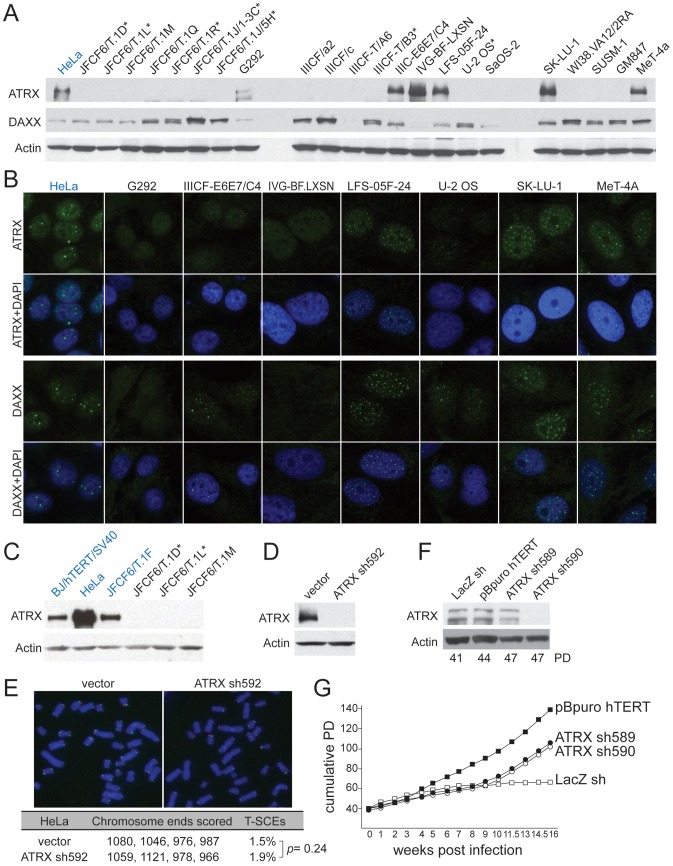
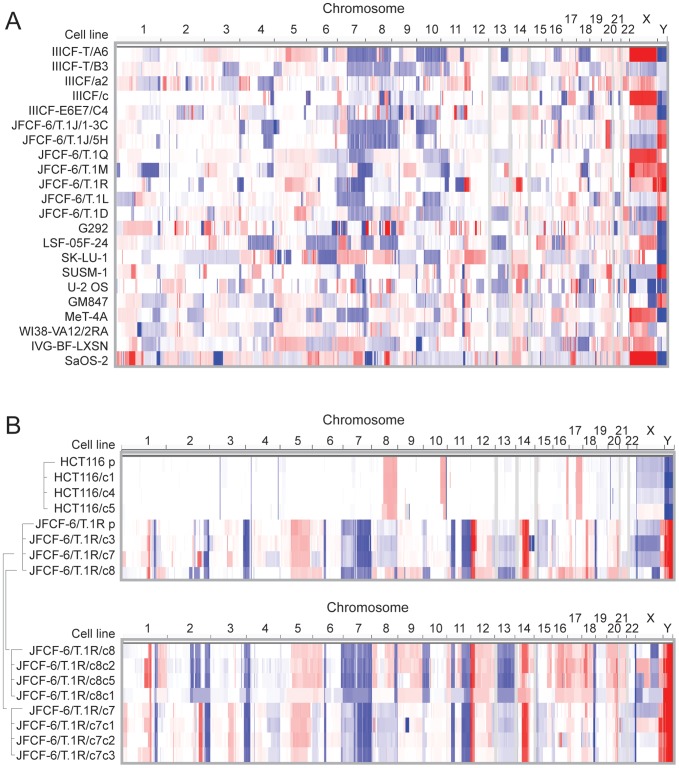
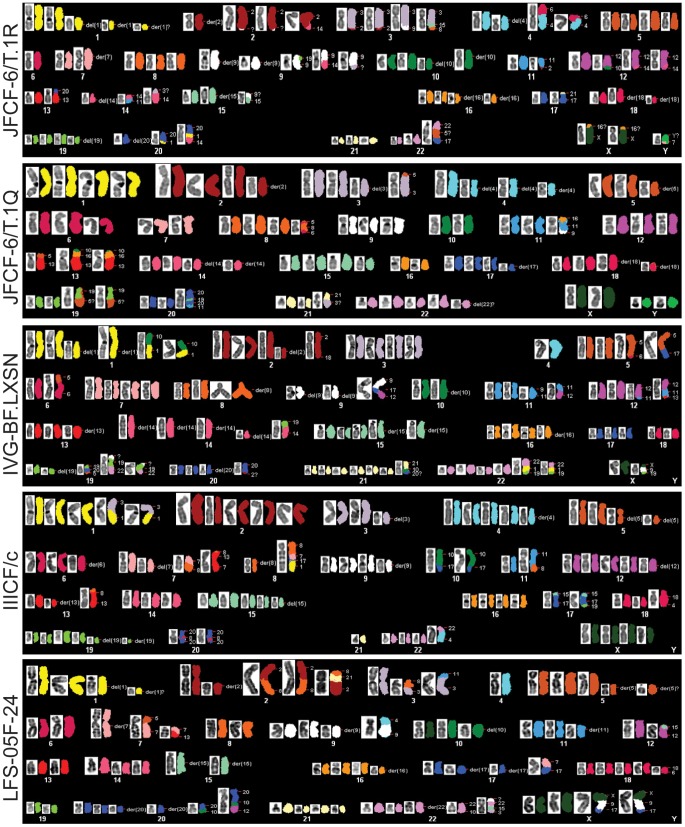
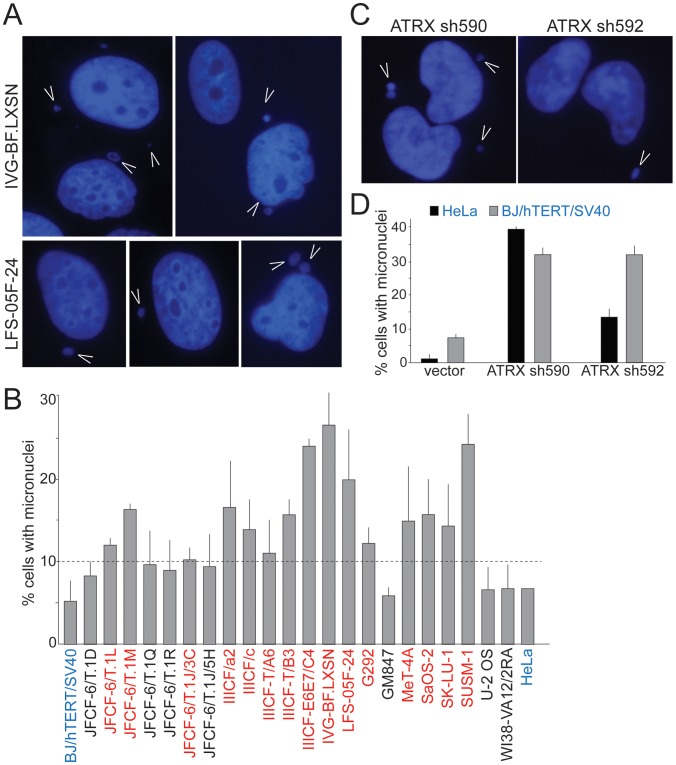
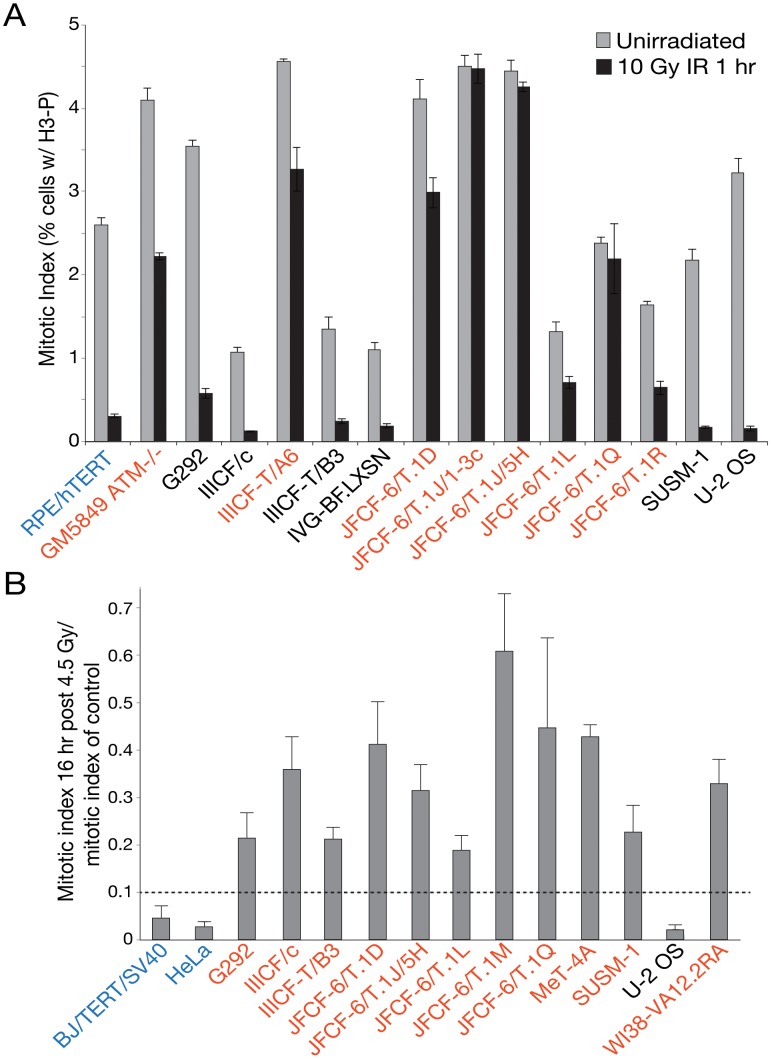
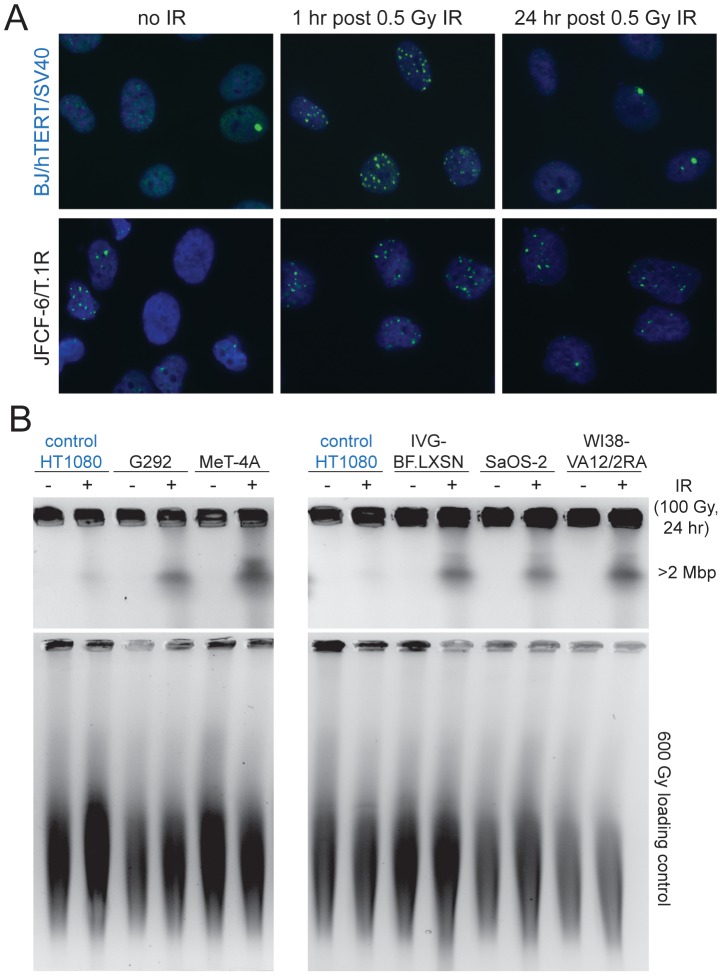
The Alternative Lengthening of Telomeres (ALT) pathway is a telomerase-independent pathway for telomere maintenance that is active in a significant subset of human cancers and in vitro immortalized cell lines. ALT is thought to involve templated extension of telomeres through homologous recombination, but the genetic or epigenetic changes that unleash ALT are not known. Recently, mutations in the ATRX/DAXX chromatin remodeling complex and histone H3.3 were found to correlate with features of ALT in pancreatic neuroendocrine cancers, pediatric glioblastomas, and other tumors of the central nervous system, suggesting that these mutations might contribute to the activation of the ALT pathway in these cancers. We have taken a comprehensive approach to deciphering ALT by applying genomic, molecular biological, and cell biological approaches to a panel of 22 ALT cell lines, including cell lines derived in vitro. Here we show that loss of ATRX protein and mutations in the ATRX gene are hallmarks of ALT-immortalized cell lines. In addition, ALT is associated with extensive genome rearrangements, marked micronucleation, defects in the G2/M checkpoint, and altered double-strand break (DSB) repair. These attributes will facilitate the diagnosis and treatment of ALT positive human cancers.
Overview
The claims and statistics of this paper haven’t been checked yet.
Run the check — free, no account needed. It reads the open-access text and checks the sources it cites.
Integrity signals
Registry
Cites
Statistics
Figures
Verification
Claims the paper makes
The claims and statistics of this paper haven’t been checked yet.
Run the check — free, no account needed. It reads the open-access text and checks the sources it cites.
Claims other papers make about this one
Each is checked against this paper’s own text: does it say what the citing paper says it does?
In the citing paper
“ALT is associated with mutations in the chromatin remodeller α-thalassaemia/mental retardation syndrome X-linked (AT R X ) both in vitro and in several human cancers, including glioblastomas162–165.”
From Telomeres in cancer: tumour suppression and genome instability (2017) · cites this paper as [162]
Self-check
Percentages, sums and reported differences re-computed from the paper’s own numbers.
The self-check needs the paper’s full text.
Citations
Cites
Comprehensive genomic characterization defines human glioblastoma genes and core pathways
The Cancer Genome Atlas Research Network (2008) · Nature · doi:10.1038/nature07385 · Cited by 7,735
The DNA-damage response in human biology and disease
Jackson, S. P., & Bartek, J. (2009) · Nature · doi:10.1038/nature08467 · Cited by 6,092 · cited 1×
“The implication of ATRX and DAXX in the ALT phenotype may have some relevance to the checkpoint defects observed, as the involvement of chromatin remodelers in the DDR becomes increasingly clear [55].”
BackgroundThe landscape of somatic copy-number alteration across human cancers
Beroukhim, R., Mermel, C. H., Porter, D., Wei, G., Raychaudhuri, S., Donovan, J., Barretina, J., Boehm, J. S., Dobson, J., Urashima, M., et al. (2010) · Nature · doi:10.1038/nature08822 · Cited by 4,017 · cited 2×
“0 algorithm was performed as previously described on the resulting segmented copy number data from the 22 ALT lines [39,59].”
BackgroundMethodSelf-citationMermel, C. H., Schumacher, S. E., Hill, B., Meyerson, M. M., Beroukhim, R., & Getz, G. A. (2011) · Genome biology · doi:10.1186/gb-2011-12-4-r41 · Cited by 3,520 · cited 1×
“0 algorithm was performed as previously described on the resulting segmented copy number data from the 22 ALT lines [39,59].”
MethodThe Consensus Coding Sequences of Human Breast and Colorectal Cancers
Sjöblom, T., Jones, S., Wood, L. D., Parsons, D. W., Lin, J., Barber, T. D., Mandelker, D. L., Leary, R. J., Ptak, J., Silliman, N., et al. (2006) · Science · doi:10.1126/science.1133427 · Cited by 3,161
Self-citationDriver mutations in histone H3.3 and chromatin remodelling genes in paediatric glioblastoma
Schwartzentruber, J., Korshunov, A., Liu, X.-Y., Jones, D. T. W., Pfaff, E., Jacob, K., Sturm, D., Fontebasso, A. M., Quang, D.-A. K., Tönjes, M., et al. (2012) · Nature · doi:10.1038/nature10833 · Cited by 2,631 · cited 1×
“The same correlation between inactivation of the ATRX pathway and the ALT-like phenotype was observed in pediatric glioblastoma and several other cancers [16,26].”
BackgroundCounter, C. M., Avilion, A. A., LeFeuvre, C. E., Stewart, N. G., Greider, C. W., Harley, C. B., & Bacchetti, S. (1992) · The EMBO Journal · doi:10.1002/j.1460-2075.1992.tb05245.x · Cited by 2,096 · cited 1×
“In cells that have been immortalized by telomerase activation, the telomere-driven genome instability is largely dampened, resulting in a rearranged but now relatively stable karyotype [43,44].”
BackgroundJiao, Y., Shi, C., Edil, B. H., de Wilde, R. F., Klimstra, D. S., Maitra, A., Schulick, R. D., Tang, L. H., Wolfgang, C. L., Choti, M. A., et al. (2011) · Science · doi:10.1126/science.1200609 · Cited by 1,744 · cited 1×
“Recently, a subset of pancreatic neuroendocrine tumors (PanNETs) were found to have ultrabright telomeric FISH signals, suggesting the presence of ALT-like long telomeres [24,25].”
BackgroundSelf-citationTelomeric Repeat–Containing RNA and RNA Surveillance Factors at Mammalian Chromosome Ends
Azzalin, C. M., Reichenbach, P., Khoriauli, L., Giulotto, E., & Lingner, J. (2007) · Science · doi:10.1126/science.1147182 · Cited by 1,379 · cited 9×
“In addition to shelterin and TERRA, we analyzed 299 genes with potential relevance to telomeres and the ALT pathway.”
BackgroundInfluentialDistinct Factors Control Histone Variant H3.3 Localization at Specific Genomic Regions
Goldberg, A. D., Banaszynski, L. A., Noh, K., Lewis, P. W., Elsässer, S. J., Stadler, S. C., Dewell, S. B., Law, M. J., Guo, X., Li, X., et al. (2010) · Cell · doi:10.1016/j.cell.2010.01.003 · Cited by 1,351
Cited by
Sorted by citations
Items 501–600 of 627
Dandesena, D., Suresh, A., Budhwar, R., Godwin, J., Singh, S., Subudhi, M., Amruthanjali, T., Roy, S., Vengatachala Moorthy, A., Bhandari, V., et al. (2024) · bioRxiv (Cold Spring Harbor Laboratory) · doi:10.1101/2024.02.20.581323 · Cited by 4
SLFN11 restricts escape from telomere crisis to prevent alternative lengthening of telomeresPreprint
Segura‐Bayona, S., Borel, V., Stanage, T. H., Maric, M., Walter, M., Oliveira, R. A., Li, S., Idilli, A. I., Peritore, M., Hewitt, G., et al. (2025) · bioRxiv (Cold Spring Harbor Laboratory) · doi:10.1101/2025.09.10.675313 · Cited by 4
“Paradoxically, ATRX inactivation alone is insufficient for ALT establishment ( 20-25 ) suggesting the requirement of additional unidentified events that synergise with ATRX loss to acquire and sustain ALT.”
SMARCAL1 is a candidate therapeutic target for ALT-positive tumorsPreprint
Taglialatela, A., Lee, J., Azeroglu, B., Chen, X., Stritto, M. R. D., Gougé, A., Lama-Díaz, T., Vaitsiankova, A., Leuzzi, G., Cruz, F. S. D., et al. (2026) · Genes & Development · doi:10.1101/gad.353377.125 · Cited by 3
“2D), an established ALT-positive cell line (Bryan et al. 1997; Brachner et al. 2006; Zhang et al. 2019a; Yadav et al. 2022) that retains functional ATRX and DAXX (Lovejoy et al. 2012).”
Generation of an Obese Diabetic Mouse Model upon Conditional Atrx Disruption
Gaspar, T. B., Jesus, T. T., Azevedo, M. T., Macedo, S., Soares, M. A., Martins, R. S., Leite, R., Rodrigues, L., Rodrigues, D. F., Cardoso, L., et al. (2023) · Cancers · doi:10.3390/cancers15113018 · Cited by 2
“A correlation between mutations and the telomerase-independent mechanism of the alternative lengthening of telomeres (ALT) was also established [15,26], with particular importance to PanNETs [27–29] that rely on this telomere maintenance mechanism (TMM) twice as often (30%) as other overall tumour types (10–15%, on av…”
BackgroundDecoding the genetic puzzle: Mutations in key driver genes of pancreatic neuroendocrine tumors
Jiang, H., Zhang, W., Xu, X., Yu, X., & Ji, S. (2025) · Biochimica et Biophysica Acta (BBA) - Reviews on Cancer · doi:10.1016/j.bbcan.2025.189305 · Cited by 2
Guerriau, C., Léonce, C., Carpentier, C., Mokhtari, K., Bielle, F., Dridi-Aloulou, A., Lomonte, P., Meyronet, D., Sanson, M., Castro‐Vega, L. J., et al. (2025) · Acta Neuropathologica Communications · doi:10.1186/s40478-025-02164-z · Cited by 2
“ATRX loss is often associated with TP53 loss and genomic instability [16, 3].”
Daxx-Dependent H3.3 Deposition Promotes Double-Strand Breaks Repair by Homologous Recombination
Zannini, L., Aliprandi, S., Delia, D., & Buscemi, G. (2026) · Cells · doi:10.3390/cells15020162 · Cited by 2
“ATRX and DAXX mutations [10] may promote alternative lengthening of telomeres (ALT), which is a homologous recombination-based mechanism that elongates telomeres in telomerase-negative cancer cells.”
Levesque, M., & Picketts, D. J. (2026) · International Journal of Molecular Sciences · doi:10.3390/ijms27073103 · Cited by 2
“To interrogate ATRXt’s function, we made use of the U2OS cell line, which has been shown to harbor a genomic deletion of the ATRX locus and to lack any ATRX expression, and has proven useful as a model to characterize FL-ATRX function following exogenous expression [14,16].”
El‐Daher, M., White, E. L., Fellas, A., Grimes, G. R., Pelliciari, S., Zhu, G., Tait, T. A., Uggenti, C., Blair, N. F., Nita, E., et al. (2026) · Nature Communications · doi:10.1038/s41467-026-78094-8 · Cited by 2
“Furthermore, acquired somatic loss-of-function mutations in ATRX are characteristic of tumours that utilise the alternative lengthening of telomeres (ALT) pathway, an adaptive mechanism active in 10–15% of all cancers 7,8 .”
Keeping It in the Family: ATRX Loss Promotes Persistent Sister Telomere Cohesion in ALT Cancer Cells
Roake, C. M., & Artandi, S. E. (2015) · Cancer Cell · doi:10.1016/j.ccell.2015.08.005 · Cited by 2
“However, despite the fact that Ramamoorthy and Smith (2015) show that ATRX loss is sufficient to promote sister telomere cohesion, others have found that loss of ATRX is not sufficient alone to induce T-SCE formation or the full ALT state (Lovejoy et al., 2012).”
BackgroundGenetic alterations in paediatric high grade astrocytomas
Rakopoulos, P., & Hawkins, C. E. (2014) · Diagnostic histopathology · doi:10.1016/j.mpdhp.2014.01.003 · Cited by 2
Goncalves, T., Bhatnagar, H., Cunniffe, S. M. T., Gibbons, R. J., Rose, A. M., & Clynes, D. (2024) · Open Biology · doi:10.1098/rsob.240205 · Cited by 2
The Dynamic Regulation of Daxx-Mediated Transcriptional Inhibition by SUMO and PML NBs
Gao, J., Liu, T., Dong-mei, Y., & Tuo, Q. (2025) · International Journal of Molecular Sciences · doi:10.3390/ijms26146703 · Cited by 2
“3, Daxx is also a significant chromatin regulatory factor that influences chromatin stability and maintains telomere length [46–49].”
Martínez‐Balsalobre, E., Anchelin, M., Hernández-Silva, D., Mione, M., Mulero, V., Alcaraz‐Pérez, F., García‐Castillo, J., & Cayuela, M. L. (2025) · EMBO Reports · doi:10.1038/s44319-025-00602-6 · Cited by 3
“…the regeneration process, including proteins involved in DNA repair as NBS1, a critical regulator of recombination recruited by RPA, ATR complex, and chromatin remodelling complexes DAXX, and ATRX, which mutations are associated with ALT (Hu et al, 2016; Lovejoy et al, 2012; Napier et al, 2015).”
Fernández‐Barrena, M. G., & Pin, C. L. (2016) · Elsevier eBooks · doi:10.1016/b978-0-12-802389-1.00020-4 · Cited by 2
GLIOBLASTOMA MULTIFORME: PATHOGENESIS AND MOLECULAR MARKERS
Kit, O. I., Vodolazhskiy, D. I., Frantsiyants, E. M., Panina, S., Rastorguev, E., & Porksheyan, D. H. (2017) · Voprosy Onkologii · doi:10.37469/0507-3758-2017-63-5-695-702 · Cited by 2
Chen, P., Wang, Q., Xie, J., & Kwok, H. F. (2019) · Seminars in Cancer Biology · doi:10.1016/j.semcancer.2019.04.005 · Cited by 2
Zalenski, A. A., & Venere, M. (2021) · Translational Oncology · doi:10.1016/j.tranon.2021.101173 · Cited by 2
Nersisyan, L., & Arakelyan, A. (2017) · bioRxiv (Cold Spring Harbor Laboratory) · doi:10.1101/200535 · Cited by 2
“Additionally, it is known that the majority of ALT cells have mutations in ATRX and/or DAXX genes; however, their role in ALT initiation is not yet clearly stated [44].”
BackgroundIdilli, A. I., Cusanelli, E., Pagani, F., Kerschbamer, E., Berardinelli, F., Bernabé‐García, M., Cayuela, M. L., Piazza, S., Poliani, P. L., & Mione, M. (2019) · bioRxiv (Cold Spring Harbor Laboratory) · doi:10.1101/718551 · Cited by 2
Loose ends in cancer genome structurePreprint
Behr, J. M., Yao, X., Hadi, K., Tian, H., Deshpande, A. S., Rosiene, J. A., de Lange, T., & Imielinski, M. B. (2021) · bioRxiv (Cold Spring Harbor Laboratory) · doi:10.1101/2021.05.26.445837 · Cited by 1
Pierpoint, M., Floyd, W., Wisdom, A. J., Luo, L., Ma, Y., Waitkus, M. S., & Kirsch, D. G. (2023) · bioRxiv (Cold Spring Harbor Laboratory) · doi:10.1101/2023.11.06.565874 · Cited by 2
“…α -thalassemia/mental retardation, X-linked (ATRX) protein function or expression in multiple subtypes of sarcoma including osteosarcoma, leiomyosarcoma, dedifferentiated liposarcoma, pleomorphic liposarcoma, angiosarcoma, myxofibrosarcoma, and undifferentiated pleomorphic sarcoma8 ,9,10,11,12,13 .”
BackgroundTelomeric lncRNA TERRA localizes to stress granules in human ALT cellsPreprint
Larini, L., Goretti, E., Zulian, E., Busarello, E., Marino, S. M., Hajikazemi, M., Paeschke, K., Tebaldi, T., Cusanelli, E., & Juríková, K. (2024) · bioRxiv (Cold Spring Harbor Laboratory) · doi:10.1101/2024.06.18.599513 · Cited by 2
“ALT cells are characterized by ongoing genome instability 27 .”
BackgroundBeyond ATRX: The heterogeneous basis of Alternative Lengthening of Telomeres in osteosarcoma
Goncalves, T., Mattis, N., Mitchell, A. F., & Rose, A. M. (2026) · Cancer Genetics · doi:10.1016/j.cancergen.2026.06.001 · Cited by 1
Itoh, M. (2017) · Springer eBooks · doi:10.1007/978-4-431-54460-9_5 · Cited by 1
Molecular Genetics of Neuroblastoma
Liu, Z., & Thiele, C. J. (2016) · Springer eBooks · doi:10.1007/978-3-319-46038-3_5 · Cited by 1
Molecular Genetics of Neuroendocrine Tumors
Papadopoulos, N., & Hruban, R. H. (2018) · Wiley eBooks · doi:10.1002/9781119188421.ch123 · Cited by 1
Self-citationWhole genome landscape in pancreatic neuroendocrine tumours
Corbo, V. (2018) · Endocrine Abstracts · doi:10.1530/endoabs.56.s10.1 · Cited by 1
Gaela, V. M., Hsia, H.-Y., Boudier, T., & Chen, L. (2022) · bioRxiv (Cold Spring Harbor Laboratory) · doi:10.1101/2022.03.30.485724 · Cited by 1
“3 on telomeres (Elsässer et al., 2012; Goldberg et al., 2010; Heaphy et al., 2011; Lewis et al., 2010; Lovejoy et al., 2012).”
BackgroundInfluentialDeWitt, S. B., Plumlee, S. H., Brighton, H. E., Sivaraj, D., Martz, E. J., Zand, M., Kumar, V., Sheth, M. U., Floyd, W., Spruance, J., et al. (2022) · bioRxiv (Cold Spring Harbor Laboratory) · doi:10.1101/2022.04.22.489086 · Cited by 1
“In the context of cancers, nearly all published studies have focused on the correlation between loss of ATRX expression and activation of the alternative lengthening of telomeres (ALT) pathway for telomere maintenance (21, 22, 29, 30).”
BackgroundConstitutive cGAS-STING activation in ALT+ cellsPreprint
Geelen, D., Beacom, A., Vaurs, M., Mahieu, M., Boutoual, R., Derumier, A., Hoerr, R. E., Loriot, A. E., Nassour, J., & Decottignies, A. (2025) · bioRxiv (Cold Spring Harbor Laboratory) · doi:10.1101/2025.04.18.649516 · Cited by 2
“Consistent with the previously described frequent loss of ATRX or DAXX in ALT+ cell lines (Lovejoy et al., 2012 Lysosomal control of cGAS-STING signaling was characterized only recently (Xu and Wan, 2024), leading us to wonder if the lack of observable STING protein was due to lysosomal degradation.”
Tsai, C.-T., Gaela, V. M., Hsia, H.-Y., Huang, Y., & Chen, L. (2025) · bioRxiv (Cold Spring Harbor Laboratory) · doi:10.1101/2025.06.16.658187 · Cited by 1
“…in either mortal or telomerase-posi(ve cell lines results in reduced histone deposi(on and telomeric H3K9me3, telomere decompac(on, and replica(on dysfunc(on, though loss of either protein is not sufficient to immediately ac(vate ALT(Li et al., 2019; Lovejoy et al., 2012; O’Sullivan et al., 2014).”
Mori, J., Da, J., Kim, J., Rizzo, A. J., Davis, C., Lanza, C., Brosnan‐Cashman, J. A., Meeker, A. K., Heaphy, C. M., & Graham, M. K. (2025) · bioRxiv (Cold Spring Harbor Laboratory) · doi:10.1101/2025.08.06.668744 · Cited by 1
Self-citationSLFN11 puts the brakes on Alternative lengthening of telomeresPreprint
Khandagale, P., Welter, A. L., Huang, S.-Y. N., Taniyama, D., Machida, Y., & Pommier, Y. G. (2025) · bioRxiv (Cold Spring Harbor Laboratory) · doi:10.64898/2025.12.08.692725 · Cited by 1
“Although most ALT tumors harbor mutations in ATRX or DAXX ( 19, 20, 56, 57 ), genetic inactivation of ATRX alone cannot result in the induction or activation of ALT in telomerase-positive cancers or pluripotent stem cells ( 30, 58 ), implying that additional molecular drivers control ALT.”
InfluentialBennett, D., Wierdl, M., Chakraborty, S., Johnson, J., Akingbehin, V., Estevez-Prado, D., Feng, Y., Morsby, J. J., Harper, J., Nezhady, M. A. M., et al. (2026) · bioRxiv (Cold Spring Harbor Laboratory) · doi:10.64898/2026.03.04.709438 · Cited by 2
“49,50 However, the true rates of ATRX loss in cancer cell lines, including across DepMap, remains unknown.”
Zwang, Y. (2013) · Defense Technical Information Center (DTIC) · doi:10.21236/ada581164
Self-citationRegulation of Imprinted Genes in the brain by the ATRX Chromatin Remodeling Protein
Kernohan, K. D. (2013) · Scholarship@Western (Western University)
Shelterin complex in telomere protection: recent insights and pathological significance
Loayza, D., & Kalan, S. (2014) · Cell Health and Cytoskeleton · doi:10.2147/chc.s49687
“29 Although other genetic or epigenetic events are required for establishment of ALT, this pathway stresses that it is telomere maintenance that sustains tumor cell growth, and not telomerase expression by itself.”
Felix, D. A. (2014) · Else Kröner-Fresenius Symposia · doi:10.1159/000366567
PTPS-15ATRX LOSS PROMOTES TUMOR GROWTH AND IMPAIRS NON-HOMOLOGOUS END JOINING DNA REPAIR IN GLIOMA
Koschmann, C. J., Calinescu, A., Núñez, F. J., Mckay, A., Salom, J. F., Thomas, D., Mulpuri, L., Kamran, N., Mendez, F., Dzaman, M., et al. (2015) · Neuro-Oncology · doi:10.1093/neuonc/nov228.15
Self-citationTelomere Maintenance Using Cell Lines from Dyskeratosis Congenita Patients
Sharma, C. D. (2016) · Brunel University Research Archive (BURA) (Brunel University London)
Mangerel, J. (2015) · TSpace (University of Toronto)
The Genomics of Diffuse Low-Grade Gliomas
Ahmad, M. F., Weil, R. J., & Marko, N. F. (2017) · Springer eBooks · doi:10.1007/978-3-319-55466-2_8
Pheochromocytomas and Paragangliomas: Genetics and Pathophysiology
Fishbein, L. M. (2017) · Contemporary Endocrinology · doi:10.1007/978-3-319-62470-9_8
The Role of Genetics in Sporadic GEP-NETs: A Comprehensive Review of the Literature
Fotopoulos, G., Vathiotis, I. A., Nikou, G. C., & Syrigos, K. (2017) · Forum of Clinical Oncology · doi:10.1515/fco-2017-0001
“ALT phenotype triggers genome rearrangements, defects in the G2/M checkpoint control, prominent micronucleation and altered doublestrand break repair mechanisms [15].”
BackgroundRole for NIP45 in Telomere Recruitment to PML Bodies in ALT Cancer Cells
Farley, D. D. (2013)
Lu, L., Bhattarai, A., Longtine, C., Frenk, S., Garrison, M., Lee, J. S., Lister-Shimauchi, E. H., & Ahmed, S. C. (2018) · bioRxiv (Cold Spring Harbor Laboratory) · doi:10.1101/292722
“Because human ALT cancers are characterized by ATRX-mediated heterochromatin dysfunction (Heaphy et al. 2011 Jul 22; Lovejoy et al. 2012; Lin et al. 2026), we reasoned that small RNA factors that promote heterochromatin silencing might regulate the establishment of ALT.”
Probing the Molecular Interactions of ATRX
Jonathon, S. (2017) · TSpace (University of Toronto)
Turcotte-Cardin, V., Young, K. G., & Picketts, D. J. (2019) · Elsevier eBooks · doi:10.1016/b978-0-12-813796-3.00011-0
RECQL4; Linking DNA Replication and Bone Tumourigenesis
Author, U. (2019) · Lincoln Repository (University of Lincoln) · doi:10.24385/lincoln.24326188
Piao, Y.-S., Wang, L., Li, Z., Liu, C., Zhang, L., Wang, D., Ge, H., Xu, W., Fu, Y., Cai, Y., et al. (2020) · Glioma · doi:10.4103/glioma.glioma_21_20
Análise dos genes ATRX e ZNRF3 como fatores de prognóstico do carcinoma adrenocortical
Balderrama-Brondani, V. (2021) · Digital Library of Theses and Dissertations (Universidade de São Paulo) · doi:10.11606/t.5.2021.tde-28092021-123423
Hickson, I. D., & Mankouri, H. W. (2014) · Faculty Opinions – Post-Publication Peer Review of the Biomedical Literature · doi:10.3410/f.718235134.793493488
Tang, G., Yang, Y., Liu, Y., Han, B., Xu, W., Qin, L., Fang, F., & Wang, Z. (2020) · Research Square · doi:10.21203/rs.3.rs-66848/v1
Faculty Opinions recommendation of Telomeres in cancer: tumour suppression and genome instability.
Savage, S. A. (2018) · Faculty Opinions – Post-Publication Peer Review of the Biomedical Literature · doi:10.3410/f.727224887.793545187
RTEL-1 and DNA polymerase theta promote subtelomeric DNA synthesis and telomere fusion in C. elegansPreprint
Lister‐Shimauchi, E. H., Brady, M. M., Frenk, S., Harris, B., Ortiz, A.-M. L., Memili, A., Nguyen, M., Boulton, S. J., & Ahmed, S. C. (2022) · bioRxiv (Cold Spring Harbor Laboratory) · doi:10.1101/2022.09.04.506531
“3 chaperone ATRX/DAXX, which is almost always deficient in human ALT tumors (Cheng et al., 2012; Heaphy et al., 2011; Lovejoy et al., 2012; Schwartzentruber et al., 2012).”
BackgroundCharacterisation of the role of the ATR kinase homolog in L. major response to replication stress
da Silva, G. L. A. (2022) · Digital Library of Theses and Dissertations (Universidade de São Paulo) · doi:10.11606/t.17.2022.tde-01122022-121302
Amplification and Quantitation of Telomeric Extrachromosomal Circles
Robinson, N. J., & Schiemann, W. P. (2023) · BIO-PROTOCOL · doi:10.21769/bioprotoc.4627 · Cited by 1
“Moreover, loss of ATRX and DAXX is not uniformly distributed in ALT-positive specimens (Lovejoy et al., 2012) and can be found in ALT-negative specimens as well (de Nonneville and Reddel, 2021).”
BackgroundMacha, S. J., Koneru, B., Burrow, T. A., Zhu, C., Savitski, D., Rahman, R. L., Ronaghan, C. A., Nance, J., McCoy, K., Eslinger, C. R., et al. (2023) · doi:10.1158/0008-5472.c.6514106.v1
Stern, J. L., Hibshman, G. N., Hu, K., Ferrara, S. E., Costello, J. C., Kim, W., Tamayo, P., Cech, T. R., & Huang, F. W. (2023) · doi:10.1158/1541-7786.22517910.v1
Stern, J. L., Hibshman, G. N., Hu, K., Ferrara, S. E., Costello, J. C., Kim, W., Tamayo, P., Cech, T. R., & Huang, F. W. (2023) · doi:10.1158/1541-7786.22517910
A expressão do TERRA é desregulada na leucemia mieloide aguda
Catto, L. F. B. (2023) · Digital Library of Theses and Dissertations (Universidade de São Paulo) · doi:10.11606/t.17.2023.tde-11042023-093527
Molecular Genetics of Neuroendocrine Tumors
Papadopoulos, N., & Hruban, R. H. (2023) · Wiley eBooks · doi:10.1002/9781119876007.ch100
Self-citationDealing with Replication Stress at Telomeres
Coulon, S. (2024) · Wiley eBooks · doi:10.1002/9781394300808.ch6
Alternative Lengthening of Telomeres
Gauchier, M. (2024) · doi:10.1002/9781394300808.ch9
Molecular genetic features of neuroblastoma in adolescent
Андреева, Н. А., Shamanskaya, T. V., Kachanov, D. Y., Abasov, R. K., Гегелия, Н. В., & Druy, A. E. (2024) · Advances in molecular oncology · doi:10.17650/2313-805x-2024-11-2-106-115
Telomere interactions and structural variants in ALT cells revealed with TelSPRITEPreprint
Wilson, D. G., Soper, S. F. C., Pineda, M. A., Walker, R. L., & Meltzer, P. S. (2024) · bioRxiv (Cold Spring Harbor Laboratory) · doi:10.1101/2024.11.22.624895
Vastrad, B. M., & Vastrad, C. M. (2025) · bioRxiv (Cold Spring Harbor Laboratory) · doi:10.1101/2025.02.13.638207
ATRX safeguards cellular identity during C. elegans developmentPreprint
Olver, J. C., Shtumpf, M., Hussain, K., Methot, S. P., Sarkies, P., & Ferreira, H. C. (2025) · bioRxiv (Cold Spring Harbor Laboratory) · doi:10.1101/2025.03.11.641662
“As previously described, loss of ATRX in human cells has been linked to several phenotypes such as ALT activation and sensitivity to replication inhibitors (3,12,16).”
Translational transcriptomics for personalized oncology
Buzdin, A. A., Seryakov, A. P., Zolotovskaia, M., Sorokin, M., Tkachev, V., Giese, A., Sekacheva, M. I., Poddubskaya, E. V., Rozenberg, J. M., & Mohammad, T. (2025) · Elsevier eBooks · doi:10.1016/b978-0-443-19110-7.00008-2
Glioma in different life stages: A comparative analysis of adult and pediatric tumors
Ashraf, A., Ashraf, A., Khan, L., SHAIKH, S., & Hanif, F. (2025) · Human Gene · doi:10.1016/j.humgen.2025.201476
Denu, R. A., Singh, A. K., Jiang, Y., Zheng, Z., Ingram, D. R., Wani, K., Lazcano, R., Ginn, M. P., Anand, K., Singh, B. K., et al. (2025) · bioRxiv (Cold Spring Harbor Laboratory) · doi:10.1101/2025.11.23.689992
Telomeric repeat-containing lncRNA TERRA targets non-telomeric DNA in trans via R-loops
Shehata, S. N., Mendez, A., Mondal, T., & Vaid, R. (2025) · Computational and Structural Biotechnology Journal · doi:10.1016/j.csbj.2025.11.063
The chromatin guardian ATRX is a strong prognostic biomarker in melanoma
Frei, C. A., Litchfield, C., Mihic, A., Prutek, F., Fitsche, A., Wiesmann, F., Wanner, M., Sobottka, B., Mihic‐Probst, D., Aebersold, R. H., et al. (2025) · Scientific Reports · doi:10.1038/s41598-025-30842-4
“One study even reported ATRX loss or mutation as a hallmark of 90% of ALT-immortalized cell lines and suggests a significant role in driving uncontrolled cancer cell growth 39 .”
Ge, Y., Wei, F., Du, G., Fei, G., Li, W., Li, X., Chu, J., & Wei, P. (2021) · Figshare · doi:10.6084/m9.figshare.14177144
Self-citationBarbosa, M. S., Marques, L. M., Timenetsky, J., Rosengarten, R., Spergser, J., & Chopra‐Dewasthaly, R. (2022) · Figshare · doi:10.6084/m9.figshare.19561674
Barbosa, M. S., Marques, L. M., Timenetsky, J., Rosengarten, R., Spergser, J., & Chopra‐Dewasthaly, R. (2022) · Figshare · doi:10.6084/m9.figshare.19561659
Barbosa, M. S., Marques, L. M., Timenetsky, J., Rosengarten, R., Spergser, J., & Chopra‐Dewasthaly, R. (2022) · Figshare · doi:10.6084/m9.figshare.19561671
Barbosa, M. S., Marques, L. M., Timenetsky, J., Rosengarten, R., Spergser, J., & Chopra‐Dewasthaly, R. (2022) · Figshare · doi:10.6084/m9.figshare.19561665
Wang, C., Songyang, Z., & Huang, Y. (2021) · Figshare · doi:10.6084/m9.figshare.15085867
Wang, C., Songyang, Z., & Huang, Y. (2021) · Figshare · doi:10.6084/m9.figshare.15085864
Ge, Y., Wei, F., Du, G., Fei, G., Li, W., Li, X., Chu, J., & Wei, P. (2021) · Figshare · doi:10.6084/m9.figshare.14177156
Self-citationGe, Y., Wei, F., Du, G., Fei, G., Li, W., Li, X., Chu, J., & Wei, P. (2021) · Figshare · doi:10.6084/m9.figshare.14177141
Self-citationWang, C., Songyang, Z., & Huang, Y. (2021) · Figshare · doi:10.6084/m9.figshare.15085858
Habiba, U., Sugino, H., Yordanova, R., Ise, K., Tanei, Z.-I., Ishida, Y., Tanikawa, S., Terasaka, S., Sato, K.-I., Kamoshima, Y., et al. (2021) · Figshare · doi:10.6084/m9.figshare.14642873
Ge, Y., Wei, F., Du, G., Fei, G., Li, W., Li, X., Chu, J., & Wei, P. (2021) · Figshare · doi:10.6084/m9.figshare.14177153
Self-citationBarbosa, M. S., Marques, L. M., Timenetsky, J., Rosengarten, R., Spergser, J., & Chopra‐Dewasthaly, R. (2022) · Figshare · doi:10.6084/m9.figshare.19561662
Barbosa, M. S., Marques, L. M., Timenetsky, J., Rosengarten, R., Spergser, J., & Chopra‐Dewasthaly, R. (2022) · Figshare · doi:10.6084/m9.figshare.19561668
Wang, C., Songyang, Z., & Huang, Y. (2021) · Figshare · doi:10.6084/m9.figshare.15085861
Ge, Y., Wei, F., Du, G., Fei, G., Li, W., Li, X., Chu, J., & Wei, P. (2021) · Figshare · doi:10.6084/m9.figshare.14177147
Self-citationGe, Y., Wei, F., Du, G., Fei, G., Li, W., Li, X., Chu, J., & Wei, P. (2021) · Figshare · doi:10.6084/m9.figshare.14177150
Self-citationKeegan, J., Sorbello, S., Mori, J., Muratani, S., Leshchiner, I., Heaphy, C. M., & Flynn, R. L. (2026) · bioRxiv (Cold Spring Harbor Laboratory) · doi:10.64898/2026.01.02.691864
“The least frequent chromothripsis events occurred in chromosome 4, 13, 17, 18 and 20 as we did not detect any chromothripsis events in any samples.”
Gensler, R., Ahmed, A. K., Horowitz, M. A., Khalifeh, J. M., Li, M., Sadeghipour, N., Abdulrahim, M., Glantz, M. J., Aulakh, S., Nicolaides, T. P., et al. (2026) · Journal of Neuro-Oncology · doi:10.1007/s11060-025-05409-y
ZEB1 Promotes Alternate Lengthening of Telomeres at Multiple Levels
Genetta, T. L., Perez-Medero, J. D., Jang, H., Zhang, T., Hussain, B. A., & Larner, J. M. (2026) · Cancers · doi:10.3390/cancers18030499
“Individually and together, these structures can amplify the replication stress already inherent in this highly repetitive region with attendant fork collapse and subsequent DNA damage [11,12].”
InfluentialYin, C., Fang, B., Li, Z., Sun, H., & Wei, S. (2026) · Gene Reports · doi:10.1016/j.genrep.2026.102440
NR2C/F telomeric association drives telomere-genome rearrangements in ALT cells
Marzec, P. (2013) · theses.fr (ABES) · doi:10.70675/2214c05fz9816z4523z8800zee5dcb9b9ff7
Biogenesis and Function of H3K9me3 at telomeres of mouse embryonic stem cells
Kan, S. (2015) · theses.fr (ABES) · doi:10.70675/cbaee4b0z64cez4b4eza882zbaf2c49e74a0
Metadata
- Authors
- Lovejoy, C. A., Li, W., Reisenweber, S., Thongthip, S., Bruno, J., de Lange, T., De, S., Petrini, J. H. J., Sung, P. A., Jasin, M., Rosenbluh, J., Zwang, Y., Weir, B. A., Hatton, C., Ivanova, E., Macconaill, L., Hanna, M., Hahn, W. C., Lue, N. F., Reddel, R. R., Jiao, Y., Kinzler, K., Vogelstein, B., Papadopoulos, N., Meeker, A. K., & for the ALT Starr Cancer Consortium
- Affiliations
- Rockefeller University (US)
- Memorial Sloan Kettering Cancer Center (US)
- Broad Institute (US)
- Dana-Farber Cancer Institute (US)
- Cornell University (US)
- The University of Sydney (AU)
- Johns Hopkins University (US)
- ORCID
- Lovejoy, Courtney A.
- Thongthip, Supawat
- Bruno, Joanne
- De, Saurav
- Petrini, John H. J.
- Sung, Patricia A.
- Jasin, Maria
- Rosenbluh, Joseph
- Zwang, Yaara
- Hatton, Charlie
- Ivanova, Elena
- Macconaill, Laura
- Hahn, William C.
- Lue, Neal F.
- Reddel, Roger R.
- Jiao, Yuchen
- Kinzler, Kenneth
- Vogelstein, Bert
- Papadopoulos, Nickolas
- Meeker, Alan K.
- Venue
- PLoS Genetics
- Publisher
- Public Library of Science (PLoS)
- Published
- 2012-07-19
- Volume
- 8
- Issue
- 7
- Pages
- e1002772
- ISSN
- 1553-7390 (ISSN-L)
- 1553-7404
- PMC
- PMC3400581
- OpenAlex
- W1999626396
- Cited by
- 629
- References
- 60
- Citations by year
- 2026: 34 · 2025: 41 · 2024: 33 · 2023: 44 · 2022: 51 · 2021: 52 · 2020: 49 · 2019: 54 · 2018: 53 · 2017: 44 · 2016: 41 · 2015: 49 · 2014: 44 · 2013: 33 · 2012: 6
- FWCI
- 28.08
- Type
- journal article
- Language
- en
- Open access
- gold
- doi.org
- Locations
- PLoS Genetics (publishedVersion, cc-by)
- Europe PMC (PubMed Central) (publishedVersion, cc-by)
- PubMed Central (publishedVersion, cc-by)
- PubMed (publishedVersion)
- Digital Access to Scholarship at Harvard (DASH) (Harvard University) (submittedVersion, cc-by)
- DOAJ (DOAJ: Directory of Open Access Journals) (submittedVersion, cc-by-sa)
- Figshare (submittedVersion, cc-by)
- Funders
- U.S. Department of Defense
- National Institutes of Health
- Cancer Council NSW
- National Institute on Aging (R01AG023145)
- National Cancer Institute (CA076027, R01CA076027, R37CA043460, R13CA162528)
- National Institute of General Medical Sciences (R37GM059413, R37GM049046, R01GM049046, F32GM090437, GM049046, R01GM056888)
- Topics
- Life Sciences › Biochemistry, Genetics and Molecular Biology › Cell Biology › Telomeres, Telomerase, and Senescence
- Life Sciences › Biochemistry, Genetics and Molecular Biology › Molecular Biology › DNA Repair Mechanisms
- Life Sciences › Biochemistry, Genetics and Molecular Biology › Molecular Biology › DNA and Nucleic Acid Chemistry
- Keywords
- alternative lengthening of telomeres, ATRX, histone H3.3, genomic instability, DNA damage response, DNA double-strand break repair, G2/M checkpoint, micronucleation, genome rearrangement, telomere maintenance
- MeSH terms
- X-linked Nuclear Protein, DNA Damage, DNA Repair, DNA Helicases, HeLa Cells, Histones, Humans, Nuclear Proteins, Signal Transduction, Telomere, Molecular Chaperones, Telomerase, Chromatin Assembly and Disassembly, Genomic Instability, Adaptor Proteins, Signal Transducing, DNA Breaks, Double-Stranded, Co-Repressor Proteins, Telomere Homeostasis, G2 Phase Cell Cycle Checkpoints, Homologous Recombination
About these checks
Registry, retraction, Cites and statistics results are computed, not judged, with one exception: a printed reference that no index lists is read once by a model before it counts as a citation error. Claims are extracted by a model and kept only when their quote appears verbatim in the text; each cited source is then checked, with a model’s help, for whether it says what the claim relies on. Those verdicts can be wrong — read the claim’s quote and the cited source before relying on one.
Statistics and arithmetic are recomputed, not judged.
Confidence bands are shown only for fields calibrated on our annotated test set. None is calibrated yet, so no band is shown.
What counts as a claim ›How we measure confidence ›How we check this ›
Are you an author, or do you see a problem with this page? Request a review
