

The DOI matches its Crossref record; 59 of the 60 references it cites were found in a registry or an index.
Loss of ATRX, Genome Instability, and an Altered DNA Damage Response Are Hallmarks of the Alternative Lengthening of Telomeres Pathway
Open accessAbstract
The Alternative Lengthening of Telomeres (ALT) pathway is a telomerase-independent pathway for telomere maintenance that is active in a significant subset of human cancers and in vitro immortalized cell lines. ALT is thought to involve templated extension of telomeres through homologous recombination, but the genetic or epigenetic changes that unleash ALT are not known. Recently, mutations in the ATRX/DAXX chromatin remodeling complex and histone H3.3 were found to correlate with features of ALT in pancreatic neuroendocrine cancers, pediatric glioblastomas, and other tumors of the central nervous system, suggesting that these mutations might contribute to the activation of the ALT pathway in these cancers. We have taken a comprehensive approach to deciphering ALT by applying genomic, molecular biological, and cell biological approaches to a panel of 22 ALT cell lines, including cell lines derived in vitro. Here we show that loss of ATRX protein and mutations in the ATRX gene are hallmarks of ALT-immortalized cell lines. In addition, ALT is associated with extensive genome rearrangements, marked micronucleation, defects in the G2/M checkpoint, and altered double-strand break (DSB) repair. These attributes will facilitate the diagnosis and treatment of ALT positive human cancers.
Overview
The claims and statistics of this paper haven’t been checked yet.
Run the check — free, no account needed. It reads the open-access text and checks the sources it cites.
Integrity signals
Registry
Cites
Statistics
Figures
Verification
Claims the paper makes
The claims and statistics of this paper haven’t been checked yet.
Run the check — free, no account needed. It reads the open-access text and checks the sources it cites.
Claims other papers make about this one
Each is checked against this paper’s own text: does it say what the citing paper says it does?
In the citing paper
“ALT is associated with mutations in the chromatin remodeller α-thalassaemia/mental retardation syndrome X-linked (AT R X ) both in vitro and in several human cancers, including glioblastomas162–165.”
From Telomeres in cancer: tumour suppression and genome instability (2017) · cites this paper as [162]
Self-check
Percentages, sums and reported differences re-computed from the paper’s own numbers.
The self-check needs the paper’s full text.
Citations
Cites
Comprehensive genomic characterization defines human glioblastoma genes and core pathways
The Cancer Genome Atlas Research Network (2008) · Nature · doi:10.1038/nature07385 · Cited by 7,735
The DNA-damage response in human biology and disease
Jackson, S. P., & Bartek, J. (2009) · Nature · doi:10.1038/nature08467 · Cited by 6,092 · cited 1×
“The implication of ATRX and DAXX in the ALT phenotype may have some relevance to the checkpoint defects observed, as the involvement of chromatin remodelers in the DDR becomes increasingly clear [55].”
BackgroundThe landscape of somatic copy-number alteration across human cancers
Beroukhim, R., Mermel, C. H., Porter, D., Wei, G., Raychaudhuri, S., Donovan, J., Barretina, J., Boehm, J. S., Dobson, J., Urashima, M., et al. (2010) · Nature · doi:10.1038/nature08822 · Cited by 4,017 · cited 2×
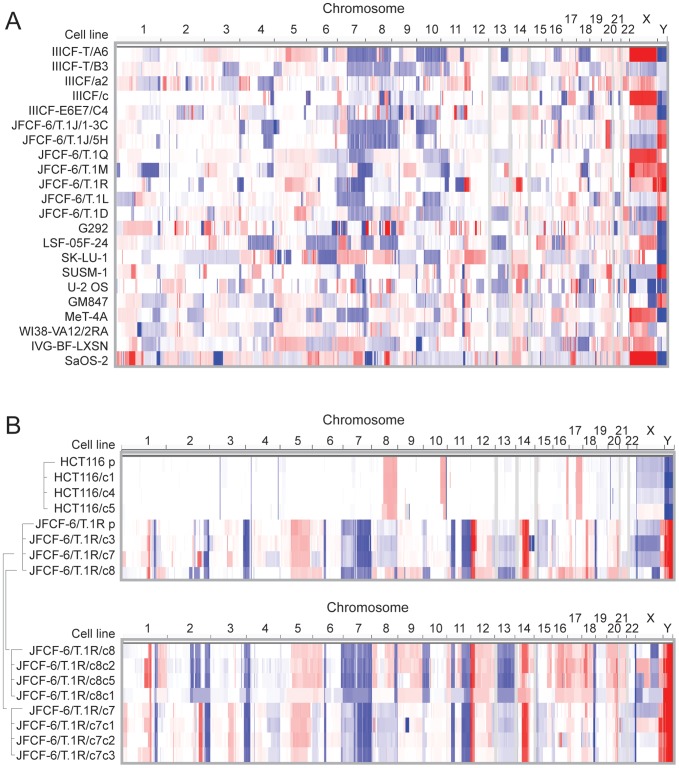
“0 algorithm was performed as previously described on the resulting segmented copy number data from the 22 ALT lines [39,59].”
BackgroundMethodSelf-citationMermel, C. H., Schumacher, S. E., Hill, B., Meyerson, M. M., Beroukhim, R., & Getz, G. A. (2011) · Genome biology · doi:10.1186/gb-2011-12-4-r41 · Cited by 3,520 · cited 1×
“0 algorithm was performed as previously described on the resulting segmented copy number data from the 22 ALT lines [39,59].”
MethodThe Consensus Coding Sequences of Human Breast and Colorectal Cancers
Sjöblom, T., Jones, S., Wood, L. D., Parsons, D. W., Lin, J., Barber, T. D., Mandelker, D. L., Leary, R. J., Ptak, J., Silliman, N., et al. (2006) · Science · doi:10.1126/science.1133427 · Cited by 3,161
Self-citationDriver mutations in histone H3.3 and chromatin remodelling genes in paediatric glioblastoma
Schwartzentruber, J., Korshunov, A., Liu, X.-Y., Jones, D. T. W., Pfaff, E., Jacob, K., Sturm, D., Fontebasso, A. M., Quang, D.-A. K., Tönjes, M., et al. (2012) · Nature · doi:10.1038/nature10833 · Cited by 2,631 · cited 1×
“The same correlation between inactivation of the ATRX pathway and the ALT-like phenotype was observed in pediatric glioblastoma and several other cancers [16,26].”
BackgroundCounter, C. M., Avilion, A. A., LeFeuvre, C. E., Stewart, N. G., Greider, C. W., Harley, C. B., & Bacchetti, S. (1992) · The EMBO Journal · doi:10.1002/j.1460-2075.1992.tb05245.x · Cited by 2,096 · cited 1×
“In cells that have been immortalized by telomerase activation, the telomere-driven genome instability is largely dampened, resulting in a rearranged but now relatively stable karyotype [43,44].”
BackgroundJiao, Y., Shi, C., Edil, B. H., de Wilde, R. F., Klimstra, D. S., Maitra, A., Schulick, R. D., Tang, L. H., Wolfgang, C. L., Choti, M. A., et al. (2011) · Science · doi:10.1126/science.1200609 · Cited by 1,744 · cited 1×
“Recently, a subset of pancreatic neuroendocrine tumors (PanNETs) were found to have ultrabright telomeric FISH signals, suggesting the presence of ALT-like long telomeres [24,25].”
BackgroundSelf-citationTelomeric Repeat–Containing RNA and RNA Surveillance Factors at Mammalian Chromosome Ends
Azzalin, C. M., Reichenbach, P., Khoriauli, L., Giulotto, E., & Lingner, J. (2007) · Science · doi:10.1126/science.1147182 · Cited by 1,379 · cited 9×
“In addition to shelterin and TERRA, we analyzed 299 genes with potential relevance to telomeres and the ALT pathway.”
BackgroundInfluentialDistinct Factors Control Histone Variant H3.3 Localization at Specific Genomic Regions
Goldberg, A. D., Banaszynski, L. A., Noh, K., Lewis, P. W., Elsässer, S. J., Stadler, S. C., Dewell, S. B., Law, M. J., Guo, X., Li, X., et al. (2010) · Cell · doi:10.1016/j.cell.2010.01.003 · Cited by 1,351
Bryan, T. M., Englezou, A., Dalla-Pozza, L., Dunham, M. A., & Reddel, R. R. (1997) · Nature Medicine · doi:10.1038/nm1197-1271 · Cited by 1,292 · cited 2×
“independent telomere maintenance pathway, referred to as ALT [1].”
BackgroundSelf-citationDNA breaks and chromosome pulverization from errors in mitosis
Crasta, K., Ganem, N. J., Dagher, R., Lantermann, A. B., Ivanova, E. V., Pan, Y., Nezi, L., Protopopov, A., Chowdhury, D., & Pellman, D. (2012) · Nature · doi:10.1038/nature10802 · Cited by 1,227 · cited 1×
“Defects in mitosis and dicentric chromosomes can give rise to lagging chromosomes that can form micronuclei, which were recently shown to engender massive genomic alterations [45].”
BackgroundSelf-citationTelomere dysfunction promotes non-reciprocal translocations and epithelial cancers in mice
Artandi, S. E., Chang, S., Lee, S.-L., Alson, S., Gottlieb, G. J., Chin, L., & DePinho, R. A. (2000) · Nature · doi:10.1038/35020592 · Cited by 1,085 · cited 1×
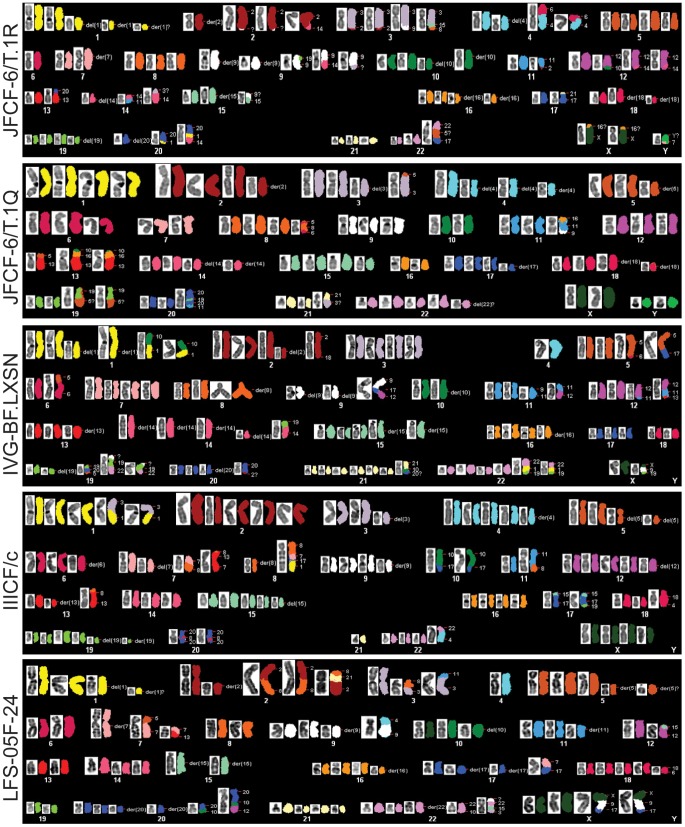
“LXN, IIICF/c, and LFS-05F-24) showed frequent nonreciprocal translocations, deletions, complex rearrangements, and hyper-triploid chromosome numbers (Figure 3), all of which can be caused by telomere dysfunction [40,41].”
BackgroundAltered Telomeres in Tumors with ATRX and DAXX Mutations
Heaphy, C. M., de Wilde, R. F., Jiao, Y., Klein, A. P., Edil, B. H., Shi, C., Bettegowda, C., Rodriguez, F. J., Eberhart, C. G., Hebbar, S., et al. (2011) · Science · doi:10.1126/science.1207313 · Cited by 1,083 · cited 1×
“Recently, a subset of pancreatic neuroendocrine tumors (PanNETs) were found to have ultrabright telomeric FISH signals, suggesting the presence of ALT-like long telomeres [24,25].”
BackgroundSelf-citationTelomere maintenance by recombination in human cells
Dunham, M. A., Neumann, A. A., Fasching, C. L., & Reddel, R. R. (2000) · Nature Genetics · doi:10.1038/82586 · Cited by 879 · cited 3×
“Supporting this view, ALT cells show an elevated frequency of sequence exchanges between telomeres [2–4], contain extrachromosomal linear and circular telomeric DNA [5–8], and often exhibit heterogeneouslysized telomeres [1], features consistent with hyperactive HDR.”
BackgroundInfluentialSelf-citationLewis, P. W., Elsässer, S. J., Noh, K., Stadler, S. C., & Allis, C. D. (2010) · Proceedings of the National Academy of Sciences · doi:10.1073/pnas.1008850107 · Cited by 867
Drané, P., Ouararhni, K., Depaux, A., Shuaib, M., & Hamiche, A. (2010) · Genes & Development · doi:10.1101/gad.566910 · Cited by 709 · cited 1×
“ATRX and DAXX act together in a replication-independent chromatin assembly pathway that deposits the histone variant H3.3 at telomeres and perhaps at other G-rich repetitive elements”
BackgroundAlternative lengthening of telomeres in mammalian cells
Henson, J. D., Neumann, A. A., Yeager, T. R., & Reddel, R. R. (2002) · Oncogene · doi:10.1038/sj.onc.1205058 · Cited by 684 · cited 2×
“recombination mechanism akin to Break Induced Replication (BIR) [9,10].”
BackgroundSelf-citationYeager, T. R., Neumann, A. A., Englezou, A., Huschtscha, L. I., Noble, J. R., & Reddel, R. R. (1999) · PubMed · Cited by 680
Self-citationInvolvement of the cohesin protein, Smc1, in Atm-dependent and independent responses to DNA damagePreprint
Kim, S., Xu, B., & Kastan, M. B. (2002) · Genes & Development · doi:10.1101/gad.970602 · Cited by 593 · cited 1×
“data), 293T [50], MCF7, and genetically complemented HCC1937 cells [51].”
BackgroundHomologous Recombination Generates T-Loop-Sized Deletions at Human Telomeres
Wang, R. C., Smogorzewska, A., & de Lange, T. (2004) · Cell · doi:10.1016/j.cell.2004.10.011 · Cited by 536 · cited 1×
“. Several proteins involved in recombination are known to be required for ALT, including the Mre11 complex, Mus81, and the SMC5/6 sumoylation pathway”
BackgroundDNA C-circles are specific and quantifiable markers of alternative-lengthening-of-telomeres activity
Henson, J. D., Cao, Y., Huschtscha, L. I., Chang, A. C.-M., Au, A. Y. M., Pickett, H. A., & Reddel, R. R. (2009) · Nature Biotechnology · doi:10.1038/nbt.1587 · Cited by 520
Self-citationHeaphy, C. M., Subhawong, A. P., Hong, S.-M., Goggins, M. G., Montgomery, E. A., Gabrielson, E., Netto, G. J., Epstein, J. I., Lotan, T. L., Westra, W. H., et al. (2011) · The American Journal of Pathology · doi:10.1016/j.ajpath.2011.06.018 · Cited by 516 · cited 1×
“The same correlation between inactivation of the ATRX pathway and the ALT-like phenotype was observed in pediatric glioblastoma and several other cancers [16,26].”
BackgroundSelf-citationEssential and dispensable roles of ATR in cell cycle arrest and genome maintenance
Brown, E. J., & Baltimore, D. (2003) · Genes & Development · doi:10.1101/gad.1067403 · Cited by 511 · cited 1×
“ATM signaling is primarily responsible for the initiation of the checkpoint, whereas ATR signaling ensures the maintenance of the arrest [49].”
BackgroundLaw, M. J., Lower, K. M., Voon, H. P. J., Hughes, J. R., Garrick, D., Viprakasit, V., Mitson, M., Gobbi, M. D., Marra, M. A., Morris, A. P., et al. (2010) · Cell · doi:10.1016/j.cell.2010.09.023 · Cited by 461
Wong, L. H., McGhie, J. D. R., Sim, M., Anderson, M. A., Ahn, S., Hannan, R. D., George, A. J., Morgan, K. A., Mann, J. R., & Choo, K. H. A. (2010) · Genome Research · doi:10.1101/gr.101477.109 · Cited by 435 · cited 1×
“3 at telomeres is not yet clear, but diminished ATRX function has been documented to increase TTAGGG repeat containing telomeric transcripts (referred to as TERRA [32]), reduce telomeric loading of HP1a, and cause modest levels of telomere dysfunction in mouse ES (but not NIH3T3) cells as gleaned from the localization…”
BackgroundPotts, P. R., & Yu, H. (2007) · Nature Structural & Molecular Biology · doi:10.1038/nsmb1259 · Cited by 401
Xue, Y., Gibbons, R. J., Yan, Z., Yang, D., McDowell, T. L., Sechi, S., Qin, J., Zhou, S., Higgs, D. R., & Wang, W. (2003) · Proceedings of the National Academy of Sciences · doi:10.1073/pnas.1937626100 · Cited by 381 · cited 1×
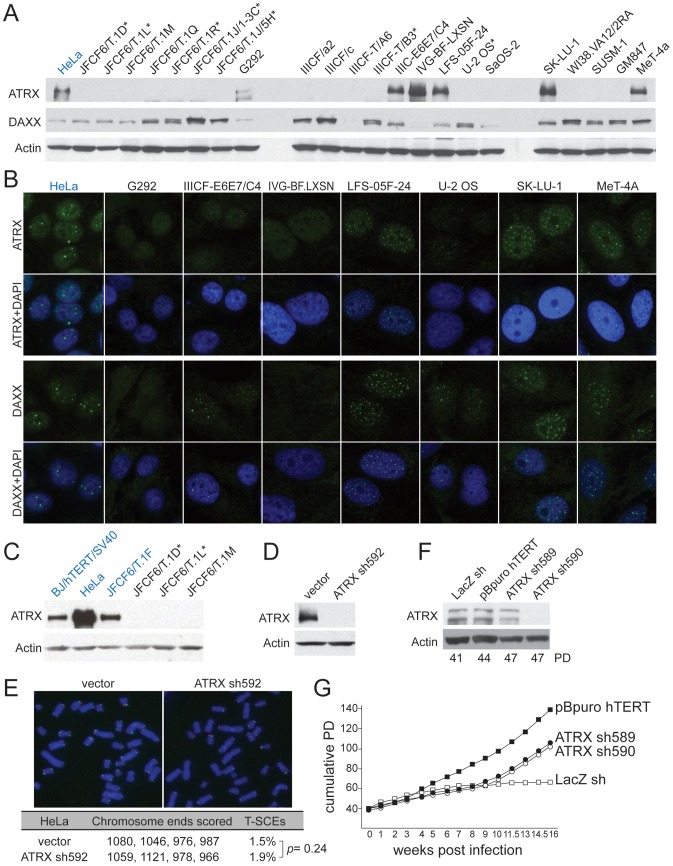
“LXN) showed very low immunofluorescence signals for ATRX and/or DAXX (Figure 1B), whereas the other three lines displayed the punctate nuclear staining pattern for ATRX and DAXX expected for this PML body component [36,37].”
BackgroundIn situ analyses of genome instability in breast cancer
Chin, K., de Solorzano, C. O., Knowles, D., Jones, A., Chou, W., Rodriguez, E. G., Kuo, W.-L., Ljung, B.-M., Chew, K., Myambo, K., et al. (2004) · Nature Genetics · doi:10.1038/ng1409 · Cited by 361 · cited 1×
“In cells that have been immortalized by telomerase activation, the telomere-driven genome instability is largely dampened, resulting in a rearranged but now relatively stable karyotype [43,44].”
BackgroundTelomeric DNA in ALT Cells Is Characterized by Free Telomeric Circles and Heterogeneous t-Loops
Cesare, A. J., & Griffith, J. D. (2004) · Molecular and Cellular Biology · doi:10.1128/mcb.24.22.9948-9957.2004 · Cited by 358 · cited 1×
“, contain extrachromosomal linear and circular telomeric DNA”
BackgroundG2 checkpoint abrogation and checkpoint kinase-1 targeting in the treatment of cancer
Bucher, N., & Britten, C. D. (2008) · British Journal of Cancer · doi:10.1038/sj.bjc.6604208 · Cited by 354 · cited 1×
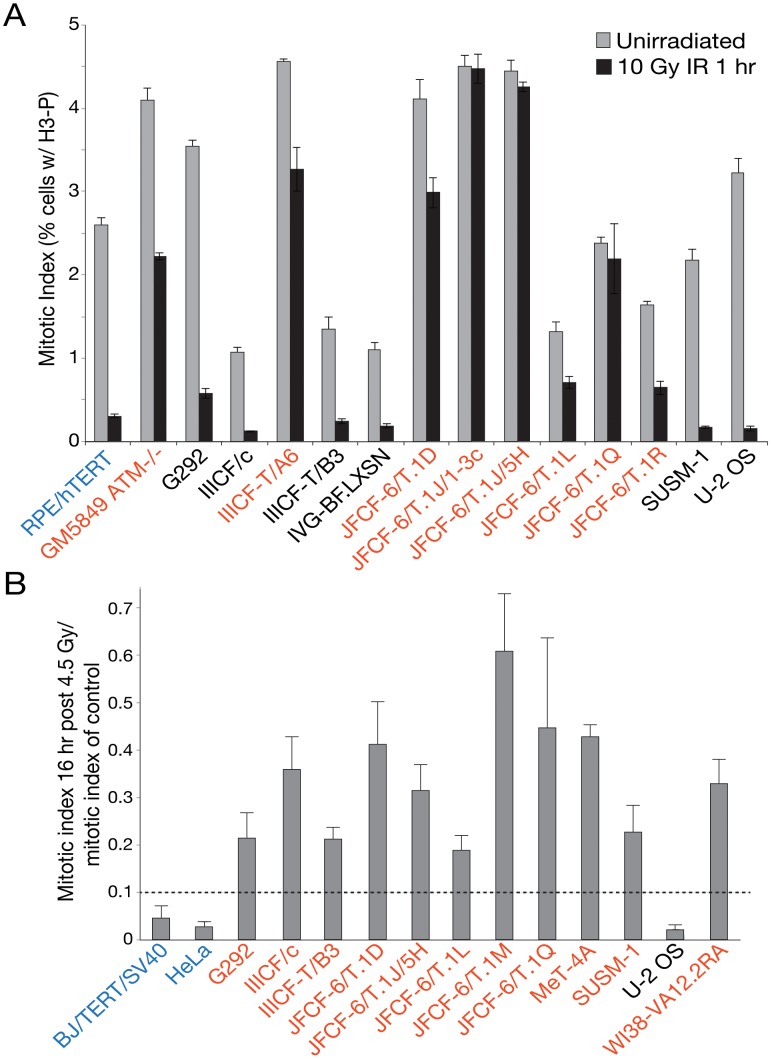
“Indeed, G2/M checkpoint inhibitors to enhance efficacy of clastogenic therapies are currently being developed and evaluated in clinical trials [54].”
BackgroundAlternative Lengthening of Telomeres Is Characterized by High Rates of Telomeric Exchange
Londoño‐Vallejo, A., Der‐Sarkissian, H., Cazes, L., Bacchetti, S., & Reddel, R. R. (2004) · Cancer Research · doi:10.1158/0008-5472.can-03-4035 · Cited by 332
Self-citationCelli, G. B., Denchi, E. L., & de Lange, T. (2006) · Nature Cell Biology · doi:10.1038/ncb1444 · Cited by 320
Henson, J. D., Hannay, J. A. F., McCarthy, S. W., Royds, J. A., Yeager, T. R., Robinson, R. A., Wharton, S. B., Jellinek, D. A., Arbuckle, S. M., Yoo, J., et al. (2005) · Clinical Cancer Research · doi:10.1158/1078-0432.217.11.1 · Cited by 307
Self-citationPersistent Telomere Damage Induces Bypass of Mitosis and Tetraploidy
Davoli, T., Denchi, E. L., & de Lange, T. (2010) · Cell · doi:10.1016/j.cell.2010.01.031 · Cited by 298 · cited 1×
“LXN, IIICF/c, and LFS-05F-24) showed frequent nonreciprocal translocations, deletions, complex rearrangements, and hyper-triploid chromosome numbers (Figure 3), all of which can be caused by telomere dysfunction [40,41].”
BackgroundLoss of Rap1 Induces Telomere Recombination in the Absence of NHEJ or a DNA Damage Signal
Sfeir, A. J., Kabir, S., van Overbeek, M., Celli, G. B., & de Lange, T. (2010) · Science · doi:10.1126/science.1185100 · Cited by 278
Spontaneous occurrence of telomeric DNA damage response in the absence of chromosome fusions
Cesare, A. J., Kaul, Z., Cohen, S. B., Napier, C. E., Pickett, H. A., Neumann, A. A., & Reddel, R. R. (2009) · Nature Structural & Molecular Biology · doi:10.1038/nsmb.1725 · Cited by 263 · cited 1×
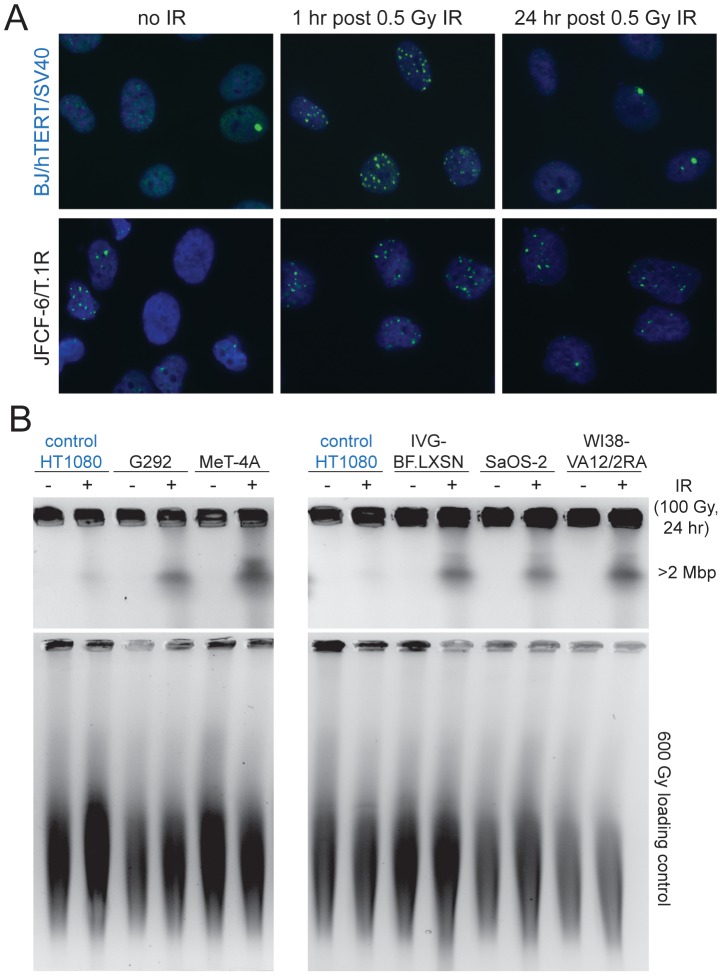
“These spontaneous 53BP1 foci could be the result of both genome-wide DNA breaks and the presence of dysfunctional telomeres [52].”
BackgroundSelf-citationIn Vivo Stoichiometry of Shelterin Components
Takai, K., Hooper, S., Blackwood, S., Gandhi, R., & de Lange, T. (2009) · Journal of Biological Chemistry · doi:10.1074/jbc.m109.038026 · Cited by 258 · cited 1×
“Shelterin components were analyzed as described previously [56].”
MethodTIN2-Tethered TPP1 Recruits Human Telomerase to Telomeres In Vivo
Abreu, E. B., Aritonovska, E., Reichenbach, P., Cristofari, G., Culp, B. R., Terns, R. M., Lingner, J., & Terns, M. P. (2010) · Molecular and Cellular Biology · doi:10.1128/mcb.00240-10 · Cited by 258 · cited 1×
“data), 293T [50], MCF7, and genetically complemented HCC1937 cells [51].”
BackgroundAssaying and investigating Alternative Lengthening of Telomeres activity in human cells and cancers
Henson, J. D., & Reddel, R. R. (2010) · FEBS Letters · doi:10.1016/j.febslet.2010.06.009 · Cited by 248 · cited 1×
“We confirmed the absence of telomerase activity by TRAP assay (data not shown) and the presence of extra-chromosomal telomeric C-circles, supporting the interpretation that these were ALT cells [8,17] (Table 1; Figure S1).”
Self-citationRai, R., Zheng, H., He, H., Luo, Y., Multani, A. S., Carpenter, P. B., & Chang, S. S. (2010) · The EMBO Journal · doi:10.1038/emboj.2010.142 · Cited by 200
Alternative lengthening of telomeres is associated with chromosomal instability in osteosarcomas
Scheel, C., Schaefer, K., Jauch, A. S., Keller, M., Wai, D., Brinkschmidt, C., van Valen, F., Boecker, W., Dockhorn‐Dworniczak, B., & Poremba, C. (2001) · Oncogene · doi:10.1038/sj.onc.1204493 · Cited by 181 · cited 1×
“Previous cytogenetic analysis of two ALT cell lines (Saos-2 and ZK-58) also indicated frequent translocations, deletions, and complex rearrangements [42].”
BackgroundNg, L. J., Cropley, J. E., Pickett, H. A., Reddel, R. R., & Suter, C. M. (2009) · Nucleic Acids Research · doi:10.1093/nar/gkn1030 · Cited by 176 · cited 8×
“In addition to shelterin and TERRA, we analyzed 299 genes with potential relevance to telomeres and the ALT pathway.”
BackgroundInfluentialSelf-citationLoss of ATRX leads to chromosome cohesion and congression defects
Ritchie, K., Seah, C., Moulin, J. M., Isaac, C. E., Dick, F. A., & Bérubé, N. G. (2008) · The Journal of Cell Biology · doi:10.1083/jcb.200706083 · Cited by 171 · cited 1×
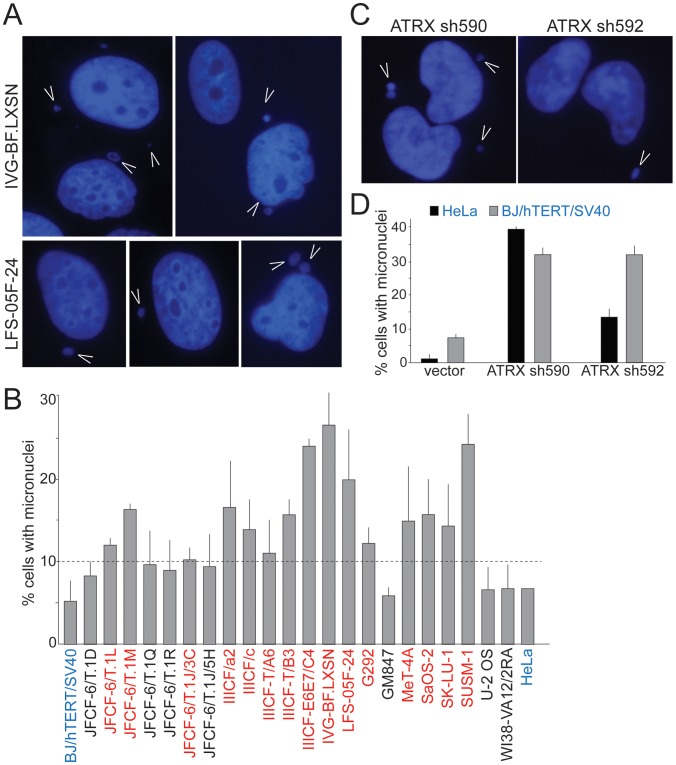
“The micronucleation phenotype of ALT lines is likely to be in part due to the absence of ATRX since depletion of ATRX with two shRNAs induced the formation of micronuclei in BJ/hTERT/SV40 and HeLa cells (Figure 4C and 4D), consistent with a previous report on the induction of lobulated nuclei after ATRX depletion [35].”
ResultKu86 represses lethal telomere deletion events in human somatic cells
Wang, Y., Ghosh, G., & Hendrickson, E. A. (2009) · Proceedings of the National Academy of Sciences · doi:10.1073/pnas.0903362106 · Cited by 164
Targeting the DNA repair defect of BRCA tumours
Turner, N. C., Tutt, A. N. J., & Ashworth, A. (2005) · Current Opinion in Pharmacology · doi:10.1016/j.coph.2005.03.006 · Cited by 164 · cited 1×
“These features of ALT raise the possibility that tumors employing this pathway will have unique vulnerabilities that could offer clinical utility, such as has been shown for cells lacking BRCA1 that are sensitive to PARP inhibition [53].”
BackgroundJiang, W.-Q., Zhong, Z.-H., Henson, J. D., Neumann, A. A., Chang, A. C.-M., & Reddel, R. R. (2005) · Molecular and Cellular Biology · doi:10.1128/mcb.25.7.2708-2721.2005 · Cited by 161
Self-citationIshov, A. M., Vladimirova, O. V., & Maul, G. G. (2004) · Journal of Cell Science · doi:10.1242/jcs.01230 · Cited by 145 · cited 1×
“LXN) showed very low immunofluorescence signals for ATRX and/or DAXX (Figure 1B), whereas the other three lines displayed the punctate nuclear staining pattern for ATRX and DAXX expected for this PML body component [36,37].”
BackgroundTelomere Protection by TPP1 Is Mediated by POT1a and POT1b
Kibe, T., Osawa, G. A., Keegan, C. E., & de Lange, T. (2009) · Molecular and Cellular Biology · doi:10.1128/mcb.01498-09 · Cited by 135
Fuente, R. D. L., Viveiros, M. M., Wigglesworth, K., & Eppig, J. J. (2004) · Developmental Biology · doi:10.1016/j.ydbio.2003.12.012 · Cited by 127
Extra-Chromosomal Telomere Repeat DNA in Telomerase-Negative Immortalized Cell Lines
Tokutake, Y., Matsumoto, T., Watanabe, T., Maeda, S., Tahara, H., Sakamoto, S., Niida, H., Sugimoto, M., Ide, T., & Furuichi, Y. (1998) · Biochemical and Biophysical Research Communications · doi:10.1006/bbrc.1998.8876 · Cited by 122
Baumann, C., Viveiros, M. M., & Fuente, R. D. L. (2010) · PLoS Genetics · doi:10.1371/journal.pgen.1001137 · Cited by 102
Telomere recombination requires the MUS81 endonuclease
Zeng, S., Xiang, T., Pandita, T. K., González-Suárez, I., Gonzalo, S., Harris, C. C., & Yang, Q. (2009) · Nature Cell Biology · doi:10.1038/ncb1867 · Cited by 99
Compton, S. A., Choi, J.-H., Cesare, A. J., Özgür, S., & Griffith, J. D. (2007) · Cancer Research · doi:10.1158/0008-5472.can-06-3672 · Cited by 90
The Frequency of Homologous Recombination in Human ALT Cells
Bechter, O. E., Shay, J. W., & Wright, W. E. (2004) · Cell Cycle · doi:10.4161/cc.3.5.850 · Cited by 44
Bakou, K. (2002) · Mutagenesis · doi:10.1093/mutage/17.3.233 · Cited by 24 · cited 1×
“). As expected, SV40-transformed hTERT-expressing BJ fibroblasts and HeLa cells showed the low level of spontaneous micronucleation (”
BackgroundStracker, T. H., Williams, B. R., Deriano, L., Theunissen, J.-W. F., Adelman, C. A., Roth, D. B., & Petrini, J. H. J. (2008) · Molecular and Cellular Biology · doi:10.1128/mcb.01354-08 · Cited by 20 · cited 1×
“. Micronucleation frequencies of up to 15% were previously only observed in cells experiencing high levels of DNA damage ensuing from γ-irradiation, in genetic contexts associated with high levels of spontaneous DNA damage, and in genomically unstable tumor cell lines (e.g.”
BackgroundSelf-citation8 Telomerase-independent Telomere Maintenance in YeastPreprint
McEachern, M. J., & Haber, J. E. (2006) · Cold Spring Harbor Monograph Archive · doi:10.1101/087969810.45.199 · Cited by 10
Lu-Hesselmann, J., Abend, M., & Beuningen, D. V. (2004) · Radiation Research · doi:10.1667/rr3092 · Cited by 7 · cited 1×
“[47,48]; Neill Ganem and David Pellman, pers.”
Cited by
Sorted by citations
The Somatic Genomic Landscape of Glioblastoma
Brennan, C. W., Verhaak, R. G. W., McKenna, A., Campos, B., Noushmehr, H., Salama, S. R., Zheng, S., Chakravarty, D., Sanborn, J. Z., Berman, S. H., et al. (2013) · Cell · doi:10.1016/j.cell.2013.09.034 · Cited by 5,016
Epidemiologic and Molecular Prognostic Review of Glioblastoma
Thakkar, J. P., Dolecek, T. A., Horbinski, C., Ostrom, Q. T., Lightner, D. D., Barnholtz‐Sloan, J. S., & Villano, J. L. (2014) · Cancer Epidemiology Biomarkers & Prevention · doi:10.1158/1055-9965.epi-14-0275 · Cited by 1,473
“Mutations in ATRX have been identified in multiple tumor types and appear to cause alternative lengthening of telomeres (ALT), a presumed precursor to genomic instability (130, 131).”
Whole-genome landscape of pancreatic neuroendocrine tumours
Initiative, A. P. C. G., Scarpa, A., Chang, D. K., Nones, K., Corbo, V., Patch, A.-M., Bailey, P., Lawlor, R. T., Johns, A. L., Miller, D. K., et al. (2017) · Nature · doi:10.1038/nature21063 · Cited by 999
Self-citationAdvances in Risk Classification and Treatment Strategies for Neuroblastoma
Pinto, N. R., Applebaum, M. A., Volchenboum, S. L., Matthay, K. K., London, W. B., Ambros, P. F., Nakagawara, A., Berthold, F., Schleiermacher, G., Park, J. R., et al. (2015) · Journal of Clinical Oncology · doi:10.1200/jco.2014.59.4648 · Cited by 924
Shelterin-Mediated Telomere Protection
de Lange, T. (2018) · Annual Review of Genetics · doi:10.1146/annurev-genet-032918-021921 · Cited by 816
Metadata
- Authors
- Lovejoy, C. A., Li, W., Reisenweber, S., Thongthip, S., Bruno, J., de Lange, T., De, S., Petrini, J. H. J., Sung, P. A., Jasin, M., Rosenbluh, J., Zwang, Y., Weir, B. A., Hatton, C., Ivanova, E., Macconaill, L., Hanna, M., Hahn, W. C., Lue, N. F., Reddel, R. R., Jiao, Y., Kinzler, K., Vogelstein, B., Papadopoulos, N., Meeker, A. K., & for the ALT Starr Cancer Consortium
- Affiliations
- Rockefeller University (US)
- Memorial Sloan Kettering Cancer Center (US)
- Broad Institute (US)
- Dana-Farber Cancer Institute (US)
- Cornell University (US)
- The University of Sydney (AU)
- Johns Hopkins University (US)
- ORCID
- Lovejoy, Courtney A.
- Thongthip, Supawat
- Bruno, Joanne
- De, Saurav
- Petrini, John H. J.
- Sung, Patricia A.
- Jasin, Maria
- Rosenbluh, Joseph
- Zwang, Yaara
- Hatton, Charlie
- Ivanova, Elena
- Macconaill, Laura
- Hahn, William C.
- Lue, Neal F.
- Reddel, Roger R.
- Jiao, Yuchen
- Kinzler, Kenneth
- Vogelstein, Bert
- Papadopoulos, Nickolas
- Meeker, Alan K.
- Venue
- PLoS Genetics
- Publisher
- Public Library of Science (PLoS)
- Published
- 2012-07-19
- Volume
- 8
- Issue
- 7
- Pages
- e1002772
- ISSN
- 1553-7390 (ISSN-L)
- 1553-7404
- PMC
- PMC3400581
- OpenAlex
- W1999626396
- Cited by
- 629
- References
- 60
- Citations by year
- 2026: 34 · 2025: 41 · 2024: 33 · 2023: 44 · 2022: 51 · 2021: 52 · 2020: 49 · 2019: 54 · 2018: 53 · 2017: 44 · 2016: 41 · 2015: 49 · 2014: 44 · 2013: 33 · 2012: 6
- FWCI
- 28.08
- Type
- journal article
- Language
- en
- Open access
- gold
- doi.org
- Locations
- PLoS Genetics (publishedVersion, cc-by)
- Europe PMC (PubMed Central) (publishedVersion, cc-by)
- PubMed Central (publishedVersion, cc-by)
- PubMed (publishedVersion)
- Digital Access to Scholarship at Harvard (DASH) (Harvard University) (submittedVersion, cc-by)
- DOAJ (DOAJ: Directory of Open Access Journals) (submittedVersion, cc-by-sa)
- Figshare (submittedVersion, cc-by)
- Funders
- U.S. Department of Defense
- National Institutes of Health
- Cancer Council NSW
- National Institute on Aging (R01AG023145)
- National Cancer Institute (CA076027, R01CA076027, R37CA043460, R13CA162528)
- National Institute of General Medical Sciences (R37GM059413, R37GM049046, R01GM049046, F32GM090437, GM049046, R01GM056888)
- Topics
- Life Sciences › Biochemistry, Genetics and Molecular Biology › Cell Biology › Telomeres, Telomerase, and Senescence
- Life Sciences › Biochemistry, Genetics and Molecular Biology › Molecular Biology › DNA Repair Mechanisms
- Life Sciences › Biochemistry, Genetics and Molecular Biology › Molecular Biology › DNA and Nucleic Acid Chemistry
- Keywords
- alternative lengthening of telomeres, ATRX, histone H3.3, genomic instability, DNA damage response, DNA double-strand break repair, G2/M checkpoint, micronucleation, genome rearrangement, telomere maintenance
- MeSH terms
- X-linked Nuclear Protein, DNA Damage, DNA Repair, DNA Helicases, HeLa Cells, Histones, Humans, Nuclear Proteins, Signal Transduction, Telomere, Molecular Chaperones, Telomerase, Chromatin Assembly and Disassembly, Genomic Instability, Adaptor Proteins, Signal Transducing, DNA Breaks, Double-Stranded, Co-Repressor Proteins, Telomere Homeostasis, G2 Phase Cell Cycle Checkpoints, Homologous Recombination
About these checks
Registry, retraction, Cites and statistics results are computed, not judged, with one exception: a printed reference that no index lists is read once by a model before it counts as a citation error. Claims are extracted by a model and kept only when their quote appears verbatim in the text; each cited source is then checked, with a model’s help, for whether it says what the claim relies on. Those verdicts can be wrong — read the claim’s quote and the cited source before relying on one.
Statistics and arithmetic are recomputed, not judged.
Confidence bands are shown only for fields calibrated on our annotated test set. None is calibrated yet, so no band is shown.
What counts as a claim ›How we measure confidence ›How we check this ›
Are you an author, or do you see a problem with this page? Request a review
