

The DOI matches its Crossref record; 77 of the 78 references it cites were found in a registry or an index.
CELF4 Regulates Translation and Local Abundance of a Vast Set of mRNAs, Including Genes Associated with Regulation of Synaptic Function
Open accessAbstract
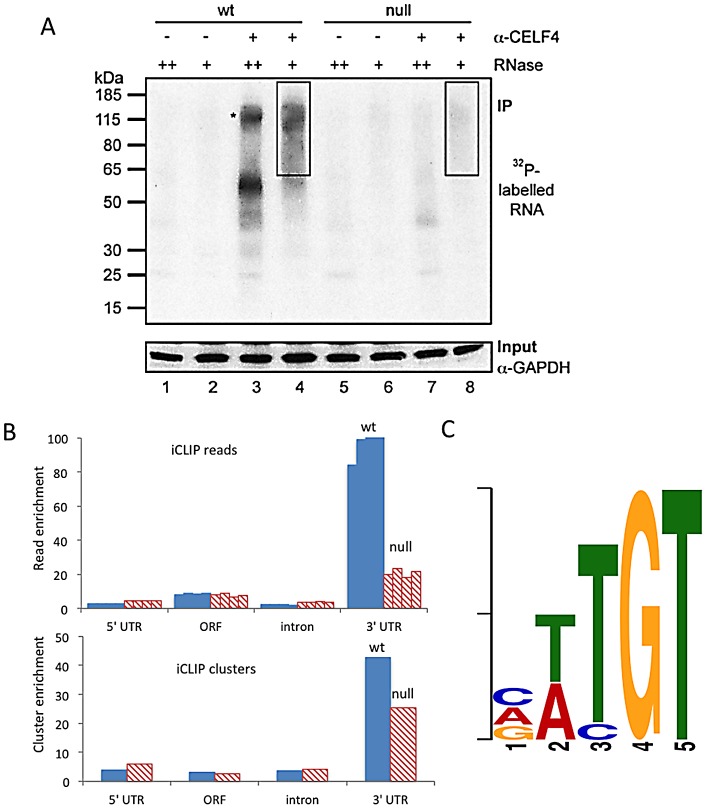
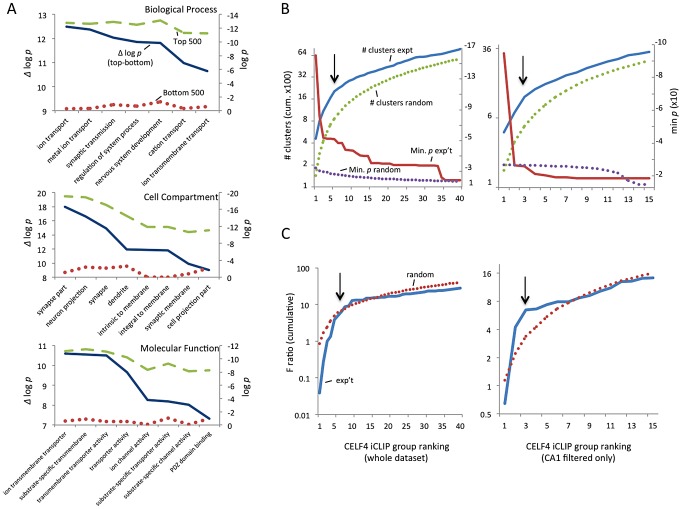
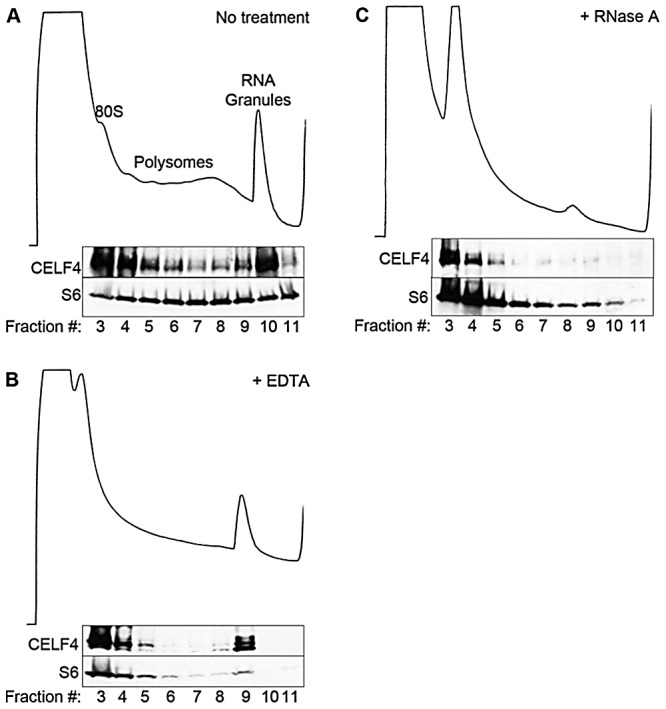
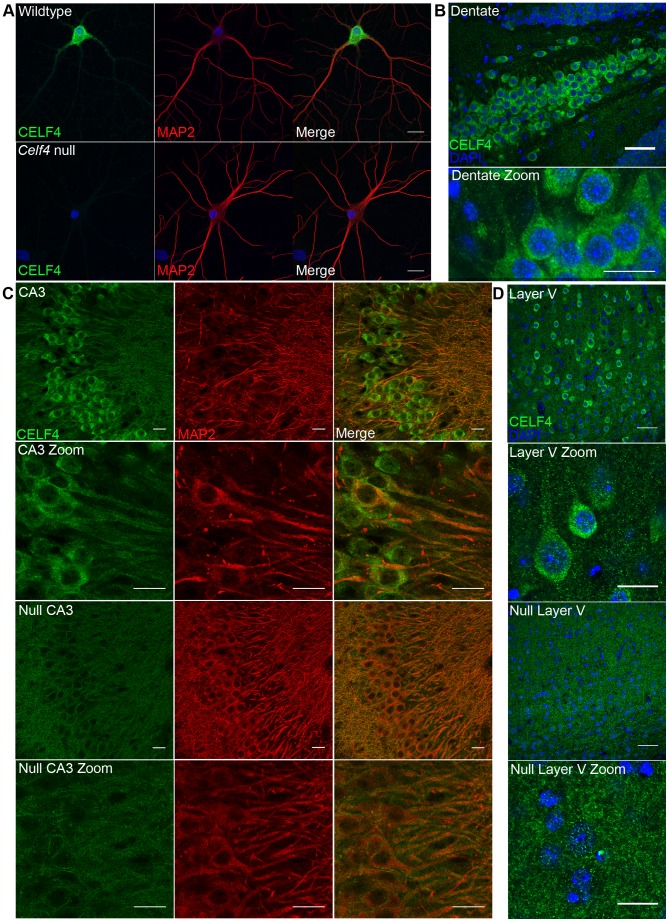
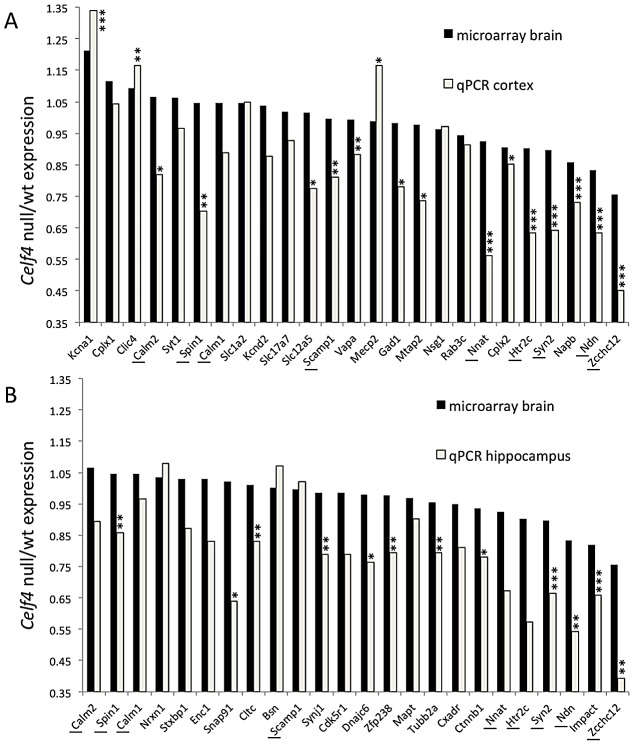
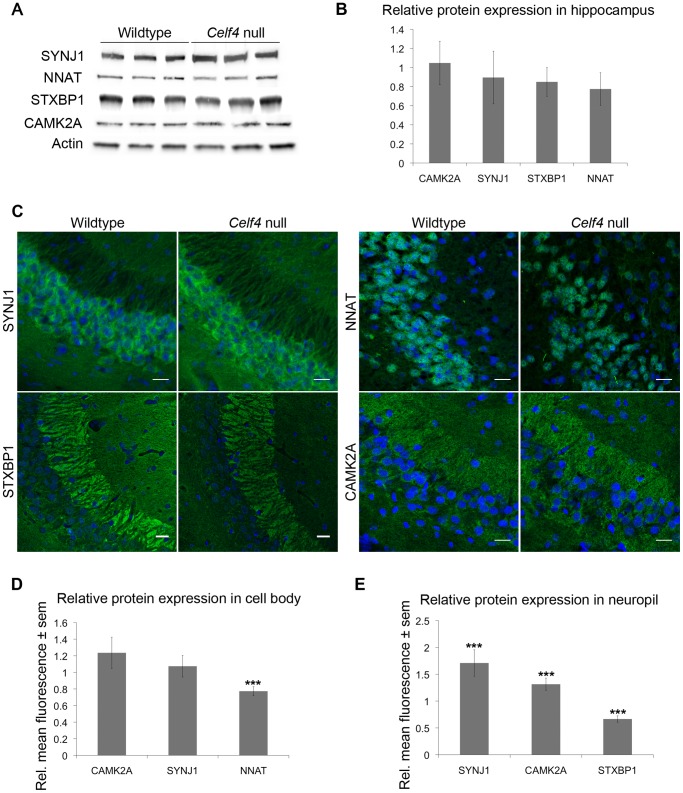
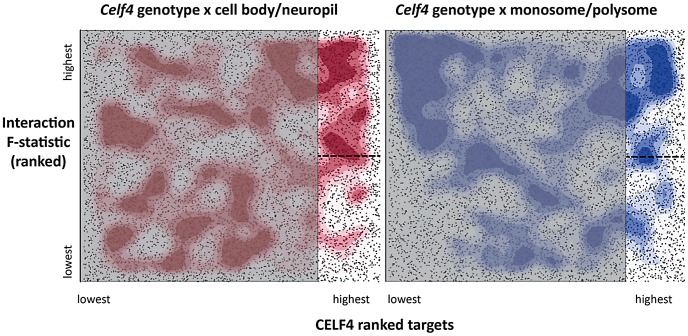
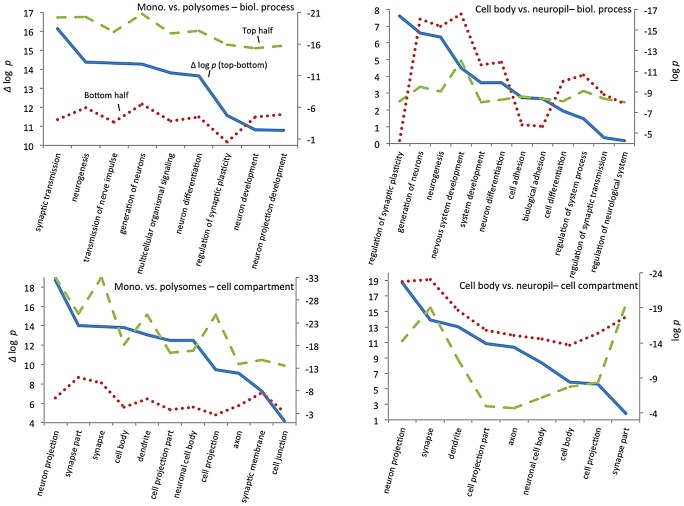
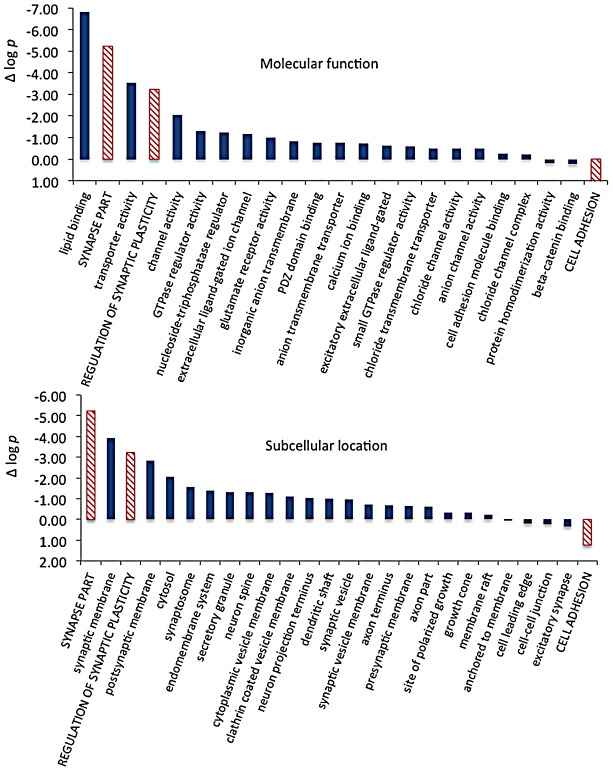
RNA-binding proteins have emerged as causal agents of complex neurological diseases. Mice deficient for neuronal RNA-binding protein CELF4 have a complex neurological disorder with epilepsy as a prominent feature. Human CELF4 has recently been associated with clinical features similar to those seen in mutant mice. CELF4 is expressed primarily in excitatory neurons, including large pyramidal cells of the cerebral cortex and hippocampus, and it regulates excitatory but not inhibitory neurotransmission. We examined mechanisms underlying neuronal hyperexcitability in Celf4 mutants by identifying CELF4 target mRNAs and assessing their fate in the absence of CELF4 in view of their known functions. CELF4 binds to at least 15%-20% of the transcriptome, with striking specificity for the mRNA 3' untranslated region. CELF4 mRNA targets encode a variety of proteins, many of which are well established in neuron development and function. While the overall abundance of these mRNA targets is often dysregulated in Celf4 deficient mice, the actual expression changes are modest at the steady-state level. In contrast, by examining the transcriptome of polysome fractions and the mRNA distribution along the neuronal cell body-neuropil axis, we found that CELF4 is critical for maintaining mRNA stability and availability for translation. Among biological processes associated with CELF4 targets that accumulate in neuropil of mutants, regulation of synaptic plasticity and transmission are the most prominent. Together with a related study of the impact of CELF4 loss on sodium channel Na(v)1.6 function, we suggest that CELF4 deficiency leads to abnormal neuronal function by combining a specific effect on neuronal excitation with a general impairment of synaptic transmission. These results also expand our understanding of the vital roles RNA-binding proteins play in regulating and shaping the activity of neural circuits.
Overview
The claims and statistics of this paper haven’t been checked yet.
Run the check — free, no account needed. It reads the open-access text and checks the sources it cites.
Integrity signals
Registry
Cites
Statistics
Figures
Verification
Claims the paper makes
The claims and statistics of this paper haven’t been checked yet.
Run the check — free, no account needed. It reads the open-access text and checks the sources it cites.
Claims other papers make about this one
Each is checked against this paper’s own text: does it say what the citing paper says it does?
In the citing paper
“RNA targets of both FMRP (Darnell et al., 2011) and CELF4 (Wagnon et al., 2012) were reported to be significantly enriched for ASD genes, and ASD candidate genes were further enriched among the common targets of FMRP and CELF4 (Wagnon et al., 2012).”
From Getting to the cores of autism (2019) · cites this paper as Wagnon et al., 2012
In the citing paper
“A seminal example is the Fragile X mental retardation protein (FMRP) (Darnell et al., 2011), and other RBPs that are associated with ASD include CELF4 (Wagnon et al., 2012), ELAVL3 (Ince-Dunn et al., 2012) and GIGYF1 (Peter et al., 2017).”
From Getting to the cores of autism (2019) · cites this paper as Wagnon et al., 2012
In the citing paper
“The genes encoding CELF4-bound mRNAs also showed an enrichment of dURVs in schizophrenia cases; this enrichment (OR=1.14; 95% CI=1.09–1.19; P = 6.6 × 10⁻⁴) was greater than that of the average gene though less strong than that of genes encoding FMRP-bound RNAs.”
From Increased burden of ultra-rare protein-altering variants among 4,877 individuals with schizophrenia (2016) · cites this paper as [28]
Self-check
Percentages, sums and reported differences re-computed from the paper’s own numbers.
The self-check needs the paper’s full text.
Citations
Cites
Systematic and integrative analysis of large gene lists using DAVID bioinformatics resources
Huang, D. W., Sherman, B. T., & Lempicki, R. A. (2009) · Nature Protocols · doi:10.1038/nprot.2008.211 · Cited by 35,890
Huang, D. W., Sherman, B. T., & Lempicki, R. A. (2009) · Nucleic Acids Research · doi:10.1093/nar/gkn923 · Cited by 14,108
FMRP Stalls Ribosomal Translocation on mRNAs Linked to Synaptic Function and Autism
Darnell, J. C., Van Driesche, S. J., Zhang, C., Hung, K. Y. S., Mele, A., Fraser, C. E., Stone, E. F., Chen, C., Fak, J. J., Chi, S. W., et al. (2011) · Cell · doi:10.1016/j.cell.2011.06.013 · Cited by 2,072
The self-tuning neuron: synaptic scaling of excitatory synapses
Turrigiano, G. G. (2008) · Cell · doi:10.1016/j.cell.2008.10.008 · Cited by 1,533
Dendritic spine pathology in neuropsychiatric disorders
Penzes, P., Cahill, M. E., Jones, K. A., VanLeeuwen, J.-E., & Woolfrey, K. M. (2011) · Nature Neuroscience · doi:10.1038/nn.2741 · Cited by 1,523
De Novo Gene Disruptions in Children on the Autistic Spectrum
Iossifov, I., Ronemus, M., Levy, D., Wang, Z., Hakker, I., Rosenbaum, J., Yamrom, B., Lee, Y.-H., Narzisi, G., Leotta, A., et al. (2012) · Neuron · doi:10.1016/j.neuron.2012.04.009 · Cited by 1,446
Real-time single-molecule observation of rolling-circle DNA replication
Tanner, N. A., Loparo, J. J., Hamdan, S. M., Jergic, S., Dixon, N. E., & van Oijen, A. M. (2009) · Nucleic Acids Research · doi:10.1093/nar/gkp006 · Cited by 1,279
Aligning Short Sequencing Reads with Bowtie
Langmead, B. (2010) · Current Protocols in Bioinformatics · doi:10.1002/0471250953.bi1107s32 · Cited by 1,270
RNA-binding proteins in human genetic disease
Gebauer, F., Schwarzl, T., Valcárcel, J., & Hentze, M. W. (2020) · Nature Reviews Genetics · doi:10.1038/s41576-020-00302-y · Cited by 1,208
iCLIP reveals the function of hnRNP particles in splicing at individual nucleotide resolution
König, J., Zarnack, K., Rot, G., Curk, T., Kayikci, M., Zupan, B., Turner, D. J., Luscombe, N. M., & Ule, J. (2010) · Nature Structural & Molecular Biology · doi:10.1038/nsmb.1838 · Cited by 1,126
Self-citationFragile X Syndrome: Loss of Local mRNA Regulation Alters Synaptic Development and Function
Bassell, G. J., & Warren, S. T. (2008) · Neuron · doi:10.1016/j.neuron.2008.10.004 · Cited by 1,051
DREME: motif discovery in transcription factor ChIP-seq data
Bailey, T. L. (2011) · Bioinformatics · doi:10.1093/bioinformatics/btr261 · Cited by 1,007
Cajigas, I. J., Tushev, G., Will, T. J., tom Dieck, S., Fuerst, N., & Schuman, E. M. (2012) · Neuron · doi:10.1016/j.neuron.2012.02.036 · Cited by 709
Steward, O., & Levy, W. (1982) · The Journal of Neuroscience · doi:10.1523/jneurosci.02-03-00284.1982 · Cited by 676
RNA-binding proteins in human genetic disease
Lukong, K. E., Chang, K.-W., Khandjian, E. W., & Richard, S. (2008) · Trends in Genetics · doi:10.1016/j.tig.2008.05.004 · Cited by 666
Mutations in LGI1 cause autosomal-dominant partial epilepsy with auditory features
Kalachikov, S. M., Evgrafov, O. V., Ross, B., Winawer, M. R., Barker‐Cummings, C., Boneschi, F. M., Choi, C., Morozov, P. S., Das, K., Teplitskaya, E., et al. (2002) · Nature Genetics · doi:10.1038/ng832 · Cited by 617
The Fragile X Syndrome Protein Represses Activity-Dependent Translation through CYFIP1, a New 4E-BP
Napoli, I., Mercaldo, V., Boyl, P. P., Eleuteri, B., Zalfa, F., De Rubeis, S., Di Marino, D., Mohr, E., Massimi, M., Falconi, M., et al. (2008) · Cell · doi:10.1016/j.cell.2008.07.031 · Cited by 609
Neuronal RNA Granules: Movers and Makers
Kiebler, M. A., & Bassell, G. J. (2006) · Neuron · doi:10.1016/j.neuron.2006.08.021 · Cited by 595
Krichevsky, A. M., & Kosik, K. S. (2001) · Neuron · doi:10.1016/s0896-6273(01)00508-6 · Cited by 536
Gibson, J. R., Bartley, A. F., Hays, S. A., & Huber, K. M. (2008) · Journal of Neurophysiology · doi:10.1152/jn.90752.2008 · Cited by 529
Ladd, A. N., Charlet‐Berguerand, N., & Cooper, T. A. (2001) · Molecular and Cellular Biology · doi:10.1128/mcb.21.4.1285-1296.2001 · Cited by 464
The fragile X mental retardation protein inhibits translation via interacting with mRNA
Li, Z. (2001) · Nucleic Acids Research · doi:10.1093/nar/29.11.2276 · Cited by 448
A model of spike initiation in neocortical pyramidal neurons
Mainen, Z. F., Joerges, J., Huguenard, J. R., & B, T. J. S. A. (1995) · Neuron · doi:10.1016/0896-6273(95)90020-9 · Cited by 431
The role of epilepsy and epileptiform EEGs in autism spectrum disorders
Spence, S. J., & Schneider, M. T. (2009) · Pediatric Research · doi:10.1203/pdr.0b013e31819e7168 · Cited by 418
AutDB: a gene reference resource for autism research
Basu, S. N., Kollu, R., & Banerjee-Basu, S. (2009) · Nucleic Acids Research · doi:10.1093/nar/gkn835 · Cited by 394
Mutations in EFHC1 cause juvenile myoclonic epilepsy
Suzuki, T., Delgado‐Escueta, A. V., Aguan, K., Alonso, M. E., Shi, J., Hara, Y., Nishida, M., Numata, T., Medina, M. T., Takeuchi, T., et al. (2004) · Nature Genetics · doi:10.1038/ng1393 · Cited by 371
The Pathophysiology of Fragile X (and What It Teaches Us about Synapses)
Bhakar, A. L., Dölen, G., & Bear, M. F. (2012) · Annual Review of Neuroscience · doi:10.1146/annurev-neuro-060909-153138 · Cited by 370
Nakamura, A., Sato, K., & Hanyu‐Nakamura, K. (2004) · Developmental Cell · doi:10.1016/s1534-5807(03)00400-3 · Cited by 363
Mutations in the LGI1/Epitempin gene on 10q24 cause autosomal dominant lateral temporal epilepsy
Morante‐Redolat, J. M. (2002) · Human Molecular Genetics · doi:10.1093/hmg/11.9.1119 · Cited by 345
Key role for gene dosage and synaptic homeostasis in autism spectrum disorders
Toro, R., Konyukh, M., Delorme, R., Leblond, C., Chaste, P., Fauchereau, F., Coleman, M., Leboyer, M., Gillberg, C., & Bourgeron, T. (2010) · Trends in Genetics · doi:10.1016/j.tig.2010.05.007 · Cited by 331
The splicing regulator Rbfox1 (A2BP1) controls neuronal excitation in the mammalian brain
Gehman, L. T., Stoilov, P., Maguire, J., Damianov, A., Lin, C.-H., Shiue, L., Ares, M., Mody, I., & Black, D. L. (2011) · Nature Genetics · doi:10.1038/ng.841 · Cited by 331
Molecular Identity of Dendritic Voltage-Gated Sodium Channels
Lőrincz, A., & Nusser, Z. (2010) · Science · doi:10.1126/science.1187958 · Cited by 304
Local RNA Translation at the Synapse and in Disease: Figure 1.
Liu‐Yesucevitz, L., Bassell, G. J., Gitler, A. D., Hart, A. C., Klann, E., Richter, J. D., Warren, S. T., & Wolozin, B. L. (2011) · Journal of Neuroscience · doi:10.1523/jneurosci.4105-11.2011 · Cited by 296
Fragile X mental retardation protein is associated with translating polyribosomes in neuronal cells
Stefani, G., Fraser, C. E., Darnell, J. C., & Darnell, R. B. (2004) · The Journal of Neuroscience · doi:10.1523/jneurosci.2306-04.2004 · Cited by 274
Conserved GU-Rich Elements Mediate mRNA Decay by Binding to CUG-Binding Protein 1
Louis, I. V.-S., Tahoe, N. M., Fan, D., Larsson, O. S., Rattenbacher, B., SternJohn, J. R., Vasdewani, J., Karypis, G., Reilly, C., Bitterman, P. B., et al. (2008) · Molecular Cell · doi:10.1016/j.molcel.2007.11.024 · Cited by 248
Chekulaeva, M., Hentze, M., & Ephrussi, A. (2006) · Cell · doi:10.1016/j.cell.2006.01.031 · Cited by 247
iCLIP Predicts the Dual Splicing Effects of TIA-RNA Interactions
Wang, Z., Kayikci, M., Briese, M., Zarnack, K., Luscombe, N. M., Rot, G., Zupan, B., Curk, T., & Ule, J. (2010) · PLoS Biology · doi:10.1371/journal.pbio.1000530 · Cited by 242
Self-citationDasgupta, T., & Ladd, A. N. (2011) · Wiley Interdisciplinary Reviews - RNA · doi:10.1002/wrna.107 · Cited by 225
Mukhopadhyay, D., Houchen, C. W., Kennedy, S., Dieckgraefe, B. K., & Anant, S. (2003) · Molecular Cell · doi:10.1016/s1097-2765(03)00012-1 · Cited by 219
iCLIP - Transcriptome-wide Mapping of Protein-RNA Interactions with Individual Nucleotide Resolution
König, J., Zarnack, K., Rot, G., Curk, T., Kayikci, M., Zupan, B., Turner, D. J., Luscombe, N. M., & Ule, J. (2011) · Journal of Visualized Experiments · doi:10.3791/2638 · Cited by 215
Self-citationCytogenetic and molecular characterization of A2BP1/FOX1 as a candidate gene for autism
Martin, C. L., Duvall, J. A., Ilkin, Y., Simon, J. S., Arreaza, M. G., Wilkes, K., Alvarez‐Retuerto, A., Whichello, A., Powell, C. M., Rao, K., et al. (2007) · American Journal of Medical Genetics Part B: Neuropsychiatric Genetics · doi:10.1002/ajmg.b.30530 · Cited by 198
Centrotemporal sharp wave EEG trait in rolandic epilepsy maps to Elongator Protein Complex 4 (ELP4)
Strug, L. J., Clarke, T., Chiang, T., Chien, M., Baskurt, Z., Li, W., Dorfman, R., Bali, B., Wirrell, E. C., Kugler, S. L., et al. (2009) · European Journal of Human Genetics · doi:10.1038/ejhg.2008.267 · Cited by 195
BRD2 (RING3) Is a Probable Major Susceptibility Gene for Common Juvenile Myoclonic Epilepsy
Pal, D. K., Evgrafov, O. V., Tabares, P., Zhang, F., Durner, M., & Greenberg, D. A. (2003) · The American Journal of Human Genetics · doi:10.1086/377006 · Cited by 189
CUGBP1 and MBNL1 preferentially bind to 3′ UTRs and facilitate mRNA decay
Masuda, A., Andersen, H. S., Doktor, T. K., Okamoto, T., Ito, M., Andresen, B. S., & Ohno, K. (2012) · Scientific Reports · doi:10.1038/srep00209 · Cited by 174
Aschrafi, A., Cunningham, B. A., Edelman, G. M., & Vanderklish, P. W. (2005) · Proceedings of the National Academy of Sciences · doi:10.1073/pnas.0409803102 · Cited by 148
Intracellular Trafficking of RNA in Neurons
Sossin, W. S., & DesGroseillers, L. (2006) · Traffic · doi:10.1111/j.1600-0854.2006.00500.x · Cited by 146
Schizophrenia and epilepsy: Is there a shared susceptibility?
Cascella, N. G., Schretlen, D. J., & Sawa, A. (2009) · Neuroscience Research · doi:10.1016/j.neures.2009.01.002 · Cited by 146
Rapp, M., Yarom, Y., & Segev, I. (1996) · Proceedings of the National Academy of Sciences · doi:10.1073/pnas.93.21.11985 · Cited by 142
A Family of Human RNA-binding Proteins Related to theDrosophila Bruno Translational Regulator
Good, P. J., Chen, Q., Warner, S. J., & Herring, D. (2000) · Journal of Biological Chemistry · doi:10.1074/jbc.m003083200 · Cited by 136
Lee, J. E., Lee, J. Y., Wilusz, J., Tian, B., & Wilusz, C. J. (2010) · PLoS ONE · doi:10.1371/journal.pone.0011201 · Cited by 133
Chang, Y., Chen, P., Tsai, I., Sung, F., Chin, Z.-N., Kuo, H.-T., Tsai, C., & Chou, I. (2011) · Epilepsia · doi:10.1111/j.1528-1167.2011.03268.x · Cited by 133
Analysis of CUGBP1 Targets Identifies GU-Repeat Sequences That Mediate Rapid mRNA Decay
Rattenbacher, B., Beisang, D. J., Wiesner, D. L., Jeschke, J. C., von Hohenberg, M., Louis, I. V.-S., & Bohjanen, P. R. (2010) · Molecular and Cellular Biology · doi:10.1128/mcb.00624-10 · Cited by 123
A Novel RNA-Binding Protein in Neuronal RNA Granules: Regulatory Machinery for Local Translation
Shiina, N., Shinkura, K., & Tokunaga, M. (2005) · Journal of Neuroscience · doi:10.1523/jneurosci.0382-05.2005 · Cited by 113
Two Neuronal, Nuclear-Localized RNA Binding Proteins Involved in Synaptic Transmission
Loria, P. M., Duke, A. L., Rand, J. B., & Hobert, O. (2003) · Current Biology · doi:10.1016/s0960-9822(03)00532-3 · Cited by 106
Ladd, A. N., Nguyen, N. H., Malhotra, K., & Cooper, T. A. (2004) · Journal of Biological Chemistry · doi:10.1074/jbc.m310687200 · Cited by 93
Tóth, M., Grimsby, J. S., Buzsáki, G., & Donovan, G. P. (1995) · Nature Genetics · doi:10.1038/ng0995-71 · Cited by 90
CUG-BP1/CELF1 requires UGU-rich sequences for high-affinity binding
Marquis, J., Paillard, L., Audic, Y., Cosson, B., Danos, O., Bec, C. L., & Osborne, H. B. (2006) · Biochemical Journal · doi:10.1042/bj20060490 · Cited by 90
Structural basis for the sequence-specific RNA-recognition mechanism of human CUG-BP1 RRM3
Tsuda, K., Kuwasako, K., Takahashi, M., Someya, T., Inoue, M., Terada, T., Kobayashi, N., Shirouzu, M., Kigawa, T., Tanaka, A., et al. (2009) · Nucleic Acids Research · doi:10.1093/nar/gkp546 · Cited by 79
Subramaniam, D., Natarajan, G., Ramalingam, S., Ramachandran, I., May, R. J., Queimado, L., Houchen, C. W., & Anant, S. (2008) · American Journal of Physiology-Gastrointestinal and Liver Physiology · doi:10.1152/ajpgi.00602.2007 · Cited by 79
Kapoor, A., Satishchandra, P., Ratnapriya, R., Reddy, R., Kadandale, J. S., Shankar, S. K., & Anand, A. (2008) · Annals of Neurology · doi:10.1002/ana.21428 · Cited by 78
Psychiatric comorbidity in patients with epilepsy: a population-based study
Karouni, M., Arulthas, S., Larsson, P. G., Rytter, E., Johannessen, S. I., & Landmark, C. J. (2010) · European Journal of Clinical Pharmacology · doi:10.1007/s00228-010-0861-y · Cited by 77
Pumilio-2 Function in the Mouse Nervous System
Siemen, H., Colas, D., Heller, H. C., Brüstle, O., & Pera, R. A. R. (2011) · PLoS ONE · doi:10.1371/journal.pone.0025932 · Cited by 76
Efhc1 deficiency causes spontaneous myoclonus and increased seizure susceptibility
Suzuki, T., Miyamoto, H., Nakahari, T., Inoue, I., Suemoto, T., Jiang, B., Hirota, Y., Itohara, S., Saido, T. C., Tsumoto, T., et al. (2009) · Human Molecular Genetics · doi:10.1093/hmg/ddp006 · Cited by 76
Idiopathic generalized epilepsy phenotypes associated with different EFHC1 mutations
Stögmann, E., Lichtner, P., Baumgärtner, C., Bonelli, S. B., Assem‐Hilger, E., Leutmezer, F., Schmied, M. C., Hotzy, C., Strom, T. M., Meitinger, T., et al. (2006) · Neurology · doi:10.1212/01.wnl.0000250254.67042.1b · Cited by 73
On the site of impulse initiation in a neurone.
Moore, J. W., Stockbridge, N., & Westerfield, M. (1983) · The Journal of Physiology · doi:10.1113/jphysiol.1983.sp014582 · Cited by 68
Complex Seizure Disorder Caused by Brunol4 Deficiency in Mice
Yang, Y. X., Mahaffey, C. L., Bérubé, N. G., Maddatu, T. P., Cox, G. A., & Frankel, W. N. (2007) · PLoS Genetics · doi:10.1371/journal.pgen.0030124 · Cited by 64
Self-citationEtiology of a genetically complex seizure disorder in Celf4 mutant mice
Wagnon, J. L., Mahaffey, C. L., Sun, W., Yang, Y., Chao, H.-T., & Frankel, W. N. (2011) · Genes Brain & Behavior · doi:10.1111/j.1601-183x.2011.00717.x · Cited by 46
Self-citationHalgren, C., Bache, I., Bak, M., Myatt, M. W., Anderson, C. M., Brøndum‐Nielsen, K., & Tommerup, N. (2012) · European Journal of Human Genetics · doi:10.1038/ejhg.2012.92 · Cited by 42
Ribonucleoprotein complexes in neurologic diseases
Ule, J. (2008) · Current Opinion in Neurobiology · doi:10.1016/j.conb.2008.09.018 · Cited by 38
Self-citationMoore, T., Hecquet, S., McLellann, A., Ville, D. M., Grid, D., Picard, F., Moulard, B., Asherson, P. J., MAKOFF, A. J., McCormick, D., et al. (2001) · Epilepsy Research · doi:10.1016/s0920-1211(01)00275-3 · Cited by 36
Cloning and embryonic expression patterns of the chicken CELF family
Brimacombe, K. R., & Ladd, A. N. (2007) · Developmental Dynamics · doi:10.1002/dvdy.21209 · Cited by 32
BrunoL1 regulates endoderm proliferation through translational enhancement of cyclin A2 mRNA
Horb, L. D., & Horb, M. E. (2010) · Developmental Biology · doi:10.1016/j.ydbio.2010.07.005 · Cited by 28
Impact of seizures on developing dendrites: Implications for intellectual developmental disabilities
Casanova, J. R., Nishimura, M., Owens, J. W. M., & Swann, J. W. (2012) · Epilepsia · doi:10.1111/j.1528-1167.2012.03482.x · Cited by 27
Differential expression of the Brunol/CELF family genes during Xenopus laevis early development
Wu, J., Li, C., Zhao, S., & Mao, B. (2009) · The International Journal of Developmental Biology · doi:10.1387/ijdb.082685jw · Cited by 26
Liu, W., Seto, J., Donovan, G. P., & Tóth, M. (2002) · Journal of Neuroscience · doi:10.1523/jneurosci.22-01-00176.2002 · Cited by 26
Identification and characterization of murine Brunol4, a new member of the elav/bruno family
Meins, M., Schlickum, S., Wilhelm, C., Missbach‐Guentner, J., Yadav, S., Gläser, B., Grzmil, M., Burfeind, P., & Laccone, F. A. (2002) · Cytogenetic and Genome Research · doi:10.1159/000066619 · Cited by 20
Orsmond, G. I., Seltzer, M. M., Krauss, M. W., & Hong, J. (2003) · American Journal on Mental Retardation · doi:10.1352/0895-8017(2003)108
Cited by
Sorted by citations
Howard, D. M., Adams, M. J., Clarke, T.-K., Hafferty, J. D., Gibson, J., Shirali, M., Coleman, J. R. I., Hagenaars, S. P., Ward, J., Wigmore, E. M., et al. (2019) · Nature Neuroscience · doi:10.1038/s41593-018-0326-7 · Cited by 2,565
Genetic identification of brain cell types underlying schizophrenia
Major Depressive Disorder Working Group of the Psychiatric Genomics Consortium, Skene, N. G., Bryois, J., Bakken, T. E., Breen, G., Crowley, J. J., Gaspar, H. A., Giusti-Rodriguez, P., Hodge, R. D., Miller, J. A., et al. (2018) · Nature Genetics · doi:10.1038/s41588-018-0129-5 · Cited by 651
Molecular pathways of major depressive disorder converge on the synapse
Fries, G. R., Saldana, V. A., Finnstein, J., & Rein, T. (2023) · Molecular Psychiatry · doi:10.1038/s41380-022-01806-1 · Cited by 504
Zhou, X., Feliciano, P., Shu, C., Wang, T., Astrovskaya, I., Hall, J. B., Obiajulu, J. U., Wright, J. R., Murali, S. C., Xu, S. X., et al. (2022) · Nature Genetics · doi:10.1038/s41588-022-01148-2 · Cited by 453
Increased burden of ultra-rare protein-altering variants among 4,877 individuals with schizophrenia
Genovese, G., Fromer, M., Stahl, E. A., Ruderfer, D. M., Chambert, K., Landén, M., Moran, J. L., Purcell, S. M., Sklar, P., Sullivan, P. F., et al. (2016) · Nature Neuroscience · doi:10.1038/nn.4402 · Cited by 444
Metadata
- Authors
- Wagnon, J. L., Briese, M., Sun, W., Mahaffey, C. L., Curk, T., Rot, G., Ule, J., & Frankel, W. N.
- Affiliations
- Jackson Laboratory (US)
- MRC Laboratory of Molecular Biology (GB)
- University of Ljubljana (SI)
- Corresponding author
- Frankel, Wayne N.
- Venue
- PLoS Genetics
- Publisher
- Public Library of Science (PLoS)
- Published
- 2012-11-29
- Volume
- 8
- Issue
- 11
- Pages
- e1003067
- ISSN
- 1553-7390 (ISSN-L)
- 1553-7404
- PMC
- PMC3510034
- OpenAlex
- W1998831398
- Cited by
- 125
- References
- 78
- Citations by year
- 2026: 11 · 2025: 10 · 2024: 9 · 2023: 8 · 2022: 8 · 2021: 7 · 2020: 19 · 2019: 8 · 2018: 11 · 2017: 12 · 2016: 5 · 2015: 7 · 2014: 2 · 2013: 7 · 2012: 1
- FWCI
- 2.19
- Type
- journal article
- Language
- en
- Open access
- gold
- doi.org
- Locations
- PLoS Genetics (publishedVersion, cc-by)
- PubMed Central (publishedVersion, cc-by)
- PubMed (publishedVersion)
- Repository of the University of Ljubljana (University of Ljubljana) (publishedVersion, other-oa)
- DOAJ (DOAJ: Directory of Open Access Journals) (submittedVersion, cc-by-sa)
- UCL Discovery (University College London) (submittedVersion)
- Figshare (submittedVersion, cc-by)
- The Mouseion at the JAXlibrary (Jackson Laboratory) (submittedVersion)
- Funders
- Epilepsy Foundation
- Wellcome Trust (089701)
- Javna Agencija za Raziskovalno Dejavnost RS
- National Institutes of Health
- Medical Research Council
- Topics
- Life Sciences › Biochemistry, Genetics and Molecular Biology › Molecular Biology › RNA Research and Splicing
- Life Sciences › Biochemistry, Genetics and Molecular Biology › Genetics › Genetics and Neurodevelopmental Disorders
- Life Sciences › Neuroscience › Cellular and Molecular Neuroscience › Neuroscience and Neuropharmacology Research
- Keywords
- CELF4, RNA-binding proteins, 3' untranslated region, mRNA stability, translational regulation, polysome fractionation, neuronal hyperexcitability, epilepsy, synaptic plasticity, synaptic transmission, excitatory neurons
- MeSH terms
- CELF Proteins, Animals, Cerebral Cortex, Epilepsy, Hippocampus, Humans, Synaptic Transmission, Neurons, RNA, Messenger, Synapses, Protein Biosynthesis, RNA-Binding Proteins, Pyramidal Cells, RNA Stability, Mice, Transcriptome, NAV1.6 Voltage-Gated Sodium Channel
About these checks
Registry, retraction, Cites and statistics results are computed, not judged, with one exception: a printed reference that no index lists is read once by a model before it counts as a citation error. Claims are extracted by a model and kept only when their quote appears verbatim in the text; each cited source is then checked, with a model’s help, for whether it says what the claim relies on. Those verdicts can be wrong — read the claim’s quote and the cited source before relying on one.
Statistics and arithmetic are recomputed, not judged.
Confidence bands are shown only for fields calibrated on our annotated test set. None is calibrated yet, so no band is shown.
What counts as a claim ›How we measure confidence ›How we check this ›
Are you an author, or do you see a problem with this page? Request a review
