

The DOI matches its Crossref record; 77 of the 78 references it cites were found in a registry or an index.
CELF4 Regulates Translation and Local Abundance of a Vast Set of mRNAs, Including Genes Associated with Regulation of Synaptic Function
Open accessAbstract
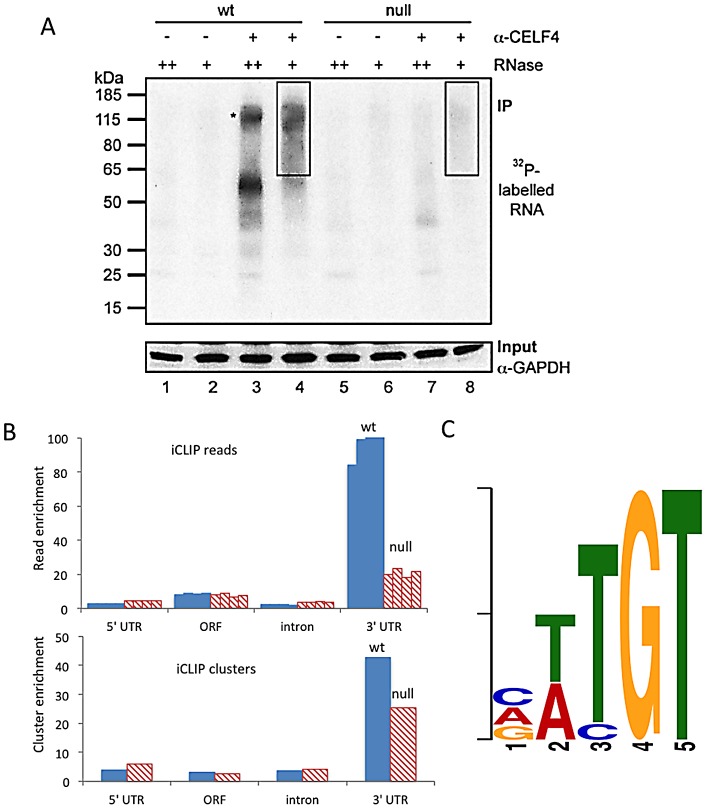
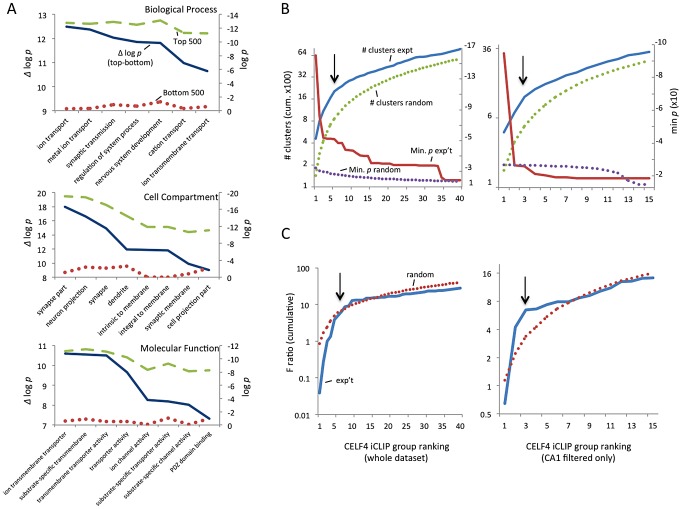
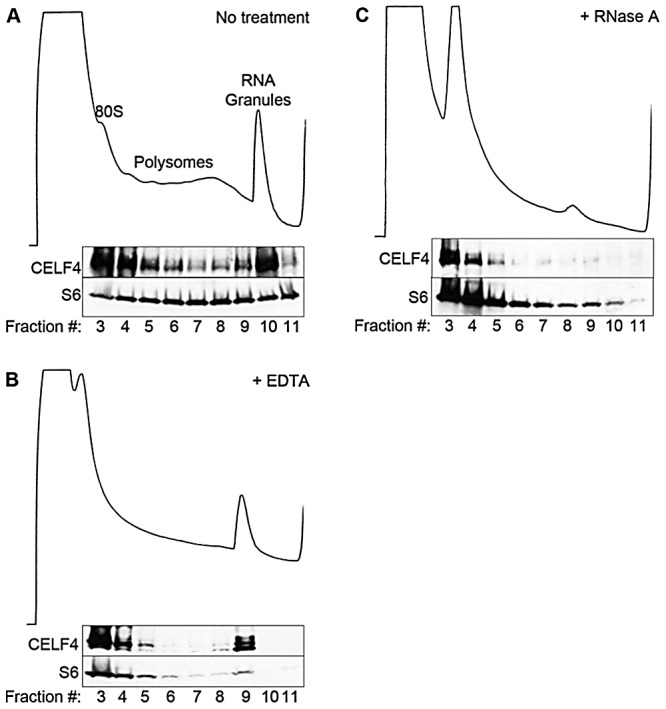
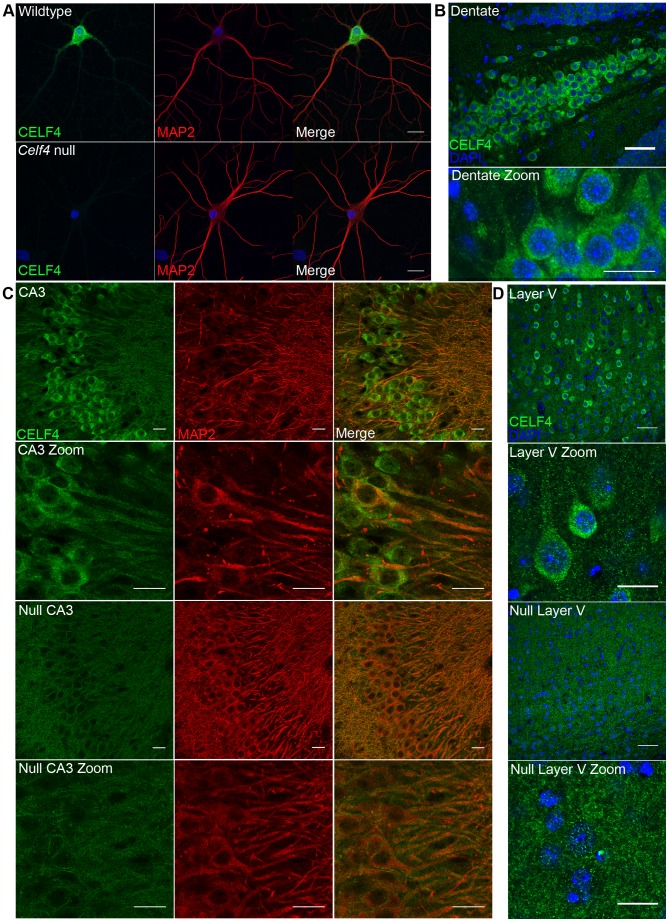
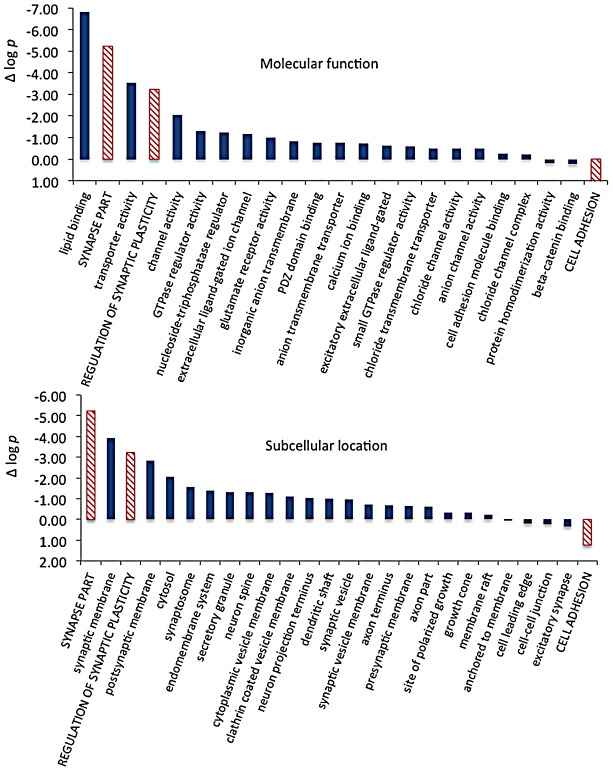
RNA-binding proteins have emerged as causal agents of complex neurological diseases. Mice deficient for neuronal RNA-binding protein CELF4 have a complex neurological disorder with epilepsy as a prominent feature. Human CELF4 has recently been associated with clinical features similar to those seen in mutant mice. CELF4 is expressed primarily in excitatory neurons, including large pyramidal cells of the cerebral cortex and hippocampus, and it regulates excitatory but not inhibitory neurotransmission. We examined mechanisms underlying neuronal hyperexcitability in Celf4 mutants by identifying CELF4 target mRNAs and assessing their fate in the absence of CELF4 in view of their known functions. CELF4 binds to at least 15%-20% of the transcriptome, with striking specificity for the mRNA 3' untranslated region. CELF4 mRNA targets encode a variety of proteins, many of which are well established in neuron development and function. While the overall abundance of these mRNA targets is often dysregulated in Celf4 deficient mice, the actual expression changes are modest at the steady-state level. In contrast, by examining the transcriptome of polysome fractions and the mRNA distribution along the neuronal cell body-neuropil axis, we found that CELF4 is critical for maintaining mRNA stability and availability for translation. Among biological processes associated with CELF4 targets that accumulate in neuropil of mutants, regulation of synaptic plasticity and transmission are the most prominent. Together with a related study of the impact of CELF4 loss on sodium channel Na(v)1.6 function, we suggest that CELF4 deficiency leads to abnormal neuronal function by combining a specific effect on neuronal excitation with a general impairment of synaptic transmission. These results also expand our understanding of the vital roles RNA-binding proteins play in regulating and shaping the activity of neural circuits.
Overview
The claims and statistics of this paper haven’t been checked yet.
Run the check — free, no account needed. It reads the open-access text and checks the sources it cites.
Integrity signals
Registry
Cites
Statistics
Figures
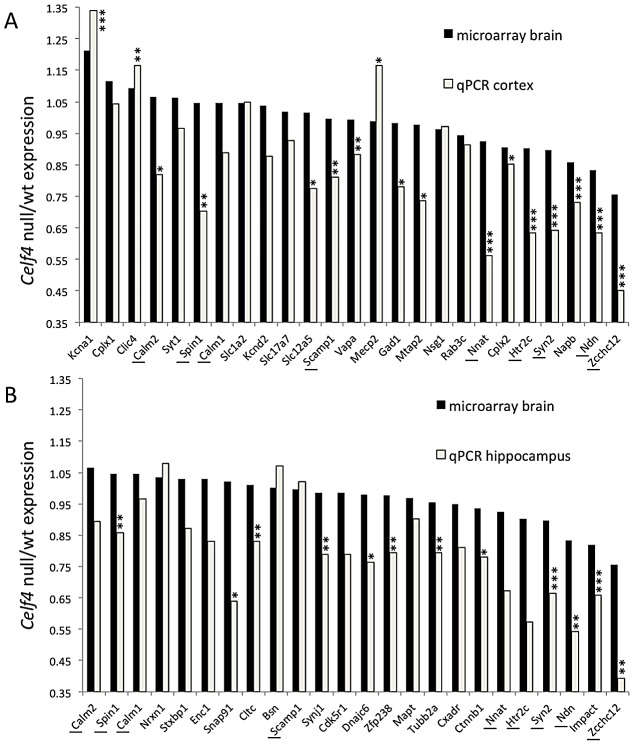
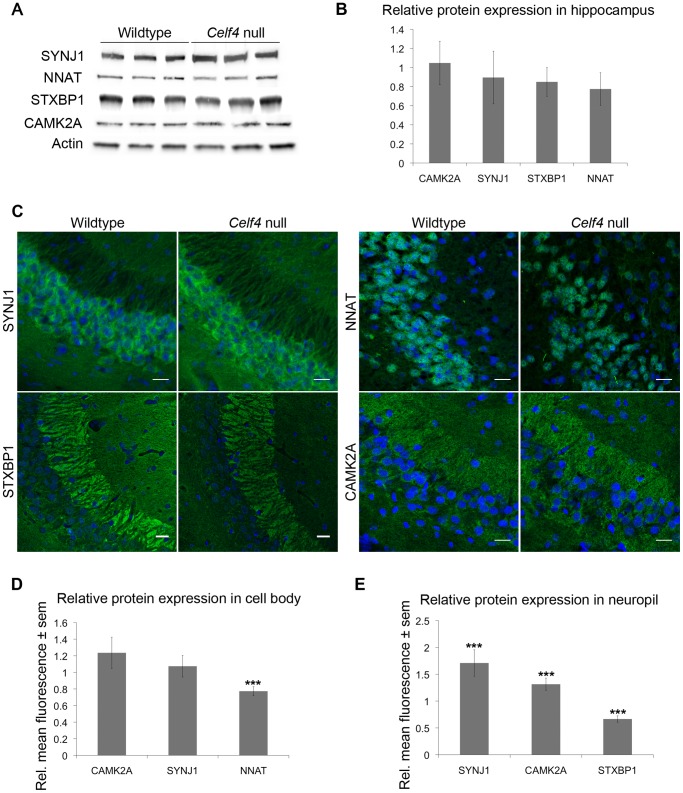
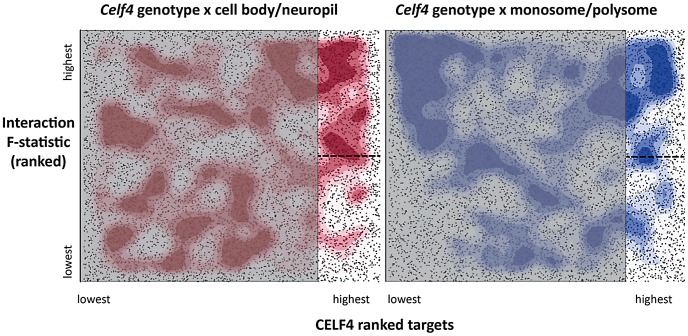
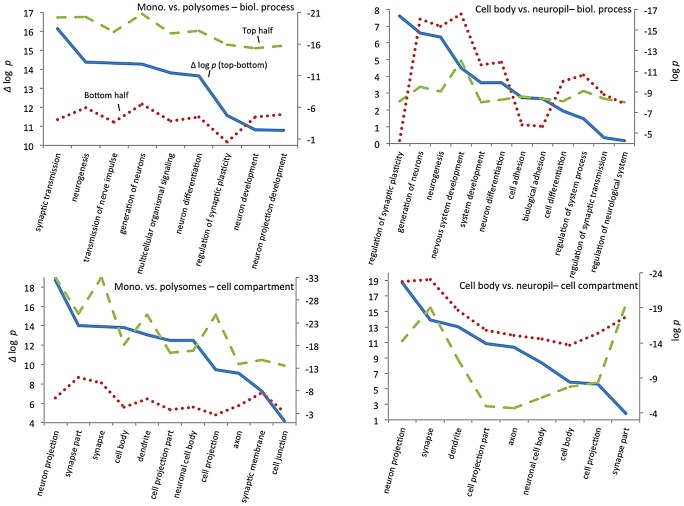
Verification
Claims the paper makes
The claims and statistics of this paper haven’t been checked yet.
Run the check — free, no account needed. It reads the open-access text and checks the sources it cites.
Claims other papers make about this one
Each is checked against this paper’s own text: does it say what the citing paper says it does?
In the citing paper
“RNA targets of both FMRP (Darnell et al., 2011) and CELF4 (Wagnon et al., 2012) were reported to be significantly enriched for ASD genes, and ASD candidate genes were further enriched among the common targets of FMRP and CELF4 (Wagnon et al., 2012).”
From Getting to the cores of autism (2019) · cites this paper as Wagnon et al., 2012
In the citing paper
“A seminal example is the Fragile X mental retardation protein (FMRP) (Darnell et al., 2011), and other RBPs that are associated with ASD include CELF4 (Wagnon et al., 2012), ELAVL3 (Ince-Dunn et al., 2012) and GIGYF1 (Peter et al., 2017).”
From Getting to the cores of autism (2019) · cites this paper as Wagnon et al., 2012
In the citing paper
“The genes encoding CELF4-bound mRNAs also showed an enrichment of dURVs in schizophrenia cases; this enrichment (OR=1.14; 95% CI=1.09–1.19; P = 6.6 × 10⁻⁴) was greater than that of the average gene though less strong than that of genes encoding FMRP-bound RNAs.”
From Increased burden of ultra-rare protein-altering variants among 4,877 individuals with schizophrenia (2016) · cites this paper as [28]
Self-check
Percentages, sums and reported differences re-computed from the paper’s own numbers.
The self-check needs the paper’s full text.
Citations
Cites
Systematic and integrative analysis of large gene lists using DAVID bioinformatics resources
Huang, D. W., Sherman, B. T., & Lempicki, R. A. (2009) · Nature Protocols · doi:10.1038/nprot.2008.211 · Cited by 35,890
Huang, D. W., Sherman, B. T., & Lempicki, R. A. (2009) · Nucleic Acids Research · doi:10.1093/nar/gkn923 · Cited by 14,108
FMRP Stalls Ribosomal Translocation on mRNAs Linked to Synaptic Function and Autism
Darnell, J. C., Van Driesche, S. J., Zhang, C., Hung, K. Y. S., Mele, A., Fraser, C. E., Stone, E. F., Chen, C., Fak, J. J., Chi, S. W., et al. (2011) · Cell · doi:10.1016/j.cell.2011.06.013 · Cited by 2,072
The self-tuning neuron: synaptic scaling of excitatory synapses
Turrigiano, G. G. (2008) · Cell · doi:10.1016/j.cell.2008.10.008 · Cited by 1,533
Dendritic spine pathology in neuropsychiatric disorders
Penzes, P., Cahill, M. E., Jones, K. A., VanLeeuwen, J.-E., & Woolfrey, K. M. (2011) · Nature Neuroscience · doi:10.1038/nn.2741 · Cited by 1,523
De Novo Gene Disruptions in Children on the Autistic Spectrum
Iossifov, I., Ronemus, M., Levy, D., Wang, Z., Hakker, I., Rosenbaum, J., Yamrom, B., Lee, Y.-H., Narzisi, G., Leotta, A., et al. (2012) · Neuron · doi:10.1016/j.neuron.2012.04.009 · Cited by 1,446
Real-time single-molecule observation of rolling-circle DNA replication
Tanner, N. A., Loparo, J. J., Hamdan, S. M., Jergic, S., Dixon, N. E., & van Oijen, A. M. (2009) · Nucleic Acids Research · doi:10.1093/nar/gkp006 · Cited by 1,279
Aligning Short Sequencing Reads with Bowtie
Langmead, B. (2010) · Current Protocols in Bioinformatics · doi:10.1002/0471250953.bi1107s32 · Cited by 1,270
RNA-binding proteins in human genetic disease
Gebauer, F., Schwarzl, T., Valcárcel, J., & Hentze, M. W. (2020) · Nature Reviews Genetics · doi:10.1038/s41576-020-00302-y · Cited by 1,208
iCLIP reveals the function of hnRNP particles in splicing at individual nucleotide resolution
König, J., Zarnack, K., Rot, G., Curk, T., Kayikci, M., Zupan, B., Turner, D. J., Luscombe, N. M., & Ule, J. (2010) · Nature Structural & Molecular Biology · doi:10.1038/nsmb.1838 · Cited by 1,126
Self-citation
Cited by
Sorted by citations
Howard, D. M., Adams, M. J., Clarke, T.-K., Hafferty, J. D., Gibson, J., Shirali, M., Coleman, J. R. I., Hagenaars, S. P., Ward, J., Wigmore, E. M., et al. (2019) · Nature Neuroscience · doi:10.1038/s41593-018-0326-7 · Cited by 2,565
Genetic identification of brain cell types underlying schizophrenia
Major Depressive Disorder Working Group of the Psychiatric Genomics Consortium, Skene, N. G., Bryois, J., Bakken, T. E., Breen, G., Crowley, J. J., Gaspar, H. A., Giusti-Rodriguez, P., Hodge, R. D., Miller, J. A., et al. (2018) · Nature Genetics · doi:10.1038/s41588-018-0129-5 · Cited by 651
Molecular pathways of major depressive disorder converge on the synapse
Fries, G. R., Saldana, V. A., Finnstein, J., & Rein, T. (2023) · Molecular Psychiatry · doi:10.1038/s41380-022-01806-1 · Cited by 504
Zhou, X., Feliciano, P., Shu, C., Wang, T., Astrovskaya, I., Hall, J. B., Obiajulu, J. U., Wright, J. R., Murali, S. C., Xu, S. X., et al. (2022) · Nature Genetics · doi:10.1038/s41588-022-01148-2 · Cited by 453
Increased burden of ultra-rare protein-altering variants among 4,877 individuals with schizophrenia
Genovese, G., Fromer, M., Stahl, E. A., Ruderfer, D. M., Chambert, K., Landén, M., Moran, J. L., Purcell, S. M., Sklar, P., Sullivan, P. F., et al. (2016) · Nature Neuroscience · doi:10.1038/nn.4402 · Cited by 444
iCLIP: Protein–RNA interactions at nucleotide resolution
Huppertz, I., Attig, J., D’Ambrogio, A., Easton, L. E., Sibley, C. R., Sugimoto, Y., Tajnik, M., König, J., & Ule, J. (2013) · Methods · doi:10.1016/j.ymeth.2013.10.011 · Cited by 449
Self-citationGetting to the cores of autism
Iakoucheva, L. M., Muotri, A. R., & Sebat, J. (2019) · Cell · doi:10.1016/j.cell.2019.07.037 · Cited by 260
“, 2012) were reported to be significantly enriched for ASD genes, and ASD candidate genes were further enriched among the common targets of FMRP and CELF4 (Wagnon et al., 2012).”
BackgroundInfluentialGenome-wide analysis of over 106 000 individuals identifies 9 neuroticism-associated loci
Smith, D. J., Escott-Price, V, Davies, G., Bailey, M. E. S., Colodro-Conde, L., Ward, J., Vedernikov, A., Marioni, R., Cullen, B., Lyall, D., et al. (2016) · Molecular Psychiatry · doi:10.1038/mp.2016.49 · Cited by 259
Meyer, C., Garzia, A., Mazzola, M. C., Gerstberger, S. C., Molina, H., & Tuschl, T. (2018) · Molecular Cell · doi:10.1016/j.molcel.2018.01.011 · Cited by 135
Regulation of Thalamic and Cortical Network Synchrony by Scn8a
Makinson, C. D., Tanaka, B. S., Sorokin, J. M., Wong, J. C., Christian, C. A., Goldin, A. L., Escayg, A., & Huguenard, J. R. (2017) · Neuron · doi:10.1016/j.neuron.2017.01.031 · Cited by 117
RNA-binding proteins in neurodegeneration: Seq and you shall receive
Nussbacher, J. K., Batra, R., Lagier-Tourenne, C., & Yeo, G. W. (2015) · Trends in Neurosciences · doi:10.1016/j.tins.2015.02.003 · Cited by 115
RNA-binding proteins balance brain function in health and disease
Schieweck, R., Ninkovic, J., & Kiebler, M. A. (2020) · Physiological Reviews · doi:10.1152/physrev.00047.2019 · Cited by 111
Nguyen, H. T., Bryois, J., Kim, A., Dobbyn, A. L., Huckins, L. M., Muñoz‐Manchado, A. B., Ruderfer, D. M., Genovese, G., Fromer, M., Xu, X., et al. (2017) · Genome Medicine · doi:10.1186/s13073-017-0497-y · Cited by 87
Halvorsen, M., Huh, R., Oskolkov, N., Wen, J., Netotea, S., Giusti‐Rodríguez, P., Karlsson, R., Bryois, J., Nystedt, B., Ameur, A., et al. (2020) · Nature Communications · doi:10.1038/s41467-020-15707-w · Cited by 83
RNA ‐binding proteins, neural development and the addictions
Bryant, C. D., & Yazdani, N. (2015) · Genes Brain & Behavior · doi:10.1111/gbb.12273 · Cited by 82
Comprehensive transcriptome analysis of cochlear spiral ganglion neurons at multiple ages
Li, C., Li, X., Bi, Z., Sugino, K., Wang, G., Zhu, T., & Liu, Z. (2020) · eLife · doi:10.7554/elife.50491 · Cited by 76
Jemaa, S. B., Mastrangelo, S., Lee, S. H., Lee, J. H., & Boussaha, M. (2020) · Scientific Reports · doi:10.1038/s41598-020-76576-3 · Cited by 76
Molecular features driving cellular complexity of human brain evolution
Caglayan, E., Ayhan, F., Liu, Y., Vollmer, R. M., Oh, E., Sherwood, C. C., Preuss, T. M., Yi, S. V., & Konopka, G. (2023) · Nature · doi:10.1038/s41586-023-06338-4 · Cited by 68
Coleman, J. R. I., Bryois, J., Gaspar, H. A., Jansen, P. R., Savage, J. E., Skene, N., Plomin, R., Muñoz-Manchado, A. B., Linnarsson, S., Crawford, G., et al. (2019) · Molecular Psychiatry · doi:10.1038/s41380-018-0040-6 · Cited by 66
Barone, R. M. E., Fichera, M., Grandi, M. D., Battaglia, M., Faro, V. L., Mattina, T., & Rizzo, R. (2017) · American Journal of Medical Genetics Part A · doi:10.1002/ajmg.a.38205 · Cited by 64
Genetic architecture of the structural connectome
Wainberg, M., Forde, N. J., Mansour, S., Kerrebijn, I., Medland, S. E., Hawco, C. S., & Tripathy, S. J. (2024) · Nature Communications · doi:10.1038/s41467-024-46023-2 · Cited by 67
Briese, M., Saal-Bauernschubert, L., Ji, C., Moradi, M., Ghanawi, H., Uhl, M., Appenzeller, S., Backofen, R., & Sendtner, M. (2018) · Proceedings of the National Academy of Sciences · doi:10.1073/pnas.1721670115 · Cited by 58
Self-citationAncient antagonism between CELF and RBFOX families tunes mRNA splicing outcomesPreprint
Gazzara, M. R., Mallory, M. J., Roytenberg, R., Lindberg, J., Jha, A., Lynch, K. W., & Barash, Y. (2017) · Genome Research · doi:10.1101/gr.220517.117 · Cited by 61
Popovitchenko, T., Park, Y., Page, N. F., Luo, X., Krsnik, Z., Liu, Y., Salamon, I., Stephenson, J. D., Kraushar, M. L., Volk, N. L., et al. (2020) · Nature Communications · doi:10.1038/s41467-020-15412-8 · Cited by 55
CELFish ways to modulate mRNA decay
Louis, I. V.-S., Dickson, A., Bohjanen, P. R., & Wilusz, C. J. (2013) · Biochimica et Biophysica Acta (BBA) - Gene Regulatory Mechanisms · doi:10.1016/j.bbagrm.2013.01.001 · Cited by 52
Cohen, J. E., Lee, P. R., & Fields, R. D. (2014) · Philosophical Transactions of the Royal Society B Biological Sciences · doi:10.1098/rstb.2013.0509 · Cited by 52
A novel pathway regulates social hierarchy via lncRNA AtLAS and postsynaptic synapsin IIb
Ma, M., Xiong, W., Hu, F., Deng, M., Huang, X., Chen, J., Man, H., Lu, Y., Liu, D., & Zhu, L. (2020) · Cell Research · doi:10.1038/s41422-020-0273-1 · Cited by 49
Alzheimer’s Disease: From Genetic Variants to the Distinct Pathological Mechanisms
Sun, Q., Xie, N., Tang, B., Li, R., & Shen, Y. (2017) · Frontiers in Molecular Neuroscience · doi:10.3389/fnmol.2017.00319 · Cited by 46
RNA splicing regulators play critical roles in neurogenesis
Fisher, E., & Feng, J. (2022) · Wiley Interdisciplinary Reviews - RNA · doi:10.1002/wrna.1728 · Cited by 45
Huo, Y., Yan, Z., Yuan, P., Qin, M. H., Kuo, Y., Li, R., Yan, L. Y., Feng, H. L., & Qiao, J. (2020) · Clinical Epigenetics · doi:10.1186/s13148-020-00866-w · Cited by 45
Chen, Y., Chang, Y., & Huang, Y. (2018) · Developmental Neurobiology · doi:10.1002/dneu.22653 · Cited by 42
Control of a neuronal morphology program by an RNA-binding zinc finger protein, UnkemptPreprint
Murn, J., Zarnack, K., Yang, Y. J., Durak, O., Murphy, E. A., Cheloufi, S., Gonzalez, D. M., Teplova, M., Curk, T., Zuber, J. A., et al. (2015) · Genes & Development · doi:10.1101/gad.258483.115 · Cited by 41
Self-citationMulvey, B., Lagunas, T., & Dougherty, J. D. (2020) · Biological Psychiatry · doi:10.1016/j.biopsych.2020.06.011 · Cited by 41
CELF Family Proteins in Cancer: Highlights on the RNA-Binding Protein/Noncoding RNA Regulatory Axis
Aghdam, M. N., Garcia-Garduño, T.-C., & Jave‐Suárez, L. F. (2021) · International Journal of Molecular Sciences · doi:10.3390/ijms222011056 · Cited by 40
Celf4 controls mRNA translation underlying synaptic development in the prenatal mammalian neocortex
Salamon, I., Park, Y., Miškić, T., Kopić, J., Matteson, P. G., Page, N. F., Roque, A., McAuliffe, G., Favate, J. S., García-Forn, M., et al. (2023) · Nature Communications · doi:10.1038/s41467-023-41730-8 · Cited by 40
Aberrant sodium channel activity in the complex seizure disorder of Celf4 mutant mice
Sun, W., Wagnon, J. L., Mahaffey, C. L., Briese, M., Ule, J., & Frankel, W. N. (2013) · The Journal of Physiology · doi:10.1113/jphysiol.2012.240168 · Cited by 36
Self-citationBando, S. Y., Silva, F. N., Costa, L. D. F., da Silva, A. V., Pimentel‐Silva, L. R., Castro, L. H. M., Tzu, W. H., Amaro, E., & Moreira‐Filho, C. A. (2013) · PLoS ONE · doi:10.1371/journal.pone.0079913 · Cited by 36
Chen, L., Liu, Z., Zhou, B., Wei, C., Zhou, Y., Rosenfeld, M. G., Fu, X.-D., Chisholm, A. D., & Jin, Y. (2016) · eLife · doi:10.7554/elife.16072 · Cited by 35
Social Determinants of Health in Cardio-Oncology
Baah, F. O., Sharda, S., Davidow, K. A., Jackson, S., Kernizan, D., Jacobs, J. A., Baumer, Y., Schultz, C. L., Baker-Smith, C. M., & Powell‐Wiley, T. M. (2024) · JACC CardioOncology · doi:10.1016/j.jaccao.2024.02.009 · Cited by 34
CLIPing the brain: Studies of protein–RNA interactions important for neurodegenerative disorders
Modic, M., Ule, J., & Sibley, C. R. (2013) · Molecular and Cellular Neuroscience · doi:10.1016/j.mcn.2013.04.002 · Cited by 34
Self-citationCholinergic Regulation of hnRNPA2/B1 Translation by M1 Muscarinic Receptors
Kolisnyk, B., Al‐Onaizi, M., Xu, J. Z., Parfitt, G. M., Ostapchenko, V. G., Hanin, G., Soreq, H., Prado, M. A. M., & Prado, V. F. (2016) · Journal of Neuroscience · doi:10.1523/jneurosci.4614-15.2016 · Cited by 32
Meng, Y., Wu, T., Billings, R. J., Kopycka‐Kędzierawski, D. T., & Xiao, J. (2019) · International Journal of Oral Science · doi:10.1038/s41368-019-0051-4 · Cited by 32
Lencz, T., Yu, J., Khan, R. R., Flaherty, E. K., Carmi, S., Lam, M., Ben‐Avraham, D., Barzilai, N., Bressman, S., Darvasi, A., et al. (2021) · Neuron · doi:10.1016/j.neuron.2021.03.004 · Cited by 30
Convergent Evidence That ZNF804A Is a Regulator of Pre-messenger RNA Processing and Gene Expression
Chapman, R. M., Tinsley, C. L., Hill, M., Forrest, M. P., Tansey, K. E., Pardiñas, A. F., Rees, E., Doyle, A. M., Wilkinson, L. S., Owen, M. J., et al. (2018) · Schizophrenia Bulletin · doi:10.1093/schbul/sby183 · Cited by 26
Moreira‐Filho, C. A., Bando, S. Y., Bertonha, F. B., Iamashita, P., Silva, F. N., Costa, L. D. F., da Silva, A. V., Castro, L. H. M., & Tzu, W. H. (2015) · PLoS ONE · doi:10.1371/journal.pone.0128174 · Cited by 25
Curtis, D., Coelewij, L., Liu, S.-H., Humphrey, J., & Mott, R. (2018) · Behavior Genetics · doi:10.1007/s10519-018-9893-3 · Cited by 25
An integrated transcriptomic and proteomic map of the mouse hippocampus at synaptic resolution
Kaulich, E., Waselenchuk, Q., Fürst, N., Desch, K., Mosbacher, J., Ciirdaeva, E., Juengling, M., Ray, R., Nassim-Assir, B., Tushev, G., et al. (2025) · Nature Communications · doi:10.1038/s41467-025-63119-5 · Cited by 26
Oliva, M., McGarr, T. C., Beyer, B. J., Gazina, E. V., Kaplan, D. I., Cordeiro, L., Thomas, E. A., Dib‐Hajj, S. D., Waxman, S. G., Frankel, W. N., et al. (2014) · Neurobiology of Disease · doi:10.1016/j.nbd.2014.03.007 · Cited by 24
Self-citationKaulich, E., Waselenchuk, Q., Fürst, N., Desch, K., Mosbacher, J., Ciirdaeva, E., Juengling, M., Tushev, G., Langer, J., & Schuman, E. M. (2024) · doi:10.1101/2024.08.05.606570 · Cited by 22
Curtis, D. (2018) · European Journal of Human Genetics · doi:10.1038/s41431-018-0272-6 · Cited by 25
The role of CELF family in neurodevelopment and neurodevelopmental disorders
Peng, S., Cai, X., Chen, J., Sun, J., Lai, B., Chang, M., & Xing, L. (2024) · Neurobiology of Disease · doi:10.1016/j.nbd.2024.106525 · Cited by 21
Huntington’s Disease Protein Huntingtin Associates with its own mRNA
Culver, B. P., DeClercq, J., Dolgalev, I., Yu, M. S., Ma, B., Heguy, A., & Tanese, N. (2016) · Journal of Huntington s Disease · doi:10.3233/jhd-150177 · Cited by 21
Posttranscriptional Gene Regulation of the GABA Receptor to Control Neuronal Inhibition
Schieweck, R., & Kiebler, M. A. (2019) · Frontiers in Molecular Neuroscience · doi:10.3389/fnmol.2019.00152 · Cited by 20
Rieger, M. A., King, D., Crosby, H. W., Liu, Y., Cohen, B. A., & Dougherty, J. D. (2020) · Cell Reports · doi:10.1016/j.celrep.2020.108531 · Cited by 21
Nguyen, H. T., Bryois, J., Kim, A., Dobbyn, A., Huckins, L. M., Muñoz‐Manchado, A. B., Ruderfer, D. M., Genovese, G., Fromer, M., Xu, X., et al. (2017) · bioRxiv (Cold Spring Harbor Laboratory) · doi:10.1101/135293 · Cited by 19
Qi, B., Sun, Y., Lv, Y., Hu, P., Ma, Y., Gao, W., Li, S., Zhang, X., Jin, X., Liou, Y., et al. (2023) · Frontiers in Oncology · doi:10.3389/fonc.2023.1289366 · Cited by 18
de Amorim, J. L., Leung, S. W., Haji‐Seyed‐Javadi, R., Hou, Y., Yu, D. S., Ghalei, H., Khoshnevis, S., Yao, B., & Corbett, A. H. (2024) · Journal of Biological Chemistry · doi:10.1016/j.jbc.2024.105646 · Cited by 18
Exploring the biological role of postzygotic and germinal de novo mutations in ASD
Alonso-González, A., Calaza, M., Amigo, J., González‐Peñas, J., Martínez-Regueiro, R., Fernández‐Prieto, M., Parellada, M., Arango, C., Rodriguez‐Fontenla, C., & Carracedo, Á. (2021) · Scientific Reports · doi:10.1038/s41598-020-79412-w · Cited by 16
Krüppel-like Transcription Factor 7 Is a Causal Gene in Autism Development
Tian, H., Qiao, S., Zhao, Y., Jin, X., Cao, W. F., Wang, R. L., Wang, Y., Jiao, Y., Liu, Y., Zhang, B., et al. (2022) · International Journal of Molecular Sciences · doi:10.3390/ijms23063376 · Cited by 15
Šmidák, R., Sialana, F. J., Kristofova, M., Stojanovic, T., Rajcic, D., Maliković, J., Feyissa, D. D., Korz, V., Hoeger, H., Wackerlig, J., et al. (2017) · Frontiers in Aging Neuroscience · doi:10.3389/fnagi.2017.00384 · Cited by 15
The genetic architecture of fibromyalgia across 2.5 million individuals
Kerrebijn, I., Björnsdóttir, G., Arbabi, K., Urpa, L., Haapaniemi, H., Þorleifsson, G., Stefánsdóttir, L., Frangakis, S. G., Valliere, J., Kunorozva, L., et al. (2026) · Nature Medicine · doi:10.1038/s41591-026-04492-6 · Cited by 13
Alors‐Pérez, E., Pedraza‐Arévalo, S., Blázquez‐Encinas, R., García‐Vioque, V., Agraz-Doblás, A., Yubero‐Serrano, E. M., Sánchez‐Frías, M., Serrano‐Blanch, R., Gálvez-Moreno, M. Á., Gracia‐Navarro, F., et al. (2023) · Molecular Therapy — Nucleic Acids · doi:10.1016/j.omtn.2023.102090 · Cited by 13
Control of CNS Functions by RNA-Binding Proteins in Neurological Diseases
Zhou, Y., Dong, F., & Mao, Y. (2018) · Current Pharmacology Reports · doi:10.1007/s40495-018-0140-7 · Cited by 14
Tissue-Specific Alternative Splicing Analysis Reveals the Diversity of Chromosome 18 Transcriptome
Shargunov, A., Krasnov, G. S., Ponomarenko, E. A., Lisitsa, A., Shurdov, M. A., Зверев, В. В., Archakov, A. I., & Blinov, V. M. (2013) · Journal of Proteome Research · doi:10.1021/pr400808u · Cited by 12
The Genetic Control of Stoichiometry Underlying Autism
Darnell, R. B. (2020) · Annual Review of Neuroscience · doi:10.1146/annurev-neuro-100119-024851 · Cited by 12
Alqawlaq, S., Livne‐Bar, I., Williams, D., D'Ercole, J., Leung, S. W., Chan, D. W.-H., Tuccitto, A., Datti, A., Wrana, J. L., Corbett, A. H., et al. (2020) · Journal of Biological Chemistry · doi:10.1074/jbc.ra120.015389 · Cited by 15
Dalal, J. S., Yang, C., Sapkota, D., Lake, A. M., O’Brien, D. R., & Dougherty, J. D. (2017) · Frontiers in Molecular Neuroscience · doi:10.3389/fnmol.2017.00009 · Cited by 12
Spatial and temporal expression patterns of genes around nine neuroticism-associated loci
Ohi, K., Shimada, T., Yasuyama, T., Kimura, K., Uehara, T., & Kawasaki, Y. (2017) · Progress in Neuro-Psychopharmacology and Biological Psychiatry · doi:10.1016/j.pnpbp.2017.04.019 · Cited by 12
Maloney, S. E., Khangura, E., & Dougherty, J. D. (2015) · Brain Structure and Function · doi:10.1007/s00429-015-1005-z · Cited by 12
Decoding Abnormal Splicing Code in Human Diseases
Ohno, K. (2015) · Journal of Investigative Genomics · doi:10.15406/jig.2015.02.00016 · Cited by 12
Systemic neuro-dysregulation in depression: Evidence from genome-wide association
Tubbs, J. D., Ding, J., Baum, L., & Sham, P. C. (2020) · European Neuropsychopharmacology · doi:10.1016/j.euroneuro.2020.08.007 · Cited by 12
Translational Control during Mammalian Neocortex Development and Postembryonic Neuronal Function
Oliveira, N. C. M., Lins, É. M., Massirer, K. B., & Bengtson, M. H. (2020) · Seminars in Cell and Developmental Biology · doi:10.1016/j.semcdb.2020.09.006 · Cited by 11
Grlickova‐Duzevik, E., Reimonn, T. M., Michael, M., Tian, T. M., Owyoung, J. N., McGrath‐Conwell, A., Neufeld, P., Mueth, M. G., Molliver, D. C., Ward, P. J., et al. (2023) · The Journal of Comparative Neurology · doi:10.1002/cne.25520 · Cited by 11
GeneWeaver: finding consilience in heterogeneous cross-species functional genomics data
Bubier, J. A., Phillips, C., Langston, M. A., Baker, E. J., & Chesler, E. J. (2015) · Mammalian Genome · doi:10.1007/s00335-015-9575-x · Cited by 11
The Evolving Landscape of Functional Models of Autism Spectrum Disorder
Ranjan, J., & Bhattacharya, A. (2025) · Cells · doi:10.3390/cells14120908 · Cited by 10
Yin, B., Wang, X., Huang, T., & Jia, J. (2022) · Frontiers in Psychiatry · doi:10.3389/fpsyt.2022.910432 · Cited by 10
Smith, P. R., & Campbell, Z. T. (2024) · Wiley Interdisciplinary Reviews - RNA · doi:10.1002/wrna.1843 · Cited by 10
CELF4 regulates spine formation and depression-like behaviors of mice
Shen, Y., Zhang, C., Xiao, K., Liu, D., & Xie, G. (2022) · Biochemical and Biophysical Research Communications · doi:10.1016/j.bbrc.2022.03.067 · Cited by 9
Dmitrzak‐Węglarz, M., Szczepankiewicz, A., RYBAKOWSKI, J. K., Kapelski, P., Bilska, K., Skibińska, M., Reszka, E., Lesicka, M., Jabłońska, E., Wieczorek, E., et al. (2021) · Pharmacopsychiatry · doi:10.1055/a-1546-9483 · Cited by 9
Curtis, D. (2018) · Psychiatric Genetics · doi:10.1097/ypg.0000000000000197 · Cited by 9
The predicted RNA-binding protein regulome of axonal mRNAsPreprint
Luisier, R., Andreassi, C., Fournier, L. M., & Riccio, A. (2023) · Genome Research · doi:10.1101/gr.277804.123 · Cited by 9
Construction of an Exome‐Wide Risk Score for Schizophrenia Based on a Weighted Burden Test
Curtis, D. (2017) · Annals of Human Genetics · doi:10.1111/ahg.12212 · Cited by 8
Minor DNA methylation changes are observed in spermatozoa prepared using different protocols
Štimpfel, M., & Bokal, E. V. (2020) · Andrology · doi:10.1111/andr.12832 · Cited by 8
PRAS: Predicting functional targets of RNA binding proteins based on CLIP-seq peaks
Lin, J., Zhang, Y., Frankel, W. N., & Ouyang, Z. (2019) · PLoS Computational Biology · doi:10.1371/journal.pcbi.1007227 · Cited by 9
Self-citationAmbrose, A., McNiven, V., Wilson, D., Tempes, A., Underwood, M., Chau, V., Schulze, A., Wyszyńska, A., Desch, K. C., Malik, A. R., et al. (2025) · Neurology Genetics · doi:10.1212/nxg.0000000000200232 · Cited by 7
Screening the Molecular Framework Underlying Local Dendritic mRNA Translation
Namjoshi, S. V., & Raab‐Graham, K. F. (2017) · Frontiers in Molecular Neuroscience · doi:10.3389/fnmol.2017.00045 · Cited by 7
The expression analysis of Sfrs10 and Celf4 during mouse retinal development
Karunakaran, D. K. P., Congdon, S., Guerrette, T., Banday, A. R., Lemoine, C., Chhaya, N., & Kanadia, R. (2013) · Gene Expression Patterns · doi:10.1016/j.gep.2013.07.009 · Cited by 6
Mueth, M. G., Neufeld, P., Michael, M., McGrath‐Conwell, A., Grlickova‐Duzevik, E., King, T. E., Straub, C., & Harrison, B. J. (2025) · Neurobiology of Pain · doi:10.1016/j.ynpai.2025.100184 · Cited by 5
Li, W., Zhang, X., Yu, K., Zhu, Y., Du, N., Song, Z., & Fan, Q. (2024) · Communications Biology · doi:10.1038/s42003-024-06686-5 · Cited by 6
Zhao, Y., Song, A., Liu, G., Chen, Q., Wu, Q., Gao, Z., Li, Z., Yu, H., & Wu, Z. (2025) · Journal of Pharmacological Sciences · doi:10.1016/j.jphs.2025.02.004 · Cited by 5
Qi, Z., Chen, Z., He, D.-L., Cai, S., Li, B., Sun, D., Lv, Z., Xu, E., Shi, Q., Zhong, Y., et al. (2021) · Translational Cancer Research · doi:10.21037/tcr-21-311 · Cited by 5
Adaptation of the Porcine Pituitary Transcriptome, Spliceosome and Editome during Early Pregnancy
Makowczenko, K. G., Jastrzebski, J., Kieżun, M., Paukszto, Ł., Dobrzyń, K., Smolińska, N., & Kamiński, T. (2023) · International Journal of Molecular Sciences · doi:10.3390/ijms24065946 · Cited by 5
Männik, K., Arbogast, T., Lepamets, M., Lepik, K., Pellaz, A., Ademi, H., Kupchinsky, Z. A., Ellegood, J., Attanasio, C., Messina, A., et al. (2019) · bioRxiv (Cold Spring Harbor Laboratory) · doi:10.1101/716415 · Cited by 5
Bruel, A., Vulto-vanSilfhout, A. T., Bilan, F., Guyader, G. L., Gilbert‐Dussardier, B., Horn, X. L. G., Rondeau, S., Rio, M., Lee, K. N., Beil, A., et al. (2025) · European Journal of Human Genetics · doi:10.1038/s41431-025-01809-w · Cited by 4
Matenchi, Y. P., Koban, E., & Hegarty, M. (2025) · BMC Genomics · doi:10.1186/s12864-025-11865-7 · Cited by 4
Mulvey, B., Lagunas, T., & Dougherty, J. D. (2020) · bioRxiv (Cold Spring Harbor Laboratory) · doi:10.1101/2020.02.02.931337 · Cited by 4
dSreg: a Bayesian model to integrate changes in splicing and RNA-binding protein activity
Martí‐Gómez, C., Lara‐Pezzi, E., & Sánchez‐Cabo, F. (2019) · Bioinformatics · doi:10.1093/bioinformatics/btz915 · Cited by 3
GAN-WGCNA: Calculating gene modules to identify key intermediate regulators in cocaine addiction
Kim, T.-H., Lee, K., Cheon, M., & Yu, W. (2024) · PLoS ONE · doi:10.1371/journal.pone.0311164 · Cited by 2
mRNA Trafficking to Synapses and Memory Formation ☆
Farris, S., Dynes, J. L., & Steward, O. (2017) · Elsevier eBooks · doi:10.1016/b978-0-12-809324-5.21108-5 · Cited by 2
Genetic and structural evidence links Ca 2+ dysregulation and ATP2B2 to neuropsychiatric illnessPreprint
Gerges, S., Straarup, N. C., El-Brolosy, M. A., Satterstrom, F. K., Kamitaki, N., Yuan, J., Ling, E., Gelze, C., Lin, R., Goldman, M., et al. (2025) · bioRxiv (Cold Spring Harbor Laboratory) · doi:10.1101/2025.08.25.672202 · Cited by 2
Metadata
- Authors
- Wagnon, J. L., Briese, M., Sun, W., Mahaffey, C. L., Curk, T., Rot, G., Ule, J., & Frankel, W. N.
- Affiliations
- Jackson Laboratory (US)
- MRC Laboratory of Molecular Biology (GB)
- University of Ljubljana (SI)
- Corresponding author
- Frankel, Wayne N.
- Venue
- PLoS Genetics
- Publisher
- Public Library of Science (PLoS)
- Published
- 2012-11-29
- Volume
- 8
- Issue
- 11
- Pages
- e1003067
- ISSN
- 1553-7390 (ISSN-L)
- 1553-7404
- PMC
- PMC3510034
- OpenAlex
- W1998831398
- Cited by
- 125
- References
- 78
- Citations by year
- 2026: 11 · 2025: 10 · 2024: 9 · 2023: 8 · 2022: 8 · 2021: 7 · 2020: 19 · 2019: 8 · 2018: 11 · 2017: 12 · 2016: 5 · 2015: 7 · 2014: 2 · 2013: 7 · 2012: 1
- FWCI
- 2.19
- Type
- journal article
- Language
- en
- Open access
- gold
- doi.org
- Locations
- PLoS Genetics (publishedVersion, cc-by)
- PubMed Central (publishedVersion, cc-by)
- PubMed (publishedVersion)
- Repository of the University of Ljubljana (University of Ljubljana) (publishedVersion, other-oa)
- DOAJ (DOAJ: Directory of Open Access Journals) (submittedVersion, cc-by-sa)
- UCL Discovery (University College London) (submittedVersion)
- Figshare (submittedVersion, cc-by)
- The Mouseion at the JAXlibrary (Jackson Laboratory) (submittedVersion)
- Funders
- Epilepsy Foundation
- Wellcome Trust (089701)
- Javna Agencija za Raziskovalno Dejavnost RS
- National Institutes of Health
- Medical Research Council
- Topics
- Life Sciences › Biochemistry, Genetics and Molecular Biology › Molecular Biology › RNA Research and Splicing
- Life Sciences › Biochemistry, Genetics and Molecular Biology › Genetics › Genetics and Neurodevelopmental Disorders
- Life Sciences › Neuroscience › Cellular and Molecular Neuroscience › Neuroscience and Neuropharmacology Research
- Keywords
- CELF4, RNA-binding proteins, 3' untranslated region, mRNA stability, translational regulation, polysome fractionation, neuronal hyperexcitability, epilepsy, synaptic plasticity, synaptic transmission, excitatory neurons
- MeSH terms
- CELF Proteins, Animals, Cerebral Cortex, Epilepsy, Hippocampus, Humans, Synaptic Transmission, Neurons, RNA, Messenger, Synapses, Protein Biosynthesis, RNA-Binding Proteins, Pyramidal Cells, RNA Stability, Mice, Transcriptome, NAV1.6 Voltage-Gated Sodium Channel
About these checks
Registry, retraction, Cites and statistics results are computed, not judged, with one exception: a printed reference that no index lists is read once by a model before it counts as a citation error. Claims are extracted by a model and kept only when their quote appears verbatim in the text; each cited source is then checked, with a model’s help, for whether it says what the claim relies on. Those verdicts can be wrong — read the claim’s quote and the cited source before relying on one.
Statistics and arithmetic are recomputed, not judged.
Confidence bands are shown only for fields calibrated on our annotated test set. None is calibrated yet, so no band is shown.
What counts as a claim ›How we measure confidence ›How we check this ›
Are you an author, or do you see a problem with this page? Request a review
