

The DOI matches its Crossref record; 148 of the 149 references it cites were found in a registry or an index.
A Framework for the Establishment of a Cnidarian Gene Regulatory Network for “Endomesoderm” Specification: The Inputs of ß-Catenin/TCF Signaling
Open accessAbstract
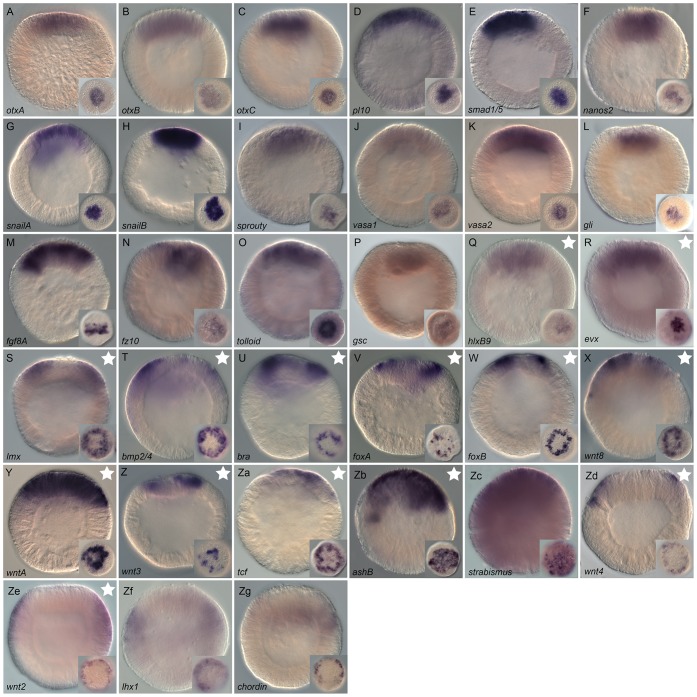
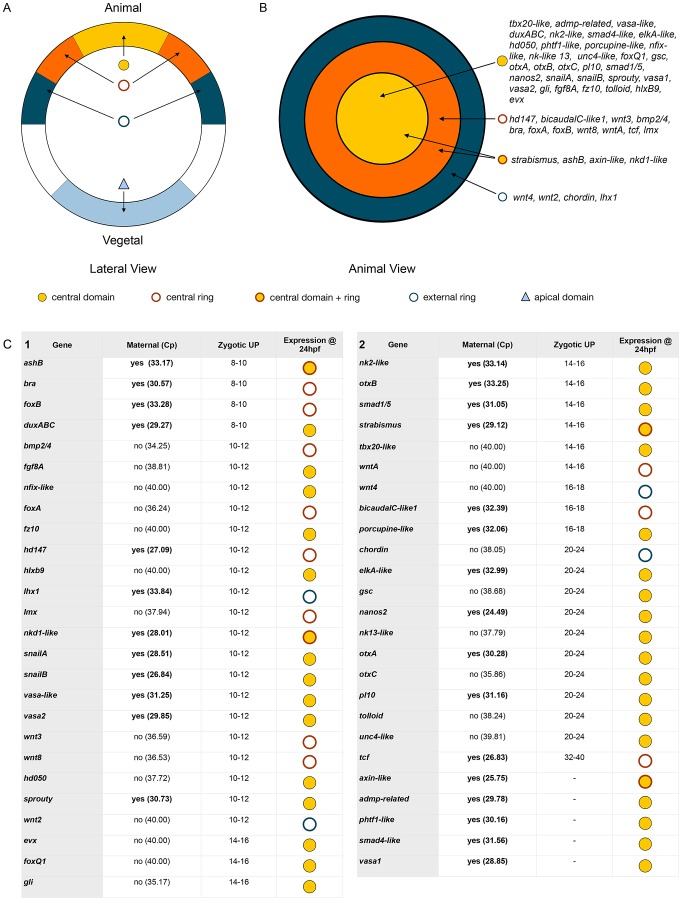
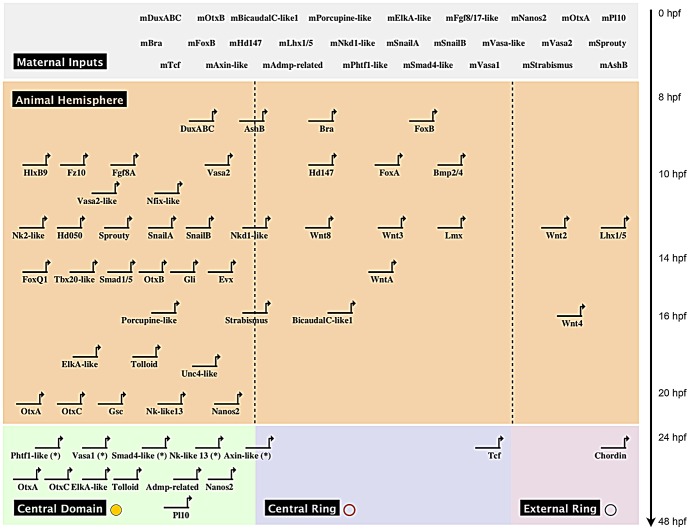
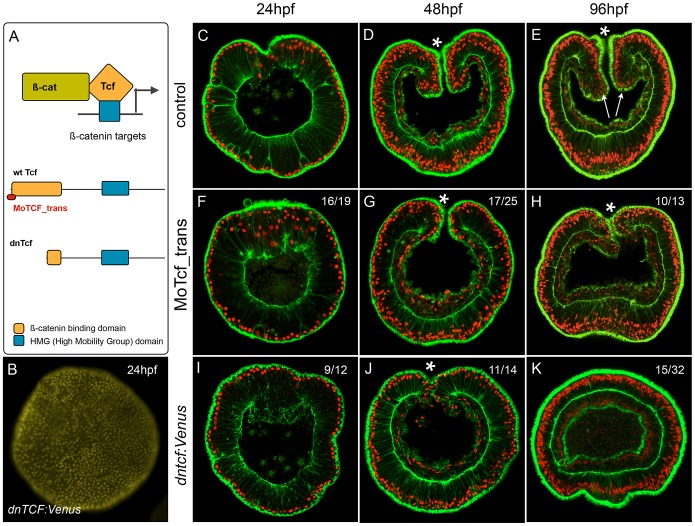
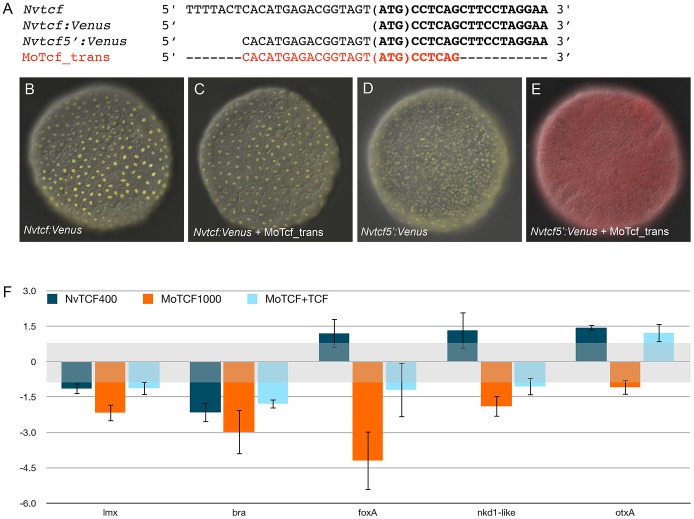
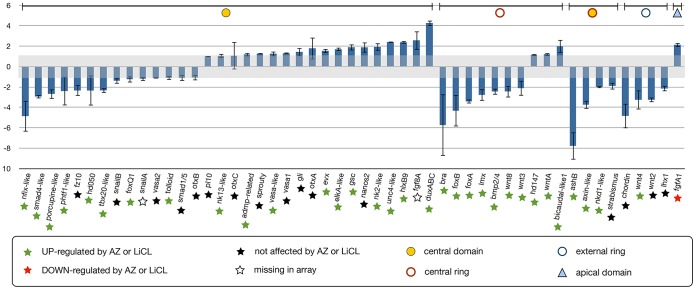
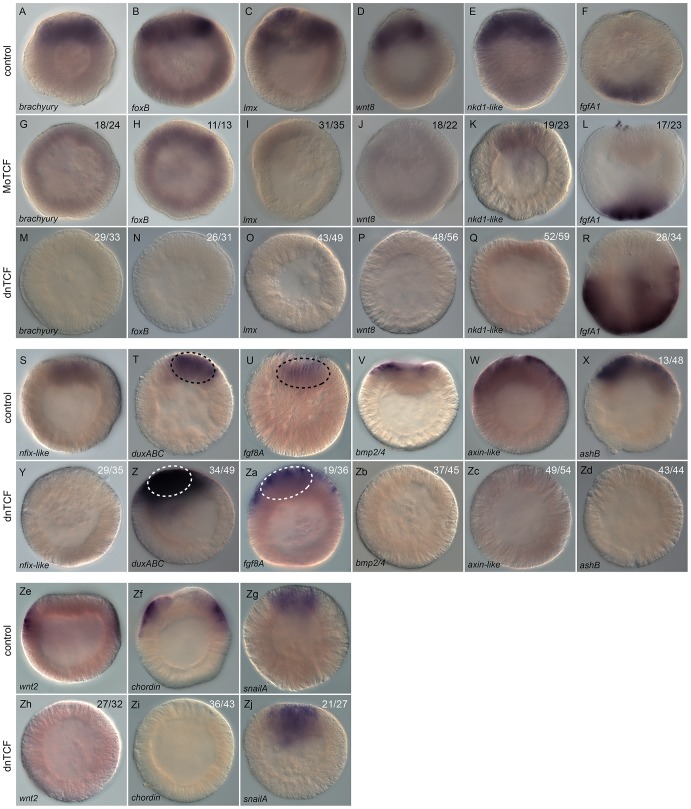
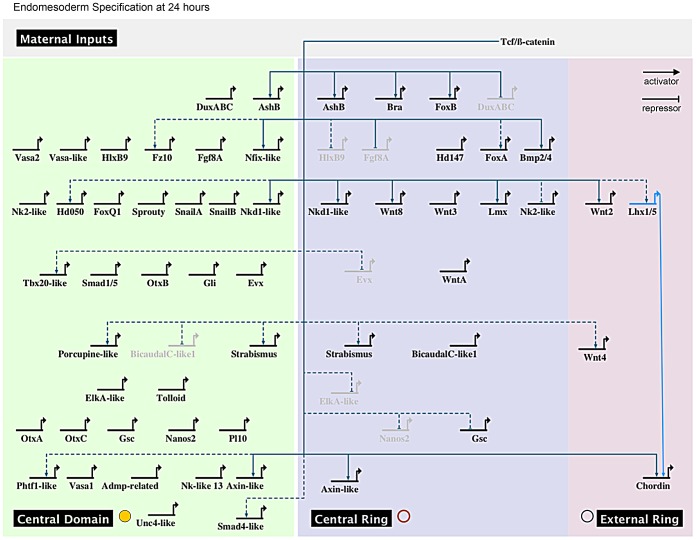
Understanding the functional relationship between intracellular factors and extracellular signals is required for reconstructing gene regulatory networks (GRN) involved in complex biological processes. One of the best-studied bilaterian GRNs describes endomesoderm specification and predicts that both mesoderm and endoderm arose from a common GRN early in animal evolution. Compelling molecular, genomic, developmental, and evolutionary evidence supports the hypothesis that the bifunctional gastrodermis of the cnidarian-bilaterian ancestor is derived from the same evolutionary precursor of both endodermal and mesodermal germ layers in all other triploblastic bilaterian animals. We have begun to establish the framework of a provisional cnidarian "endomesodermal" gene regulatory network in the sea anemone, Nematostella vectensis, by using a genome-wide microarray analysis on embryos in which the canonical Wnt/ß-catenin pathway was ectopically targeted for activation by two distinct pharmaceutical agents (lithium chloride and 1-azakenpaullone) to identify potential targets of endomesoderm specification. We characterized 51 endomesodermally expressed transcription factors and signaling molecule genes (including 18 newly identified) with fine-scale temporal (qPCR) and spatial (in situ) analysis to define distinct co-expression domains within the animal plate of the embryo and clustered genes based on their earliest zygotic expression. Finally, we determined the input of the canonical Wnt/ß-catenin pathway into the cnidarian endomesodermal GRN using morpholino and mRNA overexpression experiments to show that NvTcf/canonical Wnt signaling is required to pattern both the future endomesodermal and ectodermal domains prior to gastrulation, and that both BMP and FGF (but not Notch) pathways play important roles in germ layer specification in this animal. We show both evolutionary conserved as well as profound differences in endomesodermal GRN structure compared to bilaterians that may provide fundamental insight into how GRN subcircuits have been adopted, rewired, or co-opted in various animal lineages that give rise to specialized endomesodermal cell types.
Overview
The claims and statistics of this paper haven’t been checked yet.
Run the check — free, no account needed. It reads the open-access text and checks the sources it cites.
Integrity signals
Registry
Cites
Statistics
Figures
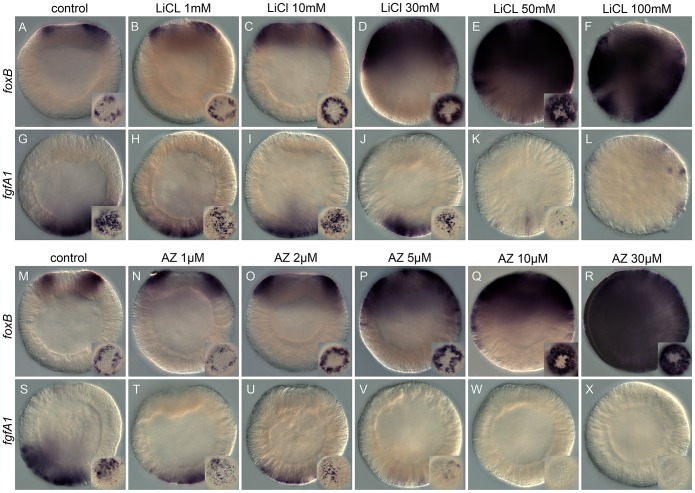
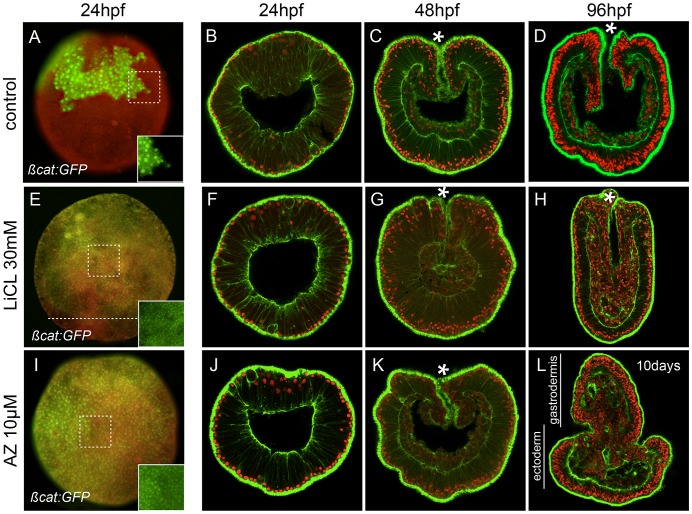
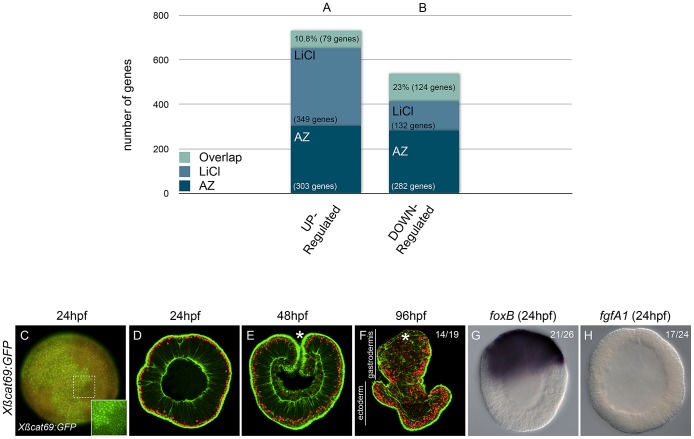
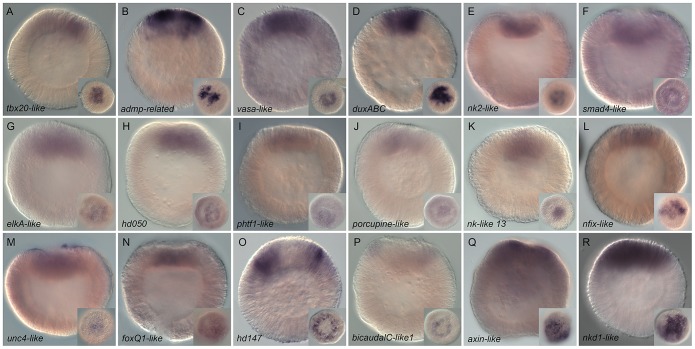
Verification
Claims the paper makes
The claims and statistics of this paper haven’t been checked yet.
Run the check — free, no account needed. It reads the open-access text and checks the sources it cites.
Claims other papers make about this one
Each is checked against this paper’s own text: does it say what the citing paper says it does?
In the citing paper
“While the posterior-anterior gradient of expression of Wnt ligands in larval and adult eumetazoans reflects the conserved role in axial patterning, the earliest function of the canonical Wnt pathway (signalling through b-catenin) is specification of the endomesoderm 19,51,52 .”
From Developmental gene expression provides clues to relationships between sponge and eumetazoan body plans (2014) · cites this paper as [19]
Self-check
Percentages, sums and reported differences re-computed from the paper’s own numbers.
The self-check needs the paper’s full text.
Citations
Cites
Basic local alignment search tool
Altschul, S. F., Gish, W., Miller, W., Myers, E. W., & Lipman, D. J. (1990) · Journal of Molecular Biology · doi:10.1006/jmbi.1990.9999 · Cited by 98,669
Exploration, normalization, and summaries of high density oligonucleotide array probe level data
Irizarry, R. A. (2003) · Biostatistics · doi:10.1093/biostatistics/4.2.249 · Cited by 10,603
Bolstad, B. M., Irizarry, R. A., Åstrand, M., & Speed, T. P. (2003) · Bioinformatics · doi:10.1093/bioinformatics/19.2.185 · Cited by 8,328
A molecular mechanism for the effect of lithium on development.
Klein, P. S., & Melton, D. A. (1996) · Proceedings of the National Academy of Sciences · doi:10.1073/pnas.93.16.8455 · Cited by 2,334
XTcf-3 Transcription Factor Mediates β-Catenin-Induced Axis Formation in Xenopus Embryos
Molenaar, M., van de Wetering, M., Oosterwegel, M., Peterson-Maduro, J., Godsave, S., Korinek, V., Roose, J., Destrée, O., & Clevers, H. (1996) · Cell · doi:10.1016/s0092-8674(00)80112-9 · Cited by 1,824
Newport, J. W., & Kirschner, M. W. (1982) · Cell · doi:10.1016/0092-8674(82)90272-0 · Cited by 1,619
A genomic regulatory network for development
Davidson, E. H., Rast, J. P., Oliveri, P., Ransick, A., Calestani, C., Yuh, C.-H., Minokawa, T., Amore, G., Hinman, V., Arenas-Mena, C., et al. (2002) · Science · doi:10.1126/science.1069883 · Cited by 1,567
Sea Anemone Genome Reveals Ancestral Eumetazoan Gene Repertoire and Genomic Organization
Putnam, N. H., Srivastava, M., Hellsten, U., Dirks, B., Chapman, J., Salamov, A., Terry, A., Shapiro, H., Lindquist, E., Kapitonov, V. V., et al. (2007) · Science · doi:10.1126/science.1139158 · Cited by 1,555
Self-citationThe specificities of protein kinase inhibitors: an update
BAIN, J., McLAUCHLAN, H., ELLIOTT, M., & COHEN, P. (2003) · Biochemical Journal · doi:10.1042/bj20021535 · Cited by 1,369
Lithium inhibits glycogen synthase kinase-3 activity and mimics wingless signalling in intact cells
Stambolic, V., Ruel, L., & Woodgett, J. R. (1996) · Current Biology · doi:10.1016/s0960-9822(02)70790-2 · Cited by 1,321
Research works printed but not linked: 4
- A Rodaway, 2001, Mesendoderm. an ancient germ layer?, Cell, 105, 169
- CA Byrum, 2003, Gastrulation in the Cnidara and Ctenophora, Gastrulation, From Cells to Embryo CSHL Press, 33
- Fautin DG, Mariscal R.N. (1991) Cnidaria: Anthozoa. New York: Wiley-Liss.
- U Technau, 2011, Evolutionary crossroads in developmental biology: Cnidaria, Development, 138, 1447, 10.1242/dev.048959 · DOI · Paper page
Cited by
Sorted by citations
From nerve net to nerve ring, nerve cord and brain — evolution of the nervous system
Arendt, D., Tosches, M. A., & Marlow, H. (2016) · Nature Reviews Neuroscience · doi:10.1038/nrn.2015.15 · Cited by 279
The genome of the jellyfish Clytia hemisphaerica and the evolution of the cnidarian life-cycle
Leclère, L., Horin, C., Chevalier, S., Lapébie, P., Dru, P., Péron, S., Jager, M., Condamine, T., Pottin, K., Romano, S., et al. (2019) · Nature Ecology & Evolution · doi:10.1038/s41559-019-0833-2 · Cited by 189
TALEN and CRISPR/Cas9-mediated genome editing in the early-branching metazoan Nematostella vectensis
Ikmi, A., McKinney, S. A., Delventhal, K. M., & Gibson, M. C. (2014) · Nature Communications · doi:10.1038/ncomms6486 · Cited by 165
Layden, M. J., Rentzsch, F., & Röttinger, É. (2016) · Wiley Interdisciplinary Reviews Developmental Biology · doi:10.1002/wdev.222 · Cited by 148
Pre-bilaterian origin of the blastoporal axial organizer
Kraus, Y., Aman, A., Technau, U., & Genikhovich, G. (2016) · Nature Communications · doi:10.1038/ncomms11694 · Cited by 143
Metadata
- Authors
- Röttinger, E., Dahlin, P., & Martindale, M. Q.
- Affiliations
- University of Hawaiʻi at Mānoa (US)
- Corresponding author
- Martindale, Mark Q.
- Venue
- PLoS Genetics
- Publisher
- Public Library of Science (PLoS)
- Published
- 2012-12-27
- Volume
- 8
- Issue
- 12
- Pages
- e1003164
- ISSN
- 1553-7390 (ISSN-L)
- 1553-7404
- PMC
- PMC3531958
- OpenAlex
- W1989889624
- Cited by
- 140
- References
- 149
- Citations by year
- 2026: 3 · 2025: 14 · 2024: 10 · 2023: 3 · 2022: 10 · 2021: 5 · 2020: 5 · 2019: 12 · 2018: 12 · 2017: 13 · 2016: 16 · 2015: 13 · 2014: 15 · 2013: 9
- FWCI
- 4.75
- Type
- journal article
- Language
- en
- Open access
- gold
- doi.org
- Locations
- PLoS Genetics (publishedVersion, cc-by)
- PubMed Central (publishedVersion, cc-by)
- PubMed (publishedVersion)
- HAL (submittedVersion)
- DOAJ (DOAJ: Directory of Open Access Journals) (submittedVersion, cc-by-sa)
- Figshare (submittedVersion, cc-by)
- Funders
- National Institutes of Health
- National Institute of General Medical Sciences (R01GM093116, #GM093116)
- Topics
- Life Sciences › Biochemistry, Genetics and Molecular Biology › Molecular Biology › Developmental Biology and Gene Regulation
- Life Sciences › Agricultural and Biological Sciences › Animal Science and Zoology › Marine Invertebrate Physiology and Ecology
- Life Sciences › Biochemistry, Genetics and Molecular Biology › Molecular Biology › Wnt/β-catenin signaling in development and cancer
- Keywords
- gene regulatory networks, endomesoderm specification, Wnt/β-catenin signaling, Nematostella vectensis, germ layer specification, BMP signaling, FGF signaling, Notch signaling, transcription factors, zygotic gene expression, morpholino knockdown
- MeSH terms
- Amino Acid Sequence, Animals, Cell Differentiation, Cnidaria, Embryo, Nonmammalian, Endoderm, Mesoderm, Sea Anemones, Transcription Factors, Signal Transduction, Lithium Chloride, Gene Expression Regulation, Developmental, Cell Lineage, Evolution, Molecular, beta Catenin, Gene Regulatory Networks, Wnt Signaling Pathway
About these checks
Registry, retraction, Cites and statistics results are computed, not judged, with one exception: a printed reference that no index lists is read once by a model before it counts as a citation error. Claims are extracted by a model and kept only when their quote appears verbatim in the text; each cited source is then checked, with a model’s help, for whether it says what the claim relies on. Those verdicts can be wrong — read the claim’s quote and the cited source before relying on one.
Statistics and arithmetic are recomputed, not judged.
Confidence bands are shown only for fields calibrated on our annotated test set. None is calibrated yet, so no band is shown.
What counts as a claim ›How we measure confidence ›How we check this ›
Are you an author, or do you see a problem with this page? Request a review
