

The DOI matches its Crossref record; 60 of the 60 references it cites were found in a registry or an index.
Loss of C9orf72 Enhances Autophagic Activity via Deregulated mTOR and TFEB Signaling
Open accessAbstract
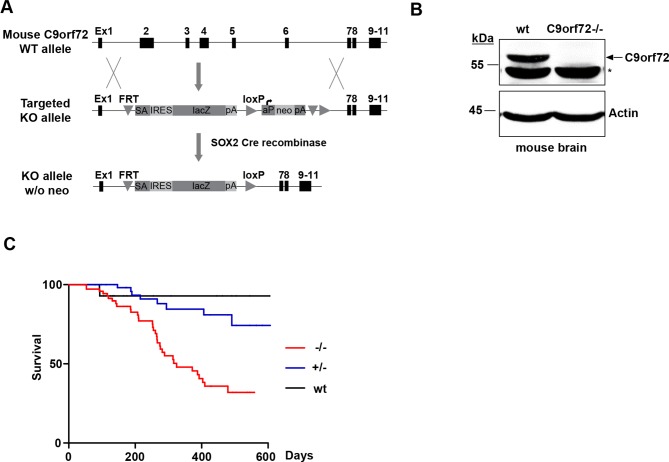
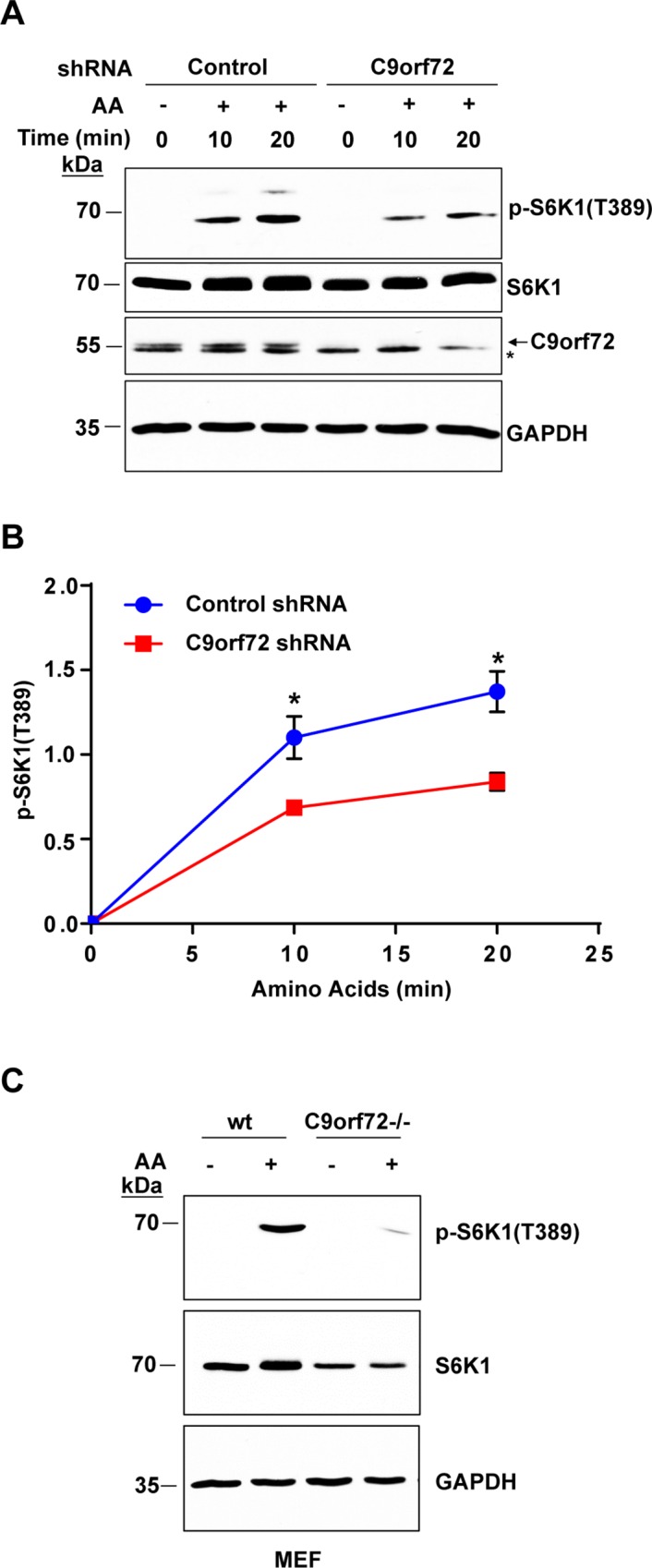
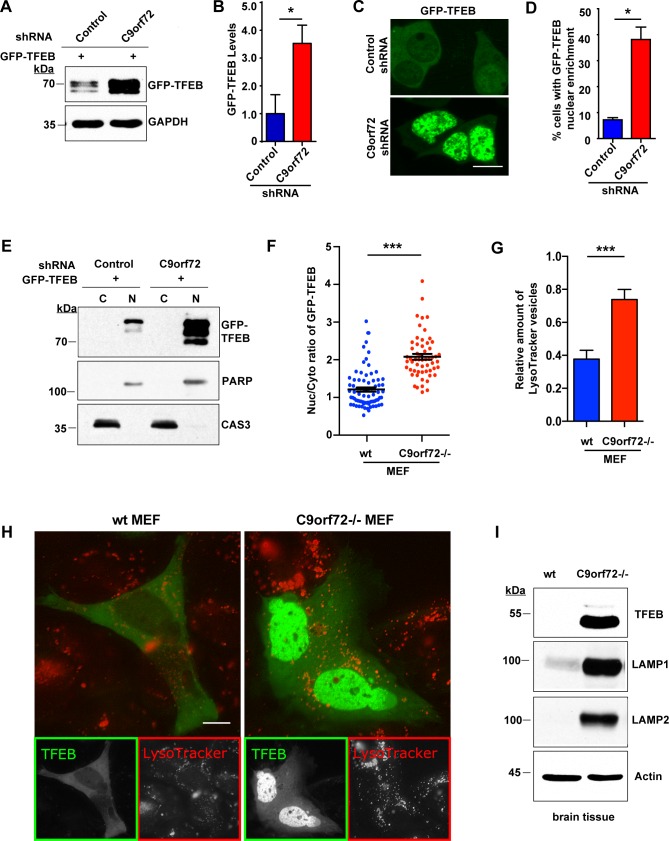
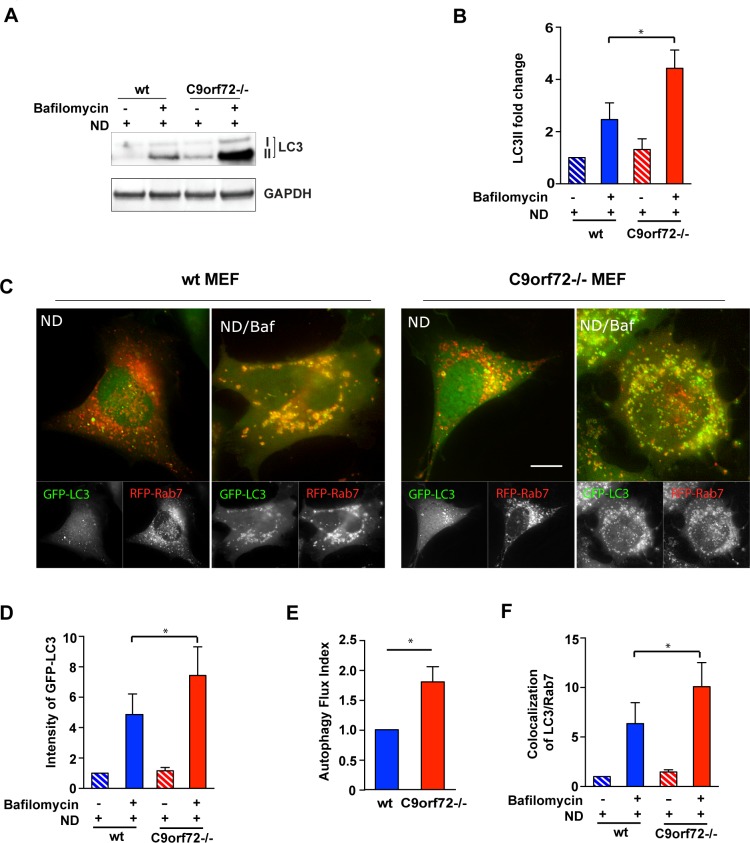
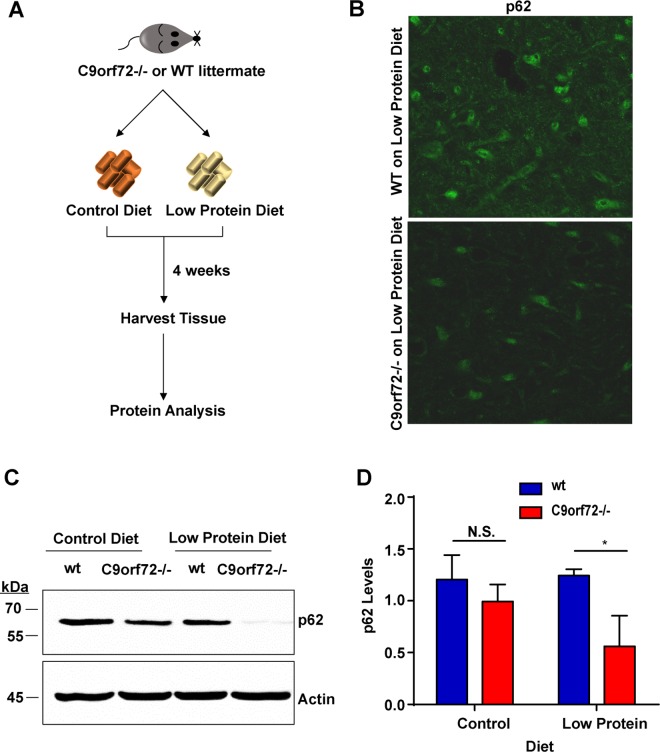
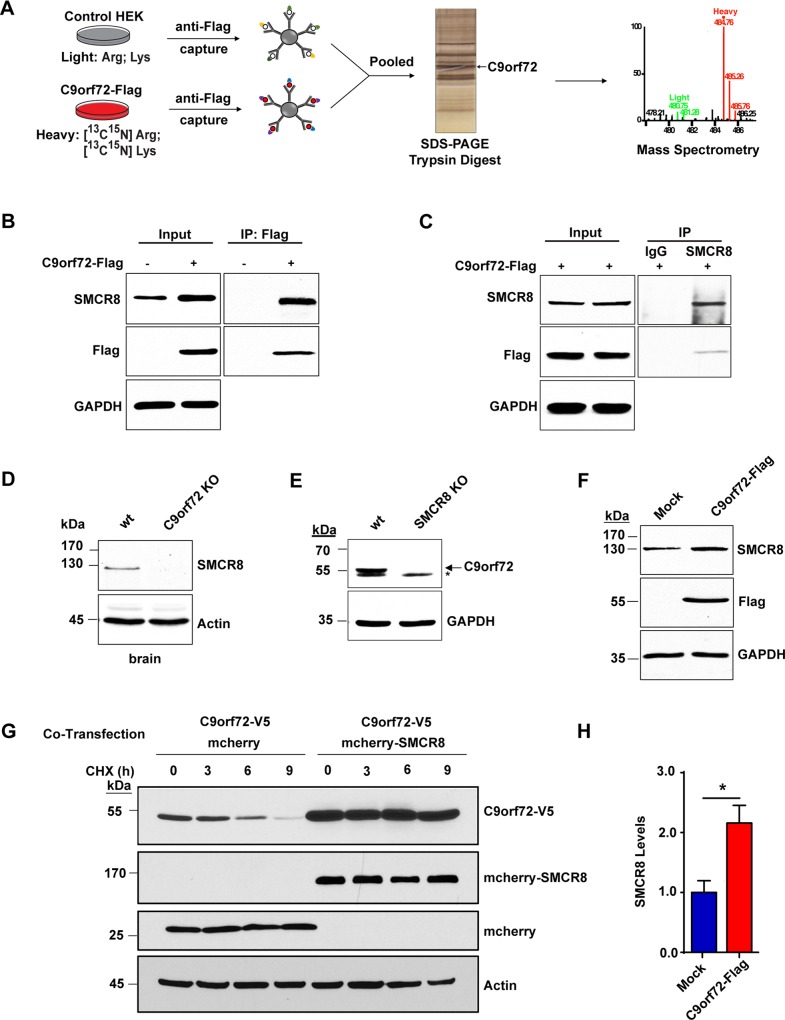
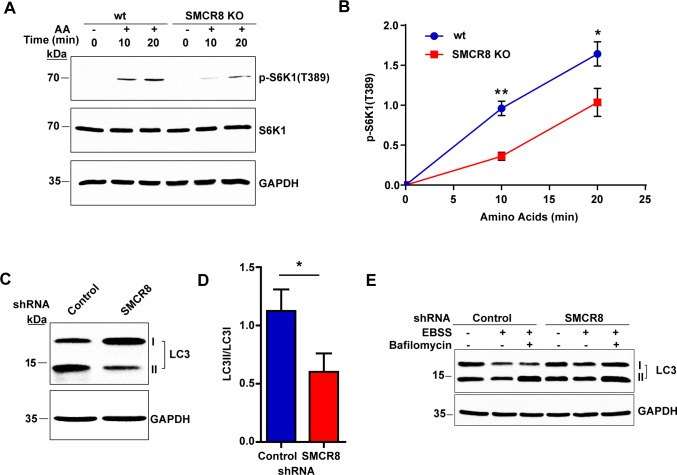
The most common cause of the neurodegenerative diseases amyotrophic lateral sclerosis and frontotemporal dementia is a hexanucleotide repeat expansion in C9orf72. Here we report a study of the C9orf72 protein by examining the consequences of loss of C9orf72 functions. Deletion of one or both alleles of the C9orf72 gene in mice causes age-dependent lethality phenotypes. We demonstrate that C9orf72 regulates nutrient sensing as the loss of C9orf72 decreases phosphorylation of the mTOR substrate S6K1. The transcription factor EB (TFEB), a master regulator of lysosomal and autophagy genes, which is negatively regulated by mTOR, is substantially up-regulated in C9orf72 loss-of-function animal and cellular models. Consistent with reduced mTOR activity and increased TFEB levels, loss of C9orf72 enhances autophagic flux, suggesting that C9orf72 is a negative regulator of autophagy. We identified a protein complex consisting of C9orf72 and SMCR8, both of which are homologous to DENN-like proteins. The depletion of C9orf72 or SMCR8 leads to significant down-regulation of each other's protein level. Loss of SMCR8 alters mTOR signaling and autophagy. These results demonstrate that the C9orf72-SMCR8 protein complex functions in the regulation of metabolism and provide evidence that loss of C9orf72 function may contribute to the pathogenesis of relevant diseases.
Overview
The claims and statistics of this paper haven’t been checked yet.
Run the check — free, no account needed. It reads the open-access text and checks the sources it cites.
Integrity signals
Registry
Cites
Statistics
Figures
Verification
Claims the paper makes
The claims and statistics of this paper haven’t been checked yet.
Run the check — free, no account needed. It reads the open-access text and checks the sources it cites.
Claims other papers make about this one
Each is checked against this paper’s own text: does it say what the citing paper says it does?
In the citing paper
“Paradoxically, however, c9orf72 knockout in mouse (which models the loss of function attributed to the hexanucleotide repeat expansion) enhances autophagy by de-repressing MTOR and, in turn, increasing TFEB nuclear translocation [179,180].”
From Autophagy and ALS: mechanistic insights and therapeutic implications (2022) · cites this paper as [180]
Self-check
Percentages, sums and reported differences re-computed from the paper’s own numbers.
The self-check needs the paper’s full text.
Citations
Cites
Repertoires of Autophagy in the Pathogenesis of Ocular Diseases
Li, Y., Jiang, Q. L., Cao, G.-F., Yao, J., & Yan, B. (2015) · Cellular Physiology and Biochemistry · doi:10.1159/000373980 · Cited by 16,351
mTOR Signaling in Growth Control and Disease
Laplante, M., & Sabatini, D. M. (2012) · Cell · doi:10.1016/j.cell.2012.03.017 · Cited by 8,509
Cui, C., Cui, J., Jin, F., Cui, Y., Li, R., Jiang, X., Tian, Y., Wang, R. C., Jiang, P., & Gao, J. (2017) · Cellular Physiology and Biochemistry · doi:10.1159/000479571 · Cited by 5,214
DeJesus-Hernandez, M., Mackenzie, I. R., Boeve, B. F., Boxer, A. L., Baker, M., Rutherford, N. J., Nicholson, A. M., Finch, N. A., Flynn, H., Adamson, J., et al. (2011) · Neuron · doi:10.1016/j.neuron.2011.09.011 · Cited by 4,936
A Hexanucleotide Repeat Expansion in C9ORF72 Is the Cause of Chromosome 9p21-Linked ALS-FTD
Renton, A. E., Majounie, E., Waite, A., Simón-Sánchez, J., Rollinson, S., Gibbs, J. R., Schymick, J. C., Laaksovirta, H., van Swieten, J. C., Myllykangas, L., et al. (2011) · Neuron · doi:10.1016/j.neuron.2011.09.010 · Cited by 4,409
TFEB Links Autophagy to Lysosomal Biogenesis
Settembre, C., Di Malta, C., Polito, V. A., Arencibia, M. G., Vetrini, F., Erdin, S., Erdin, S. U., Huynh, T., Medina, D., Colella, P., et al. (2011) · Science · doi:10.1126/science.1204592 · Cited by 3,365
A Gene Network Regulating Lysosomal Biogenesis and Function
Sardiello, M., Palmieri, M., di Ronza, A., Medina, D. L., Valenza, M., Gennarino, V. A., Di Malta, C., Donaudy, F., Embrione, V., Polishchuk, R. S., et al. (2009) · Science · doi:10.1126/science.1174447 · Cited by 2,543
Mizushima, N., Yamamoto, A., Matsui, M., Yoshimori, T., & Ohsumi, Y. (2004) · Molecular Biology of the Cell · doi:10.1091/mbc.e03-09-0704 · Cited by 2,105
The role of autophagy in neurodegenerative disease
Nixon, R. A. (2013) · Nature Medicine · doi:10.1038/nm.3232 · Cited by 2,059
Signals from the lysosome: a control centre for cellular clearance and energy metabolism
Settembre, C., Fraldi, A., Medina, D. L., & Ballabio, A. (2013) · Nature Reviews Molecular Cell Biology · doi:10.1038/nrm3565 · Cited by 1,755
Cited by
Sorted by citations
Guidelines for the use and interpretation of assays for monitoring autophagy (4th edition) 1
Klionsky, D. J., Abdel-Aziz, A. K., Abdelfatah, S., Abdellatif, M., Abdoli, A., Abel, S., Abeliovich, H., Abildgaard, M. H., Abudu, Y. P., Acevedo-Arozena, A., et al. (2021) · Autophagy · doi:10.1080/15548627.2020.1797280 · Cited by 2,897
Self-citationThe mammalian ULK1 complex and autophagy initiation
Zachari, M., & Ganley, I. G. (2017) · Essays in Biochemistry · doi:10.1042/ebc20170021 · Cited by 789
C9orf72-mediated ALS and FTD: multiple pathways to disease
Balendra, R., & Isaacs, A. M. (2018) · Nature Reviews Neurology · doi:10.1038/s41582-018-0047-2 · Cited by 715
Song, H., Feng, X., Zhang, H., Luo, Y., Huang, J., Lin, M., Jin, J., Ding, X., Wu, S.-J., Huang, H., et al. (2019) · Autophagy · doi:10.1080/15548627.2019.1586246 · Cited by 519
“Secondly, Inhibition of mTOR activity has been reported to upregulate the GFP-TFEB protein level [33].”
BackgroundThe different autophagy degradation pathways and neurodegeneration
Fleming, A., Bourdenx, M., Fujimaki, M., Karabiyik, C., Krause, G. J., Lopez, A., Martín‐Segura, A., Puri, C., Scrivo, A., Skidmore, J., et al. (2022) · Neuron · doi:10.1016/j.neuron.2022.01.017 · Cited by 500
C9orf72 suppresses systemic and neural inflammation induced by gut bacteria
Burberry, A., Wells, M. F., Limone, F., Couto, A., Smith, K. S., Keaney, J., Gillet, G., van Gastel, N., Wang, J.-Y., Pietilainen, O., et al. (2020) · Nature · doi:10.1038/s41586-020-2288-7 · Cited by 314
Self-citationA molecular perspective of mammalian autophagosome biogenesis
Mercer, T. J., Gubaš, A., & Tooze, S. A. (2018) · Journal of Biological Chemistry · doi:10.1074/jbc.r117.810366 · Cited by 275
Tan, A., Prasad, R., Lee, C., & Jho, E. (2022) · Cell Death and Differentiation · doi:10.1038/s41418-022-01028-6 · Cited by 262
Zhu, Q., Jiang, J., Gendron, T. F., McAlonis-Downes, M., Jiang, L., Taylor, A., Diaz Garcia, S., Ghosh Dastidar, S., Rodriguez, M. J., King, P., et al. (2020) · Nature Neuroscience · doi:10.1038/s41593-020-0619-5 · Cited by 220
Autophagy Induction as a Therapeutic Strategy for Neurodegenerative Diseases
Djajadikerta, A., Keshri, S., Tanasa, M. P., Prestil, R., Ryan, L., & Rubinsztein, D. C. (2019) · Journal of Molecular Biology · doi:10.1016/j.jmb.2019.12.035 · Cited by 244
“[221] Ugolino J, Ji YJ, Conchina K, Chu J, Nirujogi RS, Pandey A, et al.”
BackgroundVos, K. J. D., & Hafezparast, M. (2017) · Neurobiology of Disease · doi:10.1016/j.nbd.2017.02.004 · Cited by 238
“Interestingly loss-of-function mutations in optineurin, p62 and TBK1 have been shown to cause ALS, and the C9orf72 protein regulates autophagy and interacts with SMCR8 which is itself a TBK1 substrate (Webster et al., 2016a; Webster et al., 2016b; Ugolino et al., 2016; Yang et al., 2016).”
Gao, F., Almeida, S., & Lopez‐Gonzalez, R. (2017) · The EMBO Journal · doi:10.15252/embj.201797568 · Cited by 227
“…binds to SMCR8 (Smith – Magenis syndrome chromosomal region candidate gene eight) (Amick et al , 2016; Sellier et al , 2016; Sullivan et al , 2016; Ugolino et al , 2016; Yang et al , 2016; Jung et al , 2017), which is another DENN domain-containing protein originally identified as a component…”
InfluentialCortés, C. J., & Spada, A. R. L. (2018) · Neurobiology of Disease · doi:10.1016/j.nbd.2018.05.012 · Cited by 199
“In one knock-out model, this autophagy increase was associated with elevations in TFEB protein expression in the brain, although this was attributed to by inhibition of mTOR activity (Amick et al., 2016; Ugolino et al., 2016), rather than a direct effect of the C9orf72 protein on TFEB.”
BackgroundAutophagy and ALS: mechanistic insights and therapeutic implications
Chua, J. P., De Calbiac, H., Kabashi, E., & Barmada, S. J. (2022) · Autophagy · doi:10.1080/15548627.2021.1926656 · Cited by 189
“increasing TFEB nuclear translocation [179,180].”
A High-Density Human Mitochondrial Proximity Interaction Network
Antonická, H., Lin, Z., Janer, A., Aaltonen, M. J., Weraarpachai, W., Gingras, A., & Shoubridge, E. A. (2020) · Cell Metabolism · doi:10.1016/j.cmet.2020.07.017 · Cited by 188
C9ORF72: What It Is, What It Does, and Why It Matters
Smeyers, J., Banchi, E.-G., & Latouche, M. (2021) · Frontiers in Cellular Neuroscience · doi:10.3389/fncel.2021.661447 · Cited by 198
“…phenotype, sometimes associated with a shortened life span, but no neurodegeneration or motor neuron disease (Koppers et al., 2015; Atanasio et al., 2016; Burberry et al., 2016; Jiang et al., 2016; O’Rourke et al., 2016; SudriaLopez et al., 2016; Sullivan et al., 2016; Ugolino et al., 2016).”
BackgroundInfluentialDisrupted neuronal trafficking in amyotrophic lateral sclerosis
Burk, K., & Pasterkamp, R. J. (2019) · Acta Neuropathologica · doi:10.1007/s00401-019-01964-7 · Cited by 162
“TDP-43 aggregates colocalize with autophagy markers such as LC3 and p62/SQSTM1 (Sequestosome 1 (SQSTM1, also known as ubiquitin-binding protein p62) [70].”
BackgroundInfluentialBoivin, M., Pfister, V., Gaucherot, A., Ruffenach, F., Negroni, L., Sellier, C., & Charlet‐Berguerand, N. (2020) · The EMBO Journal · doi:10.15252/embj.2018100574 · Cited by 137
“As the C9ORF72 protein regulates autophagy (Amick et al , 2016; Sellier et al , 2016; Sullivan et al , 2016; Ugolino et al , 2016; Webster et al , 2016; Xiao et al , 2016; Yang et al , 2016; Jung et al , 2017; Chitiprolu et al , 2018; Ho et al , 2019), we tested whether C9ORF72 modulates DPR…”
C9orf72 regulates energy homeostasis by stabilizing mitochondrial complex I assembly
Wang, T., Liu, H., Itoh, K., Oh, S., Zhao, L., Murata, D., Sesaki, H., Härtung, T., Na, C. H., & Wang, J. (2021) · Cell Metabolism · doi:10.1016/j.cmet.2021.01.005 · Cited by 154
“C9orf72 is a DENN-like protein that has been implicated in the regulation of autophagy and immunity (McCauley et al., 2020; O’Rourke et al., 2016; Sellier et al., 2016; Sivadasan et al., 2016; Su et al., 2020; Sullivan et al., 2016; Ugolino et al., 2016; Yang et al., 2016); however, the full spectrum of C9orf72 functi…”
BackgroundMethodSelf-citationAutophagy Dysregulation in ALS: When Protein Aggregates Get Out of Hand
Ramesh, N., & Pandey, U. B. (2017) · Frontiers in Molecular Neuroscience · doi:10.3389/fnmol.2017.00263 · Cited by 161
“On the other hand, contrary evidence points to increased autophagic flux and lysosomal degradation in both in vitro and Frontiers in Molecular Neuroscience | www.frontiersin.org 7 August 2017 | Volume 10 | Article 263 in vivo models of C9orf72 deficiency (Ugolino et al., 2016).”
BackgroundInfluentialEndo-lysosomal dysfunction: a converging mechanism in neurodegenerative diseases
Wang, C., Telpoukhovskaia, M. A., Bahr, B. A., Chen, X., & Gan, L. (2017) · Current Opinion in Neurobiology · doi:10.1016/j.conb.2017.09.005 · Cited by 145
Beckers, J., Tharkeshwar, A. K., & Damme, P. V. (2021) · Autophagy · doi:10.1080/15548627.2021.1872189 · Cited by 132
“Using the proteasome inhibitor MG-132, it has been shown that, with the exception of poly-GP, insoluble DPRs are degraded by the autophagic system and that this system is crucial to counteract the accumulation of DPRs in C9orf72 patients [99,145].”
BackgroundInfluentialAutophagy as a common pathway in amyotrophic lateral sclerosis
Nguyen, D. K. H., Thombre, R., & Wang, J. (2018) · Neuroscience Letters · doi:10.1016/j.neulet.2018.04.006 · Cited by 118
Self-citationFrick, P., Sellier, C., Mackenzie, I. R., Cheng, C.-Y., Tahraoui‐Bories, J., Martinat, C., Pasterkamp, R. J., Prudlo, J., Edbauer, D., Oulad‐Abdelghani, M., et al. (2018) · Acta Neuropathologica Communications · doi:10.1186/s40478-018-0579-0 · Cited by 118
“Several recent studies have demonstrated that C9orf72 interacts with the SMCR8 protein and regulates the endo-lysosomal and autophagy pathways [1, 21, 45, 48, 51, 54, 57].”
BackgroundResultInfluentialMotor dysfunction and neurodegeneration in a C9orf72 mouse line expressing poly-PR
Hao, Z., Liu, L., Tao, Z., Wang, R., Ren, H., Sun, H., Lin, Z., Zhang, Z., Mu, C., Zhou, J., et al. (2019) · Nature Communications · doi:10.1038/s41467-019-10956-w · Cited by 104
The microbiota–microglia axis in central nervous system disorders
Mossad, O., & Erny, D. (2020) · Brain Pathology · doi:10.1111/bpa.12908 · Cited by 98
Endocytosis regulates TDP-43 toxicity and turnover
Liu, G., Coyne, A. N., Pei, F., Vaughan, S., Chaung, M., Zarnescu, D. C., & Buchan, J. R. (2017) · Nature Communications · doi:10.1038/s41467-017-02017-x · Cited by 97
Cellular and physiological functions of C9ORF72 and implications for ALS/FTD
Pang, W., & Hu, F. (2020) · Journal of Neurochemistry · doi:10.1111/jnc.15255 · Cited by 95
“The LC3-II/LC3-I ratio is dramatically decreased in C9ORF72- or SMCR8deficient cells, regardless of cell types (Ho et al., 2019; Sullivan et al., 2016; Ugolino et al., 2016; Webster et al., 2016).”
BackgroundInfluentialA C9orf72–CARM1 axis regulates lipid metabolism under glucose starvation-induced nutrient stressPreprint
Liu, Y., Wang, T., Ji, Y. J., Johnson, K., Liu, H., Johnson, K., Bailey, S., Suk, Y., Lu, Y., Liu, M., et al. (2018) · Genes & Development · doi:10.1101/gad.315564.118 · Cited by 84
“Recent studies have suggested that C9orf72 regulates membrane trafficking, the autophagy–lysosome pathway, and autoimmunity (Farg et al. 2014; Amick et al. 2016; Burberry et al. 2016; O’Rourke et al. 2016; Sellier et al. 2016; Sullivan et al. 2016; Ugolino et al. 2016; Webster et al. 2016; Yang et al. 2016; Aoki et al…”
InfluentialSelf-citationPreserving Lysosomal Function in the Aging Brain: Insights from Neurodegeneration
Peng, W., Minakaki, G., Nguyen, M., & Krainc, D. (2019) · Neurotherapeutics · doi:10.1007/s13311-019-00742-3 · Cited by 79
Structure of the C9orf72 ARF GAP complex that is haploinsufficient in ALS and FTD
Su, M.-Y., Fromm, S. A., Zoncu, R., & Hurley, J. H. (2020) · Nature · doi:10.1038/s41586-020-2633-x · Cited by 83
Impairment of Lysosome Function and Autophagy in Rare Neurodegenerative Diseases
Darios, F. D., & Stévanin, G. (2020) · Journal of Molecular Biology · doi:10.1016/j.jmb.2020.02.033 · Cited by 79
Cryo-EM structure of C9ORF72–SMCR8–WDR41 reveals the role as a GAP for Rab8a and Rab11a
Tang, D., Sheng, J., Xu, L., Zhan, X., Liu, J., Jiang, H., Shu, X., Liu, X., Zhang, T., Jiang, L., et al. (2020) · Proceedings of the National Academy of Sciences · doi:10.1073/pnas.2002110117 · Cited by 82
TFEB/Mitf links impaired nuclear import to autophagolysosomal dysfunction in C9-ALS
Cunningham, K. M., Maulding, K., Ruan, K., Şentürk, M., Grima, J. C., Sung, H., Zuo, Z., Song, H., Gao, J., Dubey, S. K., et al. (2020) · eLife · doi:10.7554/elife.59419 · Cited by 80
“Loss of function of C9orf72 also disrupts autophagy and lysosomal function in multiple cell types (Farg et al., 2014; Ji et al., 2017; O’Rourke et al., 2015; Sellier et al., 2016; Shi et al., 2018; Sullivan et al., 2016; Ugolino et al., 2016; Webster et al., 2016; Yang et al., 2016; Zhu et al., 2020), suggesting a mec…”
BackgroundJung, J., Nayak, A., Schaeffer, V., Starzetz, T., Kirsch, A. K., Müller, S. P., Đikić, I., Mittelbronn, M. G. A., & Behrends, C. (2017) · eLife · doi:10.7554/elife.23063 · Cited by 79
“In summary, we confirmed and extended recent findings that SMCR8 regulates the autophagosomal-lysosomal pathway and associates with the ULK1 complex and C9ORF72 (Sellier et al., 2016; Amick et al., 2016; Sullivan et al., 2016; Yang et al., 2016; Xiao et al., 2016; Blokhuis et al., 2016; Ugolino et al., 2016).”
BackgroundResultInfluentialAutophagy in Astrocytes and its Implications in Neurodegeneration
Sung, K., & Jiménez-Sánchez, M. (2020) · Journal of Molecular Biology · doi:10.1016/j.jmb.2019.12.041 · Cited by 78
The ALS-FTD-linked gene product, C9orf72, regulates neuronal morphogenesis via autophagy
Ho, W. Y., Tai, Y. K., Chang, J., Liang, J., Tyan, S.-H., Chen, S., Guan, J., Zhou, H., Shen, H., Koo, E. H., et al. (2019) · Autophagy · doi:10.1080/15548627.2019.1569441 · Cited by 73
“Long C9orf72’s role in autophagy has been further supported by its association with ULK1/Atg1 (unc-51 like autophagy activating kinase 1) [22–24,26,27] and/or through MTOR-dependent TFEB (transcription factor EB) signaling [28].”
BackgroundMolecular Mechanisms of Neurodegeneration Related to C9orf72 Hexanucleotide Repeat Expansion
Leko, M. B., Župunski, V., Kirincich, J., Smilović, D., Hortobágyi, T., Hof, P. R., & Šimić, G. (2019) · Behavioural Neurology · doi:10.1155/2019/2909168 · Cited by 73
“[150] + C9orf72 knockout mice C9orf72 knockdown cell models”
BackgroundButti, Z., Pan, Y. E., Giacomotto, J., & Patten, S. A. (2021) · Communications Biology · doi:10.1038/s42003-021-02302-y · Cited by 72
Zhang, Y., Burberry, A., Wang, J., Sandoe, J., Ghosh, S. D., Udeshi, N. D., Svinkina, T., Mordes, D. A., Mok, J., Charlton, M. E., et al. (2018) · Genes & Development · doi:10.1101/gad.313932.118 · Cited by 73
Self-citationIntracellular energy controls dynamics of stress-induced ribonucleoprotein granules
Wang, T., Tian, X., Kim, H. B., Jang, Y., Huang, Z., Na, C. H., & Wang, J. (2022) · Nature Communications · doi:10.1038/s41467-022-33079-1 · Cited by 71
Self-citationPQLC2 recruits the C9orf72 complex to lysosomes in response to cationic amino acid starvation
Amick, J., Tharkeshwar, A. K., Talaia, G., & Ferguson, S. M. (2019) · The Journal of Cell Biology · doi:10.1083/jcb.201906076 · Cited by 68
“The C9orf72 protein is unstable on its own and functions as part of a larger protein complex that also contains SMCR8 and WDR41 (Amick et al., 2016; Sellier et al., 2016; Sullivan et al., 2016; Ugolino et al., 2016; Xiao et al., 2016).”
Cali, C. P., Patiño, M., Tai, Y. K., Ho, W. Y., McLean, C., Morris, C. M., Seeley, W. W., Miller, B. L., Gaig, C., Vonsattel, J. P., et al. (2019) · Acta Neuropathologica · doi:10.1007/s00401-019-02045-5 · Cited by 64
“Since C9orf72 is known to regulate autophagy [16, 18, 65, 74] and this pathway was altered in the RNA sequencing data, we generated an inducible isogenic HeLa cell line expressing a single-copy of human C9orf72 long isoform without the repeat expansion tagged with GFP and 6xHis-FLAG tag.”
The Enigmatic Role of C9ORF72 in Autophagy
Nassif, M., Woehlbier, U., & Manque, P. (2017) · Frontiers in Neuroscience · doi:10.3389/fnins.2017.00442 · Cited by 68
“(D) The complex composed by C9ORF72 and SMCR8 could modulate mTORC1 nutrient sensing when localized to the lysosome, promoting the translocation of TFEB to the nucleus after mitigation of mTORC1 signaling, increasing the lysosomal biogenesis and ATG genes transcription.”
BackgroundInfluentialMao, D., Lin, G., Tepe, B., Zuo, Z., Tan, K. L., Şentürk, M., Zhang, S., Arenkiel, B. R., Sardiello, M., & Bellen, H. J. (2019) · Autophagy · doi:10.1080/15548627.2019.1580103 · Cited by 59
“Conversely, C9orf72, the most prevalent ALS-causing gene [91,92], has been shown to decrease autophagic flux upon its loss [21,22,93], whereas others have argued that loss of C9orf72 promotes autophagy [23,94].”
BackgroundIs amyotrophic lateral sclerosis/frontotemporal dementia an autophagy disease?
Deng, Z., Sheehan, P., Chen, S., & Yue, Z. (2017) · Molecular Neurodegeneration · doi:10.1186/s13024-017-0232-6 · Cited by 62
“In the context of ALS-FTD, depletion of C9ORF72 was shown to impair mTORC1 activity by decreasing the response of mTORC1 to amino acid availability [43], reducing the phosphorylation of S6 K, a substrate of mTORC1, and enhancing autophagic flux [44].”
BackgroundShao, Q., Yang, M., Chen, L., Ma, L., Zhang, W., Jiang, Z., Luo, J., Lee, J., Liang, C., & Chen, J. (2019) · Autophagy · doi:10.1080/15548627.2019.1703353 · Cited by 62
“These observations echo recent reports that these 2 proteins may have distinct and even opposite cellular functions [17,20,22].”
BackgroundResultInfluentialImplications of Selective Autophagy Dysfunction for ALS Pathology
Vicencio, E., Beltrán, S., Labrador, L., Manque, P., Nassif, M., & Woehlbier, U. (2020) · Cells · doi:10.3390/cells9020381 · Cited by 60
“The reduction of C9ORF72 levels produces, among other effects, a decrease in mTOR activity, increasing the levels of the TFEB transcriptional factor and its translocation from the lysosome to the nucleus, thus resulting in increased lysosomal biogenesis and a higher autophagic flux [82].”
BackgroundPathological calcification in osteoarthritis: an outcome or a disease initiator?
Yan, J., Qin, W., Xiao, B., Wan, Q., Tay, F. R., Niu, L., & Jiao, K. (2020) · Biological reviews/Biological reviews of the Cambridge Philosophical Society · doi:10.1111/brv.12595 · Cited by 57
“Mitochondrial autophagy is a special form of autophagy through which damaged or dysfunctional mitochondria are transferred to lysosomes for hydrolysis and enzymatic degradation (Ugolino et al., 2016).”
BackgroundRNA-mediated toxicity in C9orf72 ALS and FTD
McEachin, Z. T., Parameswaran, J., Raj, N., Bassell, G. J., & Jiang, J. (2020) · Neurobiology of Disease · doi:10.1016/j.nbd.2020.105055 · Cited by 63
Insulin and Autophagy in Neurodegeneration
de Mello, N. P., Orellana, A. M., Mazucanti, C. H., Lima, G. D. M., Scavone, C., & Kawamoto, E. M. (2019) · Frontiers in Neuroscience · doi:10.3389/fnins.2019.00491 · Cited by 57
“Other work shows the C9ORf72 gene to decrease autophagy through mTORC1 regulation (Ugolino et al., 2016).”
BackgroundC9orf72: At the intersection of lysosome cell biology and neurodegenerative disease
Amick, J., & Ferguson, S. M. (2017) · Traffic · doi:10.1111/tra.12477 · Cited by 58
“Mice lacking C9orf72 also exhibited increased levels of SQSTM1/p62 and LC-3 (critical proteins involved in autophagy), potentially indicating an increase in autophagy or a defective clearance of autophagosomes by lysosomes.(60,68)”
BackgroundInsights into C9ORF72-Related ALS/FTD from Drosophila and iPSC Models
Yuva-Aydemir, Y., Almeida, S., & Gao, F. (2018) · Trends in Neurosciences · doi:10.1016/j.tins.2018.04.002 · Cited by 52
Gao, C., Shi, Q., Pan, X., Chen, J., Zhang, Y., Lang, J., Wen, S., Liu, X., Cheng, T., & Lei, K. (2024) · Cell Reports · doi:10.1016/j.celrep.2024.113892 · Cited by 57
Absence of Survival and Motor Deficits in 500 Repeat C9ORF72 BAC Mice
Mordes, D. A., Morrison, B. M., Ament, X. H., Cantrell, C., Mok, J., Eggan, P., Xue, C., Wang, J., Eggan, K. C., & Rothstein, J. D. (2020) · Neuron · doi:10.1016/j.neuron.2020.08.009 · Cited by 60
Self-citationBatra, R., & Lee, C. W. (2017) · Frontiers in Cellular Neuroscience · doi:10.3389/fncel.2017.00196 · Cited by 63
“Multiple C9orf72 knockout mouse models have consistently demonstrated the essential role of C9orf72 protein in autophagy and immune function regulation (Atanasio et al., 2016; Jiang et al., 2016; O’Rourke et al., 2016; Ugolino et al., 2016; Ji et al., 2017).”
BackgroundMcAlpine, W., Sun, L., Wang, K.-W., Liu, A., Jain, R., Miguel, M. S., Wang, J., Zhang, Z., Hayse, B., McAlpine, S. G., et al. (2018) · Proceedings of the National Academy of Sciences · doi:10.1073/pnas.1814753115 · Cited by 57
Self-citationThe Transcription Factor EB Links Cellular Stress to the Immune Response .
Nabar, N. R., & Kehrl, J. H. (2017) · Europe PMC (PubMed Central) · Cited by 51
Wang, M., Wang, H., Tao, Z., Qin, X., Hao, Z., Prehn, J. H. M., Zhen, X., Wang, G., & Ying, Z. (2020) · Aging Cell · doi:10.1111/acel.13126 · Cited by 52
“…role in the regulation of endosomal trafficking and autophagy at multiple steps (Amick, Roczniak-Ferguson, & Ferguson, 2016; Corrionero & Horvitz, 2018; Farg et al., 2014; Sellier et al., 2016; Shi et al., 2018; Sullivan et al., 2016; Ugolino et al., 2016; Webster et al., 2016; Yang et al., 2016).”
BackgroundInfluentialZhou, X., Sun, L., Brady, O. A., Murphy, K. A., & Hu, F. (2017) · Acta Neuropathologica Communications · doi:10.1186/s40478-017-0412-1 · Cited by 49
Synaptic localization of C9orf72 regulates post-synaptic glutamate receptor 1 levels
Xiao, S., McKeever, P. M., Lau, A., & Robertson, J. (2019) · Acta Neuropathologica Communications · doi:10.1186/s40478-019-0812-5 · Cited by 50
Giovedı̀, S., Ravanelli, M. M., Parisi, B., Bettegazzi, B., & Guarnieri, F. C. (2020) · Frontiers in Cellular Neuroscience · doi:10.3389/fncel.2020.602116 · Cited by 53
“Puzzling results have shown, however, that C9Orf72 depletion reduces mTORC1 activity and increases lysosomal biogenesis at the transcriptional level, thus pointing to a negative role of C9Orf72 in the autophagic pathway (Ugolino et al., 2016; Wang et al., 2020).”
BackgroundThe endolysosomal pathway and ALS/FTD
Todd, T. W., Shao, W., Zhang, Y., & Petrucelli, L. (2023) · Trends in Neurosciences · doi:10.1016/j.tins.2023.09.004 · Cited by 45
Organization of the autophagy pathway in neurons
Sidibe, D. K., Vogel, M. C., & Maday, S. (2022) · Current Opinion in Neurobiology · doi:10.1016/j.conb.2022.102554 · Cited by 39
C9orf72 is essential for neurodevelopment and motility mediated by Cyclin G1
Yeh, T., Liu, H.-F., Li, Y.-W., Lu, C.-S., Shih, H., Chiu, C., Lin, S., Huang, Y.-C., & Cheng, Y. (2018) · Experimental Neurology · doi:10.1016/j.expneurol.2018.03.002 · Cited by 51
“C9orf72 or SMCR8 depletion leads to the reduced activity of MTOR, a negative regulator of autophagy, and enhances autophagic flux (Ji et al., 2017; Ugolino et al., 2016).”
Modelling amyotrophic lateral sclerosis in rodents
Todd, T. W., & Petrucelli, L. (2022) · Nature reviews. Neuroscience · doi:10.1038/s41583-022-00564-x · Cited by 44
Calcium Dyshomeostasis and Lysosomal Ca2+ Dysfunction in Amyotrophic Lateral Sclerosis
Tedeschi, V., Petrozziello, T., & Secondo, A. (2019) · Cells · doi:10.3390/cells8101216 · Cited by 41
Jiang, J., & Ravits, J. (2019) · Neurotherapeutics · doi:10.1007/s13311-019-00797-2 · Cited by 44
WDR41 supports lysosomal response to changes in amino acid availability
Amick, J., Tharkeshwar, A. K., Amaya, & Ferguson, S. M. (2018) · Molecular Biology of the Cell · doi:10.1091/mbc.e17-12-0703 · Cited by 39
Upregulation of ATG7 attenuates motor neuron dysfunction associated with depletion of TARDBP/TDP-43
Donde, A., Sun, M., Jeong, Y. H., Wen, X., Ling, J. P., Lin, S. Z., Braunstein, K. E., Nie, S., Wang, S., Chen, L., et al. (2019) · Autophagy · doi:10.1080/15548627.2019.1635379 · Cited by 39
Zhang, S., Tong, M., Zheng, D., Huang, H., Li, L., Ungermann, C., Pan, Y., Luo, H., Lei, M., Tang, Z., et al. (2023) · Nature Communications · doi:10.1038/s41467-023-42003-0 · Cited by 36
“While in another study, C9orf72 loss-of-function exhibited down-regulated mTORC1 activity and up-regulated TFEB level, leading to accelerated autophagy level 71 .”
BackgroundC9orf72 functions in the nucleus to regulate DNA damage repair
He, L., Liang, J., Chen, C.-N., Chen, J., Shen, Y., Sun, S., & Li, L. (2022) · Cell Death and Differentiation · doi:10.1038/s41418-022-01074-0 · Cited by 35
Nucleolar stress in C9orf72 and sporadic ALS spinal motor neurons precedes TDP-43 mislocalization
Arogundade, O. A., Nguyen, S., Leung, R., Wainio, D., Gómez-Rodríguez, M. J., & Ravits, J. (2021) · Acta Neuropathologica Communications · doi:10.1186/s40478-021-01125-6 · Cited by 35
NDST3 deacetylates α‐tubulin and suppresses V‐ATPase assembly and lysosomal acidification
Tang, Q., Liu, M., Liu, Y., Hwang, R., Zhang, T., & Wang, J. (2021) · The EMBO Journal · doi:10.15252/embj.2020107204 · Cited by 32
“Although hydrolytic enzymes resident in the lysosome need an acidic environment to be activated, over-acidification may suppress their activation (Soyombo et al , 2006; Kiselyov & Muallem, 2008; Venkatachalam et al , 2008).”
Self-citationMitochondria: A Promising Convergent Target for the Treatment of Amyotrophic Lateral Sclerosis
Cunha‐Oliveira, T., Montezinho, L., Simões, R. F., de Carvalho, M., Ferreiro, E. B., & Silva, F. S. G. (2024) · Cells · doi:10.3390/cells13030248 · Cited by 34
Molecular hallmarks of ageing in amyotrophic lateral sclerosis
Jagaraj, C. J., Shadfar, S., Kashani, S. A., Saravanabavan, S., Farzana, F., & Atkin, J. D. (2024) · Cellular and Molecular Life Sciences · doi:10.1007/s00018-024-05164-9 · Cited by 39
Frottin, F., Pérez‐Berlanga, M., Hartl, F. U., & Hipp, M. S. (2021) · eLife · doi:10.7554/elife.62718 · Cited by 33
Divergence, Convergence, and Therapeutic Implications: A Cell Biology Perspective of C9ORF72-ALS/FTD
Tang, X., Toro, A., Sahana, T. G., Gao, J., Chalk, J. L., Oskarsson, B., & Zhang, K. (2020) · Molecular Neurodegeneration · doi:10.1186/s13024-020-00383-7 · Cited by 34
Autophagy and lysosomal pathways in nervous system disorders
Bingol, B. (2018) · Molecular and Cellular Neuroscience · doi:10.1016/j.mcn.2018.04.009 · Cited by 32
Lan, Y., Sullivan, P. M., & Hu, F. (2019) · Autophagy · doi:10.1080/15548627.2019.1569914 · Cited by 34
“Recently, we and others have found that C9orf72 protein forms a complex with 2 additional proteins of unknown functions, SMCR8 and WDR41 [[7, 8, 9, 10, 11, 12].”
BackgroundResultStructural basis for the ARF GAP activity and specificity of the C9orf72 complex
Su, M.-Y., Fromm, S. A., Remis, J. P., Toso, D. B., & Hurley, J. H. (2021) · Nature Communications · doi:10.1038/s41467-021-24081-0 · Cited by 29
Diab, R., Pilotto, F., & Saxena, S. (2023) · Frontiers in Cellular Neuroscience · doi:10.3389/fncel.2023.1086895 · Cited by 35
“, 2018), while neither C9ORF72 nor SMCR8 knockout negatively influenced WDR41 protein levels (Ugolino et al., 2016).”
BackgroundInfluentialCasterton, R., Hunt, R. J., & Fanto, M. (2020) · Journal of Molecular Biology · doi:10.1016/j.jmb.2020.02.018 · Cited by 34
Glial Cell Dysfunction in C9orf72-Related Amyotrophic Lateral Sclerosis and Frontotemporal Dementia
Ghasemi, M., Keyhanian, K., & Douthwright, C. L. (2021) · Cells · doi:10.3390/cells10020249 · Cited by 35
“Non-conditional exons 2–6 knockouts in a C57BL/6 background or CRISPR/Cas9 Splenomegaly, cervical lymphadenopathy, hepatomegaly, and ↑ serum IL-22, IL-28, IL-23, IL-6, MCP-1, IL-31, IL-5, IL-10, IL-1β, IL-15/IL-15R, IFNγ, IL-3, GM-CSF, IL-17A, IFNα, MIP-1B, LIF, GROα NR NR [61] Non-conditional CRISPR/Cas9 Splenomegaly…”
Altered Phase Separation and Cellular Impact in C9orf72-Linked ALS/FTD
Solomon, D. A., Smikle, R., Reid, M. J., & Mizielinska, S. (2021) · Frontiers in Cellular Neuroscience · doi:10.3389/fncel.2021.664151 · Cited by 33
“However, effects of reduced C9orf72 in autophagy, immune dysregulation (O’Rourke et al., 2015; Atanasio et al., 2016; Burberry et al., 2016; Jiang et al., 2016; Sellier et al., 2016; Sudria-Lopez et al., 2016; Sullivan et al., 2016; Ugolino et al., 2016; Webster et al., 2016; Shi et al., 2018; Zhu et al., 2020), axon…”
BackgroundLeskelä, S., Huber, N., Rostalski, H., Natunen, T., Remes, A. M., Takalo, M., Hiltunen, M. O., & Haapasalo, A. (2019) · Cells · doi:10.3390/cells8101233 · Cited by 32
“The C9orf72 protein levels were previously shown to increase after BafA1 and the proteasomal inhibitor MG-132 treatment in HEK293 cells, implying that in these non-neuronal cells, C9orf72 levels could be regulated through both autophagy and UPS [32].”
BackgroundModelling frontotemporal dementia using patient-derived induced pluripotent stem cells
Lines, G., Casey, J. M., Preza, E., & Wray, S. (2020) · Molecular and Cellular Neuroscience · doi:10.1016/j.mcn.2020.103553 · Cited by 30
Davidson, J. M., Chung, R. S., & Lee, A. (2022) · Neurobiology of Disease · doi:10.1016/j.nbd.2022.105653 · Cited by 29
McGoldrick, P., Lau, A., You, Z., Durcan, T. M., & Robertson, J. (2023) · Cell Reports · doi:10.1016/j.celrep.2023.112134 · Cited by 29
Intercellular transmission of pathogenic proteins in ALS: Exploring the pathogenic wave
Arnold, F. J., Nguyen, A., Bedlack, R., Bennett, C. L., & Spada, A. R. L. (2023) · Neurobiology of Disease · doi:10.1016/j.nbd.2023.106218 · Cited by 29
Chai, N., Haney, M. S., Couthouis, J., Morgens, D. W., Benjamin, A., Wu, K., Ousey, J., Fang, S., Finer, S., Bassik, M. C., et al. (2020) · Brain Research · doi:10.1016/j.brainres.2019.146601 · Cited by 26
Studying ALS: Current Approaches, Effect on Potential Treatment Strategy
Ustyantseva, E., Medvedev, S. P., & Zakian, S. M. (2020) · Advances in experimental medicine and biology · doi:10.1007/978-3-030-41283-8_11 · Cited by 26
Antisense, but not sense, repeat expanded RNAs activate PKR/eIF2α-dependent ISR in C9ORF72 FTD/ALS
Parameswaran, J., Zhang, N., Braems, E., Tilahun, K., Pant, D. C., Yin, K., Asress, S., Heeren, K., Banerjee, A., Davis, E., et al. (2023) · eLife · doi:10.7554/elife.85902 · Cited by 27
“…of C9ORF72 in mice does not lead to FTD/ALS-like abnormalities, suggesting that loss of C9ORF72 is not the main disease driver ( Atanasio et al., 2016 ; Burberry et al., 2016 ; Koppers et al., 2015 ; O’Rourke et al., 2016 ; Sudria-Lopez et al., 2016 ; Sullivan et al., 2016 ; Ugolino et al., 2016 ).”
L3MBTL1 regulates ALS/FTD-associated proteotoxicity and quality control
Lu, J., Periz, G., Lu, Y., Tang, Q., Liu, Y., Zhang, T., Shah, Y., Thombre, R., Aljumaah, R., Li, W., et al. (2019) · Nature Neuroscience · doi:10.1038/s41593-019-0384-5 · Cited by 24
Self-citationHo, W. Y., Navakkode, S., Liu, F., Soong, T. W., & Ling, S. (2020) · Acta Neuropathologica Communications · doi:10.1186/s40478-020-01030-4 · Cited by 26
Brain–body mechanisms contribute to sexual dimorphism in amyotrophic lateral sclerosis
Jacob, S. M., Lee, S., Kim, S. H., Sharkey, K. A., Pfeffer, G., & Nguyen, M. D. (2024) · Nature Reviews Neurology · doi:10.1038/s41582-024-00991-7 · Cited by 25
“neuron disease phenotype 71–73 , whereas in certain models with motor neuron degeneration, such as C9orf72 knockout mice and GFP-(GR)200 transgenic mice, the sexual dimorphism is not uniform 74,75 .”
Nicholson, A. M., Zhou, X., Perkerson, R. B., Parsons, T. M., Chew, J., Brooks, M., DeJesus‐Hernandez, M., Finch, N. A., Matchett, B. J., Kurti, A., et al. (2018) · Acta Neuropathologica Communications · doi:10.1186/s40478-018-0545-x · Cited by 24
“and abnormal lysosome morphology indicative of dysfunction [2, 57].”
Tan, X., Guan, H., Yang, Y., Luo, S., Hou, L., Chen, H., & Li, J. (2020) · Toxicology and Applied Pharmacology · doi:10.1016/j.taap.2020.115090 · Cited by 23
Jiao, F., Zhou, B., & Meng, L. (2022) · CNS Neuroscience & Therapeutics · doi:10.1111/cns.13985 · Cited by 21
DNA-initiated epigenetic cascades driven by C9orf72 hexanucleotide repeat
Liu, Y., Huang, Z., Liu, H., Ji, Z., Arora, A., Cai, D., Wang, H., Liu, M., Simko, E. A. J., Zhang, Y., et al. (2023) · Neuron · doi:10.1016/j.neuron.2023.01.022 · Cited by 22
Self-citation
Metadata
- Authors
- Ugolino, J., Ji, Y. J., Conchina, K., Chu, J., Nirujogi, R. S., Pandey, A., Brady, N. R., Hamacher-Brady, A., & Wang, J.
- Affiliations
- Johns Hopkins University (US)
- Corresponding author
- Wang, Jiou
- Venue
- PLOS Genetics
- Publisher
- Public Library of Science (PLoS)
- Published
- 2016-11-22
- Volume
- 12
- Issue
- 11
- Pages
- e1006443
- ISSN
- 1553-7390 (ISSN-L)
- 1553-7404
- PMC
- PMC5119725
- OpenAlex
- W2555959842
- Cited by
- 185
- References
- 60
- Citations by year
- 2026: 8 · 2025: 7 · 2024: 16 · 2023: 15 · 2022: 11 · 2021: 29 · 2020: 37 · 2019: 22 · 2018: 22 · 2017: 18
- FWCI
- 19.36
- Type
- journal article
- Language
- en
- Open access
- gold
- doi.org
- Licence
- Locations
- PLoS Genetics (publishedVersion, cc-by)
- Europe PMC (PubMed Central) (publishedVersion, cc-by)
- PubMed Central (publishedVersion, cc-by)
- PubMed (publishedVersion)
- DOAJ (DOAJ: Directory of Open Access Journals) (submittedVersion, cc-by-sa)
- Figshare (submittedVersion, cc-by)
- Funders
- National Institutes of Health (NS074324, NS089616)
- The Robert Packard Center for ALS Research at Johns Hopkins
- National Cancer Institute (5T32CA009110)
- Maryland Technology Development Corporation (15075235)
- U.S. Department of Defense (US) (W81XWH-15-1-0069)
- Topics
- Life Sciences › Biochemistry, Genetics and Molecular Biology › Cell Biology › Autophagy in Disease and Therapy
- Health Sciences › Medicine › Clinical Neurology › Amyotrophic Lateral Sclerosis Research
- Life Sciences › Biochemistry, Genetics and Molecular Biology › Aging › Genetics, Aging, and Longevity in Model Organisms
- Keywords
- C9orf72, SMCR8, autophagy, mTOR signaling, TFEB, S6K1 phosphorylation, nutrient sensing, amyotrophic lateral sclerosis, frontotemporal dementia, hexanucleotide repeat expansion, lysosomal function, protein complexes, metabolic regulation
- MeSH terms
- C9orf72 Protein, Alleles, Amyotrophic Lateral Sclerosis, Animals, Autophagy, Carrier Proteins, Gene Expression Regulation, Humans, Phenotype, Signal Transduction, Guanine Nucleotide Exchange Factors, Ribosomal Protein S6 Kinases, 90-kDa, DNA Repeat Expansion, Mice, Basic Helix-Loop-Helix Leucine Zipper Transcription Factors, Frontotemporal Dementia, TOR Serine-Threonine Kinases
About these checks
Registry, retraction, Cites and statistics results are computed, not judged, with one exception: a printed reference that no index lists is read once by a model before it counts as a citation error. Claims are extracted by a model and kept only when their quote appears verbatim in the text; each cited source is then checked, with a model’s help, for whether it says what the claim relies on. Those verdicts can be wrong — read the claim’s quote and the cited source before relying on one.
Statistics and arithmetic are recomputed, not judged.
Confidence bands are shown only for fields calibrated on our annotated test set. None is calibrated yet, so no band is shown.
What counts as a claim ›How we measure confidence ›How we check this ›
Are you an author, or do you see a problem with this page? Request a review
