

eQTL Catalogue 2023: New datasets, X chromosome QTLs, and improved detection and visualisation of transcript-level QTLs
Open accessPublished version of a preprint
The DOI matches its Crossref record; 98 of the 98 references it cites were found in a registry or an index; none of the 30 sources its claims cite is checked for support yet.
Abstract
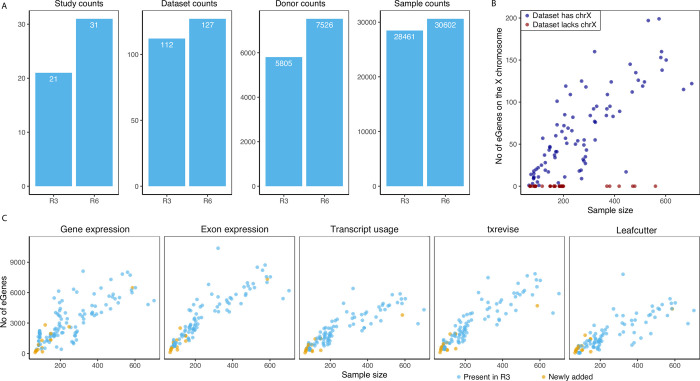
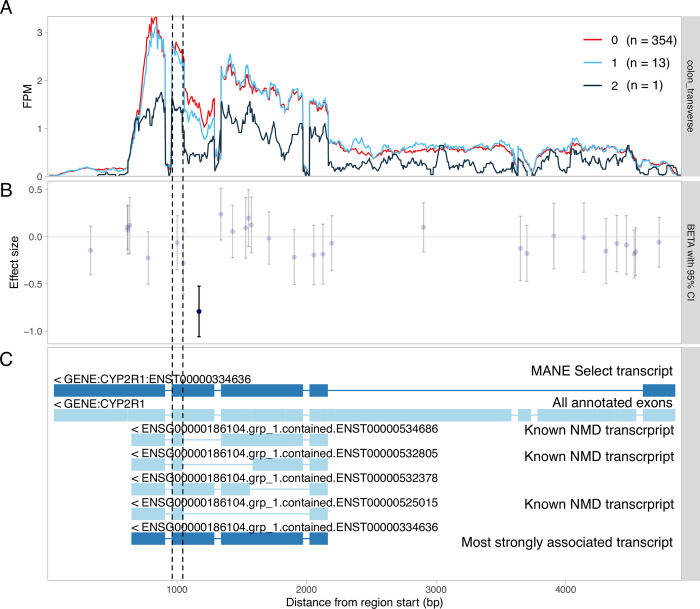
The eQTL Catalogue is an open database of uniformly processed human molecular quantitative trait loci (QTLs). We are continuously updating the resource to further increase its utility for interpreting genetic associations with complex traits. Over the past two years, we have increased the number of uniformly processed studies from 21 to 31 and added X chromosome QTLs for 19 compatible studies. We have also implemented Leafcutter to directly identify splice-junction usage QTLs in all RNA sequencing datasets. Finally, to improve the interpretability of transcript-level QTLs, we have developed static QTL coverage plots that visualise the association between the genotype and average RNA sequencing read coverage in the region for all 1.7 million fine mapped associations. To illustrate the utility of these updates to the eQTL Catalogue, we performed colocalisation analysis between vitamin D levels in the UK Biobank and all molecular QTLs in the eQTL Catalogue. Although most GWAS loci colocalised both with eQTLs and transcript-level QTLs, we found that visual inspection could sometimes be used to distinguish primary splicing QTLs from those that appear to be secondary consequences of large-effect gene expression QTLs. While these visually confirmed primary splicing QTLs explain just 6/53 of the colocalising signals, they are significantly less pleiotropic than eQTLs and identify a prioritised causal gene in 4/6 cases.
Overview
CoChat Summary
TL;DR
eQTL Catalogue release 6 expands the uniformly processed human molecular QTL resource to 31 studies, 127 datasets, 7,526 donors and 30,602 samples, adding X chromosome QTLs, Leafcutter splice-junction QTLs, and static QTL coverage plots for 1,716,482 independent signals. In a vitamin D GWAS colocalisation case study, visual inspection helped distinguish primary splicing QTLs from secondary consequences of large-effect eQTLs, although primary sQTLs explained fewer signals (6/53) and were less pleiotropic.
Key findings
- The resource increased from 21 to 31 studies, with 127 datasets, 7,526 donors and 30,602 samples. X chromosome QTLs were added for 19 compatible studies in the abstract; the Results report that summary statistics for 18 of 31 studies contain X chromosome variants, with at least one significant eQTL (FDR <1%) for 853 unique X chromosome genes, accounting for ~1.6% of all significant eQTLs.
- Leafcutter was implemented to directly identify splice-junction usage QTLs, txrevise promoter annotations were augmented with FANTOM5 promoters, and reference annotations were updated to Ensembl 105 and GENCODE 39. Fine-mapping-based filtering reduced transcript-level summary statistics file size by ~98%, and static QTL coverage plots were generated for all 1,716,482 independent signals.
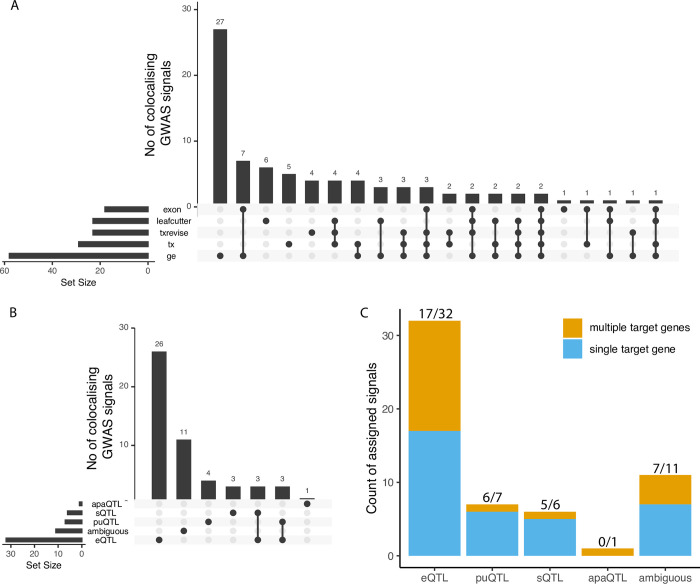
- In the vitamin D UK Biobank colocalisation case study, at PP4 > 0.9, 53/83 signals from 34/48 regions colocalised with 81 protein-coding genes. Visual review assigned an empirical functional consequence for 42/53 loci, leaving 11 ambiguous; transcript-level methods detected at least one colocalisation for 37/53 independent signals, but only 14 were classified as primary transcript-level QTLs (7 puQTLs, 6 sQTLs, 1 apaQTL), and visually confirmed primary sQTLs explained just 6/53 colocalising signals.
- Confirmed eQTLs were more pleiotropic: 15/32 colocalised with more than one gene, versus 1/7 puQTLs and 1/6 sQTLs. For 4/6 sQTL signals, the colocalising gene overlapped the manually prioritised causal gene; for eQTLs, the most likely causal gene was prioritised at 19/32 loci, with complete overlap in 11/19 cases.
Methods
- Release 6 includes phenotype data from 25 RNA-seq studies and 7 microarray studies. Genotypes were lifted to GRCh38, imputed to the 1000 Genomes 30x GRCh38 reference panel with Eagle v2.4.1 and Minimac4, with X chromosome imputation performed separately for pseudoautosomal and non-pseudoautosomal regions; QC included Hardy-Weinberg p < 10−6, missingness > 0.05, MAF < 0.01 and imputation R2 < 0.4 exclusions.
- Five molecular traits were quantified: gene expression (HISAT2/featureCounts), exon expression (DEXSeq annotation/featureCounts), transcript usage and txrevise event usage (Salmon), and Leafcutter splice-junction usage (regtools/LeafCutter). Gene and exon counts were normalised with cqn; transcript and event usage were TPM-ratio normalised; all traits were inverse-normal transformed.
- Association testing used a ±1 Mb cis window with FastQTL for nominal statistics and QTLtools for permutations; fine mapping used SuSiE. Transcript-level summary statistics were filtered using a connected-components approach, and colocalisation with vitamin D GWAS used coloc.susie with SuSiE log Bayes factors. QTL coverage plots were generated with deepTools bamCoverage and wiggleplotr.
Limitations
- The paper states that assigning mechanisms to molecular QTLs relied on manual visual inspection, which is inherently subjective and noisy and carries a small risk of inadvertent confirmation bias, such as classifying less pleiotropic loci as sQTLs. It also notes that the vitamin D case study involved a small number of loci.
- The paper states that X chromosome QTLs are available for only a subset of studies; ten of the other 13 studies lacked X chromosome genotypes, and three male-only studies did not pass genotype QC. The text also notes that visualisations detected three likely cases of reference mapping bias at DHCR7, NUDT9 and JUND, and that the authors opted not to correct for reference mapping bias during molecular trait quantification.
- The text makes evident that the vitamin D analysis is a proof-of-concept case study rather than a general evaluation, and it states that eQTL colocalisation alone often achieves low precision in causal gene identification.
Model-written summary. Check it against the paper before relying on it.
Integrity signals
Registry
Cites
Statistics
Figures
Verification
Claims the paper makes
0 Valid · 0 Not valid · 11 Not checked · 57 Own results and interpretations
A result the paper reports from its own data — it cites no other source for it, so there is none to check. The quote shows it is in the paper.
In the paper
“Across these 18 datasets, we detected at least one significant eQTL (FDR <1%) for 853 unique genes on the X chromosome (Fig 1B).”
§ eQTL Catalogue 2023: New datasets, X chromosome QTLs, and improved detection and visualisation of transcript-level QTLs > Results > Updates to the eQTL Catalogue resource
plain- Asserted: passes — The authors put it forward as true.
- Checkable: passes — It can be checked against evidence.
- Load-bearing: passes — The paper’s conclusions depend on it.
- Based: passes — The paper gives a reason why it holds.
A result the paper reports from its own data — it cites no other source for it, so there is none to check. The quote shows it is in the paper.
In the paper
“These X chromosome eQTLs account for ~1.6% of all significant eQTLs (FDR < = 1%).”
§ eQTL Catalogue 2023: New datasets, X chromosome QTLs, and improved detection and visualisation of transcript-level QTLs > Results > Updates to the eQTL Catalogue resource
plain- Asserted: passes — The authors put it forward as true.
- Checkable: passes — It can be checked against evidence.
- Load-bearing: unclear — It is unclear whether the paper’s conclusions depend on it.
- Based: passes — The paper gives a reason why it holds.
A result the paper reports from its own data — it cites no other source for it, so there is none to check. The quote shows it is in the paper.
In the paper
“While these visually confirmed primary splicing QTLs explain just 6/53 of the colocalising signals”
§ eQTL Catalogue 2023: New datasets, X chromosome QTLs, and improved detection and visualisation of transcript-level QTLs > Abstract
plain- Asserted: passes — The authors put it forward as true.
- Checkable: passes — It can be checked against evidence.
- Load-bearing: passes — The paper’s conclusions depend on it.
- Based: passes — The paper gives a reason why it holds.
- Rests on an assumption not shown here.
A result the paper reports from its own data — it cites no other source for it, so there is none to check. The quote shows it is in the paper.
In the paper
“and identify a prioritised causal gene in 4/6 cases.”
§ eQTL Catalogue 2023: New datasets, X chromosome QTLs, and improved detection and visualisation of transcript-level QTLs > Abstract
plainstates a causen = 6- Asserted: passes — The authors put it forward as true.
- Checkable: passes — It can be checked against evidence.
- Load-bearing: passes — The paper’s conclusions depend on it.
- Based: passes — The paper gives a reason why it holds.
- Rests on an assumption not shown here.
A result the paper reports from its own data — it cites no other source for it, so there is none to check. The quote shows it is in the paper.
In the paper
“they are significantly less pleiotropic than eQTLs”
§ eQTL Catalogue 2023: New datasets, X chromosome QTLs, and improved detection and visualisation of transcript-level QTLs > Abstract
plainstates an associationn = 6- Asserted: passes — The authors put it forward as true.
- Checkable: passes — It can be checked against evidence.
- Load-bearing: passes — The paper’s conclusions depend on it.
- Based: passes — The paper gives a reason why it holds.
- Rests on an assumption not shown here.
28 more claims
Create a free account to see all 68 claims and to verify the 30 references still open.
- It may state two separate claims as one. 24
- The quote only partly states this claim. 1
- Probably not a substantial claim. 15
Self-check
Percentages, sums and reported differences re-computed from the paper’s own numbers.
Each contradiction between two passages listed here was confirmed by an independent check.
Rated minor: it would not touch a result — a value no result rests on, a p-value that stays on the same side of the significance level, or a conflict that is clerical, resolved elsewhere in the paper, or outside its own findings.
In the paper
§ eQTL Catalogue 2023: New datasets, X chromosome QTLs, and improved detection and visualisation of transcript-level QTLs > Abstract
“added X chromosome QTLs for 19 compatible studies.”
§ eQTL Catalogue 2023: New datasets, X chromosome QTLs, and improved detection and visualisation of transcript-level QTLs > Results > Updates to the eQTL Catalogue resource
“summary statistics for 18 of the 31 studies now also contain variants from the X chromosome.”
Rated minor: it would not touch a result — a value no result rests on, a p-value that stays on the same side of the significance level, or a conflict that is clerical, resolved elsewhere in the paper, or outside its own findings.
In the paper
§ eQTL Catalogue 2023: New datasets, X chromosome QTLs, and improved detection and visualisation of transcript-level QTLs > Results > Case study: Target gene prioritisation for vitamin D GWAS
“only 14 of those (7 puQTLs, 6 sQTLs and 1 apaQTL) could be classified as primary transcript-level QTLs”
§ eQTL Catalogue 2023: New datasets, X chromosome QTLs, and improved detection and visualisation of transcript-level QTLs > Results > Case study: Target gene prioritisation for vitamin D GWAS
“Leafcutter detected all seven visually confirmed sQTLs”
Citations
Cites
STAR: ultrafast universal RNA-seq aligner
Dobin, A., Davis, C. A., Schlesinger, F., Drenkow, J., Zaleski, C., Jha, S., Batut, P., Chaisson, M., & Gingeras, T. R. (2013) · Bioinformatics · doi:10.1093/bioinformatics/bts635 · Cited by 51,709
BEDTools: a flexible suite of utilities for comparing genomic features
Quinlan, A. R., & Hall, I. M. (2010) · Bioinformatics · doi:10.1093/bioinformatics/btq033 · Cited by 27,437
featureCounts: an efficient general purpose program for assigning sequence reads to genomic features
Liao, Y., Smyth, G. K., & Shi, W. (2014) · Bioinformatics · doi:10.1093/bioinformatics/btt656 · Cited by 27,219
Graph-based genome alignment and genotyping with HISAT2 and HISAT-genotype
Kim, D., Paggi, J. M., Park, C., Bennett, C., & Salzberg, S. L. (2019) · Nature Biotechnology · doi:10.1038/s41587-019-0201-4 · Cited by 15,022
Salmon provides fast and bias-aware quantification of transcript expression
Patro, R., Duggal, G., Love, M. I., Irizarry, R. A., & Kingsford, C. (2017) · Nature Methods · doi:10.1038/nmeth.4197 · Cited by 12,700
Wickham, H. (2016) · Use R! · doi:10.1007/978-3-319-24277-4_9 · Cited by 12,516
deepTools2: a next generation web server for deep-sequencing data analysis
Ramírez, F., Ryan, D. P., Grüning, B., Bhardwaj, V., Kilpert, F., Richter, A. S., Heyne, S., Dündar, F., & Manke, T. (2016) · Nucleic Acids Research · doi:10.1093/nar/gkw257 · Cited by 8,096
The GTEx Consortium atlas of genetic regulatory effects across human tissues
The GTEx Consortium, Aguet, F., Anand, S., Ardlie, K. G., Gabriel, S., Getz, G. A., Graubert, A., Hadley, K., Handsaker, R. E., Huang, K. H., et al. (2020) · Science · doi:10.1126/science.aaz1776 · Cited by 5,547 · cited 3×
“eQTL Catalogue release 6 contains phenotype data from the following 25 RNAseq studies: ROSMAP [50], BrainSeq [51], TwinsUK [52], FUSION [53], BLUEPRINT [54,55], Quach_2016 [56], Schmiedel_2018 [57], GENCORD [58], GEUVADIS [59], Alasoo_2018 [11], Nedelec_2016 [60], Lepik_2017 [61], HipSci [62], van_de_Bunt_2015 [63], S…”
BackgroundSelf-citationAligning sequence reads, clone sequences and assembly contigs with BWA-MEM
Li, H. (2013) · DROPS (Schloss Dagstuhl – Leibniz Center for Informatics) · doi:10.48550/arxiv.1303.3997 · Cited by 5,159
Aligning sequence reads, clone sequences and assembly con*gs with BWA-MEM
Li, H. (2014) · arXiv (Cornell University) · doi:10.6084/m9.figshare.963153.v1 · Cited by 4,932
GENCODE: The reference human genome annotation for The ENCODE Project
Harrow, J., Frankish, A., Gonzalez, J. M., Tapanari, E., Diekhans, M., Kokocinski, F., Aken, B. L., Barrell, D., Zadissa, A., Searle, S., et al. (2012) · Genome Research · doi:10.1101/gr.135350.111 · Cited by 4,585
Nextflow enables reproducible computational workflows
Di Tommaso, P., Chatzou, M., Floden, E. W., Barja, P. P., Palumbo, E., & Notredame, C. (2017) · Nature Biotechnology · doi:10.1038/nbt.3820 · Cited by 4,001 · cited 3×
“04.01 Nextflow workflow available from GitHub.”
MethodInfluentialNext-generation genotype imputation service and methods
Das, S., Forer, L., Schönherr, S., Sidore, C., Locke, A. E., Kwong, A., Vrieze, S. I., Chew, E. Y., Levy, S., McGue, M., et al. (2016) · Nature Genetics · doi:10.1038/ng.3656 · Cited by 3,808
Systematic Localization of Common Disease-Associated Variation in Regulatory DNA
Maurano, M. T., Humbert, R., Rynes, E., Thurman, R. E., Haugen, E., Wang, H., Reynolds, A. P., Sandstrom, R., Qu, H., Brody, J., et al. (2012) · Science · doi:10.1126/science.1222794 · Cited by 3,716 · cited 1×
“Most genetic variants associated with complex traits are in the non-coding regions of the genome [1].”
BackgroundPredicting splicing from primary sequence with deep learning
Jaganathan, K., Kyriazopoulou Panagiotopoulou, S., McRae, J. F., Darbandi, S. F., Knowles, D., Li, Y. I., Kosmicki, J. A., Arbelaez, J., Cui, W., Schwartz, G. B., et al. (2019) · Cell · doi:10.1016/j.cell.2018.12.015 · Cited by 2,853
A promoter-level mammalian expression atlas
The FANTOM Consortium and the RIKEN PMI and CLST (DGT) (2014) · Nature · doi:10.1038/nature13182 · Cited by 1,982
Transcriptome and genome sequencing uncovers functional variation in humans
The Geuvadis Consortium, Lappalainen, T., Sammeth, M., Friedländer, M. R., ‘t Hoen, P. A. C., Monlong, J., Rivas, M. A., Gonzàlez-Porta, M., Kurbatova, N., Griebel, T., et al. (2013) · Nature · doi:10.1038/nature12531 · Cited by 1,888 · cited 2×
“Studies. eQTL Catalogue release 6 contains phenotype data from the following 25 RNA-seq studies: ROSMAP [50], BrainSeq [51], TwinsUK [52], FUSION [53], BLUEPRINT [54,55], Quach_2016 [56], Schmiedel_2018 [57], GENCORD [58], GEUVADIS [59], Alasoo_2018 [11], Nedelec_2016 [60], Lepik_2017 [61], HipSci [62], van_de_Bunt_20…”
Reference-based phasing using the Haplotype Reference Consortium panel
Loh, P.-R., Danecek, P., Palamara, P. F., Fuchsberger, C., A Reshef, Y., K Finucane, H., Schoenherr, S., Forer, L., McCarthy, S., Abecasis, G. R., et al. (2016) · Nature Genetics · doi:10.1038/ng.3679 · Cited by 1,723
Self-citationDetecting differential usage of exons from RNA-seq data
Anders, S., Reyes, A., & Huber, W. (2012) · Genome Research · doi:10.1101/gr.133744.111 · Cited by 1,545 · cited 2×
“py script from the DEXSeq [75] package.”
Local regulation of gene expression by lncRNA promoters, transcription and splicing
Engreitz, J. M., Haines, J. E., Perez, E. M., Munson, G., Chen, J., Kane, M., McDonel, P. E., Guttman, M., & Lander, E. S. (2016) · Nature · doi:10.1038/nature20149 · Cited by 1,253
GFF Utilities: GffRead and GffCompare
Pertea, G., & Pertea, M. (2020) · F1000Research · doi:10.12688/f1000research.23297.2 · Cited by 1,152 · cited 1×
“We then used gffread [79] to generate fasta sequences from the event annotations and built Salmon indices for each event set as we did for transcript usage.”
MethodA simple new approach to variable selection in regression, with application to genetic fine mapping
Wang, G., Sarkar, A., Carbonetto, P., & Stephens, M. (2020) · Journal of the Royal Statistical Society Series B (Statistical Methodology) · doi:10.1111/rssb.12388 · Cited by 1,121
Activity-by-contact model of enhancer–promoter regulation from thousands of CRISPR perturbations
Fulco, C. P., Nasser, J., Jones, T. R., Munson, G., Bergman, D. T., Subramanian, V., Grossman, S. R., Anyoha, R., Doughty, B. R., Patwardhan, T. A., et al. (2019) · Nature Genetics · doi:10.1038/s41588-019-0538-0 · Cited by 1,111
Byrska-Bishop, M., Evani, U. S., Zhao, X., Basile, A. O., Abel, H. J., Regier, A. A., Corvelo, A., Clarke, W. E., Musunuri, R., Nagulapalli, K., et al. (2022) · Cell · doi:10.1016/j.cell.2022.08.004 · Cited by 1,094
Impact of Genetic Polymorphisms on Human Immune Cell Gene Expression
Schmiedel, B. J., Singh, D., Madrigal, A., Valdovino-Gonzalez, A. G., White, B. M., Zapardiel-Gonzalo, J., Ha, B., Altay, G., Greenbaum, J. A., McVicker, G., et al. (2018) · Cell · doi:10.1016/j.cell.2018.10.022 · Cited by 867
scMC learns biological variation through the alignment of multiple single-cell genomics datasets
Zhang, L., & Nie, Q. (2021) · Genome Biology · doi:10.1186/s13059-020-02238-2 · Cited by 845
Annotation-free quantification of RNA splicing using LeafCutter
Li, Y. I., Knowles, D. A., Humphrey, J., Barbeira, A. N., Dickinson, S. P., Im, H. K., & Pritchard, J. K. (2018) · Nature Genetics · doi:10.1038/s41588-017-0004-9 · Cited by 765
Innate Immune Activity Conditions the Effect of Regulatory Variants upon Monocyte Gene Expression
Fairfax, B. P., Humburg, P., Makino, S., Naranbhai, V., Wong, D., Lau, E., Jostins, L., Plant, K., Andrews, R., McGee, C., et al. (2014) · Science · doi:10.1126/science.1246949 · Cited by 764
CrossMap: a versatile tool for coordinate conversion between genome assemblies
Zhao, H., Sun, Z., Wang, J., Huang, H., Kocher, J.-P., & Wang, L. (2014) · Bioinformatics · doi:10.1093/bioinformatics/btt730 · Cited by 750
Genetic Drivers of Epigenetic and Transcriptional Variation in Human Immune Cells
Chen, L., Ge, B., Casale, F. P., Vasquez, L., Kwan, T., Garrido-Martín, D., Watt, S., Yan, Y., Kundu, K., Ecker, S., et al. (2016) · Cell · doi:10.1016/j.cell.2016.10.026 · Cited by 679
Genome-wide enhancer maps link risk variants to disease genes
Nasser, J., Bergman, D. T., Fulco, C. P., Guckelberger, P., Doughty, B. R., Patwardhan, T. A., Jones, T. R., Nguyen, T. H., Ulirsch, J. C., Lekschas, F., et al. (2021) · Nature · doi:10.1038/s41586-021-03446-x · Cited by 669
Self-citationRNA splicing is a primary link between genetic variation and disease
Li, Y. I., van de Geijn, B., Raj, A., Knowles, D. A., Petti, A. A., Golan, D., Gilad, Y., & Pritchard, J. K. (2016) · Science · doi:10.1126/science.aad9417 · Cited by 660 · cited 1×
“More than a decade of molecular quantitative trait locus (QTL) studies have revealed that these variants regulate either the expression level [2,3], splicing [4], promoter usage [5,6] or alternative polyadenylation [7,8] of their target genes.”
BackgroundDNase I sensitivity QTLs are a major determinant of human expression variation
Degner, J. F., Pai, A. A., Pique-Regi, R., Veyrieras, J.-B., Gaffney, D. J., Pickrell, J. K., De Leon, S., Michelini, K., Lewellen, N., Crawford, G. E., et al. (2012) · Nature · doi:10.1038/nature10808 · Cited by 633
Removing technical variability in RNA-seq data using conditional quantile normalization
Hansen, K. D., Irizarry, R. A., & WU, Z. (2012) · Biostatistics · doi:10.1093/biostatistics/kxr054 · Cited by 607
Fast and efficient QTL mapper for thousands of molecular phenotypes
Ongen, H., Buil, A., Brown, A. A., Dermitzakis, E. T., & Delaneau, O. (2016) · Bioinformatics · doi:10.1093/bioinformatics/btv722 · Cited by 598
Common genetic variation drives molecular heterogeneity in human iPSCs
Kilpinen, H., Goncalves, A., Leha, A., Afzal, V., Alasoo, K., Ashford, S., Bala, S., Bensaddek, D., Casale, F. P., Culley, O. J., et al. (2017) · Nature · doi:10.1038/nature22403 · Cited by 586 · cited 2×
“Studies. eQTL Catalogue release 6 contains phenotype data from the following 25 RNA-seq studies: ROSMAP [50], BrainSeq [51], TwinsUK [52], FUSION [53], BLUEPRINT [54,55], Quach_2016 [56], Schmiedel_2018 [57], GENCORD [58], GEUVADIS [59], Alasoo_2018 [11], Nedelec_2016 [60], Lepik_2017 [61], HipSci [62], van_de_Bunt_20…”
Self-citationMountjoy, E., Schmidt, E. M., Carmona, M., Schwartzentruber, J., Peat, G., Miranda, A., Fumis, L., Hayhurst, J., Buniello, A., Karim, M. A., et al. (2021) · Nature Genetics · doi:10.1038/s41588-021-00945-5 · Cited by 581
Self-citationWASP: allele-specific software for robust molecular quantitative trait locus discovery
van de Geijn, B., McVicker, G., Gilad, Y., & Pritchard, J. K. (2015) · Nature Methods · doi:10.1038/nmeth.3582 · Cited by 575
A joint NCBI and EMBL-EBI transcript set for clinical genomics and research
Morales, J., Pujar, S., Loveland, J. E., Astashyn, A., Bennett, R., Berry, A., Cox, E., Davidson, C., Ermolaeva, O., Farrell, C. M., et al. (2022) · Nature · doi:10.1038/s41586-022-04558-8 · Cited by 571
A more accurate method for colocalisation analysis allowing for multiple causal variants
Wallace, C. (2021) · PLOS Genetics · doi:10.1371/journal.pgen.1009440 · Cited by 567
Genetic Ancestry and Natural Selection Drive Population Differences in Immune Responses to Pathogens
Nédélec, Y., Sanz, J., Baharian, G., Szpiech, Z. A., Pacis, A., Dumaine, A., Grenier, J.-C., Freiman, A., Sams, A. J., Hebert, S., et al. (2016) · Cell · doi:10.1016/j.cell.2016.09.025 · Cited by 512
Fairfax, B. P., Makino, S., Radhakrishnan, J., Plant, K., Leslie, S., Dilthey, A., Ellis, P., Langford, C., Vannberg, F. O., & Knight, J. C. (2012) · Nature Genetics · doi:10.1038/ng.2205 · Cited by 486
Genetic adaptation and Neandertal admixture shaped the immune system of human populations
Quach, H., Rotival, M., Pothlichet, J., Loh, Y.-H. E., Dannemann, M., Zidane, N., Laval, G., Patin, E., Harmant, C., Lopez, M., et al. (2016) · Cell · doi:10.1016/j.cell.2016.09.024 · Cited by 475
Efficient phasing and imputation of low-coverage sequencing data using large reference panels
Rubinacci, S., Ribeiro, D. M., Hofmeister, R. J., & Delaneau, O. (2021) · Nature Genetics · doi:10.1038/s41588-020-00756-0 · Cited by 465
An xQTL map integrates the genetic architecture of the human brain's transcriptome and epigenome
Ng, B., White, C. C., Klein, H.-U., Sieberts, S. K., McCabe, C., Patrick, E., Xu, J., Yu, L., Gaiteri, C., Bennett, D. A., et al. (2017) · Nature Neuroscience · doi:10.1038/nn.4632 · Cited by 452
Passive and active DNA methylation and the interplay with genetic variation in gene regulation
Gutierrez-Arcelus, M., Lappalainen, T., Montgomery, S. B., Buil, A., Ongen, H., Yurovsky, A., Bryois, J., Giger, T., Romano, L., Planchon, A., et al. (2013) · eLife · doi:10.7554/elife.00523 · Cited by 440
A compendium of uniformly processed human gene expression and splicing quantitative trait loci
Kerimov, N., Hayhurst, J. D., Peikova, K., Manning, J. R., Walter, P., Kolberg, L., Samoviča, M., Sakthivel, M. P., Kuzmin, I., Trevanion, S. J., et al. (2021) · Nature Genetics · doi:10.1038/s41588-021-00924-w · Cited by 440 · cited 2×
“Although the eQTL Catalogue has contained transcript-level QTL summary statistics from the beginning, characterising the exact mechanism of action of each molecular QTL has remained challenging due to considerable overlap between QTLs detected by different RNA-seq quantification methods [2], technical biases in read a…”
BackgroundSelf-citationDe-orphanization of Cytochrome P450 2R1
Cheng, J. B., Motola, D. L., Mangelsdorf, D. J., & Russell, D. W. (2003) · Journal of Biological Chemistry · doi:10.1074/jbc.m307028200 · Cited by 404
The BrainSeq Consortium, Jaffe, A. E., Straub, R. E., Shin, J. H., Tao, R., Gao, Y., Collado-Torres, L., Kam-Thong, T., Xi, H. S., Quan, J., et al. (2018) · Nature Neuroscience · doi:10.1038/s41593-018-0197-y · Cited by 364
A complete tool set for molecular QTL discovery and analysis
Delaneau, O., Ongen, H., Brown, A. A., Fort, A., Panousis, N. I., & Dermitzakis, E. T. (2017) · Nature Communications · doi:10.1038/ncomms15452 · Cited by 360
HIPSCI Consortium, Alasoo, K., Rodrigues, J., Mukhopadhyay, S., Knights, A. J., Mann, A. L., Kundu, K., Hale, C., Dougan, G., & Gaffney, D. J. (2018) · Nature Genetics · doi:10.1038/s41588-018-0046-7 · Cited by 338 · cited 2×
“Studies. eQTL Catalogue release 6 contains phenotype data from the following 25 RNA-seq studies: ROSMAP [50], BrainSeq [51], TwinsUK [52], FUSION [53], BLUEPRINT [54,55], Quach_2016 [56], Schmiedel_2018 [57], GENCORD [58], GEUVADIS [59], Alasoo_2018 [11], Nedelec_2016 [60], Lepik_2017 [61], HipSci [62], van_de_Bunt_20…”
Self-citationPredicting RNA splicing from DNA sequence using Pangolin
Zeng, T., & Li, Y. I. (2022) · Genome Biology · doi:10.1186/s13059-022-02664-4 · Cited by 283 · cited 1×
“We expect that it might be possible to automate this classification in the future by machine learning approaches that take into account variant-level annotations such as splicing scores [37,38] or distance to genomic features.”
BackgroundFine-mapping cellular QTLs with RASQUAL and ATAC-seq
Kumasaka, N., Knights, A. J., & Gaffney, D. J. (2016) · Nature Genetics · doi:10.1038/ng.3467 · Cited by 256
Genome-wide Association Study for Vitamin D Levels Reveals 69 Independent Loci
Manousaki, D., Mitchell, R., Dudding, T., Haworth, S., Harroud, A., Forgetta, V., Shah, R. L., Luan, J., Langenberg, C., Timpson, N. J., et al. (2020) · The American Journal of Human Genetics · doi:10.1016/j.ajhg.2020.01.017 · Cited by 234
IBD risk loci are enriched in multigenic regulatory modules encompassing putative causative genes
Momozawa, Y., Dmitrieva, J., Théâtre, E., Deffontaine, V., Rahmouni, S., Charloteaux, B., Crins, F., Docampo, E., Elansary, M., Gori, A.-S., et al. (2018) · Nature Communications · doi:10.1038/s41467-018-04365-8 · Cited by 229
Hoffman, G. E., Bendl, J., Voloudakis, G., Montgomery, K. S., Sloofman, L., Wang, Y.-C., Shah, H. R., Hauberg, M. E., Johnson, J. S., Girdhar, K., et al. (2019) · Scientific Data · doi:10.1038/s41597-019-0183-6 · Cited by 225
Molecular and functional variation in iPSC-derived sensory neurons
HIPSCI Consortium, Schwartzentruber, J., Foskolou, S., Kilpinen, H., Rodrigues, J., Alasoo, K., Knights, A. J., Patel, M., Goncalves, A., Ferreira, R., et al. (2018) · Nature Genetics · doi:10.1038/s41588-017-0005-8 · Cited by 223 · cited 1×
“eQTL Catalogue release 6 contains phenotype data from the following 25 RNAseq studies: ROSMAP [50], BrainSeq [51], TwinsUK [52], FUSION [53], BLUEPRINT [54,55], Quach_2016 [56], Schmiedel_2018 [57], GENCORD [58], GEUVADIS [59], Alasoo_2018 [11], Nedelec_2016 [60], Lepik_2017 [61], HipSci [62], van_de_Bunt_2015 [63], S…”
Self-citationA Map of Transcriptional Heterogeneity and Regulatory Variation in Human Microglia
Young, A. M. H., Kumasaka, N., Calvert, F., Hammond, T. R., Knights, A., Panousis, N., Park, J. S., Schwartzentruber, J., Liu, J., Kundu, K., et al. (2021) · Nature Genetics · doi:10.1038/s41588-021-00875-2 · Cited by 213
Gene-gene and gene-environment interactions detected by transcriptome sequence analysis in twins
Buil, A., Brown, A. A., Lappalainen, T., Viñuela, A., Davies, M. N., Zheng, H.-F., Richards, J. B., Glass, D., Small, K. S., Durbin, R., et al. (2015) · Nature Genetics · doi:10.1038/ng.3162 · Cited by 210
Kim-Hellmuth, S., Bechheim, M., Pütz, B., Mohammadi, P., Nédélec, Y., Giangreco, N., Becker, J., Kaiser, V., Fricker, N., Beier, E., et al. (2017) · Nature Communications · doi:10.1038/s41467-017-00366-1 · Cited by 203
Self-citationCotto, K. C., Feng, Y.-Y., Ramu, A., Richters, M. M., Freshour, S. L., Skidmore, Z. L., Xia, H., McMichael, J. F., Kunisaki, J., Campbell, K. M., et al. (2023) · Nature Communications · doi:10.1038/s41467-023-37266-6 · Cited by 199
van de Bunt, M., Manning Fox, J. E., Dai, X., Barrett, A., Grey, C., Li, L., Bennett, A. J., Johnson, P. R., Rajotte, R. V., Gaulton, K. J., et al. (2015) · PLOS Genetics · doi:10.1371/journal.pgen.1005694 · Cited by 182
Panopoulos, A. D., D'Antonio, M., Benaglio, P., Williams, R., Hashem, S. I., Schuldt, B. M., DeBoever, C., Arias, A. D., Garcia, M., Nelson, B. C., et al. (2017) · Stem Cell Reports · doi:10.1016/j.stemcr.2017.03.012 · Cited by 169
Pashos, E. E., Park, Y., Wang, X., Raghavan, A., Yang, W., Abbey, D., Peters, D. T., Arbelaez, J., Hernandez, M., Kuperwasser, N., et al. (2017) · Cell Stem Cell · doi:10.1016/j.stem.2017.03.017 · Cited by 167
Taylor, D. L., Jackson, A. U., Narisu, N., Hemani, G., Erdos, M. R., Chines, P. S., Swift, A., Idol, J., Didion, J. P., Welch, R. P., et al. (2019) · Proceedings of the National Academy of Sciences · doi:10.1073/pnas.1814263116 · Cited by 166
Genotype harmonizer: automatic strand alignment and format conversion for genotype data integration
Deelen, P., Bonder, M., van der Velde, K., Westra, H.-J., Winder, E., Hendriksen, D., Franke, L., & Swertz, M. A. (2014) · BMC Research Notes · doi:10.1186/1756-0500-7-901 · Cited by 161
DeBoever, C., Li, H., Jakubosky, D., Benaglio, P., Reyna, J., Olson, K. M., Huang, H., Biggs, W., Sandoval, E., D’Antonio, M., et al. (2017) · Cell Stem Cell · doi:10.1016/j.stem.2017.03.009 · Cited by 157
Genomic modulators of gene expression in human neutrophils
Naranbhai, V., Fairfax, B. P., Makino, S., Humburg, P., Wong, D., Ng, E., Hill, A. V. S., & Knight, J. C. (2015) · Nature Communications · doi:10.1038/ncomms8545 · Cited by 153
A molecular quantitative trait locus map for osteoarthritis
Steinberg, J., Southam, L., Butterfield, N. C., Roumeliotis, T. I., Fontalis, A., Clark, M. J. R., Jayasuriya, R. L., Swift, D., Shah, K. M., Curry, K. F., et al. (2021) · Nature Communications · doi:10.1038/s41467-021-21593-7 · Cited by 114
Kasela, S., Kisand, K., Tserel, L., Kaleviste, E., Remm, A., Fischer, K., Esko, T., Westra, H.-J., Fairfax, B. P., Makino, S., et al. (2017) · PLOS Genetics · doi:10.1371/journal.pgen.1006643 · Cited by 113 · cited 1×
“It also contains data from the following 7 microarray studies: CEDAR [66], Fairfax_2012 [67], Fairfax_2014 [68], Kasela_2017 [69], Naranbhai_2015 [70], Kim-Hellmuth_2017 [20] and Gilchrist_2021 [17].”
BackgroundTranscription rate strongly affects splicing fidelity and cotranscriptionality in budding yeast
Aslanzadeh, V., Huang, Y., Sanguinetti, G., & Beggs, J. D. (2018) · Genome Research · doi:10.1101/gr.225615.117 · Cited by 109
Peng, S., Deyssenroth, M. A., Narzo, A. F. D., Cheng, H. M., Zhang, Z., Lambertini, L., Ruusalepp, A., Kovacic, J. C., Björkegren, J., Marsit, C. J., et al. (2018) · PLoS Genetics · doi:10.1371/journal.pgen.1007799 · Cited by 105
High-resolution genetic mapping of putative causal interactions between regions of open chromatin
Kumasaka, N., Knights, A. J., & Gaffney, D. J. (2019) · Nature Genetics · doi:10.1038/s41588-018-0278-6 · Cited by 103
Insights from complex trait fine-mapping across diverse populations
Kanai, M., Ulirsch, J. C., Karjalainen, J., Kurki, M., Karczewski, K. J., Fauman, E., Wang, Q. S., Jacobs, H., Aguet, F., Ardlie, K. G., et al. (2021) · medRxiv · doi:10.1101/2021.09.03.21262975 · Cited by 97
Self-citationFANTOM5 CAGE profiles of human and mouse reprocessed for GRCh38 and GRCm38 genome assemblies
Abugessaisa, I., Noguchi, S., Hasegawa, A., Harshbarger, J., Kondo, A., Lizio, M., Severin, J., Carninci, P., Kawaji, H., & Kasukawa, T. (2017) · Scientific Data · doi:10.1038/sdata.2017.107 · Cited by 78
Alternative Polyadenylation Mediates Genetic Regulation of Gene Expression
Mittleman, B. E., Pott, S., Warland, S., Zeng, T., Mu, Z., Kaur, M., Gilad, Y., & Li, Y. (2020) · eLife · doi:10.7554/elife.57492 · Cited by 78
Kundu, K., Tardáguila, M., Mann, A., Watt, S., Ponstingl, H., Vasquez, L. J., Schiller, D. V., Morrell, N. W., Stegle, O., Pastinen, T., et al. (2022) · Nature Genetics · doi:10.1038/s41588-022-01025-y · Cited by 75
Genetic effects on promoter usage are highly context-specific and contribute to complex traits
Alasoo, K., Rodrigues, J., Danesh, J., Freitag, D. F., Paul, D. S., & Gaffney, D. J. (2019) · eLife · doi:10.7554/elife.41673 · Cited by 65
Self-citationThe effect of genetic variation on promoter usage and enhancer activity
Garieri, M., Delaneau, O., Santoni, F., Fish, R. J., Mull, D., Carninci, P., Dermitzakis, E. T., Antonarakis, S. E., & Fort, A. (2017) · Nature Communications · doi:10.1038/s41467-017-01467-7 · Cited by 59
Genetics and Regulatory Impact of Alternative Polyadenylation in Human B-Lymphoblastoid Cells
Yoon, O. K., Hsu, T. Y., Im, J. H., & Brem, R. B. (2012) · PLoS Genetics · doi:10.1371/journal.pgen.1002882 · Cited by 58
Kolberg, L., Kerimov, N., Peterson, H., & Alasoo, K. (2020) · eLife · doi:10.7554/elife.58705 · Cited by 56
Self-citationKolberg, L., Kerimov, N., Peterson, H., et al. (2020) · bioRxiv · doi:10.1101/2020.04.22.055335 · Cited by 50
Self-citationC-reactive protein upregulates the whole blood expression of CD59 - an integrative analysis
Lepik, K., Annilo, T., Kukuškina, V., eQTLGen Consortium, Kisand, K., Kutalik, Z., Peterson, P., & Peterson, H. (2017) · PLOS Computational Biology · doi:10.1371/journal.pcbi.1005766 · Cited by 48
Self-citationImmune disease variants modulate gene expression in regulatory CD4+ T cells
Bossini-Castillo, L., Glinos, D. A., Kunowska, N., Golda, G., Lamikanra, A. A., Spitzer, M., Soskic, B., Cano-Gamez, E., Smyth, D. J., Cattermole, C., et al. (2022) · Cell Genomics · doi:10.1016/j.xgen.2022.100117 · Cited by 47
Self-citationKasela, S., Daniloski, Z., Bollepalli, S., Jordan, T. X., tenOever, B. R., Sanjana, N. E., & Lappalainen, T. (2021) · Genome Biology · doi:10.1186/s13059-021-02454-4 · Cited by 46
Gilchrist, J. J., Makino, S., Naranbhai, V., Sharma, P. K., Koturan, S., Tong, O., Taylor, C. A., Watson, R. A., de los Aires, A. V., Cooper, R., et al. (2022) · Nature Communications · doi:10.1038/s41467-022-31626-4 · Cited by 39
Genetic Determinants of 25-Hydroxyvitamin D Concentrations and Their Relevance to Public Health
Hyppönen, E., Vimaleswaran, K. S., & Zhou, A. (2022) · Nutrients · doi:10.3390/nu14204408 · Cited by 37
Genetic variants modulate gene expression statin response in human lymphoblastoid cell lines
Theusch, E., Chen, Y.-D. I., Rotter, J. I., Krauss, R. M., & Medina, M. W. (2020) · BMC Genomics · doi:10.1186/s12864-020-06966-4 · Cited by 29
Regulatory sites for splicing in human basal ganglia are enriched for disease-relevant information.
Guelfi, S., D’Sa, K., Botía, J. A., Vandrovcova, J., Reynolds, R. H., Zhang, D., Trabzuni, D., Collado-Torres, L., Thomason, A., Quijada Leyton, P., et al. (2020) · Nature Communications · doi:10.1038/s41467-020-14483-x · Cited by 29
Self-citationSEQMINER: An R‐Package to Facilitate the Functional Interpretation of Sequence‐Based Associations
Zhan, X., & Liu, D. J. (2015) · Genetic Epidemiology · doi:10.1002/gepi.21918 · Cited by 26
Co-transcriptional splicing efficiency is a gene-specific feature that can be regulated by TGFβ
Sánchez-Escabias, E., Guerrero-Martinez, J. A., & Reyes, J. C. (2022) · Communications Biology · doi:10.1038/s42003-022-03224-z · Cited by 18
Genome-wide maps of enhancer regulation connect risk variants to disease genes
Nasser, J., Bergman, D. T., Fulco, C. P., Guckelberger, P., Doughty, B. R., Patwardhan, T. A., Jones, T. R., Nguyen, T. H., Ulirsch, J. C., Natri, H. M., et al. (2020) · bioRxiv (Cold Spring Harbor Laboratory) · doi:10.1101/2020.09.01.278093 · Cited by 11
Self-citationAlasoo, K. (2017) · NCI BioConductor · doi:10.18129/b9.bioc.wiggleplotr · Cited by 6
Self-citationKundu, K., Mann, A., Tardaguila, M., Watt, S., Ponstingl, H., Vasquez, L., Morrell, N. W., Stegle, O., Pastinen, T., Sawcer, S., et al. (2020) · bioRxiv · doi:10.1101/2020.01.15.907436 · Cited by 4
The FANTOM Consortium and the RIKEN PMI and CLST (DGT)*
Fantom, T., Forrest, A. R. R., Kawaji, H., & Rehli, M. (n.d.) · Cited by 4
Improved detection of genetic effects on promoter usage with augmented transcript annotationsPreprint
Vija, A., & Alasoo, K. (2022) · bioRxiv (Cold Spring Harbor Laboratory) · doi:10.1101/2022.07.12.499800 · Cited by 3
Self-citationGenetic effects on promoter usage are highly context-specific and contribute to complex traits
Alasoo, K., Rodrigues, J., Danesh, J., Freitag, D. F., Paul, D. S., & Gaffney, D. J. (2018) · doi:10.1101/319806
Self-citationAlternative polyadenylation mediates genetic regulation of gene expression
Mittleman, B., Pott, S., Warland, S., Zeng, T., Kaur, M., Gilad, Y., & Li, Y. I. (2019) · doi:10.1101/845966
Cited by
AlphaGenome: advancing regulatory variant effect prediction with a unified DNA sequence model
Avsec, Ž., Latysheva, N., Cheng, J., Novati, G., Taylor, K. R., Ward, T., Bycroft, C., Nicolaisen, L., Arvaniti, E., Pan, J., et al. (2025) · doi:10.1101/2025.06.25.661532 · Cited by 395
Advancing regulatory variant effect prediction with AlphaGenome
Avsec, Ž., Latysheva, N., Cheng, J., Novati, G., Taylor, K. R., Ward, T., Bycroft, C., Nicolaisen, L., Arvaniti, E., Pan, J., et al. (2026) · Nature · doi:10.1038/s41586-025-10014-0 · Cited by 698
Pampari, A., Shcherbina, A., Kvon, E. Z., Kosicki, M., Nair, S., Kundu, S., Kathiria, A. S., Risca, V. I., Kuningas, K., Alasoo, K., et al. (2024) · bioRxiv (Cold Spring Harbor Laboratory) · doi:10.1101/2024.12.25.630221 · Cited by 222
Self-citationHumphrey, J., Brophy, E., Kosoy, R., Zeng, B., Coccia, E., Mattei, D., Ravi, A., Naito, T., Efthymiou, A. G., Navarro, E., et al. (2025) · Nature Genetics · doi:10.1038/s41588-025-02099-0 · Cited by 44
Genetic and Genomic Pathways to Improved Wheat (Triticum aestivum L.) Yields: A Review
Chachar, Z., Fan, L., Chachar, S., Ahmed, N., Narejo, M.-U.-N., Ahmed, N., Lai, R., & Yongwen, Q. (2024) · Agronomy · doi:10.3390/agronomy14061201 · Cited by 41
Metadata
- Authors
- Kerimov, N., Tambets, R., Hayhurst, J. D., Rahu, I., Kolberg, P., Raudvere, U., Kuzmin, I., Chowdhary, A., Vija, A., Teras, H. J., Kanai, M., Ulirsch, J., Ryten, M., Hardy, J., Guelfi, S., Trabzuni, D., Kim-Hellmuth, S., Rayner, W., Finucane, H., Peterson, H., Mosaku, A., Parkinson, H., & Alasoo, K.
- Affiliations
- Open Targets (GB)
- University of Tartu (EE)
- European Bioinformatics Institute (GB)
- Helmholtz Munich (DE)
- Broad Institute (US)
- University College London (GB)
- Corresponding author
- Alasoo, Kaur
- ORCID
- Venue
- PLOS Genetics
- Publisher
- Public Library of Science (PLoS)
- Published
- 2023-09-18
- Volume
- 19
- Issue
- 9
- Pages
- e1010932
- ISSN
- 1553-7390 (ISSN-L)
- 1553-7404
- PMC
- PMC10538656
- OpenAlex
- W4386825686
- Semantic Scholar
- 1ed09e06d9ee11d6d51869bdf73a80b6f9adfaf1
- Cited by
- 65
- References
- 93
- Citations by year
- 2026: 28 · 2025: 22 · 2024: 14 · 2023: 1
- FWCI
- 7.05
- Type
- journal article
- Language
- en
- Update notices
- new_version (2023-09-28)
- Open access
- gold
- doi.org
- Licence
- Locations
- PLoS Genetics (publishedVersion, cc-by)
- bioRxiv (Cold Spring Harbor Laboratory) (submittedVersion, cc-by)
- PubMed Central (publishedVersion, cc-by)
- PubMed (publishedVersion)
- PubMed Central (submittedVersion, cc-by)
- UCL Discovery (University College London) (submittedVersion, cc-by)
- PuSH - Publication Server of Helmholtz Zentrum München (submittedVersion, cc-by)
- PubMed (submittedVersion)
- DOAJ (DOAJ: Directory of Open Access Journals) (submittedVersion)
- Funders
- Open Targets (OTAR2077)
- European Molecular Biology Laboratory
- Horizon 2020 (825775)
- Eesti Teadusagentuur (PGS415, IUT34-4)
- Estonian Centre of Excellence in ICT Research (EXCITE)
- European Regional Development Fund (2014-2020.4.01.16-0271)
- Emmy Noether Programme (KI 2091/2-1 (459153572))
- Deutsche Forschungsgemeinschaft (SFB/TRR237-B29 (369799452), SFB/TRR359-B06 (491676693))
- Topics
- Life Sciences › Biochemistry, Genetics and Molecular Biology › Genetics › Genetic Associations and Epidemiology
- Life Sciences › Biochemistry, Genetics and Molecular Biology › Genetics › Genetic Mapping and Diversity in Plants and Animals
- Life Sciences › Biochemistry, Genetics and Molecular Biology › Molecular Biology › RNA Research and Splicing
- Keywords
- expression quantitative trait loci, Leafcutter, vitamin D levels, pleiotropy, gene expression regulation, fine mapping
- MeSH terms
- Base Sequence, Genotype, Humans, Multifactorial Inheritance, Polymorphism, Single Nucleotide, Quantitative Trait Loci, Genome-Wide Association Study
About these checks
Registry, retraction, Cites and statistics results are computed, not judged, with one exception: a printed reference that no index lists is read once by a model before it counts as a citation error. Claims are extracted by a model and kept only when their quote appears verbatim in the text; each cited source is then checked, with a model’s help, for whether it says what the claim relies on. Those verdicts can be wrong — read the claim’s quote and the cited source before relying on one.
A language model drew the claims from the paper on 2026-11-24, under version 3 of the claim definition (model deepseek-v4.1-flash, prompt extract-v3).
A second model labelled each claim on 2026-11-24 (model jev-1.13-20260917, definition revision gold-guideline-v0.2).
Statistics and arithmetic are recomputed, not judged.
Confidence bands are shown only for fields calibrated on our annotated test set. None is calibrated yet, so no band is shown.
What counts as a claim ›How we measure confidence ›How we check this ›
Are you an author, or do you see a problem with this page? Request a review
Data sources
Bibliographic data: Semantic Scholar, OpenAlex, Crossref.
Contains information from the Semantic Scholar Academic Graph Datasets, made available under the ODC Attribution License (ODC-BY 1.0).
Semantic Scholar’s data is described in: Kinney, R., et al. (2023). The Semantic Scholar Open Data Platform. arXiv:2301.10140.
