

The Prevalence of Mental Disorders among the Homeless in Western Countries: Systematic Review and Meta-Regression Analysis
Open accessThe DOI matches its Crossref record; 76 of the 76 references it cites were found in a registry or an index; 11 of the 139 sources its claims cite were checked for support.
Abstract
There are well over a million homeless people in Western Europe and North America, but reliable estimates of the prevalence of major mental disorders among this population are lacking.
Overview
CoChat Summary
TL;DR
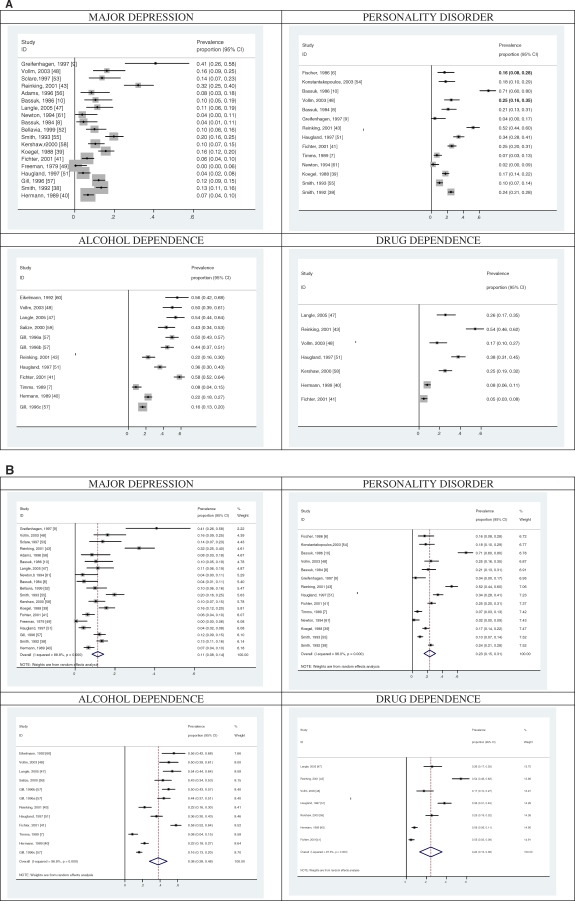
This systematic review and meta-regression of 29 surveys including 5,684 homeless individuals in seven Western countries found high but highly heterogeneous prevalences of mental disorders, with alcohol and drug dependence most common. Pooled prevalences were 37.9% for alcohol dependence, 24.4% for drug dependence, 23.1% for personality disorder, 12.7% for psychotic illness, and 11.4% for major depression.
Key findings
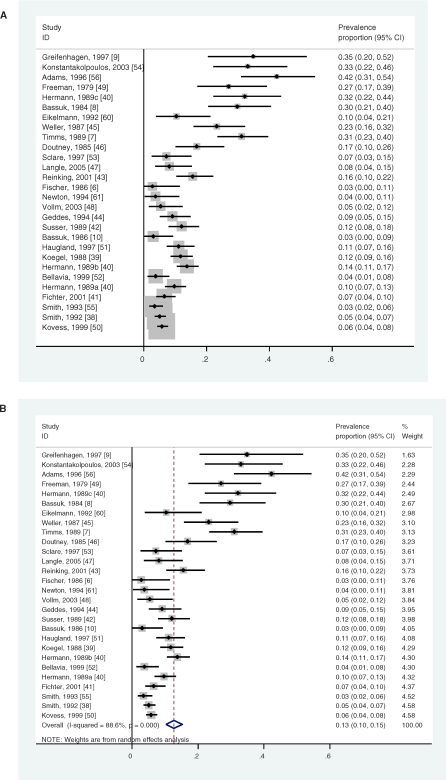
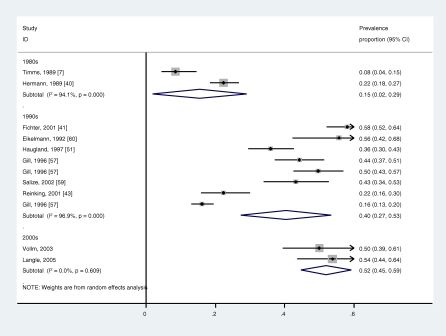
- Across 29 surveys, random-effects pooled prevalence estimates were: alcohol dependence 37.9% (95% CI 27.8%–48.0%; range 8.5%–58.1%), drug dependence 24.4% (95% CI 13.2%–35.6%; range 4.7%–54.2%), personality disorder 23.1% (95% CI 15.5%–30.8%; range 2.2%–71.0%), psychotic illness 12.7% (95% CI 10.2%–15.2%; range 2.8%–42.3%), and major depression 11.4% (95% CI 8.4%–14.4%; range 0.0%–40.9%).
- Heterogeneity was substantial for all disorders (all Cochran’s χ² significant at p < 0.001; all I² > 85%).
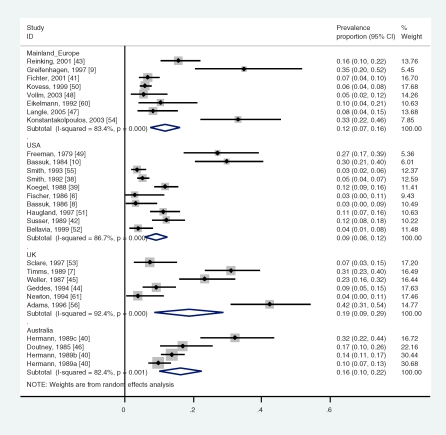
- Alcohol dependence prevalence increased over recent decades (β = 0.18, se[β] = 0.07, p = 0.007), and mainland Europe had higher alcohol dependence prevalence in individual-variable analysis (β = 0.21, se[β] = 0.09, p = 0.022).
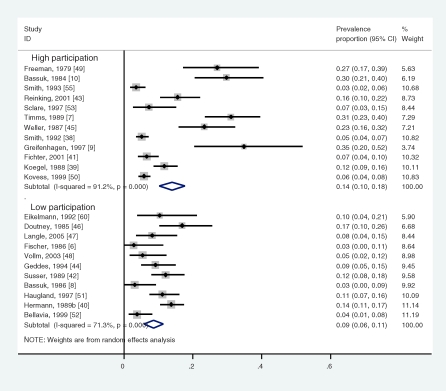
- Lower participation rates were associated with lower psychosis prevalence in multiple meta-regression (β = −0.08, se[β] = 0.03, p = 0.015), and with higher major depression (β = 0.11, se[β] = 0.03, p = 0.002) and personality disorder (β = 0.29, se[β] = 0.08, p < 0.001) in individual analyses.
Methods
- Systematic review searched EMBASE, MEDLINE, and PsycINFO, scanned reference lists, hand-searched journals, and corresponded with authors for surveys published January 1966–December 2007. Inclusion required a clear homelessness definition, ICD/DSM diagnoses, clinical examination or validated diagnostic interviews, past 6-month prevalence (lifetime for personality disorder), and study location in North America, Western Europe, Australia, or New Zealand; surveys with <50% response rate, selected populations, non-interview diagnoses, or solely elderly/juvenile samples were excluded.
- Twenty-nine eligible surveys provided estimates from 5,684 homeless individuals in seven countries; data extracted included geographical location, interview year, homelessness definition, sampling method, sample size, average age, diagnostic instrument/criteria, interviewer type, participation rate, and diagnoses of psychotic illness, major depression, personality disorder, alcohol dependence, and drug dependence.
- Prevalence estimates used the variance-stabilising double arcsine transformation with Wilson confidence intervals; heterogeneity was assessed with Cochran’s Q and I²; random-effects models were used when I² > 75%; meta-regression examined instrument, interviewer, decade, study size, sex, geographical region, and participation rate.
Limitations
- Paper-stated: substantial heterogeneity means service planning should not rely on the summary estimates but should commission local surveys of morbidity; future research should provide clear definitions and breakdowns by homelessness category, include non-Western countries, and use longitudinal cohorts.
- Evident from the text: included studies were restricted to Western countries and were mostly male samples; there were no investigations of alcohol dependence in homeless women and only one report on drug dependence in women (n = 33), limiting generalisability.
- Evident from the text: meta-regression could not explain much of the heterogeneity, and local factors such as provision of mental health and social services were suggested as likely important but were not measured; some studies also lacked sampling or response-rate information.
Model-written summary. Check it against the paper before relying on it.
Integrity signals
Registry
Cites
Statistics
Figures
Verification
Claims the paper makes
7 Valid · 2 Not valid · 30 Not checked · 47 Own results and interpretations
Every source the paper cites for this claim was checked and supports it.
In the paper
“up to 0.8% when only schizophrenia is reported [70]”
§ The Prevalence of Mental Disorders among the Homeless in Western Countries: Systematic Review and Meta-Regression Analysis > Conclusion
What the sources say
- Supportedcites [70] 70. Saha S Chant D Welham J McGrath J 2005 A systematic review of the prevalence of schizophrenia PLoS Medicine 2 e141 doi: 10.1371/journal.pmed.0020141 15916472 10.1371/journal.pmed.0020141 PMC1140952 source
The Discussion reports that about seven to eight people per 1,000 will be affected by schizophrenia, equivalent to 0.7%–0.8%. This is a lifetime morbid risk estimate, not the paper’s point-prevalence estimate, which is lower. (LLM, conf=0.87)
plain- Asserted: passes — The authors put it forward as true.
- Checkable: passes — It can be checked against evidence.
- Load-bearing: unclear — It is unclear whether the paper’s conclusions depend on it.
- Based: passes — The paper gives a reason why it holds.
- Supported
The cited sources support only part of this claim — read each source’s verdict below.
In the paper
“as substance abuse and dependence is an important risk factor, either alone [71] or comorbid with psychosis [21]”
§ The Prevalence of Mental Disorders among the Homeless in Western Countries: Systematic Review and Meta-Regression Analysis > Conclusion
What the sources say
- Partly supportedcites [71] 71. Grann M Fazel S 2004 Substance misuse and violent crime: Swedish population study BMJ 328 1233 1234 15155501 10.1136/bmj.328.7450.1233 PMC416597 sourceExperimental — accuracy not yet measured
The Abstract and Comment report a strong association between substance misuse and violent crime, supporting the risk-factor point attached to [71]. The paper does not establish that this association holds independently of psychosis, and its findings concern violent crime rather than crime generally; the separate claim about comorbidity is attributed to [21]. (LLM, conf=0.82)
- Not checked — no full text of the sourcecites [21] 21. Brennan P Mednick S Hodgins S 2000 Major mental disorders and criminal violence in a Danish birth cohort Arch Gen Psychiatry 57 494 500 10807490 10.1001/archpsyc.57.5.494 source
plainstates a cause- Asserted: passes — The authors put it forward as true.
- Checkable: passes — It can be checked against evidence.
- Load-bearing: unclear — It is unclear whether the paper’s conclusions depend on it.
- Based: passes — The paper gives a reason why it holds.
- Partly supported
Every source the paper cites for this claim was checked and supports it.
In the paper
“The presence of personality disorder is associated with poorer outcomes for treatment of depression [75]”
§ The Prevalence of Mental Disorders among the Homeless in Western Countries: Systematic Review and Meta-Regression Analysis > Conclusion
What the sources say
- Supportedcites [75] 75. Newton-Howes G Tyrer P Johnson T 2006 Personality disorder and the outcome of depression: meta-analysis of published studies Br J Psychiatry 188 13 20 16388064 10.1192/bjp.188.1.13 source
The Conclusions state that depression with comorbid personality disorder is associated with a poorer outcome than depression alone. The Comorbid personality section reports approximately twice the odds of a poor depression outcome when personality disorder is present, supporting the claim about treatment outcomes. (LLM, conf=0.94)
plainstates an association- Asserted: passes — The authors put it forward as true.
- Checkable: passes — It can be checked against evidence.
- Load-bearing: unclear — It is unclear whether the paper’s conclusions depend on it.
- Based: passes — The paper gives a reason why it holds.
- Supported
The sources with a verdict support this claim; the rest weren’t checked yet, have no full text we could read, or their verdicts aren’t rated yet.
In the paper
“The increased prevalence for drug dependence in both sexes may contribute to the reported increased crime rates in the homeless [20,21,22], as substance abuse and dependence is an important risk factor, either alone [71] or comorbid with psychosis [21].”
§ The Prevalence of Mental Disorders among the Homeless in Western Countries: Systematic Review and Meta-Regression Analysis > Conclusion
What the sources say
- Not checked — no full text of the sourcecites [20] 20. Gelberg L Linn LS Leake BD 1988 Mental health, alcohol and drug use, and criminal history among homeless adults Am J Psychiatry 145 191 196 3341464 10.1176/ajp.145.2.191 source
- Not checked — no full text of the sourcecites [21] 21. Brennan P Mednick S Hodgins S 2000 Major mental disorders and criminal violence in a Danish birth cohort Arch Gen Psychiatry 57 494 500 10807490 10.1001/archpsyc.57.5.494 source
- Supportedcites [22] 22. Fazel S Grann M 2006 The population impact of severe mental illness on violent crime Am J Psychiatry 163 1397 1403 16877653 10.1176/ajp.2006.163.8.1397 source
The FAZEL AND GRANN passage (page unavailable) states that comorbid substance abuse increases the risk of violent crime in people with severe mental illness. Citation [21] is attached specifically to the citing sentence’s claim about substance abuse comorbid with psychosis, not to its separate claim about crime rates among homeless people. (LLM, conf=0.91)
- Supportedcites [71] 71. Grann M Fazel S 2004 Substance misuse and violent crime: Swedish population study BMJ 328 1233 1234 15155501 10.1136/bmj.328.7450.1233 PMC416597 source
The citation to this paper is attached to the claim that substance misuse is associated with violent crime on its own, not to the claims about homelessness or both sexes. The Comment reports that people diagnosed with drug misuse committed more than a tenth of violent crimes in Sweden during 1988–2000, while cautioning that the association does not establish a simple causal relationship. (LLM, conf=0.90)
hedgedstates a possible cause- Asserted: passes — The authors put it forward as true.
- Checkable: passes — It can be checked against evidence.
- Load-bearing: passes — The paper’s conclusions depend on it.
- Based: passes — The paper gives a reason why it holds.
Every source the paper cites for this claim was checked and supports it.
In the paper
“all but one reported rates higher than the 4.4% found in a recent community survey [74]”
§ The Prevalence of Mental Disorders among the Homeless in Western Countries: Systematic Review and Meta-Regression Analysis > Conclusion
What the sources say
- Supportedcites [74] 74. Coid J Yang M Tyrer P Roberts A Ullrich S 2006 Prevalence and correlates of personality disorders in Great Britain Br J Psychiatry 188 423 431 16648528 10.1192/bjp.188.5.423 source
The ‘Prevalence of personality disorders’ section reports a weighted rate of 4.4% in the Great Britain household survey. ‘Comparison with previous surveys’ says this was lower than nearly all previous survey rates, which ranged from 3.9% to 22.3%. (LLM, conf=0.91)
plain- Asserted: passes — The authors put it forward as true.
- Checkable: passes — It can be checked against evidence.
- Load-bearing: passes — The paper’s conclusions depend on it.
- Based: passes — The paper gives a reason why it holds.
- Supported
58 more claims · 1 with their cited sources checked
Create a free account to see all 86 claims and to verify the 4 references still open.
- Probably not a substantial claim. 9
- It may state two separate claims as one. 17
- The quote only partly states this claim. 2
Claims other papers make about this one
Each is checked against this paper’s own text: does it say what the citing paper says it does?
The source backs part of the claim, not all of it — or backs it for a different population, condition or comparison.
In the citing paper
“The increased risk of morbidity and mortality from cardiovascular disease is probably a result of high rates of behavioural risk factors (illicit drug use, tobacco use); poor control of hypertension, diabetes, and hyperlipidaemia; and poor access to care for early cardiac disease.80,85”
From The health of homeless people in high-income countries: descriptive epidemiology, health consequences, and clinical and policy recommendations (2014) · cites this paper as [85]
Experimental — accuracy not yet measuredThe source backs part of the claim, not all of it — or backs it for a different population, condition or comparison.
In the citing paper
“In a meta-analysis of 29 studies conducted from 1979 to 2005, the commonest disorders found among the homeless population were alcohol dependence, drug dependence and psychotic disorders, with random effects pooled prevalence estimates of 37.9%, 24.4%, and 12.7%, respectively [15].”
From Burden of mental disorders and unmet needs among street homeless people in Addis Ababa, Ethiopia (2014) · cites this paper as [15]
Experimental — accuracy not yet measuredThe cited source says what the claim attributes to it.
In the citing paper
“Homeless individuals have high rates of chronic psychiatric and medical conditions7,9,10,42,43 and elevated rates of mortality.44”
From Housing first is associated with reduced use of emergency medical services (2014) · cites this paper as [7]
In the citing paper
“These factors were selected on the basis of previous work about heterogeneity in prevalence studies in homeless people.34”
From Prevalence of tuberculosis, hepatitis C virus, and HIV in homeless people: a systematic review and meta-analysis (2012) · cites this paper as [34]
In the citing paper
“A meta-analysis of studies conducted in the United States and worldwide showed that alcohol dependence affects a mean of 38% of homeless adults,7 which exceeds the prevalence in the U.S. general population by more than 10-fold.8”
From Housing first is associated with reduced use of emergency medical services (2014) · cites this paper as [7]
1 more claim about this paper
Create a free account to see every claim other papers make about this one.
Self-check
Percentages, sums and reported differences re-computed from the paper’s own numbers.
Each contradiction between two passages listed here was confirmed by an independent check.
Rated minor: it would not touch a result — a value no result rests on, a p-value that stays on the same side of the significance level, or a conflict that is clerical, resolved elsewhere in the paper, or outside its own findings.
In the paper
§ The Prevalence of Mental Disorders among the Homeless in Western Countries: Systematic Review and Meta-Regression Analysis > Abstract > Methods and Findings
“alcohol dependence, which ranged from 8.1% to 58.5%”
§ The Prevalence of Mental Disorders among the Homeless in Western Countries: Systematic Review and Meta-Regression Analysis > Results > Alcohol Dependence
“The prevalence estimates ranged from 8.5% to 58.1%.”
Rated minor: it would not touch a result — a value no result rests on, a p-value that stays on the same side of the significance level, or a conflict that is clerical, resolved elsewhere in the paper, or outside its own findings.
In the paper
§ The Prevalence of Mental Disorders among the Homeless in Western Countries: Systematic Review and Meta-Regression Analysis > Abstract > Methods and Findings
“drug dependence, which ranged from 4.5% to 54.2%”
§ The Prevalence of Mental Disorders among the Homeless in Western Countries: Systematic Review and Meta-Regression Analysis > Results > Drug Dependence
“The prevalence estimates ranged from 4.7% to 54.2%.”
Citations
Cites
Measuring inconsistency in meta-analyses
Higgins, J. P. T., Thompson, S. G., Deeks, J. J., & Altman, D. G. (2003) · BMJ · doi:10.1136/bmj.327.7414.557 · Cited by 63,139 · cited 2×
“75%), random effects models were used for summary statistics [36].”
MethodQuantifying heterogeneity in a meta‐analysis
Higgins, J. P. T., & Thompson, S. G. (2002) · Statistics in Medicine · doi:10.1002/sim.1186 · Cited by 36,763 · cited 1×
“Heterogeneity among studies was estimated using Cochran’s Q (reported with a v(2)-value and p-value) and the I(2) statistic, the latter describing the percentage of variation across studies that is due to heterogeneity rather than chance [36,37], and presented with a 95% CI [37].”
MethodKessler, R. C. (1994) · Archives of General Psychiatry · doi:10.1001/archpsyc.1994.03950010008002 · Cited by 12,370
Kessler, R. C., Chiu, W. T., Demler, O., & Walters, E. E. (2005) · Archives of General Psychiatry · doi:10.1001/archpsyc.62.6.617 · Cited by 12,052 · cited 3×
“On average, this is many orders of magnitude higher in men and even higher in women compared with community surveys [62,63].”
BackgroundResultKessler, R. C., Berglund, P., Demler, O., Jin, R., Koretz, D., Merikangas, K. R., Rush, A. J., Walters, E. E., & Wang, P. S. (2003) · JAMA · doi:10.1001/jama.289.23.3095 · Cited by 7,988 · cited 1×
“Many estimates included in the review were similar to community estimates of depression in women (which range from 7% to 11% for 1-y estimates), and only slightly higher than general population rates for men [62,72].”
Two-sided confidence intervals for the single proportion: comparison of seven methods
Newcombe, R. G. (1998) · Statistics in Medicine · doi:10.1002/(sici)1097-0258(19980430)17:8<857::aid-sim777>3.0.co;2-e · Cited by 5,107 · cited 1×
“Confidence intervals (CIs) around these estimates were calculated using the Wilson method [34] since the asymptotic method produces intervals which can extend below zero [35].”
MethodProbable Inference, the Law of Succession, and Statistical Inference
Wilson, E. B. (1927) · Journal of the American Statistical Association · doi:10.1080/01621459.1927.10502953 · Cited by 4,476 · cited 1×
“Confidence intervals (CIs) around these estimates were calculated using the Wilson method [34] since the asymptotic method produces intervals which can extend below zero [35].”
MethodTransformations Related to the Angular and the Square Root
Freeman, M. F., & Tukey, J. W. (1950) · The Annals of Mathematical Statistics · doi:10.1214/aoms/1177729756 · Cited by 2,628 · cited 1×
“Prevalence estimates were calculated using the variance stabilising double arcsine transformation [33], because of the use of the inverse variance weight in fixed-effects metaanalysis is suboptimal when dealing with binary data with low prevalences.”
MethodPsychiatric disorders in America: the epidemiologic catchment area study
(1991) · Choice Reviews Online · doi:10.5860/choice.28-5931 · Cited by 2,555 · cited 1×
“The prevalence of psychosis ranged between 3% and 42%, which is substantially higher than community estimates, which typically report 1%–2% when individuals are surveyed using diagnostic instruments [69], and up to 0.”
BackgroundFazel, M., Wheeler, J., & Danesh, J. (2005) · The Lancet · doi:10.1016/s0140-6736(05)61027-6 · Cited by 2,292 · cited 1×
“Second, the prevalence estimates for psychosis were at least as high as those for depression, a finding in marked contrast from community estimates of these conditions [62,63], and in other at-risk groups such as prisoners [64] and refugees [65], in whom depression is more common.”
Result
Research works printed but not linked: 3
- 11. Fischer PJ 1989 Estimating the prevalence of alcohol, drug and mental health problems in the contemporary homeless population: a review of the literature Contemp Drug Probl 16 333 390
- 58. Kershaw A Singleton N Meltzer H 2000 Substance misuse and mental disorder among homeless people in Glasgow London ONS
- 60. Eikelmann B Inhester ML Reker T 1992 Psychische Störungen bei nicht-sesshaften Männern. Defizite in der psychiatrischen Versorgung Sozialpsychiatrische Informationen 2 29 32
Cited by
Items 101–200 of 1,032
Parkes, T., Carver, H., Masterton, W., Falzon, D., Dumbrell, J., Grant, S., & Wilson, I. (2021) · Harm Reduction Journal · doi:10.1186/s12954-021-00472-w · Cited by 69
“There is a clear association between homelessness and substance use, with many people who experience homelessness using drugs and/or alcohol [7].”
BackgroundPeople with Alcohol Use Disorders in Specialized Care in Eight Different European Countries
Rehm, J., Allamani, A., Aubin, H.-J., Della Vedova, R., Elekes, Z., Frick, U., Jakubczyk, A., Kostogianni, N., Landsmane, I., Manthey, J., et al. (2015) · Alcohol and Alcoholism · doi:10.1093/alcalc/agv009 · Cited by 63
“…these numbers are based on general population surveys with standardized instruments which do not include people with AD or AUD among the homeless (Fazel et al., 2008), the prison population (Fazel et al., 2006) or in mental institutions (Shield and Rehm, 2012), meaning that the numbers are…”
BackgroundCollins, S. E., Jones, C. B., Hoffmann, G., Nelson, L. A., Hawes, S. M., Grazioli, V. S., Mackelprang, J. L., Holttum, J., Kaese, G., Lenert, J., et al. (2015) · International Journal of Drug Policy · doi:10.1016/j.drugpo.2015.08.003 · Cited by 68
Quirk, S. E., El-Gabalawy, R. M., Brennan-Olsen, S. L., Bolton, J. M., Sareen, J., Berk, M., Chanen, A. M., Pasco, J. A., & Williams, L. J. (2014) · Social Psychiatry and Psychiatric Epidemiology · doi:10.1007/s00127-014-0974-1 · Cited by 73
“Specifically PDs as a group are associated with lower educational attainment [8], household income [35] and are prevalent among the homeless [55].”
BackgroundFeodor Nilsson, S., Hjorthoj, C. R., Erlangsen, A., & Nordentoft, M. (2014) · The European Journal of Public Health · doi:10.1093/eurpub/ckt025 · Cited by 61
Risk Factors Associated with Recurrent Homelessness After a First Homeless Episode
McQuistion, H. L., Gorroochurn, P., Hsu, E., & Caton, C. L. M. (2013) · Community Mental Health Journal · doi:10.1007/s10597-013-9608-4 · Cited by 95
“Fazel et al. (2008) recent metaregression analysis of studies drawn from post-industrial countries between 1966 and 2007 derived pooled prevalence rates among homeless individuals of 37.9 % for alcohol dependence and 24.4 % for drug dependence.”
BackgroundInfluentialUrbanoski, K., Veldhuizen, S., Krausz, M., Schutz, C., Somers, J. M., Kirst, M., Fleury, M., Stergiopoulos, V., Patterson, M., Strehlau, V., et al. (2018) · Addiction · doi:10.1111/add.13928 · Cited by 61
Association of Homelessness with Hospital Readmissions—an Analysis of Three Large States
Khatana, S. A. M., Wadhera, R. K., Choi, E. H., Groeneveld, P. W., Culhane, D. P., Kushel, M., Kazi, D. S., Yeh, R. W., & Shen, C. (2020) · Journal of General Internal Medicine · doi:10.1007/s11606-020-05946-4 · Cited by 69
Tweed, E., Thomson, R., Lewer, D., Sumpter, C., Kirolos, A., Southworth, P., Purba, A. K., Aldridge, R. W., Hayward, A. C., Story, A., et al. (2021) · Journal of Epidemiology & Community Health · doi:10.1136/jech-2020-215975 · Cited by 72
Benston, E. A. (2015) · Psychiatric Services · doi:10.1176/appi.ps.201400294 · Cited by 60
Zervou, F. N., Zacharioudakis, I. M., Ziakas, P. D., Rich, J. D., & Mylonakis, E. E. (2014) · Clinical Infectious Diseases · doi:10.1093/cid/ciu559 · Cited by 66
Tsai, A. C., Weiser, S. D., Dilworth, S. E., Shumway, M., & Riley, E. D. (2015) · American Journal of Epidemiology · doi:10.1093/aje/kwu350 · Cited by 59
“Moreover, this population is known to have a high level of psychiatric comorbidity (56, 72).”
BackgroundHomelessness as a predictor of mortality: an 11-year register-based cohort study
Nilsson, S. F., Laursen, T. M., Hjorthøj, C. R., & Nordentoft, M. (2017) · Social Psychiatry and Psychiatric Epidemiology · doi:10.1007/s00127-017-1456-z · Cited by 71
“The mortality among people with a history of homelessness in high-income countries is remarkably high [1–5], and psychiatric problems are prevalent in this group compared with the general population [6, 7].”
BackgroundLatimer, E. A., Rabouin, D., Cao, Z., Ly, A., Powell, G., Aubry, T., Distasio, J., Hwang, S. W., Somers, J. M., Stergiopoulos, V., et al. (2017) · CMAJ Open · doi:10.9778/cmajo.20170018 · Cited by 57
Tinland, A., Boyer, L., Loubière, S., Greacen, T., Girard, V., Boucékine, M., Fond, G. B., & Auquier, P. (2018) · Neuropsychiatric Disease and Treatment · doi:10.2147/ndt.s161377 · Cited by 71
“The rate of alcohol dependence in the present homeless sample was similar to that of the meta-analysis of Fazel et al (37%).(21) However, the proportion of substance dependence in the present study is almost twice as high as that found in Fazel et al (46% vs 24%), and men were found at higher risk for addiction in the…”
Klop, H. T., Evenblij, K., Gootjes, J. R. G., de Veer, A. J. E., & Onwuteaka-Philipsen, B. D. (2018) · BMC Public Health · doi:10.1186/s12889-018-5989-1 · Cited by 75
Keogh, C., O’Brien, K. K., Hoban, A., O’Carroll, A., & Fahey, T. (2015) · BMC Health Services Research · doi:10.1186/s12913-015-0716-4 · Cited by 57
“Around 40-50% of our participants had depression (either self reported or based on PHQ-9 scores), and 39% reported an addiction disorder; this is in keeping with a meta-analysis on the prevalence of mental disorders among homeless people in western countries [3], which found 0-49% had depression and 5-58% had alcohol…”
BackgroundResultTorchalla, I., Strehlau, V., Li, K., Schuetz, C., & Krausz, M. (2012) · Child Maltreatment · doi:10.1177/1077559512439350 · Cited by 57
Moledina, A., Magwood, O., Agbata, E. N., Hung, J., Saad, A., Thavorn, K., Salvalaggio, G., Bloch, G. C., Ponka, D., Aubry, T., et al. (2021) · Campbell Systematic Reviews · doi:10.1002/cl2.1154 · Cited by 67
Hearing Voices and Other Matters of the Mind: What Mental Abnormalities Can Teach Us About Religions
McCauley, R. N., & Graham, G. (2020) · doi:10.1093/oso/9780190091149.001.0001 · Cited by 76
Perceived unmet need and barriers to care amongst street‐involved people who use illicit drugs
Hyshka, E., Anderson, J. T., & Wild, T. C. (2016) · Drug and Alcohol Review · doi:10.1111/dar.12427 · Cited by 63
Liu, M., Mejía-Lancheros, C., Lachaud, J., Nisenbaum, R. A., Stergiopoulos, V., & Hwang, S. W. (2020) · American Journal of Preventive Medicine · doi:10.1016/j.amepre.2019.12.017 · Cited by 65
“In the pioneering Centers for Disease Control and Prevention−Kaiser study, adults in a California HMO exposed to ACEs were much more likely to have poor physical, mental, and behavioral Am J Prev Med 2020;58(6):807−816 807 health outcomes.4 For mental health, strong associations have been reported between ACEs and moo…”
BackgroundInfluentialMeasuring disparities in police use of force and injury among persons with serious mental illness
Laniyonu, A., & Goff, P. A. (2021) · BMC Psychiatry · doi:10.1186/s12888-021-03510-w · Cited by 82
Perspectives in poverty and mental health
Marbin, D., Gutwinski, S., Schreiter, S., & Heinz, A. (2022) · Frontiers in Public Health · doi:10.3389/fpubh.2022.975482 · Cited by 87
Collins, S. E., Duncan, M. H., Saxon, A. J., Taylor, E. M., Mayberry, N., Merrill, J. O., Hoffmann, G., Clifasefi, S. L., & Ries, R. K. (2021) · The Lancet Psychiatry · doi:10.1016/s2215-0366(20)30489-2 · Cited by 60
Patterson, M. L., Somers, J. M., & Moniruzzaman, A. (2012) · Mental Health and Substance Use · doi:10.1080/17523281.2011.618143 · Cited by 54
“Fazel, Kholsa, Doll and Geddes ( 2008 ) identified 29 studies that used sound operational definitions of substance use and mental illness among homeless samples between 1966 and 2007, spanning Western Europe and North America.”
BackgroundFive-year standardised mortality ratios in a cohort of homeless people in Dublin
Ivers, J., Zgaga, L., Hynes, B. O., Heary, A., Gallwey, B., & Barry, J. M. (2019) · BMJ Open · doi:10.1136/bmjopen-2018-023010 · Cited by 63
Neurobehavioural and cognitive function is linked to childhood trauma in homeless adults
Pluck, G., Lee, K., David, R., Macleod, D. C., Spence, S. A., & Parks, R. W. (2011) · British Journal of Clinical Psychology · doi:10.1348/014466510x490253 · Cited by 53
“Studies from several Western countries report high rates of psychotic and depressive illness among homeless populations (Fazel et al., 2008).”
BackgroundLatimer, E. A., Rabouin, D., Cao, Z., Ly, A., Powell, G. A., Adair, C. E., Sareen, J., Somers, J. M., Stergiopoulos, V., Pinto, A. D., et al. (2019) · JAMA Network Open · doi:10.1001/jamanetworkopen.2019.9782 · Cited by 62
Local access to mental healthcare and crime
Deza, M., Maclean, J. C., & Solomon, K. T. (2021) · Journal of Urban Economics · doi:10.1016/j.jue.2021.103410 · Cited by 67
Rethinking Homelessness Prevention among Persons with Serious Mental Illness
Montgomery, A. E., Metraux, S., & Culhane, D. P. (2013) · Social Issues and Policy Review · doi:10.1111/j.1751-2409.2012.01043.x · Cited by 85
Clostridium Difficile Infection in the Hematopoietic Unit: A Meta-Analysis of Published Studies
Zacharioudakis, I. M., Ziakas, P. D., & Mylonakis, E. E. (2014) · Transplantation and Cellular Therapy · doi:10.1016/j.bbmt.2014.06.001 · Cited by 56
Housing First for adults with problematic substance use
Cherner, R. A., Aubry, T., Sylvestre, J., Boyd, R., & Pettey, D. (2017) · Journal of Dual Diagnosis · doi:10.1080/15504263.2017.1319586 · Cited by 51
Decayed and missing teeth and oral-health-related factors: Predicting depression in homeless people
Coles, E. C., Chan, K. P. K., Collins, J., Humphris, G. M., Richards, D., Williams, B., & Freeman, R. (2011) · Journal of Psychosomatic Research · doi:10.1016/j.jpsychores.2011.01.004 · Cited by 73
“On all measures, these results confirmed that this sample experienced poorer dental health, higher levels of dental anxiety, more oral health impacts and more depression compared with the UK general population norms [10,13,22,29].”
BackgroundResultAyano, G., Solomon, M., Tsegay, L., Yohannes, K., & Abraha, M. (2020) · Psychiatric Quarterly · doi:10.1007/s11126-020-09746-1 · Cited by 65
Trends in Trimorbidity Among Adults Experiencing Homelessness in Minnesota, 2000–2018
Vickery, K. D., Winkelman, T. N. A., Ford, B. R., Busch, A. M., Robertshaw, D., Pittman, B. P., & Gelberg, L. (2021) · Medical Care · doi:10.1097/mlr.0000000000001435 · Cited by 49
Brugha, T. S., Matthews, R., Morgan, Z., Hill, T., Alonso, J., & Jones, D. R. (2012) · British Journal of Psychiatry · doi:10.1192/bjp.bp.111.098103 · Cited by 50
Edalati, H., Nicholls, T. L., Crocker, A. G., Roy, L., Somers, J. M., & Patterson, M. (2017) · Psychiatric Services · doi:10.1176/appi.ps.201600330 · Cited by 58
A randomized controlled trial of the effectiveness of Housing First in a small Canadian City
Aubry, T., Bourque, J., Goering, P., Crouse, S., Veldhuizen, S., LeBlanc, S., Cherner, R., Bourque, P.-É., Pakzad, S., & Bradshaw, C. (2019) · BMC Public Health · doi:10.1186/s12889-019-7492-8 · Cited by 50
Jones, A. A., Gicas, K. M., Seyedin, S., Willi, T. S., Leonova, O., Vila‐Rodriguez, F., Procyshyn, R. M., Smith, G. N., Schmitt, T., Vertinsky, A. T., et al. (2020) · PLoS Medicine · doi:10.1371/journal.pmed.1003172 · Cited by 62
Mental health-care provision for marginalized groups across Europe: findings from the PROMO study
Priebe, S., Matanov, A., Barros, H., Canavan, R., Gabor, E., Greacen, T., Holcnerova, P., Kluge, U., Nicaise, P., Moskalewicz, J., et al. (2013) · The European Journal of Public Health · doi:10.1093/eurpub/ckr214 · Cited by 49
Whittaker, E., Swift, W., Roxburgh, A., Dietze, P., Cogger, S., Bruno, R., Sindicich, N., & Burns, L. (2015) · Drug and Alcohol Review · doi:10.1111/dar.12257 · Cited by 62
Nutrition and the homeless: the underestimated challenge
Seale, J. V., Fallaize, R., & Lovegrove, J. A. (2016) · Nutrition Research Reviews · doi:10.1017/s0954422416000068 · Cited by 62
“Studies regarding the homeless have consistently identified high levels of mental illness including depression, anxiety and bipolar disorders((57,68,69)).”
BackgroundLaporte, A., Vandentorren, S., Détrez, M.-A., Douay, C., Strat, Y. L., Méner, E. L., & Chauvin, P. (2018) · International Journal of Environmental Research and Public Health · doi:10.3390/ijerph15020241 · Cited by 66
“These results are comparable with other French studies on homelessness, especially that of Kovess et al. [8], which found psychotic disorders in 16% of participants, and that of Fazel [10], which found psychotic disorders in 12.7%.”
BackgroundInfluentialInterventions to reduce tobacco use in people experiencing homelessness
Vijayaraghavan, M., Elser, H. C., Frazer, K., Lindson, N., & Apollonio, D. E. (2020) · Cochrane Database of Systematic Reviews · doi:10.1002/14651858.cd013413.pub2 · Cited by 64
Clair, A., Reeves, A., Loopstra, R., McKee, M., Dorling, D., & Stückler, D. (2016) · European Journal of Public Health · doi:10.1093/eurpub/ckw071 · Cited by 58
Emergency Department Use in a Cohort of Older Homeless Adults: Results From the HOPE HOME Study
Raven, M. C., Tieu, L., Lee, C. T., Ponath, C., Guzman, D., & Kushel, M. (2017) · Academic Emergency Medicine · doi:10.1111/acem.13070 · Cited by 63
Guillén, A. I., Marín‐Martín, C., Panadero, S., & Vázquez, J. J. (2019) · Addictive Behaviors · doi:10.1016/j.addbeh.2019.106246 · Cited by 65
“In specific terms, Fazel, Khosla, Doll and Geddes (2008) reviewed studies carried out in various countries, and reported that the most common mental disorders among homeless people were alcohol dependence (between 8.1% and 58.5”
BackgroundInfluentialExperience of Primary Care among Homeless Individuals with Mental Health Conditions
Chrystal, J. G., Glover, D. L., Young, A. S., Whelan, F., Austin, E. L., Johnson, N. K., Pollio, D. E., Holt, C. L., Stringfellow, E. J., Gordon, A. J., et al. (2015) · PLoS ONE · doi:10.1371/journal.pone.0117395 · Cited by 61
“Moreover, persons experiencing homelessness disproportionately suffer from medical illness, problematic substance use, and psychiatric disorders [1–2].”
BackgroundPoremski, D., Distasio, J., Hwang, S. W., & Latimer, E. A. (2015) · The Canadian Journal of Psychiatry · doi:10.1177/070674371506000902 · Cited by 58
The prevalence of autistic traits in a homeless population
Churchard, A., Ryder, M., Greenhill, A., & Mandy, W. (2019) · Autism · doi:10.1177/1362361318768484 · Cited by 47
Homelessness and police-recorded crime victimisation: a nationwide, register-based cohort study
Nilsson, S. F., Nordentoft, M., Fazel, S., & Laursen, T. M. (2020) · The Lancet Public Health · doi:10.1016/s2468-2667(20)30075-x · Cited by 68
“These estimates were substantially higher than those in matched controls from the general population (10% [10–11] in females and 7% [7–8] in males 5 years after matching).”
Self-citationSexual and Reproductive Health Behaviors of Undocumented Migrants in Geneva: A Cross Sectional Study
Sebo, P., Jackson, Y., Haller, D. M., Gaspoz, J., & Wolff, H. J. (2010) · Journal of Immigrant and Minority Health · doi:10.1007/s10903-010-9367-z · Cited by 46
“poor health is well documented and several studies have shown that physical and mental health problems are highly prevalent in vulnerable populations, such as asylum seekers, refugees, homeless and detainees [6–13].”
BackgroundIntellectual Disability among Dutch Homeless People: Prevalence and Related Psychosocial Problems
van Straaten, B., Schrijvers, C. T. M., van der Laan, J., Boersma, S. N., Rodenburg, G., Wolf, J., & van de Mheen, D. (2014) · PLoS ONE · doi:10.1371/journal.pone.0086112 · Cited by 58
“Studies have shown higher rates of mental health problems and substance use problems among homeless people as compared with the general population [1].”
BackgroundEdens, E. L., Mares, A. S., & Rosenheck, R. A. (2011) · Women's Health Issues · doi:10.1016/j.whi.2011.03.004 · Cited by 45
Beijer, U., & Andreasson, S. (2010) · The European Journal of Public Health · doi:10.1093/eurpub/ckq033 · Cited by 45
Smoking and predictors of nicotine dependence in a homeless population
Torchalla, I., Strehlau, V., Okoli, C. T. C., Li, K., Schuetz, C., & Krausz, M. (2011) · Nicotine & Tobacco Research · doi:10.1093/ntr/ntr101 · Cited by 45
Torchalla, I., Strehlau, V., Li, K. K., Linden, I. A., Noël, F., & Krausz, M. R. (2014) · Psychology of Addictive Behaviors · doi:10.1037/a0033674 · Cited by 62
Novoa, A. M., Ward, J. B., Malmusi, D., Díaz, F., Darnell, M., Bellart, C. T., Meda, J. B., & Borrell, C. (2015) · International Journal for Equity in Health · doi:10.1186/s12939-015-0238-z · Cited by 52
Tinland, A., Fortanier, C., Girard, V., Laval, C., Videau, B., Rhenter, P., Greacen, T., Falissard, B., Apostolidis, T., Lançon, C., et al. (2013) · Trials · doi:10.1186/1745-6215-14-309 · Cited by 64
A systematic review and meta-analysis of the prevalence of bipolar disorder among homeless people
Ayano, G., Shumet, S., Tesfaw, G., & Tsegay, L. (2020) · BMC Public Health · doi:10.1186/s12889-020-08819-x · Cited by 45
Schizophrenia: Basic and Clinical
Coyle, J. T. (2017) · Advances in neurobiology · doi:10.1007/978-3-319-57193-5_9 · Cited by 45
Collins, S. E., Grazioli, V. S., Torres, N. I., Taylor, E. M., Jones, C. B., Hoffman, G. E., Haelsig, L., Zhu, M. D., Hatsukami, A. S., Koker, M. J., et al. (2015) · Addictive Behaviors · doi:10.1016/j.addbeh.2015.02.001 · Cited by 43
Laliberté, V., Stergiopoulos, V., Jacob, B. J., & Kurdyak, P. A. (2019) · Epidemiology and Psychiatric Sciences · doi:10.1017/s2045796019000052 · Cited by 54
“Rates of alcohol and drug dependence, as well as those of psychotic disorders and personality disorders, are especially high in homeless populations compared with the general population (Fazel et al., 2008).”
BackgroundFornaro, M., Dragioti, E., Prisco, M. D., Billeci, M., Mondin, A. M., Calati, R., Smith, L., Hatcher, S., Kaluzienski, M., Fiedorowicz, J. G., et al. (2022) · BMC Medicine · doi:10.1186/s12916-022-02423-z · Cited by 65
“Data about differences in the prevalence of multiple health conditions between PEH and the general population is substantially unreliable, as exemplified by current knowledge about mental health [7] and infectious diseases among PEH [8].”
BackgroundA music and health perspective on music's perceived “goodness”
Edwards, J. M. (2010) · Nordic Journal of Music Therapy · doi:10.1080/08098130903305085 · Cited by 43
“5 While the descriptor “homeless” references accommodation issues, it also suggests the possibility that a person described thus will have a greater chance of mental health difficulties including addiction, psychosis, or personality disorder (Fazel, Khosla, Doll, & Geddes, 2008 ).”
BackgroundMatheson, S. L., Shepherd, A. M., & Carr, V. J. (2014) · Psychological Medicine · doi:10.1017/s0033291714000166 · Cited by 52
“Prevalence rates of psychotic disorders in homeless people are around 11% to 13% (Folsom & Jeste, 2002; Fazel et al. 2008) Heritability estimate is 81% (Sullivan et al. 2003) IQ, Intelligence quotient; TNF, tumour necrosis factor; IL, interleukin; SMD, standardized mean difference; RR, risk ratio;…”
BackgroundGeremew, D., Melku, M., Endalamaw, A., Woldu, B., Fasil, A., Negash, M., Baynes, H. W., Geremew, H., Teklu, T., Deressa, T., et al. (2020) · BMC Infectious Diseases · doi:10.1186/s12879-020-05040-4 · Cited by 51
Rollings, K. A., & Bollo, C. S. (2021) · International Journal of Environmental Research and Public Health · doi:10.3390/ijerph18189588 · Cited by 49
“Homelessness and mental health share a bidirectional relation such that homelessness may contribute to or exacerbate poor mental health and mental illness, and consequences of mental illness may lead to homelessness [7].”
BackgroundExtreme health inequalities: mortality in homeless people
Geddes, J. R., & Fazel, S. (2011) · The Lancet · doi:10.1016/s0140-6736(11)60885-4 · Cited by 53
Self-citationRussolillo, A., Patterson, M., McCandless, L., Moniruzzaman, A., & Somers, J. (2014) · International Journal of Housing Policy · doi:10.1080/14616718.2014.884881 · Cited by 42
Murphy, R., Zemore, S. E., & Mulia, N. (2013) · Journal of Urban Health · doi:10.1007/s11524-013-9813-z · Cited by 52
Russolillo, A., Moniruzzaman, A., Parpouchi, M., Currie, L. B., & Somers, J. M. (2016) · BMC Health Services Research · doi:10.1186/s12913-016-1316-7 · Cited by 50
“The frequency and duration of hospital inpatient visits by homeless people reflects the high prevalence of acute and chronic physical illness [8–10], mental disorders and substance use [11], and mortality [12, 13] within this subpopulation.”
BackgroundCorey, J., Lyons, J., O’Carroll, A., Stafford, R., & Ivers, J. (2022) · International Journal of Environmental Research and Public Health · doi:10.3390/ijerph19063219 · Cited by 58
Rahman, M. A., Turner, J. F., & Elbedour, S. (2015) · Child & Youth Care Forum · doi:10.1007/s10566-014-9298-2 · Cited by 60
“In addition, 33 % of adolescents who lost their homes show effects of post-traumatic stress disorder (PSTD) and exhibit a range of emotional and behavioral dysfunction (APA 2014; Burt 2001; Fazel et al. 2008).”
BackgroundTuberculosis Outbreaks in the United States, 2009-2015
Mindra, G., Wortham, J. M., Haddad, M. B., & Powell, K. M. (2017) · Public Health Reports · doi:10.1177/0033354916688270 · Cited by 44
Drug Resistance Patterns ofEscherichia coliin Ethiopia: A Meta-Analysis
Tuem, K. B., Gebre, A. K., Atey, T. M., Bitew, H., Yimer, E. M., & Berhe, D. F. (2018) · BioMed Research International · doi:10.1155/2018/4536905 · Cited by 62
“Variances and CIs were stabilized using Freeman-Tukey arc-sine methodology [61]; the reason is that using the standard approach of inverse variance method to calculate pooled prevalence does not work well in meta-analysis of single-arm study because, for studies with small or large prevalence, the inverse variance met…”
MethodKennedy, D. P., Osilla, K. C., Hunter, S. B., Golinelli, D., Maksabedian Hernandez, E., & Tucker, J. S. (2018) · Journal of Substance Abuse Treatment · doi:10.1016/j.jsat.2017.12.005 · Cited by 40
Voices of Homeless Alcoholics Who Frequent Bellevue Hospital: A Qualitative Study
McCormack, R. P., Hoffman, L. F., Norman, M., Goldfrank, L. R., & Norman, E. M. (2014) · Annals of Emergency Medicine · doi:10.1016/j.annemergmed.2014.05.025 · Cited by 44
Erickson, R. A., Stockwell, T. R., Pauly, B., Chow, C. M., Roemer, A., Zhao, J., Vallance, K., & Wettlaufer, A. (2018) · Drug and Alcohol Review · doi:10.1111/dar.12649 · Cited by 47
Pribish, A. M., Khalil, N., Mhaskar, R. S., Woodard, L. J., & Mirza, A. (2018) · Journal of Community Health · doi:10.1007/s10900-018-0580-3 · Cited by 42
Community Supervision, Housing Insecurity, and Homelessness
Augustine, D., & Kushel, M. (2022) · The ANNALS of the American Academy of Political and Social Science · doi:10.1177/00027162221113983 · Cited by 40
Mental health, concurrent disorders, and health care utilization in homeless women
STREHLAU, V., TORCHALLA, I., KATHY, L., SCHUETZ, C., & KRAUSZ, M. (2012) · Journal of Psychiatric Practice · doi:10.1097/01.pra.0000419819.60505.dc · Cited by 39
Ayano, G., Belete, A., Duko, B., Tsegay, L., & Dachew, B. A. (2021) · BMJ Open · doi:10.1136/bmjopen-2020-040061 · Cited by 46
Violent conflict and opiate use in low and middle-income countries: A systematic review
Jack, H. E., Masterson, A. R., & Khoshnood, K. (2013) · International Journal of Drug Policy · doi:10.1016/j.drugpo.2013.11.003 · Cited by 46
Karanika, S., Kinamon, T., Grigoras, C. A., & Mylonakis, E. E. (2016) · Clinical Infectious Diseases · doi:10.1093/cid/ciw240 · Cited by 46
“of the raw proportions was stabilized using the Freeman-Tukey arcsine methodology [8] and no studies with 0% or 100% proportions were excluded from the meta-analysis [9, 10].”
MethodCoping Styles and Alcohol Dependence among Homeless People
Opalach, C. W., Romaszko, J., Jaracz, M., Kuchta, R., Borkowska, A., & Buciński, A. (2016) · PLoS ONE · doi:10.1371/journal.pone.0162381 · Cited by 51
“While they most commonly deal with slightly younger populations, American and Western European authors also emphasise the phenomenon of ageing in their homeless populations [5, 32, 33].”
BackgroundGeremew, D., Endalamaw, A., Negash, M., Eshetie, S., & Tessema, B. (2019) · BMC Infectious Diseases · doi:10.1186/s12879-019-4031-2 · Cited by 45
Cognitive Deficit and Mental Health in Homeless Transition-Age Youth
Saperstein, A. M., Lee, S., Ronan, E. J., Seeman, R. S., & Medalia, A. A. (2014) · PEDIATRICS · doi:10.1542/peds.2013-4302 · Cited by 43
Lombardi, K. M., Pines, J. M., Mazer-Amirshahi, M. E., & Pourmand, A. (2019) · Public Health · doi:10.1016/j.puhe.2019.09.003 · Cited by 39
Cardiovascular risk factors and 30-year cardiovascular risk in homeless adults with mental illness
Gozdzik, A., Salehi, R., O'Campo, P., Stergiopoulos, V., & Hwang, S. W. (2015) · BMC Public Health · doi:10.1186/s12889-015-1472-4 · Cited by 36
“Substance use [17-20] and mental illness [21,22] are both associated with increased risk of CVD and found at disproportionately high rates among homeless people compared to the general population [20].”
BackgroundCorrelates of Frailty Among Homeless Adults
Salem, B. E., Nyamathi, A., Brecht, M., Phillips, L. R., Mentes, J. C., Sarkisian, C. A., & LEAKE, B. D. (2013) · Western Journal of Nursing Research · doi:10.1177/0193945913487608 · Cited by 41
Kennedy, D. P., Hunter, S. B., Osilla, K. C., Maksabedian, E., Golinelli, D., & Tucker, J. S. (2016) · Addiction Science & Clinical Practice · doi:10.1186/s13722-016-0052-y · Cited by 37
“Background Homeless individuals have significantly higher rates of morbidity and mortality as compared to those living in stable housing [1–4].”
BackgroundMun, E., Li, X., Businelle, M. S., Hébert, E. T., Tan, Z., Barnett, N. P., & Walters, S. T. (2021) · Alcoholism Clinical and Experimental Research · doi:10.1111/acer.14571 · Cited by 40
“…homelessness is 6 to 10 times greater than the general population (Baggett et al., 2015), and about 38% of adults experiencing homelessness are alcohol dependent (Fazel et al., 2008), with 31% to 39% involved in high-risk drinking (Neisler et al., 2019; Reitzel et al., 2020; Taylor et al., 2016).”
BackgroundTurning a blind eye: Implementation of harm reduction in a transitional programme setting
Pauly, B., Wallace, B., & Barber, K. (2018) · Drugs Education Prevention and Policy · doi:10.1080/09687637.2017.1337081 · Cited by 36
Tsai, J., & Hooshyar, D. (2022) · Public Health · doi:10.1016/j.puhe.2022.10.017 · Cited by 40
Hodgson, K. J., Shelton, K. H., & van den Bree, M. B. M. (2014) · Evidence-Based Mental Health · doi:10.1136/eb-2014-101810 · Cited by 35
“13 Lack of social support, experiences of abuse or repeated separations from caregivers (eg, multiple foster care placements) may compound their ability to access appropriate services.(14) We are aware of two UK-based review papers(2) 15 that have examined access to health services by homeless people; however, researc…”
BackgroundEzard, N., Cecilio, M. E., Clifford, B., Baldry, E., Burns, L., Day, C., Shanahan, M., & Dolan, K. A. (2018) · Drug and Alcohol Review · doi:10.1111/dar.12702 · Cited by 36
Shoemaker, E. S., Kendall, C., Mathew, C. M., Crispo, S., Welch, V. A., Andermann, A. A. J., Mott, S., Lalonde, C., Bloch, G. C., Mayhew, A., et al. (2020) · PLoS ONE · doi:10.1371/journal.pone.0231758 · Cited by 44
Hasan, A., Falkai, P., Lehmann, I., & Gäebel, W. (2020) · Deutsches Ärzteblatt international · doi:10.3238/arztebl.2020.0412 · Cited by 80
Metadata
- Authors
- Fazel, S., Khosla, V., Doll, H., & Geddes, J.
- Affiliations
- Warneford Hospital (GB)
- Oxford Health NHS Foundation Trust (GB)
- University of Oxford (GB)
- Corresponding author
- Fazel, Seena
- Venue
- PLoS Medicine
- Publisher
- Public Library of Science (PLoS)
- Published
- 2008-12-02
- Volume
- 5
- Issue
- 12
- Pages
- e225
- ISSN
- 1549-1277 (ISSN-L)
- 1549-1676
- PMC
- PMC2592351
- OpenAlex
- W2107329907
- Cited by
- 1,033
- References
- 76
- Citations by year
- 2026: 28 · 2025: 31 · 2024: 60 · 2023: 77 · 2022: 83 · 2021: 137 · 2020: 126 · 2019: 80 · 2018: 54 · 2017: 49 · 2016: 65 · 2015: 58 · 2014: 62 · 2013: 47 · 2012: 35
- FWCI
- 2.58
- Type
- journal article
- Language
- en
- Open access
- gold
- doi.org
- Locations
- PLoS Medicine (publishedVersion, cc-by)
- Europe PMC (PubMed Central) (publishedVersion, cc-by)
- PubMed Central (publishedVersion, cc-by)
- PubMed (publishedVersion)
- Oxford University Research Archive (ORA) (University of Oxford) (acceptedVersion, cc-by)
- RePEc: Research Papers in Economics (submittedVersion)
- DOAJ (DOAJ: Directory of Open Access Journals) (submittedVersion)
- Figshare (submittedVersion, cc-by)
- UEA Digital Repository (University of East Anglia) (submittedVersion, cc-by)
- Topics
- Social Sciences › Sociology and Political Science › Homelessness and Social Issues
- Health Sciences › Medicine › Psychiatry and Mental health › Mental Health Treatment and Access
- Social Sciences › Psychology › Clinical Psychology › Migration, Health and Trauma
- Keywords
- homelessness, mental illness, prevalence, alcoholism, drug addiction, psychosis, major depressive disorder, personality disorders, Western Europe, North America
- MeSH terms
- Alcoholism, Mental Disorders, Major Depressive Disorder, Ill-Housed Persons, Humans, Personality Disorders, Psychotic Disorders, Prevalence, Western World, Substance-Related Disorders
About these checks
Registry, retraction, Cites and statistics results are computed, not judged, with one exception: a printed reference that no index lists is read once by a model before it counts as a citation error. Claims are extracted by a model and kept only when their quote appears verbatim in the text; each cited source is then checked, with a model’s help, for whether it says what the claim relies on. Those verdicts can be wrong — read the claim’s quote and the cited source before relying on one.
The claim verdicts this report counts are experimental: their accuracy is not yet measured.
A language model drew the claims from the paper on 2026-09-30, under version 3 of the claim definition (model deepseek-v4.1-flash, prompt extract-v3).
A second model labelled each claim on 2026-09-30 (model jev-1.13-20260917, definition revision gold-guideline-v0.2).
Cited sources are checked with a language model’s help (gpt-6-sol).
Statistics and arithmetic are recomputed, not judged.
Confidence bands are shown only for fields calibrated on our annotated test set. None is calibrated yet, so no band is shown.
What counts as a claim ›How we measure confidence ›How we check this ›
Are you an author, or do you see a problem with this page? Request a review
Data sources
Bibliographic data: Semantic Scholar, OpenAlex, Crossref.
Contains information from the Semantic Scholar Academic Graph Datasets, made available under the ODC Attribution License (ODC-BY 1.0).
Semantic Scholar’s data is described in: Kinney, R., et al. (2023). The Semantic Scholar Open Data Platform. arXiv:2301.10140.
