

A Transdiagnostic Community-Based Mental Health Treatment for Comorbid Disorders: Development and Outcomes of a Randomized Controlled Trial among Burmese Refugees in Thailand
Open accessThe DOI matches its Crossref record; 39 of the 40 references it cites were found in a registry or an index.
Abstract
BACKGROUND: Existing studies of mental health interventions in low-resource settings have employed highly structured interventions delivered by non-professionals that typically do not vary by client. Given high comorbidity among mental health problems and implementation challenges with scaling up multiple structured evidence-based treatments (EBTs), a transdiagnostic treatment could provide an additional option for approaching community-based treatment of mental health problems. Our objective was to test such an approach specifically designed for flexible treatments of varying and comorbid disorders among trauma survivors in a low-resource setting. METHODS AND FINDINGS: We conducted a single-blinded, wait-list randomized controlled trial of a newly developed transdiagnostic psychotherapy, Common Elements Treatment Approach (CETA), for low-resource settings, compared with wait-list control (WLC). CETA was delivered by lay workers to Burmese survivors of imprisonment, torture, and related traumas, with flexibility based on client presentation. Eligible participants reported trauma exposure and met severity criteria for depression and/or posttraumatic stress (PTS). Participants were randomly assigned to CETA (n = 182) or WLC (n = 165). Outcomes were assessed by interviewers blinded to participant allocation using locally adapted standard measures of depression and PTS (primary outcomes) and functional impairment, anxiety symptoms, aggression, and alcohol use (secondary outcomes). Primary analysis was intent-to-treat (n = 347), including 73 participants lost to follow-up. CETA participants experienced significantly greater reductions of baseline symptoms across all outcomes with the exception of alcohol use (alcohol use analysis was confined to problem drinkers). The difference in mean change from pre-intervention to post-intervention between intervention and control groups was -0.49 (95% CI: -0.59, -0.40) for depression, -0.43 (95% CI: -0.51, -0.35) for PTS, -0.42 (95% CI: -0.58, -0.27) for functional impairment, -0.48 (95% CI: -0.61, -0.34) for anxiety, -0.24 (95% CI: -0.34, -0.15) for aggression, and -0.03 (95% CI: -0.44, 0.50) for alcohol use. This corresponds to a 77% reduction in mean baseline depression score among CETA participants compared to a 40% reduction among controls, with respective values for the other outcomes of 76% and 41% for anxiety, 75% and 37% for PTS, 67% and 22% for functional impairment, and 71% and 32% for aggression. Effect sizes (Cohen's d) were large for depression (d = 1.16) and PTS (d = 1.19); moderate for impaired function (d = 0.63), anxiety (d = 0.79), and aggression (d = 0.58); and none for alcohol use. There were no adverse events. Limitations of the study include the lack of long-term follow-up, non-blinding of service providers and participants, and no placebo or active comparison intervention. CONCLUSIONS: CETA provided by lay counselors was highly effective across disorders among trauma survivors compared to WLCs. These results support the further development and testing of transdiagnostic approaches as possible treatment options alongside existing EBTs. TRIAL REGISTRATION: ClinicalTrials.gov NCT01459068 Please see later in the article for the Editors' Summary.
Overview
The claims and statistics of this paper haven’t been checked yet.
Free: it reads the open-access text and checks the first 5 claims that cite a source we can check. Create a free account to check every claim.
Integrity signals
Registry
Cites
Statistics
Figures
Verification
Claims the paper makes
The claims and statistics of this paper haven’t been checked yet.
Free: it reads the open-access text and checks the first 5 claims that cite a source we can check. Create a free account to check every claim.
Claims other papers make about this one
Each is checked against this paper’s own text: does it say what the citing paper says it does?
The cited source doesn’t support the claim as written.
In the citing paper
“Sample sizes ranged from 33 in Bolton 2014 to 1400 in Schaub 2021 (Median = 157.5, interquartile range (IQR) = 92.5 to 371).”
From Psychosocial and pharmacologic interventions to reduce harmful alcohol use in low- and middle-income countries (2023) · cites this paper as Bolton 2014
Checked by a reasoning model — may be wrong.
Experimental — accuracy not yet measuredThe cited source doesn’t support the claim as written.
In the citing paper
“Blinding of outcome assessment (detection bias) All outcomes High risk”
From Psychosocial and pharmacologic interventions to reduce harmful alcohol use in low- and middle-income countries (2023) · cites this paper as Bolton 2014
Checked by a reasoning model — may be wrong.
Experimental — accuracy not yet measuredThe source backs part of the claim, not all of it — or backs it for a different population, condition or comparison.
In the citing paper
“Incomplete outcome data (attrition bias) All outcomes High risk”
From Psychosocial and pharmacologic interventions to reduce harmful alcohol use in low- and middle-income countries (2023) · cites this paper as Bolton 2014
Experimental — accuracy not yet measuredThe cited source says what the claim attributes to it.
In the citing paper
“Of these, 2 were based in the workplace [26,38], 5 in the community [23,37,43,84], 6 in schools [33,40,65,85,86], and 7 in clinics [39,55–57], of which 1 was focused on women sex workers [95].”
From Patient-level interventions to reduce alcohol-related harms in low- and middle-income countries: A systematic review and meta-summary (2022) · cites this paper as [37]
The cited source says what the claim attributes to it.
In the citing paper
“Twelve included psychosocial treatment trials with 2106 participants reported on harmful alcohol use. All of these trials reported harmful alcohol use on a continuous scale (Bolton 2014; Jordans 2019; Kane 2022; Madhombiro 2019; Madhombiro 2020; Moraes 2010; Murray 2020; Nadkarni 2017; Nadkarni 2019; Omeje 2018; Schaub 2021; Witte 2011).”
From Psychosocial and pharmacologic interventions to reduce harmful alcohol use in low- and middle-income countries (2023) · cites this paper as Bolton 2014
11 more claims about this paper
Create a free account to see every claim other papers make about this one.
Self-check
Percentages, sums and reported differences re-computed from the paper’s own numbers.
The self-check needs the paper’s full text.
Citations
Cites
Statistical power analysis for the behavioral sciences
(1990) · Computers, Environment and Urban Systems · doi:10.1016/0198-9715(90)90050-4 · Cited by 65,269
Coefficient Alpha and the Internal Structure of Tests
Cronbach, L. J. (1951) · Psychometrika · doi:10.1007/bf02310555 · Cited by 43,931 · cited 1×
“Validation consisted of an exploratory factor analysis, an internal consistency measure (using Cronbach’s a) [30], and a combined test-retest/inter-rater reliability measure (using Pearson’s product moment correlation coefficient r) [31] for each scale used to measure outcomes.”
MethodMultiple Imputation for Nonresponse in Surveys
Rubin, D. B. (1987) · Wiley Series in Probability and Statistics · doi:10.1002/9780470316696 · Cited by 20,701
Specification Tests in Econometrics
Hausman, J. A. (1978) · Econometrica · doi:10.2307/1913827 · Cited by 18,820 · cited 1×
“To explore whether NGO affiliation should be treated as a random or fixed effect, a Hausman test [38] was utilized, with significance set at p,0.”
MethodSAUNDERS, J. B., AASLAND, O. G., BABOR, T. F., DE LA FUENTE, J. R., & GRANT, M. (1993) · Addiction · doi:10.1111/j.1360-0443.1993.tb02093.x · Cited by 13,597
Motivational interviewing: preparing people for change.
Miller, W. R., & Rollnick, S. (2002) · Guilford Press eBooks · Cited by 7,896
Multiple imputation by chained equations: what is it and how does it work?
Azur, M. J., Stuart, E. A., Frangakis, C., & Leaf, P. J. (2011) · International Journal of Methods in Psychiatric Research · doi:10.1002/mpr.329 · Cited by 3,542 · cited 1×
“Missing data, including follow-up scores for those lost to follow-up, were imputed using STATA’s chained equations command for multiple imputation, which pools data according to Rubin’s rules [35,36].”
MethodVII. Note on regression and inheritance in the case of two parents
Pearson, K. (1895) · Proceedings of the Royal Society of London · doi:10.1098/rspl.1895.0041 · Cited by 3,424
United Nations High Commissioner for Refugees (UNHCR)
(2014) · International Year Book and Statesmen's Who's Who · doi:10.1163/1570-6664_iyb_sim_org_40277 · Cited by 1,489
Fendall, N. R. E. (1978) · The Lancet · doi:10.1016/s0140-6736(78)92066-4 · Cited by 1,089
Research works printed but not linked: 2
- Lingam R (2003) An assessment of the mental health beliefs and needs of refugees from burma. In: Barnes D, editor. Asylum seekers and refugees in Australia: issues of mental health and wellbeing. Parramatta (Australia): Transcultural Mental Health Centre. pp. 148–162.
- Mollica RF, McDonald LS, Massagli MP, Silove DM (2004) Measuring trauma, measuring torture. Cambridge (Massachusetts): Harvard University Press.
Cited by
Items 101–200 of 319
González-Robles, A., Díaz-García, A., Miguel, C., García-Palacios, A., & Botella, C. (2018) · PLOS ONE · doi:10.1371/journal.pone.0207396 · Cited by 30
Machuka, J., Wambua, G. N., Musindo, O., Bukusi, D. E., Okech, V., Muiruri, P. N., Maina, R., Opiyo, N., Ng'ang'a, P., & Kumar, M. (2020) · Frontiers in Psychiatry · doi:10.3389/fpsyt.2020.487648 · Cited by 29
“The model of peer support and peer training is also an example of such a move from investing in specialist trainers to training lay counselors and peers (35) and we have looked at this issue further in Wambua et al.”
BackgroundDorsey, S., Meza, R. D., Martin, P., Gray, C. L., Triplett, N. S., Soi, C., Woodard, G. S., Lucid, L., Amanya, C., Wasonga, A. I., et al. (2019) · Frontiers in Psychiatry · doi:10.3389/fpsyt.2019.00860 · Cited by 34
Self-citationAkhtar, A., Giardinelli, L., Bawaneh, A., Awwad, M., Naser, H., Whitney, C., Jordans, M. J. D., Sijbrandij, M., & Bryant, R. A. (2020) · BMC Public Health · doi:10.1186/s12889-020-08463-5 · Cited by 37
Wood, B., & Kallestrup, P. (2021) · Transcultural Psychiatry · doi:10.1177/1363461520983626 · Cited by 33
“…for the use of local outcome measures and indicators as a means of providing more meaningful results (Ager et al., 2011; Ager & Metzler, 2012; Bolton et al., 2014; Kirmayer et al., 2014), others qualified this with the argument that local indicators limit possibilities for comparison or…”
BackgroundBunn, M., Gonzalez, N., Falek, I., Weine, S. M., & Acri, M. C. (2021) · Intervention · doi:10.4103/intv.intv_47_20 · Cited by 41
“For example, CBT delivered to Burmese refugees by peer providers in Thailand resulted in significant decreases in depression, anxiety and posttraumatic stress compared to those on the waitlist control (see Bolton et al., 2014 in Singla et al., 2017).”
BackgroundEvidence-Based Strategies for Treatment Personalization: A Review
Stumpp, N. E., & Sauer-Zavala, S. (2022) · Cognitive and Behavioral Practice · doi:10.1016/j.cbpra.2021.10.004 · Cited by 29
Ventevogel, P. (2018) · Mental Health of Refugee and Conflict-Affected Populations · doi:10.1007/978-3-319-97046-2_8 · Cited by 27
Brown, F. L., Steen, F., Taha, K., Aoun, M., Bryant, R. A., Jordans, M. J. D., Malik, A., van Ommeren, M., Abualhaija, A., Aqel, I. S., et al. (2019) · Trials · doi:10.1186/s13063-019-3654-3 · Cited by 30
Purgato, M., Prina, E., Ceccarelli, C., Cadorin, C., Abdulmalik, J. O., Amaddeo, F., Arcari, L., Churchill, R., Jordans, M. J., Lund, C., et al. (2023) · Cochrane Database of Systematic Reviews · doi:10.1002/14651858.cd014722.pub2 · Cited by 27
Haroz, E. E., Kane, J. C., Nguyen, A. J., Bass, J., Murray, L. K., & Bolton, P. A. (2020) · Cambridge Prisms Global Mental Health · doi:10.1017/gmh.2019.30 · Cited by 33
“Using follow-up data from the Thailand RCT that was included in the test sample (N = 181; Bolton et al., 2014), we calculated intervention effect sizes (Cohen’s d) using the scale scores derived from the shortened instrument and compared these to the effect sizes calculated in the original RCT analysis (N = 347) using…”
BackgroundMethodResultSelf-citationParikh, R., Michelson, D., Malik, K., Shinde, S., Weiss, H. A., Hoogendoorn, A., Ruwaard, J., Krishna, M., Sharma, R., Bhat, B., et al. (2019) · Trials · doi:10.1186/s13063-019-3573-3 · Cited by 26
Castro-Camacho, L., Rattner, M., Quant, D. M., González, L., Moreno-Villamizar, J. D., & Ametaj, A. (2018) · Cognitive and Behavioral Practice · doi:10.1016/j.cbpra.2018.08.002 · Cited by 34
Hamid, A., Patel, N., & Williams, A. C. D. C. (2019) · PLoS Medicine · doi:10.1371/journal.pmed.1002919 · Cited by 31
“Four studies provided detailed reasons for dropout [18,24,27,30].”
BackgroundKim, I. (2018) · Asian American Journal of Psychology · doi:10.1037/aap0000103 · Cited by 31
“The AUDIT has been used with this population in the refugee camp setting with adequate validity and reliability (Bolton et al., 2014; Ezard, Debakre, & Catillon, 2010).”
MethodMcDermott, L., Hameed, I., & Lau‐Zhu, A. (2024) · Trauma Violence & Abuse · doi:10.1177/15248380241262262 · Cited by 35
Jobs Interventions for Refugees and Internally Displaced Persons
Schuettler, K., & Caron, L. (2020) · World Bank, Washington, DC eBooks · doi:10.1596/33953 · Cited by 53
“40 Knaevelsrud et al. 2015 for Iraq; Neuner et al. 2008 for Uganda; and Bolton et al. 2014 for Thailand.”
BackgroundHamdani, S. U., Ahmed, Z., Sijbrandij, M., Nazir, H., Masood, A., Akhtar, P. S., Amin, H., Bryant, R. A., Dawson, K. S., van Ommeren, M., et al. (2017) · International Journal of Mental Health Systems · doi:10.1186/s13033-017-0147-1 · Cited by 26
Turrini, G., Purgato, M., Cadorin, C., Bartucz, M. B., Cristofalo, D., Gastaldon, C., Nosè, M., Ostuzzi, G., Papola, D., Prina, E., et al. (2024) · The Lancet Regional Health - Europe · doi:10.1016/j.lanepe.2024.101152 · Cited by 39
Levy, R., Mathai, M., Chatterjee, P., Ongeri, L., Njuguna, S., Onyango, D., Akena, D. H., Rota, G., Otieno, A., Neylan, T. C., et al. (2019) · BMC Psychiatry · doi:10.1186/s12888-019-2395-x · Cited by 26
Scalable interventions for refugees
Bryant, R. A. (2023) · Cambridge Prisms Global Mental Health · doi:10.1017/gmh.2022.59 · Cited by 30
“CETA has been shown to be effective in a range of trials in LMICs in refugees in reducing a range of mental health problems, including depression, anxiety and post-traumatic stress in Ukraine (Bogdanov et al., 2021) and Thailand (Bolton et al., 2014).”
Kaminer, D., Booysen, D. D., Ellis, K., Kristensen, C. H., Patel, A., Robjant, K., & Sardana, S. M. (2024) · Journal of Traumatic Stress · doi:10.1002/jts.23031 · Cited by 26
Burrola-Mendez, Y., Bonilla-Escobar, F. J., Goldberg, M. R., & Pearlman, J. L. (2019) · PLoS ONE · doi:10.1371/journal.pone.0217872 · Cited by 24
Understanding Lay Counselor Perspectives on Mobile Phone Supervision in Kenya: Qualitative Study
Triplett, N. S., Johnson, C. M., Kiche, S. W., Dastrup, K., Nguyen, J. K., Daniels, A., Mbwayo, A., Amanya, C., Munson, S. A., Collins, P. Y., et al. (2023) · JMIR Formative Research · doi:10.2196/38822 · Cited by 24
“To address some of these challenges in LMICs, communities and researchers have successfully examined the utility of group supervision and supervision led by community members [9-11].”
Self-citationSørensen, C. W., Bæk, O., Kallestrup, P., & Carlsson, J. M. (2016) · Nordic Journal of Psychiatry · doi:10.1080/08039488.2016.1245784 · Cited by 23
“Recent studies on the Common Elements Treatment Approach (CETA), a flexible therapeutic treatment, that is non-diagnose-specific, delivered by CHWs in low resource settings, show positive results treating Burmese refugees in Thailand and survivors of systematic violence in Iraq (24,25).”
Trauma and traumatic stress in a sample of pregnant women
Gelaye, B., Zhong, Q., Basu, A., Levey, E. J., Rondón, M. B., Sánchez, S. E., Koenen, K. C., Henderson, D. C., & Williams, M. A. (2017) · Psychiatry Research · doi:10.1016/j.psychres.2017.08.016 · Cited by 28
“(Bolton et al., 2014, Murray et al., 2014) Furthermore, it would be worthwhile for future studies to examine whether clinical and policy interventions aimed at decreasing the occurrence and impact of traumatic events are effective in attenuating the occurrence and burden of psychiatric disorders…”
BackgroundMurray, L. K., Haroz, E. E., Pullmann, M. D., Dorsey, S., Kane, J. C., Augustinavicius, J., Lee, C., & Bolton, P. A. (2019) · The Cognitive Behaviour Therapist · doi:10.1017/s1754470x18000144 · Cited by 20
“The total number of sessions (Iraq 9.9; Thailand 8.3) suggests that large effect sizes in the trials (Bolton et al., 2014; Weiss et al., 2015) were obtained with less than the average 12-session EBT models.”
BackgroundMethodInfluentialSelf-citationFine, S. L., Kane, J. C., Spiegel, P. B., Tol, W. A., & Ventevogel, P. (2022) · BMC Medicine · doi:10.1186/s12916-022-02371-8 · Cited by 20
Reprioritising global mental health: psychoses in sub-Saharan Africa
Omigbodun, O. O., Ryan, G. K., Fasoranti, B., Chibanda, D., Esliker, R., Sefasi, A., Kakuma, R., Shakespeare, T., & Eaton, J. (2023) · International Journal of Mental Health Systems · doi:10.1186/s13033-023-00574-x · Cited by 25
“In the first two WHO studies, Ibadan, Nigeria was the only African site; in the last WHO study and the W-SOHO study, there were no African sites [14, 86].”
BackgroundLyon, A. R., Stanick, C., & Pullmann, M. D. (2018) · Clinical Psychology Science and Practice · doi:10.1111/cpsp.12265 · Cited by 21
Mental health interventions in Myanmar: a review of the academic and gray literature
Nguyen, A. J., Lee, C., Schojan, M., & Bolton, P. (2018) · Global Mental Health · doi:10.1017/gmh.2017.30 · Cited by 19
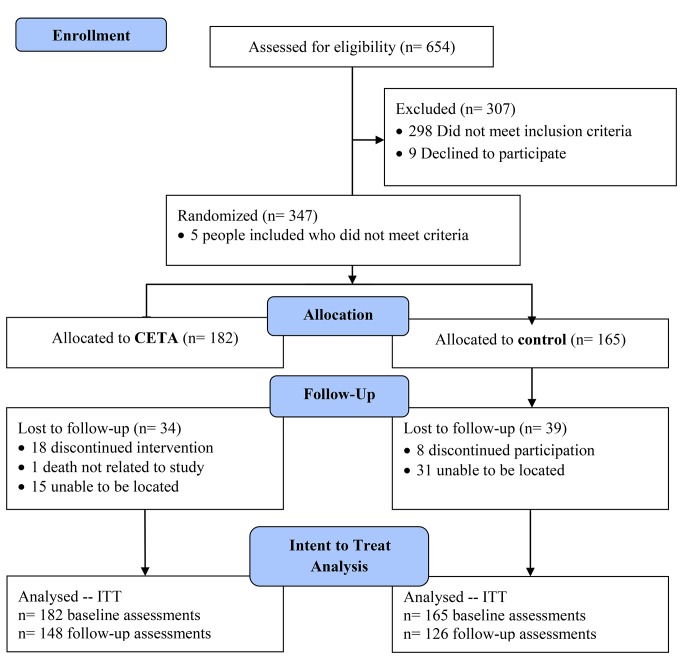
“Trauma-affected people from Myanmar who met severity criteria for depression and/or PTS were randomly assigned to receive treatment (n = 182) or to a wait-list control condition (n = 165) (Bolton et al. 2014).”
BackgroundMethodSelf-citationFalahat, K., Eftekhari, M. B., Dejman, M., Forouzan, A. S., Mahmoodi, Z., Padyab, M., & Tavassoli, S. (2022) · Brain and Behavior · doi:10.1002/brb3.2551 · Cited by 18
“The increasing number of studies regarding CBTs suggests that this type of treatment is transferable, adaptable, acceptable, and effective (Bolton et al., 2014;Murray et al., 2014;Weiss et al., 2015).”
BackgroundNg, L. C., Serba, E. G., Dubale, B. W., Fekadu, A., & Hanlon, C. (2021) · Pilot and Feasibility Studies · doi:10.1186/s40814-021-00883-3 · Cited by 24
Lakin, D. P., García-Moreno, C., & Roesch, E. (2022) · International Journal of Environmental Research and Public Health · doi:10.3390/ijerph19052916 · Cited by 18
“• Multiple successful trials for common mental health problems across several humanitarian and low-income contexts, including refugees, conflict-exposed populations, and other high-risk and vulnerable groups in Sub-Saharan Africa, Eastern Europe, South East Asia, South America, and the Middle East [32,37].”
BackgroundKaysen, D. L., van Stolk‐Cooke, K., Kaminer, D., Greene, M. C., López‐Castro, T., & Kane, J. C. (2022) · Cambridge Prisms Global Mental Health · doi:10.1017/gmh.2022.63 · Cited by 21
“…six LMIC-based randomized-controlled trials (RCTs) of CETA, the treatment has demonstrated robust evidence for treating PTSD among trauma-affected populations (Bolton et al., 2014; Weiss et al., 2015; Bonilla-Escobar et al., 2018; Murray et al., 2020; Bogdanov et al., 2021; Kane et al., 2022).”
BackgroundMolendijk, M. L., Baart, C., Schaffeld, J., Akçakaya, Z., Rönnau, C., Kooistra, M. J., de Kleine, R. A., Strater, C., & Mooshammer, L. (2024) · Clinical Psychology & Psychotherapy · doi:10.1002/cpp.3042 · Cited by 28
Kazdin, A. E. (2018) · Perspectives on Psychological Science · doi:10.1177/1745691618767880 · Cited by 19
“…administering psychological treatments to patients with significant mental disorders as are mental-health professionals (e.g., Balaji et al., 2012; Bolton et al., 2014; Kilpela et al., 2014; Nadkarni et al., 2017; Patel et al., 2016; Rahman et al., 2016; Rahman, Malik, Sikander, Roberts, &…”
MethodCarroll, D., Wulan, N. R., Swe, Z. Y., Myint, A. A., Sanda, S., Lwin, A. M., Oo, T., Khaing, L. L., San, C. C., Tun, W. P. P., et al. (2021) · Asian Journal of Psychiatry · doi:10.1016/j.ajp.2021.102650 · Cited by 22
Forced Migration in Southeast Asia
Stange, G., Sakdapolrak, P., Sasiwongsaroj, K., & Kourek, M. (2019) · Advances in Southeast Asian Studies · doi:10.14764/10.aseas-0024 · Cited by 16
“), Global Implications of Development, Disasters and Climate Change: Responses to Displacement from Asia-Pacific (pp. 159-173). London, New York: Routledge. McCleary, J., & Wieling, E. (2017). Forced displacement and alcohol use in two karen refugee communities: A comparative qualitative study.”
BackgroundInfluentialBrockie, T., Haroz, E. E., Nelson, K. E., Cwik, M. F., Decker, E., Ricker, A., Littlepage, S., Mayhew, J., Wilson, D. H., Wetsit, L., et al. (2021) · BMC Public Health · doi:10.1186/s12889-021-12272-9 · Cited by 19
Self-citationMurray, S. M., Skavenski, S. V. W., Metz, K. L., Munthali, S., Mwenge, M., Kane, J. C., Alto, M. E., Venturo‐Conerly, K. E., Wasil, A. R., Fine, S. L., et al. (2020) · Social Science & Medicine · doi:10.1016/j.socscimed.2020.113458 · Cited by 19
Self-citationNaal, H., Mendelsohn, R., Brome, D., Noubani, A., Nabulsi, D., Muhieddine, D., & Saleh, S. S. (2021) · Human Resources for Health · doi:10.1186/s12960-021-00585-0 · Cited by 20
Facing Violence – A Global Challenge
Wenzel, T., Kienzler, H., & Wollmann, A. (2015) · Psychiatric Clinics of North America · doi:10.1016/j.psc.2015.05.008 · Cited by 19
Rabbani, F., Zahidie, A., Siddiqui, A., Shah, S., Merali, Z., Saeed, K., & Afifi, M. (2024) · Eastern Mediterranean Health Journal · doi:10.26719/2024.30.5.369 · Cited by 27
Silove, D. M., Mohsin, M., Tay, A. K., Steel, Z., Tam, N., Savio, E., Costa, Z. M. D., & Rees, S. J. (2017) · Social Psychiatry and Psychiatric Epidemiology · doi:10.1007/s00127-017-1428-3 · Cited by 15
“Functional impairment was assessed using a communityderived index [64, 65], developed on the basis of qualitative data gathered from key informant interviews and two focus groups.”
MethodPeterson, R. S., Darnell, D. A., Berliner, L., Dorsey, S., Murray, L. K., & Monroe‐DeVita, M. (2018) · The Journal of Behavioral Health Services & Research · doi:10.1007/s11414-018-9631-x · Cited by 16
Self-citationhAnrachtaigh, É. Ó., Brown, G. P., Beck, A. F., Conway, R., Jones, H. G., & Angelakis, I. (2024) · Depression and Anxiety · doi:10.1155/2024/5037662 · Cited by 17
Lies, J., Jones, L. E., & Ho, R. (2019) · BJPsych Advances · doi:10.1192/bja.2019.7 · Cited by 16
Co‐occurring chronic pain and primary psychological disorders in adolescents: A scoping review
Bateman, S., Caes, L., Eccleston, C., Noel, M. E., & Jordan, A. L. (2023) · Paediatric and Neonatal Pain · doi:10.1002/pne2.12107 · Cited by 18
“To conclude, both articles investigated the domain of social functioning and reported no significant differences between adolescents who experienced chronic pain and co-occurring primary psychological disorders and those adolescents who experienced chronic pain alone.”
BackgroundKane, J. C., Sharma, A., Murray, L. K., Chander, G., Kanguya, T., Lasater, M. E., Skavenski, S., Paul, R., Mayeya, J., Kmett Danielson, C., et al. (2020) · Addictive Behaviors Reports · doi:10.1016/j.abrep.2020.100278 · Cited by 13
“Randomized controlled trials in Iraq and Thailand demonstrated effectiveness for a range of mental health problems (Bolton et al., 2014; Weiss et al., 2015).”
BackgroundSelf-citationKnefel, M., Kantor, V., Weindl, D., Schieß-Jokanovic, J., Nicholson, A. A., Verginer, L., Schäfer, I., & Lueger‐Schuster, B. (2022) · European Journal of Psychotraumatology · doi:10.1080/20008198.2022.2068913 · Cited by 12
“In recent years, a few transdiagnostic treatment programmes aiming to reduce distress in refugees have been evaluated (Bolton et al., 2014; Dawson et al., 2015; Koch, Ehring, & Liedl, 2020; Tay et al., 2020; Van Heemstra, Scholte, Haagen, & Boelen, 2019).”
BackgroundBosqui, T. J., McEwen, F. S., Chehade, N., Moghames, P., Skavenski, S. V. W., Murray, L. K., Karam, E. G., Weierstall‐Pust, R., & Pluess, M. (2023) · Child Abuse & Neglect · doi:10.1016/j.chiabu.2023.106388 · Cited by 15
Self-citationUsing Layperson-Delivered Cognitive-Behavioral Therapy to Address Mental Health Disparities
Winiarski, D. A., Rufa, A. K., & Karnik, N. S. (2019) · Psychiatric Annals · doi:10.3928/00485713-20190711-02 · Cited by 12
Rawlinson, R., Aslam, R. W., Burnside, G., Chiumento, A., Eriksson-Lee, M., Humphreys, A., Khan, N., Lawrence, D., Mahzir, I., McCluskey, R., et al. (2020) · Trials · doi:10.1186/s13063-020-04310-5 · Cited by 15
Greene, M. C., Kane, J., Alto, M., Giusto, A., Lovero, K., Stockton, M., McClendon, J., Nicholson, T., Wainberg, M. L., Johnson, R. M., et al. (2023) · Cochrane Database of Systematic Reviews · doi:10.1002/14651858.cd013350.pub2 · Cited by 11
McEwen, F. S., Khatib, H. E., Hadfield, K., Pluess, K., Chehade, N., Bosqui, T. J., Skavenski, S. V. W., Murray, L. K., Weierstall‐Pust, R., Karam, E. G., et al. (2024) · Conflict and Health · doi:10.1186/s13031-023-00565-2 · Cited by 11
Self-citationDaniel, N., Liu, X., Thomas, E. T., Eraneva-Dibb, E., Ahmad, A.-M., & Heneghan, C. J. (2024) · European Journal of Psychotraumatology · doi:10.1080/20008066.2024.2389702 · Cited by 18
Smith, H., Topp, S. M., Hoffmann, C. J., Ndlovu, T., Charalambous, S., Murray, L. K., Kane, J. C., Sikazwe, I. T., Muyoyeta, M., & Herce, M. E. (2020) · Current HIV/AIDS Reports · doi:10.1007/s11904-020-00518-x · Cited by 14
Self-citationImpacts of violence on the mental health of Afro-descendant survivors in Colombia
Bonilla-Escobar, F. J., Osorio-Cuéllar, G. V., Pacichana-Quinayáz, S. G., Rangel-Gómez, A. N., Gomes-Pereira, L. D., Losada, A. F., & Gutiérrez, M. I. (2021) · Medicine Conflict & Survival · doi:10.1080/13623699.2021.1938035 · Cited by 15
“they have been identified in the literature as confounders of mental health status (Bolton et al. 2014; Bonilla-Escobar et al. 2018).”
BackgroundMunthali, S., Figge, C. J., Metz, K. L., Kane, J. C., Skavenski, S. V. W., Mwenge, M., Kohrt, B. A., Pedersen, G. A., Sikazwe, I. T., & Murray, L. K. (2022) · Frontiers in Public Health · doi:10.3389/fpubh.2022.906509 · Cited by 13
Self-citationCastro-Camacho, L., Moreno-Villamizar, J. D., & Naismith, I. (2018) · Cognitive and Behavioral Practice · doi:10.1016/j.cbpra.2018.09.002 · Cited by 17
From delivery science to discovery science: realising the full potential of global mental health
Patel, V. (2016) · Epidemiology and Psychiatric Sciences · doi:10.1017/s2045796016000263 · Cited by 13
“A recent series of trials of trans-diagnostic psychological treatments for people affected by conflict in Thailand and Iraq based on common elements of psychotherapy is an example of how innovations delivered in very resource-poor settings are helping us redesign psychological treatments for all (Bolton et al. 2014; W…”
Treating Forcibly Displaced Young People: Global Challenges in Mental Healthcare
Reed, R. V., Tyrer, R. A., & Fazel, M. S. (2016) · Springer eBooks · doi:10.1007/978-3-319-24693-2_8 · Cited by 9
Fragkiadaki, E., Ghafoori, B., Triliva, S., & Sfakianaki, R. (2019) · Journal of Aggression Maltreatment & Trauma · doi:10.1080/10926771.2019.1662866 · Cited by 11
“…the redistribution or transfer of tasks from specialists to individuals with abbreviated training (World Health Organization [WHO], 2008) has been found to demonstrate some success with respect to meeting mental healthcare needs in resource poor settings (Bolton et al., 2014; Neuner et al., 2008).”
BackgroundImproving and sustaining livelihoods through group-based interventions: mapping the evidence
(3ie), I. I. F. I. E., Barooah, B., Chinoy, S. L., 3ie, Dubey, P., 3ie, Sarkar, R., 3ie, Bagai, A., 3ie, et al. (2019) · doi:10.23846/egm013 · Cited by 17
Fabian, K. E., Muanido, A., Cumbe, V., Mukunta, C., Manaca, N., Dorsey, S., Hammett, W. H., & Wagenaar, B. H. (2021) · JAIDS Journal of Acquired Immune Deficiency Syndromes · doi:10.1097/qai.0000000000002863 · Cited by 12
Self-citationNagoshi, J. L., Nagoshi, C. T., Small, E., Okumu, M., Marsiglia, F. F., Dustman, P. A., & Than, K.-C. (2018) · Journal of the Society for Social Work and Research · doi:10.1086/701518 · Cited by 10
“One example is a community-based randomized controlled trial that was delivered by lay workers to Burmese survivors of imprisonment, torture, and related traumas in Thailand (Bolton et al., 2014).”
BackgroundAlto, M. E., & Petrenko, C. L. M. (2016) · Evaluation and Program Planning · doi:10.1016/j.evalprogplan.2016.11.003 · Cited by 16
Alcohol and Drug Misuse Interventions in Conflict-Affected Populations
Greene, M. C., Kane, J. C., Krawczyk, N., Brown, F. L., Murray, L. K., Khoshnood, K., & Tol, W. A. (2018) · Springer eBooks · doi:10.1007/978-3-319-97046-2_11 · Cited by 10
Self-citationFine, S. L., Kane, J. C., Murray, S. M., Skavenski, S. V. W., Paul, R., & Murray, L. K. (2021) · Drug and Alcohol Dependence · doi:10.1016/j.drugalcdep.2021.108995 · Cited by 13
“Given that CETA has been established as an evidence-based treatment for depression in other LMICs and was originally designed as a transdiagnostic strategy for targeting comorbid conditions, it follows that those with greater depressive symptoms would experience additional benefits from this approach (Bolton et al., 2…”
BackgroundSelf-citationHammett, W. H., Muanido, A., Cumbe, V., Mukunta, C., Manaca, N., Hicks, L., Dorsey, S., Fabian, K. E., & Wagenaar, B. H. (2022) · AIDS Care · doi:10.1080/09540121.2022.2039356 · Cited by 8
“CETA includes flexibility to address specific co-morbid CMDs and the intervention has been successful in reducing the symptoms and disability associated with CMDs in several LMICs, including Iraq (Weiss et al., 2015) and Thailand (Bolton et al., 2014).”
BackgroundMethodSelf-citationPluess, M., McEwen, F. S., Biazoli, C. E., Chehade, N., Bosqui, T. J., Skavenski, S. V. W., Murray, L. K., Weierstall‐Pust, R., Bolton, P. A., & Karam, E. G. (2024) · Conflict and Health · doi:10.1186/s13031-024-00616-2 · Cited by 8
Self-citationSubstance Use Among Refugee and Conflict-Affected Children and Adolescents
Greene, M. C., & Kane, J. C. (2020) · Springer eBooks · doi:10.1007/978-3-030-45278-0_11 · Cited by 8
Lee, C., Schojan, M., Myo, K., Doe, G. H., San, L. H., & Bass, J. (2022) · Frontiers in Public Health · doi:10.3389/fpubh.2022.854490 · Cited by 8
“During this time, JHU has provided training and technical support for five local partner organizations to implement an evidence-based mental health and psychosocial support intervention system, Common Elements Treatment Approach (CETA) (8, 9).”
BackgroundMethodSelf-citationPsychiatric comorbidity and psychosocial stressors among people initiating HIV care in Cameroon
Parcesepe, A. M., Filiatreau, L. M., Ebasone, P. V., Dzudié, A., Pence, B. W., Wainberg, M. L., Yotebieng, M., Anastos, K., Pefura-Yone, E. W., Nsame, D., et al. (2022) · PLoS ONE · doi:10.1371/journal.pone.0270042 · Cited by 13
Transdiagnostic therapeutic approaches: A global perspective
Murray, L. K., Metz, K. L., & Callaway, K. L. (2019) · Elsevier eBooks · doi:10.1016/b978-0-12-814932-4.00002-1 · Cited by 9
Self-citationLakin, D. P., Win, K. S., Aung, H., Soe, K. N. C., Kyi, B., Marcell, A. V., Tol, W. A., & Bass, J. K. (2021) · BMC Public Health · doi:10.1186/s12889-021-10249-2 · Cited by 7
Self-citationKumar, M., Verdeli, H., Saxena, S., Petersen, I., Huang, K., Othieno, C. J., Grote, N. K., Law, R., Unützer, J., & McKay, M. M. (2022) · Clinical Medicine Insights Psychiatry · doi:10.1177/11795573221075573 · Cited by 11
Figge, C. J., Kane, J. C., Skavenski, S. V. W., Haroz, E. E., Mwenge, M., Munthali, S., Aldridge, L. R., Vinikoor, M. J., Sharma, A., Inoue, S., et al. (2022) · Trials · doi:10.1186/s13063-022-06319-4 · Cited by 9
Self-citationHook, K., Kozishkurt, J., Kovalchuk, O., Goncharenko, E., Kodovbetskyi, V., Opanasenko, M., Kopytko, A., Girnyk, A., Kliuzko, K., Drainoni, M., et al. (2021) · BMC Research Notes · doi:10.1186/s13104-021-05786-3 · Cited by 7
Than, M. W., Zaw, N. T., Minn, K., Saw, Y. M., Kiriya, J., Jimba, M., Win, H. H., & Shibanuma, A. (2021) · PLoS ONE · doi:10.1371/journal.pone.0248807 · Cited by 8
“The same cut-off point (1.75) was applied to predict depressive symptoms among Myanmar refugees and people living with HIV in Cambodia [30,32,43].”
BackgroundMethodInfluentialSchäfer, I., Hiller, P., Milin, S., & Lotzin, A. (2022) · Trials · doi:10.1186/s13063-022-06761-4 · Cited by 8
“Another RCT examined the effects of the “Common Elements Treatment Approach (CETA),” a transdiagnostic treatment for comorbid disorders in refugees in Thailand [5].”
BackgroundMichelson, D., & Patel, V. (2017) · Journal of Child Psychology and Psychiatry · doi:10.1111/jcpp.12714 · Cited by 9
Bonilla-Escobar, F. J., Losada, A. F., Martínez-Buitrago, D. M., Santaella-Tenorio, J., Escobar-Roldán, I. D., Tobón-García, D., Muñoz-Morales, E. J., Babcock, L., Duarte-Davidson, E., Murray, L. K., et al. (2023) · Medicine Conflict & Survival · doi:10.1080/13623699.2023.2177951 · Cited by 7
“Group interpersonal psychotherapy was effective only for depression symptoms among adolescent girls but not in boys (Bolton et al. 2007).”
MethodSelf-citationScaling up and implementing psychotherapies in low-resource settings
Bass, J., & Hamdani, S. U. (2019) · Elsevier eBooks · doi:10.1016/b978-0-12-814932-4.00004-5 · Cited by 5
Self-citationA qualitative study of mental health problems among children living in New Delhi slums
Martin, P., Haroz, E. E., Lee, C., Bolton, P. A., Martin, K., Meza, R. D., McCarthy, E., & Dorsey, S. (2024) · Transcultural Psychiatry · doi:10.1177/13634615231202098 · Cited by 6
“…interventions that have been adapted and successfully delivered in LMICs include the Common Elements Treatment Approach (CETA; Bolton et al., 2014; Murray et al., 2014, 2018; Weiss et al., 2015) and Problem Management Plus (PM + ; Dawson et al., 2015; Rahman et al., 2016; Sijbrandij et al., 2016).”
MethodSelf-citationTay, A. K., Mohsin, M., Foo, C. Y. S., Rees, S. J., & Silove, D. M. (2022) · Psychological Medicine · doi:10.1017/s0033291722003245 · Cited by 7
Low Intensity Interventions for Psychological Symptoms Following Mass Trauma
Dawson, K. S., & Rahman, A. (2018) · Springer eBooks · doi:10.1007/978-3-319-97046-2_17 · Cited by 8
Shelter From the Storm: Psychiatric Diagnosis and Treatment of the Refugee Patient
Rothe, E. M., Pumariega, A. J., Mihajlovic, A., May, C., Ruiz, P., & Perras, N. (2019) · Addictive Disorders & Their Treatment · doi:10.1097/adt.0000000000000164 · Cited by 7
Ventevogel, P., Pereira, X., Verghis, S., & Silove, D. M. (2019) · Oxford University Press eBooks · doi:10.1093/oso/9780198814733.003.0006 · Cited by 7
Campo, A. R., Pacichana-Quinayáz, S. G., Bonilla-Escobar, F. J., Leiva, L. M., Sánchez, M. A. T., Hernández-Orobio, O. M., Hoyos, G. P. A., & Mujanović, A. (2022) · JMIR Research Protocols · doi:10.2196/37255 · Cited by 7
Psychological interventions for refugees with depression: a systematic literature review
Uhr, C., Pawils, S., Morina, N., Alkailani, H., & Metzner, F. (2025) · BMC Psychiatry · doi:10.1186/s12888-024-06447-y · Cited by 10
Dorsey, S., Akiba, C. F., Triplett, N. S., Lucid, L., Carroll, H. A., Benjamin, K. S., Itemba, D., Wasonga, A. I., Manongi, R. N., Martin, P., et al. (2022) · Implementation Research and Practice · doi:10.1177/26334895221109963 · Cited by 6
“…with healthcare system gaps and human resource limitations, research has focused on adapting (Kaysen et al., 2013; Verdeli et al., 2003) and testing evidence-based treatments (EBTs) with delivery by lay providers (Bolton et al., 2014; Guest et al., 2006; Murray et al., 2015; Rahman et al., 2008).”
BackgroundSelf-citationVentevogel, P., & Whitney, C. (2022) · Essential clinical social work series · doi:10.1007/978-3-031-12600-0_13 · Cited by 13
Pascoe, S. J. S., Fox, M. P., Kane, J. C., Mngadi-Ncube, S., Manganye, P., Long, L. C., Metz, K. L., Allen, T., Sardana, S. M., Greener, R., et al. (2022) · BMJ Open · doi:10.1136/bmjopen-2022-065848 · Cited by 5
Self-citationKantor, V., Weindl, D., Schieß-Jokanovic, J., Verginer, L., Lueger‐Schuster, B., & Knefel, M. (2023) · BMC Public Health · doi:10.1186/s12889-023-17076-7 · Cited by 10
“Such approaches have been associated with positive treatment outcomes such as symptom improvement, reduced comorbidities, improved social functioning, client satisfaction and therapeutic alliance, and positive treatment expectations [25–27].”
BackgroundModular CBT for Youth: Principles and Guides
Boustani, M. M., Regan, J., & Stanick, C. (2020) · Neuromethods · doi:10.1007/978-1-0716-0700-8_12 · Cited by 8
An equivalence analysis of provider education in youth mental health care
McGuier, E. A., Rothenberger, S. D., Friedman, A. L., & Kolko, D. J. (2021) · Health Services Research · doi:10.1111/1475-6773.13659 · Cited by 6
O'Neil, M. E., Cheney, T. P., Hsu, F. C., Carlson, K. F., Hart, E. L., Holmes, R. S., Murphy, K. M., Graham, E., Cameron, D. C., Kahler, J., et al. (2020) · doi:10.23970/ahrqepccer235 · Cited by 6
Collier, S. A., Meyen, R., Smith, S. L., Valentin, C., & Eustache, F. E. (2021) · Harvard Review of Psychiatry · doi:10.1097/hrp.0000000000000313 · Cited by 4
“It has been successfully used across cultures(51,52) and may serve as a model for expanding mental health care capacity.(50,52) For example, in a task-sharing training in Haiti with and without apprenticeship supervision, the apprenticeship approachwith supportive supervision demonstrated more positive outcomes than a…”
Method
Metadata
- Authors
- Bolton, P., Lee, C., Haroz, E. E., Murray, L., Dorsey, S., Robinson, C., Ugueto, A. M., & Bass, J.
- Affiliations
- Johns Hopkins University (US)
- University of Washington (US)
- Corresponding author
- Bolton, Paul
- ORCID
- Venue
- PLoS Medicine
- Publisher
- Public Library of Science (PLoS)
- Published
- 2014-11-11
- Volume
- 11
- Issue
- 11
- Pages
- e1001757
- ISSN
- 1549-1277 (ISSN-L)
- 1549-1676
- PMC
- PMC4227644
- OpenAlex
- W2039190068
- Semantic Scholar
- d40e364559c9e722d6b2fb013181427bab75893c
- Cited by
- 319
- References
- 40
- Citations by year
- 2026: 17 · 2025: 13 · 2024: 29 · 2023: 23 · 2022: 57 · 2021: 36 · 2020: 28 · 2019: 37 · 2018: 31 · 2017: 24 · 2016: 14 · 2015: 7 · 2014: 3
- FWCI
- 18.89
- Type
- journal article
- Language
- en
- Open access
- gold
- doi.org
- Locations
- PLoS Medicine (publishedVersion, cc-by)
- Europe PMC (PubMed Central) (publishedVersion, cc-by)
- PubMed Central (publishedVersion, cc-by)
- PubMed (publishedVersion)
- DOAJ (DOAJ: Directory of Open Access Journals) (submittedVersion, cc-by-sa)
- Figshare (submittedVersion, cc-by)
- Funders
- United States Agency for International Development
- University of Washington
- National Institute of Mental Health (T32MH014592)
- Topics
- Social Sciences › Psychology › Clinical Psychology › Migration, Health and Trauma
- Health Sciences › Medicine › Psychiatry and Mental health › Mental Health Treatment and Access
- Social Sciences › Psychology › Clinical Psychology › Posttraumatic Stress Disorder Research
- Keywords
- transdiagnostic psychotherapy, Common Elements Treatment Approach, comorbid mental disorders, trauma survivors, Burmese refugees, post-traumatic stress disorder, depression, resource-limited settings, torture survivors, functional disability, alcohol consumption, aggression, anxiety, treatment flexibility, refugee mental health services
- MeSH terms
- Adolescent, Adult, Aged, Aged, 80 and over, Aggression, Alcoholism, Anxiety, Myanmar, Depression, Depressive Disorder, Humans, Male, Mental Health, Middle Aged, Prisons, Psychotherapy, Refugees, Stress Disorders, Post-Traumatic, Stress, Psychological, Thailand, Torture, Single-Blind Method, Young Adult, Intention to Treat Analysis
About these checks
Registry, retraction, Cites and statistics results are computed, not judged, with one exception: a printed reference that no index lists is read once by a model before it counts as a citation error. Claims are extracted by a model and kept only when their quote appears verbatim in the text; each cited source is then checked, with a model’s help, for whether it says what the claim relies on. Those verdicts can be wrong — read the claim’s quote and the cited source before relying on one.
Statistics and arithmetic are recomputed, not judged.
Confidence bands are shown only for fields calibrated on our annotated test set. None is calibrated yet, so no band is shown.
What counts as a claim ›How we measure confidence ›How we check this ›
Are you an author, or do you see a problem with this page? Request a review
Data sources
Bibliographic data: Semantic Scholar, OpenAlex, Crossref.
Contains information from the Semantic Scholar Academic Graph Datasets, made available under the ODC Attribution License (ODC-BY 1.0).
Semantic Scholar’s data is described in: Kinney, R., et al. (2023). The Semantic Scholar Open Data Platform. arXiv:2301.10140.
