

Ionizing Radiation Changes the Electronic Properties of Melanin and Enhances the Growth of Melanized Fungi
Open accessThe DOI matches its Crossref record; 41 of the 41 references it cites were found in a registry or an index.
Abstract
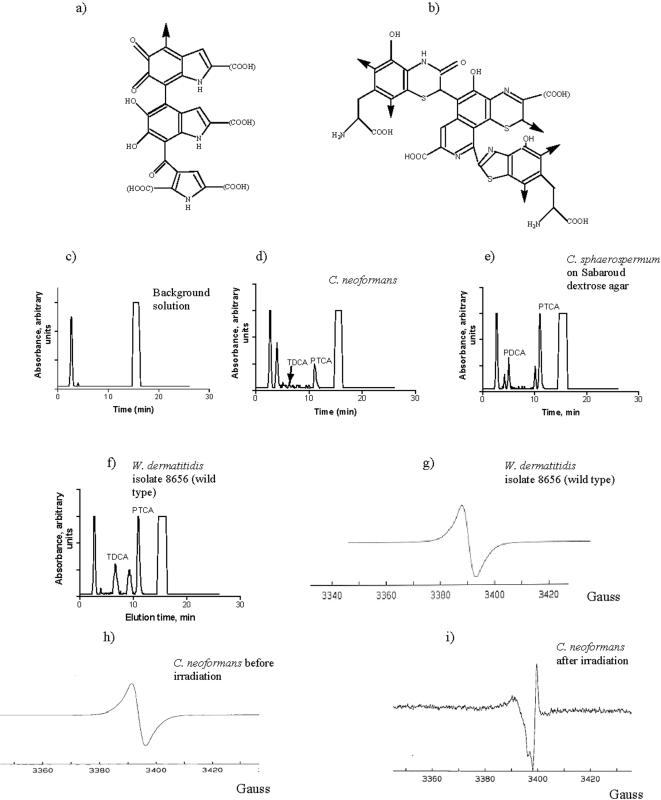
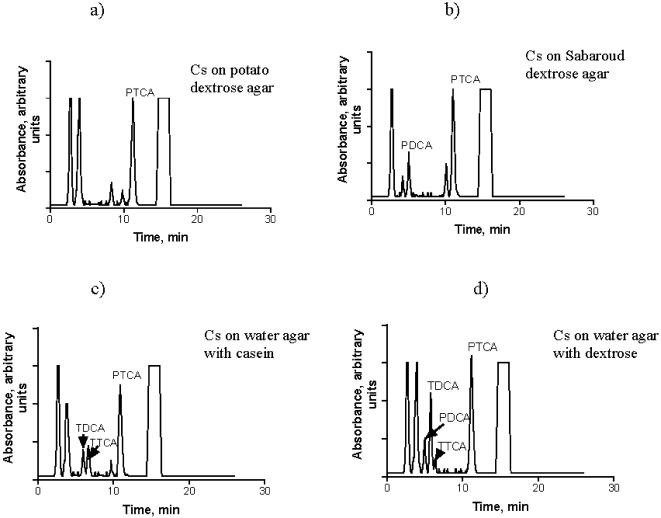
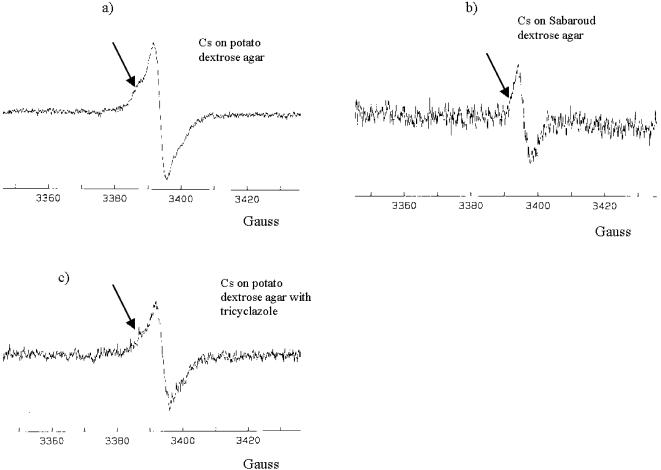
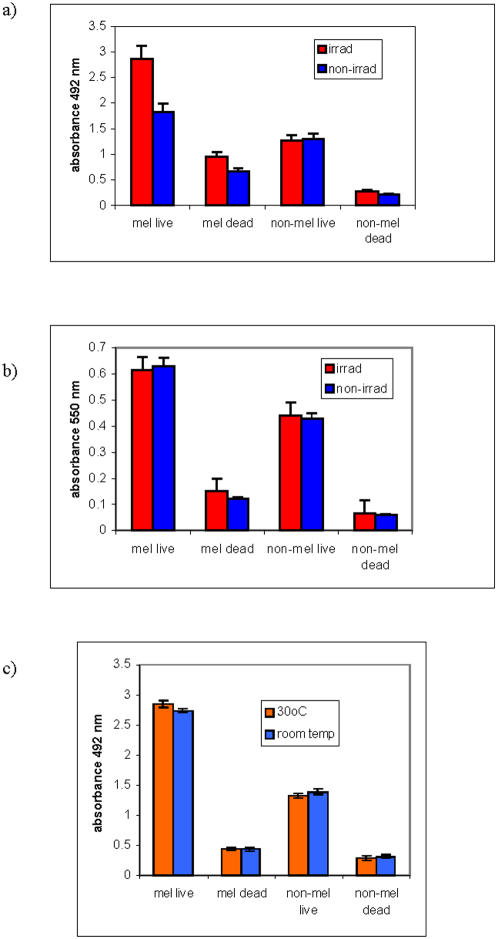
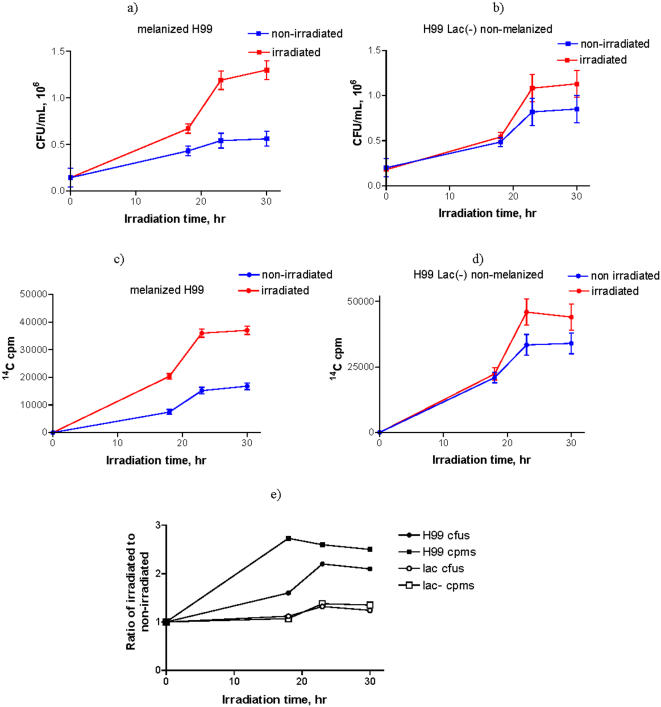
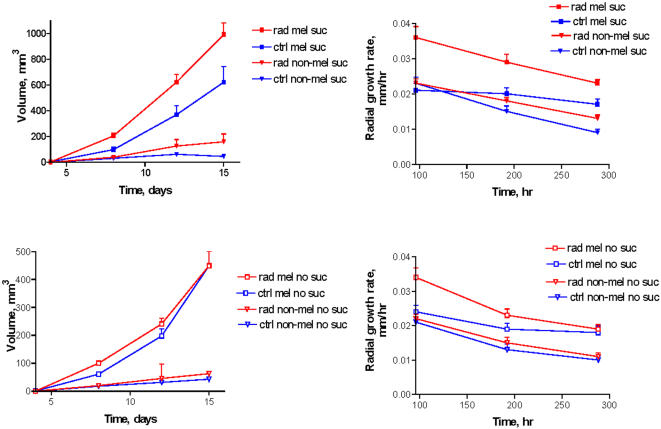
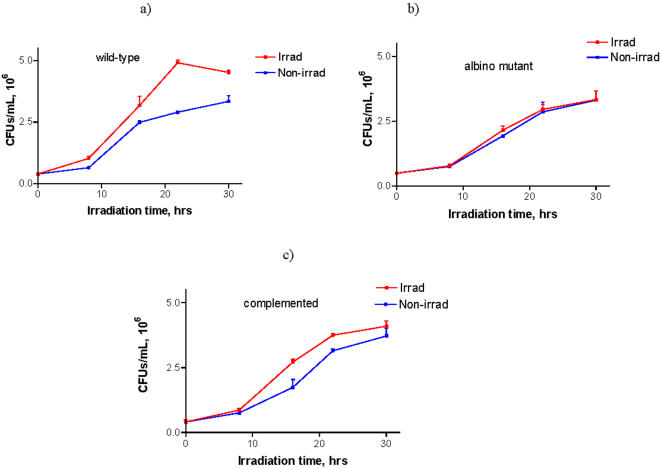
BACKGROUND: Melanin pigments are ubiquitous in nature. Melanized microorganisms are often the dominating species in certain extreme environments, such as soils contaminated with radionuclides, suggesting that the presence of melanin is beneficial in their life cycle. We hypothesized that ionizing radiation could change the electronic properties of melanin and might enhance the growth of melanized microorganisms. METHODOLOGY/PRINCIPAL FINDINGS: Ionizing irradiation changed the electron spin resonance (ESR) signal of melanin, consistent with changes in electronic structure. Irradiated melanin manifested a 4-fold increase in its capacity to reduce NADH relative to non-irradiated melanin. HPLC analysis of melanin from fungi grown on different substrates revealed chemical complexity, dependence of melanin composition on the growth substrate and possible influence of melanin composition on its interaction with ionizing radiation. XTT/MTT assays showed increased metabolic activity of melanized C. neoformans cells relative to non-melanized cells, and exposure to ionizing radiation enhanced the electron-transfer properties of melanin in melanized cells. Melanized Wangiella dermatitidis and Cryptococcus neoformans cells exposed to ionizing radiation approximately 500 times higher than background grew significantly faster as indicated by higher CFUs, more dry weight biomass and 3-fold greater incorporation of (14)C-acetate than non-irradiated melanized cells or irradiated albino mutants. In addition, radiation enhanced the growth of melanized Cladosporium sphaerospermum cells under limited nutrients conditions. CONCLUSIONS/SIGNIFICANCE: Exposure of melanin to ionizing radiation, and possibly other forms of electromagnetic radiation, changes its electronic properties. Melanized fungal cells manifested increased growth relative to non-melanized cells after exposure to ionizing radiation, raising intriguing questions about a potential role for melanin in energy capture and utilization.
Overview
The claims and statistics of this paper haven’t been checked yet.
Free: it reads the open-access text and checks the first 5 claims that cite a source we can check. Create a free account to check every claim.
Integrity signals
Registry
Cites
Statistics
Figures
Verification
Claims the paper makes
The claims and statistics of this paper haven’t been checked yet.
Free: it reads the open-access text and checks the first 5 claims that cite a source we can check. Create a free account to check every claim.
Claims other papers make about this one
Each is checked against this paper’s own text: does it say what the citing paper says it does?
The source backs part of the claim, not all of it — or backs it for a different population, condition or comparison.
In the citing paper
“Melanized W. dermatitidis and C. neoformans cells exposed to ionizing radiation approximately 500 times higher than background grew significantly faster as indicated by higher CFUs, more dry weight biomass and 3-fold greater incorporation of 14C-acetate than non-irradiated melanized cells or irradiated albino mutants.”
From Ionizing radiation: how fungi cope, adapt, and exploit with the help of melanin (2008) · cites this paper as [25]
Experimental — accuracy not yet measuredThe cited source says what the claim attributes to it.
In the citing paper
“Recent data show that melanized fungal species like those from Chernobyl’s reactor respond to ionizing radiation with enhanced growth.”
From Ionizing radiation: how fungi cope, adapt, and exploit with the help of melanin (2008) · cites this paper as [25]
The cited source says what the claim attributes to it.
In the citing paper
“The observations that melanized fungal cells manifested increased growth relative to non-melanized cells after exposure to ionizing radiation raised the intriguing possibility that melanin can function in energy capture and utilization (25).”
From Ionizing radiation: how fungi cope, adapt, and exploit with the help of melanin (2008) · cites this paper as [25]
The cited source says what the claim attributes to it.
In the citing paper
“ionizing irradiation changed the electron spin resonance (ESR) signal of melanin, consistent with changes in electronic structure (25).”
From Ionizing radiation: how fungi cope, adapt, and exploit with the help of melanin (2008) · cites this paper as [25]
The cited source says what the claim attributes to it.
In the citing paper
“Irradiated melanin manifested a 4-fold increase in its capacity to reduce NADH relative to non-irradiated melanin.”
From Ionizing radiation: how fungi cope, adapt, and exploit with the help of melanin (2008) · cites this paper as [25]
2 more claims about this paper
Create a free account to see every claim other papers make about this one.
Self-check
Percentages, sums and reported differences re-computed from the paper’s own numbers.
The self-check needs the paper’s full text.
Citations
Cites
Tetrazolium dyes as tools in cell biology: new insights into their cellular reduction
Berridge, M. V., Herst, P. M., & Tan, A. S. (2005) · Biotechnology Annual Review · doi:10.1016/s1387-2656(05)11004-7 · Cited by 2,222 · cited 1×
“The use of XTT and MTT assays in parallel can help to define the location of the melanin-mediated electron transfer in the cells since positively charged MTT is taken into the cells via the plasma membrane potential and is reduced intracellularly; while the negatively charged XTT is largely cell-impermeable and its re…”
MethodAGTR2 Mutations in X-Linked Mental Retardation
Vervoort, V. S., Beachem, M. A., Edwards, P. S., Ladd, S., Miller, K. E., de Mollerat, X., Clarkson, K., DuPont, B., Schwartz, C. E., Stevenson, R. E., et al. (2002) · Science · doi:10.1126/science.1072191 · Cited by 721
Thermotolerance Generated by Plant/Fungal Symbiosis
Redman, R. S., Sheehan, K. B., Stout, R. G., Rodriguez, R. J., & Henson, J. M. (2002) · Science · doi:10.1126/science.1078055 · Cited by 707 · cited 1×
“A symbiotic association of plants and a melanotic fungus that allows for extreme thermotolerance has been attributed to heat dissipating properties of melanin [15].”
BackgroundThe contribution of melanin to microbial pathogenesis: Melanin and microbial pathogenesis
Nosanchuk, J. D., & Casadevall, A. (2003) · Cellular Microbiology · doi:10.1046/j.1462-5814.2003.00268.x · Cited by 650
Self-citation(2014) · Nuclear Medicine · doi:10.1016/b978-0-323-08299-0.00003-1 · Cited by 578
Pathogenic roles for fungal melanins
Jacobson, E. S. (2000) · Clinical Microbiology Reviews · doi:10.1128/cmr.13.4.708 · Cited by 574 · cited 1×
“Many fungi constitutively synthesize melanin [2], which is likely to confer a survival advantage in the environment [3] by protecting against UV and solar radiation [reviewed in 4].”
BackgroundCold adaptation in Arctic and Antarctic fungi
Robinson, C. H. (2001) · New Phytologist · doi:10.1046/j.1469-8137.2001.00177.x · Cited by 520 · cited 3×
“Melanotic fungi inhabit the extraordinarly harsh climate of Antarctica [5].”
BackgroundInfluentialSteenbergen, J. N., Shuman, H. A., & Casadevall, A. (2001) · Proceedings of the National Academy of Sciences · doi:10.1073/pnas.261418798 · Cited by 511 · cited 1×
“Many fungi constitutively synthesize melanin [2], which is likely to confer a survival advantage in the environment [3] by protecting against UV and solar radiation [reviewed in 4].”
BackgroundSelf-citationLong-Term Sustainability of a High-Energy, Low-Diversity Crustal Biome
Lin, L.-H., Wang, P.-L., Rumble, D., Lippmann-Pipke, J., Boice, E., Pratt, L. M., Lollar, B. S., Brodie, E. L., Hazen, T. C., Andersen, G. L., et al. (2006) · Science · doi:10.1126/science.1127376 · Cited by 414 · cited 1×
“while some microorganisms living in mines exploit energy from radiolysis of water”
BackgroundIto, S., & Fujita, K. (1985) · Analytical Biochemistry · doi:10.1016/0003-2697(85)90150-2 · Cited by 386 · cited 6×
“In contrast, pheomelanin is a reddish-brown pigment composed of benzothiazine monomer units with 8–11% nitrogen and 9–12% sulfur [18,19] (Fig.”
BackgroundInfluential
Research works printed but not linked: 1
- RA Nicolaus, 1968, Melanins., Hermann, Paris.
Cited by
Items 201–300 of 463
Carr, E., Barton, Q., Grambo, S., Sullivan, M., Renfro, C. M., Kuo, A., Pangilinan, J. L., Lipzen, A., Keymanesh, K., Savage, E., et al. (2023) · G3 Genes Genomes Genetics · doi:10.1093/g3journal/jkad110 · Cited by 31
Kothamasi, D., Wannijn, J., Hees, M. V., Nauts, R., Gompel, A. V., Vanhoudt, N., & Vandenhove, H. (2018) · Journal of Environmental Radioactivity · doi:10.1016/j.jenvrad.2018.11.005 · Cited by 23
Entropies and the Anthropocene crisis
Montévil, M. (2021) · AI & Society · doi:10.1007/s00146-021-01221-0 · Cited by 43
Enlisting electrochemistry to reveal melanin's redox-related properties
Kim, E., Wang, Z., Phua, J. W., Bentley, W. E., Dadachova, E., Napolitano, A., & Payne, G. F. (2024) · Materials Advances · doi:10.1039/d3ma01161e · Cited by 24
Self-citationPhotoprotective compounds and radioresistance in pigmented and non-pigmented yeasts
Kreusch, M., & Duarte, R. T. D. (2021) · Applied Microbiology and Biotechnology · doi:10.1007/s00253-021-11271-5 · Cited by 23
“Dadachova et al. (2007) observed that non-pigmented C. neoformans (ATCC 24067) cells grew faster than melanized cells.”
BackgroundLight Management Lessons from Nature for Building Applications
Badarnah, L. (2016) · Procedia Engineering · doi:10.1016/j.proeng.2016.04.049 · Cited by 27
Markovskaja, S., Kačergius, A., Davydenko, K., & Fraser, S. (2016) · Forest Pathology · doi:10.1111/efp.12308 · Cited by 22
Copper overload in Paracoccidioides lutzii results in the accumulation of ergosterol and melanin
Portis, I. G., Lima, P. D. S., Paes, R. A., Oliveira, L. N., Pereira, C. A., Parente-Rocha, J. A., Pereira, M., Nosanchuk, J. D., & Soares, C. M. D. A. (2020) · Microbiological Research · doi:10.1016/j.micres.2020.126524 · Cited by 23
Self-citationBiological growth as an alternative approach to on and off-Earth construction
Lipińska, M. B., Maurer, C., Cadogan, D. P., Head, J. W., III, Dade‐Robertson, M., Paulino‐Lima, I. G., Liu, C., Morrow, R., Senesky, D. G., Theodoridou, M., et al. (2022) · Frontiers in Built Environment · doi:10.3389/fbuil.2022.965145 · Cited by 32
“, 2015) and are able to shield from the radiation, twice as effective as charcoal (Dadachova et al., 2007).”
BackgroundInfluentialAmetrano, C. G., Selbmann, L., & Muggia, L. (2017) · Symbiosis · doi:10.1007/s13199-017-0479-2 · Cited by 21
“…that certain taxa can use aerial CO2 as a carbon source (Palmer and Friedman 1988) and are able to generate a transmembrane proton gradient exploiting solar radiation (Waschuk et al. 2005) or rely on ionizing radiation to generate metabolic energy (Dadachova et al. 2007; Pacelli et al. 2017).”
BackgroundExtremotolerant Black Fungi from Rocks and Lichens
Ametrano, C. G., Muggia, L., & Grube, M. (2019) · Springer eBooks · doi:10.1007/978-3-030-19030-9_7 · Cited by 24
Coleine, C., Gevi, F., Fanelli, G., Onofri, S., Timperio, A. M., & Selbmann, L. (2020) · PLoS ONE · doi:10.1371/journal.pone.0233805 · Cited by 24
Transcriptomic and genomic changes associated with radioadaptation in Exophiala dermatitidis
Malo, M. E., Schultzhaus, Z. S., Frank, C., Romsdahl, J., Wang, Z., & Dadachova, E. (2020) · Computational and Structural Biotechnology Journal · doi:10.1016/j.csbj.2020.12.013 · Cited by 23
“dermatitidis, and Cryomyces antarcticus, display enhanced growth and improved survival when exposed to ionizing radiation when compared to their non-melanized counterparts [29,30,27,36,11].”
BackgroundSelf-citationBlack Fungi and Hydrocarbons: An Environmental Survey for Alkylbenzene Assimilation
Baron, N. C., Pagnocca, F. C., Otsuka, A. D. A., Prenafeta-Boldú, F. X., Vicente, V. A., & Attili‐Angelis, D. (2021) · Microorganisms · doi:10.3390/microorganisms9051008 · Cited by 24
“[108], working with fungi isolated from Chernobyl nuclear reactors, reported that they seemed to use their melanin to convert gamma radiation into chemical energy for their development.”
BackgroundShunk, G. K., Gómez, X., Kern, C. A., & Averesch, N. J. H. (2020) · bioRxiv (Cold Spring Harbor Laboratory) · doi:10.1101/2020.07.16.205534 · Cited by 31
“sphaerospermum is potentially a metabolic response to the strong radiation environment of the ISS, as is consistent with observations of melanized fungi in other ionizing environments [28, 29].”
BackgroundParia, K., Paul, D., Chowdhury, T., Pyne, S., Chakraborty, R., & Mandal, S. M. (2020) · Translational Medicine Communications · doi:10.1186/s41231-020-00073-y · Cited by 22
Morris, H., Smith, K. T., Robinson, S. C., Göttelmann, M., Fink, S., & Schwarze, F. W. M. R. (2021) · Materials & Design · doi:10.1016/j.matdes.2021.109480 · Cited by 25
“Melanin confers protection from UV exposure as well as environmental extremes in pH, temperature, salinity and radioactivity [15,71].”
GRAS Fungi: A New Horizon in Safer Food Product
Singh, N., & Gaur, S. (2021) · Fungal Biology · doi:10.1007/978-3-030-64406-2_3 · Cited by 23
Upadhyay, S., Xu, X., & Lin, X. (2016) · mBio · doi:10.1128/mbio.01925-16 · Cited by 22
Niches and Adaptations of Polyextremotolerant Black Fungi
Grube, M., Muggia, L., & Gostinčar, C. (2013) · Cellular origin, life in extreme habitats and astrobiology · doi:10.1007/978-94-007-6488-0_25 · Cited by 23
Microorganisms and Processes Linked to Uranium Reduction and Immobilization
Green, S. J. (2014) · ASM Press eBooks · doi:10.1128/9781555817190.ch7 · Cited by 21
“…their persistence in the extreme condi tions found in the U(VI)contaminated sub surface including facultative anaerobic growth, resistance to acidic pH, resistance to toxic met als, and spore formation, and in some cases, radiationenhanced growth (Dadachova et al., 2007; Hayatsu et al., 2008).”
BackgroundGonçalves, R. D. C. R., Kitagawa, R. R., Raddi, M. S. G., Carlos, I. Z., & Sponchiado, S. R. P. (2013) · Biological and Pharmaceutical Bulletin · doi:10.1248/bpb.b13-00445 · Cited by 20
Peptidases: promising antifungal targets of the human fungal pathogen, Cryptococcus neoformans
Gutierrez‐Gongora, D., & Geddes‐McAlister, J. (2022) · FACETS · doi:10.1139/facets-2021-0157 · Cited by 28
Melanin protects Cryptococcus neoformans from spaceflight effects
Cordero, R. J. B., Dragotakes, Q., Friello, P. J., & Casadevall, A. (2022) · Environmental Microbiology Reports · doi:10.1111/1758-2229.13078 · Cited by 20
“…note that, in addition to melanin-mediated protection effects from spaceflight conditions, it is also possible that the higher viability in melanized cells could also be related to the energy-harvesting properties of fungal melanin following exposure to ionizing radiation (Dadachova et al., 2007).”
BackgroundSelf-citationGut Microbiomics—A Solution to Unloose the Gordian Knot of Biological Effects of Ionizing Radiation
Zhang, A., & Steen, T. Y. (2017) · Journal of Heredity · doi:10.1093/jhered/esx059 · Cited by 17
Fungal contaminants in water and sand: A new frontier for quantitative microbial risk assessment
Weiskerger, C. J., & Brandão, J. C. (2020) · Current Opinion in Environmental Science & Health · doi:10.1016/j.coesh.2020.03.001 · Cited by 20
Li, Z., Heng, H., Qin, Q., Chen, L., Wang, Y., & Zhou, Z. (2022) · Journal of Zhejiang University SCIENCE B · doi:10.1631/jzus.b2100718 · Cited by 20
“Functionally, melanin contributes to energy transduction (Dadachova et al., 2007) and radiation protection, and can be exploited in edible electronic devices (Kim et al., 2013).”
BackgroundSchultzhaus, Z. S., Chen, A., Kim, S.-W., Shuryak, I., Chang, M., & Wang, Z. (2019) · Environmental Microbiology · doi:10.1111/1462-2920.14550 · Cited by 21
Braghini, R., Sucupira, M. C. A., Rocha, L. D. O., dos Reis, T. A., Aquino, S., & Corrêa, B. (2009) · Food Microbiology · doi:10.1016/j.fm.2009.05.004 · Cited by 18
Photoelectrochemical properties of melaninPreprint
Solis, A., Lara, M., & Rendón, L. (2007) · Nature Precedings · doi:10.1038/npre.2007.1312.1 · Cited by 18
Molecular mechanism of radio-resistance and heavy metal tolerance adaptation in microbes
Kumar, V., Kumari, A., Pandey, M., & Sharma, M. (2021) · Elsevier eBooks · doi:10.1016/b978-0-12-822945-3.00003-8 · Cited by 18
Gutierrez‐Gongora, D., Raouf-Alkadhimi, F., Prosser, R. S., & Geddes‐McAlister, J. (2023) · Scientific Reports · doi:10.1038/s41598-023-32140-3 · Cited by 20
Determination of toxicity and radioprotective properties of bacterial and fungal eumelanin pigments
Bayram, S., Aygün, B., Karadayı, M., Alaylar, B., Güllüce, M., & Karabulut, A. (2023) · International Journal of Radiation Biology · doi:10.1080/09553002.2023.2204957 · Cited by 18
“…microorganisms produce energy by using ionizing radiation and use this energy for metabolic activities (radiosynthesis), but the mechanism of this phenomenon has not been fully elucidated yet (Dadachova et al. 2007; Dadachova and Casadevall 2008; Casadevall et al. 2017; Purkis et al. 2022).”
BackgroundThe response of the melanized yeast Exophiala dermatitidis to gamma radiation exposure
Schultzhaus, Z. S., Romsdahl, J., Chen, A. Y.-C., Tschirhart, T., Kim, S. W., Leary, D. H., & Wang, Z. (2020) · Environmental Microbiology · doi:10.1111/1462-2920.14936 · Cited by 23
Eye color as a risk factor for acquired sensorineural hearing loss: A review
Mujica‐Mota, M. A., Schermbrucker, J., & Daniel, S. J. (2014) · Hearing Research · doi:10.1016/j.heares.2014.12.002 · Cited by 18
Chemosorption of radiometals of interest to nuclear medicine by synthetic melanins
Howell, R. C., Schweitzer, A. D., Casadevall, A., & Dadachova, E. (2008) · Nuclear Medicine and Biology · doi:10.1016/j.nucmedbio.2007.12.006 · Cited by 20
“In the latter scenario, the scattering of ionizing radiation by melanin particles [8,9] which will be given orally as a powder or via hepatic artery as a suspension in case of liver contamination with radionuclides - would be complimented by chemosorption of radionuclides by melanin.”
BackgroundSelf-citationChemiexcitation: Mammalian Photochemistry in the Dark†
Brash, D. E., & Goncalves, L. C. P. (2023) · Photochemistry and Photobiology · doi:10.1111/php.13781 · Cited by 16
“by three C atoms, resembling porphyrin, and there is evidence that melanin can transduce energy (84,106,107).”
BackgroundMelanin: Nature's 4th bioorganic polymer
Motovilov, K. A., & Mostert, A. B. (2024) · Soft Matter · doi:10.1039/d4sm00491d · Cited by 18
Kurian, N. K., Nair, H. P., & Bhat, S. G. (2014) · Cited by 16
Bland, J., Astuto-Gribble, L. M., Hamel, M. C., Wright, J. B., Moormann, G. C., Bachand, M., Wright, G., & Bachand, G. D. (2022) · Scientific Reports · doi:10.1038/s41598-022-16063-z · Cited by 16
Dynamical phase transition of a one-dimensional transport process including death
Dorosz, S., Mukherjee, S., & Platini, T. (2010) · Physical Review E · doi:10.1103/physreve.81.042101 · Cited by 16
Romsdahl, J., Schultzhaus, Z. S., Cuomo, C. A., Dong, H., Abeyratne-Perera, H. K., Hervey, W. J., & Wang, Z. (2021) · Journal of Fungi · doi:10.3390/jof7121078 · Cited by 16
“Isolation and purification of fungal melanin ghosts follows the method described by Dadachova [31].”
MethodEnzymes From Rare Actinobacterial Strains
Suriya, J., Bharathiraja, S., Manivasagan, P., & Kim, S. (2016) · Advances in food and nutrition research · doi:10.1016/bs.afnr.2016.08.002 · Cited by 21
Wu, C., Li, H., Yin, Z., Zhang, H., Gao, M., Zhu, L., & Zhan, X. (2022) · Process Biochemistry · doi:10.1016/j.procbio.2022.07.009 · Cited by 18
Human Physiological Limitations to Long-Term Spaceflight and Living in Space
Winkler, L. H. (2023) · Aerospace Medicine and Human Performance · doi:10.3357/amhp.6190.2023 · Cited by 22
Microscopic Investigation on Fungal Pigment Formation and its Morphology in Wood Substrates
Tudor, D., Robinson, S. C., Krigstin, T. L., & Cooper, P. A. (2014) · The Open Mycology Journal · doi:10.2174/1874437001408010174 · Cited by 15
“Keywords: Fungi, Inonotus hispidus, melanin, spalting, Trametes versicolor, Xylaria polymorpha.”
On the free radical redox chemistry of 5,6-dihydroxyindole
Mostert, A. B. (2021) · Chemical Physics · doi:10.1016/j.chemphys.2021.111158 · Cited by 18
“Melanin has a range of interesting physico-chemical properties including broad-band optical absorption;[19] robustness towards exposure to harmful radiation;[20] almost complete non-radiative conversion of absorbed photon energy;[21] hygroscopic properties;[10] [22] [11] [23] stable free radical”
BackgroundXiao, Y., Bao, F., Xu, X., Yu, K., Wu, B., Gao, Y., & Zhang, J. (2023) · Frontiers in Microbiology · doi:10.3389/fmicb.2023.1249036 · Cited by 18
“This may be related to the ability of Ascomycota to survive in harsh ecological environments and even to convert radiation into metabolic activity (Dadachova et al., 2007).”
BackgroundChapter 9: Life as We Don't Know It
Grefenstette, N. M., Chou, L., Colón‐Santos, S. M., Fisher, T. M., Mierzejewski, V., Nural, C., Sinhadc, P., Vidaurri, M., Vincent, L., & Weng, M. M. (2024) · Astrobiology · doi:10.1089/ast.2021.0103 · Cited by 18
“Currently, this type of metabolic process has only been proposed in melanized fungi living near Chernobyl (Dadachova et al., 2007), where fungal growth and spore germination are enhanced in the direction of radiation (see Chapter 6.3.5).”
InfluentialMostert, A. B., Mattiello, S., Li, S., Perna, G., Lasalvia, M., Ambrico, P. F., Paulin, J. V., Lima, J. V. M., Graeff, C. F. O., Phua, J. W., et al. (2024) · Materials Advances · doi:10.1039/d4ma00825a · Cited by 16
A Review beyond the borders: Proteomics of microclonial black fungi and black yeasts
Marzban, G., Tesei, D., & Sterflinger, K. (2013) · Natural Science · doi:10.4236/ns.2013.55079 · Cited by 18
“Biologically, however, all the components are involved in a machinery, which enable the MCFs to be the most resistant eukaryotic organism on the Earth in an extremely stressful climate like deserts, volcanos or polar environments as well as in radioactive areas [8,9].”
BackgroundMathematical Modeling Predicts Enhanced Growth of X-Ray Irradiated Pigmented Fungi
Shuryak, I., Bryan, R. A., Nosanchuk, J. D., & Dadachova, E. (2014) · PLoS ONE · doi:10.1371/journal.pone.0085561 · Cited by 18
“Interestingly, the observed stimulation of fungal growth by X-rays seems to be independent of the carbon source in the growth medium, as in this study the growth enhancement was observed with acetate as a carbon source while previous observations were made when fungi were grown with sucrose [8].”
ResultSelf-citationLower prevalence but similar fitness in a parasitic fungus at higher radiation levels near Chernobyl
Aguileta, G., Badouin, H., Hood, M. E., Møller, A. P., Prieur, S. L., Snirc, A., Siguenza, S., Mousseau, T. A., Shykoff, J. A., Cuomo, C. A., et al. (2016) · Molecular Ecology · doi:10.1111/mec.13675 · Cited by 16
“radio-resistant species in their level of accumulation of intracellular melanin (Dadachova et al. 2007; Khajo et al. 2011; Tugay et al. 2011).”
BackgroundInfluentialSchroeder, W. L., Harris, S. D., & Saha, R. (2020) · iScience · doi:10.1016/j.isci.2020.100980 · Cited by 18
“105 h-1 (Dadachova et al., 2007); however, since no rate measures were taken in the indicated study, it is difficult to interpret the accuracy of the modeled growth rate of iEde2091.”
BackgroundInfluentialDetection of a pheomelanin-like pigment by EPR spectroscopy in the mycelium of Plenodomus biglobosus
Pukalski, J., Marcol-Rumak, N., Wolan, N., Plonka, P. M., Ryszka, P., Kowalski, T., & Latowski, D. (2020) · Acta Biochimica Polonica · doi:10.18388/abp.2020_5405 · Cited by 15
“, 2006), Cladosporium sphaerospermum (Dadachova et al., 2007) and Cladosporium herbarum (Zdybel et al.”
BackgroundWang, Z. (2006) · Biodiversity Science · doi:10.1360/biodiv.060072 · Cited by 14
Purkis, J. M., Bardos, R. P., Graham, J., & Cundy, A. B. (2022) · Journal of Environmental Management · doi:10.1016/j.jenvman.2022.114620 · Cited by 14
Schultzhaus, Z. S., Chen, A. Y.-C., Shuryak, I., & Wang, Z. (2021) · Frontiers in Microbiology · doi:10.3389/fmicb.2020.609996 · Cited by 15
Dual functions of a 4-hydroxyphenylpyruvate dioxygenase for Vibrio splendidus survival and infection
Liang, W., Zhang, W., Shao, Y., Zhao, X., & Li, C. (2018) · Microbial Pathogenesis · doi:10.1016/j.micpath.2018.04.055 · Cited by 14
Herzigkeit, B., Jurgeleit, R., Flöser, B. M., Meißner, N. E., Engesser, T. A., Näther, C., & Tuczek, F. (2019) · European Journal of Inorganic Chemistry · doi:10.1002/ejic.201900242 · Cited by 14
Class-wide genomic tendency throughout specific extremes in black fungi
Coleine, C., Kurbessoian, T., Calia, G., Delgado‐Baquerizo, M., Cestaro, A., Pindo, M., Armanini, F., Asnicar, F., Isola, D., Segata, N., et al. (2024) · Fungal Diversity · doi:10.1007/s13225-024-00533-y · Cited by 12
Agustinho, D. P., & Nosanchuk, J. D. (2017) · Elsevier eBooks · doi:10.1016/b978-0-12-809633-8.12091-6 · Cited by 16
Self-citationTerranova, M. L., & Tamburri, E. (2021) · Polymer · doi:10.1016/j.polymer.2021.123952 · Cited by 13
10 Evolution of Genes for Secondary Metabolism in Fungi
Teichert, I., & Nowrousian, M. (2011) · Springer eBooks · doi:10.1007/978-3-642-19974-5_10 · Cited by 14
Ionizing radiation and chemical oxidant exposure impacts on Cryptococcus neoformans transfer RNAs
Kelley, M., Paulines, M. J., Yoshida, G., Myers, R., Jora, M., Levoy, J., Addepalli, B., Benoit, J. B., & Limbach, P. A. (2022) · PLoS ONE · doi:10.1371/journal.pone.0266239 · Cited by 13
Gonçalves, R. D. C. R., Kitagawa, R. R., Varanda, E. A., Raddi, M. S. G., Leite, C. A., & Sponchiado, S. R. P. (2015) · Pharmaceutical Biology · doi:10.3109/13880209.2015.1091846 · Cited by 13
“…fungi are more resistant to UV light-induced and oxidant-mediated damage, temperature extremes, hydrolytic enzymes, heavy metal toxicity, and antimicrobial drugs compared with non-melanised fungi (Gómez and Nosanchuk 2003; Dadachova et al. 2007; Singaravelan et al. 2008; Gessler et al. 2014).”
BackgroundFunctional and Structural Characterization of Melanin from Brevibacillus invocatus Strain IBA
Ammanagi, A. I., Shivasharana, C. T., Ramakrishna, K., Badiger, A. S., & Ramaraj, V. (2021) · Doklady Biological Sciences · doi:10.1134/s001249662105001x · Cited by 15
Sakauchi, K., & Otaki, J. M. (2024) · Microorganisms · doi:10.3390/microorganisms12020364 · Cited by 15
Secondary Electrons as an Energy Source for Life
Stelmach, K. B., Neveu, M. F., Vick‐Majors, T. J., Mickol, R. L., Chou, L., Webster, K. D., Tilley, M., Zacchei, F., Escudero, C., Martinez, C. L. F., et al. (2018) · Astrobiology · doi:10.1089/ast.2016.1510 · Cited by 11
“Note that such environments seem to enhance the growth of some fungi as has been shown in Chernobyl, Ukraine (Dadachova et al., 2007; see Section 4).”
Interstellar space biology via Project Starlight
Lantin, S., Mendell, S. E., Akkad, G., Cohen, A. N., Apicella, X., McCoy, E., Beltran-Pardo, E., Waltemathe, M., Srinivasan, P., Joshi, P. M., et al. (2021) · Acta Astronautica · doi:10.1016/j.actaastro.2021.10.009 · Cited by 14
“ulated by the presence of low-dose radiation, with the electron transfer properties of their melanin increasing in radiation’s presence [118, 119].”
BackgroundMelanin and Resistance to Ionizing Radiation in Fungi
Dadachova, E., & Casadevall, A. (2010) · Springer eBooks · doi:10.1007/978-4-431-53898-1_55 · Cited by 12
“The observations that melanized fungal cells manifested increased growth relative to non-melanized cells after exposure to ionizing radiation raised the intriguing possibility that melanin functioned in energy capture, transduction, and utilization (Dadachova et al. 2007).”
BackgroundSelf-citationGlobal Proteomics of the Extremophile Black Fungus Cryomyces antarcticus Using 2D-Electrophoresis
Zakharova, K., Sterflinger, K., Razzazi‐Fazeli, E., Nöbauer, K., & Marzban, G. (2014) · Natural Science · doi:10.4236/ns.2014.612090 · Cited by 19
“All those characteristics make the fungi able to survive diverse stress factors [10]-[12]; they are even known to be survivals of outer space and Mars like environments [13] [14].”
BackgroundA Hybrid Ionic–Electronic Conductor: Melanin, the First Organic Amorphous Semiconductor?
Meredith, P., Tandy, K., & Mostert, A. B. (2013) · Organic Electronics · doi:10.1002/9783527650965.ch04 · Cited by 19
Lu, Y., Fu, Y., Chen, L., Cui, J., Huang, M., Fu, Y., & Liu, H. (2023) · Life Sciences in Space Research · doi:10.1016/j.lssr.2023.04.005 · Cited by 10
Effect of the oscillating magnetic field on airborne fungal
Villalpanda, M. A., Gámez‐Espinosa, E., Valdés, O., Guzmán, T. M., & Borrego, S. F. (2021) · Archives of Microbiology · doi:10.1007/s00203-021-02193-x · Cited by 10
The essence of life revisited: how theories can shed light on it
Cornish-Bowden, A. J., & Cárdenas, M. L. (2021) · Theory in Biosciences · doi:10.1007/s12064-021-00342-w · Cited by 12
“Present-day autotrophs subsist on inorganic precursors: photoautotrophs, such as green plants, obtain energy from light; chemoautotrophs, such as bacteria that oxidize H2 S, obtain it by transforming the chemical environment; some fungi even use ionizing radiation in derelict nuclear power stations (Dadachova et al. 2…”
BackgroundMolecular Mechanisms of Fungal Adaptive Evolution
Zhang, Y., & Xu, J. (2018) · Grand challenges in biology and biotechnology · doi:10.1007/978-3-319-69078-0_15 · Cited by 12
Guaiacol as a natural melanin biosynthesis inhibitor to control northern corn leaf blight
Wang, D., Li, M., Yuan, C., Fang, Y., & Zhang, Z. (2022) · Pest Management Science · doi:10.1002/ps.7075 · Cited by 10
Espín-Sánchez, D., Preisegger, L., Mazzolenis, R., Santana, M., Saparrat, M. C. N., Pedríni, N., & Huarte‐Bonnet, C. (2023) · Journal of Fungi · doi:10.3390/jof9121162 · Cited by 10
“From a functional point of view, melanin likely confers a survival advantage by protecting fungi against different growth-limiting factors such as UV radiation, low water potential (desiccation), and oxidative damage [19–21].”
BackgroundSynthesis and characterization of allomelanin model from 1,8-dihydroxynaphthalene autooxidation
Pukalski, J., Mokrzynski, K. T., Chyc, M., Potrzebowski, M. J., Makowski, T., Dulski, M., & Latowski, D. (2025) · Scientific Reports · doi:10.1038/s41598-024-84405-0 · Cited by 12
“There is a theory that melanin is crucial for radiotrophy, which allows fungi to utilize highly energetic ionic radiation to maintain metabolism in the case of lack of nutrients 18,19 .”
Pettersen, K. S., Sele, V., Araujo, P. W., Belghit, I., Benestad, S. L., Bernhoft, A., Booth, A. M., Eriksen, G. S., Farkas, J., Handå, A., et al. (2025) · Reviews in Aquaculture · doi:10.1111/raq.12996 · Cited by 12
Malo, M. E., Frank, C., & Dadachova, E. (2019) · Fungal Biology · doi:10.1016/j.funbio.2019.10.011 · Cited by 10
Self-citationDifferent phototoxicities of ZnO nanoparticle on stream functioning
Du, J., Zhang, Y., Qv, M., Yin, Y., Zhang, W., Zhang, J., & Zhang, H. (2020) · The Science of The Total Environment · doi:10.1016/j.scitotenv.2020.138340 · Cited by 9
Extraction, Purification, and Characterization of Microbial Melanin Pigments
Ghadge, V. A., Singh, S., Kumar, P., Mathew, D. E., Dhimmar, A., Sahastrabudhe, H., Gajjar, A., Nimse, S. B., & Shinde, P. B. (2023) · Springer eBooks · doi:10.1007/978-3-031-27799-3_5 · Cited by 12
Terranova, M. L. (2024) · Bioengineering · doi:10.3390/bioengineering11080756 · Cited by 11
“Indeed, it has been highlighted that the EU present in biological systems absorbs and converts energy available for metabolic processes from any type of ionising radiation, including radioactive emissions [38].”
BackgroundMortazavi, S. M. J., Rabiee, S., Fallah, A., Rashidfar, R., Sarhad, Z. S., Vafapour, H., Mortazavi, A., Makarempour, F., Kherad, Z., Abdollahi, M., et al. (2025) · Dose-Response · doi:10.1177/15593258251385632 · Cited by 10
Evolutionary approach for pollution study: The case of ionizing radiation
Car, C., Quevarec, L., Gilles, A., Réale, D. J. F., & Bonzom, J. (2024) · Environmental Pollution · doi:10.1016/j.envpol.2024.123692 · Cited by 11
Wick, L. Y. (2020) · The handbook of environmental chemistry · doi:10.1007/698_2020_568 · Cited by 8
Ecological studies of fungal biodiversity in freshwater and their broad-spectrum applications
Divya, K. S., Murthy, S. M., & Jogaiah, S. (2021) · Elsevier eBooks · doi:10.1016/b978-0-12-822919-4.00027-2 · Cited by 8
STOCKERT, J. C., & BL罿QUEZ-CASTRO, A. (2022) · Biocell · doi:10.32604/biocell.2022.019493 · Cited by 9
Doan, L., Vo, N. K. H., & Tran, H. T. M. (2023) · Cosmetics · doi:10.3390/cosmetics10060150 · Cited by 8
“The supernatant was collected after the mixture was centrifuged at 5000 rpm for 15 min at 25 ◦ C [34].”
MethodPaiva, D. S., Fernandes, L., Portugal, A., & Trovão, J. (2024) · Microorganisms · doi:10.3390/microorganisms12010104 · Cited by 10
“Some authors have suggested that ionizing radiation, alternative carbon fixation pathways, and the hypothetical use of photochemical energy to reduce CO 2 are potential mechanisms for these unique organisms to obtain chemical energy [61–64].”
BackgroundEffect of Gamma Radiation on Zinc Tolerance Efficiency of Aspergillus terreus Thorn
Das, D., Chakraborty, A., & Santra, S. C. (2015) · Current Microbiology · doi:10.1007/s00284-015-0944-1 · Cited by 8
“Nowadays ionizing radiation induced fungal strain improvement is focusing an important step in biotechnology [4, 5, 11, 14].”
Gamma irradiation in modulating cadmium bioremediation potential of Aspergillus sp.
Das, D. D. D. (2013) · IOSR Journal of Environmental Science Toxicology and Food Technology · doi:10.9790/2402-0365155 · Cited by 8
“,[18] reported higher CFUs with increased biomass of some fungal strains isolated from areas having higher radiation level .”
BackgroundGlobal Proteomics of Extremophilic Fungi: Mission Accomplished?
Tesei, D., Sterflinger, K., & Marzban, G. (2019) · Springer eBooks · doi:10.1007/978-3-030-19030-9_12 · Cited by 9
Melanin, Radiation, and Energy Transduction in Fungi
Casadeval, A., Cordero, R. J. B., Bryan, R. A., Nosanchuk, J. D., & Dadachova, E. (2017) · ASM Press eBooks · doi:10.1128/9781555819583.ch23 · Cited by 14
Self-citationWang, W., Liang, Y., Liu, L., Han, S., Wu, S., & Gao, H. (2022) · Applied and Environmental Microbiology · doi:10.1128/aem.01289-22 · Cited by 7
Motta, H., Reuwsaat, J. C. V., Squizani, E. D., Camargo, M. D. S., Garcia, A. W. A., Schrank, A., Vainstein, M. H., Staats, C. C., & Kmetzsch, L. (2023) · Fungal Genetics and Biology · doi:10.1016/j.fgb.2023.103780 · Cited by 9
Jänchen, J., Meeßen, J., Herzog, T. H., Feist, M., de la Torre, R., & deVera, J. P. (2015) · International Journal of Astrobiology · doi:10.1017/s147355041500004x · Cited by 7
“9 (Dadachova et al. 2007).”
BackgroundInfluentialMathewson, I. (2015) · Medical Hypotheses · doi:10.1016/j.mehy.2015.01.032 · Cited by 7
Metadata
- Authors
- Dadachova, E., Bryan, R. A., Huang, X., Moadel, T., Schweitzer, A. D., Aisen, P., Nosanchuk, J. D., & Casadevall, A.
- Affiliations
- Albert Einstein College of Medicine (US)
- Corresponding author
- Dadachova, Ekaterina
- Venue
- PLoS ONE
- Publisher
- Public Library of Science (PLoS)
- Published
- 2007-05-23
- Volume
- 2
- Issue
- 5
- Pages
- e457
- ISSN
- 1932-6203 (ISSN-L)
- PMC
- PMC1866175
- OpenAlex
- W2157963818
- Cited by
- 463
- References
- 41
- Citations by year
- 2026: 15 · 2025: 29 · 2024: 30 · 2023: 28 · 2022: 33 · 2021: 47 · 2020: 34 · 2019: 29 · 2018: 25 · 2017: 30 · 2016: 21 · 2015: 21 · 2014: 28 · 2013: 17 · 2012: 14
- FWCI
- 5.51
- Type
- journal article
- Language
- en
- Open access
- gold
- doi.org
- Locations
- PLoS ONE (publishedVersion, cc-by)
- PubMed Central (publishedVersion, cc-by)
- PubMed (publishedVersion)
- DOAJ (DOAJ: Directory of Open Access Journals) (submittedVersion, cc-by-sa)
- Funders
- York University
- National Institutes of Health (5r01ai052733-16, AI52733.)
- National Institute of Allergy and Infectious Diseases (AI52733, R01-AI052733)
- Topics
- Life Sciences › Biochemistry, Genetics and Molecular Biology › Cell Biology › melanin and skin pigmentation
- Health Sciences › Medicine › Radiology, Nuclear Medicine and Imaging › Effects of Radiation Exposure
- Life Sciences › Biochemistry, Genetics and Molecular Biology › Biotechnology › Microbial Metabolism and Applications
- Keywords
- melanin, ionizing radiation, dematiaceous fungi, fungal growth, electron spin resonance, NADH reduction, electron transfer, Wangiella dermatitidis, Cryptococcus neoformans, Cladosporium sphaerospermum, energy capture, radionuclide-contaminated soil
- MeSH terms
- Chromatography, High Pressure Liquid, Cryptococcus neoformans, Exophiala, Melanins, Radiation, Ionizing
About these checks
Registry, retraction, Cites and statistics results are computed, not judged, with one exception: a printed reference that no index lists is read once by a model before it counts as a citation error. Claims are extracted by a model and kept only when their quote appears verbatim in the text; each cited source is then checked, with a model’s help, for whether it says what the claim relies on. Those verdicts can be wrong — read the claim’s quote and the cited source before relying on one.
Statistics and arithmetic are recomputed, not judged.
Confidence bands are shown only for fields calibrated on our annotated test set. None is calibrated yet, so no band is shown.
What counts as a claim ›How we measure confidence ›How we check this ›
Are you an author, or do you see a problem with this page? Request a review
Data sources
Bibliographic data: Semantic Scholar, OpenAlex, Crossref.
Contains information from the Semantic Scholar Academic Graph Datasets, made available under the ODC Attribution License (ODC-BY 1.0).
Semantic Scholar’s data is described in: Kinney, R., et al. (2023). The Semantic Scholar Open Data Platform. arXiv:2301.10140.
