

Ionizing Radiation Changes the Electronic Properties of Melanin and Enhances the Growth of Melanized Fungi
Open accessThe DOI matches its Crossref record; 41 of the 41 references it cites were found in a registry or an index.
Abstract
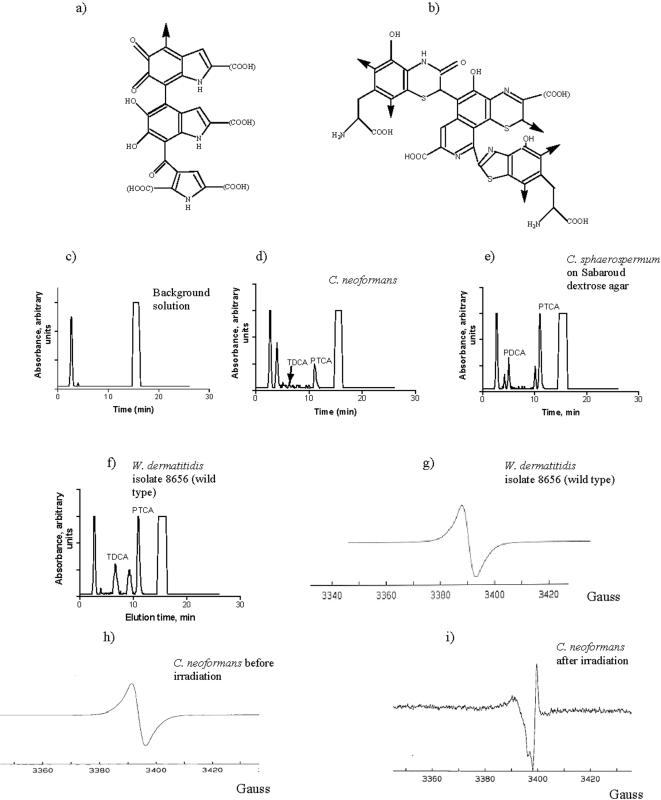
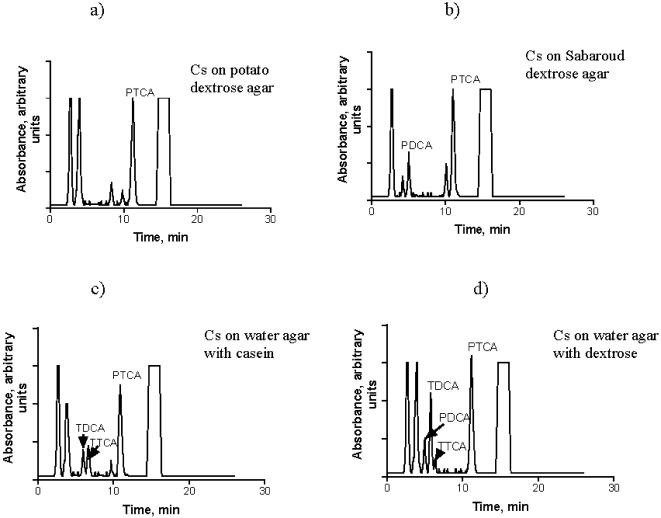
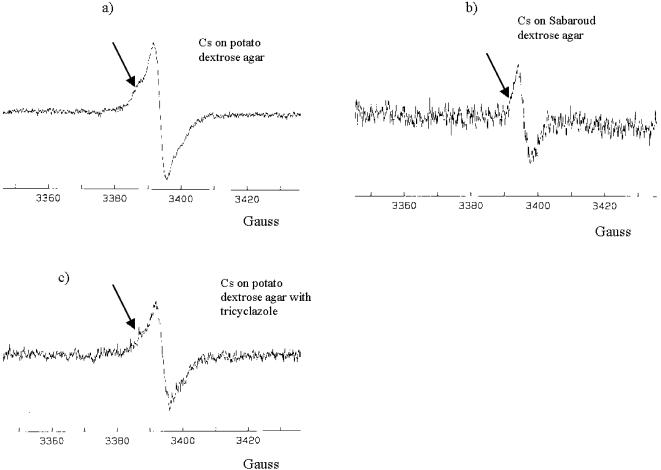
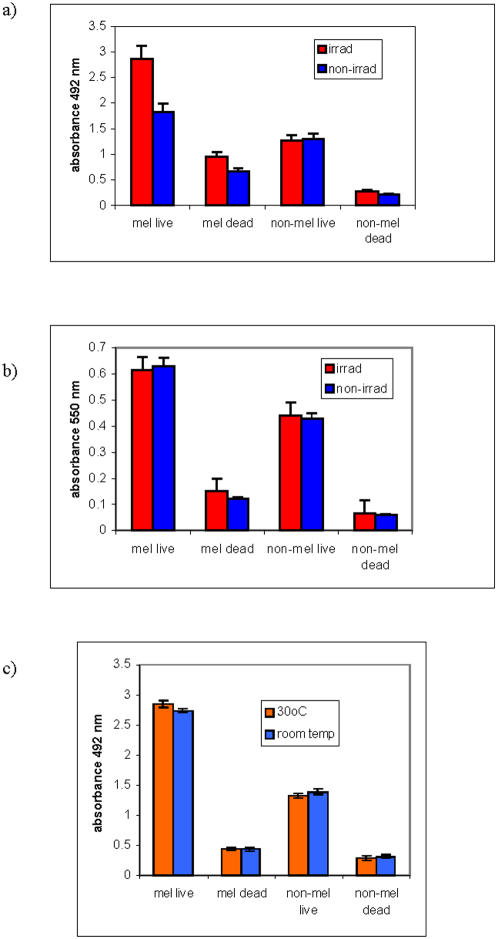
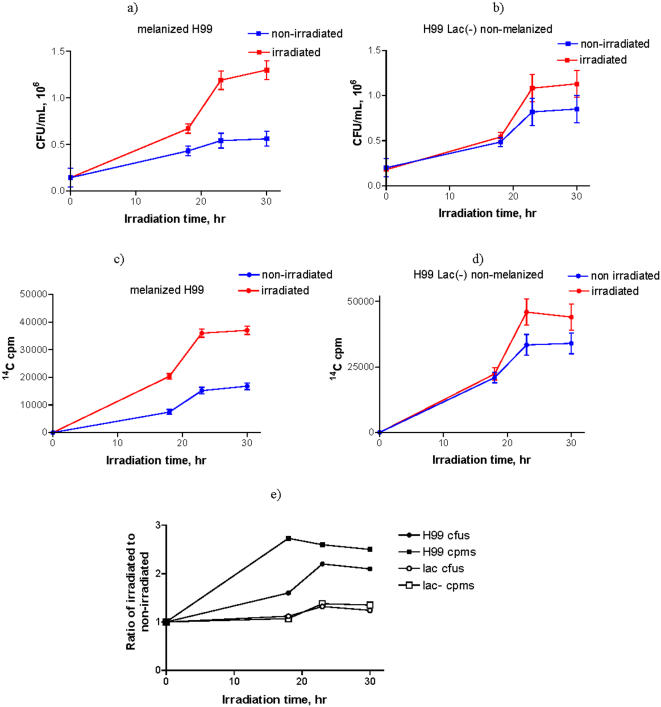
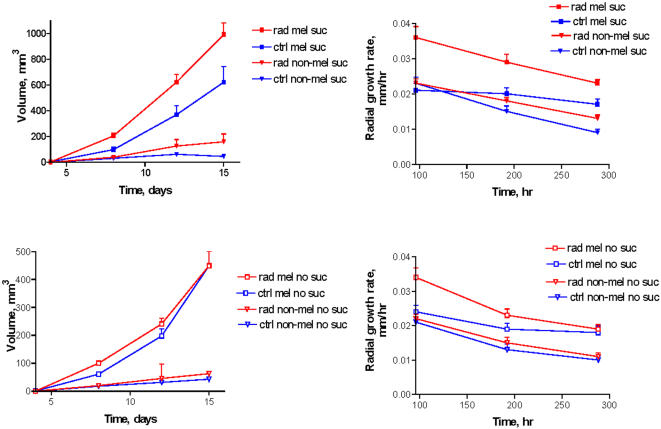
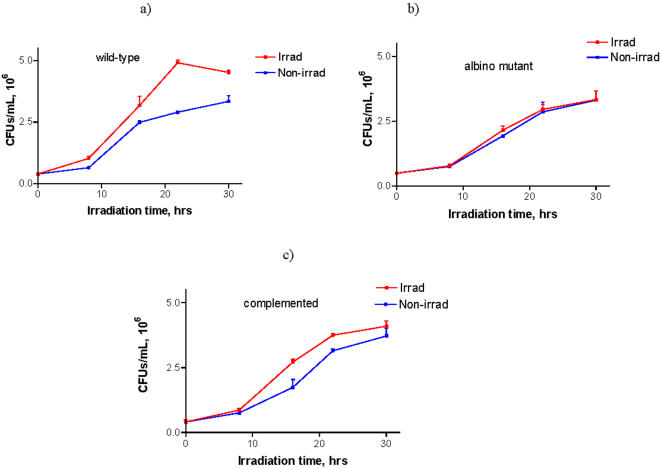
BACKGROUND: Melanin pigments are ubiquitous in nature. Melanized microorganisms are often the dominating species in certain extreme environments, such as soils contaminated with radionuclides, suggesting that the presence of melanin is beneficial in their life cycle. We hypothesized that ionizing radiation could change the electronic properties of melanin and might enhance the growth of melanized microorganisms. METHODOLOGY/PRINCIPAL FINDINGS: Ionizing irradiation changed the electron spin resonance (ESR) signal of melanin, consistent with changes in electronic structure. Irradiated melanin manifested a 4-fold increase in its capacity to reduce NADH relative to non-irradiated melanin. HPLC analysis of melanin from fungi grown on different substrates revealed chemical complexity, dependence of melanin composition on the growth substrate and possible influence of melanin composition on its interaction with ionizing radiation. XTT/MTT assays showed increased metabolic activity of melanized C. neoformans cells relative to non-melanized cells, and exposure to ionizing radiation enhanced the electron-transfer properties of melanin in melanized cells. Melanized Wangiella dermatitidis and Cryptococcus neoformans cells exposed to ionizing radiation approximately 500 times higher than background grew significantly faster as indicated by higher CFUs, more dry weight biomass and 3-fold greater incorporation of (14)C-acetate than non-irradiated melanized cells or irradiated albino mutants. In addition, radiation enhanced the growth of melanized Cladosporium sphaerospermum cells under limited nutrients conditions. CONCLUSIONS/SIGNIFICANCE: Exposure of melanin to ionizing radiation, and possibly other forms of electromagnetic radiation, changes its electronic properties. Melanized fungal cells manifested increased growth relative to non-melanized cells after exposure to ionizing radiation, raising intriguing questions about a potential role for melanin in energy capture and utilization.
Overview
The claims and statistics of this paper haven’t been checked yet.
Free: it reads the open-access text and checks the first 5 claims that cite a source we can check. Create a free account to check every claim.
Integrity signals
Registry
Cites
Statistics
Figures
Verification
Claims the paper makes
The claims and statistics of this paper haven’t been checked yet.
Free: it reads the open-access text and checks the first 5 claims that cite a source we can check. Create a free account to check every claim.
Claims other papers make about this one
Each is checked against this paper’s own text: does it say what the citing paper says it does?
The source backs part of the claim, not all of it — or backs it for a different population, condition or comparison.
In the citing paper
“Melanized W. dermatitidis and C. neoformans cells exposed to ionizing radiation approximately 500 times higher than background grew significantly faster as indicated by higher CFUs, more dry weight biomass and 3-fold greater incorporation of 14C-acetate than non-irradiated melanized cells or irradiated albino mutants.”
From Ionizing radiation: how fungi cope, adapt, and exploit with the help of melanin (2008) · cites this paper as [25]
Experimental — accuracy not yet measuredThe cited source says what the claim attributes to it.
In the citing paper
“Recent data show that melanized fungal species like those from Chernobyl’s reactor respond to ionizing radiation with enhanced growth.”
From Ionizing radiation: how fungi cope, adapt, and exploit with the help of melanin (2008) · cites this paper as [25]
The cited source says what the claim attributes to it.
In the citing paper
“The observations that melanized fungal cells manifested increased growth relative to non-melanized cells after exposure to ionizing radiation raised the intriguing possibility that melanin can function in energy capture and utilization (25).”
From Ionizing radiation: how fungi cope, adapt, and exploit with the help of melanin (2008) · cites this paper as [25]
The cited source says what the claim attributes to it.
In the citing paper
“ionizing irradiation changed the electron spin resonance (ESR) signal of melanin, consistent with changes in electronic structure (25).”
From Ionizing radiation: how fungi cope, adapt, and exploit with the help of melanin (2008) · cites this paper as [25]
The cited source says what the claim attributes to it.
In the citing paper
“Irradiated melanin manifested a 4-fold increase in its capacity to reduce NADH relative to non-irradiated melanin.”
From Ionizing radiation: how fungi cope, adapt, and exploit with the help of melanin (2008) · cites this paper as [25]
2 more claims about this paper
Create a free account to see every claim other papers make about this one.
Self-check
Percentages, sums and reported differences re-computed from the paper’s own numbers.
The self-check needs the paper’s full text.
Citations
Cites
Tetrazolium dyes as tools in cell biology: new insights into their cellular reduction
Berridge, M. V., Herst, P. M., & Tan, A. S. (2005) · Biotechnology Annual Review · doi:10.1016/s1387-2656(05)11004-7 · Cited by 2,222 · cited 1×
“The use of XTT and MTT assays in parallel can help to define the location of the melanin-mediated electron transfer in the cells since positively charged MTT is taken into the cells via the plasma membrane potential and is reduced intracellularly; while the negatively charged XTT is largely cell-impermeable and its re…”
MethodAGTR2 Mutations in X-Linked Mental Retardation
Vervoort, V. S., Beachem, M. A., Edwards, P. S., Ladd, S., Miller, K. E., de Mollerat, X., Clarkson, K., DuPont, B., Schwartz, C. E., Stevenson, R. E., et al. (2002) · Science · doi:10.1126/science.1072191 · Cited by 721
Thermotolerance Generated by Plant/Fungal Symbiosis
Redman, R. S., Sheehan, K. B., Stout, R. G., Rodriguez, R. J., & Henson, J. M. (2002) · Science · doi:10.1126/science.1078055 · Cited by 707 · cited 1×
“A symbiotic association of plants and a melanotic fungus that allows for extreme thermotolerance has been attributed to heat dissipating properties of melanin [15].”
BackgroundThe contribution of melanin to microbial pathogenesis: Melanin and microbial pathogenesis
Nosanchuk, J. D., & Casadevall, A. (2003) · Cellular Microbiology · doi:10.1046/j.1462-5814.2003.00268.x · Cited by 650
Self-citation(2014) · Nuclear Medicine · doi:10.1016/b978-0-323-08299-0.00003-1 · Cited by 578
Pathogenic roles for fungal melanins
Jacobson, E. S. (2000) · Clinical Microbiology Reviews · doi:10.1128/cmr.13.4.708 · Cited by 574 · cited 1×
“Many fungi constitutively synthesize melanin [2], which is likely to confer a survival advantage in the environment [3] by protecting against UV and solar radiation [reviewed in 4].”
BackgroundCold adaptation in Arctic and Antarctic fungi
Robinson, C. H. (2001) · New Phytologist · doi:10.1046/j.1469-8137.2001.00177.x · Cited by 520 · cited 3×
“Melanotic fungi inhabit the extraordinarly harsh climate of Antarctica [5].”
BackgroundInfluentialSteenbergen, J. N., Shuman, H. A., & Casadevall, A. (2001) · Proceedings of the National Academy of Sciences · doi:10.1073/pnas.261418798 · Cited by 511 · cited 1×
“Many fungi constitutively synthesize melanin [2], which is likely to confer a survival advantage in the environment [3] by protecting against UV and solar radiation [reviewed in 4].”
BackgroundSelf-citationLong-Term Sustainability of a High-Energy, Low-Diversity Crustal Biome
Lin, L.-H., Wang, P.-L., Rumble, D., Lippmann-Pipke, J., Boice, E., Pratt, L. M., Lollar, B. S., Brodie, E. L., Hazen, T. C., Andersen, G. L., et al. (2006) · Science · doi:10.1126/science.1127376 · Cited by 414 · cited 1×
“while some microorganisms living in mines exploit energy from radiolysis of water”
BackgroundIto, S., & Fujita, K. (1985) · Analytical Biochemistry · doi:10.1016/0003-2697(85)90150-2 · Cited by 386 · cited 6×
“In contrast, pheomelanin is a reddish-brown pigment composed of benzothiazine monomer units with 8–11% nitrogen and 9–12% sulfur [18,19] (Fig.”
BackgroundInfluential
Research works printed but not linked: 1
- RA Nicolaus, 1968, Melanins., Hermann, Paris.
Cited by
The Fungal Cell Wall: Structure, Biosynthesis, and Function
Gow, N. A. R., Latge, J.-P., & Munro, C. A. (2017) · Microbiology Spectrum · doi:10.1128/microbiolspec.funk-0035-2016 · Cited by 1,423
Polydopamine—a nature-inspired polymer coating for biomedical science
Lynge, M. E., van der Westen, R., Postma, A., & Städler, B. (2011) · Nanoscale · doi:10.1039/c1nr10969c · Cited by 907
Synthesis and assembly of fungal melanin
Eisenman, H. C., & Casadevall, A. (2012) · Applied Microbiology and Biotechnology · doi:10.1007/s00253-011-3777-2 · Cited by 711
“Experimental evidence suggests that fungal melanin can convert the energy of radiation to metabolically useful reducing power (Dadachova et al. 2007).”
Self-citationThreats Posed by the Fungal Kingdom to Humans, Wildlife, and Agriculture
Fisher, M. C., Gurr, S. J., Cuomo, C. A., Blehert, D. S., Jin, H., Stukenbrock, E. H., Stajich, J. E., Kahmann, R., Boone, C., Denning, D. W., et al. (2020) · mBio · doi:10.1128/mbio.00449-20 · Cited by 536
Self-citationExoplanet Biosignatures: A Review of Remotely Detectable Signs of Life
Schwieterman, E. W., Kiang, N. Y., Parenteau, M. N., Harman, C. E., DasSarma, S., Fisher, T. M., Arney, G. N., Hartnett, H. E., Reinhard, C. T., Olson, S. L., et al. (2018) · Astrobiology · doi:10.1089/ast.2017.1729 · Cited by 527
On the emergence of Candida auris: climate change, azoles, swamps, and birds
Casadevall, A., Kontoyiannis, D. P., & Robert, V. (2019) · mBio · doi:10.1128/mbio.01397-19 · Cited by 515
“Alternatively, the effect of higher UV radiation in combination with global warming (22) might have contributed to mutagenic events that resulted in the suddenly increased fitness of a saprobe for survival in a host, via melanin- or non-melanin-dependent processes (23).”
BackgroundSelf-citationExoplanet Biosignatures: A Review of Remotely Detectable Signs of Life
Schwieterman, E. W., Kiang, N. Y.-L., Parenteau, M. N., Harman, C. E., DasSarma, S., Fisher, T. M., Arney, G., Hartnett, H. E., Reinhard, C. T., Olson, S. L., et al. (2017) · eScholarship (California Digital Library) · Cited by 452
Functions of fungal melanin beyond virulence
Cordero, R. J. B., & Casadevall, A. (2017) · Fungal Biology Reviews · doi:10.1016/j.fbr.2016.12.003 · Cited by 416
“4 fold increase in the NADPH levels, and (ii) higher replicative rates resulting in a doubling of CFUs, paralleled by increases in dry mass and metabolic incorporation along with uptake of labeled acetate (Dadachova et al., 2007).”
BackgroundInfluentialSelf-citationIonizing radiation: how fungi cope, adapt, and exploit with the help of melanin
Dadachova, E., & Casadevall, A. (2008) · Current Opinion in Microbiology · doi:10.1016/j.mib.2008.09.013 · Cited by 399
Self-citationFungal evolution: major ecological adaptations and evolutionary transitions
Naranjo‐Ortiz, M. A., & Gabaldón, T. (2019) · Biological Reviews · doi:10.1111/brv.12510 · Cited by 390
“Some observations even suggest that some of these fungi could use sources of ionizing radiation to obtain chemical energy and even perhaps fix atmospheric carbon (Dadachova et al., 2007; Gostinčar et al., 2012).”
BackgroundRole of semiconductivity and ion transport in the electrical conduction of melanin
Mostert, A. B., Powell, B. J., Pratt, F. L., Hanson, G. R., Sarna, T., Gentle, I. R., & Meredith, P. (2012) · Proceedings of the National Academy of Sciences · doi:10.1073/pnas.1119948109 · Cited by 379
“More recently, other potentially useful properties of melanins and melanin-like materials have also been reported, such as multifunctional adhesives (9, 10), structural agents in the jaws of marine worms (11) and in cell walls of fungi (12) as well as protection against ionizing radiation (13).”
BackgroundMelanoma, Melanin, and Melanogenesis: The Yin and Yang Relationship
Slominski, R. M., Sarna, T., Płonka, P. M., Raman, C., Brożyna, A. A., & Slominski, A. T. (2022) · Frontiers in Oncology · doi:10.3389/fonc.2022.842496 · Cited by 286
From Extraction to Advanced Analytical Methods: The Challenges of Melanin Analysis
Pralea, I.-E., Moldovan, R.-C., Petrache, A.-M., Ilieș, M., Hegheș, S.-C., Ielciu, I., Nicoară, R., Moldovan, M., Ene, M., Radu, M., et al. (2019) · International Journal of Molecular Sciences · doi:10.3390/ijms20163943 · Cited by 282
“These molecules were used to quantitatively assess the melanin in various samples, such as hair [75,143–149], skin tissue [75,143,146,147], fungi [17], irides [147], melanocytes [150], urine [151], fossils [79], and sepia ink [152].”
MethodTranslating biosynthetic gene clusters into fungal armor and weaponry
Keller, N. P. (2015) · Nature Chemical Biology · doi:10.1038/nchembio.1897 · Cited by 275
The VeA regulatory system and its role in morphological and chemical development in fungi
Calvo, A. M. (2008) · Fungal Genetics and Biology · doi:10.1016/j.fgb.2008.03.014 · Cited by 272
Fueling the future with fungal genomics
Grigoriev, I. V., Cullen, D., Goodwin, S. B., Hibbett, D., Jeffries, T. W., Kubicek, C. P., Kuske, C., Magnuson, J. K., Martin, F., Spatafora, J. W., et al. (2011) · Mycology · doi:10.1080/21501203.2011.584577 · Cited by 250
“One intriguing idea put forward suggests that the pigmented fungi are using ionizing radiation as an energy source (Dadachova et al. 2007) implying that the genomes of these organisms encode novel mechanisms for molecular energy transfer.”
Extremotolerance in fungi: evolution on the edge
GostinÄar, C., Grube, M., De Hoog, S., Zalar, P., & Gunde-Cimerman, N. (2010) · FEMS Microbiology Ecology · doi:10.1111/j.1574-6941.2009.00794.x · Cited by 241
“, 2004) and radiation (Dadachova et al., 2007).”
Wurzbacher, C., Bärlocher, F., & Grossart, H. (2010) · Aquatic Microbial Ecology · doi:10.3354/ame01385 · Cited by 223
“There is even a suggestion that some fungi may be partially autotrophic, i.e. they gain energy from sources other than organic compounds, e.g. from ionizing radiation (Dadachova et al. 2007).”
BackgroundMicrobial melanin: Recent advances in biosynthesis, extraction, characterization, and applications
Singh, S., Nimse, S. B., Mathew, D. E., Dhimmar, A., Sahastrabudhe, H., Gajjar, A., Ghadge, V. A., Kumar, P., & Shinde, P. B. (2021) · Biotechnology Advances · doi:10.1016/j.biotechadv.2021.107773 · Cited by 222
Fungi are key players in extreme ecosystems
Coleine, C., Stajich, J. E., & Selbmann, L. (2022) · Trends in Ecology & Evolution · doi:10.1016/j.tree.2022.02.002 · Cited by 209
Dartnell, L. R. (2011) · Astrobiology · doi:10.1089/ast.2010.0528 · Cited by 206
“There has even been a report of melanin-containing fungi, isolated from high-radiation environments like Chernobyl or the cooling water of nuclear reactors, that exhibit faster growth under conditions of high ionizing radiation flux than without it (Dadachova et al., 2007).”
Endophytic fungi associated with the Antarctic grass Deschampsia antarctica Desv. (Poaceae)
Rosa, L. H., Vaz, A. B. M., Caligiorne, R. B., Campolina, S., & Rosa, C. A. (2009) · Polar Biology · doi:10.1007/s00300-008-0515-z · Cited by 205
“Recently, some research has shown that melanised fungi increase their growth after exposure to ionizing radiation, raising questions about a potential role for melanin in energy capture and utilization by black moulds (Dadachova et al. 2007).”
Lin, J., Wang, M., Hu, H., Yang, X., Wen, B., Wang, Z., Jacobson, O., Song, J., Zhang, G., Niu, G., et al. (2016) · Advanced Materials · doi:10.1002/adma.201505700 · Cited by 196
Steiger, M., Charola, A. E., & Sterflinger, K. (2011) · Stone in Architecture · doi:10.1007/978-3-642-14475-2_4 · Cited by 173
Exploring the genomic diversity of black yeasts and relatives (Chaetothyriales,Ascomycota)
Teixeira, M. M., Moreno, L. F., Stielow, B. J., Muszewska, A., Hainaut, M., Gonzaga, L., Abouelleil, A., Patané, J. S. L., Priest, M., Souza, R., et al. (2017) · Studies in Mycology · doi:10.1016/j.simyco.2017.01.001 · Cited by 185
“Melanised Exophiala dermatitidis cells exposed to ionizing radiation grow faster than non-exposed cells, suggesting a critical role of irradiated melanin and its conversion as a source of energy in herpotrichiellaceous fungi (Dadachova et al. 2007).”
BackgroundDadachova, E., Bryan, R. A., Howell, R. C., Schweitzer, A. D., Aisen, P., Nosanchuk, J. D., & Casadevall, A. (2008) · Pigment Cell & Melanoma Research · doi:10.1111/j.1755-148x.2007.00430.x · Cited by 182
“Recently, we have shown that nonlethal doses of ionizing radiation change the electronic properties of melanin and enhance the growth of melanized fungi (Dadachova et al., 2007).”
BackgroundMethodInfluentialSelf-citationMelanin pigments of fungi under extreme environmental conditions (Review)
Gessler, N. N., Egorova, A. S., & Belozerskaya, T. A. (2014) · Applied Biochemistry and Microbiology · doi:10.1134/s0003683814020094 · Cited by 176
Recent Advances and Progress on Melanin: From Source to Application
Guo, L., Li, W., Gu, Z., Wang, L., Guo, L., Ma, S., Li, C., Sun, J., Han, B., & Chang, J. (2023) · International Journal of Molecular Sciences · doi:10.3390/ijms24054360 · Cited by 168
“The final formation of pheomelanin is achieved through cyclic rearrangement and successive polymerization of homogentisic acid [81].”
BackgroundMelanins in fungi: Types, localization and putative biological roles
Toledo, A. V., Franco, M. E. E., López, S. M. Y., Troncozo, M. I., Saparrat, M. C. N., & Balatti, P. A. (2017) · Physiological and Molecular Plant Pathology · doi:10.1016/j.pmpp.2017.04.004 · Cited by 172
“Dark pigments like melanins might also function in energy transduction, which might enhance growth of melanized fungi suggesting a role for melanin in energy capture and utilization [30].”
BackgroundFungi and ionizing radiation from radionuclides
Dighton, J., Tugay, T., & Zhdanova, N. (2008) · FEMS Microbiology Letters · doi:10.1111/j.1574-6968.2008.01076.x · Cited by 153
“There are suggestions that that the fungal hyphae are able to use the energy for metabolism (Dadachova et al., 2007) although other physiological responses cannot be discounted.”
BackgroundInfluentialKumar, A., Yadav, A. N., Mondal, R., Kour, D., Subrahmanyam, G., Shabnam, A. A., Khan, S. A., Yadav, K. K., Sharma, G. K., Cabral-Pinto, M. M. S., et al. (2021) · Chemosphere · doi:10.1016/j.chemosphere.2021.131325 · Cited by 167
Rosa, L. H., Almeida Vieira, M. D. L., Santiago, I. F., & Rosa, C. A. (2010) · FEMS Microbiology Ecology · doi:10.1111/j.1574-6941.2010.00872.x · Cited by 149
Chronic exposure to low‐dose radiation at C hernobyl favours adaptation to oxidative stress in birds
Galván, I., Bonisoli‐Alquati, A., Jenkinson, S., Ghanem, G., Wakamatsu, K., Mousseau, T. A., & Møller, A. P. (2014) · Functional Ecology · doi:10.1111/1365-2435.12283 · Cited by 170
“The black pigments of fungi are also protective and enhance growth under exposure to ionizing radiation (Dadachova et al. 2007).”
BackgroundThe effects of natural variation in background radioactivity on humans, animals and other organisms
Møller, A. P., & Mousseau, T. A. (2012) · Biological reviews/Biological reviews of the Cambridge Philosophical Society · doi:10.1111/j.1469-185x.2012.00249.x · Cited by 157
“…radiodurans and other radio-resistant bacteria differ from non-radio-resistant species in their level of accumulation of intracellular manganese and low levels of iron; melanin may play a similar role in fungi (Dadachova et al., 2007 and trehalose in cyanobacteria (Shirkey et al., 2003).”
BackgroundSeeds of native alpine plants host unique microbial communities embedded in cross-kingdom networks
Wassermann, B., Cernava, T., Müller, H., Berg, C., & Berg, G. (2019) · Microbiome · doi:10.1186/s40168-019-0723-5 · Cited by 147
Tyrosinase versus Catechol Oxidase: One Asparagine Makes the Difference
Solem, E., Tuczek, F., & Decker, H. (2016) · Angewandte Chemie International Edition · doi:10.1002/anie.201508534 · Cited by 140
Biodiversity, evolution and adaptation of fungi in extreme environments
Selbmann, L., Egidi, E., Isola, D., Onofri, S., Zucconi, L., de Hoog, S., Chinaglia, S., Testa, L., Tosi, S., Balestrazzi, A., et al. (2012) · Plant Biosystems - An International Journal Dealing with all Aspects of Plant Biology · doi:10.1080/11263504.2012.753134 · Cited by 134
Functional roles of microbial symbionts in plant cold tolerance
Acuña‐Rodríguez, I. S., Newsham, K. K., Gundel, P. E., Torres‐Díaz, C., & Molina‐Montenegro, M. A. (2020) · Ecology Letters · doi:10.1111/ele.13502 · Cited by 142
The photoreactive free radical in eumelanin
Mostert, A. B., Rienecker, S. B., Noble, C., Hanson, G. R., & Meredith, P. (2018) · Science Advances · doi:10.1126/sciadv.aaq1293 · Cited by 124
Evolution of Fungal Pathogens in Domestic Environments?
Gostinčar, C., Grube, M., & Gunde‐Cimerman, N. (2011) · Fungal Biology · doi:10.1016/j.funbio.2011.03.004 · Cited by 142
Characterization of melanin pigment produced by Aspergillus nidulans
Gonçalves, R. D. C. R., Lisboa, H. C. F., & Sponchiado, S. R. P. (2011) · World Journal of Microbiology and Biotechnology · doi:10.1007/s11274-011-0948-3 · Cited by 138
Rock black fungi: excellence in the extremes, from the Antarctic to space
Selbmann, L., Zucconi, L., Isola, D., & Onofri, S. (2014) · Current Genetics · doi:10.1007/s00294-014-0457-7 · Cited by 133
Melanin Pigments of Fungi under Extreme Environmental Conditions (Review)
Gessler, N. N., Egorova, A. S., & Belozerskaya, T. A. (2014) · Прикладная биохимия и микробиология · doi:10.7868/s0555109914020093 · Cited by 124
Melanin-Covered Nanoparticles for Protection of Bone Marrow During Radiation Therapy of Cancer
Schweitzer, A. D., Revskaya, E., Chu, P., Pazo, V., Friedman, M., Nosanchuk, J. D., Cahill, S., Frases, S., Casadevall, A., & Dadachova, E. (2010) · International Journal of Radiation Oncology*Biology*Physics · doi:10.1016/j.ijrobp.2010.02.020 · Cited by 124
“Recently, we showed that nonlethal doses of ionizing radiation (500 times above the background) change the electronic properties of melanin and enhance the growth of melanized fungi (9).”
Self-citationPolyextremotolerant black fungi: oligotrophism, adaptive potential, and a link to lichen symbioses
Gostinčar, C., Muggia, L., & Grube, M. (2012) · Frontiers in Microbiology · doi:10.3389/fmicb.2012.00390 · Cited by 134
“They even seem to be able to use their melanin to convert ionizing gamma radiation into chemical energy by still unknown mechanisms (Dadachova et al., 2007).”
BackgroundFungal impacts on Earth’s ecosystems
Case, N. T., Gurr, S. J., Fisher, M. C., Blehert, D. S., Boone, C. M., Casadevall, A., Chowdhary, A., Cuomo, C. A., Currie, C. R., Denning, D. W., et al. (2025) · Nature · doi:10.1038/s41586-024-08419-4 · Cited by 139
“Deep sea thermal vents contain fungi and so do rocky peaks—even reactor rooms in the damaged Chernobyl nuclear power plant exhibit the growth of heavily melanized fungi 28 .”
Self-citationPacelli, C., Bryan, R. A., Onofri, S., Selbmann, L., Shuryak, I., & Dadachova, E. (2017) · Environmental Microbiology · doi:10.1111/1462-2920.13681 · Cited by 123
Self-citationProduction of Melanin Pigment by Fungi and Its Biotechnological Applications
Sponchiado, S. R. P., Sousa, G. S., Andrade, J. C. R., Lisboa, H. F., & Gonçalves, R. D. C. R. (2017) · InTech eBooks · doi:10.5772/67375 · Cited by 147
“This hypothesis is supported by the discovery of melanized fungi in soils contaminated by radioactive nuclides and areas around the damaged Chernobyl nuclear reactors, which not only survive high radiation levels but also have enhanced growth upon exposure [16, 19, 119, 120].”
BackgroundHou, R., Liu, X., Xiang, K., Chen, L., Wu, X., Lin, W., Zheng, M., & Fu, J. (2018) · Food Chemistry · doi:10.1016/j.foodchem.2018.11.002 · Cited by 126
van Rhijn, N., & Bromley, M. (2021) · Journal of Fungi · doi:10.3390/jof7050367 · Cited by 132
Radiation, radionuclides and bacteria: An in-perspective review
Shukla, A., Parmar, P., & Saraf, M. S. (2017) · Journal of Environmental Radioactivity · doi:10.1016/j.jenvrad.2017.09.013 · Cited by 123
UV-Protective Compounds in Marine Organisms from the Southern Ocean
Núñez‐Pons, L., Àvila, C., Romano, G., Verde, C., & Giordano, D. (2018) · Marine Drugs · doi:10.3390/md16090336 · Cited by 132
Seager, S., Petkowski, J. J., Gao, P., Bains, W., Bryan, N. C., Ranjan, S., & Greaves, J. (2020) · Astrobiology · doi:10.1089/ast.2020.2244 · Cited by 129
“Some species of fungi ( e.g. , Cryptococcus neoformans ) can use this harsh ionizing radiation to promote growth (Dadachova et al. , 2007; Dighton et al. , 2008).”
Melanin Externalization in Candida albicans Depends on Cell Wall Chitin Structures
Walker, C. A., Gómez, B. L., Mora-Montes, H. M., Mackenzie, K. S., Munro, C. A., Brown, A. J. P., Gow, N. A. R., Kibbler, C. C., & Odds, F. C. (2010) · Eukaryotic Cell · doi:10.1128/ec.00051-10 · Cited by 107
“From these and earlier reviews of the extensive literature, melanin has been postulated to be involved in a range of virulence-associated properties, including interactions with host cells; protection against oxidative stresses, UV light, and hydrolytic enzymes; resistance to antifungal agents; iron-binding activities…”
BackgroundZhong, J., Frases, S., Wang, H., Casadevall, A., & Stark, R. E. (2008) · Biochemistry · doi:10.1021/bi702093r · Cited by 107
“Biochemistry, 2008, 47 (16), 4701-4710• DOI: 10.”
BackgroundSelf-citationMelanin, a promising radioprotector: Mechanisms of actions in a mice model
Kunwar, A., Adhikary, B., Jayakumar, S., Barik, A., Chattopadhyay, S., Raghukumar, S., & Priyadarsini, K. I. (2012) · Toxicology and Applied Pharmacology · doi:10.1016/j.taap.2012.08.002 · Cited by 119
Artificial Allomelanin Nanoparticles
Zhou, X., McCallum, N. C., Hu, Z., Cao, W., Gnanasekaran, K., Feng, Y., Stoddart, J. F., Wang, Z., & Gianneschi, N. C. (2019) · ACS Nano · doi:10.1021/acsnano.9b02160 · Cited by 113
Jackson, J. C., Higgins, L. A., & Lin, X. (2009) · PLoS ONE · doi:10.1371/journal.pone.0004224 · Cited by 104
“. For example, melanin in fungi serves as a protectant from harmful UV and solar radiation, it also neutralizes free radicals and provides structural rigidity to cell walls”
BackgroundMelanin, Radiation, and Energy Transduction in Fungi
Casadevall, A., Cordero, R. J. B., Bryan, R., Nosanchuk, J., & Dadachova, E. (2017) · Microbiology Spectrum · doi:10.1128/microbiolspec.funk-0037-2016 · Cited by 104
Self-citationAspergillus niger Spores Are Highly Resistant to Space Radiation
Cortesão, M., de Haas, A. M., Unterbusch, R., Fujimori, A., Schütze, T., Meyer, V., & Moeller, R. (2020) · Frontiers in Microbiology · doi:10.3389/fmicb.2020.00560 · Cited by 124
“, 2017), and some were even found displaying increased growth after X-ray irradiation (Dadachova et al., 2007).”
BackgroundMostert, A. B. (2021) · Polymers · doi:10.3390/polym13101670 · Cited by 112
“Example ideas counter to the photo protection role are; that melanin plays a stronger role in the immune response [63]; that it is an antioxidant by being a free radical scavenger [64]; that melanin protects against transition metal ion poisoning [14]; that melanin potentially protects against particle radiation [65];…”
BackgroundIsolation and characterization of biologically active melanin from Actinoalloteichus sp. MA-32
Manivasagan, P., Venkatesan, J., Kalimuthu, S., Sivakumar, K., & Kim, S. (2013) · International Journal of Biological Macromolecules · doi:10.1016/j.ijbiomac.2013.04.041 · Cited by 106
Exophiala dermatitidis: Key issues of an opportunistic fungal pathogen
Kirchhoff, L., Olsowski, M., Rath, P., & Steinmann, J. (2019) · Virulence · doi:10.1080/21505594.2019.1596504 · Cited by 104
“and its oxidation-reduction properties contribute to the gain of metabolic energy in melanized fungi [112,113].”
BackgroundMicrobial applications for sustainable space exploration beyond low Earth orbit
Koehle, A. P., Brumwell, S. L., Seto, E. P., Lynch, A. M., & Urbaniak, C. (2023) · npj Microgravity · doi:10.1038/s41526-023-00285-0 · Cited by 117
Belozerskaya, T. A., Гесслер, Н. Н., & Aver‘yanov, A. A. (2015) · Springer eBooks · doi:10.1007/978-3-319-19456-1_29-1 · Cited by 107
Physico-Chemical Evaluation of Rationally Designed Melanins as Novel Nature-Inspired Radioprotectors
Schweitzer, A. D., Howell, R. C., Jiang, Z., Bryan, R. A., Gerfen, G., Chen, C.-C., Mah, D., Cahill, S., Casadevall, A., & Dadachova, E. (2009) · PLoS ONE · doi:10.1371/journal.pone.0007229 · Cited by 91
“We recently provided evidence for the capacity of melanins to function in transducing the energy of gamma radiation in living cells [9] and that the radioprotective efficacy of fungal melanins is dependent on their chemical composition [10].”
BackgroundSelf-citationHamann, J. N., Herzigkeit, B., Jurgeleit, R., & Tuczek, F. (2016) · Coordination Chemistry Reviews · doi:10.1016/j.ccr.2016.07.009 · Cited by 94
Robertson, K. L., Mostaghim, A., Cuomo, C. A., Soto, C. M., Lebedev, N. N., Bailey, R. F., & Wang, Z. (2012) · PLoS ONE · doi:10.1371/journal.pone.0048674 · Cited by 102
“dermatitidis was previously used as one of three model organisms to demonstrate enhanced growth induced by ionizing radiation [6].”
BackgroundMethodResultInfluentialPrados-Rosales, R., Toriola, S., Nakouzi, A., Chatterjee, S., Stark, R., Gerfen, G., Tumpowsky, P., Dadachova, E., & Casadevall, A. (2015) · Journal of Agricultural and Food Chemistry · doi:10.1021/acs.jafc.5b02713 · Cited by 87
Self-citationThe role of melanins in melanotic fungi for pathogenesis and environmental survival
Eisenman, H. C., Greer, E. M., & McGrail, C. W. (2020) · Applied Microbiology and Biotechnology · doi:10.1007/s00253-020-10532-z · Cited by 99
Beltrán-García, M. J., Prado, F. M., Oliveira, M. S., Ortiz-Mendoza, D., Scalfo, A. C., Pessoa, A., Medeiros, M. H. G., White, J. F., & Di Mascio, P. (2014) · PLoS ONE · doi:10.1371/journal.pone.0091616 · Cited by 88
“Melanin itself is a powerful cation chelator [12], [13].”
BackgroundA gaze into the crystal ball: Biomimetics in the year 2059
Gebeshuber, I. C., Gruber, P., & Drack, M. (2009) · Proceedings of the Institution of Mechanical Engineers Part C Journal of Mechanical Engineering Science · doi:10.1243/09544062jmes1563 · Cited by 90
Production of Melanins With Recombinant Microorganisms
Martínez, L. M., Martínez, A., & Gosset, G. (2019) · Frontiers in Bioengineering and Biotechnology · doi:10.3389/fbioe.2019.00285 · Cited by 102
“In has been determined that sub-lethal doses of gamma rays cause an enhanced increase in NADPH levels and rate of growth in several fungi species (Dadachova et al., 2007).”
BackgroundThe Fungal Cell Wall: Structure, Biosynthesis, and Function
Gow, N. A. R., Latge, J.-P., & Munro, C. A. (2017) · The Fungal Kingdom · doi:10.1128/9781555819583.ch12 · Cited by 86
Selbmann, L., Isola, D., Zucconi, L., & Onofri, S. (2011) · Fungal Biology · doi:10.1016/j.funbio.2011.02.016 · Cited by 90
“…in any odd natural environment but even they may quickly adapt in unexpected locations heavily contaminated by human activities as the heart of nuclear reactors as the Chernobyl fungus, discovered several years ago actually feeding on the radiation (Wember & Zhdanova 2001; Dadachova et al. 2007).”
Many Globally Isolated AD Hybrid Strains of Cryptococcus neoformans Originated in Africa
Litvintseva, A. P., Lin, X., Templeton, I., Heitman, J., & Mitchell, T. G. (2007) · PLoS Pathogens · doi:10.1371/journal.ppat.0030114 · Cited by 96
“neoformans is melanized in the natural environment [34,35], and the amount of melanin is known to affect susceptibility of the fungus to environmental stress [36–38].”
Nonphotosynthetic Pigments as Potential Biosignatures
Schwieterman, E. W., Cockell, C. S., & Meadows, V. S. (2015) · Astrobiology · doi:10.1089/ast.2014.1178 · Cited by 82
“Below we will describe the methods and the models for both the experimental and spectral modeling components of this study.”
BackgroundMethodRagon, M., Restoux, G., Moreira, D., Møller, A. P., & López‐García, P. (2011) · PLoS ONE · doi:10.1371/journal.pone.0021764 · Cited by 91
“This has led to speculations that these redox properties might even be used to transduce energy for cell metabolism, thereby enhancing growth [11,12].”
BackgroundImpact of Yeast Pigmentation on Heat Capture and Latitudinal Distribution
Cordero, R. J. B., Robert, V., Cardinali, G., Arinze, E. S., Thon, S. M., & Casadevall, A. (2018) · Current Biology · doi:10.1016/j.cub.2018.06.034 · Cited by 79
“Another example of microbes using pigments for energy harvesting is the observation that melanotic yeasts manifest enhanced growth when exposed to ionizing radiation [37, 38].”
BackgroundSelf-citationDong, C., & Yao, Y. (2012) · Journal of Bioscience and Bioengineering · doi:10.1016/j.jbiosc.2011.12.001 · Cited by 87
“They showed a broad spectrum of biological roles, including antioxidant (1,2), antitumor activity (3), antivenin activity (4), anti-virus (5), liverprotecting activity (6,7) and radio protective (8) etc.”
BackgroundFungal strategies for dealing with environment- and agriculture-induced stresses
Rangel, D. E. N., Finlay, R. D., Hallsworth, J. E., Dadachova, E., & Gadd, G. M. (2018) · Fungal Biology · doi:10.1016/j.funbio.2018.02.002 · Cited by 88
Self-citationThe self-organizing fractal theory as a universal discovery method: the phenomenon of life
Kurakin, A. V. (2011) · Theoretical Biology and Medical Modelling · doi:10.1186/1742-4682-8-4 · Cited by 100
“, directional growth toward sources of ionizing radiation [99,100].”
BackgroundMicrobial radiation-resistance mechanisms
Jung, K., Lim, S., & Bahn, Y. (2017) · The Journal of Microbiology · doi:10.1007/s12275-017-7242-5 · Cited by 83
“Dadachova et al. (2007) demonstrated that melanized fungal cells of C. neoformans and Wangiella dermatitidis show increased growth rate relative to their non-melanized cells under ra- diation exposure.”
BackgroundInteractions of Melanin with Electromagnetic Radiation: From Fundamentals to Applications
Xie, W., Dhinojwala, A., Gianneschi, N. C., & Shawkey, M. D. (2024) · Chemical Reviews · doi:10.1021/acs.chemrev.3c00858 · Cited by 83
Was skin cancer a selective force for black pigmentation in early hominin evolution?
Greaves, M. (2014) · Proceedings of the Royal Society B: Biological Sciences · doi:10.1098/rspb.2013.2955 · Cited by 73
Characterization of Aspergillus niger Isolated from the International Space Station
Romsdahl, J., Blachowicz, A., Chiang, A. J., Singh, N. K., Stajich, J., Kalkum, M., Venkateswaran, K. J., & Wang, C. C. C. (2018) · mSystems · doi:10.1128/msystems.00112-18 · Cited by 87
“has been reported that exposure of melanin to ionizing radiation alters its electronic properties, and melanized fungal cells exhibit increased growth rates following exposure to ionizing radiation (46).”
BackgroundResultKim, E., Kang, M., Tschirhart, T., Malo, M. E., Dadachova, E., Cao, G., Yin, J., Bentley, W. E., Wang, Z., & Payne, G. F. (2017) · Biomacromolecules · doi:10.1021/acs.biomac.7b01166 · Cited by 73
Self-citationTseng, M. N., Chung, P. C., & Tzean, S. S. (2011) · Applied and Environmental Microbiology · doi:10.1128/aem.02033-10 · Cited by 76
“This hypothesis is supported by the fact that melanins can absorb harmful solar UV radiation and transform energy into harmless heat through a process called ultrafast internal conversion (13).”
BackgroundPreparation of melanin from Catharsius molossus L. and preliminary study on its chemical structure
Xin, C., Ma, J., Tan, C., Zhou, Y. M., Ye, F., Chan, L., Ye, S., & Hou, D. (2014) · Journal of Bioscience and Bioengineering · doi:10.1016/j.jbiosc.2014.09.009 · Cited by 69
“Natural melanin showed a broad spectrum of biological roles, including antioxidant (3), antitumor activity (4), antivenin activity (5), anti-virus (6), liver protecting activity (7) and radio protective (8) and so on.”
BackgroundMelanin pigment derived from marine organisms and its industrial applications
Ghattavi, K., Homaei, A. A., Kamrani, E., & Kim, S. (2022) · Dyes and Pigments · doi:10.1016/j.dyepig.2022.110214 · Cited by 74
Three-Dimensional X-Ray Imaging and Analysis of Fungi on and in Wood
den Bulcke, J. V., Boone, M., Acker, J. V., & Hoorebeke, L. V. (2009) · Microscopy and Microanalysis · doi:10.1017/s1431927609990419 · Cited by 70
Shang, Y., Duan, Z., Huang, W., Gao, Q., & Wang, C. (2011) · Journal of Invertebrate Pathology · doi:10.1016/j.jip.2011.10.004 · Cited by 67
“5 ml of a solution of HCl (37%): methanol (1:99) at 20 C for 48 h (Dadachova et al., 2007).”
MethodMadhusudhan, D. N., Mazhari, B. B. Z., Dastager, S. G., & Agsar, D. (2014) · BioMed Research International · doi:10.1155/2014/306895 · Cited by 79
“Maximum cytotoxic activity of soluble melanin was Lc 50 -0.40 𝜇g/mL and insoluble melanin was Lc 50 -0.80 𝜇g/mL.”
BackgroundInfluentialProteomic and Metabolomic Characteristics of Extremophilic Fungi Under Simulated Mars Conditions
Blachowicz, A., Chiang, A. J., Elsaesser, A., Kalkum, M., Ehrenfreund, P., Stajich, J., Torok, T., Wang, C. C. C., & Venkateswaran, K. J. (2019) · Frontiers in Microbiology · doi:10.3389/fmicb.2019.01013 · Cited by 75
“changes in melanin (Dadachova et al., 2007), however, in our study only ISSFT-021-30 seemed to follow that pattern, revealing up-regulation of translation-related proteins.”
BackgroundFungal melanins and applications in healthcare, bioremediation and industry
Mattoon, E. R., Cordero, R. J. B., & Casadevall, A. (2021) · Journal of Fungi · doi:10.3390/jof7060488 · Cited by 67
Self-citationMelanin from the Nitrogen-Fixing Bacterium Azotobacter chroococcum: A Spectroscopic Characterization
Banerjee, A., Supakar, S., & Banerjee, R. (2014) · PLoS ONE · doi:10.1371/journal.pone.0084574 · Cited by 66
“energy for growth, has recently been described [4].”
BackgroundChen, Z., Martinez, D. A., Gujja, S., Sykes, S. M., Zeng, Q., Szaniszlo, P. J., Wang, Z., & Cuomo, C. A. (2014) · G3 Genes Genomes Genetics · doi:10.1534/g3.113.009241 · Cited by 75
Protective mechanisms and responses of micro-fungi towards ultraviolet-induced cellular damage
Wong, H. J., Mohamad‐Fauzi, N., Rizman‐Idid, M., Convey, P., & Alias, S. A. (2018) · Polar Science · doi:10.1016/j.polar.2018.10.001 · Cited by 81
“NADH by irradiated melanin or the utilization of available ATP for UVinduced DNA repair and in cellular metabolism and growth (Bryan et al., 2011; Dadachova et al., 2007).”
Fungal Melanin and the Mammalian Immune System
Liu, S., Youngchim, S., Zamith‐Miranda, D., & Nosanchuk, J. D. (2021) · Journal of Fungi · doi:10.3390/jof7040264 · Cited by 74
“Melanin not only protects against toxic radiation, but the polymer also enables fungal cells to harvest high-energy radiation for growth [55,56], which means that fungi are limited autotrophs.”
BackgroundSelf-citationTurick, C. E., Ekechukwu, A. A., Milliken, C. E., Casadevall, A., & Dadachova, E. (2011) · Bioelectrochemistry · doi:10.1016/j.bioelechem.2011.04.009 · Cited by 64
“Recently we demonstrated that ionizing radiation changes the electronic structure of melanin and enhances the growth of several melanized fungal species, suggesting a role for melanin in this process [11], specifically the physico-chemical interaction between melanin and ionizing radiation.”
BackgroundSelf-citation
Metadata
- Authors
- Dadachova, E., Bryan, R. A., Huang, X., Moadel, T., Schweitzer, A. D., Aisen, P., Nosanchuk, J. D., & Casadevall, A.
- Affiliations
- Albert Einstein College of Medicine (US)
- Corresponding author
- Dadachova, Ekaterina
- Venue
- PLoS ONE
- Publisher
- Public Library of Science (PLoS)
- Published
- 2007-05-23
- Volume
- 2
- Issue
- 5
- Pages
- e457
- ISSN
- 1932-6203 (ISSN-L)
- PMC
- PMC1866175
- OpenAlex
- W2157963818
- Cited by
- 463
- References
- 41
- Citations by year
- 2026: 15 · 2025: 29 · 2024: 30 · 2023: 28 · 2022: 33 · 2021: 47 · 2020: 34 · 2019: 29 · 2018: 25 · 2017: 30 · 2016: 21 · 2015: 21 · 2014: 28 · 2013: 17 · 2012: 14
- FWCI
- 5.51
- Type
- journal article
- Language
- en
- Open access
- gold
- doi.org
- Locations
- PLoS ONE (publishedVersion, cc-by)
- PubMed Central (publishedVersion, cc-by)
- PubMed (publishedVersion)
- DOAJ (DOAJ: Directory of Open Access Journals) (submittedVersion, cc-by-sa)
- Funders
- York University
- National Institutes of Health (5r01ai052733-16, AI52733.)
- National Institute of Allergy and Infectious Diseases (AI52733, R01-AI052733)
- Topics
- Life Sciences › Biochemistry, Genetics and Molecular Biology › Cell Biology › melanin and skin pigmentation
- Health Sciences › Medicine › Radiology, Nuclear Medicine and Imaging › Effects of Radiation Exposure
- Life Sciences › Biochemistry, Genetics and Molecular Biology › Biotechnology › Microbial Metabolism and Applications
- Keywords
- melanin, ionizing radiation, dematiaceous fungi, fungal growth, electron spin resonance, NADH reduction, electron transfer, Wangiella dermatitidis, Cryptococcus neoformans, Cladosporium sphaerospermum, energy capture, radionuclide-contaminated soil
- MeSH terms
- Chromatography, High Pressure Liquid, Cryptococcus neoformans, Exophiala, Melanins, Radiation, Ionizing
About these checks
Registry, retraction, Cites and statistics results are computed, not judged, with one exception: a printed reference that no index lists is read once by a model before it counts as a citation error. Claims are extracted by a model and kept only when their quote appears verbatim in the text; each cited source is then checked, with a model’s help, for whether it says what the claim relies on. Those verdicts can be wrong — read the claim’s quote and the cited source before relying on one.
Statistics and arithmetic are recomputed, not judged.
Confidence bands are shown only for fields calibrated on our annotated test set. None is calibrated yet, so no band is shown.
What counts as a claim ›How we measure confidence ›How we check this ›
Are you an author, or do you see a problem with this page? Request a review
Data sources
Bibliographic data: Semantic Scholar, OpenAlex, Crossref.
Contains information from the Semantic Scholar Academic Graph Datasets, made available under the ODC Attribution License (ODC-BY 1.0).
Semantic Scholar’s data is described in: Kinney, R., et al. (2023). The Semantic Scholar Open Data Platform. arXiv:2301.10140.
