

Ionizing Radiation Changes the Electronic Properties of Melanin and Enhances the Growth of Melanized Fungi
Open accessThe DOI matches its Crossref record; 41 of the 41 references it cites were found in a registry or an index.
Abstract
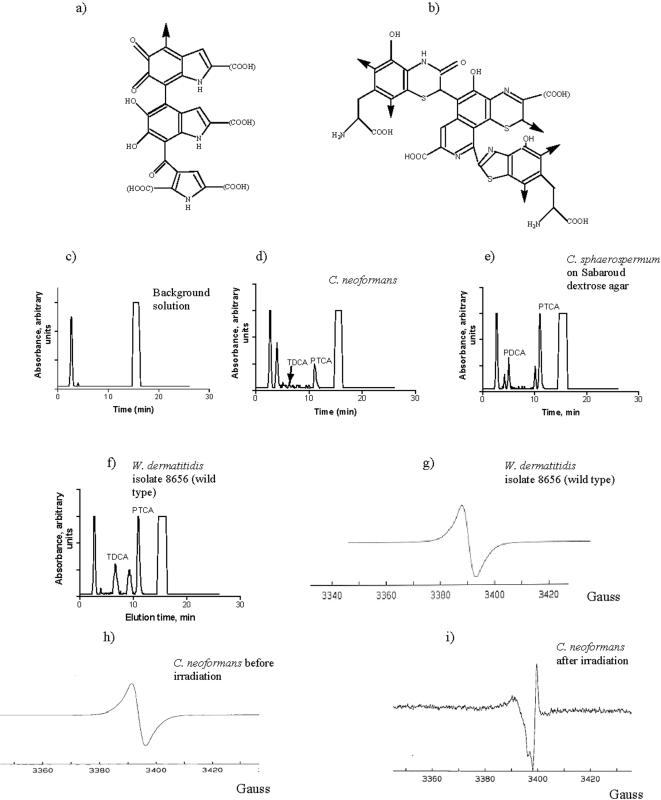
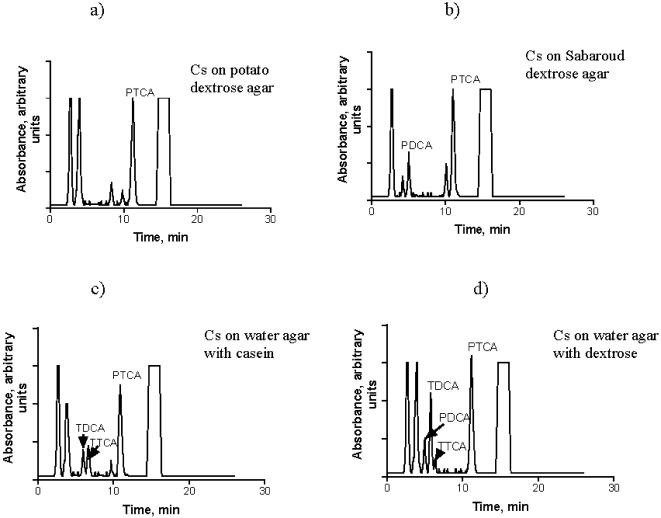
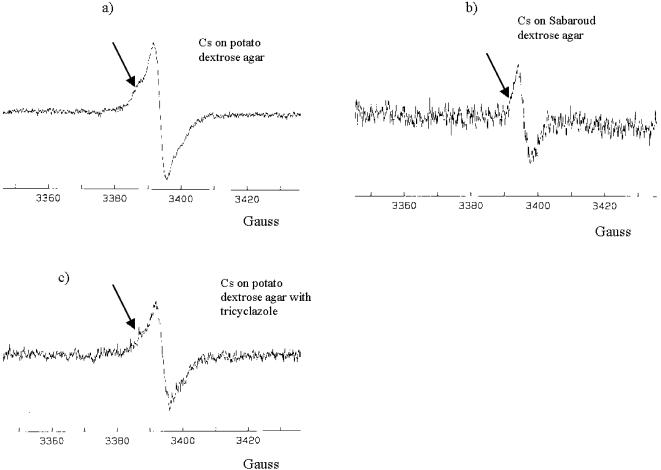
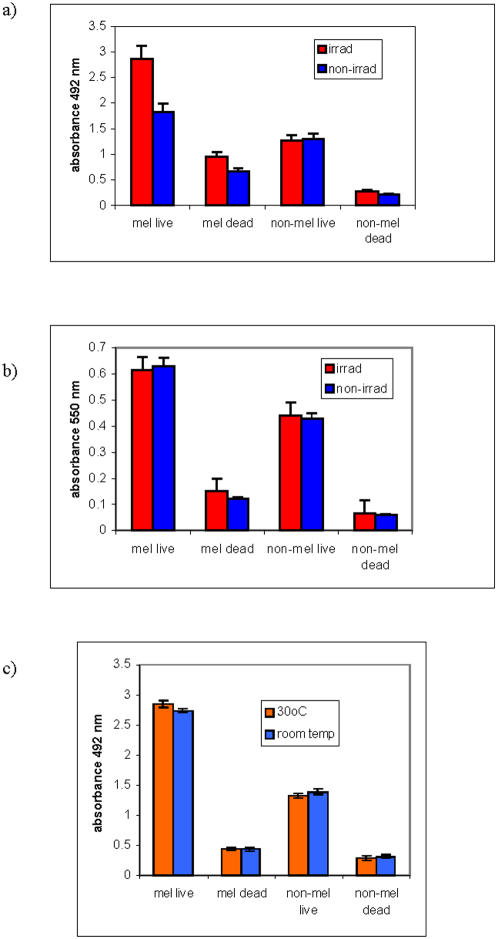
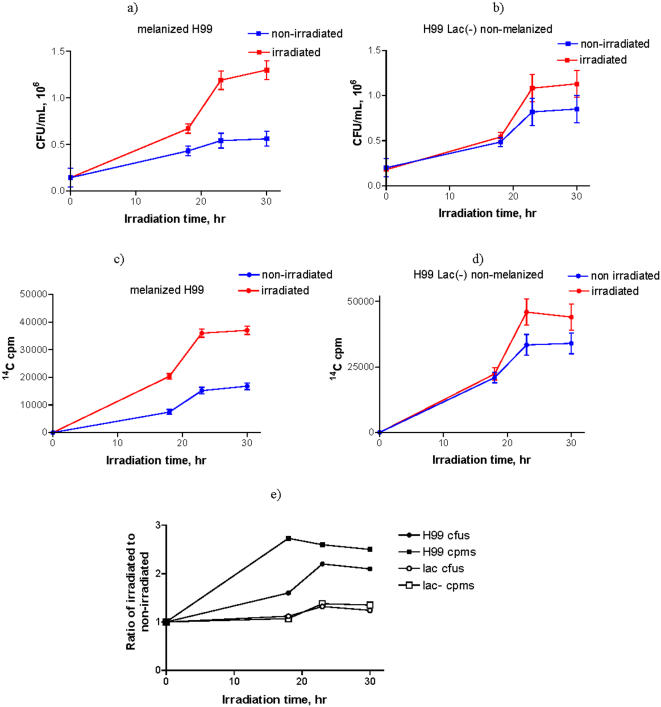
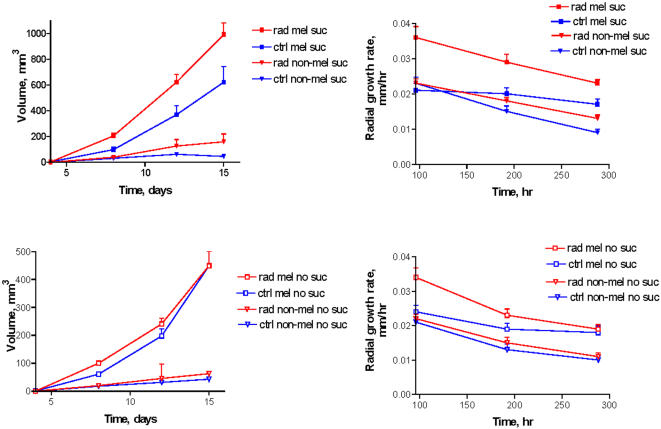
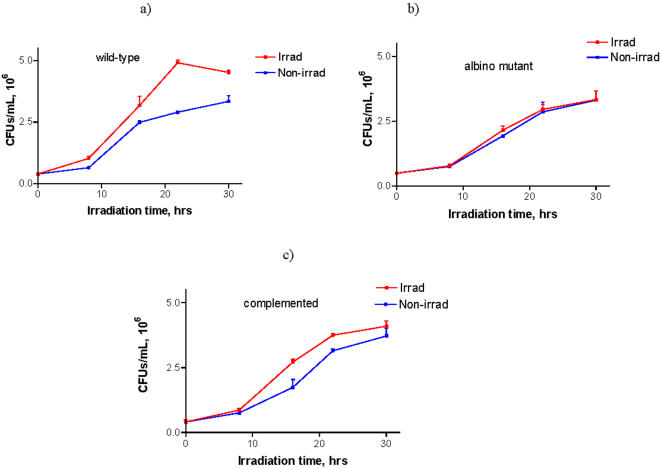
BACKGROUND: Melanin pigments are ubiquitous in nature. Melanized microorganisms are often the dominating species in certain extreme environments, such as soils contaminated with radionuclides, suggesting that the presence of melanin is beneficial in their life cycle. We hypothesized that ionizing radiation could change the electronic properties of melanin and might enhance the growth of melanized microorganisms. METHODOLOGY/PRINCIPAL FINDINGS: Ionizing irradiation changed the electron spin resonance (ESR) signal of melanin, consistent with changes in electronic structure. Irradiated melanin manifested a 4-fold increase in its capacity to reduce NADH relative to non-irradiated melanin. HPLC analysis of melanin from fungi grown on different substrates revealed chemical complexity, dependence of melanin composition on the growth substrate and possible influence of melanin composition on its interaction with ionizing radiation. XTT/MTT assays showed increased metabolic activity of melanized C. neoformans cells relative to non-melanized cells, and exposure to ionizing radiation enhanced the electron-transfer properties of melanin in melanized cells. Melanized Wangiella dermatitidis and Cryptococcus neoformans cells exposed to ionizing radiation approximately 500 times higher than background grew significantly faster as indicated by higher CFUs, more dry weight biomass and 3-fold greater incorporation of (14)C-acetate than non-irradiated melanized cells or irradiated albino mutants. In addition, radiation enhanced the growth of melanized Cladosporium sphaerospermum cells under limited nutrients conditions. CONCLUSIONS/SIGNIFICANCE: Exposure of melanin to ionizing radiation, and possibly other forms of electromagnetic radiation, changes its electronic properties. Melanized fungal cells manifested increased growth relative to non-melanized cells after exposure to ionizing radiation, raising intriguing questions about a potential role for melanin in energy capture and utilization.
Overview
The claims and statistics of this paper haven’t been checked yet.
Free: it reads the open-access text and checks the first 5 claims that cite a source we can check. Create a free account to check every claim.
Integrity signals
Registry
Cites
Statistics
Figures
Verification
Claims the paper makes
The claims and statistics of this paper haven’t been checked yet.
Free: it reads the open-access text and checks the first 5 claims that cite a source we can check. Create a free account to check every claim.
Claims other papers make about this one
Each is checked against this paper’s own text: does it say what the citing paper says it does?
The source backs part of the claim, not all of it — or backs it for a different population, condition or comparison.
In the citing paper
“Melanized W. dermatitidis and C. neoformans cells exposed to ionizing radiation approximately 500 times higher than background grew significantly faster as indicated by higher CFUs, more dry weight biomass and 3-fold greater incorporation of 14C-acetate than non-irradiated melanized cells or irradiated albino mutants.”
From Ionizing radiation: how fungi cope, adapt, and exploit with the help of melanin (2008) · cites this paper as [25]
Experimental — accuracy not yet measuredThe cited source says what the claim attributes to it.
In the citing paper
“Recent data show that melanized fungal species like those from Chernobyl’s reactor respond to ionizing radiation with enhanced growth.”
From Ionizing radiation: how fungi cope, adapt, and exploit with the help of melanin (2008) · cites this paper as [25]
The cited source says what the claim attributes to it.
In the citing paper
“The observations that melanized fungal cells manifested increased growth relative to non-melanized cells after exposure to ionizing radiation raised the intriguing possibility that melanin can function in energy capture and utilization (25).”
From Ionizing radiation: how fungi cope, adapt, and exploit with the help of melanin (2008) · cites this paper as [25]
The cited source says what the claim attributes to it.
In the citing paper
“ionizing irradiation changed the electron spin resonance (ESR) signal of melanin, consistent with changes in electronic structure (25).”
From Ionizing radiation: how fungi cope, adapt, and exploit with the help of melanin (2008) · cites this paper as [25]
The cited source says what the claim attributes to it.
In the citing paper
“Irradiated melanin manifested a 4-fold increase in its capacity to reduce NADH relative to non-irradiated melanin.”
From Ionizing radiation: how fungi cope, adapt, and exploit with the help of melanin (2008) · cites this paper as [25]
2 more claims about this paper
Create a free account to see every claim other papers make about this one.
Self-check
Percentages, sums and reported differences re-computed from the paper’s own numbers.
The self-check needs the paper’s full text.
Citations
Cites
Tetrazolium dyes as tools in cell biology: new insights into their cellular reduction
Berridge, M. V., Herst, P. M., & Tan, A. S. (2005) · Biotechnology Annual Review · doi:10.1016/s1387-2656(05)11004-7 · Cited by 2,222 · cited 1×
“The use of XTT and MTT assays in parallel can help to define the location of the melanin-mediated electron transfer in the cells since positively charged MTT is taken into the cells via the plasma membrane potential and is reduced intracellularly; while the negatively charged XTT is largely cell-impermeable and its re…”
MethodAGTR2 Mutations in X-Linked Mental Retardation
Vervoort, V. S., Beachem, M. A., Edwards, P. S., Ladd, S., Miller, K. E., de Mollerat, X., Clarkson, K., DuPont, B., Schwartz, C. E., Stevenson, R. E., et al. (2002) · Science · doi:10.1126/science.1072191 · Cited by 721
Thermotolerance Generated by Plant/Fungal Symbiosis
Redman, R. S., Sheehan, K. B., Stout, R. G., Rodriguez, R. J., & Henson, J. M. (2002) · Science · doi:10.1126/science.1078055 · Cited by 707 · cited 1×
“A symbiotic association of plants and a melanotic fungus that allows for extreme thermotolerance has been attributed to heat dissipating properties of melanin [15].”
BackgroundThe contribution of melanin to microbial pathogenesis: Melanin and microbial pathogenesis
Nosanchuk, J. D., & Casadevall, A. (2003) · Cellular Microbiology · doi:10.1046/j.1462-5814.2003.00268.x · Cited by 650
Self-citation(2014) · Nuclear Medicine · doi:10.1016/b978-0-323-08299-0.00003-1 · Cited by 578
Pathogenic roles for fungal melanins
Jacobson, E. S. (2000) · Clinical Microbiology Reviews · doi:10.1128/cmr.13.4.708 · Cited by 574 · cited 1×
“Many fungi constitutively synthesize melanin [2], which is likely to confer a survival advantage in the environment [3] by protecting against UV and solar radiation [reviewed in 4].”
BackgroundCold adaptation in Arctic and Antarctic fungi
Robinson, C. H. (2001) · New Phytologist · doi:10.1046/j.1469-8137.2001.00177.x · Cited by 520 · cited 3×
“Melanotic fungi inhabit the extraordinarly harsh climate of Antarctica [5].”
BackgroundInfluentialSteenbergen, J. N., Shuman, H. A., & Casadevall, A. (2001) · Proceedings of the National Academy of Sciences · doi:10.1073/pnas.261418798 · Cited by 511 · cited 1×
“Many fungi constitutively synthesize melanin [2], which is likely to confer a survival advantage in the environment [3] by protecting against UV and solar radiation [reviewed in 4].”
BackgroundSelf-citationLong-Term Sustainability of a High-Energy, Low-Diversity Crustal Biome
Lin, L.-H., Wang, P.-L., Rumble, D., Lippmann-Pipke, J., Boice, E., Pratt, L. M., Lollar, B. S., Brodie, E. L., Hazen, T. C., Andersen, G. L., et al. (2006) · Science · doi:10.1126/science.1127376 · Cited by 414 · cited 1×
“while some microorganisms living in mines exploit energy from radiolysis of water”
BackgroundIto, S., & Fujita, K. (1985) · Analytical Biochemistry · doi:10.1016/0003-2697(85)90150-2 · Cited by 386 · cited 6×
“In contrast, pheomelanin is a reddish-brown pigment composed of benzothiazine monomer units with 8–11% nitrogen and 9–12% sulfur [18,19] (Fig.”
BackgroundInfluential
Research works printed but not linked: 1
- RA Nicolaus, 1968, Melanins., Hermann, Paris.
Cited by
Items 301–400 of 463
Rodríguez-Piña, A. L., Juárez‐Montiel, M., Hernández-Sánchez, I. E., Rodríguez-Hernández, A. A., Bautista, E., Becerra-Flora, A., López‐Villegas, E. O., & Jiménez-Bremont, J. F. (2019) · Scientific Reports · doi:10.1038/s41598-019-47133-4 · Cited by 7
RETRACTED ARTICLE: Life on Venus and the interplanetary transfer of biota from Earth
Joseph, R. G. (2019) · Astrophysics and Space Science · doi:10.1007/s10509-019-3678-x · Cited by 8
RetractedStephan, O. O. H. (2020) · Plant Cell & Environment · doi:10.1111/pce.13929 · Cited by 7
Ding, Y., Yang, L., Shen, J., Wei, Y., & Wang, C. (2022) · New Journal of Chemistry · doi:10.1039/d2nj00799a · Cited by 7
Azadparvar, M., Kheirabadi, M., & Aliabad, H. A. R. (2022) · Journal of Molecular Modeling · doi:10.1007/s00894-022-05340-3 · Cited by 7
Shuryak, I., & Dadachova, E. (2016) · PLoS ONE · doi:10.1371/journal.pone.0147696 · Cited by 7
Self-citationPersistence of Fungi in Atypical, Closed Environments: Cultivation to Omics
Blachowicz, A., Venkateswaran, K. J., & Wang, C. C. C. (2018) · Methods in microbiology · doi:10.1016/bs.mim.2018.07.006 · Cited by 8
Do thermal treatments influence the ultrafast opto-thermal processes of eumelanin?
Brunetti, A., Arciuli, M., Triggiani, L., Sallustio, F., Gallone, A., & Tommasi, R. (2019) · European Biophysics Journal · doi:10.1007/s00249-018-1342-y · Cited by 8
Chashchin, V., Иванова, О. М., & Иванова, М. А. (2019) · Экология человека · doi:10.33396/1728-0869-2019-4-39-47 · Cited by 7
Crous, P. W., Groenewald, J. Z., Pascoe, I. G., & Edwards, J. (2010) · Persoonia - Molecular Phylogeny and Evolution of Fungi · doi:10.3767/003158510x552636 · Cited by 7
Landscape changes at Chernobyl
Santos, P., Sillero, N., Boratyński, Z., & Teodoro, A. C. (2019) · SPIE Conference on Remote Sensing for Agriculture, Ecosystems, and Hydrology · doi:10.1117/12.2532564 · Cited by 8
“Melanotic fungi can be also found in remote regions like the Arctic and Antarctic (Dadachova et al. 2007; Labib 2014; Casadevall et al. 2017; Cordero et al. 2017).”
BackgroundLyu, Y., Tschulakow, A., & Schraermeyer, U. (2022) · bioRxiv (Cold Spring Harbor Laboratory) · doi:10.1101/2022.02.16.480523 · Cited by 6
“It can also change other types of energy into electric energy [32], and is known to be able to convert gamma radiation into chemical energy for growth and metabolism, as observed in the radiotrophic fungi detected in Chernobyl [33, 34].”
BackgroundMusculoskeletal perturbations of deep space radiation: Assessment using a Gateway MRI
Jullienne, A., Malo, M. E., Shaw, K. A., Zheng, Y., Johnston, J. D., Kontulainen, S. A., Chilibeck, P. D., Dadachova, E., Obenaus, A., & Sarty, G. E. (2024) · Life Sciences in Space Research · doi:10.1016/j.lssr.2024.05.004 · Cited by 11
Self-citationdo Monte, C. A. (2025) · E-Acadêmica · doi:10.52076/eacad-v6i1.600 · Cited by 19
Tibolla, M. H., & Fischer, J. (2025) · Research Society and Development · doi:10.33448/rsd-v14i1.47965 · Cited by 9
Hatch, K., Murphy, E. K., Cordero, R. J. B., & Iacono, D. (2025) · Biomolecules · doi:10.3390/biom16010061 · Cited by 7
“Melanin’s unique electronic properties allow it to efficiently quench these highly reactive species [84].”
Alternative Device for Non-Ionizing Radiation Detection
Kayode, A., Ashidi, A. G., Oluseye, O., & Ewetumo, T. (2019) · International Journal of Engineering and Manufacturing · doi:10.5815/ijem.2019.05.02 · Cited by 6
“The knowledge of the power density and energy associated with any non-ionizing radiation (NIR) from home and office appliances can help to check excessive exposure to high intensity and harmful radiations [8, 6].”
BackgroundInfluentialFranz, G., Khomenko, V. M., Lyckberg, P., Chournousenko, V., Struck, U., Gernert, U., & Nissen, J. (2023) · Biogeosciences · doi:10.5194/bg-20-1901-2023 · Cited by 9
Melanin, A Fungal Photosensitizer for Cellulose Oxidizing AA9‐LPMO Enzymes
Monclaro, A. V., Gonçalves, T. A., Magri, S., Ovaert, J., Decembrino, D., Debecker, D. P., Kadowaki, M. A. S., Doneux, T., Leener, G. D., Zarattini, M., et al. (2023) · ChemCatChem · doi:10.1002/cctc.202300602 · Cited by 10
Fate of mitosporic soil fungi in cold deserts: A review
Nonzom, S., & Sumbali, G. (2015) · Cited by 6
Radioactivity to Rethink the Earth's Energy Balance
Terranova, M. L. (2021) · Global Challenges · doi:10.1002/gch2.202000094 · Cited by 5
Extremophilic Enzymes: Catalytic Features and Industrial Applications
Choudhary, K., Mankar, M. K., & Sahay, S. (2022) · Springer eBooks · doi:10.1007/978-981-16-4907-3_14 · Cited by 6
Cassaro, A., Pacelli, C., Baqué, M., Maturilli, A., Boettger, U., Moeller, R., Fujimori, A., Vera, J.-P. P. D., & Onofri, S. (2022) · International Journal of Astrobiology · doi:10.1017/s1473550422000180 · Cited by 6
“This class of pigments is widespread in all living kingdoms and often dominating extremophilic species, suggesting that these pigments are used as a protective strategy in their lifecycle (Dadachova et al., 2007).”
BackgroundInfluentialMelanized Fungi and Military Medical Operations in the Nuclear Environment
Washington, M. A. (2014) · Military Medicine · doi:10.7205/milmed-d-14-00152 · Cited by 6
Irie, L. M., Lewis, B., Nensel, A. K., Latawiec, E. I., Kuningas, A. J., Wasielewski, M. R., Wang, Z., Shull, K. R., & Gianneschi, N. C. (2025) · ACS Applied Materials & Interfaces · doi:10.1021/acsami.5c05674 · Cited by 4
Invasive fungal infections in wars, following explosives and natural disasters: A narrative review
Eid, R. E., Chowdhary, A., Zakhem, A. E., & Kanj, S. S. (2024) · Mycoses · doi:10.1111/myc.13762 · Cited by 7
“87,88 These melanized, or radiotrophic fungi, consist of several species of fungi that have already been recognised as causative agents of human disease, and the possibility that their virulence could be increased in a nuclear environment is certainly plausible.”
Juncheed, K., Tanunchai, B., Wahdan, S. F. M., Thongsuk, K., Schädler, M., Noll, M., & Purahong, W. (2022) · Frontiers in Plant Science · doi:10.3389/fpls.2022.966363 · Cited by 6
Zhang, G., Wijayawardene, N. N., Han, L., Kumla, J., Suwannarach, N., Li, Q., Elgorban, A. M., Moussa, I. M., Coleine, C., & Dai, D.-Q. (2024) · MycoKeys · doi:10.3897/mycokeys.106.123105 · Cited by 5
“They can grow in a wide range of habitats, including extreme environments like deserts or high salt concentrations (Raghukumar and Raghukumar 1998; Dadachova et al. 2007).”
BackgroundAliev, G., Solís-Herrera, A., Li, Y., Kaminsky, Y. G., Yakhno, N. N., Nikolenko, V. N., Zamyatnin, A. A., Benberin, V. V., & Бачурин, С. О. (2013) · Open Journal of Psychiatry · doi:10.4236/ojpsych.2013.34045 · Cited by 5
“In animals, melanin is a source of energy used by the body primarily for sight or to protect from UV photo damage and UV irradiation [15].”
BackgroundInfluentialTwo new species of Lichenothelia (Lichenotheliaceae) from Iran
Valadbeigi, T., Schultz, M., & von Brackel, W. (2016) · The Lichenologist · doi:10.1017/s0024282916000104 · Cited by 5
“Melanin is believed to protect the RIF from extreme cold or heat, extreme pH or osmotic conditions, toxicity of metals, and ultraviolet or even ionizing radiation (Dadachova et al. 2007; Selbmann et al. 2013a, b, 2015). Another adverse condition of exposed rocks, especially in deserts, is the low availability of energ…”
BackgroundInfluentialNatural Pigments from Filamentous Fungi: Production and Applications
Ashok, G., Mohan, U., Boominathan, M., Ravichandiran, V., Chandran, V., & Senthilkumar, V. (2021) · Fungal biology · doi:10.1007/978-3-030-85603-8_19 · Cited by 10
Chang, R., Cao, W., Wang, Y., Li, S. N., Li, X., Bose, T. K., & Si, H.-L. (2022) · Fungal Systematics and Evolution · doi:10.3114/fuse.2022.09.01 · Cited by 5
“…Haase et al. 1999, Prenafeta-Boldú et al. 2006), such as high temperature, UV radiation, toxic chemicals, oligotrophic environments and many more (Jacobson 2000, Langfelder et al. 2003, Lian et al. 2005, Selbmann et al. 2005, Dadachova et al. 2007, Dadachova & Casadevall 2008, Zhao et al. 2010).”
Prominent Roles and Conflicted Attitudes of Eumelanin in the Living World
Terranova, M. L. (2023) · International Journal of Molecular Sciences · doi:10.3390/ijms24097783 · Cited by 6
“We speak here of the broadband optical absorption coupled with an unusual extinction coefficient [15–17], of the radical quenching achieved by reversible redox processes [18], of the effective metal–ion chelation [19–21], of the uncommon double electronic/protonic conduction [22] and, last but not least, of the conver…”
BackgroundLee, K., & Dighton, J. (2013) · Soil biology · doi:10.1007/978-3-642-39339-6_3 · Cited by 5
“Melanin has been shown to be an agent for entrapment of ionizing radiation for transfer of energy from radioactive sources for fungal growth (Dadachova et al. 2007; Dadachova and Casadevall 2008; Dighton et al. 2008; Tugay et al. 2006).”
BackgroundBioremediation of Radiotoxic Elements under Natural Environmental Conditions
Mtimunye, P. J., & Chirwa, E. M. N. (2013) · InTech eBooks · doi:10.5772/56909 · Cited by 6
“One example was illustrated in a recent study in which cultures of melanising fungi from the cold regions utilized ionizing radiation to derive metabolic energy [28].”
BackgroundDevelopment of a Carbon-14 Bioseperation Technique for Cleanup of Nuclear Graphite
Molokwane, P. E., & Chirwa, E. M. N. (2007) · ASME International Conference on Environmental Remediation and Radioactive Waste Management (ICEM) · doi:10.1115/icem2007-7164 · Cited by 6
“However, only a few biological processes have been investigated under severe radiation conditions [4-6].”
BackgroundNonzom, S., & Sumbali, G. (2015) · International Journal of Pharma and Bio Sciences · Cited by 5
Potential of marine derived fungi and their enzymes in bioremediation of industrial pollutants
Verma, A. K. (2011) · INFLIBNET · Cited by 7
Characterization of brown-black pigment isolated from soil bacteria, Beijerinckia fluminensisPreprint
Joshi, M. H., Patil, A. A., & Adivarekar, R. V. (2021) · bioRxiv (Cold Spring Harbor Laboratory) · doi:10.1101/2021.07.21.453201 · Cited by 8
STOCKERT, J. C., & Blázquez‐Castro, A. (2026) · Acta Histochemica · doi:10.1016/j.acthis.2026.152355 · Cited by 4
Nitiu, D. S., Mallo, A. C., & Saparrat, M. C. N. (2022) · Boletín de la Sociedad Argentina de Botánica · doi:10.31055/1851.2372.v57.n2.36580 · Cited by 4
Plemenitaš, A., & Gunde‐Cimerman, N. (2011) · Springer eBooks · doi:10.1007/978-3-642-20198-1_7 · Cited by 4
“These orders contain a large number of extremotolerant species that can tolerate extreme temperatures (Wollenzien et al. 1995; Sterflinger 1998; Gunde-Cimerman et al. 2003; Ruibal et al. 2009), high salt concentrations (Gunde-Cimerman et al. 2000; Butinar et al. 2005b), desiccation (Gorbushina et al. 2008; Gueidan et…”
BackgroundAquino, S., Lui, C. D. L. C., & Corrêa, B. (2017) · Arquivo Brasileiro de Medicina Veterinária e Zootecnia · doi:10.1590/1678-4162-9241 · Cited by 4
Hungry fungi chomp on radiation
Ledford, H. K. (2007) · Nature · doi:10.1038/news070521-5 · Cited by 5
Niedrée, B. (2013) · bonndoc (University of Bonn) · doi:10.2314/gbv:796904332 · Cited by 4
A Broad-Spectrum Copper Oxidase Synthesizes Fungal Peptidomelanin
Srivatsan, S., Pramanik, S., Pradeep, P., Sarkar, S., Chandrappa, S. P., Gall, R., Singh, A., Chamraj, B., Kasala, B., Majumder, U., et al. (2025) · ACS Omega · doi:10.1021/acsomega.5c07332 · Cited by 3
Effect of Gamma Radiation on Growth and Mycotoxins Production of Alternaria alternata
Karlet, D. (2015) · Scholarship@Western (Western University) · Cited by 3
Bioprospecting of Fungi for Melanin fabrication A Comprehensive Review
Ammanagi, A. I., Badiger, A. S., & Shivasharana, C. T. (2019) · International Journal of Scientific Research in Biological Sciences · doi:10.26438/ijsrbs/v6i4.89100 · Cited by 4
Evaluation the efficacy of some culture media in melanin production by Cryptococcus neoformans
AL-Zubaidy, I. M. K., & Shabaa, R. A. H. (2021) · Materials Today Proceedings · doi:10.1016/j.matpr.2021.07.184 · Cited by 5
Durugbo, E. U., Adesanya, O. O., Osho, A., Adetutu, S., Tioluwani, A., Ayobami, O., Alayande, S. A., Egere, A. C., Odim, M. O., & Adedotun, A. O. (2023) · Aerobiologia · doi:10.1007/s10453-023-09795-6 · Cited by 3
“The fungal species were identified by comparison with Barnett & Hunter, 1972; Malloch, 1982;Williams Dennis, 1995; Navi et al., 1999; Kidd et al., 2016; Dadachova et al, 2007; Gorbushina & Palinska, 1999; Martinez-Herrera et al., 2016).”
Raman investigation of in vivo radiation exposure on melanin in murine hair
Poonia, M., Witte, S. A., Woodward, M., Yadav, P., Puri, S., Santhanam, R., Jacob, N. K., & Schultz, Z. D. (2025) · PNAS Nexus · doi:10.1093/pnasnexus/pgaf108 · Cited by 2
“Exposure to ionizing radiation alters the electronic properties of melanin and enhances the electron transfer capabilities of melanin as demonstrated by changes in its electron spin resonance signal (14).”
Nanoparticle-Based Mycosis Vaccine
Zubair, S., Azhar, A., Khan, N., Ahmad, E., Ajmal, M. R., & Owais, M. (2017) · Methods in molecular biology · doi:10.1007/978-1-4939-7104-6_13 · Cited by 3
de Melo, F. M., Uchiyama, M. K., Nakamura, M., Kawassaki, R. K., Taborda, C. P., & Toma, H. E. (2019) · Micron · doi:10.1016/j.micron.2019.03.001 · Cited by 3
Comparação de metodologias para detecção de fungos em arroz irradiado
Guimarães, Í. C. D. O., Pereira, J. R. D., Cornélio, V. M. D. O., Batista, L. R., Evangelista, R. M., & Ferreira, E. B. (2010) · REVISTA DO INSTITUTO ADOLFO LUTZ · doi:10.53393/rial.2010.v69.32656 · Cited by 3
Melanin‐Inspired Chromophoric Microparticles Composed of Polymeric Peptide Pigments
Lampel, A., McPhee, S. A., Kassem, S., Sementa, D., Massarano, T., Aramini, J. M., He, Y., & Ulijn, R. V. (2021) · Angewandte Chemie · doi:10.1002/ange.202015170 · Cited by 3
Biomolecules in Space: The Way to Search for Life on Mars
Vera, J.-P. P. D. (2020) · SpringerBriefs in space life sciences · doi:10.1007/978-3-030-61691-5_1 · Cited by 4
The role of fungal secondary metabolites in Collembola ― fungi interactions
Staaden, S. (2010) · Technischen Universität Darmstadt · doi:10.26083/tuprints-00002245 · Cited by 5
Metabolic responses in opposite sun-exposed Antarctic cryptoendolithic communitiesPreprint
Coleine, C., Gevi, F., Fanelli, G., Onofri, S., Timperio, A. M., & Selbmann, L. (2019) · bioRxiv (Cold Spring Harbor Laboratory) · doi:10.1101/725663 · Cited by 3
“…acidity, osmotic stress and salinity, dehydration and irradiation (Sterflinger, 2006; Sterflinger et al., 2012; Gorbushina et al., 2003; Dadachova et al., 2007; Onofri et al., 2007; 2008; Selbmann et al., 2017); besides, the stress-response mechanisms of whole metacommunity has not yet…”
BackgroundJones, R. M., Thurston, A. K., Barbato, R. A., & Barnes, E. V. (2020) · US Army Corps of Engineers: Engineer Research and Development Center (Knowledge Core) · doi:10.21079/11681/38641 · Cited by 3
“The purpose of melanin in fungi is theorized to be similar to the role melanin plays other organisms in that it is primarily a protectant against various environmental hazardous specifically radiation (Dadachova et al. 2007, 2008; Eisenman and Casadevall 2012).”
BackgroundZhu, Y., Yakhkeshi, S., Yusuf, A., & Zhang, X. (2025) · Poultry Science · doi:10.1016/j.psj.2025.105030 · Cited by 3
“…versatile applications in areas such as skin protection, medical treatments, cosmetics, food science, materials science, and environmental protection (Dadachova et al., 2007; Felix et al., 1978; Gonçalves et al., 2006; Menichetti et al., 2024; Meredith and Riesz, 2004; Wolbarsht et al., 1981).”
Gulacsi, E., Sabou, M., & Olsen, T. (2025) · International Journal of Radiation Biology · doi:10.1080/09553002.2025.2550438 · Cited by 2
“Melanin not only allows fungi to absorb and turn radiation into heat, but may also accelerate their growth (Dadachova et al. 2007).”
Volpe, R. P., Hwang, H. J., & Cox, R. T. (2025) · Scientific Reports · doi:10.1038/s41598-025-31545-6 · Cited by 2
“Previous research suggested that radiation-induced metabolic changes or antioxidant production may endow fungi with radioresistance 12,46,47 .”
Synthetic biology-driven microbial protein factories for space
Cao, R., Liu, Z., Hadiyanto, H., Xia, Y., & Shi, S. (2026) · Space habitation. · doi:10.1016/j.spaceh.2026.100065 · Cited by 1
Martínez-Pérez, P., Fleming, P. A., & Hyndman, T. H. (2020) · Australian Veterinary Journal · doi:10.1111/avj.13019 · Cited by 2
Xenobiology: An expanded semantical review
Wicaksono, A., & Cristy, G. P. (2021) · Notulae Scientia Biologicae · doi:10.15835/nsb13210929 · Cited by 2
“…fungi used melanin as tool to utilize the radioactive ionizing radiation into energy via energy transduction as the radiation alters the melanin electronic properties and resulted in growth enhancement of the fungi (Dadachova et al., 2007; Dadachova and Casadeval, 2008; Malo and Dadachova, 2019).”
MethodZong, E. (2015) · Journal of Nuclear and Particle Physics · Cited by 2
Das, D., Chakraborty, A., & Santra, S. C. (2019) · International Journal of Radiation Biology · doi:10.1080/09553002.2019.1569769 · Cited by 2
“Parallel to the data of present study, effect of radiation on CFU of fungi has been demonstrated by Dadachova et al. (2007), who reported higher CFUs with increased biomass of some fungal strains isolated from areas having higher radiation level.”
ResultZong, E. (2015) · American Journal of Physics and Applications · doi:10.11648/j.ajpa.20150303.17 · Cited by 2
“There are some types of fungi, called radiotrophic fungi, are able to use melanin as a photosynthetic pigment that enables them to capture gamma rays(4) and harness the energy for growth(5).”
BackgroundIonising Radiation in Modulating Zinc Tolerance Potential of Aspergillus niger
Das, D., Chakraborty, A., & Santra, S. C. (2014) · Proceedings of the National Academy of Sciences India Section B Biological Sciences · doi:10.1007/s40011-014-0397-5 · Cited by 2
“[20] reported higher CFUs with increased biomass of some fungal strains isolated from areas having higher radiation level.”
Nevo, E. (2017) · Fungal Genomics & Biology · doi:10.4172/2165-8056.1000149 · Cited by 2
“It forms free radicals and is itself a stable-free radical [35].”
Backgroundγ-Irradiation from Radiotherapy Improves the Virulence Potential of Candida Tropicalis
da Silva, E. M., Kischkel, B., Mesquita, C. S. S., Mendonca, P., Mansano, E. S. B., da Silva, M. A., Barbosa, J. F., Fiorini, A., Hernandes, L., Furlaneto, M. C., et al. (2017) · Future Microbiology · doi:10.2217/fmb-2017-0137 · Cited by 2
O'Connell, D. (2007) · Nature Reviews Microbiology · doi:10.1038/nrmicro1694 · Cited by 2
Deep Insights into the Role of Endophytic Fungi in Abiotic Stress Tolerance in Plants
Toppo, P., & Mathur, P. (2022) · Advances in Science, Technology & Innovation/Advances in science, technology & innovation · doi:10.1007/978-3-030-95365-2_21 · Cited by 3
Pathogenicity of Cryptococcus neoformans : an Evolutionary Perspective
Zaragoza, Ó., Frasés, S., & Casadevall, A. (2014) · ASM Press eBooks · doi:10.1128/9781555815639.ch48 · Cited by 2
Self-citationBiosafety and Biological Weapons: The Andromeda Strain (1971)
Sánchez, M. (2016) · DOAJ (DOAJ: Directory of Open Access Journals) · Cited by 2
Hosam, E.-S., Eskander, S. B., & Bayuomi, T. (2018) · Indian Journal of Microbiology Research · doi:10.18231/2394-5478.2018.0067 · Cited by 2
“There is a postulation that the fungal hyphae are able to use the energy for metabolism.(31) Melanin or”
Background“Boiling Water Is Not Too Hot for Us!”—Preferred Living Spaces of Heat-Loving Microbes
Elleuche, S., Schröder, C., Stahlberg, N., & Antranikian, G. (2017) · Frontiers for Young Minds · doi:10.3389/frym.2017.00001 · Cited by 2
Fungal Exposure and Relevant Recreational Settings
Brandão, J. C., Weiskerger, C. J., & Babič, M. N. (2020) · Elsevier eBooks · doi:10.1016/b978-0-12-809633-8.21541-0 · Cited by 2
Genetic analysis of pigment production in the fungus Exophiala dermatitidisPreprint
Chhoker, K., Hausner, G., & Harris, S. D. (2025) · bioRxiv (Cold Spring Harbor Laboratory) · doi:10.1101/2025.03.19.644242 · Cited by 2
The emerging pathogens: Nature, status, and threat
Kambouris, M. E., Manoussopoulos, Y. N., & Velegraki, A. (2021) · Elsevier eBooks · doi:10.1016/b978-0-323-85236-4.00013-3 · Cited by 2
Barrantes-Jiménez, I., Marín-Sandí, E., Murillo-Murillo, M., Rojas-Rojas, D., Vallecillo-Cedeño, S., & Valverde-Rojas, S. (2024) · Revista Tecnología en Marcha · doi:10.18845/tm.v37i2.6478 · Cited by 5
Welsh, J. S. (2024) · Institute of Physics eBooks · doi:10.1088/978-0-7503-5444-8 · Cited by 2
Aishwarya, J., Das, R. P., Barik, A., & Kunwar, A. (2025) · Colloids and Surfaces B Biointerfaces · doi:10.1016/j.colsurfb.2025.114680 · Cited by 1
The effect of acceleratedelectronswith an energy of 1mevon the growth of agriculturalplantspathogens
Malyuga, A. A., Чуликова, Н. С., Bliznyuk, U. A., Chernyaev, A. P., Borshchegovskaya, P. Y., Yurov, D. S., Zubritskaya, Y. V., Ipatova, V. S., Shimko, P. A., & Родин, И. А. (2025) · Bulletin of NSAU (Novosibirsk State Agrarian University) · doi:10.31677/2072-6724-2025-74-1-47-58 · Cited by 1
Making sense of nuclear natures: Ecologies, expertise, aesthetics
Turnbull, J. (2025) · Progress in Environmental Geography · doi:10.1177/27539687251371726 · Cited by 2
“…thrive in highly irradiated conditions: a species of radiotrophic fungus ( Cladosporium sphaerospermum ) that performs radiosynthesis (Skunk, Gomez, and Averesch 2020), using melanin to convert gamma radiation into chemical energy for growth (Dadachova et al. 2007; Dadachova and Casadevall 2008).”
The DOPA scaffold: Tracing catechol chemistry from prebiotic earth to cognitive agency
Alachkar, A. (2025) · Progress in Biophysics and Molecular Biology · doi:10.1016/j.pbiomolbio.2025.10.004 · Cited by 2
Plant melanins: extraction, bioactivity, and applications
Kutlu, G., & Törnük, F. (2026) · Food Chemistry · doi:10.1016/j.foodchem.2026.149420 · Cited by 2
Bioseguridad y armas biológicas: La amenaza de Andrómeda (1971)
Sánchez, M. (2011) · Revista de Medicina y Cine · Cited by 1
Adaptation of Microfungi to Chronic Ionizing Radiation. New Facts and Hypotheses
Tugay, T. I., & Tugay, A. V. (2017) · Mikrobiolohichnyi Zhurnal · doi:10.15407/microbiolj79.01.076 · Cited by 1
Influence of the 60 Hz Magnetic Field on the Airborne Microbial Distribution of Indoor Environments
Anaya, M., Borrego, S. F., Castro, M., Valdés, O., & Molina, A. (2020) · Journal of Atmospheric Science Research · doi:10.30564/jasr.v3i3.2215 · Cited by 1
Lotfali, E., Valizadeh, B., Ghasemi, R., & Feghhi, S. A. H. (2021) · Jundishapur Journal of Microbiology · doi:10.5812/jjm.111734 · Cited by 1
“Based on evidence, UVC radiation irreversibly affects fungal colony morphology (28, 29).”
BackgroundMelanin – protecting and enhancing the earliest life on Earth
Dadachova, E. (2021) · Physics of Life Reviews · doi:10.1016/j.plrev.2021.05.006 · Cited by 1
Self-citationThe genomic dimension in biodefense: Decontamination
Boltsis, I., Kambouris, M. E., & Kostis, G. D. (2021) · Elsevier eBooks · doi:10.1016/b978-0-323-85236-4.00012-1 · Cited by 1
Enigmatic secondary metabolites: Microbial melanins and their applications
Narang, U., Kurian, N. K., & Bayram, S. (2023) · Elsevier eBooks · doi:10.1016/b978-0-323-95241-5.00017-4 · Cited by 2
Mass spectrometry approaches to natural and synthetic melanin characterization
Keating, A. R., Dhinojwala, A., & Wesdemiotis, C. (2023) · Polymer International · doi:10.1002/pi.6604 · Cited by 1
de Figueiredo, G. M., da Costa, J. P., Rocha‐Santos, T., Caetano, T., Pereira, R., Mendo, S., & Lourenço, J. (2024) · Chemosphere · doi:10.1016/j.chemosphere.2024.142982 · Cited by 2
The Role of Microbes in Bioremediation of Radioactive Wastes
ElShaarawy, N. (2024) · SVOA Microbiology · doi:10.58624/svoamb.2024.05.045 · Cited by 1
Development of biological treatment processes for the separation and recovery of radioactive wastes
Chirwa, E. M. N. (2011) · Elsevier eBooks · doi:10.1533/9780857092274.3.436 · Cited by 4
Correlation between the organismal radioresistence and time of appearance in evolution
Atanasov, A. T., & Ignatova, M. (2021) · AIP conference proceedings · doi:10.1063/5.0048376 · Cited by 1
Ecology and Diversity of Microaerophilic Fungi Including Endophytes
Patil, D., Dawkar, V. V., & Jadhav, U. U. (2022) · Springer eBooks · doi:10.1007/978-981-16-4907-3_10 · Cited by 1
Metadata
- Authors
- Dadachova, E., Bryan, R. A., Huang, X., Moadel, T., Schweitzer, A. D., Aisen, P., Nosanchuk, J. D., & Casadevall, A.
- Affiliations
- Albert Einstein College of Medicine (US)
- Corresponding author
- Dadachova, Ekaterina
- Venue
- PLoS ONE
- Publisher
- Public Library of Science (PLoS)
- Published
- 2007-05-23
- Volume
- 2
- Issue
- 5
- Pages
- e457
- ISSN
- 1932-6203 (ISSN-L)
- PMC
- PMC1866175
- OpenAlex
- W2157963818
- Cited by
- 463
- References
- 41
- Citations by year
- 2026: 15 · 2025: 29 · 2024: 30 · 2023: 28 · 2022: 33 · 2021: 47 · 2020: 34 · 2019: 29 · 2018: 25 · 2017: 30 · 2016: 21 · 2015: 21 · 2014: 28 · 2013: 17 · 2012: 14
- FWCI
- 5.51
- Type
- journal article
- Language
- en
- Open access
- gold
- doi.org
- Locations
- PLoS ONE (publishedVersion, cc-by)
- PubMed Central (publishedVersion, cc-by)
- PubMed (publishedVersion)
- DOAJ (DOAJ: Directory of Open Access Journals) (submittedVersion, cc-by-sa)
- Funders
- York University
- National Institutes of Health (5r01ai052733-16, AI52733.)
- National Institute of Allergy and Infectious Diseases (AI52733, R01-AI052733)
- Topics
- Life Sciences › Biochemistry, Genetics and Molecular Biology › Cell Biology › melanin and skin pigmentation
- Health Sciences › Medicine › Radiology, Nuclear Medicine and Imaging › Effects of Radiation Exposure
- Life Sciences › Biochemistry, Genetics and Molecular Biology › Biotechnology › Microbial Metabolism and Applications
- Keywords
- melanin, ionizing radiation, dematiaceous fungi, fungal growth, electron spin resonance, NADH reduction, electron transfer, Wangiella dermatitidis, Cryptococcus neoformans, Cladosporium sphaerospermum, energy capture, radionuclide-contaminated soil
- MeSH terms
- Chromatography, High Pressure Liquid, Cryptococcus neoformans, Exophiala, Melanins, Radiation, Ionizing
About these checks
Registry, retraction, Cites and statistics results are computed, not judged, with one exception: a printed reference that no index lists is read once by a model before it counts as a citation error. Claims are extracted by a model and kept only when their quote appears verbatim in the text; each cited source is then checked, with a model’s help, for whether it says what the claim relies on. Those verdicts can be wrong — read the claim’s quote and the cited source before relying on one.
Statistics and arithmetic are recomputed, not judged.
Confidence bands are shown only for fields calibrated on our annotated test set. None is calibrated yet, so no band is shown.
What counts as a claim ›How we measure confidence ›How we check this ›
Are you an author, or do you see a problem with this page? Request a review
Data sources
Bibliographic data: Semantic Scholar, OpenAlex, Crossref.
Contains information from the Semantic Scholar Academic Graph Datasets, made available under the ODC Attribution License (ODC-BY 1.0).
Semantic Scholar’s data is described in: Kinney, R., et al. (2023). The Semantic Scholar Open Data Platform. arXiv:2301.10140.
