

Probiotic Escherichia coli Nissle 1917 Inhibits Leaky Gut by Enhancing Mucosal Integrity
Open accessThe DOI matches its Crossref record; 60 of the 60 references it cites were found in a registry or an index.
Abstract
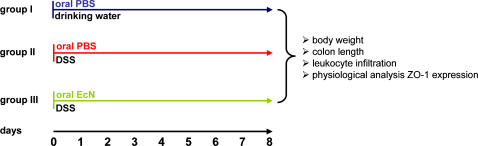
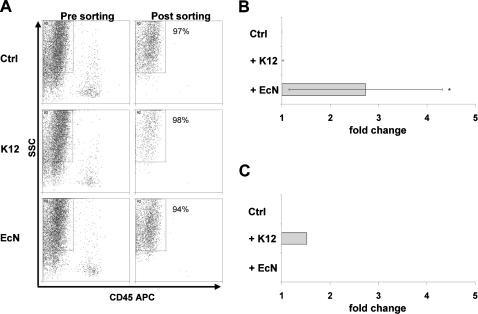
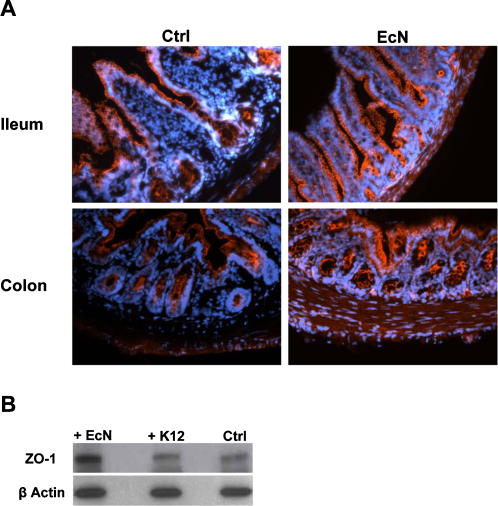
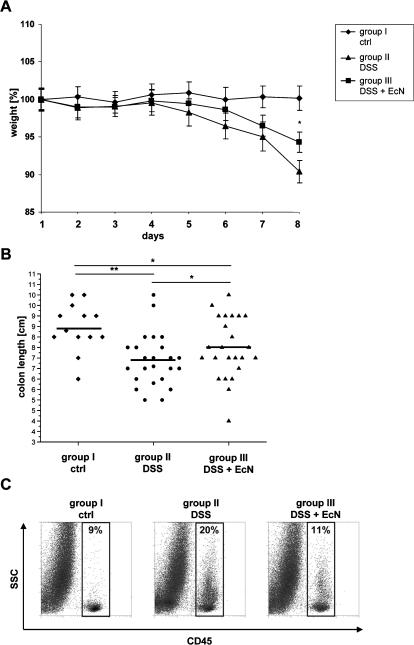
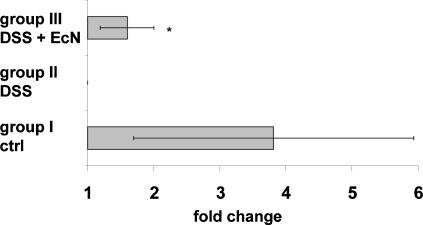
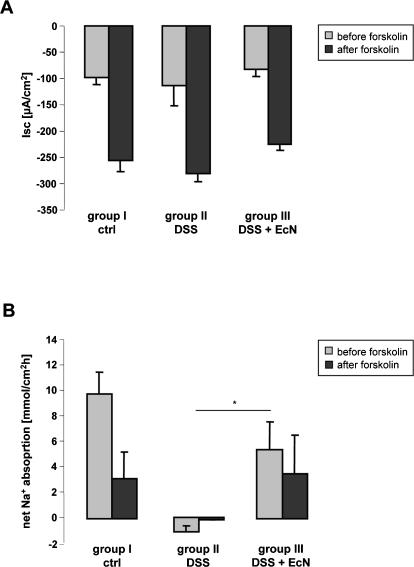
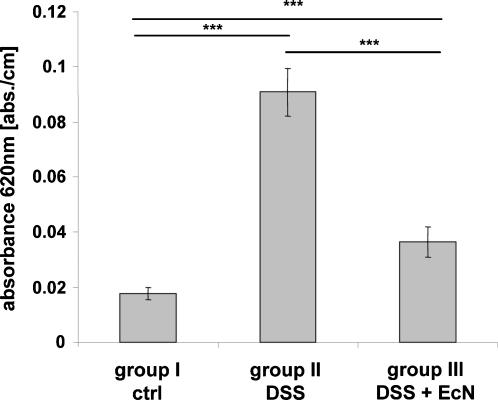
BACKGROUND: Probiotics are proposed to positively modulate the intestinal epithelial barrier formed by intestinal epithelial cells (IECs) and intercellular junctions. Disruption of this border alters paracellular permeability and is a key mechanism for the development of enteric infections and inflammatory bowel diseases (IBDs). METHODOLOGY AND PRINCIPAL FINDINGS: To study the in vivo effect of probiotic Escherichia coli Nissle 1917 (EcN) on the stabilization of the intestinal barrier under healthy conditions, germfree mice were colonized with EcN or K12 E. coli strain MG1655. IECs were isolated and analyzed for gene and protein expression of the tight junction molecules ZO-1 and ZO-2. Then, in order to analyze beneficial effects of EcN under inflammatory conditions, the probiotic was orally administered to BALB/c mice with acute dextran sodium sulfate (DSS) induced colitis. Colonization of gnotobiotic mice with EcN resulted in an up-regulation of ZO-1 in IECs at both mRNA and protein levels. EcN administration to DSS-treated mice reduced the loss of body weight and colon shortening. In addition, infiltration of the colon with leukocytes was ameliorated in EcN inoculated mice. Acute DSS colitis did not result in an anion secretory defect, but abrogated the sodium absorptive function of the mucosa. Additionally, intestinal barrier function was severely affected as evidenced by a strong increase in the mucosal uptake of Evans blue in vivo. Concomitant administration of EcN to DSS treated animals resulted in a significant protection against intestinal barrier dysfunction and IECs isolated from these mice exhibited a more pronounced expression of ZO-1. CONCLUSION AND SIGNIFICANCE: This study convincingly demonstrates that probiotic EcN is able to mediate up-regulation of ZO-1 expression in murine IECs and confer protection from the DSS colitis-associated increase in mucosal permeability to luminal substances.
Overview
The claims and statistics of this paper haven’t been checked yet.
Free: it reads the open-access text and checks the first 5 claims that cite a source we can check. Create a free account to check every claim.
Integrity signals
Registry
Cites
Statistics
Figures
Verification
Claims the paper makes
The claims and statistics of this paper haven’t been checked yet.
Free: it reads the open-access text and checks the first 5 claims that cite a source we can check. Create a free account to check every claim.
Claims other papers make about this one
Each is checked against this paper’s own text: does it say what the citing paper says it does?
In the citing paper
“Microbes(Figure 3) can directly alter expression of tight junction proteins such as claudin-380 and zonula occludens-181 or enhance expression of genes involved in tight junction signaling82.”
From The gut Microbiome in adult and pediatric functional gastrointestinal disorders (2019) · cites this paper as [81]
Self-check
Percentages, sums and reported differences re-computed from the paper’s own numbers.
The self-check needs the paper’s full text.
Citations
Cites
JUNCTIONAL COMPLEXES IN VARIOUS EPITHELIA
Farquhar, M. G., & Palade, G. E. (1963) · The Journal of Cell Biology · doi:10.1083/jcb.17.2.375 · Cited by 3,635 · cited 1×
“Its effectiveness and stability are ensured by the junctional complex [1].”
BackgroundPodolsky, D. K. (2002) · New England Journal of Medicine · doi:10.1056/nejmra020831 · Cited by 3,159
Stevenson, B. R., Siliciano, J. D., Mooseker, M. S., & Goodenough, D. A. (1986) · The Journal of cell biology · doi:10.1083/jcb.103.3.755 · Cited by 1,638 · cited 1×
“The first junction-associated protein identified was zonula occludens 1 (ZO-1), with a molecular mass between ,210–225 kDa [5].”
BackgroundKruis, W., Frič, P., Pokrotnieks, J., Lukáš, M., Fixa, B., Kaščák, M., Kamm, M. A., Weismueller, J., Beglinger, C., Stolte, M., et al. (2004) · Gut · doi:10.1136/gut.2003.037747 · Cited by 1,285 · cited 2×
“characterized probiotics, and its therapeutic efficacy and safety have convincingly been proven [12–16].”
BackgroundRembacken, B., Snelling, A., Hawkey, P., Chalmers, D., & Axon, A. (1999) · The Lancet · doi:10.1016/s0140-6736(98)06343-0 · Cited by 1,101
Sartor, R. B. (2004) · Gastroenterology · doi:10.1053/j.gastro.2004.03.024 · Cited by 1,052 · cited 10×
“A potential mechanism by which probiotics may exhibit their beneficial activities is modulation of the epithelial barrier function [17,18].”
BackgroundInfluentialRachmilewitz, D., Katakura, K., Karmeli, F., Hayashi, T., Reinus, C., Rudensky, B., Akira, S., Takeda, K., Lee, J., Takabayashi, K., et al. (2004) · Gastroenterology · doi:10.1053/j.gastro.2003.11.019 · Cited by 859 · cited 1×
“In the past years, probiotics have been shown to be effective in the treatment of mild to moderately active IBD [18] and to reduce inflammation in animal models of colitis [29,34–36].”
BackgroundKRUIS, W., SCHÜTZ, E., FRIC, P., FIXA, B., JUDMAIER, G., & STOLTE, M. (1997) · Alimentary Pharmacology & Therapeutics · doi:10.1046/j.1365-2036.1997.00225.x · Cited by 775 · cited 2×
“characterized probiotics, and its therapeutic efficacy and safety have convincingly been proven [12–16].”
BackgroundOrla-Jensen, S. (1919) · Cited by 698
Wang, F., Graham, W. V., Wang, Y., Witkowski, E. D., Schwarz, B. T., & Turner, J. R. (2005) · The American Journal of Pathology · doi:10.1016/s0002-9440(10)62264-x · Cited by 696 · cited 2×
“It has been shown that the impaired barrier function in IBD is associated with an altered TJ structure [7,8,25–28].”
Background
Cited by
Items 201–300 of 481
T cells, dendritic cells and epithelial cells in intestinal homeostasis
Westendorf, A. M., Fleissner, D., Hansen, W., & Buer, J. (2009) · International Journal of Medical Microbiology · doi:10.1016/j.ijmm.2009.08.009 · Cited by 51
“The important role of tight junction proteins in intestinal homeostasis is further underlined by the upregulation of molecules that serve as ‘‘glue’’ within the tight junctions of the IECs after treatment of colitogenic mice with beneficial probiotics (Ukena et al., 2007).”
BackgroundSelf-citationSchiffman, S. S., Scholl, E. H., Furey, T. S., & Nagle, H. T. (2023) · Journal of Toxicology and Environmental Health Part B · doi:10.1080/10937404.2023.2213903 · Cited by 52
“Gut microbes and their metabolites were shown to modulate the expression of tight junction proteins in both in vivo and in vitro models (Anderson et al. 2010; Bansal et al. 2010; Ewaschuk et al. 2008; Ukena et al. 2007).”
BackgroundProbiotics for inflammatory bowel disease: Is there sufficient evidence?
Ma, Y., Yang, D., Huang, J., Liu, K., Liu, H., Wu, H., & Bao, C. (2024) · Open Life Sciences · doi:10.1515/biol-2022-0821 · Cited by 58
“E. coli Nissle 1917 was shown to increase the expression of zonula occludins-1 in mouse intestinal epithelial cells and provide protection against the increased permeability of luminal material in the mucosa-associated with DSS colitis [91].”
BackgroundPre-eclampsia renamed and reframed: Intra-abdominal hypertension in pregnancy
Sawchuck, D., & Wittmann, B. K. (2014) · Medical Hypotheses · doi:10.1016/j.mehy.2014.08.001 · Cited by 45
“in the small intestine mediates Zot dysregulation and confers protection of the epithelial barrier [89,90].”
BackgroundTLR4/PKC‐mediated tight junction modulation: A clinical marker of chemotherapy‐induced gut toxicity?
Wardill, H. R., Gibson, R. J., Logan, R. M., & Bowen, J. M. (2013) · International Journal of Cancer · doi:10.1002/ijc.28656 · Cited by 43
“Furthermore, inflammatory infiltration was reduced and marked decreases in intestinal permeability were demonstrated through mucosal uptake of Evans blue.(72) These results highlight the modulatory capabilities of both commensal and pathogenic bacteria on tight junction integrity, emphasizing the importance of the gut…”
BackgroundHelmy, Y. A., Kassem, I. I., Kumar, A., & Rajashekara, G. (2017) · Frontiers in Microbiology · doi:10.3389/fmicb.2017.01588 · Cited by 45
“…Microbiology | www.frontiersin.org 6 August 2017 | Volume 8 | Article 1588 Frontiers in Microbiology | www.frontiersin.org 7 August 2017 | Volume 8 | Article 1588 the intestinal barrier through the up-regulation of tight junctionassociated proteins (Schulze and Downward, 2001; Ukena et al., 2007).”
BackgroundInfluentialChoi, H. J., Ahn, J. H., Park, S., Do, K. H., Kim, J., & Moon, Y. (2011) · Infection and Immunity · doi:10.1128/iai.05820-11 · Cited by 40
“effect of the bacteria on the migratory activity of intestinal epithelial cells, it is assumed that the probiotic bacteria can act favorably by enhancing mucosal barrier integrity, particularly through the upregulation of tight junction-associated genes in the epithelial layer (42).”
BackgroundRokana, N., Singh, R., Mallappa, R. H., Batish, V. K., & Grover, S. (2016) · Journal of Medical Microbiology · doi:10.1099/jmm.0.000366 · Cited by 45
“For instance, protection against gut permeability with increased ZO-1 expression was reported in mice subjected to probiotic (E. coli Nissle 1917) treatment (Ukena et al., 2007).”
BackgroundBuchheister, S., Büettner, M., Basic, M., Noack, A., Breves, G., Buchen, B., Keubler, L. M., Becker, C., & Bleich, A. (2017) · American Journal Of Pathology · doi:10.1016/j.ajpath.2017.01.012 · Cited by 39
“EcN is a well-described probiotic bacterium that is known to improve the intestinal barrier function in the DSS colitis model.(50) Although EcN is nonpathogenic in general, we previously showed that germ-free C3H/ HeJZtm mice develop severe clinical symptoms after EcN monoassociation, such as serositis and typhlitis.”
BackgroundSelf-citationThe role of probiotics in prevention and treatment of food allergy
Gu, S., Yang, D. J., Liu, C., & Xue, W. (2022) · Food Science and Human Wellness · doi:10.1016/j.fshw.2022.09.001 · Cited by 49
Lenzen, H., Lünnemann, M., Bleich, A., Manns, M. P., Seidler, U. E., & Jörns, A. (2012) · PLoS ONE · doi:10.1371/journal.pone.0040657 · Cited by 41
“Severe colonic NHE3 dysfunction in DSS colitis has previously been described by our group [41].”
BackgroundSelf-citationThe Mammalian Microbiome and Its Importance in Laboratory Animal Research
Bleich, A., & Fox, J. G. (2015) · ILAR Journal · doi:10.1093/ilar/ilv031 · Cited by 47
“coli Nissle (Ukena et al. 2007), which are considered to be probiotic bacteria, whereas proinflammatory effects were ob-”
BackgroundInfluentialSelf-citationA CRISPR-Cas9 system protecting E. coli against acquisition of antibiotic resistance genes
Lee, D., Muir, P., Lundberg, S., Lundholm, A., Sandegren, L., & Koskiniemi, S. (2025) · Scientific Reports · doi:10.1038/s41598-025-85334-2 · Cited by 45
Dušek, O., Fajstová, A., Klímová, A., Svozílková, P., Hrncir, T., Kverka, M., Coufal, Š., Šlemín, J., Tlaskalová‐Hogenová, H., Forrester, J. V., et al. (2020) · Cells · doi:10.3390/cells10010023 · Cited by 39
“The protective effect of EcN on the gut barrier is well established in multiple animal models [30,62,77,85].”
BackgroundHamilton, M. K., Wall, E. S., Robinson, C. D., Guillemin, K. J., & Eisen, J. S. (2022) · PLoS Pathogens · doi:10.1371/journal.ppat.1009989 · Cited by 40
“Although pH changes have not been described in HAEC, decreased luminal pH has been reported in IBD patients [96,97].”
BackgroundLuminal Conversion and Immunoregulation by Probiotics
Ganesh, B. P., & Versalovic, J. A. (2015) · Frontiers in Pharmacology · doi:10.3389/fphar.2015.00269 · Cited by 46
“…also demonstrated that application of probiotic E. coli NISSLE (EcN) is able to mediate up-regulation of ZO-1 expression in murine IECs and confer protection from the Dextran sodium sulphate (DSS) colitis-associated increase in mucosal permeability to mice luminal substances (Ukena et al., 2007).”
Weibel, N., Curcio, M., Schreiber, A., Arriaga, G., Mausy, M., Mehdy, J., Brüllmann, L., Meyer, A., Roth, L., Flury, T., et al. (2024) · ACS Synthetic Biology · doi:10.1021/acssynbio.4c00036 · Cited by 41
Self-citationMouthguards: does the indigenous microbiome play a role in maintaining oral health?
Kumar, P. S., & Mason, M. R. (2015) · Frontiers in Cellular and Infection Microbiology · doi:10.3389/fcimb.2015.00035 · Cited by 36
“The increased expression of ZO-2, a tight junction protein, has also been observed following the administration of probiotics, namely E. coli Nissle 1917, both in vitro (Zyrek et al., 2007) and in vivo (Ukena et al., 2007).”
Becker, H. M., Apladas, A., Scharl, M. M., Fried, M., & Rogler, G. (2014) · Digestion · doi:10.1159/000357521 · Cited by 39
Self-citationValvaikar, S., Vaidya, B., Sharma, S., Bishnoi, M., Kondepudi, K. K., & Sharma, S. S. (2024) · Neurochemistry International · doi:10.1016/j.neuint.2024.105691 · Cited by 38
Sabharwal, H., Cichon, C., Ölschläger, T. A., Sonnenborn, U., & Schmidt, M. A. (2016) · Infection and Immunity · doi:10.1128/iai.00402-16 · Cited by 35
Barbaro, M. R., Fuschi, D., Cremon, C., Carapelle, M., Dino, P., Marcellini, M. M., Dothel, G., Ponti, F. D., Stanghellini, V., & Barbara, G. (2018) · Neurogastroenterology & Motility · doi:10.1111/nmo.13388 · Cited by 41
What is the leaky gut? Clinical considerations in humans
Camilleri, M. (2021) · Current Opinion in Clinical Nutrition & Metabolic Care · doi:10.1097/mco.0000000000000778 · Cited by 42
Helmy, Y. A., Closs, G., Jung, K., Kathayat, D., Vlasova, A. N., & Rajashekara, G. (2022) · Infection and Immunity · doi:10.1128/iai.00337-22 · Cited by 40
Klingspor, S., Märtens, H., Çaushi, D., Twardziok, S. O., Aschenbach, J. R., & Lodemann, U. (2013) · Journal of Animal Science · doi:10.2527/jas.2012-5648 · Cited by 40
Byakika, S., Mukisa, I. M., Byaruhanga, Y. B., & Muyanja, C. (2020) · International Journal of Microbiology · doi:10.1155/2020/7825943 · Cited by 39
“In addition, their attachment to the ileum can stimulate the secretion of antimicrobial compounds by the intestinal epithelial cells [110, 113, 114].”
BackgroundBolino, C., & Berčík, P. (2010) · Infectious Disease Clinics of North America · doi:10.1016/j.idc.2010.07.005 · Cited by 38
Yim, J., Cho, S. W., Kim, B., Park, S., Han, Y. H., & Seo, S. W. (2020) · International Journal of Molecular Sciences · doi:10.3390/ijms21082666 · Cited by 33
“and is a representative probiotic that has been reported to improve host immunity [14-17].”
BackgroundDysbiosis of human microbiome and infectious diseases
Gupta, A., Singh, V., & Mani, I. (2022) · Progress in molecular biology and translational science · doi:10.1016/bs.pmbts.2022.06.016 · Cited by 42
Corrigendum: Inflammatory and Microbiota-Related Regulation of the Intestinal Epithelial Barrier
Barbara, G., Barbaro, M. R., Fuschi, D., Palombo, M., Falangone, F., Cremon, C., Marasco, G., & Stanghellini, V. (2021) · Frontiers in Nutrition · doi:10.3389/fnut.2021.790387 · Cited by 43
Nutritional and Probiotic Supplementation in Colitis Models
Nanau, R. M., & Neuman, M. G. (2012) · Digestive Diseases and Sciences · doi:10.1007/s10620-012-2284-3 · Cited by 35
“A few examples of these microorganisms currently being tested include Escherichia coli Nissle 1917 [40–43], the probiotic mixture VSL#3, consisting of eight lactic acid bacteria (Lactobacillus acidophilus, L.”
BackgroundMethodInfluentialAktaş, B., Wolfe, T. J. D., Tandee, K., Safdar, N., Darien, B. J., & Steele, J. L. (2015) · PLoS ONE · doi:10.1371/journal.pone.0145784 · Cited by 41
“Defa-rs1c 5'-CACCACCCAAGCTCCAAATACACAG-3' 5'-ATCGTGAGGACCAAAAGCAAATGG-3' [32] Defcr1 5’-TCAAGAGGCTGCAAAGGAAGAGAAC-3’ 5’-TGGTCTCCATGTTCAGCGACAGC-3’ [32] Defcr4 5’-CCAGGGGAAGATGACCAGGCTG-3’ 5’-TGCAGCGACGATTTCTACAAAGGC-3’ [32] Lyz1-2 5’-GCCAAGGTCTACAATCGTTGTGAGTTG-3’ 5’-CAGTCAGCCAGCTTGACACCACG-3’ [32] Pla2g2 5’-AGGATTCCC…”
The Tripeptide KdPT Protects from Intestinal Inflammation and Maintains Intestinal Barrier Function
Bettenworth, D., Buyse, M., Böhm, M., Mennigen, R. B., Czorniak, I., Kannengießer, K., Brzoska, T., Luger, T. A., Kucharzik, T. F., Domschke, W., et al. (2011) · American Journal Of Pathology · doi:10.1016/j.ajpath.2011.05.013 · Cited by 35
Chen, Z., Ceballos‐Francisco, D., Guardiola, F. A., & Esteban, M. Á. (2020) · Fish & Shellfish Immunology · doi:10.1016/j.fsi.2020.02.022 · Cited by 35
Cruz, N., Abernathy, G. A., Dichosa, A. E. K., & Kumar, A. (2022) · Infection and Immunity · doi:10.1128/iai.00589-21 · Cited by 36
Microbiota-Derived Extracellular Vesicle as Emerging Actors in Host Interactions
Margutti, P., D’Ambrosio, A., & Zamboni, S. (2024) · International Journal of Molecular Sciences · doi:10.3390/ijms25168722 · Cited by 40
“In addition, the effectiveness of this probiotic in the amelioration of induced experimental colitis in mice is well-documented [144,147–150].”
BackgroundMoradi, K., Ashraf‐Ganjouei, A., Tavolinejad, H., Bagheri, S., & Akhondzadeh, S. (2020) · Progress in Neuro-Psychopharmacology and Biological Psychiatry · doi:10.1016/j.pnpbp.2020.110091 · Cited by 36
Kwak, M., Tan, P. L., Oh, J. K., Chae, K. S., Kim, J., Kim, S. H., Eun, J.-S., Chee, S. W., Kang, D., Kim, S. H., et al. (2021) · Animal Feed Science and Technology · doi:10.1016/j.anifeedsci.2021.114833 · Cited by 38
Sushma, G., Vaidya, B., Sharma, S., Devabattula, G., Bishnoi, M., Kondepudi, K. K., & Sharma, S. S. (2023) · Neuropharmacology · doi:10.1016/j.neuropharm.2023.109480 · Cited by 34
Liu, X., Mei, Q., Xu, J.-M., & Hu, J. (2009) · Acta Pharmacologica Sinica · doi:10.1038/aps.2009.77 · Cited by 31
Myosin Light Chain Kinase Inhibitor Inhibits Dextran Sulfate Sodium-Induced Colitis in Mice
Liu, X., Xu, J., Mei, Q., Han, L., & Huang, J. (2012) · Digestive Diseases and Sciences · doi:10.1007/s10620-012-2304-3 · Cited by 31
The role of IgG hypersensitivity in the pathogenesis and therapy of depressive disorders
Karakuła‐Juchnowicz, H., Szachta, P., Opolska, A., Morylowska-Topolska, J., Gałęcka, M., Juchnowicz, D., Krukow, P., & Lasik, Z. (2016) · Nutritional Neuroscience · doi:10.1179/1476830514y.0000000158 · Cited by 33
Su, J., Zhu, Q., Zhao, Y., Han, L., Yin, Y., Blachier, F., Wang, Z., & Kong, X. (2018) · Frontiers in Microbiology · doi:10.3389/fmicb.2018.03181 · Cited by 33
“The intestinal barrier formed by the epithelial cells and junctional complex, consisting of TJs (including occludin, claudin, and ZO-1), adherens junctions (including E-Cadherin and catenins), gap junctions, and desmosomes, excludes the vast majority of these microbes and some of their metabolites from access to the s…”
BackgroundSiddik, M. A. B., Howieson, J., Islam, S. M., & Fotedar, R. K. (2022) · Aquaculture · doi:10.1016/j.aquaculture.2022.737965 · Cited by 32
The diet-microbiota axis: a key regulator of intestinal permeability in human health and disease
Tamang, R. L., Juritsch, A. F., Ahmad, R., Salomon, J., Dhawan, P., Ramer‐Tait, A. E., & Singh, A. B. (2022) · Tissue Barriers · doi:10.1080/21688370.2022.2077069 · Cited by 29
“The first in vivo study to examine EcN influence on intestinal TJ reported that germ-free mice monocolonized with EcN had higher baseline mRNA and protein expression of ZO-1 and that intragastric supplementation of EcN to conventional mice prevented DSS-mediated increases in intestinal permeability.(109) Another study…”
BackgroundSelf-citationToloza, L., Gíménez, R., Fábrega, M.-J., Álvarez-Villagómez, C. S., Aguilera, L., Cañas, M. A., Martín-Venegas, R., Badía, J., & Baldomà, L. (2015) · BMC Microbiology · doi:10.1186/s12866-015-0591-5 · Cited by 37
“It is known that EcN positively modulates the epithelial barrier function by promoting the formation of tight junctions [5–7].”
BackgroundAn, M., Park, Y.-H., & Lim, Y. (2021) · Scientific Reports · doi:10.1038/s41598-021-82282-5 · Cited by 32
Probiotics therapy show significant improvement in obesity and neurobehavioral disorders symptoms
Cai, Y., Liu, P., Zhou, X., Yuan, J., & Chen, Q. (2023) · Frontiers in Cellular and Infection Microbiology · doi:10.3389/fcimb.2023.1178399 · Cited by 39
“proinflammatory signaling cascade (Ukena et al., 2007).”
Sécher, T., Maillet, I., Mackowiak, C., Bérichel, J. L., Philippeau, A., Panek, C., Boury, M., Oswald, É., Saoudi, A., Erard, F., et al. (2018) · Scientific Reports · doi:10.1038/s41598-018-29689-9 · Cited by 31
“The probiotic ECN has the ability to strengthen the epithelial barrier 33 .”
BackgroundImpact of Food-Derived Bioactive Compounds on Intestinal Immunity
Zimmermann, C., & Wagner, A. E. (2021) · Biomolecules · doi:10.3390/biom11121901 · Cited by 36
A systematic review of microbiome composition in osteoarthritis subjects
Bonato, A., Zenobi‐Wong, M., Barreto, G., & Huang, Z. (2021) · Osteoarthritis and Cartilage · doi:10.1016/j.joca.2021.12.006 · Cited by 33
Hemsworth, J., Hekmat, S., & Reid, G. (2010) · Innovative Food Science & Emerging Technologies · doi:10.1016/j.ifset.2010.11.004 · Cited by 35
“…2001) may help to improve immune system by reducing gut epithelial permeability (Isolauri et al., 1993; Madsen et al., 2001; Rayes et al., 2005; Ukena et al., 2007) (thus helping to reconstitute depleted levels of CD4 lymphocytes) to down-regulate systemic and mucosal inflammation (Braat et…”
BackgroundNew insights into the pathogenesis of Crohn’s disease: are they relevant for therapeutic options?
Administrator (2009) · Swiss Medical Weekly · doi:10.4414/smw.2009.12520 · Cited by 31
Gut Microbiota and Neuroinflammation in Acute Liver Failure and Chronic Liver Disease
Giuli, L., Maestri, M., Santopaolo, F., Pompili, M., & Ponziani, F. R. (2023) · Metabolites · doi:10.3390/metabo13060772 · Cited by 32
Sylvain, F., Leroux, N., Normandeau, É., da Costa, J. C., Pierre-Luc, M., Bouslama, S., Holland, A., Barroso, D. C., Val, A. L., & Derôme, N. (2023) · Nature Communications · doi:10.1038/s41467-023-39461-x · Cited by 32
Wang, H., Jatmiko, Y. D., Bastian, S. E. P., Mashtoub, S., & Howarth, G. S. (2017) · Nutrition and Cancer · doi:10.1080/01635581.2017.1263747 · Cited by 33
“Interestingly, in the current study, Fp SNs enhanced cancer cell barrier measured by TER while concurrently increasing death of the same cell lines as measured by MTT. Defining an underlying mechanism will require further studies.”
BackgroundInfluentialIshioh, M., Nozu, T., Igarashi, S., Tanabe, H., Kumei, S., Ohhira, M., & Okumura, T. (2020) · Neuropharmacology · doi:10.1016/j.neuropharm.2020.108116 · Cited by 26
Stremmel, W., Hanemann, A., Braun, A., Stoffels, S., Karner, M., Fazeli, S., & Ehehalt, R. (2010) · Expert Opinion on Investigational Drugs · doi:10.1517/13543784.2010.535514 · Cited by 29
“Moreover, application of the probiotic Escherichia coli Nissle 1917 was shown to be effective for therapy of UC which may be due to enhancement of the tight junction mucosal barrier or to increased secretion of antimicrobial peptides, particularly defensins, into the mucus [7-9].”
BackgroundHummelen, R., Hemsworth, J., & Reid, G. (2010) · Nutrients · doi:10.3390/nu2060626 · Cited by 33
“Studies indicate that specific probiotic strains may reduce epithelial permeability [88-91], down-regulate systemic and mucosal inflammation [92,93,94], and regulate “allergy-like” Th-2 responses [95].”
BackgroundDeciphering internal and external factors influencing intestinal junctional complexes
Markovich, Z., Abreu, A., Sheng, Y., Han, S. M., & Xiao, R. (2024) · Gut Microbes · doi:10.1080/19490976.2024.2389320 · Cited by 26
“132 While the precise mechanism by which EcN controls ZO-1 expression remains unclear, it is known that ZO-1 plays a crucial role in the formation of tight junctions, thereby maintaining intestinal barrier integrity.”
BackgroundThe Infant-Derived Bifidobacterium bifidum Strain CNCM I-4319 Strengthens Gut Functionality
Martín, R., Bottacini, F., Egan, M., Chamignon, C., Tondereau, V., Moriez, R., Knol, J., Langella, P., Eutamène, H., Smokvina, T., et al. (2020) · Microorganisms · doi:10.3390/microorganisms8091313 · Cited by 26
Su, J., Zhang, W., Ma, C., Xie, P., Blachier, F., & Kong, X. (2021) · Frontiers in Veterinary Science · doi:10.3389/fvets.2021.680208 · Cited by 33
“Such an intact epithelium is able to exclude the vast majority of the microbiota from access to the subepithelial cells in the lamina propria (49).”
BackgroundEkmekçiu, I., Fiebiger, U., Stingl, K., Bereswill, S., & Heimesaat, M. M. (2017) · Gut Pathogens · doi:10.1186/s13099-017-0168-y · Cited by 25
“Proposed mechanisms of action include, for instance, modification of the intestinal microbiota [25], enhancement of colonization resistance [26] and intestinal barrier functions [27], as well as modulation of innate and adaptive immune functions [28].”
BackgroundRationale for probiotic treatment strategies in inflammatory bowel disease
Schultz, M., & Lindström, A. (2008) · Expert Review of Gastroenterology & Hepatology · doi:10.1586/17474124.2.3.337 · Cited by 30
Exploring the future of probiotics with innovations in delivery systems and market insights
Ramírez, A., Bermúdez-Luque, A., Román‐Camacho, J. J., Martín-García, F. J., Moreno‐García, J., Güngörmüşler, M., & Ruiz-Castilla, F. J. (2025) · Food Bioscience · doi:10.1016/j.fbio.2025.107029 · Cited by 34
Epithelial Organization: The Gut and Beyond
Shashikanth, N., Yeruva, S., Ong, M. L. D. M., Odenwald, M. A., Pavlyuk, R., & Turner, J. R. (2017) · Comprehensive physiology · doi:10.1002/cphy.c170003 · Cited by 41
Bamgbose, T., Alberdi, P., Abdullahi, I. O., Inabo, H. I., Bellò, M., Sinha, S., Anvikar, A. R., Mateos‐Hernández, L., Torres-Maravilla, E., Bermúdez‐Humarán, L. G., et al. (2022) · Scientific Reports · doi:10.1038/s41598-022-11632-8 · Cited by 26
Okumura, T., Nozu, T., Ishioh, M., Igarashi, S., Funayama, T., Kumei, S., & Ohhira, M. (2022) · Physiology & Behavior · doi:10.1016/j.physbeh.2022.113914 · Cited by 23
Opportunities and challenges for synthetic biology in the therapy of inflammatory bowel disease
Dong, Y., Xu, T., Xiao, G., Hu, Z., & Chen, J. (2022) · Frontiers in Bioengineering and Biotechnology · doi:10.3389/fbioe.2022.909591 · Cited by 27
“A higher ZO-1 expression protects mucosal permeability, and hence has the potential to be used as a treatment for IBD (Ukena et al., 2007).”
BackgroundBacterial extracellular vesicles: Emerging nanoplatforms for biomedical applications
Gurunathan, S., & Kim, J. (2023) · Microbial Pathogenesis · doi:10.1016/j.micpath.2023.106308 · Cited by 24
Aplicação de bactérias probióticas para profilaxia e tratamento de doenças gastrointestinais
Varavallo, M. A., Thomé, J. N., & Teshima, E. (2008) · Semina Ciências Biológicas e da Saúde · doi:10.5433/1679-0367.2008v29n1p83 · Cited by 67
Pandey, S., Singh, A. K., Kumar, P., Chaudhari, A., & Nareshkumar, G. (2014) · Applied Biochemistry and Biotechnology · doi:10.1007/s12010-014-0897-z · Cited by 23
Self-citationde Vrese, M., & Offick, B. (2010) · Elsevier eBooks · doi:10.1016/b978-0-12-374938-3.00014-1 · Cited by 32
Dietary Modulation of Bacteriophages as an Additional Player in Inflammation and Cancer
Marongiu, L., Burkard, M., Venturelli, S., & Allgayer, H. (2021) · Cancers · doi:10.3390/cancers13092036 · Cited by 24
Gut Microbiota: A Key Modulator of Intestinal Healing in Inflammatory Bowel Disease
Lopetuso, L. R., Petito, V., Zambrano, D., Orlando, D., Lago, A. D., Serrichhio, L., Papa, A., Gasbarrini, A., & Scaldaferri, F. (2016) · Digestive Diseases · doi:10.1159/000444460 · Cited by 24
Geervliet, M., de Vries, H., Jansen, C. A., Rutten, V. P. M. G., van Hees, H. M. J., Wen, C., Skovgaard, K., Antonello, G., Savelkoul, H. F. J., Smidt, H., et al. (2022) · Frontiers in Microbiology · doi:10.3389/fmicb.2022.842437 · Cited by 24
Escherichia coli - Old and New Insights
Erjavec, M. S. (2021) · IntechOpen eBooks · doi:10.5772/intechopen.95203 · Cited by 25
Li, Y., Wu, L., Yong, Y., Niu, X., Gao, Y., Zhou, Q., Xie, H., Liu, X., Li, Y., Yu, Z., et al. (2024) · Nutrition · doi:10.1016/j.nut.2024.112428 · Cited by 21
Sengupta, C., Ekka, M., Arora, S., Dhaware, P. D., Chowdhury, R., & Raychaudhuri, S. (2017) · Gut Pathogens · doi:10.1186/s13099-016-0153-x · Cited by 22
Jang, S., Park, J., Kim, S., Choi, K.-M., Ko, E.-S., Cha, J., Young-Ran, L. E. E., Jang, H.-S., & Jang, Y. (2017) · Chinese Journal of Natural Medicines · doi:10.1016/s1875-5364(17)30035-3 · Cited by 28
The Hypothalamic-Pituitary-Adrenal Axis and Gut Microbiota
Sudo, N. (2016) · Elsevier eBooks · doi:10.1016/b978-0-12-802304-4.00013-x · Cited by 31
Impact of probiotics-derived extracellular vesicles on livestock gut barrier function
Zhang, Y., Song, M., Fan, J., Guo, X., & Tao, S. (2024) · Journal of Animal Science and Biotechnology/Journal of animal science and biotechnology · doi:10.1186/s40104-024-01102-8 · Cited by 21
Probiotics as alternatives to antibiotics in treating post-weaning diarrhoea in pigs: Review paper
Bogere, P., Choi, Y. J., & Heo, J.-Y. (2019) · South African Journal of Animal Science · doi:10.4314/sajas.v49i3.1 · Cited by 20
“Compounds that have been demonstrated to regulate the expression of TJs include probiotics.”
BackgroundInfluentialIshioh, M., Nozu, T., Igarashi, S., Tanabe, H., Kumei, S., Ohhira, M., Takakusaki, K., & Okumura, T. (2021) · Experimental Neurology · doi:10.1016/j.expneurol.2021.113708 · Cited by 21
Schumann, S., Alpert, C., Engst, W., Loh, G., & Blaut, M. (2012) · Applied and Environmental Microbiology · doi:10.1128/aem.07340-11 · Cited by 20
“Nissle modulates several elements of the immune response (8, 9, 16, 34, 45, 50), but the bacterial components mediating these immunomodulatory effects have not yet been identified.”
BackgroundIntestinal permeability, food antigens and the microbiome: a multifaceted perspective
Valitutti, F., Mennini, M., Monacelli, G., Fagiolari, G., Piccirillo, M., Nardo, G. D., & Cara, G. D. (2025) · Frontiers in Allergy · doi:10.3389/falgy.2024.1505834 · Cited by 29
Wang, S., Li, X., Zhang, M., & Li, M. (2025) · Microbiome · doi:10.1186/s40168-025-02152-4 · Cited by 26
“Probiotics promoted the expression of tight junction proteins and the integrity of the intestinal structure, thereby enhancing intestinal barrier function and reducing the translocation of ammonia-containing bacterial metabolites into systemic circulation [23, 24].”
Mapping the Influence of the Gut Microbiota on Small Molecules across the Microbiome Gut Brain Axis
Hulme, H., Meikle, L. M., Strittmatter, N., Swales, J. G., Hamm, G. R., Brown, S. L., Milling, S. W. F., MacDonald, A. S., Goodwin, R. J. A., Burchmore, R., et al. (2022) · Journal of the American Society for Mass Spectrometry · doi:10.1021/jasms.1c00298 · Cited by 20
The Ameliorative Role of Probiotics in 5-fluorouracil Induced Intestinal Mucositis
Sim, A. H., Cheam, J. Y., Law, J. W.-F., Letchumanan, V., Kumari, Y., Ogawa, S., Wong, S. H., Chan, K.-G., & Tan, L. T.-H. (2023) · Progress In Microbes & Molecular Biology · doi:10.36877/pmmb.a0000339 · Cited by 23
“rhamnosus GG upregulates ZO-1, protecting the gut from being more permeable([95,96]).”
BackgroundSoto‐Dávila, M., Webb, R. A., Rodríguez‐Ramos, T., McDonald, G., Dang, X., Heath, J. W., Reid, G., & Dixon, B. (2024) · Aquaculture · doi:10.1016/j.aquaculture.2024.740582 · Cited by 20
Preventive Effect of Probiotics and α-Tocopherol on Ethanol-Induced Gastric Mucosal Injury in Rats
Şenol, A., İşler, M., Karahan, A. G., Kılıç, G. B., Kuleaşan, H., Kaya, S., Keskin, M., GÖREN, İ., Sarıtaş, Ü., Arıdoğan, B. C., et al. (2011) · Journal of Medicinal Food · doi:10.1089/jmf.2010.0040 · Cited by 19
Wang, H., Bastian, S. E. P., Cheah, K. Y., Lawrence, A. J., & Howarth, G. S. (2014) · Cancer Biology & Therapy · doi:10.4161/cbt.28159 · Cited by 19
“EcN has also been reported to improve mucosal integrity in the colon in mice following dextran sodium sulfate (DSS)-induced damage by modulating the tight junction molecule, ZO-1, thereby reducing intestinal permeability.(6) EcN has been shown to regulate the intestinal epithelial cell differentiation factors Hes1, Ha…”
BackgroundInfluentialYuan, L., Jobst, P. M., & Weiss, M. (2017) · Elsevier eBooks · doi:10.1016/b978-0-12-804561-9.00005-0 · Cited by 27
Wang, J., Wang, B., Du, H., Zhang, H., Li, H., Wang, F., & Zhao, X. (2019) · Poultry Science · doi:10.3382/ps/pez428 · Cited by 17
“In addition, the expression of TGF-β was significantly increased, which suggests that TGF-β is a regulator of cytokines and plays an important role in regulating immunity (Wahl, 2007; Kubiczkova et al., 2012).”
BackgroundOh, G. M., Moon, W., Seo, K. I., Jung, K., Kim, J. H., Kim, S. E., Park, M. I., & Park, S. J. (2020) · Korean Journal of Gastroenterology · doi:10.4166/kjg.2020.0119 · Cited by 19
“It has been speculated that stabilization of the intestinal barrier due to EcN can decrease nutritional loss, thereby increasing weight gain.(25,26) Weight gain is important for patients with UC to improve the quality of life, but weight loss in patients with IBD increases the risk of fractures and compromises immunit…”
Ahn, S., Cho, S., Jeon, E., Park, M., Chae, B., Ditengou, J. I. C. P., & Choi, N. (2022) · Applied Sciences · doi:10.3390/app12094680 · Cited by 21
Liang, M., Zhang, J., Yang, Y., Yi, X., Liu, L., Liu, L., Wang, Q., & Gao, X. (2022) · World Journal of Microbiology and Biotechnology · doi:10.1007/s11274-022-03452-9 · Cited by 18
“EcN can improve the intestinal epithelial barrier by increasing the expression of ZO-1 at the mRNA and protein levels in mice with colitis; our results were consistent with this conclusion (Ukena et al. 2007).”
ResultJesus, G. F. A., Vieira, F. D. N., Silva, B. C., Júnior, M. M. D. S., Ushizima, T. T., Schmidt, É. C., Bouzon, Z. L., Pereira, S. A., Pereira, G. D. V., Martins, M. L., et al. (2016) · Aquaculture Nutrition · doi:10.1111/anu.12416 · Cited by 21
Funayama, T., Nozu, T., Ishioh, M., Igarashi, S., Sumi, C., Saito, T., Toki, Y., Hatayama, M., Yamamoto, M., Shindo, M., et al. (2023) · Brain Research · doi:10.1016/j.brainres.2023.148371 · Cited by 18
Overview of the compromised mucosal integrity in celiac disease
Taraz, T., Ghehsareh, M. M., Asri, N., Mojarad, E. N., Rezaei–Tavirani, M., Jahani‐Sherafat, S., Naseh, A., & Rostami‐Nejad, M. (2024) · Journal of Molecular Histology · doi:10.1007/s10735-023-10175-0 · Cited by 17
“It showed the potential to inhibit leaky gut, which is a hallmark of CD (Ukena et al. 2007).”
Metadata
- Authors
- Ukena, S. N., Singh, A., Dringenberg, U., Engelhardt, R., Seidler, U., Hansen, W., Bleich, A., Bruder, D., Franzke, A., Rogler, G., Suerbaum, S., Buer, J., Gunzer, F., & Westendorf, A. M.
- Affiliations
- Medizinische Hochschule Hannover (DE)
- Helmholtz Centre for Infection Research (DE)
- University Hospital Zurich (CH)
- Essen University Hospital (DE)
- Technische Universität Dresden (DE)
- Corresponding author
- Ukena, Sya N.
- ORCID
- Venue
- PLoS ONE
- Publisher
- Public Library of Science (PLoS)
- Published
- 2007-12-12
- Volume
- 2
- Issue
- 12
- Pages
- e1308
- ISSN
- 1932-6203 (ISSN-L)
- PMC
- PMC2110898
- OpenAlex
- W2149362751
- Cited by
- 482
- References
- 60
- Citations by year
- 2026: 16 · 2025: 22 · 2024: 24 · 2023: 27 · 2022: 39 · 2021: 37 · 2020: 26 · 2019: 26 · 2018: 24 · 2017: 31 · 2016: 25 · 2015: 24 · 2014: 30 · 2013: 22 · 2012: 25
- FWCI
- 30.83
- Type
- journal article
- Language
- en
- Open access
- gold
- doi.org
- Locations
- PLoS ONE (publishedVersion, cc-by)
- PubMed Central (publishedVersion, cc-by)
- PubMed (publishedVersion)
- DOAJ (DOAJ: Directory of Open Access Journals) (submittedVersion, cc-by-sa)
- HZI (Helmholtz Centre for Infection Research) (submittedVersion)
- Funders
- Deutsche Forschungsgemeinschaft (SFB621)
- Topics
- Life Sciences › Agricultural and Biological Sciences › Food Science › Probiotics and Fermented Foods
- Health Sciences › Medicine › Gastroenterology › Inflammatory Bowel Disease
- Health Sciences › Medicine › Gastroenterology › Gastrointestinal motility and disorders
- Keywords
- Escherichia coli Nissle 1917, probiotics, leaky gut, intestinal barrier, tight junctions, ZO-1, ZO-2, intestinal epithelial cells, DSS-induced colitis, mucosal permeability, gnotobiotic mice, inflammatory bowel disease, sodium uptake, Evans blue
- MeSH terms
- Animals, Base Sequence, Colitis, Escherichia coli, Female, Fluorescent Antibody Technique, Germ-Free Life, Intestinal Mucosa, Mice, Inbred BALB C, Blotting, Western, DNA Primers, Probiotics, Mice
About these checks
Registry, retraction, Cites and statistics results are computed, not judged, with one exception: a printed reference that no index lists is read once by a model before it counts as a citation error. Claims are extracted by a model and kept only when their quote appears verbatim in the text; each cited source is then checked, with a model’s help, for whether it says what the claim relies on. Those verdicts can be wrong — read the claim’s quote and the cited source before relying on one.
Statistics and arithmetic are recomputed, not judged.
Confidence bands are shown only for fields calibrated on our annotated test set. None is calibrated yet, so no band is shown.
What counts as a claim ›How we measure confidence ›How we check this ›
Are you an author, or do you see a problem with this page? Request a review
Data sources
Bibliographic data: Semantic Scholar, OpenAlex, Crossref.
Contains information from the Semantic Scholar Academic Graph Datasets, made available under the ODC Attribution License (ODC-BY 1.0).
Semantic Scholar’s data is described in: Kinney, R., et al. (2023). The Semantic Scholar Open Data Platform. arXiv:2301.10140.
