

Probiotic Escherichia coli Nissle 1917 Inhibits Leaky Gut by Enhancing Mucosal Integrity
Open accessThe DOI matches its Crossref record; 60 of the 60 references it cites were found in a registry or an index.
Abstract
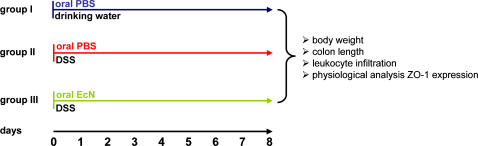
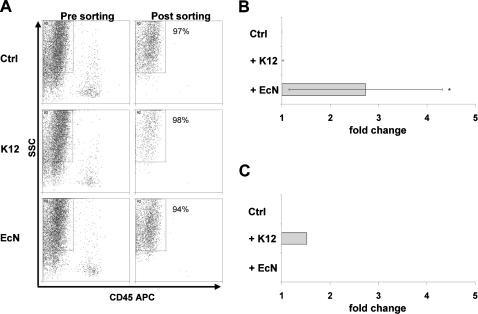
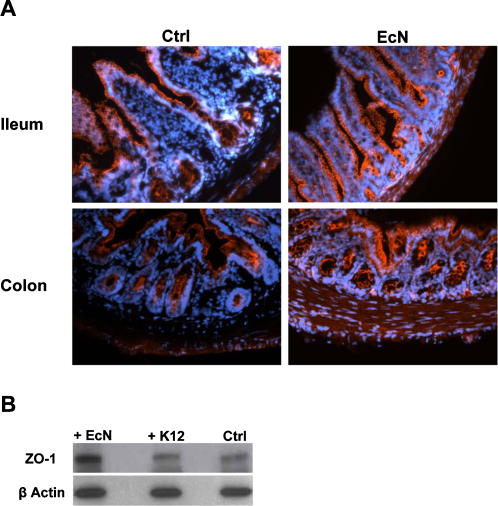
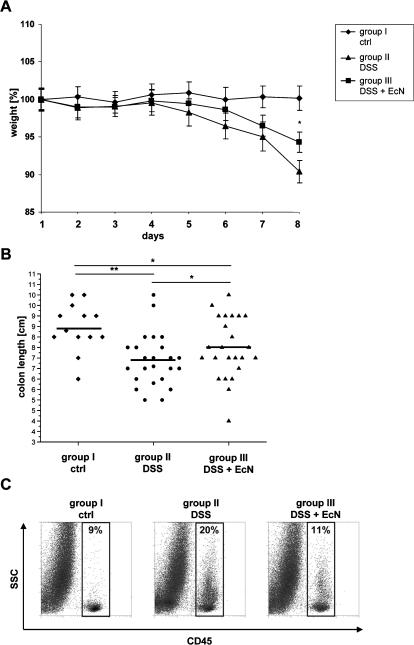
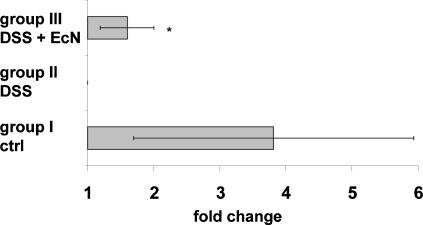
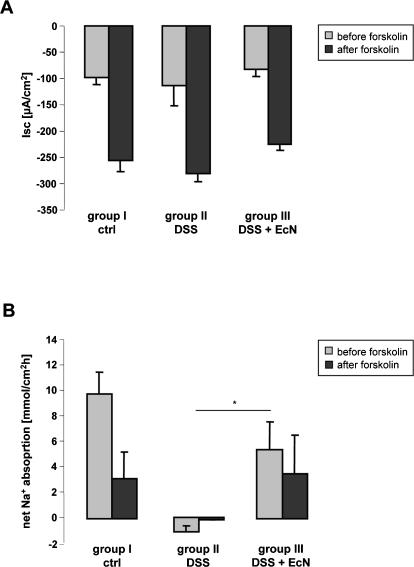
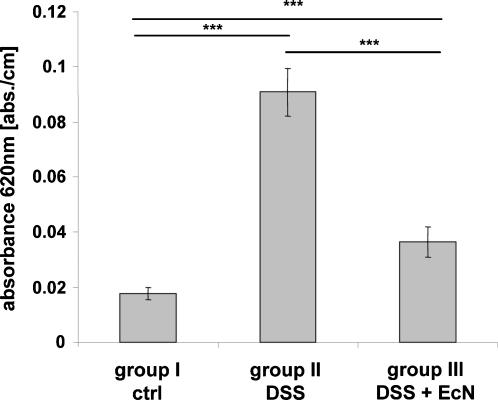
BACKGROUND: Probiotics are proposed to positively modulate the intestinal epithelial barrier formed by intestinal epithelial cells (IECs) and intercellular junctions. Disruption of this border alters paracellular permeability and is a key mechanism for the development of enteric infections and inflammatory bowel diseases (IBDs). METHODOLOGY AND PRINCIPAL FINDINGS: To study the in vivo effect of probiotic Escherichia coli Nissle 1917 (EcN) on the stabilization of the intestinal barrier under healthy conditions, germfree mice were colonized with EcN or K12 E. coli strain MG1655. IECs were isolated and analyzed for gene and protein expression of the tight junction molecules ZO-1 and ZO-2. Then, in order to analyze beneficial effects of EcN under inflammatory conditions, the probiotic was orally administered to BALB/c mice with acute dextran sodium sulfate (DSS) induced colitis. Colonization of gnotobiotic mice with EcN resulted in an up-regulation of ZO-1 in IECs at both mRNA and protein levels. EcN administration to DSS-treated mice reduced the loss of body weight and colon shortening. In addition, infiltration of the colon with leukocytes was ameliorated in EcN inoculated mice. Acute DSS colitis did not result in an anion secretory defect, but abrogated the sodium absorptive function of the mucosa. Additionally, intestinal barrier function was severely affected as evidenced by a strong increase in the mucosal uptake of Evans blue in vivo. Concomitant administration of EcN to DSS treated animals resulted in a significant protection against intestinal barrier dysfunction and IECs isolated from these mice exhibited a more pronounced expression of ZO-1. CONCLUSION AND SIGNIFICANCE: This study convincingly demonstrates that probiotic EcN is able to mediate up-regulation of ZO-1 expression in murine IECs and confer protection from the DSS colitis-associated increase in mucosal permeability to luminal substances.
Overview
The claims and statistics of this paper haven’t been checked yet.
Free: it reads the open-access text and checks the first 5 claims that cite a source we can check. Create a free account to check every claim.
Integrity signals
Registry
Cites
Statistics
Figures
Verification
Claims the paper makes
The claims and statistics of this paper haven’t been checked yet.
Free: it reads the open-access text and checks the first 5 claims that cite a source we can check. Create a free account to check every claim.
Claims other papers make about this one
Each is checked against this paper’s own text: does it say what the citing paper says it does?
In the citing paper
“Microbes(Figure 3) can directly alter expression of tight junction proteins such as claudin-380 and zonula occludens-181 or enhance expression of genes involved in tight junction signaling82.”
From The gut Microbiome in adult and pediatric functional gastrointestinal disorders (2019) · cites this paper as [81]
Self-check
Percentages, sums and reported differences re-computed from the paper’s own numbers.
The self-check needs the paper’s full text.
Citations
Cites
JUNCTIONAL COMPLEXES IN VARIOUS EPITHELIA
Farquhar, M. G., & Palade, G. E. (1963) · The Journal of Cell Biology · doi:10.1083/jcb.17.2.375 · Cited by 3,635 · cited 1×
“Its effectiveness and stability are ensured by the junctional complex [1].”
BackgroundPodolsky, D. K. (2002) · New England Journal of Medicine · doi:10.1056/nejmra020831 · Cited by 3,159
Stevenson, B. R., Siliciano, J. D., Mooseker, M. S., & Goodenough, D. A. (1986) · The Journal of cell biology · doi:10.1083/jcb.103.3.755 · Cited by 1,638 · cited 1×
“The first junction-associated protein identified was zonula occludens 1 (ZO-1), with a molecular mass between ,210–225 kDa [5].”
BackgroundKruis, W., Frič, P., Pokrotnieks, J., Lukáš, M., Fixa, B., Kaščák, M., Kamm, M. A., Weismueller, J., Beglinger, C., Stolte, M., et al. (2004) · Gut · doi:10.1136/gut.2003.037747 · Cited by 1,285 · cited 2×
“characterized probiotics, and its therapeutic efficacy and safety have convincingly been proven [12–16].”
BackgroundRembacken, B., Snelling, A., Hawkey, P., Chalmers, D., & Axon, A. (1999) · The Lancet · doi:10.1016/s0140-6736(98)06343-0 · Cited by 1,101
Sartor, R. B. (2004) · Gastroenterology · doi:10.1053/j.gastro.2004.03.024 · Cited by 1,052 · cited 10×
“A potential mechanism by which probiotics may exhibit their beneficial activities is modulation of the epithelial barrier function [17,18].”
BackgroundInfluentialRachmilewitz, D., Katakura, K., Karmeli, F., Hayashi, T., Reinus, C., Rudensky, B., Akira, S., Takeda, K., Lee, J., Takabayashi, K., et al. (2004) · Gastroenterology · doi:10.1053/j.gastro.2003.11.019 · Cited by 859 · cited 1×
“In the past years, probiotics have been shown to be effective in the treatment of mild to moderately active IBD [18] and to reduce inflammation in animal models of colitis [29,34–36].”
BackgroundKRUIS, W., SCHÜTZ, E., FRIC, P., FIXA, B., JUDMAIER, G., & STOLTE, M. (1997) · Alimentary Pharmacology & Therapeutics · doi:10.1046/j.1365-2036.1997.00225.x · Cited by 775 · cited 2×
“characterized probiotics, and its therapeutic efficacy and safety have convincingly been proven [12–16].”
BackgroundOrla-Jensen, S. (1919) · Cited by 698
Wang, F., Graham, W. V., Wang, Y., Witkowski, E. D., Schwarz, B. T., & Turner, J. R. (2005) · The American Journal of Pathology · doi:10.1016/s0002-9440(10)62264-x · Cited by 696 · cited 2×
“It has been shown that the impaired barrier function in IBD is associated with an altered TJ structure [7,8,25–28].”
Background
Cited by
Items 301–400 of 481
Abdulqadir, R. F., Al–Sadi, R., Haque, M. R., Gupta, Y., Rawat, M., & Ma, T. Y. (2024) · American Journal Of Pathology · doi:10.1016/j.ajpath.2024.05.012 · Cited by 19
Claudins in Intestinal Function and Disease
Bücker, R., Schümann, M., Amasheh, S., & Schulzke, J. (2010) · Current topics in membranes · doi:10.1016/s1063-5823(10)65009-0 · Cited by 19
Metzler-Zebeli, B. U., Mann, E., Ertl, R., Schmitz‐Esser, S., Wagner, M., Klein, D., Ritzmann, M., & Zebeli, Q. (2015) · British Journal Of Nutrition · doi:10.1017/s0007114515000380 · Cited by 20
“Bearing in mind the potential translational modification of mRNA, findings of a downregulation in the expression of genes that encode for tight junction proteins in the jejunum might be counterproductive in the juvenile phase, given that proper barrier function has been suggested as a key mechanism for the development…”
BackgroundBasic, M., Büettner, M., Keubler, L. M., Smoczek, A., Brüsch, I., Buchheister, S., & Bleich, A. (2018) · Scientific Reports · doi:10.1038/s41598-017-19062-7 · Cited by 16
Self-citationGut microbiota in non-alcoholic fatty liver disease: Pathophysiology, diagnosis, and therapeutics
Pandey, H., Goel, P., Srinivasan, V. M., Tang, D. W. T., Wong, S. H., & Lal, D. (2025) · World Journal of Hepatology · doi:10.4254/wjh.v17.i6.106849 · Cited by 23
Yun, Y., Baek, A., & Kim, D. (2021) · BMB Reports · doi:10.5483/bmbrep.2021.54.5.211 · Cited by 15
“Consequently, defective intestinal epithelial barriers cause tissue damage with enhanced intestinal permeability, causing inflammatory bowel diseases, such as Crohn’s disease (CD) (4), ulcerative colitis (UC) (5), and leaky gut syndrome (6).”
Gastrointestinal dysbiosis and Escherichia coli pathobionts in inflammatory bowel diseases
Petersen, A. M. (2022) · Apmis · doi:10.1111/apm.13256 · Cited by 20
Probiotics in Functional Dyspepsia
Tziatzios, G., Gkolfakis, P., Leite, G., Mathur, R., Damoraki, G., Giamarellos‐Bourboulis, E. J., & Τriantafyllou, Κ. (2023) · Microorganisms · doi:10.3390/microorganisms11020351 · Cited by 21
“Similar to IBS, accumulating evidence supports the notion that treatment with these agents could be an evolving concept also in FD by restoring GI flora alterations [10].”
BackgroundResultYao, Y., Feng, Q., & Shen, J. (2020) · Expert Review of Clinical Immunology · doi:10.1080/1744666x.2021.1850269 · Cited by 16
Ho, S. W., El-Nezami, H. S., & Shah, N. P. (2019) · Journal of Functional Foods · doi:10.1016/j.jff.2019.103571 · Cited by 18
Role of zonula occludens in gastrointestinal and liver cancers
Ram, A. K., & Vairappan, B. (2022) · World Journal of Clinical Cases · doi:10.12998/wjcc.v10.i12.3647 · Cited by 15
Caffaratti, C., Plazy, C., Cunin, V., Toussaint, B., & Gouëllec, A. L. (2022) · Metabolites · doi:10.3390/metabo12111061 · Cited by 14
Interactions Between Microbes and the Gut Epithelium
Madsen, K. L. (2011) · Journal of Clinical Gastroenterology · doi:10.1097/mcg.0b013e3182274249 · Cited by 14
Schmitz, L., Ferrari, N., Schwiertz, A., Rusch, K., Woestmann, U., Mahabir, E., & Gräf, C. (2019) · Pilot and Feasibility Studies · doi:10.1186/s40814-019-0459-9 · Cited by 19
The Biotics Family: Current Knowledge and Future Perspectives in Metabolic Diseases
Palade, C.-M., Vulpoi, G.-A., Vulpoi, R. A., Drug, V. L., Bărboi, O.-B., & Ciocoiu, M. (2022) · Life · doi:10.3390/life12081263 · Cited by 22
“A study highlighting the effect of Escherichia coli Nissle 1917 (EcN) was performed on germ-free mice, which were colonized with EcN, and it was observed that this colonization led to overexpression of ZO-1, thus stabilizing the tight epithelial junctions [65,67,68].”
BackgroundHaag, L.-M., & Siegmund, B. (2014) · Best Practice & Research Clinical Gastroenterology · doi:10.1016/j.bpg.2014.04.001 · Cited by 16
Lu, E., Yeung, M., & Yeung, C. K. (2018) · Food and Nutrition Sciences · doi:10.4236/fns.2018.93013 · Cited by 19
Liu, J., Ma, X., Zhuo, Y., Xu, S., Hua, L., Li, J., Feng, B., Fang, Z., Jiang, X., Che, L., et al. (2023) · Journal of Animal Science · doi:10.1093/jas/skad257 · Cited by 13
Siniagina, M., Markelova, M., Boulygina, E. A., Laikov, A. V., Khusnutdinova, D. R., Abdulkhakov, S. R., Danilova, N. A., Odintsova, A. K., Abdulkhakov, R., & Grigoryeva, T. V. (2021) · Microorganisms · doi:10.3390/microorganisms9061299 · Cited by 18
“It has been shown that the probiotic strain Nissle 1917 affects intestinal permeability and improves barrier integrity in IBD patients [34,35].”
BackgroundMiyauchi, E., MORITA, M., Rossi, M., Morita, H., Suzuki, T., & Tanabe, S. (2012) · Bioscience Biotechnology and Biochemistry · doi:10.1271/bbb.110646 · Cited by 15
Mechanisms of Infection By SARS-CoV-2, Inflammation and Potential Links With the Microbiome
Aguirre‐García, M. M., Mancilla-Galindo, J., Paredes‐Paredes, M., Tiburcio, Á. Z., & Ávila‐Vanzzini, N. (2021) · Future Virology · doi:10.2217/fvl-2020-0310 · Cited by 12
“LPS binds to toll-like receptors in mucosal and peripheral tissues, thereby initiating proinflammatory signaling [90,91].”
BackgroundProbiotics as a promising treatment for inflammatory bowel disease
Mikov, M., Stojančević, M., & Bojić, G. (2014) · Hospital Pharmacology - International Multidisciplinary Journal · doi:10.5937/hpimj1401052m · Cited by 22
“[48] showed that treatment with the probiotic E.”
BackgroundEnhancing the antibacterial function of probiotic Escherichia coli Nissle: when less is more
Bartram, E., Asai, M., Gabant, P., & Wigneshweraraj, S. (2023) · Applied and Environmental Microbiology · doi:10.1128/aem.00975-23 · Cited by 13
Agro-ecosystem of honeybees as source for native probiotic yeasts
Agarbati, A., Moretti, L., Canonico, L., Ciani, M., & Comitini, F. (2024) · World Journal of Microbiology and Biotechnology · doi:10.1007/s11274-024-03941-z · Cited by 13
“…the intended use is another one, and also non-pathogenic microorganisms, e.g. certain yeast strains ( Saccharomyces cerevisiae var. boulardii ) or Escherichia coli strains ( E. coli Nissle, 1917) are applied in prophylaxis and therapy since several decades (Czerucka et al. 2007; Ukena et al. 2007).”
BackgroundBodnaruc, A. M., Roberge, M., Giroux, I., & Aguer, C. (2024) · Endocrines · doi:10.3390/endocrines5040035 · Cited by 16
“…and T2D in Individuals with MDD MDD-associated alterations in the composition of the gut microbiome may play a role in the development of T2D, partly via their involvement in the regulation of inflammatory processes and their potential subsequent impact on glycemic parameters [85–87 , 134– 136].”
Peng, H., Shen, Y., Zhang, Q., Liu, J., Wang, Z., Huang, L. Y., Zhou, F., Yu, J., Liu, M., Yuan, Y., et al. (2018) · PubMed · Cited by 13
Current and Novel Treatments for Ulcerative Colitis
Cuong, D., Katsikeros, R., & Suzanne, M. (2012) · InTech eBooks · doi:10.5772/25592 · Cited by 16
“The probiotic treatment resulted in an upregulation of the tight junction molecule ZO-1 in intestinal epithelial cells at both mRNA and protein levels and reduced intestinal barrier permeability (191).”
BackgroundEnvironmental Factors and Their Impact on the Intestinal Microbiota: A Role for Human Disease?
Biedermann, L., & Rogler, G. (2012) · Digestive Diseases · doi:10.1159/000342590 · Cited by 14
Self-citationEffects of Probiotics on Intestinal Transport and Epithelial Barrier Function
Lodemann, U. (2010) · Elsevier eBooks · doi:10.1016/b978-0-12-374938-3.00021-9 · Cited by 20
Intestinal luminal anion transporters and their interplay with gut microbiome and inflammation
Husain, N., Kumar, A., Anbazhagan, A. N., Gill, R. K., & Dudeja, P. K. (2025) · American Journal of Physiology-Cell Physiology · doi:10.1152/ajpcell.00026.2025 · Cited by 13
The Role of the Gut Microbiome in Pathogenesis, Biology, and Treatment of Plasma Cell Dyscrasias
Jasiński, M., Biliński, J., & Basak, G. W. (2021) · Frontiers in Oncology · doi:10.3389/fonc.2021.741376 · Cited by 11
“In GF mice, the intestinal barrier is immature, which results in increased mucosal permeability (40).”
BackgroundUsing integrated meta-omics to appreciate the role of the gut microbiota in epilepsy
Boeri, L., Donnaloja, F., Campanile, M., Sardelli, L., Tunesi, M., Fusco, F., Giordano, C., & Albani, D. (2022) · Neurobiology of Disease · doi:10.1016/j.nbd.2022.105614 · Cited by 11
Regulation of Physiological Barrier Function by the Commensal Microbiota
McArthur, S. (2023) · Life · doi:10.3390/life13020396 · Cited by 17
Drug discovery approaches to irritable bowel syndrome
Hornby, P. J. (2015) · Expert Opinion on Drug Discovery · doi:10.1517/17460441.2015.1049528 · Cited by 11
“Potential mechanisms for the positive effects of probiotics on improving barrier function are alteration of tight junction protein expression [66-68] or binding to intestinal Muc2 and maintaining mucus physical properties [69].”
BackgroundMicrobial Colonization in Adulthood Shapes the Intestinal Macrophage Compartment
Schmidt, F., Dahlke, K., Batra, A., Keye, J., Wu, H., Friedrich, M., Glauben, R., Ring, C., Loh, G., Schaubeck, M., et al. (2019) · Journal of Crohn s and Colitis · doi:10.1093/ecco-jcc/jjz036 · Cited by 12
Zídek, Z., Kmoníčková, E., Kostecká, P., & Tlaskalová‐Hogenová, H. (2010) · Folia Microbiologica · doi:10.1007/s12223-010-0027-4 · Cited by 13
Immunomodulatory effects of probiotic bacteria in healthy adults
Kekkonen, R. A. (2008) · Helda - University of Helsinki Institutional Repository · Cited by 16
Liang, X., He, Q., Xu, C., Ali, M., Gu, L., Safdar, M., Ullah, Q., & Li, K. (2025) · BMC Microbiology · doi:10.1186/s12866-025-04277-w · Cited by 10
“Beyond its antimicrobial properties, L. salivarius contributes to gut health by colonizing the intestinal mucosa and forming biofilms that prevent the adhesion and proliferation of pathogenic bacteria [23, 24].”
Ye, Z., Tan, Q., Woltemate, S., Tan, X., Römermann, D., Graßl, G. A., Vital, M., Seidler, U. E., & Kini, A. (2024) · Inflammatory Bowel Diseases · doi:10.1093/ibd/izae294 · Cited by 15
“14 We collected the cecal and fecal content from non-gavaged mice and EcN-gavaged mice after 21 days of gavage with EcN, homogenized the samples, and serially diluted them before plating the different dilution steps on MacConkey agar.”
Self-citationSelection of autochtone probiotic for Astyanax bimaculatus
Jatobá, A., de Moraes, A. V., Steckert, L. D., & Jesus, G. F. A. (2017) · Arquivo Brasileiro de Medicina Veterinária e Zootecnia · doi:10.1590/1678-4162-9158 · Cited by 10
Immunomodulatory Activity of Probiotics in Models of Bacterial Infections
Dias, T. G., Rodrigues, L. D. S., Farias, J. R., Pereira, A. L. F., Ferreira, A. G. N., Neto, M. S., Dutra, R. P., Reis, A. S., Guerra, R. N. M., Monteiro‐Neto, V., et al. (2023) · Probiotics and Antimicrobial Proteins · doi:10.1007/s12602-023-10090-6 · Cited by 13
“Some probiotic strains maintain intestinal permeability by increasing the intercellular integrity of api - cal occlusive junctions or by preventing the redistribution of proteins from the occlusive junctions [ 17, 18].”
Wang, Y., Deng, H., Xiao, L., & Pan, Y. (2024) · Microorganisms · doi:10.3390/microorganisms12081622 · Cited by 11
“The mechanism underlying EcN’s beneficial properties involves the secretion of proteins that alter the expression or distribution of tight junction (TJ) proteins [6] and exert a regulatory influence on gut microbiota [7,8], thereby preserving intestinal barrier integrity.”
BackgroundScharl, M. M., Geisel, S., Vavricka, S. R., & Rogler, G. (2010) · Digestion · doi:10.1159/000308715 · Cited by 10
“Furthermore, they increase epithelial barrier function [”
Self-citationProbiotics in the Rescue of Gut Inflammation
Ghosh, A. R. (2018) · Elsevier eBooks · doi:10.1016/b978-0-12-814625-5.00006-6 · Cited by 10
Wang, H., Bastian, S. E. P., Lawrence, A., & Howarth, G. S. (2015) · Nutrition and Cancer · doi:10.1080/01635581.2015.990570 · Cited by 12
“Moreover, EcN has been reported to improve mucosal integrity by modulating the tight junction molecule, zonula occludens-1 (ZO-1), thereby reducing intestinal permeability in the colon in mice following dextran sodium sulfate (DSS)-induced damage (11).”
BackgroundInfluentialProbiotics and Colorectal Cancer
Raman, M., Ambalam, P. S., & Doble, M. (2015) · Springer eBooks · doi:10.1007/978-81-322-2586-7_2 · Cited by 12
Kwak, D. S., Lee, O. Y., Lee, K. N., Jun, D. W., Lee, H. L., Yoon, B. C., & Choi, H. S. (2016) · Gut and Liver · doi:10.5009/gnl15251 · Cited by 10
Gaio, D., DeMaere, M. Z., Anantanawat, K., Eamens, G. J., Zingali, T., Falconer, L., Chapman, T. A., Djordjevic, S. P., & Darling, A. E. (2022) · PLoS ONE · doi:10.1371/journal.pone.0270372 · Cited by 14
Barbaro, M. R., Bianco, F., Cremon, C., Marasco, G., Bonomini, F., Palombo, M., Delprete, C., Pérez, M., Espadaler, J., Stanghellini, V., et al. (2025) · Gut Microbes · doi:10.1080/19490976.2025.2452235 · Cited by 10
Xue, X., Wang, D., Ji, Z., & Xie, Y. (2021) · Translational Andrology and Urology · doi:10.21037/tau-21-112 · Cited by 13
“A further animal study showed that there was a significant difference in the abundance of 175 operational taxonomic units between high serum creatinine level animals and the control group, and the most significant decrease was in family Lactobacillaceae, which was recognized as an important factor in promoting bowel m…”
BackgroundRanson, A., Vázquez-Gómez, M., Alili, R., Durrafourd, J., Vitalis, O., Taillandier, P., Rebière, C., Merabtene, F., Belda, E., Crespo‐Piazuelo, D., et al. (2025) · Gut Microbes · doi:10.1080/19490976.2025.2587964 · Cited by 9
“Many of the observed correlations, such as L. reuteri ' s linked with epithelial repair via AhR activation 111,112 or E. coli 's regulation of tight junctions, 113 suggest that microbial metabolites are key regulators of host intestinal functions.”
Leaky Gut Syndrome, Dysbiosis, Ama, Free Radicals, and Natural Antioxidants
Sharma, H. M. (2009) · AYU (An International Quarterly Journal of Research in Ayurveda) · Cited by 9
Brunelli, L., Vitis, V. D., Ferrari, R., Minuzzo, M., Fiore, W., Jäger, R., Taverniti, V., & Guglielmetti, S. (2022) · Frontiers in Pharmacology · doi:10.3389/fphar.2022.857987 · Cited by 13
“In a different study, the probiotic strain Escherichia coli Nissle 1917 was shown to up-regulate the expression of the junction-associated protein zonula occludens 1 (ZO-1) in the intestinal epithelial cells of DSS-treated mice (Ukena et al., 2007).”
BackgroundHao, Y. (2025) · Modern Rheumatology · doi:10.1093/mr/roaf081 · Cited by 11
Schröder, N. C. H., Korša, A., Wami, H. T., Mantel, O., Dobrindt, U., & Kurtz, J. (2022) · Evolution Medicine and Public Health · doi:10.1093/emph/eoac001 · Cited by 7
“In mammals, EcN induces the upregulation of the structural protein Zonula occludens-1 (ZO-1), which binds to both, actin filaments and the tight junction protein occludin, structurally linking tight junctions to the cytoskeleton [26, 27, 115].”
BackgroundIshioh, M., Nozu, T., Miyagishi, S., Igarashi, S., Funayama, T., Ohhira, M., & Okumura, T. (2022) · Biochemical Pharmacology · doi:10.1016/j.bcp.2022.115331 · Cited by 7
Membrane Vesicles from the Gut Microbiota and Their Interactions with the Host
Badía, J., & Baldomà, L. (2020) · Springer eBooks · doi:10.1007/978-3-030-36331-4_9 · Cited by 8
Haller, D., & Hörmannsperger, G. (2015) · Bundesgesundheitsblatt - Gesundheitsforschung - Gesundheitsschutz · doi:10.1007/s00103-014-2095-0 · Cited by 9
Advances in the treatment of severe alcoholic hepatitis
Wang, W., Xu, Y., Chang, J., & Gao, Y. (2018) · Current Medical Research and Opinion · doi:10.1080/03007995.2018.1479247 · Cited by 6
“Probiotic Escherichia coli Nissle 1917 has been shown to inhibit a leaky gut and preserve intestinal barrier function against noxious or infectious agents by modulating tight junctional integrity [71].”
BackgroundVieira, K. C. D. O., da Silva, A. B. B., Felício, S. A., Lira, F. S., Figueiredo, C., Bezirtzoglou, E., Pereira, V. C., Nakagaki, W. R., Nai, G. A., & Winkelströter, L. K. (2023) · Scientific Reports · doi:10.1038/s41598-023-45819-4 · Cited by 7
“…researchers, applying the same strain in experiments with mice, reported the benefits in relation to pathological and/or physiological parameters, and daily 10 8 CFU of live bacteria and 1.5–2 × 10 8 CFU (Mutaflor mite, Ardeypharm, Germany) EcN twice daily by oral were applied, respectively 59,60 .”
BackgroundInfluentialDeng, H., Xu, L., Tang, Z. R., Lai, X., Xiao, D., Shi, B. S., Zhang, X. L., Sun, Z., Zhang, Z., & Sun, W. (2014) · Animal Feed Science and Technology · doi:10.1016/j.anifeedsci.2014.10.011 · Cited by 6
Volman, J. J., Mensink, R. P., Buurman, W. A., & Plat, J. (2010) · Scandinavian Journal of Gastroenterology · doi:10.3109/00365521.2010.545830 · Cited by 7
“The epithelial barrier consists of enterocytes connected by junctional complexes, like tight junctions, adherens junctions, gap junctions and desmosomes [16].”
BackgroundLee, S.-J., Lee, M.-J., Jung, J., Kim, H., & Bose, S. (2012) · Journal of the Korean Society of Food Science and Nutrition · doi:10.3746/jkfn.2012.41.7.881 · Cited by 6
“최근 유산균이 장내세균총에 대한 비정상 면역반응과 사이토카인 증가를 특징으로 하는 만성 염증성 장질환 치료 등에 점막 방어 효과가 있고 세포 투과성 조절 효과가 있어 장의 장벽 기능을 강화시킬 것이라는 가설을 바탕으로 한 연구가 다양하게 시행되고 있다(7-9).”
Probiotics From Food Products and Gastrointestinal Health
Doğan, M., Tekiner, İ. H., & Demirkesen-Bicak, H. (2019) · Elsevier eBooks · doi:10.1016/b978-0-12-814468-8.00013-2 · Cited by 10
Probiotics the Good Neighbor: Guarding the Gut Mucosal Barrier
Rao (2009) · American Journal of Infectious Diseases · doi:10.3844/ajidsp.2009.188.192 · Cited by 6
“probiotic, Escherichia coli Nissle 1917, mediates up regulation of tight junction protein, ZO-1 and prev ents gut barrier disruption induced by sodium dextran sulfate-induced colitis [ 19 ]”
BackgroundJiang, S., Chen, H., Chen, S., Chen, N., Yang, H., Duan, Y., Ao, S., Wang, R., Wang, X., Zhang, Y., et al. (2025) · ACS Synthetic Biology · doi:10.1021/acssynbio.4c00747 · Cited by 8
Gudi, C. R., Wannemuehler, M. J., & Mansell, T. J. (2025) · Advanced Drug Delivery Reviews · doi:10.1016/j.addr.2025.115650 · Cited by 7
EspP2 Regulates the Adhesion of Glaesserella parasuis via Rap1 Signaling Pathway
Tang, X., Xu, S., Yang, Z. L., Wang, K., Dai, K., Zhang, Y., Hu, B., Wang, Y., Cao, S., Huang, X., et al. (2024) · International Journal of Molecular Sciences · doi:10.3390/ijms25084570 · Cited by 6
“First, tight junction structure maintenance and increased production of tight junction proteins are necessary to preserve the integrity of the epithelial barrier [32,33].”
BackgroundGlória, R. D. A., da Silva, T. F., Gomes, T. A. M., Vital, K. D., Fernandes, S. O. A., Cardoso, V. N., Ferreira, E. F., Chatel, J., Langella, P., Cherbuy, C., et al. (2024) · Probiotics and Antimicrobial Proteins · doi:10.1007/s12602-024-10414-0 · Cited by 6
Zhao, Y., Xiang, Z., Pan, H., Huang, X., Chen, W., & Huang, Z. (2024) · Heliyon · doi:10.1016/j.heliyon.2024.e34349 · Cited by 7
“Several studies demonstrated that commensal or probiotic bacteria, such as Bifidobacterium and Escherichia coli Nissle, attenuated the chronic inflammation of dextran sulfate sodium (DSS) colitis [19 – 21].”
Proietti, M., Buono, A. D., Pagliaro, G., BUONO, R. D., & Rienzo, C. (2013) · Mediterranean Journal of Nutrition and Metabolism · doi:10.1007/s12349-013-0125-3 · Cited by 7
Sharma, V., & Kaur, S. (2020) · The Open Microbiology Journal · doi:10.2174/1874285802014010018 · Cited by 7
Probiotics the Good Neighbor: Guarding the Gut Mucosal Barrier
Rao, R. K., Polk, D. B., Seth, A., & Yan, F. (2009) · American Journal of Infectious Diseases · doi:10.3844/ajidsp.2009.195.199 · Cited by 7
Park, J.-S., Kang, H. Y., Choi, J., Lee, W., Seong, H., Cho, S. H., Lee, S. B., Han, N. S., Choi, J., Lee, B., et al. (2026) · Frontiers in Immunology · doi:10.3389/fimmu.2025.1726298 · Cited by 4
“The postbiotics were administered at a dose of 2 × 10 8 colony-forming unit (CFU) as previously described (27, 28).”
Ishioh, M., Nozu, T., Miyagishi, S., Funayama, T., Ueno, N., Takakusaki, K., & Okumura, T. (2025) · European Journal of Pharmacology · doi:10.1016/j.ejphar.2025.177844 · Cited by 4
Potential of Escherichia coli Probiotics for Improved Health and Disease Management
Gattupalli, N., & Gattupalli, A. (2021) · IntechOpen eBooks · doi:10.5772/intechopen.100380 · Cited by 8
Looking into key bacterial proteins involved in gut dysbiosis
Zeng, X.-Y., & Li, M. (2021) · World Journal of Methodology · doi:10.5662/wjm.v11.i4.130 · Cited by 4
The Role of the Microbiota and Potential for Dietary Intervention in Chronic Fatigue Syndrome
Kirchgessner, A. L. (2016) · Elsevier eBooks · doi:10.1016/b978-0-12-802304-4.00021-9 · Cited by 4
Effect of Lactobacillus plantarum on Intestinal Infection in Multiple Drug-Resistant Bacteria Mice
Han, H., Zhao, Y., Shi, C., Liang, Y., & Yang, J. (2015) · Surgical Infections · doi:10.1089/sur.2014.222 · Cited by 5
“Moreover, studies in vivo have demonstrated that probiotic therapy results in changes in the expression of tight junction proteins [17,18].”
Community composition and development of the post-weaning piglet gut microbiomePreprint
Gaio, D., DeMaere, M. Z., Anantanawat, K., Eamens, G. J., Liu, M., Zingali, T., Falconer, L., Chapman, T. A., Djordjevic, S. P., & Darling, A. E. (2020) · Research Square · doi:10.21203/rs.3.rs-60981/v1 · Cited by 3
Fish-microbe systems in the hostile but highly biodiverse Amazonian blackwatersPreprint
Sylvain, F., Leroux, N., Normandeau, É., da Costa, J. C., Mercier, P.-L., Bouslama, S., Holland, A., Barroso, D. C., Val, A. L., & Derôme, N. (2022) · bioRxiv (Cold Spring Harbor Laboratory) · doi:10.1101/2022.10.22.513327 · Cited by 4
Flavor molecules regulate appetite through the gut-brain Axis: An emerging perspective
Ke, Q., Zheng, Y., Ho, C., Yang, J., Wang, T., Kou, X., & Huang, X. (2026) · Food Chemistry · doi:10.1016/j.foodchem.2026.148123 · Cited by 4
Abdalla, A., Padhi, P., Backes, N., Thyer, R. T., Zenitsky, G. D., Jin, H., Anantharam, V., Kanthasamy, A., Ellington, A. D., Phillips, G. J., et al. (2026) · ACS Synthetic Biology · doi:10.1021/acssynbio.5c00786 · Cited by 3
Padilla-García, S. V., Loera‐Muro, A., Muñoz‐Ortega, M. H., Hernández-Marín, D. A., Ventura‐Juárez, J., & Martínez-Hernández, S. L. (2025) · Frontiers in Cellular and Infection Microbiology · doi:10.3389/fcimb.2025.1624065 · Cited by 4
Sexual Pain Disorders, Vestibulodynia, and Recurrent Cystitis: The Evil Trio
Graziottin, A., & Maseroli, E. (2022) · Springer eBooks · doi:10.1007/978-3-031-11701-5_25 · Cited by 7
Jayashree, S., Sivakumar, R., Rajendhran, J., Ganesan, K., & Munavar, M. H. (2023) · Systems Microbiology and Biomanufacturing · doi:10.1007/s43393-023-00189-w · Cited by 4
Effects of Acetaldehyde on Intestinal Barrier Function
Elamin, E. E., Masclee, A., & Jonkers, D. M. A. E. (2015) · Elsevier eBooks · doi:10.1016/b978-0-12-800773-0.00014-8 · Cited by 4
Volman, J. J. (2010) · Research Publications (Maastricht University) · doi:10.26481/dis.20100226jv · Cited by 4
Geervliet, M. (2021) · doi:10.18174/553257 · Cited by 2
Verdugo‐Meza, A., Gill, S. K., Godovannyi, A., Adur, M. K., Barnett, J. A., Estaki, M., Ye, J., Haskey, N., Mehain, H., Josephson, J. K., et al. (2024) · bioRxiv (Cold Spring Harbor Laboratory) · doi:10.1101/2024.10.08.617317 · Cited by 5
Willer, T., Han, Z., Pielsticker, C., & Rautenschlein, S. (2024) · Gut Pathogens · doi:10.1186/s13099-024-00623-x · Cited by 2
“In an animal trial, EcN induced an increase in the amount of the tight junction protein ZO-1 in mice and improved the barrier function of the intestinal epithelium [48].”
BackgroundIshioh, M., Nozu, T., Ohgidani, M., Furube, E., Miyagishi, S., Funayama, T., Ueno, N., Takakusaki, K., & Okumura, T. (2026) · Biochemical Pharmacology · doi:10.1016/j.bcp.2026.117946 · Cited by 2
Ciaușu-Sliwa, D., Capotă, R., Bostănaru, A.-C., Năstasă, V., & Mareș, M. (2026) · International Journal of Molecular Sciences · doi:10.3390/ijms27146246 · Cited by 3
“Unlike mammalian exosomes, which originate from the endosomal pathway, or ectosomes, which bud from the plasma membrane [122], BEVs are generated through membrane blebbing or explosive cell lysis, encapsulating periplasmic and cytoplasmic components [122,126,127].”
Igarashi, S., Nozu, T., Ishioh, M., Funayama, T., Sumi, C., Saito, T., Toki, Y., Hatayama, M., Yamamoto, M., Shindo, M., et al. (2023) · Journal of Physiology and Biochemistry · doi:10.1007/s13105-023-00962-4 · Cited by 2
“Colonic permeability was estimated in vivo by quantifying the absorbed Evans blue in rat colonic tissue according to previous studies [6, 17, 20, 41] with minor modification.”
MethodNon-LAB Bacterial Probiotics: Next-generation Probiotic, Bacillus spp., Clostridium Butyricum
Khomeiri, M., Taheri, S., & Nasrollahzadeh, A. (2023) · Springer eBooks · doi:10.1007/978-3-031-28109-9_42 · Cited by 2
Jiang, C., Li, S., Su, H., Zhou, N., & Yao, Y. (2024) · Foods · doi:10.3390/foods13111718 · Cited by 4
“Specifically, pathogenic Gram-negative bacteria in gut microbiota played a pivotal role in obesity by instigating pro-inflammatory signaling cascades through their interaction with toll-like receptors (TLRs) in the mucosa Foods 2024 , 13 and peripheral tissues [5].”
BackgroundEffect of microbial dysbiosis on autoimmune associated inflammation
Singh, K., & Bhadauriya, A. S. (2025) · International review of cytology · doi:10.1016/bs.ircmb.2024.12.016 · Cited by 4
Microbiota, Inflammation, and Gut Barrier Dysfunction in HCC
Ram, A. K., Wright, G. A. K., & Vairappan, B. (2021) · IntechOpen eBooks · doi:10.5772/intechopen.89578 · Cited by 3
Probiotics for Allergic Airway Infection and Inflammations
Patil, S. V., Mohite, B. V., & Patil, V. S. (2021) · Springer eBooks · doi:10.1007/978-981-33-6236-9_13 · Cited by 3
Gibson, D. L., Montero, M., Ryz, N. R., & Vallance, B. A. (2009) · Anti-Inflammatory & Anti-Allergy Agents in Medicinal Chemistry · doi:10.2174/187152309789152002 · Cited by 2
Metadata
- Authors
- Ukena, S. N., Singh, A., Dringenberg, U., Engelhardt, R., Seidler, U., Hansen, W., Bleich, A., Bruder, D., Franzke, A., Rogler, G., Suerbaum, S., Buer, J., Gunzer, F., & Westendorf, A. M.
- Affiliations
- Medizinische Hochschule Hannover (DE)
- Helmholtz Centre for Infection Research (DE)
- University Hospital Zurich (CH)
- Essen University Hospital (DE)
- Technische Universität Dresden (DE)
- Corresponding author
- Ukena, Sya N.
- ORCID
- Venue
- PLoS ONE
- Publisher
- Public Library of Science (PLoS)
- Published
- 2007-12-12
- Volume
- 2
- Issue
- 12
- Pages
- e1308
- ISSN
- 1932-6203 (ISSN-L)
- PMC
- PMC2110898
- OpenAlex
- W2149362751
- Cited by
- 482
- References
- 60
- Citations by year
- 2026: 16 · 2025: 22 · 2024: 24 · 2023: 27 · 2022: 39 · 2021: 37 · 2020: 26 · 2019: 26 · 2018: 24 · 2017: 31 · 2016: 25 · 2015: 24 · 2014: 30 · 2013: 22 · 2012: 25
- FWCI
- 30.83
- Type
- journal article
- Language
- en
- Open access
- gold
- doi.org
- Locations
- PLoS ONE (publishedVersion, cc-by)
- PubMed Central (publishedVersion, cc-by)
- PubMed (publishedVersion)
- DOAJ (DOAJ: Directory of Open Access Journals) (submittedVersion, cc-by-sa)
- HZI (Helmholtz Centre for Infection Research) (submittedVersion)
- Funders
- Deutsche Forschungsgemeinschaft (SFB621)
- Topics
- Life Sciences › Agricultural and Biological Sciences › Food Science › Probiotics and Fermented Foods
- Health Sciences › Medicine › Gastroenterology › Inflammatory Bowel Disease
- Health Sciences › Medicine › Gastroenterology › Gastrointestinal motility and disorders
- Keywords
- Escherichia coli Nissle 1917, probiotics, leaky gut, intestinal barrier, tight junctions, ZO-1, ZO-2, intestinal epithelial cells, DSS-induced colitis, mucosal permeability, gnotobiotic mice, inflammatory bowel disease, sodium uptake, Evans blue
- MeSH terms
- Animals, Base Sequence, Colitis, Escherichia coli, Female, Fluorescent Antibody Technique, Germ-Free Life, Intestinal Mucosa, Mice, Inbred BALB C, Blotting, Western, DNA Primers, Probiotics, Mice
About these checks
Registry, retraction, Cites and statistics results are computed, not judged, with one exception: a printed reference that no index lists is read once by a model before it counts as a citation error. Claims are extracted by a model and kept only when their quote appears verbatim in the text; each cited source is then checked, with a model’s help, for whether it says what the claim relies on. Those verdicts can be wrong — read the claim’s quote and the cited source before relying on one.
Statistics and arithmetic are recomputed, not judged.
Confidence bands are shown only for fields calibrated on our annotated test set. None is calibrated yet, so no band is shown.
What counts as a claim ›How we measure confidence ›How we check this ›
Are you an author, or do you see a problem with this page? Request a review
Data sources
Bibliographic data: Semantic Scholar, OpenAlex, Crossref.
Contains information from the Semantic Scholar Academic Graph Datasets, made available under the ODC Attribution License (ODC-BY 1.0).
Semantic Scholar’s data is described in: Kinney, R., et al. (2023). The Semantic Scholar Open Data Platform. arXiv:2301.10140.
