

The DOI matches its Crossref record; 40 of the 40 references it cites were found in a registry or an index.
SirT1 Regulates Energy Metabolism and Response to Caloric Restriction in Mice
Open accessAbstract
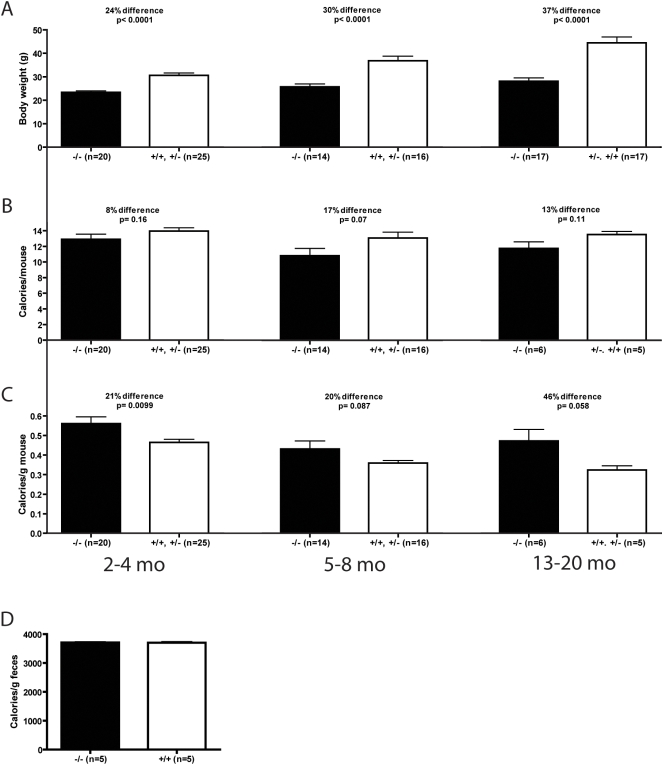
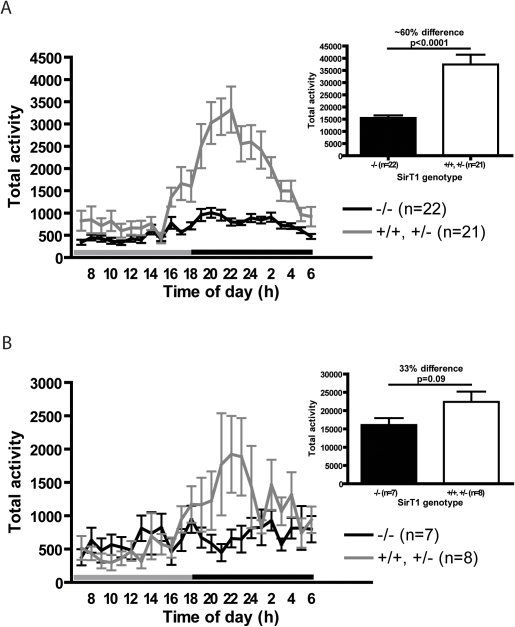
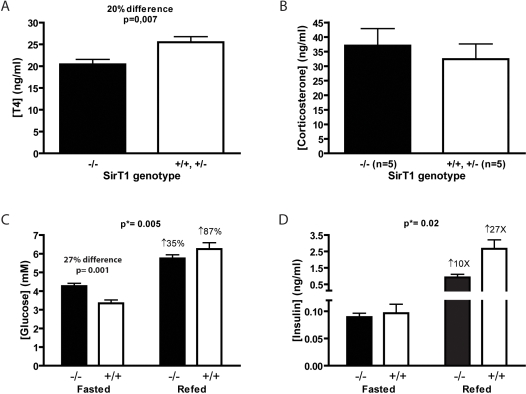
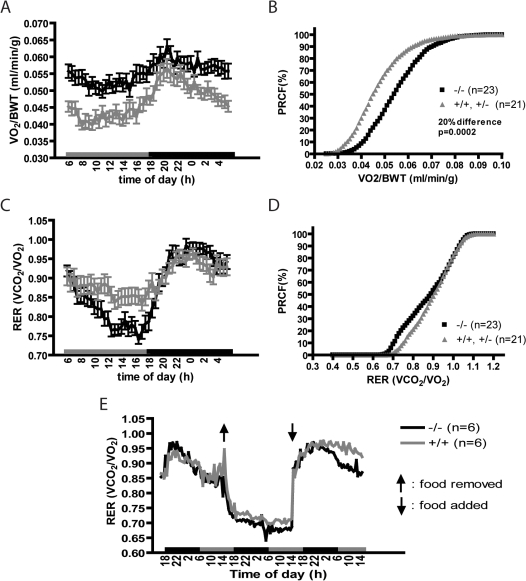
The yeast sir2 gene and its orthologues in Drosophila and C. elegans have well-established roles in lifespan determination and response to caloric restriction. We have studied mice carrying two null alleles for SirT1, the mammalian orthologue of sir2, and found that these animals inefficiently utilize ingested food. These mice are hypermetabolic, contain inefficient liver mitochondria, and have elevated rates of lipid oxidation. When challenged with a 40% reduction in caloric intake, normal mice maintained their metabolic rate and increased their physical activity while the metabolic rate of SirT1-null mice dropped and their activity did not increase. Moreover, CR did not extend lifespan of SirT1-null mice. Thus, SirT1 is an important regulator of energy metabolism and, like its orthologues from simpler eukaryotes, the SirT1 protein appears to be required for a normal response to caloric restriction.
Overview
The claims and statistics of this paper haven’t been checked yet.
Run the check — free, no account needed. It reads the open-access text and checks the sources it cites.
Integrity signals
Registry
Cites
Statistics
Figures
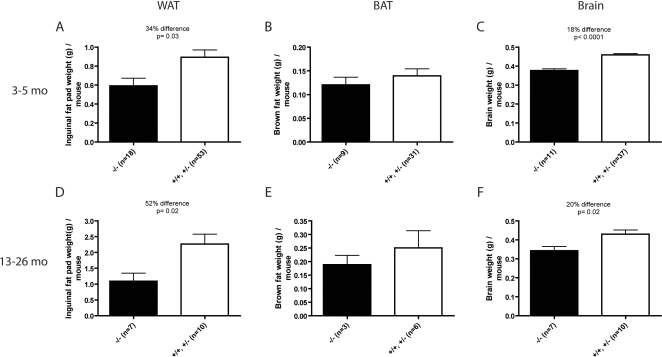
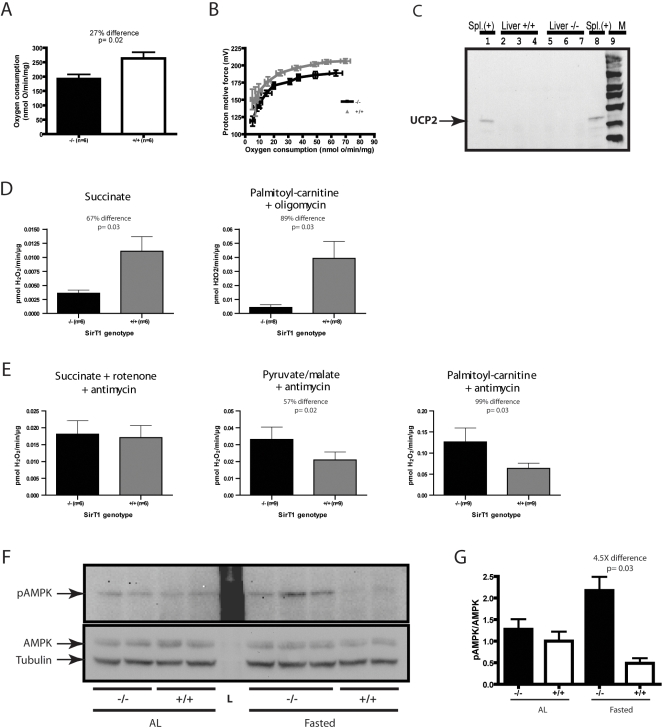
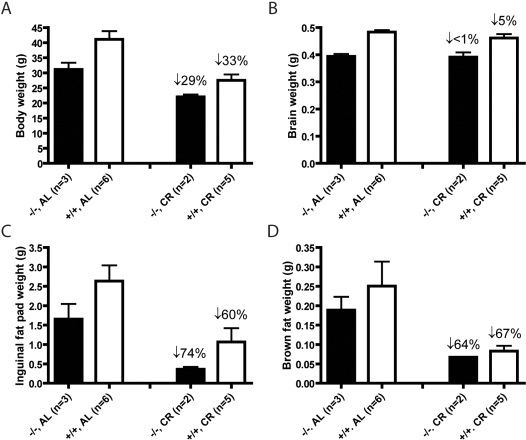
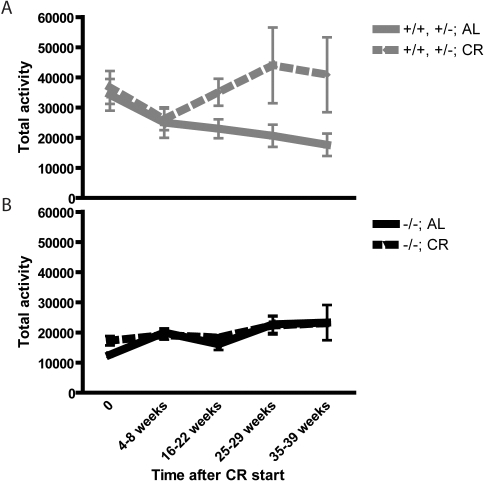
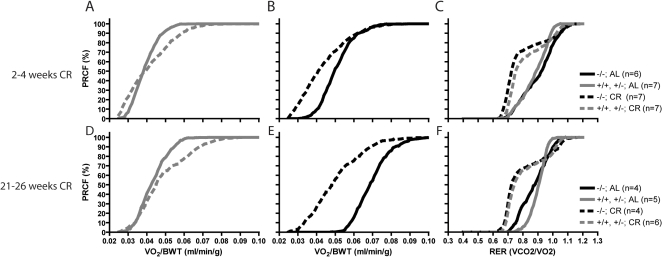
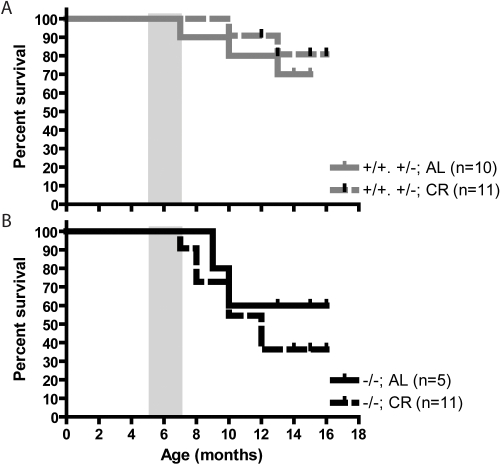
Verification
Claims the paper makes
The claims and statistics of this paper haven’t been checked yet.
Run the check — free, no account needed. It reads the open-access text and checks the sources it cites.
Claims other papers make about this one
Each is checked against this paper’s own text: does it say what the citing paper says it does?
In the citing paper
“Homologues of Sir2 (called sirtuins) have subsequently been shown to mediate some of the effects of caloric restriction in flies (82) and mammals (83,84).”
From Neural mechanisms of ageing and cognitive decline (2010) · cites this paper as [83]
Self-check
Percentages, sums and reported differences re-computed from the paper’s own numbers.
The self-check needs the paper’s full text.
Citations
Cites
Transcriptional silencing and longevity protein Sir2 is an NAD-dependent histone deacetylase
Imai, S.-I., Armstrong, C. M., Kaeberlein, M., & Guarente, L. (2000) · Nature · doi:10.1038/35001622 · Cited by 3,510
Nutrient control of glucose homeostasis through a complex of PGC-1α and SIRT1
Rodgers, J. T., Lerin, C., Haas, W., Gygi, S. P., Spiegelman, B. M., & Puigserver, P. (2005) · Nature · doi:10.1038/nature03354 · Cited by 3,160
Kaeberlein, M., McVey, M., & Guarente, L. (1999) · Genes & Development · doi:10.1101/gad.13.19.2570 · Cited by 2,253 · cited 1×
“In yeast, worms and flies, an extra copy of the sir2 gene or its orthologue increases lifespan by 18% to 50% [4–6] whereas a deletion of the gene, in yeast, reduces lifespan [4].”
BackgroundSirt1 promotes fat mobilization in white adipocytes by repressing PPAR-γ
Picard, F., Kurtev, M. V., Chung, N., Topark‐Ngarm, A., Senawong, T., de Oliveira, R. M., Leid, M. E., McBurney, M. W., & Guarente, L. (2004) · Nature · doi:10.1038/nature02583 · Cited by 1,943
Self-citationCalorie restriction promotes mammalian cell survival by inducing the SIRT1 deacetylase
Cohen, H. Y., Miller, C., Bitterman, K. J., Wall, N. R., Hekking, B., Kessler, B., Howitz, K. T., Gorospe, M., de Cabo, R., & Sinclair, D. A. (2004) · Science · doi:10.1126/science.1099196 · Cited by 1,924
Lin, S.-J., Defossez, P.-A., & Guarente, L. (2000) · Science · doi:10.1126/science.289.5487.2126 · Cited by 1,775
Increased dosage of a sir-2 gene extends lifespan in Caenorhabditis elegans
Tissenbaum, H. A., & Guarente, L. (2001) · Nature · doi:10.1038/35065638 · Cited by 1,603
Phylogenetic classification of prokaryotic and eukaryotic Sir2-like proteins
Frye, R. A. (2000) · Biochemical and Biophysical Research Communications · doi:10.1006/bbrc.2000.3000 · Cited by 1,409
Sir2 mediates longevity in the fly through a pathway related to calorie restriction
Rogina, B., & Helfand, S. L. (2004) · Proceedings of the National Academy of Sciences · doi:10.1073/pnas.0404184101 · Cited by 1,361
Metabolic control of muscle mitochondrial function and fatty acid oxidation through SIRT1/PGC‐1α
Gerhart‐Hines, Z., Rodgers, J. T., Bare, O., Lerin, C., Kim, S., Mostoslavsky, R., Alt, F. W., Wu, Z., & Puigserver, P. (2007) · The EMBO Journal · doi:10.1038/sj.emboj.7601633 · Cited by 1,294
Cited by
Sorted by citations
Mammalian Sirtuins: Biological Insights and Disease Relevance
Haigis, M. C., & Sinclair, D. A. (2010) · Annual Review of Pathology: Mechanisms of Disease · doi:10.1146/annurev.pathol.4.110807.092250 · Cited by 2,085
Cantó, C., Menzies, K. J., & Auwerx, J. (2015) · Cell Metabolism · doi:10.1016/j.cmet.2015.05.023 · Cited by 1,648
Price, N. L., Gomes, A. P., Ling, A. J. Y., Duarte, F. V., Martin-Montalvo, A., North, B. J., Agarwal, B., Ye, L., Ramadori, G., Teodoro, J. S., et al. (2012) · Cell Metabolism · doi:10.1016/j.cmet.2012.04.003 · Cited by 1,602
Recent progress in the biology and physiology of sirtuins
Finkel, T., Deng, C., & Mostoslavsky, R. (2009) · Nature · doi:10.1038/nature08197 · Cited by 1,506
Neural mechanisms of ageing and cognitive decline
Bishop, N. A., Lu, T., & Yankner, B. A. (2010) · Nature · doi:10.1038/nature08983 · Cited by 1,323
Metadata
- Authors
- Boily, G., Seifert, E. L., Bevilacqua, L., He, X. H., Sabourin, G., Estey, C., Moffat, C., Crawford, S., Saliba, S., Jardine, K., Xuan, J., Evans, M., Harper, M.-E., & McBurney, M. W.
- Affiliations
- University of Ottawa (CA)
- Corresponding author
- McBurney, Michael W.
- Venue
- PLoS ONE
- Publisher
- Public Library of Science (PLoS)
- Published
- 2008-03-12
- Volume
- 3
- Issue
- 3
- Pages
- e1759
- ISSN
- 1932-6203 (ISSN-L)
- PMC
- PMC2258149
- OpenAlex
- W2035543709
- Cited by
- 444
- References
- 40
- Citations by year
- 2026: 4 · 2025: 6 · 2024: 7 · 2023: 8 · 2022: 12 · 2021: 16 · 2020: 17 · 2019: 22 · 2018: 20 · 2017: 23 · 2016: 27 · 2015: 25 · 2014: 34 · 2013: 41 · 2012: 29
- FWCI
- 20.45
- Type
- journal article
- Language
- en
- Open access
- gold
- doi.org
- Locations
- PLoS ONE (publishedVersion, cc-by)
- PubMed Central (publishedVersion, cc-by)
- PubMed (publishedVersion)
- DOAJ (DOAJ: Directory of Open Access Journals) (submittedVersion, cc-by-sa)
- Funders
- Canadian Diabetes Association
- University of Guelph
- Canadian Institutes of Health Research
- Topics
- Health Sciences › Medicine › Geriatrics and Gerontology › Sirtuins and Resveratrol in Medicine
- Life Sciences › Biochemistry, Genetics and Molecular Biology › Aging › Genetics, Aging, and Longevity in Model Organisms
- Life Sciences › Biochemistry, Genetics and Molecular Biology › Molecular Biology › Metabolism, Diabetes, and Cancer
- Keywords
- SIRT1, sirtuins, caloric restriction, energy metabolism, hypermetabolism, mitochondrial efficiency, liver mitochondria, lipid oxidation, metabolic rate, physical activity, lifespan
- MeSH terms
- Animals, Energy Intake, Calorimetry, Energy Metabolism, Hormones, Mitochondria, Liver, Reactive Oxygen Species, Mice, Knockout, Sirtuins, Mice, Sirtuin 1
About these checks
Registry, retraction, Cites and statistics results are computed, not judged, with one exception: a printed reference that no index lists is read once by a model before it counts as a citation error. Claims are extracted by a model and kept only when their quote appears verbatim in the text; each cited source is then checked, with a model’s help, for whether it says what the claim relies on. Those verdicts can be wrong — read the claim’s quote and the cited source before relying on one.
Statistics and arithmetic are recomputed, not judged.
Confidence bands are shown only for fields calibrated on our annotated test set. None is calibrated yet, so no band is shown.
What counts as a claim ›How we measure confidence ›How we check this ›
Are you an author, or do you see a problem with this page? Request a review
