

The DOI matches its Crossref record; 40 of the 40 references it cites were found in a registry or an index.
SirT1 Regulates Energy Metabolism and Response to Caloric Restriction in Mice
Open accessAbstract
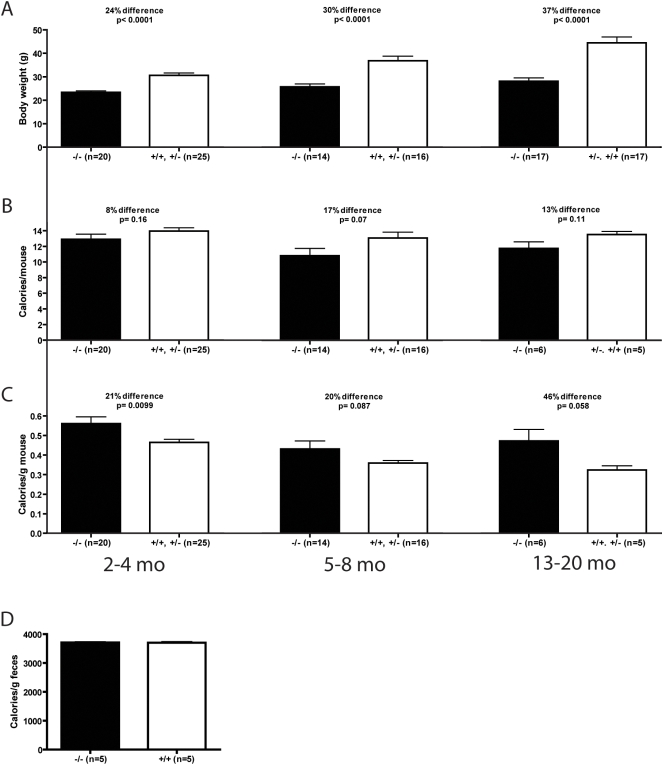
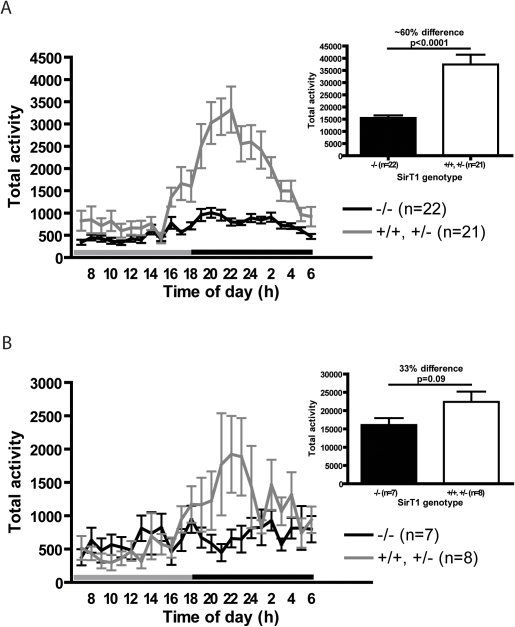
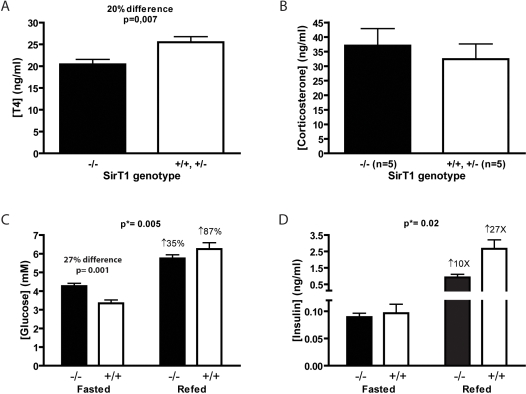
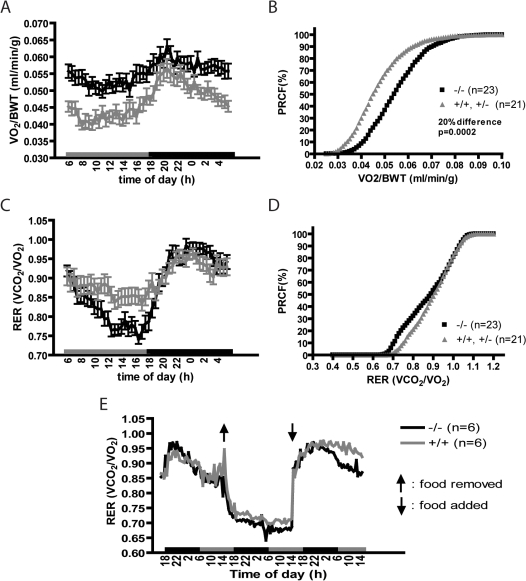
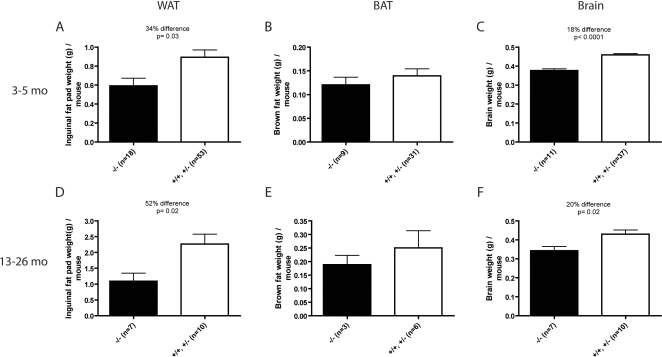
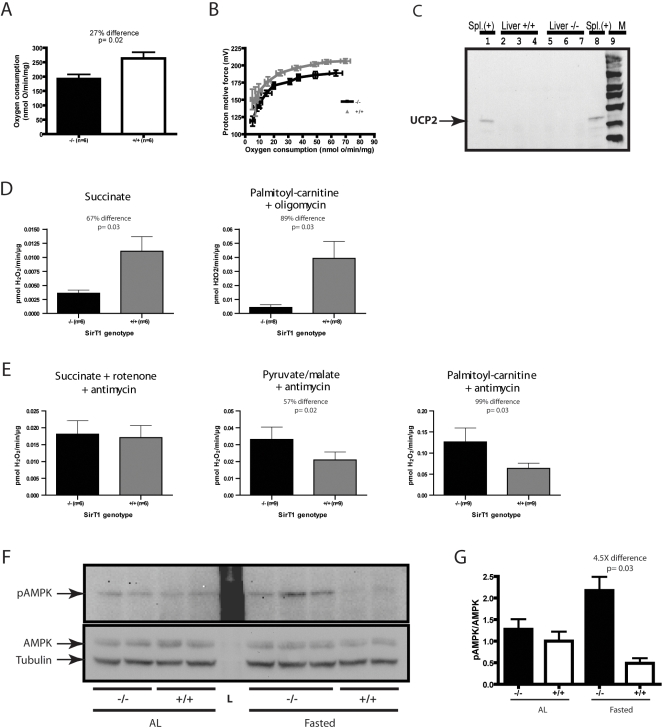
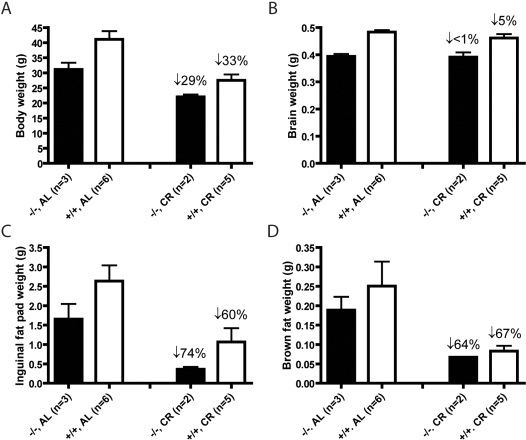
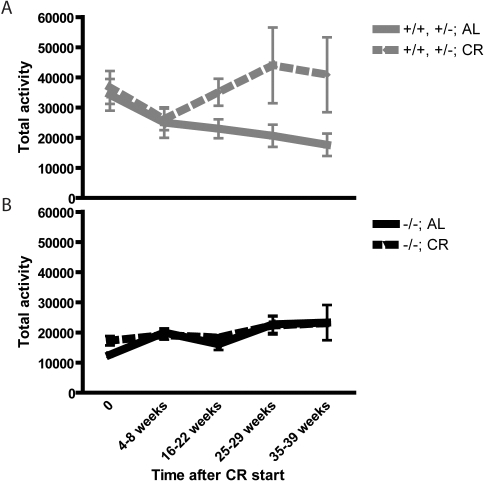
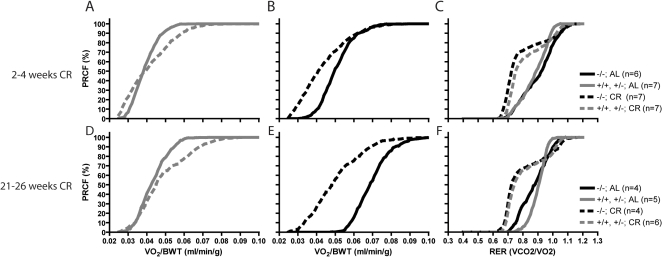
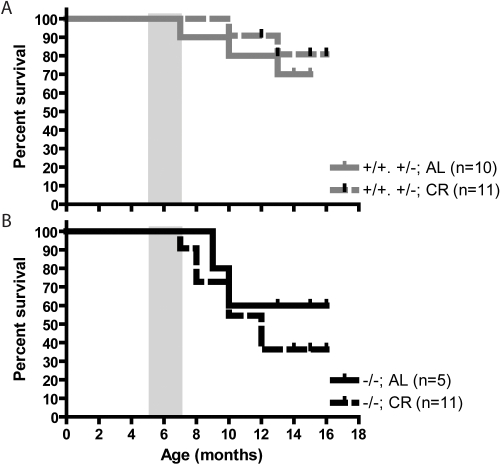
The yeast sir2 gene and its orthologues in Drosophila and C. elegans have well-established roles in lifespan determination and response to caloric restriction. We have studied mice carrying two null alleles for SirT1, the mammalian orthologue of sir2, and found that these animals inefficiently utilize ingested food. These mice are hypermetabolic, contain inefficient liver mitochondria, and have elevated rates of lipid oxidation. When challenged with a 40% reduction in caloric intake, normal mice maintained their metabolic rate and increased their physical activity while the metabolic rate of SirT1-null mice dropped and their activity did not increase. Moreover, CR did not extend lifespan of SirT1-null mice. Thus, SirT1 is an important regulator of energy metabolism and, like its orthologues from simpler eukaryotes, the SirT1 protein appears to be required for a normal response to caloric restriction.
Overview
The claims and statistics of this paper haven’t been checked yet.
Run the check — free, no account needed. It reads the open-access text and checks the sources it cites.
Integrity signals
Registry
Cites
Statistics
Figures
Verification
Claims the paper makes
The claims and statistics of this paper haven’t been checked yet.
Run the check — free, no account needed. It reads the open-access text and checks the sources it cites.
Claims other papers make about this one
Each is checked against this paper’s own text: does it say what the citing paper says it does?
In the citing paper
“Homologues of Sir2 (called sirtuins) have subsequently been shown to mediate some of the effects of caloric restriction in flies (82) and mammals (83,84).”
From Neural mechanisms of ageing and cognitive decline (2010) · cites this paper as [83]
Self-check
Percentages, sums and reported differences re-computed from the paper’s own numbers.
The self-check needs the paper’s full text.
Citations
Cites
Transcriptional silencing and longevity protein Sir2 is an NAD-dependent histone deacetylase
Imai, S.-I., Armstrong, C. M., Kaeberlein, M., & Guarente, L. (2000) · Nature · doi:10.1038/35001622 · Cited by 3,510
Nutrient control of glucose homeostasis through a complex of PGC-1α and SIRT1
Rodgers, J. T., Lerin, C., Haas, W., Gygi, S. P., Spiegelman, B. M., & Puigserver, P. (2005) · Nature · doi:10.1038/nature03354 · Cited by 3,160
Kaeberlein, M., McVey, M., & Guarente, L. (1999) · Genes & Development · doi:10.1101/gad.13.19.2570 · Cited by 2,253 · cited 1×
“In yeast, worms and flies, an extra copy of the sir2 gene or its orthologue increases lifespan by 18% to 50% [4–6] whereas a deletion of the gene, in yeast, reduces lifespan [4].”
BackgroundSirt1 promotes fat mobilization in white adipocytes by repressing PPAR-γ
Picard, F., Kurtev, M. V., Chung, N., Topark‐Ngarm, A., Senawong, T., de Oliveira, R. M., Leid, M. E., McBurney, M. W., & Guarente, L. (2004) · Nature · doi:10.1038/nature02583 · Cited by 1,943
Self-citationCalorie restriction promotes mammalian cell survival by inducing the SIRT1 deacetylase
Cohen, H. Y., Miller, C., Bitterman, K. J., Wall, N. R., Hekking, B., Kessler, B., Howitz, K. T., Gorospe, M., de Cabo, R., & Sinclair, D. A. (2004) · Science · doi:10.1126/science.1099196 · Cited by 1,924
Lin, S.-J., Defossez, P.-A., & Guarente, L. (2000) · Science · doi:10.1126/science.289.5487.2126 · Cited by 1,775
Increased dosage of a sir-2 gene extends lifespan in Caenorhabditis elegans
Tissenbaum, H. A., & Guarente, L. (2001) · Nature · doi:10.1038/35065638 · Cited by 1,603
Phylogenetic classification of prokaryotic and eukaryotic Sir2-like proteins
Frye, R. A. (2000) · Biochemical and Biophysical Research Communications · doi:10.1006/bbrc.2000.3000 · Cited by 1,409
Sir2 mediates longevity in the fly through a pathway related to calorie restriction
Rogina, B., & Helfand, S. L. (2004) · Proceedings of the National Academy of Sciences · doi:10.1073/pnas.0404184101 · Cited by 1,361
Metabolic control of muscle mitochondrial function and fatty acid oxidation through SIRT1/PGC‐1α
Gerhart‐Hines, Z., Rodgers, J. T., Bare, O., Lerin, C., Kim, S., Mostoslavsky, R., Alt, F. W., Wu, Z., & Puigserver, P. (2007) · The EMBO Journal · doi:10.1038/sj.emboj.7601633 · Cited by 1,294
Cited by
Sorted by citations
Mammalian Sirtuins: Biological Insights and Disease Relevance
Haigis, M. C., & Sinclair, D. A. (2010) · Annual Review of Pathology: Mechanisms of Disease · doi:10.1146/annurev.pathol.4.110807.092250 · Cited by 2,085
Cantó, C., Menzies, K. J., & Auwerx, J. (2015) · Cell Metabolism · doi:10.1016/j.cmet.2015.05.023 · Cited by 1,648
Price, N. L., Gomes, A. P., Ling, A. J. Y., Duarte, F. V., Martin-Montalvo, A., North, B. J., Agarwal, B., Ye, L., Ramadori, G., Teodoro, J. S., et al. (2012) · Cell Metabolism · doi:10.1016/j.cmet.2012.04.003 · Cited by 1,602
Recent progress in the biology and physiology of sirtuins
Finkel, T., Deng, C., & Mostoslavsky, R. (2009) · Nature · doi:10.1038/nature08197 · Cited by 1,506
Neural mechanisms of ageing and cognitive decline
Bishop, N. A., Lu, T., & Yankner, B. A. (2010) · Nature · doi:10.1038/nature08983 · Cited by 1,323
Pearson, K. J., Baur, J. A., Lewis, K. N., Peshkin, L., Price, N. L., Labinskyy, N., Swindell, W. R., Kamara, D., Minor, R. K., Perez, E., et al. (2008) · Cell Metabolism · doi:10.1016/j.cmet.2008.06.011 · Cited by 1,162
SIRT1 and other sirtuins in metabolism
Chang, H.-C., & Guarente, L. (2014) · Trends in Endocrinology and Metabolism · doi:10.1016/j.tem.2013.12.001 · Cited by 1,157
Regulation of mitochondrial biogenesis
Jornayvaz, F. R., & Shulman, G. I. (2010) · Essays in Biochemistry · doi:10.1042/bse0470069 · Cited by 1,119
AMPK and SIRT1: a long-standing partnership?
Ruderman, N. B., Julia Xu, X., Nelson, L., Cacicedo, J. M., Saha, A. K., Lan, F., & Ido, Y. (2010) · American Journal of Physiology-Endocrinology and Metabolism · doi:10.1152/ajpendo.00745.2009 · Cited by 903
Slowing ageing by design: the rise of NAD+ and sirtuin-activating compounds
Bonkowski, M. S., & Sinclair, D. A. (2016) · Nature Reviews Molecular Cell Biology · doi:10.1038/nrm.2016.93 · Cited by 834
Speakman, J. R., & Mitchell, S. E. (2011) · Molecular Aspects of Medicine · doi:10.1016/j.mam.2011.07.001 · Cited by 797
Sirtuin 1 and Sirtuin 3: Physiological Modulators of Metabolism
Nogueiras, R., Habegger, K. M., Chaudhary, N., Finan, B., Banks, A. S., Dietrich, M. O., Horváth, T. L., Sinclair, D. A., Pfluger, P. T., & Tschöp, M. H. (2012) · Physiological Reviews · doi:10.1152/physrev.00022.2011 · Cited by 724
Molecular mechanisms of dietary restriction promoting health and longevity
Green, C. L., Lamming, D. W., & Fontana, L. (2022) · Nature Reviews Molecular Cell Biology · doi:10.1038/s41580-021-00411-4 · Cited by 714
Mechanisms of Dysfunction in the Aging Vasculature and Role in Age-Related Disease
Donato, A. J., Machin, D. R., & Lesniewski, L. A. (2018) · Circulation Research · doi:10.1161/circresaha.118.312563 · Cited by 722
Regulation of SIRT1 in cellular functions: Role of polyphenols
Chung, S., Yao, H., Caito, S. W., Hwang, J., Arunachalam, G., & Rahman, I. (2010) · Archives of Biochemistry and Biophysics · doi:10.1016/j.abb.2010.05.003 · Cited by 664
Kume, S., Uzu, T., Horiike, K., Chin-Kanasaki, M., Isshiki, K., Araki, S.-I., Sugimoto, T., Haneda, M., Kashiwagi, A., & Koya, D. (2010) · Journal of Clinical Investigation · doi:10.1172/jci41376 · Cited by 640
Sirt1 improves healthy ageing and protects from metabolic syndrome-associated cancer
Herranz, D., Muñoz-Martin, M., Cañamero, M., Mulero, F., Martinez-Pastor, B., Fernandez-Capetillo, O., & Serrano, M. (2010) · Nature Communications · doi:10.1038/ncomms1001 · Cited by 612
Epigenetic regulation of ageing: linking environmental inputs to genomic stability
Benayoun, B. A., Pollina, E. A., & Brunet, A. (2015) · Nature Reviews Molecular Cell Biology · doi:10.1038/nrm4048 · Cited by 610
SIRT1 Is Essential for Normal Cognitive Function and Synaptic Plasticity
Michan, S., Li, Y., Chou, M. M.-H., Parrella, E., Ge, H., Long, J. M., Allard, J. S., Lewis, K., Miller, M., Xu, W., et al. (2010) · Journal of Neuroscience · doi:10.1523/jneurosci.0027-10.2010 · Cited by 541
Self-citationMitohormesis: Promoting Health and Lifespan by Increased Levels of Reactive Oxygen Species (ROS)
Ristow, M., & Schmeisser, K. (2014) · Dose-Response · doi:10.2203/dose-response.13-035.ristow · Cited by 534
Haigis, M. C., & Yankner, B. A. (2010) · Molecular Cell · doi:10.1016/j.molcel.2010.10.002 · Cited by 488
Energetics, epigenetics, mitochondrial genetics
Wallace, D. C., & Fan, W. (2009) · Mitochondrion · doi:10.1016/j.mito.2009.09.006 · Cited by 519
The molecular targets of resveratrol
Kulkarni, S. S., & Cantó, C. (2015) · Biochimica et Biophysica Acta (BBA) - Molecular Basis of Disease · doi:10.1016/j.bbadis.2014.10.005 · Cited by 477
“adaptations, including the effect of CR on longevity [41,42].”
BackgroundSirtuins, a promising target in slowing down the ageing process
Grabowska, W., Sikora, E., & Bielak-Zmijewska, A. (2017) · Biogerontology · doi:10.1007/s10522-017-9685-9 · Cited by 470
Calorie restriction and sirtuins revisited
Guarente, L. (2013) · Genes & Development · doi:10.1101/gad.227439.113 · Cited by 464
Sirtuin activators and inhibitors: Promises, achievements, and challenges
Dai, H., Sinclair, D. A., Ellis, J. L., & Steegborn, C. (2018) · Pharmacology & Therapeutics · doi:10.1016/j.pharmthera.2018.03.004 · Cited by 463
“Mammalian SIRT1, SIRT3 and SIRT6 are induced by calorie restriction and exercise, and their genetic ablation prevents many of the health benefits and longevity provided by these interventions (Boily et al., 2008; Chen et al., 2005; Cohen et al., 2004; Hebert et al., 2013; Qiu et al., 2010; Someya et al., 2010).”
BackgroundSirtuin signaling in cellular senescence and aging
Lee, S.-H., Lee, J.-H., Lee, H., & Min, K. (2019) · BMB Reports · doi:10.5483/bmbrep.2019.52.1.290 · Cited by 449
Targeting Sirtuin 1 to Improve Metabolism: All You Need Is NAD+?
Cantó, C., & Auwerx, J. (2012) · Pharmacological Reviews · doi:10.1124/pr.110.003905 · Cited by 433
How does SIRT1 affect metabolism, senescence and cancer?
Brooks, C. L., & Gu, W. J. (2008) · Nature reviews. Cancer · doi:10.1038/nrc2562 · Cited by 434
Sirtuins — novel therapeutic targets to treat age-associated diseases
Lavu, S., Boss, O., Elliott, P. J., & Lambert, P. (2008) · Nature Reviews Drug Discovery · doi:10.1038/nrd2665 · Cited by 427
SIRT1 Negatively Regulates the Mammalian Target of Rapamycin
Ghosh, H. S., McBurney, M., & Robbins, P. D. (2010) · PLoS ONE · doi:10.1371/journal.pone.0009199 · Cited by 397
Self-citationPicciotto, N. E., Gano, L. B., Johnson, L. C., Martens, C. R., Sindler, A. L., Mills, K. F., Imai, S., & Seals, D. R. (2016) · Aging Cell · doi:10.1111/acel.12461 · Cited by 396
Caloric restriction, SIRT1 and longevity
Cantó, C., & Auwerx, J. (2009) · Trends in Endocrinology & Metabolism · doi:10.1016/j.tem.2009.03.008 · Cited by 395
Ten years of NAD-dependent SIR2 family deacetylases: implications for metabolic diseases
Imai, S., & Guarente, L. (2010) · Trends in Pharmacological Sciences · doi:10.1016/j.tips.2010.02.003 · Cited by 394
Are sirtuins viable targets for improving healthspan and lifespan?
Baur, J. A., Ungvari, Z. I., Minor, R. K., Couteur, D. G. L., & de Cabo, R. (2012) · Nature Reviews Drug Discovery · doi:10.1038/nrd3738 · Cited by 393
Mitophagy in neurodegeneration and aging
Fivenson, E. M., Lautrup, S., Sun, N., Scheibye-Knudsen, M., Stevnsner, T., Nilsen, H., Bohr, V. A., & Fang, E. F. (2017) · Neurochemistry International · doi:10.1016/j.neuint.2017.02.007 · Cited by 364
Mammalian Sirt1: insights on its biological functions
Rahman, S., & Islam, R. (2011) · Cell Communication and Signaling · doi:10.1186/1478-811x-9-11 · Cited by 362
Resveratrol attenuates mitochondrial oxidative stress in coronary arterial endothelial cells
Ungvari, Z. I., Labinskyy, N., Mukhopadhyay, P., Pinto, J. T., Bagi, Z. A., Ballabh, P., Zhang, C., Pacher, P., & Csiszár, A. (2009) · American Journal of Physiology-Heart and Circulatory Physiology · doi:10.1152/ajpheart.00375.2009 · Cited by 348
SirT1 inhibition reduces IGF-I/IRS-2/Ras/ERK1/2 signaling and protects neurons
Li, Y., Xu, W., McBurney, M. W., & Longo, V. D. (2008) · Cell Metabolism · doi:10.1016/j.cmet.2008.05.004 · Cited by 331
Self-citationSIRT1, Is It a Tumor Promoter or Tumor Suppressor?
Deng, C. (2009) · International Journal of Biological Sciences · doi:10.7150/ijbs.5.147 · Cited by 325
Aging and disease: connections to sirtuins
Dönmez, G., & Guarente, L. (2010) · Aging Cell · doi:10.1111/j.1474-9726.2010.00548.x · Cited by 312
Metabolic reprogramming, caloric restriction and aging
Anderson, R. M., & Weindruch, R. H. (2009) · Trends in Endocrinology and Metabolism · doi:10.1016/j.tem.2009.11.005 · Cited by 309
Mitochondrial dysfunction in neurodegenerative diseases and the potential countermeasure
Wang, Y., Xu, E., Musich, P. R., & Lin, F. (2019) · CNS Neuroscience & Therapeutics · doi:10.1111/cns.13116 · Cited by 298
Tatone, C., Emidio, G. D., Barbonetti, A., Carta, G., Luciano, A. M., Falone, S., & Amicarelli, F. (2018) · Human Reproduction Update · doi:10.1093/humupd/dmy003 · Cited by 296
Sirtuin 1 in lipid metabolism and obesity
Schug, T. T., & Li, X. (2011) · Annals of Medicine · doi:10.3109/07853890.2010.547211 · Cited by 295
Sirtuins and Type 2 Diabetes: Role in Inflammation, Oxidative Stress, and Mitochondrial Function
Kitada, M., Ogura, Y., Monno, I., & Koya, D. (2019) · Frontiers in Endocrinology · doi:10.3389/fendo.2019.00187 · Cited by 298
Sirtuins: guardians of mammalian healthspan
Giblin, W., Skinner, M. E., & Lombard, D. B. (2014) · Trends in Genetics · doi:10.1016/j.tig.2014.04.007 · Cited by 286
SIRT1 in Type 2 Diabetes: Mechanisms and Therapeutic Potential
Kitada, M., & Koya, D. (2013) · Diabetes & Metabolism Journal · doi:10.4093/dmj.2013.37.5.315 · Cited by 290
Shear stress, SIRT1, and vascular homeostasis
Chen, Z. B., Peng, I., Cui, X., Li, Y.-S. J., Chien, S., & Shyy, J. Y.-J. (2010) · Proceedings of the National Academy of Sciences · doi:10.1073/pnas.1003833107 · Cited by 282
Seifert, E. L., Estey, C., Xuan, J. Y., & Harper, M. (2009) · Journal of Biological Chemistry · doi:10.1074/jbc.m109.026203 · Cited by 289
Self-citationThe sirtuins, oxidative stress and aging: an emerging link
Merksamer, P. I., Liu, Y., He, W., Hirschey, M. D., Chen, D., & Verdin, E. (2013) · Aging · doi:10.18632/aging.100544 · Cited by 275
Lifespan and healthspan extension by resveratrol
Bhullar, K. S., & Hubbard, B. P. (2015) · Biochimica et Biophysica Acta (BBA) - Molecular Basis of Disease · doi:10.1016/j.bbadis.2015.01.012 · Cited by 278
Caloric restriction mimetics: towards a molecular definition
Madeo, F., Pietrocola, F., Eisenberg, T., & Kroemer, G. (2014) · Nature Reviews Drug Discovery · doi:10.1038/nrd4391 · Cited by 245
Regulation of Akt Signaling by Sirtuins
Pillai, V. B., Sundaresan, N. R., & Gupta, M. P. (2014) · Circulation Research · doi:10.1161/circresaha.113.300536 · Cited by 262
Protein damage, repair and proteolysis
Chondrogianni, N., Petropoulos, I., Grimm, S., Georgila, K., Catalgol, B., Friguet, B., Grune, T., & Gonos, E. S. (2012) · Molecular Aspects of Medicine · doi:10.1016/j.mam.2012.09.001 · Cited by 271
Epigenetic targets of bioactive dietary components for cancer prevention and therapy
Meeran, S. M., Ahmed, A. A., & Tollefsbol, T. O. (2010) · Clinical Epigenetics · doi:10.1007/s13148-010-0011-5 · Cited by 260
SIRT1: recent lessons from mouse models
Herranz, D., & Serrano, M. (2010) · Nature reviews. Cancer · doi:10.1038/nrc2962 · Cited by 261
SIRT1 contributes to telomere maintenance and augments global homologous recombination
Palacios, J., Herranz, D., Bonis, M. L. D., Velasco, S., Serrano, M., & Blasco, M. A. (2010) · The Journal of Cell Biology · doi:10.1083/jcb.201005160 · Cited by 263
Wang, B., Hasan, M. K., Alvarado, E., Yuan, H., Wu, H., & Chen, W. (2010) · Oncogene · doi:10.1038/onc.2010.468 · Cited by 250
Aging: Central role for autophagy and the lysosomal degradative system
Rajawat, Y. S., Hilioti, Z., & Bossis, I. (2009) · Ageing Research Reviews · doi:10.1016/j.arr.2009.05.001 · Cited by 254
SIRT2 induces the checkpoint kinase BubR1 to increase lifespan
North, B. J., Rosenberg, M. A., Jeganathan, K. B., Hafner, A. V., Michan, S., Dai, J., Baker, D. J., Cen, Y., Wu, L. E., Sauve, A. A., et al. (2014) · The EMBO Journal · doi:10.15252/embj.201386907 · Cited by 238
Saunders, L. R., Sharma, A., Tawney, J., Nakagawa, M., Okita, K., Yamanaka, S., Willenbring, H., & Verdin, E. M. (2010) · Aging · doi:10.18632/aging.100176 · Cited by 240
Role of sirtuins in lifespan regulation is linked to methylation of nicotinamide
Schmeisser, K., Mansfeld, J., Kuhlow, D., Weimer, S., Priebe, S., Heiland, I., Birringer, M., Groth, M., Segref, A., Kanfi, Y., et al. (2013) · Nature Chemical Biology · doi:10.1038/nchembio.1352 · Cited by 236
Mammalian circadian clock and metabolism – the epigenetic link
Bellet, M. M., & Sassone‐Corsi, P. (2010) · Journal of Cell Science · doi:10.1242/jcs.051649 · Cited by 240
Osteoblasts in osteoporosis: Past, emerging, and future anabolic targets
Marie, P. J., & Kassem, M. (2011) · European Journal of Endocrinology · doi:10.1530/eje-11-0132 · Cited by 234
Obesity and aging: Molecular mechanisms and therapeutic approaches
Santos, A. L., & Sinha, S. (2021) · Ageing Research Reviews · doi:10.1016/j.arr.2021.101268 · Cited by 249
The SirT3 Divining Rod Points to Oxidative Stress
Bell, E. L., & Guarente, L. (2011) · Molecular Cell · doi:10.1016/j.molcel.2011.05.008 · Cited by 235
Effects of Resveratrol and SIRT1 on PGC-1α Activity and Mitochondrial Biogenesis: A Reevaluation
Higashida, K., Kim, S. H., Jung, S. R., Asaka, M., Holloszy, J. O., & Han, D.-H. (2013) · PLoS Biology · doi:10.1371/journal.pbio.1001603 · Cited by 237
Small-Molecule Allosteric Activators of Sirtuins
Sinclair, D. A., & Guarente, L. (2011) · The Annual Review of Pharmacology and Toxicology · doi:10.1146/annurev-pharmtox-010611-134657 · Cited by 226
SIRT1: Regulation of longevity via autophagy
Salminen, A., & Kaarniranta, K. (2009) · Cellular Signalling · doi:10.1016/j.cellsig.2009.02.014 · Cited by 227
Xu, F. L., Gao, Z., Zhang, J., Rivera, C. A., Yin, J., Weng, J., & Ye, J. (2010) · Endocrinology · doi:10.1210/en.2009-1013 · Cited by 221
Health Benefits of Fasting and Caloric Restriction
Golbidi, S., Daiber, A., Korać, B., Li, H., Essop, M. F., & Laher, I. (2017) · Current Diabetes Reports · doi:10.1007/s11892-017-0951-7 · Cited by 227
FoxO1 Mediates an Autofeedback Loop Regulating SIRT1 Expression
Xiong, S., Salazar, G., Patrushev, N. A., & Alexander, R. W. (2010) · Journal of Biological Chemistry · doi:10.1074/jbc.m110.163667 · Cited by 221
NAD and the aging process: role in life, death and everything in between
Chini, C. C. S., Tarragó, M. G., & Chini, E. N. (2017) · Molecular and Cellular Endocrinology · doi:10.1016/j.mce.2016.11.003 · Cited by 208
Sirtuins and renal diseases: relationship with aging and diabetic nephropathy
Kitada, M., Kume, S., Takeda‐Watanabe, A., Kanasaki, K., & Koya, D. (2012) · Clinical Science · doi:10.1042/cs20120190 · Cited by 212
The coordination of nuclear and mitochondrial communication during aging and calorie restriction
Finley, L. W. S., & Haigis, M. C. (2009) · Ageing Research Reviews · doi:10.1016/j.arr.2009.03.003 · Cited by 207
Sirtuins, Aging, and MetabolismPreprint
Guarente, L. (2011) · Cold Spring Harbor Symposia on Quantitative Biology · doi:10.1101/sqb.2011.76.010629 · Cited by 213
Imai, S. (2009) · Cell Biochemistry and Biophysics · doi:10.1007/s12013-008-9041-4 · Cited by 203
Sirt1 enhances skeletal muscle insulin sensitivity in mice during caloric restriction
Schenk, S., McCurdy, C. E., Philp, A., Chen, M. Z., Holliday, M. J., Bandyopadhyay, G. K., Osborn, O., Baar, K., & Olefsky, J. M. (2011) · Journal of Clinical Investigation · doi:10.1172/jci58554 · Cited by 197
NAD+/NADH and skeletal muscle mitochondrial adaptations to exercise
White, A. T., & Schenk, S. (2012) · American Journal of Physiology-Endocrinology and Metabolism · doi:10.1152/ajpendo.00054.2012 · Cited by 199
NAD + metabolism: A therapeutic target for age-related metabolic disease
Mouchiroud, L., Houtkooper, R. H., & Auwerx, J. (2013) · Critical Reviews in Biochemistry and Molecular Biology · doi:10.3109/10409238.2013.789479 · Cited by 193
“In fact, in Sirt1 / mice the beneficial effects on metabolism and longevity induced by a CR diet are attenuated, although it should be noted that these mice are very sick to start with (Boily et al., 2008; Chen et al., 2005).”
BackgroundMammalian Sirtuins and Energy Metabolism
Li, X., & Kazgan, N. (2011) · International Journal of Biological Sciences · doi:10.7150/ijbs.7.575 · Cited by 196
ATGL-Catalyzed Lipolysis Regulates SIRT1 to Control PGC-1α/PPAR-α Signaling
Khan, S. A., Sathyanarayan, A., Mashek, M. T., Ong, K. T., Wollaston‐Hayden, E. E., & Mashek, D. G. (2015) · Diabetes · doi:10.2337/db14-0325 · Cited by 189
Philp, A., Chen, A., Lan, D., Meyer, G. A., Murphy, A. N., Knapp, A. E., Olfert, I. M., McCurdy, C. E., Marcotte, G. R., Hogan, M. C., et al. (2011) · Journal of Biological Chemistry · doi:10.1074/jbc.m111.261685 · Cited by 184
Escande, C., Chini, C. C. S., Nin, V., Dykhouse, K. M., Novak, C. M., Levine, J. A., van Deursen, J., Gores, G. J., Chen, J., Lou, Z., et al. (2010) · Journal of Clinical Investigation · doi:10.1172/jci39319 · Cited by 190
Activation of Stress Response Gene SIRT1 by BCR-ABL Promotes Leukemogenesis
Yuan, H., Wang, Z., Li, L., Zhang, H., Modi, H., Horne, D., Bhatia, R., & Chen, W. (2012) · Blood · doi:10.1182/blood-2011-06-361691 · Cited by 182
Erion, D. M., Yonemitsu, S., Nie, Y., Nagai, Y., Gillum, M. P., Hsiao, J. J., Iwasaki, T., Stark, R., Weismann, D., Yu, X. X., et al. (2009) · Proceedings of the National Academy of Sciences · doi:10.1073/pnas.0812931106 · Cited by 180
Neuronal SIRT1 regulates endocrine and behavioral responses to calorie restrictionPreprint
Cohen, D. E., Supinski, A., Bonkowski, M. S., Dönmez, G., & Guarente, L. (2009) · Genes & Development · doi:10.1101/gad.1839209 · Cited by 182
SIRT1 and AMPK in regulating mammalian senescence: A critical review and a working model
Wang, Y., Liang, Y. Q., & Vanhoutte, P. M. (2010) · FEBS Letters · doi:10.1016/j.febslet.2010.11.047 · Cited by 178
Palikaras, K., Daskalaki, I., Markaki, M., & Tavernarakis, N. (2017) · Pharmacology & Therapeutics · doi:10.1016/j.pharmthera.2017.04.005 · Cited by 181
The Role of Mammalian Sirtuins in the Regulation of Metabolism, Aging, and Longevity
Satoh, A., Stein, L. R., & Imai, S. (2011) · Handbook of experimental pharmacology · doi:10.1007/978-3-642-21631-2_7 · Cited by 175
Converging Pathways in Lifespan Regulation
Narasimhan, S. D., Yen, K., & Tissenbaum, H. A. (2009) · Current Biology · doi:10.1016/j.cub.2009.06.013 · Cited by 169
Caloric restriction: From soup to nuts
Spindler, S. R. (2009) · Ageing Research Reviews · doi:10.1016/j.arr.2009.10.003 · Cited by 169
Sirtuin 1-mediated Effects of Exercise and Resveratrol on Mitochondrial Biogenesis
Menzies, K. J., Singh, K., Saleem, A., & Hood, D. A. (2013) · Journal of Biological Chemistry · doi:10.1074/jbc.m112.431155 · Cited by 171
Ray, H. R. D., Yamada, T., Ishizawa, R., Saito, Y., & Masuda, K. (2015) · Metabolism · doi:10.1016/j.metabol.2015.07.010 · Cited by 166
Ramis, M. R., Esteban, S., Miralles, A., Tan, D., & Reiter, R. J. (2015) · Mechanisms of Ageing and Development · doi:10.1016/j.mad.2015.03.008 · Cited by 165
Sun, X., & Zemel, M. B. (2009) · Nutrition & Metabolism · doi:10.1186/1743-7075-6-26 · Cited by 173
Mechanisms of Lifespan Regulation by Calorie Restriction and Intermittent Fasting in Model Organisms
Hwangbo, D., Lee, H., Abozaid, L. S., & Min, K. (2020) · Nutrients · doi:10.3390/nu12041194 · Cited by 173
Resveratrol and life extension
Agarwal, B., & Baur, J. A. (2011) · Annals of the New York Academy of Sciences · doi:10.1111/j.1749-6632.2010.05850.x · Cited by 163
Calorie restriction and the exercise of chromatinPreprint
Vaquero, A., & Reinberg, D. (2009) · Genes & Development · doi:10.1101/gad.1807009 · Cited by 157
Metadata
- Authors
- Boily, G., Seifert, E. L., Bevilacqua, L., He, X. H., Sabourin, G., Estey, C., Moffat, C., Crawford, S., Saliba, S., Jardine, K., Xuan, J., Evans, M., Harper, M.-E., & McBurney, M. W.
- Affiliations
- University of Ottawa (CA)
- Corresponding author
- McBurney, Michael W.
- Venue
- PLoS ONE
- Publisher
- Public Library of Science (PLoS)
- Published
- 2008-03-12
- Volume
- 3
- Issue
- 3
- Pages
- e1759
- ISSN
- 1932-6203 (ISSN-L)
- PMC
- PMC2258149
- OpenAlex
- W2035543709
- Cited by
- 444
- References
- 40
- Citations by year
- 2026: 4 · 2025: 6 · 2024: 7 · 2023: 8 · 2022: 12 · 2021: 16 · 2020: 17 · 2019: 22 · 2018: 20 · 2017: 23 · 2016: 27 · 2015: 25 · 2014: 34 · 2013: 41 · 2012: 29
- FWCI
- 20.45
- Type
- journal article
- Language
- en
- Open access
- gold
- doi.org
- Locations
- PLoS ONE (publishedVersion, cc-by)
- PubMed Central (publishedVersion, cc-by)
- PubMed (publishedVersion)
- DOAJ (DOAJ: Directory of Open Access Journals) (submittedVersion, cc-by-sa)
- Funders
- Canadian Diabetes Association
- University of Guelph
- Canadian Institutes of Health Research
- Topics
- Health Sciences › Medicine › Geriatrics and Gerontology › Sirtuins and Resveratrol in Medicine
- Life Sciences › Biochemistry, Genetics and Molecular Biology › Aging › Genetics, Aging, and Longevity in Model Organisms
- Life Sciences › Biochemistry, Genetics and Molecular Biology › Molecular Biology › Metabolism, Diabetes, and Cancer
- Keywords
- SIRT1, sirtuins, caloric restriction, energy metabolism, hypermetabolism, mitochondrial efficiency, liver mitochondria, lipid oxidation, metabolic rate, physical activity, lifespan
- MeSH terms
- Animals, Energy Intake, Calorimetry, Energy Metabolism, Hormones, Mitochondria, Liver, Reactive Oxygen Species, Mice, Knockout, Sirtuins, Mice, Sirtuin 1
About these checks
Registry, retraction, Cites and statistics results are computed, not judged, with one exception: a printed reference that no index lists is read once by a model before it counts as a citation error. Claims are extracted by a model and kept only when their quote appears verbatim in the text; each cited source is then checked, with a model’s help, for whether it says what the claim relies on. Those verdicts can be wrong — read the claim’s quote and the cited source before relying on one.
Statistics and arithmetic are recomputed, not judged.
Confidence bands are shown only for fields calibrated on our annotated test set. None is calibrated yet, so no band is shown.
What counts as a claim ›How we measure confidence ›How we check this ›
Are you an author, or do you see a problem with this page? Request a review
