

Membrane Potential Controls Adipogenic and Osteogenic Differentiation of Mesenchymal Stem Cells
Open accessThe DOI matches its Crossref record; 66 of the 66 references it cites were found in a registry or an index.
Abstract
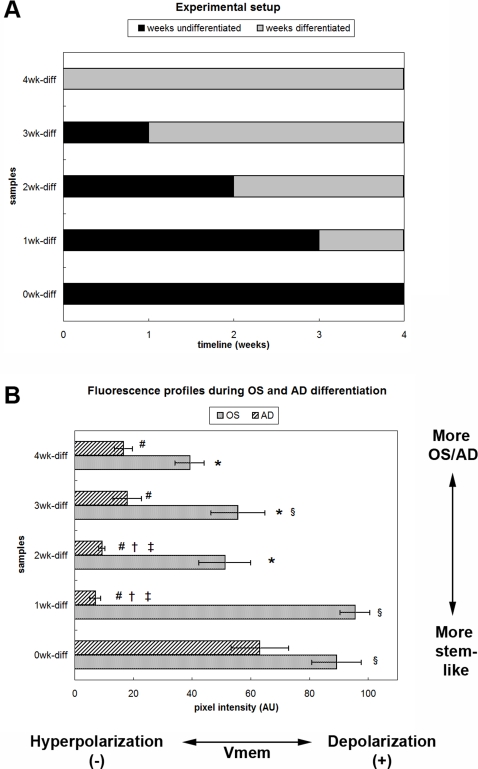
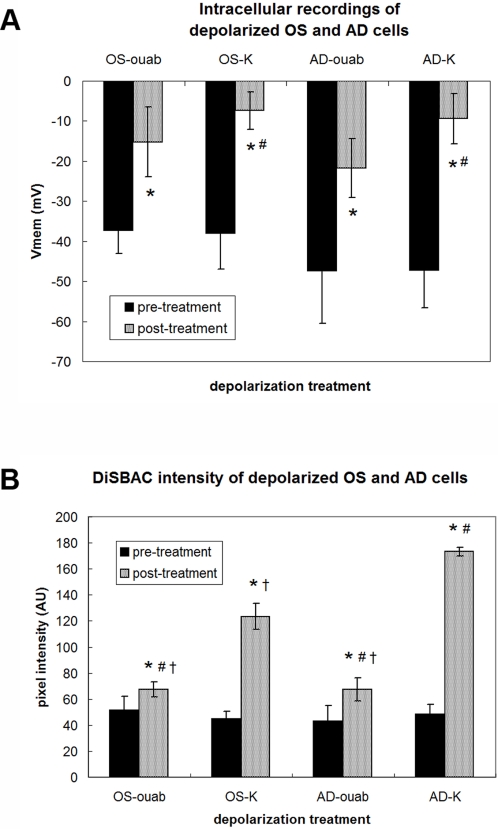
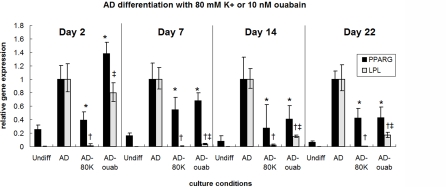
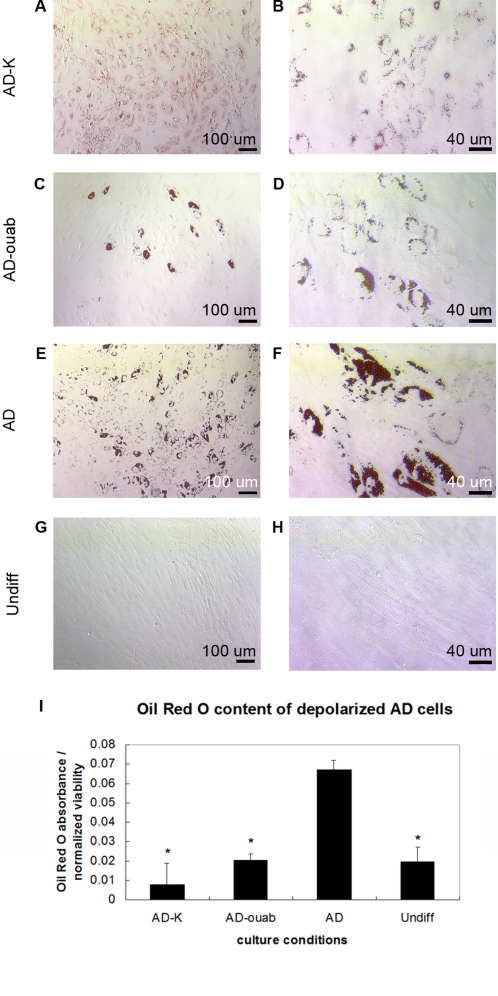
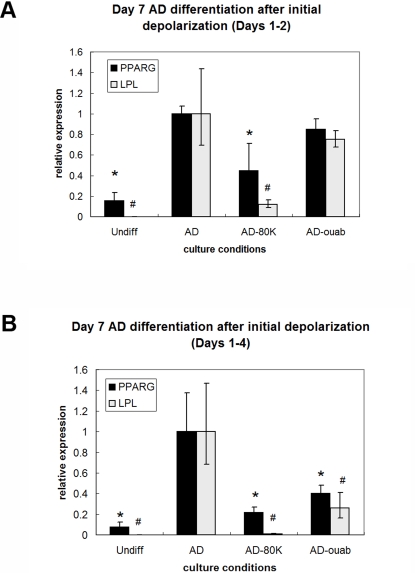
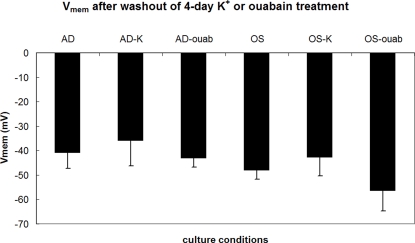
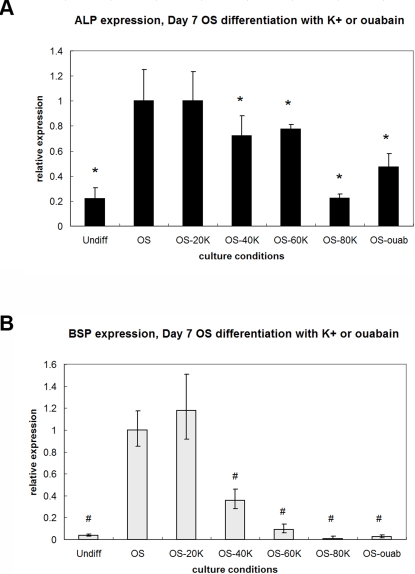
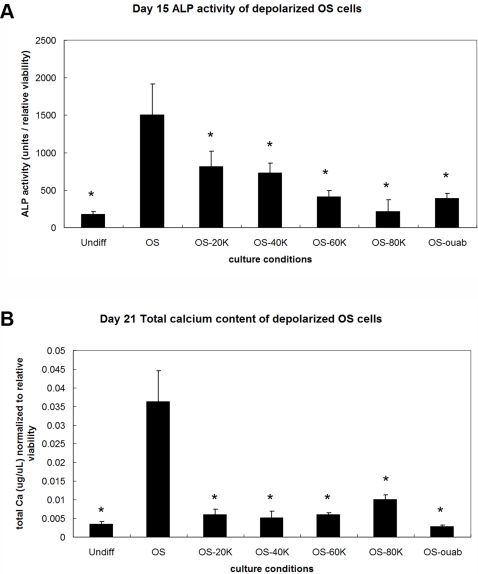
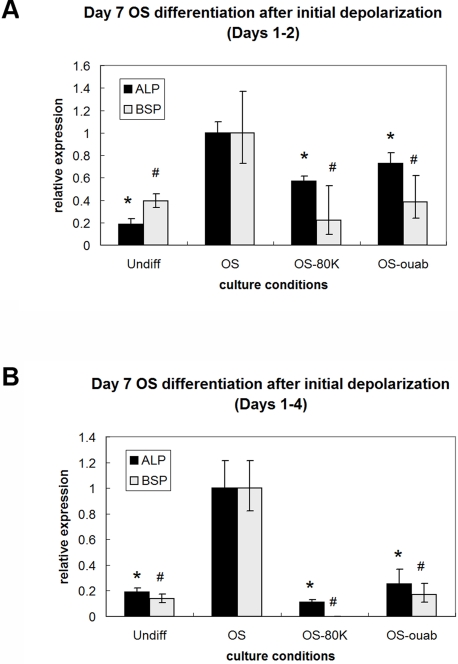
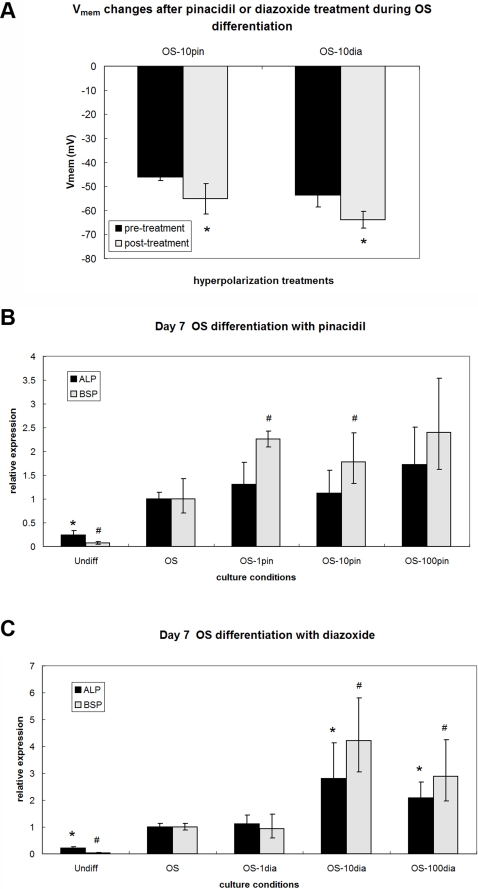
BACKGROUND: Control of stem cell behavior is a crucial aspect of developmental biology and regenerative medicine. While the functional role of electrophysiology in stem cell biology is poorly understood, it has become clear that endogenous ion flows represent a powerful set of signals by means of which cell proliferation, differentiation, and migration can be controlled in regeneration and embryonic morphogenesis. METHODOLOGY/PRINCIPAL FINDINGS: We examined the membrane potential (V(mem)) changes exhibited by human mesenchymal stem cells (hMSCs) undergoing adipogenic (AD) and osteogenic (OS) differentiation, and uncovered a characteristic hyperpolarization of differentiated cells versus undifferentiated cells. Reversal of the progressive polarization via pharmacological modulation of transmembrane potential revealed that depolarization of hMSCs prevents differentiation. In contrast, treatment with hyperpolarizing reagents upregulated osteogenic markers. CONCLUSIONS/SIGNIFICANCE: Taken together, these data suggest that the endogenous hyperpolarization is a functional determinant of hMSC differentiation and is a tractable control point for modulating stem cell function.
Overview
The claims and statistics of this paper haven’t been checked yet.
Free: it reads the open-access text and checks the first 5 claims that cite a source we can check. Create a free account to check every claim.
Integrity signals
Registry
Cites
Statistics
Figures
Verification
Claims the paper makes
The claims and statistics of this paper haven’t been checked yet.
Free: it reads the open-access text and checks the first 5 claims that cite a source we can check. Create a free account to check every claim.
Claims other papers make about this one
Each is checked against this paper’s own text: does it say what the citing paper says it does?
The cited source says what the claim attributes to it.
In the citing paper
“Pharmacologically-induced Vm depolarization suppresses adipogenic and osteogenic differentiation of hMSCs (Sundelacruz et al., 2008).”
From Membrane potential and cancer progression (2013) · cites this paper as Sundelacruz et al., 2008
The cited source says what the claim attributes to it.
In the citing paper
“Vm hyperpolarization is also a functional determinant of human mesenchymal stem cell (hMSC) differentiation.”
From Membrane potential and cancer progression (2013) · cites this paper as Sundelacruz et al., 2008
Self-check
Percentages, sums and reported differences re-computed from the paper’s own numbers.
The self-check needs the paper’s full text.
Citations
Cites
Quantification of mRNA using real-time RT-PCR
Nolan, T., Hands, R. E., & Bustin, S. A. (2006) · Nature Protocols · doi:10.1038/nprot.2006.236 · Cited by 2,247 · cited 1×
“Expression levels were normalized to the housekeeping gene glyceraldehyde 3phosphate dehydrogenase (GAPDH) and reported relative to positive control reactions (untreated OS or AD) [58–60].”
MethodmPPAR gamma 2: tissue-specific regulator of an adipocyte enhancer.
Tontonoz, P., Hu, E., Graves, R. A., Budavari, A. I., & Spiegelman, B. M. (1994) · Genes & Development · doi:10.1101/gad.8.10.1224 · Cited by 2,181
PPAR-gamma: adipogenic regulator and thiazolidinedione receptor.
Spiegelman, B. M. (1998) · Diabetes · doi:10.2337/diabetes.47.4.507 · Cited by 1,730
Bone structure and formation: A new perspective
Olszta, M. J., Cheng, X., Jee, S. S., Kumar, R., Kim, Y.-Y., Kaufman, M. J., Douglas, E. P., & Gower, L. B. (2007) · Materials Science and Engineering: R: Reports · doi:10.1016/j.mser.2007.05.001 · Cited by 1,563 · cited 1×
“The resulting tissue has a high concentration of calcium ions, as the inorganic mineral phase of bone consists mainly of calcium hydroxyapatite [42].”
BackgroundAn Overview of Real-Time Quantitative PCR: Applications to Quantify Cytokine Gene Expression
Giulietti, A., Overbergh, L., Valckx, D., Decallonne, B., Bouillon, R., & Mathieu, C. (2001) · Methods · doi:10.1006/meth.2001.1261 · Cited by 1,411 · cited 1×
“Expression levels were normalized to the housekeeping gene glyceraldehyde 3phosphate dehydrogenase (GAPDH) and reported relative to positive control reactions (untreated OS or AD) [58–60].”
MethodQuantitative real-time RT-PCR – a perspective
Bustin, S. A., Benes, V, Nolan, T., & Pfaffl, M. W. (2005) · Journal of Molecular Endocrinology · doi:10.1677/jme.1.01755 · Cited by 1,321 · cited 1×
“RNA was isolated from hMSCs using Trizol reagent (Invitrogen) following the single step acid-phenol guanidinium method, and purified using the Qiagen RNEasy kit (Qiagen, Valencia, CA). To synthesize cDNA, reverse transcription was performed on the purified RNA using the High Capacity cDNA Archive kit (Applied Biosyste…”
MethodSchoonjans, K., Peinado‐Onsurbe, J., Lefebvre, A. M., Heyman, R. A., Briggs, M., Deeb, S., Staels, B., & Auwerx, J. (1996) · The EMBO Journal · doi:10.1002/j.1460-2075.1996.tb00918.x · Cited by 1,173
Electrical signals control wound healing through phosphatidylinositol-3-OH kinase-γ and PTEN
Zhao, M., Song, B., Pu, J., Wada, T., Reid, B., Tai, G., Wang, F., Guo, A., Walczysko, P., Gu, Y., et al. (2006) · Nature · doi:10.1038/nature04925 · Cited by 1,167 · cited 1×
“. In a corneal wound healing model, endogenous electric fields regulated both cell migration”
BackgroundControlling Cell Behavior Electrically: Current Views and Future Potential
McCaig, C. D., Rajnicek, A. M., Song, B., & Zhao, M. (2005) · Physiological Reviews · doi:10.1152/physrev.00020.2004 · Cited by 1,096 · cited 1×
“During embryonic development and tissue regeneration, two events during which stem cells actively proliferate and differentiate, a wealth of literature suggests that biophysical signaling plays a critical role (reviewed in [1,2]).”
BackgroundSchoonjans, K., Staels, B., & Auwerx, J. (1996) · Biochimica et Biophysica Acta (BBA) - Lipids and Lipid Metabolism · doi:10.1016/0005-2760(96)00066-5 · Cited by 1,047 · cited 1×
“LPL is one of several highly specialized proteins induced during adipocyte differentiation by PPARG, and plays an important role in lipoprotein and energy metabolism [35,36].”
Background
Cited by
Items 201–257 of 257
Tassinari, R., Cavallini, C., Olivi, E., Taglioli, V., Zannini, C., & Ventura, C. (2021) · World Journal of Stem Cells · doi:10.4252/wjsc.v13.i10.1382 · Cited by 4
Erratum: Synergistic effects of ion transporter and MAP kinase pathway inhibitors in melanoma
Eskiocak, U., Ramesh, V., Gill, J. G., Zhao, Z., Yuan, S. W., Wang, M., Vandergriff, T. W., Shackleton, M. J., Quintana, E., Frankel, A. E., et al. (2016) · Nature Communications · doi:10.1038/ncomms13080 · Cited by 4
Advancements in Cellular Imaging: Expanding Horizons with Innovative Dyes and Techniques
Oak, P. M., & Mali, A. S. (2024) · Colorants · doi:10.3390/colorants3040025 · Cited by 3
“Conversely, slower fluctuations in resting membrane potential mark various cellular processes such as cell cycle progression, differentiation, insulin secretion, and the circadian firing cycles of SCN neurons [4,5].”
Smith, M. H., Izumi, K., & Feinberg, S. E. (2012) · Elsevier eBooks · doi:10.1016/b978-1-4160-2527-6.00009-8 · Cited by 3
Parallel and convergent dynamics in the evolution of primary breast and lung adenocarcinomas
Gatenby, R. A., Teer, J. K., Tsai, K. Y., & Brown, J. S. (2025) · Communications Biology · doi:10.1038/s42003-025-08123-7 · Cited by 3
Mamaghaniyeh, R., Zandieh, A., Goliaei, B., Nezamtaheri, M. S., & Shariatpanahi, S. P. (2023) · Bioelectromagnetics · doi:10.1002/bem.22487 · Cited by 2
“Bioelectrical properties of cells can be used as a factor to control mitotic activities, cell cycle progression, and differentiation (Schwartz et al., 2018; Sundelacruz et al., 2008).”
BackgroundPotier‐Cartereau, M., Gautier, M., Ravalet, N., Ducrocq, E., Hamard, S., Guennec, J. L., Vandier, C., & Hérault, O. (2022) · Bioelectricity · doi:10.1089/bioe.2022.0015 · Cited by 1
“10 In 2013, the same team demonstrated that depolarization reduces the differentiated phenotype of MSC-derived cells and improves their transdifferentiation capacity, but does not restore a stem-like genetic profile.”
Bustamante, M., Perán, M., Marchal, J. A., Rodríguez‐Serrano, F., Alvarez, P. J., & Aránega, A. (2011) · Springer eBooks · doi:10.1007/978-94-007-2016-9_18 · Cited by 1
Extending the Concept of Hemopoietic and Stromal Niches as an Approach to Regenerative Medicine
Хлусов, И. А., & Khlusova, M. Y. (2019) · Wiley eBooks · doi:10.1002/9781119372097.ch11 · Cited by 1
Bone Research Society, Annual Meeting 2017 Proceedings. 25-27 June 2017, Bristol, UK.
(2018) · PubMed Central · Cited by 1
Stem cells and cardiac arrhythmias
Yushkov, B. G., & Sarapultsev, A. (2022) · General Physiology and Biophysics · doi:10.4149/gpb_2022042 · Cited by 1
Overview of preclinical research
Wu, S. Y., Sriram, V., Shi, B. Y., & Kremen, T. J. (2023) · Elsevier eBooks · doi:10.1016/b978-0-323-91259-4.00110-7 · Cited by 1
Cancer: An Unexpectedly Critical Role of Cell Water?
Pollack, G. H. (2024) · Advances in Preventive Medicine and Health Care · doi:10.29011/2688-996x.001060 · Cited by 4
Mesenchymal Stem Cells Characteristics, Niches, and Applications for Cell Therapy
Ylöstalo, J., & Bartosh, T. J. (2013) · Wiley-VCH eBooks · doi:10.1002/3527600906.mcb.201200009 · Cited by 2
Pujol, M. P., Rindone, A. N., Cooper, J. A., & Lewis, K. M. (2015) · Annual Northeast Biomedical Engineering Conference · doi:10.1109/nebec.2015.7117190
“In vitro, hMSCs and other types of stem cells also exhibit characteristic membrane potentials based upon their state of differentiation [1,2].”
BackgroundImproved performance of aging human mesenchymal stromal cells for bone tissue engineering
Alves, H. (2011) · doi:10.3990/1.9789036532181
“40 were described as being present in MSCs [37], however, currently, there is not a single marker that is unique for MSCs which cannot be found in other cell types.”
BackgroundStadnyk, I. V., & Sanagursky, D. I. (2014) · BIOPHYSICS · doi:10.1134/s0006350914040071
Cell Interactions within Biomimetic Apatite Microenvironments
Tsang, E. (2014) · eScholarship (California Digital Library)
Role of calcium signaling in pacemaking activity of NRK fibroblasts
Almirza, W. H. M. (2011) · Radboud Repository (Radboud University)
Effects of Na/K-ATPase and its ligands on bone marrow mesenchymal stem cell differentiation
Sayed, M. (2014) · OhioLink ETD Center (Ohio Library and Information Network)
Purnell, M. C. (2016) · doi:10.21007/etd.cghs.2016.0392
“Changes in transcription, after depolarization of the cell membrane, occurs across multiple genes and it appears that bioelectric cues or signals override chemical signals since human mesenchymal stem cells will not differentiate without hyperpolarization in spite of potent chemical inducers.(23)”
BackgroundMagnetic manipulation of cells for soft tissue engineering
Jafari, J. (2016) · Minerva Access (University of Melbourne)
Xu, Q. (2017) · DR-NTU (Nanyang Technological University) · doi:10.32657/10356/72662 · Cited by 1
윤정기 (2017) · Seoul National University Open Repository (Seoul National University)
Stadnyk, I. V., & Sanagursky, D. I. (2015) · Studia Biologica · doi:10.30970/sbi.0901.408
“In addition it was found in studies [24, 25] that the value of the transmembrane potential directly affects the possibility of initiation of proliferation or differentiation.”
BackgroundDescription of changes in genetic control in cells at their proliferation and differentiation
Stadnyk, I. V., & Sanagursky, D. I. (2014) · Studia Biologica · doi:10.30970/sbi.0801.329 · Cited by 1
Initial Bone Bed Activation: Bone Matrix Osseotensors—Tissue Engineering
Binderman, I., Scortecci, G. M., Philip, P., Choukroun, J., & Aalam, A. (2019) · Springer eBooks · doi:10.1007/978-3-319-44873-2_5
Electrical bioreactor design for tissue engineering
Balint, R. (2015) · Research Explorer (The University of Manchester)
Vigneault, P. (2018) · Papyrus : Institutional Repository (Université de Montréal) · doi:10.71781/29653
Kamaldinov, T., & Hahn, M. S. (2020) · Bioelectricity · doi:10.1089/bioe.2020.0006
Leronni, A. (2022) · Springer theses · doi:10.1007/978-3-030-92276-4_7
Leronni, A. (2022) · Springer theses · doi:10.1007/978-3-030-92276-4_10
Stimulated Raman voltage imaging for quantitative mapping of membrane potential
Lee, H. J., & Zhang, D. (2022) · Elsevier eBooks · doi:10.1016/b978-0-323-85158-9.00032-4
Hippenmeyer, S. (2018) · Faculty Opinions – Post-Publication Peer Review of the Biomedical Literature · doi:10.3410/f.733715075.793551739
Robertson, S. P. (2019) · Faculty Opinions – Post-Publication Peer Review of the Biomedical Literature · doi:10.3410/f.733715075.793557713
Zhang, P., Zuo, D., Mou, S., Zhong, Y., Yuan, X., & Zeng, J. (2022) · PubMed · doi:10.7518/hxkq.2022.02.003
Zuo, D., Gu, Y., Zhang, H., Li, J., Wang, H., Wu, Y., Liao, S., Lan, X., Hu, L., Zeng, J., et al. (2024) · SSRN Electronic Journal · doi:10.2139/ssrn.4812365
The Bioelectrics of Immortality and Mortality in Cold-Sensitive Hydra oligactis
Kapsetaki, S. E., Pimkina, A., McMillen, P. T., Tayyebi, P., Erickson, P., & Levin, M. G. (2025) · Bioelectricity · doi:10.1089/bioe.2025.0002 · Cited by 1
“…’ s ion channels with morphoceuticals 25,37 or gero-electroceuticals, 38 bioelectrically controlling stem cells such as their ability to differentiate or continue regenerating, 39 and regulating the restoration of the body ’ s aging bioelectrics with implantable and wearable bioelectronic devices.”
Self-citationLiu, H., Li, Y., Peng, T., & Xue, S. (2024) · Figshare · doi:10.6084/m9.figshare.26576285
Ratnasingham, M. (2024) · Nottingham ePrints (University of Nottingham)
Beylen, K. V. (2023) · Lirias
Fennelly, C. J. (2015) · WakeSpace Scholarship (Wake Forest University)
Giralt, M., Villarroya, F., Fernández‐Pombo, A., & Araújo‐Vilar, D. (2026) · Elsevier eBooks · doi:10.1016/b978-0-443-13825-6.00321-6
Vallet, L. (2023) · theses.fr (ABES) · doi:10.70675/840648aaz2d82z49adz90e5zb460d6133704 · Cited by 1
MEB: “From Development to Cognitive Glue: My Journey in Bioelectricity”
Levin, M. G. (2026) · Bioelectricity · doi:10.1177/25763113261454327
“63 Although we have done some bioelectric work in human cells with David Kaplan ’ s lab, 89 – 92 it remains to be seen how quickly these results can be pushed to mammalian models and to human patients.”
Self-citationIn-situ Damascus-patterning enables tunable surface electric fields for bioactive titanium implants
Yu, H., Hou, N., Pattamatta, S., Lin, S., Chen, S., Wu, W., Duan, F., Xie, Y., Chen, X., Long, Y., et al. (2026) · Bioactive Materials · doi:10.1016/j.bioactmat.2026.05.023
Özkurnaz, G., Atli, İ., & Özay, Ö. (2026) · Gels · doi:10.3390/gels12070567
“Changes in membrane potential throughout the cell cycle lead to fluctuations in membrane potential, which regulate cell volume and form an important component of proliferative signaling [7].”
Yang, D., Luo, Y., Huang, F., Hu, L., Deng, X., Zhang, S. H., Zuo, D., & Zeng, J. (2026) · Membranes · doi:10.3390/membranes16070230
“Osteogenic differentiation of MSCs is regulated by membrane potential [3,4], and the level of differentiation is positively correlated with membrane hyperpolarization [5].”
Molecular Mechanisms of Electric Signals Generated at Corneal Wounds
Reid, B., Luxardi, G., & Zhao, M. (2026) · The FASEB Journal · doi:10.1096/fj.202503970rr
“…( n values) for the different data sets were as follows: [1] electric current 5 min after wound (control, vehicle control, drug treatments) n = 4–6 [2] wound electric current timelapses (control, drug treatments) n = 3 [3] ion flux 5 min after wounding (vehicle control, drug treatments) n = 4.”
Yang, Y., Du, W., Yang, D., Luo, Y., Zhou, Q., Zuo, D., & Jin, Z. (2026) · Frontiers in Bioscience-Landmark · doi:10.31083/fbl53140
Bioelectric regulation of stem cell fate: From the plasma membrane to organelles
Jester, A. G., Lin, B. C., & Piggott, B. J. (2026) · Current Opinion in Cell Biology · doi:10.1016/j.ceb.2026.102687
Untethered Electrical Stimulation Using Optoelectricity and Piezoelectricity for Tissue Regeneration
Yao, R., Xu, B., & Yu, C. (2026) · FlexTech · doi:10.1002/fle2.70021
Characterizing chloride channels in white fat adipocytes
MENG, Y. (2024) · Nottingham ePrints (University of Nottingham)
Development and status of electrochemical engineering
Bergel, A., Bergmann, H., Bouzek, K., Ferreira, M. G. S., Kelsall, G. H., Krewer, U., Kreysa, G., Lapicque, F., Paidar, M., Prokop, M., et al. (2026) · Electrochimica Acta · doi:10.1016/j.electacta.2026.150160
Metadata
- Authors
- Sundelacruz, S., Levin, M., & Kaplan, D. L.
- Affiliations
- Tufts University (US)
- Corresponding author
- Kaplan, David L.
- Venue
- PLoS ONE
- Publisher
- Public Library of Science (PLoS)
- Published
- 2008-11-17
- Volume
- 3
- Issue
- 11
- Pages
- e3737
- ISSN
- 1932-6203 (ISSN-L)
- PMC
- PMC2581599
- OpenAlex
- W2064572662
- Semantic Scholar
- 38373cc8a98978ea6f204dae7989370efe6ca055
- Cited by
- 249
- References
- 64
- Citations by year
- 2026: 11 · 2025: 9 · 2024: 12 · 2023: 9 · 2022: 16 · 2021: 16 · 2020: 10 · 2019: 18 · 2018: 19 · 2017: 20 · 2016: 16 · 2015: 14 · 2014: 18 · 2013: 14 · 2012: 20
- FWCI
- 4.14
- Type
- journal article
- Language
- en
- Open access
- gold
- doi.org
- Locations
- PLoS ONE (publishedVersion, cc-by)
- PubMed Central (publishedVersion, cc-by)
- PubMed (publishedVersion)
- DOAJ (DOAJ: Directory of Open Access Journals) (submittedVersion, cc-by-sa)
- Funders
- National Science Foundation
- National Institutes of Health (00001, EB002520)
- Defense Advanced Research Projects Agency
- National Highway Traffic Safety Administration (DTNH22-06-G-00001)
- National Institute of Biomedical Imaging and Bioengineering (P41EB002520)
- Topics
- Life Sciences › Biochemistry, Genetics and Molecular Biology › Cell Biology › Mesenchymal stem cell research
- Life Sciences › Biochemistry, Genetics and Molecular Biology › Molecular Biology › Pluripotent Stem Cells Research
- Life Sciences › Biochemistry, Genetics and Molecular Biology › Cell Biology › Cellular Mechanics and Interactions
- Keywords
- membrane potential, mesenchymal stem cells, adipogenesis, osteogenic differentiation, hyperpolarization, depolarization, ion flow, electrophysiology, stem cell differentiation, osteogenic markers
- MeSH terms
- Alkaline Phosphatase, Calcium, Extracellular Space, Humans, Membrane Potentials, Osteogenesis, Ouabain, Potassium, Biomarkers, Up-Regulation, Adipogenesis, Mesenchymal Stem Cells
About these checks
Registry, retraction, Cites and statistics results are computed, not judged, with one exception: a printed reference that no index lists is read once by a model before it counts as a citation error. Claims are extracted by a model and kept only when their quote appears verbatim in the text; each cited source is then checked, with a model’s help, for whether it says what the claim relies on. Those verdicts can be wrong — read the claim’s quote and the cited source before relying on one.
Statistics and arithmetic are recomputed, not judged.
Confidence bands are shown only for fields calibrated on our annotated test set. None is calibrated yet, so no band is shown.
What counts as a claim ›How we measure confidence ›How we check this ›
Are you an author, or do you see a problem with this page? Request a review
Data sources
Bibliographic data: Semantic Scholar, OpenAlex, Crossref.
Contains information from the Semantic Scholar Academic Graph Datasets, made available under the ODC Attribution License (ODC-BY 1.0).
Semantic Scholar’s data is described in: Kinney, R., et al. (2023). The Semantic Scholar Open Data Platform. arXiv:2301.10140.
