

Membrane Potential Controls Adipogenic and Osteogenic Differentiation of Mesenchymal Stem Cells
Open accessThe DOI matches its Crossref record; 66 of the 66 references it cites were found in a registry or an index.
Abstract
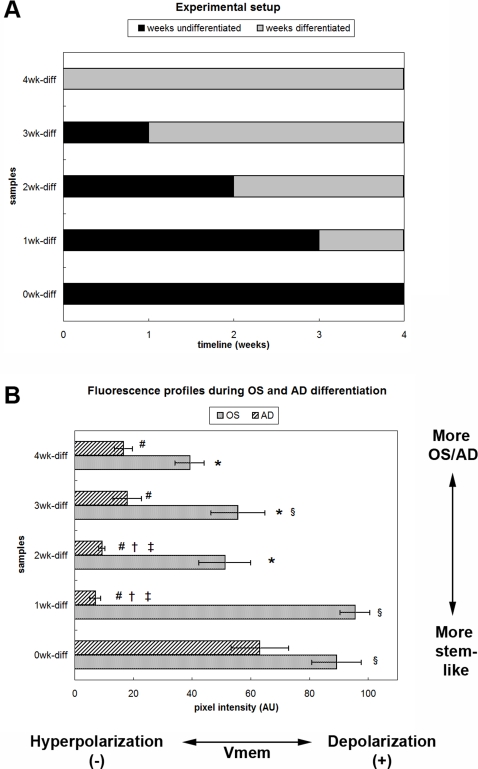
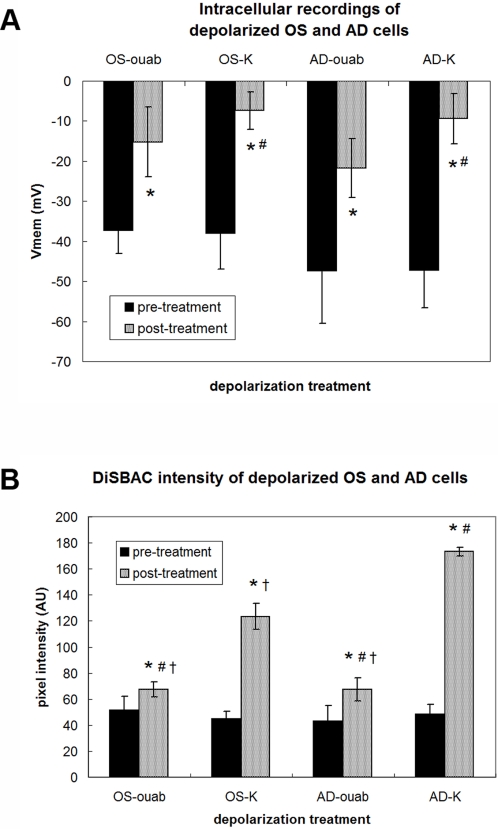
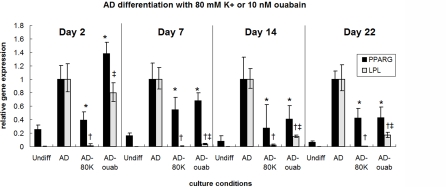
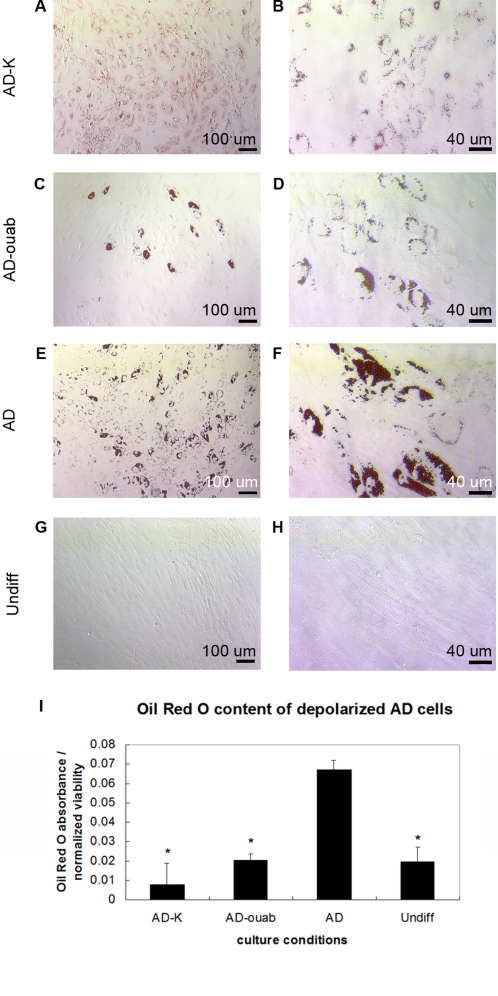
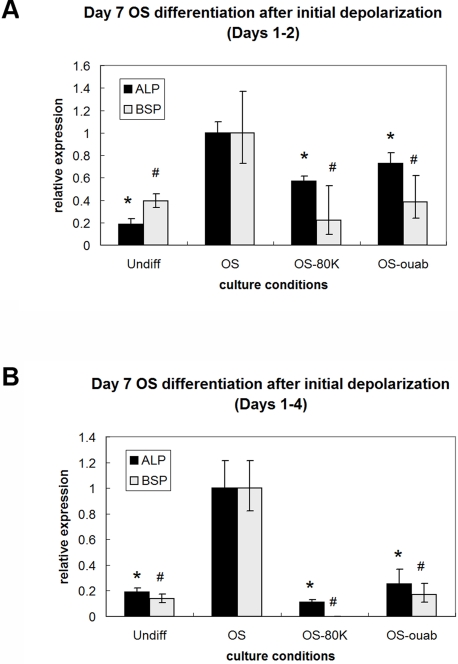
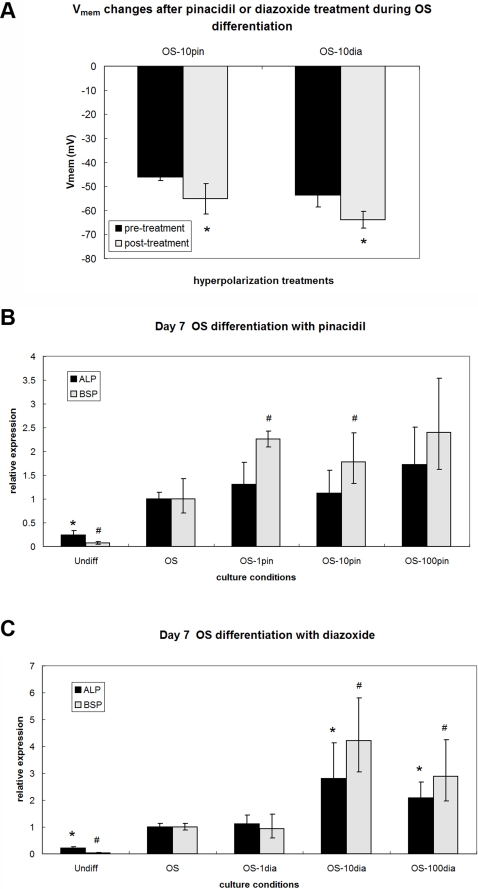
BACKGROUND: Control of stem cell behavior is a crucial aspect of developmental biology and regenerative medicine. While the functional role of electrophysiology in stem cell biology is poorly understood, it has become clear that endogenous ion flows represent a powerful set of signals by means of which cell proliferation, differentiation, and migration can be controlled in regeneration and embryonic morphogenesis. METHODOLOGY/PRINCIPAL FINDINGS: We examined the membrane potential (V(mem)) changes exhibited by human mesenchymal stem cells (hMSCs) undergoing adipogenic (AD) and osteogenic (OS) differentiation, and uncovered a characteristic hyperpolarization of differentiated cells versus undifferentiated cells. Reversal of the progressive polarization via pharmacological modulation of transmembrane potential revealed that depolarization of hMSCs prevents differentiation. In contrast, treatment with hyperpolarizing reagents upregulated osteogenic markers. CONCLUSIONS/SIGNIFICANCE: Taken together, these data suggest that the endogenous hyperpolarization is a functional determinant of hMSC differentiation and is a tractable control point for modulating stem cell function.
Overview
The claims and statistics of this paper haven’t been checked yet.
Free: it reads the open-access text and checks the first 5 claims that cite a source we can check. Create a free account to check every claim.
Integrity signals
Registry
Cites
Statistics
Figures
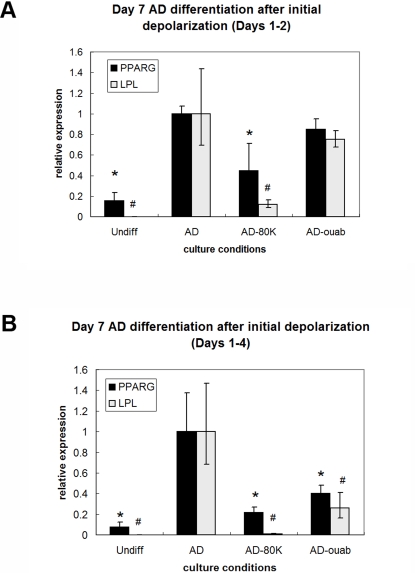
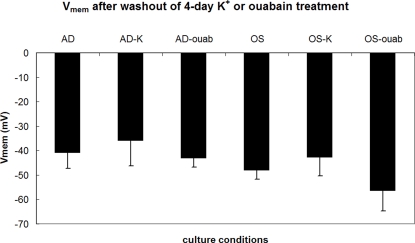
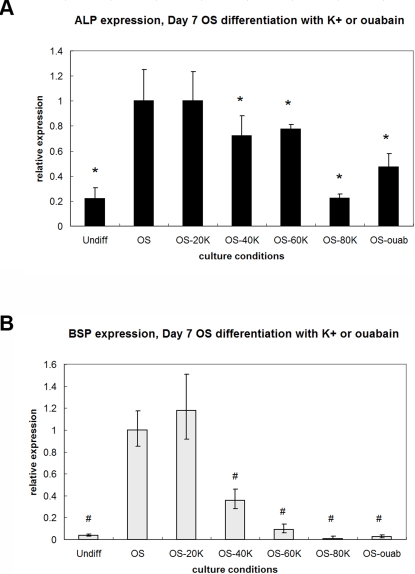
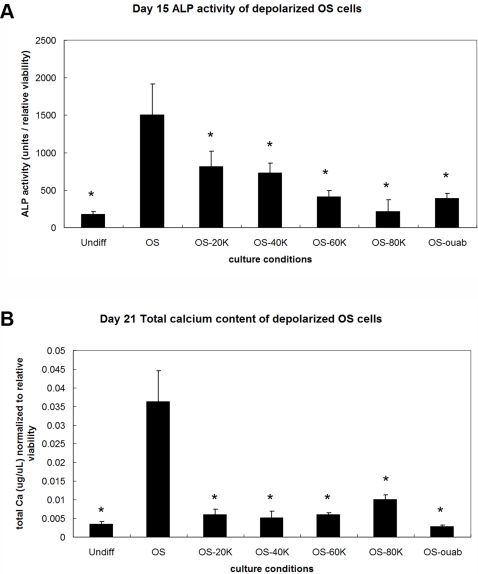
Verification
Claims the paper makes
The claims and statistics of this paper haven’t been checked yet.
Free: it reads the open-access text and checks the first 5 claims that cite a source we can check. Create a free account to check every claim.
Claims other papers make about this one
Each is checked against this paper’s own text: does it say what the citing paper says it does?
The cited source says what the claim attributes to it.
In the citing paper
“Pharmacologically-induced Vm depolarization suppresses adipogenic and osteogenic differentiation of hMSCs (Sundelacruz et al., 2008).”
From Membrane potential and cancer progression (2013) · cites this paper as Sundelacruz et al., 2008
The cited source says what the claim attributes to it.
In the citing paper
“Vm hyperpolarization is also a functional determinant of human mesenchymal stem cell (hMSC) differentiation.”
From Membrane potential and cancer progression (2013) · cites this paper as Sundelacruz et al., 2008
Self-check
Percentages, sums and reported differences re-computed from the paper’s own numbers.
The self-check needs the paper’s full text.
Citations
Cites
Quantification of mRNA using real-time RT-PCR
Nolan, T., Hands, R. E., & Bustin, S. A. (2006) · Nature Protocols · doi:10.1038/nprot.2006.236 · Cited by 2,247 · cited 1×
“Expression levels were normalized to the housekeeping gene glyceraldehyde 3phosphate dehydrogenase (GAPDH) and reported relative to positive control reactions (untreated OS or AD) [58–60].”
MethodmPPAR gamma 2: tissue-specific regulator of an adipocyte enhancer.
Tontonoz, P., Hu, E., Graves, R. A., Budavari, A. I., & Spiegelman, B. M. (1994) · Genes & Development · doi:10.1101/gad.8.10.1224 · Cited by 2,181
PPAR-gamma: adipogenic regulator and thiazolidinedione receptor.
Spiegelman, B. M. (1998) · Diabetes · doi:10.2337/diabetes.47.4.507 · Cited by 1,730
Bone structure and formation: A new perspective
Olszta, M. J., Cheng, X., Jee, S. S., Kumar, R., Kim, Y.-Y., Kaufman, M. J., Douglas, E. P., & Gower, L. B. (2007) · Materials Science and Engineering: R: Reports · doi:10.1016/j.mser.2007.05.001 · Cited by 1,563 · cited 1×
“The resulting tissue has a high concentration of calcium ions, as the inorganic mineral phase of bone consists mainly of calcium hydroxyapatite [42].”
BackgroundAn Overview of Real-Time Quantitative PCR: Applications to Quantify Cytokine Gene Expression
Giulietti, A., Overbergh, L., Valckx, D., Decallonne, B., Bouillon, R., & Mathieu, C. (2001) · Methods · doi:10.1006/meth.2001.1261 · Cited by 1,411 · cited 1×
“Expression levels were normalized to the housekeeping gene glyceraldehyde 3phosphate dehydrogenase (GAPDH) and reported relative to positive control reactions (untreated OS or AD) [58–60].”
MethodQuantitative real-time RT-PCR – a perspective
Bustin, S. A., Benes, V, Nolan, T., & Pfaffl, M. W. (2005) · Journal of Molecular Endocrinology · doi:10.1677/jme.1.01755 · Cited by 1,321 · cited 1×
“RNA was isolated from hMSCs using Trizol reagent (Invitrogen) following the single step acid-phenol guanidinium method, and purified using the Qiagen RNEasy kit (Qiagen, Valencia, CA). To synthesize cDNA, reverse transcription was performed on the purified RNA using the High Capacity cDNA Archive kit (Applied Biosyste…”
MethodSchoonjans, K., Peinado‐Onsurbe, J., Lefebvre, A. M., Heyman, R. A., Briggs, M., Deeb, S., Staels, B., & Auwerx, J. (1996) · The EMBO Journal · doi:10.1002/j.1460-2075.1996.tb00918.x · Cited by 1,173
Electrical signals control wound healing through phosphatidylinositol-3-OH kinase-γ and PTEN
Zhao, M., Song, B., Pu, J., Wada, T., Reid, B., Tai, G., Wang, F., Guo, A., Walczysko, P., Gu, Y., et al. (2006) · Nature · doi:10.1038/nature04925 · Cited by 1,167 · cited 1×
“. In a corneal wound healing model, endogenous electric fields regulated both cell migration”
BackgroundControlling Cell Behavior Electrically: Current Views and Future Potential
McCaig, C. D., Rajnicek, A. M., Song, B., & Zhao, M. (2005) · Physiological Reviews · doi:10.1152/physrev.00020.2004 · Cited by 1,096 · cited 1×
“During embryonic development and tissue regeneration, two events during which stem cells actively proliferate and differentiate, a wealth of literature suggests that biophysical signaling plays a critical role (reviewed in [1,2]).”
BackgroundSchoonjans, K., Staels, B., & Auwerx, J. (1996) · Biochimica et Biophysica Acta (BBA) - Lipids and Lipid Metabolism · doi:10.1016/0005-2760(96)00066-5 · Cited by 1,047 · cited 1×
“LPL is one of several highly specialized proteins induced during adipocyte differentiation by PPARG, and plays an important role in lipoprotein and energy metabolism [35,36].”
Background
Cited by
Fate decision of mesenchymal stem cells: adipocytes or osteoblasts?
Chen, Q., Shou, P., Zheng, C., Jiang, M., Cao, G., Yang, Q., Cao, J., Xie, N., Velletri, T., Zhang, X., et al. (2016) · Cell Death & Differentiation · doi:10.1038/cdd.2015.168 · Cited by 1,156
“adipogenic and osteogenic differentiation of MSCs while hyper-polarization promotes osteogenic differentiation.(119)”
BackgroundMembrane potential and cancer progression
Yang, M., & Brackenbury, W. J. (2013) · Frontiers in Physiology · doi:10.3389/fphys.2013.00185 · Cited by 614
Role of membrane potential in the regulation of cell proliferation and differentiation
Sundelacruz, S., Levin, M., & Kaplan, D. L. (2009) · Stem Cell Reviews and Reports · doi:10.1007/s12015-009-9080-2 · Cited by 489
“polarization during both osteogenic (OS) and adipogenic (AD) differentiation [108].”
BackgroundInfluentialSelf-citationLiu, Z., Wan, X., Wang, Z. L., & Li, L. (2021) · Advanced Materials · doi:10.1002/adma.202007429 · Cited by 478
Bioelectric controls of cell proliferation: Ion channels, membrane voltage and the cell cycle
Blackiston, D. J., McLaughlin, K. A., & Levin, M. (2009) · Cell Cycle · doi:10.4161/cc.8.21.9888 · Cited by 468
“Similarly, the normal course of human mesenchymal stem cell differentiation is accompanied by a progressive hyperpolarization; it has recently been shown that this is an instructive parameter, as artificial depolarization keeps the MSCs in the stem state, while hyperpolarization accelerates their differentiation.(34)…”
BackgroundSelf-citationElectrical Stimulation: A Novel Tool for Tissue Engineering
Balint, R., Cassidy, N. J., & Cartmell, S. H. (2013) · Tissue Engineering Part B: Reviews · doi:10.1089/ten.teb.2012.0183 · Cited by 405
Levin, M. (2014) · Molecular Biology of the Cell · doi:10.1091/mbc.e13-12-0708 · Cited by 372
“Another example is the differentiation of human mesenchymal stem cells (hMSCs), which normally hyperpolarize as they differentiate; despite the presence of potent chemical inducers, hMSCs will not differentiate if kept artificially depolarized (Sundelacruz et al., 2008).”
BackgroundInfluentialSelf-citationThe Regulation of Differentiation in Mesenchymal Stem Cells
Augello, A., & De Bari, C. (2010) · Human Gene Therapy · doi:10.1089/hum.2010.173 · Cited by 370
“More recently, Scotti and colleagues (2010) reported that human bone marrow MSCs, implanted subcutaneously into nude mice at various stages of chondrogenic differentiation, formed bone only when they had developed in vitro hypertrophic cartilage traits.”
Targeting potassium channels in cancer
Huang, X., & Jan, L. Y. (2014) · Journal of Cell Biology · doi:10.1083/jcb.201404136 · Cited by 330
“In support of this hypothesis, sustained depolarization induces new DNA synthesis, promotes mitotic activity in terminally differentiated central nervous system neurons cultured in vitro (Cone and Cone, 1976), and prevents mesenchymal stem cell differentiation (Sundelacruz et al., 2008).”
BackgroundLevin, M., Pezzulo, G., & Finkelstein, J. M. (2017) · Annual Review of Biomedical Engineering · doi:10.1146/annurev-bioeng-071114-040647 · Cited by 287
“For example, in induced pluripotent stem cells (iPSCs), potassium channels play a role in regulating proliferation (28) as they do in mesenchymal stem cells (MSCs) (29); whereas iPSCs are electrophysiologically homogeneous, MSCs are not.”
BackgroundSelf-citationEmerging Roles of the Membrane Potential: Action Beyond the Action Potential
Abdul Kadir, L., Stacey, M., & Barrett-Jolley, R. (2018) · Frontiers in Physiology · doi:10.3389/fphys.2018.01661 · Cited by 264
Adipose Tissue Engineering for Soft Tissue Regeneration
Choi, J. H., Gimble, J. M., Lee, K., Marra, K. G., Rubin, J. P., Yoo, J. J., Vunjak-Novakovic, G., & Kaplan, D. L. (2010) · Tissue Engineering Part B: Reviews · doi:10.1089/ten.teb.2009.0544 · Cited by 255
Self-citationLevin, M. (2012) · BioEssays · doi:10.1002/bies.201100136 · Cited by 248
“Cell differentiation is also controlled by changes in Vmem, as has been shown in human mesenchymal stem cells [28], embryonic stem cells [29], myoblasts (in which the Kir2.”
BackgroundSelf-citationLevin, M. (2014) · The Journal of Physiology · doi:10.1113/jphysiol.2014.271940 · Cited by 239
“Another example is the differentiation of human mesenchymal stem cells (hMSCs), which normally hyperpolarize as they differentiate; despite the presence of chemical inducers, hMSCs will not differentiate if kept artificially depolarized (Sundelacruz et al. 2008).”
BackgroundSelf-citationThe bioelectric code: An ancient computational medium for dynamic control of growth and form
Levin, M., & Martyniuk, C. J. (2018) · Biosystems · doi:10.1016/j.biosystems.2017.08.009 · Cited by 240
Self-citationHow a High-Gradient Magnetic Field Could Affect Cell Life
Zablotskii, V., Polyakova, T., Lunov, O., & Dejneka, A. (2016) · Scientific Reports · doi:10.1038/srep37407 · Cited by 221
Bioelectric mechanisms in regeneration: Unique aspects and future perspectives
Levin, M. (2009) · Seminars in Cell & Developmental Biology · doi:10.1016/j.semcdb.2009.04.013 · Cited by 218
Self-citationBioelectric signaling in regeneration: Mechanisms of ionic controls of growth and form
McLaughlin, K. A., & Levin, M. (2018) · Developmental Biology · doi:10.1016/j.ydbio.2017.08.032 · Cited by 225
“…proliferation are controlled by changes in V mem in numerous cell types including: human mesenchymal stem cells (HMSCs) (Sundelacruz et al., 2009; Sundelacruz et al., 2008), cardiomyocytes (Genovese et al., 2008; Lan et al., 2014a; Lan et al., 2014b; van Vliet et al., 2010), hepatocytes…”
Self-citationOviedo, N. J., Morokuma, J., Walentek, P., Kema, I. P., Gu, M. B., Ahn, J.-M., Hwang, J. S., Gojobori, T., & Levin, M. (2010) · Developmental Biology · doi:10.1016/j.ydbio.2009.12.012 · Cited by 219
“The characterization of physiological signals, and their influence upon regenerative morphogenesis, offers unprecedented opportunities for rational modulation of somatic and stem cell behavior in guiding pattern formation in biomedical settings (Levin, 2007b; Sundelacruz et al., 2008; Zhao et al., 2006).”
BackgroundSelf-citationLevin, M., & Stevenson, C. G. (2012) · Annual Review of Biomedical Engineering · doi:10.1146/annurev-bioeng-071811-150114 · Cited by 184
Self-citationCracking the bioelectric code: Probing endogenous ionic controls of pattern formation
Tseng, A., & Levin, M. (2013) · Communicative & Integrative Biology · doi:10.4161/cib.22595 · Cited by 178
Self-citationAdams, D. S., & Levin, M. (2013) · Cell and Tissue Research · doi:10.1007/s00441-012-1329-4 · Cited by 177
“…Levin 2006), anterior-posterior polarity determination in planarian regeneration (Beane et al. 2011; Nogi and Levin 2005), tail regeneration in Xenopus tadpoles (Adams et al. 2007; Tseng et al. 2010) and mammalian stem cell regulation (Gupta et al. 2009; Lange et al. 2011; Sundelacruz et al. 2008).”
InfluentialSelf-citationBaglioni, S., Cantini, G., Poli, G., Francalanci, M., Squecco, R., Di Franco, A., Borgogni, E., Frontera, S., Nesi, G., Liotta, F., et al. (2012) · PLoS ONE · doi:10.1371/journal.pone.0036569 · Cited by 166
“Compared to V-, S-ASC have a smaller surface area both in adherent and detached conditions, a more hyperpolarized RMP and a greater resting specific membrane conductance, all properties supporting a higher differentiation potential [15,16].”
BackgroundPezzulo, G., & Levin, M. (2015) · Integrative Biology · doi:10.1039/c5ib00221d · Cited by 168
Self-citationRoss, C. L., Siriwardane, M., Almeida-Porada, G., Porada, C. D., Brink, P., Christ, G. J., & Harrison, B. S. (2015) · Stem Cell Research · doi:10.1016/j.scr.2015.04.009 · Cited by 166
“Sundelacruz et al. reported that manipulation of the membrane potential of cultured BMSCs can influence their fate and differentiation, along the adipogenic and osteogenic lineages (Sundelacruz et al., 2008, 2009).”
BackgroundLobikin, M., Chernet, B., Lobo, D., & Levin, M. (2012) · Physical Biology · doi:10.1088/1478-3975/9/6/065002 · Cited by 166
“However, a number of normal patterning events are also driven by localized depolarizations (Lange et al 2011, Pai et al 2012, Sundelacruz et al 2008); thus, non-invasive detection of incipient tumors will depend on the discovery of additional biophysical criteria that would allow the defining of a…”
BackgroundInfluentialSelf-citationMechanisms Underlying the Osteo- and Adipo-Differentiation of Human Mesenchymal Stem Cells
Zhang, Y., Khan, D., Delling, J., & Tobiasch, E. (2012) · The Scientific World JOURNAL · doi:10.1100/2012/793823 · Cited by 184
“Sundelacruz showed that treatment of hMSCs with hyperpolarizing reagents increased the strength of osteogenic differentiation [97].”
BackgroundVitali, I., Fièvre, S., Telley, L., Oberst, P., Bariselli, S., Frangeul, L., Baumann, N., McMahon, J. J., Klingler, E., Bocchi, R., et al. (2018) · Cell · doi:10.1016/j.cell.2018.06.036 · Cited by 160
“1274 Cell 174, 1264–1276, August 23, 2018 stemstate,whereas hyperpolarization accelerates their differentiation into postmitotic cells (Sundelacruz et al., 2008).”
Hronik‐Tupaj, M., Rice, W. L., Cronin‐Golomb, M., Kaplan, D. L., & Georgakoudi, I. (2011) · BioMedical Engineering OnLine · doi:10.1186/1475-925x-10-9 · Cited by 161
“Early gene expression markers and calcium content of a positive hMSC osteoblast control group and negative hMSC adipogenic control groups have been reported previously in our lab [25].”
BackgroundSelf-citationSodium homeostasis in the tumour microenvironment
Leslie, T. K., James, A. D., Zaccagna, F., Grist, J. T., Deen, S. S., Kennerley, A. J., Riemer, F., Kaggie, J. D., Gallagher, F. A., Gilbert, F. J., et al. (2019) · Biochimica et Biophysica Acta (BBA) - Reviews on Cancer · doi:10.1016/j.bbcan.2019.07.001 · Cited by 159
Chernet, B. T., & Levin, M. (2013) · Disease Models & Mechanisms · doi:10.1242/dmm.010835 · Cited by 148
“For example, prolonged depolarization induces mature central nervous system neurons to re-enter mitosis and causes fibroblasts to overproliferate (Cone, 1971; Cone and Tongier, 1971), and also prevents stem cells from differentiating (Sundelacruz et al., 2008).”
BackgroundSelf-citationVandenberg, L. N., Morrie, R. D., & Adams, D. S. (2011) · Developmental Dynamics · doi:10.1002/dvdy.22685 · Cited by 146
“…that patterning and morphogenesis require regulated bioelectrical signals (McCaig et al., 2005; Zhao et al., 2006) because they affect cell shape, proliferation, and growth (Adams et al., 2007; Blackiston et al., 2009; Levin, 2007a,b, 2009; Morokuma et al., 2008a,b; Sundelacruz et al., 2008, 2009).”
BackgroundOrganic Bioelectronics for In Vitro Systems
Pitsalidis, C., Pappa, A., Boys, A. J., Fu, Y., Moysidou, C., van Niekerk, D. C., Sáez, J., Savva, A., Iandolo, D., & Owens, R. M. (2021) · Chemical Reviews · doi:10.1021/acs.chemrev.1c00539 · Cited by 157
Brook Chernet, M. L. (2014) · Journal of Clinical & Experimental Oncology · doi:10.4172/2324-9110.s1-002 · Cited by 135
“Functional control of cell state by changes in Vmem has been observed in many kinds of stem and progenitor cells [65–75], including adult human mesenchymal stem cell [71,76] which can be kept stem-like despite the presence of chemical differentiation factors by forced depolarization, and in induced pluripotentent stem…”
BackgroundLong-Term, Stochastic Editing of Regenerative Anatomy via Targeting Endogenous Bioelectric Gradients
Durant, F., Morokuma, J., Fields, C., Williams, K., Adams, D. S., & Levin, M. (2017) · Biophysical Journal · doi:10.1016/j.bpj.2017.04.011 · Cited by 138
Self-citationFabrication of conductive gelatin methacrylate–polyaniline hydrogels
Wu, Y., Chen, Y. X., Yan, J., Quinn, D., Dong, P. X., Sawyer, S. W., & Soman, P. (2016) · Acta Biomaterialia · doi:10.1016/j.actbio.2016.01.036 · Cited by 146
Soto‐Cerrato, V., Manuel-Manresa, P., Hernando, E., Fariñas, S. C., Martínez‐Romero, A., Fernández‐Dueñas, V., Sahlholm, K., Knöpfel, T., García‐Valverde, M., Rodilla, A. M., et al. (2015) · Journal of the American Chemical Society · doi:10.1021/jacs.5b09970 · Cited by 138
Blackiston, D., Adams, D. S., Lemire, J. M., Lobikin, M., & Levin, M. (2011) · Disease Models & Mechanisms · doi:10.1242/dmm.005561 · Cited by 130
“Previously, we have shown that control of transmembrane potential is a powerful tool for understanding and inducing complex regenerative responses (Adams et al., 2007; Levin, 2007; Levin, 2009a; Sundelacruz et al., 2008).”
BackgroundSelf-citationGeometric control of tissue morphogenesis
Nelson, C. M. (2009) · Biochimica et Biophysica Acta (BBA) - Molecular Cell Research · doi:10.1016/j.bbamcr.2008.12.014 · Cited by 130
“molecules carry a net charge, chemical gradients of morphogens likely also create electrical gradients, which have been shown to be especially important for regenerative morphogenesis [131] and stem cell differentiation [132], and may also play roles during embryonic development [133].”
Masotti, A., Uva, P., Davis‐Keppen, L., Basel‐Vanagaite, L., Cohen, L., Pisaneschi, E., Celluzzi, A., Bencivenga, P., Fang, M., Tian, M., et al. (2015) · The American Journal of Human Genetics · doi:10.1016/j.ajhg.2014.12.011 · Cited by 119
“Finally, depolarization exerts its effect in the early differentiation process.(25) Altogether, these data suggest that membrane potential is mandatory for differentiation and cellular plasticity.”
Levin, M. (2013) · WIREs Systems Biology and Medicine · doi:10.1002/wsbm.1236 · Cited by 120
Self-citationKv5, Kv6, Kv8, and Kv9 subunits: No simple silent bystanders
Bocksteins, E. (2016) · The Journal of General Physiology · doi:10.1085/jgp.201511507 · Cited by 121
“3 mRNA are also expressed in human mesenchymal stem cells (You et al., 2013), which can differentiate into different cell types both in vitro and in vivo (Sundelacruz et al., 2008).”
BackgroundEmmons-Bell, M., Durant, F., Hammelman, J., Bessonov, N., Volpert, V., Morokuma, J., Pinet, K., Adams, D., Pietak, A., Lobo, D., et al. (2015) · International Journal of Molecular Sciences · doi:10.3390/ijms161126065 · Cited by 112
“Second, bioelectric patterns can override default genetic/biochemical information: specific Vmem changes can prevent mesenchymal stem cell differentiation despite the presence of chemical inducers [40,41], can induce an eye to form in a tissue (e.”
BackgroundSelf-citationBioelectric modulation of macrophage polarization
Li, C., Levin, M. G., & Kaplan, D. L. (2016) · Scientific Reports · doi:10.1038/srep21044 · Cited by 124
“Studies already demonstrated that human mesenchymal stem cells’ (hMSCs) and tissue level responses to changes in membrane potential significantly modulate cell functions, including differentiation, transdifferentiation and tissue regeneration 7,8 .”
Self-citationRoss, C. L., Zhou, Y., McCall, C. E., Söker, S., & Criswell, T. L. (2019) · Bioelectricity · doi:10.1089/bioe.2019.0026 · Cited by 106
“Levin and colleagues have shown that human MSC differentiation is accompanied by progressive hyperpolarization of voltage-gated ion channels.(94) Artificial depolarization keeps these cells in an undifferentiated state, whereas artificial hyperpolarization accelerates differentiation.”
BackgroundLevin, M. G. (2011) · Regenerative Medicine · doi:10.2217/rme.11.69 · Cited by 113
Self-citationExploring Instructive Physiological Signaling with the Bioelectric Tissue Simulation Engine
Pietak, A. M., & Levin, M. G. (2016) · Frontiers in Bioengineering and Biotechnology · doi:10.3389/fbioe.2016.00055 · Cited by 107
“For example, despite the action of growth factors, stem cells have been inhibited from differentiation by preventing the cells from developing a hyperpolarized Vmem (Sundelacruz et al., 2008).”
BackgroundSelf-citationPietak, A., & Levin, M. (2017) · Journal of The Royal Society Interface · doi:10.1098/rsif.2017.0425 · Cited by 95
Self-citationLevin, M., Pietak, A. M., & Bischof, J. (2019) · Seminars in Cell & Developmental Biology · doi:10.1016/j.semcdb.2018.04.003 · Cited by 82
Self-citationDepolarization Alters Phenotype, Maintains Plasticity of Predifferentiated Mesenchymal Stem Cells
Sundelacruz, S., Levin, M. G., & Kaplan, D. L. (2013) · Tissue Engineering Part A · doi:10.1089/ten.tea.2012.0425.rev · Cited by 92
“In previous studies, we have shown that the resting Vmem level in hMSCs regulates their capacity to undergo osteogenic and adipogenic differentiation.(45) Vmem hyperpolarization occurs spontaneously during hMSC differentiation toward both lineages and is necessary for differentiation.”
BackgroundSelf-citationIncrease of mesenchymal stem cell migration by cannabidiol via activation of p42/44 MAPK
Schmuhl, E., Ramer, R., Salamon, A., Peters, K., & Hinz, B. (2013) · Biochemical Pharmacology · doi:10.1016/j.bcp.2013.11.016 · Cited by 89
Schäfer, R., Bantleon, R., Kehlbach, R., Siegel, G., Wiskirchen, J., Wolburg, H., Kluba, T., Eibofner, F., Northoff, H., Claussen, C. D., et al. (2010) · BMC Cell Biology · doi:10.1186/1471-2121-11-22 · Cited by 82
“In a recent study the membrane potential was identified as an important factor regulating the adipogenic and osteogenic differentiation of MSCs showing that depolarization of MSCs prevents differentiation and hyperpolarization upregulated osteogenic markers [35].”
The Role of Kv7.2 in Neurodevelopment: Insights and Gaps in Our Understanding
Dirkx, N., Miceli, F., Taglialatela, M., & Weckhuysen, S. (2020) · Frontiers in Physiology · doi:10.3389/fphys.2020.570588 · Cited by 84
Physical stimuli-emitting scaffolds: The role of piezoelectricity in tissue regeneration
Alvarez‐Lorenzo, C., Zarur, M., Seijo-Rabina, A., Blanco‐Fernandez, B., Rodríguez‐Moldes, I., & Concheiro, Á. (2023) · Materials Today Bio · doi:10.1016/j.mtbio.2023.100740 · Cited by 94
“These changes determine, among others, human mesenchymal stem cell (MSC) differentiation [65] and tumorigenesis [66].”
BackgroundBioelectric modulation of wound healing in a 3D in vitro model of tissue-engineered bone
Sundelacruz, S., Li, C., Choi, Y. J., Levin, M. G., & Kaplan, D. L. (2013) · Biomaterials · doi:10.1016/j.biomaterials.2013.05.040 · Cited by 80
“We found that the effects of electrophysiological modulation on cell differentiation within the model were not necessarily dependent on Vmem changes, contrary to what has been shown for osteogenic differentiation of undifferentiated hMSCs [29].”
BackgroundMethodResultInfluentialSelf-citationArjmand, M., Ardeshirylajimi, A., Maghsoudi, H., & Azadian, E. (2017) · Journal of Cellular Physiology · doi:10.1002/jcp.25962 · Cited by 80
The H + Vacuolar ATPase Maintains Neural Stem Cells in the Developing Mouse Cortex
Lange, C., Prenninger, S., Knuckles, P., Taylor, V., Levin, M., & Calegari, F. (2011) · Stem Cells and Development · doi:10.1089/scd.2010.0484 · Cited by 78
“This is not surprising given the many studies in which subtle patterning and regulatory functions of ion flows can be functionally manipulated and dissected separately from their housekeeping roles [22,23], which is particularly true in stem cells [24].”
Self-citationMultiscale memory and bioelectric error correction in the cytoplasm–cytoskeleton‐membrane system
Fields, C., & Levin, M. (2018) · WIREs Systems Biology and Medicine · doi:10.1002/wsbm.1410 · Cited by 76
“Recent work has revealed the sources of developmentally-relevant voltage gradients, through the characterization of birth defects induced by channelopathies (145, 146) and the realization that ion channel drugs are not only teratogens (147) but also a potential toolkit of morphoceuticals for stem cell biology (148, 14…”
BackgroundSelf-citationLevin, M. G., Selberg, J. A., & Rolandi, M. (2019) · iScience · doi:10.1016/j.isci.2019.11.023 · Cited by 87
“Using small molecule drugs to target ion channels of mesenchymal stem cells has revealed that Vmem can induce (Sundelacruz et al., 2008) and in fact override bioelectric chemical inducers (Sundelacruz et al.”
BackgroundSelf-citationPietak, A., & Levin, M. (2018) · Progress in Biophysics and Molecular Biology · doi:10.1016/j.pbiomolbio.2018.03.008 · Cited by 72
Self-citationPiezoelectric Signals in Vascularized Bone Regeneration
D’Alessandro, D., Ricci, C., Milazzo, M., Strangis, G., Forlì, F., Buda, G., Petrini, M., Berrettini, S., Uddin, M. J., Danti, S., et al. (2021) · Biomolecules · doi:10.3390/biom11111731 · Cited by 75
“Bioelectricity, which originates from transmembrane voltage gradients at a cell level, is known to play a central role in orchestrating cell function during embryonic development, as well as in tissue regeneration and repair, thu strongly involvi g stem cells [102].”
BackgroundYoon, J., Misra, M., Yu, S. J., Kim, H. Y., Bhang, S. H., Song, S. Y., Lee, J., Ryu, S., Choo, Y. W., Jeong, G., et al. (2017) · Advanced Functional Materials · doi:10.1002/adfm.201703853 · Cited by 67
Pai, V. P., Martyniuk, C. J., Echeverri, K., Sundelacruz, S., Kaplan, D. L., & Levin, M. G. (2015) · Regeneration · doi:10.1002/reg2.48 · Cited by 69
“Depolarization induced by these concentrations of OB and K+ has been confirmed using voltage-sensitive dyes and/or sharp intracellular recordings (Sundelacruz et al. 2008; and Kaplan DL et al., unpublished data).”
BackgroundMethodResultSelf-citationMesenchymal stem cell differentiation: Control by calcium‐activated potassium channels
Pchelintseva, E., & Djamgoz, M. B. A. (2017) · Journal of Cellular Physiology · doi:10.1002/jcp.26120 · Cited by 68
“…by increasing extracellular K+, raised expression of MSC biomarkers and decreased osteogenic and adipogenic differenti- ation (Figures 2b and 2c) (Sundelacruz et al., 2008) Furthermore, sufficient depolarization of a differentiated cell can induce reversal to a multi-potent progenitor…”
BackgroundInfluentialDurant, F., Lobo, D., Hammelman, J., & Levin, M. G. (2016) · Regeneration · doi:10.1002/reg2.54 · Cited by 67
“…provide long-range guidance cues for a variety of galvanotactic cell types (Kucerova et al. 2011; Meng et al. 2011; Reid et al. 2011; Sun et al. 2013; Ozkucur et al. 2014), spatiotemporal patterns of resting potential regulate mitosis and differentiation (Cone & Cone 1976; Sundelacruz et al. 2008).”
BackgroundSelf-citationMoore, D., Walker, S. I., & Levin, M. (2017) · Convergent Science Physical Oncology · doi:10.1088/2057-1739/aa8548 · Cited by 63
“…by changes in V mem has been observed in many kinds of stem and progenitor cells [216 – 226], including adult human mesenchymal stem cells [222, 227], which can be kept stem-like despite the presence of chemical differentiation factors by forced depolarization, and in induced pluripotent stem…”
BackgroundSelf-citationXia, W., Li, H., Wang, Z., Xu, R., Fu, Y., Zhang, X., Ye, X., Huang, Y., Xiang, A. P., & Yu, W. (2011) · Cell Biology International · doi:10.1042/cbi20100361 · Cited by 59
“MSCs display the stem cell properties of selfrenewal and multipotency (Ghazanfari et al., 2009; Giannoni et al., 2009; Koelling and Miosge, 2009; Richter, 2009; Sundelacruz et al., 2008).”
BackgroundSynergistic effects of ion transporter and MAP kinase pathway inhibitors in melanoma
Eskiocak, U., Ramesh, V., Gill, J. G., Zhao, Z., Yuan, S. W., Wang, M., Vandergriff, T., Shackleton, M., Quintana, E., Frankel, A. E., et al. (2016) · Nature Communications · doi:10.1038/ncomms12336 · Cited by 63
Wu, Y., Chen, Y. X., Yan, J., Yang, S., Dong, P. X., & Soman, P. (2015) · Journal of Materials Chemistry B · doi:10.1039/c5tb00629e · Cited by 60
The distinguishing electrical properties of cancer cells
Gregorio, E. D., Israel, S. L., Staelens, M., Tankel, G., Shankar, K., & Tuszyński, J. A. (2022) · Physics of Life Reviews · doi:10.1016/j.plrev.2022.09.003 · Cited by 59
Pai, V. P., Lemire, J. M., Chen, Y., Lin, G., & Levin, M. (2015) · The International Journal of Developmental Biology · doi:10.1387/ijdb.150197ml · Cited by 60
“Although absolute Vmem is known to control cell proliferation and differentiation (Blackiston et al., 2009, Sundelacruz et al., 2008, Sundelacruz et al., 2009, Sundelacruz et al., 2013), the effect of relative Vmem differences between groups of cells on cellular and tissue processes is only…”
Self-citationVoltage‐dependent activation of Rac1 by Na v 1.5 channels promotes cell migration
Yang, M., James, A. D., Suman, R., Kasprowicz, R., Nelson, M., O’Toole, P. J., & Brackenbury, W. J. (2019) · Journal of Cellular Physiology · doi:10.1002/jcp.29290 · Cited by 59
“(Sundelacruz et al., 2008) and cytoskeletal reorganization (Chifflet et al.”
Toward Hijacking Bioelectricity in Cancer to Develop New Bioelectronic Medicine
Robinson, A. J., Jain, A., Sherman, H. G., Hague, R., Rahman, R., Sanjuan‐Alberte, P., & Rawson, F. J. (2021) · Advanced Therapeutics · doi:10.1002/adtp.202000248 · Cited by 61
Bioelectric memory: modeling resting potential bistability in amphibian embryos and mammalian cells
Law, R., & Levin, M. (2015) · Theoretical Biology and Medical Modelling · doi:10.1186/s12976-015-0019-9 · Cited by 55
“Manipulation of stable bioelectric states has enabled control of stem cell function [29–31], induction of large-scale regenerative repair [32, 33], and organ-level reprogramming in vivo [23].”
BackgroundSelf-citationWalters, B. J., & Zuo, J. (2012) · Hearing Research · doi:10.1016/j.heares.2012.11.009 · Cited by 56
“…studies suggest that SCs may not respond to Na+ or K+, even when they are giving rise to new HCs (Masetto et al., 1997), levels of Na+ or K+ critically affect regenerative processes in some systems (Sundelacruz et al., 2008; Trinh et al., 2008; Tseng et al., 2010; Zhang et al., 2012a).”
BackgroundSpencer Adams, D., Lemire, J. M., Kramer, R. H., & Levin, M. (2014) · The International Journal of Developmental Biology · doi:10.1387/ijdb.140207ml · Cited by 53
“…et al., 2009, Sundelacruz et al., 2009), including the regulation of stem/progenitor cell differentiation (Hinard et al., 2008, Lange et al., 2011, Sundelacruz et al., 2008) and tumor growth (Chernet and Levin, 2013, Chernet and Levin, 2014, Lobikin et al., 2012, Yang and Brackenbury, 2013).”
BackgroundSelf-citationGold nanoparticles cellular toxicity and recovery: Adipose Derived Stromal cells
Mironava, T., Hadjiargyrou, M., Simon, M., & Rafailovich, M. H. (2013) · Nanotoxicology · doi:10.3109/17435390.2013.769128 · Cited by 53
“However, Sundelacruz et al. (2008) reported that cells cultured in complete induction media exhibited approximately three times more negative cell membrane potential when compared to those cultured in base media.”
BackgroundMustard, J., & Levin, M. G. (2014) · Soft Robotics · doi:10.1089/soro.2014.0011 · Cited by 50
“75 V mem also regulates neural progenitor cell differentiation in the mouse embryonic cortex, 76 and extended hyperpolarization in human myoblasts initiates differentiation and cell fusion necessary for muscle contraction.”
Self-citationEnhancing osteogenic differentiation of BMSCs on high magnetoelectric response films
Zhang, J., He, X., Chen, X., Wu, Y. J., Dong, L., Cheng, K., Lin, J., Wang, H., & Weng, W. (2020) · Materials Science and Engineering C · doi:10.1016/j.msec.2020.110970 · Cited by 49
Coupling of pulsed electromagnetic fields (PEMF) therapy to molecular grounds of the cell.
Funk, R. H. W. (2018) · Europe PMC (PubMed Central) · Cited by 66
Hyperpolarization Induces Differentiation in Human Cardiomyocyte Progenitor Cells
Vliet, P. P. V., de Boer, T. P., van der Heyden, M. A. G., Tamer, M. K. E., Sluijter, J. P. G., Doevendans, P. A., & Goumans, M. (2010) · Stem Cell Reviews and Reports · doi:10.1007/s12015-010-9142-5 · Cited by 50
“However, hyperpolarization induces and is required for differentiation of skeletal myoblasts towards myocytes [23] and osteogenic differentiation of mesenchymal stem cells [24].”
Role of K+ and Ca2+-Permeable Channels in Osteoblast Functions
Kito, H., & Ohya, S. (2021) · International Journal of Molecular Sciences · doi:10.3390/ijms221910459 · Cited by 46
“Therefore, the membrane potential is one of the key biophysical signals in osteoblast lineage cells [20].”
BackgroundBianconi, S., Leppik, L. P., Oppermann, E., Marzi, İ., & Henrich, D. M. (2024) · International Journal of Molecular Sciences · doi:10.3390/ijms25137272 · Cited by 48
“Changes in the cell membrane potential can significantly modulate cell functions such as the differentiation and transdifferentiation capacities of mesenchymal stem cells (MSCs) [20,21].”
BackgroundAlves, H., Dechering, K. J., van Blitterswijk, C., & de Boer, J. (2011) · PLoS ONE · doi:10.1371/journal.pone.0026678 · Cited by 46
“Both Pinacidil and other KATP channel openers like Diazoxide, are known to elevate bone marker expression, namely BSP and ALP, and it was shown that endogenous hyperpolarization is a functional determinant of hMSC differentiation and a possible control point for modulating stem cell function [37,38].”
Neuhof, M., Levin, M. G., & Rechavi, O. (2016) · Biology Open · doi:10.1242/bio.020149 · Cited by 46
Self-citationZheng, Y., He, L., Wan, Y., & Song, J. (2013) · Stem Cells and Development · doi:10.1089/scd.2012.0172 · Cited by 43
“The amount of Oil red O was measured spectrophotometrically at 500nm [40].”
Cameron, K., Travers, P. J., Chander, C. L., Buckland, T., Campion, C. R., & Noble, B. (2012) · Journal of Biomedical Materials Research Part A · doi:10.1002/jbm.a.34261 · Cited by 42
You, M., Song, M. S., Lee, S. K., Ryu, P. D., Lee, S. Y., & Kim, D.-Y. (2012) · Acta Pharmacologica Sinica · doi:10.1038/aps.2012.142 · Cited by 42
Sundelacruz, S., Thurber, A. E., Levin, M. G., & Kaplan, D. L. (2019) · Bioelectricity · doi:10.1089/bioe.2018.0005 · Cited by 42
“40,41 We have previously verified by sharp microelectrode recordings and voltage-sensitive dyes that addition of potassium gluconate causes depolarization.(34)”
BackgroundMethodSelf-citationModeling somatic computation with non-neural bioelectric networks
Manicka, S., & Levin, M. (2019) · Scientific Reports · doi:10.1038/s41598-019-54859-8 · Cited by 41
Self-citationVadlamani, R. A., Nie, Y., Detwiler, D. A., Dhanabal, A., Kraft, A. M., Kuang, S., Gavin, T. P., & Garner, A. L. (2019) · Journal of The Royal Society Interface · doi:10.1098/rsif.2019.0079 · Cited by 41
Хлусов, И. А., Dekhtyar, Y., Sharkeev, Y. P., Pichugin, V. F., Khlusova, M. Y., Polyaka, N., Tyulkin, F., Vendinya, V., Легостаева, Е. В., Litvinova, L. S., et al. (2018) · Materials · doi:10.3390/ma11060978 · Cited by 46
“Hyperpolarization of the negative membrane potential promotes osteogenic (ALP gene expression and intracellular calcium level) differentiation of human MSCs, unlike when this membrane is depolarized [76,77].”
BackgroundHernández–Díaz, S., & Levin, M. G. (2014) · Reproductive Toxicology · doi:10.1016/j.reprotox.2014.04.008 · Cited by 45
Self-citationHsiao, Y., Kuo, C., & Chen, P. (2013) · Advanced Functional Materials · doi:10.1002/adfm.201203631 · Cited by 40
Neural control of body-plan axis in regenerating planaria
Pietak, A. M., Bischof, J., LaPalme, J., Morokuma, J., & Levin, M. G. (2019) · PLoS Computational Biology · doi:10.1371/journal.pcbi.1006904 · Cited by 40
Self-citationBusse, S. M., McMillen, P. T., & Levin, M. (2018) · Development · doi:10.1242/dev.164210 · Cited by 34
“Finally, although recent work in human cells in vitro (Li et al., 2016; Pai et al., 2016; Sundelacruz et al., 2008, 2013) and characterization of channelopathies (Kamate and Chetal, 2011; Kortum et al., 2015; Masotti et al., 2015; Veale et al., 2014; Xie et al., 2010) have confirmed the…”
BackgroundSelf-citationKeum, D., Kruse, M., Kim, D., Hille, B., & Suh, B. (2016) · Proceedings of the National Academy of Sciences · doi:10.1073/pnas.1606472113 · Cited by 38
Signalling pathways underlying pulsed electromagnetic fields in bone repair
Wang, A., Ma, X., Bian, J., Jiao, Z., Zhu, Q., Wang, P., & Zhao, Y. (2024) · Frontiers in Bioengineering and Biotechnology · doi:10.3389/fbioe.2024.1333566 · Cited by 42
Comparison of the depolarization response of human mesenchymal stem cells from different donors
Sundelacruz, S., Levin, M. G., & Kaplan, D. L. (2015) · Scientific Reports · doi:10.1038/srep18279 · Cited by 38
Self-citationTwo-dimensional material-based bionano platforms to control mesenchymal stem cell differentiation
Kang, E., Kim, D., Suhito, I. R., Lee, W., Song, I., & Kim, T. P. (2018) · Biomaterials Research · doi:10.1186/s40824-018-0120-3 · Cited by 37
Metadata
- Authors
- Sundelacruz, S., Levin, M., & Kaplan, D. L.
- Affiliations
- Tufts University (US)
- Corresponding author
- Kaplan, David L.
- Venue
- PLoS ONE
- Publisher
- Public Library of Science (PLoS)
- Published
- 2008-11-17
- Volume
- 3
- Issue
- 11
- Pages
- e3737
- ISSN
- 1932-6203 (ISSN-L)
- PMC
- PMC2581599
- OpenAlex
- W2064572662
- Cited by
- 249
- References
- 64
- Citations by year
- 2026: 11 · 2025: 9 · 2024: 12 · 2023: 9 · 2022: 16 · 2021: 16 · 2020: 10 · 2019: 18 · 2018: 19 · 2017: 20 · 2016: 16 · 2015: 14 · 2014: 18 · 2013: 14 · 2012: 20
- FWCI
- 4.14
- Type
- journal article
- Language
- en
- Open access
- gold
- doi.org
- Locations
- PLoS ONE (publishedVersion, cc-by)
- PubMed Central (publishedVersion, cc-by)
- PubMed (publishedVersion)
- DOAJ (DOAJ: Directory of Open Access Journals) (submittedVersion, cc-by-sa)
- Funders
- National Science Foundation
- National Institutes of Health (00001, EB002520)
- Defense Advanced Research Projects Agency
- National Highway Traffic Safety Administration (DTNH22-06-G-00001)
- National Institute of Biomedical Imaging and Bioengineering (P41EB002520)
- Topics
- Life Sciences › Biochemistry, Genetics and Molecular Biology › Cell Biology › Mesenchymal stem cell research
- Life Sciences › Biochemistry, Genetics and Molecular Biology › Molecular Biology › Pluripotent Stem Cells Research
- Life Sciences › Biochemistry, Genetics and Molecular Biology › Cell Biology › Cellular Mechanics and Interactions
- Keywords
- membrane potential, mesenchymal stem cells, adipogenesis, osteogenic differentiation, hyperpolarization, depolarization, ion flow, electrophysiology, stem cell differentiation, osteogenic markers
- MeSH terms
- Alkaline Phosphatase, Calcium, Extracellular Space, Humans, Membrane Potentials, Osteogenesis, Ouabain, Potassium, Biomarkers, Up-Regulation, Adipogenesis, Mesenchymal Stem Cells
About these checks
Registry, retraction, Cites and statistics results are computed, not judged, with one exception: a printed reference that no index lists is read once by a model before it counts as a citation error. Claims are extracted by a model and kept only when their quote appears verbatim in the text; each cited source is then checked, with a model’s help, for whether it says what the claim relies on. Those verdicts can be wrong — read the claim’s quote and the cited source before relying on one.
Statistics and arithmetic are recomputed, not judged.
Confidence bands are shown only for fields calibrated on our annotated test set. None is calibrated yet, so no band is shown.
What counts as a claim ›How we measure confidence ›How we check this ›
Are you an author, or do you see a problem with this page? Request a review
Data sources
Bibliographic data: Semantic Scholar, OpenAlex, Crossref.
Contains information from the Semantic Scholar Academic Graph Datasets, made available under the ODC Attribution License (ODC-BY 1.0).
Semantic Scholar’s data is described in: Kinney, R., et al. (2023). The Semantic Scholar Open Data Platform. arXiv:2301.10140.
