

Membrane Potential Controls Adipogenic and Osteogenic Differentiation of Mesenchymal Stem Cells
Open accessThe DOI matches its Crossref record; 66 of the 66 references it cites were found in a registry or an index.
Abstract
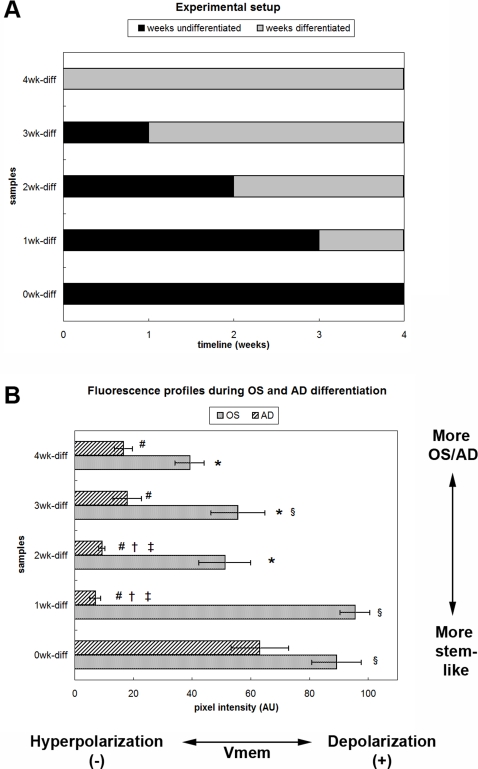
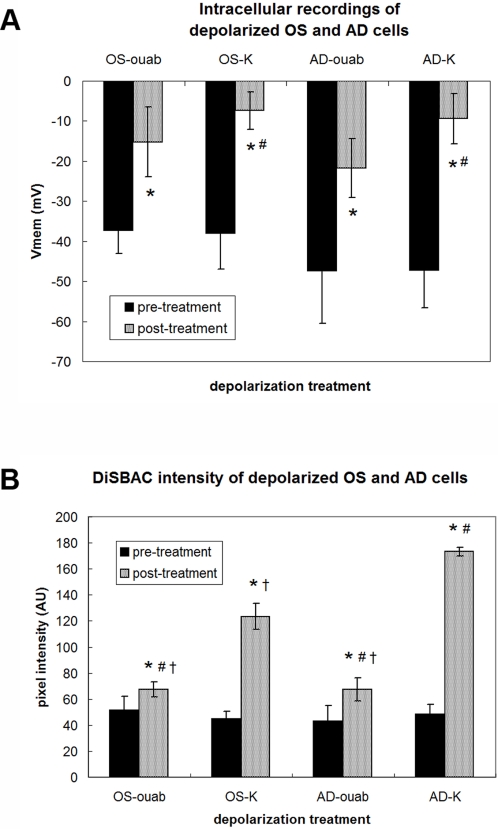
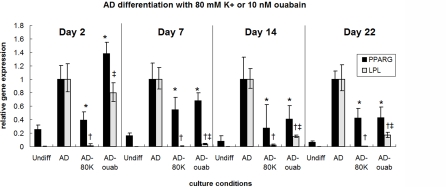
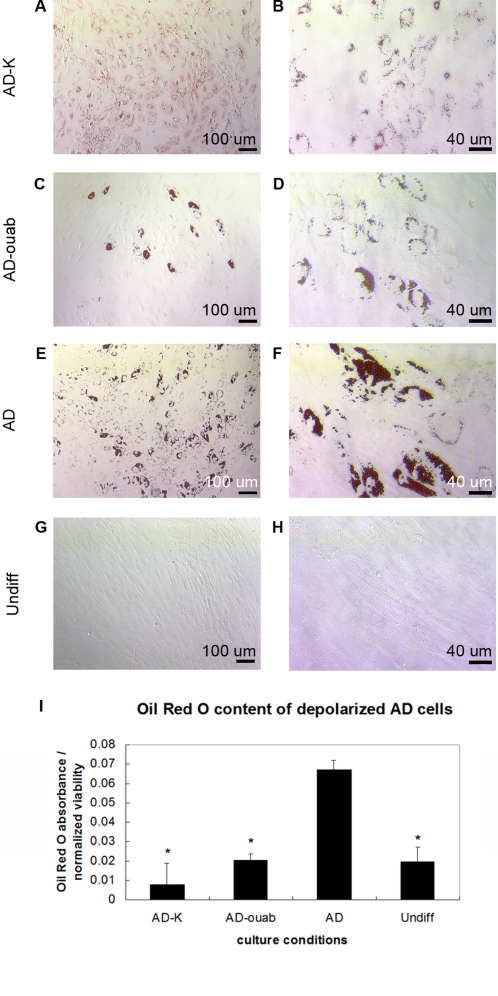
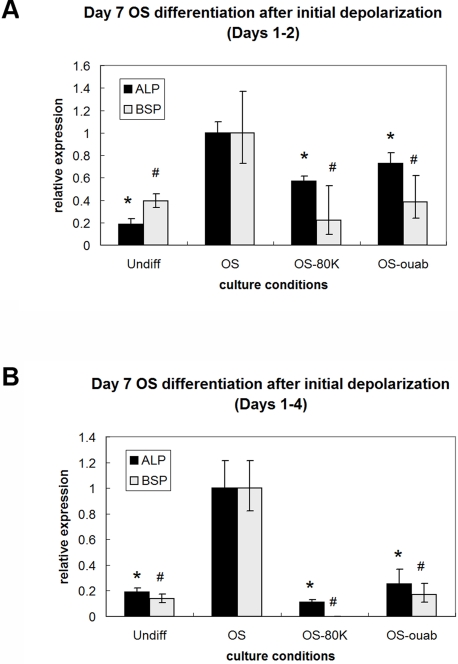
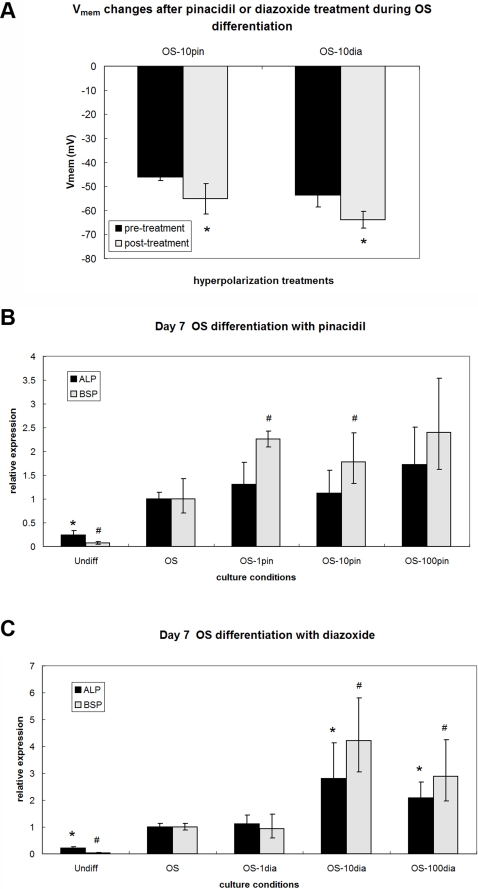
BACKGROUND: Control of stem cell behavior is a crucial aspect of developmental biology and regenerative medicine. While the functional role of electrophysiology in stem cell biology is poorly understood, it has become clear that endogenous ion flows represent a powerful set of signals by means of which cell proliferation, differentiation, and migration can be controlled in regeneration and embryonic morphogenesis. METHODOLOGY/PRINCIPAL FINDINGS: We examined the membrane potential (V(mem)) changes exhibited by human mesenchymal stem cells (hMSCs) undergoing adipogenic (AD) and osteogenic (OS) differentiation, and uncovered a characteristic hyperpolarization of differentiated cells versus undifferentiated cells. Reversal of the progressive polarization via pharmacological modulation of transmembrane potential revealed that depolarization of hMSCs prevents differentiation. In contrast, treatment with hyperpolarizing reagents upregulated osteogenic markers. CONCLUSIONS/SIGNIFICANCE: Taken together, these data suggest that the endogenous hyperpolarization is a functional determinant of hMSC differentiation and is a tractable control point for modulating stem cell function.
Overview
The claims and statistics of this paper haven’t been checked yet.
Free: it reads the open-access text and checks the first 5 claims that cite a source we can check. Create a free account to check every claim.
Integrity signals
Registry
Cites
Statistics
Figures
Verification
Claims the paper makes
The claims and statistics of this paper haven’t been checked yet.
Free: it reads the open-access text and checks the first 5 claims that cite a source we can check. Create a free account to check every claim.
Claims other papers make about this one
Each is checked against this paper’s own text: does it say what the citing paper says it does?
The cited source says what the claim attributes to it.
In the citing paper
“Pharmacologically-induced Vm depolarization suppresses adipogenic and osteogenic differentiation of hMSCs (Sundelacruz et al., 2008).”
From Membrane potential and cancer progression (2013) · cites this paper as Sundelacruz et al., 2008
The cited source says what the claim attributes to it.
In the citing paper
“Vm hyperpolarization is also a functional determinant of human mesenchymal stem cell (hMSC) differentiation.”
From Membrane potential and cancer progression (2013) · cites this paper as Sundelacruz et al., 2008
Self-check
Percentages, sums and reported differences re-computed from the paper’s own numbers.
The self-check needs the paper’s full text.
Citations
Cites
Quantification of mRNA using real-time RT-PCR
Nolan, T., Hands, R. E., & Bustin, S. A. (2006) · Nature Protocols · doi:10.1038/nprot.2006.236 · Cited by 2,247 · cited 1×
“Expression levels were normalized to the housekeeping gene glyceraldehyde 3phosphate dehydrogenase (GAPDH) and reported relative to positive control reactions (untreated OS or AD) [58–60].”
MethodmPPAR gamma 2: tissue-specific regulator of an adipocyte enhancer.
Tontonoz, P., Hu, E., Graves, R. A., Budavari, A. I., & Spiegelman, B. M. (1994) · Genes & Development · doi:10.1101/gad.8.10.1224 · Cited by 2,181
PPAR-gamma: adipogenic regulator and thiazolidinedione receptor.
Spiegelman, B. M. (1998) · Diabetes · doi:10.2337/diabetes.47.4.507 · Cited by 1,730
Bone structure and formation: A new perspective
Olszta, M. J., Cheng, X., Jee, S. S., Kumar, R., Kim, Y.-Y., Kaufman, M. J., Douglas, E. P., & Gower, L. B. (2007) · Materials Science and Engineering: R: Reports · doi:10.1016/j.mser.2007.05.001 · Cited by 1,563 · cited 1×
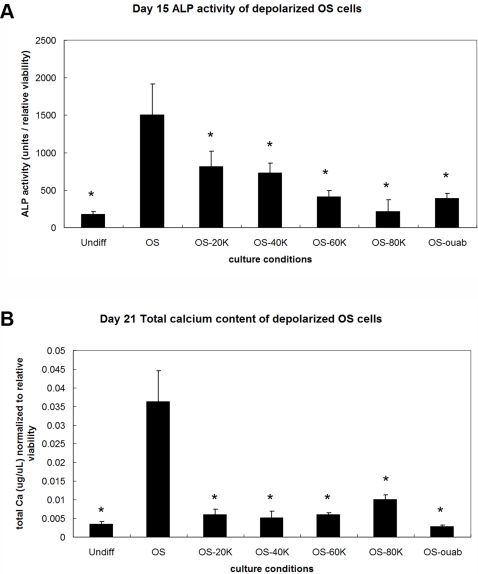
“The resulting tissue has a high concentration of calcium ions, as the inorganic mineral phase of bone consists mainly of calcium hydroxyapatite [42].”
BackgroundAn Overview of Real-Time Quantitative PCR: Applications to Quantify Cytokine Gene Expression
Giulietti, A., Overbergh, L., Valckx, D., Decallonne, B., Bouillon, R., & Mathieu, C. (2001) · Methods · doi:10.1006/meth.2001.1261 · Cited by 1,411 · cited 1×
“Expression levels were normalized to the housekeeping gene glyceraldehyde 3phosphate dehydrogenase (GAPDH) and reported relative to positive control reactions (untreated OS or AD) [58–60].”
MethodQuantitative real-time RT-PCR – a perspective
Bustin, S. A., Benes, V, Nolan, T., & Pfaffl, M. W. (2005) · Journal of Molecular Endocrinology · doi:10.1677/jme.1.01755 · Cited by 1,321 · cited 1×
“RNA was isolated from hMSCs using Trizol reagent (Invitrogen) following the single step acid-phenol guanidinium method, and purified using the Qiagen RNEasy kit (Qiagen, Valencia, CA). To synthesize cDNA, reverse transcription was performed on the purified RNA using the High Capacity cDNA Archive kit (Applied Biosyste…”
MethodSchoonjans, K., Peinado‐Onsurbe, J., Lefebvre, A. M., Heyman, R. A., Briggs, M., Deeb, S., Staels, B., & Auwerx, J. (1996) · The EMBO Journal · doi:10.1002/j.1460-2075.1996.tb00918.x · Cited by 1,173
Electrical signals control wound healing through phosphatidylinositol-3-OH kinase-γ and PTEN
Zhao, M., Song, B., Pu, J., Wada, T., Reid, B., Tai, G., Wang, F., Guo, A., Walczysko, P., Gu, Y., et al. (2006) · Nature · doi:10.1038/nature04925 · Cited by 1,167 · cited 1×
“. In a corneal wound healing model, endogenous electric fields regulated both cell migration”
BackgroundControlling Cell Behavior Electrically: Current Views and Future Potential
McCaig, C. D., Rajnicek, A. M., Song, B., & Zhao, M. (2005) · Physiological Reviews · doi:10.1152/physrev.00020.2004 · Cited by 1,096 · cited 1×
“During embryonic development and tissue regeneration, two events during which stem cells actively proliferate and differentiate, a wealth of literature suggests that biophysical signaling plays a critical role (reviewed in [1,2]).”
BackgroundSchoonjans, K., Staels, B., & Auwerx, J. (1996) · Biochimica et Biophysica Acta (BBA) - Lipids and Lipid Metabolism · doi:10.1016/0005-2760(96)00066-5 · Cited by 1,047 · cited 1×
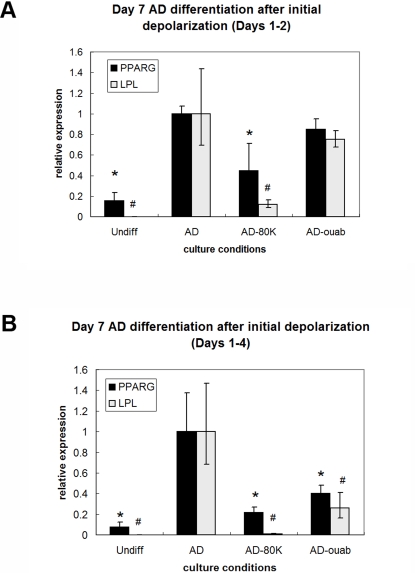
“LPL is one of several highly specialized proteins induced during adipocyte differentiation by PPARG, and plays an important role in lipoprotein and energy metabolism [35,36].”
BackgroundChawla, A., Schwarz, E. J., Dimaculangan, D. D., & Lazar, M. A. (1994) · Endocrinology · doi:10.1210/en.135.2.798 · Cited by 873 · cited 1×
“. Upregulation of PPARG expression is induced during mitotic arrest very early in adipose differentiation and stimulates the adipogenic pathway, activating the transcription of other adipose-specific genes”
BackgroundCell differentiation by mechanical stress
Altman, G. H., Horan, R. L., Martin, I., Farhadi, J., Stark, P. R. H., Volloch, V., Richmond, J. C., Vunjak-Novakovic, G., & Kaplan, D. L. (2002) · The FASEB Journal · doi:10.1096/fj.01-0656fje · Cited by 667 · cited 1×
“, from a 25 yr old healthy male and prepared as we have previously reported [57].”
MethodSelf-citationNucleation of hydroxyapatite by bone sialoprotein.
Hunter, G. K., & Goldberg, H. A. (1993) · Proceedings of the National Academy of Sciences · doi:10.1073/pnas.90.18.8562 · Cited by 665 · cited 1×
“It is associated temporally and spatially with calcification events during later stages of osteogenesis and acts as a nucleator for hydroxyapatite crystal formation, thus facilitating bone mineralization [40,41].”
BackgroundSilk implants for the healing of critical size bone defects
Meinel, L., Fajardo, R., Hofmann, S., Langer, R., Chen, J., Snyder, B., Vunjak-Novakovic, G., & Kaplan, D. (2005) · Bone · doi:10.1016/j.bone.2005.06.010 · Cited by 460 · cited 1×
“We have previously reported PCR reaction conditions and primers [61–63].”
Self-citationTontonoz, P., Hu, E., & Spiegelman, B. M. (1995) · Current Opinion in Genetics & Development · doi:10.1016/0959-437x(95)80025-5 · Cited by 458
Potassium Channels, Proliferation and G1 Progression
Wonderlin, W. F., & Strobl, J. S. (1996) · Journal of Membrane Biology · doi:10.1007/s002329900135 · Cited by 402 · cited 1×
“between depolarization and control of differentiation and proliferation [1,43,48–50].”
BackgroundMauney, J. R., Nguyen, T., Gillen, K., Kirker-Head, C., Gimble, J. M., & Kaplan, D. L. (2007) · Biomaterials · doi:10.1016/j.biomaterials.2007.08.017 · Cited by 373 · cited 1×
“We have previously reported PCR reaction conditions and primers [61–63].”
Self-citationHunter, G. K., & Goldberg, H. A. (1994) · Biochemical Journal · doi:10.1042/bj3020175 · Cited by 359 · cited 1×
“It is associated temporally and spatially with calcification events during later stages of osteogenesis and acts as a nucleator for hydroxyapatite crystal formation, thus facilitating bone mineralization [40,41].”
BackgroundIn vitro differentiation of embryonic stem cells into mineralized osteoblasts
zur Nieden, N. I., Kempka, G., & Ahr, H. J. (2003) · Differentiation · doi:10.1046/j.1432-0436.2003.700602.x · Cited by 347 · cited 1×
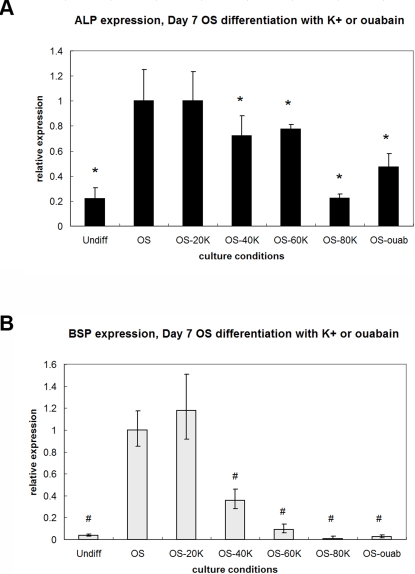
“ALP is a membrane-bound glycoprotein that plays a role in early osteogenesis and also initiates matrix mineralization [38].”
BackgroundUnified theory on the basic mechanism of normal mitotic control and oncogenesis
Cone, C. D. (1971) · Journal of Theoretical Biology · doi:10.1016/0022-5193(71)90042-7 · Cited by 296
Large-scale biophysics: ion flows and regeneration
Levin, M. (2007) · Trends in Cell Biology · doi:10.1016/j.tcb.2007.04.007 · Cited by 280 · cited 3×
“During embryonic development and tissue regeneration, two events during which stem cells actively proliferate and differentiate, a wealth of literature suggests that biophysical signaling plays a critical role (reviewed in [1,2]).”
BackgroundSelf-citationHuman bone sialoprotein. Deduced protein sequence and chromosomal localization.
Fisher, L. W., McBride, O. W., Termine, J. D., & Young, M. F. (1990) · Journal of Biological Chemistry · doi:10.1016/s0021-9258(19)39982-x · Cited by 276 · cited 1×
“localized to the extracellular matrix of bone tissue [39].”
BackgroundNa-H Exchange-dependent Increase in Intracellular pH Times G2/M Entry and Transition
Putney, L. K., & Barber, D. L. (2003) · Journal of Biological Chemistry · doi:10.1074/jbc.m308099200 · Cited by 269 · cited 1×
“For example, in a study of cell cycle regulation in fibroblasts, activity of the Na-H exchanger NHE1 caused an increase in intracellular pH, which regulated the timing of the cell cycle G2/M transition and resulted in cell proliferation [14].”
BackgroundAdams, D. S., Masi, A., & Levin, M. (2007) · Development · doi:10.1242/dev.02812 · Cited by 268
Self-citationSubcutaneous fat in normal and diseased states
Avram, M. M., Avram, A. S., & James, W. D. (2007) · Journal of the American Academy of Dermatology · doi:10.1016/j.jaad.2006.06.022 · Cited by 261 · cited 1×
“PPARG is a an adipogenic-specific transcription factor in the nuclear hormone receptor superfamily [30,31].”
BackgroundSong, B., Zhao, M., Forrester, J. V., & McCaig, C. D. (2002) · Proceedings of the National Academy of Sciences · doi:10.1073/pnas.202235299 · Cited by 247 · cited 1×
“In a corneal wound healing model, endogenous electric fields regulated both cell migration [19] and the orientation and frequency of cell division [20].”
BackgroundBinggeli, R., & Weinstein, R. C. (1986) · Journal of Theoretical Biology · doi:10.1016/s0022-5193(86)80209-0 · Cited by 239 · cited 3×
“embryonic/cancer cell membrane voltage [1,43,49] to stem cells.”
BackgroundElectrophysiological properties of human mesenchymal stem cells
Heubach, J. F., Graf, E. M., Leutheuser, J., Bock, M., Balana, B., Zahanich, I., Christ, T., Boxberger, S., Wettwer, E., & Ravens, U. (2004) · The Journal of Physiology · doi:10.1113/jphysiol.2003.055806 · Cited by 209 · cited 1×
“Studies have shown that stem cells exhibit unique electrophysiological profiles in their undifferentiated state [21–25].”
BackgroundMeinel, L., Hofmann, S., Betz, O., Fajardo, R., Merkle, H. P., Langer, R., Evans, C. H., Vunjak-Novakovic, G., & Kaplan, D. L. (2006) · Biomaterials · doi:10.1016/j.biomaterials.2006.05.021 · Cited by 179 · cited 1×
“We have previously reported PCR reaction conditions and primers [61–63].”
Self-citationEndogenous electric fields in embryos during development, regeneration and wound healing
Nuccitelli, R. (2003) · Radiation Protection Dosimetry · doi:10.1093/oxfordjournals.rpd.a006375 · Cited by 178 · cited 1×
“For example, during both limb bud development in amphibians and mammals and spontaneous limb regeneration in adult urodeles, limbs establish highly localized endogenous electric fields, which, if disrupted by an exogenous current, results in deformed structures [3–9].”
Membrane properties of rat embryonic multipotent neural stem cells
Cai, J., Cheng, A., Luo, Y., Lu, C., Mattson, M. P., Rao, M. S., & Furukawa, K. (2004) · Journal of Neurochemistry · doi:10.1046/j.1471-4159.2003.02184.x · Cited by 176 · cited 1×
“Studies have shown that stem cells exhibit unique electrophysiological profiles in their undifferentiated state [21–25].”
BackgroundBioelectricity and regeneration: large currents leave the stumps of regenerating newt limbs.
Borgens, R. B., Vanable, J. W., & Jaffe, L. F. (1977) · Proceedings of the National Academy of Sciences · doi:10.1073/pnas.74.10.4528 · Cited by 172 · cited 1×
“For example, during both limb bud development in amphibians and mammals and spontaneous limb regeneration in adult urodeles, limbs establish highly localized endogenous electric fields, which, if disrupted by an exogenous current, results in deformed structures [3–9].”
BackgroundBioelectricity and regeneration. I. Initiation of frog limb regeneration by minute currents
Borgens, R. B., Vanable, J. W., & Jaffe, L. F. (1977) · Journal of Experimental Zoology · doi:10.1002/jez.1402000310 · Cited by 151 · cited 1×
“There is evidence that application of exogenous electric fields can augment regeneration or even induce a degree of regeneration in normally non-regenerative species [10–12].”
BackgroundLipoprotein Lipase: Recent Contributions from Molecular Biology
Auwerx, J., Leroy, P., & Schoonjans, K. (1992) · Critical Reviews in Clinical Laboratory Sciences · doi:10.3109/10408369209114602 · Cited by 148 · cited 1×
“LPL hydrolyzes triglyceride moieties of lipoproteins, generating free fatty acids necessary for triglyceride synthesis and lipid accumulation [37].”
BackgroundOlivotto, M., Arcangeli, A., Carlà, M., & Wanke, E. (1996) · BioEssays · doi:10.1002/bies.950180612 · Cited by 128 · cited 1×
“The ability to either increase or decrease the differentiation propensity by controlled modulation of Vmem suggests strongly that, as proposed previously [43,48,55,56], transmembrane potential level is an instructive signal controlling important aspects of cellular plasticity.”
BackgroundPotassium channel openers as potential therapeutic weapons in ion channel disease
Lawson, K. (2000) · Kidney International · doi:10.1046/j.1523-1755.2000.00923.x · Cited by 126 · cited 1×
“various cell types [44–47].”
Human neural stem cells: electrophysiological properties of voltage-gated ion channels
Cho, T., Bae, J. H., Choi, H. B., Kim, S. S., McLarnon, J. G., Suh-Kim, H., Kim, S. U., & Min, C. K. (2002) · Neuroreport · doi:10.1097/00001756-200208070-00020 · Cited by 115 · cited 1×
“have been found to play important roles during myoblast, cardiomyocyte, and neural stem cell differentiation [21,25–28].”
BackgroundNeurotrophins enhance electric field-directed growth cone guidance and directed nerve branching
McCaig, C., Sangster, L., & Stewart, R. (2000) · Developmental Dynamics · doi:10.1002/(sici)1097-0177(200003)217:3<299::aid-dvdy8>3.0.co;2-g · Cited by 112
Variation of the Transmembrane Potential Level as a Basic Mechanism of Mitosis Control
Cone, Jr. (1970) · Oncology · doi:10.1159/000224545 · Cited by 110
Control of Somatic Cell Mitosis by Simulated Changes in the Transmembrane Potential Level
Cone, Jr., & Tongier, Jr. (1971) · Oncology · doi:10.1159/000224567 · Cited by 110
Arcangeli, A., Rosati, B., Cherubini, A., Crociani, O., Fontana, L., Ziller, C., Wanke, E., & Olivotto, M. (1997) · European Journal of Neuroscience · doi:10.1111/j.1460-9568.1997.tb01689.x · Cited by 109 · cited 1×
“current [21,51,52].”
Sun, W., Bużańska, L., Domańska‐Janik, K., Salvi, R., & Stachowiak, M. K. (2005) · Stem Cells · doi:10.1634/stemcells.2004-0316 · Cited by 106 · cited 1×
“have been found to play important roles during myoblast, cardiomyocyte, and neural stem cell differentiation [21,25–28].”
BackgroundKonig, S., Hinard, V., Arnaudeau, S., Holzer, N., Potter, G., Bader, C. R., & Bernheim, L. (2004) · Journal of Biological Chemistry · doi:10.1074/jbc.m313932200 · Cited by 99 · cited 2×
“have been found to play important roles during myoblast, cardiomyocyte, and neural stem cell differentiation [21,25–28].”
BackgroundHuman Myoblast Fusion Requires Expression of Functional Inward Rectifier Kir2.1 Channels
Fischer‐Lougheed, J., Liu, J., Espinos, E., Mordasini, D., Bader, C. R., Belin, D., & Bernheim, L. (2001) · The Journal of Cell Biology · doi:10.1083/jcb.153.4.677 · Cited by 94 · cited 1×
“Similarly, the differentiation and fusion of myoblasts to form myotubes is accompanied by Vmem hyperpolarization from 210 to 270 mV [53,54].”
BackgroundElectrical stimulation of partial limb regeneration in mammals.
Becker, R. O., & Spadaro, J. A. (1972) · PubMed · Cited by 75
Role of an inward rectifier K+ current and of hyperpolarization in human myoblast fusion
Liu, J. ‐., Bijlenga, P., Fischer‐Lougheed, J., Occhiodoro, T., Kaelin, A., Bader, C. R., & Bernheim, L. (1998) · The Journal of Physiology · doi:10.1111/j.1469-7793.1998.467bk.x · Cited by 75 · cited 1×
“Similarly, the differentiation and fusion of myoblasts to form myotubes is accompanied by Vmem hyperpolarization from 210 to 270 mV [53,54].”
BackgroundJenkins, L. S., Duerstock, B. S., & Borgens, R. B. (1996) · Developmental Biology · doi:10.1006/dbio.1996.0216 · Cited by 73 · cited 1×
“For example, during both limb bud development in amphibians and mammals and spontaneous limb regeneration in adult urodeles, limbs establish highly localized endogenous electric fields, which, if disrupted by an exogenous current, results in deformed structures [3–9].”
BackgroundEFFECTS OF ELECTRODE PLACEMENT ON STIMULATION OF ADULT FROG LIMB REGENERATION*
Smith, S. (1974) · Annals of the New York Academy of Sciences · doi:10.1111/j.1749-6632.1974.tb26816.x · Cited by 71 · cited 1×
“There is evidence that application of exogenous electric fields can augment regeneration or even induce a degree of regeneration in normally non-regenerative species [10–12].”
BackgroundEndogenous electric current is associated with normal development of the vertebrate limb
Altizer, A. M., Moriarty, L. J., Bell, S. M., Schreiner, C. M., Scott, W. J., & Borgens, R. B. (2001) · Developmental Dynamics · doi:10.1002/dvdy.1158 · Cited by 67 · cited 1×
“For example, during both limb bud development in amphibians and mammals and spontaneous limb regeneration in adult urodeles, limbs establish highly localized endogenous electric fields, which, if disrupted by an exogenous current, results in deformed structures [3–9].”
BackgroundGrowth Cone Neurotransmitter Receptor Activation Modulates Electric Field-Guided Nerve Growth
Erskine, L., & McCaig, C. (1995) · Developmental Biology · doi:10.1006/dbio.1995.1285 · Cited by 64 · cited 1×
“In a study of nerve growth cone migration, Rho GTPases mediated growth cone steering in electric fields, linking membrane receptor signaling pathways to spatial regulation of the cytoskeleton [15–18].”
BackgroundBiagiotti, T., D'Amico, M., Marzi, I., Di Gennaro, P., Arcangeli, A., Wanke, E., & Olivotto, M. (2006) · Stem Cells · doi:10.1634/stemcells.2004-0264 · Cited by 60 · cited 3×
“Studies have shown that stem cells exhibit unique electrophysiological profiles in their undifferentiated state [21–25].”
BackgroundReduction of sodium dependent stump currents disturbs urodele limb regeneration
Borgens, R. B., Vanable, J. W., & Jaffe, L. F. (1979) · Journal of Experimental Zoology · doi:10.1002/jez.1402090304 · Cited by 55 · cited 1×
“For example, during both limb bud development in amphibians and mammals and spontaneous limb regeneration in adult urodeles, limbs establish highly localized endogenous electric fields, which, if disrupted by an exogenous current, results in deformed structures [3–9].”
BackgroundCox, B. T. M., Hadjantonakis, A., Collins, J. E., & Magee, A. I. (2000) · Developmental Dynamics · doi:10.1002/(sici)1097-0177(200003)217:3<233::aid-dvdy1>3.0.co;2-o · Cited by 55
van Kerrebroeck, M., van Ginneken, A., de Grijs, I., Mutsaers, N., Opthof, T., Jongsma, H., & van der Heyden, M. (2003) · Cellular Physiology and Biochemistry · doi:10.1159/000074541 · Cited by 51
BDNF and NT4/5 promote survival and neurite outgrowth of pontocerebellar mossy fiber neurons
Rabacchi, S. A., Kruk, B., Hamilton, J., Carney, C., Hoffman, J. R., Meyer, S. L., Springer, J. E., & Baird, D. H. (1999) · Journal of Neurobiology · doi:10.1002/(sici)1097-4695(199908)40:2<254::aid-neu11>3.0.co;2-4 · Cited by 50
Bioelectricity and Regeneration
Borgens, R. B., Vanable, & Jaffe, L. F. (1979) · BioScience · doi:10.2307/1307539 · Cited by 50
Arcangeli, A., Rosati, B., Crociani, O., Cherubini, A., Fontana, L., Passani, B., Wanke, E., & Olivotto, M. (1999) · Journal of Neurobiology · doi:10.1002/(sici)1097-4695(199908)40:2<214::aid-neu7>3.0.co;2-0 · Cited by 42
Stewart, R., Erskine, L., & McCaig, C. D. (1995) · Developmental Biology · doi:10.1006/dbio.1995.1286 · Cited by 39 · cited 1×
“In a study of nerve growth cone migration, Rho GTPases mediated growth cone steering in electric fields, linking membrane receptor signaling pathways to spatial regulation of the cytoskeleton [15–18].”
BackgroundErdogan, A. R., Schaefer, C. A., Schaefer, M., Luedders, D. W., Stockhausen, F., Abdallah, Y., Schäfer, C., Most, A. K., Tillmanns, H., Piper, H. M., et al. (2005) · Journal of Vascular Research · doi:10.1159/000087159 · Cited by 38 · cited 2×
“However, we estimated Vmem changes from DiSBAC2(3) fluorescence changes by equating a 1% change in fluorescence to a 1 mV change, as has been shown for the closely-related voltagesensitive dye DiBAC4(3) [29].”
BackgroundMethodNielsen‐Kudsk, J. E. (1996) · PubMed · Cited by 30
Korsgaard, M. P. G., Christophersen, P., Ahring, P. K., & Olesen, S. (2001) · Pflügers Archiv - European Journal of Physiology · doi:10.1007/s004240100625 · Cited by 30
Altizer, A. M., Stewart, S. G., Albertson, B. K., & Borgens, R. B. (2002) · Journal of Experimental Zoology · doi:10.1002/jez.10141 · Cited by 28 · cited 1×
“For example, during both limb bud development in amphibians and mammals and spontaneous limb regeneration in adult urodeles, limbs establish highly localized endogenous electric fields, which, if disrupted by an exogenous current, results in deformed structures [3–9].”
BackgroundNerve growth and nerve guidance in a physiological electric field
McCaig, C., & Erskine, L. (1996) · Cited by 15
Borgens, R. B., Callahan, L. M., & Rouleau, M. F. (1987) · Journal of Experimental Zoology · doi:10.1002/jez.1402440204 · Cited by 13 · cited 1×
“For example, during both limb bud development in amphibians and mammals and spontaneous limb regeneration in adult urodeles, limbs establish highly localized endogenous electric fields, which, if disrupted by an exogenous current, results in deformed structures [3–9].”
BackgroundXiong, Y., & Harmon, C. S. (2009) · Skin Pharmacology · doi:10.1159/000211362 · Cited by 10 · cited 1×
“various cell types [44–47].”
Hoenicke, E. M., & Damiano, R. J. (2001) · The Journal of Heart and Lung Transplantation · doi:10.1016/s1053-2498(01)00307-2 · Cited by 9 · cited 1×
“various cell types [44–47].”
Cited by
Fate decision of mesenchymal stem cells: adipocytes or osteoblasts?
Chen, Q., Shou, P., Zheng, C., Jiang, M., Cao, G., Yang, Q., Cao, J., Xie, N., Velletri, T., Zhang, X., et al. (2016) · Cell Death & Differentiation · doi:10.1038/cdd.2015.168 · Cited by 1,156
“adipogenic and osteogenic differentiation of MSCs while hyper-polarization promotes osteogenic differentiation.(119)”
BackgroundMembrane potential and cancer progression
Yang, M., & Brackenbury, W. J. (2013) · Frontiers in Physiology · doi:10.3389/fphys.2013.00185 · Cited by 614
Role of membrane potential in the regulation of cell proliferation and differentiation
Sundelacruz, S., Levin, M., & Kaplan, D. L. (2009) · Stem Cell Reviews and Reports · doi:10.1007/s12015-009-9080-2 · Cited by 489
“polarization during both osteogenic (OS) and adipogenic (AD) differentiation [108].”
BackgroundInfluentialSelf-citationLiu, Z., Wan, X., Wang, Z. L., & Li, L. (2021) · Advanced Materials · doi:10.1002/adma.202007429 · Cited by 478
Bioelectric controls of cell proliferation: Ion channels, membrane voltage and the cell cycle
Blackiston, D. J., McLaughlin, K. A., & Levin, M. (2009) · Cell Cycle · doi:10.4161/cc.8.21.9888 · Cited by 468
“Similarly, the normal course of human mesenchymal stem cell differentiation is accompanied by a progressive hyperpolarization; it has recently been shown that this is an instructive parameter, as artificial depolarization keeps the MSCs in the stem state, while hyperpolarization accelerates their differentiation.(34)…”
BackgroundSelf-citation
Metadata
- Authors
- Sundelacruz, S., Levin, M., & Kaplan, D. L.
- Affiliations
- Tufts University (US)
- Corresponding author
- Kaplan, David L.
- Venue
- PLoS ONE
- Publisher
- Public Library of Science (PLoS)
- Published
- 2008-11-17
- Volume
- 3
- Issue
- 11
- Pages
- e3737
- ISSN
- 1932-6203 (ISSN-L)
- PMC
- PMC2581599
- OpenAlex
- W2064572662
- Semantic Scholar
- 38373cc8a98978ea6f204dae7989370efe6ca055
- Cited by
- 249
- References
- 64
- Citations by year
- 2026: 11 · 2025: 9 · 2024: 12 · 2023: 9 · 2022: 16 · 2021: 16 · 2020: 10 · 2019: 18 · 2018: 19 · 2017: 20 · 2016: 16 · 2015: 14 · 2014: 18 · 2013: 14 · 2012: 20
- FWCI
- 4.14
- Type
- journal article
- Language
- en
- Open access
- gold
- doi.org
- Locations
- PLoS ONE (publishedVersion, cc-by)
- PubMed Central (publishedVersion, cc-by)
- PubMed (publishedVersion)
- DOAJ (DOAJ: Directory of Open Access Journals) (submittedVersion, cc-by-sa)
- Funders
- National Science Foundation
- National Institutes of Health (00001, EB002520)
- Defense Advanced Research Projects Agency
- National Highway Traffic Safety Administration (DTNH22-06-G-00001)
- National Institute of Biomedical Imaging and Bioengineering (P41EB002520)
- Topics
- Life Sciences › Biochemistry, Genetics and Molecular Biology › Cell Biology › Mesenchymal stem cell research
- Life Sciences › Biochemistry, Genetics and Molecular Biology › Molecular Biology › Pluripotent Stem Cells Research
- Life Sciences › Biochemistry, Genetics and Molecular Biology › Cell Biology › Cellular Mechanics and Interactions
- Keywords
- membrane potential, mesenchymal stem cells, adipogenesis, osteogenic differentiation, hyperpolarization, depolarization, ion flow, electrophysiology, stem cell differentiation, osteogenic markers
- MeSH terms
- Alkaline Phosphatase, Calcium, Extracellular Space, Humans, Membrane Potentials, Osteogenesis, Ouabain, Potassium, Biomarkers, Up-Regulation, Adipogenesis, Mesenchymal Stem Cells
About these checks
Registry, retraction, Cites and statistics results are computed, not judged, with one exception: a printed reference that no index lists is read once by a model before it counts as a citation error. Claims are extracted by a model and kept only when their quote appears verbatim in the text; each cited source is then checked, with a model’s help, for whether it says what the claim relies on. Those verdicts can be wrong — read the claim’s quote and the cited source before relying on one.
Statistics and arithmetic are recomputed, not judged.
Confidence bands are shown only for fields calibrated on our annotated test set. None is calibrated yet, so no band is shown.
What counts as a claim ›How we measure confidence ›How we check this ›
Are you an author, or do you see a problem with this page? Request a review
Data sources
Bibliographic data: Semantic Scholar, OpenAlex, Crossref.
Contains information from the Semantic Scholar Academic Graph Datasets, made available under the ODC Attribution License (ODC-BY 1.0).
Semantic Scholar’s data is described in: Kinney, R., et al. (2023). The Semantic Scholar Open Data Platform. arXiv:2301.10140.
