

A 3-Year Randomized Trial of Lifestyle Intervention for Cardiovascular Risk Reduction in the Primary Care Setting: The Swedish Björknäs Study
Open accessThe DOI matches its Crossref record; 56 of the 56 references it cites were found in a registry or an index.
Abstract
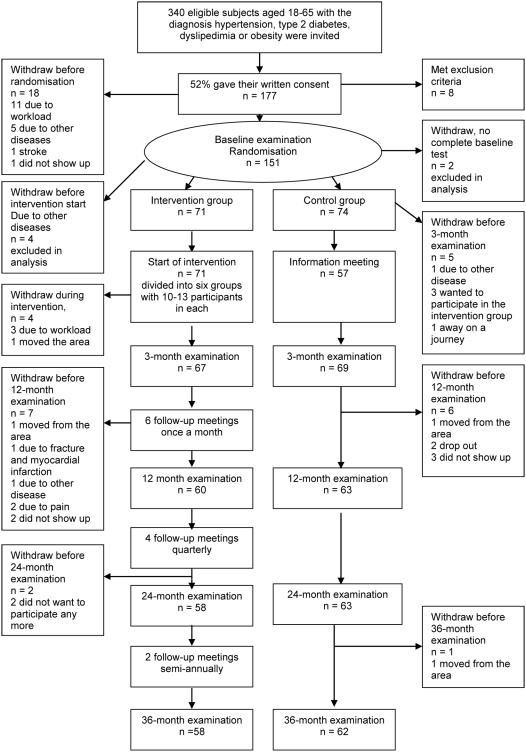
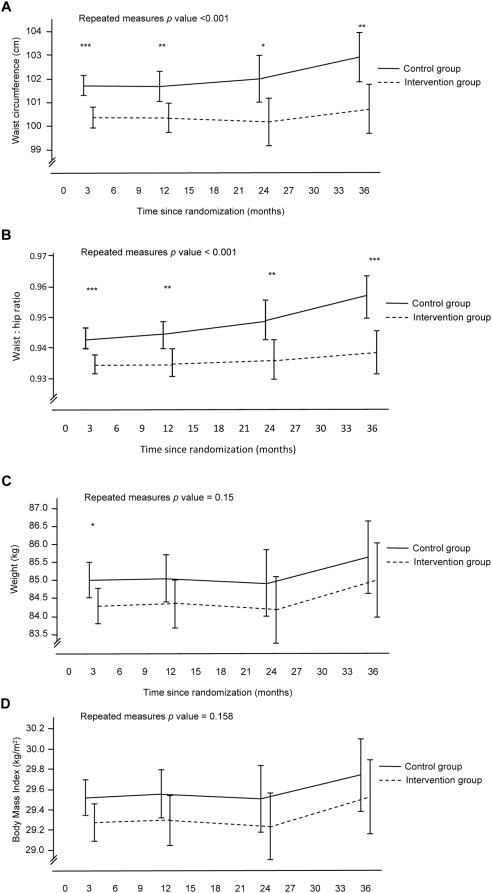
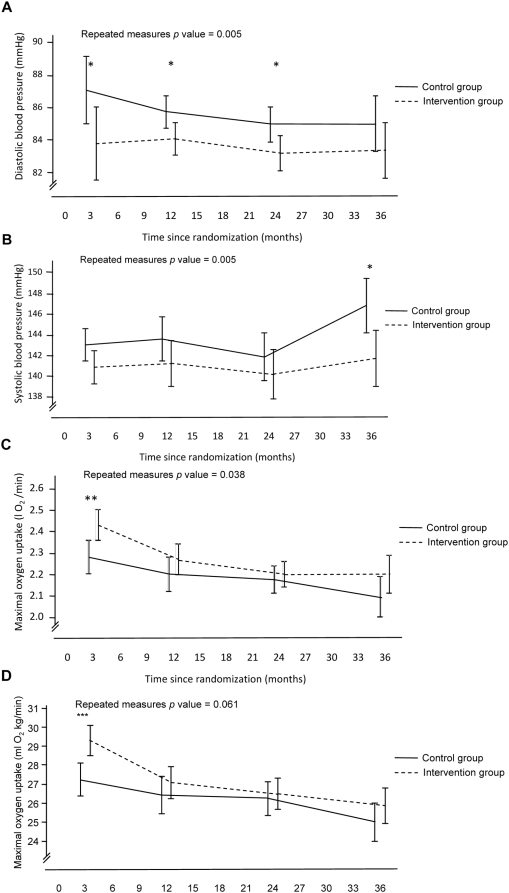
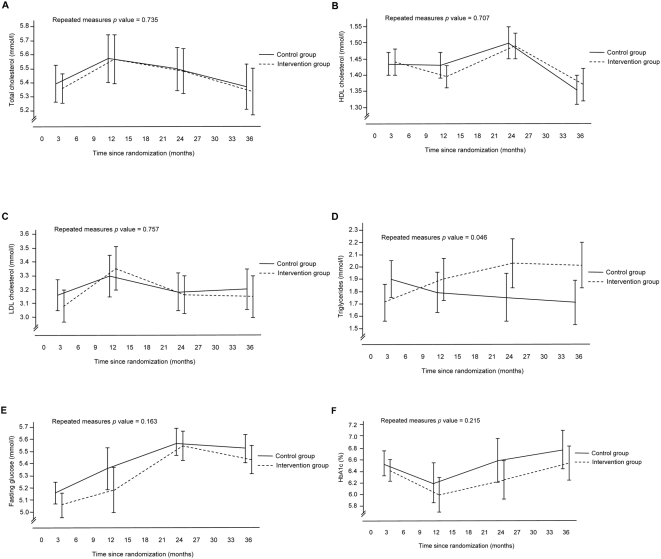
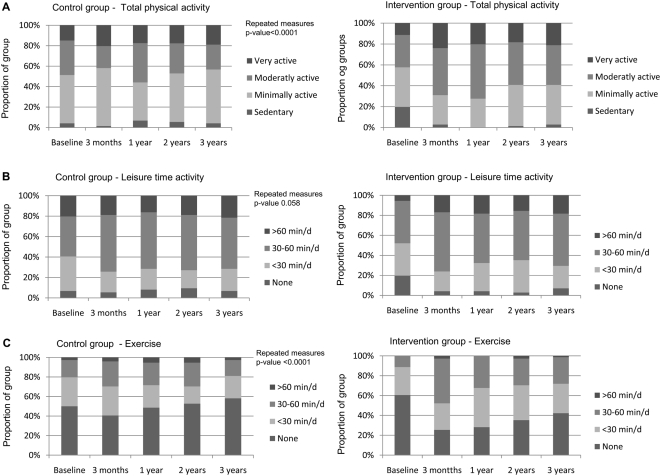
BACKGROUND: Successfully transferring the findings of expensive and tightly controlled programmes of intensive lifestyle modification to the primary care setting is necessary if such knowledge is to be of clinical utility. The objective of this study was to test whether intensive lifestyle modification, shown previously in tightly-controlled clinical trials to be efficacious for diabetes risk-reduction among high-risk individuals, can reduce cardiovascular risk factor levels in the primary care setting. METHODOLOGY / PRINCIPAL FINDINGS: The Swedish Björknäs study was a randomized controlled trial conducted from 2003 to 2006 with follow-up on cardiovascular risk factors at 3, 12, 24 and 36 months. A total of 151 middle-aged men and women at moderate- to high-risk of cardiovascular disease from northern Sweden were randomly assigned to either an intensive lifestyle intervention (n = 75) or control (n = 76) group. The intervention was based broadly on the protocol of the Diabetes Prevention Program. The three-month intervention period was administered in the primary care setting and consisted of supervised exercise sessions and diet counselling, followed by regular group meetings during three years. The control group was given general advice about diet and exercise and received standard clinical care. Outcomes were changes in anthropometrics, aerobic fitness, self-reported physical activity, blood pressure, and metabolic traits. At 36 months post-randomisation, intensive lifestyle modification reduced waist circumference (-2.2 cm: p = 0.001), waist-hip ratio (-0.02: p<0.0001), systolic blood pressure (-4.9 mmHg: p = 0.036), and diastolic blood pressure (-1.6 mmHg: p = 0.005), and improved aerobic fitness (5%; p = 0.038). Changes in lipid or glucose values did not differ statistically between groups. At 36 months, self-reported time spent exercising and total physical activity had increased more in the intervention group than in the control group (p<0.001). CONCLUSION / SIGNIFICANCE: A program of intensive lifestyle modification undertaken in the primary health care setting can favourably influence cardiovascular risk-factor profiles in high-risk individuals. TRIAL REGISTRATION: ClinicalTrials.gov NCT00486941.
Overview
The claims and statistics of this paper haven’t been checked yet.
Free: it reads the open-access text and checks the first 5 claims that cite a source we can check. Create a free account to check every claim.
Integrity signals
Registry
Cites
Statistics
Figures
Verification
Claims the paper makes
The claims and statistics of this paper haven’t been checked yet.
Free: it reads the open-access text and checks the first 5 claims that cite a source we can check. Create a free account to check every claim.
Claims other papers make about this one
Each is checked against this paper’s own text: does it say what the citing paper says it does?
The source backs part of the claim, not all of it — or backs it for a different population, condition or comparison.
In the citing paper
“However, so far, randomized controlled trials evaluating the effectiveness of programs that target lifestyle behavior have shown mixed effects and, if effective, they have generally resulted in only small changes in target behaviors [11-15].”
From Successful behavior change in obesity interventions in adults: a systematic review of self-regulation mediators (2015) · cites this paper as [12]
Experimental — accuracy not yet measured
Self-check
Percentages, sums and reported differences re-computed from the paper’s own numbers.
The self-check needs the paper’s full text.
Citations
Cites
Reduction in the incidence of type 2 diabetes with lifestyle intervention or metformin
(2002) · New England Journal of Medicine · doi:10.1056/nejmoa012512 · Cited by 19,011
Psychophysical bases of perceived exertion
BORG, G. A. V. (1982) · Medicine & Science in Sports & Exercise · doi:10.1249/00005768-198205000-00012 · Cited by 16,580 · cited 1×
“To approximate optimal exercise intensity, the Borg scale of perceived exertion was used [32].”
MethodThe metabolic phenotype in obesity: Fat mass, body fat distribution, and adipose tissue function
Goossens, G. H. (2017) · Obesity Facts · doi:10.1159/000471488 · Cited by 8,481
Yusuf, S., Hawken, S., Ôunpuu, S., Bautista, L., Franzosi, M. G., Commerford, P., Lang, C. C., Rumboldt, Z., Onen, C. L., Lisheng, L., et al. (2005) · The Lancet · doi:10.1016/s0140-6736(05)67663-5 · Cited by 2,903
Colberg, S. R., Sigal, R. J., Fernhall, B., Regensteiner, J. G., Blissmer, B. J., Rubin, R. R., Chasan-Taber, L., Albright, A. L., & Braun, B. (2010) · Diabetes Care · doi:10.2337/dc10-9990 · Cited by 1,955
Boulé, N. G., Haddad, E., Kenny, G. P., Wells, G. A., & Sigal, R. J. (2001) · JAMA · doi:10.1001/jama.286.10.1218 · Cited by 1,889
Lindström, J., Ilanne-Parikka, P., Peltonen, M., Aunola, S., Eriksson, J. G., Hemiö, K., Hämäläinen, H., Härkönen, P., Keinänen-Kiukaanniemi, S., Laakso, M., et al. (2006) · The Lancet · doi:10.1016/s0140-6736(06)69701-8 · Cited by 1,799
Esposito, K., Pontillo, A., Di Palo, C., Giugliano, G., Masella, M., Marfella, R., & Giugliano, D. (2003) · JAMA · doi:10.1001/jama.289.14.1799 · Cited by 1,511
Effect of weight loss with lifestyle intervention on risk of diabetes
Hamman, R. F., Wing, R. R., Edelstein, S. L., Lachin, J. M., Bray, G. A., Delahanty, L., Hoskin, M., Kriska, A. M., Mayer-Davis, E. J., Pi-Sunyer, X., et al. (2006) · Diabetes Care · doi:10.2337/dc06-0560 · Cited by 1,344
Exercise for overweight or obesity
Shaw, K. A., Gennat, H. C., O'Rourke, P., & Del Mar, C. (2006) · Cochrane Database of Systematic Reviews · doi:10.1002/14651858.cd003817.pub3 · Cited by 950
Cited by
Samdal, G. B., Eide, G. E., Barth, T., Williams, G., & Meland, E. (2017) · International Journal of Behavioral Nutrition and Physical Activity · doi:10.1186/s12966-017-0494-y · Cited by 788
Teixeira, P. J., Carraça, E. V., Marques, M. M., Rutter, H., Oppert, J.-M., De Bourdeaudhuij, I., Lakerveld, J., & Brug, J. (2015) · BMC Medicine · doi:10.1186/s12916-015-0323-6 · Cited by 711
“However, so far, randomized controlled trials evaluating the effectiveness of programs that target lifestyle behavior have shown mixed effects and, if effective, they have generally resulted in only small changes in target behaviors [11-15].”
BackgroundWhite rice, brown rice, and risk of type 2 diabetes in US men and women
Sun, Q. (2010) · Archives of Internal Medicine · doi:10.1001/archinternmed.2010.109 · Cited by 459
Guidelines for Preventive Activities in General Practice
Ackermann, E. W., Harris, M., Alexander, K. L., Arcus, M., Bailey, L., Bennett, J. W., Mar, C. D., Emery, J. D., Ewald, B. D., Ewald, D. P., et al. (2012) · e-publications@bond (Bond University) · Cited by 430
Dietary Therapy in Hypertension
Sacks, F. M., & Campos, H. (2010) · New England Journal of Medicine · doi:10.1056/nejmct0911013 · Cited by 250
Hartmann‐Boyce, J., Johns, D. J., Jebb, S. A., Aveyard, P., & Behavioural Weight Management Review Group (2014) · Obesity Reviews · doi:10.1111/obr.12165 · Cited by 221
Mastellos, N., Gunn, L. H., Felix, L. M., Car, J., & Majeed, A. (2014) · Cochrane Database of Systematic Reviews · doi:10.1002/14651858.cd008066.pub3 · Cited by 189
Desroches, S., Lapointe, A., Ratté, S., Gravel, K., Légaré, F., & Turcotte, S. (2013) · Cochrane Database of Systematic Reviews · doi:10.1002/14651858.cd008722.pub2 · Cited by 187
Ekelund, U., Besson, H., Luan, J., May, A. M., Sharp, S. J., Brage, S., Travier, N., Agudo, A., Slimani, N., Rinaldi, S., et al. (2011) · American Journal of Clinical Nutrition · doi:10.3945/ajcn.110.006593 · Cited by 182
Eriksson, M. K., Hagberg, L., Lindholm, L., Malmgren-Olsson, E.-B., Österlind, J., & Eliasson, M. (2010) · Archives of Internal Medicine · doi:10.1001/archinternmed.2010.301 · Cited by 110
“These results should be viewed in the context of the previously reported favorable impact on PA, fitness, waist circumference, waist-to-hip ratio, blood pressure, and smoking cessation over the 3-year period.(20) We have not been able to find any previous reports on the effect on QOL or cost-effectiveness of group-bas…”
BackgroundResultInfluentialSelf-citationTuah, N. A., Amiel, C., Qureshi, S., Car, J., Kaur, B., & Majeed, A. (2011) · Cochrane Database of Systematic Reviews · doi:10.1002/14651858.cd008066.pub2 · Cited by 105
Singh, N., Stewart, R. A. H., & Benatar, J. R. (2019) · BMJ Open · doi:10.1136/bmjopen-2019-029966 · Cited by 85
Lakerveld, J., Bot, S. D., Chinapaw, M. J., van Tulder, M. W., Kostense, P. J., Dekker, J. M., & Nijpels, G. (2013) · International Journal of Behavioral Nutrition and Physical Activity · doi:10.1186/1479-5868-10-47 · Cited by 84
“So far, randomized controlled trials evaluating the effectiveness of programs that target lifestyle behavior(s) to prevent T2DM or CVD in primary health care settings have had various different results, and if they were effective, the effects were small and unsustainable [8-13].”
BackgroundOh, E. G., Bang, S. Y., Hyun, S. S., Kim, S. H., Chu, S. H., Jeon, J. Y., Im, J.-A., Lee, M. K., & Lee, J. E. (2010) · Metabolism · doi:10.1016/j.metabol.2009.10.027 · Cited by 84
Attux, C., Martini, L. C., Elkis, H., Tamai, S., Freirias, A., Camargo, M. D. G. M., Mateus, M. D., Mari, J. D. J., Reis, A. F., & Bressan, R. A. (2013) · BMC Psychiatry · doi:10.1186/1471-244x-13-60 · Cited by 75
Åberg, F., Luukkonen, P. K., But, A., Salomaa, V., Britton, A., Petersen, K. M., Bojesen, S. E., Balling, M., Nordestgaard, B. G., Puukka, P., et al. (2022) · Journal of Hepatology · doi:10.1016/j.jhep.2022.02.021 · Cited by 73
Ross, R. (2012) · Archives of Internal Medicine · doi:10.1001/archinternmed.2011.1972 · Cited by 72
Alageel, S., Gulliford, M. C., McDermott, L. M., & Wright, A. J. (2017) · BMJ Open · doi:10.1136/bmjopen-2016-015375 · Cited by 67
Mckenzie, S., & Harris, M. (2013) · BMC Family Practice · doi:10.1186/1471-2296-14-166 · Cited by 50
“Structured general practice based interventions addressing lifestyle behaviours and other vascular risk factors have been demonstrated to be feasible and effective [14-16].”
BackgroundJoint association of glycemic load and alcohol intake with type 2 diabetes incidence in women
Mekary, R. A., Rimm, E. B., Giovannucci, E. L., Stampfer, M. J., Willett, W. C., Ludwig, D. S., & Hu, F. B. (2011) · American Journal of Clinical Nutrition · doi:10.3945/ajcn.111.023754 · Cited by 58
“However, the self-reported diabetes cases were confirmed via supplementary questionnaires that have been shown to be highly accurate on the basis of medical record review (51, 52).”
BackgroundNaturopathic medicine for the prevention of cardiovascular disease: a randomized clinical trial
Seely, D., Szczurko, O., Cooley, K., Fritz, H., Aberdour, S., Herrington, C., Herman, P. M., Rouchotas, P., Lescheid, D. W., Bradley, R. D., et al. (2013) · Canadian Medical Association Journal · doi:10.1503/cmaj.120567 · Cited by 53
John, H., Hale, E. D., Treharne, G. J., Kitas, G. D., & Carroll, D. (2012) · Rheumatology · doi:10.1093/rheumatology/kes237 · Cited by 51
Labata, B. G., Ahmed, M. B., Fekadu, G., & Daba, F. B. (2019) · BMC Research Notes · doi:10.1186/s13104-019-4125-3 · Cited by 48
Weight change among people randomized to minimal intervention control groups in weight loss trials
Johns, D. J., Hartmann‐Boyce, J., Jebb, S. A., Aveyard, P., & on behalf of the Behavioural Weight Management Review Group (2016) · Obesity · doi:10.1002/oby.21255 · Cited by 45
“Eriksson 2009 (31) Education session by doctor, physiotherapist, and dietician 2 Hersey 2012 (32) Advice session; provided with a booklet about encouraging exercise and weight loss and access to a basic (non-interactive) website 3”
BackgroundMethodSaha, S., Carlsson, K. S., Gerdtham, U., Eriksson, M. K., Hagberg, L., Eliasson, M., & Johansson, P. (2013) · PLoS ONE · doi:10.1371/journal.pone.0080672 · Cited by 51
“This 3-year group-based intervention achieved statistically significant differences on several risk factors for MeSy, for example blood pressure and waist circumference as well as self-reported time spent on physical activity [12].”
Self-citationCastro, A. R., Oliveira, N. L., Ribeiro, F., & de Oliveira, J. J. F. (2017) · European Journal of General Practice · doi:10.1080/13814788.2017.1284791 · Cited by 46
“The beneficial impact of healthy lifestyle behaviours on cardiovascular risk was demonstrated in a three-year randomized trial in the primary care setting [10].”
BackgroundA Qualitative Study of Patient Perspectives about Hypertension
Jolles, E. P., Padwal, R. S., Clark, A. M., & Braam, B. G. (2013) · ISRN Hypertension · doi:10.5402/2013/671691 · Cited by 56
“Self-management education interventions showed benefit for systolic BP [20], and intensive lifestyle medication in primary care showed a small reduction of BP [21].”
BackgroundAre we really active in the prevention of obesity and type 2 diabetes at the community level?
Uusitupa, M. I. J., Tuomilehto, J. O., & Puska, P. (2011) · Nutrition Metabolism and Cardiovascular Diseases · doi:10.1016/j.numecd.2010.12.007 · Cited by 42
Healthy Lifestyle and Blood Pressure Variability in Young Adults
Maseli, A., Aeschbacher, S., Schoen, T., Fischer, A., Jung, M., Risch, M., Risch, L., & Conen, D. (2017) · American Journal of Hypertension · doi:10.1093/ajh/hpx034 · Cited by 43
Ju, I. E., Banks, E., Calabria, B., Ju, A., Agostino, J., Korda, R., Usherwood, T. P., Manera, K., Hanson, C. S., Craig, J. C., et al. (2018) · BMJ Open · doi:10.1136/bmjopen-2017-021137 · Cited by 43
Meléndez‐Torres, G. J., Sutcliffe, K., Burchett, H., Rees, R. W., Richardson, M. A., & Thomas, J. (2018) · Health Expectations · doi:10.1111/hex.12667 · Cited by 42
Utility of a Post-Hospitalization Stroke Prevention Program Managed by Nurses
Flemming, K. D., Allison, T. G., Covalt, J. L., Herzig, D. E., & Brown, R. D. (2013) · Hospital Practice · doi:10.3810/hp.2013.08.1070 · Cited by 40
“IFG in non-diabetics 4/18 (22) 7/16 (43) 0.”
Two-Year Results of Translating the Diabetes Prevention Program Into an Urban, Underserved Community
Piatt, G. A., Seidel, M. C., Chen, H.-Y., Powell, R. O., & Zgibor, J. C. (2012) · The Diabetes Educator · doi:10.1177/0145721712458834 · Cited by 34
“However, there was no difference in glycemia or lipid values compared to controls.(23) These results are similar to the observed results in this report, as the greatest amount of risk reduction was found in cholesterol parameters but not glucose.”
BackgroundResultA cluster randomised controlled trial of vascular risk factor management in general practice
Harris, M., Fanaian, M., Jayasinghe, U. W., Passey, M. E., McKenzie, S. H., Davies, G. P., Lyle, D. M., Laws, R., Schütze, H., & Wan, Q. (2012) · The Medical Journal of Australia · doi:10.5694/mja12.10313 · Cited by 38
Gikas, A., Lambadiari, V., Sotiropoulos, A., Panagiotakos, D. B., & Pappas, S. I. (2016) · The Open Cardiovascular Medicine Journal · doi:10.2174/1874192401610010069 · Cited by 33
“Furthermore, numerous intervention studies suggest that an enormous amount of CVDs can be prevented by adopting healthy behaviors or by optimizing behavioral and clinical risk factors [49 - 52].”
Laws, R., Fanaian, M., Jayasinghe, U. W., McKenzie, S. H., Passey, M. E., Davies, G. P., Lyle, D. M., & Harris, M. (2013) · BMC Health Services Research · doi:10.1186/1472-6963-13-201 · Cited by 37
“Recent implementation trials examining the feasibility of delivering lifestyle intervention programs in primary health care and community settings have demonstrated that it is possible to implement lifestyle intervention programs in real world settings and results are promising [14-20].”
BackgroundKoivula, R. W., Tornberg, Å. B., & Franks, P. W. (2013) · Current Diabetes Reports · doi:10.1007/s11892-013-0373-0 · Cited by 33
“For example, one of the first randomized controlled trials implementing a community-based DPP translation intervention was conducted in a group of people at high risk of diabetes and CVD in northern Sweden [39].”
BackgroundSelf-citationGarza, K. B., Harris, C. V., & Bolding, M. (2012) · Research in Social and Administrative Pharmacy · doi:10.1016/j.sapharm.2012.12.001 · Cited by 41
Avanzini, F., Marzona, I., Baviera, M., Barlera, S., Milani, V., Caimi, V., Longoni, P., Tombesi, M., Silletta, M. G., Tognoni, G., et al. (2015) · European Journal of Preventive Cardiology · doi:10.1177/2047487315613664 · Cited by 31
O'Brien, M. W., Bray, N. W., Kivell, M. J., & Fowles, J. R. (2021) · Applied Physiology, Nutrition, and Metabolism · doi:10.1139/apnm-2020-1070 · Cited by 32
Parker, S. M., Stocks, N. P., Nutbeam, D., Thomas, L., Denney‐Wilson, E., Zwar, N. A., Karnon, J. D., Lloyd, J. E., Noakes, M., Liaw, S., et al. (2018) · BMJ Open · doi:10.1136/bmjopen-2018-023239 · Cited by 33
Education to a Healthy Lifestyle Improves Symptoms and Cardiovascular Risk Factors - AsuRiesgo Study
Chaves, G., Brítez, N., Munzinger, J., Uhlmann, L., González, G., Oviedo, G., Chaparro, V., Achon, O., Bruckner, T., Kieser, M., et al. (2015) · Arquivos Brasileiros de Cardiologia · doi:10.5935/abc.20150021 · Cited by 34
“NYHA I 131 (4,4) 111 (3,7) NYHA II 705 (23,4) 632 (21,0)”
Lönnberg, L., Ekblom‐Bak, E., & Damberg, M. (2020) · Upsala Journal of Medical Sciences · doi:10.1080/03009734.2020.1726533 · Cited by 31
“For example, a Swedish randomised study of 151 middle-aged men and women assigned to either lifestyle intervention or control group presented a 4.9 mmHg reduction of systolic blood pressure and a 2.2 cm reduction of waist circumference in the intervention group compared with the control group (11).”
InfluentialExercise for people with high cardiovascular risk
Serón, P., Lanas, F. T., Hernandez, H. P., & Bonfill, X. (2014) · Cochrane Database of Systematic Reviews · doi:10.1002/14651858.cd009387.pub2 · Cited by 34
Galendi, J. S. C., Leite, R. G. O. F., Banzato, L. R., & Nogueira, V. D. S. N. (2022) · International Journal of Environmental Research and Public Health · doi:10.3390/ijerph19074243 · Cited by 34
Reusch, A., Ströbl, V., Ellgring, H., & Faller, H. (2010) · Patient Education and Counseling · doi:10.1016/j.pec.2010.04.031 · Cited by 38
Ferré, R., Plana, N., Merino, J., Aragonès, G., Girona, J., Heras, M., Coll, B., Cos, R., & Masana, L. (2010) · Nutrition Metabolism and Cardiovascular Diseases · doi:10.1016/j.numecd.2010.04.008 · Cited by 32
“reported a small improvement in cardiovascular risk factors in a group of patients following a TLSC program, and the WC also decreased by 2 cm in that study [28].”
Effect of weight loss on central systolic blood pressure in elderly community-dwelling persons
Kawamoto, R., Kohara, K., Katoh, T., Kusunoki, T., Ohtsuka, N., Abe, M., Kumagi, T., & Miki, T. (2014) · Hypertension Research · doi:10.1038/hr.2014.108 · Cited by 22
Sundquist, J., Hagströmer, M., Johansson, S., & Sundquist, K. (2010) · BMC Family Practice · doi:10.1186/1471-2296-11-55 · Cited by 25
“Furthermore, a recently published study from a primary care setting in northern Sweden found that intensive lifestyle modification among high-risk individuals favourably impacted aerobic fitness [40].”
Effectiveness of physical activity intervention among government employees with metabolic syndrome
Phing, C. H., Saad, H. A., Yusof, B. N. M., & Nasir, M. T. M. (2017) · Journal of Exercise Science & Fitness · doi:10.1016/j.jesf.2017.07.003 · Cited by 27
Varney, J. E., Liew, D., Weiland, T. J., Inder, W. J., & Jelinek, G. A. (2016) · BMC Health Services Research · doi:10.1186/s12913-016-1645-6 · Cited by 21
“Although other telephone coaching trials have observed improved glycaemic control with 12 months of intervention [9, 15–20], and the maintenance literature indicates that the provision of ongoing follow-up and support facilitates the longerterm maintenance of intervention gains [3–12], the true effect of continuously…”
BackgroundSheridan, S., Draeger, L. B., Pignone, M. P., Sloane, P. D., Samuel‐Hodge, C. D., Finkelstein, E. A., Gizlice, Z., Vu, M. B., Gitterman, D. P., Bangdiwala, S. I., et al. (2013) · Contemporary Clinical Trials · doi:10.1016/j.cct.2013.07.013 · Cited by 20
“These fall broadly into 3 categories: pharmacist or educator led programs for lifestyle and medication counseling [13–15]; interactive health technology (e.”
Feldman, I., Hellström, L., & Johansson, P. (2013) · Cost Effectiveness and Resource Allocation · doi:10.1186/1478-7547-11-19 · Cited by 27
“Controlled preventive trials have shown that lifestyle intervention in primary care is effective in reducing metabolic syndrome risk factors, as well as the risks for diabetes [2-4].”
BackgroundStol, D. M., Badenbroek, I. F., Hollander, M., Nielen, M. M. J., Kraaijenhagen, R. A., Schellevis, F., & de Wit, N. J. (2020) · Preventive Medicine · doi:10.1016/j.ypmed.2020.105984 · Cited by 19
John, H., Carroll, D., & Kitas, G. D. (2011) · Rheumatology · doi:10.1093/rheumatology/ker191 · Cited by 20
Sándor, J., Nagy, A. C., Földvári, A., Szabó, E., Csenteri, O. K., Vincze, F., Sipos, V., Kovács, N., Pálinkás, A., Papp, M., et al. (2016) · Family Practice · doi:10.1093/fampra/cmw102 · Cited by 20
NUTRITION CARE FOR RENAL TRANSPLANT RECIPIENTS: AN EVALUATION OF SERVICE DELIVERY AND OUTCOMES
Orazio, L., Chapman, J. A. R., Isbel, N. M., & Campbell, K. L. (2014) · Journal of Renal Care · doi:10.1111/jorc.12055 · Cited by 23
Tomasik, T., Windak, A., Domagała, A., Dubas‐Jakóbczyk, K., Šumskas, L., & Rosiński, J. (2011) · BMC Family Practice · doi:10.1186/1471-2296-12-13 · Cited by 20
“The importance of these competences was highlighted in The Galway Consensus Conference Statement [21] and their effectiveness in maintenance of health has been proved in many studies [22,23].”
Bergum, H., Sandven, I., & Klemsdal, T. O. (2021) · BMC Cardiovascular Disorders · doi:10.1186/s12872-021-01989-5 · Cited by 22
“Eriksson [24] 2009 Sweden Adults with hypertension, dyslipidemia, T2DM, obesity or any combination thereof Physical activity and diet Advice/counseling, exercise sessions General information + examination at 3, 12, 24 and 36 months”
BackgroundMethodInfluentialSchuette, S., Cordero, E., Slosburg, K., Addington, E. L., & Victorson, D. E. (2017) · American Journal of Lifestyle Medicine · doi:10.1177/1559827617704825 · Cited by 19
the CN SNAP Project Team, Chan, B., Laws, R., Williams, A., Davies, G. P., Fanaian, M., & Harris, M. (2012) · BMC Nursing · doi:10.1186/1472-6955-11-4 · Cited by 22
“Brief lifestyle interventions delivered in PHC have been shown to be effective for smoking cessation [2] and ‘at-risk alcohol’ consumption [3], and to a lesser extent for diet and physical activity [4-8].”
BackgroundNyberg, L. A., Hellénius, M.-L., Wändell, P. E., Kowalski, J. H., & Sundberg, C. J. (2013) · British Journal of Sports Medicine · doi:10.1136/bjsports-2013-092577 · Cited by 15
Harris, M., Chan, B., Laws, R., Williams, A., Davies, G. P., Jayasinghe, U. W., Fanaian, M., Orr, N., & Milat, A. (2013) · BMC Public Health · doi:10.1186/1471-2458-13-375 · Cited by 18
“Lifestyle interventions delivered in PHC are effective in helping clients to stop smoking [5], reduce ‘at-risk alcohol’ consumption [6], improve weight, diet and physical activity levels [7-12].”
BackgroundLaws, R., Chan, B., Williams, A., Davies, G. P., Jayasinghe, U. W., Fanaian, M., Harris, M., & the CN SNAP Project Team (2010) · BMC Nursing · doi:10.1186/1472-6955-9-4 · Cited by 19
“This will inform future community nursing practice and PHC policy.”
BackgroundInfluentialJansson, S. P. O., Engfeldt, P., Magnuson, A., Georg Lohse, P. T., & Liljegren, G. (2013) · BMC Research Notes · doi:10.1186/1756-0500-6-213 · Cited by 17
“Recently, a Swedish study in a primary health care setting using lifestyle modifications also showed reduced cardiovascular risk factor levels but not weight loss [12].”
BackgroundInfluentialMorales‐Asencio, J. M., Mancera‐Romero, J., Bernal-López, M. R., Cerezuela, I. M., Baca-Osorio, A., Moyano‐Paris, M. T., Montiel‐Murillo, J., Juncosa, F. P., Perez, R. S., Tinahones, F. J., et al. (2012) · Public Health Nursing · doi:10.1111/phn.12008 · Cited by 14
Rottensteiner, M., Pietiläinen, K. H., Kaprio, J. A., & Kujala, U. M. (2014) · Obesity · doi:10.1002/oby.20788 · Cited by 18
“Intervention studies have identified significantly reduced waist circumference after increased physical activity, even without substantial weight loss (13-15).”
BackgroundNutrients Intake in Individuals with Hypertension, Dyslipidemia, and Diabetes: An Italian Survey
Guastadisegni, C., Donfrancesco, C., Palmieri, L., Grioni, S., Krogh, V., Vanuzzo, D., Strazzullo, P., Vannucchi, S., Onder, G., & Giampaoli, S. (2020) · Nutrients · doi:10.3390/nu12040923 · Cited by 12
“Previous studies have shown that specific intensive interventions based on detailed individualized counseling for lifestyle modification are necessary to achieve dietary modifications [26,27].”
BackgroundClaes, N., Jacobs, N., Clays, E., Schrooten, W., & Bourdeaudhuij, I. D. (2013) · BMC Cardiovascular Disorders · doi:10.1186/1471-2261-13-38 · Cited by 12
“A comparable design study as the PreCardio-trial is the Swedish ‘Björknäs study’ [24].”
MethodPublic Health Nurses Promoting Healthy Lifestyles (PHeeL-PHiNe): Methodology and Feasibility
Polak, R., Constantini, N., Verbov, G., Edelstein, N., Hasson, R., Lahmi, M., Cohen, R., Maoz, S., Daoud, N., Bentov, N., et al. (2015) · Journal of Ambulatory Care Management · doi:10.1097/jac.0000000000000066 · Cited by 11
“These settings have been proven effective, specifically in nutritional and physical activity programs (Elley et al., 2003; Eriksson et al., 2009; Lawton et al., 2008).”
BackgroundAkgöz, A. D., & Gözüm, S. (2020) · Journal of Vascular Nursing · doi:10.1016/j.jvn.2020.05.002 · Cited by 12
Lee, R. E., Adamus-Leach, H. J., Cheung, K. C., Soltero, E. G., Lopez, Y., Saavedra, F., Noor, M., & Mama, S. K. (2012) · Current Cardiovascular Risk Reports · doi:10.1007/s12170-012-0243-3 · Cited by 11
Piatt, G., Seidel, M. C., Powell, R. O., & Zgibor, J. C. (2016) · The Science of Diabetes Self-Management and Care · doi:10.1177/0145721716636962 · Cited by 12
“However, there was no difference in glycemia or lipid values compared to controls.(26) While both of these longterm studies were successful in Europe, there is lack of long-term effectiveness studies of lifestyle interventions in the US.”
BackgroundFrom, S., Liira, H., Leppävuori, J., Remes‐Lyly, T., Tikkanen, H. O., & Pitkälä, K. H. (2013) · BMC Public Health · doi:10.1186/1471-2458-13-125 · Cited by 11
“We also wanted to study an exercise intervention, as many cardiovascular risk factors can be controlled through exercise [12,13].”
BackgroundHeggie, L., Mackenzie, R. M., Ells, L. J., Simpson, S. A., & Logue, J. (2020) · Clinical Obesity · doi:10.1111/cob.12390 · Cited by 9
Verberne, L. D. M., Hendriks, M. R., Rutten, G. M., Spronk, I., Savelberg, H. H. C. M., Veenhof, C., & Nielen, M. M. J. (2016) · Family Practice · doi:10.1093/fampra/cmw070 · Cited by 8
Gallegos-Carrillo, K., Reyes-Morales, H., Pelcastre-Villafuerte, B., García-Peña, C., Lobelo, F., Salmeron, J., & Salgado-de-Snyder, N. (2021) · Health Promotion International · doi:10.1093/heapro/daaa110 · Cited by 6
Larsson, K., Hagströmer, M., Rossen, J., Johansson, U., & Norman, Å. (2023) · Scandinavian Journal of Primary Health Care · doi:10.1080/02813432.2023.2187668 · Cited by 8
Ng, L., Yang, Y., & Koh, G. C. (2014) · Proceedings of Singapore Healthcare · doi:10.1177/201010581402300205 · Cited by 6
Factors associated with bone mineral density in women who underwent bariatric surgery
Hintze, L. J., Cremon, A. D. S., Bevilaqua, C. A., Bianchini, J. A. A., & Nardo, N. (2014) · Acta Scientiarum Health Sciences · doi:10.4025/actascihealthsci.v36i1.14930 · Cited by 5
“Despite these results, there is evidence that physical activity improves several clinical parameters including resting heart rate, blood pressure levels and adiposity (ERIKSSON et al., 2009) as well as acts as a protective agent on BMD (RYAN et al.”
BackgroundMcKenzie, S. H., Jayasinghe, U. W., Fanaian, M., Passey, M. E., & Harris, M. (2013) · BMC Family Practice · doi:10.1186/1471-2296-14-190 · Cited by 6
“Background Behavioural and physiological risk factors for vascular disease are common in patients presenting to Australian general practitioners [1] and intensive lifestyle interventions have been shown to prevent vascular disease and diabetes in high risk patients [2-4].”
BackgroundLiang, N., Feng, X., Liu, J., & Cao, H. (2018) · European Journal of Integrative Medicine · doi:10.1016/j.eujim.2018.07.009 · Cited by 4
Åberg, F. O., Britton, A. R., & Luukkonen, P. K. (2022) · Scandinavian Journal of Gastroenterology · doi:10.1080/00365521.2022.2113130 · Cited by 5
Rådholm, K. (2015) · Linköping University medical dissertations · doi:10.3384/diss.diva-121286 · Cited by 4
The interplay of lifestyle and genetic susceptibility in Type 2 diabetes risk
Franks, P. W., & Shungin, D. (2011) · Diabetes Management · doi:10.2217/dmt.11.3 · Cited by 4
Self-citationMcElrath, M., MYERS, J. N., Chan, K., & Fonda, H. (2017) · Journal of Vascular Nursing · doi:10.1016/j.jvn.2016.08.002 · Cited by 5
Gomes, E. B., & Moreira, T. M. M. (2014) · Revista de Pesquisa Cuidado é Fundamental Online · doi:10.9789/2175-5361.2014.v6i3.918-928 · Cited by 4
A 3-year lifestyle intervention in primary health care
Eriksson, M. (2010) · Cited by 3
Self-citationCardiovascular Diseases’ Awareness Among Women in Northern Jordan
Okour, A. M., Saadeh, R., Redwan, N., & Ghani, M. F. B. A. (2019) · Global Journal of Health Science · doi:10.5539/gjhs.v11n3p102 · Cited by 4
“Other studies have reported improved CVD outcomes with better awareness (Alam, Chowdhury, Siddiquee, Ahmed, & Niessen, 2014; Aminde et al., 2017; Boateng et al., 2017; Choi et al., 2010; Ebrahim et al., 2011; Eriksson et al., 2009).”
Witt, S., Leidl, R., Becker, C., Holle, R., Block, M. S., Brachmann, J., Silber, S., & Stollenwerk, B. (2014) · PLoS ONE · doi:10.1371/journal.pone.0114720 · Cited by 4
“Previously, evaluations have shown CHD prevention strategies that were based on a single measure to be effective in the prevention of CHD and individual risk assessment for CHD, although to varying degrees [5–11].”
BackgroundWorkplace health programme among individuals with metabolic syndrome
Phing, C. H., Saad, H. A., Yusof, B. N. M., & Taib, M. N. M. (2015) · International Journal of Workplace Health Management · doi:10.1108/ijwhm-09-2014-0036 · Cited by 5
Ayraler, A., Akan, H., Kaspar, E. Ç., Saper, S. H. K., Çağlar, İ. M., Türeli, H. O., & Karakaya, O. (2012) · Journal of Academic Research in Medicine · doi:10.5152/jarem.2012.15 · Cited by 4
HYPERTENSION IN VIETNAM FROM COMMUNITY-BASED STUDIES TO A NATIONAL TARGETED PROGRAMME
Son, P. T. (2012) · DiVA (Digitala Vetenskapliga Arkivet) · Cited by 6
Mareel, M. (1994) · PubMed · Cited by 3
García-Ortún, F., Jaén, Á., Sucarrats, L., González-Gil, L., Sabarich, S., Novo, J., de la Sierra, A., Auñon, A. A., & Garreta, R. (2015) · Open Journal of Preventive Medicine · doi:10.4236/ojpm.2015.55025 · Cited by 2
“Most studies conducted on CVD primary prevention have investigated TP with a duration longer than 12 weeks [1] [4]-[7], [9]-[13].”
BackgroundFactores no farmacológicos asociados al control de la diabetes mellitus tipo 2
Sánchez, D. C. C., Carreño, C. A. D., Almanza, K. A. G., Solano, E. L. G., Chaparro, R. L. G., Ropero, D. M. I., & Ortegón, V. A. I. (2012) · Revista Médicas UIS · Cited by 10
Sheridan, S., Draeger, L. B., & Keyserling, T. C. (2014) · Contemporary Clinical Trials · doi:10.1016/j.cct.2014.05.014 · Cited by 2
Forslund, A., Lundblad, D., & Söderberg, S. (2010) · Journal of Clinical Nursing · doi:10.1111/j.1365-2702.2010.03334.x · Cited by 1
Merino, J., Ferré, R., Plana, N., Aragonès, G., Girona, J., & Masana, L. (2012) · Clínica e Investigación en Arteriosclerosis · doi:10.1016/j.arteri.2011.11.006 · Cited by 2
Vučak, J. (2014) · Medical Science Monitor · doi:10.12659/msm.890242 · Cited by 2
“A randomized and controlled study by Björknäs from 2003 to 2006 about the cost-effectiveness and efficacy of a systematized and planned intervention in the primary health care in high risk patients during 3, 12, 24, and 36 months also showed significant reduction of CV risk factors [13].”
Background
Metadata
- Authors
- Eriksson, M. K., Franks, P. W., & Eliasson, M.
- Affiliations
- Umeå University (SE)
- Sunderby sjukhus (SE)
- Corresponding author
- Eriksson, Margareta K.
- Venue
- PLoS ONE
- Publisher
- Public Library of Science (PLoS)
- Published
- 2009-04-14
- Volume
- 4
- Issue
- 4
- Pages
- e5195
- ISSN
- 1932-6203 (ISSN-L)
- PMC
- PMC2664964
- OpenAlex
- W2076060169
- Cited by
- 123
- References
- 56
- Citations by year
- 2023: 2 · 2022: 3 · 2021: 4 · 2020: 6 · 2019: 4 · 2018: 6 · 2017: 8 · 2016: 8 · 2015: 8 · 2014: 13 · 2013: 19 · 2012: 17
- FWCI
- 9.92
- Type
- journal article
- Language
- en
- Open access
- gold
- doi.org
- Locations
- PLoS ONE (publishedVersion, cc-by)
- PubMed Central (publishedVersion, cc-by)
- PubMed (publishedVersion)
- DiVA at Umeå University (Umeå University) (submittedVersion, other-oa)
- DOAJ (DOAJ: Directory of Open Access Journals) (submittedVersion, cc-by-sa)
- Figshare (submittedVersion, cc-by)
- Topics
- Health Sciences › Medicine › Endocrinology, Diabetes and Metabolism › Diabetes, Cardiovascular Risks, and Lipoproteins
- Health Sciences › Medicine › Public Health, Environmental and Occupational Health › Health Promotion and Cardiovascular Prevention
- Health Sciences › Medicine › Public Health, Environmental and Occupational Health › Physical Activity and Health
- Keywords
- intensive lifestyle intervention, cardiovascular risk reduction, primary care, supervised exercise, nutrition counseling, Diabetes Prevention Program, waist circumference, blood pressure, cardiorespiratory fitness, physical activity, high cardiovascular risk, middle-aged adults, anthropometry
- MeSH terms
- Adolescent, Adult, Aged, Anthropometry, Behavior, Cardiovascular Diseases, Diet, Female, Humans, Life Style, Male, Middle Aged, Motor Activity, Patient Compliance, Patient Education as Topic, Primary Health Care, Sweden, Exercise, Risk Reduction Behavior, Young Adult
About these checks
Registry, retraction, Cites and statistics results are computed, not judged, with one exception: a printed reference that no index lists is read once by a model before it counts as a citation error. Claims are extracted by a model and kept only when their quote appears verbatim in the text; each cited source is then checked, with a model’s help, for whether it says what the claim relies on. Those verdicts can be wrong — read the claim’s quote and the cited source before relying on one.
Statistics and arithmetic are recomputed, not judged.
Confidence bands are shown only for fields calibrated on our annotated test set. None is calibrated yet, so no band is shown.
What counts as a claim ›How we measure confidence ›How we check this ›
Are you an author, or do you see a problem with this page? Request a review
Data sources
Bibliographic data: Semantic Scholar, OpenAlex, Crossref.
Contains information from the Semantic Scholar Academic Graph Datasets, made available under the ODC Attribution License (ODC-BY 1.0).
Semantic Scholar’s data is described in: Kinney, R., et al. (2023). The Semantic Scholar Open Data Platform. arXiv:2301.10140.
