

Variability and Diversity of Nasopharyngeal Microbiota in Children: A Metagenomic Analysis
Open accessThe DOI matches its Crossref record; 30 of the 30 references it cites were found in a registry or an index.
Abstract
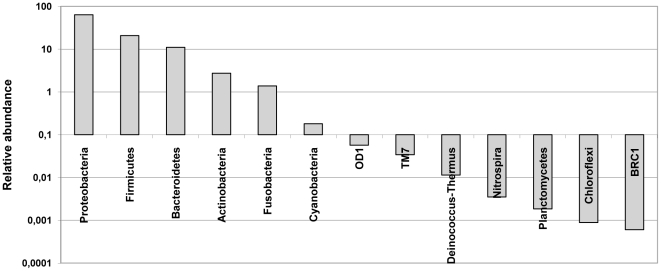
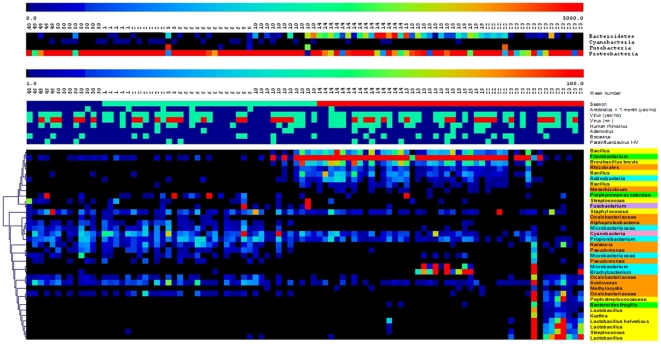
The nasopharynx is the ecological niche for many commensal bacteria and for potential respiratory or invasive pathogens like Streptococcus pneumoniae, Haemophilus influenzae, and Neisseria meningitidis. Disturbance of a balanced nasopharyngeal (NP) microbiome might be involved in the onset of symptomatic infections with these pathogens, which occurs primarily in fall and winter. It is unknown whether seasonal infection patterns are associated with concomitant changes in NP microbiota. As young children are generally prone to respiratory and invasive infections, we characterized the NP microbiota of 96 healthy children by barcoded pyrosequencing of the V5-V6 hypervariable region of the 16S-rRNA gene, and compared microbiota composition between children sampled in winter/fall with children sampled in spring. The approximately 1,000,000 sequences generated represented 13 taxonomic phyla and approximately 250 species-level phyla types (OTUs). The 5 most predominant phyla were Proteobacteria (64%), Firmicutes (21%), Bacteroidetes (11%), Actinobacteria (3%) and Fusobacteria (1,4%) with Moraxella, Haemophilus, Streptococcus, Flavobacteria, Dolosigranulum, Corynebacterium and Neisseria as predominant genera. The inter-individual variability was that high that on OTU level a core microbiome could not be defined. Microbiota profiles varied strongly with season, with in fall/winter a predominance of Proteobacteria (relative abundance (% of all sequences): 75% versus 51% in spring) and Fusobacteria (absolute abundance (% of children): 14% versus 2% in spring), and in spring a predominance of Bacteroidetes (relative abundance: 19% versus 3% in fall/winter, absolute abundance: 91% versus 54% in fall/winter), and Firmicutes. The latter increase is mainly due to (Brevi)bacillus and Lactobacillus species (absolute abundance: 96% versus 10% in fall/winter) which are like Bacteroidetes species generally related to healthy ecosystems. The observed seasonal effects could not be attributed to recent antibiotics or viral co-infection.The NP microbiota of young children is highly diverse and appears different between seasons. These differences seem independent of antibiotic use or viral co-infection.
Overview
The claims and statistics of this paper haven’t been checked yet.
Free: it reads the open-access text and checks the first 5 claims that cite a source we can check. Create a free account to check every claim.
Integrity signals
Registry
Cites
Statistics
Figures
Verification
Claims the paper makes
The claims and statistics of this paper haven’t been checked yet.
Free: it reads the open-access text and checks the first 5 claims that cite a source we can check. Create a free account to check every claim.
Claims other papers make about this one
Each is checked against this paper’s own text: does it say what the citing paper says it does?
The source backs part of the claim, not all of it — or backs it for a different population, condition or comparison.
In the citing paper
“In addition, season, vaccination, presence of siblings, day-care attendance, exposure to smoke and prior infections can also affect the infant microbiota22,31,32,33,34,35, which indicates that the microbiota during early life is dynamic and affected by numerous host and environmental factors (Fig. 2).”
From The microbiota of the respiratory tract: gatekeeper to respiratory health (2017) · cites this paper as [31]
Experimental — accuracy not yet measuredThe source backs part of the claim, not all of it — or backs it for a different population, condition or comparison.
In the citing paper
“These studies have reported an overall detection rate of 67% for respiratory viruses in healthy asymptomatic children, including human rhinovirus (HRV), human bocavirus, polyomaviruses, human adenovirus and human coronavirus31,53.”
From The microbiota of the respiratory tract: gatekeeper to respiratory health (2017) · cites this paper as [31]
Experimental — accuracy not yet measuredThe cited source says what the claim attributes to it.
In the citing paper
“In addition to bacterial inhabitants, PCR-based studies suggest the extensive presence of viral pathogens in the URT.”
From The microbiota of the respiratory tract: gatekeeper to respiratory health (2017) · cites this paper as [31]
In the citing paper
“Changes in nasopharyngeal microbiome diversity were observed across seasons, with a predominance of Proteobacteria and Fusobacteria in fall-winter and Bacteroidetes and Firmicutes in spring; these differences were independent of recent antibiotics and viral co-infection (114).”
From Respiratory viral infection-induced microbiome alterations and secondary bacterial pneumonia. (2018) · cites this paper as [114]
In the citing paper
“In healthy children, the major phyla among nasopharyngeal microbiotas are Proteobacteria, Firmicutes, Bacteroidetes, Actinobacteria, and Fusobacteria, with Moraxella, Haemophilus, Streptococcus, Flavobacteria, Dolosigranulum, Corynebacterium, and Neisseria as predominant genera.”
From Respiratory viral infection-induced microbiome alterations and secondary bacterial pneumonia. (2018) · cites this paper as [114]
Self-check
Percentages, sums and reported differences re-computed from the paper’s own numbers.
The self-check needs the paper’s full text.
Citations
Cites
In silico prediction of protein-protein interactions in human macrophages
Souiai, O., Guerfali, F., Ben Miled, S., Brun, C., & Benkahla, A. (2014) · BMC Research Notes · doi:10.1186/1756-0500-7-157 · Cited by 10,803
Significance analysis of microarrays applied to the ionizing radiation response
Tusher, V. G., Tibshirani, R., & Chu, G. (2001) · Proceedings of the National Academy of Sciences · doi:10.1073/pnas.091062498 · Cited by 10,568
A core gut microbiome in obese and lean twins
Turnbaugh, P. J., Hamady, M., Yatsunenko, T., Cantarel, B. L., Duncan, A., Ley, R. E., Sogin, M. L., Jones, W. J., Roe, B. A., Affourtit, J. P., et al. (2009) · Nature · doi:10.1038/nature07540 · Cited by 7,823 · cited 1×
“In other microbiota like the gastrointestinal and vaginal tract they are highly related to maintenance of a balanced microbiome as well [17] [18] [19] .”
BackgroundPruesse, E., Quast, C., Knittel, K., Fuchs, B. M., Ludwig, W., Peplies, J., & Glockner, F. O. (2007) · Nucleic Acids Research · doi:10.1093/nar/gkm864 · Cited by 6,668 · cited 1×
“We then used the GAST algorithm [24] to calculate the percent difference between each unique sequence and its closest match in a database of 69816 unique Eubacterial and 2779 unique Archaeal V5–V6 sequences, representing 323499 SSU rRNA sequences from the SILVA database [25].”
MethodFrank, D. N., St. Amand, A. L., Feldman, R. A., Boedeker, E. C., Harpaz, N., & Pace, N. R. (2007) · Proceedings of the National Academy of Sciences · doi:10.1073/pnas.0706625104 · Cited by 4,611 · cited 1×
“In other microbiota like the gastrointestinal and vaginal tract they are highly related to maintenance of a balanced microbiome as well [17] [18] [19] .”
BackgroundMicrobial diversity in the deep sea and the underexplored “rare biosphere”
Sogin, M. L., Morrison, H. G., Huber, J. A., Welch, D. M., Huse, S. M., Neal, P. R., Arrieta, J. M., & Herndl, G. J. (2006) · Proceedings of the National Academy of Sciences · doi:10.1073/pnas.0605127103 · Cited by 3,701 · cited 2×
“The operational taxonomic units (OTUs) were created by aligning unique sequences and calculating distance matrices as previously described [23] and using DOTUR [27] to create clusters at the 3% level.”
MethodSelf-citationBacterial Community Variation in Human Body Habitats Across Space and Time
Costello, E. K., Lauber, C. L., Hamady, M., Fierer, N., Gordon, J. I., & Knight, R. (2009) · Science · doi:10.1126/science.1177486 · Cited by 3,231 · cited 5×
“With this definition we observed a core microbiome of Moraxella, Haemophilus influenzae, Enhydrobacter (Proteobacteria), Streptococcus, Dolosigranulum (Firmicutes), and Corynebacterium (Actinobacteria) (Table 1).”
BackgroundInfluentialSchloss, P. D., & Handelsman, J. (2005) · Applied and Environmental Microbiology · doi:10.1128/aem.71.3.1501-1506.2005 · Cited by 2,501 · cited 1×
“The operational taxonomic units (OTUs) were created by aligning unique sequences and calculating distance matrices as previously described [23] and using DOTUR [27] to create clusters at the 3% level.”
Method[9] TM4 Microarray Software Suite
Saeed, A. I., Bhagabati, N. K., Braisted, J. C., Liang, W., Sharov, V., Howe, E. A., Li, J., Thiagarajan, M., White, J. A., & Quackenbush, J. (2006) · Methods in Enzymology · doi:10.1016/s0076-6879(06)11009-5 · Cited by 1,983 · cited 2×
“Seasonal differences in OTU patterns as well as potential correlations between respiratory viruses and OTU patterns were studied by the Significant Analysis of Microarrays (SAM analysis) - a nonparametric statistical technique for finding significant differences between microarray data of groups based on experimental…”
MethodStreptococcus pneumoniae colonisation: the key to pneumococcal disease
Bogaert, D., de Groot, R., & Hermans, P. (2004) · The Lancet Infectious Diseases · doi:10.1016/s1473-3099(04)00938-7 · Cited by 1,929 · cited 3×
“Although colonization by the ‘‘potential pathogens’’ of the NP microbiome is mainly asymptomatic, progression towards upper respiratory tract infections, pneumonia or even sepsis and meningitis may occur [3,4].”
BackgroundSelf-citation
Cited by
Items 101–200 of 468
Childhood respiratory viral infections and the microbiome
Kloepfer, K. M., & Kennedy, J. L. (2023) · Journal of Allergy and Clinical Immunology · doi:10.1016/j.jaci.2023.08.008 · Cited by 67
van den Broek, M. F. L., De Boeck, I., Claes, I. J. J., Nizet, V., & Lebeer, S. (2018) · Beneficial Microbes · doi:10.3920/bm2017.0101 · Cited by 57
van der Houwen, T. B., van Laar, J. A. M., Kappen, J. H., van Hagen, P. M., de Zoete, M. R., van Muijlwijk, G. H., Berbers, R.-M., Fluit, A. C., Rogers, M. R. C., Groot, J. A., et al. (2020) · Frontiers in Immunology · doi:10.3389/fimmu.2020.01192 · Cited by 60
“DNAwas extracted from stool, for both the Dutch and the Italian cohort, with QIAamp DNA Stool Mini Kit (QIAGEN, Valencia, CA, USA) and from oral swabs with AGOWA mag Mini DNA Isolation Kit (AGOWA, Berlin, Germany) as previously described (16, 17).”
MethodThe Nasopharyngeal Microbiota of Children With Respiratory Infections in Botswana
Kelly, M. S., Surette, M. G., Smieja, M., Pernica, J. M., Rossi, L., Luinstra, K., Steenhoff, A. P., Feemster, K. A., Goldfarb, D. A., Arscott‐Mills, T., et al. (2017) · The Pediatric Infectious Disease Journal · doi:10.1097/inf.0000000000001607 · Cited by 63
Pneumococcal Vaccines: Host Interactions, Population Dynamics, and Design Principles
Croucher, N. J., Løchen, A., & Bentley, S. D. (2018) · Annual Review of Microbiology · doi:10.1146/annurev-micro-090817-062338 · Cited by 66
The temporal dynamics of bacterial communities across human anterior nares
Camarinha‐Silva, A., Jáuregui, R., Pieper, D. H., & Wos‐Oxley, M. L. (2012) · Environmental Microbiology Reports · doi:10.1111/j.1758-2229.2011.00313.x · Cited by 54
Ren, T., Glatt, D. U., Nguyen, T. N., Allen, E. K., Early, S. V., Sale, M. M., Winther, B., & Wu, M. (2012) · Environmental Microbiology · doi:10.1111/1462-2920.12000 · Cited by 61
“Nasopharyngeal microbiota are dominated by Proteobacteria followed by Firmicutes and Bacteroidetes (Bogaert et al., 2011), while in oral cavity the three predominant phyla are Firmicutes, Proteobacteria and Bacteroidetes (Costello et al., 2009).”
BackgroundInfluentialMoyano, R. O., Tonetti, F. R., Tomokiyo, M., Kanmani, P., Vizoso-Pinto, M. G., Kim, H., Quilodrán-Vega, S., Melnikov, V. G., Alvarez, S., Takahashi, H., et al. (2020) · Microorganisms · doi:10.3390/microorganisms8050727 · Cited by 56
“…possible to define a series of characteristics that a certain microorganism must gather to be considered a probiotic [8]. the Lactobacillus and Bifidobacterium species) have made it possible to define a series of characteristics The most important property for a probiotic candidate is to provide a…”
BackgroundInfluentialCamelo-Castillo, A. J., Henares, D., Brotons, P., Galiana, A., Rodríguez, J. C., Mira, Á., & Muñoz‐Almagro, C. (2019) · Frontiers in Microbiology · doi:10.3389/fmicb.2019.00011 · Cited by 58
“Particularly in samples from the respiratory tract, the variability in bacterial composition between individuals has been described to be so high that a core microbiome could not be defined at the species level (Bogaert et al., 2011).”
BackgroundThe Role of Bacterial and Fungal Human Respiratory Microbiota in COVID‐19 Patients
Soltani, S., Zakeri, A., Zandi, M., Kesheh, M. M., Tabibzadeh, A., Dastranj, M., Faramarzi, S., Didehdar, M., Hafezi, H., Hosseini, P., et al. (2021) · BioMed Research International · doi:10.1155/2021/6670798 · Cited by 54
“The nasopharynx core microbiome remains indistinct because it varies extensively from person to person in seasons [122].”
Chochua, S., D’Acremont, V., Hanke, C. R., Alfa, D., Shak, J. R., Kilowoko, M., Kyungu, E., Kaiser, L., Genton, B., Klugman, K. P., et al. (2016) · PLoS ONE · doi:10.1371/journal.pone.0167725 · Cited by 58
“Whereas these species form part of the nasopharyngeal microbiome [1, 2], they are also the source of several of the most prevalent causes of morbidity and mortality to human kind, which include diseases such as acute otitis media, pneumonia, bacteremia and meningitis [3].”
BackgroundShukla, S. K., Ye, Z., Sandberg, S., Reyes, I., Fritsche, T. R., & Keifer, M. (2017) · PLoS ONE · doi:10.1371/journal.pone.0183898 · Cited by 60
Marazzato, M., Zicari, A. M., Aleandri, M., Conte, A. L., Longhi, C., Vitanza, L., Bolognino, V., Zagaglia, C., Castro, G. D., Brindisi, G., et al. (2020) · Frontiers in Cellular and Infection Microbiology · doi:10.3389/fcimb.2020.00458 · Cited by 59
“Other fairly common genera were Dolosigranulum, Corynebacterium, Neisseria, and Fusobacterium (Bogaert et al., 2011; Oh et al., 2012; Camarinha-Silva et al., 2014).”
BackgroundBacterial microbiome in the nose of healthy cats and in cats with nasal disease
Dorn, E. S., Treß, B., Suchodolski, J. S., Nisar, T., Ravindran, P., Weber, K., Hartmann, K., & Schulz, B. S. (2017) · PLoS ONE · doi:10.1371/journal.pone.0180299 · Cited by 61
How low can we go? The implications of low bacterial load in respiratory microbiota studies
Marsh, R. L., Nelson, M. T., Pope, C. E., Leach, A. J., Hoffman, L. R., Chang, A. B., & Smith‐Vaughan, H. (2018) · Pneumonia · doi:10.1186/s41479-018-0051-8 · Cited by 56
Lactic acid bacteria as probiotics for the nose?
Boeck, I. D., Spacova, I., Vanderveken, O. M., & Lebeer, S. (2021) · Microbial Biotechnology · doi:10.1111/1751-7915.13759 · Cited by 55
“In the recent decade, members of LAB, including Lacticaseibacillus, Dolosigranulum and Lactococcus species, have been described as part of the normal URT microbiota of healthy adults and/or children (Bogaert et al., 2011; Laufer et al., 2011; Jensen et al., 2013; Ling et al., 2013; Stearns et al., 2015).”
BackgroundByrd, A. L., Perez-Rogers, J. F., Manimaran, S., Castro‐Nallar, E., Toma, I., McCaffrey, T. A., Siegel, M., Benson, G., Crandall, K. A., & Johnson, W. E. (2014) · BMC Bioinformatics · doi:10.1186/1471-2105-15-262 · Cited by 59
“Each sample was composed of human, bacterial, and viral sequences mimicking the microbiota found in sequencing data from nasopharyngeal samples during a respiratory tract infection [31,32].”
BackgroundImpact of saline irrigation and topical corticosteroids on the postsurgical sinonasal microbiota
Liu, C. M., Kohanski, M. A., Mendiola, M., Soldanova, K., Dwan, M. G., Lester, R. T., Nordstrom, L., Price, L. B., & Lane, A. P. (2014) · International Forum of Allergy & Rhinology · doi:10.1002/alr.21467 · Cited by 56
Fusobacterium necrophorum, an emerging pathogen of otogenic and paranasal infections?
Creemers-Schild, D., Gronthoud, F. A., Spanjaard, L., Visser, L. G., Brouwer, C. N. M., & Kuijper, E. J. (2014) · New Microbes and New Infections · doi:10.1002/nmi2.39 · Cited by 49
“necrophorum and other less prevalent commensals [30].”
Patterns of Kingella kingae Disease Outbreaks
Houmami, N. E., Minodier, P., Dubourg, G., Mirand, A., Jouve, J.-L., Basmaci, R., Charrel, R. N., Bonacorsi, S., Yagupsky, P., Raoult, D., et al. (2015) · The Pediatric Infectious Disease Journal · doi:10.1097/inf.0000000000001010 · Cited by 49
“Also, by disturbing the immune system components,(39) inducing tissue-damaging inflammatory responses, disrupting the epithelial barriers, and promoting factors that may increase bacterial adherence, the viral presence may favor bacterial colonization of the epithelium that is the first step toward invasive diseases.(…”
BackgroundThevaranjan, N., Whelan, F., Puchta, A., Ashu, E. E., Rossi, L., Surette, M. G., & Bowdish, D. M. E. (2016) · Infection and Immunity · doi:10.1128/iai.01275-15 · Cited by 51
“moniae can reside as an asymptomatic commensal or a pathogen, resulting in invasive pneumococcal disease (46).”
BackgroundVissers, M., Remijn, T., Oosting, M., de Jong, D. J., Diavatopoulos, D. A., Hermans, P. W. M., & Ferwerda, G. (2012) · European Journal of Immunology · doi:10.1002/eji.201242396 · Cited by 53
Respiratory microbiota and lower respiratory tract disease
Lanaspa, M., Bassat, Q., Medeiros, M. M., & Muñoz‐Almagro, C. (2017) · Expert Review of Anti-infective Therapy · doi:10.1080/14787210.2017.1349609 · Cited by 54
“acteristics compared to that of adults [16,17].”
Horn, K. J., Vivar, A. C. J., Arenas, V., Andani, S., Janoff, E. N., & Clark, S. E. (2022) · Frontiers in Microbiology · doi:10.3389/fmicb.2021.804935 · Cited by 58
Bhutta, M. F. (2015) · Human Biology · doi:10.13110/humanbiology.87.2.0092 · Cited by 50
Association of sputum microbiota profiles with severity of community-acquired pneumonia in children
Pettigrew, M. M., Gent, J. F., Kong, Y., Wade, M., Gansebom, S., Bramley, A. M., Jain, S., Arnold, S. L. R., & McCullers, J. A. (2016) · BMC Infectious Diseases · doi:10.1186/s12879-016-1670-4 · Cited by 52
“Data regarding demographic characteristics, underlying conditions, and exposures known to alter the composition of the respiratory microbiota (e.g., prior antibiotic use, fall/winter season) [10, [25] [26] [27] were also obtained in the EPIC study [4] .”
Dai, W., Wang, H., Zhou, Q., Feng, X., Lu, Z., Li, D., Yang, Z., Liu, Y., Li, Y., Xie, G., et al. (2018) · Emerging Microbes & Infections · doi:10.1038/s41426-018-0097-y · Cited by 52
Krawczyk, A. I., Röttjers, L., Fonville, M., Takumi, K., Takken, W., Faust, K., & Sprong, H. (2022) · Microbiome · doi:10.1186/s40168-022-01276-1 · Cited by 53
“Since the quantification of bacterial density can help better understand of tick physiology, this study adopted a qPCR approach inspired by studies on quantification of the bacterial microbiome [38, 39].”
MethodHost-microbiome interactions in acute and chronic respiratory infections
Taylor, S., Wesselingh, S. L., & Rogers, G. B. (2016) · Cellular Microbiology · doi:10.1111/cmi.12589 · Cited by 50
Translating Recent Microbiome Insights in Otitis Media into Probiotic Strategies
van den Broek, M. F. L., Boeck, I. D., Kiekens, F., Boudewyns, A. N., Vanderveken, O. M., & Lebeer, S. (2019) · Clinical Microbiology Reviews · doi:10.1128/cmr.00010-18 · Cited by 50
Viruses and bacteria in Th2‐biased allergic airway disease
Lan, F., Zhang, N., Gevaert, E., Zhang, L., & Bachert, C. (2016) · Allergy · doi:10.1111/all.12934 · Cited by 47
“with previous studies in children (25, 26) and in adults (27).”
MethodThors, V., Christensen, H., Morales-Aza, B., Vipond, I., Muir, P., & Finn, A. (2016) · American Journal of Respiratory and Critical Care Medicine · doi:10.1164/rccm.201510-2000oc · Cited by 44
“Although we present results on several bacterial species that commonly colonize children, we offer no information about serotypes of the studied species or the many others that are commonly present (25).”
BackgroundVanker, A., Nduru, P. M., Barnett, W., Dube, F. S., Sly, P. D., Gie, R. P., Nicol, M. P., & Zar, H. J. (2019) · ERJ Open Research · doi:10.1183/23120541.00052-2018 · Cited by 48
The microbiome of the nasopharynx
Flynn, M. F., & Dooley, J. S. G. (2021) · Journal of Medical Microbiology · doi:10.1099/jmm.0.001368 · Cited by 57
“study, the overall microbial diversity of the nasopharynx did not significantly fluctuate between autumn, winter and spring [22].”
BackgroundHow human microbiome talks to health and disease
Cong, J., & Zhang, X. (2018) · European Journal of Clinical Microbiology & Infectious Diseases · doi:10.1007/s10096-018-3263-1 · Cited by 52
Audry, M., Masselot, C. R., Barnier, J., Gachet, B., Saubaméa, B., Schmitt, A., Schönherr-Hellec, S., Léonard, R., Nassif, X., & Coureuil, M. (2019) · mSphere · doi:10.1128/msphere.00494-19 · Cited by 49
“The nasopharynx is colonized by six main genera: Haemophilus, Streptococcus, Moraxella, Staphylococcus, Alloiococcus, and Corynebacterium (40, 41).”
BackgroundPneumococcal colonization impairs mucosal immune responses to live attenuated influenza vaccine
Carniel, B. F., Marcon, F., Rylance, J., German, E. L., Zaidi, S. R., Reiné, J., Negera, E., Nikolaou, E., Pojar, S., Solórzano, C., et al. (2021) · JCI Insight · doi:10.1172/jci.insight.141088 · Cited by 46
“Children display high rates of Spn colonization (35, 36).”
BackgroundSelf-citationStol, K., Verhaegh, S. J. C., Graamans, K., Engel, J. A. M., Sturm, P., Melchers, W. J. G., Meis, J. F. G. M., Warris, A., Hays, J. P., & Hermans, P. W. M. (2013) · International Journal of Pediatric Otorhinolaryngology · doi:10.1016/j.ijporl.2012.12.016 · Cited by 42
“They found two or more viruses in the majority of the virus positive nasopharyngeal samples, in 96 children up to two years of age [47] .”
BackgroundJohnston, J. J., Hoggard, M., Biswas, K., Astudillo‐García, C., Radcliff, F. J., Mahadevan, M., & Douglas, R. G. (2018) · International Journal of Pediatric Otorhinolaryngology · doi:10.1016/j.ijporl.2018.12.030 · Cited by 47
The Upper Airway Microbiota, Environmental Exposures, Inflammation, and Disease
Elgamal, Z., Singh, P., & Geraghty, P. M. (2021) · Medicina · doi:10.3390/medicina57080823 · Cited by 47
“Wintertime also increased the abundance of Proteobacteria and increased carriage of Fusobacteria and Cyanobacteria [73], whereas infants with respiratory infections have increased carriage of Haemophilus across spring and summer [33].”
BackgroundTwo sampling methods yield distinct microbial signatures in the nasopharynges of asthmatic children
Pérez‐Losada, M., Crandall, K. A., & Freishtat, R. J. (2016) · Microbiome · doi:10.1186/s40168-016-0170-5 · Cited by 44
“All dominant genera reported here for asthmatic children and adolescents have been detected in other microbiome studies of the nasopharynx in infants with and without respiratory infections [1, 3, 16, 35], although in Fig.”
Steens, A., Caugant, D. A., Aaberge, I. S., & Vestrheim, D. F. (2015) · The Pediatric Infectious Disease Journal · doi:10.1097/inf.0000000000000751 · Cited by 40
“S pneumoniae (the pneumococcus) commonly colonizes the human nasopharyngeal epithelium.(1) Children carry pneumococci more often and for longer episodes than adults(2,3) and are considered the main reservoir.”
BackgroundCommunity-acquired rhinovirus infection is associated with changes in the airway microbiome
Kloepfer, K. M., Sarsani, V. K., Poroyko, V., Lee, W. M., Pappas, T. E., Kang, T., Grindle, K. A., Bochkov, Y. A., Janga, S. C., Lemanske, R. F., et al. (2017) · Journal of Allergy and Clinical Immunology · doi:10.1016/j.jaci.2017.01.038 · Cited by 36
Wang, C. Y., Patel, N., Wholey, W.-Y., & Dawid, S. R. (2018) · Proceedings of the National Academy of Sciences · doi:10.1073/pnas.1804668115 · Cited by 44
“Pneumococcus, a naturally competent bacterium (4), can exploit the large pool of genetic material available to it (1, 2, 5) in the nasopharynx.”
BackgroundReddinger, R. M., Luke-Marshall, N. R., Sauberan, S. L., Hakansson, A. P., & Campagnari, A. A. (2018) · mBio · doi:10.1128/mbio.02089-17 · Cited by 39
Saha, B., Rithi, A. T., Adhikary, S., Banerjee, A., Radhakrishnan, A., Duttaroy, A. K., & Pathak, S. (2024) · Nutrition and Cancer · doi:10.1080/01635581.2024.2367266 · Cited by 41
“With approximately 40 trillion microorganisms, the gut microbiota varies among individuals but remains relatively stable within each person (18, 19).”
Severe viral respiratory infections: are bugs bugging?
Vissers, M., de Groot, R., & Ferwerda, G. (2013) · Mucosal Immunology · doi:10.1038/mi.2013.93 · Cited by 44
Peterson, S. W., Knox, N., Golding, G. R., Tyler, S. D., Tyler, A. D., Mabon, P., Embree, J. E., Fleming, F., Fanella, S. T., Domselaar, G. V., et al. (2016) · PLoS ONE · doi:10.1371/journal.pone.0152493 · Cited by 44
“Over the year of sampling, infants acquired a higher proportion of Firmicutes at the expense of Actinobacteria (Panel A in Fig 1; S5 Fig).”
BackgroundInfluentialOdutola, A. A., Antonio, M., Owolabi, O., Bojang, A., Foster-Nyarko, E., Donkor, S. A., Adetifa, I., Taylor, S., Bottomley, C., Greenwood, B. M., et al. (2013) · PLoS ONE · doi:10.1371/journal.pone.0075558 · Cited by 42
“These pathogens, together with many commensal bacteria, constitute the bacterial microbiome of the pharynx [4].”
BackgroundBoers, S. A., de Zeeuw, M., Jansen, R., van der Schroeff, M. P., van Rossum, A. M. C., Hays, J. P., & Verhaegh, S. J. C. (2018) · European Journal of Clinical Microbiology & Infectious Diseases · doi:10.1007/s10096-017-3178-2 · Cited by 38
“Microbiota profiles were analyzed using next-generation sequencing of hypervariable V5-V6 regions of the 16S rRNA gene, as previously described [13].”
BackgroundMethodProbiotic nasal spray development by spray drying
Jokicevic, K., Kiekens, S., Byl, E., Boeck, I. D., Cauwenberghs, E., Lebeer, S., & Kiekens, F. (2020) · European Journal of Pharmaceutics and Biopharmaceutics · doi:10.1016/j.ejpb.2020.11.008 · Cited by 40
Kelly, M. S., Plunkett, C. H., Yu, Y., Aquino, J. N., Patel, S. M., Hurst, J. H., Young, R. R., Smieja, M., Steenhoff, A. P., Arscott‐Mills, T., et al. (2021) · The ISME Journal · doi:10.1038/s41396-021-01108-4 · Cited by 41
Early-Life Lung and Gut Microbiota Development and Respiratory Syncytial Virus Infection
Yagi, K., Asai, N., Huffnagle, G. B., Lukacs, N. W., & Fonseca, W. (2022) · Frontiers in Immunology · doi:10.3389/fimmu.2022.877771 · Cited by 40
Tick microbial associations at the crossroad of horizontal and vertical transmission pathways
Krawczyk, A. I., Röttjers, S., Coimbra-Dores, M. J., Heylen, D., Fonville, M., Takken, W., Faust, K., & Sprong, H. (2022) · Parasites & Vectors · doi:10.1186/s13071-022-05519-w · Cited by 38
Hasan, M. R., Sundararaju, S., Tang, P., Tsui, K.-M., Lopez, A. P., Janahi, M., Tan, R., & Tilley, P. (2020) · Scientific Reports · doi:10.1038/s41598-020-68159-z · Cited by 37
“On the other hand, NGS based metagenomic sequencing, which involves 78 sequencing of all DNA content in the sample, has been applied mostly in research settings for 79 microbiome studies as well as pathogen detection or characterization directly from clinical 80 specimens (10-17).”
MethodThe effects of variable sample biomass on comparative metagenomics
Chafee, M. E., Maignien, L., & Simmons, S. L. (2015) · Environmental Microbiology · doi:10.1111/1462-2920.12668 · Cited by 39
“Human-associated microbial communities on body sites such as nasal passages (Bogaert et al., 2011) and skin (Grice et al., 2009) are often low-density.”
BackgroundFlygel, T. T., Sovershaeva, E., Claassen-Weitz, S., Hjerde, E., Mwaikono, K. S., Odland, J. Ø., Ferrand, R. A., McHugh, G., Gutteberg, T. J., Nicol, M. P., et al. (2019) · The Journal of Infectious Diseases · doi:10.1093/infdis/jiz473 · Cited by 48
“To assess DNA quality and total bacterial load, a real-time quantitative polymerase chain reaction (PCR) was performed as previously described [18].”
MethodThe respiratory microbiota during health and disease: a paediatric perspective
Koppena, I. J. N., Boscha, A. A. T. M., Sandersa, E. A. M., van Houtenb, M. A., & Bogaert, D. (2015) · Pneumonia · doi:10.15172/pneu.2015.6/656 · Cited by 46
“The nasopharynx, which connects the nose and oropharynx, is a well-known reservoir for potential pathogens that are able to cause respiratory tract infections: its microbiota composition resembles that of the nares, although Gram-negative and anaerobic bacteria are more predominant presumably due to the ecological cir…”
BackgroundSelf-citationClaassen-Weitz, S., Gardner‐Lubbe, S., Mwaikono, K. S., du Toit, E., Zar, H. J., & Nicol, M. P. (2020) · BMC Microbiology · doi:10.1186/s12866-020-01795-7 · Cited by 41
“We further determined total bacterial load present in extraction and sequencing controls using a previously described qPCR method targeting the 16S rRNA gene [47].”
MethodMicrobiome profiles are associated with cognitive functioning in 45-month-old children
Streit, F., Prandovszky, E., Send, T., Zillich, L., Frank, J., Sabunciyan, S., Foo, J. C., Sirignano, L., Lange, B., Bardtke, S., et al. (2021) · Brain Behavior and Immunity · doi:10.1016/j.bbi.2021.08.001 · Cited by 42
How direct competition shapes coexistence and vaccine effects in multi-strain pathogen systems
Gjini, E., Valente, C., Sá‐Leão, R., & Gomes, M. G. M. (2015) · Journal of Theoretical Biology · doi:10.1016/j.jtbi.2015.09.031 · Cited by 39
Skevaki, C. L., Tsialta, P., Trochoutsou, A. I., Logotheti, I., Makrinioti, H., Τaka, S., Lebessi, E., Paraskakis, I., Papadopoulos, N. G., & Tsolia, M. N. (2015) · The Pediatric Infectious Disease Journal · doi:10.1097/inf.0000000000000872 · Cited by 41
“(Pediatr Infect Dis J 2015;34:1296–1301) T human nasopharynx is commonly colonized by potential bacterial pathogens including Streptococcus pneumoniae (SP), Haemophilus influenzae (HI), Moraxella catarrhalis (MC), Staphylococcus aureus (SA) and others as well as with a broad range of commensals.(1,2) Colonization with…”
BackgroundPérez‐Losada, M., Graham, R. J., Coquillette, M., Jafarey, A., Castro‐Nallar, E., Aira, M., Freishtat, R. J., & Mansbach, J. M. (2017) · PLoS ONE · doi:10.1371/journal.pone.0182520 · Cited by 43
“[44] grouped fall and winter microbial samples and compared them against spring samples (no summer samples were collected), while Teo et al.”
BackgroundThe Influence of DNA Extraction and Lipid Removal on Human Milk Bacterial Profiles
Okunola, A. O., Claassen-Weitz, S., Mwaikono, K. S., Gardner‐Lubbe, S., Zar, H. J., Nicol, M. P., & du Toit, E. (2020) · Methods and Protocols · doi:10.3390/mps3020039 · Cited by 37
Paulo, A. C., Lança, J., Almeida, S. T., Hilty, M., & Sá‐Leão, R. (2023) · Microbiome · doi:10.1186/s40168-023-01640-9 · Cited by 39
“[18] was followed with some modifications.”
BackgroundMethodKosikowska, U., Korona‐Głowniak, I., Niedzielski, A., & Malm, A. (2015) · Medicine · doi:10.1097/md.0000000000000799 · Cited by 34
Arca-Lafuente, S., Núñez-Corcuera, B., Ramis, R., Karakitsios, S., Sarigiannis, D. A., dos Santos, S. G., Fernández‐Rodríguez, A., & Briz, V. (2025) · Respiratory Research · doi:10.1186/s12931-025-03179-9 · Cited by 35
“However, Bogaert et al. (2011) described a predominance of Bacteroidetes and Firmi-cutes during spring, a trend not observed in this systematic review.”
Reiss-Mandel, A., & Regev‐Yochay, G. (2016) · Human Vaccines & Immunotherapeutics · doi:10.1080/21645515.2015.1081321 · Cited by 40
“Metagenomic analyses showed the presence of a highly diverse nasopharyngeal microbiome including up to 2042 observed operational taxonomic units and as many as 1,219,310 observed unique sequences.(4,43,44) Considering the vast diversity in the nasal microbiome with which the two pathogens interact, the relationship be…”
BackgroundPattnaik, S., Rajkumari, J., Parasuraman, P., & Busi, S. (2017) · International Journal of Vegetable Science · doi:10.1080/19315260.2017.1283381 · Cited by 33
“The genomic DNA of the bacterial isolatesMP1 andMS4 was extracted and 16S rRNA gene amplified using the primers 785F (5′GGATTAGATACCCTGGTA3′) and 1061R (5′TCACGRCACGAGCTGACGAC3′; Bogaert et al., 2011).”
MethodHost factors facilitating SARS‐CoV‐2 virus infection and replication in the lungs
Boutin, S., Hildebrand, D., Boulant, S., Kreuter, M., Rüter, J., Pallerla, S. R., Velavan, T. P., & Nurjadi, D. (2021) · Cellular and Molecular Life Sciences · doi:10.1007/s00018-021-03889-5 · Cited by 38
Catenazzi, M. C. E., Jones, H. J., Wallace, I., Clifton, J., Chong, J. P. J., Jackson, M. A., Macdonald, S. J., Edwards, J., & MOIR, J. W. B. (2014) · Molecular Microbiology · doi:10.1111/mmi.12664 · Cited by 32
Mechanism of β-Lactam Action in Streptococcus pneumoniae: the Piperacillin Paradox
Philippe, J., Gallet, B., Morlot, C., Denapaite, D., Hakenbeck, R., Chen, Y., Vernet, T., & Zapun, A. (2014) · Antimicrobial Agents and Chemotherapy · doi:10.1128/aac.04283-14 · Cited by 33
“Streptococcus pneumoniae is a facultative bacterial pathogen that belongs to the human nasopharyngeal microbiota (1).”
Wang, X., Eijkemans, M. J. C., Wallinga, J., Biesbroek, G., Trzciński, K., Sanders, E. A. M., & Bogaert, D. (2012) · PLoS ONE · doi:10.1371/journal.pone.0050267 · Cited by 36
“We used a dataset of metagenomic data as well as metadata of 96 children 18 months of age and participating in a randomized controlled trail as described previously [15].”
MethodSelf-citationProbiotics and the Upper Respiratory Tract - A Review
Tapiovaara, L. K., Pitkäranta, A., & Korpela, R. (2016) · Pediatric Infectious Diseases Open Access · doi:10.21767/2573-0282.100019 · Cited by 35
Pérez‐Losada, M., Castro‐Nallar, E., Boechat, J. L., Delgado, L., Rama, T. A., Berríos-Farías, V., & Oliveira, M. T. D. S. (2023) · Microorganisms · doi:10.3390/microorganisms11030683 · Cited by 42
A review of the auditory-gut-brain axis
Graham, A. S., Ben‐Azu, B., Tremblay, M., Torre, P., Senekal, M., Laughton, B., van der Kouwe, A. J. W., Jankiewicz, M., Kaba, M., & Holmes, M. (2023) · Frontiers in Neuroscience · doi:10.3389/fnins.2023.1183694 · Cited by 23
“Several reviews have discussed the role of the nasopharynx and nasopharyngeal microbiome in the development of pneumococcal meningitis (Bogaert et al., 2011; Subramanian et al., 2019; Dietl et al., 2021).”
BackgroundLazarević, V., Gaïa, N., Emonet, S., Girard, M., Renzi, G., Després, L., Wozniak, H., Marcos, J. Y., Veyrieras, J., Chatellier, S., et al. (2014) · Frontiers in Cellular and Infection Microbiology · doi:10.3389/fcimb.2014.00065 · Cited by 34
“Skin samples: SKN_10 (Ling et al., 2013), SKN_11 (MG-RAST ID 6526); Nasopharyngeal swabs: NPH_96 (Bogaert et al., 2011), NPH_10 (Ling et al., 2013).”
BackgroundKrone, C. L., Biesbroek, G., Trzciński, K., Sanders, E. A. M., & Bogaert, D. (2014) · Infection and Immunity · doi:10.1128/iai.01290-13 · Cited by 30
“The upper respiratory tract (URT) is a distinct microbial niche of low-density bacterial communities (3) and, also, a portal of entry for many pathogens, including Streptococcus pneumoniae, which is a frequent cause of pneumonia worldwide and a major cause of death, particularly in the elderly population (4).”
BackgroundMethodSelf-citationComparison of the upper and lower airway microbiota in children with chronic lung diseases
Ahmed, B., Cox, M. J., Cuthbertson, L., James, P. L., Cookson, W., Davies, J. C., Moffatt, M. F., & Bush, A. (2018) · PLoS ONE · doi:10.1371/journal.pone.0201156 · Cited by 33
Human pharyngeal microbiota in age-related macular degeneration
Ho, E. X. P., Cheung, C. M. G., Sim, S., Chu, C. W., Wilm, A., Lin, C. B., Mathur, R., Wong, D., Chan, C. M., Bhagarva, M., et al. (2018) · PLoS ONE · doi:10.1371/journal.pone.0201768 · Cited by 32
Cleary, D. W., & Clarke, S. C. (2017) · Emerging Topics in Life Sciences · doi:10.1042/etls20170041 · Cited by 33
Boelsen, L. K., Dunne, E. M., Mika, M., Eggers, S., Nguyen, C. D., Ratu, F. T., Russell, F. M., Mulholland, K., Hilty, M., & Satzke, C. (2019) · Microbiome · doi:10.1186/s40168-019-0716-4 · Cited by 31
“Furthermore, most of the abundant genera in our study have been reported as predominant genera in other studies [20, 53].”
ResultLiving Therapeutics: The Next Frontier of Precision Medicine
Kelly, V. W., Liang, B. K., & Sirk, S. J. (2020) · ACS Synthetic Biology · doi:10.1021/acssynbio.0c00444 · Cited by 31
Kristensen, M., Piters, W. A. A. D. S., Wildenbeest, J., van Houten, M. A., Zuurbier, R. P., Hasrat, R., Arp, K., Chu, M. L. J. N., Billard, M., Heikkinen, T., et al. (2024) · Cell Reports Medicine · doi:10.1016/j.xcrm.2024.101836 · Cited by 38
Self-citationNasopharyngeal Bacterial Carriage in the Conjugate Vaccine Era with a Focus on Pneumococci
Devine, V. T., Jefferies, J. M., Clarke, S. C., & Faust, S. N. (2015) · Journal of Immunology Research · doi:10.1155/2015/394368 · Cited by 29
“[103] Post-PCV7 and reduced dose PCV7, Spn, Hflu, Mcat, and SA (Netherlands) NP swab and 454 pyrosequencing”
BackgroundCoughtrie, A. L., Whittaker, R. N., Begum, N., Anderson, R., Tuck, A. C., Faust, S. N., Jefferies, J. M., Yuen, H. M., Roderick, P. J., Mullee, M., et al. (2014) · BMJ Open · doi:10.1136/bmjopen-2014-005341 · Cited by 29
“INTRODUCTION The respiratory tract is host to a wide variety of commensal and pathogenic microorganisms, with approximately 250 species colonising the nasopharynx alone.(1) Asymptomatic carriage in the upper respiratory tract (URT) is the first stage in the process of respiratory tract infection (RTI), meningitis and…”
Urine Bacteria-Derived Extracellular Vesicles and Allergic Airway Diseases in Children
Samra, M. S., Nam, S. K., Lim, D. H., Kim, D. H., Yang, J., Kim, Y., & Kim, J. H. (2018) · International Archives of Allergy and Immunology · doi:10.1159/000492677 · Cited by 29
Advances in Arbovirus Surveillance, Detection and Diagnosis
Hall, R. A., Blitvich, B. J., Johansen, C. A., & Blacksell, S. D. (2012) · BioMed Research International · doi:10.1155/2012/512969 · Cited by 40
Xu, J., Dai, W., Liang, Q., & Ren, D. (2020) · International Journal of Pediatric Otorhinolaryngology · doi:10.1016/j.ijporl.2020.110058 · Cited by 31
A philosophy of health: life as reality, health as a universal value
Saad, J. M., & Prochaska, J. O. (2020) · Humanities and Social Sciences Communications · doi:10.1057/s41599-020-0420-9 · Cited by 33
Bach, L., Ram, A., Ijaz, U. Z., Evans, T. J., & Lindström, J. (2021) · Frontiers in Microbiology · doi:10.3389/fmicb.2020.573969 · Cited by 30
Characterization of a Multipeptide Lantibiotic Locus in Streptococcus pneumoniae
Maricic, N., Anderson, E. S., Opipari, A. E., Yu, E. A., & Dawid, S. R. (2016) · mBio · doi:10.1128/mbio.01656-15 · Cited by 28
Human microbiome versus food-borne pathogens: friend or foe
Josephs‐Spaulding, J., Beeler, E., & Singh, O. V. (2016) · Applied Microbiology and Biotechnology · doi:10.1007/s00253-016-7523-7 · Cited by 33
Borges, L. G. D. A., Giongo, A., Pereira, L. D. M., Trindade, F. J., Gregianini, T. S., Campos, F. S., Ghedin, E., & da Veiga, A. B. G. (2018) · Health Science Reports · doi:10.1002/hsr2.47 · Cited by 27
“Proteobacteria, Firmicutes, Bacteroidetes, Actinobacteria, and Fusobacteria are common phyla found in variable proportions in the URT of healthy individuals.(15) Even pathogenic bacteria can be present at low abundance in established communities.”
BackgroundBenchmarking laboratory processes to characterise low-biomass respiratory microbiota
Hasrat, R., Kool, J., Piters, W. A. A. D. S., Chu, M. L. J. N., Kuiling, S., Groot, J. A., van Logchem, E. M., Fuentes, S., Franz, E., Bogaert, D., et al. (2021) · Scientific Reports · doi:10.1038/s41598-021-96556-5 · Cited by 32
Self-citationMetagenomic Next-Generation Sequencing in Clinical Microbiology
Jacob, J. J., Veeraraghavan, B., & Vasudevan, K. (2019) · Indian Journal of Medical Microbiology · doi:10.4103/ijmm.ijmm_19_401 · Cited by 29
Interactions between bacteria in the human nasopharynx: a scoping review
Yu, K., Tenaglia, V. P., Chua, E. G., Haines, R. R., Bahal, G. N., Nicol, M. P., & Bahal, R. K. (2025) · The Lancet Microbe · doi:10.1016/j.lanmic.2024.101062 · Cited by 31
Tzani-Tzanopoulou, P., Skliros, D., Megremis, S., Xepapadaki, P. V., Andreakos, E., Чанішвілі, Н., Flemetakis, E., Kaltsas, G., Τaka, S., Lebessi, E., et al. (2021) · Frontiers in Allergy · doi:10.3389/falgy.2020.617240 · Cited by 28
Mucci, N., Tommasi, E., Chiarelli, A., Lulli, L. G., Traversini, V., Galea, R. P., & Arcangeli, G. (2022) · International Journal of Environmental Research and Public Health · doi:10.3390/ijerph19031043 · Cited by 27
“Numerous pieces of evidence have already shown the dynamic effect that the seasons can have on the composition of the microbiota of children and adults [95,96].”
BackgroundRocafort, M., Henares, D., Brotons, P., Launes, C., de Sevilla, M. F., Fumadó, V., Barrabeig, I., Arias, S., Redin, A., Ponomarenko, J. V., et al. (2022) · Viruses · doi:10.3390/v14071521 · Cited by 26
“In particular, sustained decreases in invasive diseases due to common respiratory pathobionts such as Streptococcus pneumoniae, Haemophilus influenzae and Neisseria meningitidis were reported across all ages in Catalonia (Northern Spain) and other regions across Europe [6].”
BackgroundInfluential
Metadata
- Authors
- Bogaert, D., Keijser, B., Huse, S., Rossen, J., Veenhoven, R., van Gils, E., Bruin, J., Montijn, R., Bonten, M., & Sanders, E.
- Affiliations
- University Medical Center Utrecht (NL)
- Netherlands Organisation for Applied Scientific Research (NL)
- Marine Biological Laboratory (US)
- Elisabeth-TweeSteden Ziekenhuis (NL)
- Spaarne Ziekenhuis (NL)
- Corresponding author
- Bogaert, Debby
- Venue
- PLoS ONE
- Publisher
- Public Library of Science (PLoS)
- Published
- 2011-02-28
- Volume
- 6
- Issue
- 2
- Pages
- e17035
- ISSN
- 1932-6203 (ISSN-L)
- PMC
- PMC3046172
- OpenAlex
- W2096511107
- Cited by
- 454
- References
- 30
- Citations by year
- 2026: 14 · 2025: 23 · 2024: 30 · 2023: 27 · 2022: 37 · 2021: 41 · 2020: 33 · 2019: 38 · 2018: 39 · 2017: 36 · 2016: 34 · 2015: 25 · 2014: 30 · 2013: 23 · 2012: 20
- FWCI
- 30.30
- Type
- journal article
- Language
- en
- Open access
- gold
- doi.org
- Locations
- PLoS ONE (publishedVersion, cc-by)
- PubMed Central (publishedVersion, cc-by)
- PubMed (publishedVersion)
- TNO Repository (submittedVersion)
- DOAJ (DOAJ: Directory of Open Access Journals) (submittedVersion, cc-by-sa)
- Figshare (submittedVersion, cc-by)
- Repository hosted by TU Delft Library (TU Delft) (submittedVersion)
- Data Archiving and Networked Services (DANS) (submittedVersion, other-oa)
- Funders
- GlaxoSmithKline
- Nederlandse Organisatie voor Wetenschappelijk Onderzoek
- Topics
- Health Sciences › Dentistry › Periodontics › Oral microbiology and periodontitis research
- Life Sciences › Biochemistry, Genetics and Molecular Biology › Molecular Biology › Gut microbiota and health
- Life Sciences › Immunology and Microbiology › Microbiology › Microbial infections and disease research
- Keywords
- nasopharyngeal microbiota, seasonal variation, children, interindividual variability, Proteobacteria, Bacteroidetes, Firmicutes, Fusobacteria, Streptococcus, Haemophilus, Neisseria, Moraxella, Lactobacillus, respiratory infections, invasive infections, Streptococcus pneumoniae
- MeSH terms
- Heptavalent Pneumococcal Conjugate Vaccine, Bacteria, Child, Preschool, Humans, Individuality, Infant, Nasopharynx, Pneumococcal Infections, RNA, Ribosomal, 16S, Seasons, Cluster Analysis, Case-Control Studies, Randomized Controlled Trials as Topic, Genetic Heterogeneity, Pneumococcal Vaccines, Metagenome, Metagenomics
About these checks
Registry, retraction, Cites and statistics results are computed, not judged, with one exception: a printed reference that no index lists is read once by a model before it counts as a citation error. Claims are extracted by a model and kept only when their quote appears verbatim in the text; each cited source is then checked, with a model’s help, for whether it says what the claim relies on. Those verdicts can be wrong — read the claim’s quote and the cited source before relying on one.
Statistics and arithmetic are recomputed, not judged.
Confidence bands are shown only for fields calibrated on our annotated test set. None is calibrated yet, so no band is shown.
What counts as a claim ›How we measure confidence ›How we check this ›
Are you an author, or do you see a problem with this page? Request a review
Data sources
Bibliographic data: Semantic Scholar, OpenAlex, Crossref.
Contains information from the Semantic Scholar Academic Graph Datasets, made available under the ODC Attribution License (ODC-BY 1.0).
Semantic Scholar’s data is described in: Kinney, R., et al. (2023). The Semantic Scholar Open Data Platform. arXiv:2301.10140.
