

Variability and Diversity of Nasopharyngeal Microbiota in Children: A Metagenomic Analysis
Open accessThe DOI matches its Crossref record; 30 of the 30 references it cites were found in a registry or an index.
Abstract
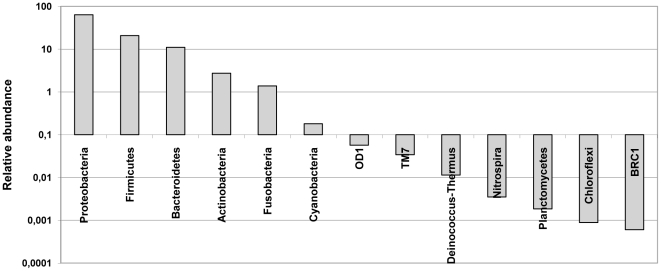
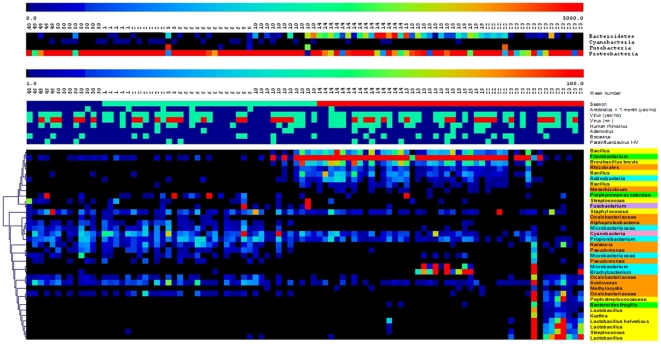
The nasopharynx is the ecological niche for many commensal bacteria and for potential respiratory or invasive pathogens like Streptococcus pneumoniae, Haemophilus influenzae, and Neisseria meningitidis. Disturbance of a balanced nasopharyngeal (NP) microbiome might be involved in the onset of symptomatic infections with these pathogens, which occurs primarily in fall and winter. It is unknown whether seasonal infection patterns are associated with concomitant changes in NP microbiota. As young children are generally prone to respiratory and invasive infections, we characterized the NP microbiota of 96 healthy children by barcoded pyrosequencing of the V5-V6 hypervariable region of the 16S-rRNA gene, and compared microbiota composition between children sampled in winter/fall with children sampled in spring. The approximately 1,000,000 sequences generated represented 13 taxonomic phyla and approximately 250 species-level phyla types (OTUs). The 5 most predominant phyla were Proteobacteria (64%), Firmicutes (21%), Bacteroidetes (11%), Actinobacteria (3%) and Fusobacteria (1,4%) with Moraxella, Haemophilus, Streptococcus, Flavobacteria, Dolosigranulum, Corynebacterium and Neisseria as predominant genera. The inter-individual variability was that high that on OTU level a core microbiome could not be defined. Microbiota profiles varied strongly with season, with in fall/winter a predominance of Proteobacteria (relative abundance (% of all sequences): 75% versus 51% in spring) and Fusobacteria (absolute abundance (% of children): 14% versus 2% in spring), and in spring a predominance of Bacteroidetes (relative abundance: 19% versus 3% in fall/winter, absolute abundance: 91% versus 54% in fall/winter), and Firmicutes. The latter increase is mainly due to (Brevi)bacillus and Lactobacillus species (absolute abundance: 96% versus 10% in fall/winter) which are like Bacteroidetes species generally related to healthy ecosystems. The observed seasonal effects could not be attributed to recent antibiotics or viral co-infection.The NP microbiota of young children is highly diverse and appears different between seasons. These differences seem independent of antibiotic use or viral co-infection.
Overview
The claims and statistics of this paper haven’t been checked yet.
Free: it reads the open-access text and checks the first 5 claims that cite a source we can check. Create a free account to check every claim.
Integrity signals
Registry
Cites
Statistics
Figures
Verification
Claims the paper makes
The claims and statistics of this paper haven’t been checked yet.
Free: it reads the open-access text and checks the first 5 claims that cite a source we can check. Create a free account to check every claim.
Claims other papers make about this one
Each is checked against this paper’s own text: does it say what the citing paper says it does?
The source backs part of the claim, not all of it — or backs it for a different population, condition or comparison.
In the citing paper
“In addition, season, vaccination, presence of siblings, day-care attendance, exposure to smoke and prior infections can also affect the infant microbiota22,31,32,33,34,35, which indicates that the microbiota during early life is dynamic and affected by numerous host and environmental factors (Fig. 2).”
From The microbiota of the respiratory tract: gatekeeper to respiratory health (2017) · cites this paper as [31]
Experimental — accuracy not yet measuredThe source backs part of the claim, not all of it — or backs it for a different population, condition or comparison.
In the citing paper
“These studies have reported an overall detection rate of 67% for respiratory viruses in healthy asymptomatic children, including human rhinovirus (HRV), human bocavirus, polyomaviruses, human adenovirus and human coronavirus31,53.”
From The microbiota of the respiratory tract: gatekeeper to respiratory health (2017) · cites this paper as [31]
Experimental — accuracy not yet measuredThe cited source says what the claim attributes to it.
In the citing paper
“In addition to bacterial inhabitants, PCR-based studies suggest the extensive presence of viral pathogens in the URT.”
From The microbiota of the respiratory tract: gatekeeper to respiratory health (2017) · cites this paper as [31]
In the citing paper
“Changes in nasopharyngeal microbiome diversity were observed across seasons, with a predominance of Proteobacteria and Fusobacteria in fall-winter and Bacteroidetes and Firmicutes in spring; these differences were independent of recent antibiotics and viral co-infection (114).”
From Respiratory viral infection-induced microbiome alterations and secondary bacterial pneumonia. (2018) · cites this paper as [114]
In the citing paper
“In healthy children, the major phyla among nasopharyngeal microbiotas are Proteobacteria, Firmicutes, Bacteroidetes, Actinobacteria, and Fusobacteria, with Moraxella, Haemophilus, Streptococcus, Flavobacteria, Dolosigranulum, Corynebacterium, and Neisseria as predominant genera.”
From Respiratory viral infection-induced microbiome alterations and secondary bacterial pneumonia. (2018) · cites this paper as [114]
Self-check
Percentages, sums and reported differences re-computed from the paper’s own numbers.
The self-check needs the paper’s full text.
Citations
Cites
In silico prediction of protein-protein interactions in human macrophages
Souiai, O., Guerfali, F., Ben Miled, S., Brun, C., & Benkahla, A. (2014) · BMC Research Notes · doi:10.1186/1756-0500-7-157 · Cited by 10,803
Significance analysis of microarrays applied to the ionizing radiation response
Tusher, V. G., Tibshirani, R., & Chu, G. (2001) · Proceedings of the National Academy of Sciences · doi:10.1073/pnas.091062498 · Cited by 10,568
A core gut microbiome in obese and lean twins
Turnbaugh, P. J., Hamady, M., Yatsunenko, T., Cantarel, B. L., Duncan, A., Ley, R. E., Sogin, M. L., Jones, W. J., Roe, B. A., Affourtit, J. P., et al. (2009) · Nature · doi:10.1038/nature07540 · Cited by 7,823 · cited 1×
“In other microbiota like the gastrointestinal and vaginal tract they are highly related to maintenance of a balanced microbiome as well [17] [18] [19] .”
BackgroundPruesse, E., Quast, C., Knittel, K., Fuchs, B. M., Ludwig, W., Peplies, J., & Glockner, F. O. (2007) · Nucleic Acids Research · doi:10.1093/nar/gkm864 · Cited by 6,668 · cited 1×
“We then used the GAST algorithm [24] to calculate the percent difference between each unique sequence and its closest match in a database of 69816 unique Eubacterial and 2779 unique Archaeal V5–V6 sequences, representing 323499 SSU rRNA sequences from the SILVA database [25].”
MethodFrank, D. N., St. Amand, A. L., Feldman, R. A., Boedeker, E. C., Harpaz, N., & Pace, N. R. (2007) · Proceedings of the National Academy of Sciences · doi:10.1073/pnas.0706625104 · Cited by 4,611 · cited 1×
“In other microbiota like the gastrointestinal and vaginal tract they are highly related to maintenance of a balanced microbiome as well [17] [18] [19] .”
BackgroundMicrobial diversity in the deep sea and the underexplored “rare biosphere”
Sogin, M. L., Morrison, H. G., Huber, J. A., Welch, D. M., Huse, S. M., Neal, P. R., Arrieta, J. M., & Herndl, G. J. (2006) · Proceedings of the National Academy of Sciences · doi:10.1073/pnas.0605127103 · Cited by 3,701 · cited 2×
“The operational taxonomic units (OTUs) were created by aligning unique sequences and calculating distance matrices as previously described [23] and using DOTUR [27] to create clusters at the 3% level.”
MethodSelf-citationBacterial Community Variation in Human Body Habitats Across Space and Time
Costello, E. K., Lauber, C. L., Hamady, M., Fierer, N., Gordon, J. I., & Knight, R. (2009) · Science · doi:10.1126/science.1177486 · Cited by 3,231 · cited 5×
“With this definition we observed a core microbiome of Moraxella, Haemophilus influenzae, Enhydrobacter (Proteobacteria), Streptococcus, Dolosigranulum (Firmicutes), and Corynebacterium (Actinobacteria) (Table 1).”
BackgroundInfluentialSchloss, P. D., & Handelsman, J. (2005) · Applied and Environmental Microbiology · doi:10.1128/aem.71.3.1501-1506.2005 · Cited by 2,501 · cited 1×
“The operational taxonomic units (OTUs) were created by aligning unique sequences and calculating distance matrices as previously described [23] and using DOTUR [27] to create clusters at the 3% level.”
Method[9] TM4 Microarray Software Suite
Saeed, A. I., Bhagabati, N. K., Braisted, J. C., Liang, W., Sharov, V., Howe, E. A., Li, J., Thiagarajan, M., White, J. A., & Quackenbush, J. (2006) · Methods in Enzymology · doi:10.1016/s0076-6879(06)11009-5 · Cited by 1,983 · cited 2×
“Seasonal differences in OTU patterns as well as potential correlations between respiratory viruses and OTU patterns were studied by the Significant Analysis of Microarrays (SAM analysis) - a nonparametric statistical technique for finding significant differences between microarray data of groups based on experimental…”
MethodStreptococcus pneumoniae colonisation: the key to pneumococcal disease
Bogaert, D., de Groot, R., & Hermans, P. (2004) · The Lancet Infectious Diseases · doi:10.1016/s1473-3099(04)00938-7 · Cited by 1,929 · cited 3×
“Although colonization by the ‘‘potential pathogens’’ of the NP microbiome is mainly asymptomatic, progression towards upper respiratory tract infections, pneumonia or even sepsis and meningitis may occur [3,4].”
BackgroundSelf-citation
Cited by
Items 201–300 of 468
Habibi, N., Mustafa, A. S., & Khan, M. W. (2021) · PLoS ONE · doi:10.1371/journal.pone.0260314 · Cited by 30
“On the contrary Actinobacteria and Firmicutes and to a lesser extent Phyla Proteobacteria and Bacteroidetes were observed in infants and their primary caregivers [51].”
BackgroundResultInfluentialParker, M. T. (2016) · PubMed Central · Cited by 32
Dietl, B., Henares, D., Boix-Palop, L., Muñoz‐Almagro, C., Garau, J., & Calbo, E. (2021) · Frontiers in Medicine · doi:10.3389/fmed.2021.650271 · Cited by 26
Paciência, I., Sharma, N., Hugg, T. T., Rantala, A. K., Heibati, B., Al‐Delaimy, W. K., Jaakkola, M. S., & Jaakkola, J. J. K. (2024) · Environmental Health Perspectives · doi:10.1289/ehp13948 · Cited by 28
“Of the 82 included studies, 33 studies were related to the outer layer biodiversity [23 used dust samples and 10 used environmental biodiversity measures (e.g., species richness index, land-use gradient, and plant diversity)] and49 studies were related to the inner layer biodiversity (2 studies…”
BackgroundXu, L., Zhu, Y., Ren, X., Xu, B., Liu, C., Xie, Z., & Shen, K. (2017) · Journal of Medical Virology · doi:10.1002/jmv.24895 · Cited by 25
“[4] [5] [6] [7] We also previously compared respiratory tract viromes between children with severe acute respiratory infection (SARI) and those without SARI and showed that members of the Paramyxoviridae, Coronaviridae, Parvoviridae, Orthomyxoviridae, Picornaviridae, Anelloviridae, and Adenoviridae families represente…”
ResultHameed, S., Hans, S., Monasky, R. C., Thangamani, S., & Fatima, Z. (2021) · Pathogens · doi:10.3390/pathogens10020183 · Cited by 32
“In the case of detected genera in adults, while Staphylococcus, Haemophilus, and Streptococcus are extant, also present are Sphingobacterium, Prevotella, Bifidobacterium, Rothia, and Propionibacterium, but neither Moraxella nor Corynebacterium [20].”
InfluentialProfile of the Nasopharyngeal Microbiota Affecting the Clinical Course in COVID-19 Patients
Saha, O. L. F. T., Dubourg, G., Yacouba, A., Bossi, V., Raoult, D., & Lagier, J. (2022) · Frontiers in Microbiology · doi:10.3389/fmicb.2022.871627 · Cited by 29
Gong, H., Wang, B., Shi, Y., Shi, Y., Xiao, X., Cao, P., Tao, L., Wang, Y., & Zhou, L. F. (2017) · The Journal of Microbiology · doi:10.1007/s12275-017-6636-8 · Cited by 26
“Bogaert et al. (2011) identified the prevalent communities in the nasal cavity as Moraxella (40%), Haemophilus (20%), Streptococcus (12%), and Flavobacterium (10%), and they suggested that the biological equilibria in the nose and mouth microbiomes are different.”
InfluentialOkunola, A. O., Claassen-Weitz, S., Mwaikono, K. S., Gardner‐Lubbe, S., Stein, D. J., Zar, H. J., Nicol, M. P., & du Toit, E. (2019) · Nutrients · doi:10.3390/nu11061390 · Cited by 27
“The bacterial 16S rRNA gene was quantified using a 16S qPCR protocol previously described [17].”
BackgroundMethodInfluentialStrategies and advancements in human microbiome description and the importance of culturomics
Bilen, M. (2020) · Microbial Pathogenesis · doi:10.1016/j.micpath.2020.104460 · Cited by 24
Zhao, H., Chen, S., Yang, F., Wu, H., Ba, Y., Cui, L., Chen, R., & Zhu, J. (2020) · International Journal of Environmental Health Research · doi:10.1080/09603123.2020.1810209 · Cited by 24
“All of these genera have been reported in previous studies but with different proportions (Semple et al. 2011; Teo et al. 2015; De Boeck et al. 2017), which could be explained by a difference in the target sequencing region in 16S Miseq, different geographical location or different age.”
BackgroundThe impact of environmental factors on respiratory tract microbiome and respiratory system diseases
Ge, Y. C., Tang, G., Fu, Y., Deng, P., & Yao, R. (2025) · European journal of medical research · doi:10.1186/s40001-025-02517-3 · Cited by 23
“Research has indicated that during the fall and winter seasons, the nasopharyngeal abundance of Proteobacteria is elevated in children, whereas Bacteroi-dota becomes predominant in the spring [80].”
Factors of Nasopharynx that Favor the Colonization and Persistence of Staphylococcus aureus
González-García, S., Hamdan‐Partida, A., Bustos-Hamdan, A., & Bustos‐Martínez, J. (2021) · IntechOpen eBooks · doi:10.5772/intechopen.95843 · Cited by 25
Haemophilus influenzae Carriage among Healthy Children in Portugal, 2015–2019
Bajanca-Lavado, M. P., Cavaco, L., Fernandes, M. Z., Touret, T., Candeias, C., Simões, A. S., & Sá‐Leão, R. (2022) · Microorganisms · doi:10.3390/microorganisms10101964 · Cited by 22
A future perspective on neurodegenerative diseases: nasopharyngeal and gut microbiota
Khan, F., & Oloketuyi, S. F. (2016) · Journal of Applied Microbiology · doi:10.1111/jam.13327 · Cited by 23
“The nasopharyngeal tract represents another ecological niche for diverse bacteria (Bogaert et al. 2011; Huse et al. 2012).”
BackgroundInfluentialBrugger, S. D., Kraemer, J. G., Qi, W., Bomar, L., Oppliger, A., & Hilty, M. (2019) · Frontiers in Genetics · doi:10.3389/fgene.2019.00555 · Cited by 26
Pérez‐Losada, M., Crandall, K. A., & Freishtat, R. J. (2016) · AIMS Microbiology · doi:10.3934/microbiol.2016.2.108 · Cited by 23
“All the bacterial genera dominating the nasopharynges of asthmatic children and adolescents in this study (see green spheres in Figure 2) have also been detected in previous 16S metataxonomic studies of nasal microbiotas in infants [18,19,29,42] and adults [43–45] with and without respiratory infections, but in differ…”
Steuart, R. L., Ale, G. J. B., Woolums, A. E., Xia, N., Benscoter, D. T., Russell, C. J., Shah, S. S., & Thomson, J. E. (2023) · Pediatric Pulmonology · doi:10.1002/ppul.26349 · Cited by 23
“The respiratory tract is not a sterile site and many factors influence the dynamic composition of oropharyngeal flora in children with and without artificial airways.(8,17,18) Chronic bacterial colonization of the respiratory tract is a presumed entity, but is difficult to define and identify in practice.”
BackgroundThe Role of the Environment and Colonization in Healthcare-Associated Infections
Wohrley, J. D., & Bartlett, A. H. (2018) · Springer eBooks · doi:10.1007/978-3-319-98122-2_2 · Cited by 25
Nasal Resistome Development in Infants With Cystic Fibrosis in the First Year of Life
Allemann, A., Kraemer, J. G., Korten, I., Ramsey, K. A., Casaulta, C., on Behalf of SCILD Study Group, Wüthrich, D., Ramette, A., Endimiani, A., Latzin, P., et al. (2019) · Frontiers in Microbiology · doi:10.3389/fmicb.2019.00212 · Cited by 27
“Its composition is influenced by many maternal and environmental factors, including birth mode and breast feeding during the first months of life (Bogaert et al., 2011; Biesbroek et al., 2014a; Bosch et al., 2016).”
BackgroundLung Microbiome in Human Health and Diseases
Chauhan, N. S. (2021) · Elsevier eBooks · doi:10.1016/b978-0-12-819265-8.00077-2 · Cited by 26
Analysis of the Microbiome in the Adenoids of Korean Children with Otitis Media with Effusion
Kim, S. K., Hong, S. J., Pak, K. H., & Hong, S. M. (2019) · The Journal of International Advanced Otology · doi:10.5152/iao.2019.6650 · Cited by 20
“[16] reported that Proteobacteria was the most abundant in the nasopharynx, followed by Firmicutes and Bacteroidetes.”
BackgroundImmunostimulation in the treatment for chronic fatigue syndrome/myalgic encephalomyelitis
Proal, A. D., Albert, P. J., Marshall, T. G., Blaney, G. P., & Lindseth, I. A. (2013) · Immunologic Research · doi:10.1007/s12026-013-8413-z · Cited by 20
Ma, W., Huang, C., Zhou, Y., Li, J., & Cui, Q. (2017) · Scientific Reports · doi:10.1038/srep40200 · Cited by 20
Pang, B., Armbruster, C. E., Foster, G. C., Learman, B. S., Gandhi, U., & Swords, W. E. (2018) · Infection and Immunity · doi:10.1128/iai.00506-18 · Cited by 19
Hou, J., Song, Y., Leung, A. S. Y., Tang, M. F., Shi, M., Wang, E. Y., Tsun, J. G., Chan, R. W. Y., Wong, G., Tsui, S. K., et al. (2022) · Microbiology Spectrum · doi:10.1128/spectrum.00129-22 · Cited by 25
“reported in healthy young children (24).”
Airway Bacterial Colonization, Biofilms and Blooms, and Acute Respiratory Infection
Wasserman, M. G., Graham, R. J., & Mansbach, J. M. (2022) · Pediatric Critical Care Medicine · doi:10.1097/pcc.0000000000003017 · Cited by 21
Claassen-Weitz, S., Gardner‐Lubbe, S., Xia, Y., Mwaikono, K. S., Mounaud, S. H., Nierman, W. C., Workman, L., Zar, H. J., & Nicol, M. P. (2023) · Microbiome · doi:10.1186/s40168-023-01563-5 · Cited by 20
Puig, C., Martí, S., Hermans, P. W. M., de Jonge, M. I., Ardanuy, C., Liñares, J., & Langereis, J. D. (2014) · Infection and Immunity · doi:10.1128/iai.01445-13 · Cited by 22
“Haemophilus influenzae is a Gram-negative human-restricted pathogen that forms part of the normal nasopharyngeal microbiota (1).”
BackgroundThe Human Microbiota and Its Relationship with Allergies
Fyhrquist, N. (2019) · Gastroenterology Clinics of North America · doi:10.1016/j.gtc.2019.04.005 · Cited by 20
Viral respiratory infections and the oropharyngeal bacterial microbiota in acutely wheezing children
Cuthbertson, L., Oo, S., Cox, M. J., Khoo, S., Cox, D., Chidlow, G. R., Franks, K., Prastanti, F., Borland, M. L., Gern, J. E., et al. (2019) · PLoS ONE · doi:10.1371/journal.pone.0223990 · Cited by 19
“In contrast to our findings, there are a number of studies that show significant differences in microbiome in relation to viral infections compared to healthy subjects [11, [28] [29] [30] .”
ResultSeason of Birth Impacts the Neonatal Nasopharyngeal Microbiota
Schoos, A. M., Kragh, M., Ahrens, P., Kuhn, K. G., Rasmussen, M. A., Chawes, B., Jensen, J. S., Brix, S., Bisgaard, H. F., & Stokholm, J. (2020) · Children · doi:10.3390/children7050045 · Cited by 19
“This number, as well as the inter-individual variability in richness, is within the range of the operational taxonomic units (distinct individual bacterial sequences) earlier reported in nasopharyngeal samples from healthy infants less than two years of age [26,31].”
BackgroundResultInfluentialMadec, S., & Gjini, E. (2020) · Bulletin of Mathematical Biology · doi:10.1007/s11538-020-00816-w · Cited by 25
“Consequently, our understanding of how such interactions may promote realistic coexistence processes within and between microbial species (Bogaert et al. 2011; Dunne et al. 2013; Shrestha et al. 2013; Cohen et al. 2008; Abdullah et al. 2017), and how they may link with empirical data (Lipsitch et…”
BackgroundRecurrent respiratory diseases in children: the physician's action algorithm (lecture)
Chernyshova, L. I. (2018) · SOVREMENNAYA PEDIATRIYA · doi:10.15574/sp.2018.91.92 · Cited by 26
“catarrhalis і Neisseria meningitidis [12,22].”
Chappell, K. J. (2013) · Journal of Medical Microbiology & Diagnosis · doi:10.4172/2161-0703.s1-005 · Cited by 22
“While Flavobacteriaceae and Neisseria species have also been detected in the healthy nasopharynx [55], Comamonadaceae have, rarely, been found in human chronic lung conditions [56,57].”
BackgroundGiufrè, M., Cardines, R., Marra, M., Carollo, M., Cerquetti, M., & Stefanelli, P. (2023) · Microorganisms · doi:10.3390/microorganisms11020315 · Cited by 18
“influenzae) is a Gram-negative microorganism, commonly colonizing the upper respiratory tract in humans, especially children, that can act as a reservoir for this pathogen [1,2] and can cause various infectious diseases, from respiratory tract infection to invasive disease [3].”
Why do some Children Get Sick with Recurrent Respiratory Infections?
Cardinale, F., Torre, F. L., Tricarico, L. G., Verriello, G., & Mastrorilli, C. (2023) · Current Pediatric Reviews · doi:10.2174/1573396320666230912103056 · Cited by 25
Pérez‐Losada, M., Castro‐Nallar, E., García‐Huidobro, J., Boechat, J. L., Delgado, L., Rama, T. A., & Oliveira, M. T. D. S. (2024) · Frontiers in Microbiology · doi:10.3389/fmicb.2024.1464257 · Cited by 19
Novel Butane-Oxidizing Bacteria and Diversity of bmoX Genes in Puguang Gas Field
Deng, Y., Deng, C., Yang, J., Li, B., Wang, E. T., & Yuan, H. (2018) · Frontiers in Microbiology · doi:10.3389/fmicb.2018.01576 · Cited by 20
“The primers for the 16S rRNA genes were 785F: 5′-GGA TTA GAT ACC CBR GTA GTC-3′ and 1061R: 5′-TCA CGR CAC GAG CTG ACG AC-3′ (Bogaert et al., 2011).”
MethodRole of the Airway Microbiome in Respiratory Infections and Asthma in Children
Dinwiddie, D. L., Denson, J. L., & Kennedy, J. L. (2018) · Pediatric Allergy Immunology and Pulmonology · doi:10.1089/ped.2018.0958 · Cited by 18
“Seasonal differences in pediatric respiratory microbiome communities have been noted, with distinct profiles that occur in fall/winter as compared with spring months.(13,26) Although it is unclear what causes these seasonal differences, the authors controlled for respiratory viral infection and speculated that the dif…”
BackgroundReyes, N., Montes, O., Figueroa, S., Tiwari, R. K., Sollecito, C. C., Emmerich, R., Usyk, M., Geliebter, J., & Burk, R. D. (2020) · F1000Research · doi:10.12688/f1000research.22035.2 · Cited by 18
Tay, C. J. X., Ta, L. D. H., Yeong, Y. X. O., Yap, G. C., Chu, J. J. H., Lee, B. W., & Tham, E. H. (2021) · International Archives of Allergy and Immunology · doi:10.1159/000513325 · Cited by 20
Asymptomatic Viral Presence in Early Life Precedes Recurrence of Respiratory Tract Infections
Zuurbier, R. P., Bogaert, D., Piters, W. A. A. D. S., Arp, K., Chu, M. L. J. N., Sanders, E. A. M., & van Houten, M. A. (2022) · The Pediatric Infectious Disease Journal · doi:10.1097/inf.0000000000003732 · Cited by 18
Self-citationEffect of Geographic Isolation on the Nasal Virome of Indigenous Children
Altan, E., Dib, J. C., Gulloso, A. C. R., Juandigua, D. E., Deng, X., Bruhn, R. L., Hildebrand, K., Freiden, P. J., Yamamoto, J., Schultz‐Cherry, S., et al. (2019) · Journal of Virology · doi:10.1128/jvi.00681-19 · Cited by 18
Respiratory tract microbiome and pneumonia
Narendrakumar, L., & Ray, A. (2022) · Progress in molecular biology and translational science · doi:10.1016/bs.pmbts.2022.07.002 · Cited by 20
Hau, I., Lévy, C., Caeymaex, L., & Cohen, R. (2013) · Pediatric Drugs · doi:10.1007/s40272-013-0044-2 · Cited by 20
“The nasopharynx is a complex microbiome with hundreds of bacterial species that interact [14].”
BackgroundSahuquillo-Arce, J. M., Ibáñez-Martínez, E., Hernández-Cabezas, A., Gaitán, A. C. R., Falomir-Salcedo, P., Menéndez, R., & López-Hontangas, J. L. (2017) · ERJ Open Research · doi:10.1183/23120541.00014-2017 · Cited by 18
The Microbiome of the Nasolacrimal System and Its Role in Nasolacrimal Duct Obstruction
Curragh, D. S., Bassiouni, A., Macias‐Valle, L., Vreugde, S., Wormald, P., Selva, D. N., & Psaltis, A. J. (2019) · Ophthalmic Plastic and Reconstructive Surgery · doi:10.1097/iop.0000000000001473 · Cited by 17
de Koff, E. M., Man, W. H., van Houten, M. A., Jansen, N. J. G., Arp, K., Hasrat, R., Sanders, E. A. M., & Bogaert, D. (2020) · European Respiratory Journal · doi:10.1183/13993003.02652-2020 · Cited by 17
“Bacterial load was estimated by quantitative (q)PCR targeting the 16S rRNA gene [5, 6].”
MethodSelf-citationBinia, A., Siegwald, L., Sultana, S., Shevlyakova, M., Lefebvre, G. C., Foata, F., Combremont, S., Charpagne, A., Vidal, K., Sprenger, N., et al. (2021) · mSphere · doi:10.1128/msphere.00686-21 · Cited by 20
“Only a few previous studies have observed the same (38, 46).”
ResultCaeymaex, L., Varon, E., Lévy, C., Béchet, S., Derkx, V., Desvignes, V., Doit, C., & Cohen, R. (2013) · The Pediatric Infectious Disease Journal · doi:10.1097/inf.0000000000000213 · Cited by 17
Fukutani, K. F., Nascimento-Carvalho, C. M., Bouzas, M. L., Oliveira, J. R., Barral, A. M. P., Dierckx, T., Khouri, R., Nakaya, H. I., Andrade, B. B., Weyenbergh, J. V., et al. (2018) · Frontiers in Microbiology · doi:10.3389/fmicb.2018.02475 · Cited by 17
“catarrhalis makes up the healthy nasopharynx microbiome (Bogaert et al., 2011).”
BackgroundMicrobiome Data Enhances Predictive Models of Lung Function in People With Cystic Fibrosis
Zhao, C., Hao, Y., Wang, Y., Varga, J. J., Stecenko, A. A., Goldberg, J. B., & Brown, S. P. (2020) · The Journal of Infectious Diseases · doi:10.1093/infdis/jiaa655 · Cited by 21
Devi, P., Kumari, P., Yadav, A., Tarai, B., Budhiraja, S., Shamim, U., & Pandey, R. (2023) · iScience · doi:10.1016/j.isci.2023.107779 · Cited by 19
“Few genera within Firmicutes, Lactobacillus, Bacillus, and Clostridium species were equally abundant between Pre-VOC and VOCs, although, Omicron overruled Delta within VOCs in the case of Firmicutes, more so, when the species ofBacillus, as well as Lactobacillus, have been documented in protecting against pathogenic o…”
BackgroundInfluence of the gut and airway microbiome on asthma development and disease
Smulders, T., van der Schee, M. P., der Zee, A. H. M., Dikkers, F. G., & van Drunen, C. M. (2024) · Pediatric Allergy and Immunology · doi:10.1111/pai.14095 · Cited by 18
“39–42 Considering the sampling moment concerning age, time of year and in between infections becomes crucial, especially when comparing across different clinical states.”
BackgroundEarly-life nasal microbiota dynamics relate to longitudinal respiratory phenotypes in urban children
McCauley, K. E., Durack, J., Lynch, K. V., Fadrosh, D. W., Fujimura, K. E., Vundla, F., Özçam, M., LeBeau, P. K., Caltroni, A., Burns, P., et al. (2024) · Journal of Allergy and Clinical Immunology · doi:10.1016/j.jaci.2023.12.032 · Cited by 17
The neonatal gut microbiota: A role in the encephalopathy of prematurity
Vaher, K., Blesa, M., Parga, P. L., Binkowska, J. M., van Beveren, G. J., Odendaal, M.-L., Sullivan, G., Stoye, D. Q., Corrigan, A. E., Quigley, A. J., et al. (2024) · Cell Reports Medicine · doi:10.1016/j.xcrm.2024.101845 · Cited by 23
Self-citationThe neonate respiratory microbiome
Pirr, S. M., Willers, M., & Viemann, D. (2025) · Acta Physiologica · doi:10.1111/apha.14266 · Cited by 18
Kim, W. (2012) · Journal of Bacteriology and Virology · doi:10.4167/jbv.2012.42.4.263 · Cited by 18
“Recently, 454 pyrosequencing has been used to investigate bacterial communities by sequencing 16S rRNA gene amplicons; examples of such studies include a study of nasopharyngeal microbiota in children (11), metagenomic analysis of the upper respiratory microbiota in pandemic influenza A (12), metagenomic analysis of h…”
MethodTedijanto, C., Grad, Y. H., & Lipsitch, M. (2020) · eLife · doi:10.7554/elife.52307 · Cited by 16
Lappan, R. J., & Peacock, C. S. (2019) · Microbiology Australia · doi:10.1071/ma19051 · Cited by 20
Nasopharyngeal carriage of Haemophilus influenzae among adults with co-morbidities
Giufrè, M., Dorrucci, M., Presti, A. L., Farchi, F., Cardines, R., Camilli, R., de Araujo, F. P., Mancini, F., Ciervo, A., Corongiu, M., et al. (2021) · Vaccine · doi:10.1016/j.vaccine.2021.12.030 · Cited by 17
Xu, Q., & Pichichero, M. E. (2013) · Vaccine · doi:10.1016/j.vaccine.2013.11.096 · Cited by 15
“Spn, Hi and Mcat are common among the NP microbiota in healthy children [2,10,11].”
BackgroundSanabria, A. M., Hjerde, E., Johannessen, M., Ericson, J. U., Simonsen, G. S., & Hanssen, A.-M. (2020) · Frontiers in Microbiology · doi:10.3389/fmicb.2020.01687 · Cited by 17
“The primers and the probe used were as follows: forward primer 5-CGA AAG CGT GGG GAG CAA A-3; reverse primer 5-GTT CGT ACT CCC CAG GCG G-3; probe 5-(FAM)-ATT AGA TAC CCT GGT AGT CCA-(MGB)-3 (Bogaert et al., 2011).”
BackgroundMethodPanumasvivat, J., Pratchayasakul, W., Sapbamrer, R., Chattipakorn, N., & Chattipakorn, S. C. (2023) · Archives of Toxicology · doi:10.1007/s00204-023-03452-0 · Cited by 15
Gierse, L. C., Meene, A., Skorka, S. B., Cuypers, F., Surabhi, S., Ferrero‐Bordera, B., Kreikemeyer, B., Becher, D., Hammerschmidt, S., Siemens, N., et al. (2023) · Microbiology Spectrum · doi:10.1128/spectrum.03447-22 · Cited by 19
“itself is known to be highly variable (20).”
BackgroundArmstrong, B. D., Herfst, C. A., Tonial, N. C., Wakabayashi, A. T., Zeppa, J. J., & McCormick, J. K. (2016) · Scientific Reports · doi:10.1038/srep36233 · Cited by 14
Manipulating the microbiome: evolution of a strategy to prevent S. aureus disease in children
Khamash, D. F., Voskertchian, A., & Milstone, A. M. (2017) · Journal of Perinatology · doi:10.1038/jp.2017.155 · Cited by 15
Protocol for microbial profiling of low-biomass upper respiratory tract samples
Odendaal, M.-L., Chu, M. L. J. N., Arp, K., van Beveren, G. J., Biesbroek, G., Binkowska, J. M., Bosch, T., Groot, J. A., Hasrat, R., Kuiling, S., et al. (2025) · STAR Protocols · doi:10.1016/j.xpro.2025.103740 · Cited by 13
Self-citationvan den Munckhof, E. H. A., de Koning, M. N. C., Quint, W. G. V., van Doorn, L., & Hall, M. A. L. (2019) · European Journal of Clinical Microbiology & Infectious Diseases · doi:10.1007/s10096-019-03511-4 · Cited by 16
Langereis, J. D., van der Pasch, E. S., & de Jonge, M. I. (2019) · Infection and Immunity · doi:10.1128/iai.00299-19 · Cited by 14
“Haemophilus influenzae is a Gram-negative bacterium that colonizes the upper respiratory tract of humans (1).”
BackgroundTozzi, A. E., CHIERICO, F. D., Pandolfi, E., Reddel, S., Gesualdo, F., Gardini, S., Guarrasi, V., Russo, L., Croci, I., Campagna, I., et al. (2021) · Scientific Reports · doi:10.1038/s41598-021-02322-y · Cited by 15
Prasad, P., Mahapatra, S., Mishra, R., Murmu, K. C., Aggarwal, S., Sethi, M., Mohapatra, P., Ghosh, A., Yadav, R., Dodia, H., et al. (2022) · Molecular Omics · doi:10.1039/d2mo00044j · Cited by 15
John, M., Dunne, E. M., Licciardi, P. V., Satzke, C., Wijburg, O. L. C., Robins-Browne, R. M., & O’Leary, S. J. (2013) · European Journal of Clinical Microbiology & Infectious Diseases · doi:10.1007/s10096-013-1858-0 · Cited by 14
Strain Level Streptococcus Colonization Patterns during the First Year of Life
Wright, M. S., McCorrison, J., Gomez, A. M., Beck, E., Harkins, D. M., Shankar, J., Mounaud, S. H., Segubre‐Mercado, E., Mojica, A. M. R., Bacay, B., et al. (2017) · Frontiers in Microbiology · doi:10.3389/fmicb.2017.01661 · Cited by 15
“Among the other taxa identified genera by 16S rRNA gene analysis in the non-enriched primary sample, were common NP microbiome taxa including Dolosigranulum, Haemophilus, Moraxella, and Prevotella sequences (Bogaert et al., 2011; Perez-Losada et al., 2017).”
BackgroundThe Nasopharyngeal and Gut Microbiota in Children in a Pediatric Otolaryngology Practice
Thapa, S., Runge, J. K., Venkatachalam, A., Denne, C., Luna, R. A., & Anon, J. B. (2020) · The Pediatric Infectious Disease Journal · doi:10.1097/inf.0000000000002703 · Cited by 15
Studies on the Microbiota of Fishes and the Factors Influencing Their Composition
Larsen, A. M. (2014) · Cited by 13
Zahedifard, Z., Mahmoodi, S., & Ghasemian, A. (2025) · Biotechnology and Applied Biochemistry · doi:10.1002/bab.2738 · Cited by 12
Smith, A. J., Ghori, N.-U.-H., Foster, R. S., Nicol, M. P., Barnett, T. C., Pickering, J. L., Whelan, A., Strunk, T., Wood, F. M., Raby, E., et al. (2024) · Frontiers in Microbiomes · doi:10.3389/frmbi.2024.1446394 · Cited by 12
Bergenfelz, C., Do, P., Larsson, L., Ivarsson, H., Malmborn, K., & Håkansson, A. (2025) · Frontiers in Cellular and Infection Microbiology · doi:10.3389/fcimb.2024.1530178 · Cited by 15
Phlyctenular Keratoconjunctivitis Associated withDolosigranulum pigrum
Venkateswaran, N., Kalsow, C. Μ., & Hindman, H. B. (2013) · Ocular Immunology and Inflammation · doi:10.3109/09273948.2013.841484 · Cited by 12
Nasopharyngeal Colonization with Streptococcus pneumoniae
Short, K. R., & Diavatopoulos, D. A. (2015) · Elsevier eBooks · doi:10.1016/b978-0-12-410530-0.00015-6 · Cited by 20
Maleki, A., Zamirnasta, M., Taherikalani, M., Pakzad, I., Mohammadi, J., Krůtová, M., Kouhsari, E., & Sadeghifard, N. (2020) · Microbial Pathogenesis · doi:10.1016/j.micpath.2020.104115 · Cited by 12
First Genome-Scale Metabolic Model of Dolosigranulum pigrum Confirms Multiple Auxotrophies
Renz, A., Widerspick, L., & Dräger, A. (2021) · Metabolites · doi:10.3390/metabo11040232 · Cited by 13
Dolosigranulum pigrum: Predicting Severity of Infection
Sherret, J., Gajjar, B. A., Ibrahim, L., Ahmed, A. M., & Panta, U. R. (2020) · Cureus · doi:10.7759/cureus.9770 · Cited by 11
“pigrum residency in the upper respiratory tracts [11-13].”
BackgroundResultXu, Q., Casey, J. R., Almudevar, A., & Pichichero, M. E. (2017) · Clinical Microbiology and Infection · doi:10.1016/j.cmi.2017.01.011 · Cited by 12
“Spn is most often a commensal in the respiratory tract [5, 16].”
BackgroundOzkan, J., Willcox, M. D. P., & Coroneo, M. T. (2022) · Experimental Eye Research · doi:10.1016/j.exer.2022.109130 · Cited by 12
Interactions of the bacteriome, virome, and immune system in the nose
Flynn, M. F., Lyall, Z., Shepherd, G., Lee, O. N. Y., Ioannou, M. F., Dong, Y., Chalmers, S., Hare, J., Thomson, J., & Millar, F. (2022) · FEMS Microbes · doi:10.1093/femsmc/xtac020 · Cited by 12
“Absolute abundance of Fusobacteria and Fusobacteria increase notably in autumn and winter compared to relative increase in Bacteroidetes and Firmicutes in the spring (Bogaert et al. 2011).”
Should all children be immunised against influenza?
Thors, V. S., Smith, C., & Finn, A. H. R. (2013) · Archives of Disease in Childhood · doi:10.1136/archdischild-2013-304681 · Cited by 11
Giuca, M. C., Cîlcic, C., Mihăescu, G., Gavrilă, A., Dinescu, M., & Gătej, R. I. (2019) · Journal of Medical Microbiology · doi:10.1099/jmm.0.001038 · Cited by 11
Shabaldin, A. V., Шабалдина, Е. В., & Simbirtsev, A. S. (2018) · Russian Journal of Infection and Immunity · doi:10.15789/2220-7619-2017-4-341-349 · Cited by 10
Neisseria species and their complicated relationships with human health
Kahler, C. M. (2021) · Microbiology Australia · doi:10.1071/ma21024 · Cited by 12
Abotsi, R. E., Dube, F. S., Rehman, A. M., Claassen-Weitz, S., Xia, Y., Simms, V. M., Mwaikono, K. S., Gardner‐Lubbe, S., McHugh, G., Ngwira, L. G., et al. (2023) · Microbiome · doi:10.1186/s40168-023-01460-x · Cited by 9
“16S rRNA library preparation and amplicon sequencing The total bacterial load (16S rRNA gene copies) of each extracted sample was determined using a previously described qPCR [23].”
MethodSeasonal Dynamics of the Upper Respiratory Tract Microbiome in Chronic Obstructive Pulmonary Disease
Cai, S., Gao, J., Liu, X., Yang, J., Feng, D.-Y., Li, G., Li, S., Yang, H., Wang, Z., Yi, X., et al. (2023) · International Journal of COPD · doi:10.2147/copd.s403198 · Cited by 9
“pharyngeal microbiota from 96 healthy children has been reported, which was independent of antibiotic use or viral coinfection.(14) The dynamics of the upper respiratory tract microbiota in healthy infants within the first year of life”
BackgroundZhu, Y., Chen, S., Yi, Z., Holyoak, G. R., Wang, T., Ding, Z., & Li, J. (2021) · Frontiers in Veterinary Science · doi:10.3389/fvets.2021.645627 · Cited by 9
Hunt, B. C., Xu, X., Gaggar, A., & Swords, W. E. (2022) · mSphere · doi:10.1128/msphere.00847-21 · Cited by 9
Folino, F., Bosi, P., Torretta, S., Gaffuri, M., & Marchisio, P. (2022) · Applied Microbiology · doi:10.3390/applmicrobiol2030046 · Cited by 12
Song, Y., Hou, J., Kwok, J. S. L., Weng, H., Tang, M. F., Wang, M. H., Leung, A. S. Y., Tao, K. P., Wong, G., Chan, R. W. Y., et al. (2022) · Frontiers in Microbiology · doi:10.3389/fmicb.2021.792556 · Cited by 10
“This was concordant with other studies on NPM among infants and children (Bogaert et al., 2011; Teo et al., 2015).”
ResultLung Microbiota and Ventilator-Associated Pneumonia in the Neonatal Period
Rodrigo, F. G., Martí, L. U., Onrubia, M. S., Borges-Luján, M., Henríquez, G. G., & Suárez, D. R. (2024) · Pathogens · doi:10.3390/pathogens13030220 · Cited by 9
“Nevertheless, it is generally accepted that the most favorable microbiome would be the one produced after a vaginal birth and where the baby is breastfed by their own mother [39]; however, it is also recognized that there may be great interindividual variability [40].”
BackgroundFoulongne, V. (2015) · Revue Francophone des Laboratoires · doi:10.1016/s1773-035x(15)72822-4 · Cited by 8
“De la même façon on retrouve fréquemment chez des enfants en excellente santé des séquences virales dans les sécrétions respiratoires témoins de la présence de virus appartenant aux genres adénovirus, picornavirus et coronavirus [44, 45].”
Metadata
- Authors
- Bogaert, D., Keijser, B., Huse, S., Rossen, J., Veenhoven, R., van Gils, E., Bruin, J., Montijn, R., Bonten, M., & Sanders, E.
- Affiliations
- University Medical Center Utrecht (NL)
- Netherlands Organisation for Applied Scientific Research (NL)
- Marine Biological Laboratory (US)
- Elisabeth-TweeSteden Ziekenhuis (NL)
- Spaarne Ziekenhuis (NL)
- Corresponding author
- Bogaert, Debby
- Venue
- PLoS ONE
- Publisher
- Public Library of Science (PLoS)
- Published
- 2011-02-28
- Volume
- 6
- Issue
- 2
- Pages
- e17035
- ISSN
- 1932-6203 (ISSN-L)
- PMC
- PMC3046172
- OpenAlex
- W2096511107
- Cited by
- 454
- References
- 30
- Citations by year
- 2026: 14 · 2025: 23 · 2024: 30 · 2023: 27 · 2022: 37 · 2021: 41 · 2020: 33 · 2019: 38 · 2018: 39 · 2017: 36 · 2016: 34 · 2015: 25 · 2014: 30 · 2013: 23 · 2012: 20
- FWCI
- 30.30
- Type
- journal article
- Language
- en
- Open access
- gold
- doi.org
- Locations
- PLoS ONE (publishedVersion, cc-by)
- PubMed Central (publishedVersion, cc-by)
- PubMed (publishedVersion)
- TNO Repository (submittedVersion)
- DOAJ (DOAJ: Directory of Open Access Journals) (submittedVersion, cc-by-sa)
- Figshare (submittedVersion, cc-by)
- Repository hosted by TU Delft Library (TU Delft) (submittedVersion)
- Data Archiving and Networked Services (DANS) (submittedVersion, other-oa)
- Funders
- GlaxoSmithKline
- Nederlandse Organisatie voor Wetenschappelijk Onderzoek
- Topics
- Health Sciences › Dentistry › Periodontics › Oral microbiology and periodontitis research
- Life Sciences › Biochemistry, Genetics and Molecular Biology › Molecular Biology › Gut microbiota and health
- Life Sciences › Immunology and Microbiology › Microbiology › Microbial infections and disease research
- Keywords
- nasopharyngeal microbiota, seasonal variation, children, interindividual variability, Proteobacteria, Bacteroidetes, Firmicutes, Fusobacteria, Streptococcus, Haemophilus, Neisseria, Moraxella, Lactobacillus, respiratory infections, invasive infections, Streptococcus pneumoniae
- MeSH terms
- Heptavalent Pneumococcal Conjugate Vaccine, Bacteria, Child, Preschool, Humans, Individuality, Infant, Nasopharynx, Pneumococcal Infections, RNA, Ribosomal, 16S, Seasons, Cluster Analysis, Case-Control Studies, Randomized Controlled Trials as Topic, Genetic Heterogeneity, Pneumococcal Vaccines, Metagenome, Metagenomics
About these checks
Registry, retraction, Cites and statistics results are computed, not judged, with one exception: a printed reference that no index lists is read once by a model before it counts as a citation error. Claims are extracted by a model and kept only when their quote appears verbatim in the text; each cited source is then checked, with a model’s help, for whether it says what the claim relies on. Those verdicts can be wrong — read the claim’s quote and the cited source before relying on one.
Statistics and arithmetic are recomputed, not judged.
Confidence bands are shown only for fields calibrated on our annotated test set. None is calibrated yet, so no band is shown.
What counts as a claim ›How we measure confidence ›How we check this ›
Are you an author, or do you see a problem with this page? Request a review
Data sources
Bibliographic data: Semantic Scholar, OpenAlex, Crossref.
Contains information from the Semantic Scholar Academic Graph Datasets, made available under the ODC Attribution License (ODC-BY 1.0).
Semantic Scholar’s data is described in: Kinney, R., et al. (2023). The Semantic Scholar Open Data Platform. arXiv:2301.10140.
