

Variability and Diversity of Nasopharyngeal Microbiota in Children: A Metagenomic Analysis
Open accessThe DOI matches its Crossref record; 30 of the 30 references it cites were found in a registry or an index.
Abstract
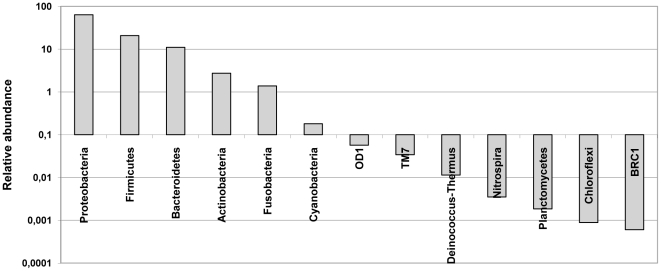
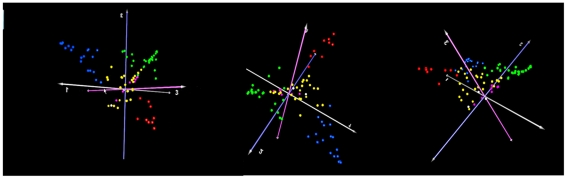
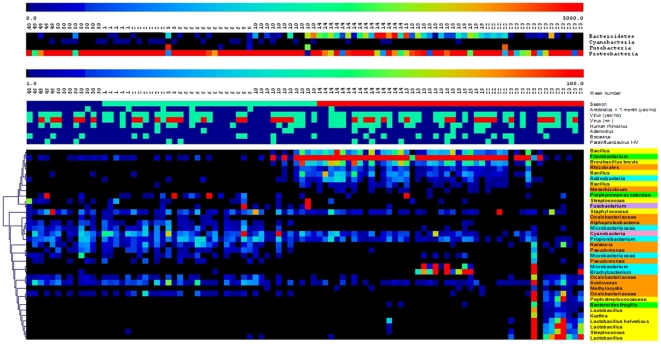
The nasopharynx is the ecological niche for many commensal bacteria and for potential respiratory or invasive pathogens like Streptococcus pneumoniae, Haemophilus influenzae, and Neisseria meningitidis. Disturbance of a balanced nasopharyngeal (NP) microbiome might be involved in the onset of symptomatic infections with these pathogens, which occurs primarily in fall and winter. It is unknown whether seasonal infection patterns are associated with concomitant changes in NP microbiota. As young children are generally prone to respiratory and invasive infections, we characterized the NP microbiota of 96 healthy children by barcoded pyrosequencing of the V5-V6 hypervariable region of the 16S-rRNA gene, and compared microbiota composition between children sampled in winter/fall with children sampled in spring. The approximately 1,000,000 sequences generated represented 13 taxonomic phyla and approximately 250 species-level phyla types (OTUs). The 5 most predominant phyla were Proteobacteria (64%), Firmicutes (21%), Bacteroidetes (11%), Actinobacteria (3%) and Fusobacteria (1,4%) with Moraxella, Haemophilus, Streptococcus, Flavobacteria, Dolosigranulum, Corynebacterium and Neisseria as predominant genera. The inter-individual variability was that high that on OTU level a core microbiome could not be defined. Microbiota profiles varied strongly with season, with in fall/winter a predominance of Proteobacteria (relative abundance (% of all sequences): 75% versus 51% in spring) and Fusobacteria (absolute abundance (% of children): 14% versus 2% in spring), and in spring a predominance of Bacteroidetes (relative abundance: 19% versus 3% in fall/winter, absolute abundance: 91% versus 54% in fall/winter), and Firmicutes. The latter increase is mainly due to (Brevi)bacillus and Lactobacillus species (absolute abundance: 96% versus 10% in fall/winter) which are like Bacteroidetes species generally related to healthy ecosystems. The observed seasonal effects could not be attributed to recent antibiotics or viral co-infection.The NP microbiota of young children is highly diverse and appears different between seasons. These differences seem independent of antibiotic use or viral co-infection.
Overview
The claims and statistics of this paper haven’t been checked yet.
Free: it reads the open-access text and checks the first 5 claims that cite a source we can check. Create a free account to check every claim.
Integrity signals
Registry
Cites
Statistics
Figures
Verification
Claims the paper makes
The claims and statistics of this paper haven’t been checked yet.
Free: it reads the open-access text and checks the first 5 claims that cite a source we can check. Create a free account to check every claim.
Claims other papers make about this one
Each is checked against this paper’s own text: does it say what the citing paper says it does?
The source backs part of the claim, not all of it — or backs it for a different population, condition or comparison.
In the citing paper
“In addition, season, vaccination, presence of siblings, day-care attendance, exposure to smoke and prior infections can also affect the infant microbiota22,31,32,33,34,35, which indicates that the microbiota during early life is dynamic and affected by numerous host and environmental factors (Fig. 2).”
From The microbiota of the respiratory tract: gatekeeper to respiratory health (2017) · cites this paper as [31]
Experimental — accuracy not yet measuredThe source backs part of the claim, not all of it — or backs it for a different population, condition or comparison.
In the citing paper
“These studies have reported an overall detection rate of 67% for respiratory viruses in healthy asymptomatic children, including human rhinovirus (HRV), human bocavirus, polyomaviruses, human adenovirus and human coronavirus31,53.”
From The microbiota of the respiratory tract: gatekeeper to respiratory health (2017) · cites this paper as [31]
Experimental — accuracy not yet measuredThe cited source says what the claim attributes to it.
In the citing paper
“In addition to bacterial inhabitants, PCR-based studies suggest the extensive presence of viral pathogens in the URT.”
From The microbiota of the respiratory tract: gatekeeper to respiratory health (2017) · cites this paper as [31]
In the citing paper
“Changes in nasopharyngeal microbiome diversity were observed across seasons, with a predominance of Proteobacteria and Fusobacteria in fall-winter and Bacteroidetes and Firmicutes in spring; these differences were independent of recent antibiotics and viral co-infection (114).”
From Respiratory viral infection-induced microbiome alterations and secondary bacterial pneumonia. (2018) · cites this paper as [114]
In the citing paper
“In healthy children, the major phyla among nasopharyngeal microbiotas are Proteobacteria, Firmicutes, Bacteroidetes, Actinobacteria, and Fusobacteria, with Moraxella, Haemophilus, Streptococcus, Flavobacteria, Dolosigranulum, Corynebacterium, and Neisseria as predominant genera.”
From Respiratory viral infection-induced microbiome alterations and secondary bacterial pneumonia. (2018) · cites this paper as [114]
Self-check
Percentages, sums and reported differences re-computed from the paper’s own numbers.
The self-check needs the paper’s full text.
Citations
Cites
In silico prediction of protein-protein interactions in human macrophages
Souiai, O., Guerfali, F., Ben Miled, S., Brun, C., & Benkahla, A. (2014) · BMC Research Notes · doi:10.1186/1756-0500-7-157 · Cited by 10,803
Significance analysis of microarrays applied to the ionizing radiation response
Tusher, V. G., Tibshirani, R., & Chu, G. (2001) · Proceedings of the National Academy of Sciences · doi:10.1073/pnas.091062498 · Cited by 10,568
A core gut microbiome in obese and lean twins
Turnbaugh, P. J., Hamady, M., Yatsunenko, T., Cantarel, B. L., Duncan, A., Ley, R. E., Sogin, M. L., Jones, W. J., Roe, B. A., Affourtit, J. P., et al. (2009) · Nature · doi:10.1038/nature07540 · Cited by 7,823 · cited 1×
“In other microbiota like the gastrointestinal and vaginal tract they are highly related to maintenance of a balanced microbiome as well [17] [18] [19] .”
BackgroundPruesse, E., Quast, C., Knittel, K., Fuchs, B. M., Ludwig, W., Peplies, J., & Glockner, F. O. (2007) · Nucleic Acids Research · doi:10.1093/nar/gkm864 · Cited by 6,668 · cited 1×
“We then used the GAST algorithm [24] to calculate the percent difference between each unique sequence and its closest match in a database of 69816 unique Eubacterial and 2779 unique Archaeal V5–V6 sequences, representing 323499 SSU rRNA sequences from the SILVA database [25].”
MethodFrank, D. N., St. Amand, A. L., Feldman, R. A., Boedeker, E. C., Harpaz, N., & Pace, N. R. (2007) · Proceedings of the National Academy of Sciences · doi:10.1073/pnas.0706625104 · Cited by 4,611 · cited 1×
“In other microbiota like the gastrointestinal and vaginal tract they are highly related to maintenance of a balanced microbiome as well [17] [18] [19] .”
BackgroundMicrobial diversity in the deep sea and the underexplored “rare biosphere”
Sogin, M. L., Morrison, H. G., Huber, J. A., Welch, D. M., Huse, S. M., Neal, P. R., Arrieta, J. M., & Herndl, G. J. (2006) · Proceedings of the National Academy of Sciences · doi:10.1073/pnas.0605127103 · Cited by 3,701 · cited 2×
“The operational taxonomic units (OTUs) were created by aligning unique sequences and calculating distance matrices as previously described [23] and using DOTUR [27] to create clusters at the 3% level.”
MethodSelf-citationBacterial Community Variation in Human Body Habitats Across Space and Time
Costello, E. K., Lauber, C. L., Hamady, M., Fierer, N., Gordon, J. I., & Knight, R. (2009) · Science · doi:10.1126/science.1177486 · Cited by 3,231 · cited 5×
“With this definition we observed a core microbiome of Moraxella, Haemophilus influenzae, Enhydrobacter (Proteobacteria), Streptococcus, Dolosigranulum (Firmicutes), and Corynebacterium (Actinobacteria) (Table 1).”
BackgroundInfluentialSchloss, P. D., & Handelsman, J. (2005) · Applied and Environmental Microbiology · doi:10.1128/aem.71.3.1501-1506.2005 · Cited by 2,501 · cited 1×
“The operational taxonomic units (OTUs) were created by aligning unique sequences and calculating distance matrices as previously described [23] and using DOTUR [27] to create clusters at the 3% level.”
Method[9] TM4 Microarray Software Suite
Saeed, A. I., Bhagabati, N. K., Braisted, J. C., Liang, W., Sharov, V., Howe, E. A., Li, J., Thiagarajan, M., White, J. A., & Quackenbush, J. (2006) · Methods in Enzymology · doi:10.1016/s0076-6879(06)11009-5 · Cited by 1,983 · cited 2×
“Seasonal differences in OTU patterns as well as potential correlations between respiratory viruses and OTU patterns were studied by the Significant Analysis of Microarrays (SAM analysis) - a nonparametric statistical technique for finding significant differences between microarray data of groups based on experimental…”
MethodStreptococcus pneumoniae colonisation: the key to pneumococcal disease
Bogaert, D., de Groot, R., & Hermans, P. (2004) · The Lancet Infectious Diseases · doi:10.1016/s1473-3099(04)00938-7 · Cited by 1,929 · cited 3×
“Although colonization by the ‘‘potential pathogens’’ of the NP microbiome is mainly asymptomatic, progression towards upper respiratory tract infections, pneumonia or even sepsis and meningitis may occur [3,4].”
BackgroundSelf-citation
Cited by
Items 301–400 of 468
Kaur, R., Wischmeyer, J., Morris, M. C., & Pichichero, M. E. (2017) · Journal of Medical Microbiology · doi:10.1099/jmm.0.000587 · Cited by 9
“Other normal nasopharyngeal bacterial flora, Staphylococcus aureus (SA), and alpha-haemolytic Streptococcus (AHS) are also common [2, 5].”
BackgroundDetection of novel Chlamydiae and Legionellales from human nasal samples of healthy volunteers
Corsaro, D., & Venditti, D. (2015) · Folia Microbiologica · doi:10.1007/s12223-015-0378-y · Cited by 12
“Recent studies characterizing nasal and oropharyngeal microbiotas showed them to be highly complex and variable over time, depending mainly on both individual and seasonal factors, but also on other environmental variables (Bogaert et al. 2011; Camarinha-Silva et al. 2012; Lemon et al. 2010).”
BackgroundWang, J., Wang, R., Jing, C., Xiang, Y., Xiong, Z., & Liu, F. (2025) · Infection and Drug Resistance · doi:10.2147/idr.s535755 · Cited by 7
Mustafa, A. S., & Habibi, N. (2023) · Medical Principles and Practice · doi:10.1159/000535983 · Cited by 7
Yarlagadda, T., Zhu, Y., Snape, N., Carey, A. J., Bryan, E. R., Maresco-Pennisi, D. L., Coleman, A., Cervin, A., & Spann, K. (2024) · Journal of Applied Microbiology · doi:10.1093/jambio/lxae018 · Cited by 7
Tepekule, B., Barcik, W., Staiger, W. I., Bergadà-Pijuan, J., Scheier, T., Brülisauer, L., Hall, A. R., Günthard, H. F., Hilty, M., Kouyos, R. D., et al. (2025) · Proceedings of the National Academy of Sciences · doi:10.1073/pnas.2412742122 · Cited by 8
Two-Target Quantitative PCR To Predict Library Composition for Shallow Shotgun Sequencing
Cho, M. Y., Oliva, M., Spreafico, A., Chen, B., Xu, W., Choi, Y., Kaul, R., Siu, L. L., Coburn, B. A., & Schneeberger, P. H. H. (2021) · mSystems · doi:10.1128/msystems.00552-21 · Cited by 7
van Dorst, M. M. A. R., Azimi, S., Wahyuni, S., Amaruddin, A. I., Sartono, E., Wammes, L. J., Yazdanbakhsh, M., & Jochems, S. P. (2022) · The Pediatric Infectious Disease Journal · doi:10.1097/inf.0000000000003525 · Cited by 7
Screen the unforeseen: Microbiome‐profiling for detection of zoonotic pathogens in wild rats
de Cock, M. P., Fonville, M., de Vries, A., Bossers, A., van den Bogert, B., der Honing, R. W. H., Koets, A. P., Sprong, H., van der Poel, W. H. M., & Maas, M. (2022) · Transboundary and Emerging Diseases · doi:10.1111/tbed.14759 · Cited by 7
“We performed a 16S rDNA gene qPCR as previously described (Bogaert et al., 2011) to quantify the amount of 16S rRNA gene copies present in the samples.”
MethodMissa, K. F., Diallo, K., Bla, K. B., Tuo, K., Gboko, K. D. T., Tiémélé, L.-S., Ouattara, A. F., Gragnon, B. G., Ngoi, J. M., Wilkinson, R. J., et al. (2024) · Frontiers in Microbiology · doi:10.3389/fmicb.2024.1412923 · Cited by 8
Porto, B. N., & Moraes, T. J. (2021) · Expert Review of Respiratory Medicine · doi:10.1080/17476348.2021.1893168 · Cited by 9
“and Fusobacteria, with Moraxella, Streptococcus, Haemophilus, Flavobacterium, Dolosigranulum, and Neisseria as dominant genera [15].”
Backgroundde Koff, E. M., Man, W. H., van Houten, M. A., Vlieger, A. M., Chu, M. L. J. N., Sanders, E. A. M., & Bogaert, D. (2021) · ERJ Open Research · doi:10.1183/23120541.00939-2020 · Cited by 7
“Bacterial DNA was isolated and quantified as previously described [17 – 19], with the following minor modifications: 16S real time PCR was conducted using TAMRA probe 16S-P1 (FAM-ATT AGA TAC CCT GGT AGT CCA-TAMRA) (Life Technologies, Carlsbad, CA, USA) and a PCR mixture containing 12.5 µL 2× Taqman…”
InfluentialSelf-citationThe new first-line defense: the potential of nasopharyngeal colonization in vaccine strategies
Chan, W.-Y., Cohen, J., & Brown, J. (2016) · Vaccine Development and Therapy · doi:10.2147/vdt.s89026 · Cited by 9
“Environmental changes such as the season will influence the makeup of the nasal flora, 56 as will therapeutic interventions such as vaccination or anti-microbials.”
Microbial epidemiology and carriage studies for the evaluation of vaccines
Coughtrie, A. L., Jefferies, J. M., Cleary, D. W., Doncaster, C. P., Faust, S. N., Kraaijeveld, A. R., Moore, M. V., Mullee, M., Roderick, P. J., Webb, J. S., et al. (2019) · Journal of Medical Microbiology · doi:10.1099/jmm.0.001046 · Cited by 7
Analysis of the upper respiratory tract microbiota in mild and severe COVID-19 patientsPreprint
Babenko, V. V., Bakhtyev, R., Baklaushev, V. P., Балыкова, Л. А., Bashkirov, P. V., Bespyatykh, J., Blagonravova, A. S., Boldyreva, D. I., Fedorov, D., Gafurov, I., et al. (2021) · bioRxiv (Cold Spring Harbor Laboratory) · doi:10.1101/2021.09.20.461025 · Cited by 7
“The influence of season of sample collection on microbiota composition was previously shown for children [25].”
BackgroundPol, S., Kallonen, T., Mäklin, T., Sar, P., Hopkins, J., Soeng, S., Miliya, T., Ling, C. L., Bentley, S. D., Corander, J., et al. (2024) · mBio · doi:10.1128/mbio.00784-24 · Cited by 7
“Successful sequence-based studies from Australia (1), the Nether lands (11), and Thailand (25) have all revealed a fairly small number of dominant taxa.”
BackgroundPopulation level evidence for seasonality of the human microbiome
Korownyk, C. S., Liu, F., & Garrison, S. (2018) · Chronobiology International · doi:10.1080/07420528.2018.1424718 · Cited by 6
“There is also some evidence for seasonality in commensal organisms, in particular of the colon (Davenport et al. 2014) and nasopharynx (Bogaert et al. 2011).”
BackgroundResultLi, Y., van Houten, C. B., Boers, S. A., Jansen, R., Cohen, A., Engelhard, D., Kraaij, R., Hiltemann, S., Ju, J., Fernández, D., et al. (2022) · PLoS ONE · doi:10.1371/journal.pone.0267140 · Cited by 7
Paulo, A. C., & Sá-Leão, R. (2022) · Scientific Reports · doi:10.1038/s41598-022-11279-5 · Cited by 6
Almudevar, A., & Pichichero, M. E. (2018) · Vaccine · doi:10.1016/j.vaccine.2018.01.021 · Cited by 6
“Respiratory tract infections are the most common pediatric disease associated with significant morbidity and socioeconomic cost [1-3].”
BackgroundMiellet, W. R., Mariman, R., van Veldhuizen, J., Badoux, P., Wijmenga‐Monsuur, A. J., Litt, D. J., Bosch, T., Miller, E., Fry, N. K., van Houten, M. A., et al. (2024) · ISME Communications · doi:10.1093/ismeco/ycae002 · Cited by 6
“…oropharyngeal, and saliva samples were measured using 16S rRNA gene-targeted qPCR (Fw primer: 5 -CGAAAGCGTGGGGA GCAAA-3 , Rv primer: (5 -GGTCGTACTCCCCAGGCGG-3 , probe: 5 - FAM-ATTAGATACCCTGGTAGTCCA-3 -TAMRA) [23] and were used to compare overall bacterial abundances [24].”
MethodSelf-citationDietl, B., Henares, D., Cuchí, E., Blanco-Fuertes, M., Rajadell, M., Brotons, P., Lluansí, A., Boix-Palop, L., Calbo, E., & Muñoz‐Almagro, C. (2025) · Journal of Infection · doi:10.1016/j.jinf.2025.106589 · Cited by 6
Jo, J.-W., Kim, S. K., Byun, J. Y., Hong, S. M., & Kim, B. S. (2025) · Frontiers in Cellular and Infection Microbiology · doi:10.3389/fcimb.2025.1660939 · Cited by 5
“Whole metagenome sequencing (WMS) offers an opportunity to characterize microbiome at higher resolution, enabling simultaneous analysis of taxonomic composition, functional pathways, and microbial interactions (Bogaert et al., 2011; Franzosa et al., 2015).”
Yan, T., Tang, X., Sun, L., Tian, R., Li, Z., & Liu, G. (2020) · Microbial Pathogenesis · doi:10.1016/j.micpath.2020.104126 · Cited by 5
RetractedXu, K., Yan, Z., Cheng, T., Wang, F., Zheng, X., Ma, Y., Sun, Y., Zheng, Y., & Jia, Z. (2024) · The Science of The Total Environment · doi:10.1016/j.scitotenv.2024.171686 · Cited by 5
Maternal Allergic Disease Phenotype and Infant Birth Season Influence the Human Milk Microbiome
Ma, J., Palmer, D. J., Geddes, D. T., Lai, C. T., Rea, A., Prescott, S. L., D’Vaz, N., & Stinson, L. F. (2024) · Allergy · doi:10.1111/all.16442 · Cited by 5
“Moreover, the infant upper respiratory tract varies seasonally [58, 86, 87], which may contribute to seasonal shifts in the oral or milk microbiota.”
Trafny, E. A., Olszewska-Sosińska, O., Antos-Bielska, M., Kozłowska, K., Stępińska, M., Lau-Dworak, M., & Zielnik-Jurkiewicz, B. (2014) · International Journal of Medical Microbiology · doi:10.1016/j.ijmm.2014.03.004 · Cited by 5
Effect of Antibiotic Exposure on Upper Respiratory Tract Bacterial Flora
Korkmaz, H., Çetinkol, Y., Korkmaz, M., Çalgın, M. K., & Arıcı, Y. K. (2021) · Medical Science Monitor · doi:10.12659/msm.934931 · Cited by 11
“They are embedded in the harmless commensal microbiota, especially in children under the age of 2 years [8,9].”
BackgroundZimmermann, P. (2023) · Frontiers in Microbiomes · doi:10.3389/frmbi.2023.1231271 · Cited by 10
“…2021) (cid:129) No association (Shilts et al., 2016) (Continued) ) (Bogaert et al., 2011), ↑ Brevibacillus (Bogaert et al., 2011), ↑ Flavobacterium (Bogaert et al., 2011), ↑ Lactobacillus (Bogaert et al., 2011), ↑ Malassezia (during ARTI) (McCauley et al., 2022), ↑ Haemophilus -dominated pro fi le…”
InfluentialHarris-Jones, T. N., Chan, J. M., Hackett, K. T., Weyand, N. J., Schaub, R. E., & Dillard, J. P. (2024) · Infection and Immunity · doi:10.1128/iai.00004-24 · Cited by 7
“Neisseria spp. are considered part of the core oral microbiome of healthy humans and constitute up to 8% of the oral microbiota of humans (3–5).”
BackgroundOlszewska-Sosińska, O., Zielnik-Jurkiewicz, B., Stępińska, M., Antos-Bielska, M., Lau-Dworak, M., Kozłowska, K., & Trafny, E. A. (2015) · Pathogens and Disease · doi:10.1093/femspd/ftv106 · Cited by 5
Culture and Molecular Profiling of the Respiratory Tract Microbiota
Whelan, F., Rossi, L., Stearns, J. C., & Surette, M. G. (2018) · Methods in molecular biology · doi:10.1007/978-1-4939-8728-3_4 · Cited by 5
Colistin Sensitivity and Factor H-Binding Protein Expression among Commensal Neisseria Species
Clark, S. A., Gray, S. J., Finn, A. H. R., & Borrow, R. (2021) · mSphere · doi:10.1128/msphere.00175-21 · Cited by 5
“swabs taken from healthy 18-month-old Dutch children (27).”
BackgroundColeman, A., Håkansson, A., Håkansson, E. G., Cottrell, K., Bialasiewicz, S., Zaugg, J., & Cervin, A. (2021) · Journal of Applied Microbiology · doi:10.1111/jam.15320 · Cited by 5
“LBs are lactic acid– producing bacteria that are abundant in the gastrointestinal system but also detected in the URT of adults and children (Bogaert et al., 2011; De Boeck et al., 2020; Stearns et al., 2015).”
BackgroundMicrobiome data enhances predictive models of lung function in people with cystic fibrosisPreprint
Zhao, C. Y., Hao, Y., Wang, Y., Varga, J. J., Stecenko, A. A., Goldberg, J. B., & Brown, S. P. (2019) · bioRxiv (Cold Spring Harbor Laboratory) · doi:10.1101/656066 · Cited by 5
“Haemophilus influenzae infections are most common in younger CF patients [8,35], 222”
BackgroundPeters, S., Mohort, K., Claus, H., Stigloher, C., & Schubert‐Unkmeir, A. (2024) · Frontiers in Cellular and Infection Microbiology · doi:10.3389/fcimb.2024.1389527 · Cited by 4
Characterization of the oral mycobiome of Portuguese with allergic rhinitis and asthma
Pérez‐Losada, M., Castro‐Nallar, E., García‐Huidobro, J., Boechat, J. L., Delgado, L., Rama, T. A., & Oliveira, M. T. D. S. (2024) · Current Research in Microbial Sciences · doi:10.1016/j.crmicr.2024.100300 · Cited by 7
“…2023b) and asthma (Huang and Boushey, 2014, 2015; Brar et al., 2012; Dickson and Huffnagle, 2015; Castro-Nallar et al., 2015; Teo et al., 2015; Bogaert et al., 2011; P ´ erez-Losada et al., 2017, 2018, 2015, 2016a, 2016b; Raita et al., 2021; Dinwiddie et al., 2018; Hufnagl et al., 2020; Losol…”
Boniardi, L., Solazzo, G., Favero, C., Campo, L., Ferrari, L., & Fustinoni, S. (2025) · The Science of The Total Environment · doi:10.1016/j.scitotenv.2025.179588 · Cited by 4
Bacterial Microbiota Analysis Present in the Nose and Pharynx of a Mexican Young Population
Rodríguez-Vicente, A. K., Bustos‐Martínez, J., Reyes‐Duarte, D., & Sáinz‐Espuñes, T. (2016) · International Journal of Current Microbiology and Applied Sciences · doi:10.20546/ijcmas.2016.506.026 · Cited by 5
“…belonged to different bacterial phyla such as: Actinobacteria (Gram positive organisms for example Corynebacteria), Firmicutes (Gram positive organisms commonly Staphylococcus and Streptococcus) (Yi et al., 2014; Chaban et al., 2013, Bogaert et al., 2011; Charlson et al., 2011; Frank et al., 2010).”
BackgroundGonzález-García, S., Hamdan‐Partida, A., Pérez‐Ramos, J., Garrido, J. F. A., Bustos-Hamdan, A., & Bustos‐Martínez, J. (2024) · Journal of Medical Microbiology · doi:10.1099/jmm.0.001940 · Cited by 4
“These results are consistent with other research where the composition of the microbiome has been found to vary by anatomical site [79, 94].”
Meningitis in adolescents: the role of commensal microbiota
MOIR, J. W. B. (2015) · Trends in Microbiology · doi:10.1016/j.tim.2015.02.004 · Cited by 4
Uncovering the hidden villain within the human respiratory microbiome
Lee, C. K., & Bent, S. J. (2014) · Diagnosis · doi:10.1515/dx-2014-0039 · Cited by 6
“Commensal inhabitants such as Streptococcus, Staphylococcus aureus and Neisseria species were reported to inhabit in these regions among healthy individuals [13, 14].”
BackgroundThe Microbiome at Other Mucosal Sites
Cárdenas, P., & Cookson, W. (2015) · Elsevier eBooks · doi:10.1016/b978-0-12-415847-4.00006-9 · Cited by 4
González-Díaz, A., Carrera-Salinas, A., Pinto, M., Cubero, M., ENDE, A. V. D., Langereis, J. D., Domínguez, M. Á., Ardanuy, C., Bajanca-Lavado, M. P., & Martí, S. (2022) · Scientific Reports · doi:10.1038/s41598-022-07185-5 · Cited by 4
Gut and lung microbiome profiles in pregnant mice
Wiscovitch-Russo, R. A., Taal, A. M., Kuelbs, C., Oldfield, L. M., Ramar, M., Singh, H., Fedulov, A. V., & González-Juarbe, N. (2022) · Frontiers in Microbiology · doi:10.3389/fmicb.2022.946779 · Cited by 4
“In human studies, the lung microbiome is an open system continuously influenced by external environmental factors (Bogaert et al., 2011; Dickson et al., 2015; Birzele et al., 2017).”
BackgroundJorge, F. M. (2014) · UPT. Syiah Kuala University Library (Syiah Kuala University) · Cited by 5
Briceño, O., González-Navarro, M., Montufar, N., Chávez-Torres, M., Abato, I., Espinosa-Sosa, A., Ablanedo‐Terrazas, Y., Luna-Villalobos, Y. A., Ávila‐Ríos, S., Reyes‐Terán, G., et al. (2022) · Frontiers in Microbiology · doi:10.3389/fmicb.2022.958739 · Cited by 3
“The top 5 phyla were Firmicutes (79.07%), Actinobacteria (17.94%), Proteobacteria (2.77%), Bacteroidetes (0.21%), and Fusobacteria (0.01%; Supplementary Table 6A and Supplementary Figure 6A).”
BackgroundInfluentialHewitt, B. C., Odendaal, M.-L., de Rooij, M. M. T., Bossers, A., Chu, M. L. J. N., van Kersen, W., Lotterman, A., van der Giessen, J. W. B., Bogaert, D., & Smit, L. A. M. (2025) · Environmental Research · doi:10.1016/j.envres.2025.122847 · Cited by 4
Self-citationSokolovs-Karijs, O., Brīvība, M., Gudrā, D., Saksis, R., Zodāne, A. A., Rozenberga, M., Bunka, L., Frigotto, A., Osīte, J., Reinis, A., et al. (2026) · Journal of Clinical Medicine · doi:10.3390/jcm15062187 · Cited by 4
“This aligns with previous studies suggesting that high microbial diversity is a marker of upper respiratory tract health [3,23].”
Andrzejczuk, S., Kosikowska, U., Malm, A., Chwiejczak, E., & Stępień–Pyśniak, D. (2017) · Current Issues in Pharmacy and Medical Sciences · doi:10.1515/cipms-2017-0018 · Cited by 3
UPPER RESPIRATORY DYSBIOSIS IN CHILDREN
Шабалдина, Е. В., & Shabaldin, A. V. (2017) · Fundamental and Clinical Medicine · doi:10.23946/2500-0764-2017-2-1-65-74 · Cited by 3
“Показан широкий диапазон колебаний удельных весов различных родов микроорганизмов пяти основных типов: Proteobacteria, Firmicutes, Bacteroidetes, Actinobacteria и Fusobacteria – в микробиоценозе носа и глотки у детей.”
InfluentialJalali, P., Fazlollah, M. S., & Rezaei, N. (2014) · DOAJ (DOAJ: Directory of Open Access Journals) · Cited by 3
Mattila, P. S., Hammarén‐Malmi, S., Saxén, H., Kaijalainen, T., Käyhty, H. M., & Tarkkanen, J. (2012) · International Journal of Pediatric Otorhinolaryngology · doi:10.1016/j.ijporl.2012.07.013 · Cited by 3
Questing microbioticks : Interactions of microbes, ticks, vertebrates, and the environment
Krawczyk, A. I. (2021) · doi:10.18174/542129 · Cited by 3
Adenotonsillar Microbiome Shifts in Children With Obstructive Sleep Apnea Syndrome
Kraus, O., Schwarz, Y., Motro, Y., Marom, T., Lamdan, R., Kapuller, V. M., Tamir, S. O., & Moran‐Gilad, J. (2025) · The Laryngoscope · doi:10.1002/lary.70119 · Cited by 2
Extreme temperature exposure induces lung-gut dysbiosis in healthy mice
Zakari, A., Peng, S.-W., Han, C., Wang, S.-Y., Lan, S.-C., Shih, Y.-S., Liao, Z.-A., Ta-Chih, H., Yang, F., Wang, Y. H., et al. (2026) · Current Research in Microbial Sciences · doi:10.1016/j.crmicr.2026.100564 · Cited by 1
“Furthermore, we found that low temperatures significantly increased Deferribacterota and decreased Firmicutes in the lungs, while temperature fluctuations increased Verrucomicrobiota and decreased Desulfobacterota .”
Influentialvan Beek, L. F., Comans, S. E. T., Totté, K., Fröberg, J., Jongh, C. E. V. D. G., Eleveld, M. J., Ferreira, D. M., Verweij, J. J., Murk, J., McCall, M. B. B., et al. (2026) · Journal of Infection · doi:10.1016/j.jinf.2026.106704 · Cited by 2
Similarity of Chinese and Pakistani oral microbiome
Sun, X., Han, B., Han, Q., Yu, Q., Wang, S., Feng, J., Feng, T., Li, X., Zhang, S., & Li, H. (2024) · Antonie van Leeuwenhoek · doi:10.1007/s10482-024-01933-5 · Cited by 2
“S . pneumoniae is usually considered the main cause of pneumonia (Hausdorff et al. 2008), and respiratory tract infection and invasive infection are related to autumn/winter (Bogaert et al. 2011), so the relative abundance of Streptococcus in winter samples from China students is higher.”
Cigarette smoke-induced disordered microbiota aggravates the severity of influenza A virus infection
Wüthrich, T. M., de Brot, S., Richina, V., Kryuchkova-Mostacci, N., Baumann, Z., Leborgne, N. G. F., Godel, A., Alves, M. P., Bentires‐Alj, M., Benarafa, C., et al. (2024) · mSystems · doi:10.1128/msystems.00790-24 · Cited by 3
Dei-Dzeha, M. S., Dayie, N. T. K. D., Atiase, Y., Baah, B. B., Tetteh‐Quarcoo, P. B., Osei, M., Semevor, G. O., Okyere, I., Kotey, F. C. N., & Donkor, E. S. (2024) · BMC Research Notes · doi:10.1186/s13104-024-07003-3 · Cited by 2
Pérez‐Losada, M. (2025) · Allergies · doi:10.3390/allergies5020016 · Cited by 4
Lidberg, K., Pilheden, S., Nawarathne, S., Rauscher, K., & Jonsson, A. (2025) · BMC Microbiology · doi:10.1186/s12866-025-04201-2 · Cited by 2
Advances in Molecular Technologies and Platforms for the Diagnosis of Infectious Diseases
Hasan, M. R. (2013) · Advanced materials research · doi:10.4028/www.scientific.net/amr.810.77 · Cited by 2
Kosikowska, U., Chwiejczak, E., Niedzielski, A., Andrzejczuk, S., & Malm, A. (2019) · Current Issues in Pharmacy and Medical Sciences · doi:10.2478/cipms-2019-0032 · Cited by 2
“The carriage of pathogenic microorganisms within upper airways in children during the first years of life depends on their immune system condition, as well as on various epidemiologic and socioeconomic factors [9,10].”
BackgroundPotential use of synbiotics in ENT diseases
Гаращенко, Т. И., & Тарасова, Г. Д. (2020) · Meditsinskiy sovet = Medical Council · doi:10.21518/2079-701x-2020-4-85-92 · Cited by 2
Viral Genomics: Implications for the Understanding and Control of Emerging Viral Diseases
Carrington, C. V. F. (2012) · Advances in microbial ecology · doi:10.1007/978-1-4614-2182-5_7 · Cited by 3
“2009 ) , nasopharyngeal swabs (Bogaert et al.”
MethodThe early-life microbiome: the key to respiratory health?
de Koff, E. M., Pattaroni, C., Marsland, B. J., & Bogaert, D. (2019) · European Respiratory Society eBooks · doi:10.1183/2312508x.10015818 · Cited by 3
Self-citationMicrobiome in Inflammatory Lung Diseases: Challenges and Future Prospects
Verma, N., Thapa, K., & Dua, K. (2022) · Springer eBooks · doi:10.1007/978-981-16-8957-4_19 · Cited by 3
Comparison of nasal microbiota between preterm and full-term infants in early life
Gorlanova, O., Nissen-Kratzert, A., Kryuchkova-Mostacci, N., Rüttimann, C., Künstle, N., Marten, A., Gisler, A., Bacher, K., Decrue, F., Salem, Y., et al. (2024) · Pediatric Research · doi:10.1038/s41390-024-03675-6 · Cited by 3
Rajar, P., Dhariwal, A., Salvadori, G., Åmdal, H. A., Berild, D., Dahle, U. R., Fugelseth, D., Greisen, G. O., Lausten‐Thomsen, U., Saugstad, O. D., et al. (2023) · medRxiv · doi:10.1101/2023.09.14.23295567 · Cited by 2
“Sampling time point * (DOL range) (0-3) (4-9) (12-19) (20-31) (32-76) (229-288) 1 2 3 4 5 6 -10 -5 0 5 10”
Melnikov, V. G., Villena, J., & Kombarova, S. Y. (2019) · Russian Clinical Laboratory Diagnostics · doi:10.18821/0869-2084-2019-64-11-693-699 · Cited by 2
The upper respiratory tract microbiome and its role in human health: biotopes and variability
Starikova, E. V., Galeeva, J. S., & Ilina, E. N. (2022) · PULMONOLOGIYA · doi:10.18093/0869-0189-2022-32-5-745-754 · Cited by 1
Li, A. C., Yue, M., Ye, X., Gaietto, K. M., Wang-Erickson, A. F., & Chen, W. (2024) · Journal of Respiratory Biology and Translational Medicine · doi:10.70322/jrbtm.2024.10018 · Cited by 1
“Notably, species from the Moraxella and Haemophilus genera, though previously linked to asthma, were not found to be associated with asthma risk in our study [43–47].”
Göçer, S., Arı, O., Göçer, C., & Durmaz, R. (2025) · International Journal of Pediatric Otorhinolaryngology · doi:10.1016/j.ijporl.2025.112487 · Cited by 1
Neisseria meningitidis: a traditional extracellular pathogen with an intense intracellular lifestyle
Resta, S. C., Talà, A., Conte, R., Calcagnile, M., Bucci, C., & Alifano, P. (2025) · Frontiers in Cellular and Infection Microbiology · doi:10.3389/fcimb.2025.1733264 · Cited by 2
“Regarding Lactobacillus spp., several vaginal species such as Lactobacillus crispatus and Lactobacillus gasseri are common in the nasopharynx of naturally born infants and are still present in adults although to a lesser extent (Bogaert et al., 2011; Dzidic et al., 2018).”
González-García, S., Bustos-Hamdan, A., Hamdan‐Partida, A., & Bustos‐Martínez, J. (2025) · Future Microbiology · doi:10.1080/17460913.2025.2605944 · Cited by 2
Atopic Features and Inflammatory Markers Across Cassano-Graded Adenoid Hypertrophy
Kaplan, F., Kaplan, B. K., & Gülyüz, A. (2026) · Children · doi:10.3390/children13030374 · Cited by 1
“In contrast, other studies based on aeroallergen sensitization or serum IgE levels have failed to demonstrate a significant association with adenoid hypertrophy [9].”
Vilkevičiūtė, A., Bruzaite, A., Čebatorienė, D., Žaliūnienė, D., Lukoševičius, R., Skieceviciene, J., Kupčinskas, J., & Liutkevičienė, R. (2026) · Diagnostics · doi:10.3390/diagnostics16101475 · Cited by 1
Reiné, J., King, L. A., Singh, Y., Piters, W. A. A. D. S., Carniel, B. F., Solórzano, C., Mitsi, E., Pojar, S., Nikolaou, E., German, E. L., et al. (2026) · Cell Reports · doi:10.1016/j.celrep.2026.117346 · Cited by 2
Self-citationMicrobiological insights into respiratory infections and the opportunities for inhaled therapy
Bruce, K. D., Rogers, G. B., & Patel, N. (2011) · Journal of Drug Delivery Science and Technology · doi:10.1016/s1773-2247(11)50047-4 · Cited by 1
Can stored Mari POC test swabs be used for culture purpose?
Teräsjärvi, J. T., Karppinen, S., Toivonen, L., Vuononvirta, J., Siira, L., Peltola, V. T., & He, Q. (2016) · Apmis · doi:10.1111/apm.12565 · Cited by 1
“To the Editor Human nasopharynx is colonized by both commensal and pathogenic bacteria like Streptococcus pneumoniae, Haemophilus influenzae, Moraxella catarrhalis and Staphylococcus aureus (1).”
BackgroundMetagenomic analysis of the human microbiome
Bermúdez‐Humarán, L. G. (2016) · Wiley eBooks · doi:10.1002/9781118982907.ch6 · Cited by 1
Infections in the nose and exacerbations of chronic respiratory disorders
Xepapadaki, P. V., Megremis, S., Kitsioulis, N. A., & Papadopoulos, N. G. (2017) · European Respiratory Society eBooks · doi:10.1183/2312508x.10009916 · Cited by 3
Gerritsen, J., & Younes, J. A. (2017) · Wageningen Academic Publishers eBooks · doi:10.3920/978-90-8686-839-1_13 · Cited by 1
Sasidharan, S., Divakar, K., & Saudagar, P. (2020) · Springer eBooks · doi:10.1007/978-981-15-8562-3_5 · Cited by 2
Prevention of Recurrent Respiratory Diseases in Children with Microaspiration Syndrome
Ilchenko, S. I., Фиалковская, А. А., & Можейко, Т. В. (2020) · Оториноларингология Восточная Европа · doi:10.34883/pi.2020.10.3.051 · Cited by 1
Kurdyukova, T. I., Krasnorutskaya, O. N., Bugrimov, D. Y., & Shevtsov, A. N. (2023) · Russian Pediatric Journal · doi:10.46563/1560-9561-2023-26-2-95-101 · Cited by 1
Bowdish, D. M. E., Rossi, L., Loeb, M. B., Johnstone, J., Schenck, L. P., Fontes, M. E., Surette, M. G., & Whelan, F. (2023) · ERJ Open Research · doi:10.1183/23120541.00212-2023 · Cited by 1
Yarlagadda, T., Carey, A. J., Bryan, E. R., Huygens, F., Yarlagadda, P. K. D. V., Maresco-Pennisi, D. L., Coleman, A., Cervin, A., & Spann, K. M. (2025) · Journal of Applied Microbiology · doi:10.1093/jambio/lxaf071 · Cited by 1
Zemanick, E. T., & Wainwright, C. E. (2016) · American Journal of Respiratory and Critical Care Medicine · doi:10.1164/rccm.201511-2200ed · Cited by 2
Maricic, N. (2016) · Deep Blue (University of Michigan) · Cited by 1
Ecological forces shaping gut microbiota in wild animal populations
Ren, T. (2016) · doi:10.18130/v3x30q · Cited by 1
Madec, S., & Gjini, E. (2019) · bioRxiv (Cold Spring Harbor Laboratory) · doi:10.1101/722587 · Cited by 1
Littorin, N. (2020) · Lund University Publications (Lund University) · Cited by 1
Brain Infections, Encephalitis, and Meningitis: Bacteria
Giridharan, V. V., Collodel, A., Doifode, T., & Barichello, T. (2021) · Elsevier eBooks · doi:10.1016/b978-0-12-818731-9.00161-0 · Cited by 1
Pneumococcus morphogenesis and resistance to beta-lactams
Philippe, J. (2014) · theses.fr (ABES) · doi:10.70675/cc42ac81z3da1z44dfz8051zfda0258911fb · Cited by 2
The Association of Outer Ear Commensal Bacteria with Otitis Media in Children
White, R. K. (2012) · Research Commons (University of Waikato)
Cohen, J. F. (2014) · theses.fr (ABES) · doi:10.70675/07b9673czc56fz4010z9f36zfcc3b4de6df9 · Cited by 1
Influence of Microorganisms on the Healing of Skin Grafts from Chronic Venous Leg Wounds
Yding, T., Bjarnsholt, T., Kirketerp‐Møller, K., & Thomsen, T. R. (2011) · InTech eBooks · doi:10.5772/22845
Nontypeable Haemophilus influenzae: colonization, infection and biofilm formation
Pitarch, C. P. (2015) · Dipòsit Digital de la Universitat de Barcelona (Universitat de Barcelona) · Cited by 1
Metadata
- Authors
- Bogaert, D., Keijser, B., Huse, S., Rossen, J., Veenhoven, R., van Gils, E., Bruin, J., Montijn, R., Bonten, M., & Sanders, E.
- Affiliations
- University Medical Center Utrecht (NL)
- Netherlands Organisation for Applied Scientific Research (NL)
- Marine Biological Laboratory (US)
- Elisabeth-TweeSteden Ziekenhuis (NL)
- Spaarne Ziekenhuis (NL)
- Corresponding author
- Bogaert, Debby
- Venue
- PLoS ONE
- Publisher
- Public Library of Science (PLoS)
- Published
- 2011-02-28
- Volume
- 6
- Issue
- 2
- Pages
- e17035
- ISSN
- 1932-6203 (ISSN-L)
- PMC
- PMC3046172
- OpenAlex
- W2096511107
- Cited by
- 454
- References
- 30
- Citations by year
- 2026: 14 · 2025: 23 · 2024: 30 · 2023: 27 · 2022: 37 · 2021: 41 · 2020: 33 · 2019: 38 · 2018: 39 · 2017: 36 · 2016: 34 · 2015: 25 · 2014: 30 · 2013: 23 · 2012: 20
- FWCI
- 30.30
- Type
- journal article
- Language
- en
- Open access
- gold
- doi.org
- Locations
- PLoS ONE (publishedVersion, cc-by)
- PubMed Central (publishedVersion, cc-by)
- PubMed (publishedVersion)
- TNO Repository (submittedVersion)
- DOAJ (DOAJ: Directory of Open Access Journals) (submittedVersion, cc-by-sa)
- Figshare (submittedVersion, cc-by)
- Repository hosted by TU Delft Library (TU Delft) (submittedVersion)
- Data Archiving and Networked Services (DANS) (submittedVersion, other-oa)
- Funders
- GlaxoSmithKline
- Nederlandse Organisatie voor Wetenschappelijk Onderzoek
- Topics
- Health Sciences › Dentistry › Periodontics › Oral microbiology and periodontitis research
- Life Sciences › Biochemistry, Genetics and Molecular Biology › Molecular Biology › Gut microbiota and health
- Life Sciences › Immunology and Microbiology › Microbiology › Microbial infections and disease research
- Keywords
- nasopharyngeal microbiota, seasonal variation, children, interindividual variability, Proteobacteria, Bacteroidetes, Firmicutes, Fusobacteria, Streptococcus, Haemophilus, Neisseria, Moraxella, Lactobacillus, respiratory infections, invasive infections, Streptococcus pneumoniae
- MeSH terms
- Heptavalent Pneumococcal Conjugate Vaccine, Bacteria, Child, Preschool, Humans, Individuality, Infant, Nasopharynx, Pneumococcal Infections, RNA, Ribosomal, 16S, Seasons, Cluster Analysis, Case-Control Studies, Randomized Controlled Trials as Topic, Genetic Heterogeneity, Pneumococcal Vaccines, Metagenome, Metagenomics
About these checks
Registry, retraction, Cites and statistics results are computed, not judged, with one exception: a printed reference that no index lists is read once by a model before it counts as a citation error. Claims are extracted by a model and kept only when their quote appears verbatim in the text; each cited source is then checked, with a model’s help, for whether it says what the claim relies on. Those verdicts can be wrong — read the claim’s quote and the cited source before relying on one.
Statistics and arithmetic are recomputed, not judged.
Confidence bands are shown only for fields calibrated on our annotated test set. None is calibrated yet, so no band is shown.
What counts as a claim ›How we measure confidence ›How we check this ›
Are you an author, or do you see a problem with this page? Request a review
Data sources
Bibliographic data: Semantic Scholar, OpenAlex, Crossref.
Contains information from the Semantic Scholar Academic Graph Datasets, made available under the ODC Attribution License (ODC-BY 1.0).
Semantic Scholar’s data is described in: Kinney, R., et al. (2023). The Semantic Scholar Open Data Platform. arXiv:2301.10140.
