

Variability and Diversity of Nasopharyngeal Microbiota in Children: A Metagenomic Analysis
Open accessThe DOI matches its Crossref record; 30 of the 30 references it cites were found in a registry or an index.
Abstract
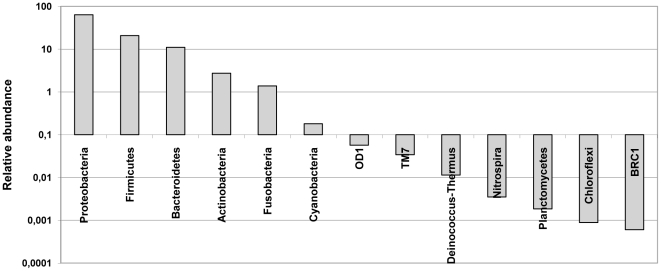
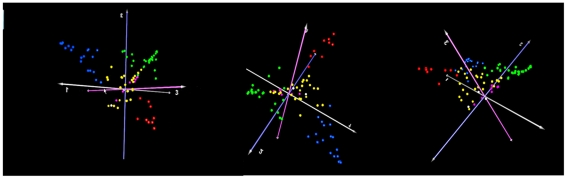
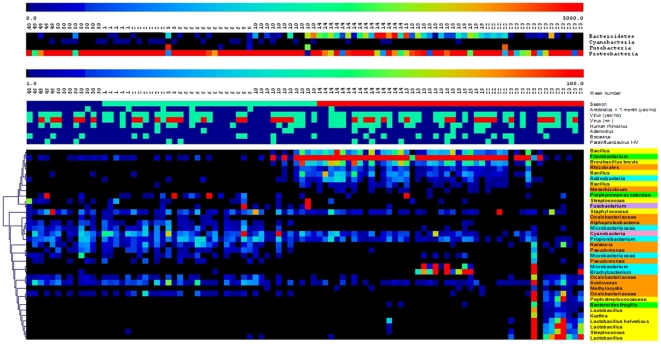
The nasopharynx is the ecological niche for many commensal bacteria and for potential respiratory or invasive pathogens like Streptococcus pneumoniae, Haemophilus influenzae, and Neisseria meningitidis. Disturbance of a balanced nasopharyngeal (NP) microbiome might be involved in the onset of symptomatic infections with these pathogens, which occurs primarily in fall and winter. It is unknown whether seasonal infection patterns are associated with concomitant changes in NP microbiota. As young children are generally prone to respiratory and invasive infections, we characterized the NP microbiota of 96 healthy children by barcoded pyrosequencing of the V5-V6 hypervariable region of the 16S-rRNA gene, and compared microbiota composition between children sampled in winter/fall with children sampled in spring. The approximately 1,000,000 sequences generated represented 13 taxonomic phyla and approximately 250 species-level phyla types (OTUs). The 5 most predominant phyla were Proteobacteria (64%), Firmicutes (21%), Bacteroidetes (11%), Actinobacteria (3%) and Fusobacteria (1,4%) with Moraxella, Haemophilus, Streptococcus, Flavobacteria, Dolosigranulum, Corynebacterium and Neisseria as predominant genera. The inter-individual variability was that high that on OTU level a core microbiome could not be defined. Microbiota profiles varied strongly with season, with in fall/winter a predominance of Proteobacteria (relative abundance (% of all sequences): 75% versus 51% in spring) and Fusobacteria (absolute abundance (% of children): 14% versus 2% in spring), and in spring a predominance of Bacteroidetes (relative abundance: 19% versus 3% in fall/winter, absolute abundance: 91% versus 54% in fall/winter), and Firmicutes. The latter increase is mainly due to (Brevi)bacillus and Lactobacillus species (absolute abundance: 96% versus 10% in fall/winter) which are like Bacteroidetes species generally related to healthy ecosystems. The observed seasonal effects could not be attributed to recent antibiotics or viral co-infection.The NP microbiota of young children is highly diverse and appears different between seasons. These differences seem independent of antibiotic use or viral co-infection.
Overview
The claims and statistics of this paper haven’t been checked yet.
Free: it reads the open-access text and checks the first 5 claims that cite a source we can check. Create a free account to check every claim.
Integrity signals
Registry
Cites
Statistics
Figures
Verification
Claims the paper makes
The claims and statistics of this paper haven’t been checked yet.
Free: it reads the open-access text and checks the first 5 claims that cite a source we can check. Create a free account to check every claim.
Claims other papers make about this one
Each is checked against this paper’s own text: does it say what the citing paper says it does?
The source backs part of the claim, not all of it — or backs it for a different population, condition or comparison.
In the citing paper
“In addition, season, vaccination, presence of siblings, day-care attendance, exposure to smoke and prior infections can also affect the infant microbiota22,31,32,33,34,35, which indicates that the microbiota during early life is dynamic and affected by numerous host and environmental factors (Fig. 2).”
From The microbiota of the respiratory tract: gatekeeper to respiratory health (2017) · cites this paper as [31]
Experimental — accuracy not yet measuredThe source backs part of the claim, not all of it — or backs it for a different population, condition or comparison.
In the citing paper
“These studies have reported an overall detection rate of 67% for respiratory viruses in healthy asymptomatic children, including human rhinovirus (HRV), human bocavirus, polyomaviruses, human adenovirus and human coronavirus31,53.”
From The microbiota of the respiratory tract: gatekeeper to respiratory health (2017) · cites this paper as [31]
Experimental — accuracy not yet measuredThe cited source says what the claim attributes to it.
In the citing paper
“In addition to bacterial inhabitants, PCR-based studies suggest the extensive presence of viral pathogens in the URT.”
From The microbiota of the respiratory tract: gatekeeper to respiratory health (2017) · cites this paper as [31]
In the citing paper
“Changes in nasopharyngeal microbiome diversity were observed across seasons, with a predominance of Proteobacteria and Fusobacteria in fall-winter and Bacteroidetes and Firmicutes in spring; these differences were independent of recent antibiotics and viral co-infection (114).”
From Respiratory viral infection-induced microbiome alterations and secondary bacterial pneumonia. (2018) · cites this paper as [114]
In the citing paper
“In healthy children, the major phyla among nasopharyngeal microbiotas are Proteobacteria, Firmicutes, Bacteroidetes, Actinobacteria, and Fusobacteria, with Moraxella, Haemophilus, Streptococcus, Flavobacteria, Dolosigranulum, Corynebacterium, and Neisseria as predominant genera.”
From Respiratory viral infection-induced microbiome alterations and secondary bacterial pneumonia. (2018) · cites this paper as [114]
Self-check
Percentages, sums and reported differences re-computed from the paper’s own numbers.
The self-check needs the paper’s full text.
Citations
Cites
In silico prediction of protein-protein interactions in human macrophages
Souiai, O., Guerfali, F., Ben Miled, S., Brun, C., & Benkahla, A. (2014) · BMC Research Notes · doi:10.1186/1756-0500-7-157 · Cited by 10,803
Significance analysis of microarrays applied to the ionizing radiation response
Tusher, V. G., Tibshirani, R., & Chu, G. (2001) · Proceedings of the National Academy of Sciences · doi:10.1073/pnas.091062498 · Cited by 10,568
A core gut microbiome in obese and lean twins
Turnbaugh, P. J., Hamady, M., Yatsunenko, T., Cantarel, B. L., Duncan, A., Ley, R. E., Sogin, M. L., Jones, W. J., Roe, B. A., Affourtit, J. P., et al. (2009) · Nature · doi:10.1038/nature07540 · Cited by 7,823 · cited 1×
“In other microbiota like the gastrointestinal and vaginal tract they are highly related to maintenance of a balanced microbiome as well [17] [18] [19] .”
BackgroundPruesse, E., Quast, C., Knittel, K., Fuchs, B. M., Ludwig, W., Peplies, J., & Glockner, F. O. (2007) · Nucleic Acids Research · doi:10.1093/nar/gkm864 · Cited by 6,668 · cited 1×
“We then used the GAST algorithm [24] to calculate the percent difference between each unique sequence and its closest match in a database of 69816 unique Eubacterial and 2779 unique Archaeal V5–V6 sequences, representing 323499 SSU rRNA sequences from the SILVA database [25].”
MethodFrank, D. N., St. Amand, A. L., Feldman, R. A., Boedeker, E. C., Harpaz, N., & Pace, N. R. (2007) · Proceedings of the National Academy of Sciences · doi:10.1073/pnas.0706625104 · Cited by 4,611 · cited 1×
“In other microbiota like the gastrointestinal and vaginal tract they are highly related to maintenance of a balanced microbiome as well [17] [18] [19] .”
BackgroundMicrobial diversity in the deep sea and the underexplored “rare biosphere”
Sogin, M. L., Morrison, H. G., Huber, J. A., Welch, D. M., Huse, S. M., Neal, P. R., Arrieta, J. M., & Herndl, G. J. (2006) · Proceedings of the National Academy of Sciences · doi:10.1073/pnas.0605127103 · Cited by 3,701 · cited 2×
“The operational taxonomic units (OTUs) were created by aligning unique sequences and calculating distance matrices as previously described [23] and using DOTUR [27] to create clusters at the 3% level.”
MethodSelf-citationBacterial Community Variation in Human Body Habitats Across Space and Time
Costello, E. K., Lauber, C. L., Hamady, M., Fierer, N., Gordon, J. I., & Knight, R. (2009) · Science · doi:10.1126/science.1177486 · Cited by 3,231 · cited 5×
“With this definition we observed a core microbiome of Moraxella, Haemophilus influenzae, Enhydrobacter (Proteobacteria), Streptococcus, Dolosigranulum (Firmicutes), and Corynebacterium (Actinobacteria) (Table 1).”
BackgroundInfluentialSchloss, P. D., & Handelsman, J. (2005) · Applied and Environmental Microbiology · doi:10.1128/aem.71.3.1501-1506.2005 · Cited by 2,501 · cited 1×
“The operational taxonomic units (OTUs) were created by aligning unique sequences and calculating distance matrices as previously described [23] and using DOTUR [27] to create clusters at the 3% level.”
Method[9] TM4 Microarray Software Suite
Saeed, A. I., Bhagabati, N. K., Braisted, J. C., Liang, W., Sharov, V., Howe, E. A., Li, J., Thiagarajan, M., White, J. A., & Quackenbush, J. (2006) · Methods in Enzymology · doi:10.1016/s0076-6879(06)11009-5 · Cited by 1,983 · cited 2×
“Seasonal differences in OTU patterns as well as potential correlations between respiratory viruses and OTU patterns were studied by the Significant Analysis of Microarrays (SAM analysis) - a nonparametric statistical technique for finding significant differences between microarray data of groups based on experimental…”
MethodStreptococcus pneumoniae colonisation: the key to pneumococcal disease
Bogaert, D., de Groot, R., & Hermans, P. (2004) · The Lancet Infectious Diseases · doi:10.1016/s1473-3099(04)00938-7 · Cited by 1,929 · cited 3×
“Although colonization by the ‘‘potential pathogens’’ of the NP microbiome is mainly asymptomatic, progression towards upper respiratory tract infections, pneumonia or even sepsis and meningitis may occur [3,4].”
BackgroundSelf-citation
Cited by
The human microbiome: at the interface of health and disease
Cho, I., & Blaser, M. J. (2012) · Nature Reviews Genetics · doi:10.1038/nrg3182 · Cited by 3,449
The microbiota of the respiratory tract: gatekeeper to respiratory health
Man, W. H., de Steenhuijsen Piters, W. A. A., & Bogaert, D. (2017) · Nature Reviews Microbiology · doi:10.1038/nrmicro.2017.14 · Cited by 1,384
Self-citationTeo, S. M., Mok, D., Pham, K., Kusel, M., Serralha, M., Troy, N., Holt, B. J., Hales, B. J., Walker, M. L., Hollams, E., et al. (2015) · Cell Host & Microbe · doi:10.1016/j.chom.2015.03.008 · Cited by 953
“(Bogaert et al., 2011; Hilty et al., 2010; Vissers et al., 2014); however, no study has investigated the airway microbiome during the critical infancy period (0–12 months).”
BackgroundResultInfluentialViral and Bacterial Interactions in the Upper Respiratory Tract
Bosch, A. A. T. M., Biesbroek, G., Trzcinski, K., Sanders, E. A. M., & Bogaert, D. (2013) · PLoS Pathogens · doi:10.1371/journal.ppat.1003057 · Cited by 651
“Recently, we described the extreme complexity of the microbial population in the upper respiratory niche, with high diversity of bacteria and high variability between individuals [110].”
BackgroundSelf-citationThe Role of Lung and Gut Microbiota in the Pathology of Asthma
Barcik, W., Boutin, R. C. T., Sokolowska, M., & Finlay, B. B. (2020) · Immunity · doi:10.1016/j.immuni.2020.01.007 · Cited by 613
“Human rhinovirus (RV), bocavirus, adenovirus, coronavirus, polymavirus, and Anneloviridae family viruses have been identified in the URT of large proportions of healthy asymptomatic children using PCR-based methods and metagenomics, even in geographically isolated locations (van den Bergh et al., 2012; Bogaert et al.,…”
A Core Human Microbiome as Viewed through 16S rRNA Sequence Clusters
Huse, S. M., Ye, Y., Zhou, Y., & Fodor, A. A. (2012) · PLoS ONE · doi:10.1371/journal.pone.0034242 · Cited by 572
“Previous studies have demonstrated a great deal of variation in gut and nasal microbiota between individuals [5,6,7,8,9], and in the microbiota at different body sites within a single individual [10].”
BackgroundSelf-citationRespiratory viral infection-induced microbiome alterations and secondary bacterial pneumonia.
Hanada, S., Pirzadeh, M., Carver, K. Y., & Deng, J. C. (2018) · Frontiers in Immunology · doi:10.3389/fimmu.2018.02640 · Cited by 495
“Changes in nasopharyngeal microbiome diversity were observed across seasons, with a predominance of Proteobacteria and Fusobacteria in fall-winter and Bacteroidetes and Firmicutes in spring; these differences were independent of recent antibiotics and viral co-infection (114).”
BackgroundImpact of delivery mode-associated gut microbiota dynamics on health in the first year of life
Reyman, M., van Houten, M. A., van Baarle, D., Bosch, A. A. T. M., Man, W. H., Chu, M. L. J. N., Arp, K., Watson, R. L., Sanders, E. A. M., Fuentes, S., et al. (2019) · Nature Communications · doi:10.1038/s41467-019-13014-7 · Cited by 450
Self-citationSatzke, C., Turner, P., Virolainen-Julkunen, A., Adrian, P. V., Antonio, M., Hare, K. M., Henao-Restrepo, A. M., Leach, A. J., Klugman, K. P., Porter, B. D., et al. (2013) · Vaccine · doi:10.1016/j.vaccine.2013.08.062 · Cited by 478
“The ample is a representation of the NP microbiome, which contains umerous bacterial species [67] and may include close relatives of neumococci such as S.”
BackgroundThe microbiome as a human organ
Baquero, F., & Nombela, C. (2012) · Clinical Microbiology and Infection · doi:10.1111/j.1469-0691.2012.03916.x · Cited by 415
“Diagnosis of microbiome diseases is based at present on full metagenomic DNA sequencing and computational advances that can inform about and differentiate core microbiota and changing microbiota [7,8].”
BackgroundDando, S. J., Mackay-Sim, A., Norton, R., Currie, B. J., St. John, J. A., Ekberg, J. A. K., Batzloff, M., Ulett, G. C., & Beacham, I. R. (2014) · Clinical Microbiology Reviews · doi:10.1128/cmr.00118-13 · Cited by 428
de Steenhuijsen Piters, W. A. A., Heinonen, S., Hasrat, R., Bunsow, E., Smith, B., Suarez-Arrabal, M.-C., Chaussabel, D., Cohen, D. M., Sanders, E. A. M., Ramilo, O., et al. (2016) · American Journal of Respiratory and Critical Care Medicine · doi:10.1164/rccm.201602-0220oc · Cited by 422
“A PCR amplicon library was generated by amplification of the V5 to V7 region of the 16S-rRNA gene (21).”
MethodSelf-citationReyman, M., van Houten, M. A., Watson, R. L., Chu, M. L. J. N., Arp, K., de Waal, W. J., Schiering, I., Plötz, F. B., Willems, R. J. L., van Schaik, W., et al. (2022) · Nature Communications · doi:10.1038/s41467-022-28525-z · Cited by 343
Self-citationBosch, A. A. T. M., Piters, W. A. A. D. S., van Houten, M. A., Chu, M. L. J. N., Biesbroek, G., Kool, J., Pernet, P., de Groot, P.-K. C. M., Eijkemans, M. J. C., Keijser, B. J. F., et al. (2017) · American Journal of Respiratory and Critical Care Medicine · doi:10.1164/rccm.201703-0554oc · Cited by 325
“Staphylococcus (3) Dolosigranulum (4) Streptococcus (5) Gemella (9) Streptococcus (10) Residuals Firmicutes Fi rm ic ut es Moraxella (1) Haemophilus (6) Moraxella (7) Neisseria (11) Janthinobacterium (13) Neisseria (14) Residuals Proteobacteria Pr ot eo ba ct er ia Corynebacterium (2) Corynebacterium (8) Rothia (12) C…”
BackgroundInfluentialSelf-citationBomar, L., Brugger, S. D., Yost, B. H., Davies, S. S., & Lemon, K. P. (2016) · mBio · doi:10.1128/mbio.01725-15 · Cited by 332
The Human Microbiome and Its Potential Importance to Pediatrics
Johnson, C. L., & Versalovic, J. (2012) · Pediatrics · doi:10.1542/peds.2011-2736 · Cited by 310
Resident viruses and their interactions with the immune system
Duerkop, B. A., & Hooper, L. V. (2013) · Nature Immunology · doi:10.1038/ni.2614 · Cited by 294
The role of the local microbial ecosystem in respiratory health and disease
de Steenhuijsen Piters, W. A. A., Sanders, E. A. M., & Bogaert, D. (2015) · Philosophical Transactions of the Royal Society B: Biological Sciences · doi:10.1098/rstb.2014.0294 · Cited by 283
“The commensal genus Dolosigranulum, which is merely observed in the anterior nares and nasopharynx in both children and adults [3,14,62], has only recently been identified as a regular commensal of the URT.”
Self-citationNatural Competence and the Evolution of DNA Uptake Specificity
Mell, J. C., & Redfield, R. J. (2014) · Journal of Bacteriology · doi:10.1128/jb.01293-13 · Cited by 249
Bogaert, D., van Beveren, G. J., de Koff, E. M., Lusarreta Parga, P., Balcazar Lopez, C. E., Koppensteiner, L., Clerc, M., Hasrat, R., Arp, K., Chu, M. L. J. N., et al. (2023) · Cell Host & Microbe · doi:10.1016/j.chom.2023.01.018 · Cited by 239
Self-citationThe Impact of Breastfeeding on Nasopharyngeal Microbial Communities in Infants
Biesbroek, G., Bosch, A. A. T. M., Wang, X., Keijser, B. J. F., Veenhoven, R. H., Sanders, E. A. M., & Bogaert, D. (2014) · American Journal of Respiratory and Critical Care Medicine · doi:10.1164/rccm.201401-0073oc · Cited by 241
Self-citationDysbiosis of upper respiratory tract microbiota in elderly pneumonia patients
de Steenhuijsen Piters, W. A. A., Huijskens, E. G. W., Wyllie, A. L., Biesbroek, G., van den Bergh, M. R., Veenhoven, R. H., Wang, X., Trzciński, K., Bonten, M. J., Rossen, J. W. A., et al. (2016) · The ISME Journal · doi:10.1038/ismej.2015.99 · Cited by 235
“Generation of a PCR amplicon library was performed by amplification of the 16S ribosomal RNA gene V5–V7 hypervariable region as previously described (Bogaert et al., 2011), except templates containing ⩽ 10 pg μl 1 DNA were cycled 35 times instead of 30 times for adequate amplicon recovery.”
InfluentialSelf-citationStearns, J. C., Davidson, C. J., McKeon, S., Whelan, F. J., Fontes, M. E., Schryvers, A. B., Bowdish, D. M. E., Kellner, J. D., & Surette, M. G. (2015) · The ISME Journal · doi:10.1038/ismej.2014.250 · Cited by 234
“Similarly, an ordination of NP microbial profiles from children in the Netherlands of similar age revealed four clusters, three dominated by a single OTU (Moraxella, Haemophilus or Streptococcus) and one, which was mixed (Bogaert et al., 2011).”
BackgroundNon-pathogenic Neisseria: members of an abundant, multi-habitat, diverse genus
Liu, G., Tang, C. M., & Exley, R. M. (2015) · Microbiology · doi:10.1099/mic.0.000086 · Cited by 224
“11 On: Mon, 08 Jul 2019 19:13:33 pyrosequencing in 96 healthy children of 18 months of age (Bogaert et al., 2011).”
BackgroundInfluentialDiversity of the skin microbiota of fishes: evidence for host species specificity
Larsen, A., Tao, Z., Bullard, S. A., & Arias, C. R. (2013) · FEMS Microbiology Ecology · doi:10.1111/1574-6941.12136 · Cited by 217
“Therefore, it seems logical to hypothesize that the microorganisms of the fish skin microbiota have established a close relationship with their host, similar to those that have colonized the nasopharyngeal cavity in humans and other vertebrates (Bogaert et al., 2011).”
BackgroundTeo, S. M., Tang, H. H. F., Mok, D., Judd, L. M., Watts, S. C., Pham, K., Holt, B. J., Kusel, M., Serralha, M., Troy, N., et al. (2018) · Cell Host & Microbe · doi:10.1016/j.chom.2018.08.005 · Cited by 203
“In recent years, we and others have described the nasopharyngeal microbiome (NPM) in early life (from birth to 1 or 2 years of age) (Biesbroek et al., 2014; Bisgaard et al., 2007; Bogaert et al., 2011; Bosch et al., 2017; Teo et al., 2015; Tsai et al., 2015).”
Shaping the oral microbiota through intimate kissing
Kort, R., Caspers, M., van de Graaf, A., van Egmond, W., Keijser, B., & Roeselers, G. (2014) · Microbiome · doi:10.1186/2049-2618-2-41 · Cited by 205
“Data sheet containing OTU number, number of reads per OTU, taxonomic assignment down to the genus level, the V5-V7 amplicon DNA sequence, sample IDs, and metadata: number of reads for each of the 3000 OTU’s for each sample.”
MethodSelf-citationvan den Bergh, M. R., Biesbroek, G., Rossen, J. W. A., de Steenhuijsen Piters, W. A. A., Bosch, A. A. T. M., van Gils, E. J. M., Wang, X., Boonacker, C. W. B., Veenhoven, R. H., Bruin, J. P., et al. (2012) · PLoS ONE · doi:10.1371/journal.pone.0047711 · Cited by 208
“We recognize that the microbial communities in the upper respiratory tract are inherently complex and include nonculturable, less abundant commensal bacterial species [39],[40].”
BackgroundSelf-citationThe Loss of Topography in the Microbial Communities of the Upper Respiratory Tract in the Elderly
Whelan, F. J., Verschoor, C. P., Stearns, J. C., Rossi, L., Luinstra, K., Loeb, M., Smieja, M., Johnstone, J., Surette, M. G., & Bowdish, D. M. E. (2014) · Annals of the American Thoracic Society · doi:10.1513/annalsats.201310-351oc · Cited by 205
Yang, J.-Y., Kim, M.-S., Kim, E., Cheon, J. H., Lee, Y.-S., Kim, Y., Lee, S.-H., Seo, S.-U., Shin, S.-H., Choi, S. S., et al. (2016) · Immunity · doi:10.1016/j.immuni.2016.03.009 · Cited by 197
Camarinha‐Silva, A., Jáuregui, R., Chaves‐Moreno, D., Oxley, A. P. A., Schaumburg, F., Becker, K., Wos‐Oxley, M. L., & Pieper, D. H. (2014) · Environmental Microbiology · doi:10.1111/1462-2920.12362 · Cited by 195
Tedijanto, C., Olesen, S. W., Grad, Y. H., & Lipsitch, M. (2018) · Proceedings of the National Academy of Sciences · doi:10.1073/pnas.1810840115 · Cited by 199
Biesbroek, G., Sanders, E. A. M., Roeselers, G., Wang, X., Caspers, M. P. M., Trzciński, K., Bogaert, D., & Keijser, B. J. F. (2012) · PLoS ONE · doi:10.1371/journal.pone.0032942 · Cited by 196
“In a previous reported study [6] 16SrDNA levels of 154 randomly selected nasopharyngeal swabs of this collection ranged between ,0.”
BackgroundMethodInfluentialSelf-citationThe dominance of human coronavirus OC43 and NL63 infections in infants
Dijkman, R., Jebbink, M. F., Gaunt, E., Rossen, J. W. A., Templeton, K. E., Kuijpers, T. W., & van der Hoek, L. (2012) · Journal of Clinical Virology · doi:10.1016/j.jcv.2011.11.011 · Cited by 190
“[13] [14] [15] Samples had been collected during 5 consecutive years.”
BackgroundSelf-citationPettigrew, M. M., Laufer, A. S., Gent, J. F., Kong, Y., Fennie, K. P., & Metlay, J. P. (2012) · Applied and Environmental Microbiology · doi:10.1128/aem.01051-12 · Cited by 183
“Prior studies of upper respiratory tract microbial communities have examined infants or a limited number of individuals or have not compared individuals in both health and disease (6, 26, 38, 40).”
Gut Microbiota in Colorectal Cancer: Biological Role and Therapeutic Opportunities
Pandey, H., Tang, D. W. T., Wong, S. H., & Lal, D. (2023) · Cancers · doi:10.3390/cancers15030866 · Cited by 159
“The composition of gut microbiota shows variations between individuals [21].”
BackgroundThe microbiome in wound repair and tissue fibrosis
Scales, B. S., & Huffnagle, G. B. (2013) · The Journal of Pathology · doi:10.1002/path.4118 · Cited by 164
Gori, S., Inno, A., Belluomini, L., Bocus, P., Bisoffi, Z., Russo, A., & Arcaro, G. (2019) · Critical Reviews in Oncology/Hematology · doi:10.1016/j.critrevonc.2019.09.003 · Cited by 165
Lappan, R., Imbrogno, K., Sikazwe, C., Anderson, D., Mok, D., Coates, H., Vijayasekaran, S., Bumbak, P., Blyth, C. C., Jamieson, S. E., et al. (2018) · BMC Microbiology · doi:10.1186/s12866-018-1154-3 · Cited by 162
“Both Neisseria and Gemella have been observed in the nasopharynx of children with upper respiratory illness and AOM [66], though Neisseria has also previously been reported amongst the healthy flora of the nasopharynx [64, 99].”
BackgroundResultInfluence of bacterial interactions on pneumococcal colonization of the nasopharynx
Shak, J. R., Vidal, J. E., & Klugman, K. P. (2012) · Trends in Microbiology · doi:10.1016/j.tim.2012.11.005 · Cited by 181
“The first microbiome studies to analyze 16S rRNA sequences have revealed high inter-individual variability in nasopharyngeal communities, as well as possible correlations with season [55,56].”
BackgroundSequencing the human microbiome in health and disease
Cox, M. J., Cookson, W. O. C. M., & Moffatt, M. F. (2013) · Human Molecular Genetics · doi:10.1093/hmg/ddt398 · Cited by 148
“Parts of the body with significant bacterial populations include the gut and the oral cavity (8,9), the skin (10), urogenital tracts (11,12), the nasopharynx (13) and body sites canonically considered sterile such as the lower respiratory tract (14,15).”
BackgroundJanek, D., Zipperer, A., Kulik, A., Krismer, B., & Peschel, A. (2016) · PLOS Pathogens · doi:10.1371/journal.ppat.1005812 · Cited by 157
The role of metagenomics in understanding the human microbiome in health and disease
Martín, R., Miquel, S., Langella, P., & Bermúdez‐Humarán, L. G. (2014) · Virulence · doi:10.4161/viru.27864 · Cited by 162
“For instance, a metagenomic study on the detailed composition and variability in nasopharyngeal microbiota in samples from young children revealed that it differs between seasons.(122) During fall/winter which tends to be associated with increased incidence of respiratory and invasive infections, a predominance of Pro…”
BackgroundDolosigranulum pigrum Cooperation and Competition in Human Nasal Microbiota
Brugger, S. D., Eslami, S. M., Pettigrew, M. M., Escapa, I. F., Henke, M. T., Kong, Y., & Lemon, K. P. (2020) · mSphere · doi:10.1128/msphere.00852-20 · Cited by 154
Boeck, I. D., Wittouck, S., Wuyts, S., Oerlemans, E. F. M., van den Broek, M. F. L., Vandenheuvel, D., Vanderveken, O. M., & Lebeer, S. (2017) · Frontiers in Microbiology · doi:10.3389/fmicb.2017.02372 · Cited by 153
“…microbiota in children with next-generation sequencing (NGS) (Bogaert et al., 2011; Biesbroek et al., 2014; Stearns et al., 2015; Teo et al., 2015; Bosch et al., 2017; Chonmaitree et al., 2017), but only a few studies have investigated the healthy adult nasopharyngeal microbiota (Ling et al.,…”
BackgroundBacterial microbiota of the nasal passages across the span of human life
Bomar, L., Brugger, S. D., & Lemon, K. P. (2017) · Current Opinion in Microbiology · doi:10.1016/j.mib.2017.10.023 · Cited by 147
Immunosenescence and pneumococcal disease: an imbalance in host-pathogen interactions.
Krone, C. L., van de Groep, K., Trzciński, K., Sanders, E. A. M., & Bogaert, D. (2014) · The Lancet Respiratory Medicine · doi:10.1016/s2213-2600(13)70165-6 · Cited by 134
Self-citationCommensal–Pathogen Interactions along the Human Nasal Passages
Brugger, S. D., Bomar, L., & Lemon, K. P. (2016) · PLoS Pathogens · doi:10.1371/journal.ppat.1005633 · Cited by 145
“Of the Actinobacteria, Corynebacterium is typically the dominant genus detected [8,12,23,29].”
BackgroundComparison of Illumina versus Nanopore 16S rRNA Gene Sequencing of the Human Nasal Microbiota
Heikema, A. P., Horst-Kreft, D., Boers, S. A., Jansen, R., Hiltemann, S., de Koning, W., Kraaij, R., de Ridder, M. A. J., van Houten, C. B., Bont, L., et al. (2020) · Genes · doi:10.3390/genes11091105 · Cited by 146
“The hypervariable V5 and V6 regions (276 base pairs—bp) of the 16S rRNA gene were amplified using the 785F (5′-GGA TTA GAT ACC CBR GTA GTC-3′) and 1061R (5′-TCA CGR CAC GAG CTG ACG AC-3′) primers [20], and dual indexing [21].”
MethodThe respiratory microbiome and respiratory infections
Unger, S. A., & Bogaert, D. (2017) · Journal of Infection · doi:10.1016/s0163-4453(17)30196-2 · Cited by 143
Self-citationBustamante, M., Oomah, B. D., OLIVEIRA, W. P. D., Burgos‐Díaz, C., Rubilar, M., & Shene, C. (2019) · Folia Microbiologica · doi:10.1007/s12223-019-00759-3 · Cited by 136
Edouard, S., Million, M., Bachar, D., Dubourg, G., Michelle, C., Ninove, L., Charrel, R., & Raoult, D. (2018) · European Journal of Clinical Microbiology & Infectious Diseases · doi:10.1007/s10096-018-3305-8 · Cited by 124
The Impact of Immunosenescence on Pulmonary Disease
Murray, M. A., & Chotirmall, S. H. (2015) · Mediators of Inflammation · doi:10.1155/2015/692546 · Cited by 119
“In addition to Streptococcus pneumoniae, Neisseria meningitides, Haemophilus influenzae,Moraxella catarrhalis, and Staphylococcus aureus all contribute to and interact with the diverse airway microbiome and the host immune system [58, 59].”
Hoffmann, A. R., Proctor, L. M., Surette, M. G., & Suchodolski, J. S. (2015) · Veterinary Pathology · doi:10.1177/0300985815595517 · Cited by 147
“Seasonal variations in microbiota in young children may also contribute to susceptibility to pediatric tonsillitis and ear infections.(10) A complementary study of the microbiota of the URT of the elderly (age >65) showed marked differences between the microbiota of this age group compared to younger healthy adults (a…”
ResultLactobacilli Have a Niche in the Human Nose
Boeck, I. D., van den Broek, M. F. L., Allonsius, C. N., Spacova, I., Wittouck, S., Martens, K., Wuyts, S., Cauwenberghs, E., Jokicevic, K., Vandenheuvel, D., et al. (2020) · Cell Reports · doi:10.1016/j.celrep.2020.107674 · Cited by 124
“In contrast, although there exist some occasional reports that detected lactobacilli in the URT (Abreu et al., 2012; Bogaert et al., 2011; Jensen et al., 2013; Ling et al., 2013; Stearns et al., 2015), their importance as commensals in the URT and their ability to colonize and function in this habitat have not been ex…”
ResultDynamics of the nasal microbiota in infancy: A prospective cohort study
Mika, M., Mack, I., Korten, I., Qi, W., Aebi, S., Frey, U., Latzin, P., & Hilty, M. (2015) · Journal of Allergy and Clinical Immunology · doi:10.1016/j.jaci.2014.12.1909 · Cited by 118
“Moraxellaceae and Streptococcaceae showed the highest relative abundance per sample, which accords with previous studies in which these families were found as part of the healthy nasopharyngeal microbiota.(11,13,14) Earlier studies with conventional culture methods also showed a high prevalence of Moraxellaceae in nas…”
ResultCharacterization of the nasopharyngeal microbiota in health and during rhinovirus challenge
Allen, E. K., Koeppel, A. F., Hendley, J. O., Turner, S. D., Winther, B., & Sale, M. M. (2014) · Microbiome · doi:10.1186/2049-2618-2-22 · Cited by 118
“Many pathogenic species, including Streptococcus pneumonia, Haemophilus influenza, Moraxella catarrahlis, Staphylococcus aureus, and Neisseria meningitidis, exist in the nasopharynx of apparently healthy individuals [1-4].”
BackgroundTrzciński, K., Bogaert, D., Wyllie, A. L., Chu, M. L. J. N., ENDE, A. V. D., Bruin, J. P., van den Dobbelsteen, G., Veenhoven, R. H., & Sanders, E. A. M. (2013) · PLoS ONE · doi:10.1371/journal.pone.0060520 · Cited by 125
“The total bacterial load per sample was determined on DNA templates purified with an Agowa kit (LGC Genomics, Berlin, Germany) using 16S-based qPCR [29] as previously described [30].”
MethodSelf-citationThe microbiota in pneumonia: From protection to predisposition
Thibeault, C., Suttorp, N., & Opitz, B. (2021) · Science Translational Medicine · doi:10.1126/scitranslmed.aba0501 · Cited by 113
The oral cavity microbiota: between health, oral disease, and cancers of the aerodigestive tract
Bars, P. L., Matamoros, S., Montassier, E., Vacon, F. L., Potel, G., Soueidan, A., Jordana, F., & de la Cochetière, M.-F. (2017) · Canadian Journal of Microbiology · doi:10.1139/cjm-2016-0603 · Cited by 119
“The microbiota of the nasopharynx Many bacterial species colonize the nasopharynx (the upper respiratory tract) in a niche-specific manner at discrete anatomical sites (Bogaert et al. 2011).”
BackgroundSeven-Valent Pneumococcal Conjugate Vaccine and Nasopharyngeal Microbiota in Healthy Children
Biesbroek, G., Wang, X., Keijser, B. J. F., Eijkemans, R. M. J., Trzciński, K., Rots, N. Y., Veenhoven, R. H., Sanders, E. A. M., & Bogaert, D. (2014) · Emerging Infectious Diseases · doi:10.3201/eid2002.131220 · Cited by 104
“To avoid seasonal influences on microbiota composition (3), we selected samples from children whose first birthday was during October 2006–January 2007.”
BackgroundMethodInfluentialSelf-citationComposition and immunological significance of the upper respiratory tract microbiota
Schenck, L. P., Surette, M. G., & Bowdish, D. M. E. (2016) · FEBS Letters · doi:10.1002/1873-3468.12455 · Cited by 118
“increased carriers of Fusobacteria and Cyanobacteria, though it is unknown whether this affected respiratory infections [85].”
Nasopharyngeal Microbiota in Infants With Acute Otitis Media
Hilty, M., Qi, W., Brugger, S. D., Frei, L., Agyeman, P., Frey, P. M., Aebi, S., & Mühlemann, K. (2012) · The Journal of Infectious Diseases · doi:10.1093/infdis/jis024 · Cited by 106
“In agreement with our preliminary data, no evidence for an association between seasonal shifts in microbiota and the presence of respiratory viruses was found in healthy infants in the Netherlands [29].”
BackgroundResultInfluentialChonmaitree, T., Jennings, K., Golovko, G., Khanipov, K., Pimenova, M., Patel, J. A., McCormick, D. P., Loeffelholz, M. J., & Fofanov, Y. (2017) · PLoS ONE · doi:10.1371/journal.pone.0180630 · Cited by 114
“Our data were from infants, 86% of whom were 1-6 months.”
MethodNasopharyngeal Microbiota in Healthy Children and Pneumonia Patients
Sakwinska, O., Bastic Schmid, V., Berger, B., Bruttin, A., Keitel, K., Lepage, M., Moine, D., Ngom Bru, C., Brüssow, H., & Gervaix, A. (2014) · Journal of Clinical Microbiology · doi:10.1128/jcm.03280-13 · Cited by 97
“Previous culture-independent studies of the nasopharyngeal microbiota of young children looked at healthy children (11) and compared the microbiota composition of healthy children and children with acute otitis media (12).”
ResultHuman Pharyngeal Microbiome May Play A Protective Role in Respiratory Tract Infections
Gao, Z., Kang, Y., Yu, J. M., & Ren, L. (2014) · Genomics Proteomics & Bioinformatics · doi:10.1016/j.gpb.2014.06.001 · Cited by 107
“Epidemiological studies suggested that the proportion of aforementioned resident pathogens in human hosts varies by season, as does the incidence of RTIs attributed to them [22].”
BackgroundShort, K. R., Habets, M. N., Hermans, P. W., & Diavatopoulos, D. A. (2012) · Future Microbiology · doi:10.2217/fmb.12.29 · Cited by 96
The nasopharyngeal microbiota of feedlot cattle
Holman, D. B., Timsit, E., & Alexander, T. W. (2015) · Scientific Reports · doi:10.1038/srep15557 · Cited by 89
Ederveen, T. H. A., Ferwerda, G., Ahout, I. M. L., Vissers, M., de Groot, R., Boekhorst, J., Timmerman, H. M., Huynen, M. A., van Hijum, S. A. F. T., & de Jonge, M. I. (2018) · Microbiome · doi:10.1186/s40168-017-0395-y · Cited by 99
“The final study cohort as reported here existed of n = 21 healthy infants and n = 9 mild (2), n = 27 moderate (16) , and n = 18 severe (7) patients (recovery samples in brackets).”
BackgroundProbiotics for the airways: Potential to improve epithelial and immune homeostasis
Martens, K., Pugin, B., Boeck, I. D., Spacova, I., Steelant, B., Seys, S., Lebeer, S., & Hellings, P. W. (2018) · Allergy · doi:10.1111/all.13495 · Cited by 105
Gong, H.-L., Shi, Y., Zhou, L., Wu, C.-P., Cao, P.-Y., Tao, L., Xu, C., Hou, D.-S., & Wang, Y.-Z. (2013) · PLoS ONE · doi:10.1371/journal.pone.0066476 · Cited by 96
Ta, L. D. H., Yap, G. C., Tay, C. J. X., Lim, A. S. M., Huang, C., Chu, C. W., de Sessions, P. F., Shek, L. P., Goh, A. E. N., Bever, H. P. S. V., et al. (2018) · Journal of Allergy and Clinical Immunology · doi:10.1016/j.jaci.2018.01.032 · Cited by 96
“This observation is consistent with previous reports in children studied longitudinally from 1 to 24 months of age.(32,33) Microbials belonging to the Aerococcaceae were further identified to belong to the Alloiococcus species.”
ResultMetagenomic next-generation sequencing of samples from pediatric febrile illness in Tororo, Uganda
Ramesh, A., Nakielny, S., Hsu, J. L., Kyohere, M., Byaruhanga, O., de Bourcy, C. F. A., Egger, R., Dimitrov, B., Juan, Y.-F., Sheu, J., et al. (2019) · PLoS ONE · doi:10.1371/journal.pone.0218318 · Cited by 101
“For NP and stool samples, given that the nasopharynx and intestines are normally colonized with commensal bacteria [45] [46] [47] [48] , and the lack of samples from healthy Ugandan controls, we focused on non-bacterial species.”
BackgroundSantee, C. A., Nagalingam, N. A., Faruqi, A. A., DeMuri, G. P., Gern, J. E., Wald, E. R., & Lynch, S. V. (2016) · Microbiome · doi:10.1186/s40168-016-0179-9 · Cited by 97
“tected in the nasopharynx of children [19, 20].”
Claassen-Weitz, S., Lim, K. Y. L., Mullally, C. A., Zar, H. J., & Nicol, M. P. (2021) · Clinical Microbiology and Infection · doi:10.1016/j.cmi.2021.05.034 · Cited by 99
Fecal Microbiome and Food Allergy in Pediatric Atopic Dermatitis: A Cross-Sectional Pilot Study
Fieten, K. B., Totté, J. E. E., Levin, E., Reyman, M., Meijer, Y., Knulst, A. C., Schuren, F. H. J., & Pasmans, S. G. M. A. (2018) · International Archives of Allergy and Immunology · doi:10.1159/000484897 · Cited by 91
“After elution, the total bacterial load in each sample was assessed by quantitative PCR using a universal bacterial primer-probe set.(13) 4 Erasmus Medical Center Rotterdam”
MethodLung inflammation and disease: A perspective on microbial homeostasis and metabolism
Méndez, R., Banerjee, S., Bhattacharya, S. K., & Banerjee, S. (2018) · IUBMB Life · doi:10.1002/iub.1969 · Cited by 95
Wang, Y., Zhu, N., Li, Y., Lu, R., Wang, H., Liu, G., Zou, X., Xie, Z., & Tan, W. (2016) · Clinical Microbiology and Infection · doi:10.1016/j.cmi.2016.01.006 · Cited by 85
“Results from investigations of the virome of children's respiratory tracts have been reported by several groups [14] [15] [16] [17] .”
Microbial Diversity: The Gap between the Estimated and the Known
Vitorino, L. C., & Bessa, L. A. (2018) · Diversity · doi:10.3390/d10020046 · Cited by 93
The role of influenza in the severity and transmission of respiratory bacterial disease
Mina, M. J., & Klugman, K. P. (2014) · The Lancet Respiratory Medicine · doi:10.1016/s2213-2600(14)70131-6 · Cited by 77
The adult nasopharyngeal microbiome as a determinant of pneumococcal acquisition
Cremers, A. J. H., Zomer, A., Gritzfeld, J. F., Ferwerda, G., van Hijum, S. A. F. T., Ferreira, D. M., Shak, J. R., Klugman, K. P., Boekhorst, J., Timmerman, H. M., et al. (2014) · Microbiome · doi:10.1186/2049-2618-2-44 · Cited by 90
“At phylum level, we observed an increased abundance of Actinobacteria (3% in children, >30% in adults) and a decreased abundance of Proteobacteria (64% in children, <15% in adults) [31,32].”
BackgroundImpact of pneumococcal conjugate vaccines for children in high- and non–high-income countries
Cohen, R., Cohen, J. F., Chalumeau, M., & Lévy, C. (2017) · Expert Review of Vaccines · doi:10.1080/14760584.2017.1320221 · Cited by 84
“Expert commentary Sp is a normal inhabitant of the nasopharyngeal microbiome, which contains several hundred different bacterial species [95].”
BackgroundPiters, W. A. A. D. S., Jochems, S. P., Mitsi, E., Rylance, J., Pojar, S., Nikolaou, E., German, E. L., Holloway, M., Carniel, B. F., Chu, M. L. J. N., et al. (2019) · Nature Communications · doi:10.1038/s41467-019-10814-9 · Cited by 84
Self-citationGaeta, N. C., Lima, S. F., Teixeira, A. G. V., Ganda, E., Oikonomou, G., Gregory, L., & Bicalho, R. C. (2016) · Journal of Dairy Science · doi:10.3168/jds.2016-11522 · Cited by 79
“Studies in pigs (Lowe et al., 2011) and children (Bogaert et al., 2011) revealed similar results at the phylum level.”
ResultSeasonal airway microbiome and transcriptome interactions promote childhood asthma exacerbations
McCauley, K. E., Flynn, K. J., Calatroni, A., DiMassa, V., LaMere, B. J., Fadrosh, D. W., Lynch, K. V., Gill, M. A., Pongracic, J. A., Hershey, G. K. K., et al. (2022) · Journal of Allergy and Clinical Immunology · doi:10.1016/j.jaci.2022.01.020 · Cited by 81
Nasopharyngeal microbial interactions in the era of pneumococcal conjugate vaccination
Dunne, E. M., Smith‐Vaughan, H., Robins-Browne, R. M., Mulholland, K., & Satzke, C. (2013) · Vaccine · doi:10.1016/j.vaccine.2013.03.024 · Cited by 91
“Analysis of the nasopharyngeal microbiota of children by pyrosequencing of the V5-V6 hypervariable region of the 16S rRNA gene showed high variability between individuals, seasonal effects, and an overall predominance of Gram-negative bacteria with distinct microbiota profiles associated with the presence of Moraxella…”
BackgroundProfiling bacterial community in upper respiratory tracts
Yi, H., Yong, D., Lee, K., Cho, Y.-J., & Chun, J. (2014) · BMC Infectious Diseases · doi:10.1186/s12879-014-0583-3 · Cited by 75
“In the case of the respiratory tract microbiome, a catalogue was initially established in 2009 [2] and then respiratory microorganisms were extensively characterized [3-8].”
BackgroundResultOdendaal, M.-L., Piters, W. A. A. D. S., Franz, E., Chu, M. L. J. N., Groot, J. A., van Logchem, E. M., Hasrat, R., Kuiling, S., Pijnacker, R., Mariman, R., et al. (2024) · Cell · doi:10.1016/j.cell.2024.07.008 · Cited by 84
Self-citationConcordance between upper and lower airway microbiota in infants with cystic fibrosis
Prevaes, S. M. P. J., Piters, W. A. A. D. S., Groot, K. M. D. W., Janssens, H. M., Tramper‐Stranders, G. A., Chu, M. L. J. N., Tiddens, H. A. W. M., van Westreenen, M., van der Ent, C. K., Sanders, E. A. M., et al. (2017) · European Respiratory Journal · doi:10.1183/13993003.02235-2016 · Cited by 72
Self-citationSalter, S. J., Turner, C. L., Watthanaworawit, W., de Goffau, M. C., Wagner, J., Parkhill, J., Bentley, S. D., Goldblatt, D., Nosten, F. H., & Turner, P. (2017) · PLoS neglected tropical diseases · doi:10.1371/journal.pntd.0005975 · Cited by 74
“This longitudinal study demonstrates the noisy and unsettled nature of the nasopharyngeal microbiota which does not seem to hold a stable individual pattern such as that described in high-income/low density European populations [17, 18].”
BackgroundRespiratory Microbiome of New-Born Infants
Gallacher, D. J., & Kotecha, S. (2016) · Frontiers in Pediatrics · doi:10.3389/fped.2016.00010 · Cited by 74
“A similar variability between individuals has also been observed in the upper airways of children (33, 34).”
BackgroundEvolution of Mosquito-Based Arbovirus Surveillance Systems in Australia
van den Hurk, A. F., Hall‐Mendelin, S., Johansen, C. A., Warrilow, D., & Ritchie, S. A. (2012) · BioMed Research International · doi:10.1155/2012/325659 · Cited by 68
Pediatric asthma comprises different phenotypic clusters with unique nasal microbiotas
Pérez‐Losada, M., Authelet, K. J., Hoptay, C. E., Kwak, C., Crandall, K. A., & Freishtat, R. J. (2018) · Microbiome · doi:10.1186/s40168-018-0564-7 · Cited by 75
Langevin, S., Pichon, M., Smith, E., Morrison, J., Bent, Z., Green, R., Barker, K., Solberg, O., Gillet, Y., Javouhey, E., et al. (2017) · Journal of General Virology · doi:10.1099/jgv.0.000920 · Cited by 64
“As the respiratory microbiome changes with age and sex [18], our results have been adjusted for these parameters in the rest of the study using multivariate analysis (see the Methods section).”
BackgroundMethodThe nasopharyngeal microbiota in feedlot cattle and its role in respiratory health
Timsit, E., Holman, D. B., Hallewell, J., & Alexander, T. W. (2016) · Animal Frontiers · doi:10.2527/af.2016-0022 · Cited by 58
Nasopharyngeal microbiome diversity changes over time in children with asthma
Pérez-Losada, M., Alamri, L., Crandall, K. A., & Freishtat, R. J. (2017) · PLoS ONE · doi:10.1371/journal.pone.0170543 · Cited by 63
The microbiome of otitis media with effusion in Indigenous Australian children
Jervis-Bardy, J., Rogers, G. B., Morris, P. S., Smith‐Vaughan, H., Nosworthy, E., Leong, L. E. X., Smith, R. J., Weyrich, L. S., Haan, J. D., Carney, A. S., et al. (2015) · International Journal of Pediatric Otorhinolaryngology · doi:10.1016/j.ijporl.2015.07.013 · Cited by 63
Kraemer, J. G., Aebi, S., Oppliger, A., & Hilty, M. (2019) · Applied and Environmental Microbiology · doi:10.1128/aem.03038-18 · Cited by 66
Hurst, J. H., McCumber, A. W., Aquino, J. N., Rodriguez, J., Heston, S. M., Lugo, D. J., Rotta, A. T., Turner, N., Pfeiffer, T. S., Gurley, T. C., et al. (2022) · Clinical Infectious Diseases · doi:10.1093/cid/ciac184 · Cited by 65
“Much of our knowledge regarding nasopharyngeal microbiome composition is derived from studies of infants or older adults, and surprisingly little is known about how the upper respiratory microbiome changes during childhood and adolescence [7, 8, 37-39].”
Biochemical Association of Metabolic Profile and Microbiome in Chronic Pressure Ulcer Wounds
Ammons, M. C. B., Morrissey, K., Tripet, B., Leuven, J. T. V., Han, A., Lazarus, G. S., Zenilman, J. M., Stewart, P. S., James, G. A., & Copié, V. (2015) · PLoS ONE · doi:10.1371/journal.pone.0126735 · Cited by 68
“While Firmicutes and Bacteroidetes are the most abundant phyla in the gastrointestinal tract [5, 6], Proteobacteria is the most abundant phyla in the airway [7], and Proteobacteria and Actinobacteria dominating the skin environment [8], we found all four of these phyla represented in our wound biopsy samples, with the…”
Background
Metadata
- Authors
- Bogaert, D., Keijser, B., Huse, S., Rossen, J., Veenhoven, R., van Gils, E., Bruin, J., Montijn, R., Bonten, M., & Sanders, E.
- Affiliations
- University Medical Center Utrecht (NL)
- Netherlands Organisation for Applied Scientific Research (NL)
- Marine Biological Laboratory (US)
- Elisabeth-TweeSteden Ziekenhuis (NL)
- Spaarne Ziekenhuis (NL)
- Corresponding author
- Bogaert, Debby
- Venue
- PLoS ONE
- Publisher
- Public Library of Science (PLoS)
- Published
- 2011-02-28
- Volume
- 6
- Issue
- 2
- Pages
- e17035
- ISSN
- 1932-6203 (ISSN-L)
- PMC
- PMC3046172
- OpenAlex
- W2096511107
- Cited by
- 454
- References
- 30
- Citations by year
- 2026: 14 · 2025: 23 · 2024: 30 · 2023: 27 · 2022: 37 · 2021: 41 · 2020: 33 · 2019: 38 · 2018: 39 · 2017: 36 · 2016: 34 · 2015: 25 · 2014: 30 · 2013: 23 · 2012: 20
- FWCI
- 30.30
- Type
- journal article
- Language
- en
- Open access
- gold
- doi.org
- Locations
- PLoS ONE (publishedVersion, cc-by)
- PubMed Central (publishedVersion, cc-by)
- PubMed (publishedVersion)
- TNO Repository (submittedVersion)
- DOAJ (DOAJ: Directory of Open Access Journals) (submittedVersion, cc-by-sa)
- Figshare (submittedVersion, cc-by)
- Repository hosted by TU Delft Library (TU Delft) (submittedVersion)
- Data Archiving and Networked Services (DANS) (submittedVersion, other-oa)
- Funders
- GlaxoSmithKline
- Nederlandse Organisatie voor Wetenschappelijk Onderzoek
- Topics
- Health Sciences › Dentistry › Periodontics › Oral microbiology and periodontitis research
- Life Sciences › Biochemistry, Genetics and Molecular Biology › Molecular Biology › Gut microbiota and health
- Life Sciences › Immunology and Microbiology › Microbiology › Microbial infections and disease research
- Keywords
- nasopharyngeal microbiota, seasonal variation, children, interindividual variability, Proteobacteria, Bacteroidetes, Firmicutes, Fusobacteria, Streptococcus, Haemophilus, Neisseria, Moraxella, Lactobacillus, respiratory infections, invasive infections, Streptococcus pneumoniae
- MeSH terms
- Heptavalent Pneumococcal Conjugate Vaccine, Bacteria, Child, Preschool, Humans, Individuality, Infant, Nasopharynx, Pneumococcal Infections, RNA, Ribosomal, 16S, Seasons, Cluster Analysis, Case-Control Studies, Randomized Controlled Trials as Topic, Genetic Heterogeneity, Pneumococcal Vaccines, Metagenome, Metagenomics
About these checks
Registry, retraction, Cites and statistics results are computed, not judged, with one exception: a printed reference that no index lists is read once by a model before it counts as a citation error. Claims are extracted by a model and kept only when their quote appears verbatim in the text; each cited source is then checked, with a model’s help, for whether it says what the claim relies on. Those verdicts can be wrong — read the claim’s quote and the cited source before relying on one.
Statistics and arithmetic are recomputed, not judged.
Confidence bands are shown only for fields calibrated on our annotated test set. None is calibrated yet, so no band is shown.
What counts as a claim ›How we measure confidence ›How we check this ›
Are you an author, or do you see a problem with this page? Request a review
Data sources
Bibliographic data: Semantic Scholar, OpenAlex, Crossref.
Contains information from the Semantic Scholar Academic Graph Datasets, made available under the ODC Attribution License (ODC-BY 1.0).
Semantic Scholar’s data is described in: Kinney, R., et al. (2023). The Semantic Scholar Open Data Platform. arXiv:2301.10140.
