

Necessity of Hippocampal Neurogenesis for the Therapeutic Action of Antidepressants in Adult Nonhuman Primates
Open accessThe DOI matches its Crossref record; 62 of the 62 references it cites were found in a registry or an index.
Abstract
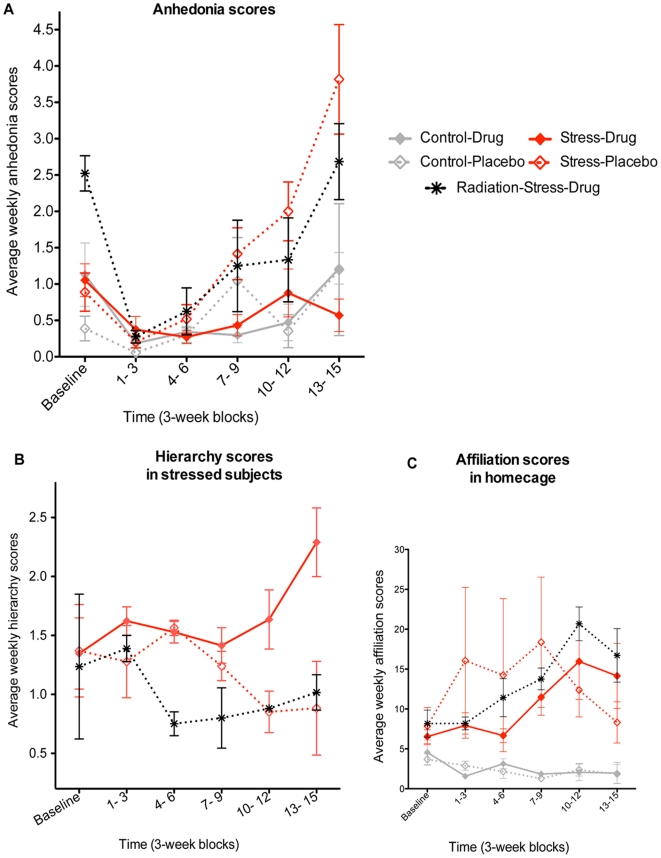
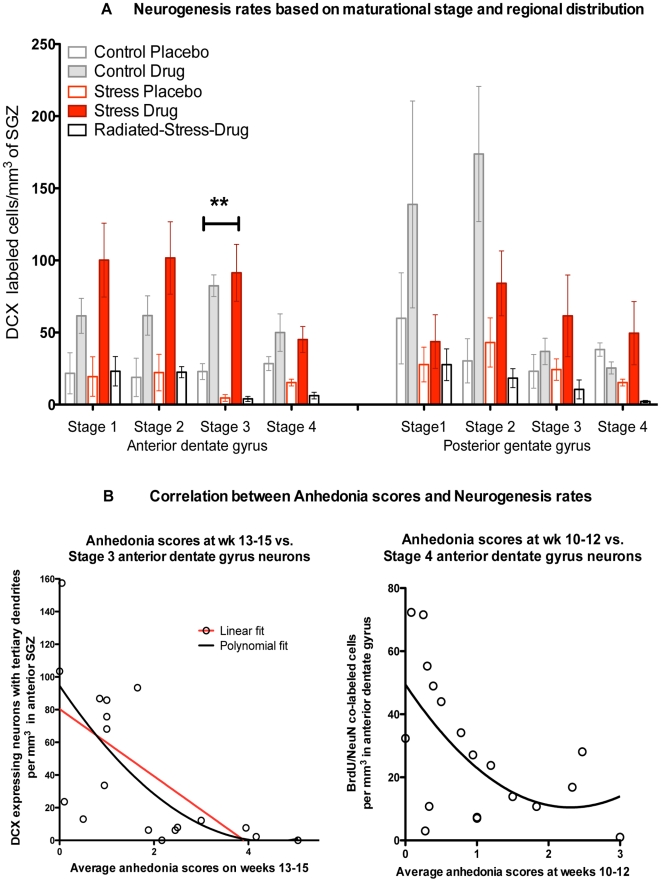
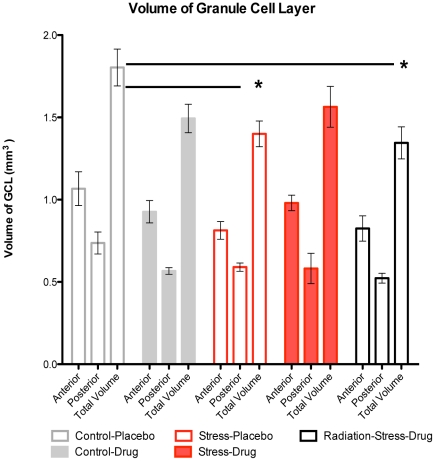
BACKGROUND: Rodent studies show that neurogenesis is necessary for mediating the salutary effects of antidepressants. Nonhuman primate (NHP) studies may bridge important rodent findings to the clinical realm since NHP-depression shares significant homology with human depression and kinetics of primate neurogenesis differ from those in rodents. After demonstrating that antidepressants can stimulate neurogenesis in NHPs, our present study examines whether neurogenesis is required for antidepressant efficacy in NHPs. MATERIALS/METHODOLOGY: Adult female bonnets were randomized to three social pens (N = 6 each). Pen-1 subjects were exposed to control-conditions for 15 weeks with half receiving the antidepressant fluoxetine and the rest receiving saline-placebo. Pen-2 subjects were exposed to 15 weeks of separation-stress with half receiving fluoxetine and half receiving placebo. Pen-3 subjects 2 weeks of irradiation (N = 4) or sham-irradiation (N = 2) and then exposed to 15 weeks of stress and fluoxetine. Dependent measures were weekly behavioral observations and postmortem neurogenesis levels. RESULTS: Exposing NHPs to repeated separation stress resulted in depression-like behaviors (anhedonia and subordinance) accompanied by reduced hippocampal neurogenesis. Treatment with fluoxetine stimulated neurogenesis and prevented the emergence of depression-like behaviors. Ablation of neurogenesis with irradiation abolished the therapeutic effects of fluoxetine. Non-stressed controls had normative behaviors although the fluoxetine-treated controls had higher neurogenesis rates. Across all groups, depression-like behaviors were associated with decreased rates of neurogenesis but this inverse correlation was only significant for new neurons in the anterior dentate gyrus that were at the threshold of completing maturation. CONCLUSION: We provide evidence that induction of neurogenesis is integral to the therapeutic effects of fluoxetine in NHPs. Given the similarity between monkeys and humans, hippocampal neurogenesis likely plays a similar role in the treatment of clinical depression. Future studies will examine several outstanding questions such as whether neuro-suppression is sufficient for producing depression and whether therapeutic neuroplastic effects of fluoxetine are specific to antidepressants.
Overview
The claims and statistics of this paper haven’t been checked yet.
Free: it reads the open-access text and checks the first 5 claims that cite a source we can check. Create a free account to check every claim.
Integrity signals
Registry
Cites
Statistics
Figures
Verification
Claims the paper makes
The claims and statistics of this paper haven’t been checked yet.
Free: it reads the open-access text and checks the first 5 claims that cite a source we can check. Create a free account to check every claim.
Claims other papers make about this one
Each is checked against this paper’s own text: does it say what the citing paper says it does?
The cited source says what the claim attributes to it.
In the citing paper
“Several data indicate that the effect of antidepressants depends on their ability to induce hippocampal neurogenesis in rodents as well as in non-human primates (Santarelli et al., 2003;Kong et al., 2009;Mateus-Pinheiro et al., 2013;Perera et al., 2011).”
From Depression and adult neurogenesis: Positive effects of the antidepressant fluoxetine and of physical exercise (2018) · cites this paper as Perera et al., 2011
Self-check
Percentages, sums and reported differences re-computed from the paper’s own numbers.
The self-check needs the paper’s full text.
Citations
Cites
Kessler, R. C., Berglund, P., Demler, O., Jin, R., Koretz, D., Merikangas, K. R., Rush, A. J., Walters, E. E., & Wang, P. S. (2003) · JAMA · doi:10.1001/jama.289.23.3095 · Cited by 7,988 · cited 1×
“This behavior of the NHPs in the setting of repeated social separation stress parallels clinical depression, as interpersonal loss is the predominant trigger of depression in humans [35] and chronic stress is a major epidemiological risk factor for major depression and chronic anxiety disorders [37].”
BackgroundAChE-stained horizontal sections of the rat brain in stereotaxic coordinates
Paxinos, G., Watson, C. R. R., & Emson, P. C. (1980) · Journal of Neuroscience Methods · doi:10.1016/0165-0270(80)90021-7 · Cited by 4,497 · cited 1×
“. The anterior dentate gyrus was defined by coronal levels resembling Bregma-10.88 mm through Bregma-13.50 mm in the rhesus macaque brain atlas by Paxinos et al.”
MethodInfluentialRequirement of hippocampal neurogenesis for the behavioral effects of antidepressants
Santarelli, L., Saxe, M., Gross, C., Surget, A., Battaglia, F., Dulawa, S., Weisstaub, N., Lee, J., Duman, R., Arancio, O., et al. (2003) · Science · doi:10.1126/science.1083328 · Cited by 4,321 · cited 7×
“The neurosuppressive effect of irradiation was subtler in the monkeys than in mice, where irradiation abolished all possibility of neurogenesis for months [18], [19].”
BackgroundMethodResultSelf-citationChronic antidepressant treatment increases neurogenesis in adult rat hippocampus
Malberg, J. E., Eisch, A. J., Nestler, E. J., & Duman, R. S. (2000) · The Journal of Neuroscience · doi:10.1523/jneurosci.20-24-09104.2000 · Cited by 3,111 · cited 3×
“Interventions that ameliorate major depression, including antidepressant medications, electroconvulsive therapy (ECT) [7], exercise, and environmental enrichment [8] stimulate dentate gyrus neurogenesis.”
BackgroundInflammatory Blockade Restores Adult Hippocampal Neurogenesis
Monje, M. L., Toda, H., & Palmer, T. D. (2003) · Science · doi:10.1126/science.1088417 · Cited by 2,426 · cited 2×
“The predominance of microglia in this population raises the question of whether these mitotic cells represented an inflammatory reaction to irradiation, as has been reported in rodents [42].”
BackgroundMethodExercise enhances learning and hippocampal neurogenesis in aged mice
van Praag, H., Shubert, T., Zhao, C., & Gage, F. H. (2005) · The Journal of Neuroscience · doi:10.1523/jneurosci.1731-05.2005 · Cited by 2,078
Transient expression of doublecortin during adult neurogenesis
Brown, J. P., Couillard‐Després, S., Cooper‐Kuhn, C. M., Winkler, J., Aigner, L., & Kuhn, H. G. (2003) · Journal of Comparative Neurology · doi:10.1002/cne.10874 · Cited by 1,496 · cited 17×
“Using standard peroxidase methods we determined the following: granule cells proliferating at the time of sacrifice (on week-15) identified by the expression of the mitotic marker Ki67 (mouse anti-Ki67 antibody, 1:200; Vector Laboratories, Burlingame, CA); mitotic cells that took up BrdU at the time of injection (week…”
MethodInfluentialGould, E., Tanapat, P., McEwen, B. S., Flügge, G., & Fuchs, E. (1998) · Proceedings of the National Academy of Sciences · doi:10.1073/pnas.95.6.3168 · Cited by 1,395 · cited 2×
“Nonetheless, the fact that granule cells that were presumably 6–7 weeks old displayed an immature histological profile is surprising because in our previous study approximately 50% of 4-week old granule cells expressed NeuN following ECS treatment [16], and this rate of maturation is consistent with several other stud…”
BackgroundResultGABA regulates synaptic integration of newly generated neurons in the adult brain
Ge, S., Goh, E. L. K., Sailor, K. A., Kitabatake, Y., Ming, G.-L., & Song, H. (2006) · Nature · doi:10.1038/nature04404 · Cited by 1,264 · cited 3×
“that were at a hyperplastic stage of neuronal maturation by labeling for the NMDA receptor subunit II [26] (mouse anti-”
BackgroundUntreated Depression and Hippocampal Volume Loss
Sheline, Y. I., Gado, M. H., & Kraemer, H. C. (2003) · American Journal of Psychiatry · doi:10.1176/appi.ajp.160.8.1516 · Cited by 1,180 · cited 1×
“Major depression is consistently associated with decreased hippocampal volumes and deficits in hippocampus-dependent cognition [1], [2].”
Background
Research works printed but not linked: 1
- Perera TD Park S Nemirovskaya Y 2008 Cognitive role of neurogenesis in depression and antidepressant treatment. Neuroscientist 14 326 338 18612087 · DOI · Paper page
Cited by
Items 101–200 of 250
Enteric Nervous System: Brain-in-the-Gut
Wood, J. D. (2018) · Elsevier eBooks · doi:10.1016/b978-0-12-809954-4.00015-3 · Cited by 49
Luo, K., Zhang, M., Tu, Q., Li, J., Wang, Y., Wan, S., Li, D., Qian, Q., & Lu, X. (2025) · Journal of Neuroinflammation · doi:10.1186/s12974-025-03476-6 · Cited by 49
“…bonnet macaques induces depression-like behaviours (anhedonia and subordinance), which are associated with a reduction in hippocampal neurogenesis, and that treatment with the antidepressant fluoxetine stimulates neurogenesis and prevents the emergence of these depression-like behaviours [63].”
Tang, S. W., Helmeste, D., & Leonard, B. (2012) · The World Journal of Biological Psychiatry · doi:10.3109/15622975.2011.639800 · Cited by 42
“After stress, depression-like behaviour in nonhuman primates is associated with decreased rates of neurogenesis (Perera et al. 2011), but this correlation was only signifi cant for new neurons in the anterior dentate gyrus that were at the threshold of completing maturation.”
BackgroundNeurogenesis and pattern separation: time for a divorce
Becker, S. (2016) · Wiley Interdisciplinary Reviews Cognitive Science · doi:10.1002/wcs.1427 · Cited by 49
“Suppressed neurogenesis by itself does not cause a depressive or anxious phenotype, leading to the suggestion that it is not directly involved in mood regulation, but instead modulates emotional responding via its role in mnemonic processing.169 On the other hand, in rodent models, neurogenesis knockdown increases the…”
BackgroundAdult Hippocampal Neurogenesis and Affective Disorders: New Neurons for Psychic Well-Being
Gomes‐Leal, W. (2021) · Frontiers in Neuroscience · doi:10.3389/fnins.2021.594448 · Cited by 48
Sha, S., Hong, J., Qu, W., Lu, Z., Li, L., Yu, W., & Chen, L. (2015) · European Neuropsychopharmacology · doi:10.1016/j.euroneuro.2015.04.021 · Cited by 45
“This ability of newborn neurons to “put the brakes” on the stress response appears in times of moderate to extreme or unpredictable stress (Perera et al., 2011).”
BackgroundUnified theory of Alzheimer’s disease (UTAD): implications for prevention and curative therapy
Nehls, M. (2016) · Journal of Molecular Psychiatry · doi:10.1186/s40303-016-0018-8 · Cited by 41
“This antidepressant mechanism was identified in rodents and confirmed in non-human primates [173].”
BackgroundSynergistic effects of diet and exercise on hippocampal function in chronically stressed mice
Hutton, C. P., Déry, N., Rosa, E., Lemon, J. A., Rollo, C. D., Boreham, D. R., Fahnestock, M., deCatanzaro, D., Wojtowicz, J. M., & Becker, S. (2015) · Neuroscience · doi:10.1016/j.neuroscience.2015.09.005 · Cited by 41
“For example, social isolation stress induced anhedonia and depression-like behavior in monkeys; this was alleviated by fluoxetine treatment, which also upregulated neurogenesis (Perera et al., 2011).”
Fang, J., Demic, S., & Cheng, S. (2018) · PLOS ONE · doi:10.1371/journal.pone.0198406 · Cited by 42
Increasing Adiponergic System Activity as a Potential Treatment for Depressive Disorders
Formolo, D. A., Lee, T. H.-Y., & Yau, S. (2019) · Molecular Neurobiology · doi:10.1007/s12035-019-01644-3 · Cited by 42
Zavvari, F., Nahavandi, A., & Goudarzi, M. (2020) · Journal of Chemical Neuroanatomy · doi:10.1016/j.jchemneu.2019.101711 · Cited by 38
The effects of sEH inhibitor on depression‐like behavior and neurogenesis in male mice
Wu, Q., Cai, H., Song, J., & Chang, Q. (2017) · Journal of Neuroscience Research · doi:10.1002/jnr.24080 · Cited by 41
“Previous studies revealed that the newly generated neurons play an important role in behavioral regulation after maturation (Perera et al., 2011); the additional neurons enable the dysfunctional hippocampus to re-exert central control over the stress response (Surget et al.”
BackgroundSun, D., Gao, L., Jin, L., Wu, H., Wang, Q., Zhou, Y. L., Fan, S., Jiang, X., Ke, D., Lei, H. C., et al. (2017) · Neuropharmacology · doi:10.1016/j.neuropharm.2017.08.037 · Cited by 41
“, 2011) and stimulate neurogenesis (Boldrini et al., 2009; Malberg et al., 2000; Perera et al., 2011) in the brain.”
Feng, L., Xing, H., & Zhang, K. (2022) · Phytomedicine · doi:10.1016/j.phymed.2022.153980 · Cited by 44
Antidepressant-like effects of acupuncture involved the ERK signaling pathway in rats
Zhang, X., Song, Y., Bao, T., Yu, M., Xu, M., Guo, Y., Wang, Y., Zhang, C., & Zhao, B. (2016) · BMC Complementary and Alternative Medicine · doi:10.1186/s12906-016-1356-x · Cited by 42
“Furthemore, research increasingly suggests that antidepressants can promote hippocampal neuron proliferation and differentiation [56–60].”
Sun, L., Sun, Q., & Qi, J. (2017) · Reviews in the Neurosciences · doi:10.1515/revneuro-2016-0076 · Cited by 34
“Postmortem analysis of nonhuman primates showed an inverse correlation between body weight and crown-rump length (Perera et al., 2011b), providing the hint that obesity might affect the development of neural tissue.”
BackgroundZwamborn, R. A. J., Snijders, C., An, N., Thomson, A. C., Rutten, B. P. F., & de Nijs, L. (2018) · Progress in molecular biology and translational science · doi:10.1016/bs.pmbts.2018.04.005 · Cited by 39
Deficient Plasticity in the Hippocampus and the Spiral of Addiction: Focus on Adult Neurogenesis
Canales, J. J. (2012) · Current topics in behavioral neurosciences · doi:10.1007/7854_2012_230 · Cited by 41
“effects (Perera et al. 2011), confirming previous observations (Santarelli et al.”
ResultMahar, I., Labonté, B., Yogendran, S., Isingrini, E., Perret, L. C., Davoli, M. A., Rachalski, A., Giros, B., Turecki, G., & Mechawar, N. (2017) · Translational Psychiatry · doi:10.1038/tp.2017.132 · Cited by 37
Glenn, M. J., Adams, R. S., & McClurg, L. (2012) · Brain Research · doi:10.1016/j.brainres.2012.01.018 · Cited by 40
“…demonstrations in the field of the strong relation (e.g. Yau et al., 2011; reviewed in Kempermann and Kronenberg, 2003) and even the necessity (Perera et al., 2011; Santarelli et al., 2003) for adult hippocampal neurogenesis in depression and antidepressant actions, this is an excellent…”
BackgroundXu, B., Li, Q., Wu, Y., Wang, H., Xu, J., Liu, H., & Xuan, A. (2022) · The FASEB Journal · doi:10.1096/fj.202200133rr · Cited by 35
Agnihotri, S. K., Sun, L., Yee, B. K., Shen, R., Akundi, R. S., Zhi, L., Duncan, M. J., Cass, W. A., & Büeler, H. (2019) · Behavioural Brain Research · doi:10.1016/j.bbr.2019.02.006 · Cited by 38
“In keeping with such a model, anti-depressant drugs increase AHN and ameliorate depressionlike behaviors in most animal models tested [13,19,39].”
Baeken, C., Wu, G., & Sackeim, H. A. (2020) · Brain Stimulation · doi:10.1016/j.brs.2020.05.015 · Cited by 34
Antidepressants for neuro-regeneration: from depression to Alzheimer’s disease
Kim, H., Kim, W., & Kong, S.-Y. (2013) · Archives of Pharmacal Research · doi:10.1007/s12272-013-0238-8 · Cited by 37
“Interestingly, ablating neurogenesis with temporal lobe irradiation abolished the salutary antidepressant effects of fluoxetine (Perera et al. 2011).”
BackgroundInfluentialKanzari, A., Bourcier-Lucas, C., Freyssin, A., Abrous, D. N., Haddjeri, N., & Lucas, G. (2018) · Molecular Psychiatry · doi:10.1038/mp.2017.94 · Cited by 33
Levone, B. R., Codagnone, M. G., Moloney, G. M., Nolan, Y. M., Cryan, J. F., & O’Leary, O. F. (2020) · Molecular Psychiatry · doi:10.1038/s41380-020-0848-8 · Cited by 35
Impact of Lipid Nutrition on Neural Stem/Progenitor Cells
Sakayori, N., Kimura, R., & Osumi, N. (2013) · Stem Cells International · doi:10.1155/2013/973508 · Cited by 35
Valente, M. M., Allen, M., Bortolotto, V., Seung Taik, L. I. M., Conant, K. E., & Grilli, M. (2015) · Neural Plasticity · doi:10.1155/2015/646595 · Cited by 35
“Moreover, AHN is necessary for serotonin reuptake inhibitors to prevent behavioural correlates of depression in animal models [37, 38].”
BackgroundValidation of hippocampal biomarkers of cumulative affective experience
Poirier, C., Bateson, M., Gualtieri, F., Armstrong, E. A., Laws, G. C., Boswell, T., & Smulders, T. V. (2019) · Neuroscience & Biobehavioral Reviews · doi:10.1016/j.neubiorev.2019.03.024 · Cited by 35
Perspective: Of Mice and Men – How Widespread Is Adult Neurogenesis?
Petřík, D., & Encinas, J. M. (2019) · Frontiers in Neuroscience · doi:10.3389/fnins.2019.00923 · Cited by 38
“In other words, humans are not large mice; disease, metabolism and life style can negatively affect the tissue and lead us to inaccurate conclusion; and molecular mechanisms driving NSCs in hippocampus (Petrik et al., 2015) may not be the same in the other neurogenic niches (Ninkovic et al., 2013).”
BackgroundBortolotto, V., Bondi, H., Cuccurazzu, B., Rinaldi, M., Canonico, P. L., & Grilli, M. (2019) · Frontiers in Pharmacology · doi:10.3389/fphar.2019.01000 · Cited by 34
Astrocyte-derived lactate in stress disorders
Chamaa, F., Magistretti, P. J., & Fiumelli, H. (2024) · Neurobiology of Disease · doi:10.1016/j.nbd.2024.106417 · Cited by 32
“…defeat (Lehmann et al., 2013), and chronic immobilization (Ramirez et al., 2015) to prenatal (Coe et al., 2003; Lemaire et al., 2000) and early life stress (Mirescu et al., 2004) downregulate neurogenesis in rodents and nonhuman primates (Perera et al., 2007; Perera et al., 2011; Wu et al., 2014).”
MOSTAFA, M., Disouky, A., & Lazarov, O. (2025) · Neurotherapeutics · doi:10.1016/j.neurot.2025.e00580 · Cited by 34
“Chronic administration of antidepressants such as fl uoxetine, rebox-etine, tranylcypromine, and electroconvulsive shock (ECS) enhances neurogenesis in adult rodents [179], with similar effects observed in non-human primates for fl uoxetine and ECS [191].”
Adult neurogenesis from reprogrammed astrocytes
Griffiths, B. B., Bhutani, A., & Stary, C. M. (2019) · Neural Regeneration Research · doi:10.4103/1673-5374.270292 · Cited by 33
“Studies in non-human primates have suggested neurogenesis is essential for effective usage of antidepressant medication, with new hippocampal neurons serving as a marker for treatment efficacy (Perera et al., 2011).”
BackgroundKandratavicius, L., Monteiro, M. R., Hallak, J. E., Carlotti, C. G., Assirati, J. A., & Leite, J. P. (2013) · BioMed Research International · doi:10.1155/2013/960126 · Cited by 31
“Increased hippocampal neurogenesis after chronic fluoxetine treatment has been demonstrated in rats and nonhuman primates [52, 53], and it is probably related to its therapeutic effects [54].”
BackgroundKajimoto, K., Allan, A. M., & Cunningham, L. A. (2013) · PLoS ONE · doi:10.1371/journal.pone.0073788 · Cited by 33
“Impaired neurogenesis may also underlie some forms of depression and anxiety [14].”
BackgroundAlmulla, A. F., & Maes, M. H. J. (2025) · CNS Drugs · doi:10.1007/s40263-025-01195-3 · Cited by 33
Hippocampal structure and function are maintained despite severe innate peripheral inflammation
Süß, P., Kalinichenko, L. S., Baum, W., Reichel, M., Kornhuber, J., Loskarn, S., Ettle, B., Distler, J. H. W., Schett, G. A., Winkler, J., et al. (2015) · Brain Behavior and Immunity · doi:10.1016/j.bbi.2015.05.011 · Cited by 30
“, 1998), social isolation in bonnet monkeys (Perera et al., 2011), and in socially subordinate baboons (Wu et al.”
BackgroundTamura, Y., Takahashi, K., Takata, K., Eguchi, A., Yamato, M., Kume, S., Nakano, M., Watanabe, Y., & Kataoka, Y. (2016) · Journal of Neuroscience · doi:10.1523/jneurosci.0220-16.2016 · Cited by 27
“, 2003) as well as in nonhuman primates (Perera et al., 2011).”
BackgroundShively, C. A., Silverstein‐Metzler, M. G., Justice, J. N., & Willard, S. L. (2016) · Neuroscience & Biobehavioral Reviews · doi:10.1016/j.neubiorev.2016.08.037 · Cited by 28
Weber, T., Baier, V., Lentz, K., Herrmann, E., Krumm, B., Sartorius, A., Kronenberg, G., & Bartsch, D. (2013) · Hippocampus · doi:10.1002/hipo.22171 · Cited by 28
“…in newborn neurons has been implicated in certain behavioral effects of antidepressant treatment (Santarelli et al., 2003; David et al., 2009; Perera et al., 2011), and is thought to strengthen hippocampal inhibitory control over hypothalamic-pituitary-adrenal (HPA) axis activity after…”
BackgroundEvidence of adult neurogenesis in non-human primates and human
Yuan, T.-F., Li, J., Ding, F., & Arias-Carrion, O. (2014) · Cell and Tissue Research · doi:10.1007/s00441-014-1980-z · Cited by 26
Sun, Y., Evans, J., Russell, B., Kydd, R. R., & Connor, B. J. (2013) · Neuropharmacology · doi:10.1016/j.neuropharm.2013.04.021 · Cited by 28
“All rights reserved. by antidepressant agents (Perera et al., 2011; Surget et al., 2011).”
Influentialde Godoy, M. A., de Souza, A. S., Lobo, M. A., Sampaio, O. V. K., Moraes, L., Baldanza, M. R., Magri, T., de Castro, J. P. S. W., do Carmo, M. D. G. T., Soares-Mota, M., et al. (2012) · Brain Research · doi:10.1016/j.brainres.2012.10.047 · Cited by 29
Insights into the Biology and Therapeutic Applications of Neural Stem Cells
Harris, L., Zalucki, O. H., Piper, M., & Heng, J. I. (2016) · Stem Cells International · doi:10.1155/2016/9745315 · Cited by 31
“Moreover, rodents with blocked neurogenesis do not recover from depression-like behaviours when antidepressants are chronically administered to them [179– 183].”
Spatial memory impairment in Morris water maze after electroconvulsive seizures
Svensson, M., Hallin, T., Jester-Broms, J., Ekstrand, J., & Tingström, A. (2016) · Acta Neuropsychiatrica · doi:10.1017/neu.2016.22 · Cited by 28
Mahar, I., MacIsaac, A., Kim, J. J., Qiang, C., Davoli, M. A., Turecki, G., & Mechawar, N. (2016) · Scientific Reports · doi:10.1038/srep30467 · Cited by 30
Integrative Functions of the Enteric Nervous System
Wood, J. D. (2012) · Elsevier eBooks · doi:10.1016/b978-0-12-382026-6.00022-1 · Cited by 34
Lee, J., Kim, W., Jeon, Y.-J., Lee, S.-B., Lee, D., & Son, C. (2019) · Frontiers in Pharmacology · doi:10.3389/fphar.2019.00683 · Cited by 28
Mitochondrial and Autophagic Regulation of Adult Neurogenesis in the Healthy and Diseased Brain
Büeler, H. (2021) · International Journal of Molecular Sciences · doi:10.3390/ijms22073342 · Cited by 29
Schlaak, J. F., Trippler, M., Hoyo-Becerra, C., Erim, Y., Kis, B., Wang, B., Scherbaum, N., & Gerken, G. (2012) · PLoS ONE · doi:10.1371/journal.pone.0038668 · Cited by 25
“Recently, it has been suggested that depression may have a neurogenic origin as loss of neurons in the adult hippocampus is observed and neurogenesis is required for the actions of antidepressants [62,63].”
BackgroundCan animals develop depression? An overview and assessment of ‘depression-like’ states
MacLellan, A., Fureix, C., Polanco, A., & Mason, G. J. (2021) · Behaviour · doi:10.1163/1568539x-bja10132 · Cited by 29
Cognitive impairments and cancer chemotherapy: Translational research at a crossroads
Evenden, J. L. (2013) · Life Sciences · doi:10.1016/j.lfs.2013.03.020 · Cited by 29
“(2008) have suggested a coupling between neurogenesis, cognition and depression, such that the effects of antidepressants on neurogenesis may mediate the cognitive improvements which occur late in clinical remission (Perera et al., 2011).”
BackgroundInfluentialAdult Neurogenesis in the Central and Peripheral Nervous Systems
Kim, H. J., & Sun, W. (2012) · International Neurourology Journal · doi:10.5213/inj.2012.16.2.57 · Cited by 28
“’s report [53] demonstrated that the effect of antidepressant fluoxetine is mediated by increased neurogenesis, thus promoting the idea that depression may be caused by reduced adult neurogenesis.”
Jedynak, P., Kos, T., Sandi, C., Kaczmarek, L., & Filipkowski, R. K. (2014) · Journal of Psychiatric Research · doi:10.1016/j.jpsychires.2014.05.009 · Cited by 27
“It was proposed that ADs, irrespectively of their mechanisms of action, trigger neuronal remodeling and synaptic plasticity and the increase in adult neurogenesis is rather an epiphenomenon (Bessa et al., 2009a).”
BackgroundInfluentialAdult Hippocampal Neurogenesis in the Human Brain: Updates, Challenges, and Perspectives
Simard, S., Matosin, N., & Mechawar, N. (2024) · The Neuroscientist · doi:10.1177/10738584241252581 · Cited by 31
“…markers, commonly used in rodent and human studies, and novel markers recently identified by Wang and others (2022) and Zhou and others (2022) are Perera and others 2011), although Lucassen and colleagues (2010) did not detect antidepressant effects on the number of progenitor and proliferative…”
O'Donovan, S. M., Kennedy, M., Guinan, B., O’Mara, S. M., & McLoughlin, D. M. (2011) · Progress in Neuro-Psychopharmacology and Biological Psychiatry · doi:10.1016/j.pnpbp.2011.12.012 · Cited by 22
“%) of these new cells have been reported to be neuronal (Malberg et al., 2000; Scott et al., 2000) and such hippocampal neurogenesis is required for anti-depressant behavioural effects in both rats and nonhuman primates (Perera et al., 2011; Santarelli et al., 2003).”
Gatt, A. P., Ekonomou, A., Somani, A., Thuret, S., Howlett, D. R., Corbett, A., Johnson, M. A., Perry, E. K., Attems, J., Francis, P. T., et al. (2017) · Dementia and Geriatric Cognitive Disorders · doi:10.1159/000484437 · Cited by 22
Ketamine’s rapid and sustained antidepressant effects are driven by distinct mechanisms
Rawat, R., Tunc‐Ozcan, E., Dunlop, S. R., Tsai, Y., Li, F., Bertossi, R., Peng, C., & Kessler, J. A. (2024) · Cellular and Molecular Life Sciences · doi:10.1007/s00018-024-05121-6 · Cited by 26
“Inhibiting AHN blocks the effects of antidepressant medications on behavioral phenotypes in pre-clinical models [35, 38–43].”
Gioia, R., Seri, T., Diamanti, T., Fimmanò, S., Vitale, M., Ahlenius, H., Kokaia, Z., Tirone, F., Micheli, L., Biagioni, S., et al. (2023) · Journal of Neurochemistry · doi:10.1111/jnc.15753 · Cited by 21
“The pathogenesis of ASDs involves the occurrence of aberrant neuronal network formation and remodelling during brain development that underlies the early onset of pathological symptoms (Polšek et al., 2011).”
BackgroundShemiakova, T. S., Efimova, E. V., & Gainetdinov, R. R. (2024) · Biomedicines · doi:10.3390/biomedicines12061263 · Cited by 20
“A lack of response to both drug therapy for depression (fluoxetine and imipramine) and alternative therapy (electroconvulsive antidepressant therapy [34], intermittent hypobaric hypoxia [35]) during neurogenesis ablation in animal models has been shown [36,37].”
BackgroundPost-stroke depression and the aging brain
Cojocaru, G. R., Popa‐Wagner, A., Stănciulescu, E. C., Babadan, L., & Buga, A.-M. (2013) · Journal of Molecular Psychiatry · doi:10.1186/2049-9256-1-14 · Cited by 23
“One study in non-human primates, proved that the repeated separation stress is associated with depression-like behavior (anhedonia) and reduced hippocampal neurogenesis [76].”
BackgroundThe voyage of stem cell toward terminal differentiation: a brief overview.
Bhattacharyya, S., Kumar, A., & Khanduja, K. L. (2012) · Acta Biochimica et Biophysica Sinica · doi:10.1093/abbs/gms027 · Cited by 24
Stress, hippocampal neurogenesis and cognition: functional correlations
Lucassen, P. J., & Oomen, C. A. (2016) · Frontiers in Biology · doi:10.1007/s11515-016-1412-4 · Cited by 21
Involvement of CaMKIV in neurogenic effect with chronic fluoxetine treatment
Song, N., Nakagawa, S., Izumi, T., Toda, H., Kato, A., Boku, S., Inoue, T., Sakagami, H., Li, X., & Koyama, T. (2013) · The International Journal of Neuropsychopharmacology · doi:10.1017/s1461145712000570 · Cited by 20
Wang, L., Peng, D., Xie, B., Jiang, K., & Fang, Y. (2012) · Medical Hypotheses · doi:10.1016/j.mehy.2012.04.008 · Cited by 18
“Interestingly, a recent study in Bonnet macaques [36] with fluoxetine supported the neu-”
BackgroundA game of thrones: Neural plasticity in mammalian social hierarchies
Mooney, S. J., Peragine, D. E., Hathaway, G. A., & Holmes, M. M. (2014) · Social Neuroscience · doi:10.1080/17470919.2014.882862 · Cited by 19
“Fluoxetine, a selective serotonin reuptake inhibitor, reverses the effects on rank but not if animals are irradiated, suggesting that neurogenesis is necessary for maintaining dominance (Perera et al., 2011).”
BackgroundHippocampal neurogenesis in adult primates: a systematic review
Elliott, T., Liu, K. Y., Hazan, J., Wilson, J., Vallipuram, H., Jones, K. M., Mahmood, J., Gitlin-Leigh, G., & Howard, R. J. (2024) · Molecular Psychiatry · doi:10.1038/s41380-024-02815-y · Cited by 21
The impact of electroconvulsive therapy on brain grey matter volume: What does it mean?
Sackeïm, H. A. (2020) · Brain stimulation · doi:10.1016/j.brs.2020.04.014 · Cited by 20
Is the Seizure an Unnecessary Component of Electroconvulsive Therapy? A Startling Possibility
Sackeïm, H. A. (2015) · Brain stimulation · doi:10.1016/j.brs.2015.07.026 · Cited by 18
Stem Cells in Neuroendocrinology
Pfaff, D., & Christen, Y. (2016) · Research and perspectives in endocrine interactions · doi:10.1007/978-3-319-41603-8 · Cited by 17
Doan, J., Gardier, A. M., & Tritschler, L. (2019) · European Neuropsychopharmacology · doi:10.1016/j.euroneuro.2019.07.135 · Cited by 17
Wooddell, L. J., Beisner, B. A., Hannibal, D. L., Nathman, A. C., & McCowan, B. (2019) · American Journal of Primatology · doi:10.1002/ajp.23073 · Cited by 15
“Accordingly, primates devoid of social companions can exhibit depression (Perera et al., 2011; Shively & Willard, 2012).”
BackgroundPET imaging of neurogenic activity in the adult brain: Toward in vivo imaging of human neurogenesis
Tamura, Y., & Kataoka, Y. (2017) · Neurogenesis · doi:10.1080/23262133.2017.1281861 · Cited by 18
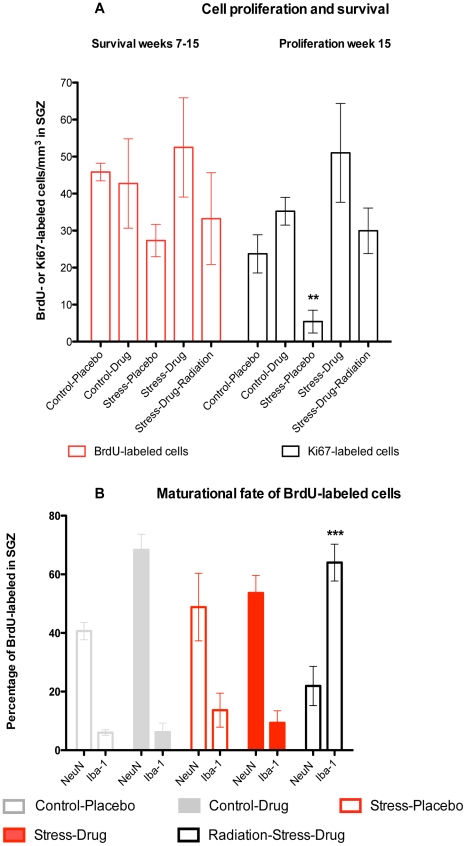
“It has been reported that the number of proliferating cells is lower in the DG of adult macaque monkeys that exhibit stress-induced depressive-like behaviors than in control animals, and that these reductions in the number of Ki67 immunopositive cells were attenuated following treatment with the antidepressant fluoxet…”
ResultAdult Neurogenesis, Chronic Stress and Depression
Lucassen, P. J., Oomen, C. A., Schouten, M., Encinas, J. M., & Fitzsimons, C. P. (2016) · Elsevier eBooks · doi:10.1016/b978-0-12-801977-1.00008-8 · Cited by 18
“Although AN may thus not be essential for the development of depression, it may be required for clinically effective antidepressant treatment (Perera et al., 2011; Santarelli et al., 2003; Surget et al., 2008, 2011).”
InfluentialAboul‐Fotouh, S., Habib, M. Z., Asaad, T., Kassim, S. K., & Ghanem, M. H. (2018) · Behavioural Pharmacology · doi:10.1097/fbp.0000000000000390 · Cited by 16
Malki, K., Tosto, M. G., Mouriño‐Talín, H., Rodríguez‐Lorenzo, S., Pain, O., Jumhaboy, I., Liu, T., Parpas, P., Newman, S., Сергеевич, М. А., et al. (2016) · American Journal of Medical Genetics Part B Neuropsychiatric Genetics · doi:10.1002/ajmg.b.32494 · Cited by 14
“Hippocampal neurogenesis has been repeatedly demonstrated as an important process for the behavioural effects of antidepressants in both rodents and non-human primates [Perera et al., 2011].”
Effect of electroconvulsive seizures on cognitive flexibility
Svensson, M., Grahm, M., Ekstrand, J., Höglund, P., Johansson, M., & Tingström, A. (2016) · Hippocampus · doi:10.1002/hipo.22573 · Cited by 13
“This is in line with previous findings, where the antidepressant effect of monoaminergic drugs appeared to require neurogenesis in both mice (Santarelli et al., 2003) and primates (Perera et al., 2011).”
ResultMcNerlin, C., Guan, F., Bronk, L., Lei, K., Grosshans, D., Young, D. W., Gaber, M. W., & Maletic-Savatic, M. (2022) · Life Sciences in Space Research · doi:10.1016/j.lssr.2022.07.007 · Cited by 11
Potential role of hippocampal neurogenesis in spinal cord injury induced post-trauma depression
Ma, Y., Qiao, Y., & Gao, X. (2024) · Neural Regeneration Research · doi:10.4103/1673-5374.392855 · Cited by 11
“Beyond neurotransmitter regulation, accumulative data indicate that the effect of antidepressants also relies on their ability to induce hippocampal neurogenesis in rodents as well as in non-human primates (Perera et al., 2011; Mateus-Pinheiro et al., 2013).”
BackgroundEarly Life Stress- and Sex-Dependent Effects on Hippocampal Neurogenesis
Lucassen, P. J., Kőrösi, A., Krugers, H. J., & Oomen, C. A. (2017) · Elsevier eBooks · doi:10.1016/b978-0-12-802175-0.00013-9 · Cited by 12
β2-microglobulin induces depressive- and anxiety-like behaviors in rat
Zhang, P., Zeng, D., Yi, Y.-L., Tang, Y.-Y., Zou, W., Yang, X., Wang, C., & Tang, X. (2018) · PLoS ONE · doi:10.1371/journal.pone.0198027 · Cited by 12
Levone, B. R., Moloney, G. M., Cryan, J. F., & O’Leary, O. F. (2021) · Neurobiology of Stress · doi:10.1016/j.ynstr.2021.100331 · Cited by 10
Charbonneau, J. A., Amaral, D. G., & Bliss‐Moreau, E. (2022) · Scientific Reports · doi:10.1038/s41598-022-08077-4 · Cited by 12
“These data are consistent with the ideas that a transition from social groups to individual housing induces a depressive phenotype in animals [33,34,63,64] and that depression in humans induces”
ResultValcárcel‐Martín, R., Martín‐Suárez, S., Muro‐García, T., Pastor-Alonso, O., de Fonseca, F. R., Estivill‐Torrús, G., & Encinas, J. M. (2020) · Frontiers in Neuroscience · doi:10.3389/fnins.2020.00811 · Cited by 14
“Finally, antidepressant drugs present neurogenesis-dependent effects (Sharma et al., 2007; David et al., 2009; Perera et al., 2011).”
Desvenlafaxine May Accelerate Neuronal Maturation in the Dentate Gyri of Adult Male Rats
Asokan, A., Ball, A. R., Laird, C. D., Hermer, L., & Ormerod, B. K. (2014) · PLoS ONE · doi:10.1371/journal.pone.0098530 · Cited by 10
The Contribution of Adult Hippocampal Neurogenesis to the Progression of Psychiatric Disorders
Kohman, R. A., & Rhodes, J. S. (2017) · Modern trends in psychiatry · doi:10.1159/000470812 · Cited by 8
Sprouty2 in the Dorsal Hippocampus Regulates Neurogenesis and Stress Responsiveness in Rats
Dow, A. L., Lin, T. V., Chartoff, E. H., Potter, D. N., McPhie, D. L., Veer, A. V., Knoll, A. T., Lee, K. N., Neve, R. L., Patel, T. B., et al. (2015) · PLoS ONE · doi:10.1371/journal.pone.0120693 · Cited by 9
“The efficacy of antidepressants is eliminated by ablation of HIP neurogenesis, suggesting that this process is critical for the relief of depressive signs [7,8].”
BackgroundValcárcel‐Martín, R., Martín‐Suárez, S., Muro‐García, T., Pastor-Alonso, O., de Fonseca, F. R., Estivill‐Torrús, G., & Encinas, J. M. (2020) · Frontiers in Neuroscience · doi:10.3389/fnins.2020.614857 · Cited by 8
Lv, S., Zhang, G., Huang, Y., Zhong, X., Yi, Y., Lu, Y., Li, J., Ma, Y., & Jing, T. (2023) · Frontiers in Pharmacology · doi:10.3389/fphar.2023.1307746 · Cited by 7
Role of hippocampal neurogenesis in mnemonic segregation: implications for human mood disorders
Perera, T. D., Thirumangalakudi, L., Glennon, E., Park, S., Insanally, M. N., Persky, M., Fonseka, J., Dwork, A. J., Sackeïm, H. A., Coplan, J. D., et al. (2013) · The World Journal of Biological Psychiatry · doi:10.3109/15622975.2013.768356 · Cited by 7
“This is further supported by recent studies which showed the increased synaptic activation of mature neurons in the dentate gyrus positively correlated with increases in depressive behavior, but negatively correlated with rates of neurogenesis (Perera et al. 2011a).”
BackgroundMethodResultSelf-citationErginousakis, I., & Papatheodoropoulos, C. (2025) · Cells · doi:10.3390/cells15010059 · Cited by 6
“Additionaly, Perera et al. [145] showed in non-human primates that chronic stress reduced immature neurons in the anterior (ventral equivalent) but not posterior hippocampus, and this effects was correlated with stress-induced anhedonia.”
Spildrejorde, M., Leithaug, M., SAMARA, A. A., Aass, H. C. D., Sharma, A., Acharya, G., Nordeng, H., Gervin, K., & Lyle, R. (2024) · Frontiers in Cell and Developmental Biology · doi:10.3389/fcell.2024.1428538 · Cited by 7
Nature, nurture and neurobiology: Gene–environment interactions in neuropsychiatric disorders
Hannan, A. J. (2013) · Neurobiology of Disease · doi:10.1016/j.nbd.2013.01.004 · Cited by 6
Effect of electroconvulsive seizures on pattern separation
Svensson, M., Grahm, M., Ekstrand, J., Movahed‐Rad, P., Johansson, M., & Tingström, A. (2015) · Hippocampus · doi:10.1002/hipo.22441 · Cited by 6
“Selective inhibition of hippocampal neurogenesis does not induce depression per se [for review see (Tanti and Belzung, 2013)], however the effect of monoaminergic antidepressant drugs appear to be dependent on neurogenesis (Santarelli et al., 2003; Perera et al., 2011).”
BackgroundFrazer, N. B., Kaas, G. A., Firmin, C. G., Gamazon, E. R., & Hatzopoulos, A. K. (2024) · eNeuro · doi:10.1523/eneuro.0213-23.2024 · Cited by 6
“…it has been shown that the absence of neurogenesis or BMP inhibition of adult-born neurons in the DG blocks the anxiolytic effects of these medications (Malberg et al., 2000; Santarelli et al., 2003; Surget et al., 2008, 2011; Boldrini et al., 2009; Perera et al., 2011; Tunc-Ozcan et al., 2022).”
BackgroundAdvances in Stem Cells Biology: New Approaches to Understand Depression
Borsini, A., & Zunszain, P. A. (2016) · Research and perspectives in endocrine interactions · doi:10.1007/978-3-319-41603-8_10 · Cited by 7
“Particularly, antidepressants from the selective serotonin reuptake inhibitor (SSRI) class, such as fluoxetine, have shown to normalize stress-induced HPA hyperactivity in rodents (Perera et al. 2011; Surget et al. 2011), whereas other serotonin-norepinephrine reuptake inhibitor (SNRI) antidepressants, such as venlafa…”
BackgroundKrauze, M., Ognik, K., Mikulski, D., & Jankowski, J. (2022) · Animals · doi:10.3390/ani12121535 · Cited by 5
Schoenfeld, E. M., Gupta, N. K., Syed, S. A., Rozenboym, A. V., Fulton, S. L., Jackowski, A. P., Perera, T. D., & Coplan, J. D. (2021) · Journal of Affective Disorders · doi:10.1016/j.jad.2021.02.052 · Cited by 5
Self-citationLong-Term Adaptive Changes Induced by Antidepressants: From Conventional to Novel Therapies
Mnie‐Filali, O., Abrial, E., Lambás‐Señas, L., & Haddjeri, N. (2013) · InTech eBooks · doi:10.5772/54553 · Cited by 6
“[103] Perera TD, Dwork AJ, Keegan KA, Thirumangalakudi L, Lipira CM, Joyce N, et al.”
Background
Metadata
- Authors
- Perera, T. D., Dwork, A. J., Keegan, K. A., Thirumangalakudi, L., Lipira, C. M., Joyce, N., Lange, C., Higley, J. D., Rosoklija, G., Hen, R., Sackeim, H. A., & Coplan, J. D.
- Affiliations
- Columbia University Irving Medical Center (US)
- State University of New York (US)
- Brigham Young University (US)
- Macedonian Academy of Sciences and Arts (MK)
- Corresponding author
- Perera, Tarique D.
- Venue
- PLoS ONE
- Publisher
- Public Library of Science (PLoS)
- Published
- 2011-04-15
- Volume
- 6
- Issue
- 4
- Pages
- e17600
- ISSN
- 1932-6203 (ISSN-L)
- PMC
- PMC3078107
- OpenAlex
- W2060709606
- Cited by
- 244
- References
- 62
- Citations by year
- 2026: 5 · 2025: 7 · 2024: 13 · 2023: 4 · 2022: 11 · 2021: 10 · 2020: 12 · 2019: 18 · 2018: 16 · 2017: 18 · 2016: 18 · 2015: 16 · 2014: 26 · 2013: 24 · 2012: 28
- FWCI
- 9.95
- Type
- journal article
- Language
- en
- Open access
- gold
- doi.org
- Locations
- PLoS ONE (publishedVersion, cc-by)
- Europe PMC (PubMed Central) (publishedVersion, cc-by)
- PubMed Central (publishedVersion, cc-by)
- PubMed (publishedVersion)
- ScholarsArchive (Brigham Young University) (submittedVersion)
- DOAJ (DOAJ: Directory of Open Access Journals) (submittedVersion, cc-by-sa)
- Figshare (submittedVersion, cc-by)
- SUNY Digital Repository Support (State University of New York System) (submittedVersion, cc-by)
- Columbia Academic Commons (Columbia University)
- Funders
- National Alliance for Research on Schizophrenia and Depression
- National Institute of Mental Health (R01MH064168, R01MH059990, R01MH59990, K08MH070954, KO8 MH70954)
- Topics
- Life Sciences › Neuroscience › Developmental Neuroscience › Neurogenesis and neuroplasticity mechanisms
- Health Sciences › Medicine › Pharmacology (medical) › Treatment of Major Depression
- Life Sciences › Neuroscience › Behavioral Neuroscience › Stress Responses and Cortisol
- Keywords
- hippocampal neurogenesis, antidepressant efficacy, fluoxetine, depression-like behavior, separation stress, bonnet monkey, dentate gyrus, anhedonia, social subordination, neuroplasticity
- MeSH terms
- Doublecortin Domain Proteins, Aging, Animals, Antidepressive Agents, Behavior, Animal, Cell Survival, Female, Hippocampus, Humans, Microtubule-Associated Proteins, Neurons, Neuropeptides, Primates, Cell Size, Neurogenesis
About these checks
Registry, retraction, Cites and statistics results are computed, not judged, with one exception: a printed reference that no index lists is read once by a model before it counts as a citation error. Claims are extracted by a model and kept only when their quote appears verbatim in the text; each cited source is then checked, with a model’s help, for whether it says what the claim relies on. Those verdicts can be wrong — read the claim’s quote and the cited source before relying on one.
Statistics and arithmetic are recomputed, not judged.
Confidence bands are shown only for fields calibrated on our annotated test set. None is calibrated yet, so no band is shown.
What counts as a claim ›How we measure confidence ›How we check this ›
Are you an author, or do you see a problem with this page? Request a review
Data sources
Bibliographic data: Semantic Scholar, OpenAlex, Crossref.
Contains information from the Semantic Scholar Academic Graph Datasets, made available under the ODC Attribution License (ODC-BY 1.0).
Semantic Scholar’s data is described in: Kinney, R., et al. (2023). The Semantic Scholar Open Data Platform. arXiv:2301.10140.
