

Necessity of Hippocampal Neurogenesis for the Therapeutic Action of Antidepressants in Adult Nonhuman Primates
Open accessThe DOI matches its Crossref record; 62 of the 62 references it cites were found in a registry or an index.
Abstract
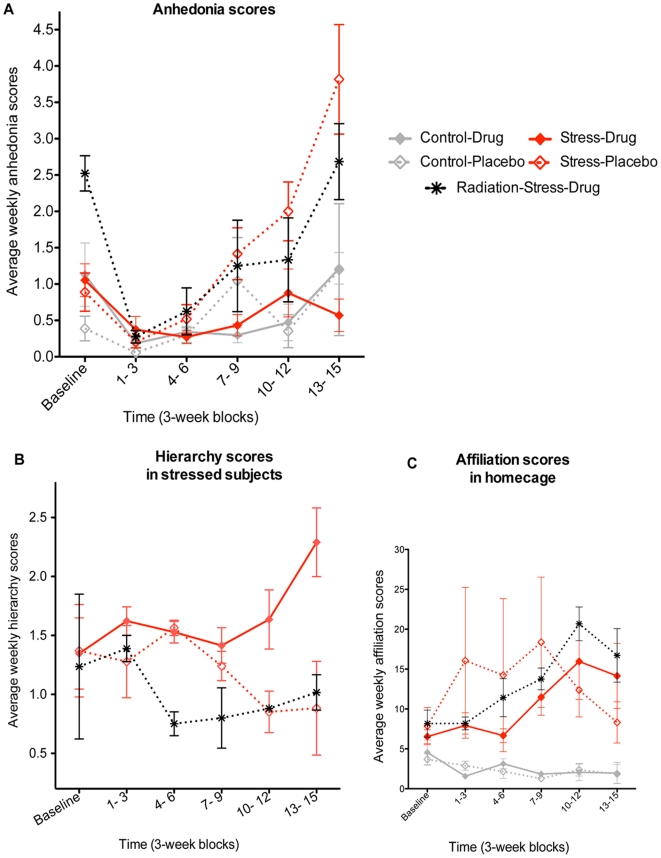
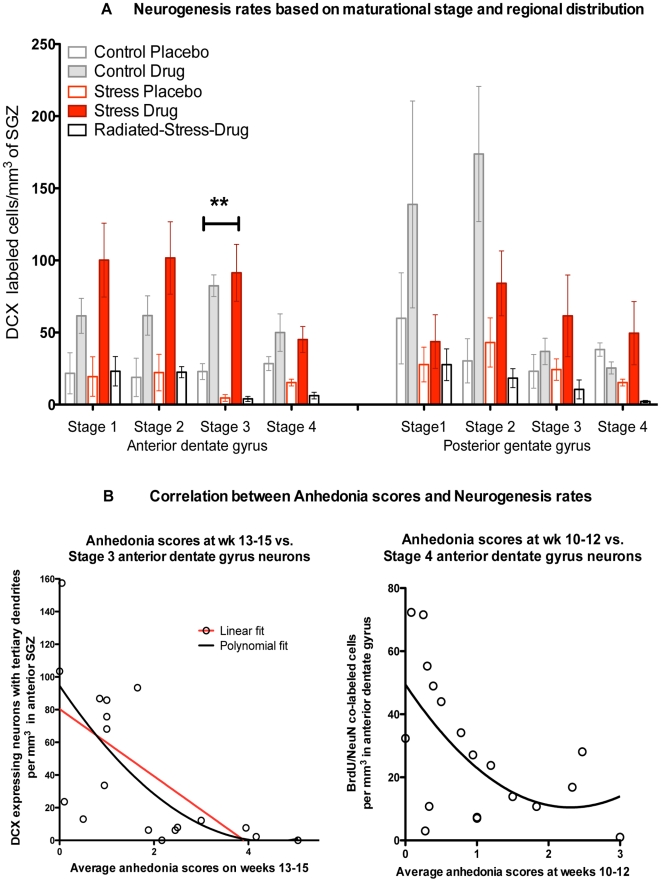
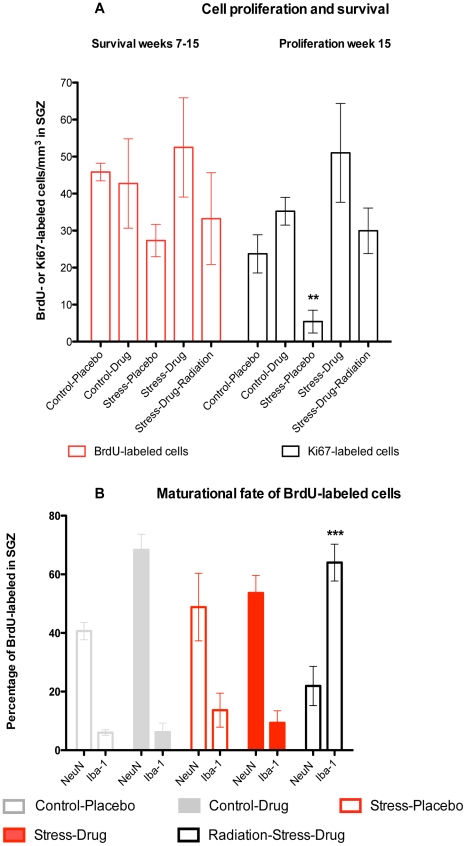
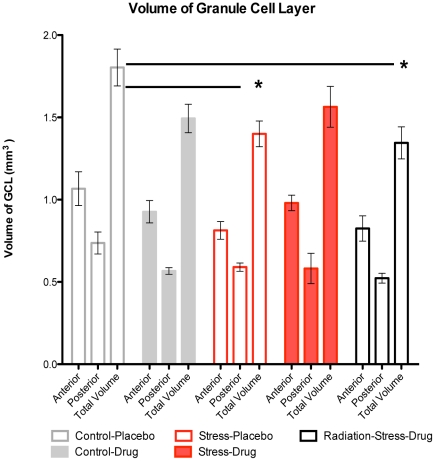
BACKGROUND: Rodent studies show that neurogenesis is necessary for mediating the salutary effects of antidepressants. Nonhuman primate (NHP) studies may bridge important rodent findings to the clinical realm since NHP-depression shares significant homology with human depression and kinetics of primate neurogenesis differ from those in rodents. After demonstrating that antidepressants can stimulate neurogenesis in NHPs, our present study examines whether neurogenesis is required for antidepressant efficacy in NHPs. MATERIALS/METHODOLOGY: Adult female bonnets were randomized to three social pens (N = 6 each). Pen-1 subjects were exposed to control-conditions for 15 weeks with half receiving the antidepressant fluoxetine and the rest receiving saline-placebo. Pen-2 subjects were exposed to 15 weeks of separation-stress with half receiving fluoxetine and half receiving placebo. Pen-3 subjects 2 weeks of irradiation (N = 4) or sham-irradiation (N = 2) and then exposed to 15 weeks of stress and fluoxetine. Dependent measures were weekly behavioral observations and postmortem neurogenesis levels. RESULTS: Exposing NHPs to repeated separation stress resulted in depression-like behaviors (anhedonia and subordinance) accompanied by reduced hippocampal neurogenesis. Treatment with fluoxetine stimulated neurogenesis and prevented the emergence of depression-like behaviors. Ablation of neurogenesis with irradiation abolished the therapeutic effects of fluoxetine. Non-stressed controls had normative behaviors although the fluoxetine-treated controls had higher neurogenesis rates. Across all groups, depression-like behaviors were associated with decreased rates of neurogenesis but this inverse correlation was only significant for new neurons in the anterior dentate gyrus that were at the threshold of completing maturation. CONCLUSION: We provide evidence that induction of neurogenesis is integral to the therapeutic effects of fluoxetine in NHPs. Given the similarity between monkeys and humans, hippocampal neurogenesis likely plays a similar role in the treatment of clinical depression. Future studies will examine several outstanding questions such as whether neuro-suppression is sufficient for producing depression and whether therapeutic neuroplastic effects of fluoxetine are specific to antidepressants.
Overview
The claims and statistics of this paper haven’t been checked yet.
Free: it reads the open-access text and checks the first 5 claims that cite a source we can check. Create a free account to check every claim.
Integrity signals
Registry
Cites
Statistics
Figures
Verification
Claims the paper makes
The claims and statistics of this paper haven’t been checked yet.
Free: it reads the open-access text and checks the first 5 claims that cite a source we can check. Create a free account to check every claim.
Claims other papers make about this one
Each is checked against this paper’s own text: does it say what the citing paper says it does?
The cited source says what the claim attributes to it.
In the citing paper
“Several data indicate that the effect of antidepressants depends on their ability to induce hippocampal neurogenesis in rodents as well as in non-human primates (Santarelli et al., 2003;Kong et al., 2009;Mateus-Pinheiro et al., 2013;Perera et al., 2011).”
From Depression and adult neurogenesis: Positive effects of the antidepressant fluoxetine and of physical exercise (2018) · cites this paper as Perera et al., 2011
Self-check
Percentages, sums and reported differences re-computed from the paper’s own numbers.
The self-check needs the paper’s full text.
Citations
Cites
Kessler, R. C., Berglund, P., Demler, O., Jin, R., Koretz, D., Merikangas, K. R., Rush, A. J., Walters, E. E., & Wang, P. S. (2003) · JAMA · doi:10.1001/jama.289.23.3095 · Cited by 7,988 · cited 1×
“This behavior of the NHPs in the setting of repeated social separation stress parallels clinical depression, as interpersonal loss is the predominant trigger of depression in humans [35] and chronic stress is a major epidemiological risk factor for major depression and chronic anxiety disorders [37].”
BackgroundAChE-stained horizontal sections of the rat brain in stereotaxic coordinates
Paxinos, G., Watson, C. R. R., & Emson, P. C. (1980) · Journal of Neuroscience Methods · doi:10.1016/0165-0270(80)90021-7 · Cited by 4,497 · cited 1×
“. The anterior dentate gyrus was defined by coronal levels resembling Bregma-10.88 mm through Bregma-13.50 mm in the rhesus macaque brain atlas by Paxinos et al.”
MethodInfluentialRequirement of hippocampal neurogenesis for the behavioral effects of antidepressants
Santarelli, L., Saxe, M., Gross, C., Surget, A., Battaglia, F., Dulawa, S., Weisstaub, N., Lee, J., Duman, R., Arancio, O., et al. (2003) · Science · doi:10.1126/science.1083328 · Cited by 4,321 · cited 7×
“The neurosuppressive effect of irradiation was subtler in the monkeys than in mice, where irradiation abolished all possibility of neurogenesis for months [18], [19].”
BackgroundMethodResultSelf-citationChronic antidepressant treatment increases neurogenesis in adult rat hippocampus
Malberg, J. E., Eisch, A. J., Nestler, E. J., & Duman, R. S. (2000) · The Journal of Neuroscience · doi:10.1523/jneurosci.20-24-09104.2000 · Cited by 3,111 · cited 3×
“Interventions that ameliorate major depression, including antidepressant medications, electroconvulsive therapy (ECT) [7], exercise, and environmental enrichment [8] stimulate dentate gyrus neurogenesis.”
BackgroundInflammatory Blockade Restores Adult Hippocampal Neurogenesis
Monje, M. L., Toda, H., & Palmer, T. D. (2003) · Science · doi:10.1126/science.1088417 · Cited by 2,426 · cited 2×
“The predominance of microglia in this population raises the question of whether these mitotic cells represented an inflammatory reaction to irradiation, as has been reported in rodents [42].”
BackgroundMethodExercise enhances learning and hippocampal neurogenesis in aged mice
van Praag, H., Shubert, T., Zhao, C., & Gage, F. H. (2005) · The Journal of Neuroscience · doi:10.1523/jneurosci.1731-05.2005 · Cited by 2,078
Transient expression of doublecortin during adult neurogenesis
Brown, J. P., Couillard‐Després, S., Cooper‐Kuhn, C. M., Winkler, J., Aigner, L., & Kuhn, H. G. (2003) · Journal of Comparative Neurology · doi:10.1002/cne.10874 · Cited by 1,496 · cited 17×
“Using standard peroxidase methods we determined the following: granule cells proliferating at the time of sacrifice (on week-15) identified by the expression of the mitotic marker Ki67 (mouse anti-Ki67 antibody, 1:200; Vector Laboratories, Burlingame, CA); mitotic cells that took up BrdU at the time of injection (week…”
MethodInfluentialGould, E., Tanapat, P., McEwen, B. S., Flügge, G., & Fuchs, E. (1998) · Proceedings of the National Academy of Sciences · doi:10.1073/pnas.95.6.3168 · Cited by 1,395 · cited 2×
“Nonetheless, the fact that granule cells that were presumably 6–7 weeks old displayed an immature histological profile is surprising because in our previous study approximately 50% of 4-week old granule cells expressed NeuN following ECS treatment [16], and this rate of maturation is consistent with several other stud…”
BackgroundResultGABA regulates synaptic integration of newly generated neurons in the adult brain
Ge, S., Goh, E. L. K., Sailor, K. A., Kitabatake, Y., Ming, G.-L., & Song, H. (2006) · Nature · doi:10.1038/nature04404 · Cited by 1,264 · cited 3×
“that were at a hyperplastic stage of neuronal maturation by labeling for the NMDA receptor subunit II [26] (mouse anti-”
BackgroundUntreated Depression and Hippocampal Volume Loss
Sheline, Y. I., Gado, M. H., & Kraemer, H. C. (2003) · American Journal of Psychiatry · doi:10.1176/appi.ajp.160.8.1516 · Cited by 1,180 · cited 1×
“Major depression is consistently associated with decreased hippocampal volumes and deficits in hippocampus-dependent cognition [1], [2].”
Background
Research works printed but not linked: 1
- Perera TD Park S Nemirovskaya Y 2008 Cognitive role of neurogenesis in depression and antidepressant treatment. Neuroscientist 14 326 338 18612087 · DOI · Paper page
Cited by
Raison, C. L., Rutherford, R. E., Woolwine, B. J., Shuo, C., Schettler, P., Drake, D. F., Haroon, E., & Miller, A. H. (2013) · JAMA Psychiatry · doi:10.1001/2013.jamapsychiatry.4 · Cited by 1,617
“(%) White 23 (77) 23 (77) Black 6 (20) 5 (17) Other 1 (3) 2 (7) Education (highest degree), No.”
The neurobiology of anhedonia and other reward-related deficits
Der-Avakian, A., & Markou, A. (2012) · Trends in Neurosciences · doi:10.1016/j.tins.2011.11.005 · Cited by 1,130
“For example, decreased neurogenesis in the dentate gyrus reduced sucrose preference in mice [89] and reversed the therapeutic effects of fluoxetine, a selective serotonin reuptake inhibitor (SSRI), on separation stress-induced anhedonia in non-human primates [90].”
BackgroundAdult hippocampal neurogenesis and cognitive flexibility — linking memory and mood
Anacker, C., & Hen, R. (2017) · Nature Reviews Neuroscience · doi:10.1038/nrn.2017.45 · Cited by 1,014
Self-citationStress, serotonin, and hippocampal neurogenesis in relation to depression and antidepressant effects
Mahar, I., Bambico, F. R., Mechawar, N., & Nobrega, J. N. (2014) · Neuroscience & Biobehavioral Reviews · doi:10.1016/j.neubiorev.2013.11.009 · Cited by 694
Anterior hippocampus: the anatomy of perception, imagination and episodic memory
Zeidman, P., & Maguire, E. A. (2016) · Nature Reviews Neuroscience · doi:10.1038/nrn.2015.24 · Cited by 542
The neurobiology of depression and antidepressant action
Willner, P., Scheel-Krüger, J., & Belzung, C. (2013) · Neuroscience & Biobehavioral Reviews · doi:10.1016/j.neubiorev.2012.12.007 · Cited by 519
Depression and Hippocampal Neurogenesis: A Road to Remission?
Eisch, A. J., & Petrik, D. (2012) · Science · doi:10.1126/science.1222941 · Cited by 516
Functions and dysfunctions of adult hippocampal neurogenesis
Christian, K. M., Song, H., & Ming, G.-L. (2014) · Annual Review of Neuroscience · doi:10.1146/annurev-neuro-071013-014134 · Cited by 362
“Ablation of adult neurogenesis does not appear to alter affective phenotypes at basal levels but abolishes some antidepressant-induced behaviors in rodents (Santarelli et al. 2003) and nonhuman primates (Perera et al. 2011).”
BackgroundThe current state of the neurogenic theory of depression and anxiety
Miller, B. R., & Hen, R. (2015) · Current Opinion in Neurobiology · doi:10.1016/j.conb.2014.08.012 · Cited by 386
“found that ablation of AHN via irradiation blocks fluoxetine’s ability to prevent stress induced anhedonia [21].”
BackgroundInfluentialSelf-citationBoldrini, M., Hen, R., Underwood, M. D., Rosoklija, G. B., Dwork, A. J., Mann, J. J., & Arango, V. (2012) · Biological Psychiatry · doi:10.1016/j.biopsych.2012.04.024 · Cited by 348
“Dentate gyrus irradiation abolished fluoxetine behavioral effects after repeated separation in primates (8,9).”
BackgroundSelf-citationDepression's Unholy Trinity: Dysregulated Stress, Immunity, and the Microbiome
Cruz-Pereira, J. S., Rea, K., Nolan, Y. M., O'Leary, O. F., Dinan, T. G., & Cryan, J. F. (2020) · Annual Review of Psychology · doi:10.1146/annurev-psych-122216-011613 · Cited by 320
“Preclinical models have also provided evidence that intact adult hippocampal neurogenesis is required for at least some of the behavioral effects of some antidepressants (Perera et al. 2011, Santarelli et al. 2003, Surget et al. 2011).”
BackgroundMicheli, L., Ceccarelli, M., D’Andrea, G., & Tirone, F. (2018) · Brain Research Bulletin · doi:10.1016/j.brainresbull.2018.09.002 · Cited by 288
Andrews, P. W., Bharwani, A., Lee, K. R., Fox, M., & Thomson, J. A. (2015) · Neuroscience & Biobehavioral Reviews · doi:10.1016/j.neubiorev.2015.01.018 · Cited by 281
“A provocative study found that hippocampal neurogenesis in adult bonnet macaques is negatively associated with overall body weight (Perera et al., 2011b), suggesting that neurogenesis may be so metabolically expensive that it comes at the expense of the growth of other tissues.”
Cobb, J. A., O’Neill, K., Milner, J., Mahajan, G. J., Lawrence, T. J., May, W. L., Miguel-Hidalgo, J., Rajkowska, G., & Stockmeier, C. A. (2016) · Neuroscience · doi:10.1016/j.neuroscience.2015.12.044 · Cited by 254
“, 2013), neurogenesis being critical to the efficacy of antidepressant drugs (Santarelli et al., 2003; Perera et al., 2011; Samuels and Hen, 2011; Mateus-Pinheiro et al., 2013).”
BackgroundPetrik, D., Lagace, D. C., & Eisch, A. J. (2012) · Neuropharmacology · doi:10.1016/j.neuropharm.2011.09.003 · Cited by 241
“Similarly, stressed non-human primates who lack neurogenesis fail to show the behavioral response of antidepressants (Perera et al., 2011).”
BackgroundQuesseveur, G., David, D. J., Gaillard, M. C., Pla, P., Wu, M. V., Nguyen, H. T., Nicolas, V, Auregan, G., David, I., Dranovsky, A., et al. (2013) · Translational Psychiatry · doi:10.1038/tp.2013.30 · Cited by 235
“Although the complex biological and psychobiological changes associated with depression and related treatments cannot be attributed to neurogenesis alone,(2) this particular property of SSRIs has been reported in humans(3) and in nonhuman primates.(4) We recently demonstrated that the disruption of adult hippocampal n…”
BackgroundSelf-citationTanti, A., & Belzung, C. (2013) · Neuroscience · doi:10.1016/j.neuroscience.2013.08.017 · Cited by 221
O’Leary, O. F., & Cryan, J. F. (2014) · Trends in Pharmacological Sciences · doi:10.1016/j.tips.2014.09.011 · Cited by 212
Role of adult hippocampal neurogenesis in stress resilience
Levone, B. R., Cryan, J. F., & O'Leary, O. F. (2015) · Neurobiology of Stress · doi:10.1016/j.ynstr.2014.11.003 · Cited by 218
“Nevertheless, in non-human primates, the number of immature neurons that were at the threshold of complete maturation was reduced by chronic stress in the anterior but not posterior hippocampus, and this effect was correlated with stress-induced anhedonia (Perera et al., 2011).”
BackgroundResultInfluentialGarza, J. C., Guo, M., Zhang, W., & Lu, X.-Y. (2012) · Molecular Psychiatry · doi:10.1038/mp.2011.161 · Cited by 209
Ma, K., Zhang, H., & Baloch, Z. (2016) · International Journal of Molecular Sciences · doi:10.3390/ijms17050733 · Cited by 205
“In view of the association between inflammatory cytokines and treatment resistance [137,138], it is interesting to verify whether inhibiting inflammatory cytokines might have therapeutic potential in treatment resistant depression (TRD).”
BackgroundAdult Neurogenesis and Mental Illness
Schoenfeld, T. J., & Cameron, H. A. (2015) · Neuropsychopharmacology · doi:10.1038/npp.2014.230 · Cited by 182
“Increased inflammation has been suggested as a risk factor for developing a mood or psychotic disorder (Pervanidou et al, 2007; Reichenberg et al, 2001; Stojanovic et al, 2014; Wichers et al, 2007), and anti-inflammatory medication reduces symptoms of depression in antidepressant-resistant…”
BackgroundBouckaert, F., Sienaert, P., Obbels, J., Dols, A., Vandenbulcke, M., Stek, M., & Bolwig, T. (2014) · The Journal of ECT · doi:10.1097/yct.0000000000000129 · Cited by 178
Parihar, V. K., Hattiangady, B., Shuai, B., & Shetty, A. K. (2013) · Neuropsychopharmacology · doi:10.1038/npp.2013.158 · Cited by 175
Lucassen, P. J., Oomen, C. A., Naninck, E. F. G., Fitzsimons, C. P., van Dam, A.-M., Czeh, B., & Korosi, A. (2015) · Cold Spring Harbor Perspectives in Biology · doi:10.1101/cshperspect.a021303 · Cited by 166
Deep brain stimulation targets for treating depression
Drobisz, D., & Damborská, A. (2019) · Behavioural Brain Research · doi:10.1016/j.bbr.2018.11.004 · Cited by 157
“For antidepressant effect, mainly the hippocampal neurogenesis seems to be necessary [124,125].”
Are We Getting Closer to Valid Translational Models for Major Depression?
Berton, O., Hahn, C.-G., & Thase, M. E. (2012) · Science · doi:10.1126/science.1222940 · Cited by 148
Fidalgo, S., Ivanov, D. K., & Wood, S. H. (2012) · Biogerontology · doi:10.1007/s10522-012-9406-3 · Cited by 181
Hippocampal volume and total cell numbers in major depressive disorder
Cobb, J. A., Simpson, J., Mahajan, G. J., Overholser, J. C., Jurjus, G. J., Dieter, L., Herbst, N., May, W., Rajkowska, G., & Stockmeier, C. A. (2013) · Journal of Psychiatric Research · doi:10.1016/j.jpsychires.2012.10.020 · Cited by 143
“Antidepressant efficacy may in fact require hippocampal neurogenesis (David et al., 2009; Malberg, 2004; Perera et al., 2011).”
Nollet, M., Gaillard, P., Tanti, A., Girault, V., Belzung, C., & Leman, S. (2012) · Neuropsychopharmacology · doi:10.1038/npp.2012.70 · Cited by 154
“…to participate in the etiology of MD (Snyder et al, 2011) or to be causally involved in the ability of antidepressant drugs to elicit a therapeutic response (Airan et al, 2007; David et al, 2009; Jiang et al, 2005; Perera et al, 2011; Santarelli et al, 2003; Surget et al, 2008; Wang et al, 2008).”
Ma, Z., Zang, T., Birnbaum, S. G., Wang, Z., Johnson, J. E., Zhang, C.-L., & Parada, L. F. (2017) · Nature Communications · doi:10.1038/s41467-017-01709-8 · Cited by 141
Oral selective serotonin reuptake inhibitors activate vagus nerve dependent gut-brain signalling
McVey Neufeld, K.-A., Bienenstock, J., Bharwani, A., Champagne-Jorgensen, K., Mao, Y., West, C., Liu, Y., Surette, M. G., Kunze, W., & Forsythe, P. (2019) · Scientific Reports · doi:10.1038/s41598-019-50807-8 · Cited by 132
Takamiya, A., Chung, J. K., Liang, K., Graff‐Guerrero, A., Mimura, M., & Kishimoto, T. (2018) · The British Journal of Psychiatry · doi:10.1192/bjp.2017.11 · Cited by 149
“Interestingly, antidepressant medication also increased hippocampal neurons in both mice and nonhuman primates,(43,44) and selective disruption of neurogenesis in the dentate gyrus by irradiation blocked the behavioural effects of chronic administration of antidepressants.(43,44) Electroconvulsive shock is a more pote…”
BackgroundNuninga, J. O., Mandl, R. C. W., Boks, M. P., Bakker, S. C., Somers, M., Heringa, S. M., Nieuwdorp, W., Hoogduin, H. M., Kahn, R. S., Luijten, P. R., et al. (2019) · Molecular Psychiatry · doi:10.1038/s41380-019-0392-6 · Cited by 145
The Dynamic Brain: Neuroplasticity and Mental Health
Kays, J. L., Hurley, R. A., & Taber, K. H. (2012) · The Journal of Neuropsychiatry and Clinical Neurosciences · doi:10.1176/appi.neuropsych.12050109 · Cited by 128
Dias, G. P., Murphy, T., Stangl, D., Ahmet, S., Morisse, B., Nix, A., Aimone, L. J., Aimone, J. B., Kuro‐o, M., Gage, F. H., et al. (2021) · Molecular Psychiatry · doi:10.1038/s41380-021-01102-4 · Cited by 130
Raphe-mediated signals control the hippocampal response to SRI antidepressants via miR-16
Launay, J. M., Mouillet-Richard, S., Baudry, A., Pietri, M., & Kellermann, O. (2011) · Translational Psychiatry · doi:10.1038/tp.2011.54 · Cited by 118
Primum Non Nocere: An Evolutionary Analysis of Whether Antidepressants Do More Harm than Good
Andrews, P. W., Thomson, J. A., Amstadter, A., & Neale, M. C. (2012) · Frontiers in Psychology · doi:10.3389/fpsyg.2012.00117 · Cited by 120
Inflammation and the developing brain: Consequences for hippocampal neurogenesis and behavior
Green, H. F., & Nolan, Y. M. (2014) · Neuroscience & Biobehavioral Reviews · doi:10.1016/j.neubiorev.2014.01.004 · Cited by 131
“Furthermore, blocking neurogenesis has been shown to prevent some of the behavioral effects of antidepressants (Perera et al., 2011; Santarelli et al., 2003).”
BackgroundNanotechnology-based drug delivery for the treatment of CNS disorders
Mittal, K. R., Pharasi, N., Sarna, B., Singh, M., Rachana, R., Haider, S., Singh, S. K., Dua, K., Jha, S. K., Dey, A., et al. (2022) · Translational Neuroscience · doi:10.1515/tnsci-2022-0258 · Cited by 126
“Antidepressants’ impact on enhanced brain progenitor cells as well as neurogenesis has also been reported in non-human primates [4].”
BackgroundBoldrini, M., Galfalvy, H., Dwork, A. J., Rosoklija, G. B., Trencevska-Ivanovska, I., Pavlovski, G., Hen, R., Arango, V., & Mann, J. J. (2019) · Biological Psychiatry · doi:10.1016/j.biopsych.2018.12.022 · Cited by 116
“Neuropsychiatric diseases and use of drugs and medications directly affect amounts of neurogenesis in mice (82,83), rats (84), nonhuman primates (85), and human anterior DG (15,31,32,73).”
BackgroundSelf-citationEnneking, V., Leehr, E. J., Dannlowski, U., & Redlich, R. (2019) · Psychological Medicine · doi:10.1017/s0033291719003660 · Cited by 126
“This is supported by earlier works describing hippocampal volume increases as pivotal for the antidepressive mechanism of AD (Perera et al., 2011; Santarelli et al., 2003).”
ResultMechanisms of antidepressant resistance
El-Hage, W., Leman, S., Camus, V., & Belzung, C. (2013) · Frontiers in Pharmacology · doi:10.3389/fphar.2013.00146 · Cited by 111
“…of hippocampal neurogenesis by focal X-ray hippocampal irradiation suppresses some and/or all behavioral effects of fluoxetine and/or imipramine in animals (Santarelli et al., 2003; Airan et al., 2007; Surget et al., 2008, 2011; Wang et al., 2008b; David et al., 2009; Perera et al., 2011).”
BackgroundInterplay between pro-inflammatory cytokines and growth factors in depressive illnesses
Audet, M.-C., & Anisman, H. (2013) · Frontiers in Cellular Neuroscience · doi:10.3389/fncel.2013.00068 · Cited by 104
“Importantly, among repeatedly stressed non-human primates, enhanced hippocampal neurogenesis during SSRI treatment was necessary for clinical improvements to occur (Perera et al., 2011).”
BackgroundIn vivo imaging of adult human hippocampal neurogenesis: progress, pitfalls and promise
Ho, N. F., Hooker, J. M., Sahay, A., Holt, D. J., & Roffman, J. L. (2013) · Molecular Psychiatry · doi:10.1038/mp.2013.8 · Cited by 98
Are Anxiety Disorders Associated with Accelerated Aging? A Focus on Neuroprogression
Perna, G., Iannone, G., Alciati, A., & Caldirola, D. (2015) · Neural Plasticity · doi:10.1155/2016/8457612 · Cited by 108
“[35] T.”
BackgroundBelarbi, K., Arellano, C., Ferguson, R., Jopson, T., & Rosi, S. (2012) · Brain, Behavior, and Immunity · doi:10.1016/j.bbi.2011.07.225 · Cited by 87
Ubhi, K., Inglis, C., Mante, M., Patrick, C., Adame, A., Spencer, B., Rockenstein, E., May, V., Winkler, J., & Masliah, E. (2012) · Experimental Neurology · doi:10.1016/j.expneurol.2012.01.008 · Cited by 86
“N)=50 μM. been reported to increase levels of neurogenesis (Chang et al., 2010; Li et al., 2009a, 2009b; Marcussen et al., 2008; Perera et al., 2011; Wang et al., 2011) therefore we examined the effect of fluoxetine in the hippocampus sub-granular zone of the MBP1-hαsyn tg mice.”
BackgroundWnt signaling in neuropsychiatric disorders: Ties with adult hippocampal neurogenesis and behavior
Hussaini, S. M. Q., Choi, C.-I., Cho, C. H., Kim, H. J., Jun, H., & Jang, M.-H. (2014) · Neuroscience & Biobehavioral Reviews · doi:10.1016/j.neubiorev.2014.09.005 · Cited by 86
Epp, J. R., Beasley, C. L., & Galea, L. A. M. (2013) · Neuropsychopharmacology · doi:10.1038/npp.2013.132 · Cited by 89
“All rights reserved 0893-133X/13 www.neuropsychopharmacology.org (Drew and Hen, 2007) and that antidepressants exert their therapeutic effects by restoring neurogenesis to normal levels (Perera et al, 2011).”
BackgroundOudin, M. J., Hobbs, C., & Doherty, P. (2011) · European Journal of Neuroscience · doi:10.1111/j.1460-9568.2011.07831.x · Cited by 82
“Furthermore, depression is associated with a substantial decline in hippocampal neurogenesis, with some of the therapeutic benefits of anti-depressant drugs being dependent on their ability to stimulate neurogenesis (Perera et al., 2011).”
BackgroundLim, J., Bang, Y., & Choi, H. J. (2018) · Archives of Pharmacal Research · doi:10.1007/s12272-018-1063-x · Cited by 85
Injury-Induced Neurogenesis: Mechanisms and Relevance
Yu, T., Washington, P. M., & Kernie, S. G. (2014) · The Neuroscientist · doi:10.1177/1073858414563616 · Cited by 89
Kibaly, C., Xu, C., Cahill, C. M., Evans, C. J., & Law, P. (2018) · Nature reviews. Neuroscience · doi:10.1038/s41583-018-0092-2 · Cited by 90
Shively, C. A., & Willard, S. L. (2012) · Experimental Neurology · doi:10.1016/j.expneurol.2011.09.026 · Cited by 73
“Recently Perera and colleagues reported the results of a small study of adult female bonnet macaque (Macaca radiata) behavioral responses to social isolation stress (Perera et al., 2011).”
BackgroundGu, P., Qian, W., Song, G., & Zhaochun, S. (2014) · Pharmacology Biochemistry and Behavior · doi:10.1016/j.pbb.2014.05.006 · Cited by 84
Impact of Social Status and Antidepressant Treatment on Neurogenesis in the Baboon Hippocampus
Wu, M. V., Shamy, J. L., Bedi, G., Choi, C.-W. J., Wall, M. M., Arango, V., Boldrini, M., Foltin, R. W., & Hen, R. (2014) · Neuropsychopharmacology · doi:10.1038/npp.2014.33 · Cited by 78
“In contrast to previous work however (Perera et al, 2011), we do not see an effect of chronic antidepressant treatment on proliferation, and, surprisingly, observe that chronic fluoxetine treatment results in fewer immature neurons in the DG. Note, however, that previous work has also demonstrated…”
BackgroundResultInfluentialSelf-citationTanti, A., & Belzung, C. (2013) · Cell and Tissue Research · doi:10.1007/s00441-013-1612-z · Cited by 86
A neurocognitive model for understanding treatment action in depression
Warren, M. B., Pringle, A., & Harmer, C. J. (2015) · Philosophical Transactions of the Royal Society B: Biological Sciences · doi:10.1098/rstb.2014.0213 · Cited by 66
Mehta, D., Raison, C. L., Woolwine, B. J., Haroon, E., Binder, E. B., Miller, A. H., & Felger, J. C. (2013) · Brain, Behavior, and Immunity · doi:10.1016/j.bbi.2013.04.004 · Cited by 74
“Inflammatory cytokines can also inhibit neurogenesis, an important component of the salutary effects of antidepressants (Perera et al., 2011).”
BackgroundAdult hippocampal neurogenesis: Is it the alpha and omega of antidepressant action?
Eliwa, H., Belzung, C., & Surget, A. (2017) · Biochemical Pharmacology · doi:10.1016/j.bcp.2017.08.005 · Cited by 78
Mice Genetically Depleted of Brain Serotonin Do Not Display a Depression-like Behavioral Phenotype
Angoa‐Pérez, M., Kane, M. J., Briggs, D. I., Herrera‐Mundo, N., Sykes, C. E., Francescutti, D. M., & Kuhn, D. M. (2014) · ACS Chemical Neuroscience · doi:10.1021/cn500096g · Cited by 76
Liu, J., Somera-Molina, K., Hudson, R. L., & Dubocovich, M. L. (2012) · Journal of Pineal Research · doi:10.1111/jpi.12023 · Cited by 71
Modeling depression in adult female cynomolgus monkeys (Macaca fascicularis)
Willard, S. L., & Shively, C. A. (2012) · American Journal of Primatology · doi:10.1002/ajp.21013 · Cited by 65
“small study of six adult female bonnet macaque (Macaca radiata) behavioral responses to social isolation stress [Perera et al., 2011].”
BackgroundResultSah, A., Schmuckermair, C., Sartori, S. B., Gaburro, S., Kandasamy, M., Irschick, R., Klimaschewski, L., Landgraf, R., Aigner, L., & Singewald, N. (2012) · Translational Psychiatry · doi:10.1038/tp.2012.94 · Cited by 67
“Work on post-mortem tissue found no change in proliferation in MDD patients,(91) and recent data indicate that AD treatments enhance discrete facets of neurogenesis in human(92) and non-human primate models.(38,92,93) However, caution is urged in the interpretation of these due to low sample size, lack of information…”
BackgroundGandy, K., Kim, S., Sharp, C., Dindo, L., Maletic-Savatic, M., & Calarge, C. (2017) · Frontiers in Neuroscience · doi:10.3389/fnins.2017.00571 · Cited by 61
“Similarly, social isolationstress in primates decreases hippocampal neurogenesis and concurrently induces depressive and anxiety-like phenotypes, including anhedonia and self-defeating behavior (Perera et al., 2011).”
BackgroundKlomp, A., Václavů, L., Meerhoff, G. F., Reneman, L., & Lucassen, P. J. (2014) · PLoS ONE · doi:10.1371/journal.pone.0097603 · Cited by 65
“The present findings which lean towards a reduction in proliferation and DCX+ numbers in adult-treated animals differ from these earlier, mostly stimulatory, reports on FLX [18,45,48].”
BackgroundResultInfluentialWu, M. V., Sahay, A., Duman, R. S., & Hen, R. (2015) · Cold Spring Harbor Perspectives in Biology · doi:10.1101/cshperspect.a018978 · Cited by 65
“…is thought to be required for some behavioral effects of antidepressants (Santarelli et al. 2003; Surget et al. 2008; David et al. 2009; Perera et al. 2011) or for appropriate stress responses in the context of preexisting disorder (Snyder et al. 2012; for review, see Petrik et al.…”
BackgroundSelf-citationAnacker, C. (2014) · Current topics in behavioral neurosciences · doi:10.1007/7854_2014_275 · Cited by 71
Allen, J., Caruncho, H. J., & Kalynchuk, L. E. (2020) · Mitochondrion · doi:10.1016/j.mito.2020.11.010 · Cited by 64
Mahar, I., Tan, S., Davoli, M. A., Dominguez-Lopez, S., Qiang, C., Rachalski, A., Turecki, G., & Mechawar, N. (2011) · PLoS ONE · doi:10.1371/journal.pone.0026610 · Cited by 60
“According to the neurogenic theory of antidepressant effects, increasing hippocampal neurogenesis can ameliorate depressive symptoms ([1–8]; see [9–11] for review), although it is controversial whether deficits in neurogenesis are sufficient to cause a depressive phenotype [5,12–16].”
BackgroundBrooker, S. M., Gobeske, K. T., Chen, J., Peng, C.-Y., & Kessler, J. A. (2017) · Molecular Psychiatry · doi:10.1038/mp.2016.160 · Cited by 61
Decker, A. L., Duncan, K. D., Finn, A. S., & Mabbott, D. (2020) · Nature Communications · doi:10.1038/s41467-020-17854-6 · Cited by 66
Bambico, F. R., & Belzung, C. (2012) · Current topics in behavioral neurosciences · doi:10.1007/7854_2012_234 · Cited by 68
“2008) and in tests for anhedonia (Perera et al. 2011; Surget et al. 2011), while neurogenesis does not seem to be required for the effect of fluoxetine in the open field test and in the forced swim test (David et al.”
BackgroundPhenotypical and functional heterogeneity of neural stem cells in the aged hippocampus
Martín‐Suárez, S., Valero, J., Muro‐García, T., & Encinas, J. M. (2019) · Aging Cell · doi:10.1111/acel.12958 · Cited by 58
“…2018); learning (Zhang, Zou, He, Gage, & Evans, 2008); and responses to stress, anxiety, and fear (Bergami et al., 2008; Saxe et al., 2006; Snyder, Soumier, Brewer, Pickel, & Cameron, 2011), and it is necessary for the efficacy of antidepressants (Perera et al., 2011; Santarelli et al., 2003).”
BackgroundDiniz, C. R. A. F., Casarotto, P. C., Resstel, L., & Joca, S. R. L. (2018) · Neuroscience & Biobehavioral Reviews · doi:10.1016/j.neubiorev.2018.04.001 · Cited by 58
Dong, H., Gao, Z., Rong, H., Jin, M., & Zhang, X. (2014) · Molecules · doi:10.3390/molecules19055634 · Cited by 63
Boldrini, M., Butt, T. H., Santiago, A. N., Tamir, H., Dwork, A. J., Rosoklija, G. B., Arango, V., Hen, R., & Mann, J. J. (2014) · The International Journal of Neuropsychopharmacology · doi:10.1017/s1461145714000844 · Cited by 59
“, 2000), non-human primate (Perera et al., 2011), and our previous human studies (Boldrini et al.”
Self-citationPoirier, C., & Bateson, M. (2017) · Neuroscience & Biobehavioral Reviews · doi:10.1016/j.neubiorev.2017.09.010 · Cited by 54
“, 2014) and can be induced experimentally by repeated social stress (Perera et al., 2011).”
Diet-dependent gut microbiota impacts on adult neurogenesis through mitochondrial stress modulation
Ribeiro, M. F., Santos, A. A., Afonso, M. B., Rodrigues, P. M., Santos, S. S., Castro, R. E., Rodrigues, C. M. P., & Solá, S. (2020) · Brain Communications · doi:10.1093/braincomms/fcaa165 · Cited by 62
“, 2018), whereas an increased rate of SGZ neurogenesis induced by treatment with antidepressants improves psychiatric disorders (Perera et al., 2011), suggesting an important role of adult neurogenesis on neurological disorders.”
BackgroundJiang, B., Huang, C., Chen, X., Tong, L., & Zhang, W. (2015) · The International Journal of Neuropsychopharmacology · doi:10.1093/ijnp/pyv010 · Cited by 57
Adult neurogenesis and its role in brain injury and psychiatric diseases
Hayashi, Y., Jinnou, H., Sawamoto, K., & Hitoshi, S. (2018) · Journal of Neurochemistry · doi:10.1111/jnc.14557 · Cited by 64
Correlations between Hippocampal Neurogenesis and Metabolic Indices in Adult Nonhuman Primates
Perera, T. D., Lu, D., Thirumangalakudi, L., Smith, E. L. P., Yaretskiy, A., Rosenblum, L. A., Kral, J. G., & Coplan, J. D. (2011) · Neural Plasticity · doi:10.1155/2011/875307 · Cited by 55
“Standard peroxidase methods were used to determine the following: granule cells proliferating at the time of sacrifice identified by the expression of the mitotic marker Ki67 (mouse anti-Ki67 antibody, 1 : 200; Vector Laboratories, Burlingame, CA) or B-cell chronic lymphocytic lymphoma 2 (BCL2) (anti-BCL2 (1 : 200); D…”
Self-citationHuntingtin Mediates Anxiety/Depression-Related Behaviors and Hippocampal Neurogenesis
Ben M'Barek, K., Pla, P., Orvoen, S., Benstaali, C., Godin, J. D., Gardier, A. M., Saudou, F., David, D. J., & Humbert, S. (2013) · The Journal of Neuroscience · doi:10.1523/jneurosci.5110-12.2013 · Cited by 47
Hennessy, M. B., McCowan, B., Jiang, J., & Capitanio, J. P. (2014) · Frontiers in Behavioral Neuroscience · doi:10.3389/fnbeh.2014.00309 · Cited by 54
“Perera et al. (2011) found adult male bonnet macaques (M. radiata) displayed a depressive-like reaction of a slumped body posture accompanied by an apparent lack of interest in their surroundings following 13–15 week cycles of 2 days of separation from the social group interspersed with 5 days of…”
BackgroundValente, M. M., Bortolotto, V., Cuccurazzu, B., Ubezio, F., Meneghini, V., Francese, M. T., Canonico, P. L., & Grilli, M. (2012) · Molecular Pharmacology · doi:10.1124/mol.112.077636 · Cited by 56
“An area of great interest is the positive influence of antidepressants on adult hippocampal neurogenesis (Duman et al., 2001; Malberg, 2004; Boldrini et al., 2009; David et al., 2009; Perera et al., 2011).”
BackgroundTreating Brain Disorders by Targeting Adult Neural Stem Cells
Bao, H., & Song, J. (2018) · Trends in Molecular Medicine · doi:10.1016/j.molmed.2018.10.001 · Cited by 58
“Ablation of adult neurogenesis does not appear to alter affective behaviors at the basal level but abolishes some antidepressant-induced phenotypes in both rodents [82] and nonhuman primates [83].”
BackgroundPulsed Light Irradiation Improves Behavioral Outcome in a Rat Model of Chronic Mild Stress
Wu, X., Alberico, S. L., Moges, H., Taboada, L. H. D., Tedford, C. E., & Anders, J. J. (2012) · Lasers in Surgery and Medicine · doi:10.1002/lsm.22004 · Cited by 52
“Also, both fluoxetine [37] and TLT [4] have been shown to increase adult neurogenesis in rat”
BackgroundNeuroprotective efficacy of P7C3 compounds in primate hippocampus
Bauman, M. D., Schumann, C. M., Carlson, E. L., Taylor, S. L., Vázquez‐Rosa, E., Cintrón-Pérez, C. J., Shin, M., Williams, N. S., & Pieper, A. A. (2018) · Translational Psychiatry · doi:10.1038/s41398-018-0244-1 · Cited by 54
Lesemann, A., Reinel, C., Huehnchen, P., Pilhatsch, M., Hellweg, R., Klaissle, P., Winter, C., & Steiner, B. (2012) · Brain Research · doi:10.1016/j.brainres.2012.03.046 · Cited by 62
The hippocampus in stress susceptibility and resilience: Reviewing molecular and functional markers
Larosa, A., & Wong, T. P. (2022) · Progress in Neuro-Psychopharmacology and Biological Psychiatry · doi:10.1016/j.pnpbp.2022.110601 · Cited by 55
Modulation of Aversive Memory by Adult Hippocampal Neurogenesis
Drew, M. R., & Huckleberry, K. A. (2017) · Neurotherapeutics · doi:10.1007/s13311-017-0528-9 · Cited by 53
Electroconvulsive seizure promotes spine maturation in newborn dentate granule cells in adult rat
Zhao, C., Warner‐Schmidt, J., S. Duman, R., & Gage, F. H. (2012) · Developmental Neurobiology · doi:10.1002/dneu.20986 · Cited by 47
“Hippocampal neurogenesis has been identified as a substrate of antidepressant treatments, yet it is not clear how these treatments act through neurogenesis to impact the neural circuitry or whether they have more broad effects on DG function (Santarelli et al., 2003; Perera et al., 2011; Samuels and Hen, 2011).”
BackgroundFilipović, D., Stanisavljević, A., Jasnic, N. I., Bernardi, R. E., Inta, D., Perić, I., & Gass, P. (2017) · Neuroscience · doi:10.1016/j.neuroscience.2017.12.020 · Cited by 54
Wu, Z., Xiao, L., Wang, H., & Wang, G. (2021) · International Immunopharmacology · doi:10.1016/j.intimp.2021.107653 · Cited by 53
Li, X., Xu, F., Xie, L., Ji, Y., Cheng, K., Zhou, Q., Wang, T., Shively, C., Wu, Q., Gong, W., et al. (2013) · PLoS ONE · doi:10.1371/journal.pone.0073293 · Cited by 47
Social Inequalities and the Road to Allostatic Load: From Vulnerability to Resilience
Juster, R., Seeman, T. E., McEwen, B. S., Picard, M. A., Mahar, I., Mechawar, N., Sindi, S., Smith, N. G., Souza‐Talarico, J. N., Sarnyai, Z., et al. (2016) · Wiley eBooks · doi:10.1002/9781119125556.devpsy408 · Cited by 54
Can adult neurogenesis buffer stress responses and depressive behaviour?
Anacker, C., & Pariante, C. M. (2012) · Molecular Psychiatry · doi:10.1038/mp.2011.133 · Cited by 45
Nonhuman Primate Models of Depression: Effects of Early Experience and Stress
Worlein, J. M. (2014) · ILAR Journal · doi:10.1093/ilar/ilu030 · Cited by 43
Ohira, K., Hagihara, H., Miwa, M., Nakamura, K., & Miyakawa, T. (2019) · Molecular Brain · doi:10.1186/s13041-019-0489-5 · Cited by 45
Metadata
- Authors
- Perera, T. D., Dwork, A. J., Keegan, K. A., Thirumangalakudi, L., Lipira, C. M., Joyce, N., Lange, C., Higley, J. D., Rosoklija, G., Hen, R., Sackeim, H. A., & Coplan, J. D.
- Affiliations
- Columbia University Irving Medical Center (US)
- State University of New York (US)
- Brigham Young University (US)
- Macedonian Academy of Sciences and Arts (MK)
- Corresponding author
- Perera, Tarique D.
- Venue
- PLoS ONE
- Publisher
- Public Library of Science (PLoS)
- Published
- 2011-04-15
- Volume
- 6
- Issue
- 4
- Pages
- e17600
- ISSN
- 1932-6203 (ISSN-L)
- PMC
- PMC3078107
- OpenAlex
- W2060709606
- Cited by
- 244
- References
- 62
- Citations by year
- 2026: 5 · 2025: 7 · 2024: 13 · 2023: 4 · 2022: 11 · 2021: 10 · 2020: 12 · 2019: 18 · 2018: 16 · 2017: 18 · 2016: 18 · 2015: 16 · 2014: 26 · 2013: 24 · 2012: 28
- FWCI
- 9.95
- Type
- journal article
- Language
- en
- Open access
- gold
- doi.org
- Locations
- PLoS ONE (publishedVersion, cc-by)
- Europe PMC (PubMed Central) (publishedVersion, cc-by)
- PubMed Central (publishedVersion, cc-by)
- PubMed (publishedVersion)
- ScholarsArchive (Brigham Young University) (submittedVersion)
- DOAJ (DOAJ: Directory of Open Access Journals) (submittedVersion, cc-by-sa)
- Figshare (submittedVersion, cc-by)
- SUNY Digital Repository Support (State University of New York System) (submittedVersion, cc-by)
- Columbia Academic Commons (Columbia University)
- Funders
- National Alliance for Research on Schizophrenia and Depression
- National Institute of Mental Health (R01MH064168, R01MH059990, R01MH59990, K08MH070954, KO8 MH70954)
- Topics
- Life Sciences › Neuroscience › Developmental Neuroscience › Neurogenesis and neuroplasticity mechanisms
- Health Sciences › Medicine › Pharmacology (medical) › Treatment of Major Depression
- Life Sciences › Neuroscience › Behavioral Neuroscience › Stress Responses and Cortisol
- Keywords
- hippocampal neurogenesis, antidepressant efficacy, fluoxetine, depression-like behavior, separation stress, bonnet monkey, dentate gyrus, anhedonia, social subordination, neuroplasticity
- MeSH terms
- Doublecortin Domain Proteins, Aging, Animals, Antidepressive Agents, Behavior, Animal, Cell Survival, Female, Hippocampus, Humans, Microtubule-Associated Proteins, Neurons, Neuropeptides, Primates, Cell Size, Neurogenesis
About these checks
Registry, retraction, Cites and statistics results are computed, not judged, with one exception: a printed reference that no index lists is read once by a model before it counts as a citation error. Claims are extracted by a model and kept only when their quote appears verbatim in the text; each cited source is then checked, with a model’s help, for whether it says what the claim relies on. Those verdicts can be wrong — read the claim’s quote and the cited source before relying on one.
Statistics and arithmetic are recomputed, not judged.
Confidence bands are shown only for fields calibrated on our annotated test set. None is calibrated yet, so no band is shown.
What counts as a claim ›How we measure confidence ›How we check this ›
Are you an author, or do you see a problem with this page? Request a review
Data sources
Bibliographic data: Semantic Scholar, OpenAlex, Crossref.
Contains information from the Semantic Scholar Academic Graph Datasets, made available under the ODC Attribution License (ODC-BY 1.0).
Semantic Scholar’s data is described in: Kinney, R., et al. (2023). The Semantic Scholar Open Data Platform. arXiv:2301.10140.
