

Helios Expression Is a Marker of T Cell Activation and Proliferation
Open accessThe DOI matches its Crossref record; 48 of the 48 references it cites were found in a registry or an index.
Abstract
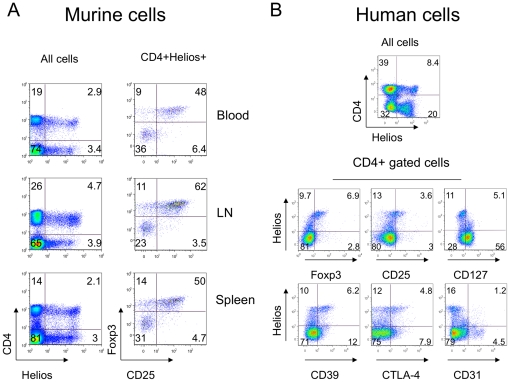
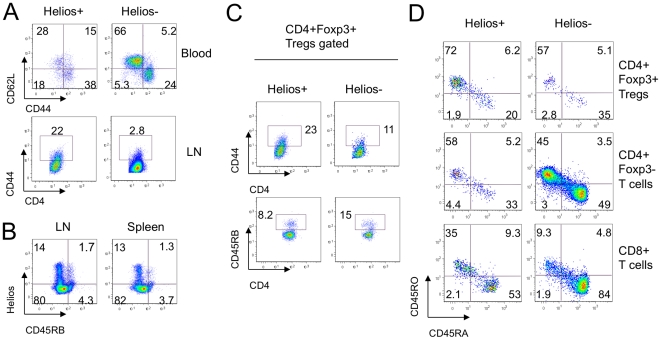
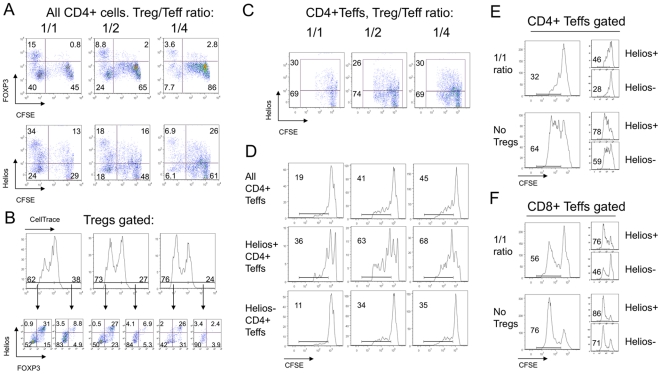
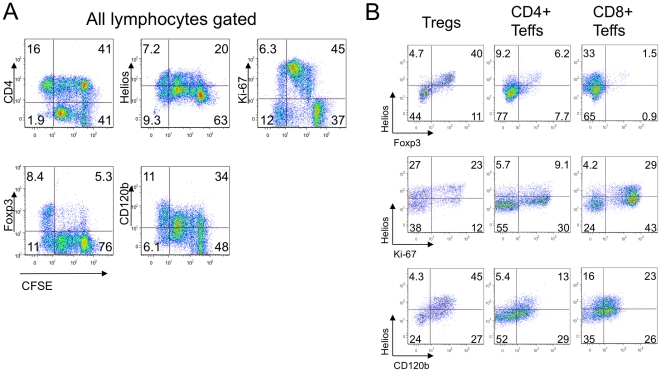
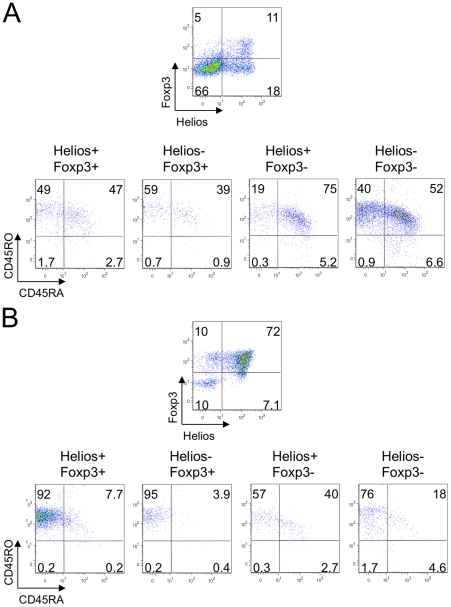
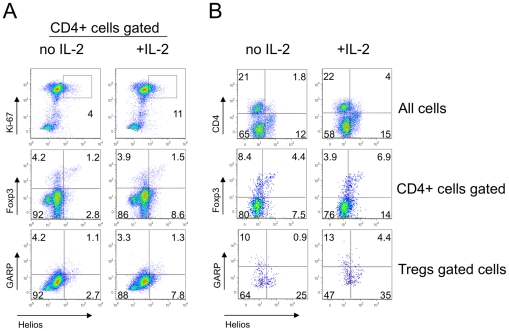
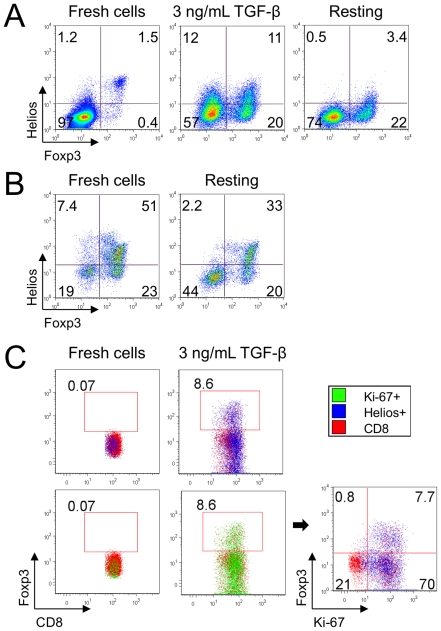
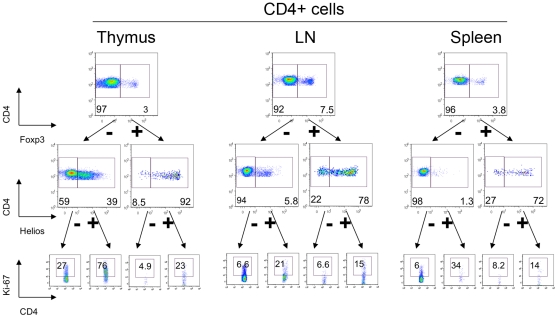
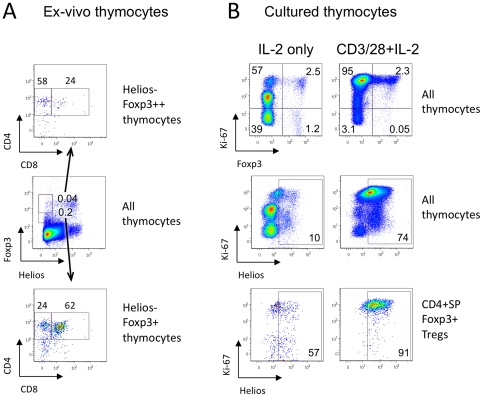
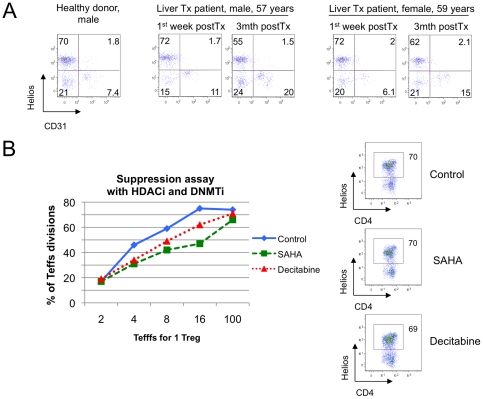
Foxp3+ T-regulatory cells (Tregs) normally serve to attenuate immune responses and are key to maintenance of immune homeostasis. Over the past decade, Treg cells have become a major focus of research for many groups, and various functional subsets have been characterized. Recently, the Ikaros family member, Helios, was reported as a marker to discriminate naturally occurring, thymic-derived Tregs from those peripherally induced from naïve CD4+ T cells. We investigated Helios expression in murine and human T cells under resting or activating conditions, using well-characterized molecules of naïve/effector/memory phenotypes, as well as a set of Treg-associated markers. We found that Helios-negative T cells are enriched for naïve T cell phenotypes and vice versa. Moreover, Helios can be induced during T cell activation and proliferation, but regresses in the same cells under resting conditions. We demonstrated comparable findings using human and murine CD4+Foxp3+ Tregs, as well as in CD4+ and CD8+ T cells. Since Helios expression is associated with T cell activation and cellular division, regardless of the cell subset involved, it does not appear suitable as a marker to distinguish natural and induced Treg cells.
Overview
The claims and statistics of this paper haven’t been checked yet.
Free: it reads the open-access text and checks the first 5 claims that cite a source we can check. Create a free account to check every claim.
Integrity signals
Registry
Cites
Statistics
Figures
Verification
Claims the paper makes
The claims and statistics of this paper haven’t been checked yet.
Free: it reads the open-access text and checks the first 5 claims that cite a source we can check. Create a free account to check every claim.
Claims other papers make about this one
Each is checked against this paper’s own text: does it say what the citing paper says it does?
The cited source doesn’t support the claim as written.
In the citing paper
“Yet, Helios, Nrp-1 or ROR-γt are widely accepted for the discrimination of tTreg and pTreg cells under homeostatic conditions [364-366, 437-440].”
From Guidelines for the use of flow cytometry and cell sorting in immunological studies (third edition) (2021) · cites this paper as [366]
Checked by a reasoning model — may be wrong.
Experimental — accuracy not yet measuredThe cited source says what the claim attributes to it.
In the citing paper
“In humans, however, the validity of these markers is less clear because not all naive/thymus-derived Tregs express Helios [173] and it has been reported that this protein can also be expressed by activated T cells [366].”
From Guidelines for the use of flow cytometry and cell sorting in immunological studies (third edition) (2021) · cites this paper as [366]
Self-check
Percentages, sums and reported differences re-computed from the paper’s own numbers.
The self-check needs the paper’s full text.
Citations
Cites
Control of Regulatory T Cell Development by the Transcription Factor Foxp3
Hori, S., Nomura, T., & Sakaguchi, S. (2003) · Science · doi:10.1126/science.1079490 · Cited by 8,187
Foxp3 programs the development and function of CD4+CD25+ regulatory T cells
Fontenot, J. D., Gavin, M. A., & Rudensky, A. Y. (2003) · Nature Immunology · doi:10.1038/ni904 · Cited by 7,745 · cited 1×
“function [3,4].”
Veldhoen, M., Hocking, R. J., Atkins, C. J., Locksley, R. M., & Stockinger, B. (2006) · Immunity · doi:10.1016/j.immuni.2006.01.001 · Cited by 3,605 · cited 1×
“Thus, in vitro induced murine Tregs do not have a stable iTreg phenotype and lose Foxp3 after TGFbeta withdrawal, while human iTregs generated this way may be unstable and/or poorly suppressive [24,30,31].”
BackgroundVignali, D. A. A., Collison, L. W., & Workman, C. J. (2008) · Nature Reviews Immunology · doi:10.1038/nri2343 · Cited by 3,463
CD127 expression inversely correlates with FoxP3 and suppressive function of human CD4+ T reg cells
Liu, W., Putnam, A. L., Xu-yu, Z., Szot, G. L., Lee, M. R., Zhu, S., Gottlieb, P. A., Kapranov, P., Gingeras, T. R., de St. Groth, B. F., et al. (2006) · The Journal of Experimental Medicine · doi:10.1084/jem.20060772 · Cited by 2,606 · cited 8×
“5) from BD Biosciences; CD4 (Pacific blue, PE, FITC, APC-eFluor 780), CD25 (APCeFluor 780, Pe-Cy5, Pe-Cy7), CD39 (Pe-Cy7), CD45RA (PECy7), CD45RO (PE), CD62L (Pe-Cy5, APC-eFluor 780), CD127 (FITC, PE, Alexa Fluor 647) and FOXP3 (PE, Alexa Fluor 647, Pacific blue and FITC, clones PCH101 and 236A/E7) from eBioscience; C…”
BackgroundInfluentialDeaglio, S., Dwyer, K. M., Gao, W., Friedman, D., Usheva, A., Erat, A., Chen, J.-F., Enjyoji, K., Linden, J., Oukka, M., et al. (2007) · The Journal of Experimental Medicine · doi:10.1084/jem.20062512 · Cited by 2,470 · cited 4×
“However, we did find a common association between high Helios expression and a set of Treg-known markers including Foxp3, CD25, CD39, CTLA-4 and low levels of CD127.”
BackgroundInfluentialRegulatory T Cell Lineage Specification by the Forkhead Transcription Factor Foxp3
Fontenot, J. D., Rasmussen, J. P., Williams, L. M., Dooley, J. L., Farr, A. G., & Rudensky, A. Y. (2005) · Immunity · doi:10.1016/j.immuni.2005.01.016 · Cited by 2,279 · cited 1×
“Recently, several microarray studies indicated an up-regulation of the Ikaros family transcription factor, Helios, in Tregs [16,17,18].”
BackgroundThornton, A. M., Korty, P. E., Tran, D. Q., Wohlfert, E. A., Murray, P. E., Belkaid, Y., & Shevach, E. M. (2010) · The Journal of Immunology · doi:10.4049/jimmunol.0904028 · Cited by 1,382 · cited 9×
“The fast down-regulation of Helios upon removing TCR stimulation, or the absence of stimulatory signals, might explain the effect observed by Thornton et al. whereby in vitro induced iTregs remained Helios- [21].”
BackgroundInfluentialNatural and Adaptive Foxp3+ Regulatory T Cells: More of the Same or a Division of Labor?
Curotto de Lafaille, M. A., & Lafaille, J. J. (2009) · Immunity · doi:10.1016/j.immuni.2009.05.002 · Cited by 1,055
The Foxp3+ regulatory T cell: a jack of all trades, master of regulation
Tang, Q., & Bluestone, J. A. (2008) · Nature Immunology · doi:10.1038/ni1572 · Cited by 1,031 · cited 1×
“and share multiple suppressive mechanisms [11].”
Cited by
Items 201–300 of 388
Sjøgren, T., Bratland, E., Røyrvik, E. C., Grytaas, M. A., Benneche, A., Knappskog, P. M., Kämpe, O., Oftedal, B. E., Husebye, E. S., & Wolff, A. S. B. (2022) · Journal of Autoimmunity · doi:10.1016/j.jaut.2022.102917 · Cited by 24
Tauro, S., Nguyen, P., Li, B., & Geiger, T. L. (2013) · European Journal of Immunology · doi:10.1002/eji.201242881 · Cited by 29
Bates, N. A., Li, A., Fan, T., Cutcliffe, M. P., Dagenet, C. B., Sleiman, K. C., Ma, H., Tahsin, S., Garrett, C. S., Altemus, J. J., et al. (2021) · The Journal of Immunology · doi:10.4049/jimmunol.2000663 · Cited by 23
Morgana, F., Opstelten, R., Slot, M. C., Scott, A. M., van Lier, R. A. W., Blom, B., Mahfouz, A. E., & Amsen, D. (2022) · The Journal of Immunology · doi:10.4049/jimmunol.2100506 · Cited by 30
Induced and thymus‐derived F oxp3+ regulatory T cells share a common niche
Huang, Y., Haist, V., Baumgärtner, W., Föhse, L., Prinz, I., Suerbaum, S., Floess, S., & Huehn, J. (2013) · European Journal of Immunology · doi:10.1002/eji.201343463 · Cited by 29
Navigating T-Cell Immunometabolism in Transplantation
Tanimine, N., Turka, L. A., & Priyadharshini, B. (2017) · Transplantation · doi:10.1097/tp.0000000000001951 · Cited by 23
IL-1R1 is expressed on both Helios+ and Helios−FoxP3+CD4+ T cells in the rheumatic joint
Müller, M., Herrath, J., & Malmström, V. (2015) · Clinical & Experimental Immunology · doi:10.1111/cei.12668 · Cited by 21
Schliesser, U., Chopra, M., Beilhack, A., Appelt, C., Vogel, S., Schumann, J., Panov, I., Vogt, K., Schlickeiser, S., Olek, S., et al. (2013) · European Journal of Immunology · doi:10.1002/eji.201243292 · Cited by 23
Human T Regulatory Cells: On the Way to Cognition
Kaczorowski, M., & Jutel, M. (2013) · Archivum Immunologiae et Therapiae Experimentalis · doi:10.1007/s00005-013-0217-2 · Cited by 23
Chae, W., & Bothwell, A. L. M. (2015) · Journal of Immunology Research · doi:10.1155/2015/860106 · Cited by 26
“It has been shown that Helios, a member of the Ikaros family, is expressed in more mature and proliferating CD4 T cells and Treg as well as in thymic-derived Tregs [24–26].”
BackgroundJunginger, J., Raue, K., Wolf, K., Janecek, E., Stein, V. M., Tipold, A., Günzel‐Apel, A., Strübe, C., & Hewicker‐Trautwein, M. (2017) · Scientific Reports · doi:10.1038/s41598-017-10677-4 · Cited by 23
Chen, W., Huang, W., Xue, Y., Chen, Y., Qian, W., Ma, J., August, A., Wang, J., Zheng, S. G., & Lin, J. (2022) · Frontiers in Immunology · doi:10.3389/fimmu.2022.900139 · Cited by 27
“Helios is also known as a marker of T cell activation and proliferation (17, 18).”
BackgroundCharacterization of Regulatory T-Cell Markers in CD4+ T Cells of the Upper Airway Mucosa
Christina, B., Gran, E., Bækkevold, E. S., & Jahnsen, F. L. (2016) · PLoS ONE · doi:10.1371/journal.pone.0148826 · Cited by 19
“This notion has later been questioned because it was shown that activated T cells transiently express both FOXP3 and Helios [27].”
BackgroundGeem, D., Ngo, V. L., Harusato, A., Chassaing, B., Gewirtz, A. T., Newberry, R. D., & Denning, T. L. (2016) · Cellular and Molecular Gastroenterology and Hepatology · doi:10.1016/j.jcmgh.2015.12.009 · Cited by 22
“activation and proliferation, thus limiting its ability to universally distinguish tTregs from pTregs.(26) In defining Foxp3þHeliosþ Tregs as tTregs and Foxp3þHelios- Tregs as pTregs in accordance with previous studies, Foxp3þ Tregs in the thymus predominantly expressed Helios for both Ltaþ/þ and Lta mice as expected…”
BackgroundResultRamos‐Ramírez, P., Malmhäll, C., Johansson, K., Lötvall, J. O., & Bossios, A. (2016) · Scandinavian Journal of Immunology · doi:10.1111/sji.12419 · Cited by 19
Greenland, J. R., Wong, C. M., Ahuja, R., Wang, A. S., Uchida, C., Golden, J. A., Hays, S. R., Leard, L. E., Rajalingam, R., Singer, J. P., et al. (2016) · Transplantation · doi:10.1097/tp.0000000000001191 · Cited by 20
The phenotype and activation status of regulatory T cells during Friend retrovirus infection
Joedicke, J. J., Dietze, K. K., Zelinskyy, G., & Dittmer, U. (2014) · Virologica Sinica · doi:10.1007/s12250-014-3396-z · Cited by 19
Lambracht‐Washington, D., & Rosenberg, R. N. (2014) · Journal of Neuroimmunology · doi:10.1016/j.jneuroim.2014.12.007 · Cited by 20
“It had been reported that the expression of the transcription factor Helios is a marker of T cell activation (Akimova et al., 2011), and we used this marker here to analyze Treg activation.”
MethodMany Faces of Regulatory T Cells: Heterogeneity or Plasticity?
Blinova, V. G., & Zhdanov, D. D. (2024) · Cells · doi:10.3390/cells13110959 · Cited by 20
“However, one study demonstrated the role of Helios in cellular activation and division [32].”
ResultT cells and intestinal commensal bacteria‐ignorance, rejection, and acceptance
Chai, J. N., Zhou, Y. W., & Hsieh, C. (2014) · FEBS Letters · doi:10.1016/j.febslet.2014.06.040 · Cited by 19
Zelinskyy, G., Werner, T., & Dittmer, U. (2013) · Retrovirology · doi:10.1186/1742-4690-10-109 · Cited by 24
“The percentage of activated Helios + cells in the population of nTregs was higher in infected than in naïve mice (83 % to 69 % respectively) (Figure 1F, upper panel), whereas the activation level in the population of iTregs was unchanged after infection with F-MuLV (Figure 1F, lower panel).”
BackgroundInfluentialTrojan, K., Zhu, L., Aly, M. G., Weimer, R., Bulut, N., Morath, C. P., Opelz, G., & Daniel, V. (2017) · Clinical & Experimental Immunology · doi:10.1111/cei.12945 · Cited by 18
Massoud, A. H., Kaufman, G., Xue, D., Béland, M., Dembele, M., Piccirillo, C. A., Mourad, W. M., & Mazer, B. D. (2017) · The Journal of Immunology · doi:10.4049/jimmunol.1502361 · Cited by 20
“Interestingly, high Nrp1 expression correlated well with Helios expression, although Helios is found on subsets other than tTreg (43).”
BackgroundChen, A. C., Cai, X., Li, C., Khoryati, L., Gavin, M. A., & Miao, C. H. (2020) · Frontiers in Immunology · doi:10.3389/fimmu.2020.00638 · Cited by 17
“Helios+ Tregs have been described to be predominantly derived from the thymus and are considered to be more stable and highly suppressive compared to Helios− Tregs (49).”
BackgroundValentine, K. M., Mullins, G. N., Davalos, O. A., Seow, L. W., & Hoyer, K. K. (2021) · Journal of Autoimmunity · doi:10.1016/j.jaut.2021.102690 · Cited by 17
Hamano, R., Baba, T., Sasaki, S., Tomaru, U., Ishizu, A., Kawano, M., Yamagishi, M., & Mukaida, N. (2014) · European Journal of Immunology · doi:10.1002/eji.201343434 · Cited by 18
Skadow, M. H., Penna, V. R., Galant-Swafford, J., Shevach, E. M., & Thornton, A. M. (2019) · The Journal of Immunology · doi:10.4049/jimmunol.1900388 · Cited by 16
“In fact, several studies have proposed that the expression of Helios is related to the activation state or to the strength of the antigenic signal delivered, both for Treg cells and also for all CD4 cells (12, 13).”
BackgroundAntigen-Specific Gene Therapy after Immunisation Reduces the Severity of Collagen-Induced Arthritis
Eneljung, T., Tengvall, S., Jirholt, P., Henningsson, L., Holmdahl, R., Gustafsson, K. T., & Gjertsson, I. (2013) · Clinical and Developmental Immunology · doi:10.1155/2013/345092 · Cited by 16
“The transcription factor Helios can be used as a marker for thymic-derived Tregs [34]; however, later studies have shown that Helios expression also can be an activation marker for T effector cells, particularly in humans [51].”
BackgroundFOXP3+ regulatory T cells are associated with the severity and prognosis of sarcoidosis
Patterson, K. C., Miller, W. T., Hancock, W. W., & Akimova, T. (2023) · Frontiers in Immunology · doi:10.3389/fimmu.2023.1301991 · Cited by 17
“…Tregs demonstrated upregulated Helios expression by fl ow cytometry (Figure 3D) which corresponded to upregulated Ki-67 + , further con fi rming the role of Helios as a marker for T cell activation and division, as we have previously reported (17), and arguing against Helios as a marker of tTregs.”
ResultSelf-citationMilanez‐Almeida, P., Meyer‐Hermann, M., Toker, A., Khailaie, S., & Huehn, J. (2014) · European Journal of Immunology · doi:10.1002/eji.201444480 · Cited by 21
Regulatory T Cells in Preeclampsia
Cerdeira, A. S., Kopcow, H. D., & Karumanchi, S. A. (2012) · American Journal Of Pathology · doi:10.1016/j.ajpath.2012.09.020 · Cited by 16
Hood, J. D., Zarnitsyna, V. I., Zhu, C., & Evavold, B. D. (2015) · The Journal of Immunology · doi:10.4049/jimmunol.1501464 · Cited by 16
“It has been reported that Helios expression can be induced under certain circumstances (43, 44); however, we did not observe any ex vivo staining of Tconvs .”
BackgroundDistinct characteristics of Tregs of newborns of healthy and allergic mothers
Černý, V., Hrdý, J., Novotná, O., Petrásková, P., Boráková, K., Kolářová, L., & Prokešová, L. (2018) · PLoS ONE · doi:10.1371/journal.pone.0207998 · Cited by 18
“It may be possible that Helios expression rises after exposure of the cell to cognate antigen and Helios may thus serve as an activation and proliferation marker [43], similar to FoxP3 itself [33].”
BackgroundInfluentialIndrio, F., Dargenio, V. N., Giordano, P., & Francavilla, R. (2019) · Advances in experimental medicine and biology · doi:10.1007/5584_2018_315 · Cited by 20
Helios Expression in T-regulatory Cells in Patients with di George Syndrome
Klocperk, A., Grecová, J., Šišmová, K., Kayserová, J., Froňková, E., & Šedivá, A. (2014) · Journal of Clinical Immunology · doi:10.1007/s10875-014-0071-y · Cited by 15
“We were interested whether this hypothesis would prove true, particularly in the light of several recent publications that challenged the correctness of Helios as a marker of nTregs [7, 18, 19].”
BackgroundResultAbel, S., Ueffing, K., Tatura, R., Hutzler, M., Hose, M., Matuschewski, K., Kehrmann, J., Westendorf, A. M., Buer, J., & Hansen, W. (2016) · Immunology · doi:10.1111/imm.12602 · Cited by 18
Plasmodium vivax Infection Impairs Regulatory T-Cell Suppressive Function During Acute Malaria
Costa, P. A. C., Figueiredo, M. M., Diniz, S. Q., Peixoto, A. P. M. M., Maloy, K. J., Teixeira‐Carvalho, A., Tada, M. S., Pereira, D. B., Gazzinelli, R. T., & Antonelli, L. R. D. V. (2018) · The Journal of Infectious Diseases · doi:10.1093/infdis/jiy296 · Cited by 15
Glucocorticoids Oppose Thymocyte Negative Selection by Inhibiting Helios and Nur77
Mittelstadt, P. R., Taves, M. D., & Ashwell, J. D. (2019) · The Journal of Immunology · doi:10.4049/jimmunol.1900559 · Cited by 16
“Helios, also reported to be a T cell activation-induced gene (32), increased more gradually, being detectably increased by 2 h and continuing to increase through 16 h (Fig.”
BackgroundLuu, M., Jenike, E., Vachharajani, N. B., & Visekruna, A. (2017) · Oncotarget · doi:10.18632/oncotarget.17079 · Cited by 20
Interleukin-6 expands homeostatic space for peripheral T cells
Hong, C., Nam, A. S., Keller, H. R., Ligons, D. L., Park, J., Yoon, H., Park, J. J., Luckey, M. A., & Park, J.-H. (2013) · Cytokine · doi:10.1016/j.cyto.2013.08.001 · Cited by 16
Antigen‐specific Helios−, Neuropilin‐1− Tregs induce apoptosis of autoreactive B cells via PD ‐L1
Becker-Gotot, J., Dhana, E., Yagita∥, H., Kaiser, R., Ludwig‐Portugall, I., & Kurts, C. (2018) · Immunology and Cell Biology · doi:10.1111/imcb.12053 · Cited by 18
“Furthermore, Helios expression was also observed immediately after activation of Th cells(4) and of pTregs,(18) and after stimulation in the presence of transforming growth factor-ß.(4,9,14,15) It also has to be considered that Nrp-1 is influenced by transforming growth factor-ß and directly controlled by Foxp3,(41) s…”
BackgroundReduced Bordetella pertussis-specific CD4+ T-Cell Responses at Older Age
Lambert, E. E., van Twillert, I., Beckers, L., Poelen, M. C. M., Han, W. G. H., Pieren, D. K. J., & van Els, C. A. C. M. (2022) · Frontiers in Aging · doi:10.3389/fragi.2021.737870 · Cited by 11
CD25 + FoxP3 + Memory CD4 T Cells Are Frequent Targets of HIV Infection In Vivo
Chachage, M., Pollakis, G., Kuffour, E. O., Haase, K., Bauer, A. P., Nadai, Y., Podola, L., Clowes, P., Schiemann, M., Henkel, L., et al. (2016) · Journal of Virology · doi:10.1128/jvi.00612-16 · Cited by 16
“Helios expression is also linked to expression of a range of suppressive T cell markers and can be induced in CD4 T cells upon in vitro activation (74, 75).”
Lu, C., & Chen, W. (2021) · Immunology and Cell Biology · doi:10.1111/imcb.12492 · Cited by 14
“It is unlikely that conventional CD4 T cells or Foxp3Helios Tregs were induced to express Helios during their response to the primary infection since it has been clearly shown that withdrawal of stimulation led to a rapid decline of Helios expression.(25) We further observed that the Foxp3Helios Tregs accumulated in t…”
BackgroundVagaries of Fluorochrome Reporter Gene Expression in Foxp3+ Regulatory T Cells
Schallenberg, S., Petzold, C., Tsai, P.-Y., Sparwasser, T. D., & Kretschmer, K. (2012) · PLoS ONE · doi:10.1371/journal.pone.0041971 · Cited by 13
“Nevertheless, the contribution of thymic and extrathymic Treg cell developmental pathways to the phenotypic and functional heterogeneity of the peripheral Treg cell pool ([28]], and references therein) has remained difficult to establish by direct evidence [29,30,31,32].”
BackgroundLoffredo‐Verde, E., Aziz, I. Z. A., Albrecht, J., Elguindy, N., Yacob, M., Solieman, A., Protzer, U., Busch, D. H., Layland, L. E., & da Costa, C. P. (2015) · Parasite Immunology · doi:10.1111/pim.12171 · Cited by 12
Verhagen, J., Burton, B. R., Britton, G. J., Shepard, E. R., Anderton, S. M., & Wraith, D. C. (2013) · PLoS ONE · doi:10.1371/journal.pone.0061334 · Cited by 13
“the Tg4 model [12,13,14].”
Wang, C., Xie, K., Li, K., Lin, S., & Xu, F. (2021) · Molecular Immunology · doi:10.1016/j.molimm.2021.01.009 · Cited by 14
A role for IL-10 in the transcriptional regulation of Roquin-1
Schaefer, J. S., Montufar‐Solis, D., & Klein, J. R. (2014) · Gene · doi:10.1016/j.gene.2014.07.056 · Cited by 16
“…of transcription factors are involved in hematopoietic cell differentiation with IKZF2 and IKZF1 in particular affecting IL-10 and IL-17 production (Akimova et al., 2011; Himmel et al., 2013; Suzuki et al., 2013; Wong et al., 2013; Yap et al., 2005). cRel is classically involved in T and B cell…”
BackgroundRedpath, S. A., van der Werf, N., MacDonald, A. S., Maizels, R. M., & Taylor, M. D. (2015) · Infection and Immunity · doi:10.1128/iai.00408-15 · Cited by 11
“While Helios expression was originally reported to distinguish thymic Treg cells from peripheral Treg cells (27), more recent evidence suggests that it is a marker of Treg cell activation (28).”
BackgroundTrojan, K., Unterrainer, C., Weimer, R., Bulut, N., Morath, C. P., Aly, M. G., Zhu, L., Opelz, G., & Daniel, V. (2017) · PLoS ONE · doi:10.1371/journal.pone.0173773 · Cited by 13
Yu, W., Ji, N., Gu, C., Sun, Z., Wang, Z., Chen, Z., Ma, Y., Wu, Z., Wang, Y., Wu, C., et al. (2019) · Chinese Medical Journal · doi:10.1097/cm9.0000000000000517 · Cited by 13
Comment on “Expression of Helios in Peripherally Induced Foxp3+ Regulatory T Cells”
Elkord, E. (2012) · The Journal of Immunology · doi:10.4049/jimmunol.1290033 · Cited by 13
MacDonald, K. G., Han, J. M., Himmel, M. E., Huang, Q. B., Kan, B., Campbell, A., Lavoie, P. M., & Levings, M. K. (2013) · The Journal of Immunology · doi:10.4049/jimmunol.1390019 · Cited by 12
Byun, S., Lee, J., Choi, Y. H., Ko, H., Lee, C., Park, J. C., Kim, S. W., Lee, H., Sharma, A., Kim, K. S., et al. (2024) · The Journal of Immunology · doi:10.4049/jimmunol.2300395 · Cited by 12
Chen, Y.-G., Mordes, J. P., Blankenhorn, E. P., Kashmiri, H., Kaldunski, M. L., Jia, S., Geoffrey, R., Wang, X., & Hessner, M. J. (2013) · Genes and Immunity · doi:10.1038/gene.2013.31 · Cited by 11
“Recent reports suggest that Helios expression is not restricted to nT reg , but is also observed in stimulated effector T-cells and iT reg46–48 where expression levels decline in the absence of continuous Ag stimulation 46, 47 .”
Pásztói, M., Pezoldt, J., & Huehn, J. (2015) · Progress in molecular biology and translational science · doi:10.1016/bs.pmbts.2015.07.012 · Cited by 10
Lapierre, P., Janelle, V., Langlois, M.-P., Tarrab, E., Charpentier, T., & Lamarre, A. (2015) · Cellular and Molecular Gastroenterology and Hepatology · doi:10.1016/j.jcmgh.2015.02.002 · Cited by 11
“Although initially believed to distinguish natural Tregs from peripherally induced Tregs, the expression of the Helios transcription factor has been recently reported in both subsets(28) and is now believed to reflect the context of stimulation during FoxP3 induction.(29) These observations preclude using Helios as a…”
ResultStabilizing Human Regulatory T Cells for Tolerance Inducing Immunotherapy
He, X., Koenen, H. J. P. M., Slaats, J., & Joosten, I. (2017) · Immunotherapy · doi:10.2217/imt-2017-0017 · Cited by 13
Štefanić, M., Tokić, S., Suver-Stević, M., & Glavaš‐Obrovac, L. (2018) · Experimental and Clinical Endocrinology & Diabetes · doi:10.1055/a-0597-8948 · Cited by 13
“HELIOS is expressed by memory and activated effector CD4 + /CD8 + T cells that are relatively resistant to Treg-suppression [47], but it is also induced in Treg cells by antigen exposure whereupon it promotes Treg stability [13, 14].”
BackgroundMass cytometry and type 1 diabetes research in the age of single-cell data science
Rahman, A. H., & Homann, D. (2020) · Current Opinion in Endocrinology Diabetes and Obesity · doi:10.1097/med.0000000000000549 · Cited by 13
“Using a 30-parameter phenotypic mass cytometry staining panel in conjunction with combinatorial tetramer staining [21] to improve identification of beta cell-specific CD8þ T cells (and which remains a particular challenge for low-avidity auto-reactive CD8þ T cells), the authors established a direct correlation between…”
MethodClambey, E. T., Collins, B. C., Young, M. H., Eberlein, J., David, A. P., Kappler, J. W., & Marrack, P. (2013) · PLoS ONE · doi:10.1371/journal.pone.0057435 · Cited by 14
“liferation, with Ikaros colocalizing with DNA replication machinery during activation-induced proliferation [10] and Helios recently identified as a protein upregulated during T cell activation and proliferation [11].”
BackgroundHELIOS-expressing human CD8 T cells exhibit limited effector functions
Neyens, D., Hirsch, T., Hadi, A. A. A. I. A., Dauguet, N., Vanhaver, C., Bayard, A., Wildmann, C., Luyckx, M., Squifflet, J.-L., D’Hondt, Q., et al. (2023) · Frontiers in Immunology · doi:10.3389/fimmu.2023.1308539 · Cited by 11
Bendfeldt, H., Benary, M., Scheel, T., Steinbrink, K., Radbruch, A., Herzel, H., & Baumgrass, R. (2012) · Frontiers in Immunology · doi:10.3389/fimmu.2012.00264 · Cited by 12
Sann, S., Heng, B., Vo, H. T. M., Hornero, R. A., Lay, S., Sorn, S., Ken, S., Ou, T. P., Laurent, D., Yay, C., et al. (2024) · mBio · doi:10.1128/mbio.00063-24 · Cited by 13
“Next to FOXP3, Helios is an important transcription factor in Treg biology, whose presence might be used to define naturally occurring, thymic-derived Tregs, although it seems that Helios can also be upregulated in activated and proliferat ing Tregs (26–28).”
BackgroundThe right educational environment: Oral tolerance in early life
Cheifetz, T. R., & Knoop, K. A. (2024) · Immunological Reviews · doi:10.1111/imr.13366 · Cited by 9
“8,9 Among pTregs, there is a subset that is positive for the transcription factor retinoic acid-related orphan receptor-γ t (ROR γ t), and has been shown to be particularly important for maintaining oral tolerance.”
Regulatory T Cells in Cancer Patients and Their Roles in Cancer Development/Progression
Khansari, N. (2014) · MOJ Immunology · doi:10.15406/moji.2014.01.00024 · Cited by 11
“Transient expression of Helios on activated human and mouse conventional T cells and Tregs was also reported [16].”
BackgroundOntogeny of Tumor-associated CD4+CD25+Foxp3+ T-regulatory Cells
Li, Q., & Egilmez, N. K. (2016) · Immunological Investigations · doi:10.1080/08820139.2016.1220390 · Cited by 9
“It has been shown that Helios can be upregulated in activated T effectors as well as in pTreg (Akimova et al., 2011).”
BackgroundInfluentialOpstelten, R., & Amsen, D. (2021) · Immunology Letters · doi:10.1016/j.imlet.2021.03.002 · Cited by 9
Targeting T regulatory (T reg ) cells in immunotherapy-resistant cancers
Spiliopoulou, P., Kaur, P., Hammett, T., Conza, G. D., & Lahn, M. (2024) · Cancer Drug Resistance · doi:10.20517/cdr.2023.46 · Cited by 24
Helios—Illuminating the way for lymphocyte self‐control
Hetemäki, I., Arstila, T. P., & Kekäläinen, E. (2024) · Immunology · doi:10.1111/imm.13866 · Cited by 9
Rodriguez‐Sillke, Y., Visekruna, A., Glauben, R., Siegmund, B., & Steinhoff, U. (2021) · International Journal of Medical Microbiology · doi:10.1016/j.ijmm.2021.151493 · Cited by 9
Interpretation of transplant biopsies and immune responses following Treg cell therapy
Tang, Q., & Kang, S. (2014) · Current Opinion in Organ Transplantation · doi:10.1097/mot.0000000000000132 · Cited by 8
A Combination Therapy of Cyclophosphamide and Immunomodulating Agents in Cancer
Bakar, S. N., & Kue, C. S. (2024) · Current Cancer Drug Targets · doi:10.2174/0115680096314791240830111909 · Cited by 10
Ma, R., Prigge, A. D., Serrano, T. P. O., Cheng, Y., Davis, J. M., Lou, K. F., Wood, W. A., Do, H. C., Ren, Z., Fulcer, M. M., et al. (2024) · Cell Reports · doi:10.1016/j.celrep.2024.115056 · Cited by 9
“48 However, subsequent studies raised concerns about Helios being a definitive marker for nTregs, given its expression in conventional human T cells under specific activation conditions 49 and mouse iTregs.”
París‐Muñoz, A., Aizpurua, G., & Barber, D. F. (2022) · Frontiers in Immunology · doi:10.3389/fimmu.2022.922958 · Cited by 10
“Because Helios is also present on activated CD4 Tconvs (38) that are exposed chronically to cognate antigens (39, 40), our data suggest that a chronic autoimmune context is associated with the maintenance of the Helios phenotype over time in a population of activated effector CD4 T cells in these mouse models of lupus.”
BackgroundChen, X., Zhang, D., Chen, X., Meng, G., Zheng, Q., Mai, W., Wu, Y., Ye, L., & Wang, L. (2017) · Vaccine · doi:10.1016/j.vaccine.2017.07.014 · Cited by 7
Self-citationvan Herwijnen, M. J. C., van der Zee, R., van Eden, W., & Broere, F. (2015) · PLoS ONE · doi:10.1371/journal.pone.0128373 · Cited by 8
“As a marker for nTregs, Helios was considered until later it was shown that this transcription factor identifies the activation status of Tregs, irrespectively of their origin [40].”
BackgroundMohiuddin, I. H., Pillai, V., Baughman, E. J., Greenberg, B. M., Frohman, E. M., Crawford, M. P., Sinha, S., & Karandikar, N. J. (2016) · Clinical Immunology · doi:10.1016/j.clim.2016.05.001 · Cited by 9
“Many studies have since described additional markers towards discriminating between thymic-derived nTregs and peripherally-induced CD4 + FOXP3 + T-cells, however, all markers to date are found to be expressed by both regulatory populations, including CTLA-4 [8], GITR [9], CD127 [10], and more recently, HELIOS [11, 12].”
Doglio, M., Rana, J., Stucchi, A., Melero, M.-M., Ugolini, A., Jofra, T., Toma, C., Bercher-Brayer, C., Carulli, P., Kumar, S. R. P., et al. (2025) · Frontiers in Immunology · doi:10.3389/fimmu.2025.1513009 · Cited by 7
Sun, Y., Lin, S., Wang, H., Wang, L., Qiu, Y., Zhang, F., Hao, N., Wang, F., & Tan, W. (2024) · Journal of Translational Medicine · doi:10.1186/s12967-024-05082-1 · Cited by 9
“Helios is a marker for T cell activation and proliferation and is essential for the inhibitory activity of Treg [43].”
BackgroundSelf-citationFoyle, K. L., Chin, P. Y., Merkwirth, C., Wilson, J. J., Hosking, S. L., Green, E. S., Chong, M. Y., Zhang, B., Moldenhauer, L. M., Ferguson, G. D., et al. (2024) · American Journal Of Pathology · doi:10.1016/j.ajpath.2024.07.012 · Cited by 7
Lu, H. Y., Vaseghi‐Shanjani, M., Lam, A. J., Sharma, M., Mohajeri, A., da Silva, L. B. R., Gillies, J. K., Yang, G. X., Lin, S. X., Fu, M. P., et al. (2025) · Journal of Clinical Immunology · doi:10.1007/s10875-025-01882-2 · Cited by 8
Forkhead box protein 3+ regulatory T cells and Helios+ subset in perinatally acquired HIV
Degaffe, G. H., zakhour, R. G., Zhang, W., Contreras, G., Bell, C., Rodriguez, G., Bianco, G. P. D., Pérez, N., Benjamins, L. J., Murphy, J. R., et al. (2014) · Clinical & Experimental Immunology · doi:10.1111/cei.12560 · Cited by 6
Bi, Y., Kong, R., Peng, Y., Yu, H., & Zhou, Z. (2023) · Clinical Immunology · doi:10.1016/j.clim.2023.109716 · Cited by 7
Murine Pancreatic Adenocarcinoma Reduces Ikaros Expression and Disrupts T Cell Homeostasis
Nelson, N., Xiang, S., Zhang, X. M., Gilvary, D. L., Djeu, J. Y., Husain, K. M., Malafa, M. P., Vohra, N. A., Pilon‐Thomas, S., & Ghansah, T. (2015) · PLoS ONE · doi:10.1371/journal.pone.0115546 · Cited by 6
“Helios also plays a role in T cell activation and proliferation [48] and is involved in regulatory T cell development and function [49,50].”
BackgroundCD28/CTLA-4/B7 and CD40/CD40L costimulation and activation of regulatory T cells
Vogel, I. (2014) · World Journal of Immunology · doi:10.5411/wji.v4.i2.63 · Cited by 7
Decreased Helios Expression in Regulatory T Cells in Acute Coronary Syndrome
Jiang, L., Chen, F., Hu, X.-F., Hu, Y., Wang, Y., Zhang, W., Peng, Y., & Cheng, L. (2017) · Disease Markers · doi:10.1155/2017/7909407 · Cited by 6
“Animal studies have shown that Helios is required for stable inhibitory activity of CD4+Foxp3+ Tregs [30], whereas some other reports suggest that, rather than being a marker of nTregs, Helios could be a good marker for activated Tregs with a suppressive function [28, 31].”
BackgroundThe correlation of helios and neuropilin-1 frequencies with parkinson disease severity
Kakhaki, R. D., Kouchaki, E., Dadgostar, E., Behnam, M., Tamtaji, O. R., Nikoueinejad, H., & Akbari, H. (2020) · Clinical Neurology and Neurosurgery · doi:10.1016/j.clineuro.2020.105833 · Cited by 6
Down-regulation of Helios Expression in Tregs from Patients with Hypertension
Chen, Z.-Y., Chen, F., Wang, Y., Wang, D.-H., Jang, L.-L., & Cheng, L.-X. (2018) · Current Medical Science · doi:10.1007/s11596-018-1846-9 · Cited by 6
Beyond FoxP3—Identification of a Chicken Regulatory T Cell Signature
Naumann, I., Ricemeyer, E. S., Elleder, D., Plachý, J., Roche, D. V. L., Vučinić, K., Göbel, T., Kaspers, B., Früh, S. P., & Härtle, S. (2025) · European Journal of Immunology · doi:10.1002/eji.70106 · Cited by 7
“In mammals, expression of the transcription factor IKFZ2 (Helios) was initially thought to discriminate between induced and natural Tregs, but is now described as a marker of T cell activation for human, murine, and porcine T cells [32, 33].”
Raineri, D., Abreu, H., Vilardo, B., Kuštrimović, N. Z., Venegoni, C., Cappellano, G., & Chiocchetti, A. (2024) · International Journal of Molecular Sciences · doi:10.3390/ijms25052509 · Cited by 6
“Interestingly, we found that Tregs in both ICOS-KO and ICOSL-KO mice co-express Foxp3 and Helios, identifying the activated phenotype [57].”
BackgroundImpact of chronic alcohol exposure on conventional and regulatory murine T cell subsets
Paterson, C. W., Gutierrez, M. B., Coopersmith, C. M., & Ford, M. L. (2023) · Frontiers in Immunology · doi:10.3389/fimmu.2023.1142614 · Cited by 5
“Conversely, this CD4TConv cluster showed high expression of CD62L, rather than CD103, in addition to high expression of Helios, which has been shown to be critical for the activation of naïve T cells (54, 55).”
BackgroundBarbaro, N. R., Drashansky, T. T., Tess, K., Djedaini, M., HARIRI, R. J., He, S., van der Touw, W., & Karasiewicz, K. (2024) · Journal for ImmunoTherapy of Cancer · doi:10.1136/jitc-2023-008656 · Cited by 6
Cancer immunotherapy: Targeting immunosuppressive tumor microenvironment
Ahmed, N., Adil, A. M., LAVANYA, V. A., & Jamal, S. (2014) · Oncobiology and Targets · doi:10.4103/2395-4469.145382 · Cited by 6
Bowron, J., Ariyaratne, A., Luzzi, M. D. C., Szabo, E. K., & Finney, C. A. M. (2020) · European Journal of Immunology · doi:10.1002/eji.201948392 · Cited by 6
Černý, V., Novotná, O., Petrásková, P., Hudcová, K., Boráková, K., Prokešová, L., Kolářová, L., & Hrdý, J. (2021) · Biomedicines · doi:10.3390/biomedicines9020170 · Cited by 9
“Similarly, while Helios has originally been described as a fairly specific marker of human natural Treg [20,87], its usefulness for distinguishing nTreg and iTreg has been questioned by other studies which claimed it to be another marker of recent T cell activation, transiently upregulated in CD4+ T cells [88,89].”
BackgroundHong, M., Kang, M. J., Pak, S., Han, I., & Bae, H. (2022) · Oriental Pharmacy and Experimental Medicine · doi:10.1007/s13596-022-00631-9 · Cited by 6
“To investigate whether bvPLA2 affects Tregs in the TA muscle of SOD1 mice, single cells were obtained from the TA muscle of the hind limb in SOD1 mice and analyzed by flow cytometry after staining for known Treg markers, including CD4, CD25, and Foxp3 (Akimova et al. 2011).”
MethodInfluentialCommon and Exclusive Features of Intestinal Intraepithelial γδ T Cells and Other γδ T Cell Subsets
Apostolov, A. K., Hamani, M., Hernández‐Vargas, H., Igalouzene, R., Guyennon, A., Fesneau, O., Marie, J. C., & Soudja, S. M. (2022) · ImmunoHorizons · doi:10.4049/immunohorizons.2200046 · Cited by 5
The transcription factor Helios restrains the anti-tumor capacity of CD8+ T cells
Rubio, R. M., Suárez‐Rojas, G., Albarrán‐Godínez, A., León-Rodríguez, S. G. D., Aguilar-Flores, C., Fonseca-Montaño, M. A., Téllez-Sütterlin, M., Carmona, S. V. D. L. S., Guzmán-Barrenechea, K., Candanedo-González, F., et al. (2025) · Cell Reports · doi:10.1016/j.celrep.2025.116680 · Cited by 6
Metadata
- Authors
- Akimova, T., Beier, U. H., Wang, L., Levine, M. H., & Hancock, W. W.
- Affiliations
- Children's Hospital of Philadelphia (US)
- Hospital of the University of Pennsylvania (US)
- Corresponding author
- Hancock, Wayne W.
- Venue
- PLoS ONE
- Publisher
- Public Library of Science (PLoS)
- Published
- 2011-08-30
- Volume
- 6
- Issue
- 8
- Pages
- e24226
- ISSN
- 1932-6203 (ISSN-L)
- PMC
- PMC3168881
- OpenAlex
- W2088046822
- Cited by
- 389
- References
- 48
- Citations by year
- 2026: 11 · 2025: 11 · 2024: 27 · 2023: 15 · 2022: 14 · 2021: 21 · 2020: 19 · 2019: 24 · 2018: 19 · 2017: 28 · 2016: 29 · 2015: 37 · 2014: 43 · 2013: 53 · 2012: 37
- FWCI
- 18.94
- Type
- journal article
- Language
- en
- Open access
- gold
- doi.org
- Locations
- PLoS ONE (publishedVersion, cc-by)
- Europe PMC (PubMed Central) (publishedVersion, cc-by)
- PubMed Central (publishedVersion, cc-by)
- PubMed (publishedVersion)
- DOAJ (DOAJ: Directory of Open Access Journals) (submittedVersion, cc-by-sa)
- Funders
- University of Southern California
- University of Pennsylvania
- National Institutes of Health
- National Institute of Diabetes and Digestive and Kidney Diseases (K08DK092282, DK087270-01, RC1DK087270)
- Topics
- Life Sciences › Immunology and Microbiology › Immunology › T-cell and B-cell Immunology
- Life Sciences › Immunology and Microbiology › Immunology › Psoriasis: Treatment and Pathogenesis
- Life Sciences › Biochemistry, Genetics and Molecular Biology › Molecular Biology › Signaling Pathways in Disease
- Keywords
- Helios, Foxp3+ regulatory T cells, T cell activation, T cell proliferation, naive T cells, memory T cells, CD4+ T cells, CD8+ T cells, Treg markers
- MeSH terms
- Animals, Cells, Cultured, DNA-Binding Proteins, Female, Flow Cytometry, Humans, Lymphocyte Activation, Male, T-Lymphocytes, Transcription Factors, Cell Proliferation, T-Lymphocytes, Regulatory, Mice, Ikaros Transcription Factor, Forkhead Transcription Factors
About these checks
Registry, retraction, Cites and statistics results are computed, not judged, with one exception: a printed reference that no index lists is read once by a model before it counts as a citation error. Claims are extracted by a model and kept only when their quote appears verbatim in the text; each cited source is then checked, with a model’s help, for whether it says what the claim relies on. Those verdicts can be wrong — read the claim’s quote and the cited source before relying on one.
Statistics and arithmetic are recomputed, not judged.
Confidence bands are shown only for fields calibrated on our annotated test set. None is calibrated yet, so no band is shown.
What counts as a claim ›How we measure confidence ›How we check this ›
Are you an author, or do you see a problem with this page? Request a review
Data sources
Bibliographic data: Semantic Scholar, OpenAlex, Crossref.
Contains information from the Semantic Scholar Academic Graph Datasets, made available under the ODC Attribution License (ODC-BY 1.0).
Semantic Scholar’s data is described in: Kinney, R., et al. (2023). The Semantic Scholar Open Data Platform. arXiv:2301.10140.
