

Helios Expression Is a Marker of T Cell Activation and Proliferation
Open accessThe DOI matches its Crossref record; 48 of the 48 references it cites were found in a registry or an index.
Abstract
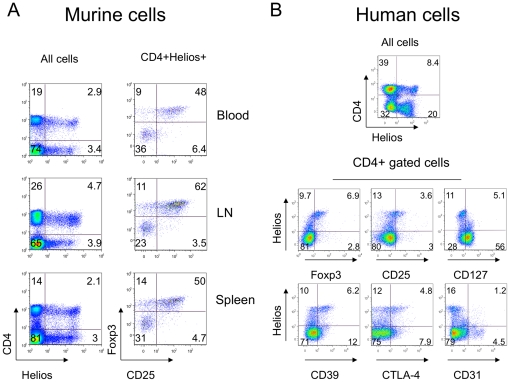
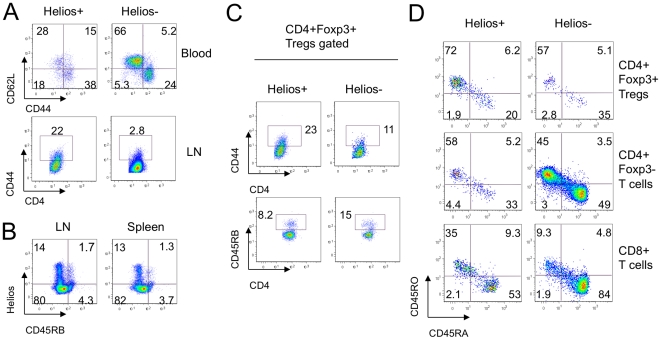
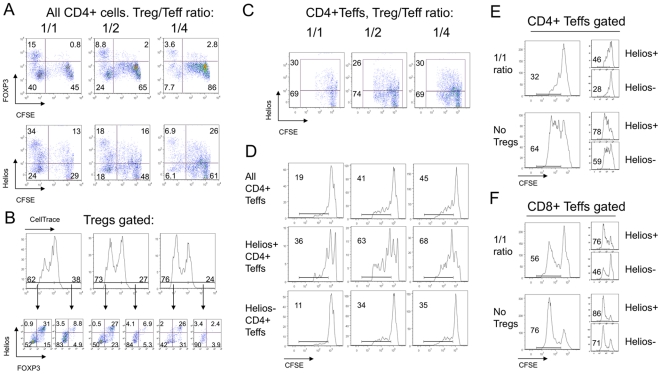
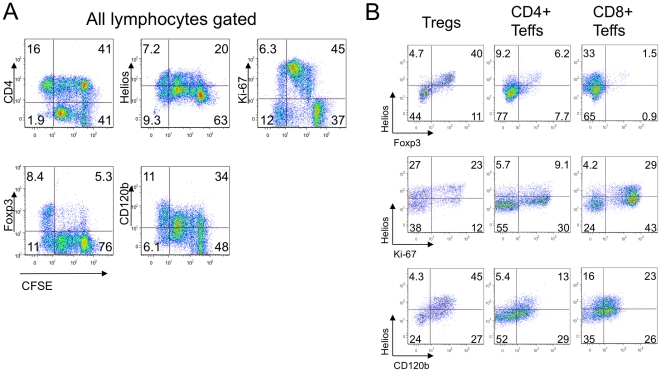
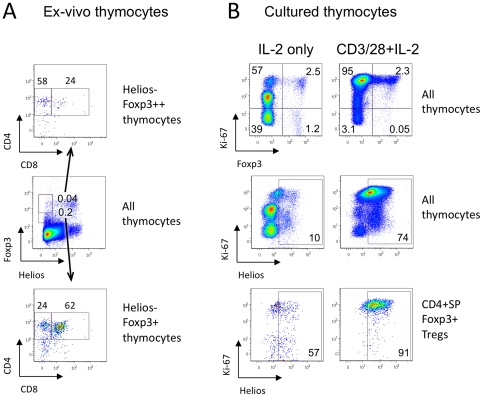
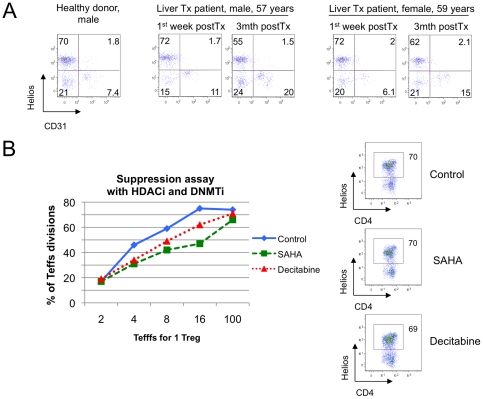
Foxp3+ T-regulatory cells (Tregs) normally serve to attenuate immune responses and are key to maintenance of immune homeostasis. Over the past decade, Treg cells have become a major focus of research for many groups, and various functional subsets have been characterized. Recently, the Ikaros family member, Helios, was reported as a marker to discriminate naturally occurring, thymic-derived Tregs from those peripherally induced from naïve CD4+ T cells. We investigated Helios expression in murine and human T cells under resting or activating conditions, using well-characterized molecules of naïve/effector/memory phenotypes, as well as a set of Treg-associated markers. We found that Helios-negative T cells are enriched for naïve T cell phenotypes and vice versa. Moreover, Helios can be induced during T cell activation and proliferation, but regresses in the same cells under resting conditions. We demonstrated comparable findings using human and murine CD4+Foxp3+ Tregs, as well as in CD4+ and CD8+ T cells. Since Helios expression is associated with T cell activation and cellular division, regardless of the cell subset involved, it does not appear suitable as a marker to distinguish natural and induced Treg cells.
Overview
The claims and statistics of this paper haven’t been checked yet.
Free: it reads the open-access text and checks the first 5 claims that cite a source we can check. Create a free account to check every claim.
Integrity signals
Registry
Cites
Statistics
Figures
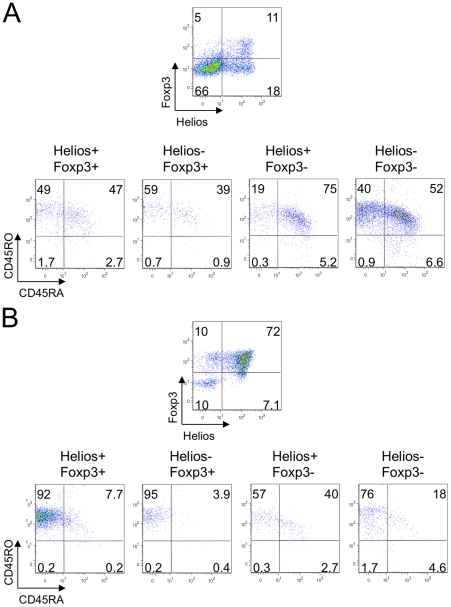
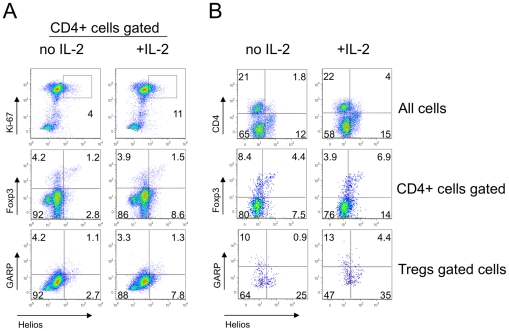
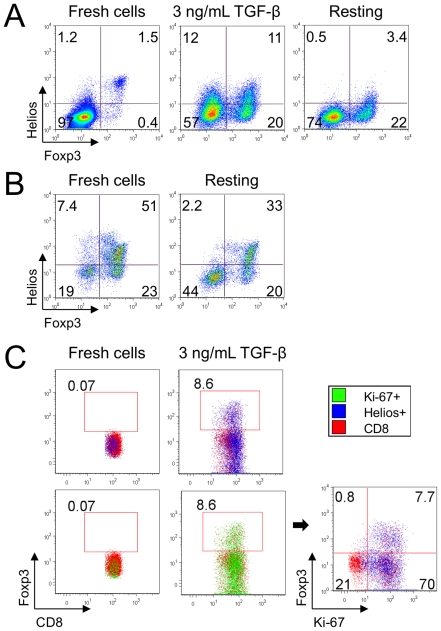
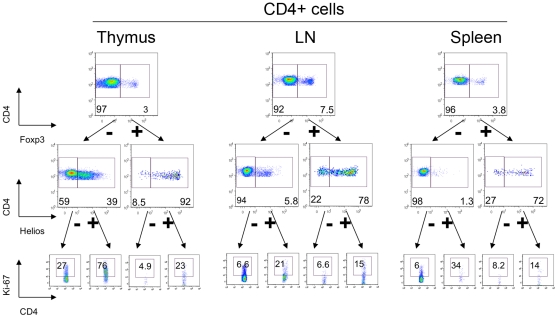
Verification
Claims the paper makes
The claims and statistics of this paper haven’t been checked yet.
Free: it reads the open-access text and checks the first 5 claims that cite a source we can check. Create a free account to check every claim.
Claims other papers make about this one
Each is checked against this paper’s own text: does it say what the citing paper says it does?
The cited source doesn’t support the claim as written.
In the citing paper
“Yet, Helios, Nrp-1 or ROR-γt are widely accepted for the discrimination of tTreg and pTreg cells under homeostatic conditions [364-366, 437-440].”
From Guidelines for the use of flow cytometry and cell sorting in immunological studies (third edition) (2021) · cites this paper as [366]
Checked by a reasoning model — may be wrong.
Experimental — accuracy not yet measuredThe cited source says what the claim attributes to it.
In the citing paper
“In humans, however, the validity of these markers is less clear because not all naive/thymus-derived Tregs express Helios [173] and it has been reported that this protein can also be expressed by activated T cells [366].”
From Guidelines for the use of flow cytometry and cell sorting in immunological studies (third edition) (2021) · cites this paper as [366]
Self-check
Percentages, sums and reported differences re-computed from the paper’s own numbers.
The self-check needs the paper’s full text.
Citations
Cites
Control of Regulatory T Cell Development by the Transcription Factor Foxp3
Hori, S., Nomura, T., & Sakaguchi, S. (2003) · Science · doi:10.1126/science.1079490 · Cited by 8,187
Foxp3 programs the development and function of CD4+CD25+ regulatory T cells
Fontenot, J. D., Gavin, M. A., & Rudensky, A. Y. (2003) · Nature Immunology · doi:10.1038/ni904 · Cited by 7,745 · cited 1×
“function [3,4].”
Veldhoen, M., Hocking, R. J., Atkins, C. J., Locksley, R. M., & Stockinger, B. (2006) · Immunity · doi:10.1016/j.immuni.2006.01.001 · Cited by 3,605 · cited 1×
“Thus, in vitro induced murine Tregs do not have a stable iTreg phenotype and lose Foxp3 after TGFbeta withdrawal, while human iTregs generated this way may be unstable and/or poorly suppressive [24,30,31].”
BackgroundVignali, D. A. A., Collison, L. W., & Workman, C. J. (2008) · Nature Reviews Immunology · doi:10.1038/nri2343 · Cited by 3,463
CD127 expression inversely correlates with FoxP3 and suppressive function of human CD4+ T reg cells
Liu, W., Putnam, A. L., Xu-yu, Z., Szot, G. L., Lee, M. R., Zhu, S., Gottlieb, P. A., Kapranov, P., Gingeras, T. R., de St. Groth, B. F., et al. (2006) · The Journal of Experimental Medicine · doi:10.1084/jem.20060772 · Cited by 2,606 · cited 8×
“5) from BD Biosciences; CD4 (Pacific blue, PE, FITC, APC-eFluor 780), CD25 (APCeFluor 780, Pe-Cy5, Pe-Cy7), CD39 (Pe-Cy7), CD45RA (PECy7), CD45RO (PE), CD62L (Pe-Cy5, APC-eFluor 780), CD127 (FITC, PE, Alexa Fluor 647) and FOXP3 (PE, Alexa Fluor 647, Pacific blue and FITC, clones PCH101 and 236A/E7) from eBioscience; C…”
BackgroundInfluentialDeaglio, S., Dwyer, K. M., Gao, W., Friedman, D., Usheva, A., Erat, A., Chen, J.-F., Enjyoji, K., Linden, J., Oukka, M., et al. (2007) · The Journal of Experimental Medicine · doi:10.1084/jem.20062512 · Cited by 2,470 · cited 4×
“However, we did find a common association between high Helios expression and a set of Treg-known markers including Foxp3, CD25, CD39, CTLA-4 and low levels of CD127.”
BackgroundInfluentialRegulatory T Cell Lineage Specification by the Forkhead Transcription Factor Foxp3
Fontenot, J. D., Rasmussen, J. P., Williams, L. M., Dooley, J. L., Farr, A. G., & Rudensky, A. Y. (2005) · Immunity · doi:10.1016/j.immuni.2005.01.016 · Cited by 2,279 · cited 1×
“Recently, several microarray studies indicated an up-regulation of the Ikaros family transcription factor, Helios, in Tregs [16,17,18].”
BackgroundThornton, A. M., Korty, P. E., Tran, D. Q., Wohlfert, E. A., Murray, P. E., Belkaid, Y., & Shevach, E. M. (2010) · The Journal of Immunology · doi:10.4049/jimmunol.0904028 · Cited by 1,382 · cited 9×
“The fast down-regulation of Helios upon removing TCR stimulation, or the absence of stimulatory signals, might explain the effect observed by Thornton et al. whereby in vitro induced iTregs remained Helios- [21].”
BackgroundInfluentialNatural and Adaptive Foxp3+ Regulatory T Cells: More of the Same or a Division of Labor?
Curotto de Lafaille, M. A., & Lafaille, J. J. (2009) · Immunity · doi:10.1016/j.immuni.2009.05.002 · Cited by 1,055
The Foxp3+ regulatory T cell: a jack of all trades, master of regulation
Tang, Q., & Bluestone, J. A. (2008) · Nature Immunology · doi:10.1038/ni1572 · Cited by 1,031 · cited 1×
“and share multiple suppressive mechanisms [11].”
Cited by
Foxp3 Reprograms T Cell Metabolism to Function in Low-Glucose, High-Lactate Environments
Angelin, A., Gil-de-Gómez, L., Dahiya, S., Jiao, J., Guo, L., Levine, M. H., Wang, Z., Quinn, W. J., Kopinski, P. K., Wang, L., et al. (2017) · Cell Metabolism · doi:10.1016/j.cmet.2016.12.018 · Cited by 1,246
“Co-culturing Tregswith effector T cells stabilizes Foxp3 and the suppressive phenotyope (Akimova et al., 2011).”
BackgroundSelf-citationGuidelines for the use of flow cytometry and cell sorting in immunological studies (second edition)
Cossarizza, A., Chang, H., Radbruch, A., Acs, A., Adam, D., Adam‐Klages, S., Agace, W. W., Aghaeepour, N., Akdis, M., Allez, M., et al. (2019) · European Journal of Immunology · doi:10.1002/eji.201970107 · Cited by 979
Lindau, D., Gielen, P., Kroesen, M., Wesseling, P., & Adema, G. J. (2013) · Immunology · doi:10.1111/imm.12036 · Cited by 815
Yadav, M., Louvet, C., Davini, D., Gardner, J. M., Martinez-Llordella, M., Bailey-Bucktrout, S., Anthony, B. A., Sverdrup, F. M., Head, R., Kuster, D. J., et al. (2012) · Journal of Experimental Medicine · doi:10.1084/jem.20120822 · Cited by 649
“However, the use of Helios as a marker to distinguish iT reg cells has been controversial as a result of its inconsistent expression on iT reg cells in distinct immune settings (Thornton et al., 2010; Akimova et al., 2011; Gottschalk et al., 2012).”
BackgroundResulttTregs, pTregs, and iTregs: similarities and differences
Shevach, E. M., & Thornton, A. M. (2014) · Immunological Reviews · doi:10.1111/imr.12160 · Cited by 606
“(60) have also published that Helios does not identify thymic Tregs but, rather, is merely a marker of activation.”
BackgroundInduced CD4+Foxp3+Regulatory T Cells in Immune Tolerance
Bilate, A. M., & Lafaille, J. J. (2012) · Annual Review of Immunology · doi:10.1146/annurev-immunol-020711-075043 · Cited by 569
“A subsequent study also supports the view that Helios expression cannot be used to distinguish nTreg from iTreg cells, as Helios expression could be transiently induced during T cell activation and proliferation, regardless of the T cell population that was analyzed (31).”
ResultGuidelines for the use of flow cytometry and cell sorting in immunological studies (third edition)
Cossarizza, A., Chang, H., Radbruch, A., Abrignani, S., Addo, R., Akdis, M., Andrä, I., Andreata, F., Annunziato, F., Arranz, E., et al. (2021) · European Journal of Immunology · doi:10.1002/eji.202170126 · Cited by 531
Ma, J., Zheng, B., Goswami, S., Meng, L., Zhang, D., Cao, C., Li, T., Zhu, F., Ma, L., Zhang, Z., et al. (2019) · Journal for ImmunoTherapy of Cancer · doi:10.1186/s40425-019-0814-7 · Cited by 360
Savage, P. A., Klawon, D. E. J., & Miller, C. H. (2020) · Annual Review of Immunology · doi:10.1146/annurev-immunol-100219-020937 · Cited by 321
Expression of Helios in Peripherally Induced Foxp3+ Regulatory T Cells
Gottschalk, R. A., Corse, E., & Allison, J. P. (2012) · The Journal of Immunology · doi:10.4049/jimmunol.1102964 · Cited by 311
“When TCR stimulation is in the form of plate-bound anti-CD3, Helios expression is minimal, despite robust Foxp3 induction (5, 18, 19).”
BackgroundMethodResultInfluentialRole of regulatory T cells in psoriasis pathogenesis and treatment
Nussbaum, L., Chen, Y. L., & Ogg, G. S. (2021) · British Journal of Dermatology · doi:10.1111/bjd.19380 · Cited by 279
Peripherally Induced Tregs – Role in Immune Homeostasis and Autoimmunity
Yadav, M., Stephan, S., & Bluestone, J. A. (2013) · Frontiers in Immunology · doi:10.3389/fimmu.2013.00232 · Cited by 273
“However, others have argued that Helios is induced during T cell activation and proliferation, and can also be upregulated in Foxp3 iTregs in vitro and pTregs in vivo (28, 29).”
BackgroundTh17 plasticity and its relevance to inflammatory bowel disease
Ueno, A., Jeffery, L., Kobayashi, T., Hibi, T., Ghosh, S., & Jijon, H. (2018) · Journal of Autoimmunity · doi:10.1016/j.jaut.2017.12.004 · Cited by 266
Natural and Induced T Regulatory Cells in Cancer
Adeegbe, D. O., & Nishikawa, H. (2013) · Frontiers in Immunology · doi:10.3389/fimmu.2013.00190 · Cited by 248
“Another group also described transient expression of Helios on activated human and murine T conventional and Treg cells (45).”
BackgroundLeeansyah, E., Svärd, J., Dias, J., Buggert, M., Nyström, J., Quigley, M. F., Moll, M., Sönnerborg, A., Nowak, P., & Sandberg, J. K. (2015) · PLOS Pathogens · doi:10.1371/journal.ppat.1005072 · Cited by 234
“Recently, however, the role of Helios beyond Treg subsets has been recognized, including as a marker for T cell activation, proliferation, and helper T cell subsets [46, 47].”
BackgroundNeuropilin 1: function and therapeutic potential in cancer
Chaudhary, B., Khaled, Y. S., Ammori, B. J., & Elkord, E. (2014) · Cancer Immunology, Immunotherapy · doi:10.1007/s00262-013-1500-0 · Cited by 233
“It has been suggested that Helios may act as a T cell activation marker since Helios upregulation was observed on both murine and human T cell subsets following in vitro activation and also upon Treg proliferation in vitro [78].”
BackgroundIL-2 therapy promotes suppressive ICOS+ Treg expansion in melanoma patients
Sim, G. C., Martin-Orozco, N., Jin, L., Yang, Y., Wu, S., Washington, E., Sanders, D., Lacey, C., Wang, Y., Vence, L., et al. (2014) · Journal of Clinical Investigation · doi:10.1172/jci46266 · Cited by 229
“to be expressed by activated and proliferating Tregs (57), we found that approximately 80%–90% of the ICOS+ Tregs expressed Helios.”
Generation and Function of Induced Regulatory T Cells
Schmitt, E. G., & Williams, C. B. (2013) · Frontiers in Immunology · doi:10.3389/fimmu.2013.00152 · Cited by 229
“Others have determined that expression of Helios, an Ikaros family transcription factor, results from more www.frontiersin.org June 2013 | Volume 4 | Article 152 | 3 general T cell activation and proliferation (Akimova et al., 2011).”
BackgroundGibbs, A., Leeansyah, E., Introini, A., Paquin-Proulx, D., Hasselrot, K., Andersson, E., Broliden, K., Sandberg, J. K., & Tjernlund, A. (2017) · Mucosal Immunology · doi:10.1038/mi.2016.30 · Cited by 223
Dias, J., Leeansyah, E., & Sandberg, J. K. (2017) · Proceedings of the National Academy of Sciences · doi:10.1073/pnas.1705759114 · Cited by 221
“They also express eomesodermin (Eomes) and T box transcription factor 21 (TBX21 or T-bet) (11, 12), reciprocally expressed in effector and memory CD8 T cells (13), and Helios (or IKAROS family zinc finger 2, IKZF2) (11, 12), involved in T-cell activation and proliferation (14).”
BackgroundHelios+ and Helios− Cells Coexist within the Natural FOXP3+ T Regulatory Cell Subset in Humans
Himmel, M. E., MacDonald, K. G., Garcia, R. V., Steiner, T. S., & Levings, M. K. (2013) · The Journal of Immunology · doi:10.4049/jimmunol.1201379 · Cited by 217
“(12) recently reported that Helios expression is upregulated upon stimulation of T cells.”
BackgroundResultInfluentialMuroyama, Y., Nirschl, T. R., Kochel, C. M., Lopez-Bujanda, Z., Theodros, D., Mao, W., Carrera-Haro, M. A., Ghasemzadeh, A., Marciscano, A. E., Velarde, E., et al. (2017) · Cancer Immunology Research · doi:10.1158/2326-6066.cir-17-0040 · Cited by 215
“Based on the increased expression of CTLA-4(28) and Helios(29-31) observed in RT-treated TIL-Tregs, we next sought to investigate whether these cells demonstrated greater suppressive capability than their non-treated counterparts.”
TREG-cell therapies for autoimmune rheumatic diseases
Miyara, M., Ito, Y., & Sakaguchi, S. (2014) · Nature Reviews Rheumatology · doi:10.1038/nrrheum.2014.105 · Cited by 214
Human autoimmunity after lymphocyte depletion is caused by homeostatic T-cell proliferation
Jones, J. L., Thompson, S. A. J., Loh, P., Davies, J. L., Tuohy, O. C., Curry, A. J., Azzopardi, L., Hill-Cawthorne, G., Fahey, M. T., Compston, A., et al. (2013) · Proceedings of the National Academy of Sciences · doi:10.1073/pnas.1313654110 · Cited by 204
“S3); although originally reported to distinguish natural Tregs from induced Tregs (18), Helios is now considered a marker of activation regardless of cell subset (19).”
BackgroundThornton, A. M., Lu, J., Korty, P. E., Kim, Y. C., Martens, C., Sun, P. D., & Shevach, E. M. (2019) · European Journal of Immunology · doi:10.1002/eji.201847935 · Cited by 203
An IL-4 signalling axis in bone marrow drives pro-tumorigenic myelopoiesis
LaMarche, N. M., Hegde, S., Park, M. D., Maier, B. B., Troncoso, L., Le Berichel, J., Hamon, P., Belabed, M., Mattiuz, R., Hennequin, C., et al. (2024) · Nature · doi:10.1038/s41586-023-06797-9 · Cited by 197
Kinnunen, T., Chamberlain, N., Morbach, H., Choi, J., Kim, S., Craft, J., Mayer, L., Cancrini, C., Passerini, L., Bacchetta, R., et al. (2013) · Blood · doi:10.1182/blood-2012-09-457465 · Cited by 177
Induced and Natural Regulatory T Cells in the Development of Inflammatory Bowel Disease
Mayne, C. G., & Williams, C. B. (2013) · Inflammatory Bowel Diseases · doi:10.1097/mib.0b013e318281f5a3 · Cited by 178
Helios Controls a Limited Subset of Regulatory T Cell Functions
Sebastian, M., Lopez-Ocasio, M., Metidji, A., Rieder, S. A., Shevach, E. M., & Thornton, A. M. (2016) · The Journal of Immunology · doi:10.4049/jimmunol.1501704 · Cited by 172
Scurr, M., Pembroke, T., Bloom, A., Roberts, D., Thomson, A., Smart, K., Bridgeman, H., Adams, R., Brewster, A., Jones, R., et al. (2017) · Clinical Cancer Research · doi:10.1158/1078-0432.ccr-17-0895 · Cited by 171
Autoreactive CD8+ T cell exhaustion distinguishes subjects with slow type 1 diabetes progression
Wiedeman, A. E., Muir, V. S., Rosasco, M. G., DeBerg, H. A., Presnell, S., Haas, B., Dufort, M. J., Speake, C., Greenbaum, C. J., Serti, E., et al. (2019) · Journal of Clinical Investigation · doi:10.1172/jci126595 · Cited by 168
“8–10 minutes at 37°C and washed prior to staining with 50 μL solution tent with activation and proliferation (54) as well as exacerbated autoimmunity (55).”
MethodSzurek, E., Cebula, A., Wojciech, L., Pietrzak, M., Rempala, G., Kisielow, P., & Ignatowicz, L. (2015) · PLOS ONE · doi:10.1371/journal.pone.0141161 · Cited by 163
“Impact of pro-inflammatory milieu on expression of Nrp-1 and Helios by Tregs It was proposed that in pro-inflammatory environment CD4Foxp3 T cells up-regulate Nrp-1 and Helios prior to their conversion to pTregs which maintain expression of these molecules at high levels [25, 34].”
BackgroundToor, S. M., Murshed, K., Al-Dhaheri, M., Khawar, M., Abu Nada, M., & Elkord, E. (2019) · Frontiers in Immunology · doi:10.3389/fimmu.2019.02936 · Cited by 158
Functional and Phenotypic Plasticity of CD4+T Cell Subsets
Caza, T. N., & LANDAS, S. K. (2015) · BioMed Research International · doi:10.1155/2015/521957 · Cited by 208
“T cell activation, while high expression suggests Treg origin [69].”
Schlenner, S. M., Weigmann, B., Ruan, Q., Chen, Y., & von Boehmer, H. (2012) · Journal of Experimental Medicine · doi:10.1084/jem.20112646 · Cited by 157
Redjimi, N., Raffin, C., Raimbaud, I., Pignon, P., Matsuzaki, J., Odunsi, K., Valmori, D., & Ayyoub, M. (2012) · Cancer Research · doi:10.1158/0008-5472.can-12-0579 · Cited by 153
Foxp3+ Helios+ regulatory T cells are expanded in active systemic lupus erythematosus
Alexander, T., Sattler, A., Templin, L., Köhler, S., Groß, C., Meisel, A., Sawitzki, B., Burmester, G. R., Arnold, R., Radbruch, A., et al. (2012) · Annals of the Rheumatic Diseases · doi:10.1136/annrheumdis-2012-202216 · Cited by 163
“Consistent with findings in healthy individuals, Helios Treg from SLE samples displayed higher expression levels for CD25 and lower levels for CD127 as compared to Foxp3 Helios T cells.(17) 20 We also noticed that, although primarily confined to the CD45RA Foxp3 memory Treg subset, a phenotype that is reportedly enric…”
ResultmTOR Signaling, Tregs and Immune Modulation
Chapman, N. M., & Chi, H. (2014) · Immunotherapy · doi:10.2217/imt.14.84 · Cited by 148
Rapid and Efficient Generation of Regulatory T Cells to Commensal Antigens in the Periphery
Nutsch, K., Chai, J. N., Ai, T. L., Russler-Germain, E., Feehley, T., Nagler, C. R., & Hsieh, C.-S. (2016) · Cell Reports · doi:10.1016/j.celrep.2016.08.092 · Cited by 145
“Colonic Treg TCR Tg Cells Express Low Levels of Helios but Not Nrp-1 The use of Helios and Nrp-1 in denoting tTreg cells has been controversial (Akimova et al., 2011; Gottschalk et al., 2012; Haribhai et al., 2011).”
Histone/protein deacetylases and T-cell immune responses
Akimova, T., Beier, U. H., Liu, Y., Wang, L., & Hancock, W. W. (2012) · Blood · doi:10.1182/blood-2011-10-292003 · Cited by 140
Self-citationAdvances in distinguishing natural from induced Foxp3(+) regulatory T cells.
Lin, X.-H., Chen, M., Liu, Y., Guo, Z., He, X., Brand, D. D., & Zheng, S. G. (2013) · PubMed Central · Cited by 206
Treg Cells, Life History, and Diversity
Benoist, C. O., & Mathis, D. J. (2012) · Cold Spring Harbor Perspectives in Biology · doi:10.1101/cshperspect.a007021 · Cited by 173
“2012) and is generically induced upon activation of CD4þ T cells (Akimova et al. 2011; Serre et al. 2011).”
BackgroundTanchot, C., Terme, M., Pere, H., Tran, T., Benhamouda, N., Strioga, M., Banissi, C., Galluzzi, L., Kroemer, G., & Tartour, E. (2013) · Cancer Microenvironment · doi:10.1007/s12307-012-0122-y · Cited by 138
“Results from another study analyzing the transgenic TCR repertoire in mice bearing B16 melanoma, however , indicate that most intratumoral Tregs are generated by the conversion of Teffs [55].”
BackgroundInfluentialLow-dose IL-2 selectively activates subsets of CD4+ Tregs and NK cells
Hirakawa, M., Matos, T. R., Liu, H., Koreth, J., Kim, H. T., Paul, N. E., Murase, K., Whangbo, J., Alho, A. C., Nikiforow, S., et al. (2016) · JCI Insight · doi:10.1172/jci.insight.89278 · Cited by 151
T cell behavior at the maternal-fetal interface
Nancy, P., & Erlebacher, A. (2014) · The International Journal of Developmental Biology · doi:10.1387/ijdb.140054ae · Cited by 145
“…nT Reg cells and iT Reg cells, including those within the human decidua, have been distinguished by virtue of their differential expression of the Helios transcription factor, but the use of this marker has been challenged (Akimova et al., 2011, Gottschalk et al., 2012, Verhagen and Wraith, 2010).”
Zhang, Y., Maksimovic, J., Naselli, G., Qian, J., Chopin, M., Blewitt, M. E., Oshlack, A., & Harrison, L. C. (2013) · Blood · doi:10.1182/blood-2013-02-481788 · Cited by 129
“However, activation of Tconv also leads to downregulation of CD127(5) and expression of HELIOS.(9) Lack of consensus about the status of nTreg in human disease, for example, in autoimmune diseases such as type 1 diabetes,(10) underscores the need for specific and stable nTreg markers.”
BackgroundScurr, M., Ladell, K., Besneux, M., Christian, A., Hockey, T., Smart, K., Bridgeman, H., Hargest, R., Phillips, S., Davies, M., et al. (2014) · Mucosal Immunology · doi:10.1038/mi.2013.62 · Cited by 127
“Helios, a member of the Ikaros family of transcription factors, has been identified as a marker of thymus-derived Tregs,(20) although several groups have recently disputed this.(21,22) Notably, we have found higher mean fluorescence intensities of Foxp3 on Heliosþ Tregs (Supplementary Figure S1 online), indicative of…”
Akimova, T., Kamath, B. M., Goebel, J. W., Meyers, K. E. C., Rand, E. B., Hawkins, A., Levine, M. H., Bucuvalas, J. C., & Hancock, W. W. (2012) · American Journal of Transplantation · doi:10.1111/j.1600-6143.2012.04269.x · Cited by 126
“To assess whether TSDR-demethylation in PBMC was affected by T cell activation conditions, we stimulated healthy donor PBMC with CD3/CD28 mAbs ± IL-2.”
MethodInfluentialSelf-citationRegulatory T cells in the face of the intestinal microbiota
Ramanan, D., Pratama, A., Zhu, Y., Venezia, O., Sassone-Corsi, M., Chowdhary, K., Galván-Peña, S., Sefik, E., Brown, C., Gélineau, A., et al. (2023) · Nature Reviews Immunology · doi:10.1038/s41577-023-00890-w · Cited by 126
“43,112 ), proved to be incompletely reliable 113 , as both can by upregulated by TCR-driven activation 114–116 .”
BackgroundThiolat, A., Semerano, L., Pers, Y., Biton, J., Lemeiter, D., Portalès, P., Quentin, J., Jørgensen, C., Decker, P., Boissier, M., et al. (2013) · Arthritis & Rheumatology · doi:10.1002/art.38246 · Cited by 133
“Nevertheless, assuming that Helios is a Treg cell activation marker, our results suggest that IL-6 pathway inhibition in CIA may lead to either increased re-entry of activated Treg cells into the thymus or, more probably, to increased intrathymic activation of Treg cells (42).”
ResultT Regulatory Cells Control Susceptibility to Invasive Pneumococcal Pneumonia in Mice
Neill, D. R., Fernandes, V. E., Wisby, L., Haynes, A. R., Ferreira, D. M., Laher, A., Strickland, N., Gordon, S. B., Denny, P., Kadioglu, A., et al. (2012) · PLoS Pathogens · doi:10.1371/journal.ppat.1002660 · Cited by 132
“However, more recently it has been observed that Helios is expressed on activated T cells of all subsets and so is perhaps not suitable as an nTreg marker [25].”
Antigen-specific regulatory T-cell responses to intestinal microbiota
Russler-Germain, E. V., Rengarajan, S., & Hsieh, C.-S. (2017) · Mucosal Immunology · doi:10.1038/mi.2017.65 · Cited by 132
Helios Induces Epigenetic Silencing of Il2 Gene Expression in Regulatory T Cells
Baine, I., Basu, S., Ames, R., Sellers, R. S., & Macian, F. (2013) · The Journal of Immunology · doi:10.4049/jimmunol.1200792 · Cited by 116
“and the histopathological score was calculated for each sample as previously described (28).”
MethodRosenkranz, E., Metz, C. H. D., Maywald, M., Hilgers, R., Weßels, I., Senff, T., Haase, H., Jäger, M., Ott, M., Aspinall, R., et al. (2016) · Molecular Nutrition & Food Research · doi:10.1002/mnfr.201500524 · Cited by 112
Ito, S., Bollard, C. M., Carlsten, M., Melenhorst, J. J., Biancotto, A., Wang, E., Chen, J., Kotliarov, Y., Cheung, F., Xie, Z., et al. (2014) · Molecular Therapy · doi:10.1038/mt.2014.50 · Cited by 117
Lymph node stromal cells constrain immunity via MHC class II self-antigen presentation
Baptista, A. P., Roozendaal, R., Reijmers, R. M., Koning, J. J., Unger, W. W. J., Greuter, M., Keuning, E. D., Molenaar, R., Goverse, G., Sneeboer, M. M. S., et al. (2014) · eLife · doi:10.7554/elife.04433 · Cited by 111
“Alternatively, as Helios expression was more recently shown to be induced upon T cell activation (Akimova et al., 2011) preceding Foxp3 induction on peripherally induced Tregs (Gottschalk et al., 2012), it may be that our expanded Treg population reflects peripheral differentiation of naïve OT-II T…”
BackgroundSingh, K., Hjort, M., Thorvaldson, L., & Sandler, S. (2015) · Scientific Reports · doi:10.1038/srep07767 · Cited by 108
Heylmann, D., Bauer, M., Becker, H., Gool, S. V., Bacher, N., Steinbrink, K., & Kaina, B. (2013) · PLoS ONE · doi:10.1371/journal.pone.0083384 · Cited by 119
“Its expression is considered as a marker of T cell proliferation and T cell activity, notably in Treg [23].”
BackgroundResultPD-1 regulates extrathymic regulatory T-cell differentiation
Chen, X., Fosco, D., Kline, D. E., Meng, L., Nishi, S., Savage, P. A., & Kline, J. (2014) · European Journal of Immunology · doi:10.1002/eji.201344423 · Cited by 107
Fialová, A., Partlová, S., Sojka, L., Hromádková, H., Brtnický, T., Fucikova, J. P., Kocián, P., Rob, L., Bartůňková, J., & Špíšek, R. (2012) · International Journal of Cancer · doi:10.1002/ijc.27759 · Cited by 117
“Thus, rather than discriminating between nTregs and iTregs, Helios appears to be useful for indicating activated Tregs regardless of their origin.(41) Taken together, the high expression of Helios together with the demethylation of the TSDR found in the Ti-Tregs in the EOC tissues in our study indicate the stability a…”
BackgroundHelios Enhances Treg Cell Function in Cooperation With FoxP3
Takatori, H., Kawashima, H., Matsuki, A., Meguro, K., Tanaka, S., Iwamoto, T., Sanayama, Y., Nishikawa, N., Tamachi, T., Ikeda, K., et al. (2015) · Arthritis & Rheumatology · doi:10.1002/art.39091 · Cited by 105
“Consistent with the findings of a previous study (27), Helios was expressed in FoxP32CD41 T cells (effector T cells) as well as FoxP31CD41 T cells (induced Treg cells) when CD41 T cells from healthy donors were stimulated with anti-CD3 mAb/anti-CD28 mAb (anti-CD3/ CD28 mAb) under neutral conditions (Figure 2A).”
ResultBcl6 Controls the Th2 Inflammatory Activity of Regulatory T Cells by Repressing Gata3 Function
Sawant, D. V., Sehra, S., Nguyen, E., Jadhav, R. R., Englert, K., Shinnakasu, R., Hangoc, G., Broxmeyer, H. E., Nakayama, T., Perumal, N. B., et al. (2012) · The Journal of Immunology · doi:10.4049/jimmunol.1201794 · Cited by 111
The Many Functions of Foxp3+ Regulatory T Cells in the Intestine
Cosovanu, C., & Neumann, C. (2020) · Frontiers in Immunology · doi:10.3389/fimmu.2020.600973 · Cited by 119
Wang, W., Hodkinson, P. S., McLaren, F., MacKinnon, A. C., Wallace, W. A., Howie, S., & Sethi, T. (2012) · International Journal of Cancer · doi:10.1002/ijc.27613 · Cited by 109
“However, Helios expression has been recently observed in peripherally induced FOXP3þ regulatory cells(17) and is associated with T-cell activation and proliferation.(18) The role of Treg cells in cancer is not fully understood and differs with the type of tumour.”
BackgroundBasic principles of tumor-associated regulatory T cell biology
Savage, P. A., Malchow, S., & Leventhal, D. S. (2013) · Trends in Immunology · doi:10.1016/j.it.2012.08.005 · Cited by 102
The importance of regulatory T‐cell heterogeneity in maintaining self‐tolerance
Yuan, X., Cheng, G., & Malek, T. R. (2014) · Immunological Reviews · doi:10.1111/imr.12163 · Cited by 109
T cell tolerance and immunity to commensal bacteria
Nutsch, K. M., & Hsieh, C.-S. (2012) · Current Opinion in Immunology · doi:10.1016/j.coi.2012.04.009 · Cited by 101
“Induction of commensal-bacteria specific iTreg cells Although the use of Helios as a thymic Treg cell marker is still controversial [24,25 ,26], independent confirmation for the hypothesis that commensal bacteria induce iTreg cell generation came from an analysis of the colonic Treg TCR repertoire.”
Helios: still behind the clouds
Thornton, A. M., & Shevach, E. M. (2019) · Immunology · doi:10.1111/imm.13115 · Cited by 101
Helios, and not FoxP3, is the marker of activated Tregs expressing GARP/LAP
Elkord, E., Abd Al Samid, M., & Chaudhary, B. (2015) · Oncotarget · doi:10.18632/oncotarget.4771 · Cited by 94
“However, in humans, Helios has been characterized in pTregs, tTregs, CD8+ T cells, activated T cells and T cells in inflammatory microenvironments [5, 26].”
BackgroundDer p 1‐specific regulatory T‐cell response during house dust mite allergen immunotherapy
Boonpiyathad, T., Sokolowska, M., Morita, H., Rückert, B., Kast, J. I., Wawrzyniak, M., Sangasapaviliya, A., Pradubpongsa, P., Fuengthong, R., Thantiworasit, P., et al. (2019) · Allergy · doi:10.1111/all.13684 · Cited by 93
“The same immunological events are also observed in the development of a healthy immune response to high dose of exposure of allergens in nonallergic individuals.17,21 Helios is a marker of T‐cell activation and proliferation, and Helios enhances induced Treg (iTreg) cell function in cooperation with FOXP3.”
BackgroundHelios is a marker, not a driver, of human Treg stability
Lam, A. J., Uday, P., Gillies, J. K., & Levings, M. K. (2022) · European Journal of Immunology · doi:10.1002/eji.202149318 · Cited by 92
“Consistent with previous reports (20,21), three days post-restimulation, Tconvs exhibited activation-induced upregulation of both FOXP3 and Helios, but only Helios returned to baseline levels (Fig.”
BackgroundResultEngela, A. U., Hoogduijn, M. J., Boer, K., Litjens, N. H. R., Betjes, M. G. H., Weimar, W., & Baan, C. C. (2013) · Clinical & Experimental Immunology · doi:10.1111/cei.12120 · Cited by 103
Phenotype and regulation of immunosuppressive Vδ2-expressing γδ T cells
Peters, C., Oberg, H., Kabelitz, D., & Wesch, D. (2013) · Cellular and Molecular Life Sciences · doi:10.1007/s00018-013-1467-1 · Cited by 103
Khaja, A. S. S., Toor, S. M., Salhat, H. E., Ali, B. R., & Elkord, E. (2017) · Frontiers in Immunology · doi:10.3389/fimmu.2017.00619 · Cited by 100
“Proc Natl Acad Sci U S A (2010) 107(9):4275–80.”
BackgroundThymic Versus Induced Regulatory T Cells – Who Regulates the Regulators?
Povoleri, G. A. M., Scottà, C., Nova‐Lamperti, E., John, S., Lombardi, G., & Afzali, B. (2013) · Frontiers in Immunology · doi:10.3389/fimmu.2013.00169 · Cited by 125
“Reports that tTregs exclusively express Helios, an Ikaros transcription factory family member (Thornton et al., 2010), have been challenged by the demonstration that Helios is induced during T cell activation and proliferation and then down-regulated (Akimova et al., 2011).”
BackgroundMLL4 prepares the enhancer landscape for Foxp3 induction via chromatin looping
Placek, K., Hu, G., Cui, K., Zhang, D., Ding, Y., Lee, J.-E., Jang, Y., Wang, C., Konkel, J. E., Song, J., et al. (2017) · Nature Immunology · doi:10.1038/ni.3812 · Cited by 89
HTLV-1 bZIP Factor Induces Inflammation through Labile Foxp3 Expression
Yamamoto-Taguchi, N., Satou, Y., Miyazato, P., Ohshima, K., Nakagawa, M., Katagiri, K., Kinashi, T., & Matsuoka, M. (2013) · PLoS Pathogens · doi:10.1371/journal.ppat.1003630 · Cited by 88
Silver, P. B., Horai, R., Chen, J., Jittayasothorn, Y., Chan, C., Villasmil, R., Kesen, M. R., & Caspi, R. R. (2015) · The Journal of Immunology · doi:10.4049/jimmunol.1402650 · Cited by 87
Dykema, A. G., Zhang, J., Cheung, L. S., Connor, S. C., Zhang, B., Zeng, Z., Cherry, C., Li, T., Caushi, J. X., Nishimoto, M., et al. (2023) · Science Immunology · doi:10.1126/sciimmunol.adg1487 · Cited by 94
The progress and prospect of regulatory T cells in autoimmune diseases
Zhang, X., Olsen, N. J., & Zheng, S. G. (2020) · Journal of Autoimmunity · doi:10.1016/j.jaut.2020.102461 · Cited by 98
Treg cell therapy: How cell heterogeneity can make the difference
Giganti, G., Atif, M., Mohseni, Y., Mastronicola, D., Grageda, N., Povoleri, G. A., Miyara, M., & Scottà, C. (2021) · European Journal of Immunology · doi:10.1002/eji.201948131 · Cited by 82
Engela, A. U., Baan, C. C., Dor, F. J. M. F., Weimar, W., & Hoogduijn, M. J. (2012) · Frontiers in Immunology · doi:10.3389/fimmu.2012.00126 · Cited by 82
“Opinion on this topic is divided, some groups claim that Helios only presents an additional activation marker and is mutually expressed by natural Treg and induced Treg (Akimova et al., 2011; Gottschalk et al., 2012).”
BackgroundSmith, K. A., & Maizels, R. M. (2014) · European Journal of Immunology · doi:10.1002/eji.201343746 · Cited by 82
Post-Translational Regulations of Foxp3 in Treg Cells and Their Therapeutic Applications
Dong, Y. W., Yang, C., & Pan, F. (2021) · Frontiers in Immunology · doi:10.3389/fimmu.2021.626172 · Cited by 93
The role of Treg cell subsets in allergic disease
Boonpiyathad, T., Sözener, Z. Ç., Akdiş, M., & Akdiş, C. A. (2019) · Asian Pacific Journal of Allergy and Immunology · doi:10.12932/ap-030220-0754 · Cited by 97
Dong, S., Maiella, S., Xhaard, A., Pang, Y., Wenandy, L., Larghero, J., Bécavin, C., Benecke, A., Bianchi, E., Socié, G., et al. (2013) · Blood · doi:10.1182/blood-2013-02-482539 · Cited by 84
“This argues in favor of the Treg being a stable lineage, consistent with recent results obtained in mice.25 We therefore propose that heterogeneity at the single-cell level, rather than reprogramming of CD41FOXP31 T cells, explains the remarkable complexity and functional diversity of human Tregs.”
InfluentialHomeostasis and function of regulatory T cells (Tregs) in vivo : lessons from TCR ‐transgenic Tregs
Attridge, K., & Walker, L. S. K. (2014) · Immunological Reviews · doi:10.1111/imr.12165 · Cited by 84
A novel function for FOXP3 in humans: intrinsic regulation of conventional T cells
McMurchy, A. N., Gillies, J., Gizzi, M. C., Riba, M., Garcia-Manteiga, J. M., Cittaro, D., Lazarevic, D., Di Nunzio, S., Piras, I. S., Bulfone, A., et al. (2013) · Blood · doi:10.1182/blood-2012-05-431023 · Cited by 77
Smith, K. A., Filbey, K. J., Reynolds, L. A., Hewitson, J. P., Harcus, Y., Boon, L., Sparwasser, T., Hämmerling, G., & Maizels, R. M. (2016) · Mucosal Immunology · doi:10.1038/mi.2015.73 · Cited by 76
“Helios is a marker of tTregs 36 , which while inducible in other T cell populations 45, 46 , is known to synergise with Foxp3 in silencing the IL-2 locus 47 .”
Hetemäki, I., Kaustio, M., Kinnunen, M., Heikkilä, N., Keskitalo, S., Nowlan, K., Miettinen, S., Sarkkinen, J., Glumoff, V., Andersson, N., et al. (2021) · Science Immunology · doi:10.1126/sciimmunol.abe3454 · Cited by 76
“Y200X variant Helios is up-regulated in response to TCR activation, and currently, there are no other known signaling pathways that control Helios’ expression (17).”
BackgroundPratama, A., Schnell, A., Mathis, D., & Benoist, C. (2020) · Journal of Experimental Medicine · doi:10.1084/jem.20190428 · Cited by 70
“Although this relation is known to have exceptions (Akimova et al., 2011; Gottschalk et al., 2012), it suggests that colonic Helios+ Treg cells are tTreg cells, similar to those found in lymphoid organs.”
ResultZhuo, C., Xu, Y., Ying, M., Li, Q., Huang, L., Li, D., Cai, S., & Li, B. (2015) · Immunologic Research · doi:10.1007/s12026-014-8616-y · Cited by 77
“[108], who confirmed that Helios is induced during T cell activation and proliferation, regardless of the cell subset involved.”
BackgroundKorneychuk, N., Ramiro‐Puig, E., Ettersperger, J., Schulthess, J., Montcuquet, N., Kiyono, H., Meresse, B., & Cerf–Bensussan, N. (2013) · Gastroenterology · doi:10.1053/j.gastro.2013.12.023 · Cited by 77
Fatheree, N. Y., Liu, Y., Taylor, C. M., Hoang, T. K., Cai, C. C., Rahbar, M. H., Hessabi, M., Ferris, M. J., McMurtry, V., Wong, C., et al. (2017) · The Journal of Pediatrics · doi:10.1016/j.jpeds.2017.07.036 · Cited by 83
“In human CD4+ cells, the level of Helios expression is positively associated with CD25 expression.(33) Helios expression in human and murine Tregs discriminates thymicderived nTregs (Helios+) from inducible Tregs (Helios, iTregs).”
BackgroundZheng, P., & Kissler, S. (2012) · Diabetes · doi:10.2337/db12-0929 · Cited by 71
Lei, P., Pereira, E. R., Andersson, P., Amoozgar, Z., van Wijnbergen, J. W., O’Melia, M. J., Zhou, H., Chatterjee, S., Ho, W. W., Posada, J. M., et al. (2023) · The Journal of Experimental Medicine · doi:10.1084/jem.20221847 · Cited by 79
Raffin, C., Pignon, P., Celse, C., Debien, E., Valmori, D., & Ayyoub, M. (2013) · The Journal of Immunology · doi:10.4049/jimmunol.1301378 · Cited by 63
“in vitro and in vivo, depending on stimulation conditions (6, 7).”
BackgroundTranscriptional Regulation of Natural Killer Cell Development and Functions
Wang, D., & Malarkannan, S. (2020) · Cancers · doi:10.3390/cancers12061591 · Cited by 76
Sanchez, G. S., Papadopoulou, M., Azouz, A., Tafesse, Y., Mishra, A., Chan, J. K. Y., Fan, Y., Verdebout, I., Porco, S., Libert, F., et al. (2022) · Nature Communications · doi:10.1038/s41467-022-33488-2 · Cited by 62
Elkord, E. (2016) · Frontiers in Immunology · doi:10.3389/fimmu.2016.00276 · Cited by 60
“For example, a strong Helios expression can be induced in pTregs (7), and Helios expression is a marker of T cell activation and proliferation (8).”
Background
Metadata
- Authors
- Akimova, T., Beier, U. H., Wang, L., Levine, M. H., & Hancock, W. W.
- Affiliations
- Children's Hospital of Philadelphia (US)
- Hospital of the University of Pennsylvania (US)
- Corresponding author
- Hancock, Wayne W.
- Venue
- PLoS ONE
- Publisher
- Public Library of Science (PLoS)
- Published
- 2011-08-30
- Volume
- 6
- Issue
- 8
- Pages
- e24226
- ISSN
- 1932-6203 (ISSN-L)
- PMC
- PMC3168881
- OpenAlex
- W2088046822
- Cited by
- 389
- References
- 48
- Citations by year
- 2026: 11 · 2025: 11 · 2024: 27 · 2023: 15 · 2022: 14 · 2021: 21 · 2020: 19 · 2019: 24 · 2018: 19 · 2017: 28 · 2016: 29 · 2015: 37 · 2014: 43 · 2013: 53 · 2012: 37
- FWCI
- 18.94
- Type
- journal article
- Language
- en
- Open access
- gold
- doi.org
- Locations
- PLoS ONE (publishedVersion, cc-by)
- Europe PMC (PubMed Central) (publishedVersion, cc-by)
- PubMed Central (publishedVersion, cc-by)
- PubMed (publishedVersion)
- DOAJ (DOAJ: Directory of Open Access Journals) (submittedVersion, cc-by-sa)
- Funders
- University of Southern California
- University of Pennsylvania
- National Institutes of Health
- National Institute of Diabetes and Digestive and Kidney Diseases (K08DK092282, DK087270-01, RC1DK087270)
- Topics
- Life Sciences › Immunology and Microbiology › Immunology › T-cell and B-cell Immunology
- Life Sciences › Immunology and Microbiology › Immunology › Psoriasis: Treatment and Pathogenesis
- Life Sciences › Biochemistry, Genetics and Molecular Biology › Molecular Biology › Signaling Pathways in Disease
- Keywords
- Helios, Foxp3+ regulatory T cells, T cell activation, T cell proliferation, naive T cells, memory T cells, CD4+ T cells, CD8+ T cells, Treg markers
- MeSH terms
- Animals, Cells, Cultured, DNA-Binding Proteins, Female, Flow Cytometry, Humans, Lymphocyte Activation, Male, T-Lymphocytes, Transcription Factors, Cell Proliferation, T-Lymphocytes, Regulatory, Mice, Ikaros Transcription Factor, Forkhead Transcription Factors
About these checks
Registry, retraction, Cites and statistics results are computed, not judged, with one exception: a printed reference that no index lists is read once by a model before it counts as a citation error. Claims are extracted by a model and kept only when their quote appears verbatim in the text; each cited source is then checked, with a model’s help, for whether it says what the claim relies on. Those verdicts can be wrong — read the claim’s quote and the cited source before relying on one.
Statistics and arithmetic are recomputed, not judged.
Confidence bands are shown only for fields calibrated on our annotated test set. None is calibrated yet, so no band is shown.
What counts as a claim ›How we measure confidence ›How we check this ›
Are you an author, or do you see a problem with this page? Request a review
Data sources
Bibliographic data: Semantic Scholar, OpenAlex, Crossref.
Contains information from the Semantic Scholar Academic Graph Datasets, made available under the ODC Attribution License (ODC-BY 1.0).
Semantic Scholar’s data is described in: Kinney, R., et al. (2023). The Semantic Scholar Open Data Platform. arXiv:2301.10140.
