

GLP-1 Analogs Reduce Hepatocyte Steatosis and Improve Survival by Enhancing the Unfolded Protein Response and Promoting Macroautophagy
Open accessThe DOI matches its Crossref record; 50 of the 50 references it cites were found in a registry or an index.
Abstract
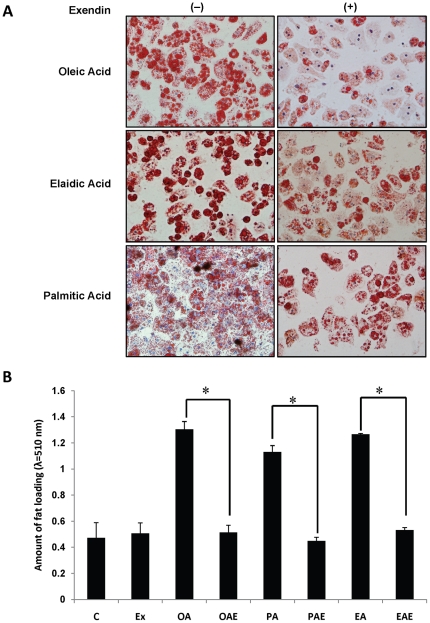
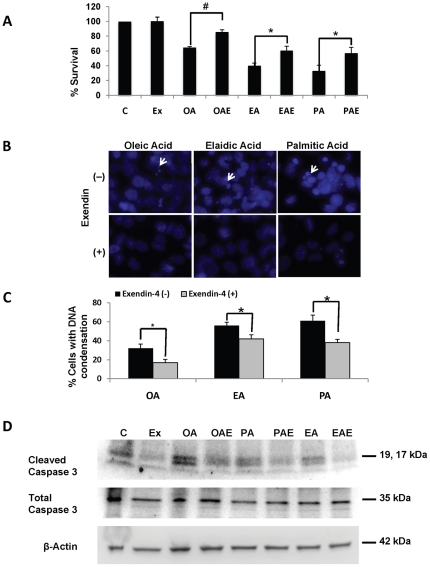
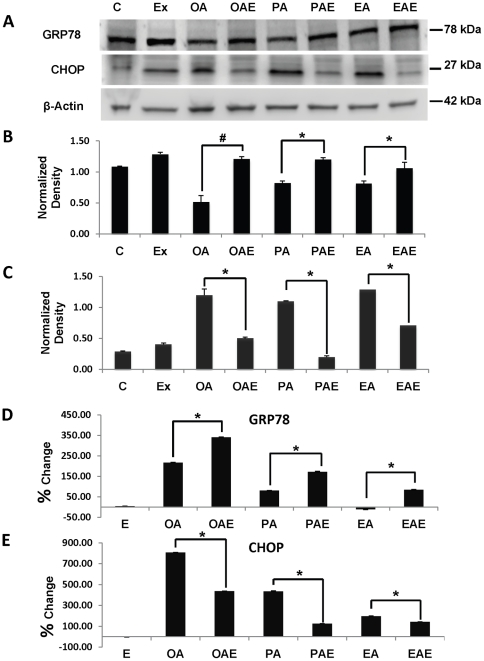
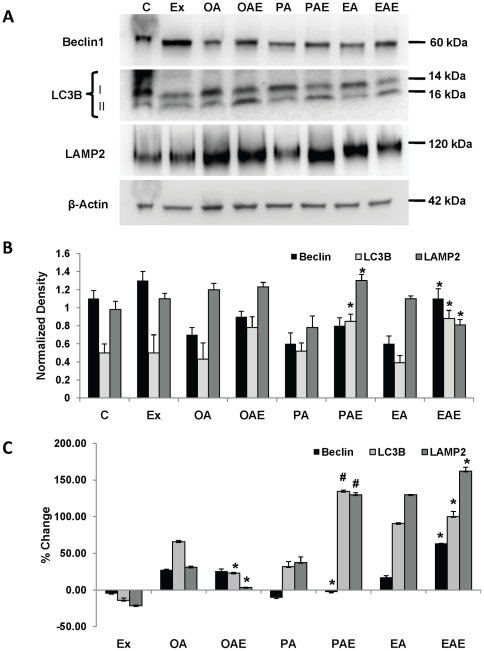
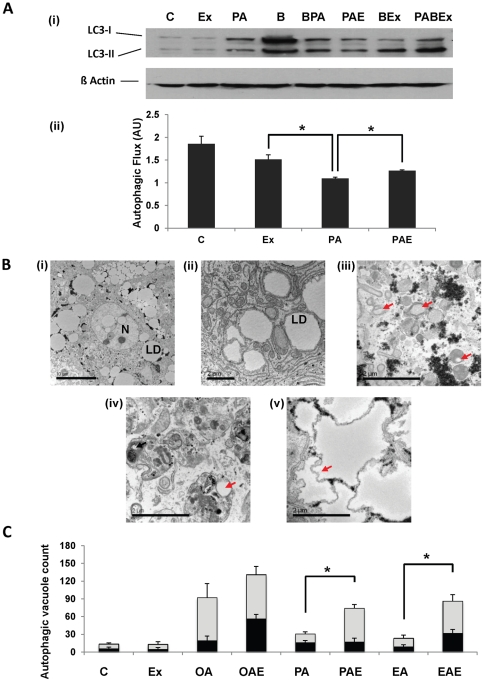
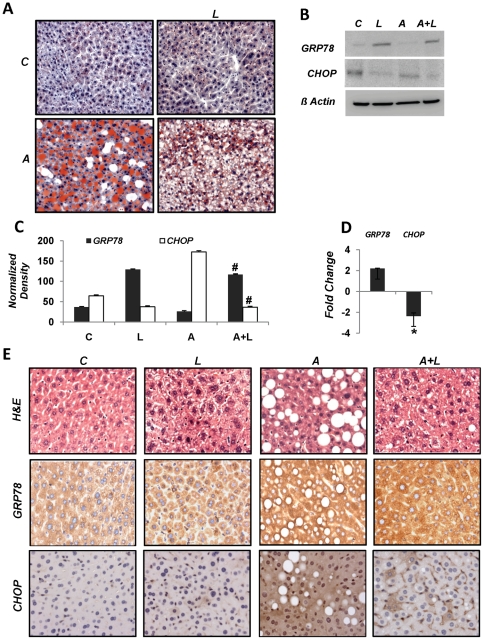
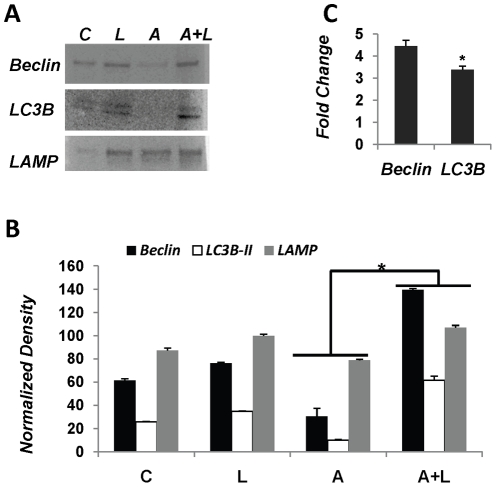
BACKGROUND: Nonalcoholic fatty liver disease (NAFLD) is a known outcome of hepatosteatosis. Free fatty acids (FFA) induce the unfolded protein response (UPR) or endoplasmic reticulum (ER) stress that may induce apoptosis. Recent data indicate ER stress to be a major player in the progression of fatty liver to more aggressive lesions. Autophagy on the other hand has been demonstrated to be protective against ER stress-induced cell death. We hypothesized that exendin-4 (GLP-1 analog) treatment of fat loaded hepatocytes can reduce steatosis by autophagy which leads to reduced ER stress-related hepatocyte apoptosis. METHODOLOGY/PRINCIPAL FINDINGS: Primary human hepatocytes were loaded with saturated, cis- and trans-unsaturated fatty acids (palmitic, oleic and elaidic acid respectively). Steatosis, induced with all three fatty acids, was significantly resolved after exendin-4 treatment. Exendin-4 sustained levels of GRP78 expression in fat-loaded cells when compared to untreated fat-loaded cells alone. In contrast, CHOP (C/EBP homologous protein); the penultimate protein that leads to ER stress-related cell death was significantly decreased by exendin-4 in hepatocytes loaded with fatty acids. Finally, exendin-4 in fat loaded hepatocytes clearly promoted gene products associated with macroautophagy as measured by enhanced production of both Beclin-1 and LC3B-II, markers for autophagy; and visualized by transmission electron microscopy (TEM). Similar observations were made in mouse liver lysates after mice were fed with high fat high fructose diet and treated with a long acting GLP-1 receptor agonist, liraglutide. CONCLUSIONS/SIGNIFICANCE: GLP-1 proteins appear to protect hepatocytes from fatty acid-related death by prohibition of a dysfunctional ER stress response; and reduce fatty acid accumulation, by activation of both macro-and chaperone-mediated autophagy. These findings provide a novel role for GLP-1 proteins in halting the progression of more aggressive lesions from underlying steatosis in humans afflicted with NAFLD.
Overview
The claims and statistics of this paper haven’t been checked yet.
Free: it reads the open-access text and checks the first 5 claims that cite a source we can check. Create a free account to check every claim.
Integrity signals
Registry
Cites
Statistics
Figures
Verification
Claims the paper makes
The claims and statistics of this paper haven’t been checked yet.
Free: it reads the open-access text and checks the first 5 claims that cite a source we can check. Create a free account to check every claim.
Claims other papers make about this one
Each is checked against this paper’s own text: does it say what the citing paper says it does?
The cited source says what the claim attributes to it.
In the citing paper
“The effect of GLP-1RA on hepatic steatosis was observed in several mice models (including leptin-deficient ob/ob mice, leptin receptor-deficient db/db mice, and high-fat diet (HFD) fed mice that showed a decrease after exenatide treatment [160,161,162] or liraglutide [163].”
From Gut-pancreas-liver Axis as a target for treatment of NAFLD/NASH (2020) · cites this paper as [163]
In the citing paper
“Indeed, in liraglutide-treated mice, the reduction in hepatic steatosis and endoplasmic reticulum oxidative stress occurred regardless of body weight loss (see below) [91,92].”
From GLP-1 Receptor Agonists in Non-Alcoholic Fatty Liver Disease: Current Evidence and Future Perspectives (2023) · cites this paper as [91]
In the citing paper
“A further protective mechanism that could explain the effects of GLP-1 RAs in NAFLD is represented by the potential role in preventing hepatocyte apoptosis [91].”
From GLP-1 Receptor Agonists in Non-Alcoholic Fatty Liver Disease: Current Evidence and Future Perspectives (2023) · cites this paper as [91]
In the citing paper
“Sharma et al. [91] demonstrated that GLP-1R stimulation is able to activate autophagy mechanisms and mitigate ER-stress mediated apoptosis, reducing the intrahepatocyte accumulation of fatty acids.”
From GLP-1 Receptor Agonists in Non-Alcoholic Fatty Liver Disease: Current Evidence and Future Perspectives (2023) · cites this paper as [91]
Self-check
Percentages, sums and reported differences re-computed from the paper’s own numbers.
The self-check needs the paper’s full text.
Citations
Cites
Autophagy regulates lipid metabolism
Singh, R., Kaushik, S., Wang, Y., Xiang, Y., Novak, I., Komatsu, M., Tanaka, K., Cuervo, A. M., & Czaja, M. J. (2009) · Nature · doi:10.1038/nature07976 · Cited by 3,975 · cited 3×
“Singh et al. (2009) recently demonstrated that a fatty acid load in mouse hepatocytes is reduced by macroautophagy [10].”
BackgroundInfluentialRegulation mechanisms and signaling pathways of autophagy
He, C., & Klionsky, D. J. (2009) · Annual Review of Genetics · doi:10.1146/annurev-genet-102808-114910 · Cited by 3,609 · cited 1×
“Depending upon the kind and severity of stress it is possible that autophagy may determine cell fate [32,33].”
BackgroundRoles of CHOP/GADD153 in endoplasmic reticulum stress
Oyadomari, S., & Mori, M. (2004) · Cell Death & Differentiation · doi:10.1038/sj.cdd.4401373 · Cited by 2,828 · cited 1×
“C/EBP homologous protein (CHOP) has been identified as a crucial link between a dysfunctional ER stress and apoptosis and is a highly expressed gene during ER stress [18].”
BackgroundProtein degradation and protection against misfolded or damaged proteins.
Goldberg, A. L. (2003) · Nature · doi:10.1038/nature02263 · Cited by 2,088 · cited 1×
“In addition to defective protein degradation, lysosomes have also been shown to degrade other intracellular components, including whole organelles, lipid deposits, proteinaceous inclusions and aggregates [8,9].”
BackgroundNonalcoholic steatohepatitis: association of insulin resistance and mitochondrial abnormalities
Sanyal, A. J., Campbell–Sargent, C., Mirshahi, F., Rizzo, W. B., Contos, M. J., Sterling, R. K., Luketic, V. A., Shiffman, M. L., & Clore, J. N. (2001) · Gastroenterology · doi:10.1053/gast.2001.23256 · Cited by 2,078 · cited 1×
“This concentration of fatty acids was similar fasting plasma concentrations of fatty acids under human nonalcoholic steatohepatitis conditions [43,44].”
BackgroundA placebo-controlled trial of pioglitazone in subjects with nonalcoholic steatohepatitis
Belfort, R., Harrison, S. A., Brown, K., Darland, C., Finch, J., Hardies, J., Balas, B., Gastaldelli, A., Tio, F., Pulcini, J., et al. (2006) · New England Journal of Medicine · doi:10.1056/nejmoa060326 · Cited by 1,827
Ron, D., & Habener, J. F. (1992) · Genes & Development · doi:10.1101/gad.6.3.439 · Cited by 1,168 · cited 1×
“However, it is robustly expressed by perturbations that induce stress [25].”
BackgroundProteolysis: from the lysosome to ubiquitin and the proteasome
Ciechanover, A. (2005) · Nature Reviews Molecular Cell Biology · doi:10.1038/nrm1552 · Cited by 1,133
Autophagy and aging: The importance of maintaining "clean" cells
Cuervo, A. M., Bergamini, E., Brunk, U. T., Dröge, W., Ffrench, M., & Terman, A. (2005) · Autophagy · doi:10.4161/auto.1.3.2017 · Cited by 792 · cited 1×
“Another type of autophagy, chaperone mediated autophagy (CMA) has also been demonstrated to reduce cell stress by removing proteins that have a signal sequence [11].”
BackgroundWei, Y., Wang, D., Topczewski, F., & Pagliassotti, M. J. (2006) · American Journal of Physiology-Endocrinology and Metabolism · doi:10.1152/ajpendo.00644.2005 · Cited by 735 · cited 2×
“Fatty acids are known to induce the unfolded protein response (UPR), a compensatory cellular mechanism to handle cell stress [7].”
Background
Cited by
Armstrong, M. J., Gaunt, P., Aithal, G. P., Barton, D., Hull, D., Parker, R., Hazlehurst, J. M., Guo, K., Abouda, G., Aldersley, M. A., et al. (2016) · The Lancet · doi:10.1016/s0140-6736(15)00803-x · Cited by 2,203
The coming of age of chaperone-mediated autophagy
Kaushik, S., & Cuervo, A. M. (2018) · Nature Reviews Molecular Cell Biology · doi:10.1038/s41580-018-0001-6 · Cited by 1,407
Autophagy—a key player in cellular and body metabolism
Kim, K. H., & Lee, M.-S. (2014) · Nature Reviews Endocrinology · doi:10.1038/nrendo.2014.35 · Cited by 963
Cusi, K. (2012) · Gastroenterology · doi:10.1053/j.gastro.2012.02.003 · Cited by 911
Nauck, M. A., Meier, J. J., Cavender, M. A., Abd El Aziz, M., & Drucker, D. J. (2017) · Circulation · doi:10.1161/circulationaha.117.028136 · Cited by 582
Regulation of lipid stores and metabolism by lipophagy
Liu, K., & Czaja, M. J. (2013) · Cell Death & Differentiation · doi:10.1038/cdd.2012.63 · Cited by 542
“Future investigations will likely determine that autophagy in metabolically active cells, such as hepatocytes and pancreatic b cells, is regulated by multiple serum factors that are altered with obesity and insulin resistance such as glucagon-like peptide 1.(89)”
BackgroundCardiovascular Biology of the Incretin System
Ussher, J. R., & Drucker, D. J. (2012) · Endocrine Reviews · doi:10.1210/er.2011-1052 · Cited by 530
“8 mM oleate, elaidate, or palmitate reduced lipid stores assessed by oil red O staining as well as caspase-3 cleavage and DNA condensation, resulting in improved cell survival (77).”
BackgroundTargeting vascular (endothelial) dysfunction
Daiber, A., Steven, S., Weber, A., Shuvaev, V. V., Muzykantov, V. R., Laher, I., Li, H., Lamas, S., & Münzel, T. (2017) · British Journal of Pharmacology · doi:10.1111/bph.13517 · Cited by 501
“…et al., 2000), peripheral arterial occlusive disease (Anderson et al., 1995), arterial hypertension (Perticone et al., 2001), postmenopausal women (Sharma et al., 2011) and heart failure (Heitzer et al., 2005), but also in healthy subjects (Maruhashi et al., 2013; Shechter et al., 2014) (Table 1).”
BackgroundGlucagon-like peptide 1 decreases lipotoxicity in non-alcoholic steatohepatitis
Armstrong, M. J., Hull, D., Guo, K., Barton, D., Hazlehurst, J. M., Gathercole, L. L., Nasiri, M., Yu, J., Gough, S. C., Newsome, P. N., et al. (2016) · Journal of Hepatology · doi:10.1016/j.jhep.2015.08.038 · Cited by 456
“In our cell cultures systems, GLP-1R agonism was able to decrease total lipid accumulation in the absence of insulin and it is possible that this may protect the hepatocyte from oxidative (endoplasmic reticulum) stress and subsequent cellular death in vitro [11] in a similar manner to observations made in pancreatic b…”
ResultInfluentialFrom NASH to diabetes and from diabetes to NASH: Mechanisms and treatment options
Gastaldelli, A., & Cusi, K. (2019) · JHEP Reports · doi:10.1016/j.jhepr.2019.07.002 · Cited by 455
Autophagy in metabolic disease and ageing
Kitada, M., & Koya, D. (2021) · Nature Reviews Endocrinology · doi:10.1038/s41574-021-00551-9 · Cited by 399
Panjwani, N., Mulvihill, E. E., Longuet, C., Yusta, B., Campbell, J. E., Brown, T. J., Streutker, C., Holland, D., Cao, X., Baggio, L. L., et al. (2013) · Endocrinology · doi:10.1210/en.2012-1937 · Cited by 346
“Sustained GLP-1R activation reduces hepatic fat accumulation, and increased hepatic lipid oxidation, reduced lipogenesis, and enhanced lipoprotein secretion have been invoked as mechanisms contributing to reduced hepatic steatosis (27, 38-42).”
Targeting autophagy in obesity: from pathophysiology to management
Zhang, Y., Sowers, J. R., & Ren, J. (2018) · Nature Reviews Endocrinology · doi:10.1038/s41574-018-0009-1 · Cited by 338
Pleiotropic Effects of GLP-1 and Analogs on Cell Signaling, Metabolism, and Function
Rowlands, J., Heng, J., Newsholme, P., & Carlessi, R. (2018) · Frontiers in Endocrinology · doi:10.3389/fendo.2018.00672 · Cited by 302
“By inducing autophagy, GLP-1 therapies can relief the burden in the ER, reduce ER-stress, and subsequent hepatocyte apoptosis (236).”
BackgroundVarga, Z. V., Giricz, Z., Liaudet, L., Haskó, G., Ferdinandy, P., & Pacher, P. (2015) · Biochimica et Biophysica Acta (BBA) - Molecular Basis of Disease · doi:10.1016/j.bbadis.2014.06.030 · Cited by 286
“[173–177] Potential autophagy inducers [178]”
Nevola, R., Epifani, R., Imbriani, S., Tortorella, G., Aprea, C., Galiero, R., Rinaldi, L., Marfella, R., & Sasso, F. C. (2023) · International Journal of Molecular Sciences · doi:10.3390/ijms24021703 · Cited by 286
“A further protective mechanism that could explain the effects of GLP-1 RAs in NAFLD is represented by the potential role in preventing hepatocyte apoptosis [91].”
BackgroundTrevaskis, J. L., Griffin, P. S., Wittmer, C., Neuschwander-Tetri, B. A., Brunt, E. M., Dolman, C. S., Erickson, M. R., Napora, J., Parkes, D. G., & Roth, J. D. (2012) · American Journal of Physiology-Gastrointestinal and Liver Physiology · doi:10.1152/ajpgi.00476.2011 · Cited by 277
“GLP-1R activation has been demonstrated to reduce ER stress and improve -cell function in vivo in mice (41, 44), rat primary and insulinoma cell lines (44), and also in primary human hepatocytes (35).”
BackgroundFeatures, Diagnosis, and Treatment of Nonalcoholic Fatty Liver Disease
Torres, D. M., Williams, C. D., & Harrison, S. A. (2012) · Clinical Gastroenterology and Hepatology · doi:10.1016/j.cgh.2012.03.011 · Cited by 268
Dutour, A., Abdesselam, I., Ancel, P., Kober, F., Mrad, G., Darmon, P., Ronsin, O., Pradel, V., Lesavre, N., Martin, J. C., et al. (2016) · Diabetes, Obesity and Metabolism · doi:10.1111/dom.12680 · Cited by 262
“An increase in survival of hepatocytes via hepatocyte autophagy-associated events, and a favourable change in gut microbiota may also participate in the reduction of liver fat [48,49].”
BackgroundNoyan-Ashraf, M. H., Shikatani, E. A., Schuiki, I., Mukovozov, I., Wu, J., Li, R.-K., Volchuk, A., Robinson, L. A., Billia, F., Drucker, D. J., et al. (2013) · Circulation · doi:10.1161/circulationaha.112.091215 · Cited by 259
“We posit that liraglutide’s remarkable ability to augment this response may enhance the capacity of the ER to protect the heart (and human coronary smooth muscle cells) against lipotoxicity, as demonstrated in models of hepatocyte 19 and β -cell 39 lipotoxicity in vitro.”
BackgroundNon-alcoholic steatohepatitis: pathogenesis and novel therapeutic approaches
Schuppan, D., & Schattenberg, J. M. (2013) · Journal of Gastroenterology and Hepatology · doi:10.1111/jgh.12212 · Cited by 256
Armstrong, M. J., Houlihan, D. D., Rowe, I. A., Clausen, W. H. O., Elbrønd, B., Gough, S. C. L., Tomlinson, J. W., & Newsome, P. N. (2013) · Alimentary Pharmacology & Therapeutics · doi:10.1111/apt.12149 · Cited by 250
“ists can act directly on human hepatocytes via a G-protein-coupled receptor 15 and protect hepatocytes from fatty acid-related death.(16) These actions suggest that by direct or indirect metabolic mechanisms, liraglu-”
BackgroundKuchay, M. S., Krishan, S., Mishra, S. K., Choudhary, N. S., Singh, M. K., Wasir, J. S., Kaur, P., Gill, H. K., Bano, T., Farooqui, K. J., et al. (2020) · Diabetologia · doi:10.1007/s00125-020-05265-7 · Cited by 249
Seino, Y., & Yabe, D. (2013) · Journal of Diabetes Investigation · doi:10.1111/jdi.12065 · Cited by 247
Diabetes and Nonalcoholic Fatty Liver Disease: A Pathogenic Duo
Williams, K. H., Shackel, N. A., Gorrell, M. D., McLennan, S. V., & Twigg, S. M. (2013) · Endocrine Reviews · doi:10.1210/er.2012-1009 · Cited by 233
Petit, J.-M., Cercueil, J.-P., Loffroy, R., Denimal, D., Bouillet, B., Fourmont, C., Chevallier, O., Duvillard, L., & Vergès, B. (2016) · The Journal of Clinical Endocrinology & Metabolism · doi:10.1210/jc.2016-2775 · Cited by 227
“have been shown to reduce fatty acid accumulation, diminish endoplasmic reticulum stress, promote autophagy, and regulate the activity of enzymes involved in fatty acid metabolism, such as D-5 desaturase (2, 6, 7).”
BackgroundInfluentialEndoplasmic reticulum proteostasis in hepatic steatosis
Baiceanu, A., Mesdom, P., Lagouge, M., & Foufelle, F. (2016) · Nature Reviews Endocrinology · doi:10.1038/nrendo.2016.124 · Cited by 212
Mells, J. E., Fu, P. P., Sharma, S., Olson, D., Cheng, L., Handy, J. A., Saxena, N. K., Sorescu, D., & Anania, F. A. (2012) · American Journal of Physiology-Gastrointestinal and Liver Physiology · doi:10.1152/ajpgi.00274.2011 · Cited by 202
Self-citationFunction of Autophagy in Nonalcoholic Fatty Liver Disease
Czaja, M. J. (2016) · Digestive Diseases and Sciences · doi:10.1007/s10620-015-4025-x · Cited by 193
“The potential anti-diabetic agent glucagon-like peptide 1 (GLP-1) may be effective in NASH in part due to its promotion of macroautophagy [75].”
Shao, N., Kuang, H. Y., Hao, M., Gao, X. Y., Lin, W. J., & Zou, W. (2014) · Diabetes/Metabolism Research and Reviews · doi:10.1002/dmrr.2561 · Cited by 185
“New studies have shown that Exe has a therapeutic effect on NAFLD [9,10].”
BackgroundPathophysiology of NASH: perspectives for a targeted treatment
Marra, F., & Lotersztajn, S. (2013) · Current Pharmaceutical Design · doi:10.2174/13816128113199990344 · Cited by 163
“Moreover, activation of the GLP-1 receptor led to induction of autophagy and to reduction of ER stress, two key events in the pathogenesis of steatohepatitis [136].”
Nonalcoholic Fatty Liver Disease: Current Issues and Novel Treatment Approaches
Lomonaco, R., Sunny, N. E., Bril, F., & Cusi, K. (2013) · Drugs · doi:10.1007/s40265-012-0004-0 · Cited by 158
“For instance in HepG2 and Huh7 cells, GLP-1 analogues may improve phosphorylation of 3-phosphoinositide-dependent kinase (PDK)-1, AKT and protein kinase C (PKC)-zeta [155], autophagy and endoplasmic reticulum stress [158].”
BackgroundZhang, L., Zhang, L., Li, L., & Hölscher, C. (2018) · Neuropeptides · doi:10.1016/j.npep.2018.07.003 · Cited by 148
Non-alcoholic fatty liver disease and type 2 diabetes mellitus: the liver disease of our age?
Firneisz, G. (2014) · PubMed · doi:10.3748/wjg.v20.i27.9072 · Cited by 147
The unfolded protein response and hepatic lipid metabolism in non alcoholic fatty liver disease
Song, M. J., & Malhi, H. (2019) · Pharmacology & Therapeutics · doi:10.1016/j.pharmthera.2019.107401 · Cited by 156
Dietary fructose as a risk factor for non-alcoholic fatty liver disease (NAFLD)
Alwahsh, S. M., & Gebhardt, R. (2016) · Archives of Toxicology · doi:10.1007/s00204-016-1892-7 · Cited by 150
Zummo, F. P., Cullen, K. S., Honkanen-Scott, M., Shaw, J. A. M., Lovat, P. E., & Arden, C. (2017) · Diabetes · doi:10.2337/db16-1009 · Cited by 140
“Studies in other tissues, including liver and spinal cord, have shown that GLP-1 agonists activate autophagy and that this mechanism is essential for the cell-survival effects of the drug (21,22).”
BackgroundAutophagy: Emerging roles in lipid homeostasis and metabolic control
Christian, P., Sacco, J., & Adeli, K. (2013) · Biochimica et Biophysica Acta (BBA) - Molecular and Cell Biology of Lipids · doi:10.1016/j.bbalip.2012.12.009 · Cited by 139
Tang, A., Rabasa-Lhoret, R., Castel, H., Wartelle-Bladou, C., Gilbert, G., Massicotte-Tisluck, K., Chartrand, G., Olivié, D., Julien, A.-S., de Guise, J., et al. (2015) · Diabetes Care · doi:10.2337/dc14-2548 · Cited by 133
“Prior studies suggested that GLP1 receptor agonists, such as liraglutide and exenatide, would improve liver steatosis in animal models (27,28), in human case series (29), and in prospective nonrandomized trials (30,31).”
BackgroundGlucagon-Like Peptide-1: New Regulator in Lipid Metabolism
Bu, T., Sun, Z., Pan, Y., Deng, X., & Yuan, G. (2024) · Diabetes & Metabolism Journal · doi:10.4093/dmj.2023.0277 · Cited by 131
“Posted online 2024 https://e-dmj.org ber of studies have also been conducted in human primary hepatocytes, providing evidence for the direct effect of GLP-1 binding with GLP-1R in hepatocytes on reducing liver lipids [64].”
BackgroundInflammation meets metabolic disease: Gut feeling mediated by GLP-1
Zietek, T., & Rath, E. (2016) · Frontiers in Immunology · doi:10.3389/fimmu.2016.00154 · Cited by 131
Sapp, V., Gaffney, L., EauClaire, S. F., & Matthews, R. P. (2014) · Hepatology · doi:10.1002/hep.27284 · Cited by 150
“Consistent with these results, increasing autophagy can alleviate ER stress and thus ameliorate hepatic steatosis in animal models.(29) Valinomycin-treated fish demonstrated increased expression of the lipogenic genes cidec and lipin1, as well as the inflammatory genes irf2ai, nfkb, and tnfa (Fig.”
ResultBizino, M. B., Jazet, I. M., de Heer, P., van Eyk, H. J., Dekkers, I. A., Rensen, P. C. N., Paiman, E. H. M., Lamb, H. J., & Smit, J. W. (2020) · Diabetologia · doi:10.1007/s00125-019-05021-6 · Cited by 123
Somm, E., Montandon, S. A., Loizides-Mangold, U., Gaïa, N., Lazarevic, V., De Vito, C., Perroud, E., Bochaton-Piallat, M.-L., Dibner, C., Schrenzel, J., et al. (2021) · Translational Research · doi:10.1016/j.trsl.2020.07.008 · Cited by 118
Human in vitro models of nonalcoholic fatty liver disease
Müller, F. A., & Sturla, S. J. (2019) · Current Opinion in Toxicology · doi:10.1016/j.cotox.2019.03.001 · Cited by 118
Diverse Functions of Autophagy in Liver Physiology and Liver Diseases
Ke, P. (2019) · International Journal of Molecular Sciences · doi:10.3390/ijms20020300 · Cited by 119
“Reduced hepatic steatosis by exendin-4-induced autophagy [415]”
BackgroundRole of autophagy in the pathophysiology of nonalcoholic fatty liver disease: A controversial issue
Kwanten, W. J. (2014) · World Journal of Gastroenterology · doi:10.3748/wjg.v20.i23.7325 · Cited by 113
Bernsmeier, C., Meyer-Gerspach, A. C., Blaser, L. S., Jeker, L., Steinert, R. E., Heim, M. H., & Beglinger, C. (2014) · PLoS ONE · doi:10.1371/journal.pone.0087488 · Cited by 109
“It probably involves diverse signalling pathways regulating lipogenesis [14,17,18], ER stress and autophagy [19].”
BackgroundMaiers, J. L., Kostallari, E., Mushref, M., deAssuncao, T. M., Li, H., Jalan‐Sakrikar, N., Huebert, R. C., Cao, S., Malhi, H., & Shah, V. H. (2017) · Hepatology · doi:10.1002/hep.28921 · Cited by 109
“(20,21,36) Induced nonphysiological ER stress in HSCs was shown to be antifibrotic, attributed to induction of cell death in cultured HSCs.(20,37,38) We observed increased UPR signaling in siTANGO1 cells, and increased expression of CHOP and DR5, genes involved in UPRmediated apoptosis.”
BackgroundInfluentialFang, Y., Ji, L., Zhu, C., Xiao, Y., Zhang, J., Lu, J., Yin, J., & Wei, L. (2020) · Frontiers in Cell and Developmental Biology · doi:10.3389/fcell.2020.602574 · Cited by 108
Wang, X.-C. (2014) · World Journal of Gastroenterology · doi:10.3748/wjg.v20.i40.14821 · Cited by 109
The Unfolded Protein Response in Fatty Liver Disease
Green, R. R., & Henkel, A. S. (2013) · Seminars in Liver Disease · doi:10.1055/s-0033-1358522 · Cited by 123
Nonalcoholic Fatty Liver: A Possible New Target for Type 2 Diabetes Prevention and Treatment
Fruci, B., Giuliano, S., Mazza, A., Malaguarnera, R., & Belfiore, A. (2013) · International Journal of Molecular Sciences · doi:10.3390/ijms141122933 · Cited by 107
Tong, W., Ju, L., Qiu, M., Xie, Q., Chen, Y., Shen, W., Sun, W., Wang, W., & Tian, J. (2016) · Hepatology Research · doi:10.1111/hepr.12634 · Cited by 113
Steatosis in Liver Transplantation: Current Limitations and Future Strategies
Linares, I., Hamar, M., Selzner, N., & Selzner, M. (2018) · Transplantation · doi:10.1097/tp.0000000000002466 · Cited by 114
Pros and Cons of Chaperone-Mediated Autophagy in Cancer Biology
Arias, E., & Cuervo, A. M. (2020) · Trends in Endocrinology & Metabolism · doi:10.1016/j.tem.2019.09.007 · Cited by 92
Li, Q., Li, L., Wang, F., Chen, J., Zhao, Y., Wang, P., Nilius, B., Liu, D., & Zhu, Z. (2013) · Pflügers Archiv - European Journal of Physiology · doi:10.1007/s00424-013-1274-4 · Cited by 91
“[33] showed that GLP-1 proteins can protect hepatocytes from fatty acid-related death though a dysfunctional ER stress response and reduced fatty acid accumulation by activating both macro-and chaperone-mediated autophagy.”
Mitophagy in the Pathogenesis of Liver Diseases
Ke, P. (2020) · Cells · doi:10.3390/cells9040831 · Cited by 94
Taher, J., Baker, C. L., Cuizon, C., Masoudpour, H., Zhang, R., Farr, S., Naples, M., Bourdon, C., Pausova, Z., & Adeli, K. (2014) · Molecular Metabolism · doi:10.1016/j.molmet.2014.09.005 · Cited by 90
“Nonetheless, enhanced cAMP production was observed in rat hepatocytes treated with exendin-4 [12] and additional studies show decreased hepatic lipid and increased cell viability in human hepatocytes following exendin-4 administration [10,29].”
BackgroundCandeias, E., Sebastião, I., Cardoso, S., Carvalho, C., Santos, M. S., Oliveira, C. R., Moreira, P. I., & Duarte, A. I. (2017) · Molecular Neurobiology · doi:10.1007/s12035-017-0622-3 · Cited by 94
GLP-1 Receptor Agonist and Non-Alcoholic Fatty Liver Disease
Lee, J., Hong, S.-W., Rhee, E.-J., & Lee, W.-Y. (2012) · Diabetes & Metabolism Journal · doi:10.4093/dmj.2012.36.4.262 · Cited by 87
“In a study investigating human hepatocytes treated with fatty acids, exenatide was shown to reduce fatty acid storage and improve hepatocyte viability and markers of autophagy [10].”
BackgroundDiagnosis and management of cardiovascular risk in nonalcoholic fatty liver disease
Lonardo, A., Ballestri, S., Targher, G., & Loria, P. (2015) · Expert Review of Gastroenterology & Hepatology · doi:10.1586/17474124.2015.965143 · Cited by 86
Zheng, X., Xu, F., Liang, H., Cao, H., Cai, M., Xu, W., & Weng, J. (2017) · Hepatology · doi:10.1002/hep.29238 · Cited by 85
“A previous report showed that exendin-4 enhanced GRP78 expression but decreased ER stress–related cell death in fatloaded hepatocytes.((40)) By contrast, decreased GRP78 expression and increased HSP expression after exendin-4 treatment were observed simultaneously in our study.”
ResultAutophagy and Lipid Metabolism
Khawar, M. B., Gao, H., & Li, W. (2019) · Advances in experimental medicine and biology · doi:10.1007/978-981-15-0602-4_17 · Cited by 88
Role of islet β cell autophagy in the pathogenesis of diabetes
Lee, M. (2014) · Trends in Endocrinology and Metabolism · doi:10.1016/j.tem.2014.08.005 · Cited by 88
Flessa, C., Kyrou, I., Ansari, N. N., Kaltsas, G., Kassi, E. N., & Randeva, H. S. (2022) · Journal of Cellular Biochemistry · doi:10.1002/jcb.30247 · Cited by 92
“Liraglutide treatment markedly reduced the lipid load in hepatocytes and hepatic steatosis in an American Lifestyle‐Induced Obesity Syndrome (ALIOS) animal model.(160) This was achieved through the increase of the suppressed GRP78 and the reduction of the increased CHOP mRNA and protein levels in the livers of animals…”
BackgroundInfluentialZhang, Y. P., Ling, Y., Yang, L., Cheng, Y., Yang, P., Song, X., Tang, H., Zhong, Y., Tang, L., He, S., et al. (2017) · Molecular and Cellular Endocrinology · doi:10.1016/j.mce.2017.03.029 · Cited by 87
Flessa, C., Kyrou, I., Ansari, N. N., Kaltsas, G., Papavassiliou, A. G., Kassi, E. N., & Randeva, H. S. (2021) · Current Obesity Reports · doi:10.1007/s13679-021-00431-3 · Cited by 86
Burmeister, M. A., Ferre, T., Ayala, J. E., King, E. M., Holt, R. M., & Ayala, J. E. (2012) · American Journal of Physiology-Endocrinology and Metabolism · doi:10.1152/ajpendo.00409.2011 · Cited by 81
“More recently, GLP-1R activation has been shown to reduce hepatic and hepatocyte lipid accumulation via direct effects to reduce lipogenesis and stimulate lipid oxidation (42, 44).”
BackgroundTakada, S., Masaki, Y., Kinugawa, S., Matsumoto, J., Furihata, T., Mizushima, W., Kadoguchi, T., Fukushima, A., Homma, T., Takahashi, M., et al. (2016) · Cardiovascular Research · doi:10.1093/cvr/cvw182 · Cited by 78
“The work was significantly increased in MIþMK-0626þVe mice compared to the MIþNDþVe mice, and this was completely inhibited in the MIþMK-0626þ Ex-(9-39) (GLP-1 receptor antagonist) mice (respectively, P< 0.”
BackgroundMethodInfluentialMünte, E., & Hartmann, P. (2025) · Biomolecules · doi:10.3390/biom15040469 · Cited by 89
“Furthermore, GLP-1RAs have been shown to reduce lipotoxicity and the lipid stress response in hepatocytes, ultimately preventing or delaying the progression of MASLD [71].”
Kahal, H., Abouda, G., Rigby, A. S., Coady, A. M., Kilpatrick, E. S., & Atkin, S. L. (2014) · Clinical Endocrinology · doi:10.1111/cen.12369 · Cited by 79
Modern approach to the clinical management of non-alcoholic fatty liver disease
Ben, M. D. (2014) · World Journal of Gastroenterology · doi:10.3748/wjg.v20.i26.8341 · Cited by 77
Mells, J. E., Fu, P. P., Kumar, P., Smith, T., Karpen, S. J., & Anania, F. A. (2015) · The Journal of Nutritional Biochemistry · doi:10.1016/j.jnutbio.2014.11.002 · Cited by 77
“In our previous studies, we demonstrated that administering this diet to 4- to 5week-old male mice induced hepatic insulin resistance within 6 weeks and systemic insulin resistance within 8 weeks, and recapitulated the features of MetS including dyslipidemia, significant weight gain, hepatic steatosis and high blood p…”
BackgroundSelf-citationMechanisms of Action of Liraglutide in Patients With Type 2 Diabetes Treated With High-Dose Insulin
Vanderheiden, A., Harrison, L. B., Warshauer, J. T., Adams-Huet, B., Li, X., Yuan, Q., Hulsey, K., Dimitrov, I., Yokoo, T., Jaster, A. W., et al. (2016) · The Journal of Clinical Endocrinology & Metabolism · doi:10.1210/jc.2015-3906 · Cited by 76
Decara, J., Rivera, P., Arrabal, S., Vargas, A., Serrano, A., Pavón, F. J., Dieguez, C., Nogueiras, R., Rodríguez de Fonseca, F., & Suárez, J. (2018) · Acta Physiologica · doi:10.1111/apha.13008 · Cited by 76
Sangineto, M., Grander, C., Grabherr, F., Mayr, L., Enrich, B., Schwärzler, J., Dallio, M., Bukke, V. N., Moola, A., Moschetta, A., et al. (2022) · Gut Microbes · doi:10.1080/19490976.2022.2089006 · Cited by 81
Insulin sensitizers for the treatment of non-alcoholic fatty liver disease
Öztürk, Z. A., & Kadayıfçı, A. (2014) · World Journal of Hepatology · doi:10.4254/wjh.v6.i4.199 · Cited by 85
Moon, J. S., Hong, J. H., Jung, Y. J., Ferrannini, E., Nauck, M. A., & Lim, S. K. (2022) · Trends in Endocrinology and Metabolism · doi:10.1016/j.tem.2022.03.005 · Cited by 86
Jalewa, J., Sharma, M. K., & Hölscher, C. (2016) · Journal of Neurochemistry · doi:10.1111/jnc.13736 · Cited by 73
“Both Exendin-4 and Liraglutide reduce hepatocyte steatosis and improve survival by promotingmacro-autophagy (Sharma et al. 2011).”
BackgroundSalomone, F., Volti, G. L., Vitaglione, P., Morisco, F., Fogliano, V., Zappalà, A., Palmigiano, A., Garozzo, D., Caporaso, N., D’Argenio, G., et al. (2013) · Translational research · doi:10.1016/j.trsl.2013.12.001 · Cited by 70
GLP-1 receptor agonists in NAFLD
Petit, J.-M., & Vergès, B. L. (2017) · Diabetes & Metabolism · doi:10.1016/s1262-3636(17)30070-8 · Cited by 78
Peng, W., Zhou, R., Sun, Z.-F., Long, J.-W., & Gong, Y.-Q. (2022) · Aging and disease · doi:10.14336/ad.2021.0928 · Cited by 71
“Furthermore, hepatocyte steatosis can also be inhibited by GLP-1 through inducing the response of unfolded protein [39].”
BackgroundG protein-coupled receptors and the regulation of autophagy
Wauson, E., Dbouk, H. A., Ghosh, A. B., & Cobb, M. H. (2014) · Trends in Endocrinology and Metabolism · doi:10.1016/j.tem.2014.03.006 · Cited by 78
Gao, H., Zeng, Z., Zhang, H., Zhou, X., Guan, L., Deng, W., & Xu, L. (2015) · Biological & Pharmaceutical Bulletin · doi:10.1248/bpb.b14-00505 · Cited by 70
The Role of Gastrointestinal Hormones in Hepatic Lipid Metabolism
Mells, J., & Anania, F. (2013) · Seminars in Liver Disease · doi:10.1055/s-0033-1358527 · Cited by 70
Self-citationGut-pancreas-liver Axis as a target for treatment of NAFLD/NASH
Svegliati-Baroni, G., Patrício, B., Lioci, G., Macedo, M. P., & Gastaldelli, A. (2020) · International Journal of Molecular Sciences · doi:10.3390/ijms21165820 · Cited by 66
XBP1s Is an Anti-lipogenic Protein
Herrema, H., Zhou, Y., Zhang, D., Lee, J., Hernández, M. A. S., Shulman, G. I., & Özcan, U. (2016) · Journal of Biological Chemistry · doi:10.1074/jbc.m116.728949 · Cited by 69
Klein, T., Fujii, M., Sandel, J. P., Shibazaki, Y., Wakamatsu, K., Mark, M., & Yoneyama, H. (2013) · Medical Molecular Morphology · doi:10.1007/s00795-013-0053-9 · Cited by 71
GLP‐1 analogue prevents NAFLD in ApoE KO mice with diet and Acrp30 knockdown by inhibiting c‐JNK
Zhang, L., Yang, M., Ren, H., Hu, H., Boden, G., Li, L., & Yang, G. (2013) · Liver International · doi:10.1111/liv.12120 · Cited by 65
“In vitro studies showed that GLP-1 receptor agonists reduce fat accumulation in HepG2 and Huh7 cells (9).”
BackgroundReciprocal Crosstalk Between Autophagic and Endocrine Signaling in Metabolic Homeostasis
Sinha, R. A., Singh, B. K., & Yen, P. M. (2016) · Endocrine Reviews · doi:10.1210/er.2016-1103 · Cited by 67
“shown to induce autophagy in liver cells (101-103).”
BackgroundTeng, Y., Zhao, Z., Tasnim, F., Huang, X., & Yu, H. (2021) · Biomaterials · doi:10.1016/j.biomaterials.2021.120904 · Cited by 62
Non-alcoholic Fatty Liver Disease and Liver Fibrosis during Aging
Li, Y., Adeniji, N., Fan, W., Kunimoto, K., & Torok, N. J. (2022) · Aging and Disease · doi:10.14336/ad.2022.0318 · Cited by 73
“AMPK activity [66], glucagon-like peptide 1 (GLP-1) analogues that can promote macroautophagy [67], and trehalose that can inhibit glucose transport, and also induce Sequestosome 1 (p62) upregulation activating the Kelch-like ECH-associated protein 1 (Keap1)-Nuclear”
BackgroundDisruption of Plin5 degradation by CMA causes lipid homeostasis imbalance in NAFLD
Shuo, Y., Sun, K., Zhang, M., Zhou, X., Zheng, X. H., Tian, S. Y., Liu, Y. S., Chen, L., Gao, X., Ye, J., et al. (2020) · Liver International · doi:10.1111/liv.14492 · Cited by 70
GLP-1 based therapies: clinical implications for gastroenterologists
Smits, M. M., van Raalte, D. H., Tonneijck, L., Muskiet, M. H. A., Kramer, M. H. H., & Cahen, D. L. (2016) · Gut · doi:10.1136/gutjnl-2015-310572 · Cited by 61
“Furthermore, GLP-1RAs and DPP-4Is reduce hepatocyte endoplasmic reticulum stress 163 164 and in fl ammatory cytokines, 164 165 both involved in NASH development.”
BackgroundPanagaki, T., Michael, M., & Hölscher, C. (2017) · Scientific Reports · doi:10.1038/s41598-017-16488-x · Cited by 61
Efficacy and safety of semaglutide for weight management: evidence from the STEP program
Amaro, A., Sugimoto, D., & Wharton, S. (2022) · Postgraduate Medicine · doi:10.1080/00325481.2022.2147326 · Cited by 60
Kalra, S., Das, A. K., Sahay, R. K., Baruah, M. P., TIWASKAR, M. H., Das, S., Chatterjee, S., Saboo, B., Bantwal, G., Bhattacharya, S., et al. (2019) · Diabetes Therapy · doi:10.1007/s13300-019-0669-4 · Cited by 74
Wu, T., Rayner, C. K., & Horowitz, M. (2015) · Handbook of experimental pharmacology · doi:10.1007/164_2015_9 · Cited by 69
Epigenetic modifications as regulatory elements of autophagy in cancer
Sui, X., Zhu, J., Zhou, J., Wang, X., Li, D., Han, W., Fang, Y., & Pan, H. (2015) · Cancer Letters · doi:10.1016/j.canlet.2015.02.009 · Cited by 63
Metadata
- Authors
- Sharma, S., Mells, J. E., Fu, P. P., Saxena, N. K., & Anania, F. A.
- Affiliations
- Emory University (US)
- Corresponding author
- Anania, Frank A.
- Venue
- PLoS ONE
- Publisher
- Public Library of Science (PLoS)
- Published
- 2011-09-21
- Volume
- 6
- Issue
- 9
- Pages
- e25269
- ISSN
- 1932-6203 (ISSN-L)
- PMC
- PMC3177901
- OpenAlex
- W1973102191
- Cited by
- 272
- References
- 50
- Citations by year
- 2026: 13 · 2025: 16 · 2024: 19 · 2023: 21 · 2022: 14 · 2021: 15 · 2020: 21 · 2019: 14 · 2018: 14 · 2017: 20 · 2016: 26 · 2015: 13 · 2014: 26 · 2013: 19 · 2012: 18
- FWCI
- 15.60
- Type
- journal article
- Language
- en
- Open access
- gold
- doi.org
- Locations
- PLoS ONE (publishedVersion, cc-by)
- SSRN Electronic Journal (acceptedVersion)
- Europe PMC (PubMed Central) (publishedVersion, cc-by)
- PubMed Central (publishedVersion, cc-by)
- PubMed (publishedVersion)
- DOAJ (DOAJ: Directory of Open Access Journals) (submittedVersion)
- Figshare (submittedVersion, cc-by)
- Funders
- U.S. Department of Veterans Affairs (I01 BX001746)
- Emory University
- National Institutes of Health
- National Institute of Diabetes and Digestive and Kidney Diseases (K01DK077137, R24DK064399, R01DK075397, R01DK062092, R03DK089130)
- Topics
- Health Sciences › Medicine › Hepatology › Liver Disease Diagnosis and Treatment
- Life Sciences › Biochemistry, Genetics and Molecular Biology › Cell Biology › Endoplasmic Reticulum Stress and Disease
- Life Sciences › Biochemistry, Genetics and Molecular Biology › Cell Biology › Autophagy in Disease and Therapy
- Keywords
- GLP-1 analogues, exendin-4, liraglutide, non-alcoholic fatty liver disease, hepatocyte steatosis, endoplasmic reticulum stress, unfolded protein response, macroautophagy, hepatocyte apoptosis, free fatty acids, GRP78, CHOP, Beclin-1, LC3B, chaperone-mediated autophagy, high-fat high-fructose diet
- MeSH terms
- Exenatide, Endoplasmic Reticulum Chaperone BiP, Animals, Autophagy, Dietary Carbohydrates, Fatty Liver, Fructose, Humans, Life Style, Male, Mice, Inbred C57BL, Obesity, Peptides, Venoms, Survival Analysis, Apoptosis, Adipocytes, Hepatocytes, Mice, Glucagon-Like Peptide 1, Unfolded Protein Response, Diet, High-Fat, Endoplasmic Reticulum Stress
About these checks
Registry, retraction, Cites and statistics results are computed, not judged, with one exception: a printed reference that no index lists is read once by a model before it counts as a citation error. Claims are extracted by a model and kept only when their quote appears verbatim in the text; each cited source is then checked, with a model’s help, for whether it says what the claim relies on. Those verdicts can be wrong — read the claim’s quote and the cited source before relying on one.
Statistics and arithmetic are recomputed, not judged.
Confidence bands are shown only for fields calibrated on our annotated test set. None is calibrated yet, so no band is shown.
What counts as a claim ›How we measure confidence ›How we check this ›
Are you an author, or do you see a problem with this page? Request a review
Data sources
Bibliographic data: Semantic Scholar, OpenAlex, Crossref.
Contains information from the Semantic Scholar Academic Graph Datasets, made available under the ODC Attribution License (ODC-BY 1.0).
Semantic Scholar’s data is described in: Kinney, R., et al. (2023). The Semantic Scholar Open Data Platform. arXiv:2301.10140.
