

GLP-1 Analogs Reduce Hepatocyte Steatosis and Improve Survival by Enhancing the Unfolded Protein Response and Promoting Macroautophagy
Open accessThe DOI matches its Crossref record; 50 of the 50 references it cites were found in a registry or an index.
Abstract
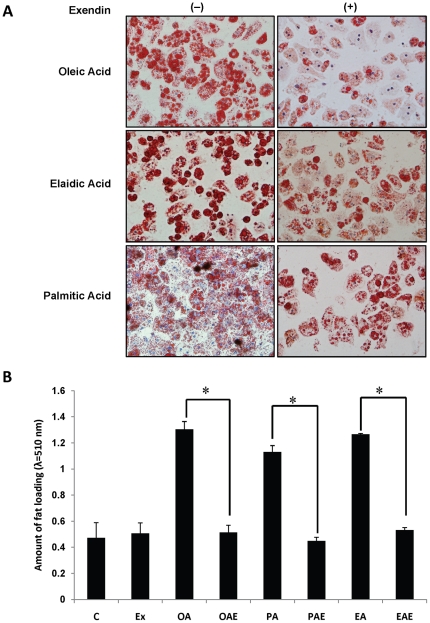
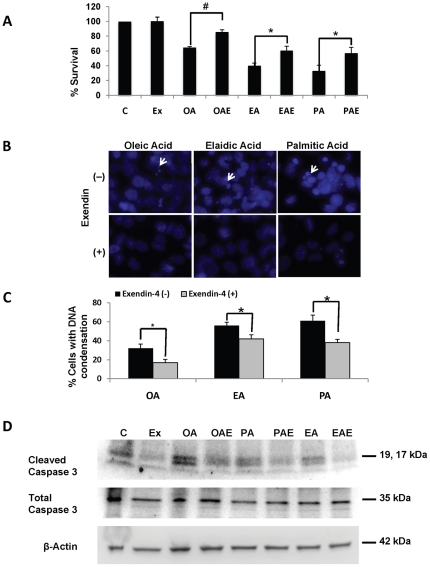
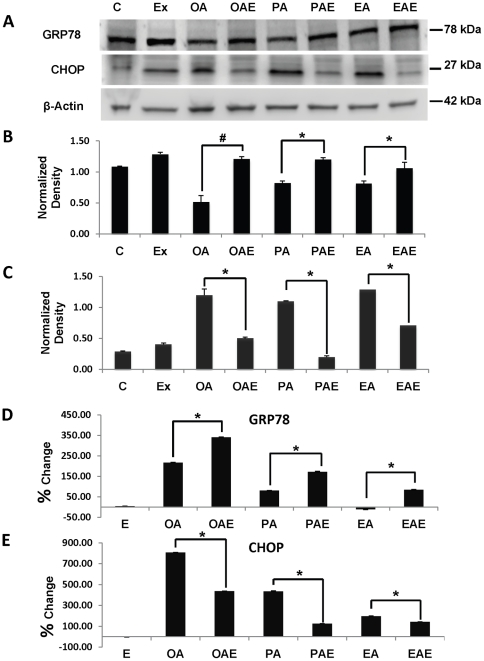
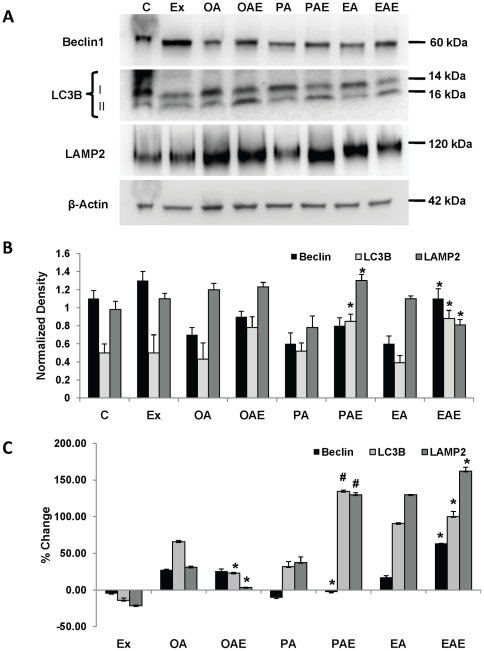
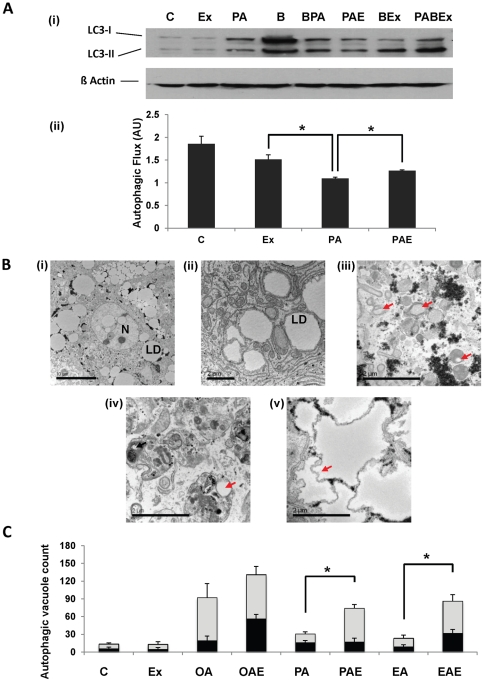
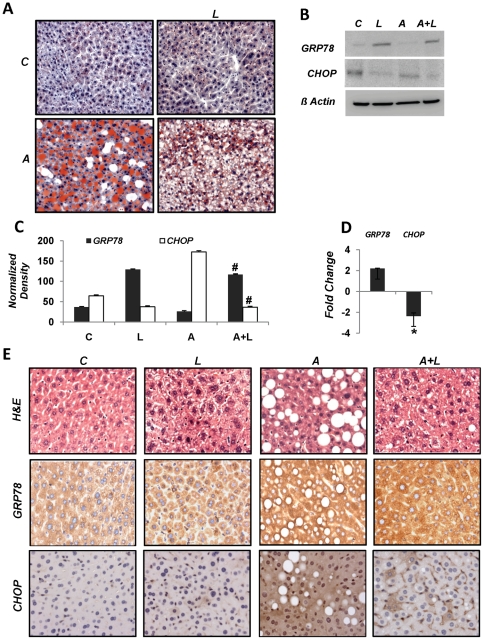
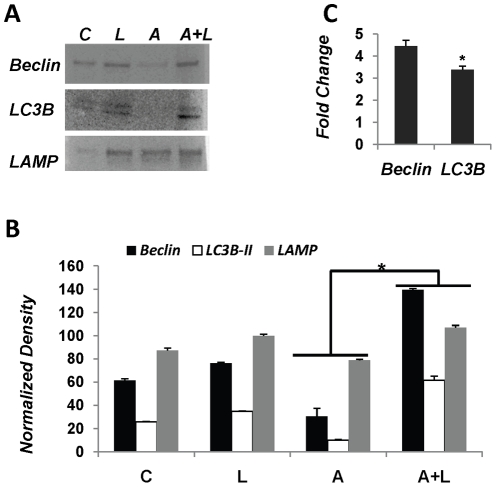
BACKGROUND: Nonalcoholic fatty liver disease (NAFLD) is a known outcome of hepatosteatosis. Free fatty acids (FFA) induce the unfolded protein response (UPR) or endoplasmic reticulum (ER) stress that may induce apoptosis. Recent data indicate ER stress to be a major player in the progression of fatty liver to more aggressive lesions. Autophagy on the other hand has been demonstrated to be protective against ER stress-induced cell death. We hypothesized that exendin-4 (GLP-1 analog) treatment of fat loaded hepatocytes can reduce steatosis by autophagy which leads to reduced ER stress-related hepatocyte apoptosis. METHODOLOGY/PRINCIPAL FINDINGS: Primary human hepatocytes were loaded with saturated, cis- and trans-unsaturated fatty acids (palmitic, oleic and elaidic acid respectively). Steatosis, induced with all three fatty acids, was significantly resolved after exendin-4 treatment. Exendin-4 sustained levels of GRP78 expression in fat-loaded cells when compared to untreated fat-loaded cells alone. In contrast, CHOP (C/EBP homologous protein); the penultimate protein that leads to ER stress-related cell death was significantly decreased by exendin-4 in hepatocytes loaded with fatty acids. Finally, exendin-4 in fat loaded hepatocytes clearly promoted gene products associated with macroautophagy as measured by enhanced production of both Beclin-1 and LC3B-II, markers for autophagy; and visualized by transmission electron microscopy (TEM). Similar observations were made in mouse liver lysates after mice were fed with high fat high fructose diet and treated with a long acting GLP-1 receptor agonist, liraglutide. CONCLUSIONS/SIGNIFICANCE: GLP-1 proteins appear to protect hepatocytes from fatty acid-related death by prohibition of a dysfunctional ER stress response; and reduce fatty acid accumulation, by activation of both macro-and chaperone-mediated autophagy. These findings provide a novel role for GLP-1 proteins in halting the progression of more aggressive lesions from underlying steatosis in humans afflicted with NAFLD.
Overview
The claims and statistics of this paper haven’t been checked yet.
Free: it reads the open-access text and checks the first 5 claims that cite a source we can check. Create a free account to check every claim.
Integrity signals
Registry
Cites
Statistics
Figures
Verification
Claims the paper makes
The claims and statistics of this paper haven’t been checked yet.
Free: it reads the open-access text and checks the first 5 claims that cite a source we can check. Create a free account to check every claim.
Claims other papers make about this one
Each is checked against this paper’s own text: does it say what the citing paper says it does?
The cited source says what the claim attributes to it.
In the citing paper
“The effect of GLP-1RA on hepatic steatosis was observed in several mice models (including leptin-deficient ob/ob mice, leptin receptor-deficient db/db mice, and high-fat diet (HFD) fed mice that showed a decrease after exenatide treatment [160,161,162] or liraglutide [163].”
From Gut-pancreas-liver Axis as a target for treatment of NAFLD/NASH (2020) · cites this paper as [163]
In the citing paper
“Indeed, in liraglutide-treated mice, the reduction in hepatic steatosis and endoplasmic reticulum oxidative stress occurred regardless of body weight loss (see below) [91,92].”
From GLP-1 Receptor Agonists in Non-Alcoholic Fatty Liver Disease: Current Evidence and Future Perspectives (2023) · cites this paper as [91]
In the citing paper
“A further protective mechanism that could explain the effects of GLP-1 RAs in NAFLD is represented by the potential role in preventing hepatocyte apoptosis [91].”
From GLP-1 Receptor Agonists in Non-Alcoholic Fatty Liver Disease: Current Evidence and Future Perspectives (2023) · cites this paper as [91]
In the citing paper
“Sharma et al. [91] demonstrated that GLP-1R stimulation is able to activate autophagy mechanisms and mitigate ER-stress mediated apoptosis, reducing the intrahepatocyte accumulation of fatty acids.”
From GLP-1 Receptor Agonists in Non-Alcoholic Fatty Liver Disease: Current Evidence and Future Perspectives (2023) · cites this paper as [91]
Self-check
Percentages, sums and reported differences re-computed from the paper’s own numbers.
The self-check needs the paper’s full text.
Citations
Cites
Autophagy regulates lipid metabolism
Singh, R., Kaushik, S., Wang, Y., Xiang, Y., Novak, I., Komatsu, M., Tanaka, K., Cuervo, A. M., & Czaja, M. J. (2009) · Nature · doi:10.1038/nature07976 · Cited by 3,975 · cited 3×
“Singh et al. (2009) recently demonstrated that a fatty acid load in mouse hepatocytes is reduced by macroautophagy [10].”
BackgroundInfluentialRegulation mechanisms and signaling pathways of autophagy
He, C., & Klionsky, D. J. (2009) · Annual Review of Genetics · doi:10.1146/annurev-genet-102808-114910 · Cited by 3,609 · cited 1×
“Depending upon the kind and severity of stress it is possible that autophagy may determine cell fate [32,33].”
BackgroundRoles of CHOP/GADD153 in endoplasmic reticulum stress
Oyadomari, S., & Mori, M. (2004) · Cell Death & Differentiation · doi:10.1038/sj.cdd.4401373 · Cited by 2,828 · cited 1×
“C/EBP homologous protein (CHOP) has been identified as a crucial link between a dysfunctional ER stress and apoptosis and is a highly expressed gene during ER stress [18].”
BackgroundProtein degradation and protection against misfolded or damaged proteins.
Goldberg, A. L. (2003) · Nature · doi:10.1038/nature02263 · Cited by 2,088 · cited 1×
“In addition to defective protein degradation, lysosomes have also been shown to degrade other intracellular components, including whole organelles, lipid deposits, proteinaceous inclusions and aggregates [8,9].”
BackgroundNonalcoholic steatohepatitis: association of insulin resistance and mitochondrial abnormalities
Sanyal, A. J., Campbell–Sargent, C., Mirshahi, F., Rizzo, W. B., Contos, M. J., Sterling, R. K., Luketic, V. A., Shiffman, M. L., & Clore, J. N. (2001) · Gastroenterology · doi:10.1053/gast.2001.23256 · Cited by 2,078 · cited 1×
“This concentration of fatty acids was similar fasting plasma concentrations of fatty acids under human nonalcoholic steatohepatitis conditions [43,44].”
BackgroundA placebo-controlled trial of pioglitazone in subjects with nonalcoholic steatohepatitis
Belfort, R., Harrison, S. A., Brown, K., Darland, C., Finch, J., Hardies, J., Balas, B., Gastaldelli, A., Tio, F., Pulcini, J., et al. (2006) · New England Journal of Medicine · doi:10.1056/nejmoa060326 · Cited by 1,827
Ron, D., & Habener, J. F. (1992) · Genes & Development · doi:10.1101/gad.6.3.439 · Cited by 1,168 · cited 1×
“However, it is robustly expressed by perturbations that induce stress [25].”
BackgroundProteolysis: from the lysosome to ubiquitin and the proteasome
Ciechanover, A. (2005) · Nature Reviews Molecular Cell Biology · doi:10.1038/nrm1552 · Cited by 1,133
Autophagy and aging: The importance of maintaining "clean" cells
Cuervo, A. M., Bergamini, E., Brunk, U. T., Dröge, W., Ffrench, M., & Terman, A. (2005) · Autophagy · doi:10.4161/auto.1.3.2017 · Cited by 792 · cited 1×
“Another type of autophagy, chaperone mediated autophagy (CMA) has also been demonstrated to reduce cell stress by removing proteins that have a signal sequence [11].”
BackgroundWei, Y., Wang, D., Topczewski, F., & Pagliassotti, M. J. (2006) · American Journal of Physiology-Endocrinology and Metabolism · doi:10.1152/ajpendo.00644.2005 · Cited by 735 · cited 2×
“Fatty acids are known to induce the unfolded protein response (UPR), a compensatory cellular mechanism to handle cell stress [7].”
Background
Cited by
Items 101–200 of 273
Human-based systems: Mechanistic NASH modelling just around the corner?
Boeckmans, J., Natale, A., Buyl, K., Rogiers, V., De Kock, J., Vanhaecke, T., & Rodrigues, R. M. (2018) · Pharmacological Research · doi:10.1016/j.phrs.2018.06.029 · Cited by 53
“Aditionally, primary human hepatocytes exposed to palmitic, oleic and elaidic acid showed a reduction in lipid content and ER-stress with concomitant induction of autophagy when exposed to GLP-1 agonist exendin-4 [116].”
BackgroundLiraglutide Decreases Hepatic Inflammation and Injury in Advanced Lean Non‐Alcoholic Steatohepatitis
Ipsen, D. H., Rolin, B., Rakipovski, G., Skovsted, G. F., Madsen, A., Kolstrup, S. H., Schou‐Pedersen, A. M. V., Skat‐Rørdam, J., Lykkesfeldt, J., & Tveden‐Nyborg, P. (2018) · Basic & Clinical Pharmacology & Toxicology · doi:10.1111/bcpt.13082 · Cited by 59
Armstrong, M. J., Barton, D., Gaunt, P., Hull, D., Guo, K., Stocken, D., Gough, S. C. L., Tomlinson, J. W., Brown, R. M., Hübscher, S. G., et al. (2013) · BMJ Open · doi:10.1136/bmjopen-2013-003995 · Cited by 51
Lim, S. W., Jin, L. G., Jin, J., & Yang, C. W. (2016) · Scientific Reports · doi:10.1038/srep29921 · Cited by 52
Liu, Y. (2014) · World Journal of Gastroenterology · doi:10.3748/wjg.v20.i27.9090 · Cited by 49
GLP‐1 receptor agonists: effects on the progression of non‐alcoholic fatty liver disease
Liu, J., Wang, G., Jia, Y., & Xu, Y. (2015) · Diabetes/Metabolism Research and Reviews · doi:10.1002/dmrr.2580 · Cited by 48
“In human hepatocytes treated with FAs and in DIO mice, exendin-4 and liraglutide reduce endoplasmic reticulum stress-related apoptosis, respectively [58].”
BackgroundLee, H. A., & Kim, H. Y. (2023) · International Journal of Molecular Sciences · doi:10.3390/ijms24119324 · Cited by 48
“Similar findings were observed in another study; a 4-week exendin-4 treatment in a high-fat-diet-induced mouse model of obesity decreased hepatic triacylglycerol content, with no significant difference in body weight or body fat [26].”
BackgroundResultExendin-4 improved rat cortical neuron survival under oxygen/glucose deprivation through PKA pathway
Wang, M., Huang, Y., Zhang, G.-P., Mao, L., Xia, Y., Mei, Y.-W., & Hu, B. (2012) · Neuroscience · doi:10.1016/j.neuroscience.2012.09.025 · Cited by 52
“The activation of the signaling pathways depends on factors such as cell types, cellular stimuli, and environmental conditions (Natalicchio et al., 2010; Sharma et al., 2011; Velmurugan et al., 2012; Kim et al., 2012; Favaro et al., 2012).”
BackgroundIn vitro hepatic steatosis model based on gut–liver‐on‐a‐chip
Jeon, J., Lee, S. H., Kim, D., & Sung, J. H. (2021) · Biotechnology Progress · doi:10.1002/btpr.3121 · Cited by 54
Bariatric surgery for curing NASH in the morbidly obese?
Lassailly, G., Caïazzo, R., Pattou, F., & Mathurin, P. (2013) · Journal of Hepatology · doi:10.1016/j.jhep.2012.12.026 · Cited by 47
“More recently, GLP-1 appeared to reduce fatty-acid-related hepatocyte death through activation of macro- and chaperon-mediated autophagy that reduces endoplasmic reticulum stress and liver fatty acid accumulation responsible for apoptotic liver injuries [3].”
BackgroundAutophagy regulates trans fatty acid-mediated apoptosis in primary cardiac myofibroblasts
Ghavami, S., Cunnington, R. H., Yeganeh, B., Davies, J., Rattan, S. G., Bathe, K. L., Kavosh, M., Łoś, M., Freed, D. H., Klonisch, T. C., et al. (2012) · Biochimica et Biophysica Acta (BBA) - Molecular Cell Research · doi:10.1016/j.bbamcr.2012.09.008 · Cited by 55
“Though a recent report suggests a role for autophagy in TFA-induced cell death of hepatocytes [22], apoptosis is generally accepted as the principal mechanism driving cell demise in health and disease [23–26].”
BackgroundAli, E. S., Jin, H., Wilson, C. H., Tallis, G. A., Zhou, F. H., Rychkov, G. Y., & Barritt, G. J. (2016) · Biochimica et Biophysica Acta (BBA) - Molecular Cell Research · doi:10.1016/j.bbamcr.2016.05.006 · Cited by 62
“While it has been known for some time that exendin-4 and other GLP-1 agonists can decrease liver lipid over periods of days [26, 42, 49, 61, 62], such a rapid onset action of exendin-4 has not, to our knowledge, previously been reported.”
BackgroundMa, X., Lin, W., Lin, Z., Hao, M., Gao, X., Zhang, Y., & Kuang, H. (2017) · Peptides · doi:10.1016/j.peptides.2017.04.008 · Cited by 50
Effect of Weight Loss Medications on Hepatic Steatosis and Steatohepatitis: A Systematic Review
Pan, C. S., & Stanley, T. L. (2020) · Frontiers in Endocrinology · doi:10.3389/fendo.2020.00070 · Cited by 46
Wang, Y., Zhou, Y., Wang, Z., Ni, Y., Prud’homme, G. J., & WANG, Q. (2025) · The Journal of Clinical Endocrinology & Metabolism · doi:10.1210/clinem/dgaf336 · Cited by 65
Xiao, Y., Liu, H., Yu, J., Zhao, Z., Xiao, F., Xia, T., Wang, C., Li, K., Deng, J., Guo, Y., et al. (2015) · Diabetes · doi:10.2337/db15-1024 · Cited by 49
“Impaired autophagy decreases hepatic fatty acid b-oxidation (FAO) and TG export and results in liver steatosis in mice (7,10), and fatty liver is ameliorated when hepatic autophagy is stimulated by certain compounds (11,12) or some signaling pathways (13) in various animal models.”
BackgroundSoto‐Catalán, M., Opazo-Ríos, L., Quiceno, H., Lázaro, I., Moreno, J. A., Gómez‐Guerrero, C., Egido, J., & Mas, S. (2024) · International Journal of Molecular Sciences · doi:10.3390/ijms25052961 · Cited by 52
“Consequently, the effect of GLP-1RAs on lipotox-icity and autophagy is associated to weight loss as well as other mechanisms that could be weight-independent, such as a direct effect on de novo lipogenesis [11,16,19].”
BackgroundPotential of incretin-based therapies for non-alcoholic fatty liver disease
Samson, S. L., & Bajaj, M. (2013) · Journal of Diabetes and its Complications · doi:10.1016/j.jdiacomp.2012.12.005 · Cited by 47
“Treatment of the fat-laden hepatocytes with Ex4 in culture results in decreased fat content with decreased cleaved caspase 3 and improved cell survival (Sharma et al., 2011).”
BackgroundMetabolic responses and benefits of glucagon‐like peptide‐1 (GLP‐1) receptor ligands
Tanday, N., Flatt, P. R., & Irwin, N. (2022) · British Journal of Pharmacology · doi:10.1111/bph.15485 · Cited by 41
Decara, J., Arrabal, S., Beiroa, D., Rivera, P., Vargas, A., Serrano, A., Pavón, F. J., Ballesteros, J., Dieguez, C., Nogueiras, R., et al. (2016) · BioFactors · doi:10.1002/biof.1295 · Cited by 42
Smiriglia, A., Lorito, N., Serra, M., Perra, A., Morandi, A., & Kowalik, M. A. (2023) · iScience · doi:10.1016/j.isci.2023.108363 · Cited by 53
“18 NAFLD induction is obtained by exposing PHH to PA either alone or in combination with OA, a stimulus that leads to lipid accumulation associated with endoplasmic reticulum stress 46 and profibrogenic phenotype.”
MethodLee, W., Kim, H., Choi, Y., Jung, S.-H., Nam, Y. A., Zhang, Y., Yun, S. H., Chang, T., & Lee, B. (2022) · Theranostics · doi:10.7150/thno.70692 · Cited by 47
“confirmed that in primary human hepatocytes’ response to fatty acid treatment, the LAMP2A level was reduced [37].”
BackgroundPharmacological Modulators of Endoplasmic Reticulum Stress in Metabolic Diseases
Jung, T., & Choi, K. M. (2016) · International Journal of Molecular Sciences · doi:10.3390/ijms17020192 · Cited by 44
“Moreover, exendin-4 reduced hepatocyte steatosis and improved survival by restoring ER stress response and promoting autophagy [68].”
BackgroundGupta, N. A., Kolachala, V. L., Jiang, R., Abramowsky, C. R., Shenoi, A. N., Kosters, A., Pavuluri, H., Anania, F. A., & Kirk, A. D. (2014) · American Journal of Physiology-Gastrointestinal and Liver Physiology · doi:10.1152/ajpgi.00210.2014 · Cited by 43
Self-citationC/EBP homologous protein modulates liraglutide-mediated attenuation of non-alcoholic steatohepatitis
Rahman, K., Liu, Y., Kumar, P., Smith, T., Thorn, N. E., Farris, A. B., & Anania, F. A. (2016) · Laboratory Investigation · doi:10.1038/labinvest.2016.61 · Cited by 39
Self-citationPerakakis, N., Stefanakis, K., Feigh, M., Veidal, S. S., & Mantzoros, C. S. (2021) · Liver International · doi:10.1111/liv.14888 · Cited by 42
Incretin based therapies: A novel treatment approach for non-alcoholic fatty liver disease
Blaslov, K. (2014) · World Journal of Gastroenterology · doi:10.3748/wjg.v20.i23.7356 · Cited by 38
Deng, M., Wen, Y., Yan, J., Fan, Y., Wang, Z., Zhang, R., Ren, L., Ba, Y., Wang, H., Lü, Q., et al. (2023) · BMC Medicine · doi:10.1186/s12916-023-03129-6 · Cited by 43
“In addition, GLP-1RAs analogues can prevent abnormal endoplasmic reticulum stress by reducing intestinal absorption of dietary lipids, thus preventing fatty acid-related cell death in the liver, and thus, GLP-1RAs also show excellent potential for improving liver function [78, 79].”
BackgroundOrganoid-guided precision hepatology for metabolic liver disease
Osonoi, S., & Takebe, T. (2024) · Journal of Hepatology · doi:10.1016/j.jhep.2024.01.002 · Cited by 45
PEX5 regulates autophagy via the mTORC1-TFEB axis during starvation
Eun, S. Y., Lee, J. N., Nam, I.-K., Liu, Z., So, H., Choe, S., & Park, R. (2018) · Experimental & Molecular Medicine · doi:10.1038/s12276-017-0007-8 · Cited by 40
Chaudhary, R., Liu, B., Bensalem, J., Sargeant, T. J., Page, A. J., Wittert, G., Hutchison, A. T., & Heilbronn, L. K. (2022) · Nutrition · doi:10.1016/j.nut.2022.111662 · Cited by 45
Nie, Z., Xiao, C., Wang, Y., Li, R., & Zhao, F. (2024) · Biomarker Research · doi:10.1186/s40364-024-00664-z · Cited by 42
“Consequently, the upregulation of HSPs like GRP78 contributes to the reduction of hepatic steatosis and overall improvement in NAFLD with GLP-1 receptor agonist therapy [80].”
BackgroundMultidisciplinary Pharmacotherapeutic Options for Nonalcoholic Fatty Liver Disease
Nakajima, K. (2012) · International Journal of Hepatology · doi:10.1155/2012/950693 · Cited by 46
Hou, W., Hao, Y., Sun, L., Yang, Z., Zheng, X., & Song, L. (2022) · Molecular Brain · doi:10.1186/s13041-022-00899-7 · Cited by 41
“Other GPCRs GLP-1 analogs can enhance autophagic flux and inhibit hepatic steatosis [185].”
BackgroundLiraglutide reduces lipid accumulation in steatotic L-02 cells by enhancing autophagy
ZHOU, S.-W., Zhang, M., & ZHU, M. (2014) · Molecular Medicine Reports · doi:10.3892/mmr.2014.2569 · Cited by 39
“Accumulating evidence reveals that GLP-1-related drugs reduce hepatic steatosis both in vivo and in vitro (6-10).”
Ebdrup, B. H., Knop, F. K., Ishøy, P. L., Rostrup, E., Fagerlund, B., Lublin, H., & Glenthøj, B. (2012) · BMC Medicine · doi:10.1186/1741-7015-10-92 · Cited by 34
“Moreover, preclinical studies have indicated that GLP-1 analog treatment can reduce lipid accumulation in the liver [37,38].”
BackgroundPharmacotherapy for Nonalcoholic Fatty Liver Disease
Gawrieh, S., & Chalasani, N. (2015) · Seminars in Liver Disease · doi:10.1055/s-0035-1562951 · Cited by 34
“It reduces free fatty acid induced endoplasmic reticulum stress and apoptosis (118), and improves hepatic steatosis in patients with type 2 diabetes by improving sensitivity to fibroblast growth factor 21 (119– 121).”
Fang, L., Li, J., Zeng, H., & Liu, J. (2024) · Primary Care Diabetes · doi:10.1016/j.pcd.2024.03.005 · Cited by 34
When GLP-1 hits the liver: a novel approach for insulin resistance and NASH
Kim, Y. O., & Schuppan, D. (2012) · American Journal of Physiology-Gastrointestinal and Liver Physiology · doi:10.1152/ajpgi.00078.2012 · Cited by 34
“Exenatide and DPP-4 inhibitors have been widely validated to treat T2D, and their potential to effectively treat NAFLD and NASH attracts increasing attention (8, 22, 23).”
BackgroundGlucagon-like peptide-1 receptor agonists in non-alcoholic fatty liver disease: An update
Sofogianni, A., Filippidis, A., Chrysavgis, L., Tziomalos, K., & Cholongitas, E. (2020) · World Journal of Hepatology · doi:10.4254/wjh.v12.i8.493 · Cited by 33
Liraglutide Improves the Survival of INS-1 Cells by Promoting Macroautophagy
Yin, J. J., Li, Y. B., Cao, M., & Wang, Y. (2013) · Intern J Endocrinol Metab · doi:10.5812/ijem.8088 · Cited by 37
Pandey, S., Mangmool, S., Madreiter‐Sokolowski, C. T., Wichaiyo, S., Luangmonkong, T., & Parichatikanond, W. (2023) · European Journal of Pharmacology · doi:10.1016/j.ejphar.2023.175896 · Cited by 34
The cardiometabolic benefits of glycine: Is glycine an ‘antidote’ to dietary fructose?
McCarty, M. F., & DiNicolantonio, J. J. (2014) · Open Heart · doi:10.1136/openhrt-2014-000103 · Cited by 34
Chaperone-mediated autophagy and disease: Implications for cancer and neurodegeneration
Gómez‐Sintes, R., & Arias, E. (2021) · Molecular Aspects of Medicine · doi:10.1016/j.mam.2021.101025 · Cited by 29
Xu, J., Wang, J., Cheng, Y., Li, X., He, M., Zhu, J., Han, H., Wei, G., Kong, H., Xie, W., et al. (2018) · BioMed Research International · doi:10.1155/2018/1864107 · Cited by 35
“The upregulation of GRP78 expression with a GLP-1 analogue has been shown to improve rat cortical neuron survival [27] and enhance the unfolded protein response (UPR) and reduce hepatocyte steatosis, thereby improving survival [46].”
BackgroundA role for Glucagon-Like Peptide-1 in the regulation of β-cell autophagy
Arden, C. (2018) · Peptides · doi:10.1016/j.peptides.2017.12.002 · Cited by 32
Lee, Y. S., Riopel, M., Cabrales, P., & Bandyopadhyay, G. K. (2019) · Science Advances · doi:10.1126/sciadv.aaw4176 · Cited by 33
“Beyond its insulinotropic effects, GLP-1 exerts direct effect on hepatocyte metabolism ( 33 – 35 ).”
Misra, A., Kumar, A., Kuchay, M. S., Ghosh, A., Gulati, S., Choudhary, N. S., Dutta, D., Sharma, P., Vikram, N. K., Rastogi, A., et al. (2025) · Diabetes & Metabolic Syndrome Clinical Research & Reviews · doi:10.1016/j.dsx.2025.103209 · Cited by 28
Bariatric surgery and nonalcoholic fatty liver disease
Bower, G., Athanasiou, T., Martínez-Isla, A., Harling, L., Li, J. V., Holmes, E. C., Efthimiou, E., Darzi, A. W., & Ashrafian, H. (2015) · European Journal of Gastroenterology & Hepatology · doi:10.1097/meg.0000000000000375 · Cited by 30
Hu, M., Yang, S., Yang, L., Cheng, Y., & Zhang, H. (2016) · PLoS ONE · doi:10.1371/journal.pone.0146818 · Cited by 29
Complex role of autophagy in regulation of hepatic lipid and lipoprotein metabolism
Mostafa, Z., Taher, J., & Adeli, K. (2016) · Journal of Biomedical Research · doi:10.7555/jbr.30.20150137 · Cited by 31
Unfolded Protein Response Sensors in Hepatic Lipid Metabolism and Nonalcoholic Fatty Liver Disease
Henkel, A. S. (2018) · Seminars in Liver Disease · doi:10.1055/s-0038-1670677 · Cited by 32
Unlocking Longevity with GLP-1: A Key to Turn Back the Clock?
Chavda, V. P., Balar, P. C., Vaghela, D. A., & Dodiya, P. (2024) · Maturitas · doi:10.1016/j.maturitas.2024.108028 · Cited by 24
Ekta, Gupta, M., Kaur, A., Singh, T. G., & Bedi, O. (2020) · Inflammation Research · doi:10.1007/s00011-020-01373-7 · Cited by 29
Orabi, D., Berger, N. A., & Brown, J. M. (2021) · Cancers · doi:10.3390/cancers13143473 · Cited by 28
Effects of Liraglutide on β-Cell-Specific Glucokinase-Deficient Neonatal Mice
Shirakawa, J., Tanami, R., Togashi, Y., Tajima, K., Orime, K., Kubota, N., Kadowaki, T., Goshima, Y., & Terauchi, Y. (2012) · Endocrinology · doi:10.1210/en.2012-1165 · Cited by 25
Current Status of Autophagy Enhancers in Metabolic Disorders and Other Diseases
Park, K., & Lee, M. (2022) · Frontiers in Cell and Developmental Biology · doi:10.3389/fcell.2022.811701 · Cited by 27
Miao, X., Gu, Z., Liu, Y., Jin, M., Lu, Y., Gong, Y., Li, L., & Li, C. (2017) · Peptides · doi:10.1016/j.peptides.2017.07.006 · Cited by 24
“Studies in primary human hepatocytes, and in mice fed with a high-fat diet, show that GLP-1 analogues appear to reduce fatty acid accumulation by activation of macroautophagy [4].”
Vincent, R. K., Williams, D. M., & Evans, M. (2020) · Diabetes Obesity and Metabolism · doi:10.1111/dom.14196 · Cited by 22
“52 Glucagon-like peptide-1 analogues also appear to improve hepatic gluconeogenesis and IR.”
BackgroundNowrouzi‐Sohrabi, P., Rezaei, S., Jalali, M., Ashourpour, M., Ahmadipour, A., Keshavarz, P., & Akbari, H. (2020) · European Journal of Pharmacology · doi:10.1016/j.ejphar.2020.173823 · Cited by 24
Han, D., Xu, K., Jin, Z., Xu, Y., Li, Y., Wang, L., Cao, Q., Kim, K.-P., Ryu, D. H., Hong, K., et al. (2023) · International Journal of Biological Sciences · doi:10.7150/ijbs.85145 · Cited by 24
“models Human PHHs (155, 225) Steatosis, ER stress, Apoptosis -Low cost -Easy handling”
Adropin inhibited tilapia hepatic glucose output and triglyceride accumulation via AMPK activation
Zhang, C., Zhang, Q., Huang, Z., & Jiang, Q. (2020) · Journal of Endocrinology · doi:10.1530/joe-20-0077 · Cited by 21
Noguchi, T., Katoh, H., Nomura, S., Okada, K., & Watanabe, M. (2024) · Frontiers in Neuroscience · doi:10.3389/fnins.2024.1342944 · Cited by 20
Rafiei, H., Yeung, M., Kowalski, S., Krystal, G., & Elisia, I. (2023) · Frontiers in Pharmacology · doi:10.3389/fphar.2023.1234300 · Cited by 21
Valdecantos, M. P., Ruíz-Cañas, L., Pardo, V., Castro‐Sánchez, L., García‐Monzón, C., Lanzón, B., Rupérez, F. J., Barbas, C., Naylor, J., Trevaskis, J. L., et al. (2018) · Scientific Reports · doi:10.1038/s41598-018-33949-z · Cited by 20
Kanasaki, K., Kawakita, E., & Koya, D. (2019) · Frontiers in Pharmacology · doi:10.3389/fphar.2019.00476 · Cited by 20
Autophagy and metabolic aging: Current understanding and future applications
Raza, S. (2024) · Biochimica et Biophysica Acta (BBA) - Molecular Cell Research · doi:10.1016/j.bbamcr.2024.119753 · Cited by 23
The Interplay Between Nonalcoholic Fatty Liver Disease and Kidney Disease
Truong, E., & Noureddin, M. (2022) · Clinics in Liver Disease · doi:10.1016/j.cld.2022.01.008 · Cited by 19
Emerging targets and potential therapeutic agents in non-alcoholic fatty liver disease treatment
Yang, Y., Zhao, Y., Li, W., Wu, Y., Wang, X., Wang, Y., Liu, T.-M., Ye, T., Xie, Y., Cheng, Z., et al. (2020) · European Journal of Medicinal Chemistry · doi:10.1016/j.ejmech.2020.112311 · Cited by 17
Fan, S., Shi, X., Yao, J., Zhong, M., & Feng, P. (2020) · Revista Española de Enfermedades Digestivas · doi:10.17235/reed.2020.6392/2019 · Cited by 20
He, B., Liu, L., Yu, C., Wang, Y., & Han, P. (2014) · Obesity Surgery · doi:10.1007/s11695-014-1342-7 · Cited by 19
Exendin-4 regulates redox homeostasis in rats fed with high-fat diet
Niu, S., Wang, L., He, M., Peng, Y., & Li, S. (2015) · Acta Biochimica et Biophysica Sinica · doi:10.1093/abbs/gmv027 · Cited by 17
“Meanwhile, a GLP-1 analog exendin-4 appears to protect hepatocytes from fatty acid-induced death by suppressing endoplasmic reticulum stress, and to reduce fatty acid accumulation by activating autophagy [25].”
BackgroundGastrointestinal factors regulating lipid droplet formation in the intestine
Auclair, N., Melbouci, L., St-Pierre, D., & Levy, E. H. (2018) · Experimental Cell Research · doi:10.1016/j.yexcr.2017.12.031 · Cited by 21
Kloock, S., Haerting, N., Herzog, G., Oertel, M., Geiger, N., Geier, A., Sequeira, V., Nickel, A. G., Kohlhaas, M., Faßnacht, M., et al. (2024) · Nutrients · doi:10.3390/nu16060904 · Cited by 16
“Fifth, sex-specific aspects were not part of the study, but it is planned to repeat the experiments in female rats.”
BackgroundPNPLA3 I148M is involved in the variability in anti-NAFLD response to exenatide
Chen, Y., Yan, X., Xu, X. L., Yuan, S., Xu, F. L., & Liang, H. (2020) · Endocrine · doi:10.1007/s12020-020-02470-7 · Cited by 16
Validity of biopsy-based drug effects in a diet-induced obese mouse model of biopsy-confirmed NASH
Kristiansen, M. N. B., Veidal, S. S., Christoffersen, C., Feigh, M., Vrang, N., Roth, J. D., Erickson, M., Adorini, L., & Jelsing, J. (2019) · BMC Gastroenterology · doi:10.1186/s12876-019-1149-z · Cited by 16
Gut-Liver-Immune Modular Multi-organ Chip for Non-alcoholic Fatty Liver Disease (NAFLD) Model
Kim, S. H., Kim, J. J., & Sung, J. H. (2025) · BioChip Journal · doi:10.1007/s13206-025-00191-5 · Cited by 17
Κeramidas, P., Papachristou, E., Papi, R. M., Mantsou, A., & Choli‐Papadopoulou, T. (2023) · Biomedicines · doi:10.3390/biomedicines11061585 · Cited by 18
Kaji, N., Takagi, Y., Matsuda, S., Takahashi, A., Fujio, S., & Asai, F. (2020) · Animal Models and Experimental Medicine · doi:10.1002/ame2.12106 · Cited by 13
Yu, X., Bian, X., Zhang, H., Yang, S., Cui, D., & Su, Z. (2023) · IUBMB Life · doi:10.1002/iub.2760 · Cited by 14
Sawamura, T., Mizoguchi, R., Ohmori, A., Kometani, M., Yoneda, T., & Karashima, S. (2024) · Journal of Diabetes & Metabolic Disorders · doi:10.1007/s40200-024-01472-w · Cited by 18
Exenatide induces autophagy and prevents the cell regrowth in HepG2 cells
Krause, G. C., Lima, K. G., Levorse, V. G. S., Haute, G. V., Gassen, R. B., Garcia, M. C. R., Pedrazza, L., Donadio, M. V. F., Luft, C., & de Oliveira, J. R. (2019) · EXCLI journal · doi:10.17179/excli2019-1415 · Cited by 20
“Moreover, one study demonstrated that GLP-1 based agents, liraglutide and exendin-4, could reduce steatosis by enhancing autophagy (Sharma et al., 2011).”
BackgroundThe role of bariatric surgery in the management of nonalcoholic steatohepatitis
Seymour, K. A., & Abdelmalek, M. F. (2021) · Current Opinion in Gastroenterology · doi:10.1097/mog.0000000000000721 · Cited by 17
“More recently, GLP-1 appeared to reduce fatty-acid-related hepatocyte death through activation of macro- and chaperonmediated autophagy that reduces endoplasmic reticulum stress and liver fatty acid accumulation responsible for apoptotic liver injury [52].”
BackgroundDifferential effects of saturated and unsaturated fatty acids on autophagy in pancreatic β-cells
Dhayal, S., Zummo, F. P., Anderson, M. W., Thomas, P., Welters, H. J., Arden, C., & Morgan, N. G. (2019) · Journal of Molecular Endocrinology · doi:10.1530/jme-19-0096 · Cited by 13
Yoo, J. H., Cho, I.-J., Jeong, I., Ahn, K. J., Chung, H. Y., & Hwang, Y. (2018) · Toxicology and Applied Pharmacology · doi:10.1016/j.taap.2018.09.032 · Cited by 12
“, 2014), and that GLP-1 receptor agonists reduce hepatic lipid accumulation by enhancing autophagy (Sharma et al., 2011; He et al., 2016).”
BackgroundNoam Erez, A., Hubel, E., Avraham, R., Cohen, R., Fishman, S., Bantel, H., Manns, M. P., Tirosh, B., Zvibel, I., & Shibolet, O. (2017) · Toxicological Sciences · doi:10.1093/toxsci/kfx143 · Cited by 14
“Only limited reports have investigated the role of ER stress in drug-induced steatohepatitis (Sharma et al., 2011; Wang et al., 2013).”
BackgroundRole of Incretin Hormones in Bowel Diseases
Zietek, T., Waldschmitt, N., & Rath, E. (2017) · Endocrine development · doi:10.1159/000475731 · Cited by 13
Li, M., Cao, D., Liu, Y., Jin, L., Zeng, N., Wang, L., Zhao, K., Lv, H., Zhang, M., Zhang, P., et al. (2020) · Obesity Surgery · doi:10.1007/s11695-020-04415-5 · Cited by 12
Kuchay, M. S., & Misra, A. (2022) · Diabetes & Metabolic Syndrome Clinical Research & Reviews · doi:10.1016/j.dsx.2022.102446 · Cited by 13
McGlone, E. R., Hope, D. C. D., Davies, I., Dore, M. H., Goldin, R. D., Jones, B. J., Liu, Z., Li, J. V., Vorkas, P. A., Khoo, B. C. E., et al. (2024) · Biomedicine & Pharmacotherapy · doi:10.1016/j.biopha.2024.116888 · Cited by 13
Patil, N. Y., Rus, I., Ampadu, F. A., Abushukair, H. M., Bonvicino, S. M., Brush, R. S., Eaton, E., Agbaga, M., Oh, T. G., Friedman, J. E., et al. (2025) · American Journal of Physiology-Gastrointestinal and Liver Physiology · doi:10.1152/ajpgi.00337.2024 · Cited by 11
Bioengineered Liver Models for Investigating Disease Pathogenesis and Regenerative Medicine
Kukla, D. A., & Khetani, S. R. (2021) · Seminars in Liver Disease · doi:10.1055/s-0041-1731016 · Cited by 12
Bioengineering liver microtissues for modeling non-alcoholic fatty liver disease
Aasadollahei, N., Rezaei, N., Golroo, R., Agarwal, T., Vosough, M., & Piryaei, A. (2023) · EXCLI journal · doi:10.17179/excli2022-5892 · Cited by 17
“…of studies by the 2D monoculture of PHHs, various human hepatic cell lines (Huh-7, HepG2, HepaRG), and HLCs then exposing these cells to FFA showed some key features in NAFLD, such as steatosis, ER stress, and oxidative stress (Anthérieu et al., 2011; Sharma et al., 2011, Graffmann et al., 2016).”
BackgroundLee, T., Chen, W.-T., & Chang, N. (2016) · Bioscience Reports · doi:10.1042/bsr20150139 · Cited by 11
Madhu, D., Khadir, A., Hammad, M. M., Kavalakatt, S., Dehbi, M., Al‐Mulla, F., Abubaker, J. A., & Tiss, A. (2020) · Biochimica et Biophysica Acta (BBA) - Proteins and Proteomics · doi:10.1016/j.bbapap.2020.140426 · Cited by 10
Role of β‐cell autophagy in β‐cell physiology and the development of diabetes
Yasasilka, X. R., & Lee, M. (2024) · Journal of Diabetes Investigation · doi:10.1111/jdi.14184 · Cited by 13
“The effects of GLP-1R agonists on autophagy have been studied in several metabolic tissues 81 – 83 .”
BackgroundAutophagic Dysfunction in Type 2 Diabetes Mellitus: Pathophysiology and Therapeutic Implications
Islam, M. T., Uddin, M. S., Lucky, K. N., Islam, M. M., Islam, S. M. S., Kabir, M. T., Hossain, M. F., Mamun, A. A., & Amran, M. S. (2017) · Journal of Diabetes & Metabolism · doi:10.4172/2155-6156.1000742 · Cited by 9
“Receptor agonist GLP-1 may initiate autophagy in various tissues in body [29].”
BackgroundRed carpeting the newer antidiabetics.
Gude, D. (2012) · PubMed Central · doi:10.4103/0976-500x.95507 · Cited by 10
Colin, I. M., Colin, H., Dufour, I., Gielen, C.-E., Many, M., Saey, J.-P., Knoops, B., & Gérard, A.-C. (2016) · Physiological Reports · doi:10.14814/phy2.12886 · Cited by 8
“These data are consistent with the observation that GLP-1RA improves hepatic insulin signaling while reducing hepatic fat deposition in animal models of nonalcoholic fatty liver disease (NAFLD) (Ding et al. 2006; Gupta et al. 2010, 2012; Sharma et al. 2011; Lee et al. 2012, 2012, 2014; Mells et al. 2012; Blaslov et al…”
BackgroundResultItoh, A., Irie, J., Tagawa, H., Kusumoto, Y., Kato, M., Kobayashi, N., Tanaka, K., Kikuchi, R., Fujita, M., Nakajima, Y., et al. (2017) · Journal of Diabetes and its Complications · doi:10.1016/j.jdiacomp.2017.05.013 · Cited by 13
Metadata
- Authors
- Sharma, S., Mells, J. E., Fu, P. P., Saxena, N. K., & Anania, F. A.
- Affiliations
- Emory University (US)
- Corresponding author
- Anania, Frank A.
- Venue
- PLoS ONE
- Publisher
- Public Library of Science (PLoS)
- Published
- 2011-09-21
- Volume
- 6
- Issue
- 9
- Pages
- e25269
- ISSN
- 1932-6203 (ISSN-L)
- PMC
- PMC3177901
- OpenAlex
- W1973102191
- Cited by
- 272
- References
- 50
- Citations by year
- 2026: 13 · 2025: 16 · 2024: 19 · 2023: 21 · 2022: 14 · 2021: 15 · 2020: 21 · 2019: 14 · 2018: 14 · 2017: 20 · 2016: 26 · 2015: 13 · 2014: 26 · 2013: 19 · 2012: 18
- FWCI
- 15.60
- Type
- journal article
- Language
- en
- Open access
- gold
- doi.org
- Locations
- PLoS ONE (publishedVersion, cc-by)
- SSRN Electronic Journal (acceptedVersion)
- Europe PMC (PubMed Central) (publishedVersion, cc-by)
- PubMed Central (publishedVersion, cc-by)
- PubMed (publishedVersion)
- DOAJ (DOAJ: Directory of Open Access Journals) (submittedVersion)
- Figshare (submittedVersion, cc-by)
- Funders
- U.S. Department of Veterans Affairs (I01 BX001746)
- Emory University
- National Institutes of Health
- National Institute of Diabetes and Digestive and Kidney Diseases (K01DK077137, R24DK064399, R01DK075397, R01DK062092, R03DK089130)
- Topics
- Health Sciences › Medicine › Hepatology › Liver Disease Diagnosis and Treatment
- Life Sciences › Biochemistry, Genetics and Molecular Biology › Cell Biology › Endoplasmic Reticulum Stress and Disease
- Life Sciences › Biochemistry, Genetics and Molecular Biology › Cell Biology › Autophagy in Disease and Therapy
- Keywords
- GLP-1 analogues, exendin-4, liraglutide, non-alcoholic fatty liver disease, hepatocyte steatosis, endoplasmic reticulum stress, unfolded protein response, macroautophagy, hepatocyte apoptosis, free fatty acids, GRP78, CHOP, Beclin-1, LC3B, chaperone-mediated autophagy, high-fat high-fructose diet
- MeSH terms
- Exenatide, Endoplasmic Reticulum Chaperone BiP, Animals, Autophagy, Dietary Carbohydrates, Fatty Liver, Fructose, Humans, Life Style, Male, Mice, Inbred C57BL, Obesity, Peptides, Venoms, Survival Analysis, Apoptosis, Adipocytes, Hepatocytes, Mice, Glucagon-Like Peptide 1, Unfolded Protein Response, Diet, High-Fat, Endoplasmic Reticulum Stress
About these checks
Registry, retraction, Cites and statistics results are computed, not judged, with one exception: a printed reference that no index lists is read once by a model before it counts as a citation error. Claims are extracted by a model and kept only when their quote appears verbatim in the text; each cited source is then checked, with a model’s help, for whether it says what the claim relies on. Those verdicts can be wrong — read the claim’s quote and the cited source before relying on one.
Statistics and arithmetic are recomputed, not judged.
Confidence bands are shown only for fields calibrated on our annotated test set. None is calibrated yet, so no band is shown.
What counts as a claim ›How we measure confidence ›How we check this ›
Are you an author, or do you see a problem with this page? Request a review
Data sources
Bibliographic data: Semantic Scholar, OpenAlex, Crossref.
Contains information from the Semantic Scholar Academic Graph Datasets, made available under the ODC Attribution License (ODC-BY 1.0).
Semantic Scholar’s data is described in: Kinney, R., et al. (2023). The Semantic Scholar Open Data Platform. arXiv:2301.10140.
