

Metabolic Effects of n-3 PUFA as Phospholipids Are Superior to Triglycerides in Mice Fed a High-Fat Diet: Possible Role of Endocannabinoids
Open accessThe DOI matches its Crossref record; 62 of the 62 references it cites were found in a registry or an index.
Abstract
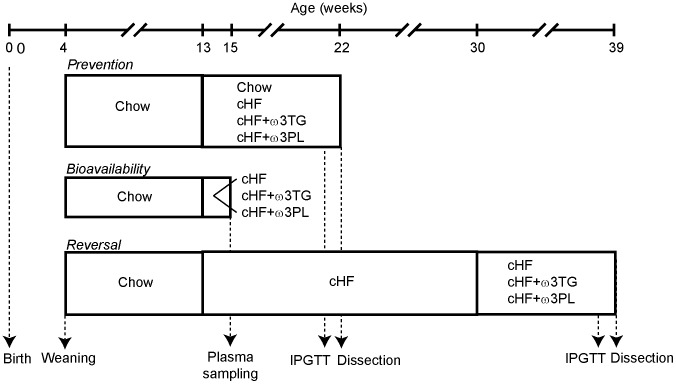
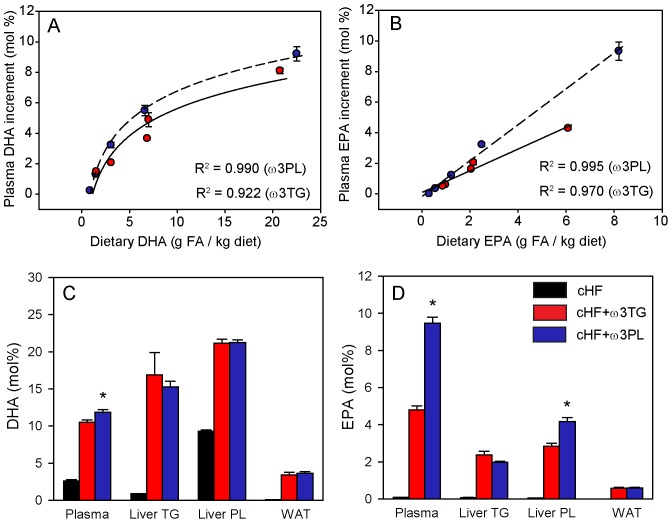
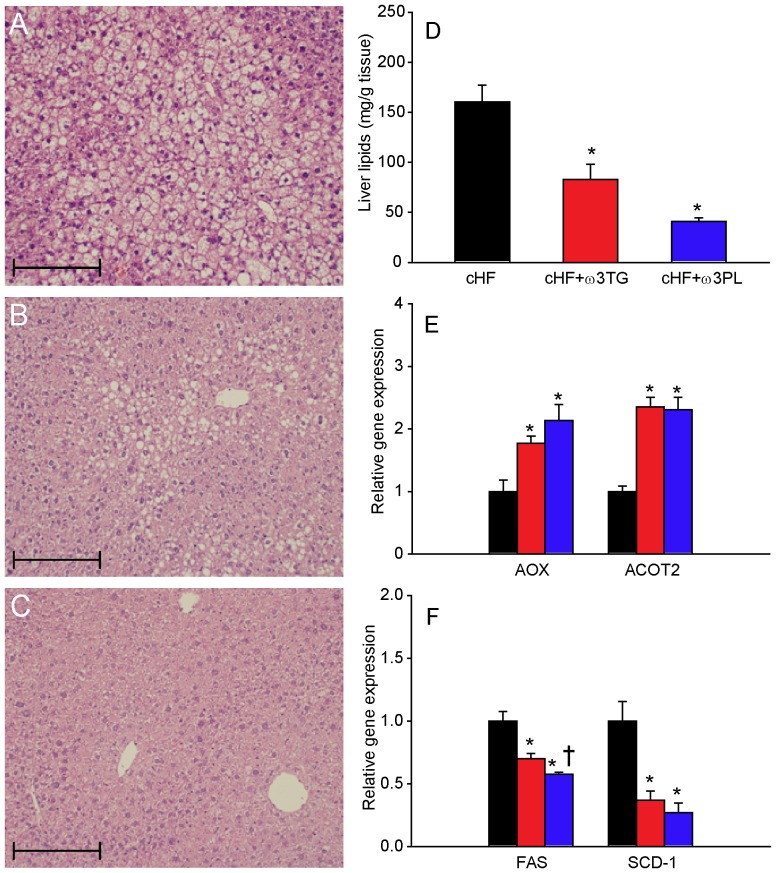
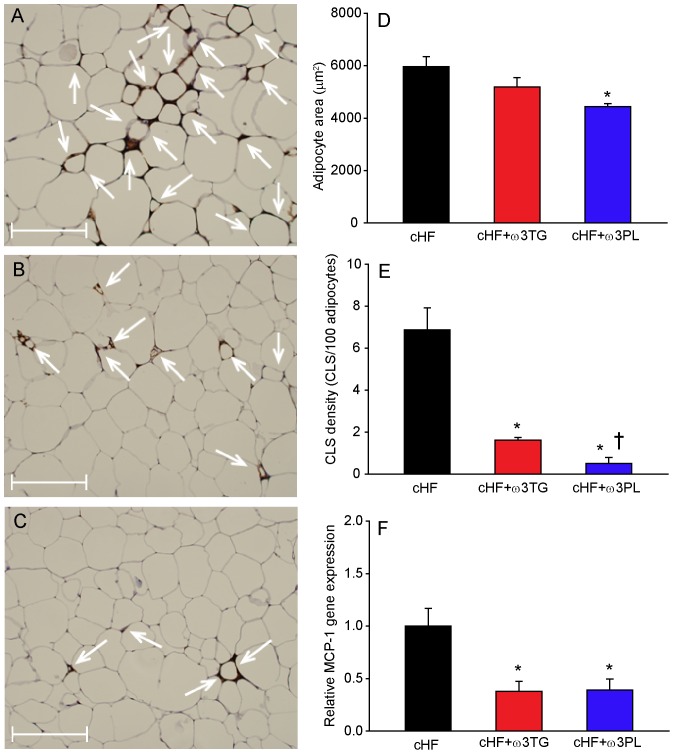
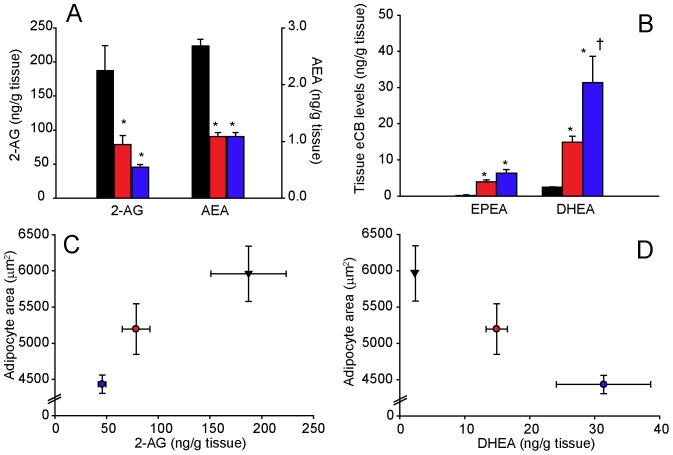
BACKGROUND: n-3 polyunsaturated fatty acids, namely docosahexaenoic acid (DHA) and eicosapentaenoic acid (EPA), reduce the risk of cardiovascular disease and can ameliorate many of obesity-associated disorders. We hypothesised that the latter effect will be more pronounced when DHA/EPA is supplemented as phospholipids rather than as triglycerides. METHODOLOGY/PRINCIPAL FINDINGS: In a 'prevention study', C57BL/6J mice were fed for 9 weeks on either a corn oil-based high-fat obesogenic diet (cHF; lipids ∼35% wt/wt), or cHF-based diets in which corn oil was partially replaced by DHA/EPA, admixed either as phospholipids or triglycerides from marine fish. The reversal of obesity was studied in mice subjected to the preceding cHF-feeding for 4 months. DHA/EPA administered as phospholipids prevented glucose intolerance and tended to reduce obesity better than triglycerides. Lipemia and hepatosteatosis were suppressed more in response to dietary phospholipids, in correlation with better bioavailability of DHA and EPA, and a higher DHA accumulation in the liver, white adipose tissue (WAT), and muscle phospholipids. In dietary obese mice, both DHA/EPA concentrates prevented a further weight gain, reduced plasma lipid levels to a similar extent, and tended to improve glucose tolerance. Importantly, only the phospholipid form reduced plasma insulin and adipocyte hypertrophy, while being more effective in reducing hepatic steatosis and low-grade inflammation of WAT. These beneficial effects were correlated with changes of endocannabinoid metabolome in WAT, where phospholipids reduced 2-arachidonoylglycerol, and were more effective in increasing anti-inflammatory lipids such as N-docosahexaenoylethanolamine. CONCLUSIONS/SIGNIFICANCE: Compared with triglycerides, dietary DHA/EPA administered as phospholipids are superior in preserving a healthy metabolic profile under obesogenic conditions, possibly reflecting better bioavalability and improved modulation of the endocannabinoid system activity in WAT.
Overview
The claims and statistics of this paper haven’t been checked yet.
Free: it reads the open-access text and checks the first 5 claims that cite a source we can check. Create a free account to check every claim.
Integrity signals
Registry
Cites
Statistics
Figures
Verification
Claims the paper makes
The claims and statistics of this paper haven’t been checked yet.
Free: it reads the open-access text and checks the first 5 claims that cite a source we can check. Create a free account to check every claim.
Claims other papers make about this one
Each is checked against this paper’s own text: does it say what the citing paper says it does?
In the citing paper
“A study by Rossmeisl and colleagues (2012), observed favourable metabolic changes when omega-3 PUFAs were available as phospholipids compared with TAGs, possibly due to different bio-availabilities [169].”
From Omega-3 Fatty Acids and Skeletal Muscle Health (2015) · cites this paper as [169]
Self-check
Percentages, sums and reported differences re-computed from the paper’s own numbers.
The self-check needs the paper’s full text.
Citations
Cites
Mechanisms linking obesity with cardiovascular disease
Van Gaal, L. F., Mertens, I. L., & De Block, C. E. (2006) · Nature · doi:10.1038/nature05487 · Cited by 2,814 · cited 1×
“components of the metabolic syndrome [1], are a major public health problem.”
Backgroundn−3 Polyunsaturated fatty acids, inflammation, and inflammatory diseases
Calder, P. C. (2006) · The American Journal of Clinical Nutrition · doi:10.1093/ajcn/83.6.1505s · Cited by 2,525 · cited 1×
“It is also likely that the more potent reductions of AA in the phospholipid and diacylglycerol pools associated with (i) AA replacement in membrane phospholipids by LC n-3 PUFA (for reviews, see [45,46]), and (ii) lower dietary content of LA, which is the precursor of AA, contribute to the superior anti-inflammatory e…”
BackgroundOh, D. Y., Talukdar, S., Bae, E. J., Imamura, T., Morinaga, H., Fan, W., Li, P., Lu, W. J., Watkins, S. M., & Olefsky, J. M. (2010) · Cell · doi:10.1016/j.cell.2010.07.041 · Cited by 2,428
Distribution, interconversion, and dose response of n-3 fatty acids in humans.
Arterburn, L. M., Hall, E. B., & Oken, H. (2006) · The American Journal of Clinical Nutrition · doi:10.1093/ajcn/83.6.1467s · Cited by 1,162 · cited 1×
“In agreement with the previous observation in both humans [41] and mice [42], saturable incorporation of DHA into total plasma lipids was observed, while a linear relationship between dietary concentration of EPA and its plasma level was found, which contributed to a relatively high bioavailability of EPA from the pho…”
Backgroundn–3 Fatty Acids and Cardiovascular Events after Myocardial Infarction
Kromhout, D., Giltay, E. J., & Geleijnse, J. M. (2010) · New England Journal of Medicine · doi:10.1056/nejmoa1003603 · Cited by 936
Blasbalg, T. L., Hibbeln, J. R., Ramsden, C. E., Majchrzak, S. F., & Rawlings, R. R. (2011) · The American Journal of Clinical Nutrition · doi:10.3945/ajcn.110.006643 · Cited by 881 · cited 1×
“In fact, the increase in obesity prevalence in the United States during the 20th century could be in part due to the elevated consumption of LA, the precursor of AA, and hence also the precursor of the AA-derived endocannabinoids [53,54].”
BackgroundFish Oil Prevents Insulin Resistance Induced by High-Fat Feeding in Rats
Storlien, L. H., Kraegen, E. W., Chisholm, D. J., Ford, G. L., Bruce, D. G., & Pascoe, W. S. (1987) · Science · doi:10.1126/science.3303333 · Cited by 650 · cited 1×
“However, in spite of the fact that LC n-3 PUFA could help to reduce obesity in humans [16,17] and prevent insulin resistance in rodents [8,18], they do not reverse insulin resistance in diabetic patients [19].”
BackgroundIdentification of a Physiologically Relevant Endogenous Ligand for PPARα in Liver
Chakravarthy, M. V., Lodhi, I. J., Yin, L., Malapaka, R. R. V., Xu, H. E., Turk, J., & Semenkovich, C. F. (2009) · Cell · doi:10.1016/j.cell.2009.05.036 · Cited by 533
Dysregulation of the Peripheral and Adipose Tissue Endocannabinoid System in Human Abdominal Obesity
Blüher, M., Engeli, S., Klöting, N., Berndt, J., Fasshauer, M., Bátkai, S., Pacher, P., Schön, M. R., Jordan, J., & Stumvoll, M. (2006) · Diabetes · doi:10.2337/db06-0812 · Cited by 530 · cited 4×
“Also the activity of endocannabinoid system [23], which is dysregulated in obesity [24], is modulated in response to LC n-3 PUFA intake.”
BackgroundResultInfluentialCardiovascular effects of marine omega-3 fatty acids
Saravanan, P., Davidson, N. C., Schmidt, E. B., & Calder, P. C. (2010) · The Lancet · doi:10.1016/s0140-6736(10)60445-x · Cited by 511 · cited 1×
“In this respect, dietary intake of marine fish oils, namely long-chain n-3 polyunsaturated fatty acids (LC n-3 PUFA) such as docosahexaenoic acid (DHA; 22:6n-3) and eicosapentaenoic acid (EPA; 20:5n-3), have been shown to exert profound hypolipidemic effects [2,3], reducing systemic inflammation [4,5] as well as low-g…”
Background
Cited by
Items 101–200 of 243
Rossmeisl, M., Pavlišová, J., Janovská, P., Kuda, O., Bardová, K., Hansíková, J., Svobodová, M., Oseeva, M., Veleba, J., Kopecký, J., et al. (2018) · Biochimica et Biophysica Acta (BBA) - Molecular and Cell Biology of Lipids · doi:10.1016/j.bbalip.2018.03.011 · Cited by 32
Self-citationKroupova, P., van Schothorst, E. M., Keijer, J., Bunschoten, A., Vodička, M., Irodenko, I., Oseeva, M., Žáček, P., Kopecký, J., Rossmeisl, M., et al. (2020) · Nutrients · doi:10.3390/nu12072037 · Cited by 30
“Importantly, improved bioavailability of DHA and especially EPA in plasma following Omega-3 administration as PL was demonstrated in both human subjects [19,20] and laboratory rodents [21].”
BackgroundSelf-citationUlu, A., Burr, A., Heires, A. J., Pavlik, J. A., Larsen, T. D., Perez, P. A., Bravo, C., DiPatrizio, N. V., Baack, M. L., Romberger, D. J., et al. (2021) · The Journal of Nutritional Biochemistry · doi:10.1016/j.jnutbio.2021.108797 · Cited by 33
“Pre-clinical studies report that plasma DHEA levels increase 2 to 6-fold in mice fed a high DHA diet [88].”
BackgroundOtto, A.-C., Gan‐Schreier, H., Zhu, X., Tuma‐Kellner, S., Staffer, S., Ganzha, A., Liebisch, G., & Chamulitrat, W. (2019) · Biochimica et Biophysica Acta (BBA) - Molecular and Cell Biology of Lipids · doi:10.1016/j.bbalip.2019.01.012 · Cited by 30
Kunz, H., Dasari, S., & Lanza, I. R. (2019) · American Journal of Physiology-Endocrinology and Metabolism · doi:10.1152/ajpendo.00083.2019 · Cited by 29
“Whereas others report that n-3 PUFA supplementation can mitigate HFD-induced increases in body and adipose mass (30, 42, 45), the findings in the present study are consistent with previous data from our laboratory (27) and others (12, 49) that fail to show an effect of n-3 PUFAs on HFD-induced weight gain.”
ResultLuo, W., Liu, X., Wang, B., Wu, D., Wang, J., & Geng, F. (2023) · Current Research in Food Science · doi:10.1016/j.crfs.2023.100503 · Cited by 28
Chen, W., Guo, W., Gao, F., Chen, L., Chen, S., & Li, D. (2017) · Applied Biochemistry and Biotechnology · doi:10.1007/s12010-016-2379-y · Cited by 28
Chen, Y., Fan, Z., Gao, X., Zhou, F., Guo, X., Sinclair, A. J., & Li, D. (2023) · The Journal of Nutritional Biochemistry · doi:10.1016/j.jnutbio.2023.109484 · Cited by 29
Zheng, J., Peng, C. X., Ai, Y., Wang, H., Xiao, X., & Li, J. (2016) · Nutrients · doi:10.3390/nu8010055 · Cited by 27
“Some studies in humans and rodents demonstrated that dietary PUFA influenced hepatic triglyceride levels, insulin resistance and inflammation [18–20].”
BackgroundChojnacka, A., Gładkowski, W., & Grudniewska, A. (2017) · Molecules · doi:10.3390/molecules22101771 · Cited by 28
“n-3 PUFA supplements in the form of phospholipids reduce the risk of many disorders with greater efficacy than in TAG form [19,20].”
BackgroundLi, D., Zhou, D., Zhu, B., Chi, Y., Li-ming, S., Dong, X., Qin, L., Qiao, W., & Murata, Y. (2013) · Journal of the Science of Food and Agriculture · doi:10.1002/jsfa.6072 · Cited by 27
Kuda, O., Rombaldová, M., Janovská, P., Flachs, P., & Kopecký, J. (2015) · Biochemical and Biophysical Research Communications · doi:10.1016/j.bbrc.2015.12.055 · Cited by 26
“The anti-inflammatory properties of omega-3 PUFA derived endocannabinoid-related molecules, namely N-eicosapentaenoylethanolamine and N-docosahexaenoylethanolamine (DHEA), were documented in mouse WAT, where levels of pro-inflammatory 2-arachidonoylglycerol (2AG) and anandamide were decreased while levels of those fro…”
BackgroundMethodResultInfluentialSelf-citationn-3 PUFA and obesity: from peripheral tissues to the central nervous system
de Mello, A. H., Uberti, M. F., de Farias, B. X., de Souza, N. A. R., & Rezin, G. T. (2018) · British Journal Of Nutrition · doi:10.1017/s0007114518000429 · Cited by 28
“Rossmeisl et al.((124)) showed that, compared with TAG, n-3 PUFA (DHA and EPA) administered as phospholipids are superior in preserving a”
Zang, J., Xu, Y., Xia, W., Jiang, Q., Yang, F., & Wang, B. (2018) · Food Research International · doi:10.1016/j.foodres.2018.05.016 · Cited by 27
Mitrovic, M., Sistilli, G., Horakova, O., & Rossmeisl, M. (2021) · European Journal of Clinical Investigation · doi:10.1111/eci.13650 · Cited by 29
Self-citationFish oil attenuates persistent inflammatory pain in rats through modulation of TNF-α and resolvins
Lobo, B. W. P., de Lima, C. K. F., Teixeira, M. S., Silva, N. L. C., Takiya, C. M., Ramos, M. F. D. S., Miranda, A. L. P., & Dellamora-Ortiz, G. M. (2016) · Life Sciences · doi:10.1016/j.lfs.2016.03.034 · Cited by 29
The comparison of krill oil extracted through ethanol–hexane method and subcritical method
Sun, W., Shi, B., Xue, C., & Jiang, X. (2019) · Food Science & Nutrition · doi:10.1002/fsn3.914 · Cited by 25
“EPA and DHA in KO are for the synthesis of both phospholipids (PLs) and triglycerides (TGs), while in fish oil (FO) are primarily just in the form of TGs (Liu et al., 2014; Rossmeisl et al., 2012).”
BackgroundWhy is Antactic krill (Euphasia superba) oil on the spotlight? A review
Shahidi, F., & Abad, A. (2024) · Food Production Processing and Nutrition · doi:10.1186/s43014-024-00260-6 · Cited by 27
“Research findings indicate that C20:5 and C22:6 obtained from KO shown better bioac-cessibility when compared to different n-3 PUFA sources and varieties (Rossmeisl et al., 2012).”
BackgroundFord, N. A., Rossi, E. L., Barnett, K., Yang, P., Bowers, L. W., Hidaka, B. H., Kimler, B. F., Carlson, S. E., Shureiqi, I., deGraffenried, L. A., et al. (2015) · Cancer Prevention Research · doi:10.1158/1940-6207.capr-15-0018 · Cited by 29
“seen with other studies testing dietary regimens containing high omega-3 fatty acids [33-34].”
Rossmeisl, M., Pavlišová, J., Bardová, K., Kalendová, V., Buresova, J., Kuda, O., Kroupova, P., Staňková, B., TVRZICKÁ, E., Fišerová, E., et al. (2020) · Biochimica et Biophysica Acta (BBA) - Molecular and Cell Biology of Lipids · doi:10.1016/j.bbalip.2020.158732 · Cited by 27
Self-citationGang, K.-Q., Wu, Z., Zhou, D., Zhao, Q., Zhou, X., Lv, D.-D., Rakariyatham, K., Liu, X., & Shahidi, F. (2019) · Journal of Food Science and Technology · doi:10.1007/s13197-019-03887-3 · Cited by 23
Hollander, K. S., Brami, C. T., Konikoff, F. M., FAINARU, M., & Leikin-Frenkel, A. I. (2014) · Archives of Physiology and Biochemistry · doi:10.3109/13813455.2014.940352 · Cited by 24
“…the risk of obesity and insulin resistance (Carpentier et al., 2006), regulate cell function, growth and the expression of genes (Georgiadi et al., 2012; Guri et al., 2006; Nakamura et al., 2004), as well as controlling energy storage and oxidation (López et al., 2008; Rossmeisl et al., 2012).”
BackgroundInfluentialSjövall, P., Rossmeisl, M., Hanrieder, J., Kuda, O., Kopecký, J., & Bryhn, M. (2015) · Analytical and Bioanalytical Chemistry · doi:10.1007/s00216-015-8515-7 · Cited by 24
Self-citationWang, D., Wu, F., Wen, M., Ding, L., Du, L., Xue, C., Xu, J., & Wang, Y. (2018) · Journal of Food Science · doi:10.1111/1750-3841.14017 · Cited by 22
Picq, M., Bernoud‐Hubac, N., & Lagarde, M. (2013) · Current Organic Chemistry · doi:10.2174/1385272811317080009 · Cited by 22
Effects of Fish Oil Supplementation on Gestational Diabetes Mellitus (GDM): A Systematic Review
Ostadrahimi, A., Mohammad‐Alizadeh‐Charandabi, S., Mirgafourvand, M., Yaghoubi, S., Shahrisa, E., & Farshbaf‐Khalili, A. (2016) · Iranian Red Crescent Medical Journal · doi:10.5812/ircmj.24690 · Cited by 25
“Despite increasing the evidence that suggest beneficial effects of n-3 LCPUFA gain on improved insulin sensitivity (31) and improved glucose metabolism in animals and humans (3, 32-35), the effects of fish oil supplementation in pregnancy to prevent or treatment of GDM have only been investigated in a few clinical tri…”
BackgroundPavlišová, J., Horakova, O., Kalendová, V., Buresova, J., Bardová, K., Holendová, B., Plecitá‐Hlavatá, L., Vacková, Š., Windrichová, J., Topolčan, O., et al. (2020) · Food & Function · doi:10.1039/d0fo01942a · Cited by 21
Self-citationGangadaran, S., & Cheema, S. K. (2017) · Food Research International · doi:10.1016/j.foodres.2017.06.066 · Cited by 20
Shu, L., Zheng, X., Qi, S., Lin, S., Lu, Y., Yao, C., & Ling, X. (2023) · Enzyme and Microbial Technology · doi:10.1016/j.enzmictec.2023.110266 · Cited by 20
Abe, E., Ikeda, K., Nutahara, E., Hayashi, M., Yamashita, A., Taguchi, R., Doi, K., Honda, D., Okino, N., & Ito, M. (2014) · PLoS ONE · doi:10.1371/journal.pone.0102377 · Cited by 18
“form for maintaining a healthy metabolic profile [10].”
BackgroundWainwright, C. L., & Michel, L. (2013) · Proceedings of The Nutrition Society · doi:10.1017/s0029665113003406 · Cited by 20
“The blood pressure lowering effects of EC are thought to be mediated through an endothelial mechanism involving the release of nitric oxide (NO)((37)), via both CB1 ( 48)”
BackgroundSørensen, A. M., Getachew, A. T., & Jacobsen, C. (2022) · Foods · doi:10.3390/foods11192998 · Cited by 17
“The bioavailability of omega-3 PUFAs has been shown to be higher when they are present as phospholipids compared with when they are present as triglycerides [8,9].”
BackgroundAdamcová, K., Horakova, O., Bardová, K., Janovská, P., Březinová, M., Kuda, O., Rossmeisl, M., & Kopecký, J. (2018) · Marine Drugs · doi:10.3390/md16120515 · Cited by 18
“Whether the reversal of obesity in response to omega-3 PUFA in mice [30,66,76] also reflects in part the reduction of tissue cell number remains to be established.”
BackgroundSelf-citationToyes-Vargas, E. A., Ortega–Pérez, R., Espinoza‐Villavicencio, J. L., Arellano‐Pérez, M., Civera‐Cerecedo, R., & Palacios, E. (2017) · Journal of Animal Physiology and Animal Nutrition · doi:10.1111/jpn.12769 · Cited by 18
Yeo, J., & Parrish, C. C. (2021) · Reviews in Fisheries Science & Aquaculture · doi:10.1080/23308249.2021.1897968 · Cited by 17
“For instance, DHA- and EPA-PL isolated from marine fish significantly enhanced the metabolic profile in obese mice and the PL form was more effective than the TAG form (Rossmeisl et al. 2012).”
BackgroundAugimeri, G., & Bonofiglio, D. (2023) · Molecules · doi:10.3390/molecules28093694 · Cited by 16
[Phospholipids: properties and health effects].
Torres, J., & Durán‐Agüero, S. (2014) · Nutrición Hospitalaria · doi:10.3305/nh.2015.31.1.7961 · Cited by 21
Horakova, O., Hansíková, J., Bardová, K., Gardlo, A., Rombaldová, M., Kuda, O., Rossmeisl, M., & Kopecký, J. (2016) · PLoS ONE · doi:10.1371/journal.pone.0155776 · Cited by 16
Self-citationComparison of Fish, Krill and Flaxseed as Omega-3 Sources to Increase the Omega-3 Index in Dogs
Lindqvist, H., Dominguez, T. E., Whitaker, R. D., Ding, Y., & Burri, L. (2023) · Veterinary Sciences · doi:10.3390/vetsci10020162 · Cited by 15
“The phospholipid form has been suggested to increase tissue integration of n-3 PUFAs, which has been shown in several species such as dogs [29], piglets [32], baboons [33], mice [34], rats [35] and humans [36].”
BackgroundQuantitative Lipidome Analysis of Boiled Chicken Egg Yolk under Different Heating Intensities
Luo, W., Wang, J., Chen, Y., Zhang, Q., Wang, J., & Geng, F. (2023) · Molecules · doi:10.3390/molecules28124601 · Cited by 15
“For example, DHA and EPA in the form of phospholipids are more beneficial to human metabolism than those in the form of triglycerides [47,48].”
BackgroundBioavailability of Lipids in Fish and Fish Oils
Génot, C., Meynier, A., Bernoud‐Hubac, N., & Michalski, M. (2016) · Elsevier eBooks · doi:10.1016/b978-0-12-802844-5.00005-1 · Cited by 16
Daniel, N., Barz, M. L., Mitchell, P. L., Varin, T. V., Bourdeau‐Julien, I., Farabos, D., Pilon, G., Gauthier, J., Garofalo, C., Kang, J. X., et al. (2022) · Function · doi:10.1093/function/zqac069 · Cited by 17
Beppu, F., Li, H., Yoshinaga, K., Nagai, T., Yoshinda, A., Kubo, A., Kanda, J., & Gotoh, N. (2017) · Journal of Oleo Science · doi:10.5650/jos.ess17038 · Cited by 15
Denoux, C., Martin‐Creuzburg, D., Koussoroplis, A., Pérrière, F., Desvillettes, C., Bourdier, G., & Bec, A. (2017) · Journal of Plankton Research · doi:10.1093/plankt/fbx037 · Cited by 15
“Yet, there is growing evidence that, at least in vertebrates, PL-PUFA are more efficiently taken up in tissues (Brossard et al., 1997; Lemaitre-Delaunay et al., 1999; Graf et al., 2010) and utilized than TAG-PUFA (Gisbert et al., 2005; Rossmeisl et al., 2012).”
BackgroundSehl, A., Couëdelo, L., Chamekh-Coelho, I., Vaysse, C., & Cansell, M. (2019) · British Journal Of Nutrition · doi:10.1017/s0007114519001491 · Cited by 15
“of rats fed EPA and DHA in the form of PL compared with TAG(15,16).”
BackgroundDing, L., Yang, J., Guo, H., Cong, P., Xu, J., Xue, C., Mao, X., Zhang, T., & Wang, Y. (2023) · Molecular Nutrition & Food Research · doi:10.1002/mnfr.202200321 · Cited by 14
Egerton, S., Mannion, D. T., Culloty, S. C., Whooley, J., Stanton, C., & Ross, R. P. (2020) · Irish Journal of Agricultural and Food Research · doi:10.15212/ijafr-2020-0112 · Cited by 20
“, 2010), as well as for treating symptoms of metabolic syndrome (Banni et al., 2011; Rossmeisl et al., 2012) and inflammatory-related diseases (Bjørndal et al.”
BackgroundSánchez, M. D. M., Jiménez, M. J., Medina, A. R., Moreno, P. A. G., López, E. N., Cerdán, L. E., & Grima, E. M. (2022) · Biomass Conversion and Biorefinery · doi:10.1007/s13399-022-02520-2 · Cited by 14
“Current research indicates that n-3 PUFAs that bind to polar lipids, such as phospholipids (PLs) and glycolipids (GLs), seem to exert differential bioavailability and biological effects when consumed compared to neutral forms of n-3 PUFAs [6–8].”
BackgroundHosomi, R., Fukunaga, K., Nagao, T., Tanizaki, T., Miyauchi, K., Yoshida, M., Kanda, S., Nishiyama, T., & Takahashi, K. (2019) · Journal of Food Science · doi:10.1111/1750-3841.14416 · Cited by 38
Fappi, A., Neves, J. D. C., Kawasaki, K. A., Bacelar, L., Sanches, L. N., da Silva, F. P., Larina-Neto, R., Chadi, G., & Zanoteli, E. (2019) · Physiological Reports · doi:10.14814/phy2.13966 · Cited by 17
Zhou, X., Zhou, D., Yin, F., Song, L., Liu, Y.-X., Xie, H., Gang, K.-Q., Zhu, B., & Shahidi, F. (2018) · Journal of Food Bioactives · doi:10.31665/jfb.2018.1132 · Cited by 13
“The PUFA in the PL form have recently captured increasing attention due to their have high bioavailability (Cook et al., 2016), high tissue-delivery capacity (Cansell, 2010; Rossmeisl et al., 2012), and good health promoting effects (Ramprasath et al., 2013; Ulven et al., 2011).”
BackgroundSehl, A., Couëdelo, L., Vaysse, C., & Cansell, M. (2020) · Food & Function · doi:10.1039/c9fo02953b · Cited by 13
Saleh‐Ghadimi, S., Alizadeh, M., Vayghan, H. J., Darabi, M., Golmohammadi, A., & Kheirouri, S. (2020) · Genes & Nutrition · doi:10.1186/s12263-020-00665-1 · Cited by 14
Hosomi, R., Fukunaga, K., Nagao, T., Shiba, S., Miyauchi, K., Yoshida, M., & Takahashi, K. (2019) · Journal of Oleo Science · doi:10.5650/jos.ess19103 · Cited by 12
Bustamante-Marin, X. M., Merlino, J. L., Devericks, E. N., Carson, M. S., Hursting, S. D., & Stewart, D. A. (2021) · Frontiers in Endocrinology · doi:10.3389/fendo.2021.632284 · Cited by 12
Adipose tissue-related proteins locally associated with resolution of inflammation in obese mice
Jílková, Z. M., Hensler, M., Medříková, D., Janovská, P., Horakova, O., Rossmeisl, M., Flachs, P., Sell, H., Eckel, J., & Kopecký, J. (2013) · International Journal of Obesity · doi:10.1038/ijo.2013.108 · Cited by 13
Self-citationNishizawa, K. (2016) · Biomedical Research and Clinical Practice · doi:10.15761/brcp.1000110 · Cited by 13
“Although partly attributable to the competition with arachidonic acids, n-3 PUFA-rich diet can dramatically modulate the levels of arachidonic acids-derived endocannabinoids, such as 2-arachidonylglycerol (2-AG) in humans and rodents [7,77].”
BackgroundOmega-3 Polyunsaturated N-Acylethanolamines: A Link Between Diet and Cellular Biology
Meijerink, J., Balvers, M. G. J., Plastina, P., & Witkamp, R. F. (2014) · Elsevier eBooks · doi:10.1016/b978-0-12-420126-2.00002-x · Cited by 11
Self-citationSmid, V., Dvořák, K., Stehnová, K., Strnad, H., Rubert, J., Stritesky, J., Staňková, B., Stranska-Zachariasova, M., Hajšlová, J., Brůha, R., et al. (2023) · International Journal of Molecular Sciences · doi:10.3390/ijms242417226 · Cited by 11
“It needs to be emphasized that n-3-PUFAs have anti-inflammatory effects in both rodents [15,22] and humans [23,24], and they also improve dyslipidemia [25].”
BackgroundBurri, L., Heggen, K., & Storsve, A. B. (2020) · Veterinary World · doi:10.14202/vetworld.2020.1167-1173 · Cited by 14
“Most of these studies have used rats as a model system, but also mice [19], piglets [20], and baboons [21] were included in studies.”
BackgroundÇil, M. A., Ghosigharehagaji, A., Bayır, Y., Büyüktuncer, Z., & Besler, H. T. (2021) · PeerJ · doi:10.7717/peerj.12009 · Cited by 11
Bioavailability and metabolism of dietary lipids
Michalski, M., Couëdelo, L., Penhoat, A., Vaysse, C., & Vors, C. (2020) · Elsevier eBooks · doi:10.1016/b978-0-12-817105-9.00002-1 · Cited by 14
Maternal high-fat diet in mice alters immune regulation and lung function in the offspring
Losol, P., Mercken, L. P., Fisk, H. L., Calder, P. C., Holloway, J. W., & Torrens, C. (2020) · British Journal Of Nutrition · doi:10.1017/s0007114520004742 · Cited by 10
“In previous studies in mice, dietary DHA/EPA administration as phospholipids prevented weight gain and reduced plasma lipid concentrations (29) and n -3 PUFA supplementation in addition to a HFD reduced inflammation and size of adipocytes (30) .”
Adkins, Y. C., Laugero, K. D., Mackey, B. E., & Kelley, D. S. (2019) · Lipids · doi:10.1002/lipd.12115 · Cited by 13
Yamamoto, Y., Mizuta, E., Ito, M., Harata, M., Hiramoto, S., & Hara, S. (2014) · Journal of Oleo Science · doi:10.5650/jos.ess14125 · Cited by 10
Vrana, I., Novak, T., Gašparović, B., Kazazić, S., Čanković, ⎜., Ljubešić, Z., Hrustić, ⎜., Mlakar, ⎜., Du, J., Zhang, R., et al. (2020) · Aquatic Ecology · doi:10.1007/s10452-020-09805-6 · Cited by 10
López, E. N., Jiménez, M. J., Sánchez, M. D. M., Moreno, P. A. G., & Medina, A. R. (2023) · Algal Research · doi:10.1016/j.algal.2023.103073 · Cited by 9
Wu, Z., Zhou, D., Zhao, M., Xie, H., Liu, Z., Liu, Y., Liu, Y., & Shahidi, F. (2019) · Lipids · doi:10.1002/lipd.12153 · Cited by 9
Saleh‐Ghadimi, S., Kheirouri, S., Maleki, V., Vayghan, H. J., & Alizadeh, M. (2020) · Life Sciences · doi:10.1016/j.lfs.2020.117556 · Cited by 10
Lu, T., Shen, Y., Cui, G., Yin, F., Yu, Z.-L., & Zhou, D. (2020) · Journal of Aquatic Food Product Technology · doi:10.1080/10498850.2020.1741753 · Cited by 9
“Currently, the molecular structure of glycerophospholipids (GPs) of fish, oysters, clams, scallops, and Antarctic krill have been characterized, and the results showed that most of the principal molecular species of those GPs contained n-3 PUFAs (Boselli et al. 2012; Chen et al. 2012; Liu et al. 2017; Yin et al. 2018).”
BackgroundInfluentialFauske, K. R., Bernhard, A., Fjære, E., Myrmel, L. S., Frøyland, L., Kristiansen, K., Liaset, B., & Madsen, L. (2018) · Nutrients · doi:10.3390/nu10060695 · Cited by 9
“It has been reported that the bioavailability as well as the anti-obesogenic and anti-steatotic effects of PL-bound n-3 PUFAs are superior to those of TAG-bound n-3 PUFAs [11].”
BackgroundInfluentialInflammation and Oxidative Stress in Adipose Tissue
Martínez‐Fernández, L., Fernández‐Galilea, M., Félix‐Soriano, E., Escoté, X., González‐Muniesa, P., & Moreno-Aliaga, M. J. (2018) · Elsevier eBooks · doi:10.1016/b978-0-12-812504-5.00004-0 · Cited by 17
Wang, H., Taussig, M. D., DiPatrizio, N. V., Bruce, K. D., Piomelli, D., & Eckel, R. H. (2016) · Metabolism · doi:10.1016/j.metabol.2016.01.015 · Cited by 8
“[33], there were also beneficial effects on parameters of insulin action, however, the benefit was superior when EPA + DHA were given as phospholipids rather than triglycerides.”
BackgroundMethodInfluentialTran, N. T., Alexandre-Gouabau, M. C., Pagniez, A., Ouguerram, K., Boquien, C., Winer, N., & Darmaun, D. (2017) · Nutrients · doi:10.3390/nu9040375 · Cited by 9
“Arachidonic acid is involved as a signaling molecule in multiple pathways, including inflammation [40] and the endocannabinoid system [41,42].”
BackgroundLee, J. Y., Hong, J.-B., Kim, B., Shim, S. B., Jang, H. W., & Lee, J.-B. (2024) · Journal of Microbiology and Biotechnology · doi:10.4014/jmb.2406.06026 · Cited by 7
Sabinari, I. W., Horakova, O., Čajka, T., Kleinova, V., Wieckowski, M. R., & Rossmeisl, M. (2024) · Physiological Research · doi:10.33549/physiolres.935396 · Cited by 7
Self-citationLi, D., Wang, W., Zhang, L., Liu, N., Faiza, M., Tan, C. P., Yang, B., Lan, D., & Wang, Y. (2018) · European Journal of Lipid Science and Technology · doi:10.1002/ejlt.201700529 · Cited by 7
Luo, J., Yang, Y., Wang, T., Huang, Z., Zhu, X., Xie, L., Li, Y., Ke, J., Wang, X., Jin, J., et al. (2024) · Food and Bioprocess Technology · doi:10.1007/s11947-024-03658-9 · Cited by 8
“…by human body than fish oil, since fatty acids (FAs) in PL were reported to have a better bioavailability than that in TAG (Amate et al., 2001; Jiang et al., 2020; Liu et al., 2014; Rossmeisl et al., 2017; Tandy et al., 2009; Ulven et al., 2011, 2016; Wijendran et al., 2002; Wang et al., 2021).”
Effective Antarctic krill oil extraction using switchable hydrophilicity solvents
Sun, W., Huang, W.-C., Shi, B., Xue, C., & Jiang, X. (2020) · Marine Life Science & Technology · doi:10.1007/s42995-019-00019-w · Cited by 8
Balakrishnan, J., Krishnan, B., Sekar, T., Ayothi, P., Muthu, R., Vellaikumar, S., Arumugam, M., Dhavamani, S., & Shanmugam, K. (2022) · Neurochemistry International · doi:10.1016/j.neuint.2022.105292 · Cited by 6
Zhang, K. (2015) · Elsevier eBooks · doi:10.1016/b978-1-63067-044-3.50018-2 · Cited by 9
The Modulation Effect of Triglyceride Type and Phospholipids Type ω-3 LCPUFA on Mice Gut Microbiota
Wang, X., Liu, F., Wang, Y. M., Xue, C., & Tang, Q. J. (2017) · Journal of Biosciences and Medicines · doi:10.4236/jbm.2017.59006 · Cited by 6
Activation of Macrophages in vitro by Phospholipids from Brain of Katsuwonus pelamis (Skipjack Tuna)
Lu, H., Zhang, L., Zhao, H., Li, J., You, H., Jiang, L., & Hu, J. (2018) · Journal of Oleo Science · doi:10.5650/jos.ess17181 · Cited by 6
Fjære, E., Myrmel, L. S., Dybing, K., Kuda, O., Jensen, B. A. H., Rossmeisl, M., Frøyland, L., Kristiansen, K., & Madsen, L. (2020) · Nutrients · doi:10.3390/nu12103038 · Cited by 5
“Still, in line with earlier observations [25,29,52], higher relative EPA/ARA and DHA/ARA ratios in the polar liver lipid led to increased substrate availability for formation of the EPA- and DHA-derived endocannabinoid-like molecules.”
BackgroundResultSelf-citationPhospholipids in Marine Larval Rearing
Li, K., Olsen, R. E., Jin, Y. O., & Ôlsen, Y. (2018) · Springer eBooks · doi:10.1007/978-3-319-73244-2_5 · Cited by 7
Tarragón, E., Bîndilă, L., Zimmer, P., Lutz, B., & Meyer, J. (2019) · International Journal of Food Sciences and Nutrition · doi:10.1080/09637486.2019.1632274 · Cited by 5
“…by-products may dwell on the actual food, rather than the macronutrient itself, since nutrients can exhibit dissimilar properties depending on whether they are consumed from the food matrix or as an isolated nutrient (PalafoxCarlos et al. 2011; Rossmeisl et al. 2012; Leung Yinko et al. 2014).”
BackgroundMonteiro, J. P., Sousa, T., Ferreira, H., Pinho, M., Melo, T., Goracci, L., Pires, C., Marques, A., Nunes, M. L., Domingues, P. M., et al. (2025) · Applied Food Research · doi:10.1016/j.afres.2025.100839 · Cited by 4
Jin, Z., Wang, C., Gao, Y., Tao, X., Wu, C., Guo, S., Huang, J., Zhou, J., Qiao, C., Chai, K., et al. (2025) · Pharmaceuticals · doi:10.3390/ph18091266 · Cited by 4
“However, this detoxification process itself generates additional oxidative species, such as superoxide and hydrogen peroxide, thereby further increasing oxidative burden [47,48].”
Health Beneficial Food Emulsifier Produced from Fishery Byproducts
Nagao, T., Takahashi, S., Kurihara, H., & Takahashi, K. (2020) · Journal of Oleo Science · doi:10.5650/jos.ess20145 · Cited by 4
Fukushima, A., Imamura, K., Takatani, N., Hosokawa, M., & Beppu, F. (2024) · ACS Omega · doi:10.1021/acsomega.4c07865 · Cited by 4
Hoem, N., Harris, S., Scott, G., & Hals, P. (2025) · Prostaglandins Leukotrienes and Essential Fatty Acids · doi:10.1016/j.plefa.2025.102671 · Cited by 4
Li, M., & Li, F. (2025) · Plastic & Reconstructive Surgery · doi:10.1097/prs.0000000000011997 · Cited by 3
Purely Domestic Giant Scallop Oil as a more Health Beneficial Oil than Fish Oil
Takahashi, K., Fukunaga, K., & Yoshioka, T. (2018) · Oleoscience · doi:10.5650/oleoscience.18.341 · Cited by 4
Saeki, H., Shimizu, Y., & Takeda, H. (2022) · Elsevier eBooks · doi:10.1016/b978-0-12-819893-3.00004-7 · Cited by 3
Algal lipids, lipidomics, and biosurfactants
Reddy, M. M. S., Tiwari, S., & Chauhan, V. S. (2023) · Elsevier eBooks · doi:10.1016/b978-0-443-18816-9.00019-8 · Cited by 4
Role of omega-3 and omega-6 endocannabinoids in cardiopulmonary pharmacology
Tang, T. Y.-C., Kim, J. S., & Das, A. (2023) · Advances in pharmacology · doi:10.1016/bs.apha.2023.02.003 · Cited by 3
Schwerdtfeger, J., Sauerwein, H., Albrecht, E., Mazzuoli‐Weber, G., von Soosten, D., Dänicke, S., & Kuhla, B. (2023) · Scientific Reports · doi:10.1038/s41598-023-41938-0 · Cited by 3
“In rodents, diet composition can affect EPEA levels in plasma and adipose tissue 35 , but all animals in our study were fed the same diet and consumed comparable amounts of feed.”
BackgroundSustainability Activities in a Hard-to-Abate Industry—A Real-Life Example
Whitaker, R. D., Burri, L., Skogrand, P., Røkke, T., Ananiev, V., & Grafsrønningen, S. (2024) · Sustainability · doi:10.3390/su16135532 · Cited by 4
Rivas, E., Wooten, J. S., Newmire, D. E., & Ben‐Ezra, V. (2016) · European Journal of Applied Physiology · doi:10.1007/s00421-016-3387-x · Cited by 3
“Notably, in animals that are fed a high-fat diet and supplemented with n-3 report an attenuation of obesity and insulin resistance progression (Rossmeisl et al. 2009, 2012; Hirabara et al. 2013; Lamping et al. 2013).”
BackgroundFrancisco, M. R. (2017) · UPM Digital Archive (Technical University of Madrid) · doi:10.20868/upm.thesis.49228 · Cited by 3
Metadata
- Authors
- Rossmeisl, M., Macek Jilkova, Z., Kuda, O., Jelenik, T., Medrikova, D., Stankova, B., Kristinsson, B., Haraldsson, G. G., Svensen, H., Stoknes, I., Sjövall, P., Magnusson, Y., Balvers, M. G. J., Verhoeckx, K. C. M., Tvrzicka, E., Bryhn, M., & Kopecky, J.
- Affiliations
- Czech Academy of Sciences (CZ)
- University of Iceland (IS)
- RISE Research Institutes of Sweden (SE)
- Sahlgrenska University Hospital (SE)
- Netherlands Organisation for Applied Scientific Research (NL)
- Venue
- PLoS ONE
- Publisher
- Public Library of Science (PLoS)
- Published
- 2012-06-11
- Volume
- 7
- Issue
- 6
- Pages
- e38834
- ISSN
- 1932-6203 (ISSN-L)
- PMC
- PMC3372498
- OpenAlex
- W2038831823
- Cited by
- 230
- References
- 62
- Citations by year
- 2026: 4 · 2025: 7 · 2024: 6 · 2023: 15 · 2022: 7 · 2021: 21 · 2020: 23 · 2019: 24 · 2018: 20 · 2017: 24 · 2016: 22 · 2015: 19 · 2014: 17 · 2013: 19 · 2012: 2
- FWCI
- 17.03
- Type
- journal article
- Language
- en
- Open access
- gold
- doi.org
- Locations
- PLoS ONE (publishedVersion, cc-by)
- PubMed Central (publishedVersion, cc-by)
- PubMed (publishedVersion)
- TNO Repository (submittedVersion)
- ASEP (submittedVersion, public-domain)
- DOAJ (DOAJ: Directory of Open Access Journals) (submittedVersion, cc-by-sa)
- Figshare (submittedVersion, cc-by)
- Socio-Environmental Systems Modeling (submittedVersion)
- Repository hosted by TU Delft Library (TU Delft) (submittedVersion)
- Data Archiving and Networked Services (DANS) (submittedVersion, other-oa)
- Funders
- Grantová Agentura České Republiky (GAP301/10/1420)
- VINNOVA
- Ministerstvo Zdravotnictví Ceské Republiky
- Topics
- Health Sciences › Nursing › Nutrition and Dietetics › Fatty Acid Research and Health
- Life Sciences › Agricultural and Biological Sciences › Aquatic Science › Aquaculture Nutrition and Growth
- Health Sciences › Medicine › Endocrinology, Diabetes and Metabolism › Diet, Metabolism, and Disease
- Keywords
- omega-3 fatty acids, docosahexaenoic acid, eicosapentaenoic acid, phospholipids, triglycerides, high-fat diet, obesity, endocannabinoids, 2-arachidonoylglycerol, hepatic steatosis, adipose tissue inflammation, adipocyte hypertrophy, insulin, impaired glucose tolerance, fatty acid bioavailability, marine fish oil
- MeSH terms
- Analysis of Variance, Animals, Biological Availability, Body Weight, Docosahexaenoic Acids, Immunohistochemistry, Liver, Male, Mice, Inbred C57BL, Microscopy, Obesity, Phospholipids, Triglycerides, Eicosapentaenoic Acid, Fatty Acids, Omega-3, Muscle, Skeletal, Mice, Adipose Tissue, White, Metabolomics, Diet, High-Fat, Real-Time Polymerase Chain Reaction, Cannabinoid Receptor Modulators, Endocannabinoids
About these checks
Registry, retraction, Cites and statistics results are computed, not judged, with one exception: a printed reference that no index lists is read once by a model before it counts as a citation error. Claims are extracted by a model and kept only when their quote appears verbatim in the text; each cited source is then checked, with a model’s help, for whether it says what the claim relies on. Those verdicts can be wrong — read the claim’s quote and the cited source before relying on one.
Statistics and arithmetic are recomputed, not judged.
Confidence bands are shown only for fields calibrated on our annotated test set. None is calibrated yet, so no band is shown.
What counts as a claim ›How we measure confidence ›How we check this ›
Are you an author, or do you see a problem with this page? Request a review
Data sources
Bibliographic data: Semantic Scholar, OpenAlex, Crossref.
Contains information from the Semantic Scholar Academic Graph Datasets, made available under the ODC Attribution License (ODC-BY 1.0).
Semantic Scholar’s data is described in: Kinney, R., et al. (2023). The Semantic Scholar Open Data Platform. arXiv:2301.10140.
