

Metabolic Effects of n-3 PUFA as Phospholipids Are Superior to Triglycerides in Mice Fed a High-Fat Diet: Possible Role of Endocannabinoids
Open accessThe DOI matches its Crossref record; 62 of the 62 references it cites were found in a registry or an index.
Abstract
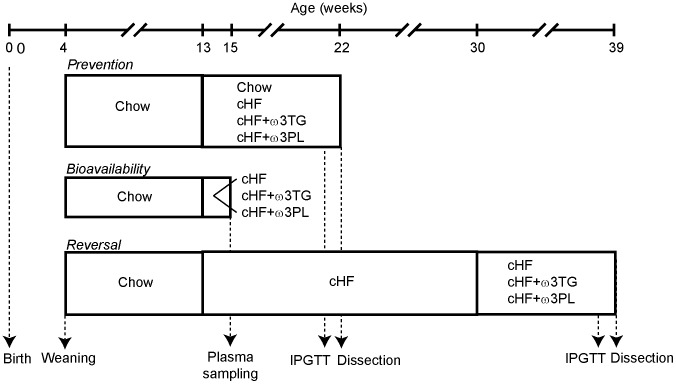
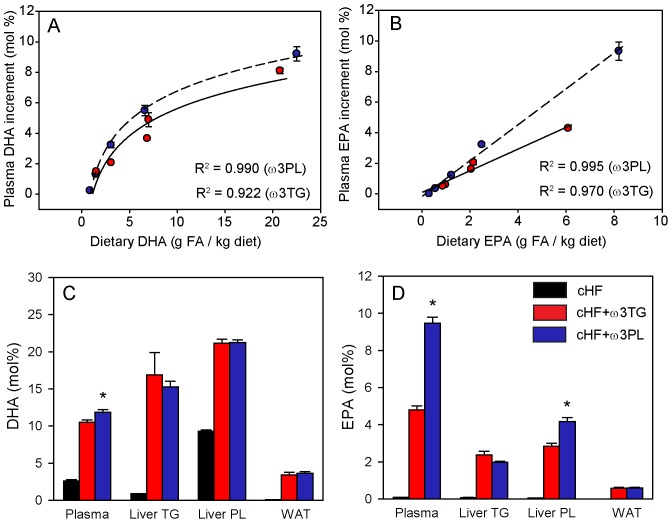
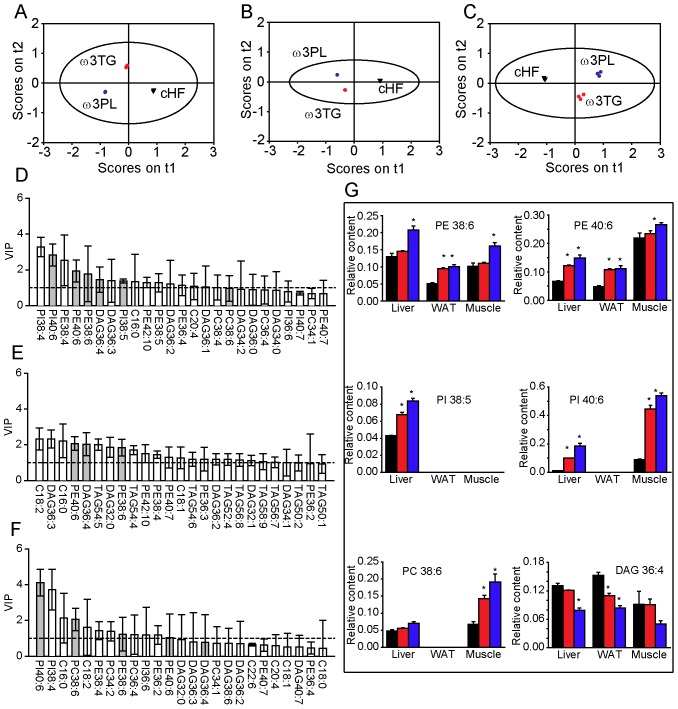
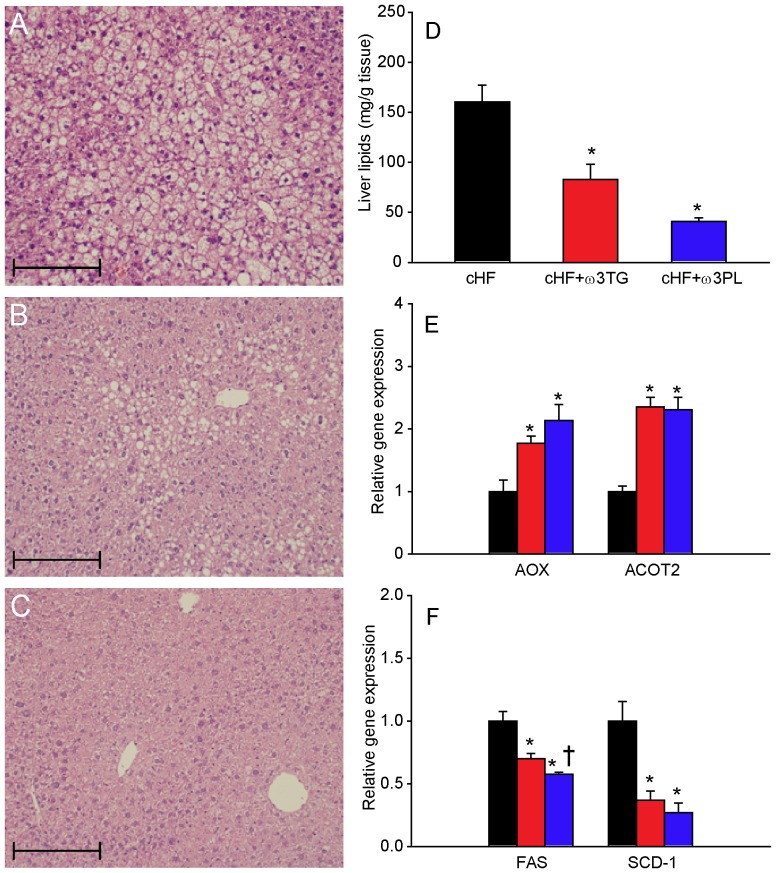
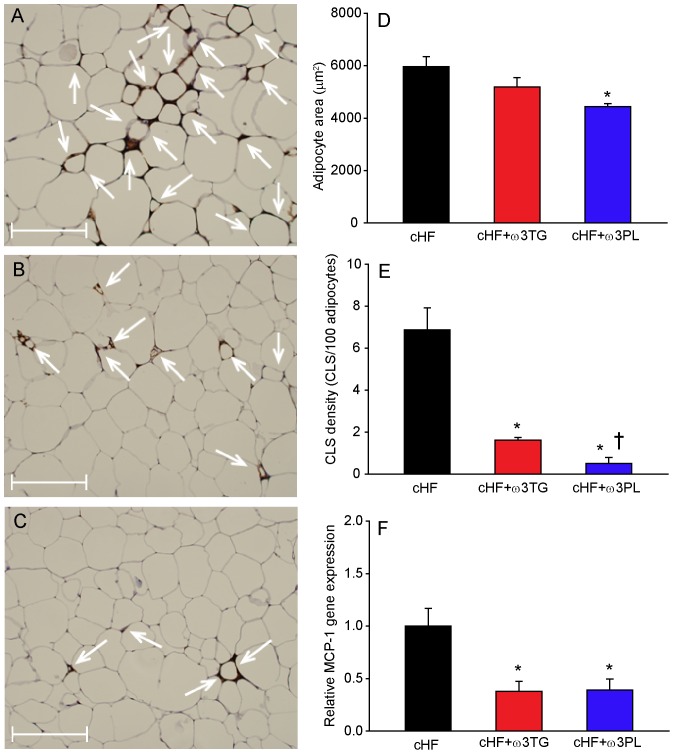
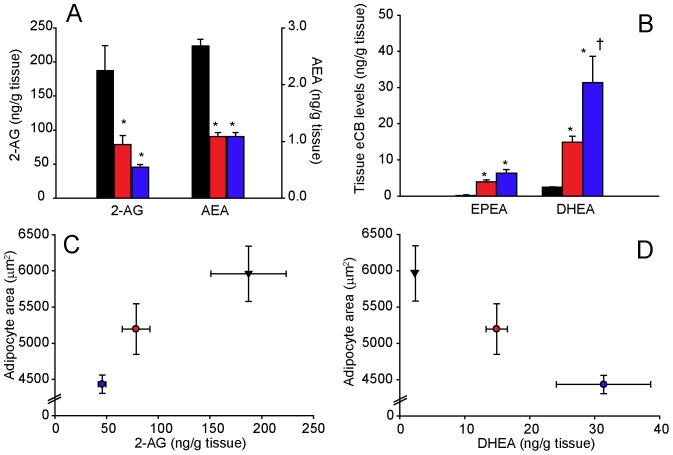
BACKGROUND: n-3 polyunsaturated fatty acids, namely docosahexaenoic acid (DHA) and eicosapentaenoic acid (EPA), reduce the risk of cardiovascular disease and can ameliorate many of obesity-associated disorders. We hypothesised that the latter effect will be more pronounced when DHA/EPA is supplemented as phospholipids rather than as triglycerides. METHODOLOGY/PRINCIPAL FINDINGS: In a 'prevention study', C57BL/6J mice were fed for 9 weeks on either a corn oil-based high-fat obesogenic diet (cHF; lipids ∼35% wt/wt), or cHF-based diets in which corn oil was partially replaced by DHA/EPA, admixed either as phospholipids or triglycerides from marine fish. The reversal of obesity was studied in mice subjected to the preceding cHF-feeding for 4 months. DHA/EPA administered as phospholipids prevented glucose intolerance and tended to reduce obesity better than triglycerides. Lipemia and hepatosteatosis were suppressed more in response to dietary phospholipids, in correlation with better bioavailability of DHA and EPA, and a higher DHA accumulation in the liver, white adipose tissue (WAT), and muscle phospholipids. In dietary obese mice, both DHA/EPA concentrates prevented a further weight gain, reduced plasma lipid levels to a similar extent, and tended to improve glucose tolerance. Importantly, only the phospholipid form reduced plasma insulin and adipocyte hypertrophy, while being more effective in reducing hepatic steatosis and low-grade inflammation of WAT. These beneficial effects were correlated with changes of endocannabinoid metabolome in WAT, where phospholipids reduced 2-arachidonoylglycerol, and were more effective in increasing anti-inflammatory lipids such as N-docosahexaenoylethanolamine. CONCLUSIONS/SIGNIFICANCE: Compared with triglycerides, dietary DHA/EPA administered as phospholipids are superior in preserving a healthy metabolic profile under obesogenic conditions, possibly reflecting better bioavalability and improved modulation of the endocannabinoid system activity in WAT.
Overview
The claims and statistics of this paper haven’t been checked yet.
Free: it reads the open-access text and checks the first 5 claims that cite a source we can check. Create a free account to check every claim.
Integrity signals
Registry
Cites
Statistics
Figures
Verification
Claims the paper makes
The claims and statistics of this paper haven’t been checked yet.
Free: it reads the open-access text and checks the first 5 claims that cite a source we can check. Create a free account to check every claim.
Claims other papers make about this one
Each is checked against this paper’s own text: does it say what the citing paper says it does?
In the citing paper
“A study by Rossmeisl and colleagues (2012), observed favourable metabolic changes when omega-3 PUFAs were available as phospholipids compared with TAGs, possibly due to different bio-availabilities [169].”
From Omega-3 Fatty Acids and Skeletal Muscle Health (2015) · cites this paper as [169]
Self-check
Percentages, sums and reported differences re-computed from the paper’s own numbers.
The self-check needs the paper’s full text.
Citations
Cites
Mechanisms linking obesity with cardiovascular disease
Van Gaal, L. F., Mertens, I. L., & De Block, C. E. (2006) · Nature · doi:10.1038/nature05487 · Cited by 2,814 · cited 1×
“components of the metabolic syndrome [1], are a major public health problem.”
Backgroundn−3 Polyunsaturated fatty acids, inflammation, and inflammatory diseases
Calder, P. C. (2006) · The American Journal of Clinical Nutrition · doi:10.1093/ajcn/83.6.1505s · Cited by 2,525 · cited 1×
“It is also likely that the more potent reductions of AA in the phospholipid and diacylglycerol pools associated with (i) AA replacement in membrane phospholipids by LC n-3 PUFA (for reviews, see [45,46]), and (ii) lower dietary content of LA, which is the precursor of AA, contribute to the superior anti-inflammatory e…”
BackgroundOh, D. Y., Talukdar, S., Bae, E. J., Imamura, T., Morinaga, H., Fan, W., Li, P., Lu, W. J., Watkins, S. M., & Olefsky, J. M. (2010) · Cell · doi:10.1016/j.cell.2010.07.041 · Cited by 2,428
Distribution, interconversion, and dose response of n-3 fatty acids in humans.
Arterburn, L. M., Hall, E. B., & Oken, H. (2006) · The American Journal of Clinical Nutrition · doi:10.1093/ajcn/83.6.1467s · Cited by 1,162 · cited 1×
“In agreement with the previous observation in both humans [41] and mice [42], saturable incorporation of DHA into total plasma lipids was observed, while a linear relationship between dietary concentration of EPA and its plasma level was found, which contributed to a relatively high bioavailability of EPA from the pho…”
Backgroundn–3 Fatty Acids and Cardiovascular Events after Myocardial Infarction
Kromhout, D., Giltay, E. J., & Geleijnse, J. M. (2010) · New England Journal of Medicine · doi:10.1056/nejmoa1003603 · Cited by 936
Blasbalg, T. L., Hibbeln, J. R., Ramsden, C. E., Majchrzak, S. F., & Rawlings, R. R. (2011) · The American Journal of Clinical Nutrition · doi:10.3945/ajcn.110.006643 · Cited by 881 · cited 1×
“In fact, the increase in obesity prevalence in the United States during the 20th century could be in part due to the elevated consumption of LA, the precursor of AA, and hence also the precursor of the AA-derived endocannabinoids [53,54].”
BackgroundFish Oil Prevents Insulin Resistance Induced by High-Fat Feeding in Rats
Storlien, L. H., Kraegen, E. W., Chisholm, D. J., Ford, G. L., Bruce, D. G., & Pascoe, W. S. (1987) · Science · doi:10.1126/science.3303333 · Cited by 650 · cited 1×
“However, in spite of the fact that LC n-3 PUFA could help to reduce obesity in humans [16,17] and prevent insulin resistance in rodents [8,18], they do not reverse insulin resistance in diabetic patients [19].”
BackgroundIdentification of a Physiologically Relevant Endogenous Ligand for PPARα in Liver
Chakravarthy, M. V., Lodhi, I. J., Yin, L., Malapaka, R. R. V., Xu, H. E., Turk, J., & Semenkovich, C. F. (2009) · Cell · doi:10.1016/j.cell.2009.05.036 · Cited by 533
Dysregulation of the Peripheral and Adipose Tissue Endocannabinoid System in Human Abdominal Obesity
Blüher, M., Engeli, S., Klöting, N., Berndt, J., Fasshauer, M., Bátkai, S., Pacher, P., Schön, M. R., Jordan, J., & Stumvoll, M. (2006) · Diabetes · doi:10.2337/db06-0812 · Cited by 530 · cited 4×
“Also the activity of endocannabinoid system [23], which is dysregulated in obesity [24], is modulated in response to LC n-3 PUFA intake.”
BackgroundResultInfluentialCardiovascular effects of marine omega-3 fatty acids
Saravanan, P., Davidson, N. C., Schmidt, E. B., & Calder, P. C. (2010) · The Lancet · doi:10.1016/s0140-6736(10)60445-x · Cited by 511 · cited 1×
“In this respect, dietary intake of marine fish oils, namely long-chain n-3 polyunsaturated fatty acids (LC n-3 PUFA) such as docosahexaenoic acid (DHA; 22:6n-3) and eicosapentaenoic acid (EPA; 20:5n-3), have been shown to exert profound hypolipidemic effects [2,3], reducing systemic inflammation [4,5] as well as low-g…”
Background
Cited by
The Endocannabinoid System in Energy Homeostasis and the Etiopathology of Metabolic Disorders
Silvestri, C., & Di Marzo, V. (2013) · Cell Metabolism · doi:10.1016/j.cmet.2013.03.001 · Cited by 543
Layé, S., Nadjar, A., Joffre, C., & Bazinet, R. P. (2018) · Pharmacological Reviews · doi:10.1124/pr.117.014092 · Cited by 420
“Moreover, Rossmeisl et al. (2012) suggested a possible role for DHEA in modulating inflammation in adipocytes.”
BackgroundHealth benefits of dietary marine DHA/EPA-enriched glycerophospholipids
Zhang, T.-T., Xu, J., Wang, Y.-M., & Xue, C.-H. (2019) · Progress in Lipid Research · doi:10.1016/j.plipres.2019.100997 · Cited by 339
Marine Omega-3 Phospholipids: Metabolism and Biological Activities
Burri, L., Hoem, N., Banni, S., & Berge, K. (2012) · International Journal of Molecular Sciences · doi:10.3390/ijms131115401 · Cited by 257
Ahmmed, M. K., Ahmmed, F., Tian, H. (., Carne, A., & Bekhit, A. E. (2020) · Comprehensive Reviews in Food Science and Food Safety · doi:10.1111/1541-4337.12510 · Cited by 241
Lipid signaling in adipose tissue: Connecting inflammation & metabolism
Masoodi, M., Kuda, O., Rossmeisl, M., Flachs, P., & Kopecky, J. (2015) · Biochimica et Biophysica Acta (BBA) - Molecular and Cell Biology of Lipids · doi:10.1016/j.bbalip.2014.09.023 · Cited by 221
“Thus, dietary omega-3 PUFA administered as marine phospholipids (omega-3 PL) either in the form of krill oil [191,192,194] or isolated from fish meat [138] were able to efficiently modify tissue endocannabinoid levels in genetically obese fa/fa rats [191] or in dietary obese mice [138,192, 194].”
BackgroundInfluentialSelf-citationXie, D., Gong, M., Wei, W., Jin, J., Wang, X., Wang, X., & Jin, Q. (2019) · Comprehensive Reviews in Food Science and Food Safety · doi:10.1111/1541-4337.12427 · Cited by 214
Omega-3 fatty acids and adipose tissue function in obesity and metabolic syndrome
Martínez-Fernández, L., Laiglesia, L. M., Huerta, A. E., Martínez, J. A., & Moreno-Aliaga, M. J. (2015) · Prostaglandins & Other Lipid Mediators · doi:10.1016/j.prostaglandins.2015.07.003 · Cited by 212
Omega-3 Fatty Acids and Skeletal Muscle Health
Jeromson, S., Gallagher, I., Galloway, S., & Hamilton, D. (2015) · Marine Drugs · doi:10.3390/md13116977 · Cited by 203
“A study by Rossmeisl and colleagues (2012), observed favourable metabolic changes when omega-3 PUFAs were available as phospholipids compared with TAGs, possibly due to different bio-availabilities [169].”
BackgroundKuda, O., Brezinova, M., Rombaldova, M., Slavikova, B., Posta, M., Beier, P., Janovska, P., Veleba, J., Kopecky, J., Kudova, E., et al. (2016) · Diabetes · doi:10.2337/db16-0385 · Cited by 184
“(23); see Discussion), play an important role in the resolution of WAT inflammation (24-28) and probably potentiate beneficial functions of immune cells in WAT like efferocytosis or autophagy (17).”
BackgroundSelf-citationThe Effect of n-3 Fatty Acids on Glucose Homeostasis and Insulin Sensitivity
FLACHS, P., ROSSMEISL, M., & KOPECKY, J. (2014) · Physiological Research · doi:10.33549/physiolres.932715 · Cited by 183
“…the metabolic and anti-inflammatory effect of omega-3 in WAT largely depends on the formation of their active metabolites (Flachs et al. 2011, 2013) and the normalization of the tonus of the endocannabinoid system (Rossmeisl et al. 2012), and are probably modulated by AMPK (Kopecky et al. 2009).”
BackgroundResultInfluentialSelf-citationAnti-inflammatory ω-3 endocannabinoid epoxides
McDougle, D. R., Watson, J. E., Abdeen, A. A., Adili, R., Caputo, M. P., Krapf, J. E., Johnson, R. W., Kilian, K. A., Holinstat, M., & Das, A. (2017) · Proceedings of the National Academy of Sciences · doi:10.1073/pnas.1610325114 · Cited by 172
“Interestingly, dietary supplementation with EPA and DHA resulted in increased levels of EPEA and DHEA at the expense of AEA, thereby providing a means for increasing the levels of ω-3 endocannabinoids through dietary consumption (15, 16).”
Ghasemifard, S., Turchini, G. M., & Sinclair, A. J. (2014) · Progress in Lipid Research · doi:10.1016/j.plipres.2014.09.001 · Cited by 167
“2 g EPA or DHA in the test diet [27] up to 30 g of EPA plus DHA per kg of the diet [34].”
BackgroundMethodInfluentialHealth benefits of docosahexaenoic acid and its bioavailability: A review
Li, J., Pora, B. L. R., Dong, K., & Hasjim, J. (2021) · Food Science & Nutrition · doi:10.1002/fsn3.2299 · Cited by 176
“…DHA with PL form, has been reported to have a higher absorption rate and a higher DHA accretion rate in plasma than fish oil, where the DHA is mainly in TG form (Batetta et al., 2009; Di Marzo et al., 2010; Ghasemifard et al., 2015; Graf et al., 2010; Kitson et al., 2016; Rossmeisl et al., 2012).”
BackgroundZhuang, P., Li, H., Jia, W., Shou, Q., Zhu, Y., Mao, L., Wang, W., Wu, F., Chen, X., Wan, X., et al. (2021) · Microbiome · doi:10.1186/s40168-021-01126-6 · Cited by 163
Xie, D., Jin, J., Sun, J. B., Liang, L., Wang, X., Zhang, W., Wang, X., & Jin, Q. (2017) · Food Chemistry · doi:10.1016/j.foodchem.2017.04.138 · Cited by 156
Flachs, P., Rossmeisl, M., Kuda, O., & Kopecky, J. (2013) · Biochimica et Biophysica Acta (BBA) - Molecular and Cell Biology of Lipids · doi:10.1016/j.bbalip.2013.02.003 · Cited by 149
“4), especially through their effects on WAT [233], hence counteracting the inhibition of AMPK by”
BackgroundSelf-citationLifestyle and Metabolic Syndrome: Contribution of the Endocannabinoidome
Di Marzo, V., & Silvestri, C. (2019) · Nutrients · doi:10.3390/nu11081956 · Cited by 135
“In support of this, n-3 PUFAs provided as phospholipids, rather than free fatty acids, result in more significant decreases in eCB levels [12,52].”
BackgroundLiu, X., Xue, Y., Liu, C., Lou, Q., Wang, J., Yanagita, T., Xue, C., & Wang, Y. (2013) · Lipids in Health and Disease · doi:10.1186/1476-511x-12-109 · Cited by 129
“Several recent reports indicate that the effects of n-3 PUFA-enriched PLs on preventing excess weight gain and development of insulin resistance associated with high-fat feeding were thought to be mediated by adiponectin [13,19,41].”
BackgroundInfluentialBioactive metabolites of docosahexaenoic acid
Kuda, O. (2017) · Biochimie · doi:10.1016/j.biochi.2017.01.002 · Cited by 125
Self-citationEmerging class of omega-3 fatty acid endocannabinoids & their derivatives
Watson, J. E., Kim, J. S., & Das, A. (2019) · Prostaglandins & Other Lipid Mediators · doi:10.1016/j.prostaglandins.2019.106337 · Cited by 126
Links between Dietary Protein Sources, the Gut Microbiota, and Obesity
Madsen, L., Myrmel, L. S., Fjære, E., Liaset, B., & Kristiansen, K. (2017) · Frontiers in Physiology · doi:10.3389/fphys.2017.01047 · Cited by 110
“Of note, the anti-obesogenic effects of PL-bound n-3 PUFAs are superior to TAG-bound n-3 PUFAs in mice (Rossmeisl et al., 2012).”
BackgroundFatty Acid Modulation of the Endocannabinoid System and the Effect on Food Intake and Metabolism
Naughton, S., Mathai, M. L., Hryciw, D. H., & McAinch, A. J. (2013) · International Journal of Endocrinology · doi:10.1155/2013/361895 · Cited by 118
Cao, W., Wang, C., Chin, Y., Chen, X., Gao, Y., Yuan, S., Xue, C., Wang, Y., & Tang, Q. (2019) · Food & Function · doi:10.1039/c8fo01404c · Cited by 109
Melo, T., Alves, E., Azevedo, V., Martins, A. S., Neves, B. M., Domingues, P. M., Calado, R., Abreu, H., & Domingues, M. R. (2015) · Algal Research · doi:10.1016/j.algal.2015.02.016 · Cited by 112
Inflammation and cardiovascular disease: are marine phospholipids the answer?
Lordan, R., Redfern, S., Tsoupras, A., & Zabetakis, I. (2020) · Food & Function · doi:10.1039/c9fo01742a · Cited by 101
Effect of different phosphatidylcholines on high fat diet-induced insulin resistance in mice
Gao, X., Du, L., Randell, E. W., Zhang, H., Li, K., & Li, D. (2021) · Food & Function · doi:10.1039/d0fo02632h · Cited by 105
Omega-3 fatty acids and adipose tissue biology
Kuda, O., Rossmeisl, M., & Kopecky, J. (2018) · Molecular Aspects of Medicine · doi:10.1016/j.mam.2018.01.004 · Cited by 100
Self-citationRossmeisl, M., Medříková, D., van Schothorst, E. M., Pavlišová, J., Kuda, O., Hensler, M., Bardová, K., Flachs, P., Staňková, B., Vecka, M., et al. (2013) · Biochimica et Biophysica Acta (BBA) - Molecular and Cell Biology of Lipids · doi:10.1016/j.bbalip.2013.11.010 · Cited by 103
Self-citationZhuang, P., Zhang, Y., Shou, Q., Li, H., Zhu, Y., He, L., Chen, J., & Jiao, J. (2020) · Molecular Nutrition & Food Research · doi:10.1002/mnfr.201900946 · Cited by 101
Awada, M., Meynier, A., Soulage, C. O., Hadji, L., Géloën, A., Viau, M., Ribourg, L., Benoit, B., Debard, C., Guichardant, M., et al. (2013) · Nutrition & Metabolism · doi:10.1186/1743-7075-10-23 · Cited by 96
Industrial uses of phospholipases: current state and future applications
Cerminati, S., Paoletti, L., Aguirre, A., Peirú, S., Menzella, H. G., & Castelli, M. E. (2019) · Applied Microbiology and Biotechnology · doi:10.1007/s00253-019-09658-6 · Cited by 89
Berge, K., Piscitelli, F., Hoem, N., Silvestri, C., Meyer, I., Banni, S., & Di Marzo, V. (2013) · Lipids in Health and Disease · doi:10.1186/1476-511x-12-78 · Cited by 80
“Interestingly, both dietary krill oil and n-3 LCPUFAs supplemented as PLs were recently shown to produce stronger beneficial effects than fish oil or n-3 LCPUFAs supplemented as triglycerides, respectively, on ectopic triglyceride accumulation, inflammation and other metabolic dysfunctions in obese Zucker rats and DIO…”
BackgroundMarsol‐Vall, A., Aitta, E., Guo, Z., & Yang, B. (2021) · Critical Reviews in Food Science and Nutrition · doi:10.1080/10408398.2020.1861426 · Cited by 85
“Senphan and Benjakul (2015) compared organic solvent extraction to wet reduction, commercial Alcalase, and powdered crude protease extract (CPE) from hepatopancrease of Pacific white shrimp yielding very similar results in terms of oil yield and FA composition.”
BackgroundResultThe endocannabinoid system: directing eating behavior and macronutrient metabolism
Watkins, B. A., & Kim, J. J. (2015) · Frontiers in Psychology · doi:10.3389/fpsyg.2014.01506 · Cited by 94
Fat to treat fat: Emerging relationship between dietary PUFA, endocannabinoids, and obesity
Kim, J. J., Li, Y., & Watkins, B. A. (2013) · Prostaglandins & Other Lipid Mediators · doi:10.1016/j.prostaglandins.2012.11.005 · Cited by 90
Seafood intake and the development of obesity, insulin resistance and type 2 diabetes
Liaset, B., Øyen, J., Jacques, H., Kristiansen, K., & Madsen, L. (2019) · Nutrition Research Reviews · doi:10.1017/s0954422418000240 · Cited by 83
“Moreover, we also found reductions in fasting and postprandial concentrations of TAG, medium-sized VLDL particles and the TAG:HDL-cholesterol ratio(76,77).”
BackgroundInfluentialBjursell, M., Xu, X., Admyre, T., Böttcher, G., Lundin, S., Nilsson, R. G., Stone, V. M., Morgan, N. G., Lam, Y. Y., Storlien, L. H., et al. (2014) · PLoS ONE · doi:10.1371/journal.pone.0114942 · Cited by 81
“A HFD enriched in n-3 PUFA or transgenic over expression of fat-1 have been shown to improve glucose control in mice, including fasting plasma glucose, glucose tolerance and several measures of insulin sensitivity [12, 13, 26, 27, 34, 35] reviewed in [14].”
MethodResultExtrusion of A ntarctic krill ( E uphausia superba) meal and its effect on oil extraction
Yin, F., Liu, X., Fan, X., Zhou, D., Xu, W., Zhu, B., & Murata, Y. (2014) · International Journal of Food Science & Technology · doi:10.1111/ijfs.12673 · Cited by 73
Krill Products: An Overview of Animal Studies
Burri, L., & Johnsen, L. (2015) · Nutrients · doi:10.3390/nu7053300 · Cited by 71
“In studies with Zucker rats, a model for obesity and its related metabolic dysfunctions, KO has been shown to influence EC levels both in peripheral tissues, as well as in the brain [8,23,28].”
BackgroundLiu, X., Cui, J., Li, Z., Xu, J., Wang, J., Xue, C., & Wang, Y. (2014) · European Journal of Lipid Science and Technology · doi:10.1002/ejlt.201300407 · Cited by 72
Tillander, V., Bjørndal, B., Burri, L., Bohov, P., Skorve, J., Berge, R. K., & Alexson, S. E. H. (2014) · Nutrition & Metabolism · doi:10.1186/1743-7075-11-20 · Cited by 73
“However, the structural differences in the PUFA-rich lipid molecules may affect the distribution in cellular lipid fractions and tissue uptake and thereby promote different regulatory effects on lipid homeostasis [17].”
BackgroundNutritional Properties of Dietary Omega-3-Enriched Phospholipids
Murru, E., Banni, S., & Carta, G. (2013) · BioMed Research International · doi:10.1155/2013/965417 · Cited by 67
“In mice fed with high-fat diet, it has been demonstrated that n-3 HPUFA in PLs is more efficacious than TAG in reducing hepatic steatosis, low-grade inflammation in white adipose tissue [96], blood lipid levels, and glycaemia [97, 98].”
Schneedorferová, I., Tomčala, A., & Valterová, I. (2014) · Food Chemistry · doi:10.1016/j.foodchem.2014.12.058 · Cited by 67
“, prevention of metabolic syndrome) than are PUFAs incorporated in TGs (Rossmeisl et al., 2012).”
BackgroundQuality of Life and a Surveillant Endocannabinoid System
Reis, R. A. D. M., Isaac, A. R., Freitas, H. R., de Almeida, M. M., Schuck, P. F., Ferreira, G. C., Andrade‐da‐Costa, B. L. D. S., & Trevenzoli, I. H. (2021) · Frontiers in Neuroscience · doi:10.3389/fnins.2021.747229 · Cited by 68
“, 2007) and a preventive effect on the development of obesity have been reported (Rossmeisl et al., 2012; Simopoulos, 2020).”
BackgroundBaghel, R. S., Choudhary, B., Pandey, S., Pathak, P. K., Patel, M. K., & Mishra, A. (2023) · Foods · doi:10.3390/foods12193642 · Cited by 73
Im, D. (2017) · Molecular Aspects of Medicine · doi:10.1016/j.mam.2017.09.001 · Cited by 69
“studies (Gonzalez-Periz et al., 2009; Rossmeisl et al., 2012), and leptin levels were similar in wild type and FFA4 deficient mice”
ResultLazić, M., Inzaugarat, M. E., Povero, D., Zhao, I. C., Chen, M., Nalbandian, M., Miller, Y. I., Cherñavsky, A. C., Feldstein, A. E., & Sears, D. D. (2014) · PLoS ONE · doi:10.1371/journal.pone.0107658 · Cited by 64
“Moreover, the total amount of dietary fat, the ratios of v6 to v3, and the amount of total eicosapentaenoic acid (EPA) and docosahexaenoic acid (DHA) in our low v6/v3 ratio diet are more relevant to the ratios and doses used in human studies which are significantly lower in comparison to the majority of published rode…”
BackgroundMethodResultJANOVSKÁ, P., FLACHS, P., KAZDOVÁ, L., & KOPECKÝ, J. (2013) · Physiological Research · doi:10.33549/physiolres.932464 · Cited by 61
“…maintained at 20 °C (Kuda et al. 2009, van Schothorst et al. 2009, Jelenik et al. 2010, Flachs et al. 2011, Hensler et al. 2011, Kus et al. 2011, Rossmeisl et al. 2012), reduced accumulation of body fat in response to LC n-3 PUFA in this study could not be attributed to changes in food intake,…”
BackgroundInfluentialGhasemifard, S., Hermon, K. M., Turchini, G. M., & Sinclair, A. J. (2015) · British Journal Of Nutrition · doi:10.1017/s0007114515002457 · Cited by 61
“Rossmeisl et al.((35)) reported that EPA levels in the liver were nearly double in mice fed PL compared with the group fed TAG in a 9-week study in mice fed DHA plus EPA either in the TAG or PL form.”
Ramprasath, V. R., Eyal, I., Zchut, S., Shafat, I., & Jones, P. J. H. (2015) · Lipids in Health and Disease · doi:10.1186/s12944-015-0142-y · Cited by 63
“Consumption of n-3 PUFA esterified to PLs has been shown to exert a wide range of health benefits such as plasma lipid reduction [5], enhanced bioavailability of EPA and DHA [6–8] as well as anti-inflammatory [9] and antioxidant activity [10].”
BackgroundLiu, Z., Zhou, D., Zhao, Q., Yin, F., Hu, X., Song, L., Qin, L., Zhang, J.-R., Zhu, B., & Shahidi, F. (2016) · Food Chemistry · doi:10.1016/j.foodchem.2016.09.160 · Cited by 56
Characterization of lipids in three species of sea urchin
Zhou, X., Zhou, D., Lu, T., Liu, Z., Zhao, Q., Liu, Y., Hu, X., Zhang, J., & Shahidi, F. (2017) · Food Chemistry · doi:10.1016/j.foodchem.2017.08.076 · Cited by 55
Liisberg, U., Myrmel, L. S., Fjære, E., Rønnevik, A. K., Bjelland, S., Fauske, K. R., Holm, J. B., Basse, A. L., Hansen, J. B., Liaset, B., et al. (2016) · Adipocyte · doi:10.1080/21623945.2015.1122855 · Cited by 59
Pærregaard, S. I., Agerholm, M., Serup, A. K., Ma, T., Kiens, B., Madsen, L., Kristiansen, K., & Jensen, B. A. H. (2016) · Mediators of Inflammation · doi:10.1155/2016/1536047 · Cited by 57
“Competition betweenω3-PUFAs and AA for incorporation into phospholipids furthermore reduces substrate availability for synthesis of a number of oxylipins [53] as well as the two major endocannabinoids [54, 55].”
BackgroundKalkman, H. O., Hersberger, M., Walitza, S., & Berger, G. E. (2021) · International Journal of Molecular Sciences · doi:10.3390/ijms22094393 · Cited by 58
Low-n-6 and low-n-6 plus high-n-3 diets for use in clinical research
MacIntosh, B., Ramsden, C. E., Faurot, K. R., Zamora, D., Mangan, M., Hibbeln, J. R., & Mann, J. D. (2013) · British Journal Of Nutrition · doi:10.1017/s0007114512005181 · Cited by 61
“phosphatidylethanolamine, phosphatidylcholine and plasmalogens), which may have different absorption properties and biological activities than the TAG and ethyl ester forms present in refined fish oils and medications((36,37)).”
BackgroundPreparation and functionality of lipase-catalysed structured phospholipid – A review
Ang, X., Chen, H., Xiang, J., Wei, F., & Quek, S. Y. (2019) · Trends in Food Science & Technology · doi:10.1016/j.tifs.2019.04.005 · Cited by 53
Balakrishnan, J., Kannan, S., & Govindasamy, A. (2020) · Nutrition Research · doi:10.1016/j.nutres.2020.12.003 · Cited by 56
Effect of Dietary Components from Antarctic Krill on Atherosclerosis in apoE‐Deficient Mice
Parolini, C., Bjørndal, B., Busnelli, M., Manzini, S., Ganzetti, G. S., Dellera, F., Ramsvik, M. S., Bruheim, I. A., Berge, R. K., & Chiesa, G. (2017) · Molecular Nutrition & Food Research · doi:10.1002/mnfr.201700098 · Cited by 52
“This feature could be biologically relevant, based on the increasing evidence that phospholipids might be a more effective delivery form of n-3 PUFAs to body tissues than triglycerides [11, 12].”
BackgroundSoni, N. K., Ross, A. B., Scheers, N., Nookaew, I., Gabrielsson, B. G., & Sandberg, A. (2019) · International Journal of Molecular Sciences · doi:10.3390/ijms20235895 · Cited by 52
Nobre, M. E. P., Correia, A. O., Borges, M. D. B., Sampaio, T. M. A., Chakraborty, S. A., Gonçalves, D. D. O., Brito, G. A. D. C., Leal, L. K. A. M., Felipe, C. F. B., Lucetti, D. L., et al. (2013) · Nutrition Research · doi:10.1016/j.nutres.2013.02.011 · Cited by 52
“[16] Rossmeisl M, Jilkova ZM, Kuda O, Jelenik T, Medrikova D, Stankova B, et al.”
BackgroundWen, M., Xu, J., Ding, L., Zhang, L., Du, L., Wang, J., Wang, Y., & Xue, C. (2016) · Journal of Functional Foods · doi:10.1016/j.jff.2016.04.034 · Cited by 50
Yin, F., Zhou, D., Zhao, Q., Liu, Z., Hu, X., Liu, Y., Song, L., Zhou, X., Qin, L., Zhu, B., et al. (2016) · Food Chemistry · doi:10.1016/j.foodchem.2016.06.094 · Cited by 50
Zamberletti, E., Piscitelli, F., Castro, V. D., Murru, E., Gabaglio, M., Colucci, P., Fanali, C., Prini, P., Bisogno, T., Maccarrone, M., et al. (2016) · Journal of Lipid Research · doi:10.1194/jlr.m068387 · Cited by 49
Yuan, Y., Xu, F., Jin, M., Wang, X., Hu, X., Zhao, M., Cheng, X., Luo, J., Jiao, L., Betancor, M. B., et al. (2021) · Food Chemistry · doi:10.1016/j.foodchem.2021.129570 · Cited by 54
Jiménez, M. J., Medina, A. R., Sánchez, M. D. M., Moreno, P. A. G., López, E. N., Cerdán, L. E., & Grima, E. M. (2021) · Algal Research · doi:10.1016/j.algal.2021.102586 · Cited by 52
Ding, L., Zhang, L., Wen, M., Che, H., Du, L., Wang, J., Xue, C., Xu, J., & Wang, Y. (2017) · Journal of Functional Foods · doi:10.1016/j.jff.2017.02.020 · Cited by 48
Endocannabinoid signaling and its regulation by nutrients
Bisogno, T., & Maccarrone, M. (2014) · BioFactors · doi:10.1002/biof.1167 · Cited by 42
High-fat and obesogenic diets: current and future strategies to fight obesity and diabetes
Teodoro, J. S., Varela, A. T. I. F., Rolo, A. P., & Palmeira, C. M. (2014) · Genes & Nutrition · doi:10.1007/s12263-014-0406-6 · Cited by 51
Monk, J. M., Turk, H. F., Liddle, D. M., Boer, A. D., Power, K. A., David, W. L., & Robinson, L. E. (2014) · Nutrients · doi:10.3390/nu6114760 · Cited by 50
“Countering these effects in obesity, n-3 PUFA have been shown to improve the hypoxic AT microenvironment by reducing adipocyte size [27] and to decrease obesity-associated expression of HIF-1α [81,188].”
BackgroundZhang, Y., Wu, G., Zhang, Y., Wang, X., Jin, Q., & Zhang, H. (2020) · Comprehensive Reviews in Food Science and Food Safety · doi:10.1111/1541-4337.12543 · Cited by 47
Ding, N., Xue, Y., Tang, X., Sun, Z., Yanagita, T., Xue, C., & Wang, Y. (2013) · Journal of Oleo Science · doi:10.5650/jos.62.883 · Cited by 44
Zhang, L., Ding, L., Shi, H.-H., Xu, J., Xue, C., Zhang, T., & Wang, Y. (2019) · Food & Function · doi:10.1039/c9fo00868c · Cited by 47
Docosahexaenoic acid‐supplementation prior to fasting prevents muscle atrophy in mice
Deval, C., Capel, F., Laillet, B., Polge, C., Béchet, D., Taillandier, D., Attaix, D., & Combaret, L. (2016) · Journal of Cachexia, Sarcopenia and Muscle · doi:10.1002/jcsm.12103 · Cited by 38
Sistilli, G., Kalendová, V., Čajka, T., Irodenko, I., Bardová, K., Oseeva, M., Žáček, P., Kroupova, P., Horakova, O., Lackner, K., et al. (2021) · Nutrients · doi:10.3390/nu13020437 · Cited by 45
“The higher efficacy of omega3 PUFA-containing PLs in reducing hepatic steatosis could be related to the improved bioavailability of omega-3 PUFAs, in particular EPA and docosapentaenoic acid (22:5n-3), both in plasma and in target organs ([26,29,31] and reviewed in [32]).”
BackgroundSelf-citationZhou, Y., Tian, S., Li, Q., Jiang, S., Tang, Y., & Han, T. (2021) · Food & Function · doi:10.1039/d0fo03471a · Cited by 42
Vaidya, H. B., & Cheema, S. K. (2014) · Food & Function · doi:10.1039/c4fo00330f · Cited by 44
Pavlišová, J., Bardová, K., Staňková, B., TVRZICKÁ, E., Kopecký, J., & Rossmeisl, M. (2015) · Biochimie · doi:10.1016/j.biochi.2015.07.001 · Cited by 43
Self-citationFish oil and krill oil differentially modify the liver and brain lipidome when fed to mice
Skorve, J., Hilvo, M., Vihervaara, T., Burri, L., Bohov, P., Tillander, V., Bjørndal, B., Suoniemi, M., Laaksonen, R., Ekroos, K., et al. (2015) · Lipids in Health and Disease · doi:10.1186/s12944-015-0086-2 · Cited by 44
“of fatty acids in cellular lipid fractions and thereby promote different regulatory effects on lipid homeostasis [11, 12].”
BackgroundJiménez, M. J., Medina, A. R., Moreno, P. A. G., Cerdán, L. E., Guillén, S. O., & Grima, E. M. (2020) · Journal of Applied Phycology · doi:10.1007/s10811-020-02037-z · Cited by 43
McCauley, J. I., Winberg, P. C., Meyer, B. J., & Skropeta, D. (2018) · Algal Research · doi:10.1016/j.algal.2018.09.016 · Cited by 42
Paluchová, V., Vik, A., Čajka, T., Březinová, M., Brejchová, K., Bugajev, V., Dráberová, L., Dráber, P., Buresova, J., Kroupova, P., et al. (2020) · Molecular Nutrition & Food Research · doi:10.1002/mnfr.201901238 · Cited by 39
Self-citationLiisberg, U., Fauske, K. R., Kuda, O., Fjære, E., Myrmel, L. S., Norberg, N., Frøyland, L., Graff, I. E., Liaset, B., Kristiansen, K., et al. (2016) · The Journal of Nutritional Biochemistry · doi:10.1016/j.jnutbio.2016.03.014 · Cited by 39
Self-citationDing, L., Zhang, T., Che, H., Zhang, L., Xue, C., Chang, Y., & Wang, Y. (2018) · European Journal of Lipid Science and Technology · doi:10.1002/ejlt.201700490 · Cited by 38
Omega-6 and omega-3 fatty acids: Endocannabinoids, genetics and obesity
Simopoulos, A. P. (2020) · OCL · doi:10.1051/ocl/2019046 · Cited by 44
“Furthermore, animal and human studies have also found that EPA and DHA supplementation lowers brain 2-AG levels (Di Marzo et al., 2010), body mass index (Thorsdottir et al., 2007) and prevents the development of obesity and further weight gain in mouse models (Rossmeisl et al., 2012).”
BackgroundProduction of three types of krill oils from krill meal by a three-step solvent extraction procedure
Xie, D., Mu, H., Tang, T., Wang, X., Wei, W., Jin, J., Wang, X., & Jin, Q. (2017) · Food Chemistry · doi:10.1016/j.foodchem.2017.12.068 · Cited by 38
Gart, E., Salic, K., Morrison, M. C., Caspers, M. P. M., van Duyvenvoorde, W., Heijnk, M., Giera, M. A., Bobeldijk‐Pastorova, I., Keijer, J., Storsve, A. B., et al. (2021) · Nutrients · doi:10.3390/nu13082836 · Cited by 40
“Importantly, a refined oxylipin LC-MS/MS analysis showed that KrO strongly increased lipid species with anti-inflammatory properties [35–37] derived from EPA and DHA (e.g., 18-HEPE, RvE2, 14-HDHA, 17-HDHA, PDX/10S,17S-diHDHA), whereas it suppressed the HFD-induced formation of ARA-derived oxylipins (e.g., HETEs, PGD2,…”
BackgroundInfluentialSihag, J., & Marzo, V. D. (2022) · Lipids in Health and Disease · doi:10.1186/s12944-021-01609-3 · Cited by 39
“[184], proposing that the phospholipid-based krill oil enhances the omega3-index and helps reduce n6:n3 ratios.”
BackgroundMidtbø, L. K., Borkowska, A. G., Bernhard, A., Rønnevik, A. K., Lock, E.-J., Fitzgerald, M. L., Torstensen, B. E., Liaset, B., Brattelid, T., Pedersen, T. L., et al. (2015) · The Journal of Nutritional Biochemistry · doi:10.1016/j.jnutbio.2014.12.005 · Cited by 35
“Competition between n-3 PUFAs and AA for incorporation into phospholipids furthermore reduces substrate availability for syntheses of the two major endogenous endocannabinoids 2-arachidonoylglycerol (2-AG) and N-arachidonoylethanolamine (AEA) [28,29].”
BackgroundInfluentialAndersen, C. J., Lee, J., Blesso, C. N., Carr, T. P., & Fernández, M. L. (2014) · Nutrients · doi:10.3390/nu6072650 · Cited by 36
“While dietary fat intake did not differ between EGG and SUB groups as previously reported [13], it is possible that the fatty acids provided by whole eggs were more bioavailable due to the abundance of yolk phospholipids [34,48,49],”
BackgroundGertsch, J. (2017) · British Journal of Pharmacology · doi:10.1111/bph.13676 · Cited by 40
“In dietary obese mice, DHA/EPA administered as phospholipids prevented glucose intolerance and obesity more effectively than the corresponding tracylgylcerols, and only the phospholipid form reduced plasma insulin and adipocyte hypertrophy, being also more effective in modulating 2-AG levels and reducing hepatic steat…”
BackgroundXi, X., Feng, X., Shi, N., Ma, X., Lin, H., & Han, Y. (2016) · Journal of Molecular Catalysis B Enzymatic · doi:10.1016/j.molcatb.2016.01.011 · Cited by 35
Aitta, E., Damerau, A., Marsol‐Vall, A., Fabritius, M., Pajunen, L., Kortesniemi, M. K., & Yang, B. (2023) · Food Chemistry · doi:10.1016/j.foodchem.2023.136381 · Cited by 34
Liu, Z., Zhou, D., Wu, Z., Yin, F., Zhao, Q., Xie, H., Zhang, J.-R., Qin, L., & Shahidi, F. (2017) · Food Chemistry · doi:10.1016/j.foodchem.2017.07.035 · Cited by 34
“…captured increasing attention due to their better bioavailability (Ghasemifard, Turchini, & Sinclair, 2014), higher tissue-delivery capacity (Liu et al., 2014; Rossmeisl et al., 2012; Cansell, 2010), and enhanced health promoting effects (Ramprasath, Eyal, Zchut, & Jones, 2013; Ulven et al., 2011).”
BackgroundLi, K., & Ôlsen, Y. (2015) · Aquaculture · doi:10.1016/j.aquaculture.2015.05.005 · Cited by 39
Rombaldová, M., Janovská, P., Kopecký, J., & Kuda, O. (2017) · Biochemical and Biophysical Research Communications · doi:10.1016/j.bbrc.2017.06.170 · Cited by 33
Self-citationFukunaga, K., Hosomi, R., Fukao, M., Miyauchi, K., Kanda, S., Nishiyama, T., & Yoshida, M. (2016) · Lipids · doi:10.1007/s11745-016-4118-0 · Cited by 34
Zhang, L., Wang, D., Wen, M., Du, L., Xue, C., Wang, J., Xu, J., & Wang, Y. (2016) · Journal of Functional Foods · doi:10.1016/j.jff.2016.10.022 · Cited by 32
Gang, K.-Q., Zhou, D., Lu, T., Liu, Z., Zhao, Q., Xie, H., Song, L., & Shahidi, F. (2017) · Food Chemistry · doi:10.1016/j.foodchem.2017.10.077 · Cited by 33
Metadata
- Authors
- Rossmeisl, M., Macek Jilkova, Z., Kuda, O., Jelenik, T., Medrikova, D., Stankova, B., Kristinsson, B., Haraldsson, G. G., Svensen, H., Stoknes, I., Sjövall, P., Magnusson, Y., Balvers, M. G. J., Verhoeckx, K. C. M., Tvrzicka, E., Bryhn, M., & Kopecky, J.
- Affiliations
- Czech Academy of Sciences (CZ)
- University of Iceland (IS)
- RISE Research Institutes of Sweden (SE)
- Sahlgrenska University Hospital (SE)
- Netherlands Organisation for Applied Scientific Research (NL)
- Venue
- PLoS ONE
- Publisher
- Public Library of Science (PLoS)
- Published
- 2012-06-11
- Volume
- 7
- Issue
- 6
- Pages
- e38834
- ISSN
- 1932-6203 (ISSN-L)
- PMC
- PMC3372498
- OpenAlex
- W2038831823
- Cited by
- 230
- References
- 62
- Citations by year
- 2026: 4 · 2025: 7 · 2024: 6 · 2023: 15 · 2022: 7 · 2021: 21 · 2020: 23 · 2019: 24 · 2018: 20 · 2017: 24 · 2016: 22 · 2015: 19 · 2014: 17 · 2013: 19 · 2012: 2
- FWCI
- 17.03
- Type
- journal article
- Language
- en
- Open access
- gold
- doi.org
- Locations
- PLoS ONE (publishedVersion, cc-by)
- PubMed Central (publishedVersion, cc-by)
- PubMed (publishedVersion)
- TNO Repository (submittedVersion)
- ASEP (submittedVersion, public-domain)
- DOAJ (DOAJ: Directory of Open Access Journals) (submittedVersion, cc-by-sa)
- Figshare (submittedVersion, cc-by)
- Socio-Environmental Systems Modeling (submittedVersion)
- Repository hosted by TU Delft Library (TU Delft) (submittedVersion)
- Data Archiving and Networked Services (DANS) (submittedVersion, other-oa)
- Funders
- Grantová Agentura České Republiky (GAP301/10/1420)
- VINNOVA
- Ministerstvo Zdravotnictví Ceské Republiky
- Topics
- Health Sciences › Nursing › Nutrition and Dietetics › Fatty Acid Research and Health
- Life Sciences › Agricultural and Biological Sciences › Aquatic Science › Aquaculture Nutrition and Growth
- Health Sciences › Medicine › Endocrinology, Diabetes and Metabolism › Diet, Metabolism, and Disease
- Keywords
- omega-3 fatty acids, docosahexaenoic acid, eicosapentaenoic acid, phospholipids, triglycerides, high-fat diet, obesity, endocannabinoids, 2-arachidonoylglycerol, hepatic steatosis, adipose tissue inflammation, adipocyte hypertrophy, insulin, impaired glucose tolerance, fatty acid bioavailability, marine fish oil
- MeSH terms
- Analysis of Variance, Animals, Biological Availability, Body Weight, Docosahexaenoic Acids, Immunohistochemistry, Liver, Male, Mice, Inbred C57BL, Microscopy, Obesity, Phospholipids, Triglycerides, Eicosapentaenoic Acid, Fatty Acids, Omega-3, Muscle, Skeletal, Mice, Adipose Tissue, White, Metabolomics, Diet, High-Fat, Real-Time Polymerase Chain Reaction, Cannabinoid Receptor Modulators, Endocannabinoids
About these checks
Registry, retraction, Cites and statistics results are computed, not judged, with one exception: a printed reference that no index lists is read once by a model before it counts as a citation error. Claims are extracted by a model and kept only when their quote appears verbatim in the text; each cited source is then checked, with a model’s help, for whether it says what the claim relies on. Those verdicts can be wrong — read the claim’s quote and the cited source before relying on one.
Statistics and arithmetic are recomputed, not judged.
Confidence bands are shown only for fields calibrated on our annotated test set. None is calibrated yet, so no band is shown.
What counts as a claim ›How we measure confidence ›How we check this ›
Are you an author, or do you see a problem with this page? Request a review
Data sources
Bibliographic data: Semantic Scholar, OpenAlex, Crossref.
Contains information from the Semantic Scholar Academic Graph Datasets, made available under the ODC Attribution License (ODC-BY 1.0).
Semantic Scholar’s data is described in: Kinney, R., et al. (2023). The Semantic Scholar Open Data Platform. arXiv:2301.10140.
