

Nitric Oxide Synthase and Breast Cancer: Role of TIMP-1 in NO-mediated Akt Activation
Open accessThe DOI matches its Crossref record; 57 of the 59 references it cites were found in a registry or an index.
Abstract
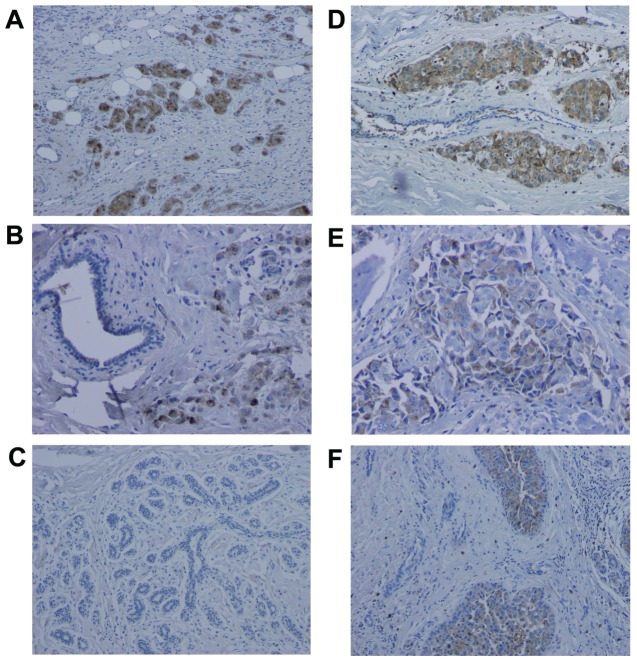
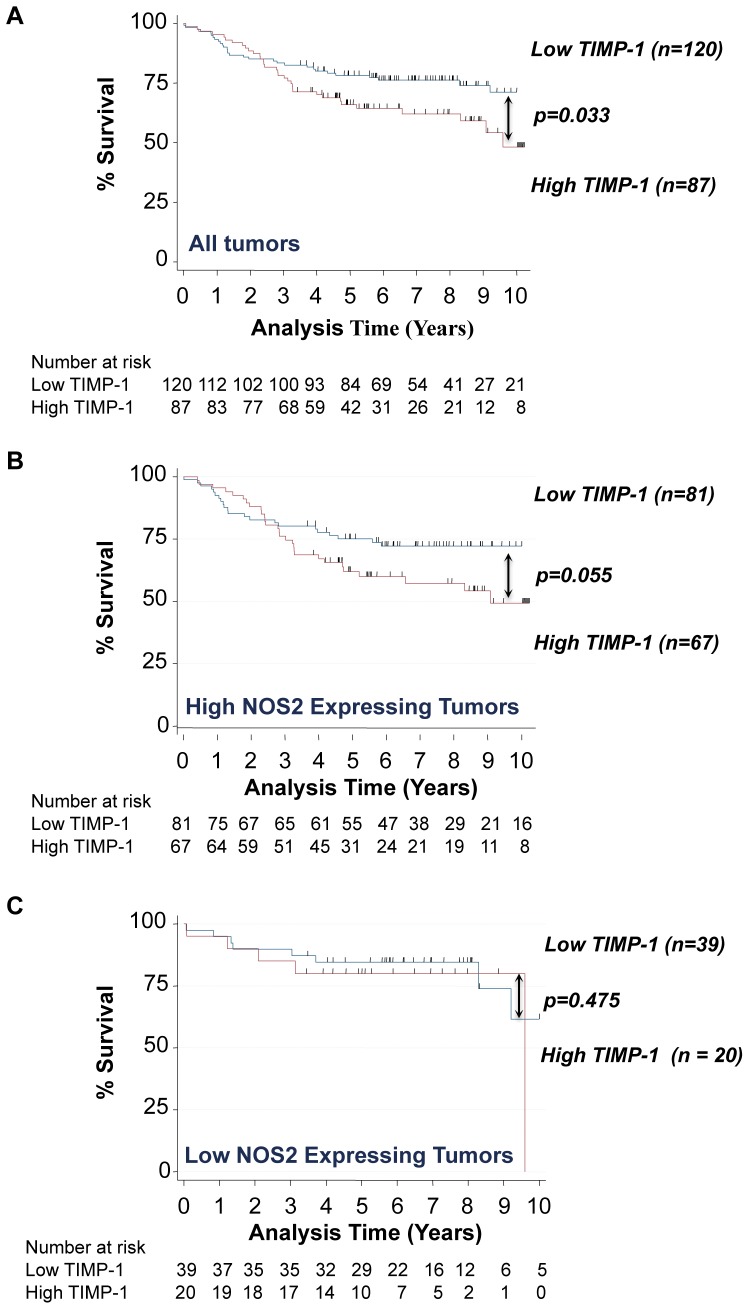
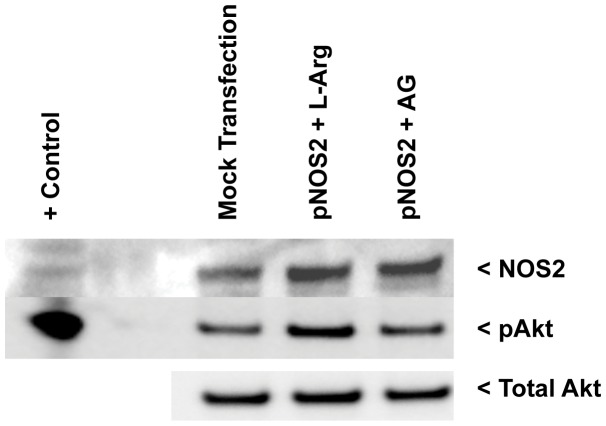
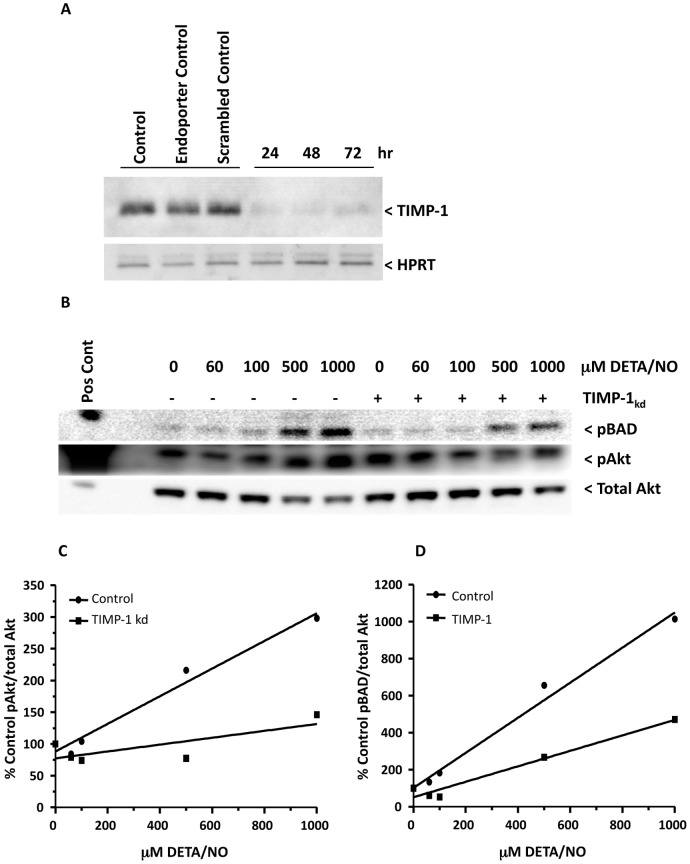
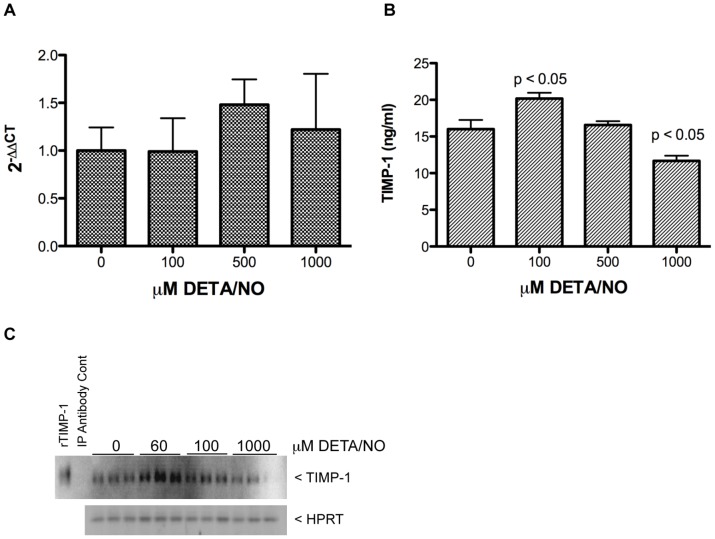
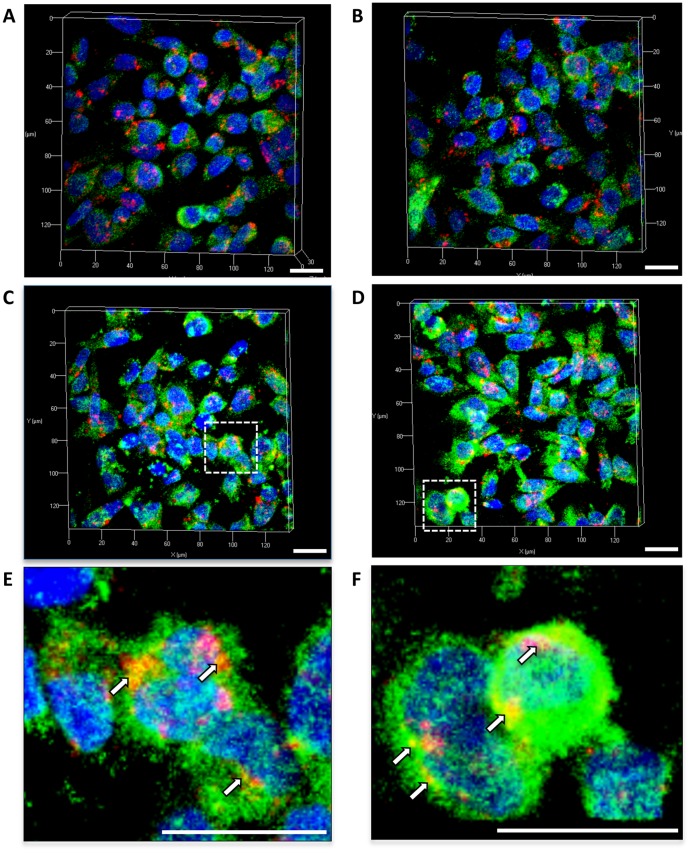
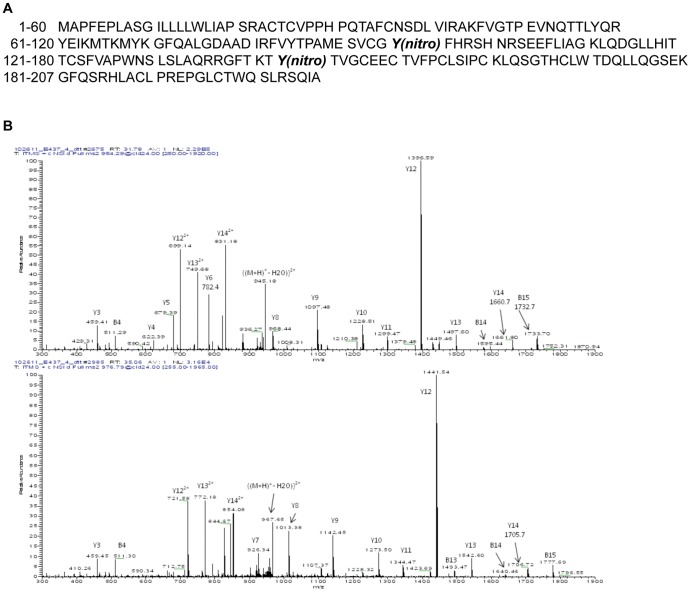
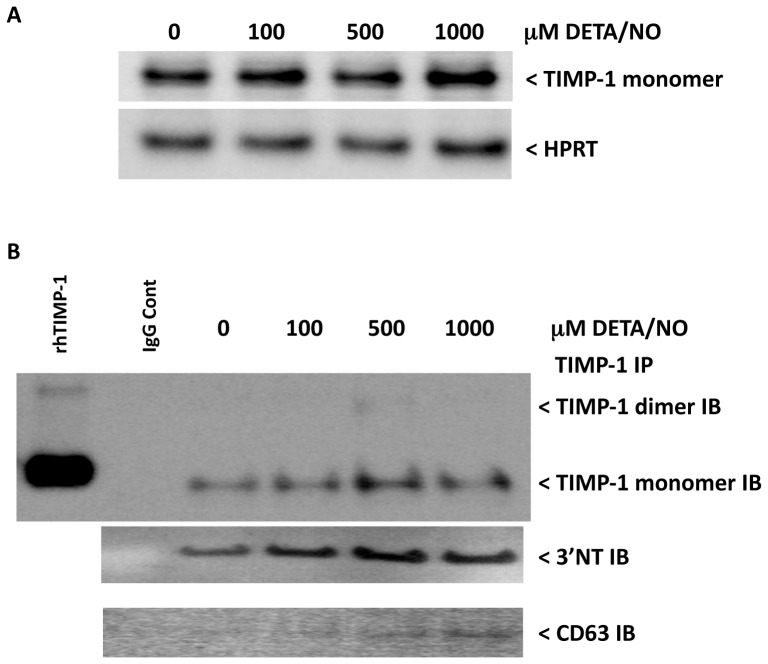
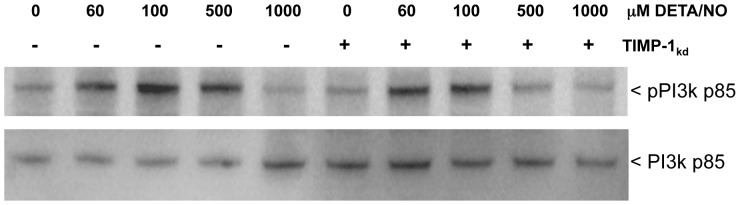
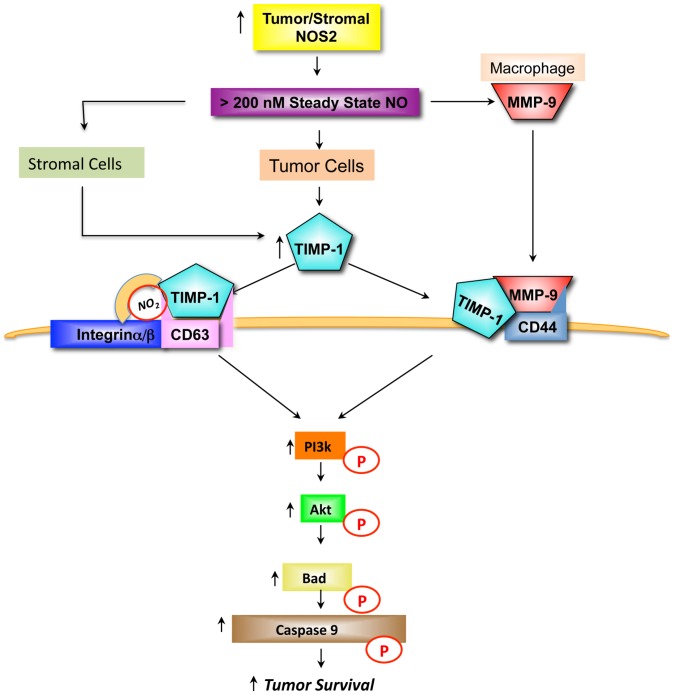
Prediction of therapeutic response and cancer patient survival can be improved by the identification of molecular markers including tumor Akt status. A direct correlation between NOS2 expression and elevated Akt phosphorylation status has been observed in breast tumors. Tissue inhibitor matrix metalloproteinase-1 (TIMP-1) has been proposed to exert oncogenic properties through CD63 cell surface receptor pathway initiation of pro-survival PI3k/Akt signaling. We employed immunohistochemistry to examine the influence of TIMP-1 on the functional relationship between NOS2 and phosphorylated Akt in breast tumors and found that NOS2-associated Akt phosphorylation was significantly increased in tumors expressing high TIMP-1, indicating that TIMP-1 may further enhance NO-induced Akt pathway activation. Moreover, TIMP-1 silencing by antisense technology blocked NO-induced PI3k/Akt/BAD phosphorylation in cultured MDA-MB-231 human breast cancer cells. TIMP-1 protein nitration and TIMP-1/CD63 co-immunoprecipitation was observed at NO concentrations that induced PI3k/Akt/BAD pro-survival signaling. In the survival analysis, elevated tumor TIMP-1 predicted poor patient survival. This association appears to be mainly restricted to tumors with high NOS2 protein. In contrast, TIMP-1 did not predict poor survival in patient tumors with low NOS2 expression. In summary, our findings suggest that tumors with high TIMP-1 and NOS2 behave more aggressively by mechanisms that favor Akt pathway activation.
Overview
The claims and statistics of this paper haven’t been checked yet.
Free: it reads the open-access text and checks the first 5 claims that cite a source we can check. Create a free account to check every claim.
Integrity signals
Registry
Cites
Statistics
Figures
Verification
Claims the paper makes
The claims and statistics of this paper haven’t been checked yet.
Free: it reads the open-access text and checks the first 5 claims that cite a source we can check. Create a free account to check every claim.
Claims other papers make about this one
Each is checked against this paper’s own text: does it say what the citing paper says it does?
The source backs part of the claim, not all of it — or backs it for a different population, condition or comparison.
In the citing paper
“Nitration of p53 and TIMP1 has been demonstrated to induce interesting changes in cellular function [84, 163, 286].”
From Signaling and stress: The redox landscape in NOS2 biology (2015) · cites this paper as [163]
Experimental — accuracy not yet measuredThe cited source says what the claim attributes to it.
In the citing paper
“MMP-independent pathways can occur through TIMP-1 interaction with the cell surface tetraspanin CD63/integrin complex, which initiates PI3K/Akt-dependent pro-survival signaling [163, 291-293].”
From Signaling and stress: The redox landscape in NOS2 biology (2015) · cites this paper as [163]
In the citing paper
“In addition to nitrosation, protein nitration has been shown to modulate signaling pathways and disease outcome [67, 84, 163].”
From Signaling and stress: The redox landscape in NOS2 biology (2015) · cites this paper as [163]
In the citing paper
“In support of this observation, mass spectrometry has recently been employed to identify NO donor-mediated tyrosine nitration of TIMP-1 [163].”
From Signaling and stress: The redox landscape in NOS2 biology (2015) · cites this paper as [163]
Self-check
Percentages, sums and reported differences re-computed from the paper’s own numbers.
The self-check needs the paper’s full text.
Citations
Cites
Abràmoff, M. D., Magalhães, P. J., & Ram, S. J. (2004) · Utrecht University Repository (Utrecht University) · Cited by 15,460
Inflammation: Gearing the journey to cancer
KUNDU, J., & SURH, Y. (2008) · Mutation Research/Reviews in Mutation Research · doi:10.1016/j.mrrev.2008.03.002 · Cited by 803 · cited 3×
“The observation of NOS2 expression in precancerous lesions [19] suggests that these responses could be facilitated by NOS2 expressing cells, as the cellular proximity to the NOS2 enzyme dictates the concentration of NO that cells experience and subsequent pathways that are elicited by gradient concentrations of NO [20…”
BackgroundSignal transduction by focal adhesion kinase in cancer
Zhao, J., & Guan, J.-L. (2009) · Cancer and Metastasis Reviews · doi:10.1007/s10555-008-9165-4 · Cited by 604 · cited 1×
“over expressed and active in tumor cells [10,11].”
BackgroundGene expression profiling of breast cell lines identifies potential new basal markers
Charafe-Jauffret, E., Ginestier, C., Monville, F., Finetti, P., Adélaïde, J., Cervera, N., Fekairi, S., Xerri, L., Jacquemier, J., Birnbaum, D., et al. (2006) · Oncogene · doi:10.1038/sj.onc.1209254 · Cited by 569 · cited 1×
“Gene expression profiling has identified TIMP-1 within a basal marker subcluster (mesenchymal subcluster) in breast cancer cell lines including MDA-MB-231 cells [41].”
BackgroundStetler-Stevenson, W. G. (2008) · Science Signaling · doi:10.1126/scisignal.127re6 · Cited by 489 · cited 1×
“This may constitute an interesting yin/yang role of NO/TIMP-1 in non-cancerous cells where secreted TIMP-1 activates pro-survival signaling but not proliferation of the senescing cell, as TIMP-1 can mediate both pro- and anti-proliferative responses [54].”
BackgroundNovel functions of TIMPs in cell signaling
Chirco, R., Liu, X.-W., Jung, K.-K., & Kim, H.-R. C. (2006) · Cancer and Metastasis Reviews · doi:10.1007/s10555-006-7893-x · Cited by 401 · cited 8×
“TIMP-1 has been shown to mediate Akt activation and prosurvival signaling [7,17].”
BackgroundInfluentialActivation of AKT/PKB in breast cancer predicts a worse outcome among endocrine treated patients
and members of the Southeast Sweden Breast Cancer Group, Pérez-Tenorio, G., & Stål, O. (2002) · British Journal of Cancer · doi:10.1038/sj.bjc.6600126 · Cited by 394 · cited 1×
“Moreover, increased Akt phosphorylation has correlated with poor disease-free survival of breast cancer patients [4,5].”
BackgroundWink, D. A., Nims, R. W., Darbyshire, J. F., Christodoulou, D., Hanbauer, I., Cox, G. W., Laval, F., Laval, J., & Cook, J. A. (1994) · Chemical Research in Toxicology · doi:10.1021/tx00040a007 · Cited by 378
Self-citationNitric oxide regulates angiogenesis through a functional switch involving thrombospondin-1
Ridnour, L. A., Isenberg, J. S., Espey, M. G., Thomas, D. D., Roberts, D. D., & Wink, D. A. (2005) · Proceedings of the National Academy of Sciences · doi:10.1073/pnas.0502979102 · Cited by 323 · cited 1×
“At lower levels (2–50 nM steady state), NO regulates extracellular matrix proteins including thrombospondin-1 (TSP-1), MMP-9, and TIMP-1 in endothelial cells and macrophages [30,31,44].”
BackgroundSelf-citationIdentification of CD63 as a tissue inhibitor of metalloproteinase‐1 interacting cell surface protein
Jung, K., Liu, X., Chirco, R., Fridman, R., & Kim, H. C. (2006) · The EMBO Journal · doi:10.1038/sj.emboj.7601281 · Cited by 317 · cited 2×
“The interaction of TIMP-1 with its cell surface receptor CD63 has been shown to initiate pro-survival signaling through Akt activation [9].”
Background
Research works printed but not linked: 1
- [10]Lis S, Hua ZC (2008) FAK expression regulation and therapeutic potential. Adv Cancer Res 101: 45– 61. 19055942
Cited by
Inflammatory process in Alzheimer's Disease
Meraz-Ríos, M. A., Toral-Rios, D., Franco-Bocanegra, D., Villeda-Hernández, J., & Campos-Peña, V. (2013) · Frontiers in Integrative Neuroscience · doi:10.3389/fnint.2013.00059 · Cited by 427
Ries, C. (2014) · Cellular and Molecular Life Sciences · doi:10.1007/s00018-013-1457-3 · Cited by 294
“Recent findings indicate that the elevated expression of nitric oxide synthase (NOS2) in breast tumor tissue enhances TIMP1-mediated pro-survival signaling via increased Akt phosphorylation after interaction of nitric oxide with TIMP-1/ CD63 on the cell surface [109].”
Biological nitric oxide signalling: chemistry and terminology
Heinrich, T. A., da Silva, R. S., Miranda, K. M., Switzer, C. H., Wink, D. A., & Fukuto, J. M. (2013) · British Journal of Pharmacology · doi:10.1111/bph.12217 · Cited by 285
“In contrast, nitrosative signalling in cancer cells leads to increased metastasis, proliferation and chemoresistance resulting in poor outcome in patients (e.g. Glynn et al., 2010; Ridnour et al., 2012; Switzer et al., 2012).”
BackgroundSelf-citationMolecular Mechanisms of Nitric Oxide in Cancer Progression, Signal Transduction, and Metabolism
Somasundaram, V., Basudhar, D., Bharadwaj, G., No, J. H., Ridnour, L. A., Cheng, R. Y. S., Fujita, M., Thomas, D. D., Anderson, S. K., McVicar, D. W., et al. (2019) · Antioxidants & Redox Signaling · doi:10.1089/ars.2018.7527 · Cited by 213
“At the nitrosative signaling level, Akt phosphorylation, activation of b-catenin, and mTOR signaling are observed even in the absence of growth factors or other associated ligand– receptor interactions (105, 125, 149).”
BackgroundSelf-citationTumor microenvironment-based feed-forward regulation of NOS2 in breast cancer progression
Heinecke, J. L., Ridnour, L. A., Cheng, R. Y. S., Switzer, C. H., Lizardo, M. M., Khanna, C., Glynn, S. A., Hussain, S. P., Young, H. A., Ambs, S., et al. (2014) · Proceedings of the National Academy of Sciences · doi:10.1073/pnas.1401799111 · Cited by 177
“Also, TIMP1 nitration correlated with NOinduced PI3k/Akt/BAD prosurvival signaling in MDA-MB-231 cells (20).”
BackgroundSelf-citationRidnour, L. A., Cheng, R. Y. S., Switzer, C. H., Heinecke, J. L., Ambs, S., Glynn, S., Young, H. A., Trinchieri, G., & Wink, D. A. (2013) · Clinical Cancer Research · doi:10.1158/1078-0432.ccr-12-0408 · Cited by 147
Self-citationSignaling and stress: The redox landscape in NOS2 biology
Thomas, D. D., Heinecke, J. L., Ridnour, L. A., Cheng, R. Y., Kesarwala, A. H., Switzer, C. H., McVicar, D. W., Roberts, D. D., Glynn, S., Fukuto, J. M., et al. (2015) · Free Radical Biology and Medicine · doi:10.1016/j.freeradbiomed.2015.06.002 · Cited by 150
Self-citationBasudhar, D., Glynn, S. A., Greer, M., Somasundaram, V., No, J. H., Scheiblin, D. A., Garrido, P., Heinz, W. F., Ryan, A. E., Weiss, J. M., et al. (2017) · Proceedings of the National Academy of Sciences · doi:10.1073/pnas.1709119114 · Cited by 122
“Specific NO levels activate the ERK/MAPK and/or PI3K/Akt pathways during tumor progression and promote poor disease-specific survival (4, 10, 21, 22).”
BackgroundSelf-citationCancer cell metabolism and the modulating effects of nitric oxide
Chang, C.-F., Diers, A. R., & Hogg, N. (2015) · Free Radical Biology and Medicine · doi:10.1016/j.freeradbiomed.2014.11.012 · Cited by 102
Protein Phosphorylation in Cancer: Role of Nitric Oxide Signaling Pathway
Liu, X., Zhang, Y., Wang, Y., Yang, M.-W., Hong, F., & Yang, S. (2021) · Biomolecules · doi:10.3390/biom11071009 · Cited by 102
“, conducted a further study, which suggested that NO induces the phosphorylation of Akt in human breast cancer cell [20].”
BackgroundBiological signaling by small inorganic molecules
Basudhar, D., Ridnour, L. A., Cheng, R. Y. S., Kesarwala, A. H., Heinecke, J. L., & Wink, D. A. (2015) · Coordination Chemistry Reviews · doi:10.1016/j.ccr.2015.06.001 · Cited by 97
Self-citationNitric Oxide Synthase-2-Derived Nitric Oxide Drives Multiple Pathways of Breast Cancer Progression
Basudhar, D., Somasundaram, V., de Oliveira, G. A., Kesarwala, A. H., Heinecke, J. L., Cheng, R. Y. S., Glynn, S. A., Ambs, S., Wink, D. A., & Ridnour, L. A. (2017) · Antioxidants and Redox Signaling · doi:10.1089/ars.2016.6813 · Cited by 101
“Together, these results suggest a plausible mechanism for NO during breast cancer progression, where TIMP-1 nitration abates it MMP inhibitory function, which may favor TIMP-1/CD63 interaction and downstream PI3k/Akt/BAD prosurvival signaling while preserving MMP-9 activity to facilitate tumor angiogenesis, migration,…”
BackgroundSelf-citationTwo Clinical Phenotypes in Polycythemia Vera
Spivak, J. L., Considine, M., Williams, D. M., Talbot, C. C., Rogers, O. C., Moliterno, A. R., Jie, C., & Ochs, M. F. (2014) · New England Journal of Medicine · doi:10.1056/nejmoa1403141 · Cited by 95
Yao, H., Hwang, J., Sundar, I. K., Friedman, A. E., McBurney, M. W., Guarente, L., Gu, W. J., Kinnula, V. L., & Rahman, I. (2013) · American Journal of Physiology-Lung Cellular and Molecular Physiology · doi:10.1152/ajplung.00249.2012 · Cited by 75
Targeting Nitric Oxide: Say NO to Metastasis
Reddy, T. P., Glynn, S. A., Billiar, T. R., Wink, D. A., & Chang, J. C. (2022) · Clinical Cancer Research · doi:10.1158/1078-0432.ccr-22-2791 · Cited by 77
Self-citationForte, D., Salvestrini, V., Corradi, G., Rossi, L., Catani, L., Lemoli, R. M., Cavo, M., & Curti, A. (2016) · Oncotarget · doi:10.18632/oncotarget.13664 · Cited by 63
“In breast cancer and melanoma cells, CD63 is abundantly expressed and interacts with TIMP-1 at cell surface, resulting in activation of cell survival signaling [18, 19].”
BackgroundNitric Oxide and S-Nitrosylation in Cancers: Emphasis on Breast Cancer
Mishra, D., Patel, V., & Banerjee, D. (2020) · Breast Cancer Basic and Clinical Research · doi:10.1177/1178223419882688 · Cited by 73
Nitric oxide‐mediated regulation of ‐amyloid clearance via alterations of MMP‐9/TIMP‐1
Ridnour, L. A., Dhanapal, S., Hoos, M., Wilson, J., Lee, J., Cheng, R. Y. S., Brueggemann, E. E., Hines, H. B., Wilcock, D. M., Vitek, M. P., et al. (2012) · Journal of Neurochemistry · doi:10.1111/jnc.12028 · Cited by 54
“Although the above data support a potential role for NO regulation of gelatinase activity in the increased proteolysis and clearance of Ab in APPSwDI mice brain (+NOS2/NO) versus a reduced proteolysis and clearance in the APPSwDI/ NOS2 / mice ( NOS2/NO), MMPs are labile enzymes and their activities can be difficult to…”
MethodInfluentialSelf-citationNOS Inhibition Modulates Immune Polarization and Improves Radiation-Induced Tumor Growth Delay
Ridnour, L. A., Cheng, R. Y. S., Weiss, J. M., Kaur, S., Soto‐Pantoja, D. R., Basudhar, D., Heinecke, J. L., Stewart, C. A., DeGraff, W., Sowers, A. L., et al. (2015) · Cancer Research · doi:10.1158/0008-5472.can-14-3011 · Cited by 54
Self-citationWalsh, E. M., Keane, M., Wink, D. A., Callagy, G. M., & Glynn, S. A. (2016) · Critical Reviews™ in Oncogenesis · doi:10.1615/critrevoncog.2017021307 · Cited by 60
Self-citationNitric Oxide and Cancer: When to Give and When to Take Away?
Miranda, K. M., Ridnour, L. A., McGinity, C. L., Bhattacharyya, D., & Wink, D. A. (2021) · Inorganic Chemistry · doi:10.1021/acs.inorgchem.1c02434 · Cited by 51
Self-citationMaiuthed, A., Bhummaphan, N., Luanpitpong, S., Mutirangura, A., Aporntewan, C., Meeprasert, A., Rungrotmongkol, T., Rojanasakul, Y., & Chanvorachote, P. (2018) · Journal of Biological Chemistry · doi:10.1074/jbc.ra117.000287 · Cited by 46
“NO is a microenvironmental mediator that is elevated in several types of cancer, including lung cancer, colon cancer, and breast cancer (19, 59, 60).”
BackgroundNitric Oxide Modulates Metabolic Processes in the Tumor Immune Microenvironment
McGinity, C. L., Palmieri, E. M., Somasundaram, V., Bhattacharyya, D. D., Ridnour, L. A., Cheng, R. Y. S., Ryan, A. E., Glynn, S. A., Thomas, D. D., Miranda, K. M., et al. (2021) · International Journal of Molecular Sciences · doi:10.3390/ijms22137068 · Cited by 45
Self-citationSwitzer, C., Ridnour, L. A., Cheng, R. Y. S., Heinecke, J. L., Burke, A. J., Glynn, S. A., Ambs, S., & Wink, D. A. (2012) · Forum on Immunopathological Diseases and Therapeutics · doi:10.1615/forumimmundisther.2012006108 · Cited by 39
Self-citationRole of Akt/Protein Kinase B in Cancer Metastasis
Islam, M. R., Jones, S., & Ellis, I. (2023) · Biomedicines · doi:10.3390/biomedicines11113001 · Cited by 36
“Accumulating evidence has indicated the importance of nitric oxide (NO) in pathological conditions, especially in malignant tumours [83,84].”
BackgroundTetraspanin CD 63 acts as a pro‐metastatic factor via β‐catenin stabilization
Seubert, B., Cui, H., Simonavicius, N., Honert, K., Schafer, S. L., Reuning, U., Heikenwälder, M. F., Mari, B. P., & Krüger, A. (2014) · International Journal of Cancer · doi:10.1002/ijc.29296 · Cited by 33
“TIMP-1 binding to CD63 obtained attention in recent years as it offers a possible starting point for TIMP-1-induced cellular signal transduction leading to increased ERK phosphorylation and PI3K/AKT-pathway activity.(12,25) Thereby, CD63 could participate in NOS-signaling(12) and increase anoikis resistance in melanom…”
BackgroundNitric Oxide Signaling and Sensing in Age-Related Diseases
Mazuryk, O., Gurgul, I., Oszajca, M., Polaczek, J., Kieca, K., Bieszczad-Żak, E., Martyka, T., & Stochel, G. (2024) · Antioxidants · doi:10.3390/antiox13101213 · Cited by 37
“At nitrosative signaling, the nitration of TIMP1 is observed, which not only decreases its ability to inhibit MMPs’ activity, but also activates pro-survival PI3k/Akt/BAD signaling [146].”
Altinoz, M. A., & Elmacı, İ. (2017) · Nitric Oxide · doi:10.1016/j.niox.2017.10.001 · Cited by 30
Wang, L., Wu, W., Chen, J., Li, Y., Xu, M., & Cai, Y. (2018) · Medical Science Monitor · doi:10.12659/msm.907497 · Cited by 28
“As a critical activator for many progrowth signaling cascades in cancer [32], NO can induce both cGMP-independent and cGMP-dependent Th1-Th2 immune shift, and therefore plays a critical role in triggering tumor reactions upon radiation-induced injury [33].”
BackgroundIbáñez-Vea, M., Huang, H., de Morentin, X. M., Pérez, E., Gato, M., Zuazo, M., Arasanz, H., Fernández‐Irigoyen, J., Santamaría, E., Fernández-Hinojal, G., et al. (2018) · Journal of Proteome Research · doi:10.1021/acs.jproteome.7b00812 · Cited by 30
Gasotransmitters in the tumor microenvironment: Impacts on cancer chemotherapy (Review)
Salihi, A. B., Al-Naqshabandi, M. A., Khudhur, Z. O., Housein, Z., Hama, H. A., Abdullah, R. M., Hussen, B. M., & Alkasalias, T. (2022) · Molecular Medicine Reports · doi:10.3892/mmr.2022.12749 · Cited by 29
Yeap, S. K., Yusof, H. M., Mohamad, N. E., Beh, B. K., Ho, W. Y., Ali, N. M., Alitheen, N. B., Koh, S. P., & Long, K. (2013) · Evidence-based Complementary and Alternative Medicine · doi:10.1155/2013/708464 · Cited by 27
Dwivedi, P. S. R., & Shastry, C. S. (2023) · Scientific Reports · doi:10.1038/s41598-023-47901-3 · Cited by 30
“Expression of inducible nitric oxide synthase ( NOS2 ) has been associated with poor outcome in breast cancer 55 ; the upregulation of NOS leads to tumor angiogenesis by upregulating VEGF 56 .”
BackgroundEvodiamine sensitizes BGC-823 gastric cancer cells to radiotherapy in vitro and in vivo
HU, C., Gao, X., Han, Y., GUO, Q., Zhang, K., LIU, M., Wang, Y., & Wang, J. (2016) · Molecular Medicine Reports · doi:10.3892/mmr.2016.5237 · Cited by 24
“AKT activation promotes cell survival by modulating its downstream elements, such as Bcl-2-associated death promoter (BAD) (30,31), which stimulates the expression of Bcl-2 which exerts its anti-apoptotic effects (32-34).”
Breast Cancer: A Molecular and Redox Snapshot
Raman, D., Foo, C. H. J., Clement, M., & Pervaiz, S. (2016) · Antioxidants and Redox Signaling · doi:10.1089/ars.2015.6546 · Cited by 21
“Moreover, this increased NO mediated metastatic phenotype was more prominent in cancers that also overexpressed Tissue Inhibitor Matrix Metalloproteinase-1 (TIMP-1) in addition to elevated iNOS staining in immunohistochemical samples (214).”
BackgroundNagane, M., Yasui, H., Sakai, Y., Yamamori, T., Niwa, K., Hattori, Y., Kondo, T., & Inanami, O. (2014) · Biochemical and Biophysical Research Communications · doi:10.1016/j.bbrc.2014.12.002 · Cited by 20
“IκBα on NFκB pathway [6] or TIMP-1 on Akt pathway [7].”
Increased phosphorylation of AKT in high-risk gastric mucosa.
Sasaki, T., Kuniyasu, H., Luo, Y., Kitayoshi, M., Tanabe, E., Kato, D., Shinya, S., Fujii, K., Ohmori, H., & Yamashita, Y. (2013) · PubMed · Cited by 19
Alsharabasy, A. M., Glynn, S. A., Farràs, P., & Pandit, A. S. (2022) · Nitric Oxide · doi:10.1016/j.niox.2022.04.005 · Cited by 18
Self-citationReddy, T. P., Puri, A., Guzman‐Rojas, L., Thomas, C. G., Qian, W. P., Zhou, J., Zhao, H., Mahboubi, B., Oo, A., Cho, Y., et al. (2024) · Nature Communications · doi:10.1038/s41467-024-54651-x · Cited by 21
Self-citationPalczewski, M. B., Kuschman, H. P., Hoffman, B. M., Kathiresan, V., Yang, H., Glynn, S. A., Wilson, D. L., Kool, E. T., Montfort, W. R., Chang, J. C., et al. (2025) · Nature Communications · doi:10.1038/s41467-025-56928-1 · Cited by 21
Self-citationTetraspanin CD63 independently predicts poor prognosis in colorectal cancer.
Kaprio, T., Hagström, J., Andersson, L. C., & Haglund, C. H. (2020) · Histology and histopathology · doi:10.14670/hh-18-209 · Cited by 22
Nitric oxide inhibits FTO demethylase activity to regulate N6-methyladenosine mRNA methylation
Kuschman, H. P., Palczewski, M. B., Hoffman, B. M., Menhart, M., Wang, X., Glynn, S. A., Islam, A. B. M. M. K., Benevolenskaya, E. V., & Thomas, D. D. (2023) · Redox Biology · doi:10.1016/j.redox.2023.102928 · Cited by 17
Self-citationBrzóska, K., Bartłomiejczyk, T., Sochanowicz, B., Cymerman, M., Grudny, J., Kołakowski, J., Kapka‐Skrzypczak, L., Kruszewski, M. K., Śliwiński, P., & Roszkowski‐Śliż, K. (2014) · Annals of Agricultural and Environmental Medicine · doi:10.5604/12321966.1120599 · Cited by 15
“In parallel, the growth-stimulating function of TIMP1 has been described and explained in molecular terms [40].”
BackgroundPalczewski, M. B., Kuschman, H. P., Bovee, R. C., Hickok, J. R., & Thomas, D. D. (2021) · Biological Chemistry · doi:10.1515/hsz-2020-0323 · Cited by 15
Miranda, K. M., Ridnour, L. A., Cheng, R. Y. S., Wink, D. A., & Thomas, D. D. (2023) · Critical Reviews™ in Oncogenesis · doi:10.1615/critrevoncog.2023047302 · Cited by 13
Self-citationBwatanglang, I. B., Mohammad, F., Yusof, N. A., Mohammed, N. E., Abu, N., Alitheen, N. B., Abdullah, J., Hussein, M. Z., Abba, Y., Nordin, N., et al. (2017) · Journal of Materials Science Materials in Medicine · doi:10.1007/s10856-017-5949-9 · Cited by 13
Yu, H. J., Bai, Y., Qiu, J. Y., He, X., Xiong, J., Dai, Q., Wang, X., Li, Y., Sheng, H., Xin, R., et al. (2021) · Frontiers in Oncology · doi:10.3389/fonc.2021.736882 · Cited by 14
Saetang, J., Tedasen, A., Sangkhathat, S., Sangkaew, N., Dokduang, S., Prompat, N., Taraporn, S., & Graidist, P. (2021) · Pharmaceutical Biology · doi:10.1080/13880209.2021.2018470 · Cited by 13
“In addition, all of those cytokines have been reported for their role in the tumour promoting function (Yamada et al. 2005; Ridnour et al. 2012; Grepin et al. 2014).”
BackgroundSciacca, M., Belgorosky, D., Zambrano, M., Escalante, J. I., Roca, F., Langle, Y., Sandes, E. O., Lodillinsky, C., & Eiján, A. M. (2019) · Nitric Oxide · doi:10.1016/j.niox.2019.09.008 · Cited by 9
Syntheses and Antitumor Properties of Furoxan Derivatives
Ramazani, A., Karimi, M., Hosseinzadeh, Z., Rezayati, S., Hanifehpour, Y., & Joo, S. W. (2021) · Current Organic Chemistry · doi:10.2174/1385272825666210208183751 · Cited by 9
Novel NO-releasing derivatives of betulinic acid with antitumor activity
Liu, J.-H., Zhu, Z., Tang, J., Jiang, A.-Q., Hu, L., & Chen, L. (2015) · Chinese Chemical Letters · doi:10.1016/j.cclet.2015.04.002 · Cited by 9
Real-time nitric oxide detection in cytokine stimulated cancer cells and macrophages
Daw, J., Chung, S., Chen, C., Heimark, R. L., & Montfort, W. R. (2025) · Nitric Oxide · doi:10.1016/j.niox.2025.02.004 · Cited by 8
Cheng, R. Y. S., Burkett, S. S., Ambs, S., Moody, T. W., Wink, D. A., & Ridnour, L. A. (2023) · Biomolecules · doi:10.3390/biom13020311 · Cited by 8
Self-citationO’Neill, C. E., Sun, K., Sundararaman, S., Chang, J. C., & Glynn, S. A. (2024) · Frontiers in Physiology · doi:10.3389/fphys.2024.1358850 · Cited by 7
Self-citationExpression and Activity of Matrix Metalloproteinases in Leukemia
Asnafi, A. A., Bagheri, M., Zibara, K., Behzad, M. M., & Shahrabi, S. (2018) · Journal of Pediatric Hematology/Oncology · doi:10.1097/mph.0000000000001386 · Cited by 7
Advances in Breast Cancer Therapy Using Nitric Oxide and Nitroxyl Donor Agents
Basudhar, D., Miranda, K. M., Wink, D. A., & Ridnour, L. A. (2016) · Oxidative stress in applied basic research and clinical practice · doi:10.1007/978-3-319-30705-3_15 · Cited by 6
Self-citationAssessment of TSPAN Expression Profile and Their Role in the VSCC Prognosis
Ferreira, K. P., de Almeida, B. C., dos Anjos, L. G., Baiocchi, G., Soares, F. A., Rocha, R. M., Baracat, E. C., Dobroff, A. S., & Carvalho, K. C. (2021) · International Journal of Molecular Sciences · doi:10.3390/ijms22095015 · Cited by 5
“, colorectal [31], breast [32], and epithelial ovarian cancer [33], oral [34,35] and esophageal [36] squamous cell carcinomas) or providing better clinical outcomes [35,37].”
BackgroundNitric oxide has diverse effects on head and neck cancer cell proliferation and glycolysis
Kokilakanit, P., Koontongkaew, S., & Utispan, K. (2024) · Biomedical Reports · doi:10.3892/br.2024.1794 · Cited by 6
Man, M., Pang, Z., Dang, J., Chen, B., Chen, G., & Zeng, X. (2025) · World Journal of Surgical Oncology · doi:10.1186/s12957-025-04059-8 · Cited by 2
“This, in turn, promotes the survival and proliferation of breast cancer cells, leading to a poor prognosis for patients [37].”
NO in Cancer—Carcinogenesis, Metastasis, and Therapy
Somasundaram, V., Basudhar, D., Greer, M., Cheng, R. Y. S., Ridnour, L. A., & Wink, D. A. (2017) · Elsevier eBooks · doi:10.1016/b978-0-12-804273-1.00028-4 · Cited by 4
Self-citationEvaluation of chemokine CXCL12 level with oxidative stress in breast cancer
Aljurany, A. N. H., & Samarrai, O. R. A. (2022) · International Journal of Health Sciences · doi:10.53730/ijhs.v6ns3.7414 · Cited by 1
“(41,42), pancreatic (43), and breast cancer, confirm its critical role in these different cancers (44,45).”
BackgroundJazi, S. M. H., Tayebi, F., Teimouri-Jervekani, Z., Mokarian, F., Mehrzad, V., & Sadeghi, A. (2023) · Advanced Biomedical Research · doi:10.4103/abr.abr_81_21 · Cited by 1
“In addition, NO is a vasodilatation mediator releasing agent from vascular endothelial cells that controls endothelium function and regulates blood supply.[6] Studies demonstrated that anti‐cancer agents used for chemotherapy in cancer patients, causes endothelial dysfunction and have toxic effects on the vasculature.”
Background(2024) · Jordan Journal of Biological Sciences · doi:10.54319/jjbs/170304 · Cited by 3
“Mx Pro Mx 3500 CYBER Green software/ Agilent/USA was used for qPCR by applying the following reaction: first cycle with 25 - 95 o for two minutes, followed by 45 cycles with 95 o for 15 seconds, 60 o for 30 seconds and 72 o for 30 seconds(Ridnour et al., 2012).”
MethodShandler, J. (2020) · Oxford University Press eBooks · doi:10.1093/oso/9780190651961.003.0002 · Cited by 1
Warner, R. B. (2013) · Human Biology · Cited by 1
Nitric Oxide and Nitric Oxide Donors in Preclinical Studies of Breast and Prostate Cancer
Garrido, P., Walsh, E. M., & Glynn, S. A. (2017) · Elsevier eBooks · doi:10.1016/b978-0-12-811020-1.00004-1
Self-citationFerreira, K. P. (2019) · Digital Library of Theses and Dissertations (Universidade de São Paulo) · doi:10.11606/d.5.2019.tde-20032019-123545
Maiuthed, A., Chanvorachote, P., Schneider-Stock, R., & Eichler, J. (2018) · Chula Digiverse · doi:10.58837/chula.the.2018.436
Real-Time Nitric Oxide Detection in Cytokine Stimulated Cancer Cells and MacrophagesPreprint
Daw, J., Chung, S., Chen, C., Heimark, R. L., & Montfort, W. R. (2024) · SSRN Electronic Journal · doi:10.2139/ssrn.5002632
The paradox of TIMP-1: when inhibition fuels progression
Kemper, P. C. J., Huijbers, E. J. M., Koetsier, J., B, J. R. V. B., & Griffioen, A. W. (2026) · Trends Open · doi:10.1016/j.treopn.2026.04.007
Shayan, S., Kuschman, H. P., Kevil, C. G., & Thomas, D. D. (2026) · Redox Biology · doi:10.1016/j.redox.2026.104344
Gupta, A. (2022) · Journal of Positive School Psychology
Metadata
- Authors
- Ridnour, L. A., Barasch, K. M., Windhausen, A. N., Dorsey, T. H., Lizardo, M. M., Yfantis, H. G., Lee, D. H., Switzer, C. H., Cheng, R. Y. S., Heinecke, J. L., Brueggemann, E., Hines, H. B., Khanna, C., Glynn, S. A., Ambs, S., & Wink, D. A.
- Affiliations
- National Institutes of Health (US)
- Baltimore VA Medical Center (US)
- United States Army Medical Research Institute of Infectious Diseases (US)
- Corresponding author
- Ridnour, Lisa A.
- Wink, David A.
- ORCID
- Venue
- PLoS ONE
- Publisher
- Public Library of Science (PLoS)
- Published
- 2012-09-05
- Volume
- 7
- Issue
- 9
- Pages
- e44081
- ISSN
- 1932-6203 (ISSN-L)
- PMC
- PMC3434220
- OpenAlex
- W1970785064
- Cited by
- 71
- References
- 59
- Citations by year
- 2026: 2 · 2025: 3 · 2024: 5 · 2023: 6 · 2022: 4 · 2021: 9 · 2020: 3 · 2019: 2 · 2018: 6 · 2017: 5 · 2016: 6 · 2015: 4 · 2014: 6 · 2013: 7 · 2012: 3
- FWCI
- 2.12
- Type
- journal article
- Language
- en
- Open access
- gold
- doi.org
- Licence
- Locations
- PLoS ONE (publishedVersion, public-domain)
- Europe PMC (PubMed Central) (publishedVersion, public-domain)
- PubMed Central (publishedVersion, public-domain)
- PubMed (publishedVersion)
- DOAJ (DOAJ: Directory of Open Access Journals) (submittedVersion, cc-by-sa)
- Funders
- National Institutes of Health
- National Cancer Institute
- Topics
- Life Sciences › Biochemistry, Genetics and Molecular Biology › Cancer Research › Protease and Inhibitor Mechanisms
- Life Sciences › Biochemistry, Genetics and Molecular Biology › Molecular Biology › PI3K/AKT/mTOR signaling in cancer
- Health Sciences › Medicine › Physiology (medical) › Nitric Oxide and Endothelin Effects
- Keywords
- nitric oxide synthase 2, TIMP-1, breast cancer, Akt phosphorylation, PI3K/Akt signaling, Bad phosphorylation, CD63, protein nitration, tumor survival, prognostic factors, MDA-MB-231 cells, matrix metalloproteinase inhibitors
- MeSH terms
- Breast Neoplasms, Enzyme Activation, Female, Humans, Immunohistochemistry, Nitric Oxide, Phosphorylation, Signal Transduction, Gene Expression Regulation, Enzymologic, Gene Expression Regulation, Neoplastic, Oligonucleotides, Antisense, Treatment Outcome, Microscopy, Confocal, CD36 Antigens, Nitric Oxide Synthase, Tissue Inhibitor of Metalloproteinase-1, Proto-Oncogene Proteins c-akt
About these checks
Registry, retraction, Cites and statistics results are computed, not judged, with one exception: a printed reference that no index lists is read once by a model before it counts as a citation error. Claims are extracted by a model and kept only when their quote appears verbatim in the text; each cited source is then checked, with a model’s help, for whether it says what the claim relies on. Those verdicts can be wrong — read the claim’s quote and the cited source before relying on one.
Statistics and arithmetic are recomputed, not judged.
Confidence bands are shown only for fields calibrated on our annotated test set. None is calibrated yet, so no band is shown.
What counts as a claim ›How we measure confidence ›How we check this ›
Are you an author, or do you see a problem with this page? Request a review
Data sources
Bibliographic data: Semantic Scholar, OpenAlex, Crossref.
Contains information from the Semantic Scholar Academic Graph Datasets, made available under the ODC Attribution License (ODC-BY 1.0).
Semantic Scholar’s data is described in: Kinney, R., et al. (2023). The Semantic Scholar Open Data Platform. arXiv:2301.10140.
