

The DOI matches its Crossref record; 72 of the 73 references it cites were found in a registry or an index.
Maternal Diets Trigger Sex-Specific Divergent Trajectories of Gene Expression and Epigenetic Systems in Mouse Placenta
Open accessAbstract
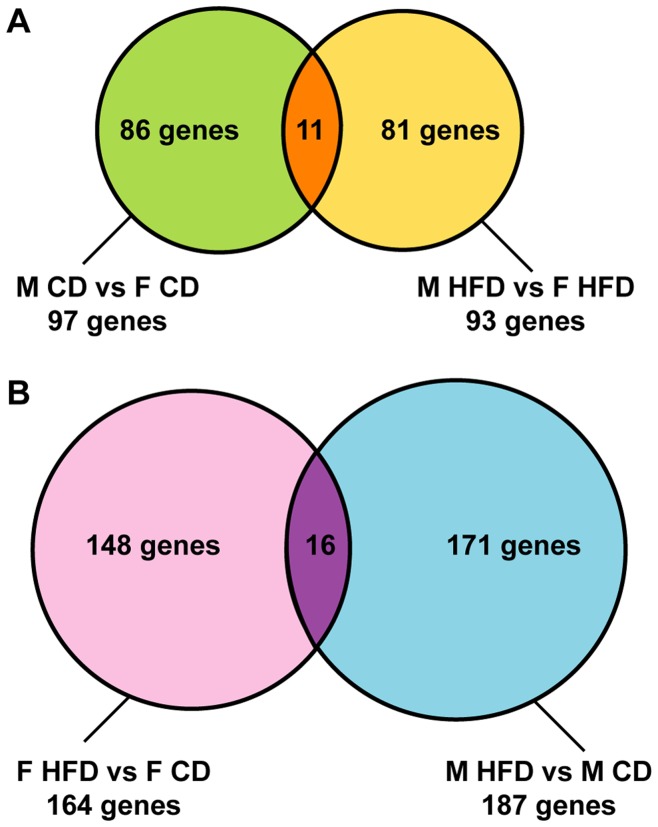
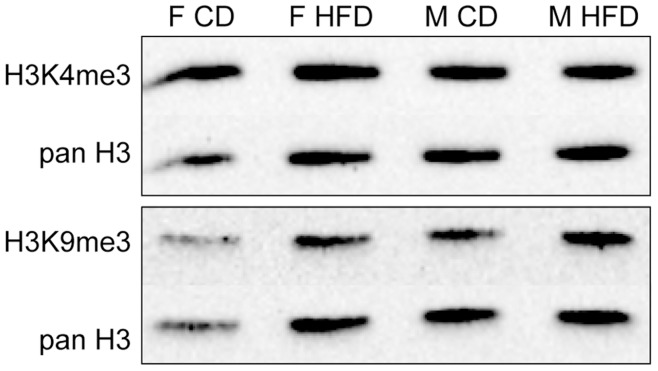
Males and females responses to gestational overnutrition set the stage for subsequent sex-specific differences in adult onset non communicable diseases. Placenta, as a widely recognized programming agent, contibutes to the underlying processes. According to our previous findings, a high-fat diet during gestation triggers sex-specific epigenetic alterations within CpG and throughout the genome, together with the deregulation of clusters of imprinted genes. We further investigated the impact of diet and sex on placental histology, transcriptomic and epigenetic signatures in mice. Both basal gene expression and response to maternal high-fat diet were sexually dimorphic in whole placentas. Numerous genes showed sexually dimorphic expression, but only 11 genes regardless of the diet. In line with the key role of genes belonging to the sex chromosomes, 3 of these genes were Y-specific and 3 were X-specific. Amongst all the genes that were differentially expressed under a high-fat diet, only 16 genes were consistently affected in both males and females. The differences were not only quantitative but remarkably qualitative. The biological functions and networks of genes dysregulated differed markedly between the sexes. Seven genes of the epigenetic machinery were dysregulated, due to effects of diet, sex or both, including the Y- and X-linked histone demethylase paralogues Kdm5c and Kdm5d, which could mark differently male and female epigenomes. The DNA methyltransferase cofactor Dnmt3l gene expression was affected, reminiscent of our previous observation of changes in global DNA methylation. Overall, this striking sexual dimorphism of programming trajectories impose a considerable revision of the current dietary interventions protocols.
Overview
The claims and statistics of this paper haven’t been checked yet.
Run the check — free, no account needed. It reads the open-access text and checks the sources it cites.
Integrity signals
Registry
Cites
Statistics
Figures
Verification
Claims the paper makes
The claims and statistics of this paper haven’t been checked yet.
Run the check — free, no account needed. It reads the open-access text and checks the sources it cites.
Claims other papers make about this one
Each is checked against this paper’s own text: does it say what the citing paper says it does?
In the citing paper
“Nonetheless, sex-dependent differences in gene expression are likely to underlie the contrasting placental responses observed following exposure to high-fat/low-fat diets (202, 356), glucocorticoids (132), or hypoxia (133, 363) in mice.”
From Placental Origins of Chronic Disease (2016) · cites this paper as [202]
Self-check
Percentages, sums and reported differences re-computed from the paper’s own numbers.
The self-check needs the paper’s full text.
Citations
Cites
Vandesompele, J., De Preter, K., Pattyn, F., Poppe, B., Van Roy, N., De Paepe, A., & Speleman, F. (2002) · Genome Biology · doi:10.1186/gb-2002-3-7-research0034 · Cited by 20,038
Gene Expression Omnibus: NCBI gene expression and hybridization array data repository
Edgar, R. (2002) · Nucleic Acids Research · doi:10.1093/nar/30.1.207 · Cited by 13,288
Bioconductor: open software development for computational biology and bioinformatics
Gentleman, R. C., Carey, V. J., Bates, D. M., Bolstad, B., Dettling, M., Dudoit, S., Ellis, B., Gautier, L., Ge, Y., Gentry, J., et al. (2004) · Genome biology · doi:10.1186/gb-2004-5-10-r80 · Cited by 12,082
Eckel, R. H., Alberti, K., Grundy, S. M., & Zimmet, P. (2010) · The Lancet · doi:10.1016/s0140-6736(09)61794-3 · Cited by 6,317
limma: Linear Models for Microarray Data
Smyth, G. K. (2005) · Statistics for Biology and Health · doi:10.1007/0-387-29362-0_23 · Cited by 5,796
The male-specific region of the human Y chromosome is a mosaic of discrete sequence classes
Skaletsky, H., Kuroda-Kawaguchi, T., Minx, P. J., Cordum, H. S., Hillier, L., Brown, L. G., Repping, S., Pyntikova, T., Ali, J., Bieri, T. A., et al. (2003) · Nature · doi:10.1038/nature01722 · Cited by 2,148
DNMT3L connects unmethylated lysine 4 of histone H3 to de novo methylation of DNA
Ooi, S. K. T., Qiu, C., Bernstein, E., Li, K., Jia, D., Yang, Z., Erdjument‐Bromage, H., Tempst, P., Lin, S., Allis, C. D., et al. (2007) · Nature · doi:10.1038/nature05987 · Cited by 1,648
Extraction, purification and analysis of histones
Shechter, D., Dormann, H. L., Allis, C. D., & Hake, S. B. (2007) · Nature Protocols · doi:10.1038/nprot.2007.202 · Cited by 1,054
Samuelsson, A.-M., Matthews, P. A., Argenton, M., Christie, M. R., McConnell, J. M., Jansen, E. H. J. M., Piersma, A. H., Ozanne, S. E., Twinn, D. F., Remacle, C., et al. (2008) · Hypertension · doi:10.1161/hypertensionaha.107.101477 · Cited by 923
Self-citationReview: Sex and the human placenta: Mediating differential strategies of fetal growth and survival
Clifton, V. L. (2010) · Placenta · doi:10.1016/j.placenta.2009.11.010 · Cited by 868
Cited by
Sorted by citations
Placental Origins of Chronic Disease
Burton, G. J., Fowden, A. L., & Thornburg, K. L. (2016) · Physiological Reviews · doi:10.1152/physrev.00029.2015 · Cited by 717
Sex-Specific Placental Responses in Fetal Development
Rosenfeld, C. S. (2015) · Endocrinology · doi:10.1210/en.2015-1227 · Cited by 485
Gabory, A., Roseboom, T. J., Moore, T., Moore, L. G., & Junien, C. (2013) · Biology of Sex Differences · doi:10.1186/2042-6410-4-5 · Cited by 344
Self-citationKeating, S. T., & El‐Osta, A. (2015) · Circulation Research · doi:10.1161/circresaha.116.303936 · Cited by 324
Rosenfeld, C. S. (2021) · Journal of Neuroscience Research · doi:10.1002/jnr.24603 · Cited by 280
Tarrade, A., Panchenko, P., Junien, C., & Gabory, A. (2015) · Journal of Experimental Biology · doi:10.1242/jeb.110320 · Cited by 251
Self-citationParental Advisory: Maternal and Paternal Stress Can Impact Offspring Neurodevelopment
Chan, J. C., Nugent, B. M., & Bale, T. L. (2018) · Biological Psychiatry · doi:10.1016/j.biopsych.2017.10.005 · Cited by 241
The omniscient placenta: Metabolic and epigenetic regulation of fetal programming
Nugent, B. M., & Bale, T. L. (2015) · Frontiers in Neuroendocrinology · doi:10.1016/j.yfrne.2015.09.001 · Cited by 222
Nutrigenetics, epigenetics and gestational diabetes: consequences in mother and child
Franzago, M., Fraticelli, F., Stuppia, L., & Vitacolonna, E. (2019) · Epigenetics · doi:10.1080/15592294.2019.1582277 · Cited by 244
Microbiome disturbances and autism spectrum disorders
Rosenfeld, C. S. (2015) · Drug Metabolism and Disposition · doi:10.1124/dmd.115.063826 · Cited by 229
Animal models of in utero exposure to a high fat diet: A review
Williams, L., Seki, Y., Vuguin, P. M., & Charron, M. J. (2013) · Biochimica et Biophysica Acta (BBA) - Molecular Basis of Disease · doi:10.1016/j.bbadis.2013.07.006 · Cited by 234
The Programming Power of the Placenta
Sferruzzi-Perri, A. N., & Camm, E. J. (2016) · Frontiers in Physiology · doi:10.3389/fphys.2016.00033 · Cited by 223
An integrative view on sex differences in brain tumors
Sun, T., Plutynski, A., Ward, S., & Rubin, J. B. (2015) · Cellular and Molecular Life Sciences · doi:10.1007/s00018-015-1930-2 · Cited by 229
Barboza Solís, C., Kelly-Irving, M., Fantin, R., Darnaudéry, M., Torrisani, J., Lang, T., & Delpierre, C. (2015) · Proceedings of the National Academy of Sciences · doi:10.1073/pnas.1417325112 · Cited by 157
Agarwal, P., Morriseau, T. S., Kereliuk, S. M., Doucette, C. A., Wicklow, B. A., & Dolinsky, V. W. (2018) · Critical Reviews in Clinical Laboratory Sciences · doi:10.1080/10408363.2017.1422109 · Cited by 202
Braun, T., Challis, J. R., Newnham, J. P., & Sloboda, D. M. (2013) · Endocrine Reviews · doi:10.1210/er.2013-1012 · Cited by 196
Perinatal high fat diet alters glucocorticoid signaling and anxiety behavior in adulthood
Sasaki, A., de Vega, W. C., St-Cyr, S., Pan, P., & McGowan, P. O. (2013) · Neuroscience · doi:10.1016/j.neuroscience.2013.02.044 · Cited by 194
Hemochorial placentation: development, function, and adaptations†
Soares, M. J., Varberg, K. M., & Iqbal, K. (2018) · Biology of Reproduction · doi:10.1093/biolre/ioy049 · Cited by 207
Placental phenotype and the insulin‐like growth factors: resource allocation to fetal growth
Sferruzzi-Perri, A. N., Sandovici, I., Constância, M., & Fowden, A. L. (2017) · The Journal of Physiology · doi:10.1113/jp273330 · Cited by 185
Hurley, E., Barrett, M., Kinirons, M. J., Whelton, H. P., Ryan, C. A., Stanton, C., Harris, H. M. B., & O’Toole, P. W. (2019) · BMC Oral Health · doi:10.1186/s12903-018-0693-1 · Cited by 172
Placental H3K27me3 establishes female resilience to prenatal insults
Nugent, B. M., O’Donnell, C. M., Epperson, C. N., & Bale, T. L. (2018) · Nature Communications · doi:10.1038/s41467-018-04992-1 · Cited by 153
Of the bugs that shape us: maternal obesity, the gut microbiome, and long-term disease risk
Gohir, W., Ratcliffe, E. M., & Sloboda, D. M. (2014) · Pediatric Research · doi:10.1038/pr.2014.169 · Cited by 150
Safi-Stibler, S., & Gabory, A. (2020) · Seminars in Cell and Developmental Biology · doi:10.1016/j.semcdb.2019.09.008 · Cited by 127
Self-citationKim, D. W., Young, S. L., Grattan, D. R., & Jasoni, C. L. (2014) · Biology of Reproduction · doi:10.1095/biolreprod.113.117259 · Cited by 138
Nutritional programming of insulin resistance: causes and consequences
Duque-Guimaraes, D. E., & Ozanne, S. E. (2013) · Trends in Endocrinology and Metabolism · doi:10.1016/j.tem.2013.05.006 · Cited by 144
Sferruzzi‐Perri, A. N., Vaughan, O. R., Haro, M., Cooper, W. N., Musial, B., Charalambous, M., Pestana, D., Ayyar, S., Ferguson‐Smith, A. C., Burton, G. J., et al. (2013) · The FASEB Journal · doi:10.1096/fj.13-234823 · Cited by 134
Novakovic, B., Ryan, J., Pereira, N., Boughton, B., Craig, J. M., & Saffery, R. (2014) · Epigenetics · doi:10.4161/epi.27248 · Cited by 131
The Human Placental Sexome Differs between Trophoblast Epithelium and Villous Vessel Endothelium
Cvitic, S., Longtine, M. S., Hackl, H., Wagner, K., Nelson, M. D., Desoye, G., & Hiden, U. (2013) · PLoS ONE · doi:10.1371/journal.pone.0079233 · Cited by 127
Burdge, G. C., & Lillycrop, K. A. (2013) · Current Opinion in Clinical Nutrition & Metabolic Care · doi:10.1097/mco.0000000000000023 · Cited by 123
Placental Nutrient Transport in Gestational Diabetic Pregnancies
Castillo‐Castrejón, M., & Powell, T. L. (2017) · Frontiers in Endocrinology · doi:10.3389/fendo.2017.00306 · Cited by 119
Modeling the Western Diet for Preclinical Investigations
Hintze, K. J., Benninghoff, A. D., Cho, C. E., & Ward, R. E. (2018) · Advances in Nutrition · doi:10.1093/advances/nmy002 · Cited by 123
Heerwagen, M. J. R., Stewart, M. S., de la Houssaye, B. A., Janssen, R. C., & Friedman, J. E. (2013) · PLoS ONE · doi:10.1371/journal.pone.0067791 · Cited by 116
Ghosh, J., Coutifaris, C., Sapienza, C., & Mainigi, M. A. (2017) · Clinical Epigenetics · doi:10.1186/s13148-017-0318-6 · Cited by 111
Effects of Maternal Obesity on Fetal Programming: Molecular ApproachesPreprint
Neri, C., & Edlow, A. G. (2015) · Cold Spring Harbor Perspectives in Medicine · doi:10.1101/cshperspect.a026591 · Cited by 110
Genetic sex determination of mice by simplex PCR
Tunster, S. J. (2017) · Biology of Sex Differences · doi:10.1186/s13293-017-0154-6 · Cited by 103
Togher, K. L., Togher, K. L., O'Keeffe, M. M., O'Keeffe, M. M., Khashan, A. S., Khashan, A. S., Gutiérrez, H., Gutiérrez, H., Kenny, L. C., Kenny, L. C., et al. (2014) · Epigenetics · doi:10.4161/epi.28703 · Cited by 105
Saben, J. L., Zhong, Y., Gómez-Acevedo, H., Thakali, K. M., Borengasser, S. J., Andres, A., & Shankar, K. (2013) · American Journal of Physiology-Endocrinology and Metabolism · doi:10.1152/ajpendo.00076.2013 · Cited by 98
Placental adaptations supporting fetal growth during normal and adverse gestational environments
Sferruzzi-Perri, A. N., López‐Tello, J., & Salazar‐Petres, E. (2022) · Experimental Physiology · doi:10.1113/ep090442 · Cited by 105
Daraki, V. N., Georgiou, V., Papavasiliou, S. S., Chalkiadaki, G., Karahaliou, M., Koinaki, S., Sarri, K. O., Vassilaki, M. E., Kogevinas, M., & Chatzi, L. (2015) · PLoS ONE · doi:10.1371/journal.pone.0126327 · Cited by 98
Intrauterine calorie restriction affects placental DNA methylation and gene expression
Chen, P., Ganguly, A., Rubbi, L., Orozco, L. D., Morselli, M., Ashraf, D. C., Jaroszewicz, A., Feng, S., Jacobsen, S. E., Nakano, A., et al. (2013) · Physiological Genomics · doi:10.1152/physiolgenomics.00034.2013 · Cited by 91
Impacts of bisphenol A (BPA) and phthalate exposures on epigenetic outcomes in the human placenta
Strakovsky, R. S., & Schantz, S. L. (2018) · Current Zoology · doi:10.1093/eep/dvy022 · Cited by 94
Sexually dimorphic characteristics of the small intestine and colon of prepubescent C57BL/6 mice
Steegenga, W. T., Mischke, M., Lute, C., Boekschoten, M. V., Pruis, M. G. M., Lendvai, Á., Verkade, H. J., Boekhorst, J., Timmerman, H. M., Plösch, T., et al. (2014) · Biology of Sex Differences · doi:10.1186/s13293-014-0011-9 · Cited by 90
Evans, L., & Myatt, L. (2017) · Placenta · doi:10.1016/j.placenta.2017.02.004 · Cited by 88
Epigenetic legacy of parental experiences: Dynamic and interactive pathways to inheritance
Champagne, F. A. (2016) · Development and Psychopathology · doi:10.1017/s0954579416000808 · Cited by 81
Couturier‐Tarrade, A., Rousseau‐Ralliard, D., Aubrière, M.-C., Peynot, N., Dahirel, M., Bertrand‐Michel, J., Aguirre-Lavin, T., Morel, O., Beaujean, N., Duranthon, V., et al. (2013) · PLoS ONE · doi:10.1371/journal.pone.0083458 · Cited by 88
Sedlmeier, E., Brunner, S., Much, D., Pagel, P., Ulbrich, S. E., Meyer, H. H. D., Amann‐Gassner, U., Hauner, H., & Bader, B. (2014) · BMC Genomics · doi:10.1186/1471-2164-15-941 · Cited by 85
Panchenko, P. E., Voisin, S. A. C., Jouin, M., Jouneau, L., Prézelin, A., Lecoutre, S., Breton, C., Jammes, H., Junien, C., & Gabory, A. (2016) · Clinical Epigenetics · doi:10.1186/s13148-016-0188-3 · Cited by 83
Self-citationBruce-Keller, A. J., Fernandez-Kim, S.-O., Townsend, R. L., Kruger, C., Carmouche, R., Newman, S., Salbaum, J. M., & Berthoud, H.-R. (2017) · PLoS ONE · doi:10.1371/journal.pone.0175577 · Cited by 76
Developmental Origins of Disease - Crisis Precipitates Change
Reichetzeder, C., Putra, S. E. D., Li, J., & Hocher, B. (2016) · Cellular Physiology and Biochemistry · doi:10.1159/000447801 · Cited by 77
Stuart, T., O’Neill, K. E., Condon, D. E., Sasson, I., Sen, P., Xia, Y., & Simmons, R. A. (2018) · Biology of Reproduction · doi:10.1093/biolre/ioy010 · Cited by 74
Exercise and epigenetic inheritance of disease risk
Denham, J. (2017) · Acta Physiologica · doi:10.1111/apha.12881 · Cited by 79
Sex specific adaptations in placental biometry of overweight and obese women
Mandò, C., Calabrese, S., Mazzocco, M. I., Novielli, C., Anelli, G. M., Antonazzo, P. G. M., & Cetin, I. (2015) · Placenta · doi:10.1016/j.placenta.2015.12.008 · Cited by 79
Sex differences in the intergenerational inheritance of metabolic traits
Sandovici, I., Fernandez‐Twinn, D. S., Hufnagel, A., Constância, M., & Ozanne, S. E. (2022) · Nature Metabolism · doi:10.1038/s42255-022-00570-4 · Cited by 69
Early sex-dependent differences in response to environmental stress
Pérez‐Cerezales, S., Ramos‐Ibeas, P., Rizos, D. V., Lonergan, P., Bermejo‐Álvarez, P., & Gutiérrez‐Adán, A. (2017) · Reproduction · doi:10.1530/rep-17-0466 · Cited by 65
Ikem, E., Halldorsson, T. I., Birgisdóttir, B. E., Rasmussen, M. A., Olsen, S. F., & Maslova, E. (2019) · BJOG An International Journal of Obstetrics & Gynaecology · doi:10.1111/1471-0528.15593 · Cited by 67
Sex modifies placental gene expression in response to metabolic and inflammatory stress
Barke, T. L., Money, K. M., Du, L., Serezani, A. P. M., GANNON, M. A., Mirnics, K., & Aronoff, D. M. (2019) · Placenta · doi:10.1016/j.placenta.2019.02.008 · Cited by 62
Saoi, M., Kennedy, K. M., Gohir, W., Sloboda, D. M., & Britz‐McKibbin, P. (2020) · Scientific Reports · doi:10.1038/s41598-020-66222-3 · Cited by 65
Ganguly, E., Aljunaidy, M. M., Kirschenman, R. D., Spaans, F., Morton, J. S., Phillips, T. J., Case, C. P., Cooke, C. M., & Davidge, S. T. (2019) · Frontiers in Physiology · doi:10.3389/fphys.2019.00562 · Cited by 60
Epigenetic alterations in sperm associated with male infertility
Kitamura, A., Miyauchi, N., Hamada, H., Hiura, H., Chiba, H., Okae, H., Satô, A., John, R. M., & Arima, T. (2015) · Congenital Anomalies · doi:10.1111/cga.12113 · Cited by 66
Sex-specific associations between placental leptin promoter DNA methylation and infant neurobehavior
Lesseur, C., Armstrong, D. A., Murphy, M., Appleton, A. A., Koestler, D. C., Paquette, A. G., Lester, B. M., & Marsit, C. J. (2013) · Psychoneuroendocrinology · doi:10.1016/j.psyneuen.2013.10.012 · Cited by 60
Unravelling the role of epigenetics in reproductive adaptations to early-life environment
Bar-Sadeh, B., Rudnizky, S., Pnueli, L., Bentley, G. R., Stöger, R. J., Kaplan, A., & Melamed, P. (2020) · Nature Reviews Endocrinology · doi:10.1038/s41574-020-0370-8 · Cited by 61
Edlow, A. G., Guedj, F., Pennings, J. L. A., Sverdlov, D., Neri, C., & Bianchi, D. W. (2016) · American Journal of Obstetrics and Gynecology · doi:10.1016/j.ajog.2016.02.054 · Cited by 58
Addo, K., Palakodety, N., Hartwell, H. J., Tingare, A., & Fry, R. C. (2020) · Toxicology Reports · doi:10.1016/j.toxrep.2020.08.002 · Cited by 59
Fish Intake in Pregnancy and Child Growth
Stratakis, N., Roumeliotaki, T., Oken, E., Barros, H., Basterrechea, M., Charles, M.-A. A., Eggesbø, M. Å., Forastiere, F., Gaillard, R., Gehring, U., et al. (2016) · Archives of Pediatrics and Adolescent Medicine · doi:10.1001/jamapediatrics.2015.4430 · Cited by 55
Acevedo, N., Frumento, P., Harb, H., Alhamwe, B. A., Johansson, C., Eick, L., Alm, J. S., Renz, H. E., Scheynius, A., & Potaczek, D. P. (2019) · International Journal of Molecular Sciences · doi:10.3390/ijms20051060 · Cited by 54
Barua, S., Kuizon, S., Brown, W. T., & Junaid, M. A. (2016) · Frontiers in Neuroscience · doi:10.3389/fnins.2016.00168 · Cited by 53
Sexual Dimorphism in the Age of Genomics: How, When, Where
Deegan, D. F., & Engel, N. (2019) · Frontiers in Cell and Developmental Biology · doi:10.3389/fcell.2019.00186 · Cited by 54
Batistel, F., Alharthi, A. S., Yambao, R. R. C. S., Elolimy, A. A., Pan, Y., Parys, C., & Loor, J. J. (2018) · Journal of Nutrition · doi:10.1093/jn/nxy240 · Cited by 52
Bronson, S. L., Chan, J. C., & Bale, T. L. (2017) · Biological Psychiatry · doi:10.1016/j.biopsych.2016.12.025 · Cited by 49
Sexual dimorphism in placental development and its contribution to health and diseases
Yu, P., Chen, Y., Ge, C., & Wang, H. (2021) · Critical Reviews in Toxicology · doi:10.1080/10408444.2021.1977237 · Cited by 51
Addo, K., Bulka, C. M., Dhingra, R., Junior, H. P. D. O. S., Smeester, L., O’Shea, T. M., & Fry, R. C. (2019) · Current Zoology · doi:10.1093/eep/dvz010 · Cited by 48
Effect of maternal obesity on birthweight and neonatal fat mass: A prospective clinical trial
Mitanchez, D., Jacqueminet, S., Nizard, J., Tanguy, M., Ciangura, C., Lacorte, J., Carné, C. D., Foix-L'Hélias, L., Chavatte‐Palmer, P., Charles, M.-A. A., et al. (2017) · PLoS ONE · doi:10.1371/journal.pone.0181307 · Cited by 47
Overcoming radioresistance in head and neck squamous cell carcinoma
Yamamoto, V. N., Thylur, D. S., Bauschard, M. J., Schmale, I. L., & Sinha, U. K. (2016) · Oral Oncology · doi:10.1016/j.oraloncology.2016.11.002 · Cited by 45
Song, L., Sun, B., Boersma, G. J., Cordner, Z. A., Yan, J., Moran, T. H., & Tamashiro, K. L. (2017) · Obesity · doi:10.1002/oby.21821 · Cited by 44
Mischke, M., Pruis, M. G. M., Boekschoten, M. V., Groen, A. K., Fitri, A. R., van de Heijning, B. J. M., Verkade, H. J., Müller, M. M., Plösch, T., & Steegenga, W. T. (2013) · PLoS ONE · doi:10.1371/journal.pone.0078623 · Cited by 44
Eaton, M., Davies, A., Devine, J., Zhao, X., Simmons, D. G., Maríusdóttir, E., Natale, D. R. C., Matyas, J. R., Bering, E. A., Workentine, M. L., et al. (2020) · PLoS ONE · doi:10.1371/journal.pone.0226735 · Cited by 44
Maternal nutrition modifies trophoblast giant cell phenotype and fetal growth in mice
Watkins, A. J., Lucas, E. S., Marfy-Smith, S., Bates, N., Kimber, S. J., & Fleming, T. P. (2015) · Reproduction · doi:10.1530/rep-14-0667 · Cited by 46
Devakumar, D., Chaube, S. S., Wells, J. C. K., Saville, N. M., Ayres, J. G., Manandhar, D. S., Costello, A. M. D. L., & Osrin, D. (2014) · The Lancet Global Health · doi:10.1016/s2214-109x(14)70314-6 · Cited by 41
King, V. M., Hibbert, N., Seckl, J. R., Norman, J. E., & Drake, A. J. (2013) · Placenta · doi:10.1016/j.placenta.2013.09.006 · Cited by 42
Low levels of salivary metals, oral microbiome composition and dental decay
Davis, E., Bakulski, K. M., Goodrich, J. M., Peterson, K. E., Marazita, M. L., & Foxman, B. (2020) · Scientific Reports · doi:10.1038/s41598-020-71495-9 · Cited by 44
Reichmann, J., Reddington, J. P., Best, D., Read, D., Öllinger, R., Meehan, R. R., & Adams, I. R. (2013) · Human Molecular Genetics · doi:10.1093/hmg/ddt029 · Cited by 41
Day, P. E., Ntani, G., Crozier, S., Mahon, P. A., Inskip, H. M., Cooper, C. C., Harvey, N. C., Godfrey, K. M., Hanson, M. A., Lewis, R. M., et al. (2015) · PLoS ONE · doi:10.1371/journal.pone.0143653 · Cited by 38
Environmental Health Factors and Sexually Dimorphic Differences in Behavioral Disruptions
Rosenfeld, C. S., & Trainor, B. C. (2014) · Current Environmental Health Reports · doi:10.1007/s40572-014-0027-7 · Cited by 39
Lucas, E. S. (2013) · Reproductive BioMedicine Online · doi:10.1016/j.rbmo.2013.06.003 · Cited by 37
Singh, G., Singh, V., & Schneider, J. S. (2018) · Biochimica et Biophysica Acta (BBA) - Molecular Basis of Disease · doi:10.1016/j.bbadis.2018.10.016 · Cited by 38
Paulsen, M. E., Rosario, F. J., Wesolowski, S. R., Powell, T. L., & Jansson, T. (2018) · The FASEB Journal · doi:10.1096/fj.201801015r · Cited by 38
Francis, E. C., Dabelea, D., Shankar, K., & Perng, W. (2021) · Diabetologia · doi:10.1007/s00125-021-05533-0 · Cited by 38
Lasting Impact of an Ephemeral Organ: The Role of the Placenta in Fetal Programming
Konkel, L. (2016) · Environmental Health Perspectives · doi:10.1289/ehp.124-a124 · Cited by 36
Effects of Prenatal Nutrition and the Role of the Placenta in Health and Disease
Myatt, L., & Thornburg, K. L. R. (2018) · Methods in molecular biology · doi:10.1007/978-1-4939-7614-0_2 · Cited by 36
Igf2 deletion alters mouse placenta endocrine capacity in a sexually dimorphic manner
Aykroyd, B. R. L., Tunster, S. J., & Sferruzzi-Perri, A. N. (2020) · Journal of Endocrinology · doi:10.1530/joe-20-0128 · Cited by 34
Maternal oxycodone treatment causes pathophysiological changes in the mouse placenta
Green, M. T., Martin, R. E., Kinkade, J. A., Schmidt, R., Bivens, N. J., Tuteja, G., Mao, J., & Rosenfeld, C. S. (2020) · Placenta · doi:10.1016/j.placenta.2020.08.006 · Cited by 34
Effects of Maternal Obesity On Placental Phenotype
Fowden, A. L., Camm, E. J., & Sferruzzi-Perri, A. N. (2020) · Current Vascular Pharmacology · doi:10.2174/1570161118666200513115316 · Cited by 37
Post-weaning diet determines metabolic risk in mice exposed to overnutrition in early life
King, V., Norman, J. E., Seckl, J. R., & Drake, A. J. (2014) · Reproductive Biology and Endocrinology · doi:10.1186/1477-7827-12-73 · Cited by 31
Factors That Can Influence Animal Research
Baker, D. G., & Lipman, N. S. (2015) · Elsevier eBooks · doi:10.1016/b978-0-12-409527-4.00033-x · Cited by 30
Placental multi-omics integration identifies candidate functional genes for birthweight
Ayele, F. T., Zeng, X., Chatterjee, S., Ouidir, M., Lesseur, C., Hao, K., Chen, J., Tesfaye, M., Marsit, C. J., Workalemahu, T., et al. (2022) · Nature Communications · doi:10.1038/s41467-022-30007-1 · Cited by 30
Placental Defects: An Epigenetic Perspective
Deshpande, S., & Balasinor, N. (2018) · Reproductive Sciences · doi:10.1177/1933719118766265 · Cited by 31
Temkin, A. M., Bowers, R. R., Ulmer, C. Z., Penta, K. L., Bowden, J. A., Nyland, J., Baatz, J. E., & Spyropoulos, D. D. (2019) · Scientific Reports · doi:10.1038/s41598-018-38383-9 · Cited by 27
The Placenta’s Role in Sexually Dimorphic Fetal Growth Strategies
Christians, J. K. (2021) · Reproductive Sciences · doi:10.1007/s43032-021-00780-3 · Cited by 31
Ganguly, A., Chen, Y., Shin, B., & Devaskar, S. U. (2013) · The Journal of Nutritional Biochemistry · doi:10.1016/j.jnutbio.2013.10.015 · Cited by 28
Rosa, B. V., Blair, H. T., Vickers, M. H., Dittmer, K. E., Morel, P. C. H., Knight, C. G., & Firth, E. C. (2013) · PLoS ONE · doi:10.1371/journal.pone.0082378 · Cited by 27
Metadata
- Authors
- Gabory, A., Ferry, L., Fajardy, I., Jouneau, L., Gothié, J.-D., Vigé, A., Fleur, C., Mayeur, S., Gallou-Kabani, C., Gross, M.-S., Attig, L., Vambergue, A., Lesage, J., Reusens, B., Vieau, D., Remacle, C., Jais, J.-P., & Junien, C.
- Affiliations
- Hôpital Necker-Enfants Malades (FR)
- École Nationale Vétérinaire d'Alfort (FR)
- Centre Hospitalier Universitaire de Lille (FR)
- Université de Lille (FR)
- UCLouvain (BE)
- Corresponding author
- Junien, Claudine
- Venue
- PLoS ONE
- Publisher
- Public Library of Science (PLoS)
- Published
- 2012-11-05
- Volume
- 7
- Issue
- 11
- Pages
- e47986
- ISSN
- 1932-6203 (ISSN-L)
- PMC
- PMC3489896
- OpenAlex
- W2160171719
- Cited by
- 204
- References
- 73
- Citations by year
- 2026: 8 · 2025: 5 · 2024: 6 · 2023: 7 · 2022: 12 · 2021: 13 · 2020: 16 · 2019: 18 · 2018: 21 · 2017: 19 · 2016: 19 · 2015: 21 · 2014: 13 · 2013: 26
- FWCI
- 16.82
- Type
- journal article
- Language
- en
- Open access
- gold
- doi.org
- Locations
- PLoS ONE (publishedVersion, cc-by)
- Europe PMC (PubMed Central) (publishedVersion, cc-by)
- PubMed Central (publishedVersion, cc-by)
- PubMed (publishedVersion)
- HAL (submittedVersion, other-oa)
- Figshare (submittedVersion, cc-by)
- Digital Access to Libraries (submittedVersion, other-oa)
- DOAJ (DOAJ: Directory of Open Access Journals) (submittedVersion, cc-by-sa)
- Funders
- Agence Nationale de la Recherche (ANR-06-PNRA-0022)
- Institut National de la Recherche Agronomique
- Topics
- Health Sciences › Medicine › Pediatrics, Perinatology and Child Health › Birth, Development, and Health
- Life Sciences › Biochemistry, Genetics and Molecular Biology › Genetics › Genetic Syndromes and Imprinting
- Life Sciences › Biochemistry, Genetics and Molecular Biology › Molecular Biology › Epigenetics and DNA Methylation
- Keywords
- placenta, maternal high-fat diet, sex differences, epigenetics, DNA methylation, imprinted genes, placental transcriptome, KDM5C, KDM5D, DNMT3L, sex chromosomes, developmental programming, non-communicable diseases, mouse model
- MeSH terms
- Animals, DNA (Cytosine-5-)-Methyltransferases, Female, Male, Oxidoreductases, N-Demethylating, Placenta, Pregnancy, Prenatal Exposure Delayed Effects, Sex Characteristics, Gene Expression, Gene Expression Regulation, Enzymologic, Oligonucleotide Array Sequence Analysis, Prenatal Nutritional Physiological Phenomena, Epigenesis, Genetic, Mice, Histone Demethylases, Diet, High-Fat, Transcriptome
About these checks
Registry, retraction, Cites and statistics results are computed, not judged, with one exception: a printed reference that no index lists is read once by a model before it counts as a citation error. Claims are extracted by a model and kept only when their quote appears verbatim in the text; each cited source is then checked, with a model’s help, for whether it says what the claim relies on. Those verdicts can be wrong — read the claim’s quote and the cited source before relying on one.
Statistics and arithmetic are recomputed, not judged.
Confidence bands are shown only for fields calibrated on our annotated test set. None is calibrated yet, so no band is shown.
What counts as a claim ›How we measure confidence ›How we check this ›
Are you an author, or do you see a problem with this page? Request a review
